Sustainable Living Poster Aesthetic Ideas
The sustainable living poster aesthetic has become a powerful way to communicate environmental values through creativity, emotion, and visual storytelling. Modern sustainability designs are no longer limited to simple recycling symbols, green leaves, or basic environmental slogans. Today, designers create meaningful artwork that represents conscious choices, connection with nature, mindful consumption, and a healthier relationship between people and the planet.
As sustainability becomes a bigger part of everyday lifestyles, visual communication has also changed. People are attracted to designs that feel calm, natural, and emotionally inspiring. A well designed environmental poster can create awareness while also becoming a beautiful piece of art that reflects personal values. This change has transformed sustainability from a purely educational topic into a complete lifestyle movement.
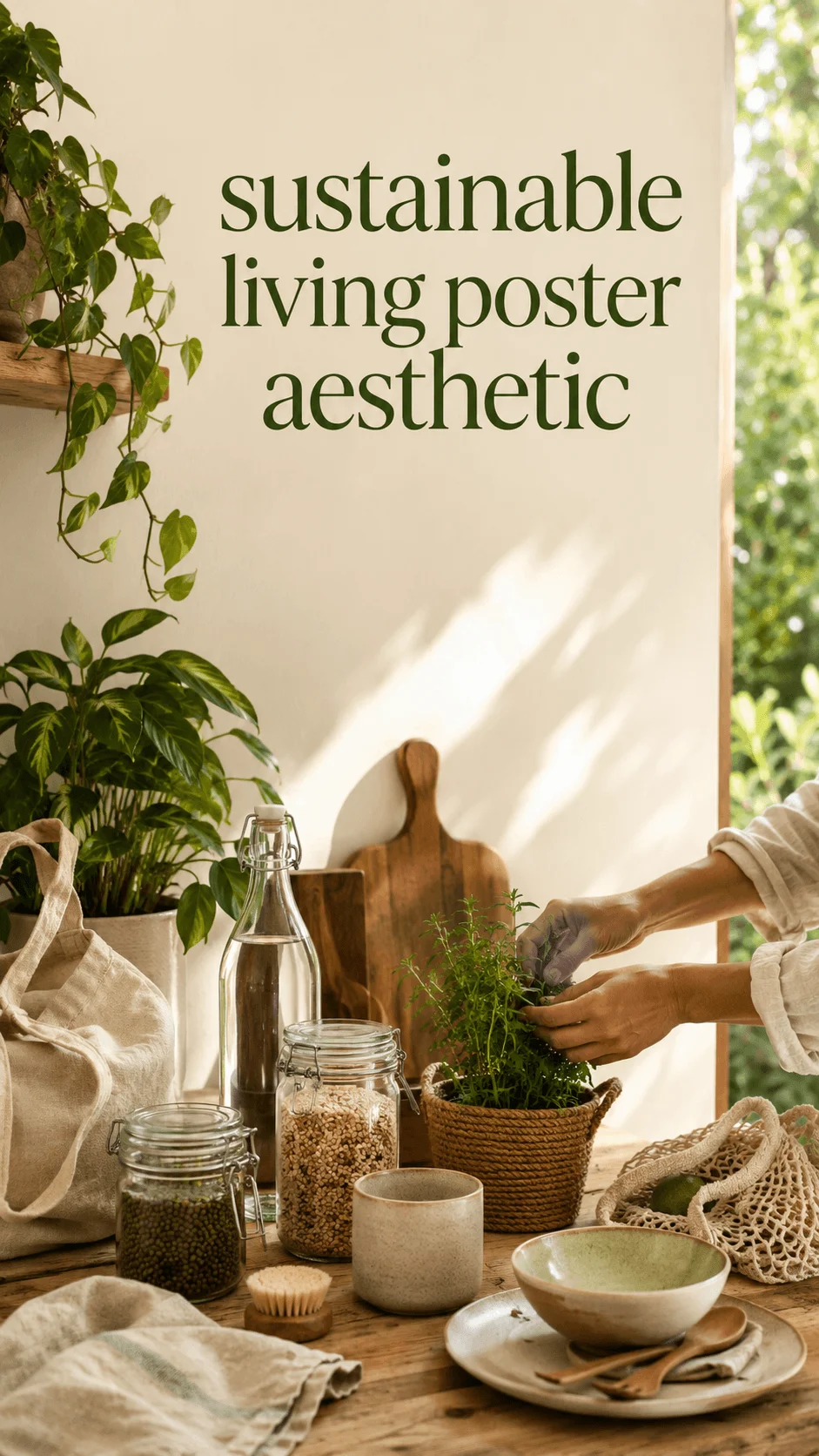
The new generation of eco inspired designs focuses on natural textures, organic shapes, earthy colors, and storytelling. These elements help audiences understand sustainability in a more personal way. Instead of only showing environmental problems, modern posters highlight hope, regeneration, and positive actions that individuals can take.
The sustainable living poster aesthetic represents this new approach by combining artistic beauty with environmental responsibility. It shows that sustainability is not only about reducing waste or protecting nature but also about creating a lifestyle that feels connected, balanced, and meaningful.
The Psychology Behind Modern Eco Poster Ideas
Design has the ability to influence emotions, and sustainability posters use this power to create stronger connections with audiences. The colors, images, and visual elements used in environmental artwork affect how people understand and remember messages.
Nature inspired sustainability posters often use green, beige, brown, and blue tones because these colors are naturally associated with forests, soil, water, and calm environments. These shades create feelings of balance and relaxation. Unlike aggressive warning based designs, modern eco artwork often creates motivation through positivity.
Images also play a major role in environmental communication. A tree growing from human hands represents care and responsibility. A home surrounded by greenery represents harmony between architecture and nature. A circular design showing product reuse represents a future where resources continue instead of becoming waste.
Minimalist sustainable poster design has become popular because simplicity allows the message to stand out. When a design contains too many elements, the main idea can become unclear. Clean layouts with carefully selected visuals create stronger impact.
Typography also influences the emotional feeling of a poster. Handwritten fonts often create a personal and natural feeling, while modern clean fonts communicate simplicity and innovation. Designers choose typography based on the message they want to express.
Another important psychological element is hope. Older environmental campaigns often focused heavily on damage and problems. Modern climate hope poster design focuses on solutions, progress, and positive change. This approach helps people feel encouraged instead of overwhelmed.
The purpose of a sustainable poster is not only to provide information. It is designed to inspire reflection and encourage action. When people feel emotionally connected to an image, they are more likely to remember its message and apply its ideas in their own lives.
12 Trending Sustainable Living Poster Aesthetic Ideas for 2026
Biophilic Living Poster Aesthetic
Biophilic design has become one of the strongest influences in sustainable artwork. It focuses on the natural connection between humans and the environment. Biophilic eco poster ideas bring elements of plants, sunlight, organic shapes, and natural landscapes into visual communication.
This style represents the idea that humans naturally need a relationship with nature. Modern lifestyles often separate people from natural environments, especially in crowded cities. Biophilic designs remind viewers about the importance of greenery, fresh air, and natural spaces.
Designers create this aesthetic by using illustrations of indoor gardens, forests, plants growing around buildings, and people interacting with natural environments. The artwork often includes soft green tones, earthy textures, and flowing shapes that represent growth and movement.
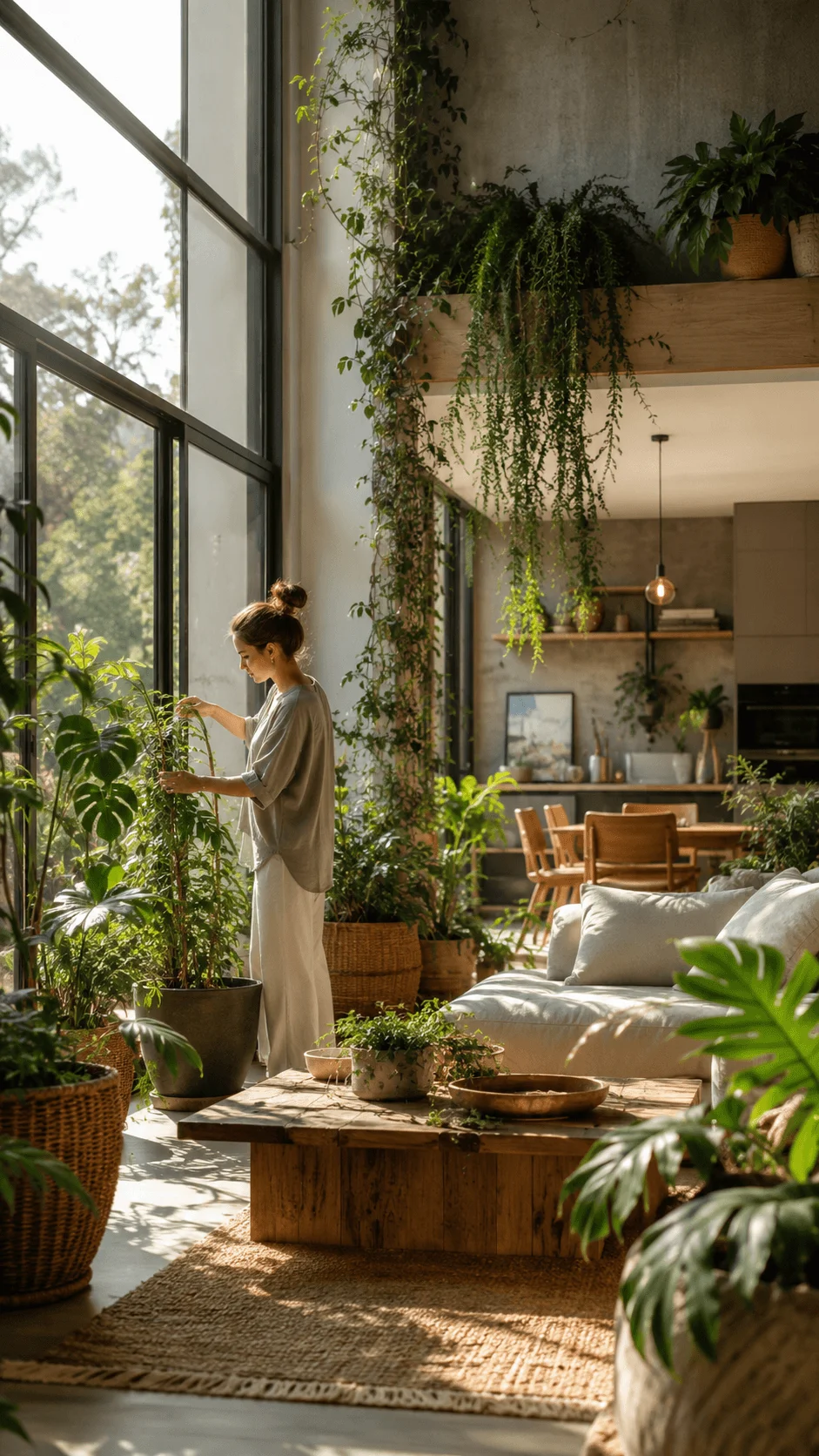
The popularity of this trend comes from increasing interest in wellness and sustainable living. People want homes and environments that feel healthier and more connected to nature. A poster using biophilic elements can communicate ideas about eco friendly homes, urban gardening, and environmental balance.
This style works especially well for schools, sustainable brands, home decor, and environmental campaigns. It creates a peaceful visual experience while delivering an important message about protecting natural spaces.
Earth In Human Hands Concept
The Earth in human hands concept is one of the most emotional approaches in environmental design. It represents the responsibility people have toward protecting the planet and creating a better future.
This design usually shows the Earth being held, protected, or supported by human hands. Sometimes designers combine the planet with growing plants, flowers, or natural landscapes to show the connection between human actions and environmental health.
The strength of this concept comes from symbolism. Hands represent care, responsibility, and action. The Earth represents shared responsibility among all people. Together, these elements create a powerful message about environmental protection.
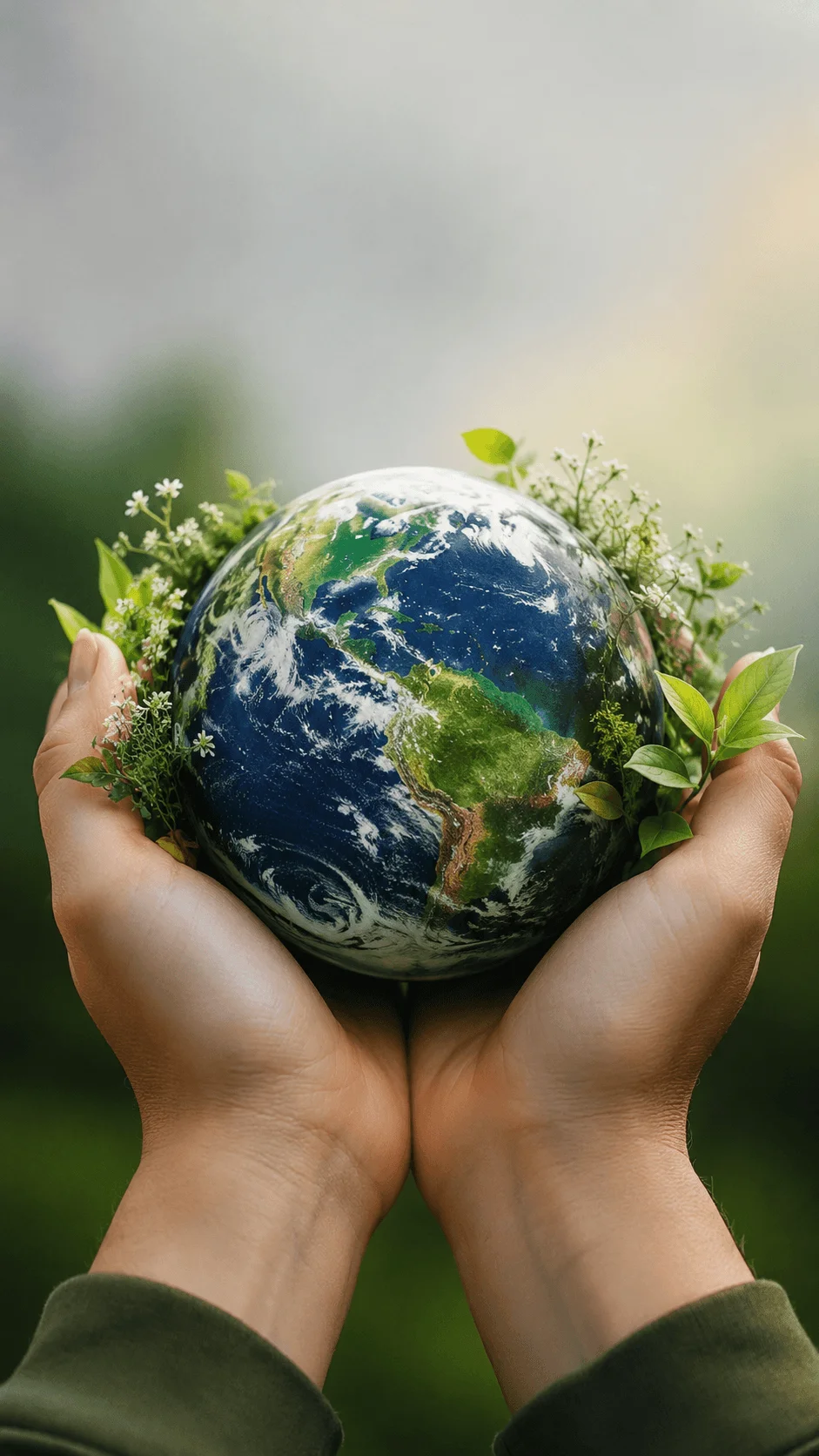
Modern sustainability campaigns use this idea because it creates an emotional connection without creating fear. Instead of focusing only on environmental damage, it reminds people that positive change is possible through individual and collective choices.
The visual style often includes realistic illustrations, soft lighting, natural colors, and simple backgrounds. These elements help the main message remain clear and memorable.
Slow Living Sustainability Aesthetic
The slow living sustainability aesthetic represents a calmer and more thoughtful approach to life. It focuses on reducing unnecessary consumption, appreciating simple experiences, and creating a stronger connection with everyday surroundings.
This trend has become popular because many people are searching for balance in a fast paced world. Sustainable living is no longer only about environmental actions. It is also connected with mental wellbeing, intentional choices, and meaningful routines.
Posters inspired by slow living often show peaceful homes, gardens, handmade objects, natural fabrics, and outdoor spaces. The designs usually include warm neutral colors such as cream, brown, olive, and soft gray.
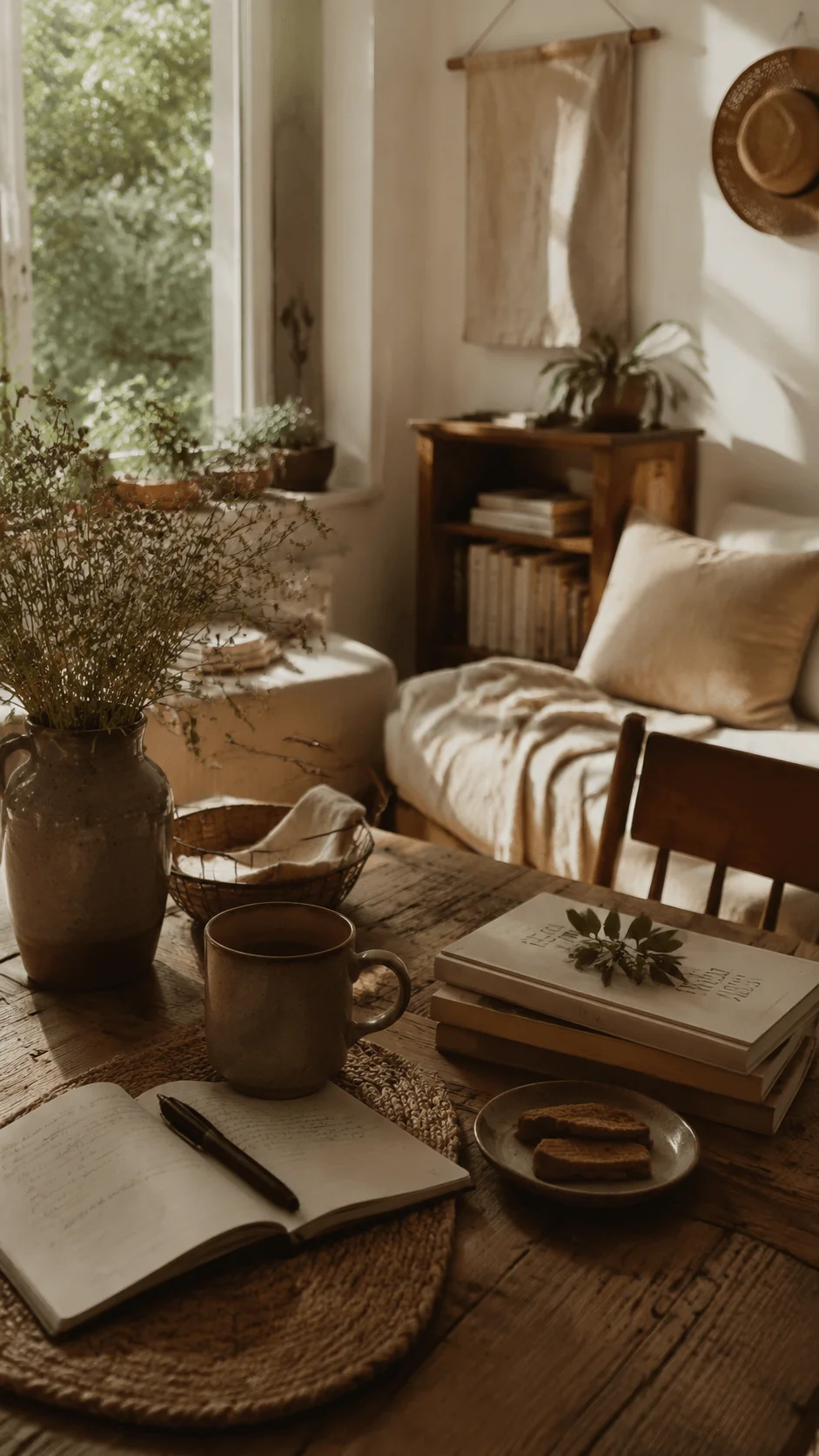
The message behind this style is that sustainability begins with everyday decisions. Choosing quality over quantity, repairing items instead of replacing them, and appreciating natural resources are all represented through this aesthetic.
Slow living posters are popular for lifestyle brands, home spaces, wellness communities, and educational projects because they communicate sustainability in a gentle and approachable way.
Eco Minimalist Poster Design
Eco minimalist poster design is becoming one of the most influential styles within modern sustainability communication. Instead of using multiple environmental symbols and complex illustrations, this approach focuses on simplicity, clarity, and strong visual messages.
The idea behind minimalist sustainable poster design is that fewer elements can often create a stronger emotional impact. A single leaf, a simple tree illustration, or one meaningful phrase can communicate sustainability more effectively than a crowded design filled with information.
Modern audiences are increasingly attracted to clean and organized visuals because they create a feeling of calmness and purpose. This design style reflects the principles of sustainable living itself by avoiding excess and focusing on what truly matters.
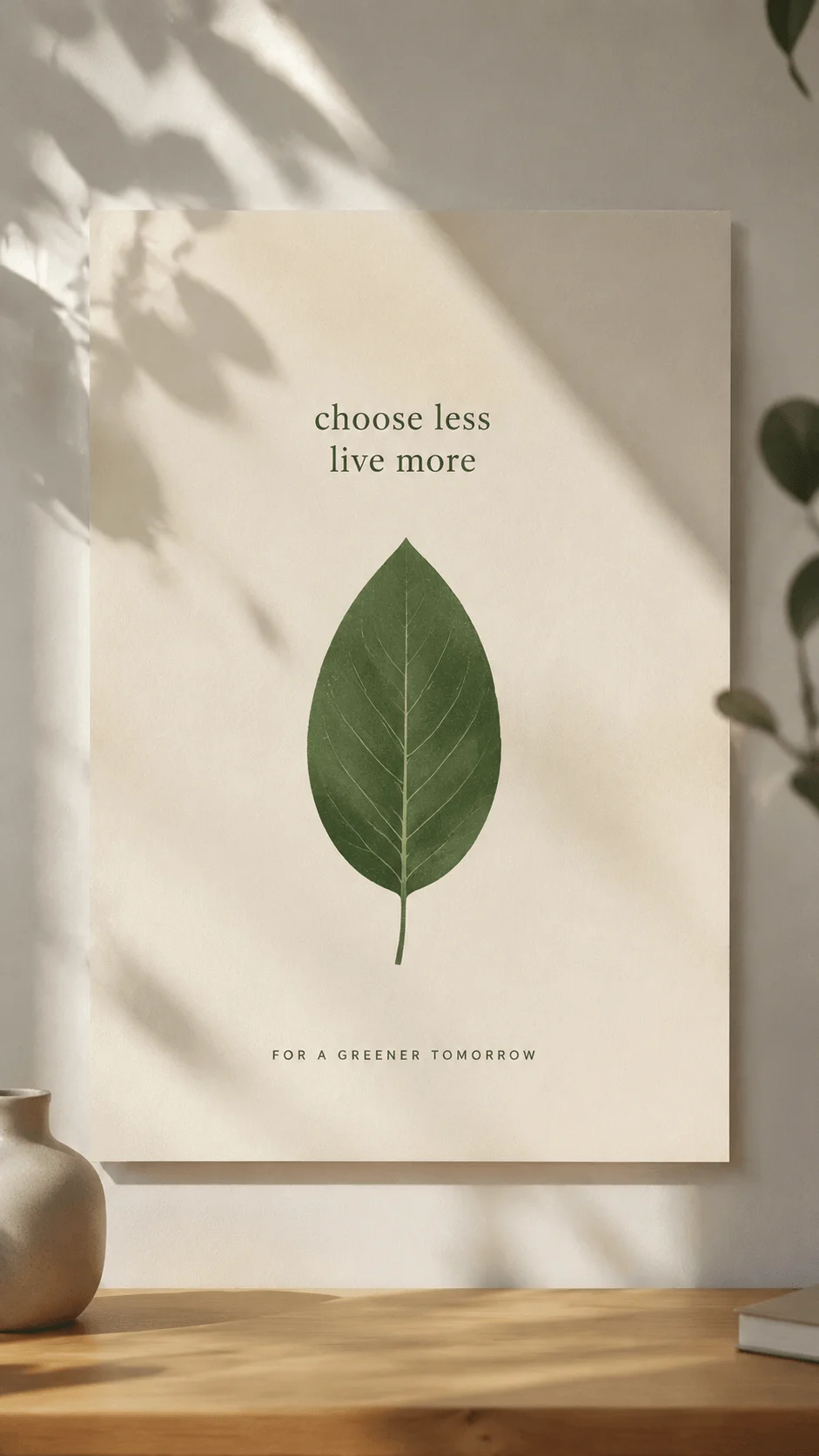
Designers usually use neutral colors, natural textures, empty spaces, and simple typography to create this aesthetic. Soft greens, beige shades, warm browns, and white backgrounds are commonly used because they represent nature and simplicity.
The popularity of this trend comes from the connection between minimalism and conscious consumption. Many people now associate a simple lifestyle with reduced waste, thoughtful choices, and environmental awareness.
Eco minimalist posters work well for sustainable brands, home decoration, educational spaces, and digital campaigns. Their timeless appearance allows them to remain relevant even as design trends change.
Regenerative Garden Aesthetic
The regenerative garden aesthetic represents a new understanding of sustainability that goes beyond protecting nature. Instead of only reducing environmental damage, regenerative design focuses on restoring ecosystems and creating healthier relationships with the natural world.
Regenerative garden posters often feature biodiversity, native plants, flowers, insects, vegetables, and natural landscapes. These designs show that gardens are not only decorative spaces but also important environments that support wildlife and ecological balance.
The growth of this trend comes from increasing awareness about soil health, local ecosystems, and sustainable food production. People are becoming more interested in growing their own food, supporting pollinators, and creating spaces where nature can recover.
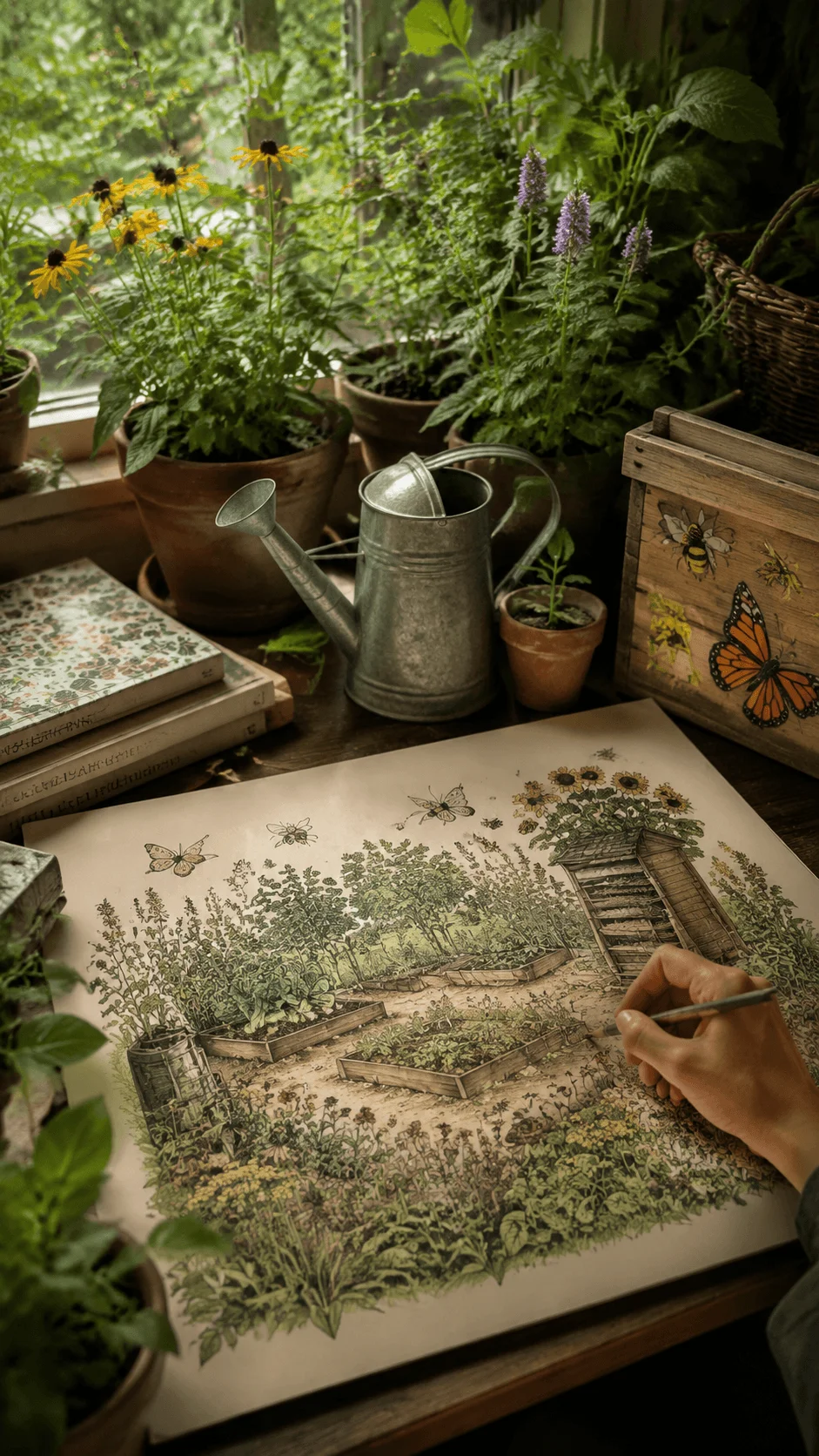
A regenerative garden poster may include illustrations of bees, butterflies, wild plants, compost systems, or community gardens. These visuals communicate the idea that small actions can contribute to larger environmental improvements.
The color palette usually includes rich greens, natural browns, floral colors, and earthy textures. Hand drawn illustrations are especially popular because they create a connection with traditional botanical artwork.
This style is effective for schools, gardening communities, environmental organizations, and sustainable lifestyle projects. It encourages people to see nature as something they can actively support rather than something separate from daily life.
Circular Economy Poster Aesthetic
The circular economy poster aesthetic introduces a more advanced approach to sustainability communication. Instead of focusing only on recycling, it explains how products and materials can continue their journey through reuse, repair, and redesign.
Traditional environmental posters often show recycling symbols, but modern circular economy designs tell a bigger story. They explain how responsible systems can reduce waste and create continuous cycles.
Designers often use circular patterns, connected illustrations, arrows, and step by step visual storytelling. A poster may show a product moving from creation to use, repair, reuse, and transformation into something new.
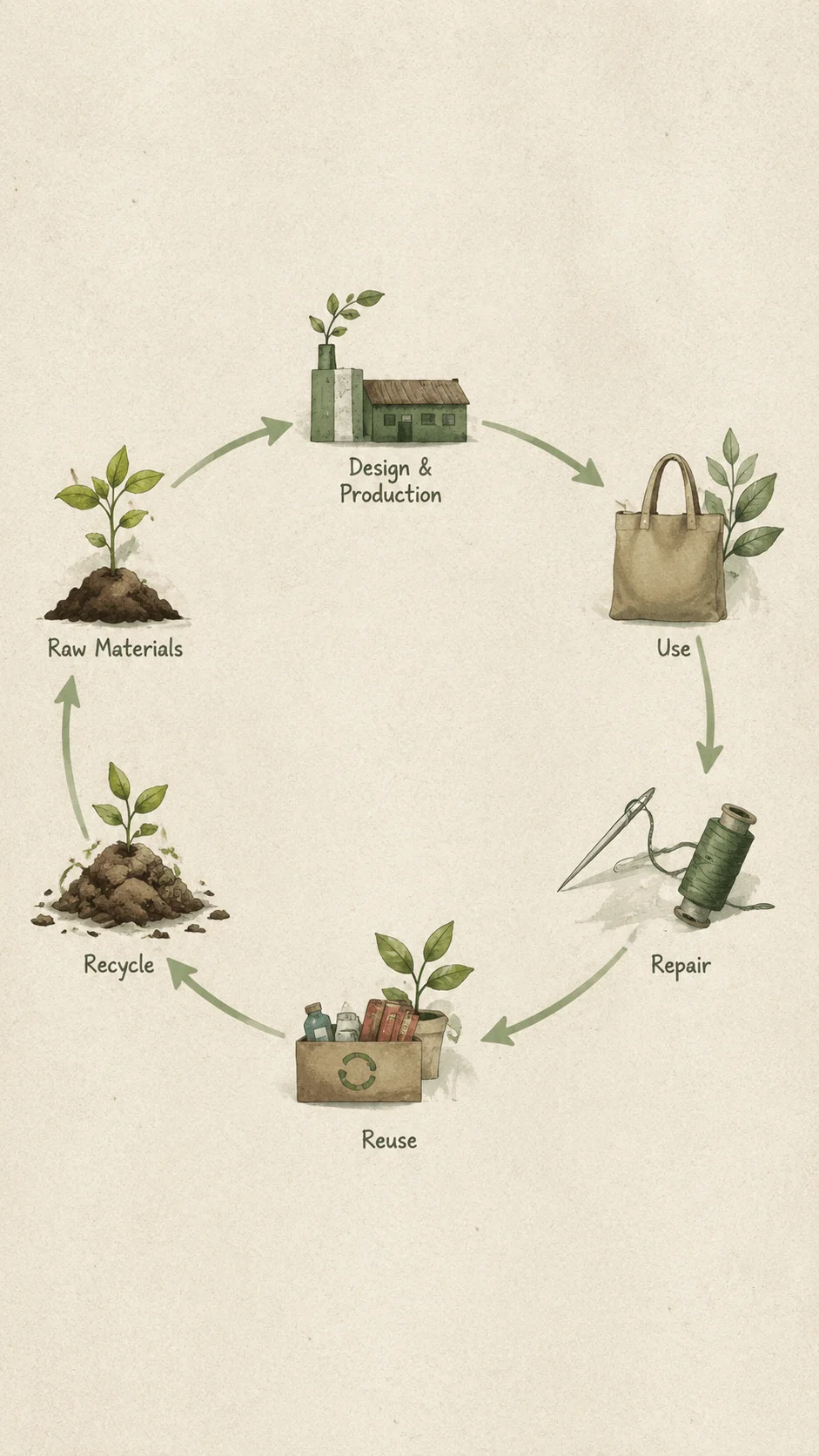
This concept is becoming popular because people are becoming more aware of the problems caused by disposable products. The circular economy represents a future where resources are valued instead of wasted.
The visual style often combines modern infographic design with artistic elements. Clean layouts, simple icons, and natural colors make complex sustainability concepts easier to understand.
Businesses, educational organizations, and environmental campaigns use this style to explain sustainable practices in a simple and attractive way.
Sustainable Home Aesthetic Poster
A sustainable home aesthetic poster focuses on the relationship between living spaces and environmental responsibility. As eco friendly architecture and conscious home design become more popular, this visual style has gained significant attention.
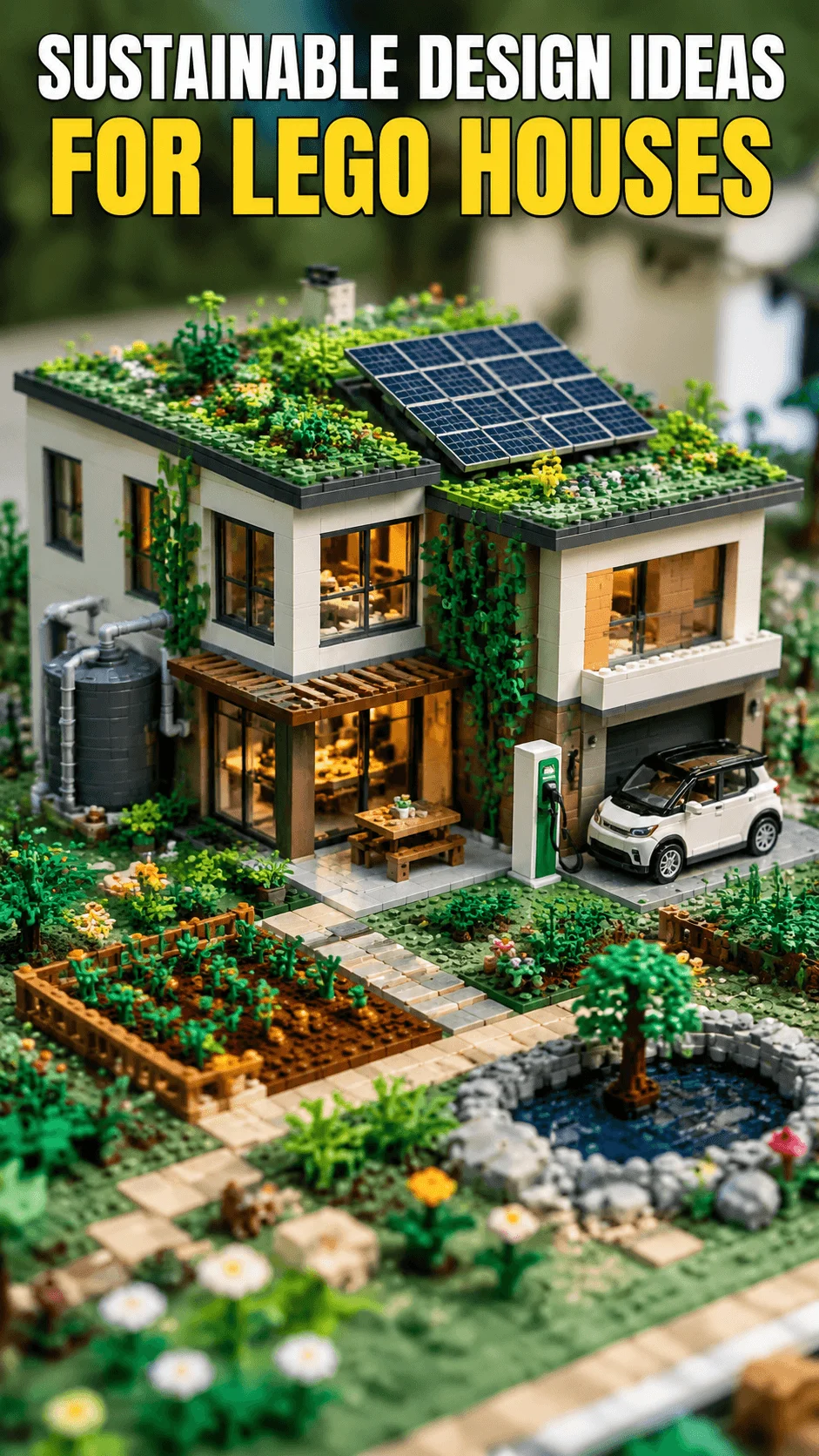
These posters usually feature energy efficient homes, solar panels, green roofs, natural materials, indoor plants, and sustainable architecture. The goal is to show that homes can provide comfort while respecting nature.
Modern sustainable home aesthetic poster designs often create a feeling of warmth and harmony. They represent homes as living environments that work together with nature instead of damaging it.
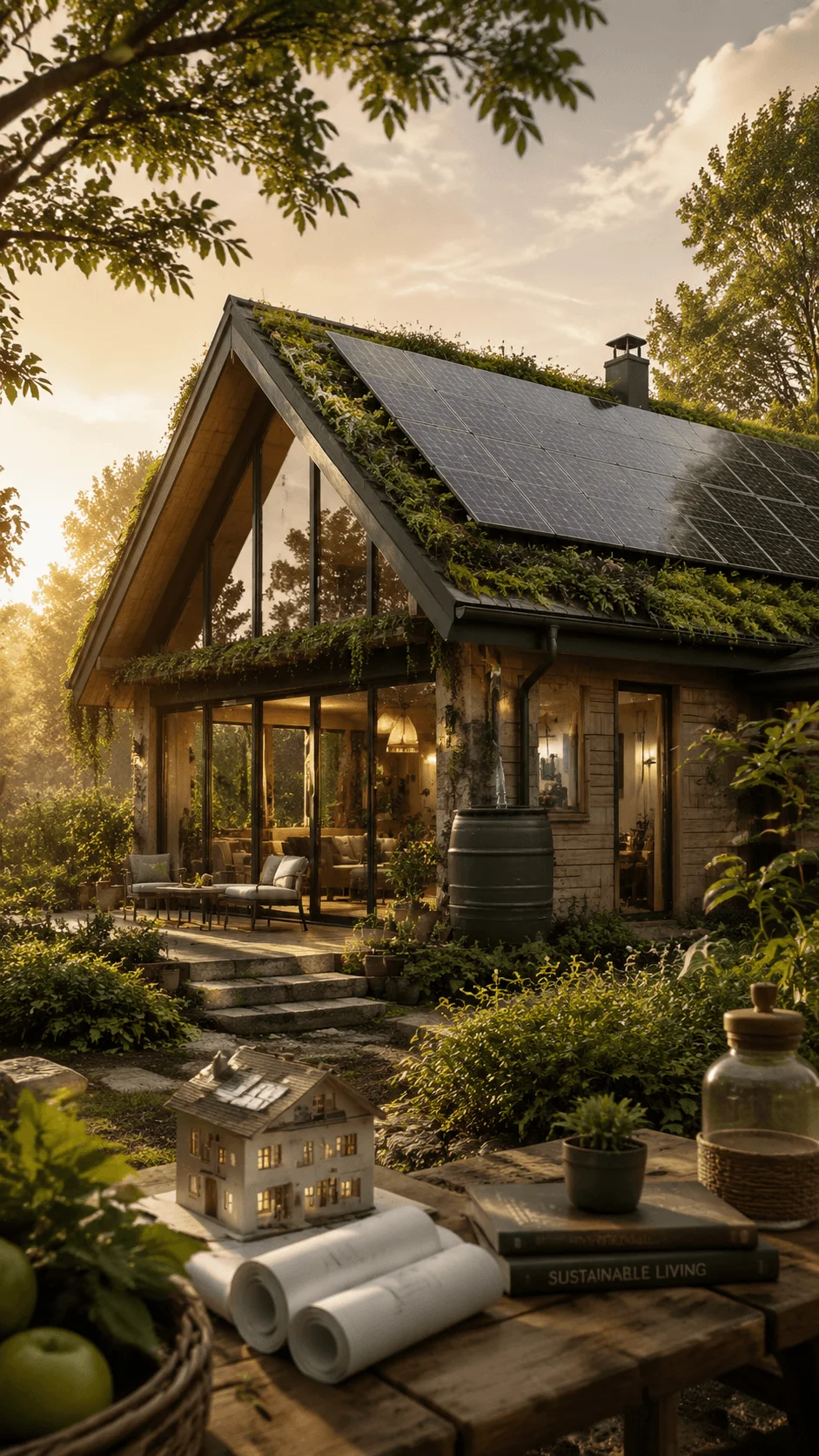
Designers commonly use wooden textures, natural lighting effects, plants, and earthy color combinations. These elements create a sense of peaceful living and environmental balance.
The trend is growing because many people are interested in creating healthier homes with lower environmental impact. Sustainable homes are becoming symbols of responsible lifestyles.
These posters are suitable for architecture studios, eco housing projects, interior design brands, and people interested in sustainable lifestyle wall art ideas.
Vintage Botanical Sustainability Poster
The vintage botanical sustainability poster combines traditional botanical illustration with modern environmental messages. This style creates a unique connection between history, nature, and contemporary sustainability.
Botanical artwork has always represented appreciation for plants and natural systems. By combining this classic style with sustainability themes, designers create posters that feel timeless and artistic.
These designs often include detailed drawings of flowers, leaves, herbs, and plants. Vintage paper textures, classic typography, and handmade elements create a nostalgic appearance.
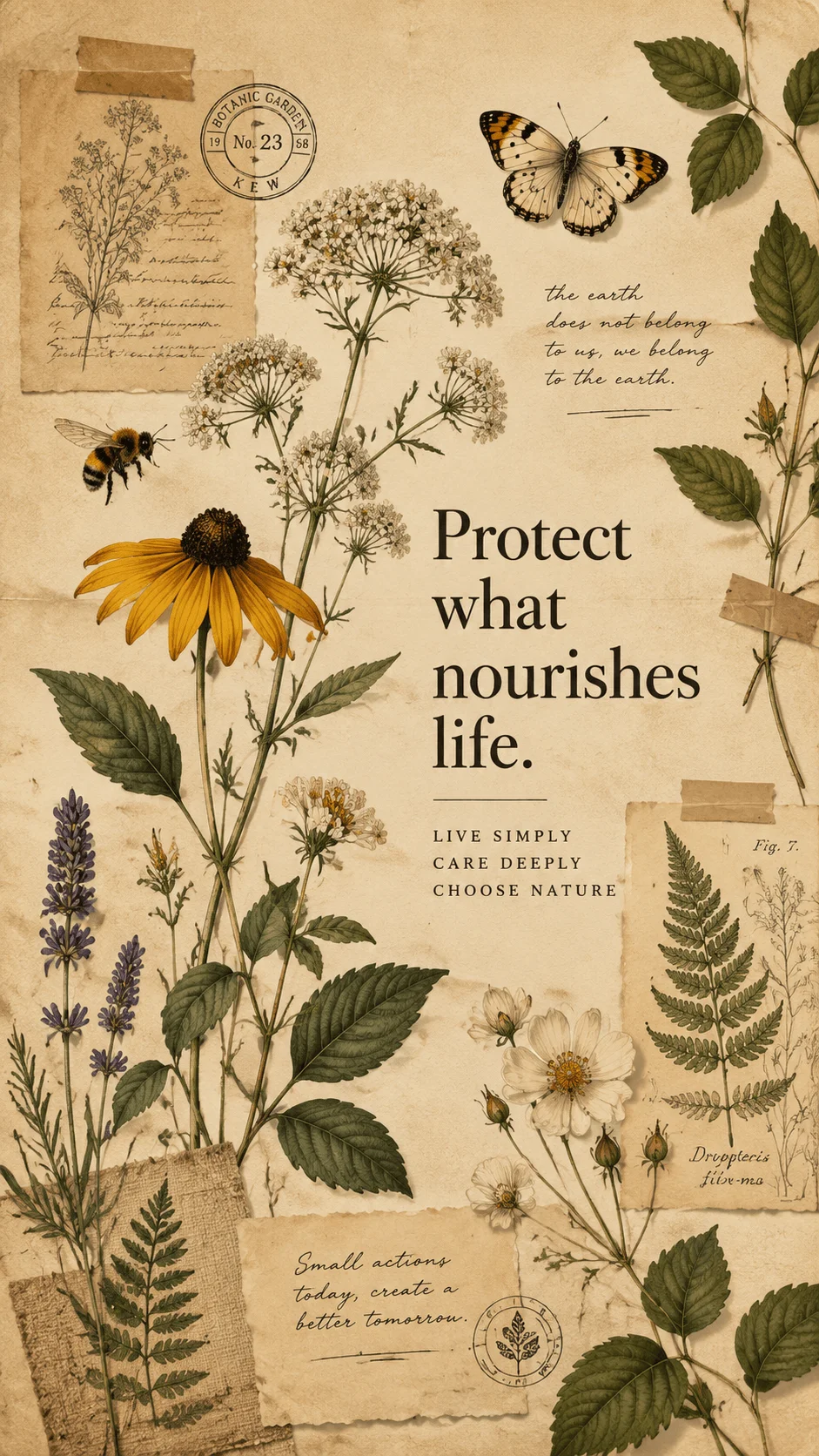
The popularity of botanical sustainability posters comes from the desire for authentic and handcrafted visuals. Many people prefer artwork that feels personal and meaningful rather than digitally produced.
This aesthetic works especially well in homes, cafes, educational spaces, and sustainable product packaging. It creates an elegant atmosphere while promoting environmental awareness.
The deeper message behind this style is appreciation. By highlighting the beauty of plants and natural systems, these posters encourage people to value and protect the environment.
Climate Hope Poster Design
Climate hope poster design represents a major shift in environmental communication. Instead of focusing only on climate problems, this approach highlights solutions, progress, and positive possibilities.
Many people feel overwhelmed by negative environmental news. Hope based designs create motivation by showing what communities can achieve through innovation and cooperation.
These posters often feature renewable energy, green cities, restored forests, children interacting with nature, and communities working together.
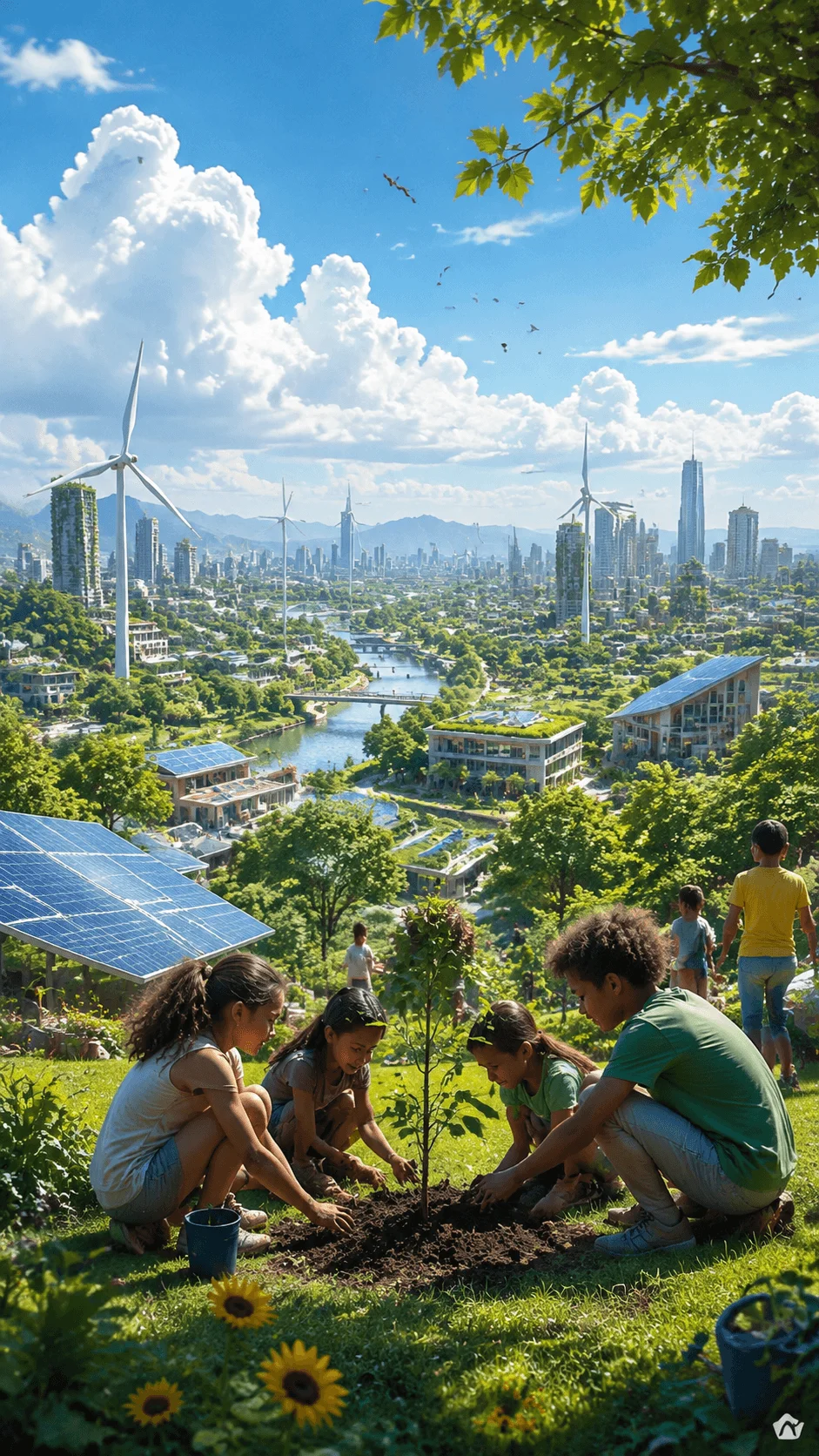
The visual style usually feels bright and optimistic. Designers use fresh colors, open landscapes, and inspiring imagery to create a sense of possibility.
The purpose of climate hope artwork is to remind people that environmental challenges can be addressed through collective action. It transforms sustainability from a difficult responsibility into an achievable goal.
Organizations, schools, and climate campaigns often use this style because it encourages participation and positive thinking.
Sustainable Fashion Lifestyle Poster
Sustainable fashion has become an important part of environmental conversations, and poster design has started reflecting this movement. Sustainable fashion posters focus on responsible clothing choices, ethical production, and reducing waste.
These designs often include natural fabrics, repaired clothing, secondhand fashion, handmade garments, and people choosing quality over quantity.
The slow fashion sustainability aesthetic challenges the idea of constantly buying new products. Instead, it encourages people to value clothing, understand production processes, and make thoughtful choices.
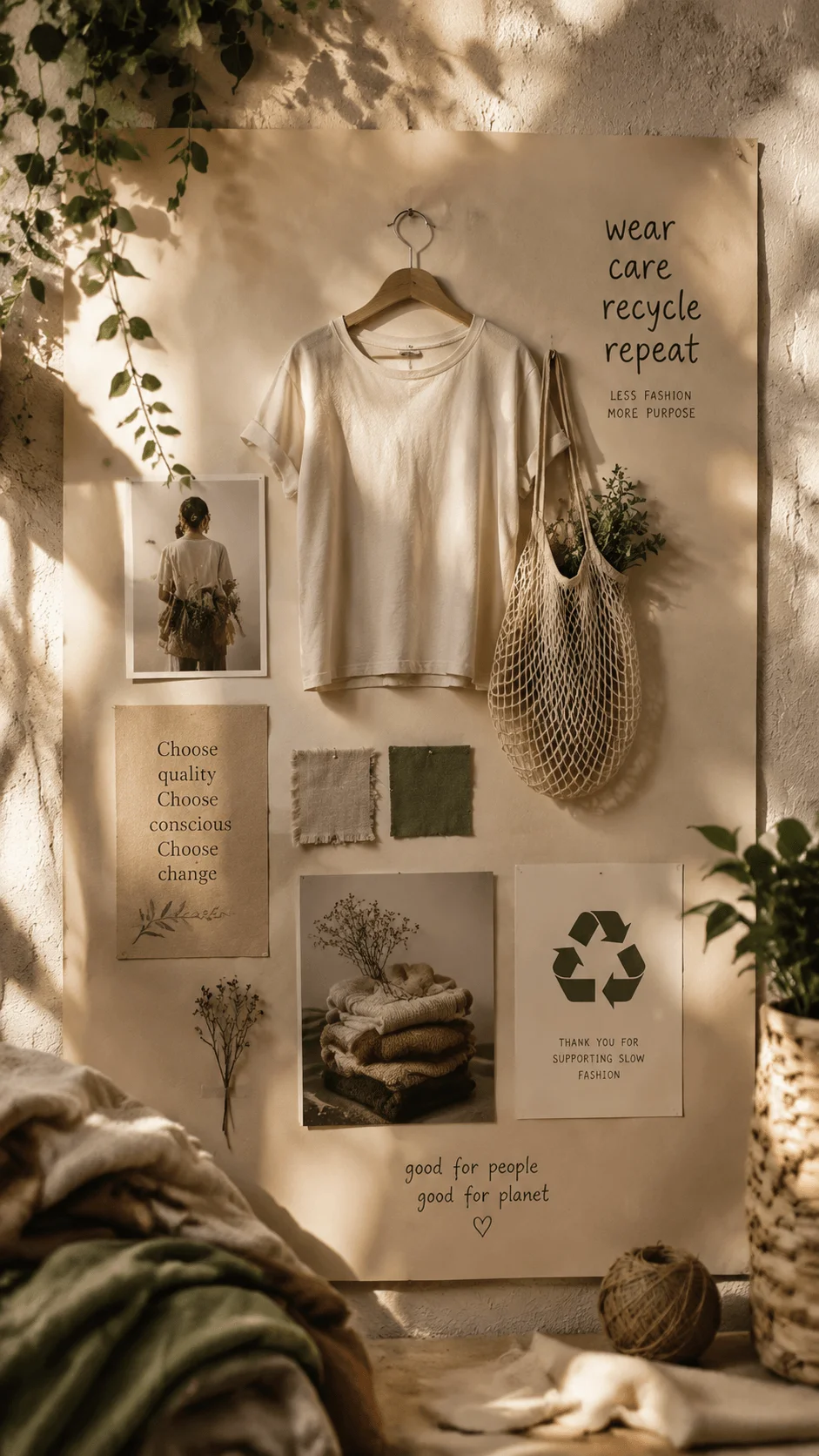
Designers use fabric textures, clothing illustrations, earthy colors, and lifestyle photography to communicate these ideas.
This style connects sustainability with personal expression. Fashion is not only about appearance but also about values and responsibility.
Sustainable fashion posters are commonly used by ethical brands, clothing communities, and educational campaigns promoting conscious consumption.
Water Conservation Aesthetic Poster
Water conservation remains one of the most important sustainability topics, and modern posters are creating more creative ways to communicate its importance.
Instead of simple water saving messages, contemporary designs use emotional storytelling. They may show forests inside water drops, communities protecting rivers, or homes using rainwater collection systems.
The water conservation aesthetic combines blue tones with natural greens and organic illustrations. These elements create a connection between water, life, and environmental balance.
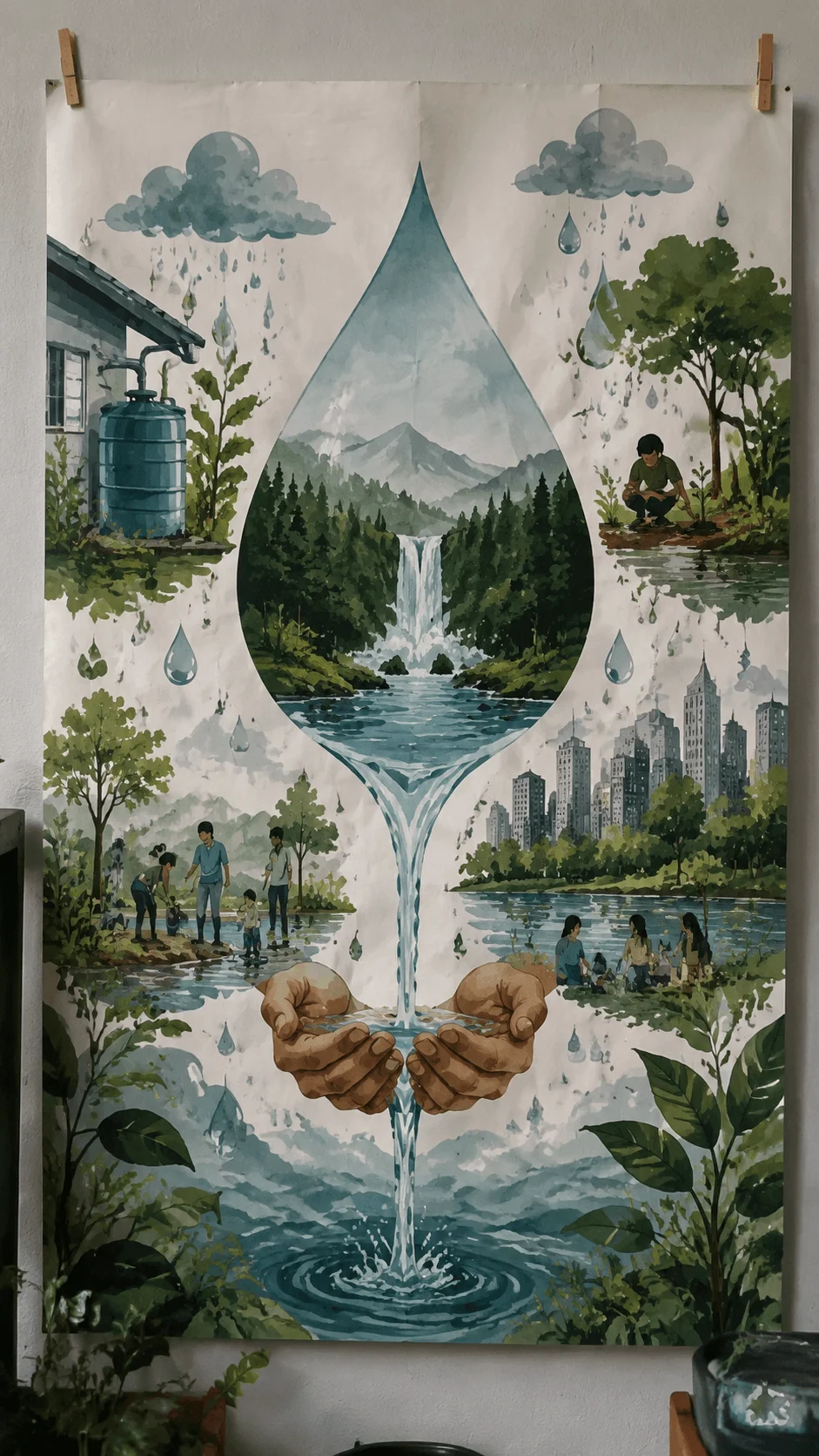
This trend is becoming more important because water challenges affect communities around the world. Creative posters help people understand that protecting water resources is connected with protecting ecosystems and future generations.
These designs are useful for schools, environmental organizations, government awareness campaigns, and sustainable communities.
AI Generated Eco Art Poster Style
AI generated eco art poster style is one of the newest developments in sustainability design. Artificial intelligence tools are allowing designers to explore creative ideas that were previously difficult to create.
This style often combines realistic nature scenes with imaginative concepts. Designers can create futuristic green cities, dreamlike forests, and artistic interpretations of environmental solutions.
The popularity of AI assisted artwork comes from its ability to create unique visual experiences. It allows sustainability messages to become more creative and emotionally engaging.
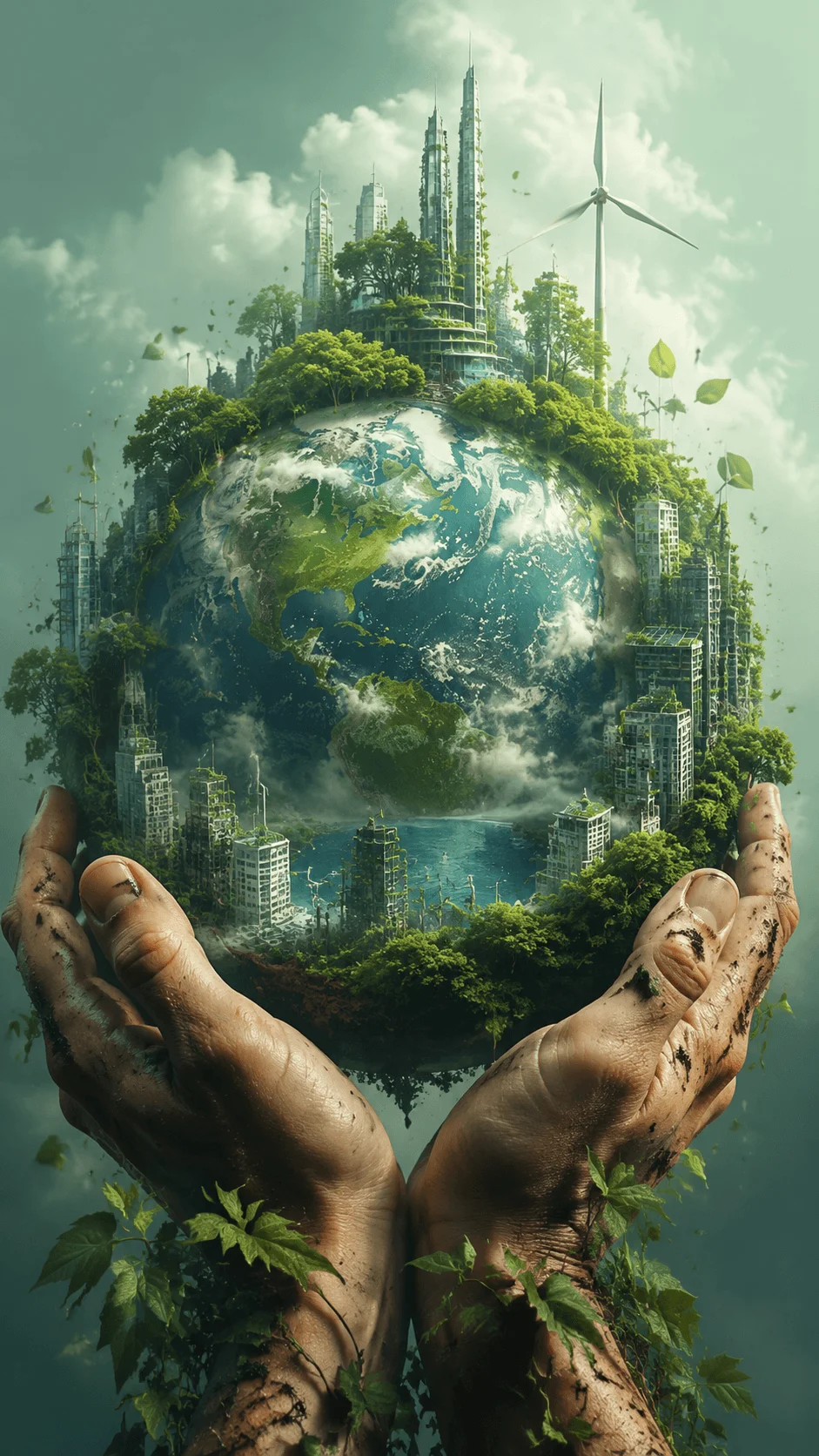
However, the strongest designs still depend on human creativity. AI can help generate visuals, but meaningful storytelling and environmental understanding remain essential.
Future sustainable artwork will likely combine technology with ecological thinking. AI tools will support designers in creating new forms of environmental communication.
Future Trends In Sustainable Living Poster Aesthetic Design
The future of sustainable design will continue moving toward personalization, technology, and deeper emotional storytelling. People want environmental messages that connect with their own lifestyles and experiences.
AI assisted design will continue creating new possibilities, but human creativity will remain essential. Designers will combine digital tools with natural inspiration to develop unique visual languages.
More brands will use sustainability artwork as part of their identity. Eco conscious businesses will rely on thoughtful visuals to communicate their values and connect with environmentally aware customers.
Nature inspired sustainability posters will continue growing because people are searching for stronger connections with the natural world. Urban gardening, green architecture, biodiversity, and climate solutions will influence future designs.
Community focused artwork will also become more important. Posters will highlight collective action, local projects, and shared responsibility rather than only individual choices.
Conclusion
The sustainable living poster aesthetic represents a new way of communicating environmental ideas through creativity, emotion, and design. These posters are no longer simple awareness materials. They have become visual stories that connect people with nature, encourage mindful choices, and represent a more balanced way of living.
From biophilic designs and regenerative gardens to minimalist artwork and AI generated eco creations, modern sustainability posters show that environmental communication can be both beautiful and meaningful.
The future of sustainability design will continue combining technology, creativity, and ecological awareness. As more people embrace conscious lifestyles, these artistic approaches will help inspire positive change and make sustainability a visible part of everyday life.