12 Sustainable ADU Design Ideas for Eco Friendly Homes
Sustainable ADU design ideas are becoming one of the most important trends in modern housing as homeowners search for smaller, smarter, and environmentally responsible living solutions. Accessory Dwelling Units, commonly known as ADUs, are no longer viewed as simple backyard apartments or additional rooms. In 2026, they are evolving into advanced living spaces that combine renewable energy, smart technology, innovative materials, and climate conscious architecture.
Growing concerns about climate change, rising energy costs, limited housing availability, and changing lifestyles are encouraging people to rethink traditional home design. Many homeowners now want properties that consume fewer resources while providing better comfort and long term value. Sustainable ADUs provide an opportunity to create efficient homes that support both environmental responsibility and modern living needs.
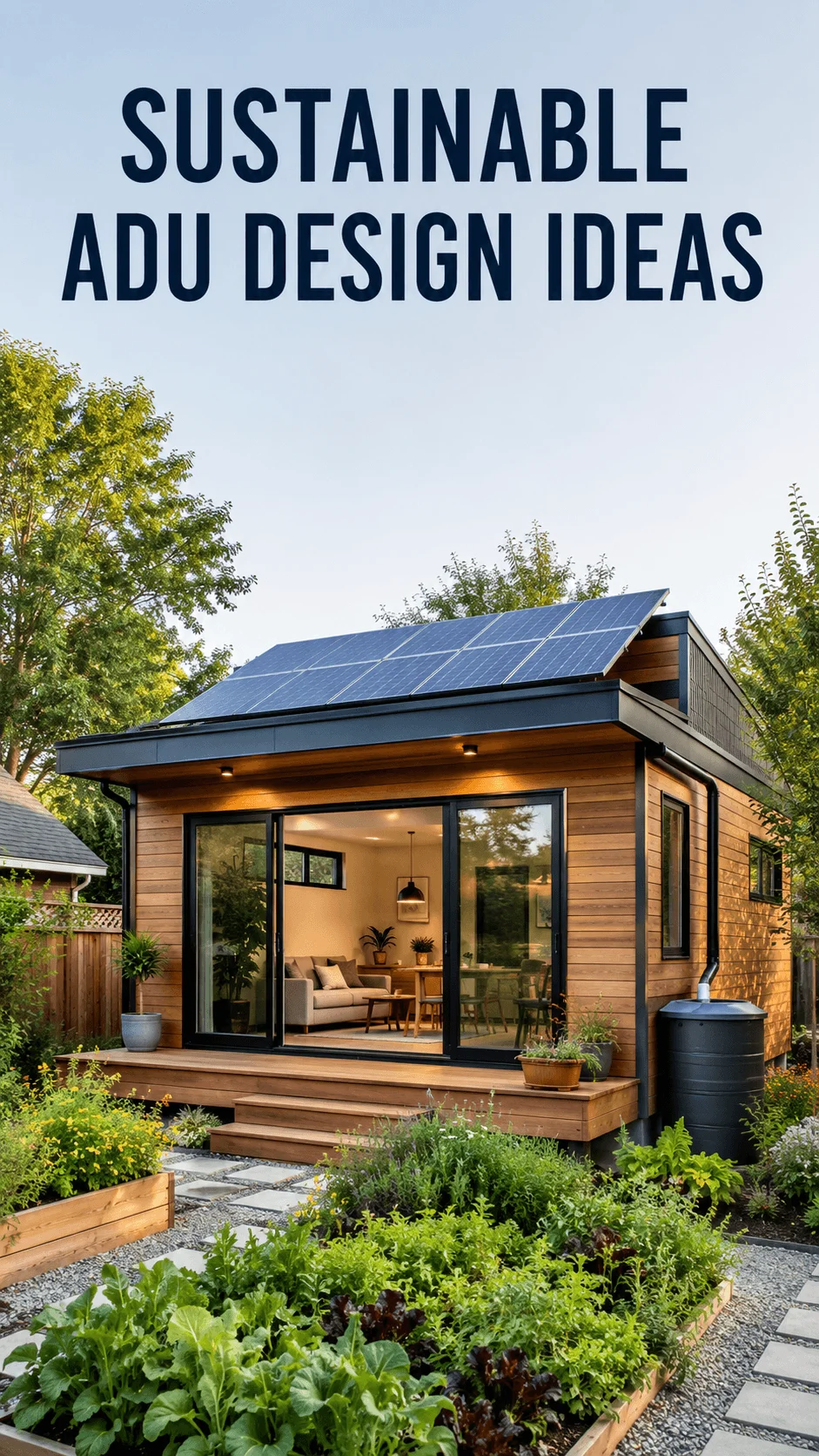
Unlike conventional small buildings, future focused ADUs are designed around principles such as energy independence, resource conservation, natural integration, and technological improvement. Designers are exploring solutions like solar powered homes, artificial intelligence systems, regenerative landscapes, and advanced eco friendly materials to create spaces that have a lower environmental impact.
These compact homes also support changing lifestyles because they can serve multiple purposes. They can become rental properties, guest houses, home offices, elderly housing, or independent living spaces. By combining sustainability with flexibility, ADUs are becoming an important part of the future housing landscape.
1. Net Zero Energy ADU Design Ideas for Self Sufficient Homes
Net zero energy ADU design ideas are gaining popularity because they allow small homes to produce as much energy as they consume. Instead of depending completely on traditional energy sources, these homes use renewable systems and efficient construction methods to reduce their environmental impact.
A net zero ADU usually combines solar panels, battery storage, energy efficient appliances, advanced insulation, and smart monitoring systems. Solar panels installed on the roof can generate electricity throughout the day, while battery systems store extra energy for nighttime use or periods with limited sunlight. This approach allows homeowners to reduce dependence on external energy supplies.
Energy efficiency begins with the structure itself. Designers focus on airtight construction, high performance windows, and insulation materials that maintain indoor temperatures. A well insulated ADU requires less heating during winter and less cooling during summer, which significantly reduces energy consumption.
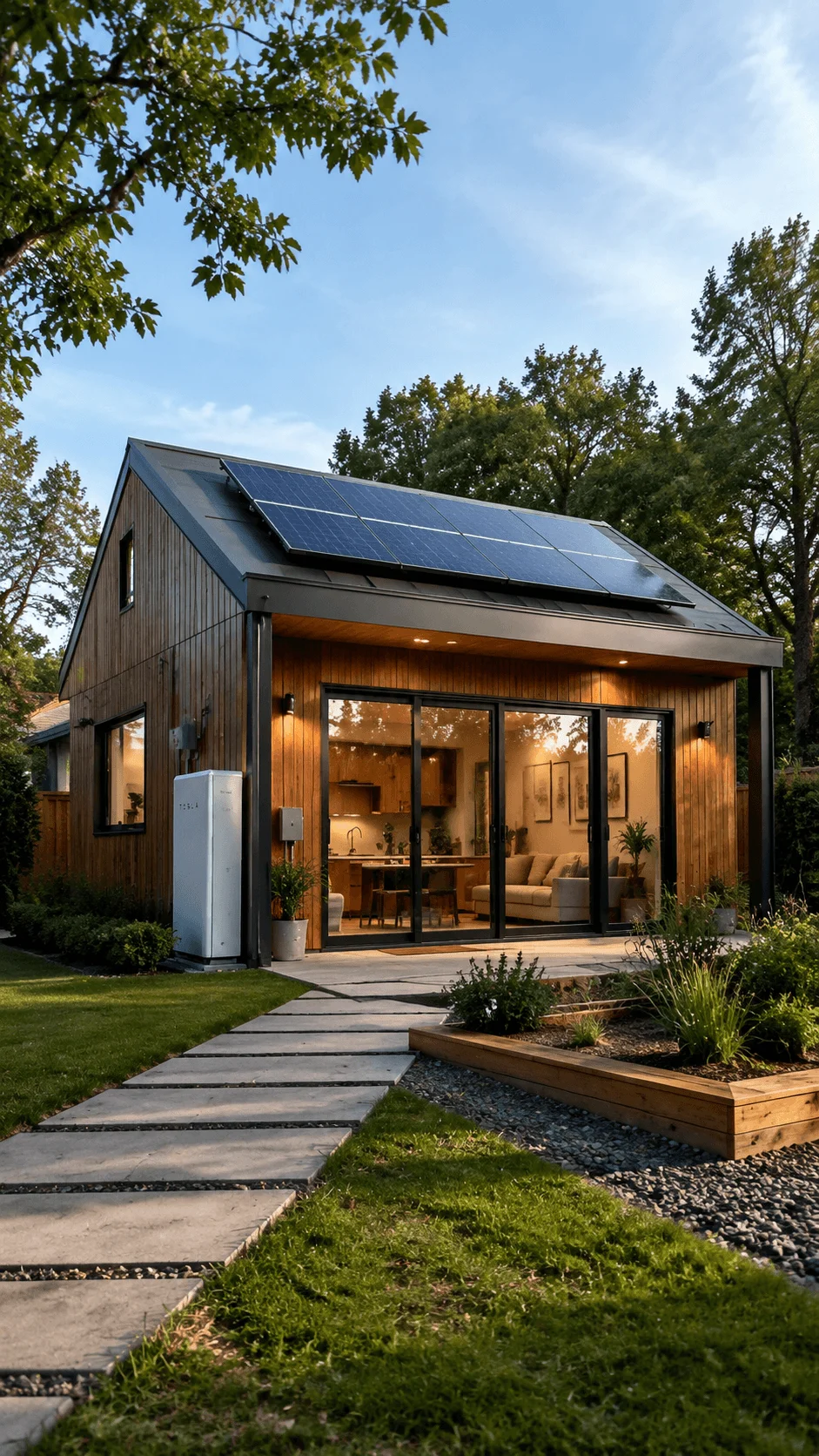
Modern net zero homes also use smart energy management systems. These technologies monitor electricity usage and identify areas where energy can be saved. For example, an intelligent system can automatically adjust heating and cooling based on occupancy patterns, weather conditions, and user preferences.
The popularity of net zero ADUs is increasing because homeowners want predictable energy costs. Traditional homes often experience rising utility expenses, but energy independent designs provide greater financial stability over time. Although the initial investment may be higher, the long term savings and environmental benefits make this approach attractive.
Future net zero ADUs may include advanced technologies such as transparent solar materials, improved battery systems, and artificial intelligence based energy management. These developments will make small homes even more efficient and practical.
2. Smart Sustainable ADU Design With Artificial Intelligence Technology
Smart sustainable ADU design represents a major shift in how people think about small homes. Technology is transforming ADUs from simple living spaces into intelligent environments that can understand user behaviour and automatically improve efficiency.
Artificial intelligence is becoming an important part of future housing because it can analyze energy usage, indoor conditions, and environmental patterns. An AI powered ADU can adjust temperature settings, control lighting, and manage appliances according to daily routines.
For example, an intelligent climate system can learn when residents usually wake up, leave the house, or return home. It can automatically reduce energy consumption when nobody is present and prepare comfortable conditions before residents arrive. This reduces waste while improving convenience.
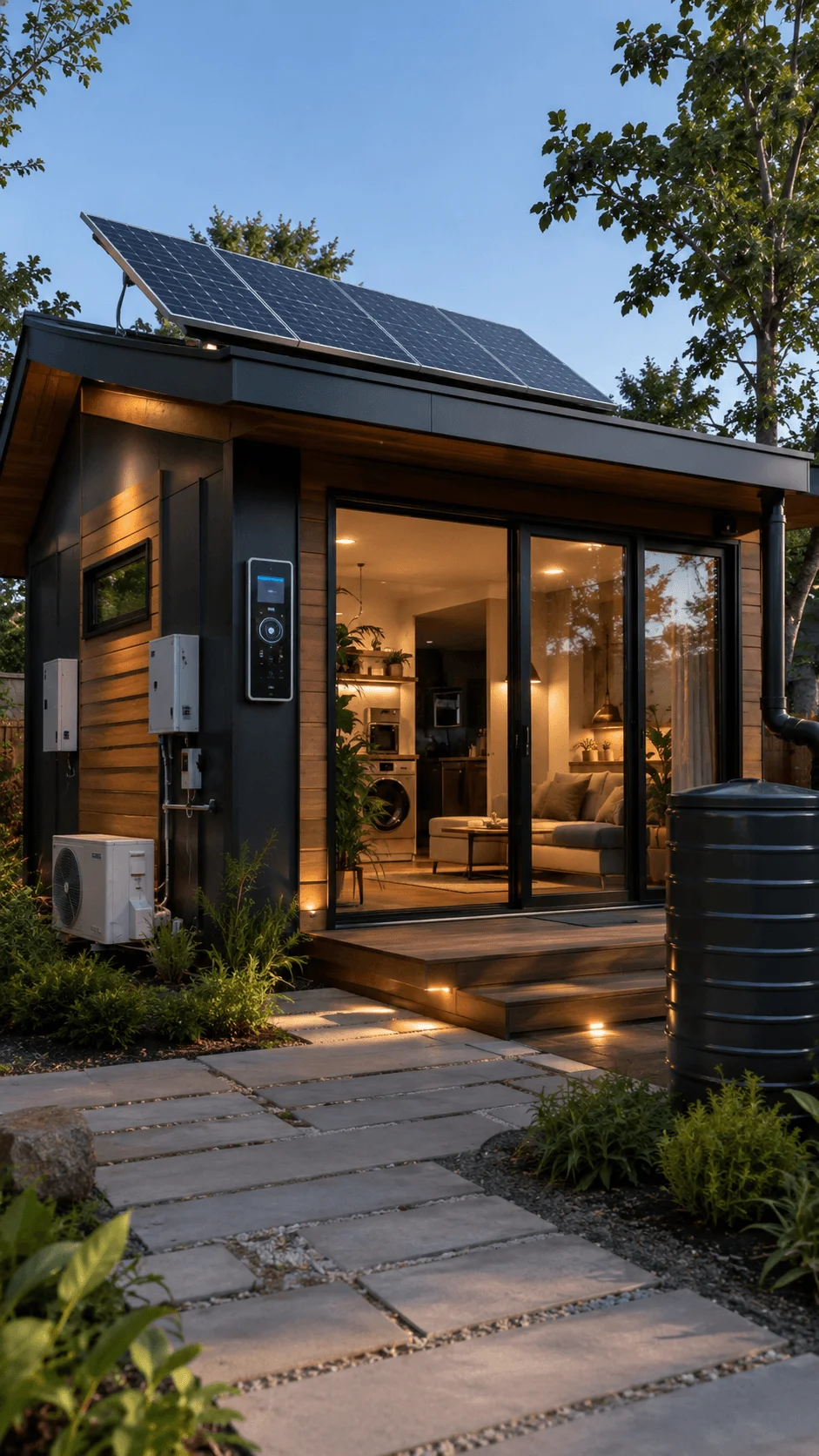
Smart lighting systems also contribute to sustainability. Sensors can detect natural daylight levels and adjust artificial lighting accordingly. This prevents unnecessary electricity use while maintaining a comfortable indoor environment.
Water management is another area where smart technology can create benefits. Advanced systems can monitor water consumption, detect leaks, and suggest ways to reduce unnecessary usage. These features are especially valuable in regions facing water shortages.
Future AI based ADUs may include predictive maintenance systems that identify problems before they become expensive repairs. For example, smart sensors could detect unusual energy patterns or equipment performance changes and alert homeowners.
The combination of artificial intelligence and sustainable architecture creates homes that continuously improve efficiency. Instead of relying only on human decisions, these homes actively manage resources and adapt to changing conditions.
3. Modular Sustainable ADU Homes With Efficient Construction Methods
Modular sustainable ADU homes are becoming increasingly popular because they provide a faster and more environmentally responsible alternative to traditional construction. These homes are built using prefabricated components created in controlled factory environments before being transported and assembled on site.
Traditional construction often creates significant material waste because cutting, transportation, and weather conditions can lead to unused resources. Modular construction reduces this problem by using precise manufacturing processes that optimize material usage.
Another advantage of modular ADUs is faster construction time. Since many components are prepared before arriving at the property, installation requires less time compared with conventional building methods. This reduces disruption for homeowners and lowers labour costs.
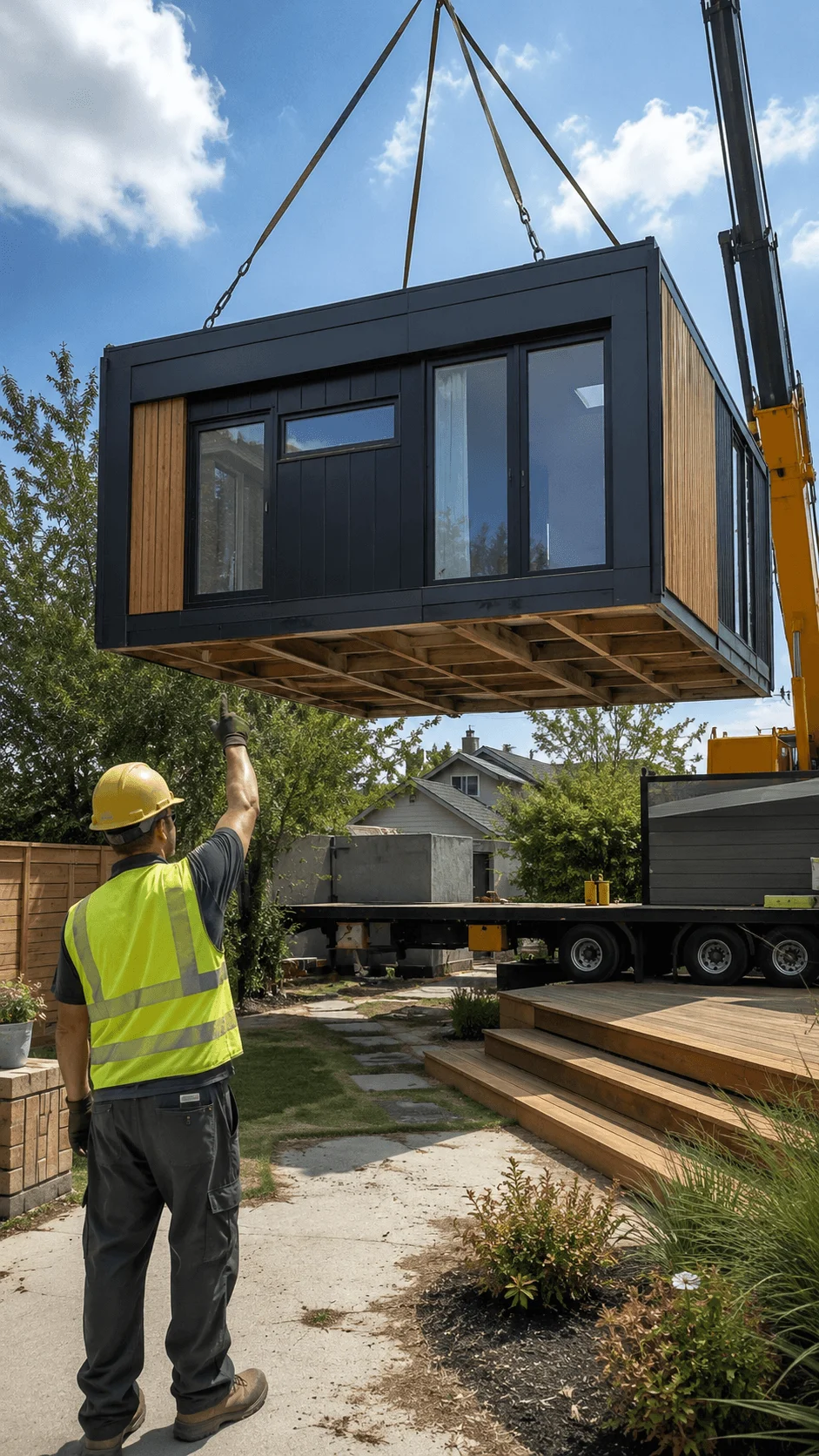
Sustainable modular designs also allow manufacturers to use environmentally friendly materials more efficiently. Recycled materials, renewable resources, and energy efficient components can be integrated into the design from the beginning.
Many future modular ADUs will focus on flexibility. Instead of creating permanent structures that become outdated, designers are developing adaptable systems where rooms, walls, and components can be modified according to changing needs.
For example, an ADU designed as a home office today could later become a guest room, rental unit, or elderly living space. This adaptability increases the lifespan of the building and reduces the need for future reconstruction.
The combination of efficient production, reduced waste, and flexible design makes modular construction an important part of sustainable backyard ADU ideas. As technology improves, modular homes are expected to become more attractive, affordable, and environmentally friendly.
4. Biophilic ADU Design Ideas Connecting Homes With Nature
Biophilic ADU design ideas focus on creating a stronger connection between indoor living spaces and the natural environment. This approach is becoming popular because modern homeowners increasingly understand that sustainable housing is not only about reducing energy use but also about improving human wellbeing.
Biophilic design uses natural elements such as plants, sunlight, fresh air, organic materials, and outdoor views to create healthier living environments. In small ADUs, these elements are especially valuable because thoughtful design can make compact spaces feel larger and more comfortable.
Large windows and glass doors allow natural light to enter the home while creating visual connections with gardens and outdoor areas. Proper daylight design reduces the need for artificial lighting and creates a more pleasant atmosphere.
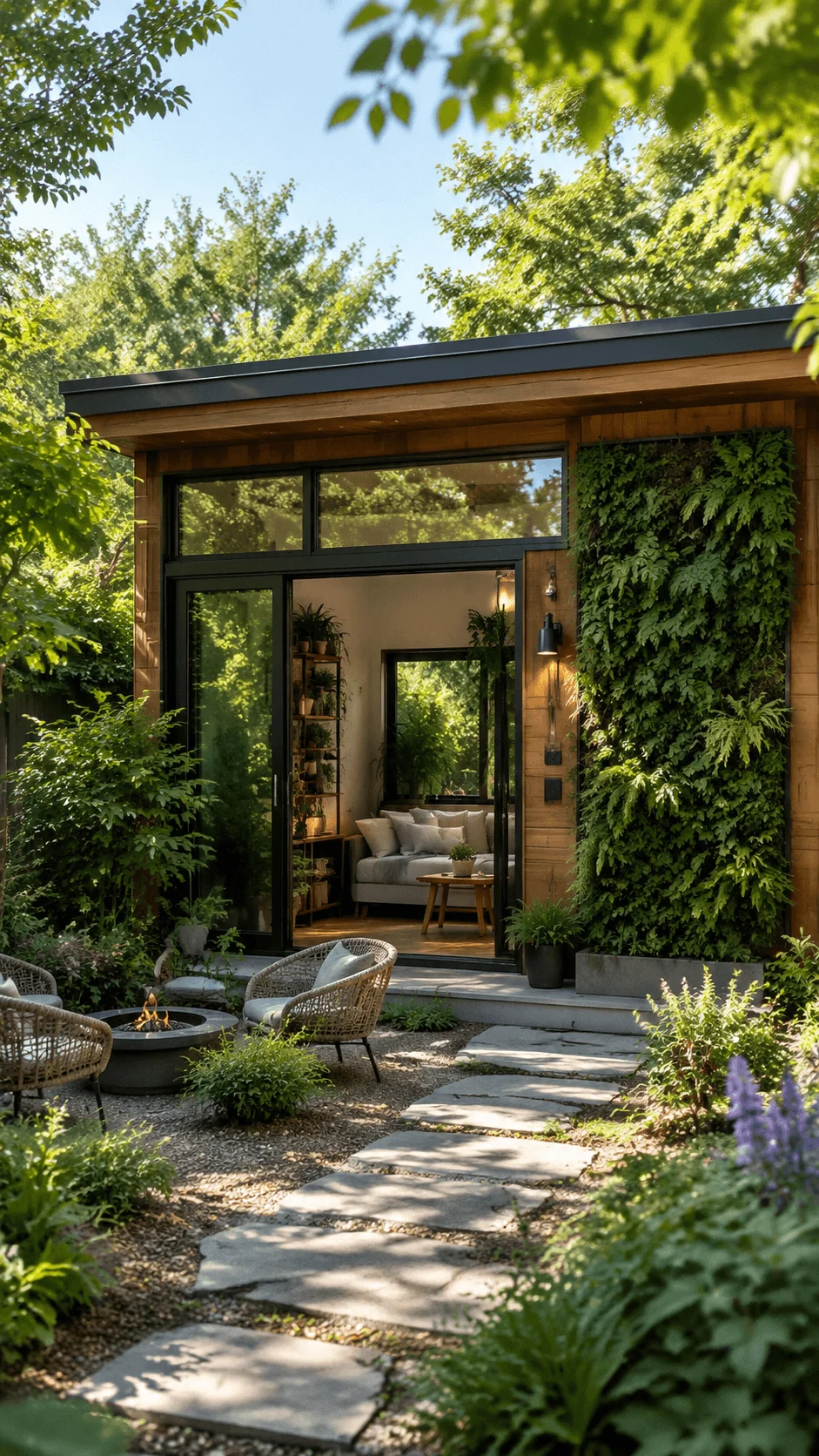
Indoor plants and living walls are also becoming common features in eco friendly ADU designs. They improve indoor appearance, support better air quality, and create a calming environment. Green spaces around the ADU can also support biodiversity by attracting birds, insects, and beneficial wildlife.
Natural materials such as wood, stone, bamboo, and recycled materials add warmth and reduce dependence on synthetic products. These materials create a closer relationship between the home and its surrounding environment.
Biophilic ADUs often include outdoor living areas such as small gardens, patios, and shaded spaces. These areas expand the usable space while encouraging residents to spend more time connected with nature.
As urban areas become more crowded, biophilic design provides a way to bring natural experiences into smaller homes. It demonstrates that sustainable housing can support both environmental goals and human health.
5. Carbon Negative ADU Design for Restorative Housing
Carbon negative ADU design is one of the most advanced concepts shaping the future of sustainable housing. While traditional green buildings focus on reducing environmental damage, carbon negative homes aim to remove more carbon from the atmosphere than they produce.
This approach requires careful selection of materials, construction methods, and energy systems. Designers are exploring materials that store carbon during their lifespan, including sustainable timber, bio based insulation, and innovative natural composites.
A carbon negative ADU may combine renewable energy systems with materials that capture carbon. For example, certain plant based materials absorb carbon dioxide while they grow and continue storing carbon after becoming part of a building structure.
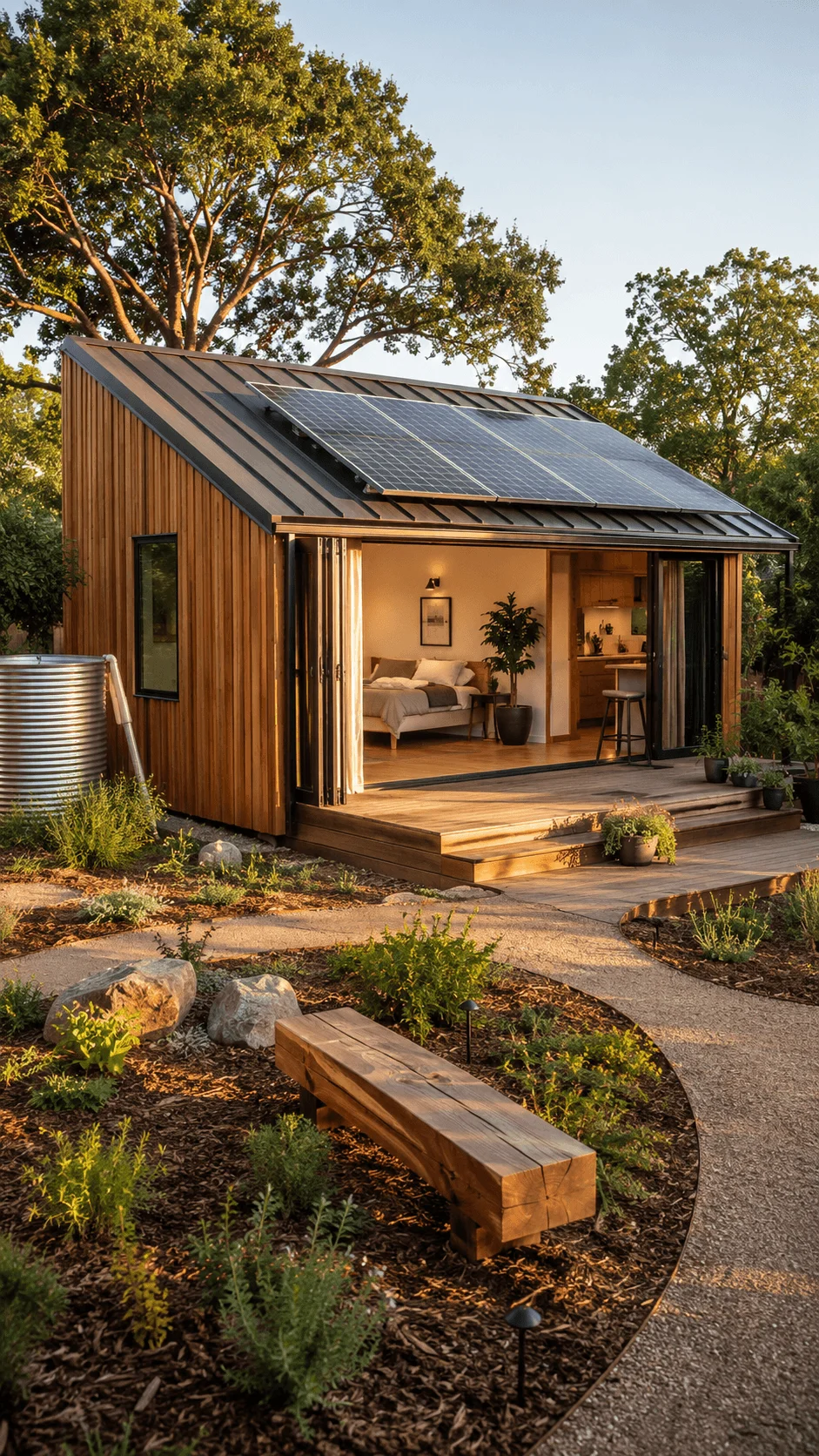
Regenerative landscaping also plays an important role in these designs. Trees, native plants, and soil improvement techniques can help capture carbon while supporting local ecosystems.
The concept of carbon negative housing is becoming more important because sustainability is moving beyond simple reduction. Future homeowners are increasingly interested in buildings that actively contribute to environmental improvement.
Although carbon negative ADUs are still developing, advances in material science and construction technology are making them more achievable. These homes represent a future where buildings can become part of climate solutions rather than contributors to environmental problems.
6. Passive Solar ADU Design for Maximum Energy Efficiency
Passive solar ADU design focuses on using natural environmental conditions to create comfortable indoor spaces without depending heavily on mechanical heating and cooling systems. This approach uses architectural planning, building orientation, window placement, and thermal materials to naturally regulate temperature throughout the year.
The main principle behind passive solar design is understanding how sunlight moves around a property. Designers position windows and living areas strategically so the home can capture useful sunlight during colder months while avoiding excessive heat during warmer seasons. This reduces the demand for air conditioning and heating systems.
High performance windows play an important role in energy efficient ADUs. Properly placed windows allow natural light to enter while preventing unwanted heat transfer. Modern glazing technologies can improve insulation and help maintain stable indoor temperatures.
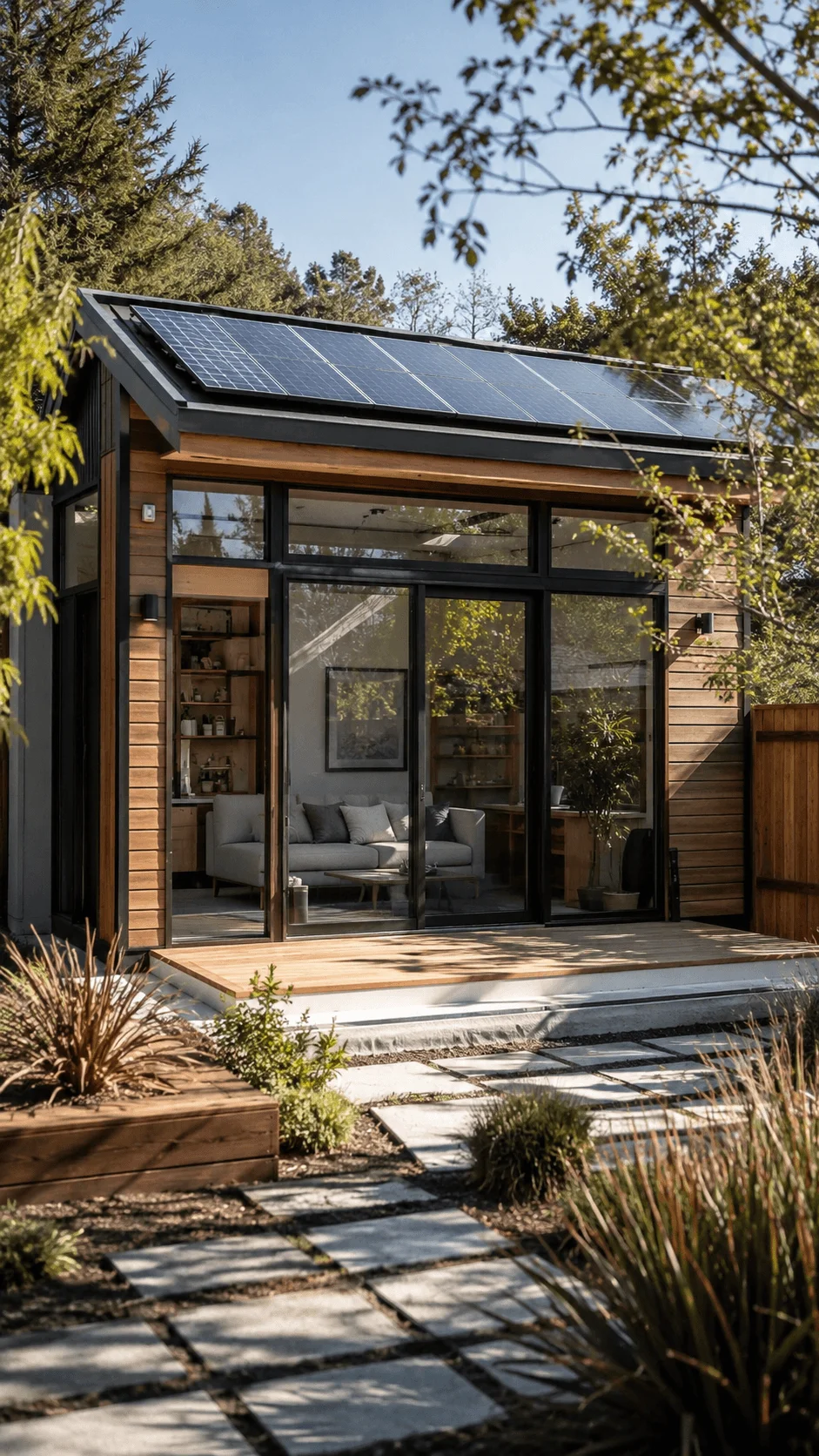
Thermal mass is another important element of passive solar architecture. Materials such as concrete, stone, and certain types of natural building products can absorb heat during the day and release it slowly when temperatures drop. This creates a more stable indoor environment.
Natural ventilation also improves comfort by allowing fresh air movement without using excessive energy. Carefully designed openings can encourage airflow and reduce indoor heat buildup during warmer seasons.
Passive solar strategies are becoming increasingly popular because they combine sustainability with practical benefits. Homeowners can enjoy comfortable spaces while reducing electricity consumption and lowering long term operating costs.
Future sustainable ADU design ideas will likely include more advanced climate responsive architecture where buildings automatically work with natural conditions instead of constantly fighting against them.
7. Off Grid Sustainable ADU Design Ideas for Independent Living
Off grid sustainable ADU design ideas are attracting homeowners who want greater independence from traditional utility systems. These homes are designed to operate with minimal connection to external resources by using renewable energy, water conservation systems, and efficient resource management.
Solar energy is one of the most important components of off grid ADUs. Solar panels combined with battery storage systems allow residents to generate and store their own electricity. This approach is especially valuable in locations where traditional energy infrastructure is expensive or unreliable.
Water management is another major focus of off grid living. Rainwater harvesting systems can collect water from rooftops and store it for irrigation or household use after proper treatment. Greywater recycling systems can also reuse water from sinks and showers for landscaping purposes.
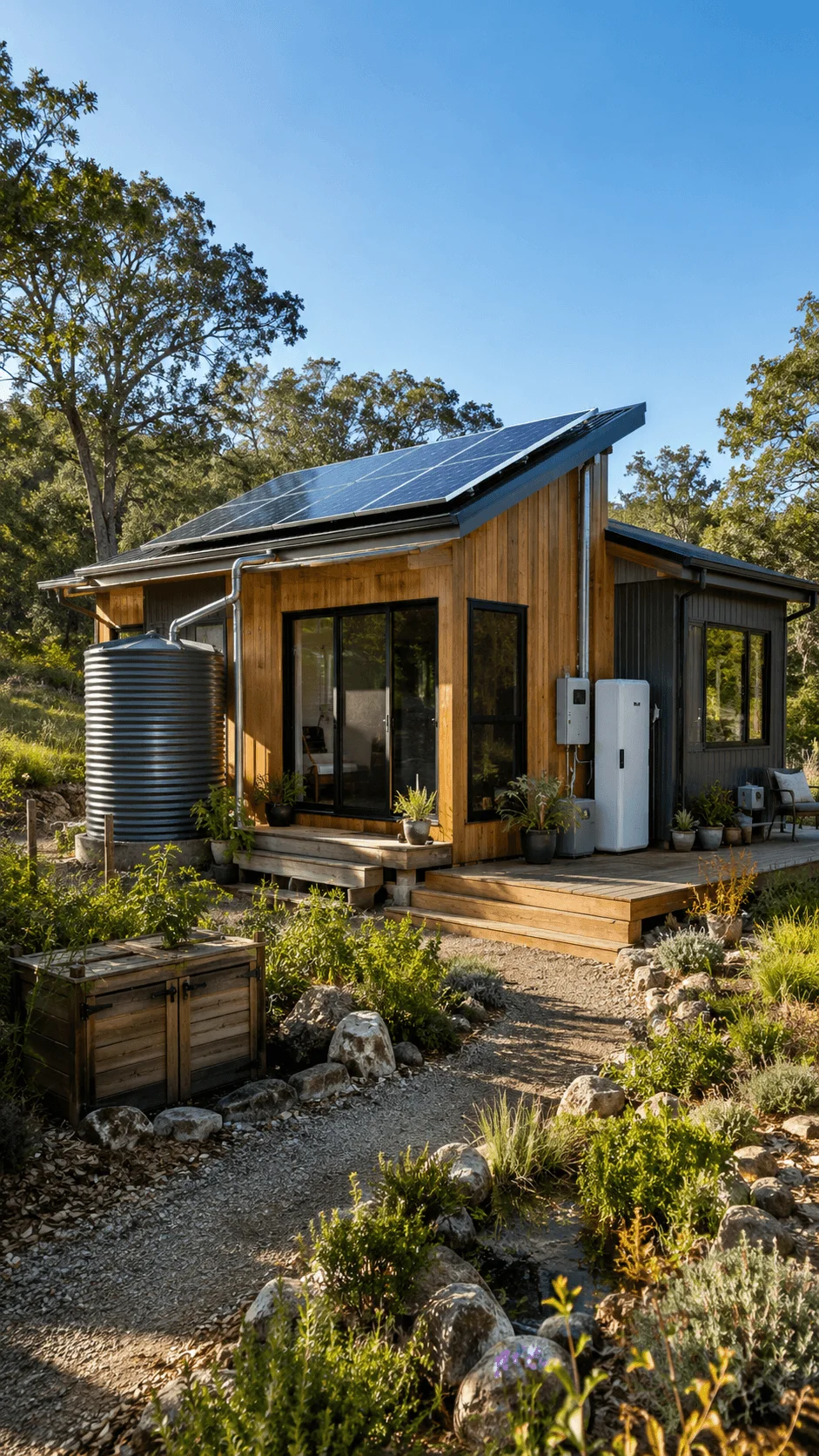
Efficient waste management systems are becoming more common in environmentally responsible ADUs. Composting solutions and advanced waste reduction methods help decrease the amount of material sent to landfills.
Off grid homes also encourage a simpler lifestyle by reducing unnecessary resource consumption. Because these homes are designed around efficiency, residents often become more aware of their energy and water usage.
Modern off grid ADUs are not limited to remote locations. Many urban homeowners are exploring these designs because they provide resilience during power outages and reduce monthly expenses.
As renewable technology continues improving, off grid ADUs will become more practical and comfortable. Future designs may include improved solar technology, smarter energy storage, and automated resource management systems.
8. Circular Economy ADU Design Systems for Reduced Waste
Circular economy ADU design systems focus on changing the traditional approach to construction. Instead of creating buildings that eventually become waste, circular design aims to create homes where materials can be reused, repaired, and transformed for future purposes.
Traditional construction often follows a linear model where materials are extracted, used, and discarded. Circular design creates a different approach by considering the entire lifecycle of every component before construction begins.
Designers following circular principles select materials that can be easily separated, repaired, or recycled. For example, flooring, wall panels, and structural components can be created in ways that allow replacement without destroying the entire building.
Adaptability is another important part of circular ADUs. A well designed small home should be able to change as the needs of residents change. A room that functions as an office today could become a bedroom or rental space in the future.
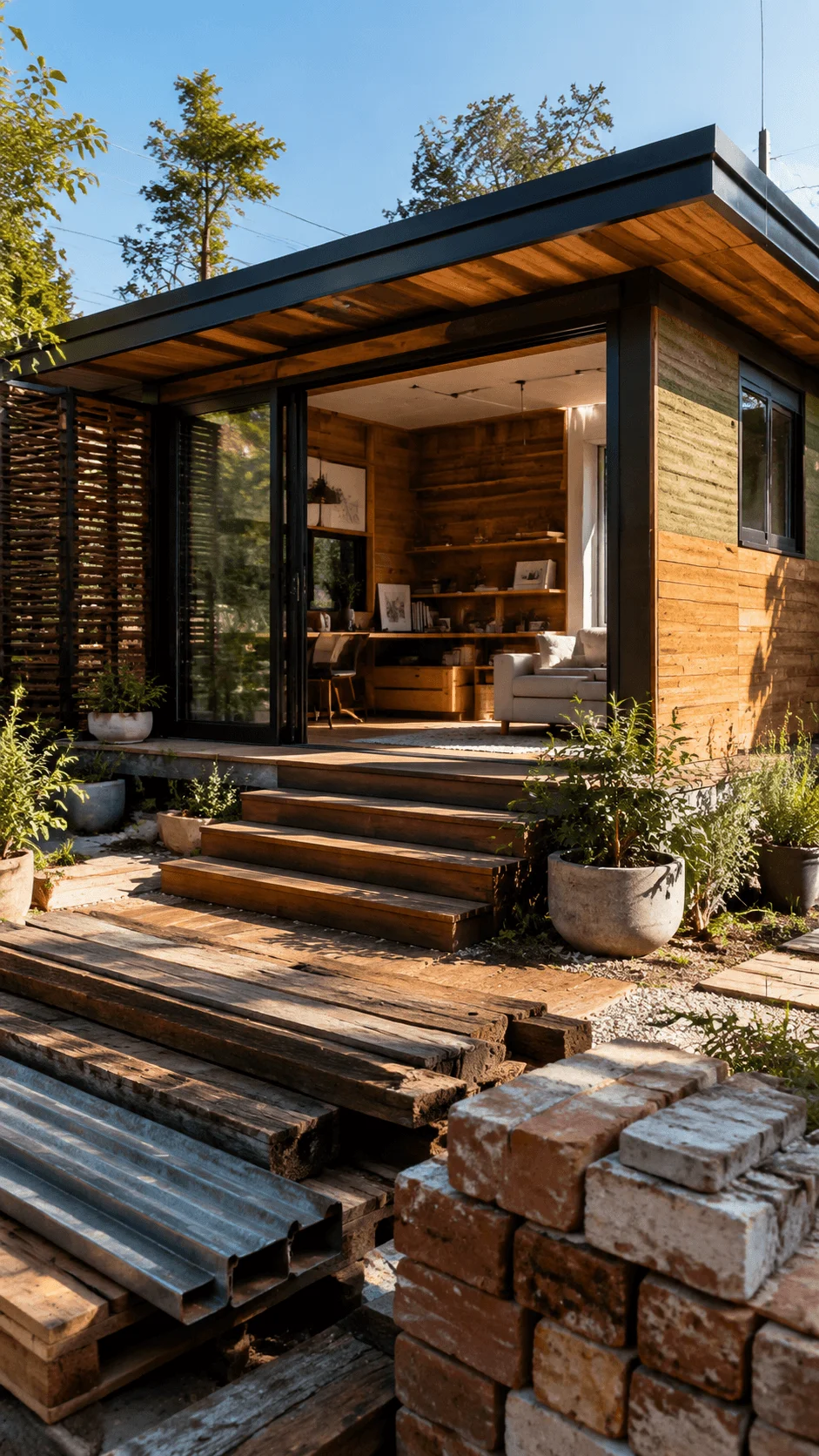
Using recycled and reclaimed materials is also becoming an important trend. Old wood, recycled metals, reclaimed bricks, and other materials can create unique designs while reducing demand for new resources.
Circular construction also encourages manufacturers to create products designed for reuse. Future ADUs may include modular components that can be removed and reused in different buildings.
These approaches make sustainable backyard ADU concepts more responsible because they reduce waste while extending the useful life of materials.
9. Wellness Focused Sustainable ADU Retreats
Wellness focused sustainable ADU retreats combine environmental responsibility with designs that support physical and mental wellbeing. Modern homeowners are increasingly interested in homes that do more than provide shelter. They want spaces that improve their quality of life.
A healthy indoor environment begins with good air quality. Sustainable ADUs often use low toxicity materials, natural ventilation systems, and advanced air filtration technologies to create cleaner indoor spaces.
Natural lighting is another important feature of wellness focused designs. Exposure to daylight can improve mood, support healthy sleep patterns, and make small spaces feel more open.
Sound control is also becoming an important consideration, especially for backyard ADUs located near busy areas. Designers use insulation techniques and natural materials to create peaceful environments.
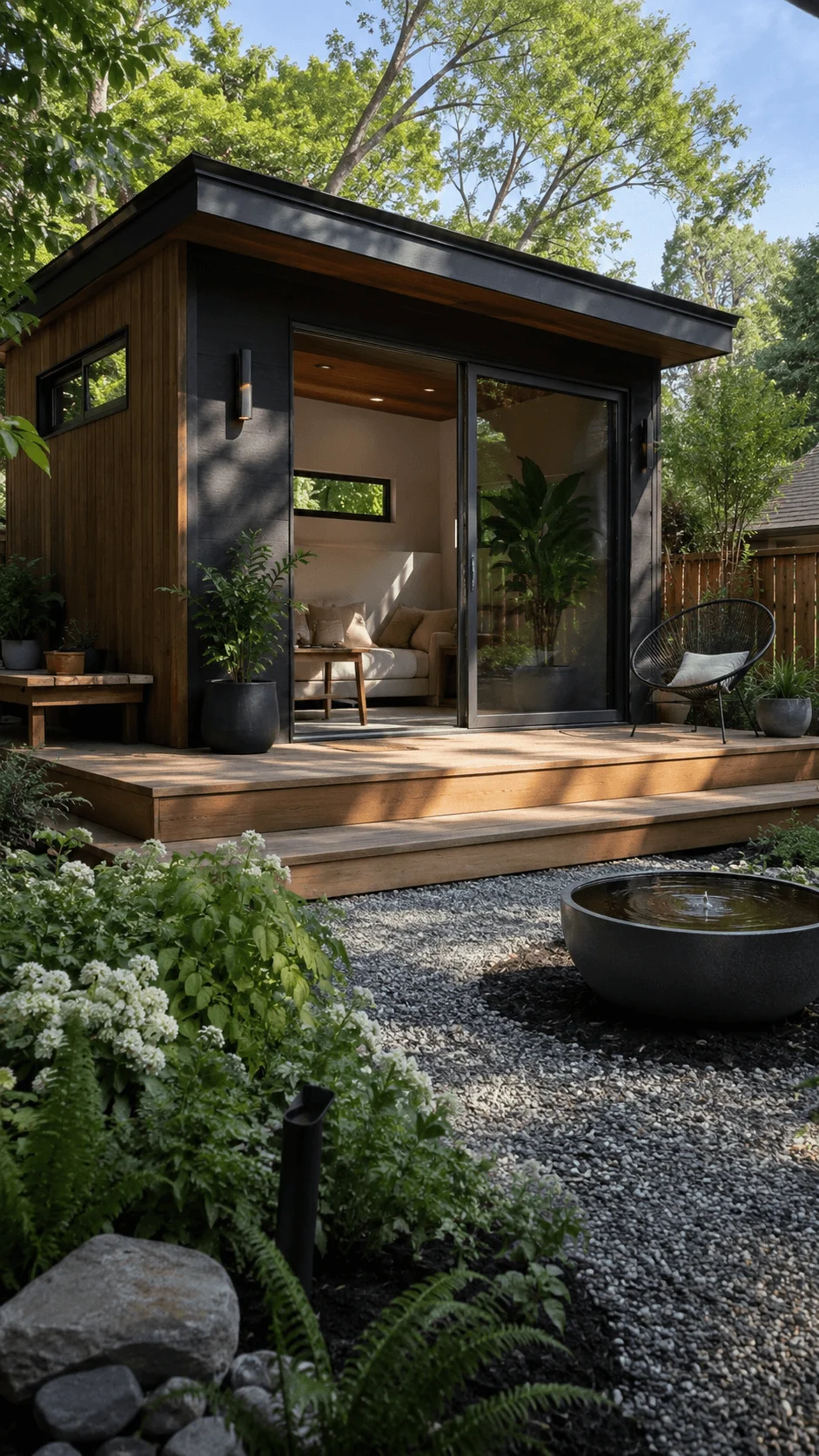
Many wellness ADUs include dedicated spaces for relaxation, meditation, reading, or creative activities. These areas help residents create a balanced lifestyle within a compact home.
The connection between nature and wellbeing is also central to these designs. Gardens, outdoor seating areas, and natural views create a calming atmosphere while supporting sustainable living.
Future sustainable ADU design ideas will increasingly focus on creating homes that support both environmental health and personal wellness.
10. Climate Resilient ADU Design for Future Environmental Challenges
Climate resilient ADU design is becoming increasingly important as communities face changing weather conditions. Rising temperatures, stronger storms, water shortages, and extreme weather events are influencing how future homes are planned and constructed.
Climate resilient ADUs use materials and strategies that help buildings withstand environmental challenges. Heat resistant materials, improved insulation, efficient cooling systems, and reflective roofing can help homes remain comfortable during extreme temperatures.
Water management is another important part of climate resilience. Rain gardens, permeable surfaces, and efficient drainage systems help reduce flooding risks while supporting better water conservation.
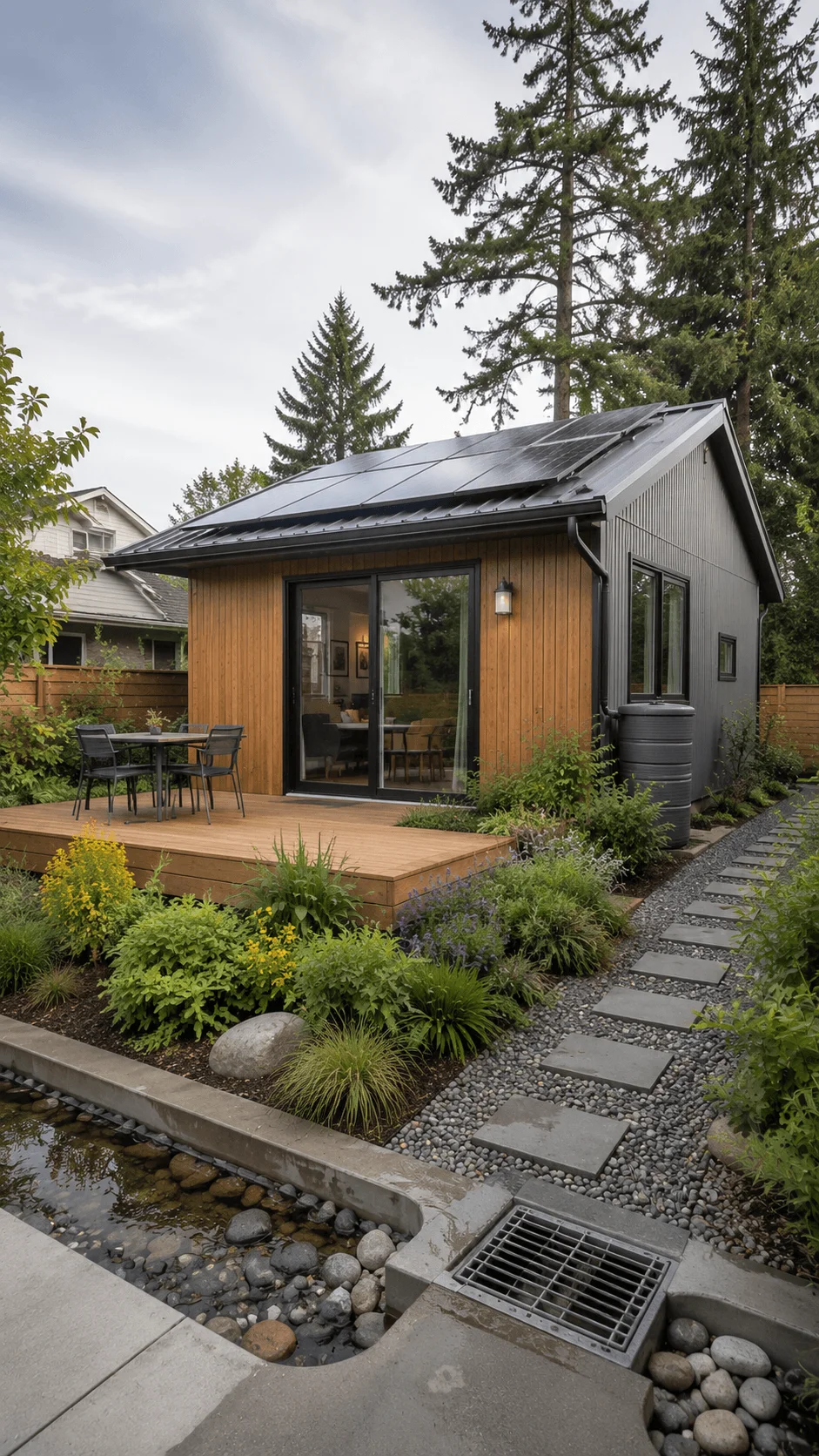
Drought resistant landscaping is also becoming popular in sustainable housing projects. Native plants require less water and support local ecosystems while creating attractive outdoor spaces.
Strong construction methods can improve safety during storms and other environmental events. Designers are exploring stronger foundations, durable materials, and adaptable building techniques.
Climate resilient design does not only protect buildings. It also reduces future repair costs and helps communities prepare for environmental changes.
As climate challenges continue increasing, resilient ADUs will become an important part of responsible housing development.
11. Regenerative Garden ADUs Creating Homes That Support Nature
Regenerative garden ADUs represent a new approach where homes become connected with natural ecosystems. Instead of simply reducing environmental harm, regenerative design aims to improve the surrounding environment.
These designs often include productive gardens, native plants, composting areas, and landscapes that support biodiversity. A backyard ADU can become more than a building because it can contribute positively to the land around it.
Edible landscaping is becoming a popular feature in regenerative ADUs. Fruit trees, vegetable gardens, and herb spaces allow homeowners to produce some of their own food while reducing transportation impacts.
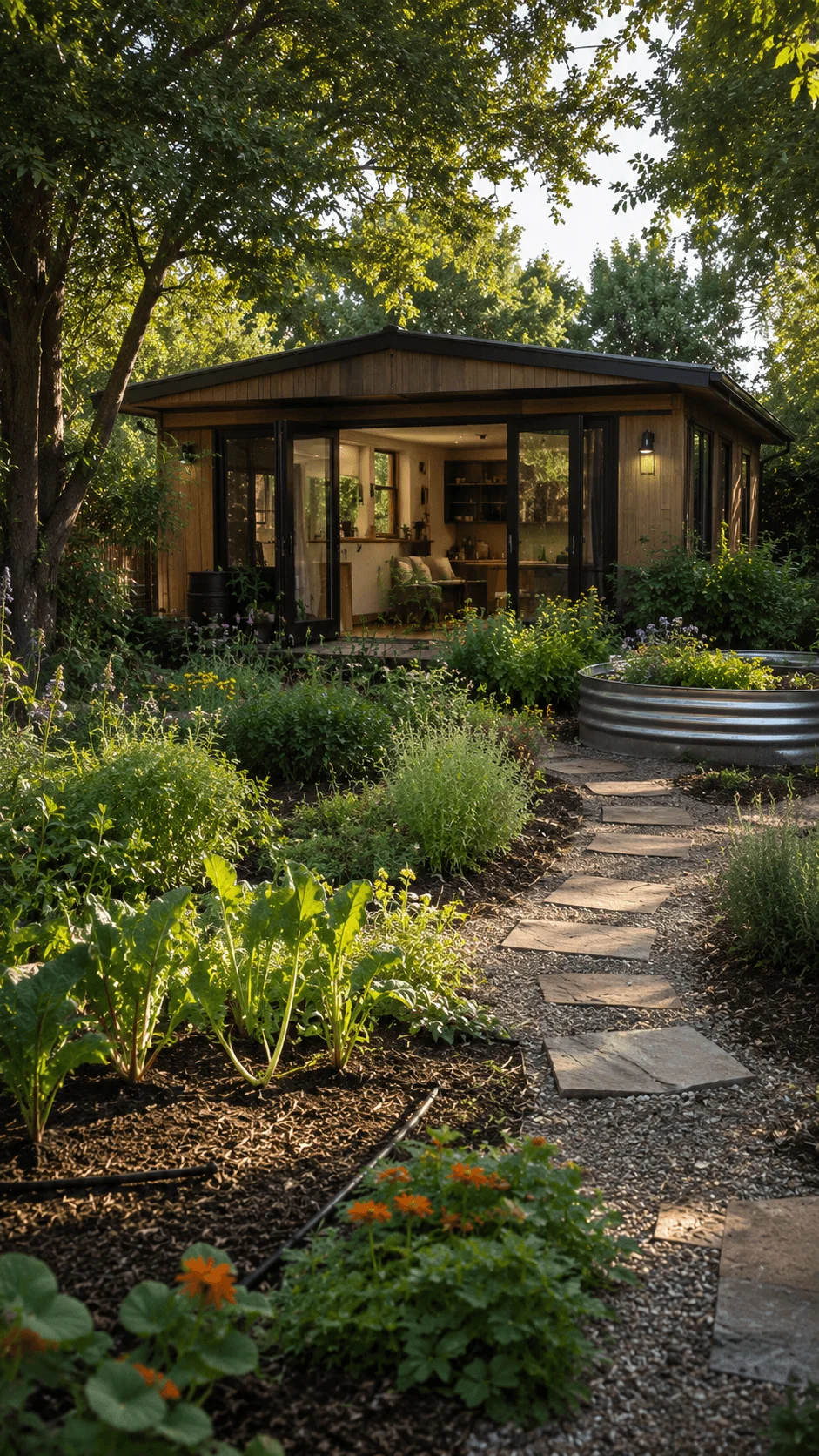
Native plants are especially valuable because they require fewer resources and provide habitats for local wildlife. They support pollinators such as bees and butterflies while improving ecosystem health.
Rain gardens can capture and filter rainwater naturally. These systems reduce runoff problems and help maintain healthier soil conditions.
Regenerative landscaping creates a relationship between the home and nature. The building becomes part of a larger environmental system rather than an isolated structure.
This approach represents one of the most advanced sustainable backyard ADU ideas because it combines housing, food production, and ecological restoration.
12. Bio Based Sustainable ADU Materials for Future Construction
Eco friendly ADU materials are changing the way designers approach construction. New developments in material science are creating alternatives that reduce environmental impact while improving building performance.
Hempcrete is one example of an emerging sustainable material. Made from hemp fibers and natural binders, it provides insulation while storing carbon. It is lightweight, durable, and suitable for energy efficient construction.
Bamboo is another promising material because it grows quickly and provides strength comparable to traditional materials. Designers use bamboo in flooring, structures, and interior finishes.
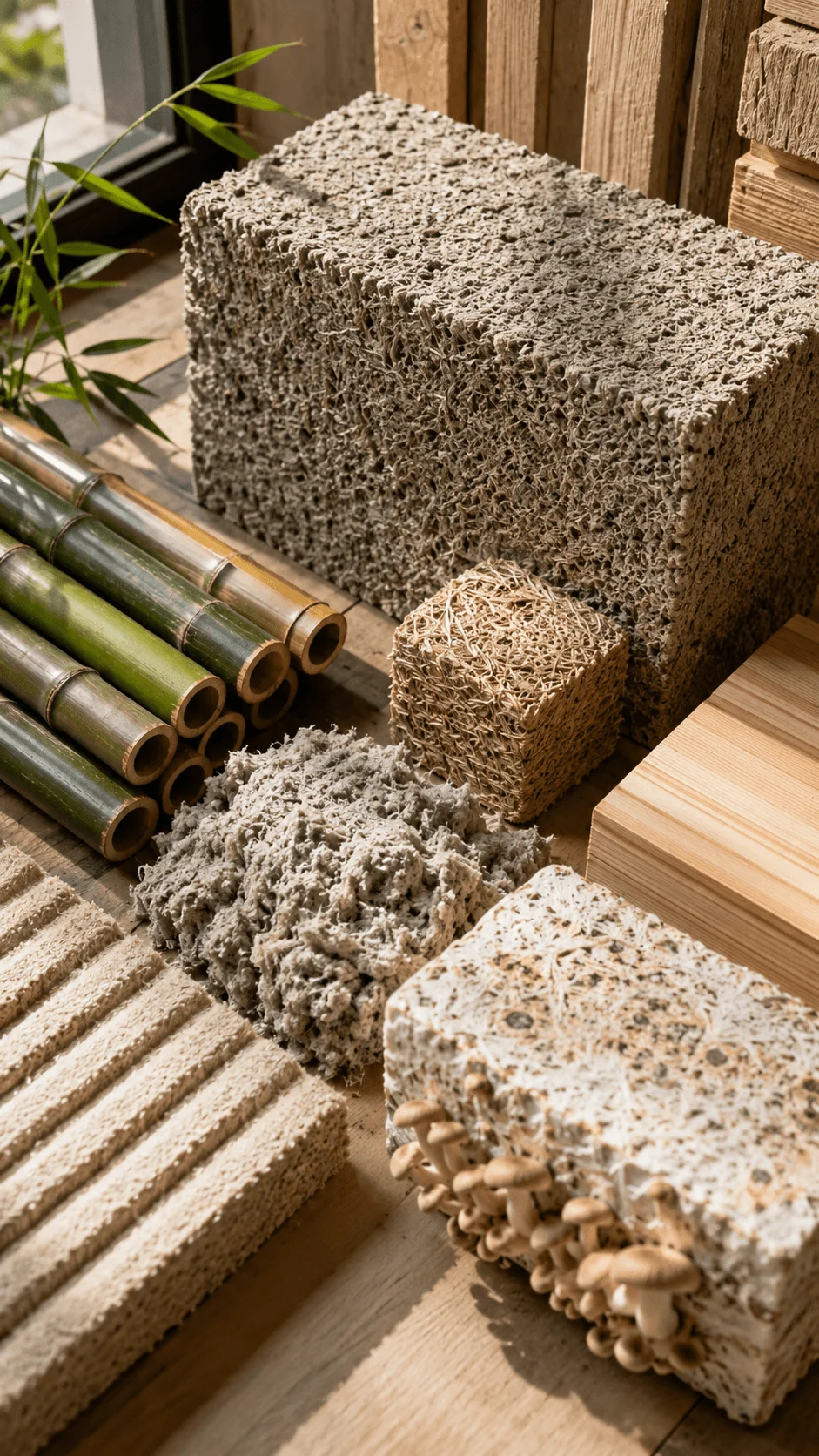
Mycelium based materials created from fungal networks are also gaining attention. These materials can provide natural insulation and demonstrate how biological processes can contribute to future construction.
Recycled cellulose insulation made from paper waste offers another environmentally responsible option. It helps improve energy efficiency while giving waste materials a new purpose.
Future bio based materials may completely change the construction industry. Researchers are exploring materials that grow naturally, store carbon, and require fewer resources to produce.
Material selection will remain one of the most important elements of sustainable ADU design ideas because every building decision affects environmental performance.
Why Sustainable ADUs Are Becoming the Future of Housing
Sustainable ADUs are becoming an important solution for many modern housing challenges. Growing populations, limited space, expensive housing markets, and environmental concerns are encouraging people to explore smaller but smarter homes.
Unlike traditional housing models, ADUs provide flexibility. They can support multi generational living, create rental opportunities, provide private workspaces, or offer comfortable downsizing options.
Technology is also accelerating the development of these homes. Smart systems, renewable energy, advanced materials, and efficient construction methods are making small homes more capable than ever before.
The future of housing will not only focus on size. It will focus on efficiency, adaptability, and environmental responsibility. A well designed ADU can provide comfort while using fewer resources and creating less environmental impact.
As homeowners become more aware of sustainability, demand for innovative green housing solutions will continue growing.
Conclusion
Sustainable ADU design ideas represent a major transformation in the way people think about future homes. These small living spaces are becoming examples of how technology, architecture, and environmental responsibility can work together.
From net zero energy systems and AI powered smart homes to regenerative gardens and bio based materials, modern ADUs offer solutions for many challenges facing the housing industry. They show that smaller homes can still provide comfort, innovation, and long term value.
The future of housing will depend on designs that use resources wisely, adapt to changing conditions, and support healthier lifestyles. Sustainable ADUs are not simply additional buildings; they represent a new approach to creating efficient and environmentally responsible living spaces.
By adopting renewable energy, climate conscious materials, and intelligent design strategies, homeowners can create properties that benefit both people and the planet. As sustainable housing continues evolving, ADUs will play an important role in building a greener and more resilient future.