Eco Friendly Activities in Daily Life: 12 Ideas for 2026
Eco friendly activities in daily life are becoming an easier way to make sustainable choices without completely changing how you live. From choosing refillable products and repairing old electronics to growing food at home and reducing food waste, small decisions can influence how much we consume and throw away. In 2026, sustainable living is moving beyond traditional recycling and toward practical habits that focus on using products longer, buying more thoughtfully, conserving resources, and making everyday routines more environmentally responsible.
The most useful sustainable habits are often the ones that fit naturally into an existing routine. You do not need to transform your entire home overnight or purchase expensive environmentally friendly products. Instead, you can begin by changing one ordinary activity at a time. When those choices become routine, they can create a lifestyle that uses fewer resources and produces less unnecessary waste.
1. Choose Refill and Reuse for Everyday Products
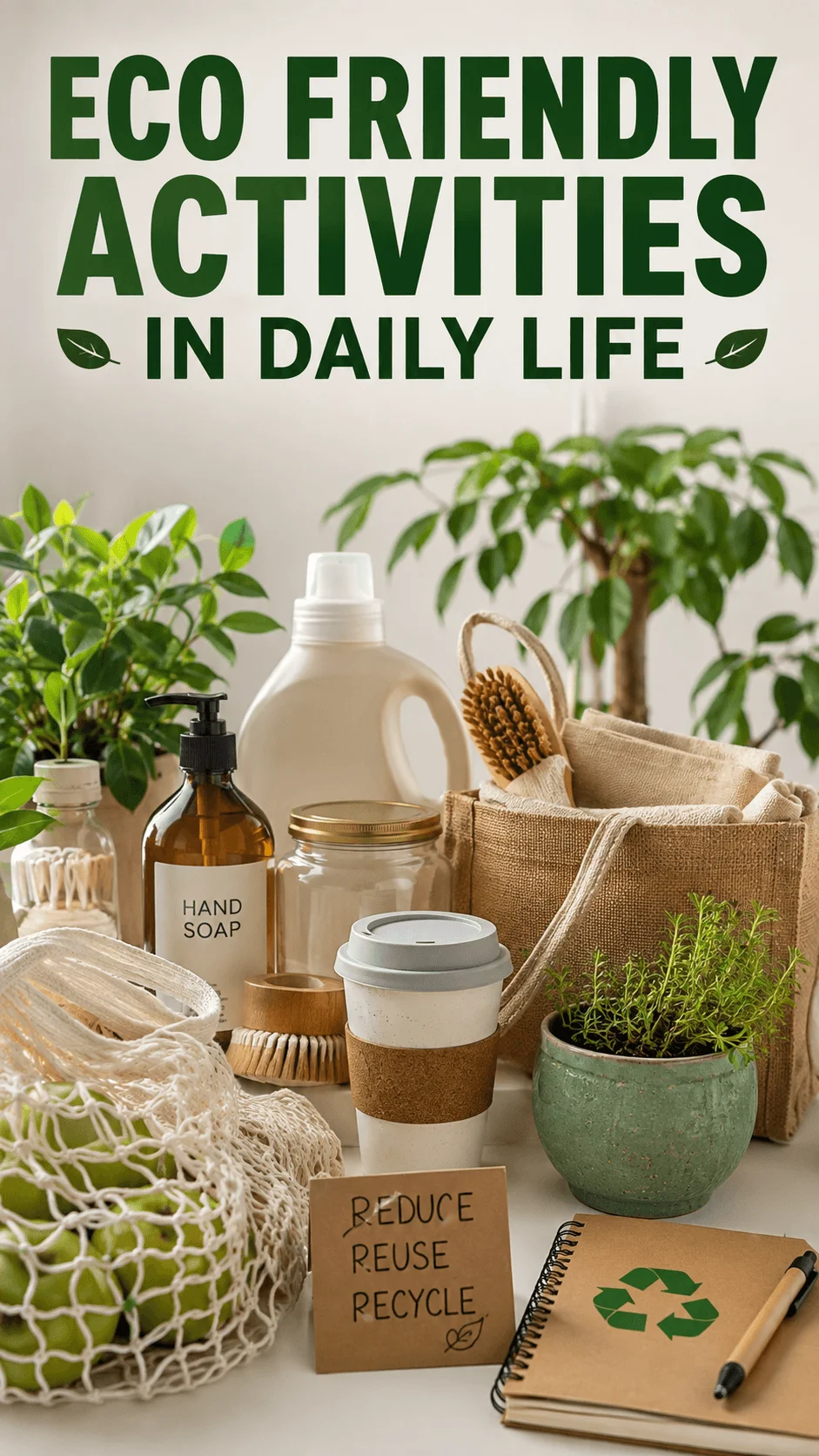
One of the increasingly popular eco friendly activities for everyday life is choosing refill systems instead of repeatedly purchasing completely new containers. This approach can work particularly well for products that households use regularly, such as hand soap, cleaning products, shampoo, body wash, and certain personal care items.
The basic idea is simple. Instead of throwing away a container and purchasing another product in a new package, you keep the original container and refill it. Some systems use larger refill pouches, while others allow customers to refill containers at dedicated stations. Concentrated products can also reduce the amount of packaging and transportation associated with a product.
Packaging represents only one part of a product’s environmental impact, but reducing unnecessary packaging can still be a useful part of a broader low waste lifestyle. Reusing a durable container multiple times means that the container does not become waste after a single purchase.

The most practical approach is to start with products you already use frequently. There is little value in buying a special refillable product simply because it looks sustainable if you rarely use it. A better strategy involves examining your normal shopping routine and identifying products that you purchase repeatedly.
For example, a household might keep one durable soap dispenser and purchase larger refill quantities when the product runs out. Over time, this simple change can become an ordinary household routine rather than a special environmental project.
2. Repair Instead of Replace
Repairing items before replacing them is another important sustainable daily habit gaining attention. Modern consumers often replace products because they become inconvenient to use, develop a small fault, or look outdated even though the item may still have useful life remaining.
The repair instead of replace mindset encourages people to pause before making another purchase. A damaged chair might need a simple repair rather than replacement. A piece of clothing may need stitching. A small appliance might need a replacement component. Electronics can sometimes receive repairs or battery replacements instead of being discarded.
The first step is simply to stop treating every damaged item as disposable. When something stops working, find out whether the problem has a straightforward solution.

People do not need to become expert repair technicians. Some repairs require professional help, particularly when electrical safety is involved. However, many everyday problems involve loose parts, minor damage, worn accessories, or components that professionals can replace.
Repairing products also encourages people to think differently about ownership. Instead of viewing an item as something that becomes worthless when it develops a problem, you begin to see it as something that can potentially have several stages of useful life.
This approach fits strongly with circular economy thinking because it prioritizes keeping products and materials in use for longer.
3. Make Secondhand Shopping an Eco Friendly Daily Habit
Secondhand shopping has become an increasingly visible part of modern consumption. People can now find preowned clothing, furniture, books, home accessories, toys, and many other items through thrift stores, resale platforms, community groups, and local markets.
Buying secondhand can be especially useful when you genuinely need something but do not necessarily need it to be brand new.
A simple habit is to ask one question before making a purchase:
“Could I buy this used instead?”
This question does not mean that every product should come from the secondhand market. Certain products require particular safety considerations, and some purchases may make more sense when bought new. However, many durable household items can have perfectly useful lives after their first owner no longer needs them.

Furniture provides a good example. A sturdy table, shelf, or chair may continue serving another household for many years. Buying that item secondhand can prevent a usable product from being discarded while also reducing the demand for another newly manufactured item.
The same principle can apply to clothing. Instead of automatically purchasing something new for an occasional event, a person might look for a preowned option or borrow something from someone they know.
Secondhand shopping works best when it combines sustainability with thoughtful consumption. Buying ten unnecessary secondhand items is still unnecessary consumption. The goal is not simply to shop differently. The goal is to purchase what you actually need while considering products that already exist.
4. Try a Low Buy Sustainable Lifestyle
One of the most interesting approaches to sustainable living is the low buy lifestyle. Rather than encouraging people to replace ordinary products with expensive environmentally marketed alternatives, low buy habits focus on purchasing less.
This can be surprisingly powerful because every new purchase requires materials, manufacturing, packaging, transportation, and eventually disposal or reuse.
A low buy routine does not necessarily mean avoiding all shopping. Instead, it encourages people to pause before purchasing something and consider whether they already own something that can perform the same function.

For example, someone might decide to use their existing water bottle rather than purchasing another reusable bottle every time a new design becomes popular. Someone with several unused notebooks might finish those before buying more. A person may also borrow a tool for a single project rather than purchasing one that will sit unused afterward.
This approach can also help people avoid the common cycle of buying an item because it is marketed as sustainable and then replacing it when another supposedly better product appears.
Sustainability does not always require purchasing a greener version of everything. Sometimes the more sustainable choice is simply to keep using what you already have.
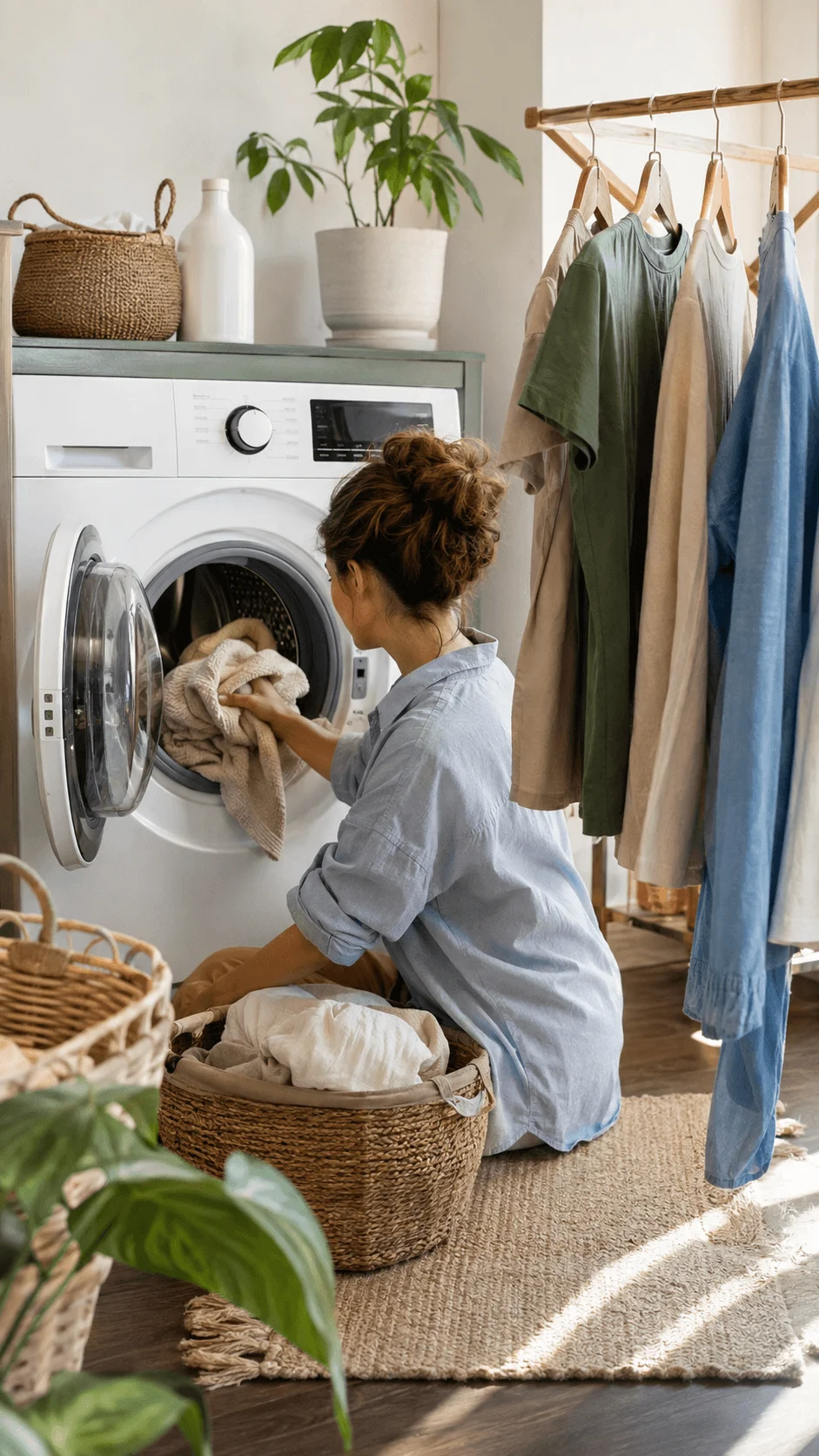
5. Build More Eco Friendly Laundry Habits
Laundry is another everyday activity where small changes can create more sustainable routines. Clothing care involves water, electricity, detergents, equipment, and the lifespan of the clothes themselves.
One of the simplest approaches involves washing suitable clothing with cooler water and choosing an appropriate cycle rather than automatically selecting high temperature settings.
Air drying can also reduce the energy associated with machine drying when weather, space, and household conditions make it practical.
Sustainable laundry is not only about the washing machine. It is also about keeping clothing in usable condition for longer.
Washing clothes more often than necessary can contribute to faster wear. Some garments may only need airing or spot cleaning between uses, while items worn directly against the body usually require more frequent washing.
Following care instructions can also help prevent unnecessary damage. Using suitable washing settings, avoiding excessive heat when it is not needed, and storing clothes properly can help preserve their condition.
This connects laundry with the wider idea of sustainable consumption. If clothing remains useful for longer, you may need to replace it less frequently.
6. Try Foodscaping at Home
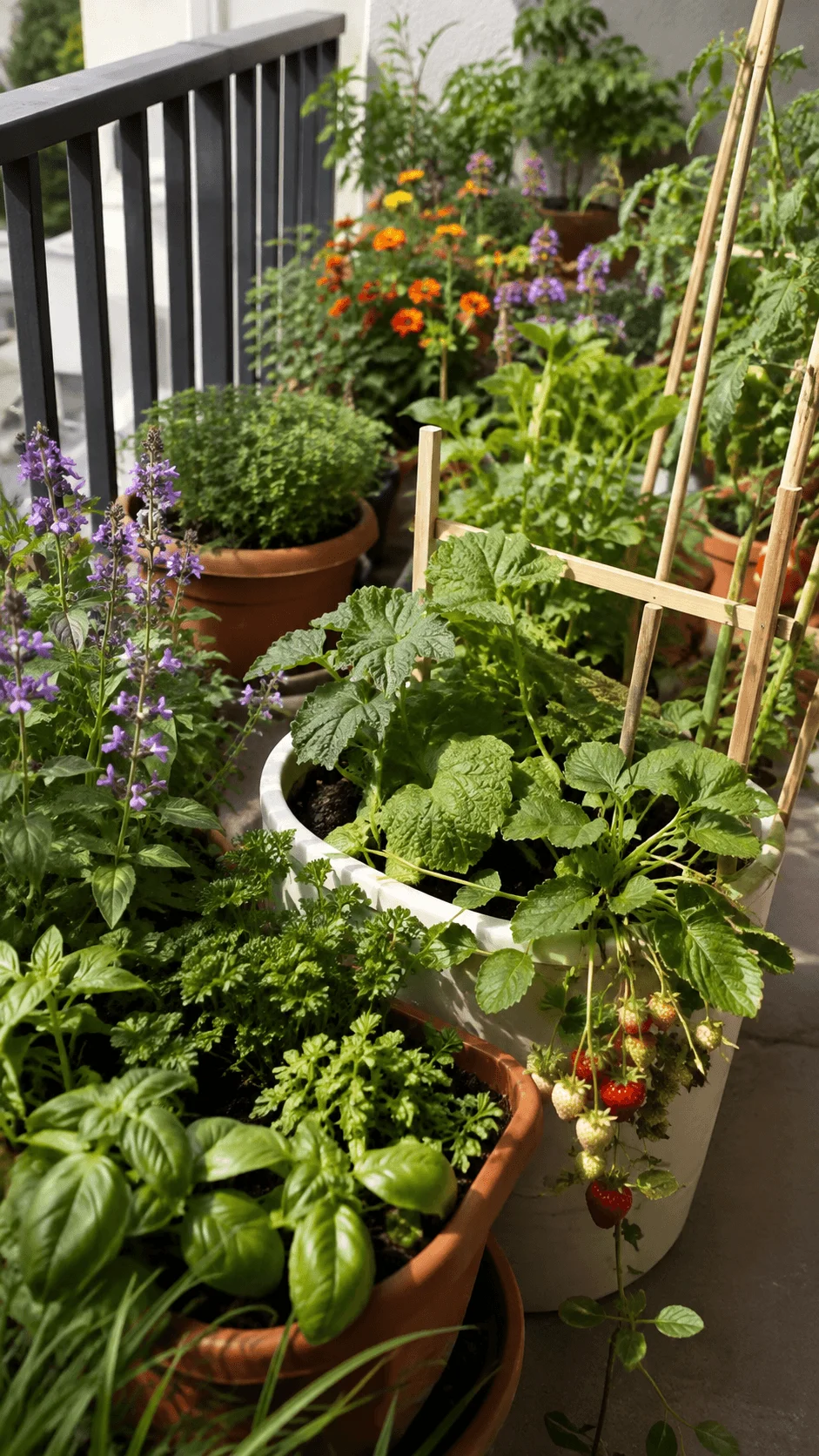
Foodscaping offers a creative way to combine gardening with everyday sustainability. Instead of separating edible plants from decorative landscaping, foodscaping incorporates useful plants into spaces that are already being used for gardening.
A foodscape might include herbs alongside flowers, berry plants around a garden border, edible flowers in containers, or vegetables growing among ornamental plants.
You do not need a large backyard to experiment with foodscaping. A balcony, patio, windowsill, rooftop space, or collection of containers can provide opportunities to grow certain edible plants.
Herbs are particularly accessible because many can grow successfully in containers when provided with suitable conditions. People can also explore vegetables, leafy greens, berries, or other plants appropriate for their local climate and available space.
Foodscaping can make gardening more useful because the garden does not only provide visual enjoyment. It can also produce ingredients that become part of meals.
Growing some of your own food can also create a stronger connection with how food is produced. Even a small container of herbs can remind people that food requires resources, time, care, and suitable growing conditions.
The goal does not have to be producing enough food to replace grocery shopping. A small productive garden can simply complement the food a household already purchases.
7. Propagate Plants and Swap Them With Others
Plant propagation turns one existing plant into an opportunity for additional growth. Depending on the plant species, propagation can involve cuttings, division, seeds, or other suitable methods.
This makes plant propagation an interesting sustainable activity because people can sometimes expand their gardens without purchasing a completely new plant each time.
Plant swapping takes this idea a step further. Instead of purchasing every new plant, people can exchange suitable plants, cuttings, seeds, or seedlings with friends, relatives, neighbors, or local gardening communities.
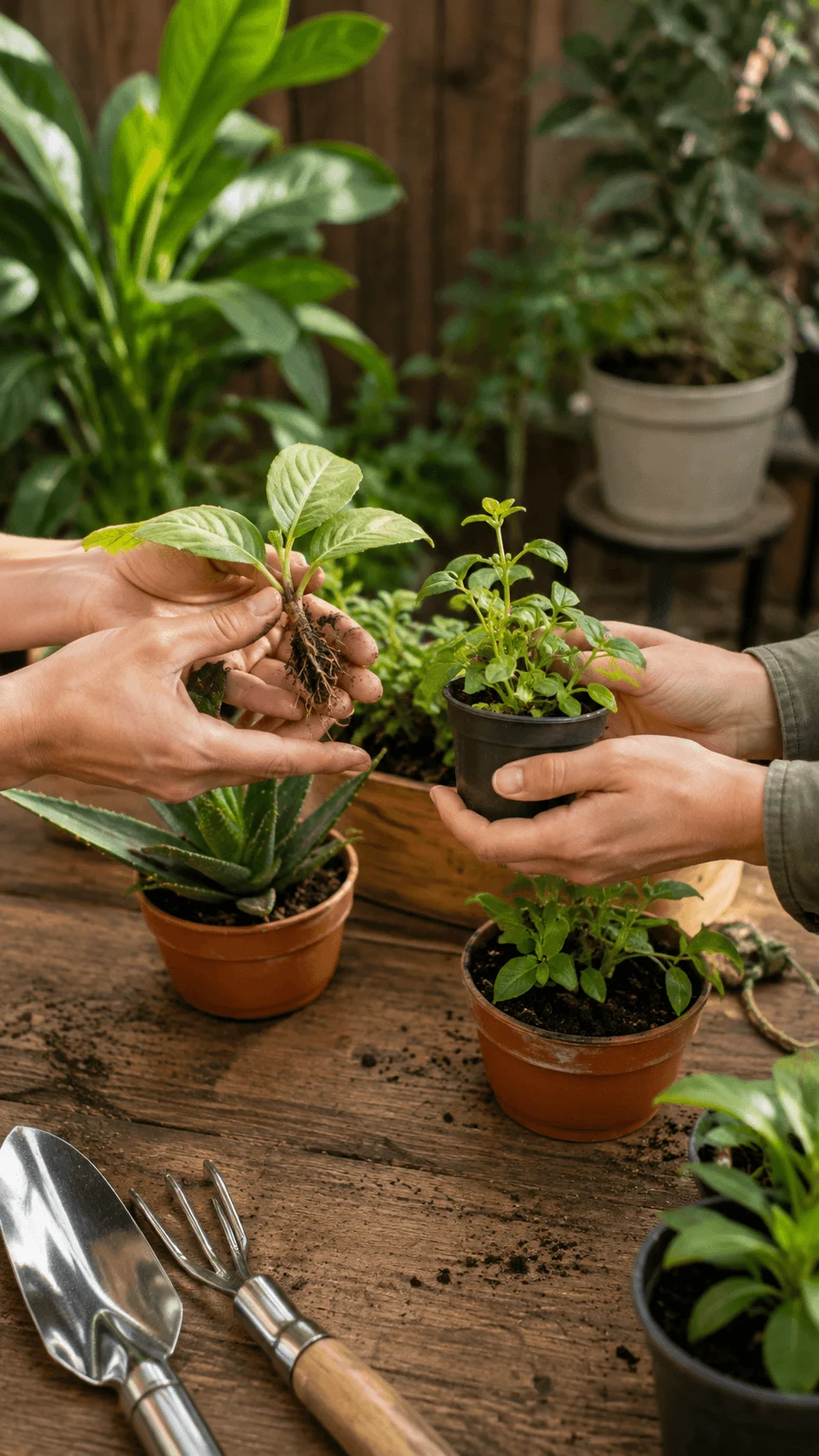
A person may have a plant that has grown too large for its current container while another gardener wants to start the same type of plant. Swapping creates a simple exchange that benefits both people.
It can also make gardening feel more social. Sustainability does not always have to involve individual actions. Sharing resources and knowledge can make environmentally friendly habits easier to maintain.
Plant propagation and swapping also encourage people to value what they already have. Instead of constantly treating gardening as a shopping activity, it becomes an activity centered on growing, caring, sharing, and learning.
8. Create a Small Pollinator Friendly Garden
A pollinator friendly garden is one of the simple eco friendly activities that can turn even a small outdoor space into something more useful for local wildlife. You do not need a large backyard to create one. A few suitable plants in containers, a balcony garden, a patio, or a small section of an existing garden can provide valuable resources for pollinators.
Pollinators such as bees and butterflies depend on flowering plants for food. Creating a garden with suitable flowering species can therefore make an ordinary gardening routine more supportive of local biodiversity.
The best approach is to work with your existing conditions. Before purchasing plants, consider how much sunlight the area receives, how much space is available, and what plants are appropriate for your local climate.
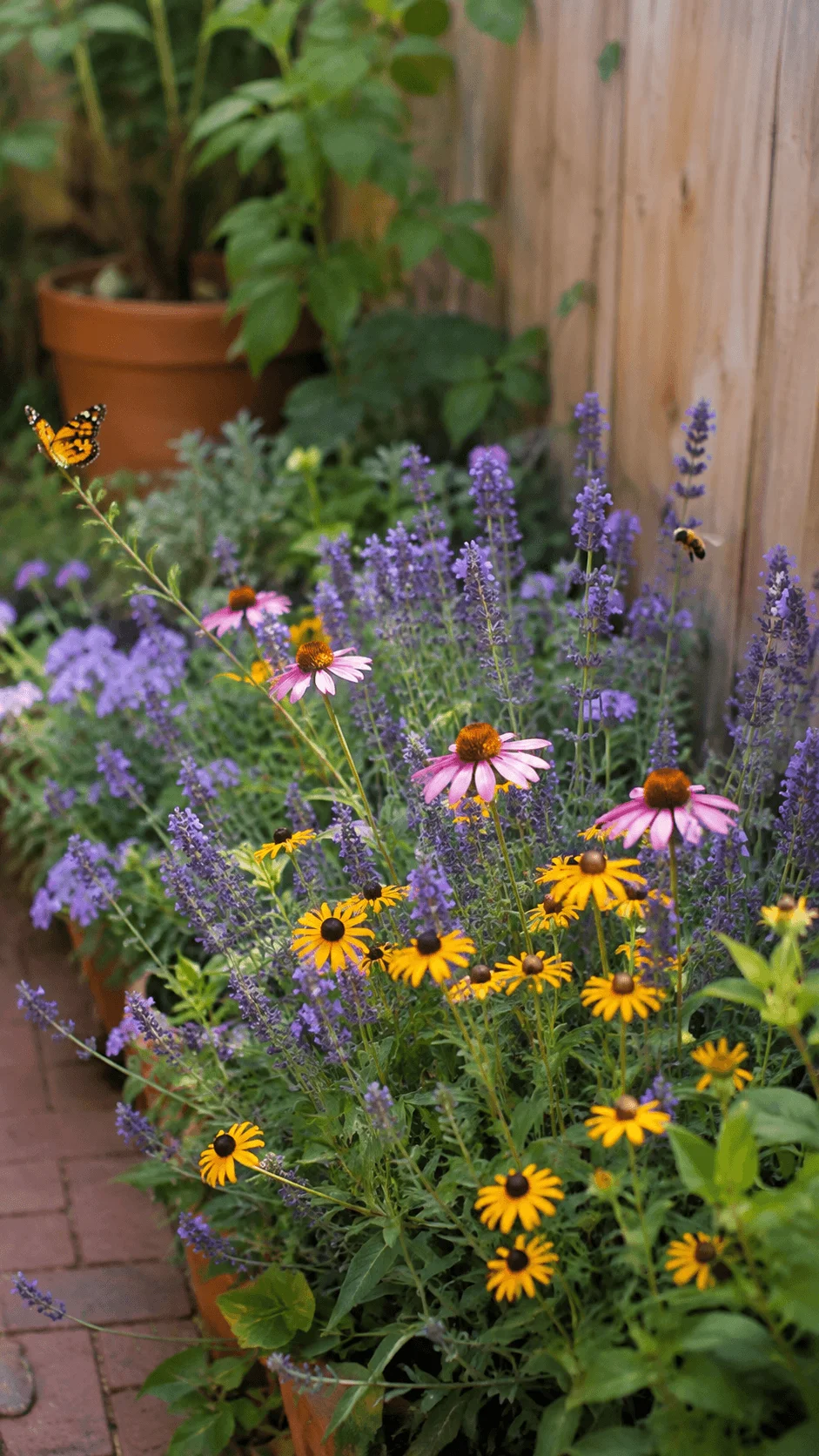
Choosing locally suitable plants can make the garden easier to maintain because they are more likely to cope with the conditions in your area. A mixture of flowering plants can also provide visual interest while creating useful habitat.
People with balconies or patios can use containers instead of planting directly into the ground. A few well chosen containers can create a small garden without requiring extensive landscaping.
Avoid thinking that a pollinator garden needs to look perfect. A garden designed for wildlife can look slightly more natural than a highly controlled ornamental garden. The purpose is to create a living space that supports plants and beneficial insects rather than simply producing a particular visual appearance.
9. Build a Low Waste Cleaning Routine
Cleaning is one of the most frequent household activities, which makes it a useful place to introduce sustainable habits. A low waste cleaning routine focuses on reducing unnecessary disposable products while making better use of durable tools and refillable supplies.
Many households regularly purchase cleaning products in individual containers and throw away disposable cleaning materials after a short period of use. Some of these products can be replaced with reusable alternatives when doing so is practical and hygienic.
Reusable cleaning cloths provide one straightforward example. Instead of automatically reaching for a disposable item every time a surface needs cleaning, households can use washable cloths when appropriate.
Refillable cleaning containers can also reduce the number of complete containers purchased over time. Rather than replacing the bottle whenever the product runs out, the same container can remain in use.
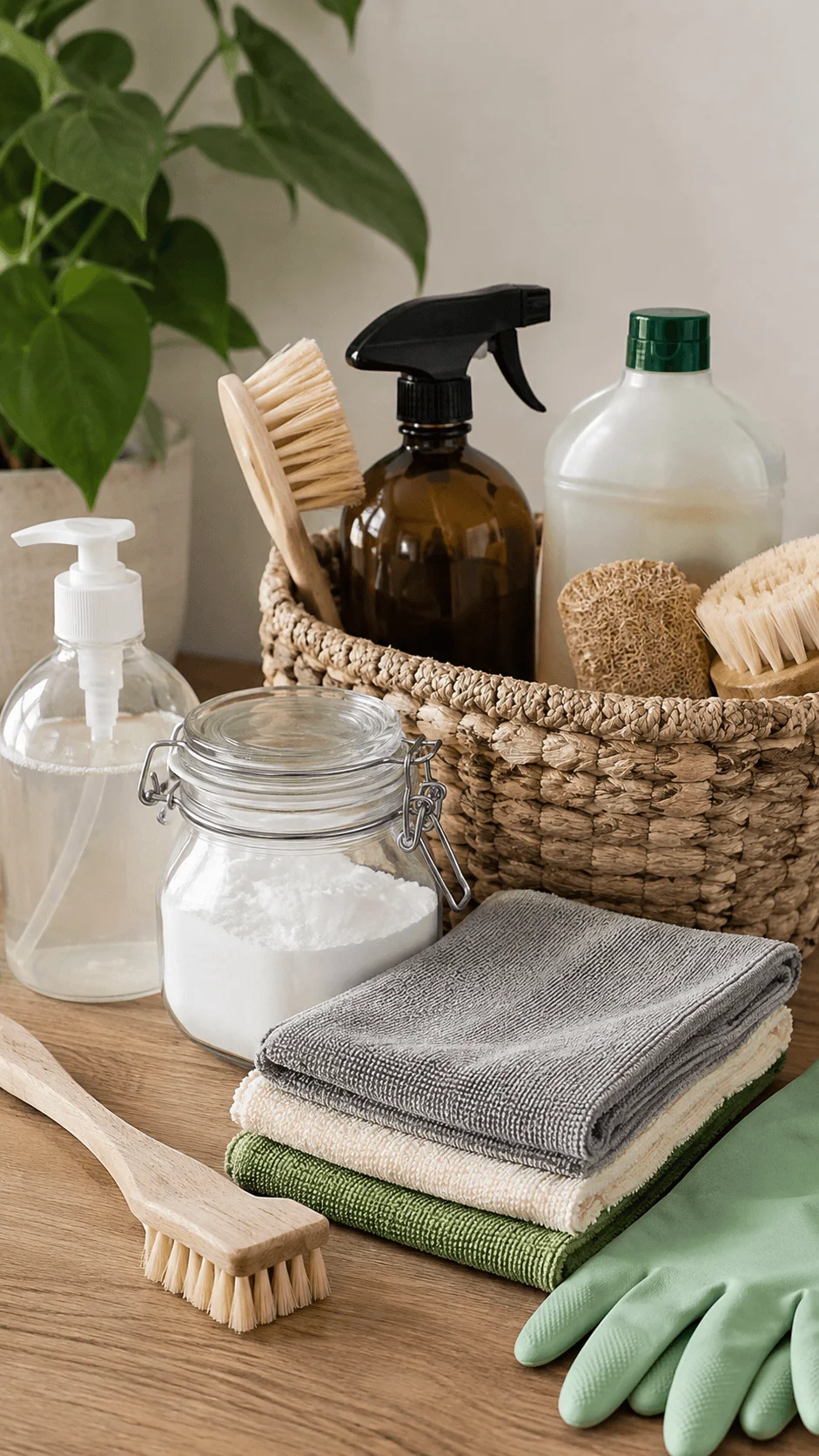
However, sustainable cleaning does not mean using as little cleaning product as possible regardless of the situation. Different surfaces and cleaning tasks have different requirements. The goal is to use an appropriate amount of the right product rather than wasting supplies.
A simpler cleaning cupboard can also support low waste living. Instead of buying a separate product for every imaginable task, households can evaluate which products they genuinely use and avoid accumulating unnecessary supplies.
The most sustainable cleaning routine is one that people can maintain consistently. If reusable cloths, refill systems, and durable tools fit naturally into the household routine, they become ordinary habits rather than additional chores.
10. Choose Sustainable Transportation for Everyday Trips
Transportation is another area where eco friendly activities in daily life can become part of an ordinary routine. Not everyone has access to the same transportation options, so sustainable travel should focus on realistic choices rather than expecting everyone to completely change how they move around.
Walking can be a practical option for short trips when the route is safe and suitable. Cycling can also replace certain short journeys for people who have appropriate roads, paths, equipment, and local conditions.
Public transportation can provide another alternative where reliable services exist. Carpooling can also reduce the number of individual vehicle journeys when several people are traveling to the same destination.
Sustainable transportation is not always about choosing a completely different vehicle. Sometimes it involves making existing journeys more efficient.
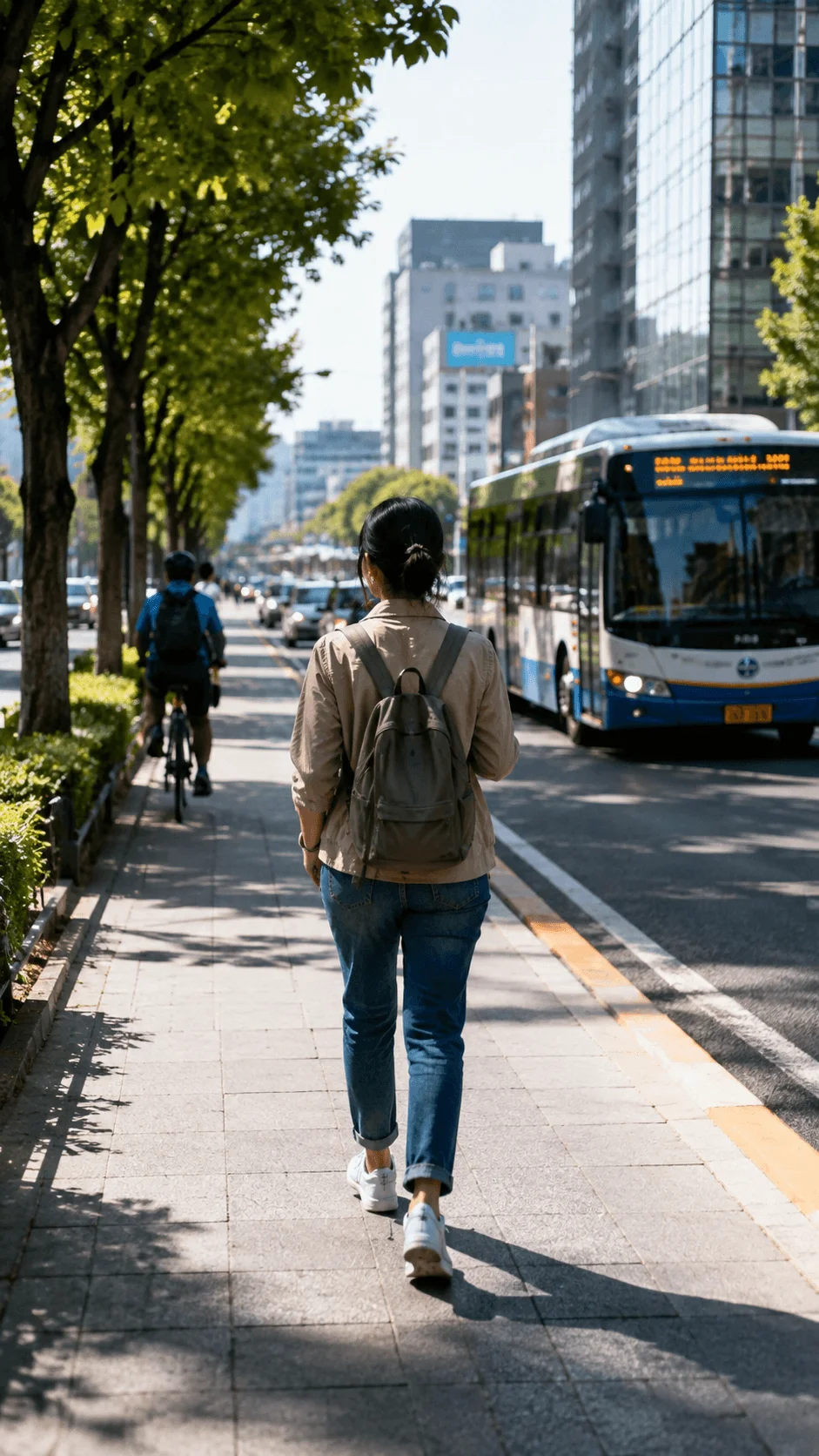
For example, someone might combine several errands into one trip instead of making separate journeys throughout the week. A person could also plan shopping around an existing commute or appointment.
These small decisions can reduce unnecessary travel while making daily schedules more organized.
For people who need to drive, sustainable transportation does not require abandoning their vehicle. Choosing walking for one nearby journey or combining errands can still become a useful habit.
The important idea is to find realistic opportunities. An eco friendly lifestyle should work with a person’s circumstances rather than create unrealistic expectations.
11. Turn Leftovers Into Planned Meals
Reducing food waste is one of the most practical sustainable daily habits because food waste often begins with ordinary household decisions. People may purchase more food than they need, forget ingredients at the back of the refrigerator, or prepare more food than the household can eat.
A better approach involves treating leftovers and existing ingredients as part of the next meal rather than automatically viewing them as unwanted food.
Before planning a new grocery trip, check what is already available. Ingredients that need to be used soon can become the starting point for a meal.
For example, leftover cooked vegetables might become part of a soup or another suitable dish. Extra rice can become part of a different meal when handled and stored safely. Vegetables that are approaching the end of their usable period can also inspire a meal rather than remaining forgotten in the refrigerator.
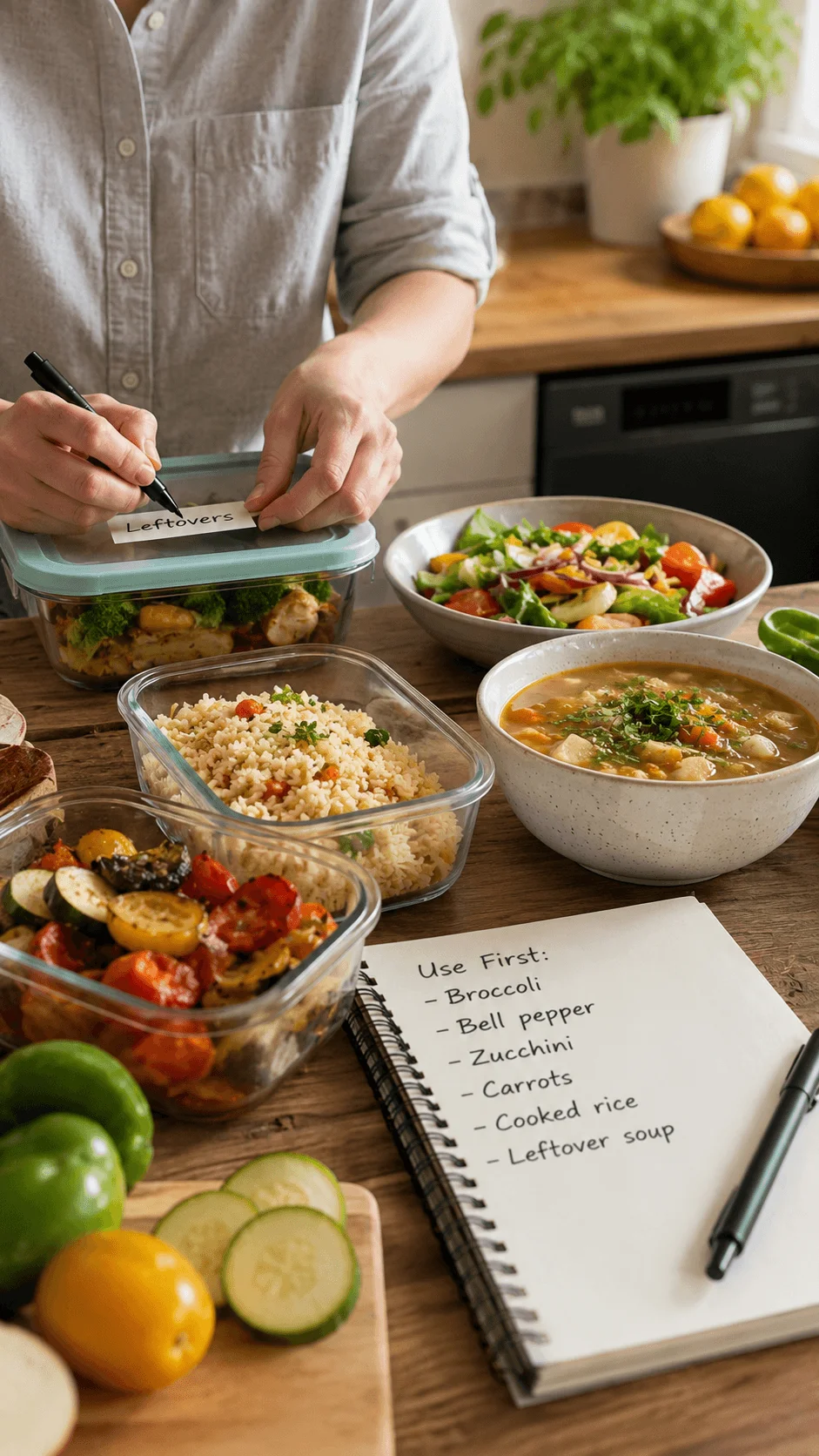
Proper storage matters because food waste prevention should never come at the expense of food safety. Store leftovers appropriately, follow safe handling practices, and use or freeze suitable foods within appropriate timeframes.
Freezing can also help households preserve foods that they cannot use immediately. When suitable foods remain usable for longer, households have more opportunities to consume them rather than discard them.
Meal planning does not need to involve complicated weekly schedules. Even a simple habit of checking the refrigerator before shopping can help reduce unnecessary purchases.
The most effective approach is to connect food waste reduction with existing activities.
When preparing dinner, consider whether there will be leftovers. When unpacking groceries, place foods that need to be used soon where they are easy to notice. When planning meals, consider ingredients that are already available.
Over time, these small decisions can create a more intentional relationship with food. Instead of thinking only about what you want to buy, you begin thinking about how to make the best use of what you already have.
12. Make Water Conservation Part of Everyday Life
Water conservation remains an important part of sustainable living because water is a valuable resource that households use throughout the day. Drinking, cooking, cleaning, bathing, gardening, and laundry all involve water, which means small changes can become meaningful when they happen repeatedly.
Simple water saving habits can include fixing leaks, avoiding unnecessary running water, and paying attention to how much water different household activities require.
One useful approach is to observe where water gets used unnecessarily.
A leaking tap may waste water continuously. Leaving water running while performing another task can also increase consumption without providing additional benefit.
Gardening provides another opportunity for thoughtful water use. Choosing plants suited to local conditions can reduce the amount of additional watering they require. Applying suitable watering techniques can also help prevent unnecessary water loss.
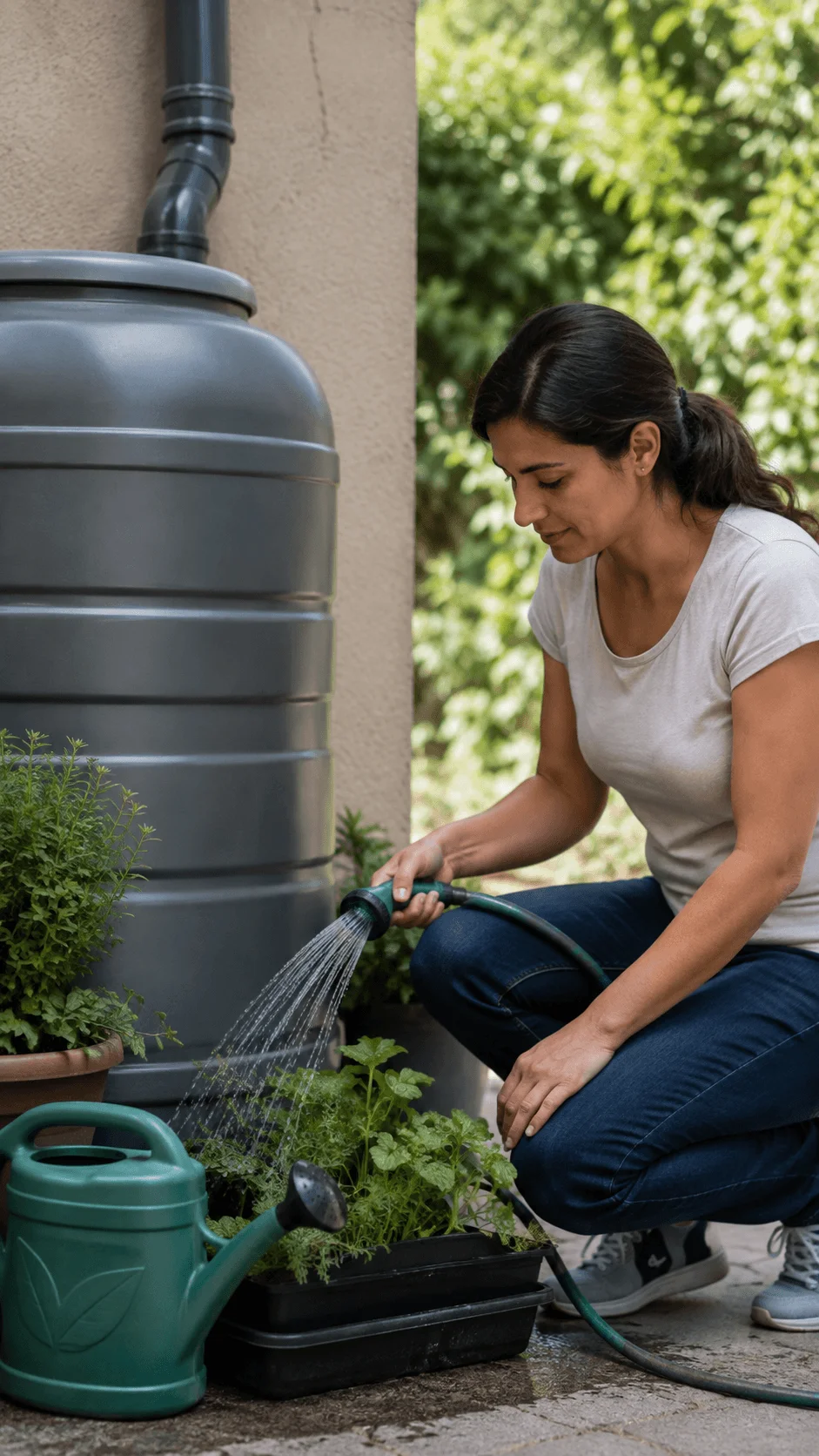
Rainwater collection can be useful for certain outdoor purposes where local rules and conditions permit it. However, collected water should only be used for purposes where it is safe and appropriate.
Water reuse also requires common sense. Not every type of used household water is suitable for every purpose. Any reused water should be appropriate for its intended use and handled safely.
The goal is not to become anxious about every drop of water. Instead, pay attention to repeated habits and identify places where unnecessary use can be reduced.
Conclusion
Eco friendly activities in daily life do not have to involve dramatic lifestyle changes. Sustainable living can begin with ordinary decisions that fit naturally into routines you already have.
Choosing refill systems can reduce unnecessary packaging. Repairing products can extend their useful lives. Secondhand shopping can give existing products another purpose, while low buy habits can reduce unnecessary consumption. Sustainable laundry and cleaning routines can make household activities more resource conscious without making them complicated.
Gardening can also become a meaningful part of everyday sustainability. Foodscaping can turn small spaces into productive growing areas, while plant propagation and plant swapping can encourage sharing instead of constant purchasing. A small pollinator garden can support local biodiversity, even when someone only has a balcony or a few containers.
Food and transportation provide additional opportunities. Planning meals around existing ingredients can reduce food waste, while walking, cycling, public transportation, carpooling, and combining errands can make some journeys more efficient when those options are practical.
Water conservation brings the same principle into another part of the home. Paying attention to leaks, unnecessary water use, gardening practices, and appropriate water reuse can gradually create more responsible resource habits.
The most important lesson is that sustainability does not require perfection. You do not need to adopt every sustainable habit immediately. Start with a few eco friendly activities in daily life that fit your circumstances and repeat them until they become normal.
Small choices become more powerful when they become consistent. By buying thoughtfully, using things for longer, reducing waste, conserving resources, and making better use of what you already have, everyday life can gradually become more sustainable.