12 Eco Friendly Vegetable Garden Ideas for 2026
Creating a productive garden does not have to come at the expense of the environment. These eco friendly vegetable garden ideas combine food production with smarter use of water, healthier soil, reduced waste, and greater biodiversity. In 2026, sustainable vegetable gardening is moving beyond traditional organic methods as more gardeners look for ways to grow food while adapting to changing weather, limited space, and rising resource concerns. From no dig beds and recycled containers to climate resilient crops and compact tabletop gardens, modern approaches can make a vegetable garden both productive and environmentally responsible.
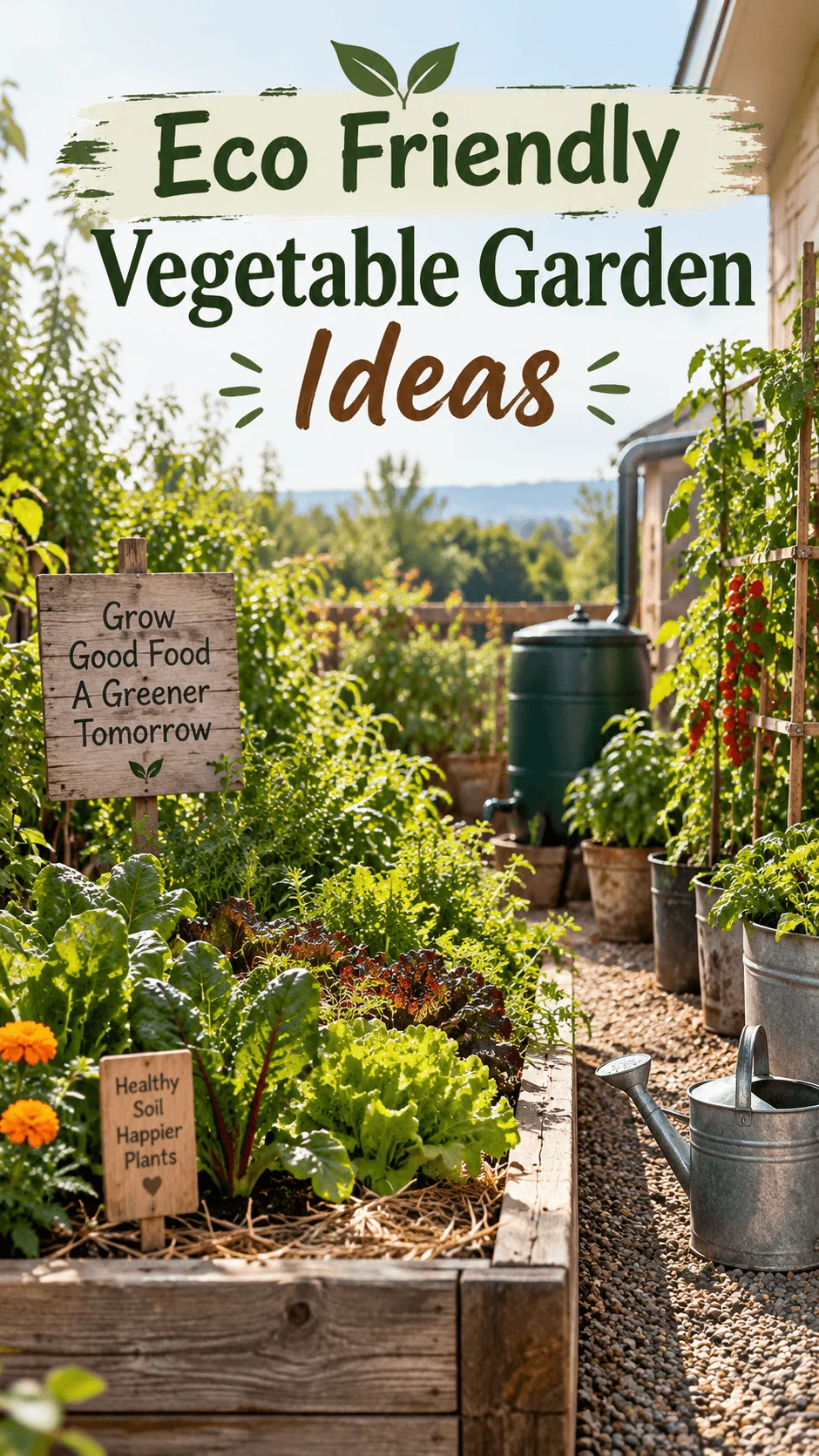
An eco friendly vegetable garden can also be surprisingly simple. You do not need expensive equipment, a huge backyard, or a complicated growing system. Small changes in how you prepare soil, choose plants, manage water, and reuse materials can make a meaningful difference. The twelve ideas in this guide explore some of the most useful and interesting sustainable gardening approaches gaining attention in 2026.
1. Create a Climate Resilient Vegetable Garden
Weather has always influenced vegetable gardening, but unpredictable conditions are making garden planning more important than ever. Longer periods of heat, sudden heavy rainfall, drought conditions, and unusual temperature changes can all create challenges for growing vegetables. A climate resilient vegetable garden focuses on preparing for these conditions rather than relying on a single growing method.
Start by choosing vegetables that suit your local climate and growing season. Plants that tolerate heat or require less water can become especially valuable in areas where summers are becoming more challenging. However, plant selection represents only one part of climate resilience. The condition of your soil also plays a major role.
Healthy soil containing plenty of organic matter can hold moisture more effectively than depleted soil. Adding mature compost and maintaining a layer of organic mulch can help protect the soil surface from excessive heat and moisture loss. Mulch can also reduce the impact of heavy rainfall by protecting the soil from direct erosion.
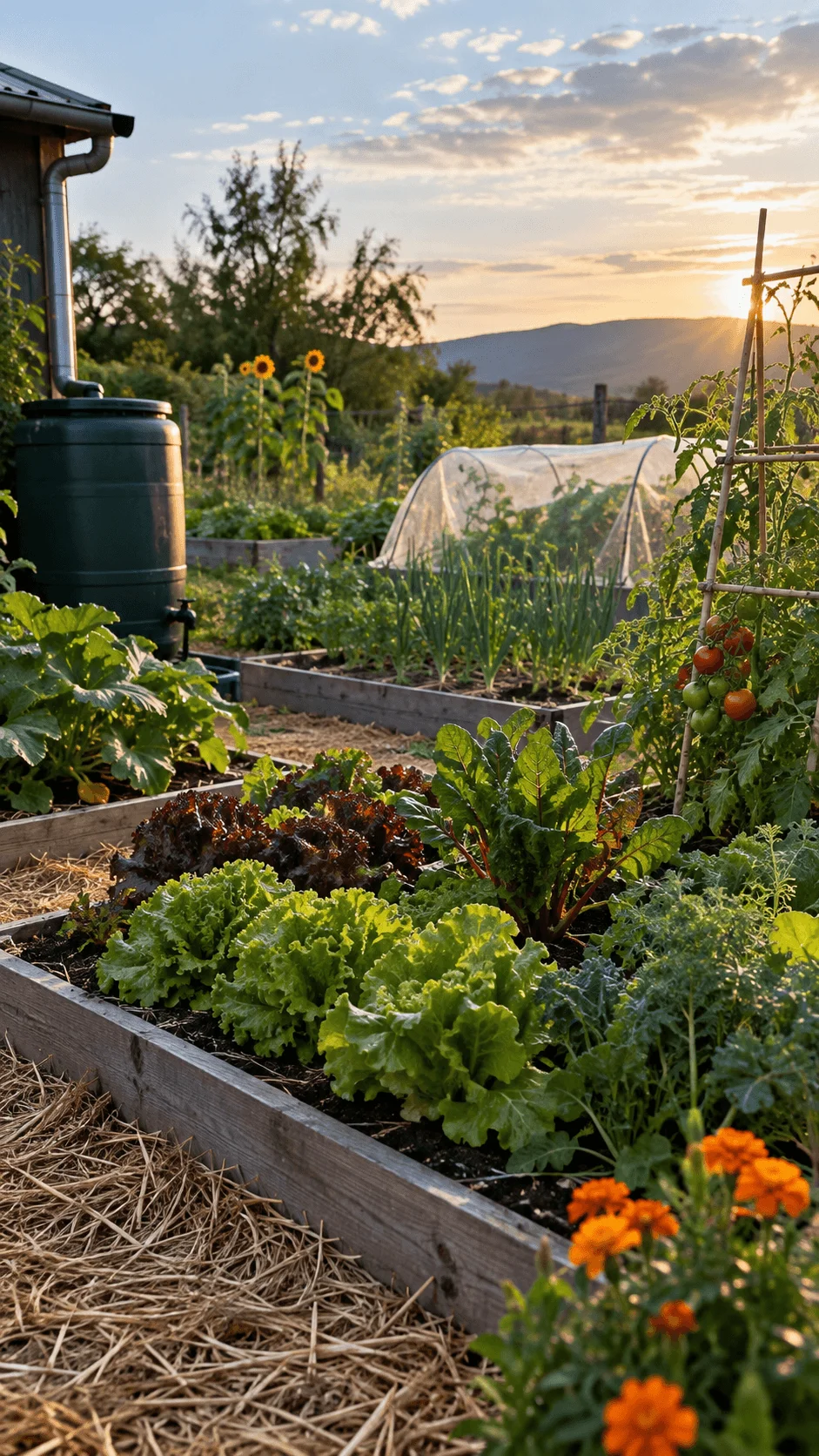
Garden placement matters as well. Observe your yard before deciding where to grow vegetables. Areas with suitable sunlight, protection from strong winds, and convenient access to water can make the garden easier to manage. In particularly hot locations, gardeners can also consider temporary shade during periods of intense heat.
Another useful strategy involves avoiding dependence on one crop. Growing several types of vegetables with different tolerances and growing periods can create a more adaptable garden. If one crop struggles during an unusually hot period, other plants may continue producing.
The goal is not to predict exactly what the weather will do. Instead, climate resilient gardening gives your plants better conditions to cope with whatever the season brings.
2. Try a No Dig Sustainable Vegetable Garden
No dig gardening has become one of the most interesting approaches for people who want to improve soil while reducing unnecessary garden work. Instead of regularly turning and disturbing the soil, gardeners build fertility from the surface.
A typical no dig vegetable garden starts with existing soil or an area covered with cardboard when appropriate. Gardeners then add layers of suitable organic material, particularly finished compost. Over time, rain, soil organisms, worms, roots, and natural decomposition incorporate nutrients into the growing environment.
One major attraction of the method involves soil structure. Soil contains an enormous community of organisms that contribute to decomposition and nutrient cycling. Repeated digging can disturb this environment. Leaving the soil relatively undisturbed allows natural processes to continue with less interference.
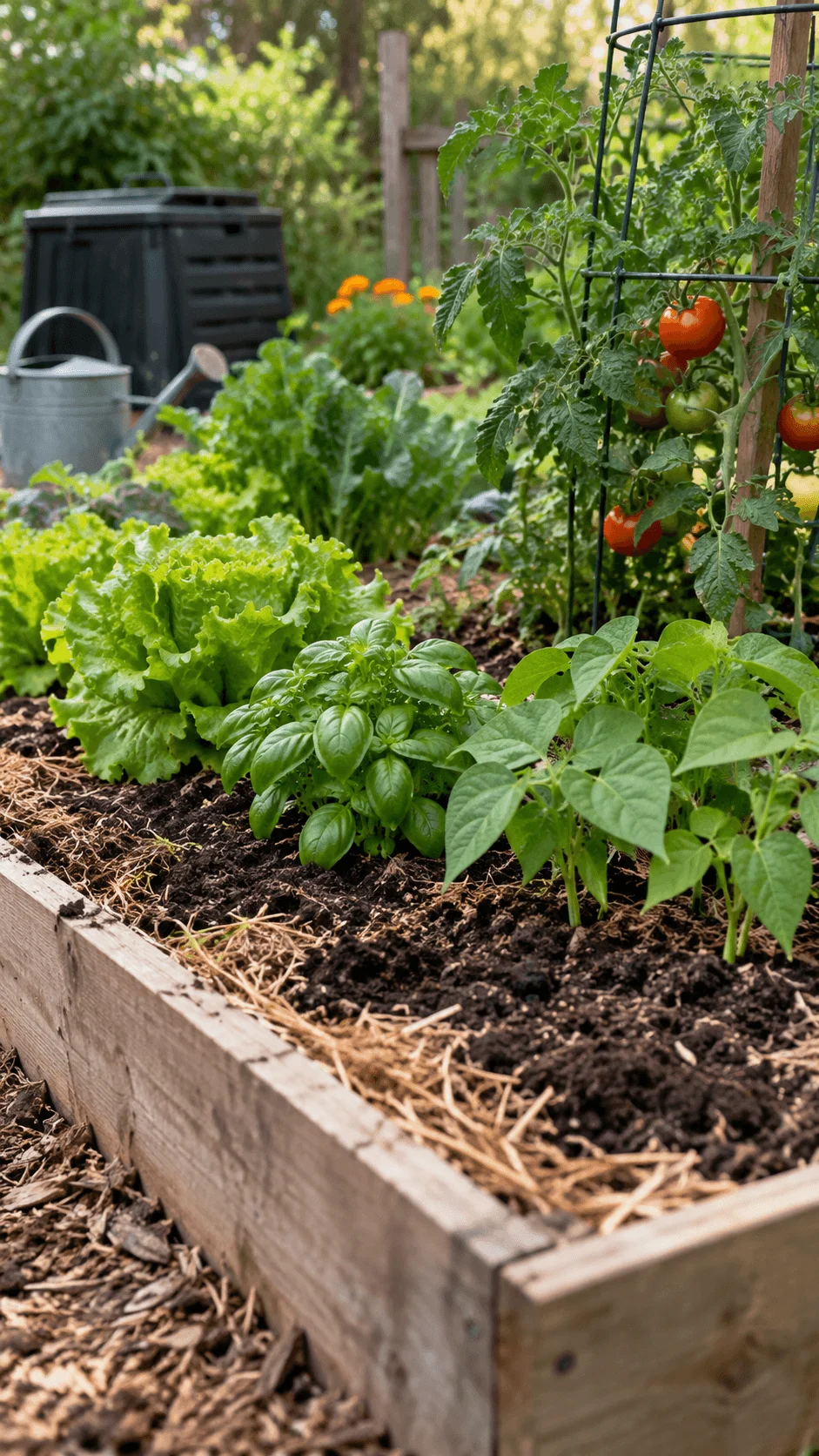
No dig gardening can also help the soil retain moisture. Organic matter improves the soil’s ability to hold water while mulch protects the surface from direct sunlight. This can become especially useful during warmer periods when vegetable plants lose moisture quickly.
Another advantage is convenience. Gardeners who dislike heavy digging can establish and maintain productive beds with considerably less physical disturbance. Instead of repeatedly turning the bed, they can focus on adding compost, maintaining mulch, removing unwanted plants, and caring for their vegetables.
Beginners can start small rather than converting the entire garden. A single no dig bed can provide an opportunity to observe how the soil changes throughout the season. Lettuce, herbs, beans, tomatoes, and many other vegetables can grow successfully when the bed provides appropriate light, moisture, nutrients, and drainage.
No dig gardening does not mean ignoring the soil. It means working with natural soil processes instead of constantly disturbing them.
3. Grow a Tabletop Vegetable Garden
Not everyone has a large backyard for growing food. Urban living, apartment balconies, patios, and small outdoor areas have created growing interest in compact vegetable gardening. Tabletop vegetable gardens offer a practical way to grow edible plants when ground space is limited.
This approach has gained attention as gardeners look for ways to produce food in smaller spaces. Instead of dedicating an entire garden bed to vegetables, you can use containers placed on sturdy tables, stands, shelves, or other suitable surfaces.
Compact varieties work particularly well. Small tomatoes, peppers, herbs, lettuce, radishes, and other relatively compact crops can provide useful harvests without demanding a large growing area. The best choices depend on your climate and the amount of sunlight available.
Container selection also matters. A suitable container needs enough space for the plant’s roots and adequate drainage. Lightweight containers can make rearranging the garden easier, while sturdy materials can provide longer service and reduce the need for frequent replacement.
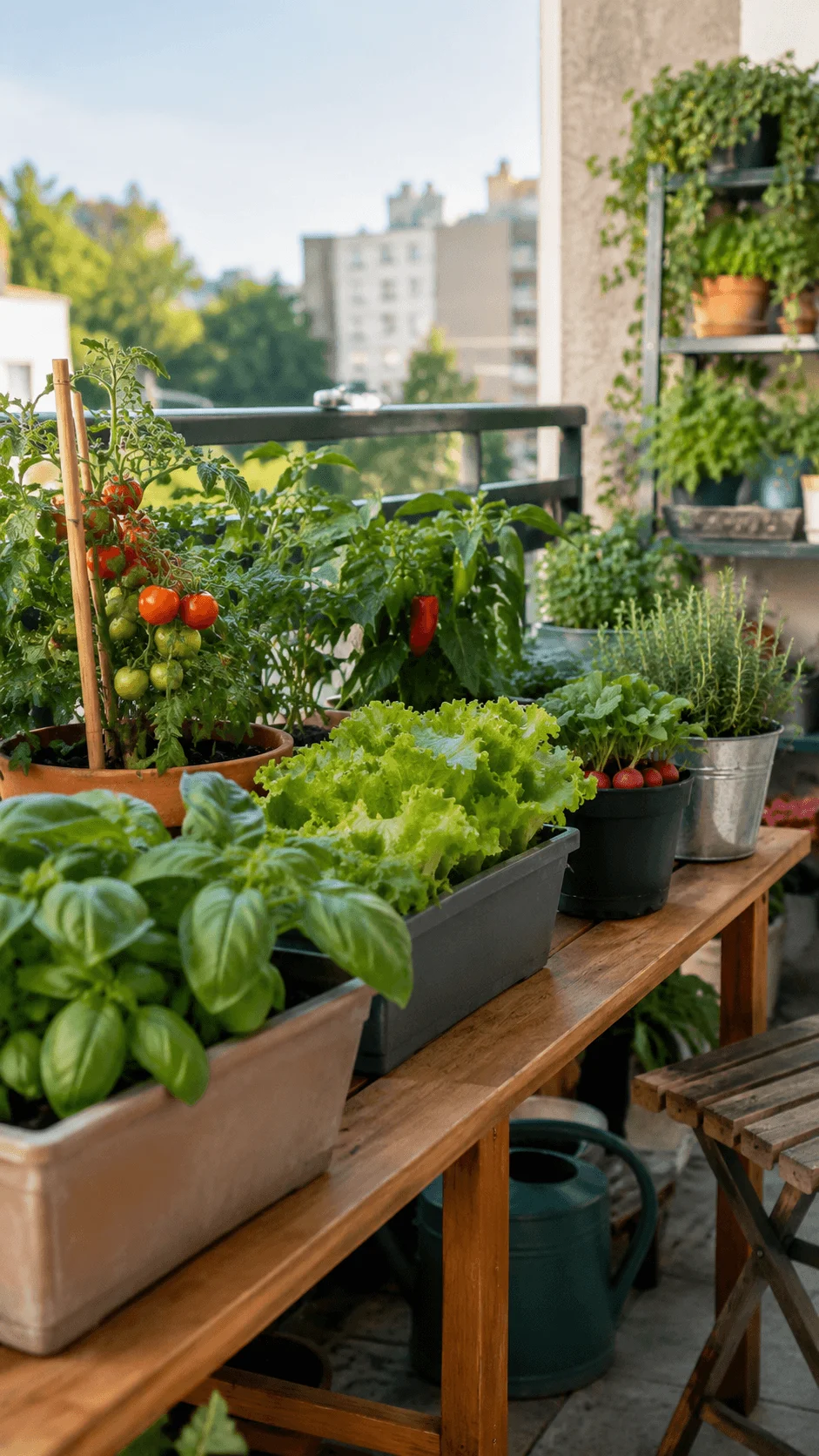
You can make this idea more sustainable by reusing suitable containers instead of purchasing new ones. However, always consider whether the material is appropriate for growing food and make sure the container has proper drainage.
Tabletop gardening also improves accessibility. Gardeners can place containers at a comfortable height, making it easier to inspect leaves, harvest vegetables, and monitor soil moisture.
For small homes, this approach demonstrates that sustainable vegetable gardening does not depend on having a traditional garden bed. A carefully planned collection of containers can produce fresh food while making efficient use of limited space.
4. Build a Water Saving Vegetable Garden
Water conservation has become an essential part of sustainable gardening. An effective water saving vegetable garden does not simply involve giving plants less water. Instead, it focuses on helping plants use available moisture more efficiently.
Mulch is one of the simplest ways to reduce moisture loss. A suitable organic mulch creates a protective layer over the soil and reduces direct evaporation. It can also moderate soil temperature and gradually contribute organic matter as it breaks down.
Improving soil can provide another important advantage. Soil rich in organic matter can retain moisture while still providing the structure roots need. Compost can therefore contribute to both soil health and water efficiency.
Gardeners can also consider targeted irrigation. Drip systems deliver water close to plant roots rather than spraying large amounts across paths and exposed soil. This can reduce unnecessary water loss when the system has been installed and maintained properly.
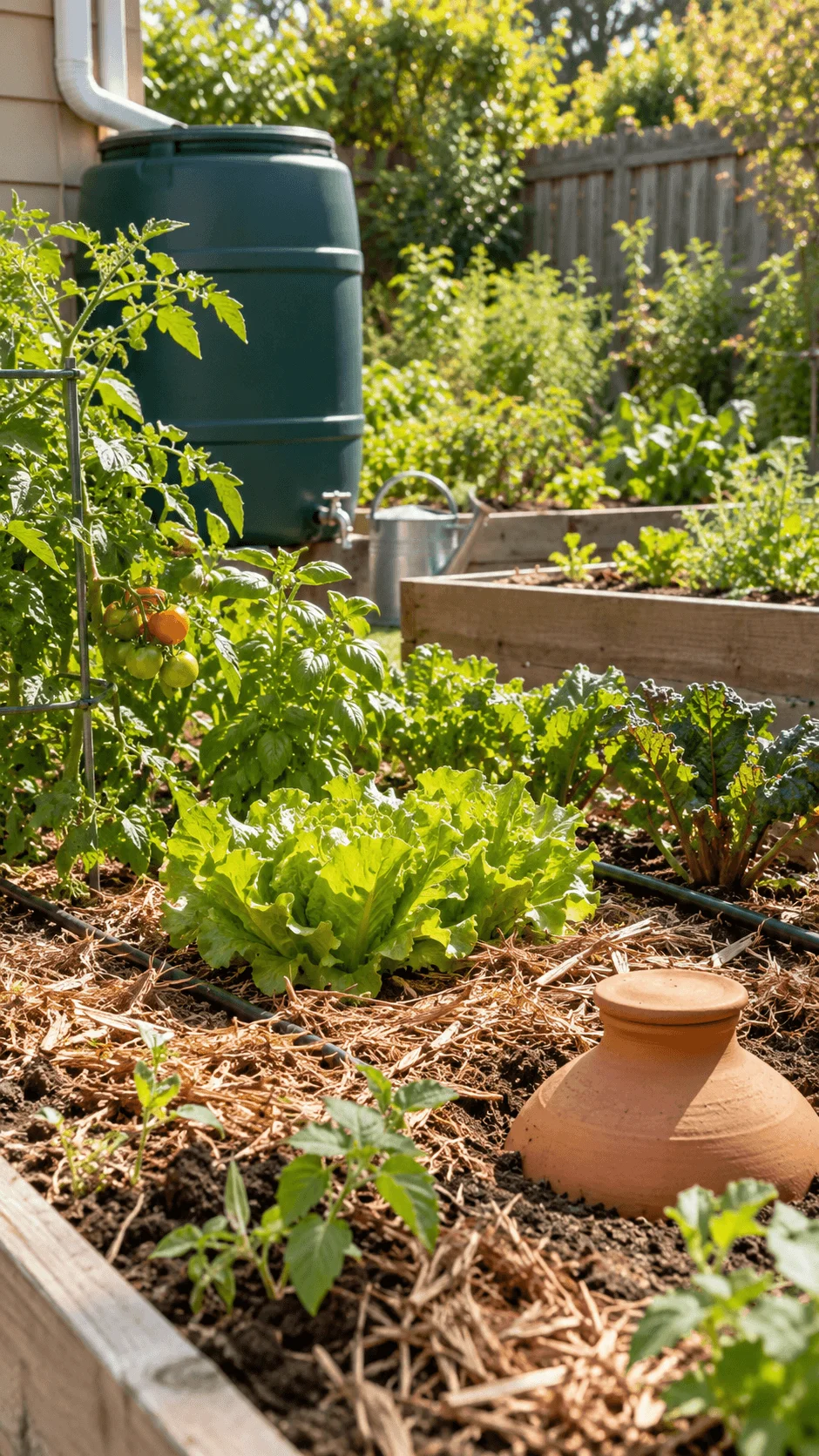
Ollas provide another interesting option. These porous clay containers sit beneath the soil surface and slowly release moisture around their surroundings. They can work particularly well in some smaller garden beds and containers.
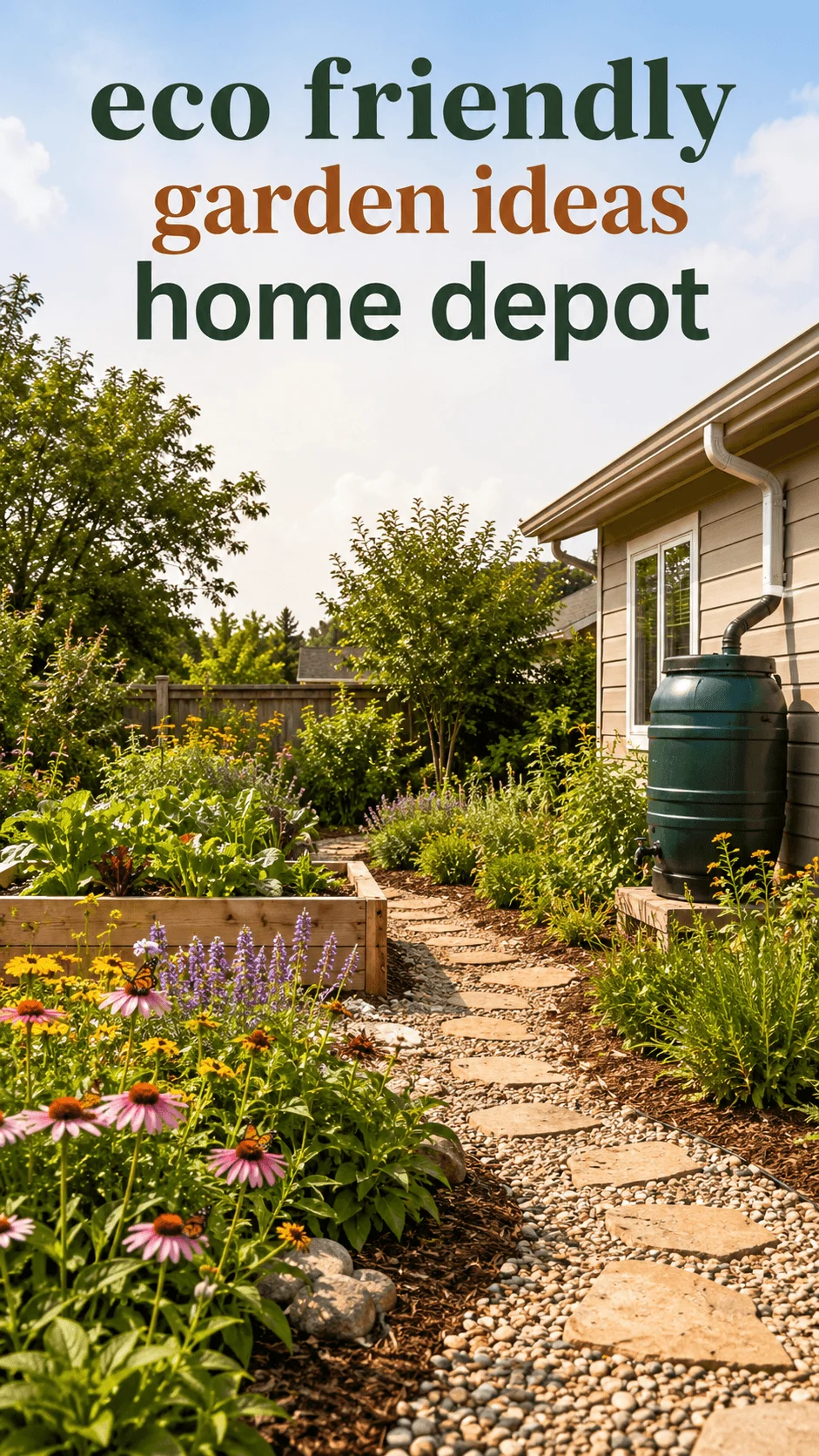
Rainwater collection can also contribute to a sustainable watering system where local regulations and conditions allow it. A rain barrel can capture water from suitable roof runoff and provide an additional source for garden irrigation.
Plant selection matters too. Choosing vegetables that suit your local climate can reduce the amount of water needed to maintain healthy growth. Grouping plants with similar water requirements can also make irrigation more efficient.
The most important principle is to understand what your plants and soil actually need. Watering according to soil conditions and weather rather than following an automatic routine can prevent unnecessary water use.
5. Create a Regenerative Vegetable Garden
Regenerative gardening takes sustainable vegetable gardening a step further. Instead of simply trying to reduce environmental harm, the approach focuses on gradually improving soil health and supporting the wider garden ecosystem.
Healthy soil forms the foundation of a regenerative vegetable garden. Gardeners can improve it by regularly adding suitable compost and organic matter, keeping the soil covered, reducing unnecessary disturbance, and rotating crops.
Crop rotation can help prevent gardeners from repeatedly placing the same type of crop in the same location. Different plants interact with soil nutrients and pests in different ways, so changing crop families between seasons can contribute to a more balanced growing system.
Keeping soil covered also matters. Bare soil can lose moisture and become more vulnerable to erosion. Mulch and suitable cover crops can provide protection while contributing organic material over time.
Composting fits naturally into this approach. Instead of sending suitable kitchen and garden waste away, gardeners can transform appropriate organic material into a valuable soil amendment. This creates a connection between household waste reduction and vegetable production.
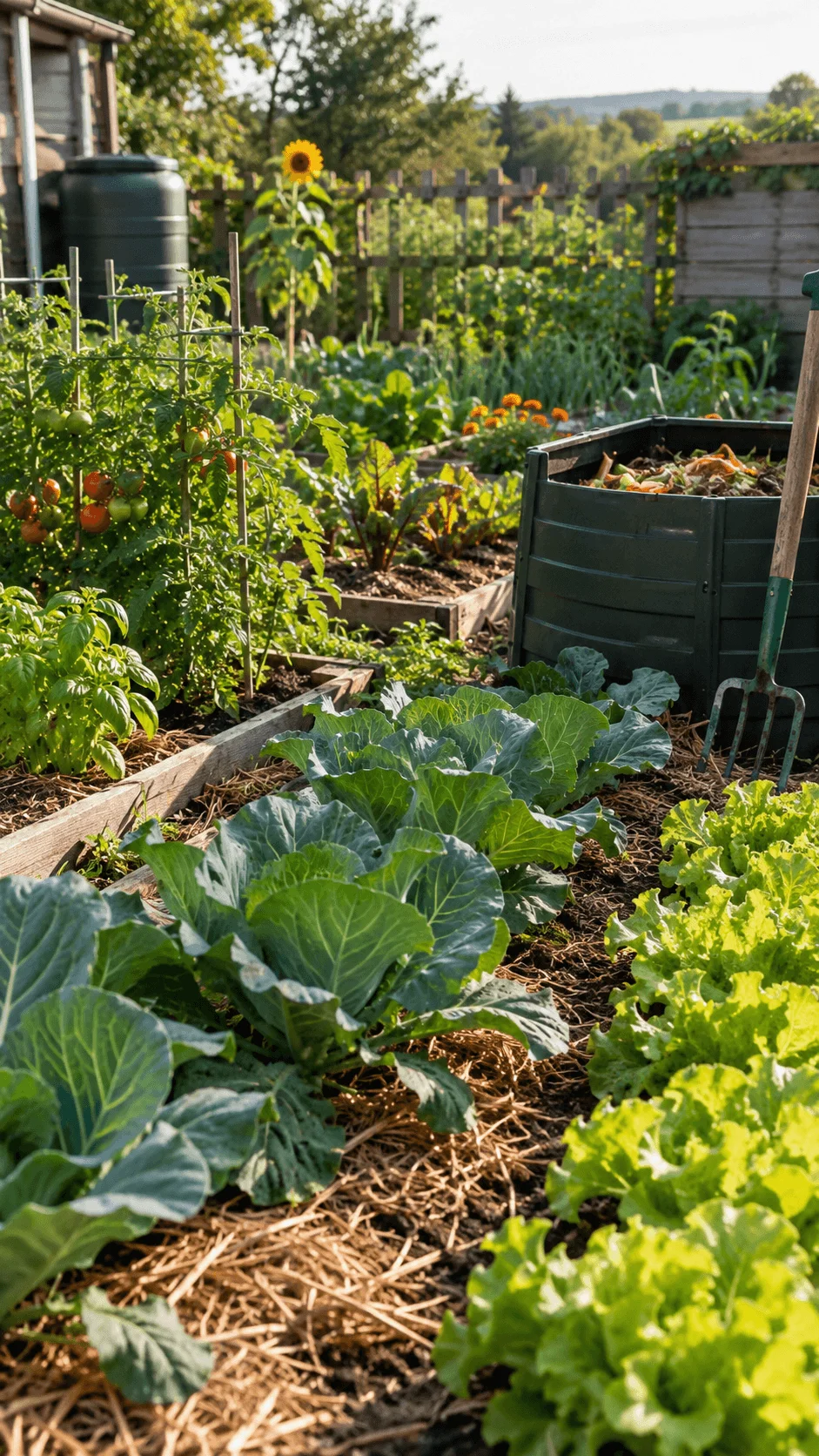
Regenerative gardening also encourages gardeners to think about the entire ecosystem. Soil organisms, insects, plants, water, and organic matter all interact. A garden that supports these relationships can become more resilient over time.
You do not need to completely redesign your garden to experiment with regenerative practices. Adding compost, protecting bare soil, reducing unnecessary digging, and rotating crops can provide a practical starting point.
The long term goal is simple: create growing conditions that become healthier and more productive through thoughtful management rather than constant reliance on external inputs.
6. Use Recycled Containers for Vegetable Gardening
Reusing suitable materials can turn vegetable gardening into a creative way to reduce household waste. Instead of automatically purchasing new planters, gardeners can look around their homes for containers and materials that could serve another purpose.
Wooden crates, suitable buckets, old planters, tubs, and other food appropriate containers can sometimes become useful growing spaces. Their suitability depends on the material, previous use, size, drainage, and condition.
Drainage deserves particular attention. Excess water can create problems for vegetable roots, so containers should allow surplus moisture to escape. At the same time, containers need enough growing medium to support the plant’s root system.
Think about the final location before choosing a recycled container. A large container may work well for a tomato plant but become difficult to move once filled with soil. Smaller containers can work well for herbs and compact vegetables.
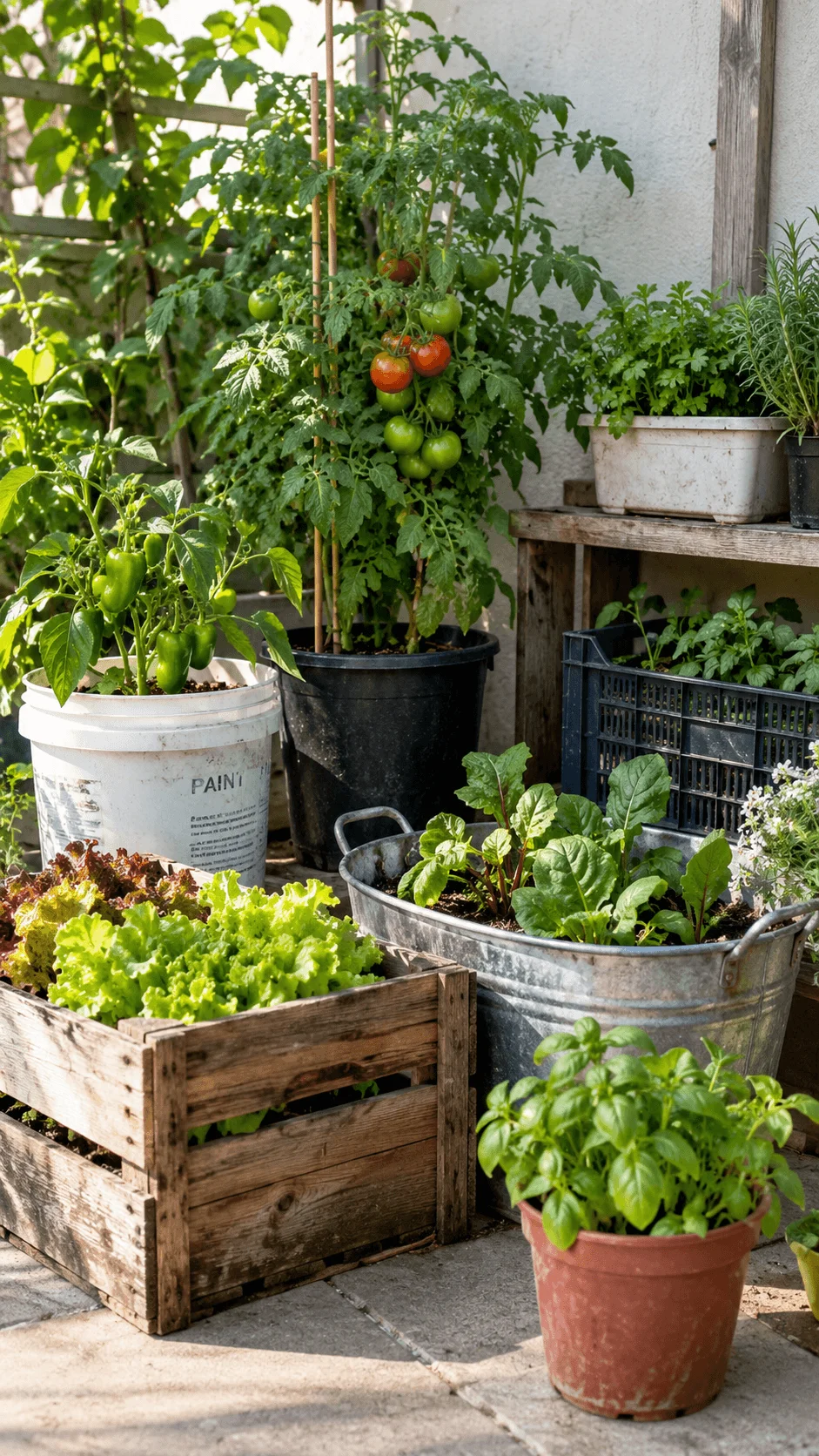
Safety should always come before creativity. Avoid containers that previously held substances unsuitable for food growing or materials that could pose a concern when exposed to soil, water, and sunlight.
Recycled containers can also create visual interest. Different shapes and sizes can form a layered garden around a patio, balcony, or small backyard. You can place taller plants behind shorter crops and use unused corners for herbs or compact vegetables.
The environmental benefit comes from extending the useful life of materials and reducing unnecessary purchases. When gardeners combine recycled containers with compost, water saving practices, and suitable vegetables, even a small container garden can become a meaningful part of a sustainable lifestyle.
7. Create a Companion Planting Vegetable Garden
Companion planting is a simple way to make a vegetable garden more diverse while using the available space more thoughtfully. Instead of growing one vegetable throughout an entire bed, gardeners can combine vegetables, herbs, and flowers that have different characteristics and growing habits.
A diverse garden can create a more interesting environment for beneficial insects and can make better use of space above and below the soil. For example, taller plants can grow alongside shorter crops, while herbs can occupy small spaces around larger vegetables.
Tomatoes and basil are a popular combination in home gardens because both plants can grow during similar warm conditions. Carrots and onions can also share garden space because they occupy different areas and have different growth patterns. Flowers such as marigolds can add color while attracting insects to the garden.
However, companion planting should not become a collection of exaggerated gardening claims. No plant combination can guarantee that pests will disappear. The results can vary depending on climate, plant varieties, spacing, soil conditions, and the types of insects present.
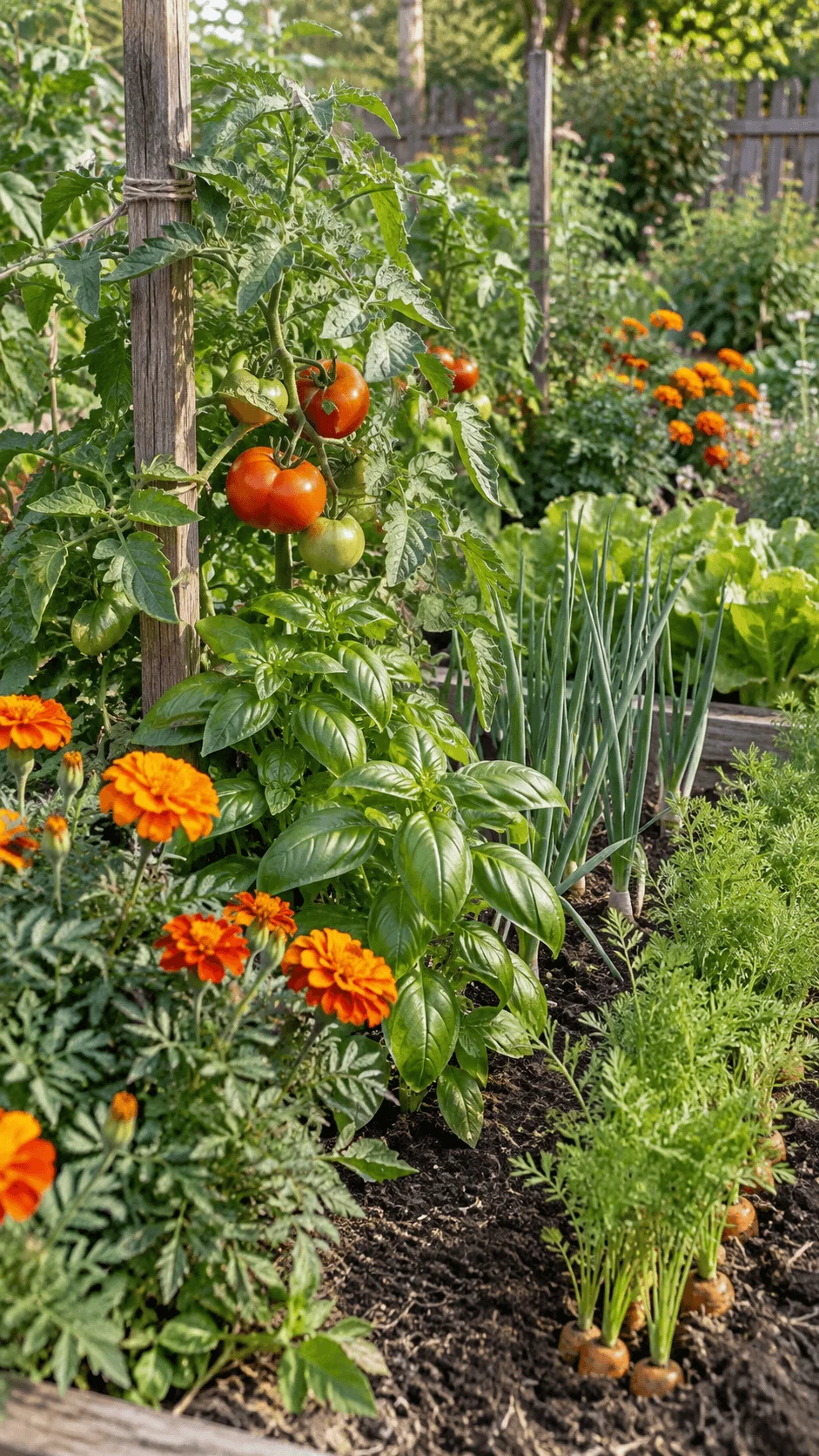
The bigger advantage comes from increasing diversity. A garden containing vegetables, herbs, and flowers can provide different food sources and habitats for insects while making the growing area more productive and visually appealing.
You can also use companion planting to make a small garden feel larger. Instead of separating every crop into its own bed, combine compatible plants throughout the available space. This approach works particularly well when you want eco friendly vegetable garden ideas that support both food production and biodiversity.
8. Design a Pollinator Friendly Vegetable Garden
A vegetable garden does not need to contain vegetables alone. Adding flowering plants can turn a basic growing area into a more diverse environment that provides resources for pollinators and other beneficial insects.
Pollinator friendly gardening has become an important part of modern sustainable garden design because insects such as bees and butterflies contribute to the wider ecosystem. Some vegetable plants also benefit from insect pollination, making pollinator support relevant to food gardening as well as ornamental gardening.
You can introduce flowering plants around the edges of vegetable beds or place them between suitable crops. Marigolds, calendula, borage, nasturtiums, and flowering herbs can provide attractive options, although the best choices depend on your local climate.
Native flowering plants can be particularly valuable because local insects may already have relationships with plants that naturally occur in the region. Instead of choosing flowers only because they look attractive, consider their flowering period, suitability for your climate, and value to local wildlife.
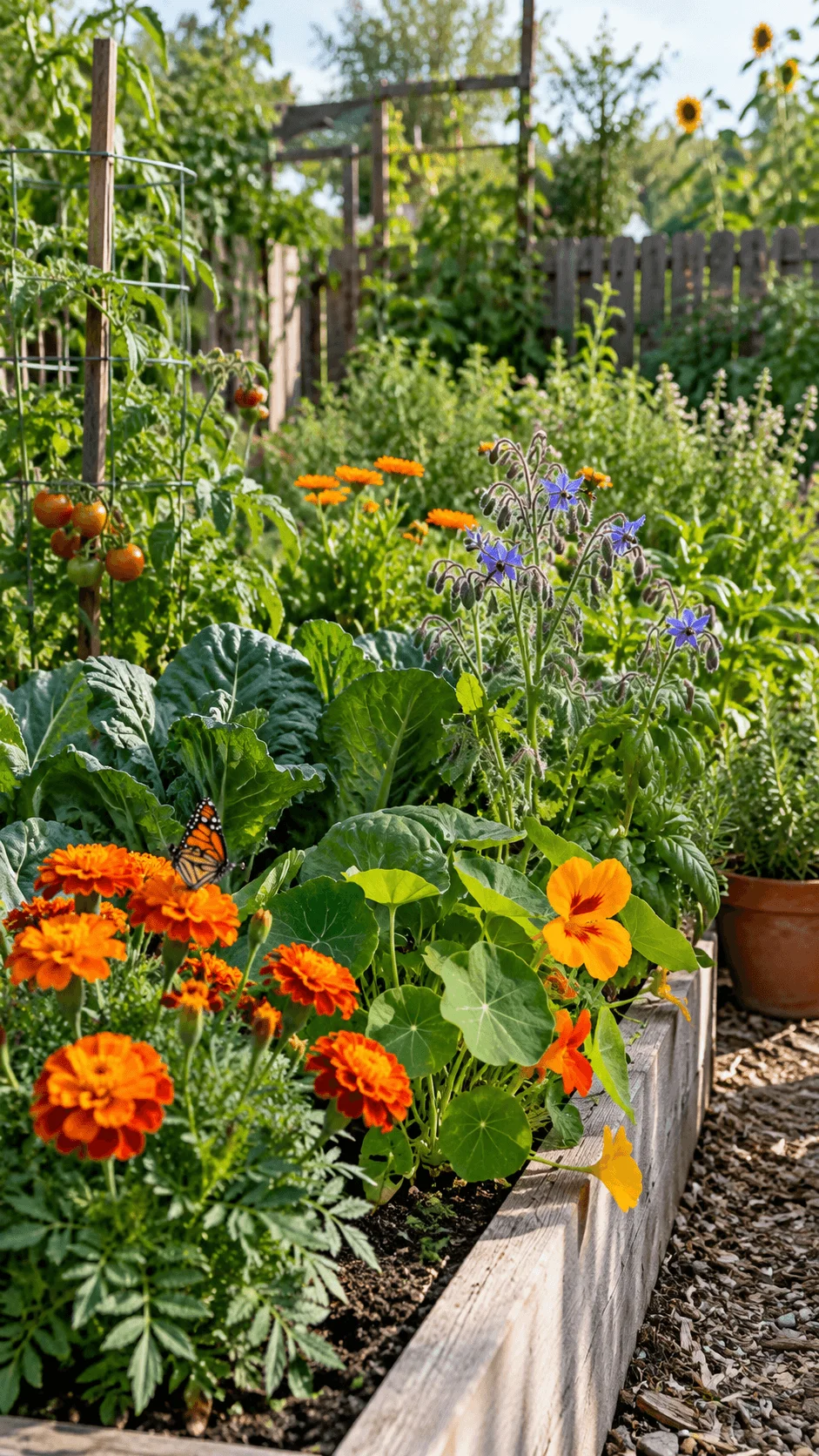
You do not need a huge flower garden to make a difference. Even a narrow border around a vegetable bed can introduce additional plant diversity. A few flowering containers can also work when you have a balcony or patio garden.
Avoid treating pollinator gardening as simply adding a few colorful flowers. Think about the garden as a small ecosystem. Pollinators need suitable food sources, while beneficial insects can also benefit from shelter and a variety of plants.
Reducing unnecessary chemical use can further support this approach. Gardeners should always identify a pest problem before taking action rather than automatically treating every insect as harmful.
A diverse vegetable garden can therefore provide food for your household while also creating a more welcoming environment for insects and other garden life.
9. Try Kitchen Scrap and Zero Waste Vegetable Gardening
One of the most accessible sustainable gardening ideas starts in the kitchen. Before throwing suitable vegetable scraps into the waste bin, you can sometimes use them as the starting point for a small regrowing experiment.
Green onions, lettuce, celery, and bok choy are examples of vegetables that can produce additional growth from suitable leftover portions. The process varies between plants, and successful regrowth depends on freshness, light, temperature, moisture, and other growing conditions.
This method should not create unrealistic expectations. A kitchen scrap does not always turn into a full replacement for the original vegetable. In many cases, gardeners can encourage additional leafy growth rather than produce a completely new mature vegetable.
The value of the practice goes beyond the amount of food produced. It encourages people to think differently about household waste and notice which organic materials still have potential uses.
You can place suitable scraps in a small container near a sunny window and observe their growth. Outdoor gardeners can eventually experiment with transferring appropriate plants into soil when conditions allow.
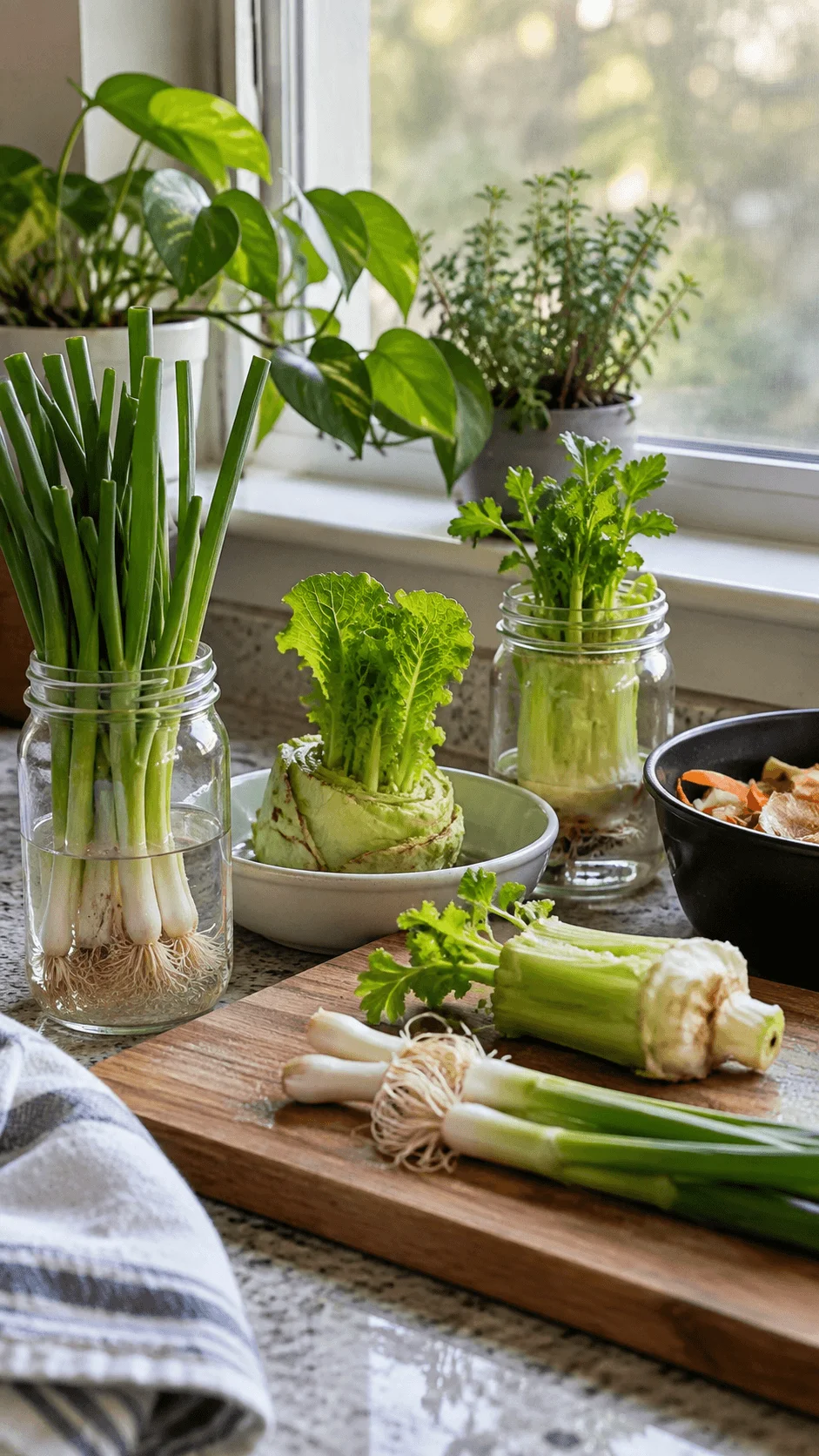
Kitchen scrap gardening can also work alongside composting. Scraps that do not make sense to regrow can often become part of a suitable composting system instead.
This creates a broader zero waste approach where gardeners look for ways to reuse organic materials before treating them as waste. It connects everyday kitchen habits with the garden and makes sustainability feel practical rather than complicated.
For families and beginner gardeners, this can also become an enjoyable experiment. Watching a leftover piece of vegetable produce new growth can demonstrate the natural growth cycle in a very simple way.
10. Build a Continuous Harvest Vegetable Garden
A productive garden does not necessarily need to produce everything at once. One of the smartest approaches involves spreading planting throughout the growing season so that vegetables become ready at different times.
This method is commonly known as succession planting. Instead of planting all your lettuce on one day, for example, you can make several smaller plantings at different intervals when local growing conditions allow.
The same concept can work with radishes, herbs, beans, and other crops that have relatively short growing periods. When one planting finishes producing, another can take its place.
This approach helps prevent the common problem of having far more vegetables than your household can use during a short period. A gardener might harvest several heads of lettuce at once from a large planting, only to have no fresh lettuce available several weeks later. Smaller repeated plantings can create a steadier supply.
Succession planting can also make better use of garden space. When one crop finishes, you can prepare the area for another suitable crop instead of leaving the soil unused for a long period.
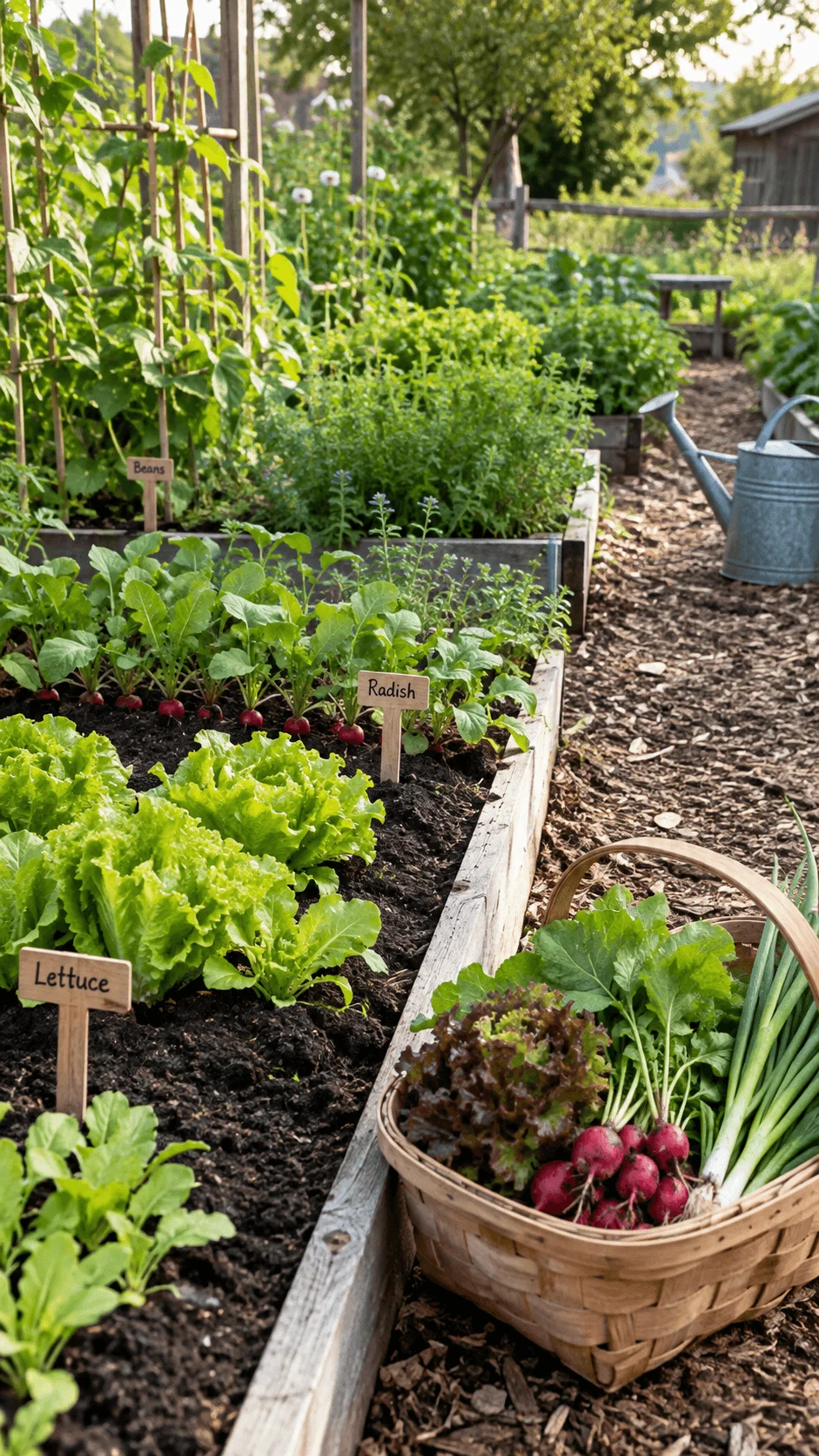
The approach fits particularly well with sustainable gardening because it encourages gardeners to plan according to actual household needs. Growing only what you can reasonably harvest and use can reduce food waste.
You can also combine succession planting with crop rotation and soil improvement. As different crops move through the garden, gardeners can continue adding compost and protecting the soil between plantings.
A continuous harvest garden therefore focuses not just on growing more vegetables, but on growing them at more useful times.
11. Create an Eco Friendly Vertical Vegetable Garden
Limited space does not always mean limited gardening potential. Vertical gardening allows plants to grow upward rather than spreading across valuable ground space.
Cucumbers, climbing beans, peas, and some tomato varieties can benefit from appropriate vertical support. Instead of allowing these plants to spread across the ground, gardeners can train them onto trellises or other stable structures.
The sustainability advantage comes from making better use of the space you already have. A narrow garden can support climbing plants without requiring a large horizontal growing area.
You can also make the structure more environmentally responsible by choosing durable supports that you can use for several seasons. Suitable reclaimed materials can sometimes provide useful trellises, provided they are strong, safe, and appropriate for garden use.
Stability is particularly important. A mature cucumber or bean plant can become surprisingly heavy, especially after watering or rainfall. A vertical structure needs secure support so that it does not fall and damage plants.
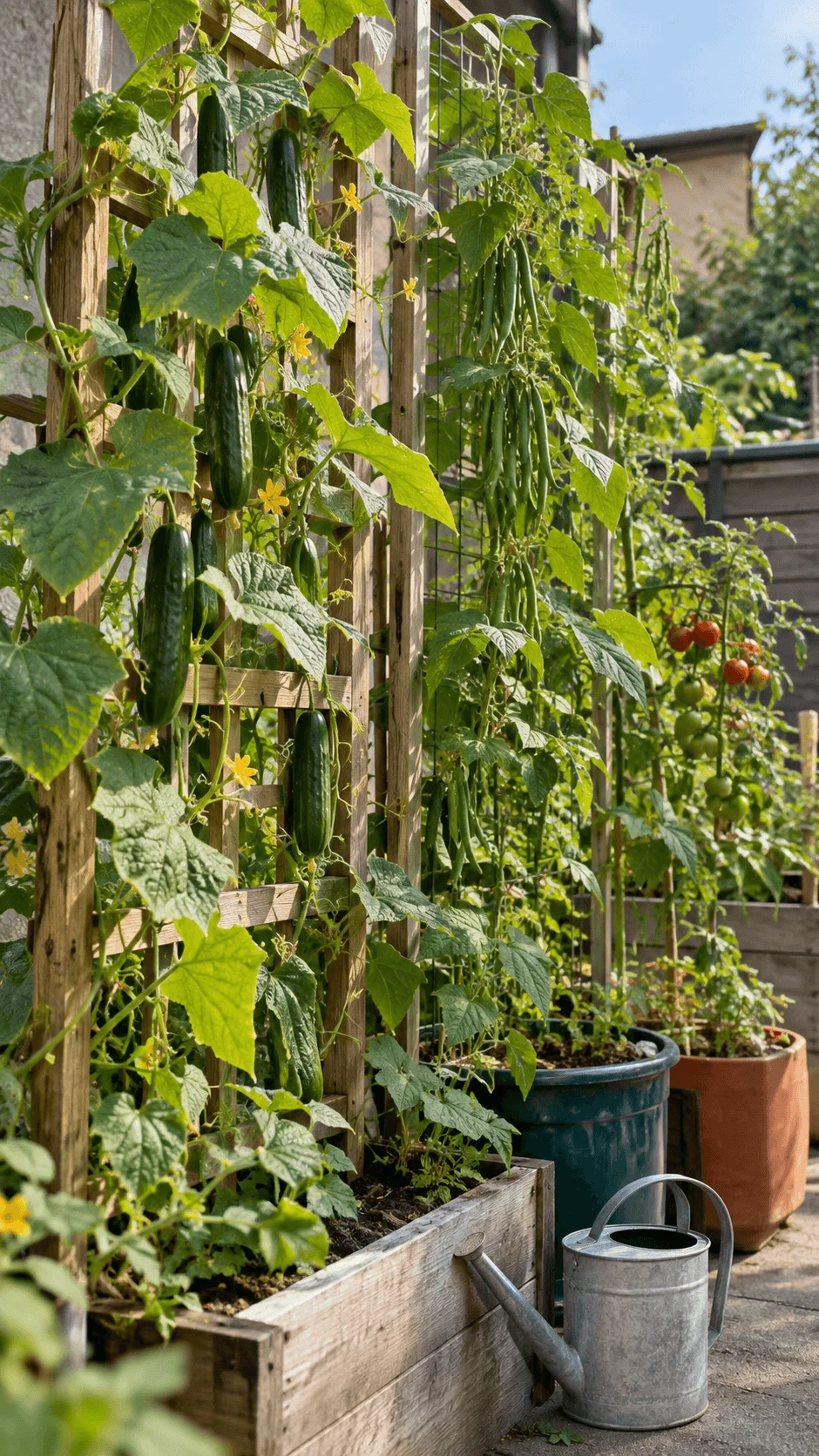
Sunlight and airflow also deserve attention. Position climbing vegetables where they can receive sufficient light without creating excessive shade for smaller plants. Good airflow around foliage can also support healthier growing conditions.
Vertical gardening works especially well when combined with other sustainable methods. You can grow climbing vegetables in recycled containers, use mulch to conserve moisture, and maintain healthy soil with compost.
For balconies, patios, and compact backyards, vertical growing can transform unused vertical space into productive growing space.
The result is a garden that focuses on efficiency without requiring a larger footprint.
12. Use Smart Soil and Water Monitoring
Technology is beginning to play a larger role in sustainable home gardening. However, smart gardening does not necessarily require expensive automated systems or complicated equipment.
Simple tools can provide useful information about what your garden actually needs. A soil moisture meter, for example, can help you determine whether soil still contains enough moisture before you water.
A basic rain gauge can also show how much rainfall your garden receives. This information can help you avoid watering immediately after a useful rain event.
Weather information can provide another layer of guidance. Knowing whether hot, dry weather or rainfall is approaching can help you plan irrigation more intelligently.
Soil testing can also reveal useful information about soil conditions. Rather than adding fertilizer simply because a garden center recommends it, gardeners can use soil information to understand what their growing area may actually need.
These small decisions can reduce unnecessary resource use. If the soil remains moist after rainfall, there may be no reason to irrigate immediately. If a plant shows signs of stress despite wet soil, the problem may involve drainage, roots, temperature, or another issue rather than a simple lack of water.
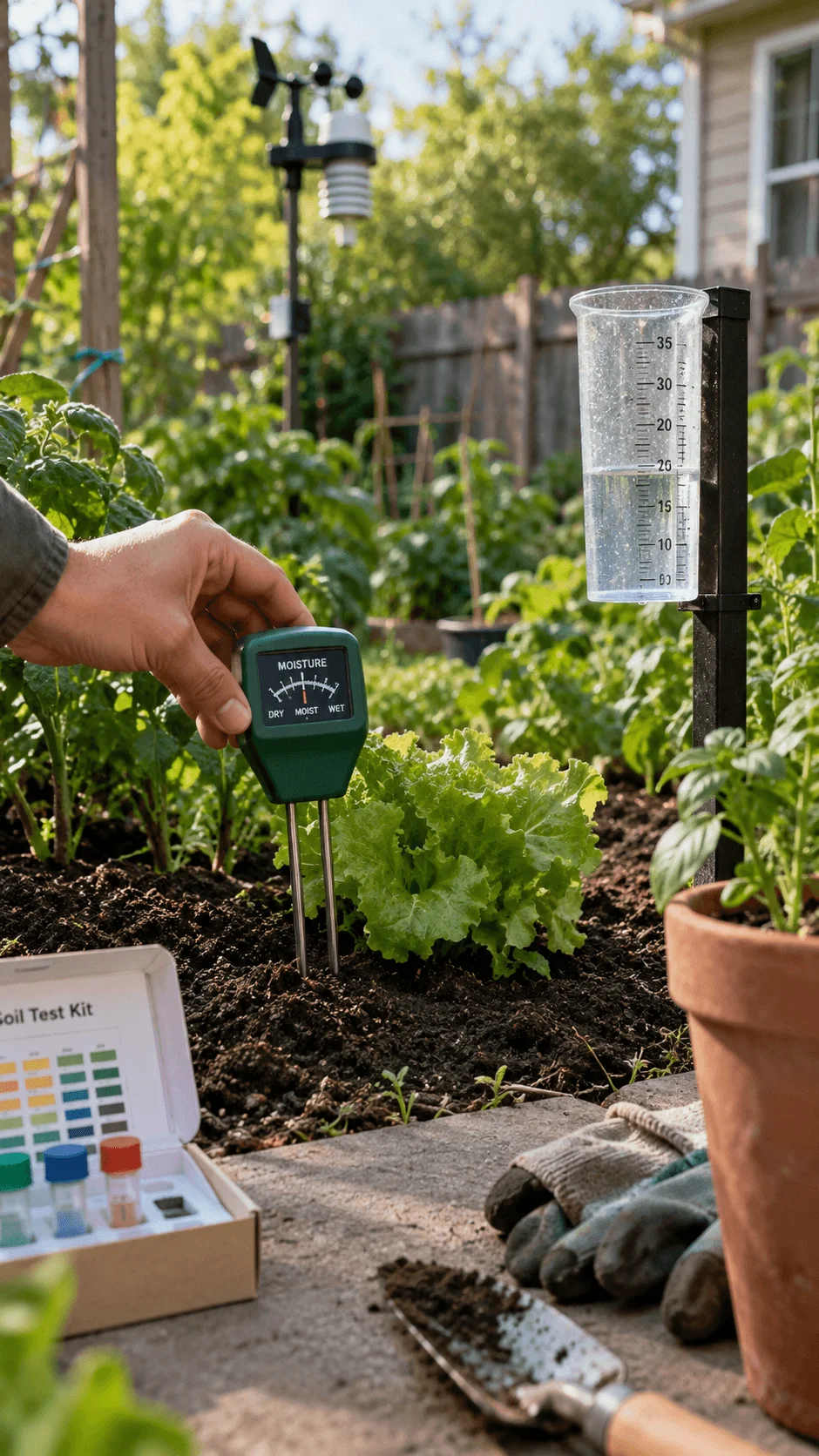
Smart monitoring therefore works best when technology supports observation rather than replacing it.
You can walk through your garden, touch the soil, inspect leaves, observe weather conditions, and combine those observations with simple tools. This creates a more informed approach to gardening.
For a modern sustainable garden, that can be more valuable than simply adding more equipment.
How to Combine Sustainable Vegetable Garden Ideas
The best sustainable vegetable garden ideas do not need to exist separately. In fact, combining several approaches can create a garden where one improvement supports another.
For example, you could begin with a no dig bed and improve the soil with compost. Adding organic mulch can then help protect that soil and conserve moisture. If you choose climate resilient vegetables, the garden may require less intervention during difficult weather.
A small backyard can combine vertical growing with succession planting. Climbing beans and cucumbers can use vertical space while lettuce and radishes can occupy smaller areas between larger crops. Recycled containers can provide additional growing space around the edges.
A balcony gardener can take a different approach. Tabletop containers can hold compact tomatoes, peppers, herbs, and lettuce. A small trellis can provide vertical space for suitable climbing plants. A moisture meter can help prevent unnecessary watering, while reused food safe containers can reduce the need to purchase additional planters.
A larger backyard offers opportunities to create greater biodiversity. Vegetable beds can include flowering plants for pollinators, companion plants for diversity, and pathways that make maintenance easier. Compost can return organic matter to the soil while crop rotation helps gardeners manage different plant families over time.
You can also combine water conservation with climate resilience. Mulching the soil, improving organic matter, collecting suitable rainwater, and choosing vegetables adapted to local conditions can all work toward the same goal.
The important thing is to start with the problems your garden actually has. If water disappears quickly, focus on moisture management. If the soil feels depleted, begin with organic matter and soil care. If space is limited, consider tabletop and vertical growing.
Sustainable gardening becomes much easier when you choose methods that fit your particular environment instead of copying an entire garden design from somewhere else.
Conclusion
Modern vegetable gardening is becoming more thoughtful. Gardeners are no longer focused only on producing the largest possible harvest. They are also considering how they use water, how they protect soil, how they reduce waste, and how their gardens interact with the surrounding environment.
These eco friendly vegetable garden ideas show that sustainability can take many forms. A no dig bed can protect soil structure, while compost can return organic matter to the growing environment. Water wise techniques can reduce unnecessary irrigation, and climate resilient crops can help gardens cope with difficult weather. Recycled containers can give old materials another purpose, while vertical and tabletop gardening can make food production possible in small spaces.
Biodiversity also matters. Companion planting and pollinator friendly flowers can create a more varied garden ecosystem, while succession planting can help households enjoy a steadier supply of fresh vegetables. Even simple kitchen scrap experiments can encourage a more thoughtful approach to household waste.
You do not need to adopt every method at once. Start with one or two changes that make sense for your garden and build from there. Over time, these small decisions can transform an ordinary vegetable patch into a healthier, more productive, and more sustainable growing space.
The best eco friendly vegetable garden ideas are ultimately the ones that work with your climate, available space, soil, resources, and everyday routine. When sustainability becomes part of how you plan and care for the garden, growing fresh food can become both rewarding and environmentally responsible.