12 Eco Friendly Garden Ideas With Rocks
Creating a beautiful outdoor space does not always require a large lawn, constant watering, or high maintenance planting. Eco friendly garden ideas with rocks offer a practical way to combine natural stone with drought tolerant plants, native vegetation, rainwater management, and wildlife friendly features. In 2026, rock landscaping is increasingly being paired with water wise planting and sustainable design rather than being used simply as decoration.
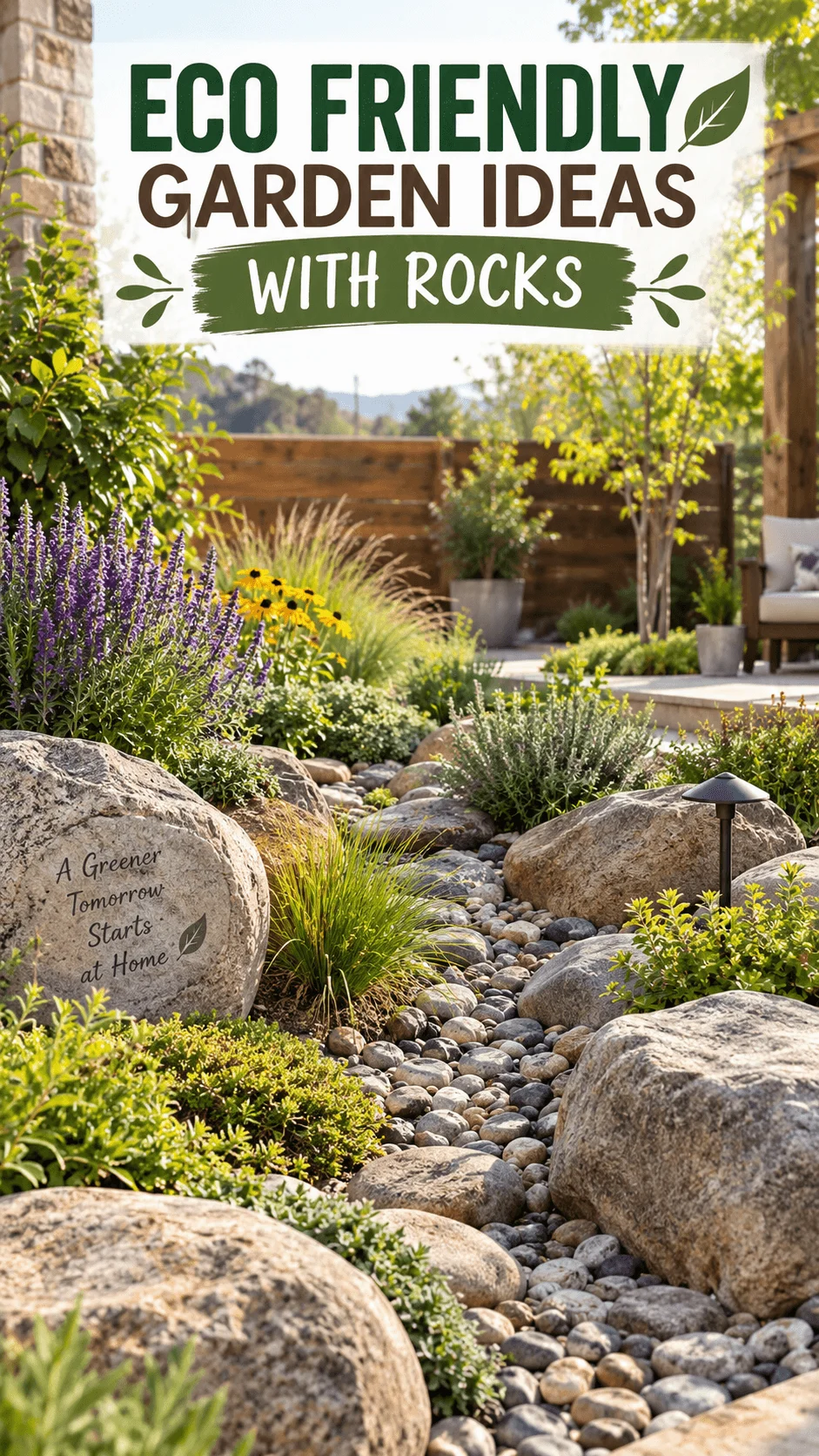
Modern rock gardens are also moving away from the old idea of filling a space almost entirely with stones. Instead, designers are combining different rock sizes with carefully selected plants, gravel, permeable surfaces, and natural looking layouts. This approach can create a garden that uses fewer resources while still offering texture, structure, and year round interest.
Why Sustainable Rock Garden Ideas Are Becoming More Popular
Gardens are increasingly being designed around practical environmental concerns. Water conservation, extreme weather, biodiversity, and lower maintenance have all become important considerations when homeowners plan outdoor spaces. Native and drought tolerant plants can reduce irrigation requirements, while gravel and other permeable materials can help manage rainwater.
Rocks can complement these features because they provide permanent structure without needing watering, mowing, or regular replacement. They can define planting areas, stabilize slopes, create pathways, protect soil from erosion, and provide attractive spaces between plants.
However, an environmentally responsible garden should not simply replace every living surface with stone. A better approach uses rocks where they perform a useful function while leaving enough space for plants, healthy soil, insects, and other forms of garden life.
1. Eco Friendly Dry Creek Bed With Native Plants
A dry creek bed is one of the most useful ways to incorporate rocks into a sustainable landscape. Rather than functioning as a permanent stream, it creates the appearance and structure of a natural watercourse while providing a route for rainwater to move through the garden.
Start by creating a gently curved channel instead of a perfectly straight trench. Natural waterways rarely look completely symmetrical, so curves can make the feature feel more connected to the surrounding landscape. Place larger stones around bends and along the edges, then use progressively smaller rocks and gravel toward the center.
The planting around the creek can make an even bigger difference. Native grasses, flowering plants, and groundcovers can soften the edges while helping the feature blend into the rest of the garden. Choose species that naturally tolerate the moisture conditions in your area.
A dry creek bed can work particularly well where rainwater tends to collect or move quickly across the property. The rocks can slow the visual flow of water and help reduce erosion, while plants add living cover to the surrounding soil.
For a small backyard, you do not need a large channel. A narrow curved strip of river rock surrounded by native plants can create the same concept on a smaller scale.
2. Permeable Rock Garden Path
Traditional solid pathways can create large areas where rainwater cannot easily reach the soil. A permeable rock pathway offers a more natural alternative for suitable locations.
Gravel is particularly useful because water can move through the spaces between individual pieces rather than immediately flowing across a completely sealed surface. Current sustainable garden design is increasingly emphasizing permeable surfaces as a way to manage rainwater more naturally.
A beautiful path does not have to consist entirely of loose gravel. You can combine gravel with natural stepping stones, creating a more structured walkway while maintaining open areas between the stones.
Consider using larger flat rocks as stepping points and smaller gravel around them. Groundcover plants can also soften the edges where appropriate.
The shape of the path matters as well. A gently curving walkway can make a small garden appear more spacious while guiding visitors through different planting areas.
For an especially sustainable approach, consider using locally available stone or reclaimed paving materials instead of purchasing newly manufactured products solely for the project.
3. Reclaimed Rock Garden
One of the simplest ways to make rock landscaping more environmentally conscious is to start with materials you already have.
Old stones from another part of the property, leftover landscaping rocks, salvaged paving pieces, and suitable reclaimed materials can all become useful elements in a new garden. Reusing existing materials means they do not need to become waste simply because you are changing the design.
A reclaimed rock garden can look surprisingly sophisticated when the materials are arranged thoughtfully. Large stones can form the foundation of a planting bed, while smaller pieces can create borders or fill spaces around plants.
You can also combine different types of reclaimed material rather than trying to make everything perfectly uniform. Slight differences in shape, texture, and weathering can give the garden a more natural appearance.
A 2026 gravel garden project demonstrates this principle on a much larger scale by reusing crushed concrete from an existing site and incorporating reclaimed materials into the landscape.
For a homeowner, the same principle can be applied on a much smaller scale. Before purchasing new rocks, look around the property and consider whether existing materials can be cleaned, relocated, or incorporated into the new design.
4. Native Pollinator Rock Garden
A rock garden can become much more environmentally valuable when you combine it with plants that support pollinators.
Instead of spreading rocks across the entire planting area, create small pockets of soil between stones. Fill these spaces with native flowering plants that are appropriate for your region.
The rocks provide permanent structure while the plants provide color, shelter, and resources for insects. Groundcovers can spread through spaces between stones, while taller native plants can create layers above them.
The most successful design usually looks somewhat natural rather than perfectly arranged. Place larger stones first and then use smaller rocks to transition between the stones and planted areas.
Think about flowering at different times of the year as well. A garden with several plant species that bloom in different seasons can provide more consistent visual interest than one that produces flowers for only a short period.
Native plants are especially valuable because they are adapted to local environmental conditions. Current 2026 sustainable gardening guidance continues to emphasize native and drought tolerant planting as part of water wise and biodiversity focused landscapes.
5. Eco Friendly Gravel Garden Instead of a Traditional Lawn
Replacing a section of lawn with a gravel garden can create a dramatic change in the way a yard looks and functions.
Traditional lawns can require regular mowing and irrigation, while a carefully designed gravel garden can reduce those demands. Current 2026 landscaping coverage increasingly presents gravel gardens as an option for drought tolerant and climate resilient outdoor spaces.
The key is to avoid thinking of a gravel garden as a completely empty area covered with stone. Instead, create a planting composition where gravel acts as the background.
Use groups of drought tolerant plants, native grasses, flowering perennials, and carefully positioned rocks. Different heights create visual depth, while larger stones can act as focal points.
This design can work particularly well in areas where grass struggles because of heat, poor soil, limited rainfall, or difficult maintenance conditions.
A small lawn section can also be converted gradually. You do not necessarily need to redesign the entire garden at once. Start with one underused patch and introduce gravel, rocks, and plants that suit the conditions.
6. Rock Rain Garden
A rain garden offers another way to combine rocks with environmental function.
Instead of allowing rainwater to run quickly away from the property, a rain garden creates a planted area where water can collect temporarily and gradually infiltrate the ground. Permeable landscaping and rain gardens are increasingly recognized as useful components of sustainable garden design because they can help manage runoff and erosion.
Rocks can help define the edges of the rain garden and create visual structure. Larger stones can also provide stable features around areas where water occasionally moves more quickly.
Plant selection is important. Choose plants suited to the moisture conditions you expect in the garden rather than selecting species based only on appearance.
You can position moisture loving plants toward the lower portion of the garden and plants that prefer drier conditions toward the outer edges.
The result can look like a natural planting depression rather than an obvious drainage feature.
For a small property, even a modest rain garden can become an attractive focal point when it combines stones, native plants, and carefully planned planting layers.
7. Dry River Rock Garden With Drought Tolerant Plants
A dry river rock garden can bring the appearance of a natural waterway to a landscape without requiring a permanent stream or pond. This makes it an attractive option for homeowners who want a strong visual feature while keeping water use relatively low. The design works especially well when rocks create the shape of a river and drought tolerant plants soften the surrounding edges.
Start by creating a wide, gently curving shape rather than a narrow, perfectly straight strip. Place larger boulders around the outer edges and bends, then gradually transition to medium river rocks and smaller gravel toward the center. This variation in size makes the feature look more natural and prevents it from appearing like a simple line of decorative stones.
Plants can make the biggest difference in the final appearance. Ornamental grasses, drought tolerant flowering plants, low growing groundcovers, and suitable native species can be planted along the edges. Allow some plants to partially overlap the rocks so the boundaries between the planted areas and the dry river become less obvious.
The design can also work in a small garden. A narrow dry river surrounded by gravel and low growing plants can create a focal point without occupying much space. In a larger landscape, the feature can wind through different planting zones and connect separate parts of the garden.
8. Drought Tolerant Rock Garden With Native Plants
A drought tolerant rock garden is one of the most practical eco friendly garden ideas with rocks because it can combine permanent landscape structure with plants that are naturally suited to dry conditions. Instead of trying to maintain plants that need frequent watering, choose species that can handle the climate and soil conditions of the garden.
The rocks can create different microenvironments throughout the planting area. A large stone can provide shade for part of the day, while gravel can create a warmer and better drained area nearby. These differences allow you to create several planting conditions within the same garden.
Native plants are particularly useful because they have adapted to the environmental conditions of their region. However, the best choices depend heavily on where you live. A plant that thrives with little water in one region may need considerably more care somewhere else.
Think about the garden as a series of plant communities rather than individual plants scattered randomly between stones. Group plants with similar sunlight and moisture requirements together. This can make irrigation more efficient and prevent you from watering the entire garden when only one small area needs additional moisture.
You can also vary the height of the planting. Low groundcovers can occupy spaces close to the rocks, medium plants can fill the middle layer, and taller grasses or flowering plants can create a background.
The result is a garden that looks intentionally designed while relying less heavily on constant maintenance.
9. Eco Friendly Gabion Rock Garden Beds
Gabion structures offer a more architectural interpretation of sustainable rock landscaping. They consist of strong wire containers filled with rocks or other suitable materials, creating structures that can function as borders, walls, raised beds, or decorative garden features.
One reason gabions work well in sustainable landscaping is their ability to make use of different stone sizes and, in some cases, suitable reclaimed materials. Recent sustainable garden projects have demonstrated how leftover rocks and other materials can become useful gabion structures instead of going to waste.
A gabion garden bed can become a strong focal point in a contemporary garden. You can place plants along the top, in front of the structure, or beside it to soften the hard appearance of the stone.
Gabions are particularly useful where you want to introduce height without constructing a conventional solid wall. A raised gabion bed can separate different planting areas while giving the garden more vertical interest.
They can also work in compact spaces. A narrow gabion border along a patio can define the planting area without requiring a large footprint.
For the most sustainable result, consider whether you can source suitable stone locally or reuse materials already available on your property. The goal should not simply be to install an attractive stone structure but to use materials thoughtfully and efficiently.
10. Rock Herb Spiral Garden
A rock herb spiral is a creative way to combine edible gardening with natural stone. The garden follows a spiral shape that gradually rises toward the center, creating several planting zones within a relatively small area.
The different levels can produce variations in sunlight, drainage, and moisture. Plants that prefer drier conditions can occupy higher sections, while herbs that appreciate slightly more moisture can grow closer to the lower portions.
Rocks form the walls of the spiral and hold the structure together visually. You can use irregular natural stones to create a rustic appearance or more evenly shaped pieces for a cleaner contemporary style.
One of the biggest advantages of this design is its efficient use of space. A small backyard, patio garden, or compact side yard can accommodate a surprisingly productive herb garden without requiring a large rectangular planting bed.
The spiral shape also makes the garden visually interesting from above and from ground level. Instead of treating an herb garden as a purely practical feature, you can make it one of the main focal points of the landscape.
Use herbs that suit your climate and sunlight conditions. Mediterranean herbs can work well in dry, sunny areas, while other herbs may prefer more moisture and partial shade. Matching the plants to the different conditions within the spiral is what makes the design both attractive and practical.
11. Rock Crevice Garden
A rock crevice garden takes the relationship between rocks and plants a step further. Instead of simply planting vegetation beside stones, you create narrow growing spaces between carefully positioned rocks.
This design can recreate conditions found in naturally rocky environments. The stones provide structure while the narrow planting pockets can offer excellent drainage for plants that dislike consistently wet soil.
Start with larger, relatively flat stones and position them so that narrow spaces remain between them. Fill appropriate planting pockets with suitable soil and choose plants that can tolerate limited root space and well drained conditions.
Small native groundcovers, drought tolerant perennials, alpine style plants, and other suitable species can work particularly well. The exact selection should depend on your local climate.
The rocks also create visual layers. Some can stand upright while others lie horizontally, producing shadows, texture, and varying heights throughout the garden.
A crevice garden can be especially useful for people who want a natural looking landscape without installing a large garden bed. Even a small section can provide an interesting combination of stone and vegetation.
The most important thing is to avoid making every gap identical. Natural rocky landscapes contain irregular spaces, so varying the width and orientation of the crevices can produce a more convincing result.
12. Recycled Glass Rock Garden
Recycled glass can introduce a contemporary element into sustainable rock landscaping. Crushed or rounded recycled glass aggregate can provide color and sparkle when used alongside natural rocks and plants.
Rather than covering an entire garden with glass, use it selectively as an accent. A small section of blue or green recycled glass can represent water within a dry river design. It can also create a narrow border around a planting bed or provide a colorful contrast between larger natural stones.
Combining recycled glass with plants is particularly important. The living vegetation keeps the design connected to nature, while the recycled material provides a decorative detail.
The concept works well for modern gardens where homeowners want something different from conventional gravel. It can also create an interesting contrast with dark stones, pale gravel, timber, or natural concrete.
When selecting recycled materials, consider their intended landscape use and make sure the material is appropriate for the location. Avoid choosing decorative material simply because it looks attractive. An environmentally conscious garden should prioritize practical function and responsible material use.
How to Choose Eco Friendly Rocks for Your Garden
Choosing the right stone is just as important as choosing the right plants. Not every rock automatically makes a garden environmentally friendly.
One of the best starting points is to look at what already exists on your property. Rocks from an old pathway, unused garden bed, or previous landscaping project may have another useful life. Reusing these materials can reduce waste and eliminate the need to purchase additional stone.
Local stone can also be worth considering. Transportation contributes to the overall environmental impact of landscaping materials, so using suitable stone available relatively close to your home may be preferable to selecting an exotic material simply because it has a particular appearance.
Different rocks also perform different functions. Large boulders can create focal points and help define planting areas. Medium stones can form borders, while smaller gravel can provide paths and drainage surfaces.
Think about function before appearance. If you need a permeable path, choose an appropriate aggregate. If you want a retaining feature, select materials suitable for that structural purpose. If you are creating planting pockets, choose rocks that can provide the drainage and spacing your plants require.
Natural variation can also make a garden look more authentic. Combining a few complementary rock sizes often creates a more natural result than using exactly the same stone everywhere.
Best Plants for an Eco Friendly Rock Garden
Plants determine whether a rock garden feels like a living ecosystem or simply a collection of stones.
Native plants are a strong starting point because they are adapted to the conditions of their region. Depending on your climate, suitable choices may include native grasses, flowering perennials, groundcovers, shrubs, herbs, and other locally adapted species.
Drought tolerant plants can also work well in gardens designed to reduce irrigation. However, drought tolerance does not mean a plant can survive without water immediately after planting. Young plants usually need appropriate establishment care before they become more resilient.
Pollinator friendly plants can add another environmental benefit. Flowering plants can provide resources for bees, butterflies, and other beneficial insects, while dense groundcovers can create additional shelter close to the soil.
The most important rule is to match plants to the actual conditions. Consider sunlight, soil, drainage, temperature, rainfall, and available space before selecting species.
Avoid copying a plant combination from a photograph without considering your own climate. A beautiful rock garden on the internet may use plants that are completely unsuitable for your region.
Conclusion
The best eco friendly garden ideas with rocks do more than make an outdoor space attractive. They use rocks strategically alongside plants, healthy soil, rainwater management, permeable surfaces, and reclaimed materials to create a landscape that can be practical as well as beautiful.
A dry creek bed can help manage runoff, while a gravel garden can reduce the maintenance associated with traditional lawn areas. Native pollinator gardens can support biodiversity, and reclaimed rocks can give old landscaping materials a new purpose. Gabion beds, herb spirals, crevice gardens, and recycled glass accents can add even more variety.
You do not need to transform your entire yard at once. Start with one area that already has a practical need, such as excessive runoff, a difficult lawn section, or a neglected planting bed. Then choose rocks and plants that suit the conditions and build the design around the natural character of your garden.
When rocks become part of a larger strategy for conserving water, reducing waste, supporting plants, and working with natural processes, they can become much more than decoration. They can help create a garden that looks beautiful while making thoughtful use of the resources available around it.