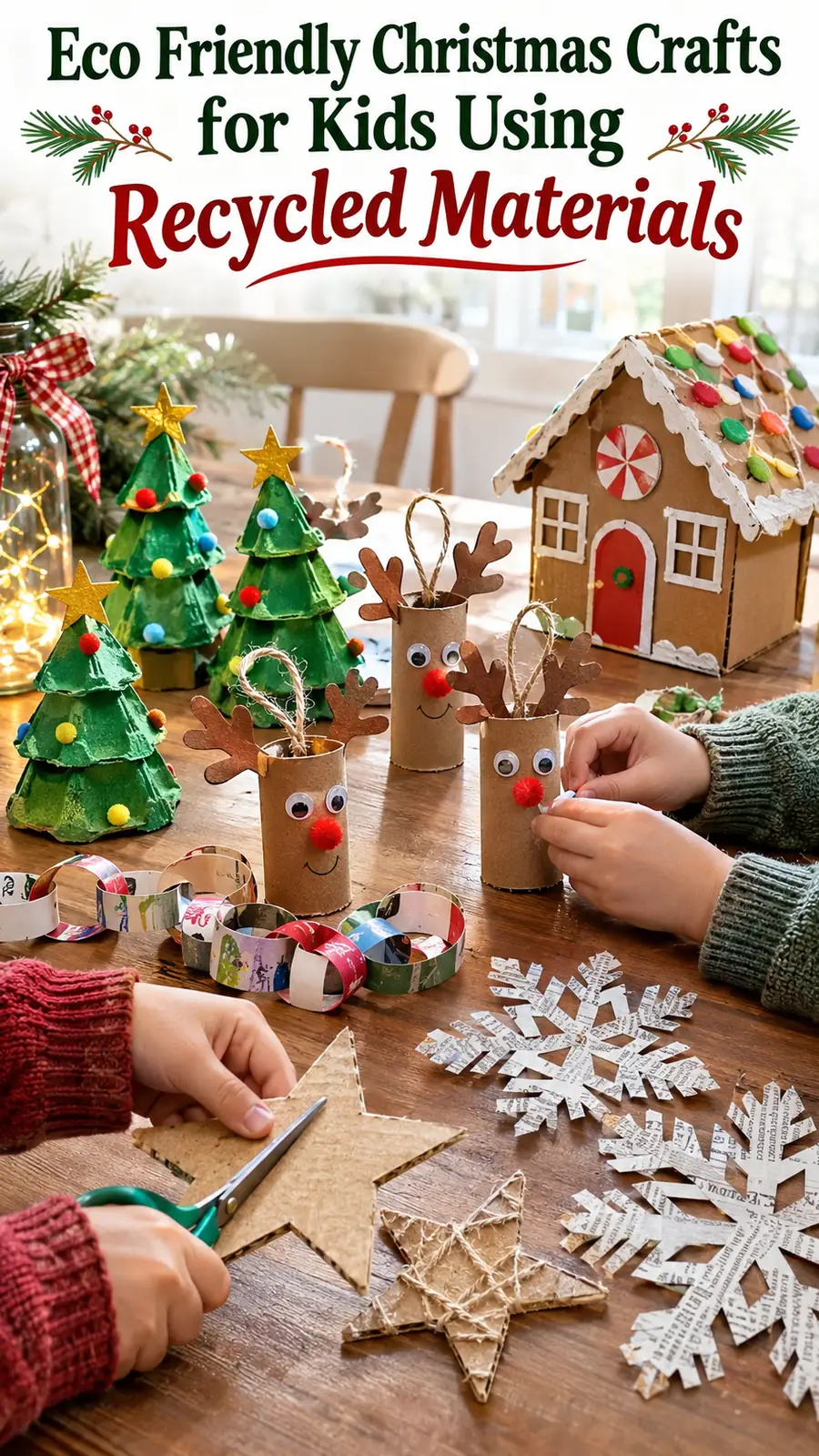
Zero Waste Christmas Gift Wrapping Ideas Without Plastic
Christmas gifts can look warm, creative, and beautifully finished without leaving a pile of plastic wrapping behind. These zero waste Christmas gift wrapping ideas without plastic rely on reusable fabric, repurposed paper, helpful household containers, and simple natural decorations. Whether you are wrapping a book, a homemade treat, or an awkwardly shaped surprise, there is a practical way to make the present feel special.
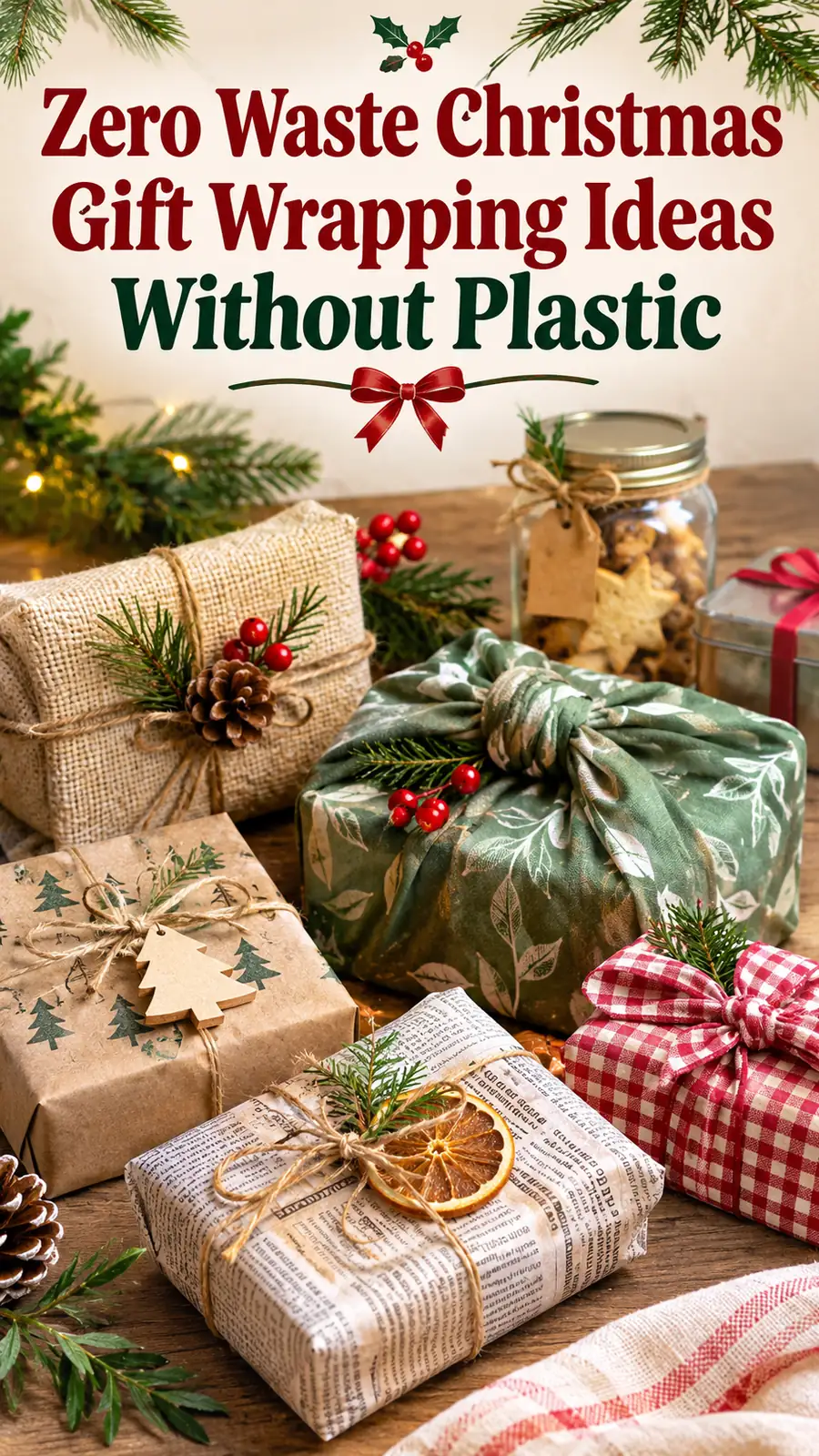
The secret is choosing wrapping that has a purpose after the celebration. A tea towel can return to the kitchen, a cloth pouch can hold accessories, and an old paper bag can enjoy another useful life. Below are twelve distinct ways to wrap Christmas gifts without plastic, followed by advice for choosing materials, adding charming details, and keeping everything ready for next December.
Furoshiki Fabric Wraps With Beautiful Knotted Corners
Furoshiki is a Japanese tradition of folding and tying cloth around objects. It makes a thoughtful alternative to disposable Christmas paper because the fabric can be used many times. Choose a square cotton scarf, a clean cloth napkin, or fabric already sitting in a sewing basket. A flexible medium weight cloth is easier to knot than heavy upholstery material.
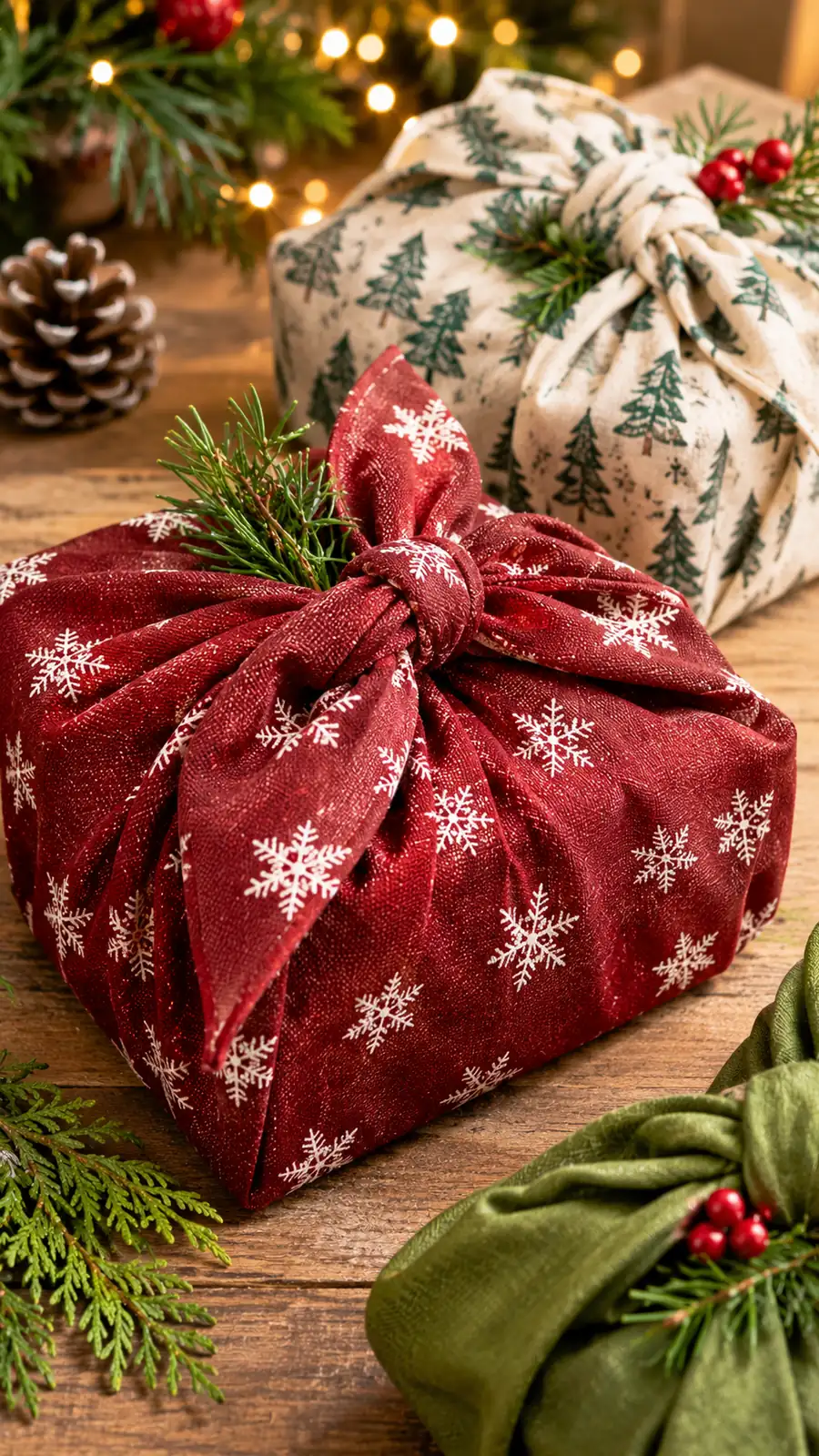
Place a rectangular gift diagonally in the center of the cloth. Bring two opposite corners over the item, then bring the remaining corners together and tie a secure double knot on top. Tuck loose fabric neatly around the edges. For an extra festive touch, slip a small sprig of rosemary beneath the knot. You do not need adhesive, plastic ribbon, or a new gift box.
Reusable Christmas Tea Towels That Become Part of the Gift
A pretty tea towel can act as both Christmas wrapping and an everyday kitchen essential. This approach works particularly well for homemade cookies in a tin, kitchen utensils, cookbooks, or a small pantry gift. Check that the towel is clean and dry before placing it around any food packaging.
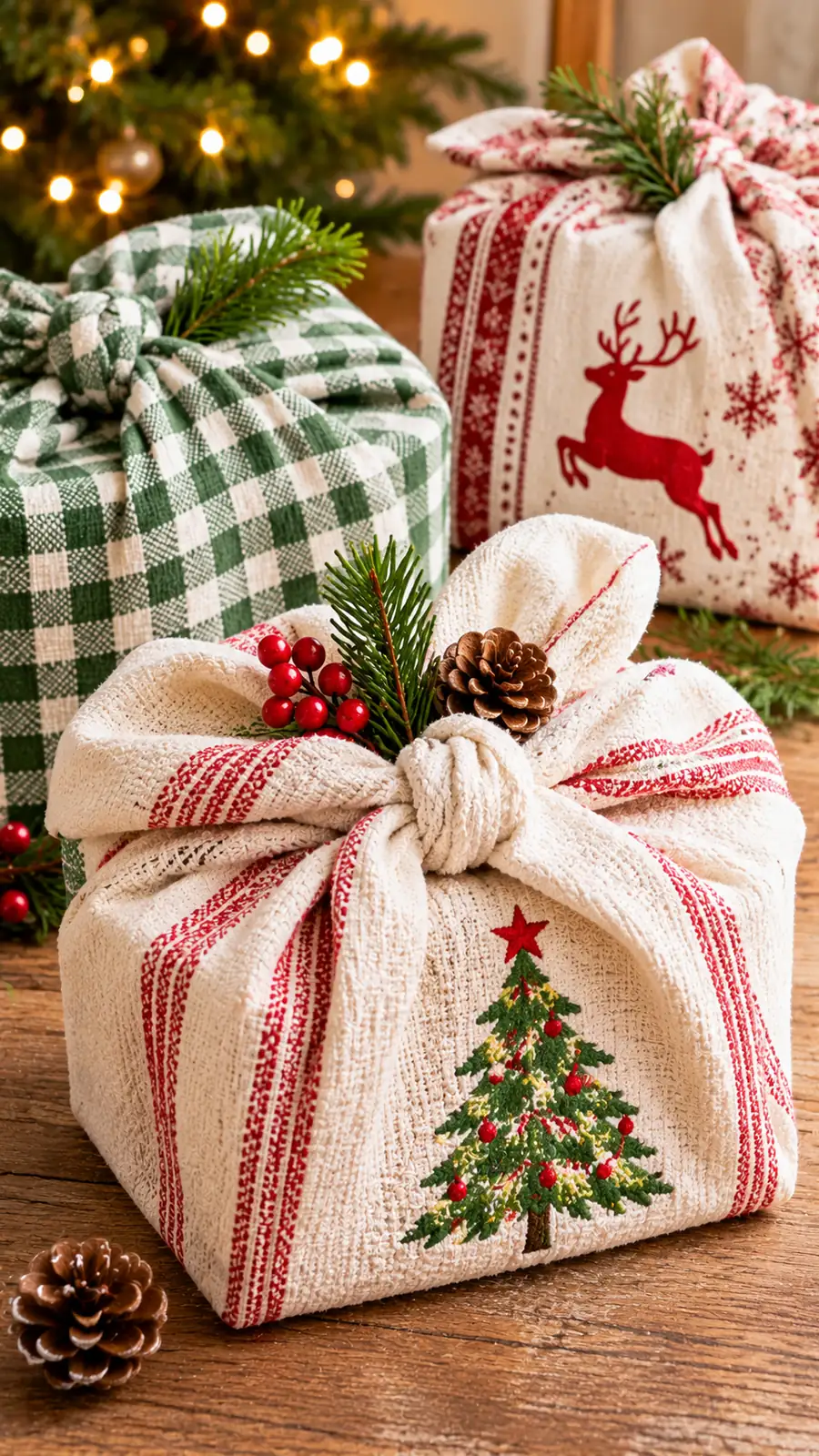
Lay the towel flat, position the gift in the middle, fold the longer sides inward, and tie the ends with cotton string or a reusable fabric ribbon. If the towel is too short to knot, fold it around the gift and secure the bundle with a length of twine that the recipient can save.
Old Shirts and Fabric Scraps Turned Into Gift Pouches
Worn shirts, leftover cotton, and clean fabric offcuts can become charming reusable Christmas pouches. This is an especially practical way to handle small irregularly shaped presents, such as handmade soap, ornaments, and a collection of little gifts. Use material that is still strong enough for another purpose.
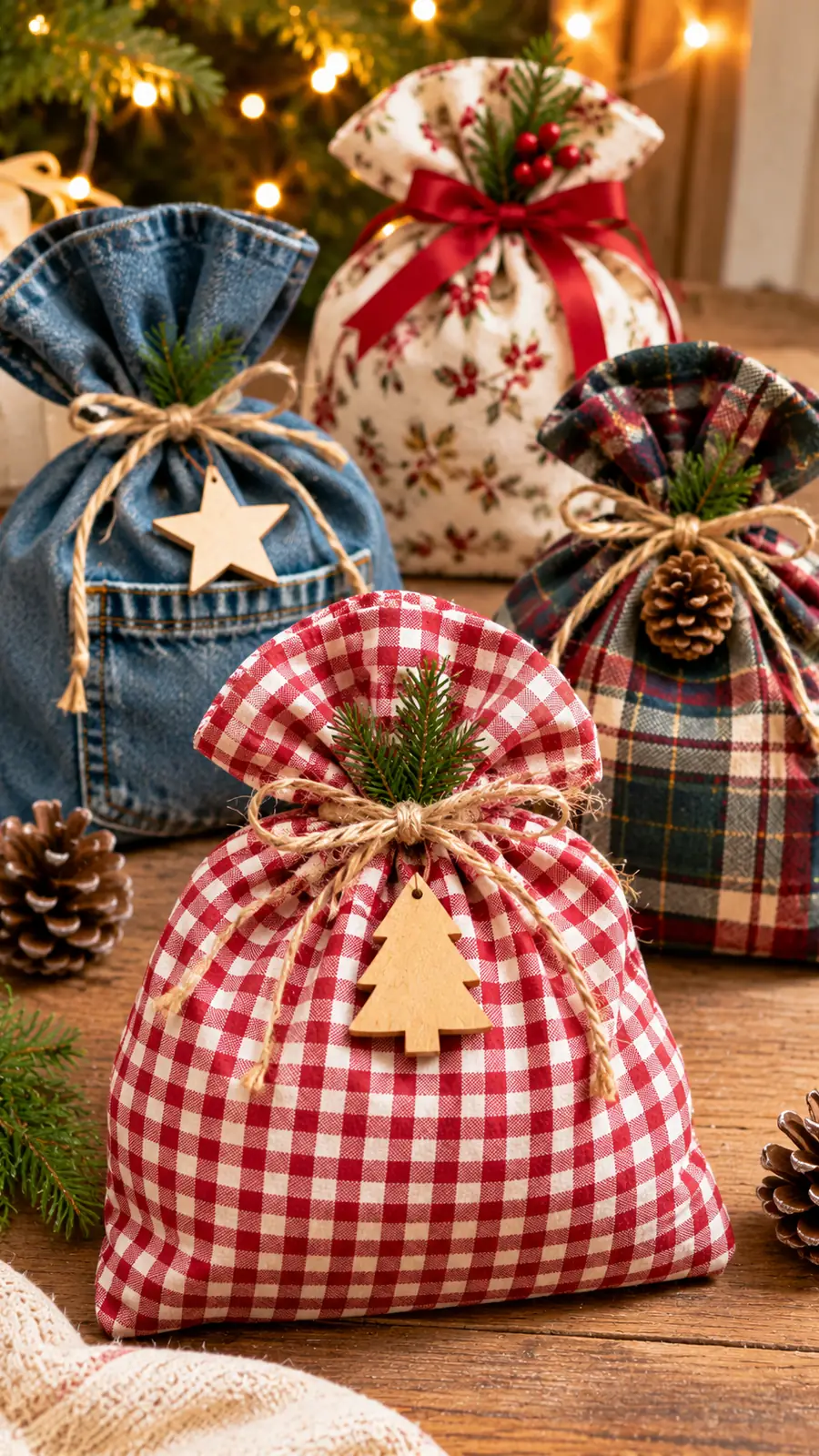
For an easy pouch, cut a rectangle, fold it in half with the patterned sides facing inward, and stitch along two sides. Turn it right side out and fold the open edge neatly. Add a cotton drawstring through a sewn channel, or simply gather the top and tie it with reusable cord. If you do not sew, tie a square of fabric into a bundle instead.
Reused Brown Paper Bags With Hand Stamped Christmas Designs
Grocery bags made from uncoated paper can have a second life as personalized gift wrap. Cut the bag along a seam, remove its handles, and flatten it under a book. Keep the side with fewer marks facing outward for a neat presentation, or embrace the creases for a relaxed handmade appearance.

Use simple stamps cut from a potato, a clean sponge, or a reusable rubber stamp to add stars, trees, and snowflakes. Apply a modest amount of water based paint and let it dry completely before wrapping. Once the paper is ready, fold it snugly around a box and hold the package together with twine rather than plastic tape.
This method suits families who want a simple afternoon craft that also produces useful wrapping. Each gift can have its own pattern or color. Save any clean offcuts for small tags. Check local recycling instructions before putting used painted paper into a recycling bin, since rules for decorated paper differ.
Newspaper Wrapping With Cotton String and Greenery
Old newspapers have distinctive typography that can make Christmas gifts look surprisingly elegant. Choose pages without upsetting headlines or advertisements that could spoil the surprise. The arts, food, and puzzle sections often provide interesting textures and more cheerful designs.
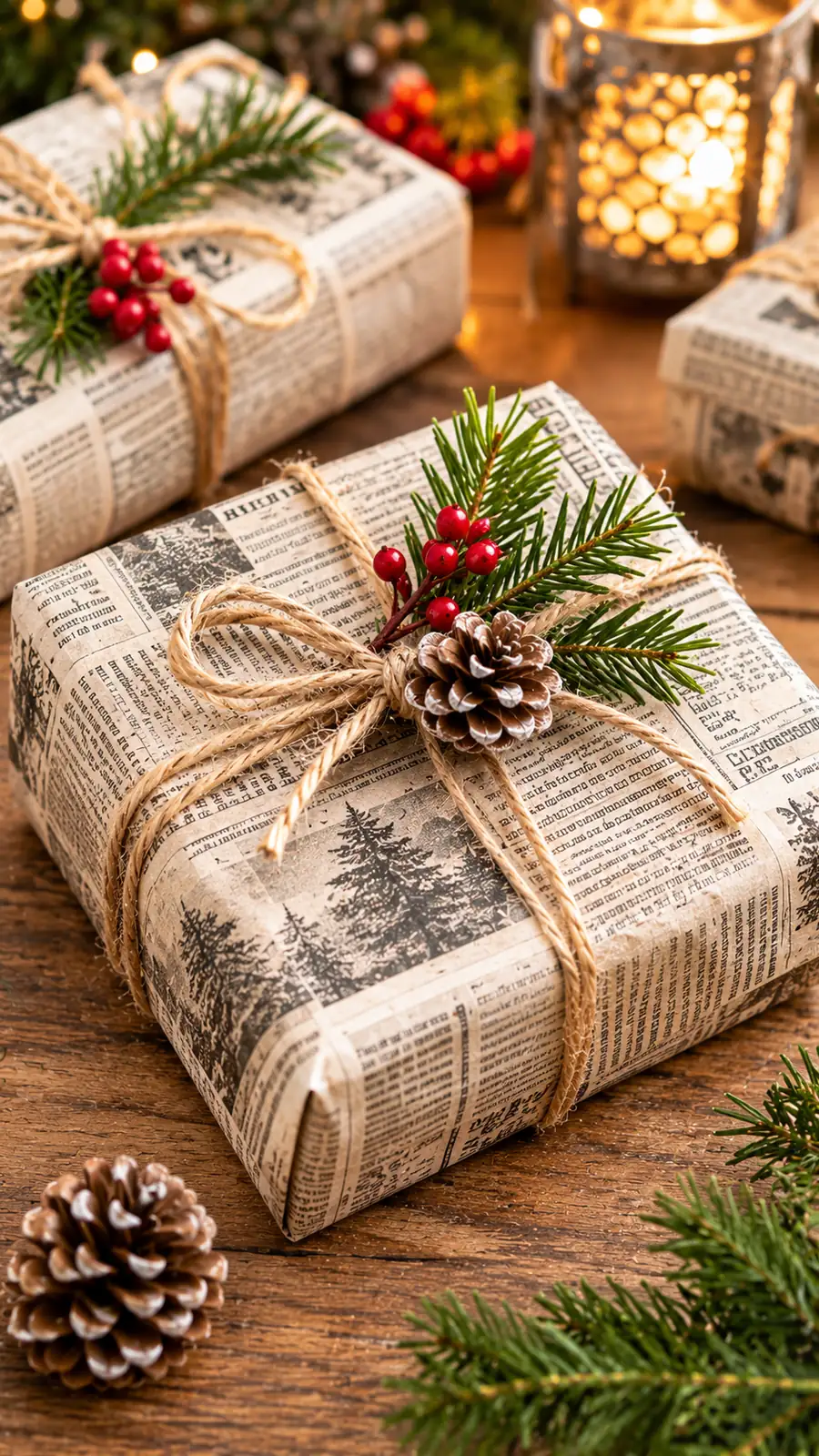
Lay two full sheets across one another for extra strength if the paper is thin. Center a boxed gift, fold the paper closely around it, and tie it twice with natural cotton string. A small evergreen clipping or rosemary sprig tucked under the string gives the parcel a traditional holiday appearance. Keep the greenery dry to reduce marks on the paper.
Newspaper works best for square and rectangular gifts with smooth edges. Place delicate or valuable items in a reusable box first. Some newspaper inks may transfer to light colored fabrics, so avoid direct contact with clothing. After Christmas, clean sheets can be reused or recycled where local collection rules allow.
Vintage Maps and Old Calendar Pages for Meaningful Presents
Outdated maps and calendar pages can create wrapping that reflects the recipient’s interests. A map of a memorable vacation spot feels personal around a travel journal, while an old botanical calendar page looks lovely around a gardening gift. Select materials you no longer need rather than sacrificing a useful book or keepsake.
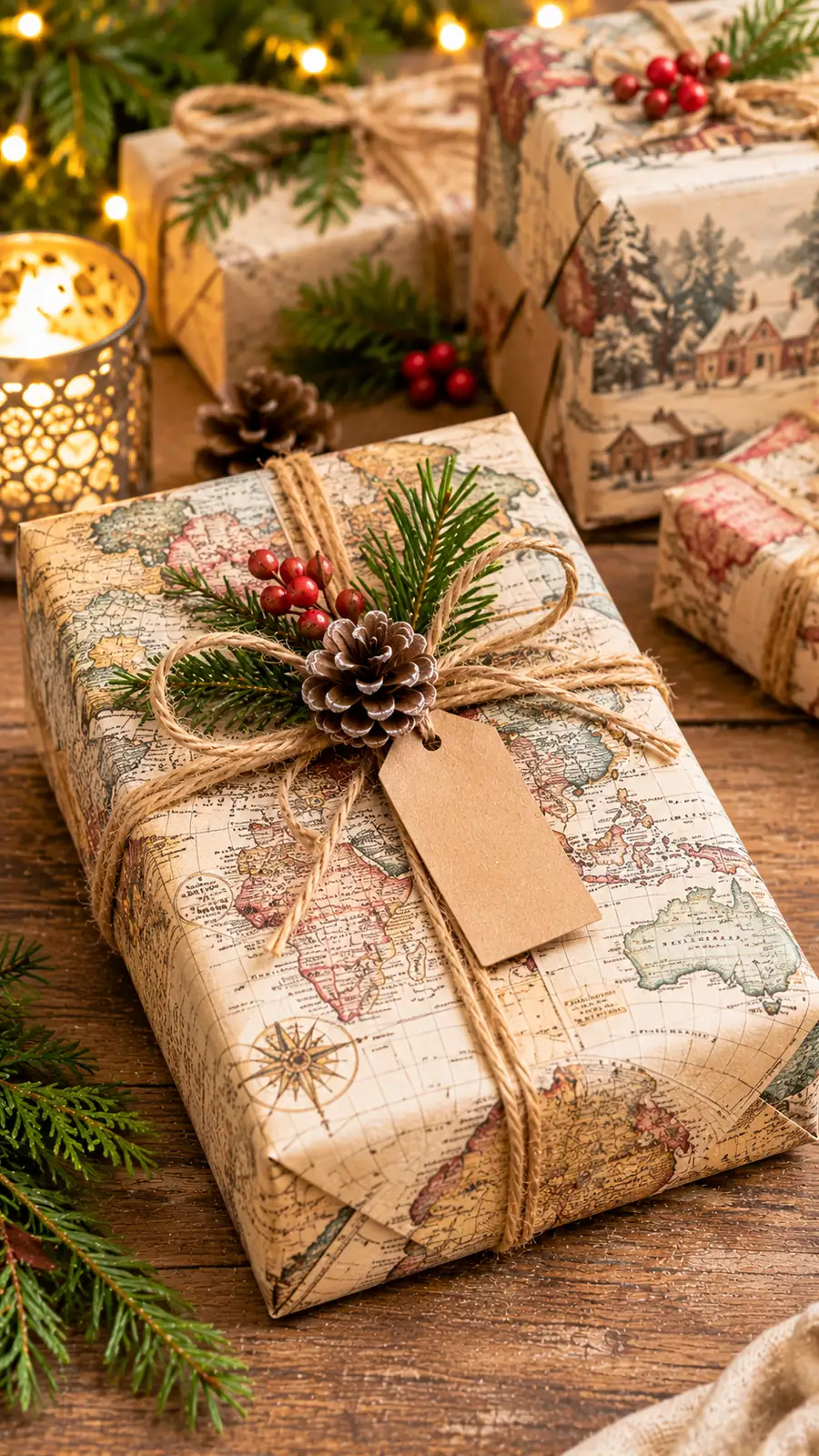
Remove staples or plastic attachments and flatten the paper. For small gifts, try wrapping with the most colorful section centered on the front. If the sheet is too small, use a reused cardboard box and wrap only its lid. Secure the finished package with saved string or ribbon.
Reusable Drawstring Bags for Awkwardly Shaped Gifts
Not every Christmas present fits neatly inside a paper rectangle. A reusable drawstring bag solves the problem for plush toys, clothing sets, sports accessories, and other unusually shaped objects. It also makes a good option when several small gifts belong together.
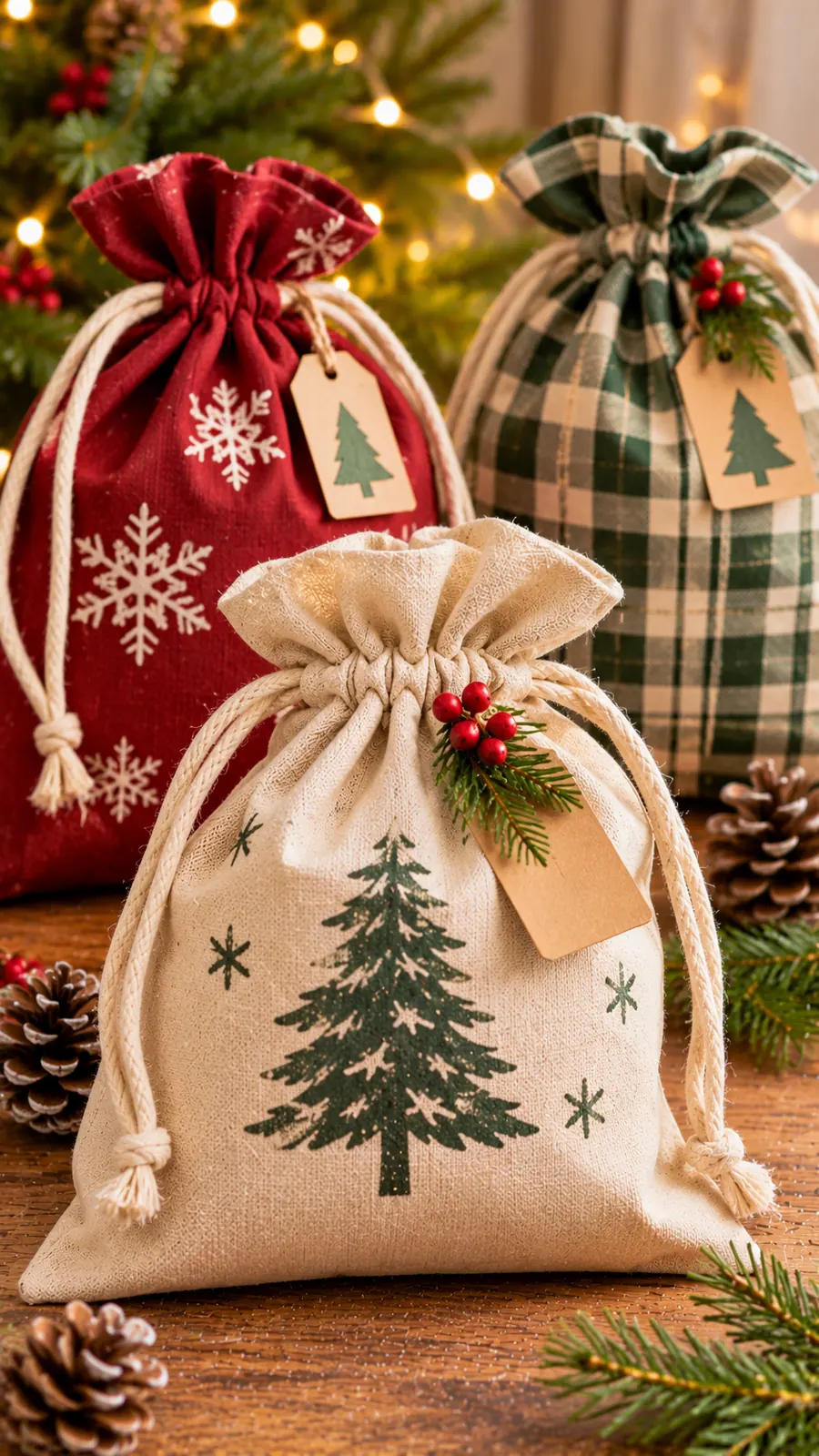
Repurpose a clean cotton produce bag, a cloth storage bag, or a fabric sack that is already at home. Slip the present inside, gather the opening, and tie the cord in a secure bow. If the fabric is slightly transparent, place the gift in a reused box or add an extra fabric layer. Choose a generous bag so the seams are not stretched.
For a consistent look under the tree, use different sizes of similar colored bags and attach handmade paper name tags. After opening, guests can keep the pouches for storage or hand them back for future celebrations.
Repurposed Cardboard Boxes With Natural Twine
A sturdy shipping or product box can be more useful than a fresh sheet of wrapping paper. Reused boxes protect fragile gifts, stack neatly under the Christmas tree, and are easy to decorate with materials already in your home. Remove or cover old shipping labels so no personal addresses remain visible.

Check that the box is clean and strong. Fold the lid securely, then tie cotton or jute twine around the box in a simple cross. Tuck a small paper tag beneath the string and add a dried orange slice if you want a warm seasonal touch. If the box has distracting graphics, turn it inside out when the construction allows, or cover only the top with leftover plain paper.
Ask recipients to keep useful boxes for organizing drawers and shelves. When a box is too worn for another round, flatten it and follow local cardboard recycling rules. Avoid unnecessary paint, glue, and glitter because the simplest finish is often the easiest to reuse.
Cloth Napkins Wrapped Around Books and Small Boxes
Cloth napkins are a lovely choice for compact Christmas gifts, especially books, candles in secure containers, and handmade accessories. Their finished edges give the package a polished appearance without extra sewing. A set of matching napkins can wrap several gifts while doubling as a useful household present.
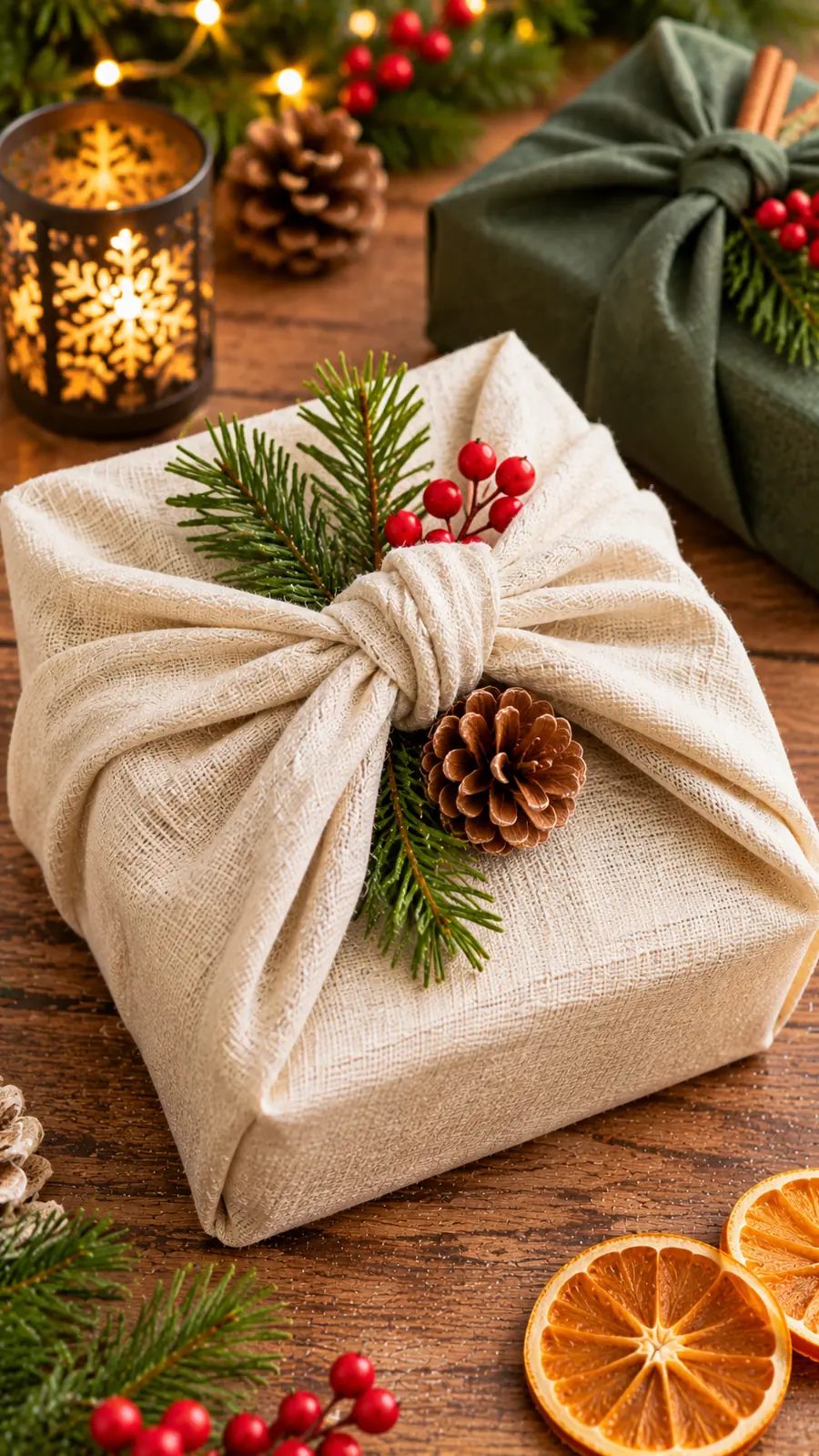
Spread the napkin into a diamond shape and place the gift in the center. Fold opposite corners inward, smooth the fabric against the box, and tie the other two corners in a firm knot. If the package is thick, select a larger napkin rather than pulling the corners too tightly. A ribbon saved from an earlier gift can support the knot, although it is not necessary.
Try natural linen with green thread for an understated style, or use checked cotton for a festive look. Folded napkins can be stored flat after the holidays and used for meals or future wrapping. They are particularly good when you want a clean, modern appearance without disposable decorations.
Glass Jars and Reusable Tins for Small Christmas Gifts
Some presents need a container more than they need wrapping. Clean glass jars and reusable metal tins work well for homemade treats, craft supplies, bath salts, and other small items that suit the container. Use only food safe containers for edible gifts, and make sure any food preparation and storage follow appropriate safety guidance.

Remove old labels, wash the container thoroughly, and let it dry. Fill it with the gift and secure the lid. Tie a small square of scrap cotton around the lid or fasten a handwritten card with string. A simple paper label can identify the contents without adhesive vinyl or plastic embellishments.
For glass jars, consider the weight and the possibility of breakage before carrying or mailing them. A reusable tin may be a better choice for children or traveling recipients. Encourage people to use the container for pantry organization, buttons, or future homemade gifts. The packaging remains useful long after the Christmas morning excitement.
Paper Folding Techniques That Need No Plastic Tape
Tape free paper wrapping is useful when you have plain paper but want to avoid plastic adhesive. It works best with crisp, flexible sheets and gifts that have flat sides. Practice with an empty box first, because carefully measured folds make the finished parcel look more professional.
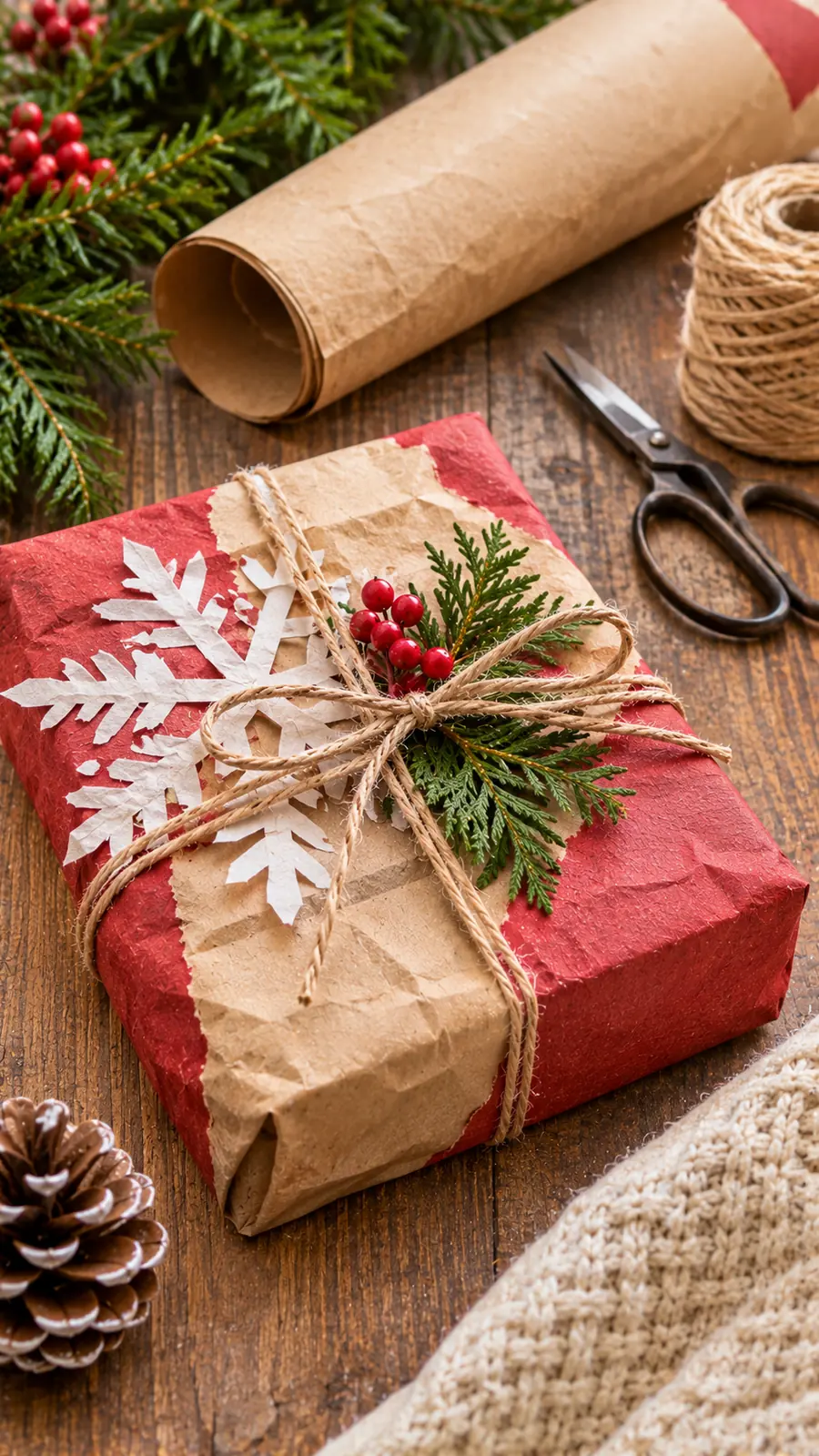
Measure a sheet that overlaps comfortably around the box. Wrap the long edges around the item, fold one beneath the other, and tuck the shorter end flaps into neat triangles. Slip the final flap beneath a folded edge where possible, then secure the whole package with cotton twine tied around the center. The string is easier to remove without tearing the paper.
Avoid heavy items or sharp corners that can pull the folds apart. A reusable cardboard box underneath helps maintain structure. If tape is genuinely required, check the exact composition of a paper tape rather than assuming every product labeled natural is plastic free or accepted by local recyclers.
Reusable Scarves and Tote Bags for Large Christmas Presents
Larger gifts can feel intimidating to wrap, but a scarf or cotton tote often makes the job easier. Use a scarf for a stack of books, a folded sweater, or a boxed board game. For bulky items, place the present in a sturdy reusable tote and tie its handles together with a fabric strip.
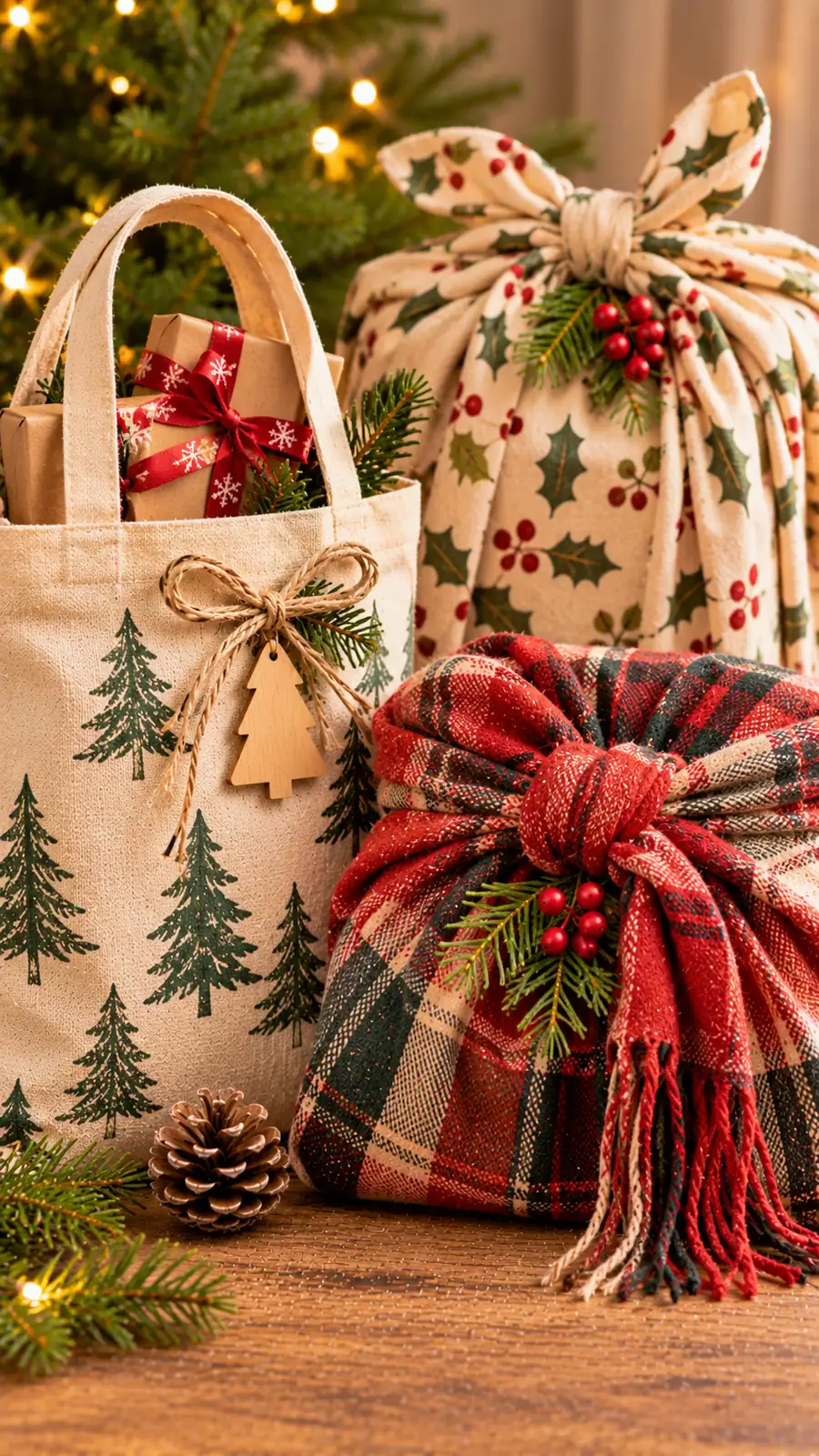
Pick a scarf or bag that fits the recipient’s style and daily needs. That matters more than purchasing a new festive print that may be used only once. A secondhand scarf in good condition can add color and personality while keeping an existing textile in use. For a large scarf, bring the ends together over the gift and make a neat knot; use an extra cloth strip to secure slippery material if needed.
The wrapping does not have to hide every edge perfectly. A practical, well chosen bag can be part of the present and might become a grocery or library tote. Explain the reusable idea with a handwritten gift tag so the recipient knows the package is theirs to keep.
How to Choose Truly Plastic Free Wrapping Materials
The most reliable starting point is to use what you already own. Saving a clean gift bag or ribbon for another year usually makes more sense than replacing it with a brand new product marketed as sustainable. Reused cotton, linen, plain paper, cardboard, and durable containers all offer useful alternatives depending on the size and shape of the gift.
Inspect unfamiliar materials carefully. Glitter, metallic film, laminated finishes, synthetic mesh ribbon, and clear plastic tape can complicate recycling and introduce plastic into an otherwise simple package. Paper tape is not automatically plastic free because adhesives and reinforcement fibers vary. Natural twine or a knot tied directly into cloth is often the simplest solution.
Also consider the whole life of your wrapping. A purchased cloth used once is less convincing as a waste saving option than a scarf or napkin used repeatedly. Favor practical materials the recipient will enjoy keeping.
Easy Natural Finishing Touches for Christmas Gifts
A small decoration can make a simple parcel feel special. Dried orange slices, cinnamon sticks, a short piece of rosemary, or a little pine sprig add color and seasonal texture. Attach them by slipping the stems beneath a tied string rather than applying glue. Clean paper scraps make excellent handwritten gift tags.
For a personal touch, stamp a name onto plain paper or tie on an ornament that the recipient can reuse. Avoid fragile, sharp, or potentially irritating botanical decorations on gifts for young children or pets. Some plants and berries are unsafe if eaten, so choose familiar harmless materials and keep them away from food.
Let dried decorations cool and dry fully before attaching them. Store any decorations you want to reuse in a dry place after Christmas. Keeping the package restrained and purposeful tends to look more elegant than adding too many extras.
How to Store and Reuse Gift Wrapping After Christmas
Set up one small basket or drawer for reusable holiday wrapping. Fold cloths, roll string loosely, flatten boxes, and place clean gift bags inside one another. Save only paper that is dry, intact, and large enough to use again. Clearly separate reusable items from things that need local recycling or waste collection.
Encourage family members to open packages carefully when practical. A cloth tied with a knot is particularly easy to recover without damage. If several people exchange gifts every year, consider a family collection of washable cloth wraps that circulates between households.
Before recycling any paper, remove nonpaper decorations and check the rules where you live. Guidelines differ between municipalities, especially for glossy paper, tape, coatings, and glitter. The aim is not to make every parcel perfect but to make repeat use an ordinary part of the Christmas tradition.
Conclusion
Beautiful Christmas wrapping does not require shiny paper, plastic bows, or a roll of disposable tape. The most useful zero waste Christmas gift wrapping ideas without plastic begin with practical things already around the house: a favorite scarf, a sturdy box, an old map, or a clean cloth bag.
Choose a method that fits each gift rather than forcing every present into the same package. Reuse your best materials year after year, keep decorations simple, and check recycling guidance when something finally reaches the end of its life. The care you put into presentation will still feel festive, thoughtful, and personal.