Eco-Friendly Gift Basket Wrapping Hacks
Gift baskets are one of the most versatile and thoughtful presents. They can be customized for birthdays, weddings, graduations, baby showers, holidays, or corporate gifting. However, traditional basket wrapping often includes plastic shrink wrap, synthetic ribbons, foam fillers, and single use decorative materials that quickly end up in landfills.

In 2026, eco conscious gifting has evolved beyond simple kraft paper swaps. The focus is now on circular design, reusable presentation, plantable materials, compostable films, and innovative bio based packaging. Sustainable wrapping is no longer just about reducing waste. It is about creating a beautiful unboxing experience while ensuring every element has a second life.
Below are 20 detailed and practical eco friendly gift basket wrapping ideas that reflect the latest sustainability trends and consumer preferences this year.
Furoshiki Fabric Basket Wrapping
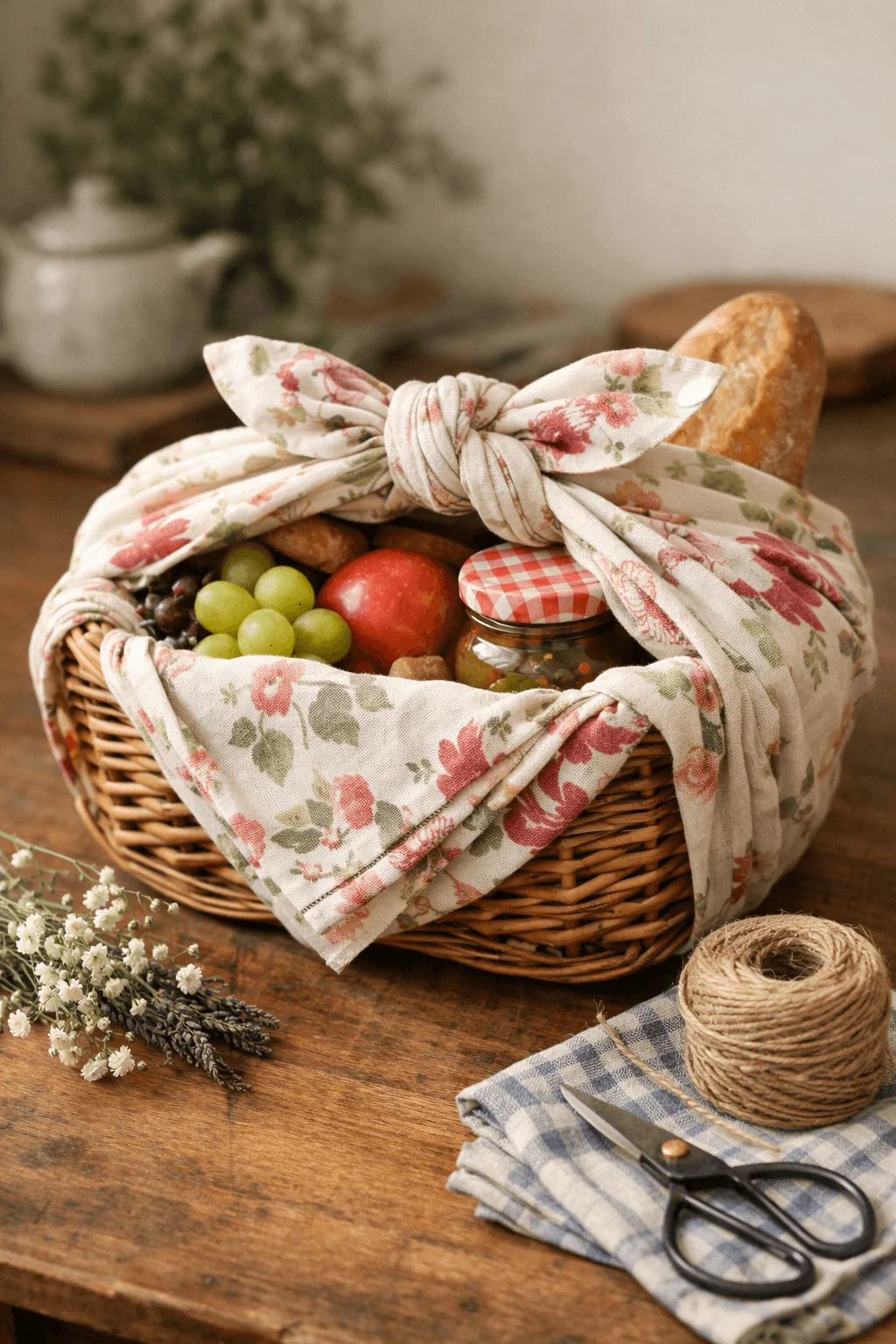
Furoshiki is a traditional Japanese fabric wrapping technique that transforms cloth into elegant gift packaging. Instead of covering your basket with plastic wrap, you use a large square cloth to wrap and tie it securely.
The beauty of this method lies in its reusability. The fabric becomes part of the gift and can later be used as a scarf, table cloth, picnic napkin, or kitchen towel. This approach aligns perfectly with the 2026 circular gifting trend where packaging is intentionally designed to have long term value.
You can choose organic cotton, linen, or even upcycled fabric from old garments to make it even more sustainable.
Reusable Tote Bag as the Basket Base
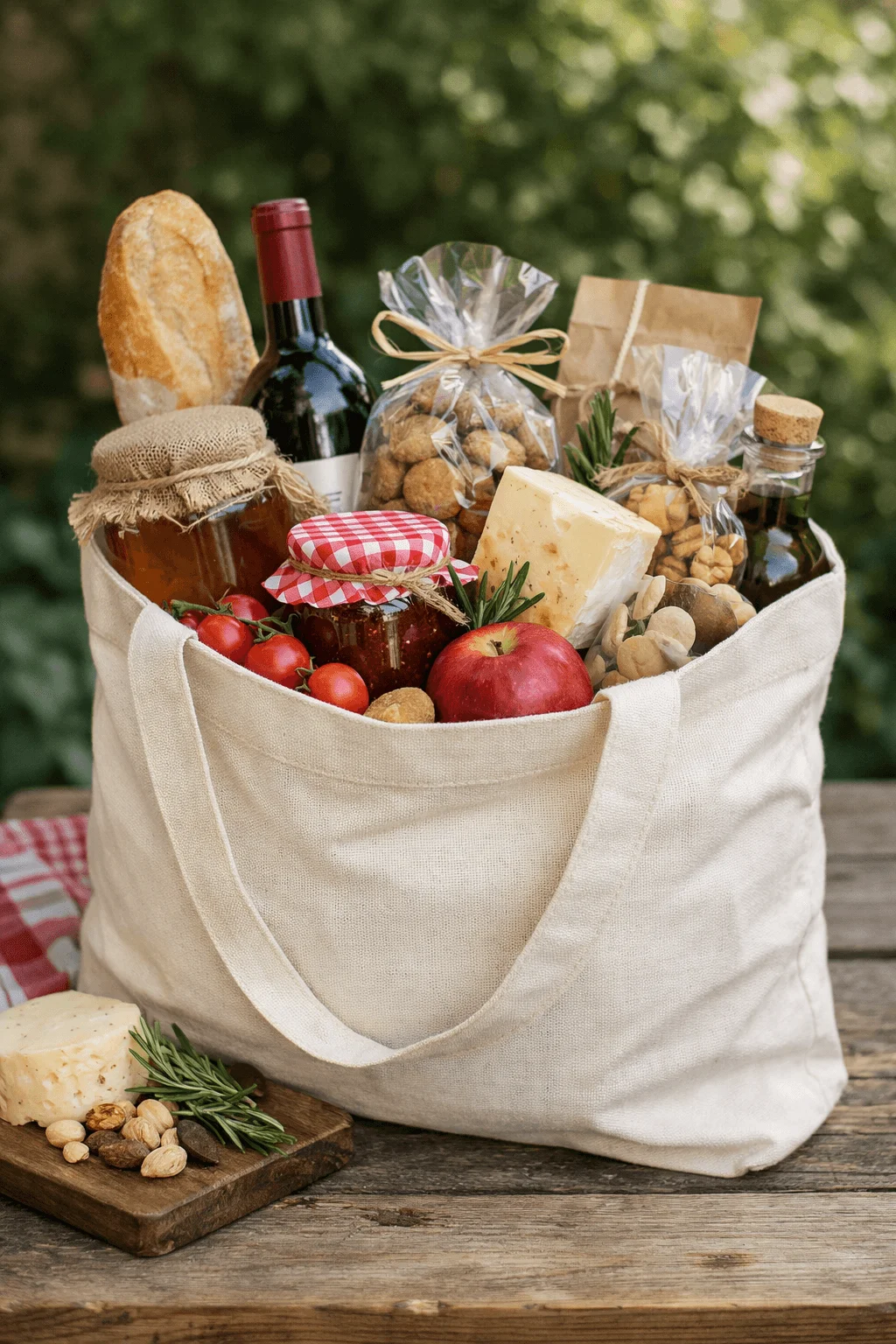
Rather than using a traditional wicker basket that may sit unused, consider arranging your gift items inside a durable reusable tote bag. The tote acts as both the container and the wrapping.
Canvas grocery totes, organic cotton shopping bags, or jute bags are especially popular this year because they encourage daily reuse. This idea is particularly effective for food themed baskets since recipients can later use the bag for farmers market shopping.
It eliminates unnecessary packaging while increasing practicality.
Decorative Planter or Pot Instead of a Basket
Another trending idea in 2026 is presenting gifts inside a ceramic planter or decorative pot. This is ideal for garden themed baskets, wellness gifts, or housewarming presents.
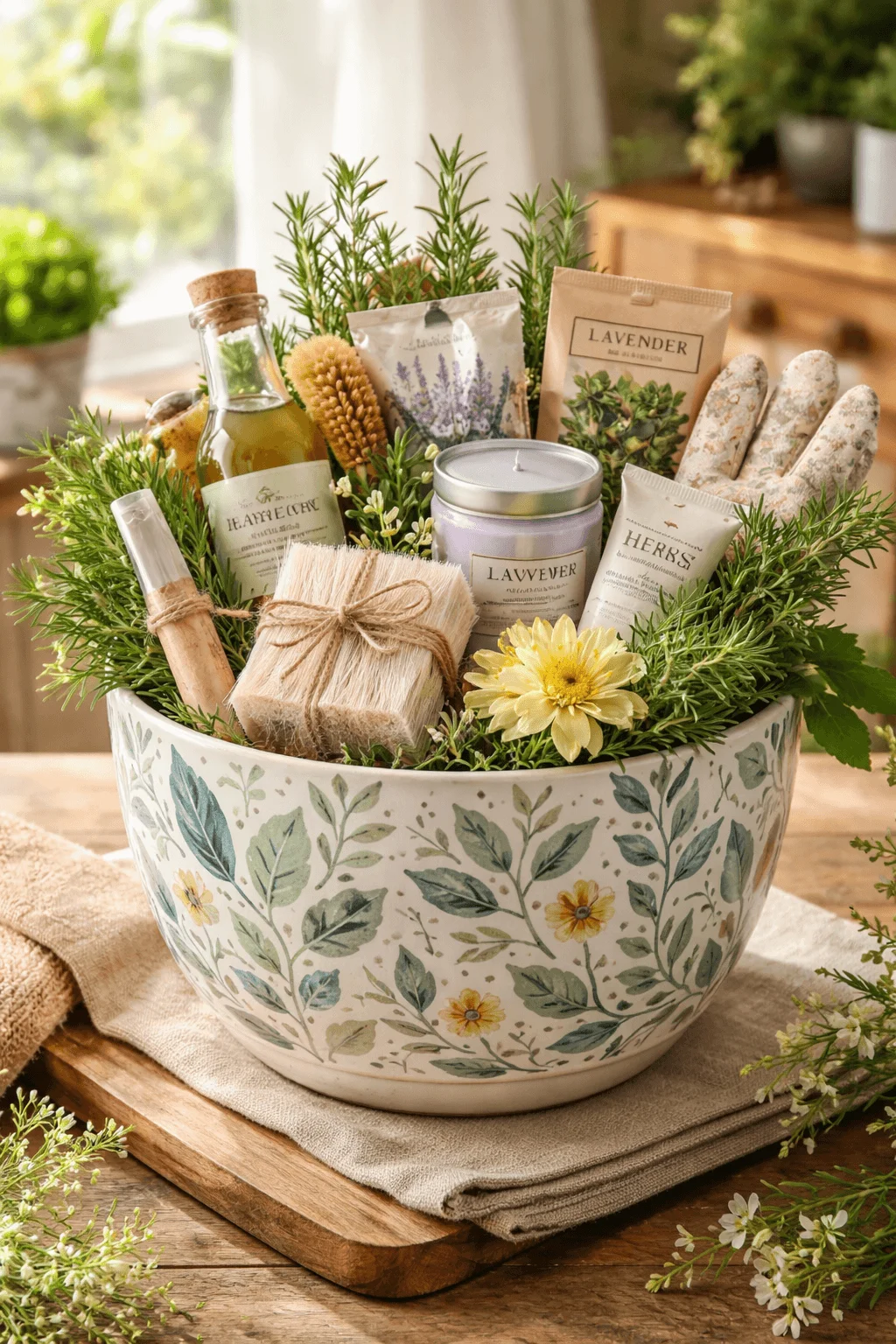
After the gift is opened, the planter can be used for herbs, indoor plants, or decorative arrangements. This transforms the packaging into a long lasting home item rather than disposable wrapping.
This concept blends aesthetics with sustainability and adds a premium feel to your gift presentation.
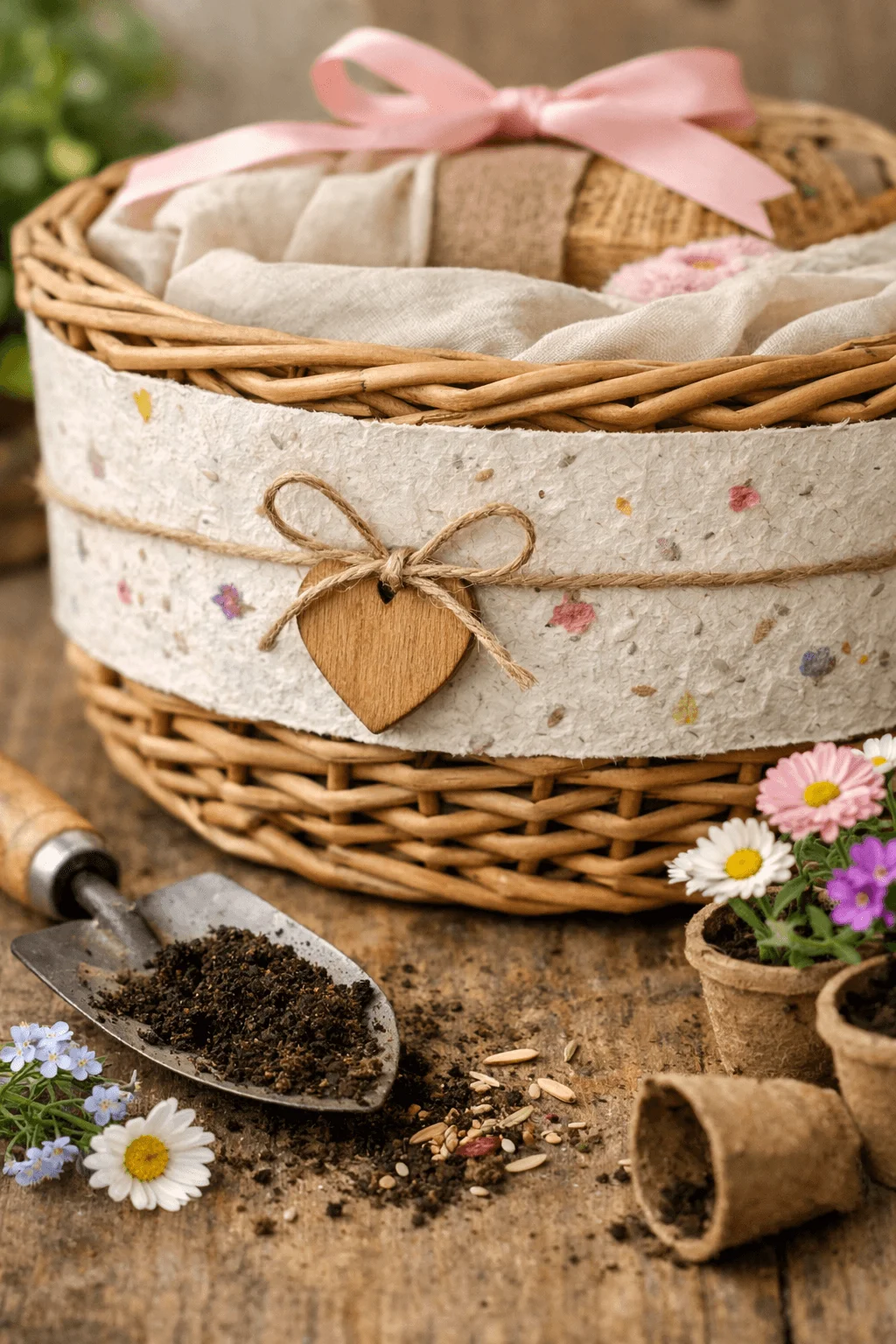
Plantable Seed Paper Wrap
Plantable seed paper is one of the most exciting sustainable materials currently gaining popularity. It looks like textured handmade paper but contains embedded seeds.
When used as a basket band or outer wrap, it can later be planted in soil to grow wildflowers or herbs. This makes the wrapping itself part of the gifting experience.
It symbolizes growth and renewal, which is why it is especially popular for weddings, baby showers, and spring celebrations.
Beeswax Cloth Instead of Plastic Film
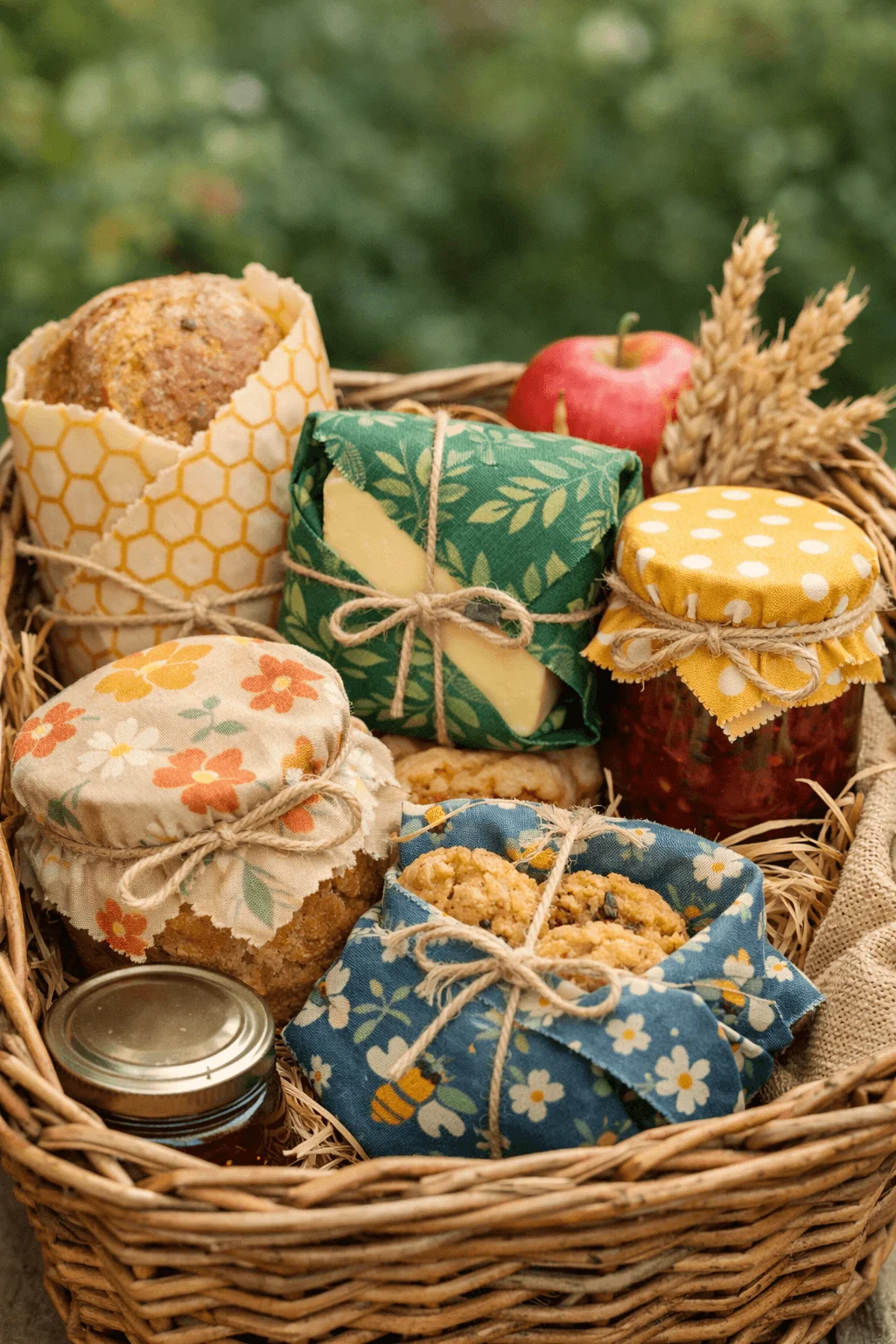
Food gift baskets often rely on plastic wrap to secure items. A better alternative is beeswax cloth or plant based wax wraps.
These wraps are breathable, reusable, and compostable at the end of their life. They work beautifully for covering bread, cheese, baked goods, or small jars inside the basket.
The recipient can later wash and reuse the wrap in their kitchen, making it both functional and environmentally responsible.
Compostable Cellulose Film for Clear Wrapping
Many people love the polished look of transparent wrapping around a basket. Instead of traditional plastic shrink wrap, compostable cellulose film offers a clearer and more sustainable solution.
Made from plant based materials, cellulose film provides a similar glossy appearance but breaks down under proper composting conditions. It allows you to maintain that elegant display effect while reducing environmental impact.
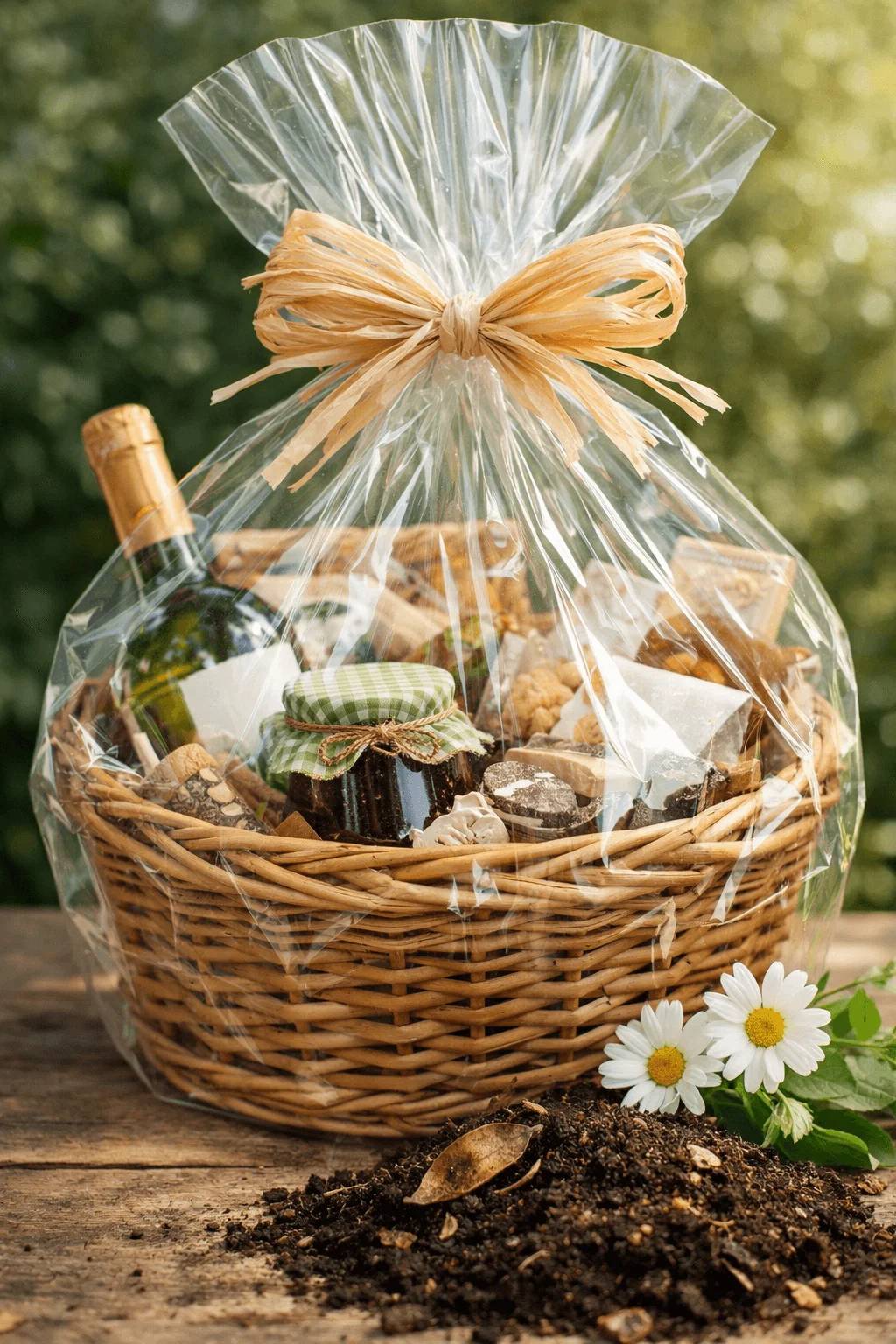
This material is becoming more accessible in 2026 as demand for plastic alternatives increases.
Mushroom Based Cushioning and Liners
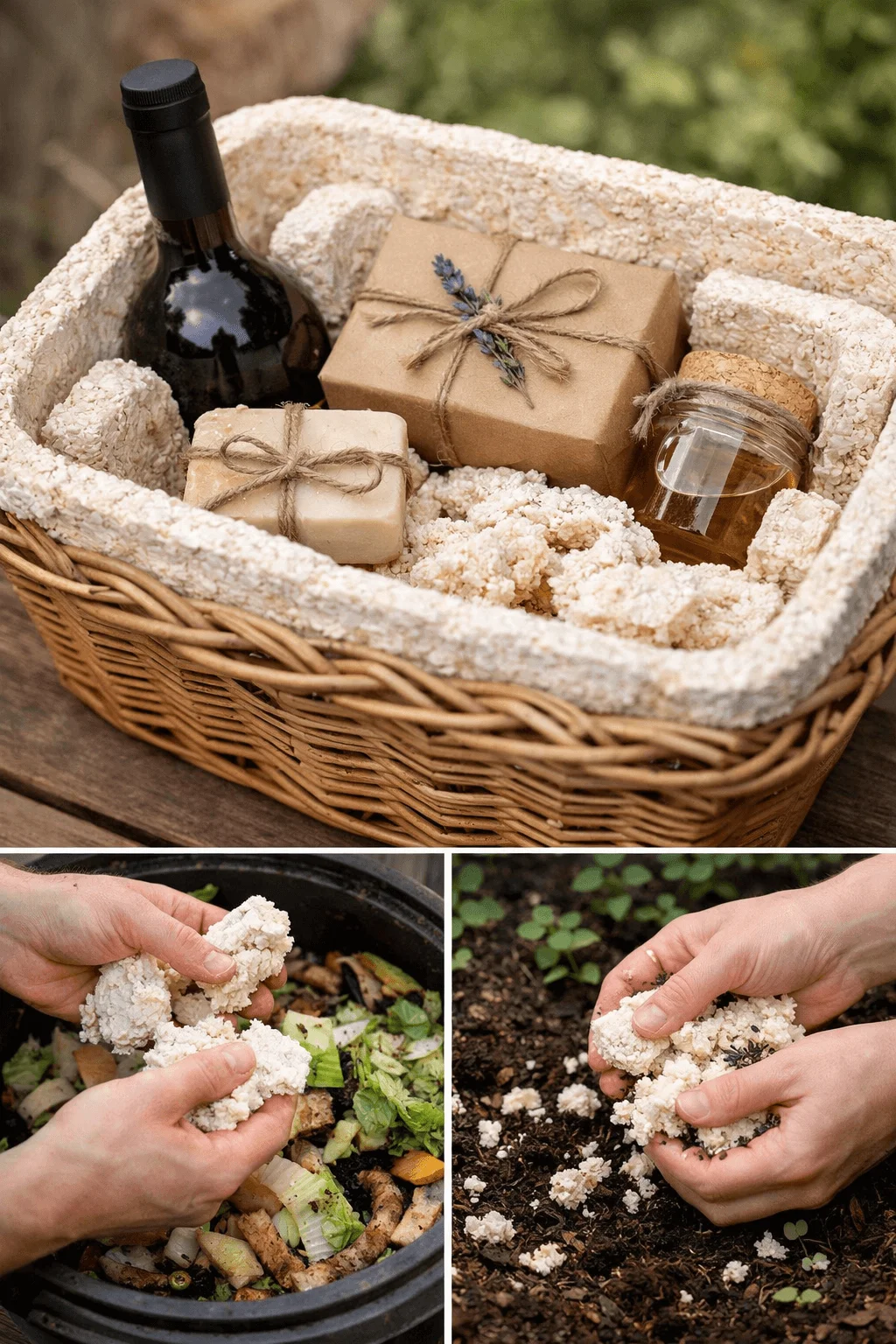
Mycelium packaging, made from mushroom roots, is one of the most innovative sustainable materials emerging this year. It can be used as a protective liner or cushioning inside gift baskets.
It is lightweight, biodegradable, and compostable. Once the gift is opened, the recipient can add it to compost or even break it into garden soil.
Using cutting edge materials like this not only reduces waste but also adds an educational and impressive touch to your gift.
Natural Basket Fillers
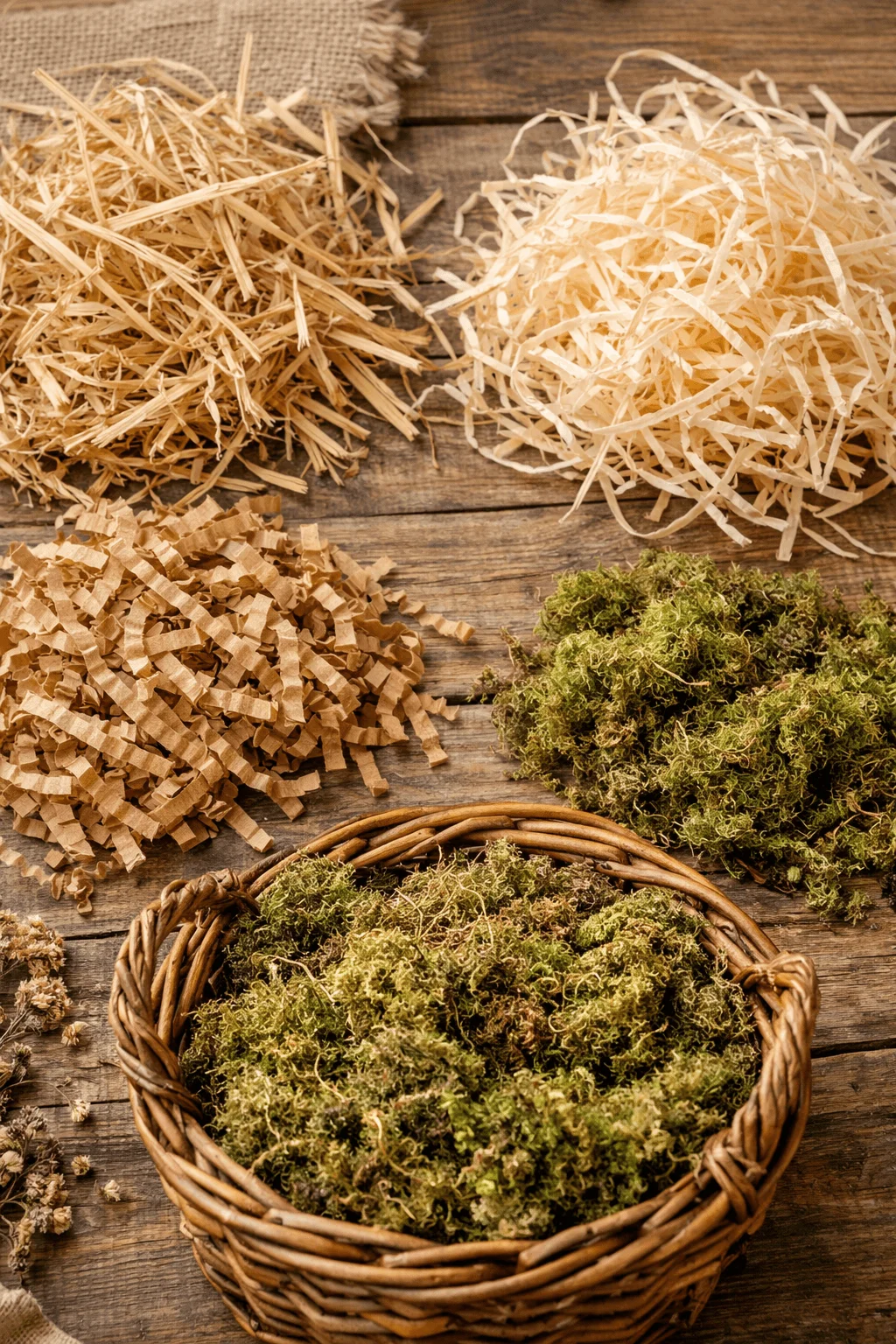
Instead of synthetic shredded plastic or foam peanuts, choose natural fillers such as shredded kraft paper, wood wool, dried straw, or even dried moss.
These materials create a rustic, earthy appearance while being biodegradable. They also enhance the sensory experience of the basket by adding texture and natural fragrance.
Natural fillers are simple yet highly effective upgrades that immediately elevate sustainability.
Upcycled Paper Wrapping
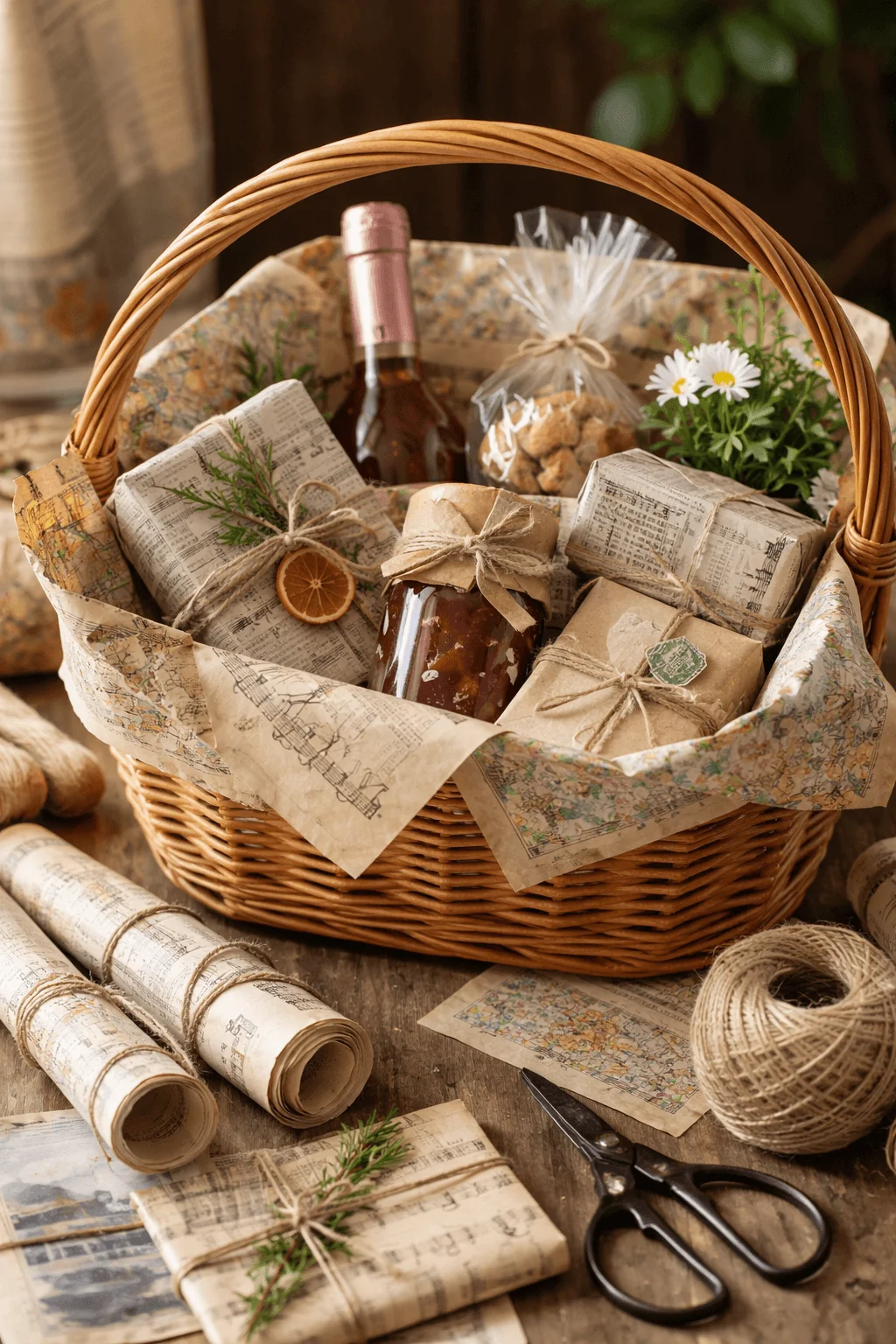
Old maps, sheet music, newspapers, magazine pages, or craft paper can be creatively reused to wrap a basket or line its interior.
Upcycling paper adds personality and reduces the need for newly manufactured decorative wrap. It is especially charming for themed baskets such as travel, music, or vintage style gifts.
This approach encourages creativity while minimizing waste.
Fabric Ribbons Made from Scraps
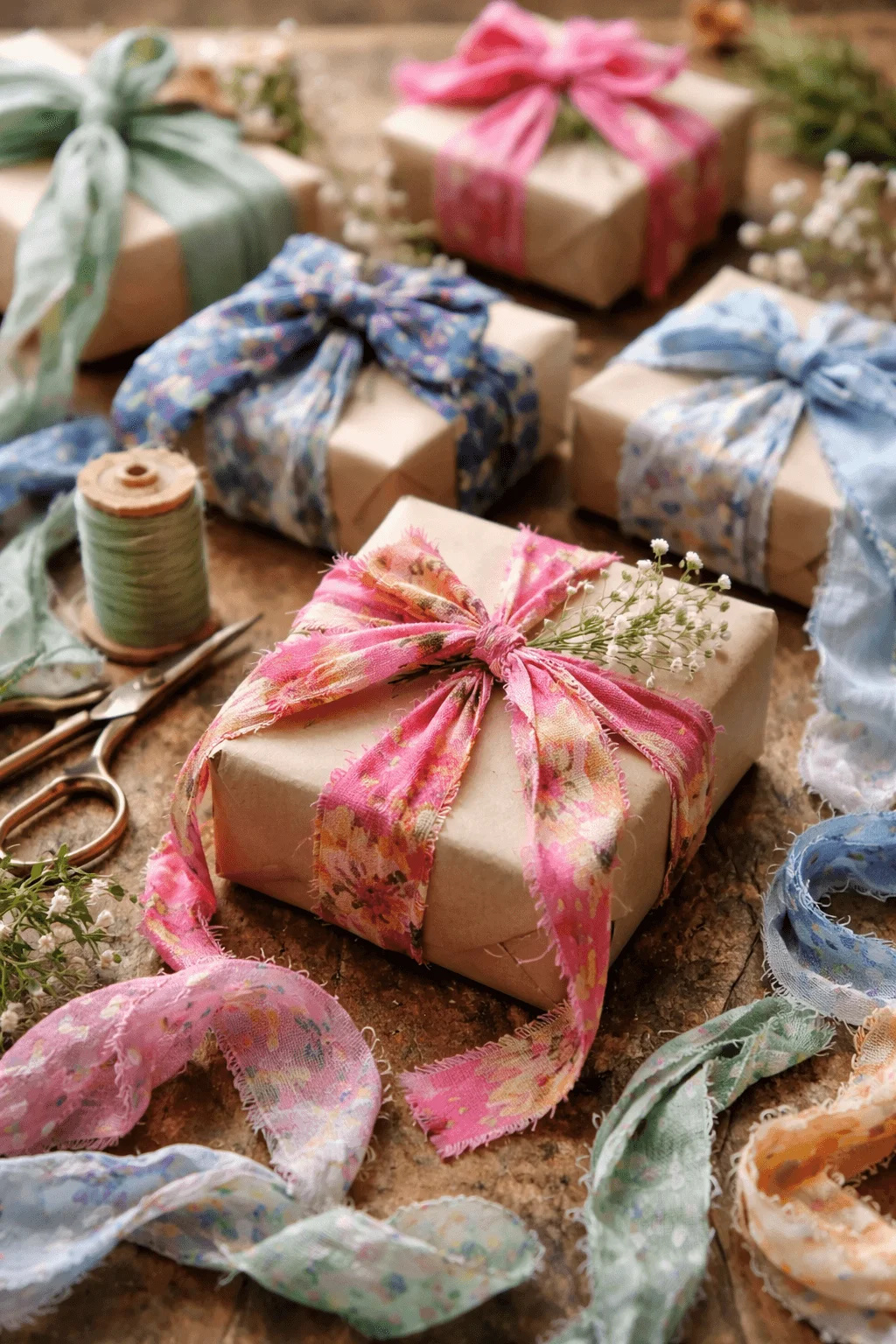
Traditional ribbons are often made from synthetic materials that cannot be recycled easily. Instead, use strips of leftover fabric, linen ties, or sari silk ribbons.
These alternatives add color and softness while being reusable. Fabric ties can later serve as hair accessories, bookmarks, or craft materials.
It is a small detail that makes a big environmental difference.
Seed Paper Gift Tags
Gift tags are often overlooked sources of waste. Replacing standard cardstock tags with seed paper tags ensures that even the smallest detail supports sustainability.
You can write a short planting instruction on the back so the recipient knows how to grow the seeds.
This transforms a simple label into an interactive and memorable element.

Edible Decorative Accents
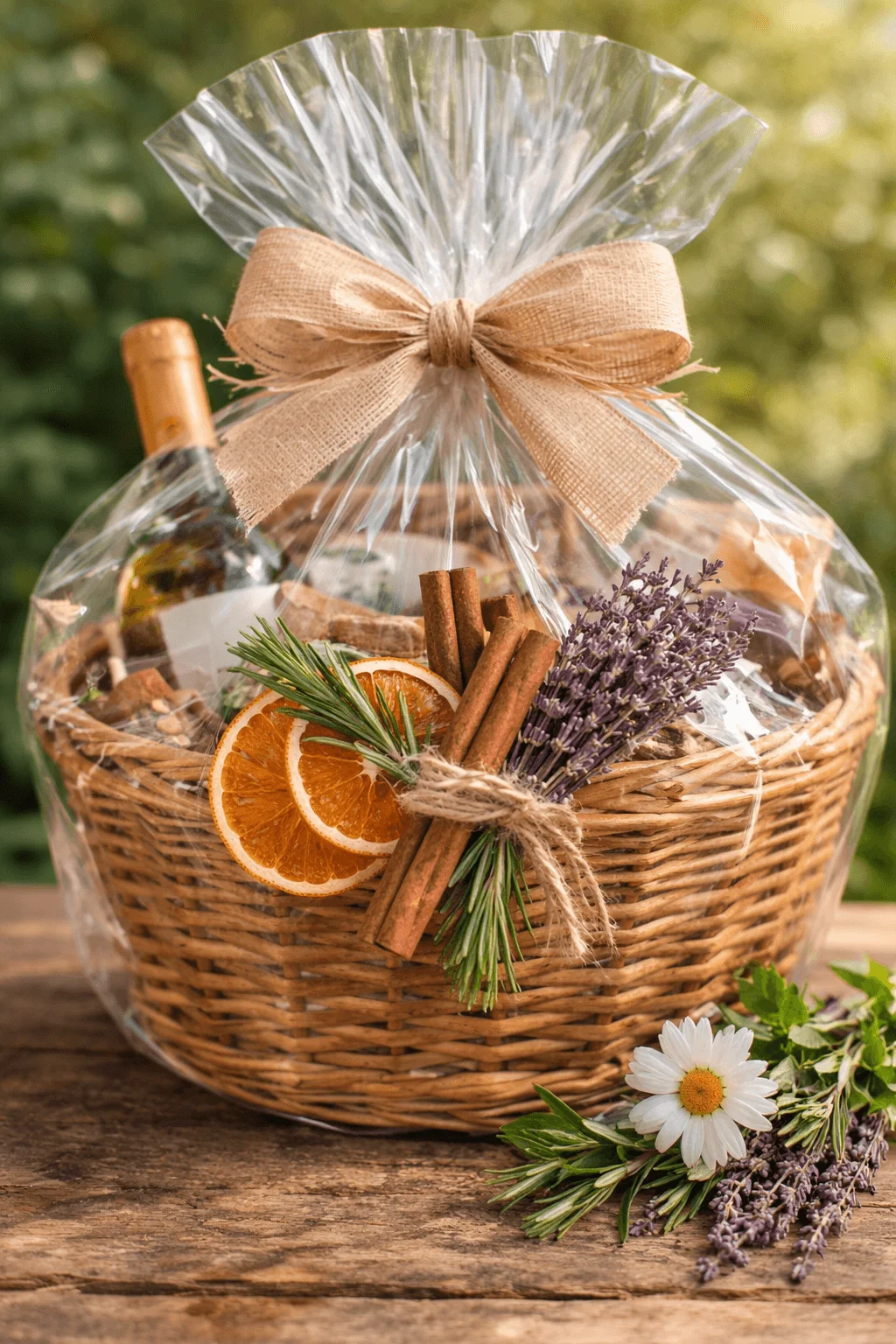
Attaching cinnamon sticks, dried orange slices, rosemary sprigs, or lavender bundles to the basket enhances both fragrance and presentation.
These decorative accents can later be used in cooking, baking, or home fragrance projects. They are completely biodegradable and eliminate the need for plastic embellishments.
This idea is particularly effective during holiday seasons.
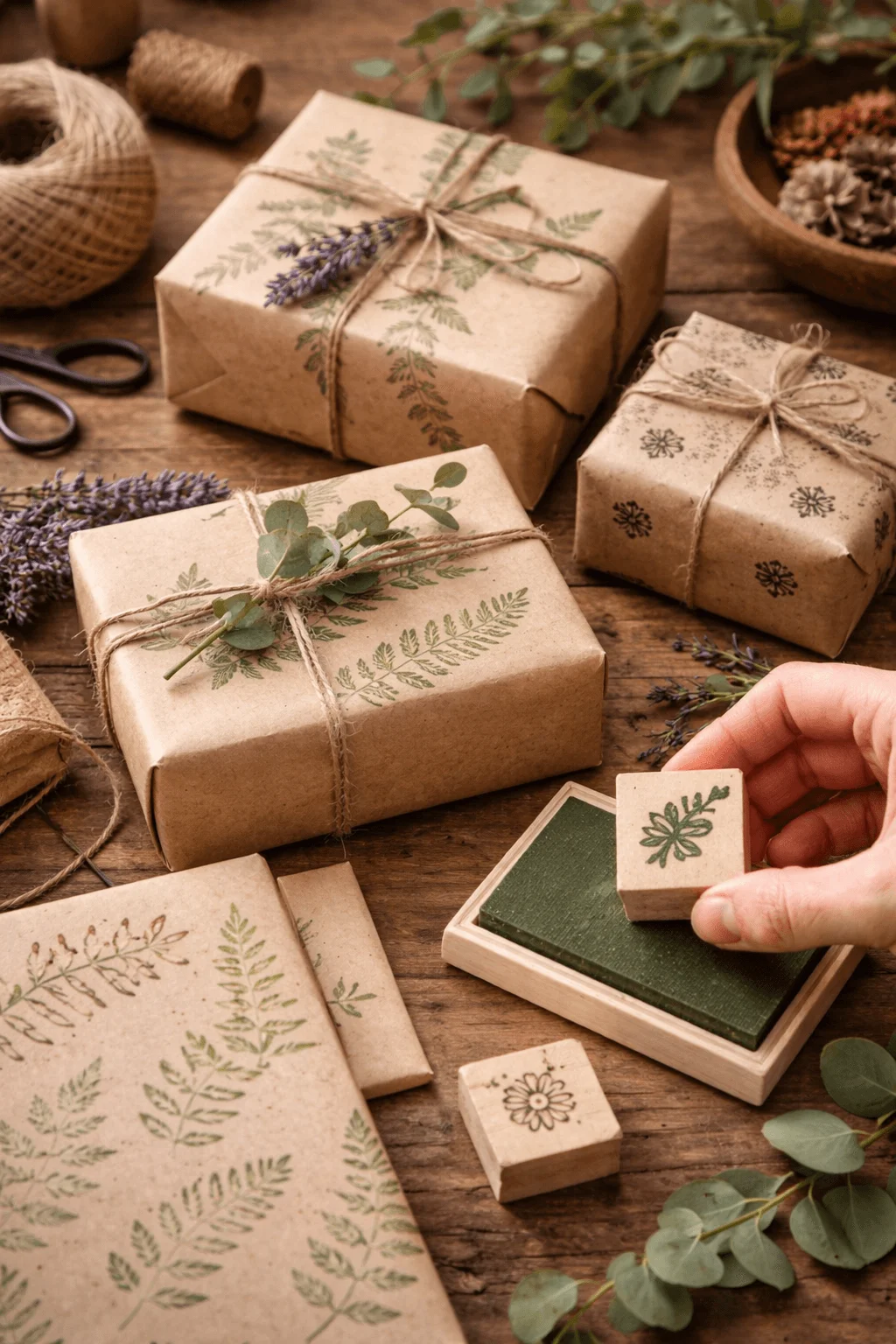
Minimalist Kraft Paper with Hand Stamping
Plain kraft paper remains a timeless sustainable option. To make it visually appealing, decorate it with hand stamped patterns using eco friendly ink.
This creates a custom, artisanal look without requiring glossy coated wrapping paper.
Minimalist aesthetics continue to trend strongly in 2026, making this approach both modern and environmentally conscious.
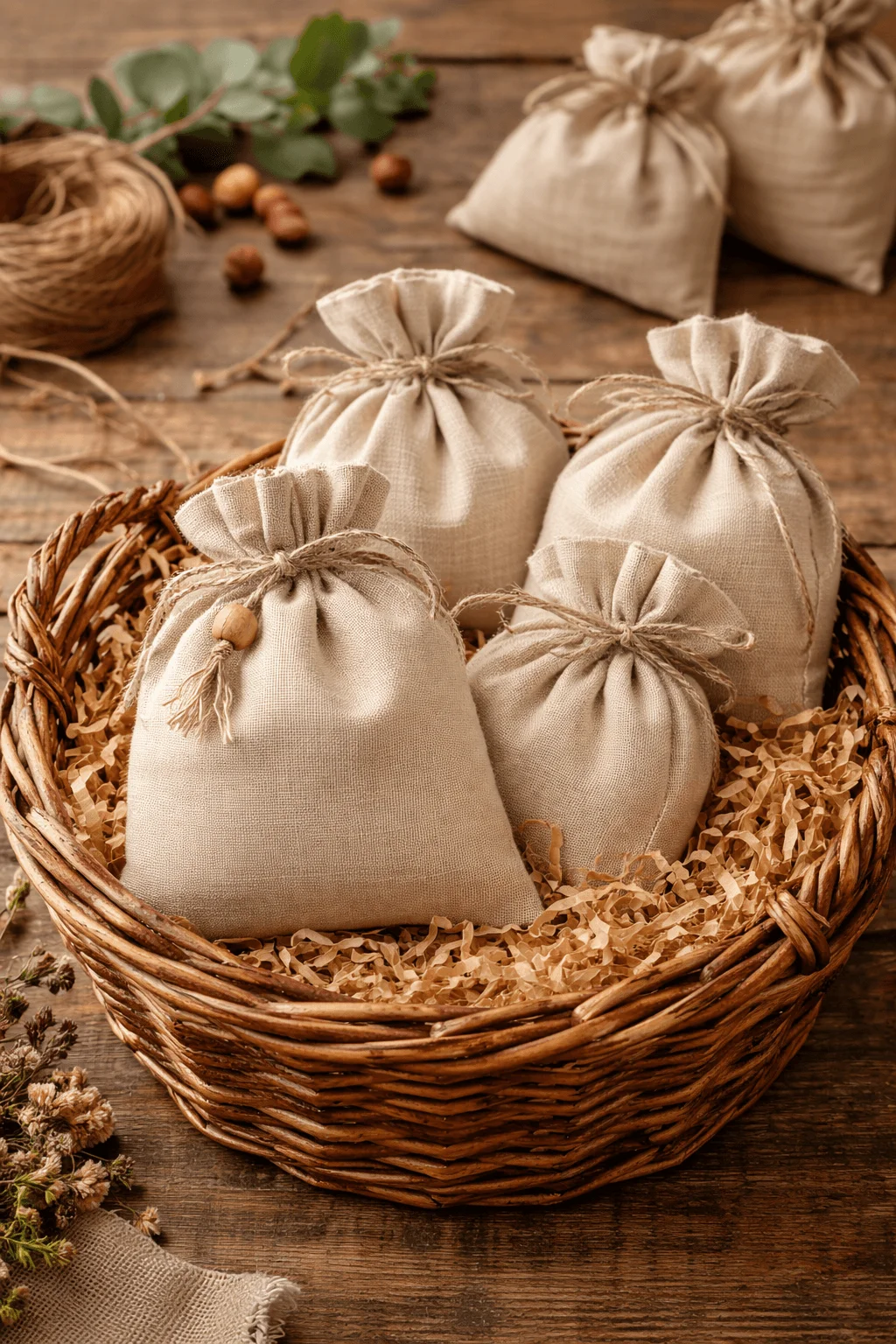
Reusable Drawstring Cloth Sacks
Placing smaller gift items inside cloth sacks within the basket adds organization and sustainability at the same time.
The sacks can later be reused as produce bags, storage pouches, or travel organizers.
This layered approach reduces loose filler and enhances long term usefulness.
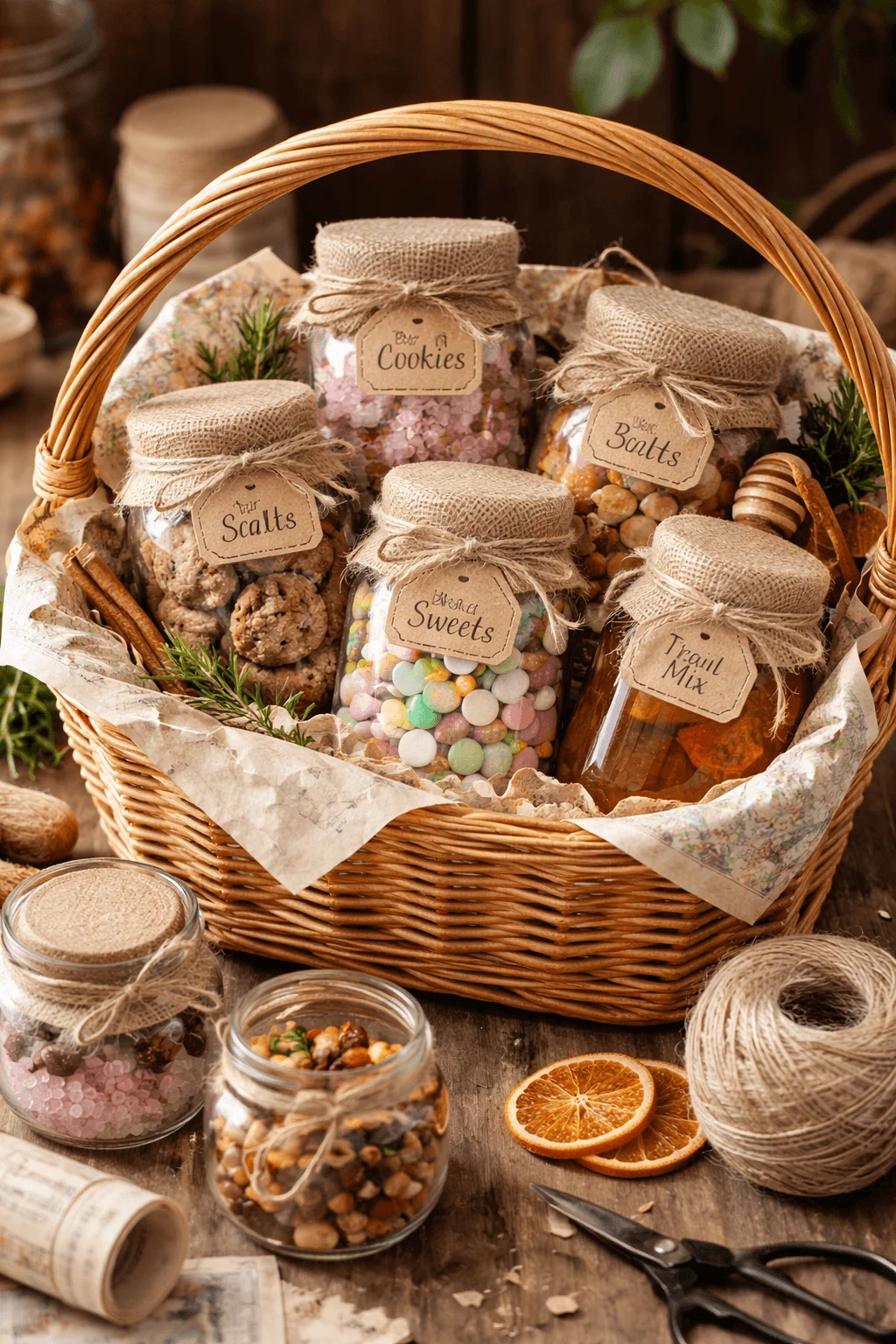
Glass Jar Presentation Inside the Basket
Instead of scattering small items, consider placing treats, bath salts, candies, or spices inside glass jars.
Glass jars are reusable and recyclable. They provide structure inside the basket and reduce the need for excess filler materials.
This method also gives your basket a clean and cohesive appearance.
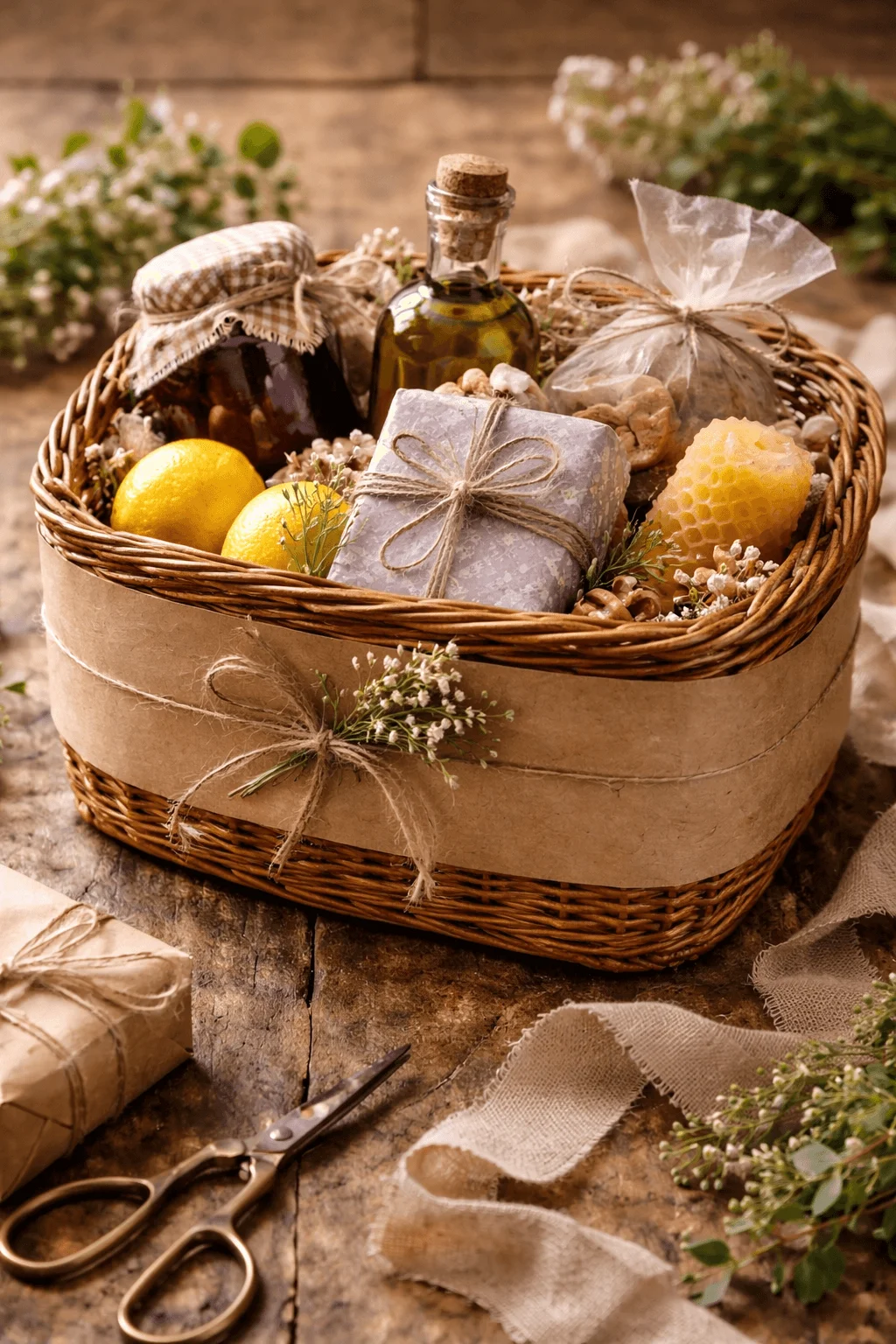
Wide Kraft Paper Banding
Rather than wrapping the entire basket, you can secure it with a wide kraft paper band around the middle.
This holds everything in place while leaving parts of the basket visible. It significantly reduces material usage compared to full wrapping.
It is an elegant compromise between minimalism and functionality.
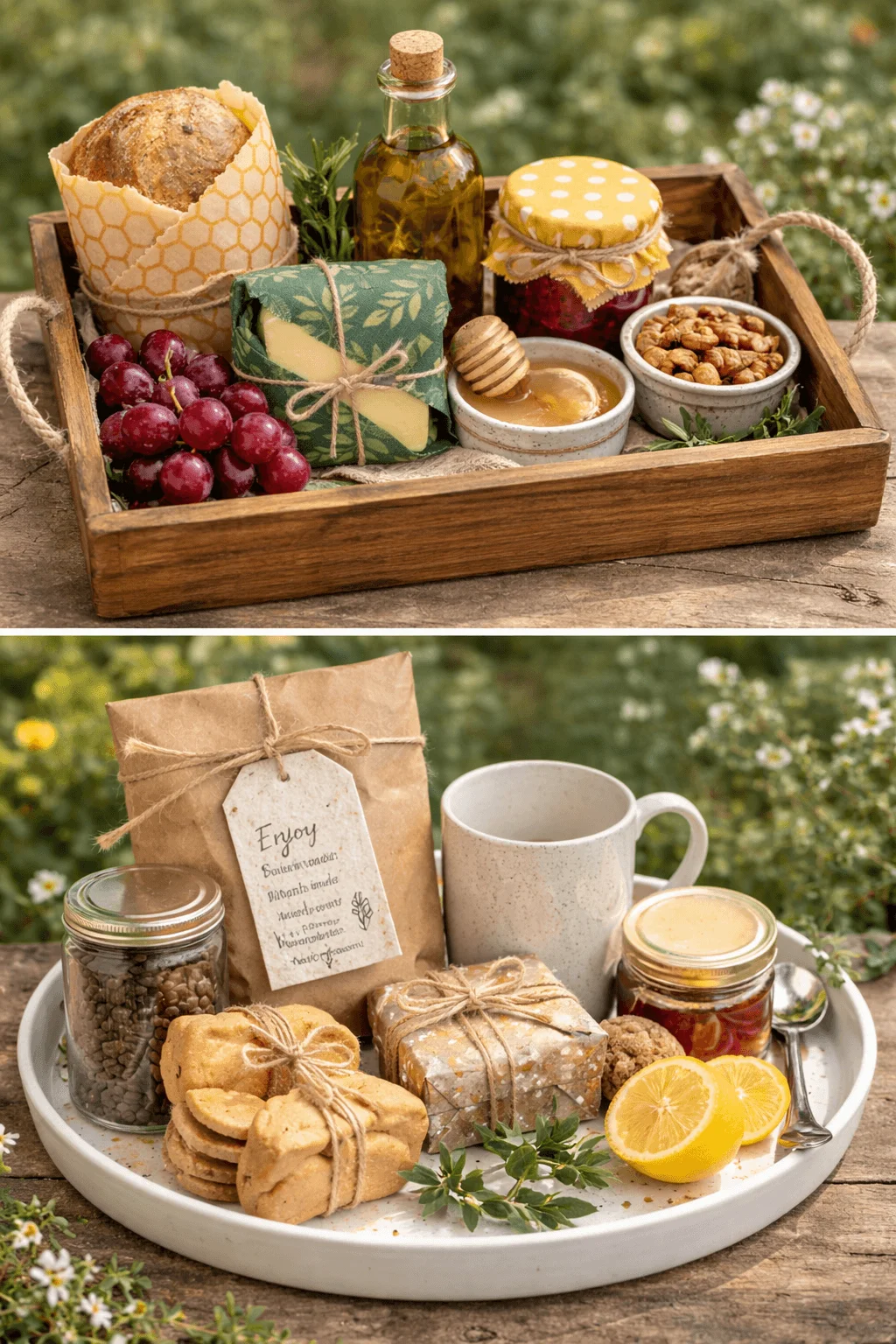
Wooden Tray or Ceramic Base
Replace traditional baskets with wooden trays or ceramic serving dishes.
Once the gift items are removed, the base becomes a usable household item. This strategy completely eliminates waste from the container itself.
It works beautifully for gourmet food, tea, or coffee themed gift sets.
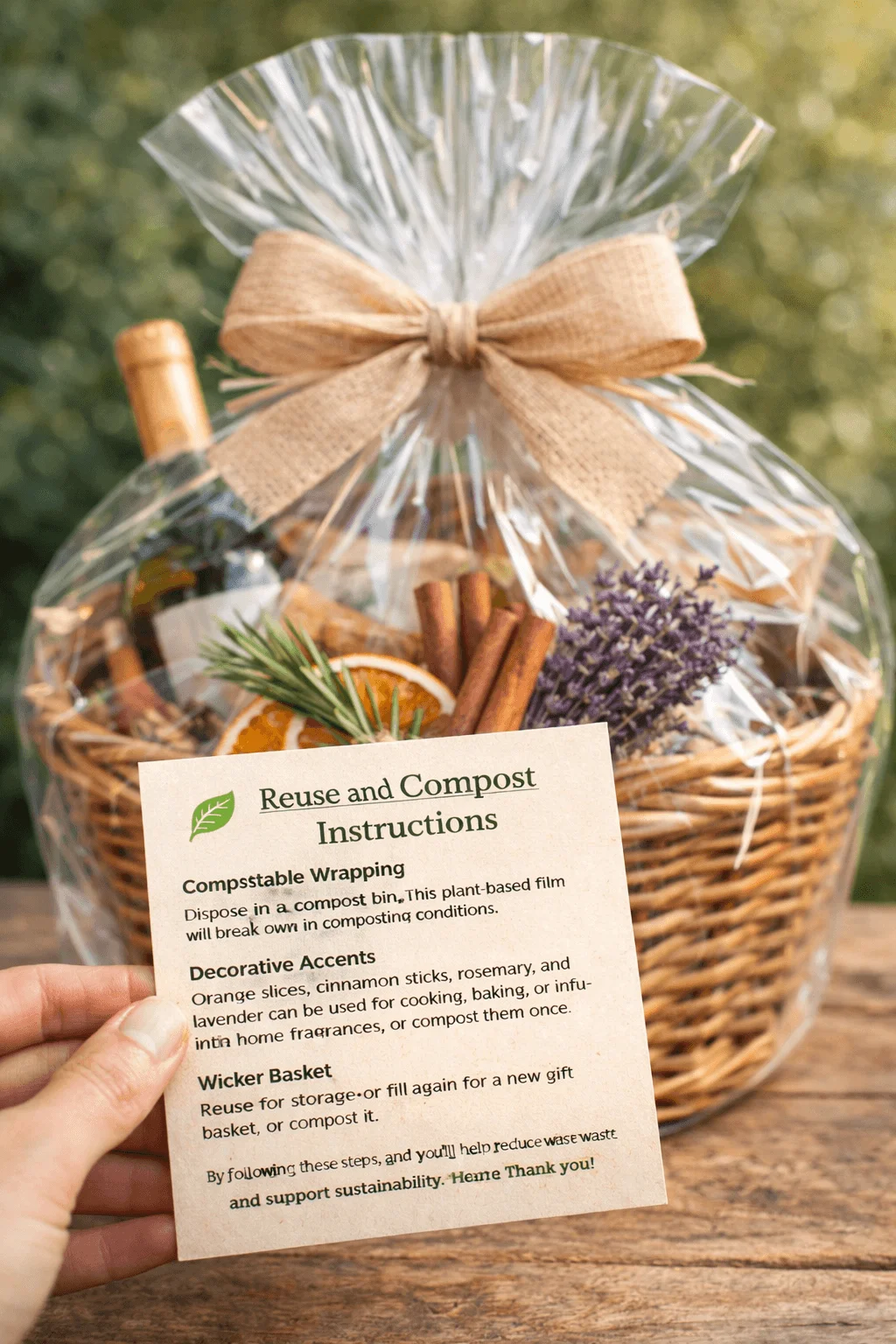
Reuse and Compost Instruction Card
Including a small printed card explaining how to reuse or compost each element encourages responsible disposal.
Many recipients want to make sustainable choices but may not know how. Providing guidance increases the real environmental impact of your thoughtful wrapping.
This small addition makes your gift both practical and educational.
Digital Experience Card
Instead of adding extra physical decorative items, include a QR code card that links to a digital playlist, personalized video message, or online experience.
This reduces physical clutter while enhancing emotional value.
Hybrid gifting that blends physical and digital elements is increasingly popular this year.

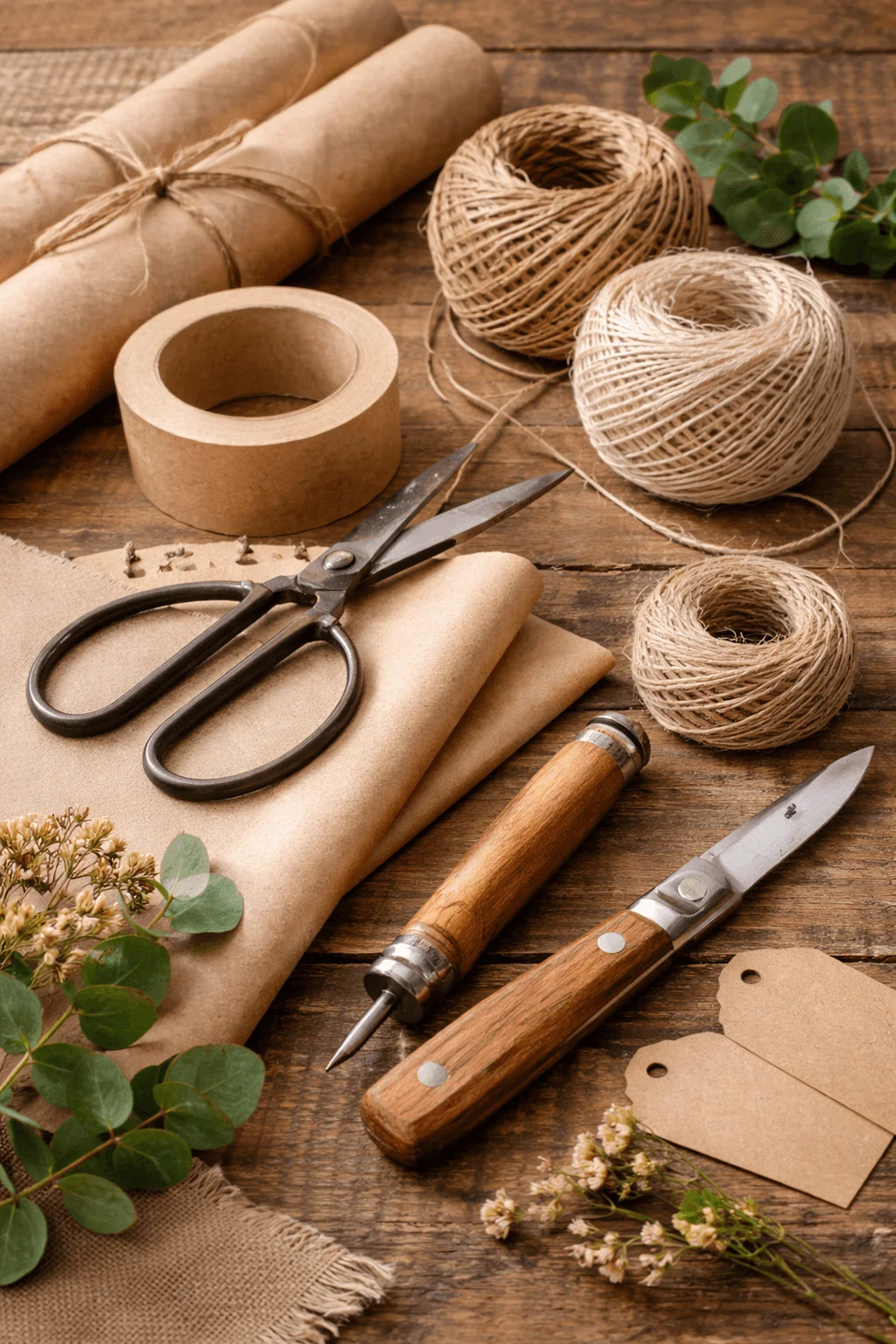
Low Waste Wrapping Toolkit
Finally, consider the tools you use. Compostable tape, reusable twine, and precise paper cutting tools help minimize excess scraps.
Efficient wrapping techniques reduce material waste and create a cleaner presentation.
Sustainability begins not only with materials but also with mindful preparation.
Conclusion
Eco friendly gift basket wrapping in 2026 is no longer limited to swapping plastic for paper. It is about rethinking the entire presentation so that every layer has purpose, beauty, and a second life. From fabric wrapping and reusable containers to plantable seed paper and innovative mushroom based materials, sustainable options are more creative and accessible than ever.
By choosing reusable bases, compostable films, natural fillers, and meaningful decorative accents, you transform packaging into an extension of the gift itself. Thoughtful wrapping sends a powerful message that care extends beyond the present and into the planet.