Eco Friendly Garden Ideas at Home for 2026
Creating a greener outdoor space does not require a huge yard, expensive materials, or a complete landscape makeover. These eco friendly garden ideas at home can help you create a beautiful outdoor area while using resources more thoughtfully. From native plants and rain gardens to pollinator friendly spaces and lawn alternatives, modern sustainable gardening focuses on working with nature rather than constantly trying to control it.
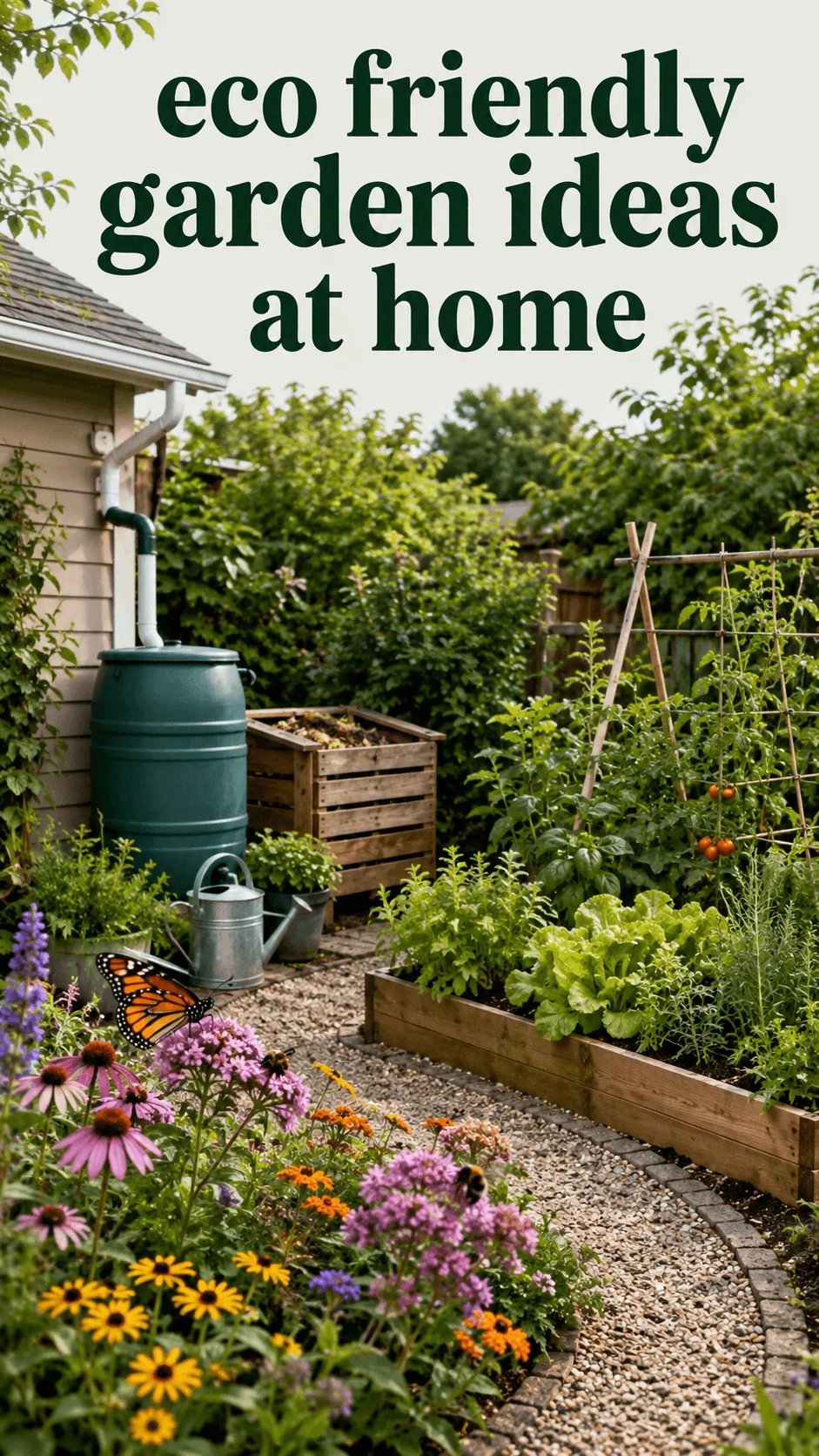
In 2026, home gardening is increasingly moving toward gardens that support biodiversity, conserve water, improve soil, and provide practical benefits for homeowners. A sustainable garden can also become a place to grow food, welcome wildlife, enjoy flowers, and spend time outdoors. The best part is that you can make these changes gradually. Even a small backyard, patio, or narrow garden can become more environmentally friendly with the right approach.
1. Create a Native Plant Garden
One of the most effective sustainable garden ideas is to replace some conventional ornamental plants with species that naturally suit your local environment. Native plants have adapted to the climate, soil conditions, rainfall patterns, and wildlife of their region over long periods of time. This makes them an excellent starting point for homeowners who want a garden that works more naturally with its surroundings.
A native garden does not have to look wild or untidy. You can create an attractive design by combining native flowers with grasses, shrubs, ground covers, and small trees. Different plant heights can add structure, while flowers in different seasons can keep the garden visually interesting throughout the year.
Native plants can also provide valuable food and shelter for local insects and birds. Some plants produce seeds that birds can eat, while others provide nectar for butterflies and other pollinators. Shrubs and dense plants can offer places where small creatures can shelter.
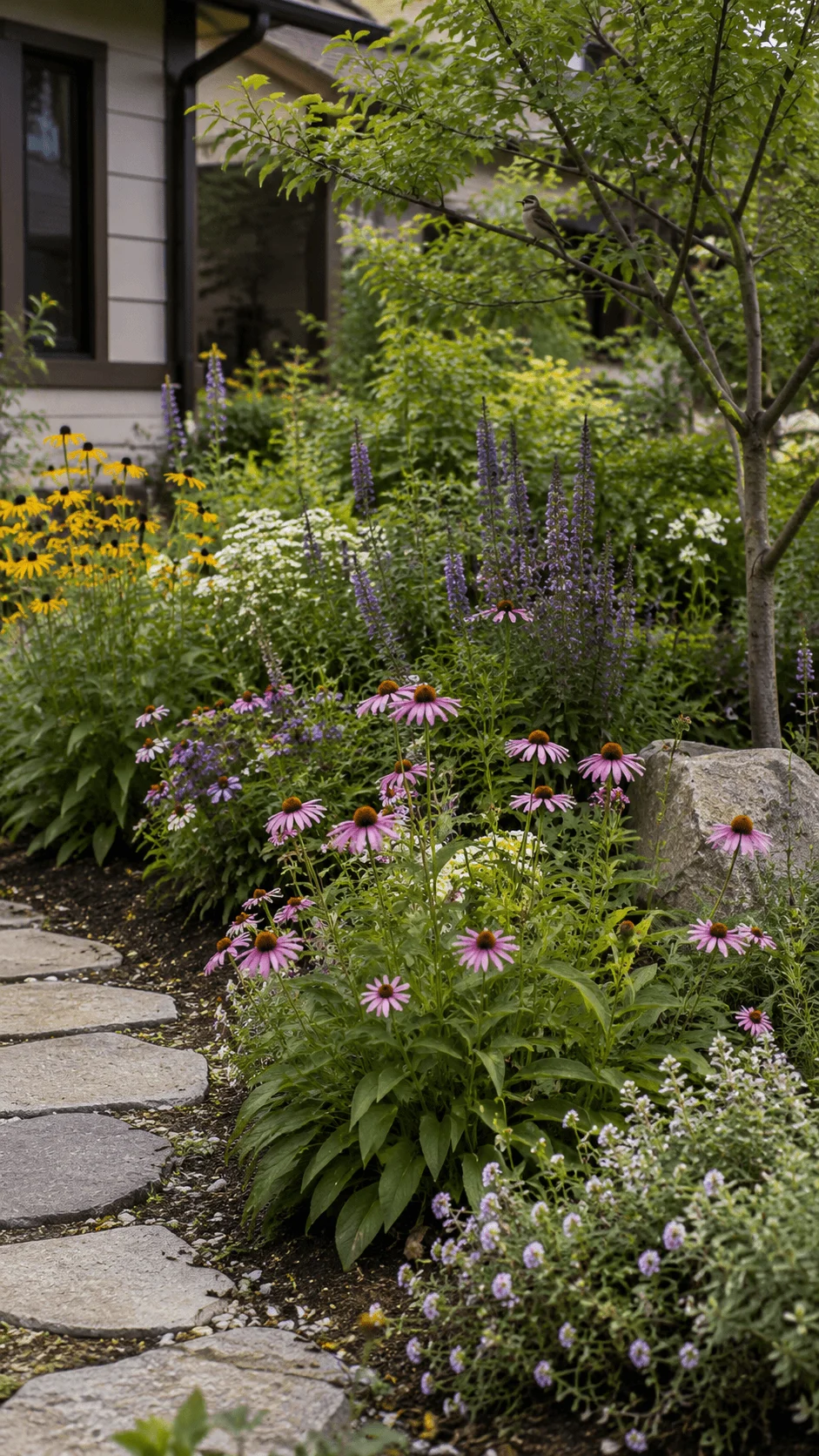
Before buying plants, consider the conditions in your own garden. Look at how much sunlight the area receives and check whether the soil stays wet or dries quickly. Your local climate also matters. A plant that thrives in one region may struggle somewhere with very different temperatures or rainfall.
You can start with a small planting bed rather than replacing the entire garden. Even a few carefully selected native plants can introduce more biodiversity while giving you an opportunity to learn which species perform best.
2. Build a Small Rain Garden
A rain garden is another interesting approach for homeowners looking for sustainable landscaping ideas. It is a planted area designed to temporarily collect and absorb rainwater. Instead of allowing water to quickly run across hard surfaces and away from your property, a rain garden can slow the movement of water and give it more opportunity to soak into the ground.
You do not need a huge backyard to experiment with this idea. A small rain garden can work in a suitable low area where rainwater naturally collects. Some homeowners also design rain gardens near areas where water flows from roofs or paved surfaces, provided the location is appropriate and does not create drainage problems for the house.
Plant selection plays an important role. Choose plants that can handle periods of moisture while also surviving when the soil becomes drier. Native plants that naturally grow in conditions similar to your proposed garden can be especially useful.
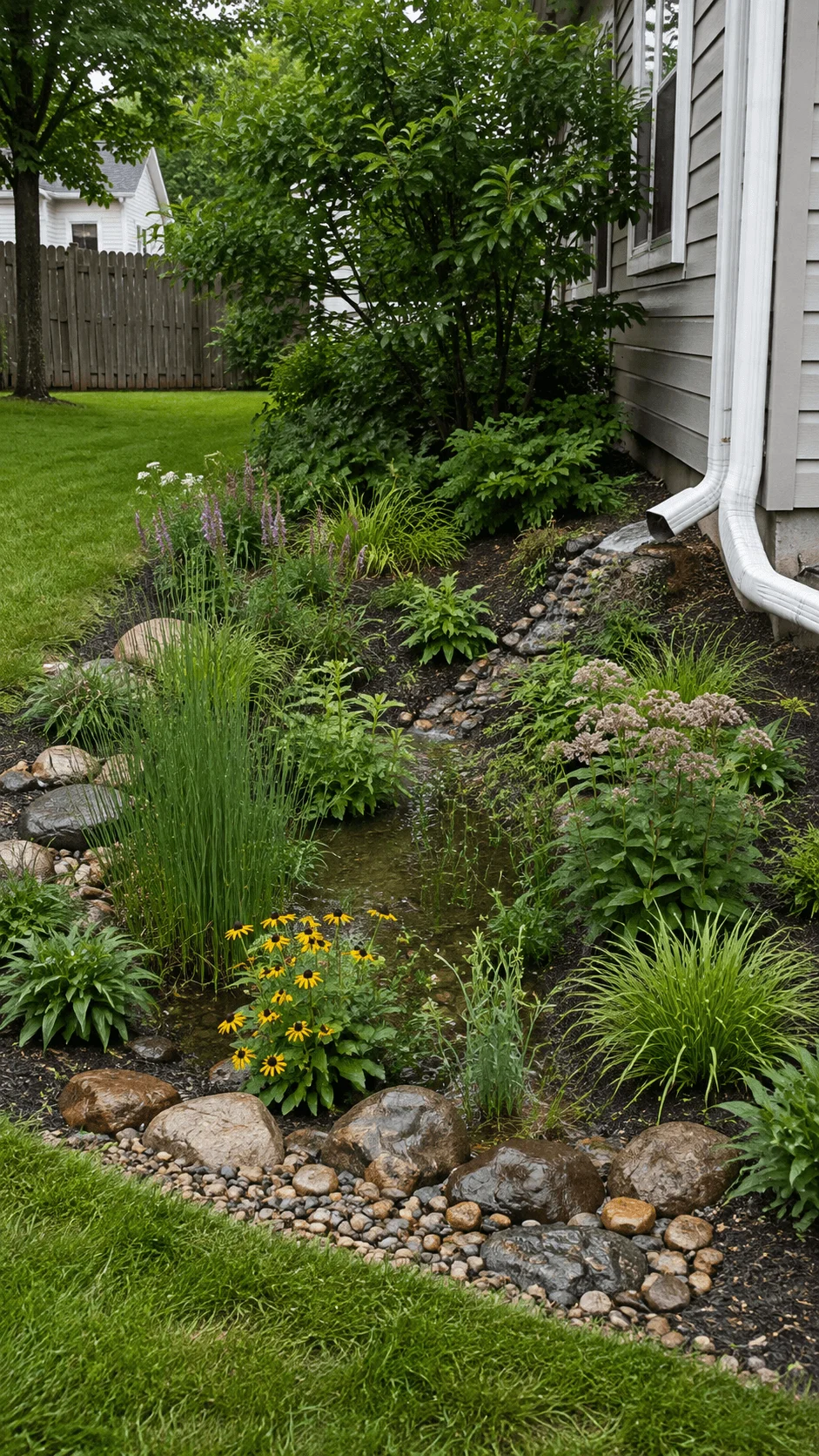
A rain garden can also become an attractive focal point. Instead of treating it like a purely functional drainage feature, you can surround it with different plant heights and textures. Stones, natural edging, and carefully arranged plants can help integrate it into the rest of the landscape.
Before creating one, make sure the location is suitable and does not interfere with foundations, underground utilities, or existing drainage systems. A small and well planned rain garden can turn an ordinary part of your yard into both a useful water management feature and a beautiful planting area.
3. Design a Pollinator Friendly Garden
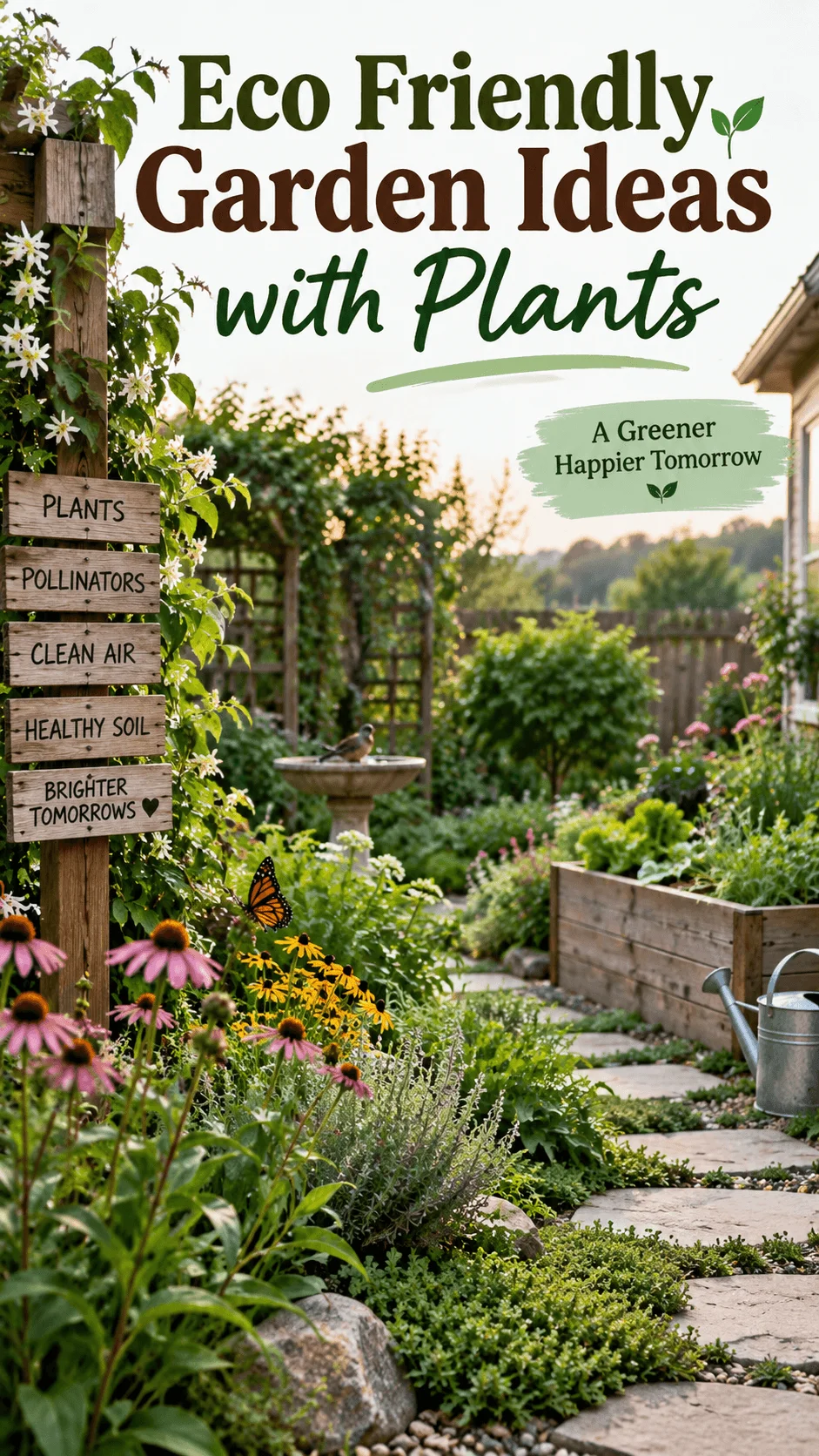
Pollinator gardens continue to be an important part of eco friendly home garden design. Bees, butterflies, moths, and other insects interact with flowering plants and contribute to healthy ecosystems. Creating a garden that offers them food and shelter can make your outdoor space more useful to local wildlife.
The key is diversity. Instead of planting one flowering species across the entire garden, combine different plants that flower during different parts of the growing season. This can provide a more consistent supply of nectar and pollen while also creating a garden with changing colors and textures.
Think beyond flowers as well. Pollinators need suitable places to rest and shelter. Shrubs, grasses, ground cover, and less disturbed sections of soil can contribute to a more complete habitat.
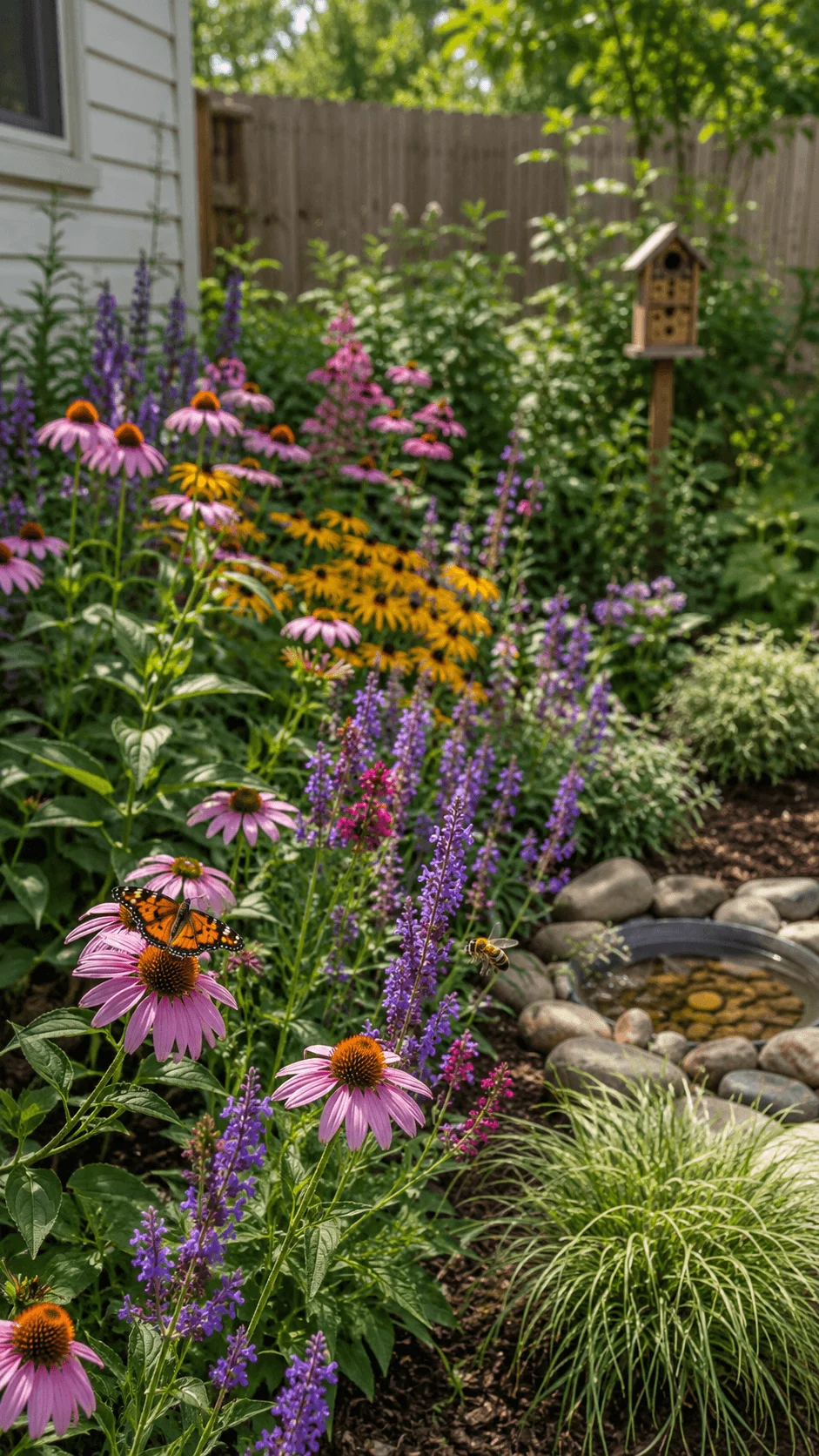
You can also include a shallow water source in a safe location. A shallow container with stones or other surfaces that allow insects to reach water without becoming trapped can provide an additional resource.
Avoid designing the garden entirely around appearance. A plant may look beautiful but provide limited ecological value. Research the plants that naturally support pollinators in your area and choose several types rather than relying on a single favorite flower.
Even a small balcony garden or narrow backyard border can support pollinators when you choose plants carefully. This makes pollinator gardening one of the most accessible eco friendly garden ideas for people who have limited outdoor space.
4. Replace Part of Your Lawn
Traditional lawns can provide a useful recreational surface, but large lawn areas may require regular mowing, watering, feeding, and maintenance. If you have sections of grass that your family rarely uses, converting some of them into planted areas can be a practical sustainability improvement.
You do not have to remove the entire lawn. In fact, keeping a smaller area for sitting, playing, or other activities may make more sense for many households. The goal is to identify sections that are not providing much practical value.
An unused corner could become a native plant bed. A narrow strip could become a pollinator border. Another section might work well for herbs, vegetables, or low growing ground cover.
Gradual conversion can make the process easier. Start with one small area and observe how it develops. You can then expand the planted space if you like the result.
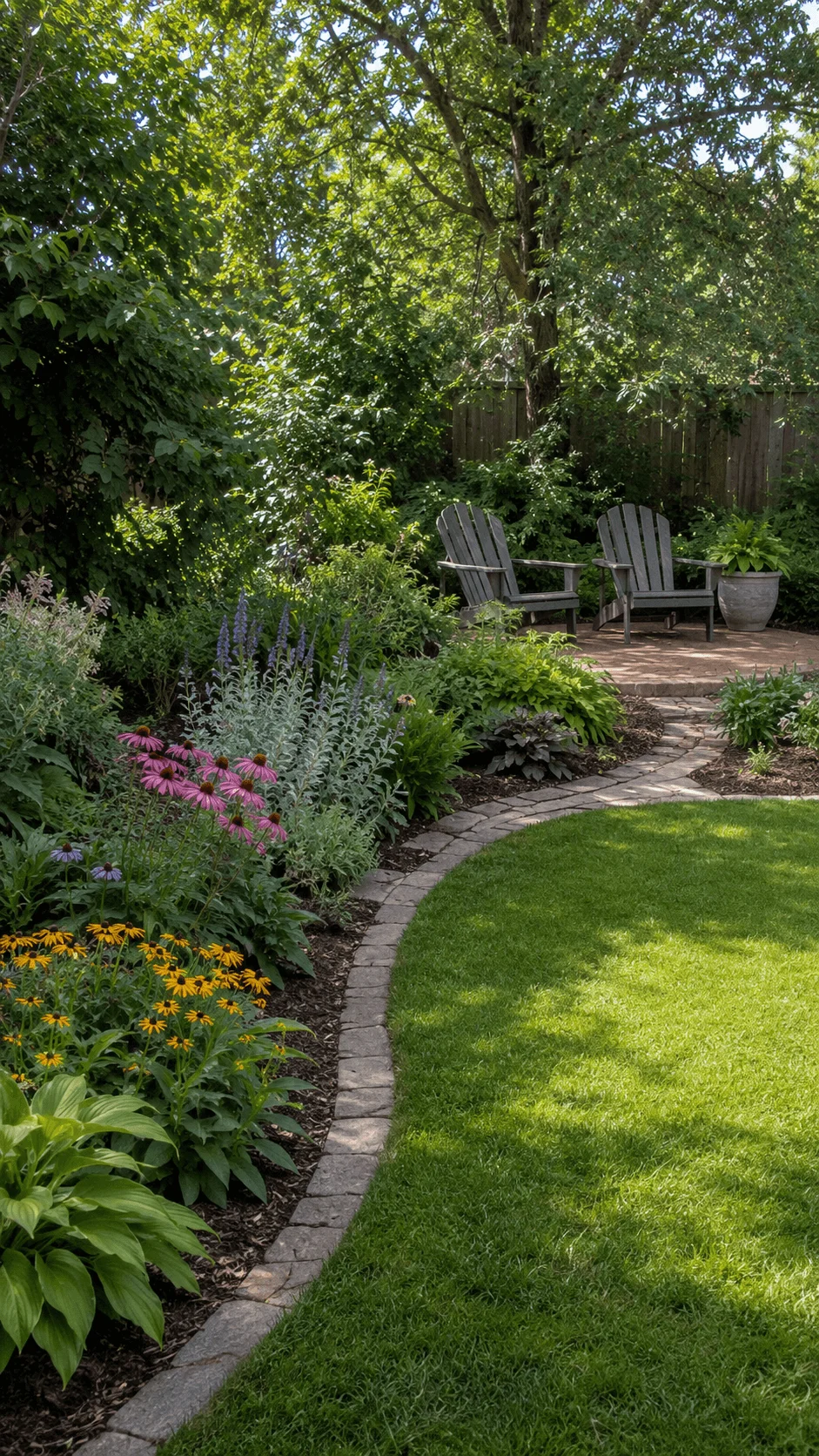
Reducing lawn can also change the character of your garden. A combination of planting beds, paths, seating areas, and smaller lawn sections can create a more varied landscape than one large uninterrupted grass surface.
When planning the change, consider how the space is actually used. A lawn where children regularly play or where people gather may have an important purpose. Instead of removing useful areas, focus on parts that require maintenance without providing much benefit.
5. Try a Clover or Tapestry Lawn
If you want the appearance and function of a lawn but would like to explore alternatives to conventional turf, a clover or tapestry lawn can be worth considering. These approaches use low growing plants to create a softer, more diverse ground surface.
Clover has attracted attention because it can form a green ground cover and produce flowers that provide resources for pollinators. A tapestry lawn takes the idea further by combining several low growing plants rather than relying on one type of grass.
The result can look more natural than a traditional uniform lawn. It can also introduce more plant diversity into an area that would otherwise contain mostly one species.
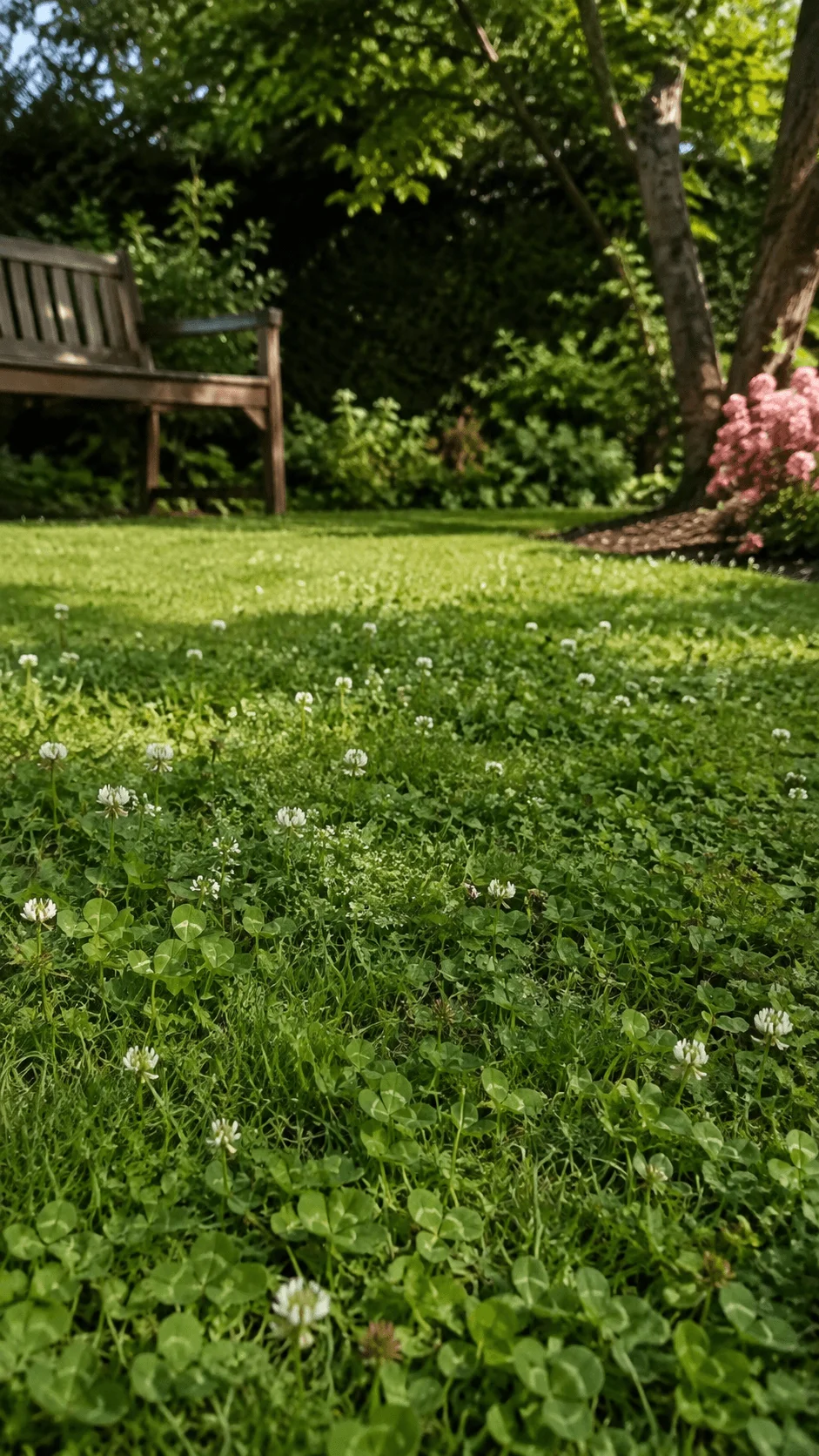
However, lawn alternatives are not suitable for every situation. Think about how much foot traffic the area receives, how much sunlight it gets, and what your local climate is like. Some areas may still require a more durable turf surface.
You should also research which plants are appropriate for your region before creating a mixed lawn. A sustainable choice in one climate may not work well in another.
For homeowners who rarely use their lawn for heavy activity, replacing part of it with a diverse low growing planting can create an attractive compromise between a traditional lawn and a fully planted garden.
6. Add Edible Plants to Your Landscape
A garden can do more than look attractive. It can also provide herbs, vegetables, fruits, and other edible plants. This approach, often called edible landscaping, combines food production with landscape design.
You do not need to create a traditional vegetable garden with rows of crops. Herbs can grow alongside pathways, colorful vegetables can become part of ornamental beds, and fruiting plants can occupy suitable spaces around the garden.
For a small garden, containers can provide an easy starting point. Herbs such as mint, basil, parsley, and other suitable plants can grow in containers when their light, water, and soil needs are met. Larger spaces provide opportunities for fruit shrubs, vegetables, climbing plants, and small fruit trees.
Edible landscaping can also make the garden more interesting throughout the seasons. Flowers, foliage, fruit, and changing colors can provide visual variety while the garden produces something useful.
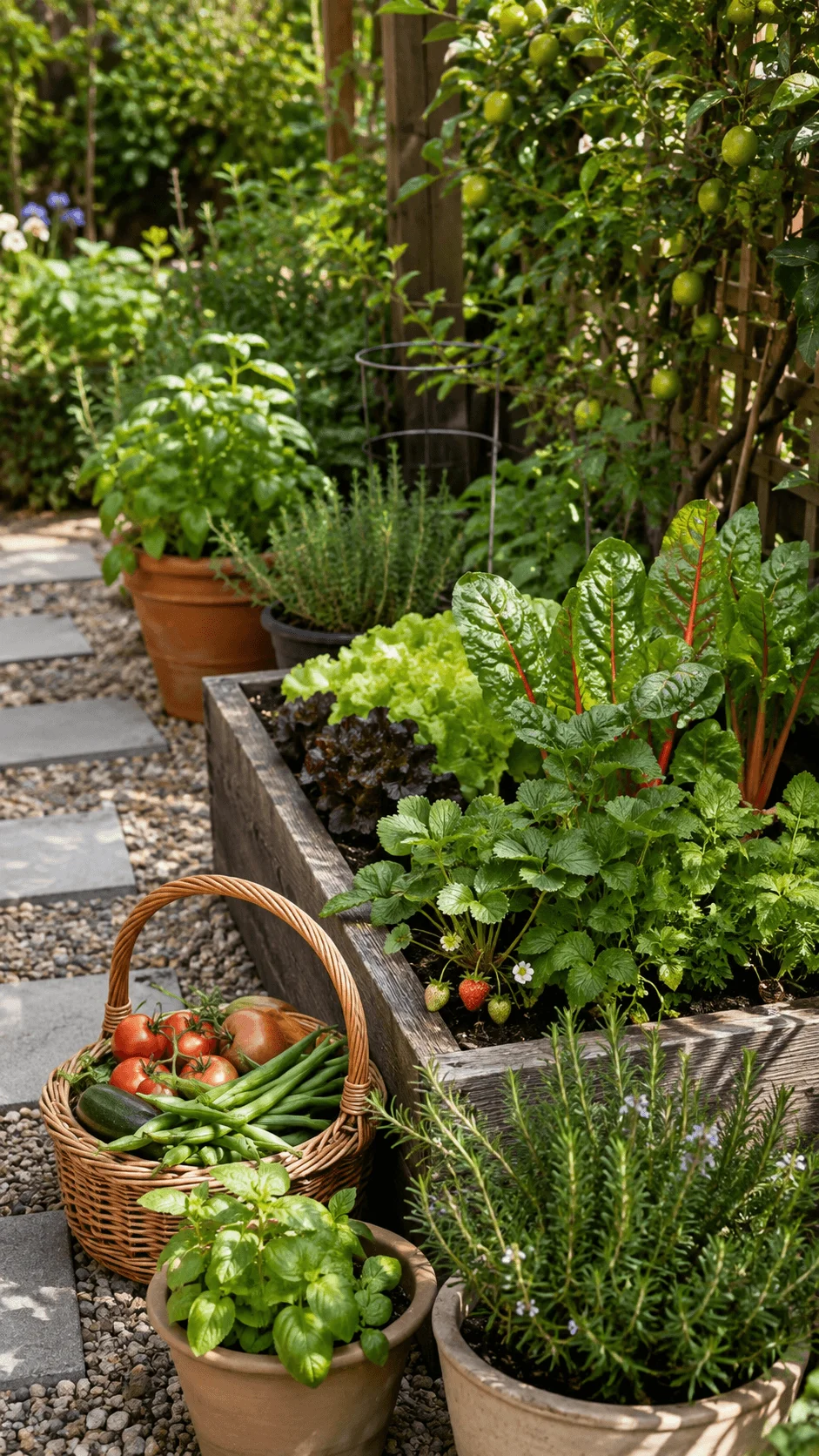
Choose plants according to your climate and available sunlight. It is better to grow a small number of plants successfully than to fill the garden with species that struggle in unsuitable conditions.
You can also combine edible plants with native and pollinator friendly species. Flowers can attract beneficial insects while herbs and vegetables provide food for your household. This creates a garden that serves several purposes rather than functioning purely as decoration.
For homeowners searching for eco friendly garden ideas at home, edible landscaping offers one of the most practical ways to make a garden both sustainable and useful.
7. Create a Rewilded Garden Corner
Not every part of your garden needs to look perfectly manicured. Creating a small rewilded corner can provide valuable habitat while adding a more natural character to your outdoor space.
Rewilding a garden does not mean abandoning it completely. Instead, you can intentionally leave one section less disturbed and allow suitable plants, fallen leaves, seed heads, and natural materials to remain.
This can create shelter and food opportunities for insects and other small creatures. Birds may also benefit from plants that produce seeds or berries.
You can make the transition look intentional by creating a clear boundary between the more formal part of your garden and the natural corner. A simple path, natural edging, or group of shrubs can visually connect the two areas.
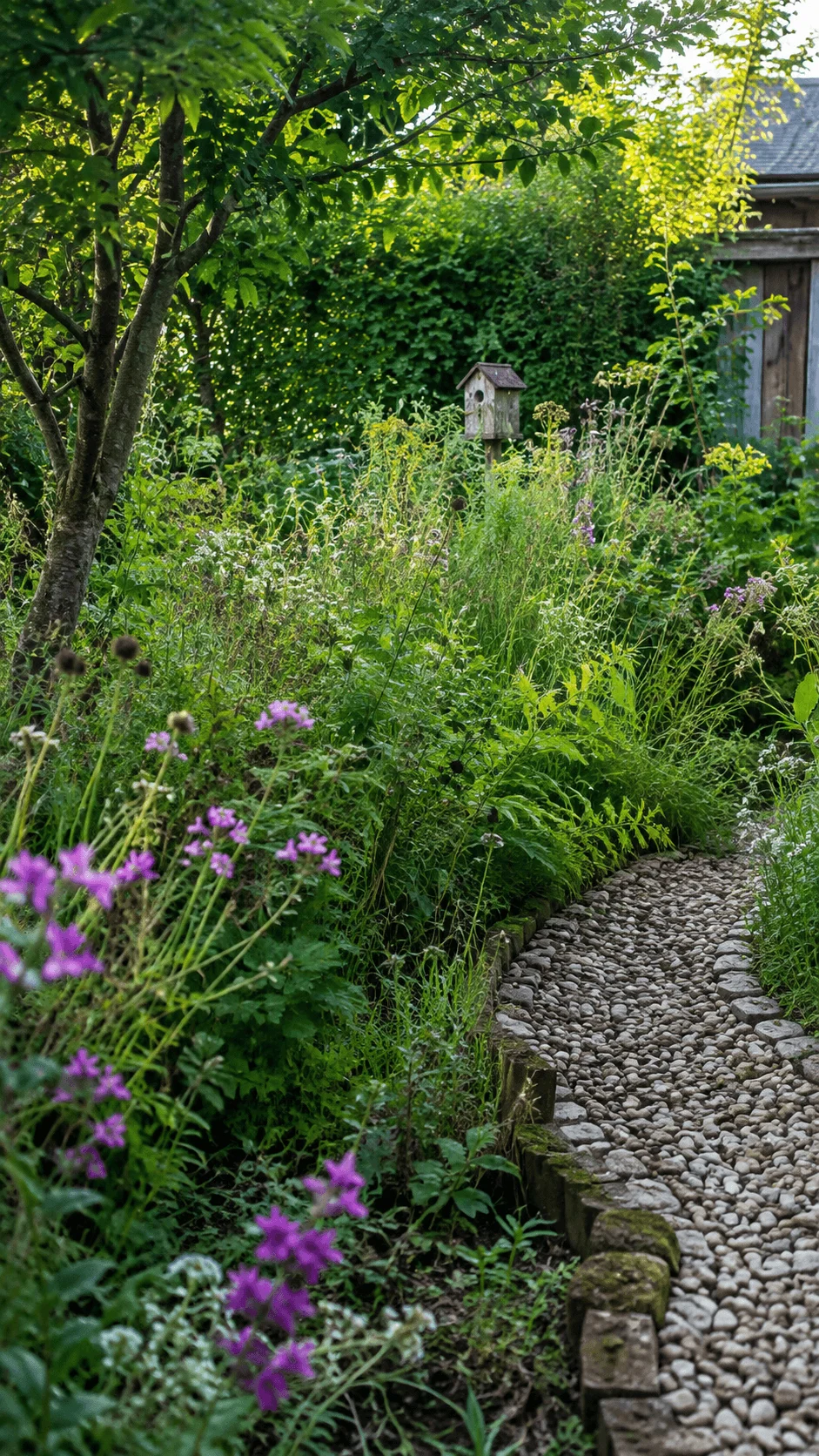
A rewilded section can be particularly useful in gardens where every other area receives regular maintenance. Even a relatively small patch can add another layer of habitat.
The important thing is to choose suitable plants and avoid introducing invasive species. A natural looking garden should still have thoughtful planning behind it.
8. Switch to Peat Free Gardening
Choosing peat free growing materials is another way to make your gardening routine more environmentally conscious. Peat has traditionally appeared in many growing products because of its useful properties, but gardeners are increasingly exploring alternatives.
Peat free gardening means choosing growing media made from other suitable materials. Depending on the product and its intended use, alternatives can include compost based materials, coir, wood based materials, and other growing media.
When buying a product, look beyond the front of the package. Check what materials it contains and whether it suits the plants you intend to grow. Seed starting, containers, vegetables, and established garden plants can have different growing requirements.
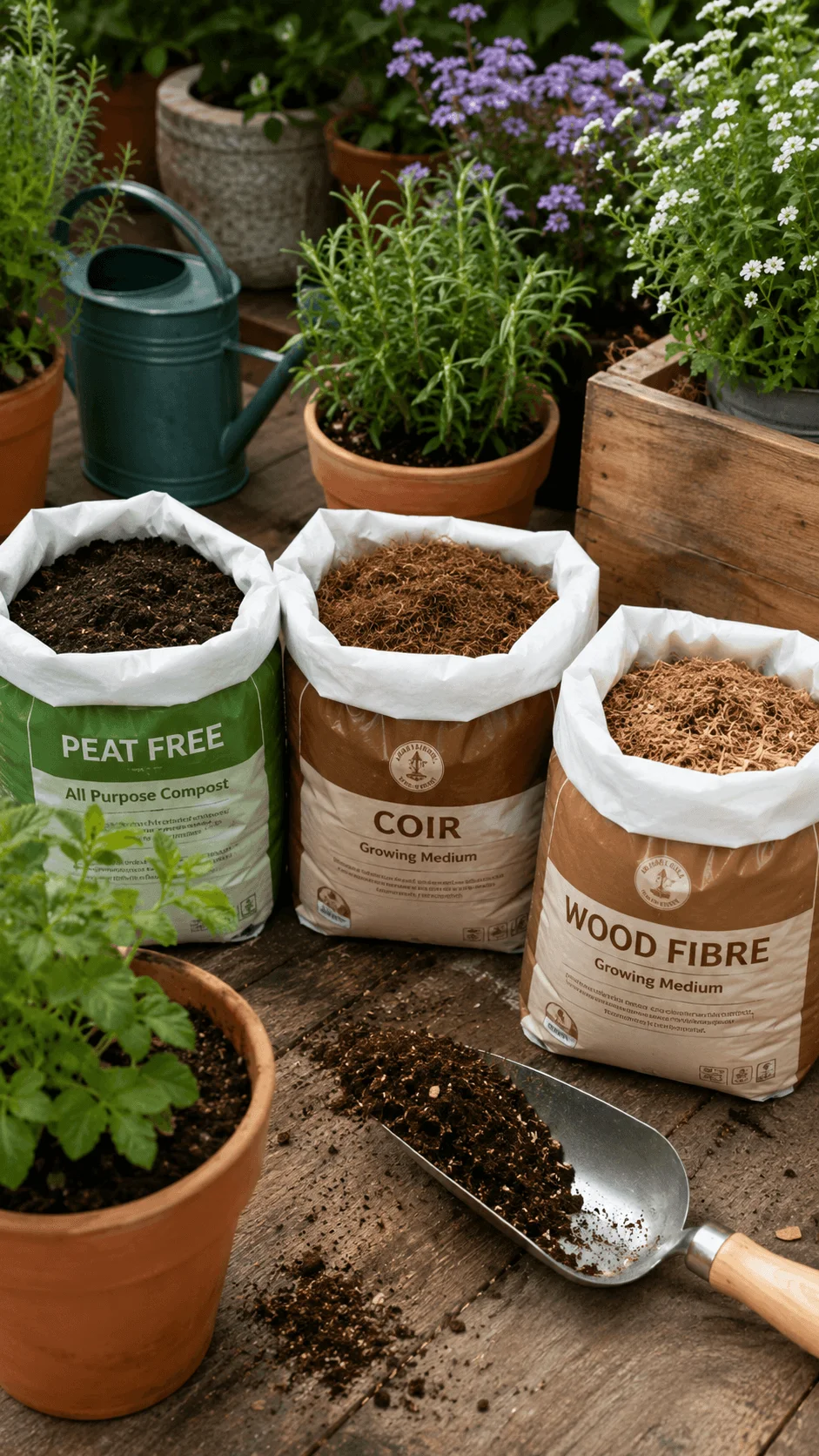
Making this change can be especially simple for container gardeners because replacing a growing medium is something you can do as you repot or start new plants.
Sustainable gardening is rarely about one dramatic change. Small purchasing decisions can become part of a broader approach that includes improving soil, conserving water, reducing waste, and choosing plants that suit your local environment.
9. Use Permeable Paths and Natural Materials
Garden paths are often overlooked when homeowners think about eco friendly garden ideas at home, but the materials you choose can influence how rainwater moves through your outdoor space. Large areas covered with solid concrete or other impermeable surfaces can prevent water from soaking naturally into the ground.
Permeable materials offer a more environmentally conscious alternative. Gravel, wood chips, certain types of permeable paving, and other suitable natural materials can allow water to move through or around the surface instead of creating as much runoff.
A gravel pathway can work particularly well in informal gardens. You can create a curved path through native planting, connect different garden areas, or use gravel around a seating space. Wood chips can provide another natural option for paths in areas with lighter foot traffic.
Natural materials can also make a garden feel more connected to its surroundings. Instead of creating a completely artificial landscape, you can combine stone, wood, plants, and other textures to create a softer appearance.
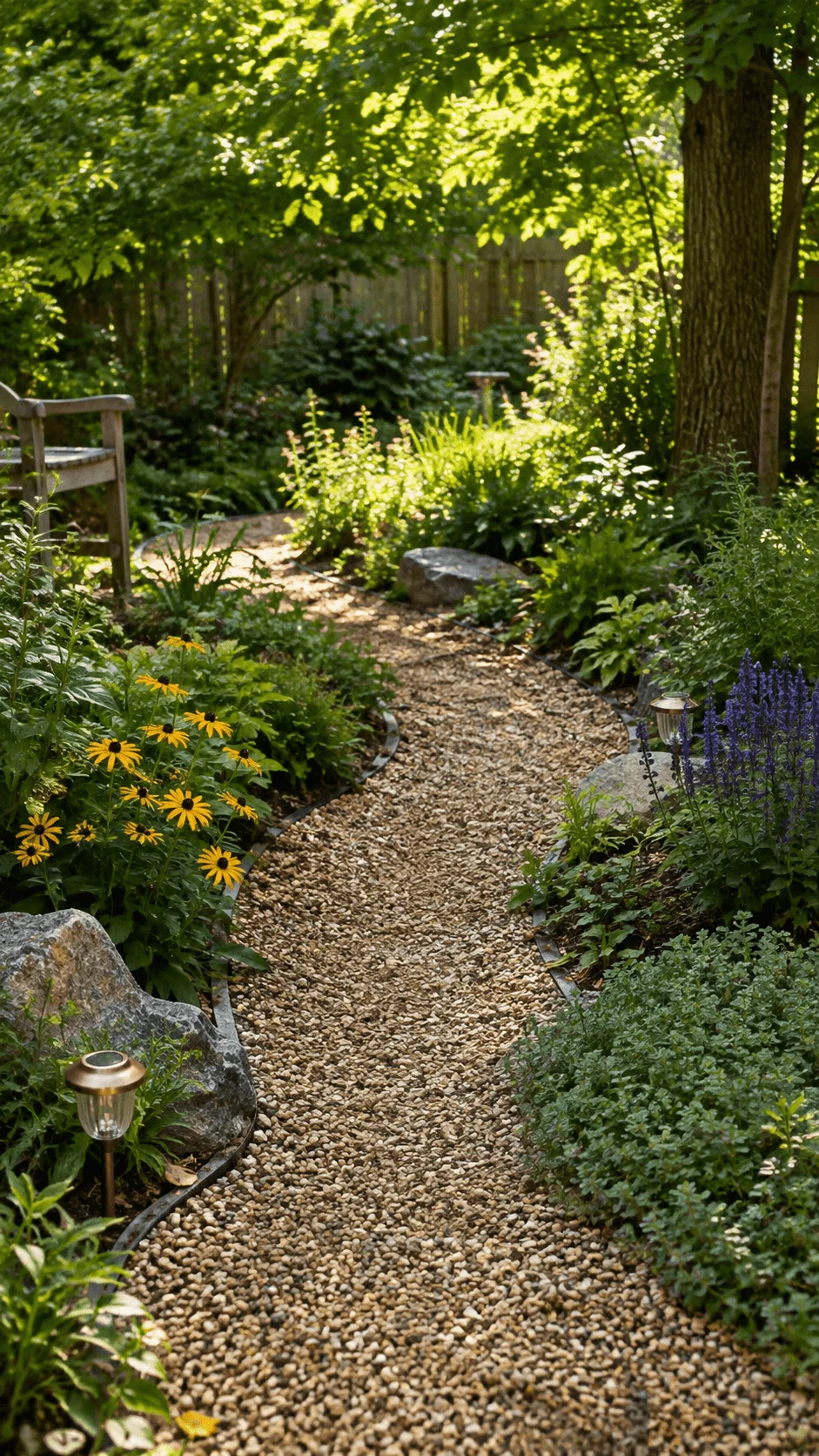
Before choosing a material, consider how much traffic the path receives. A frequently used entrance may need a more durable surface, while a decorative path through a flower bed can use a lighter material.
Think about drainage too. The goal is not simply to choose a material because it looks natural. Proper installation matters. A poorly designed path can still create puddles or direct water toward areas where you do not want it.
You can also combine permeable paths with rain gardens and planting beds. This creates a garden where several sustainable features work together rather than functioning as isolated additions.
For homeowners interested in sustainable garden ideas, changing a small path can be an easy improvement. You do not need to replace every hard surface. Start with one garden path or seating area and see how the new material fits into the overall design.
10. Create a Closed Loop Compost Garden
Composting can transform ordinary garden and kitchen waste into a useful resource for your plants. Instead of thinking of leaves, suitable plant material, and other compostable waste as something that leaves your property, you can return much of that organic material to the garden.
This creates a simple closed loop system. Plants grow in the garden, suitable organic material becomes compost, and the finished compost returns nutrients and organic matter to the soil.
A home compost system does not have to look unattractive. You can place a compost bin in a convenient corner and surround it with plants or a simple screen if you want to make it less noticeable.
Choose a location that you can access easily. If the compost area sits too far from the kitchen or garden, you may find it inconvenient to use regularly.
A healthy compost system needs a mixture of suitable materials and enough moisture and air. Gardeners often combine plant based kitchen scraps with dry leaves and other appropriate garden materials. Avoid adding materials that your particular composting system cannot handle.
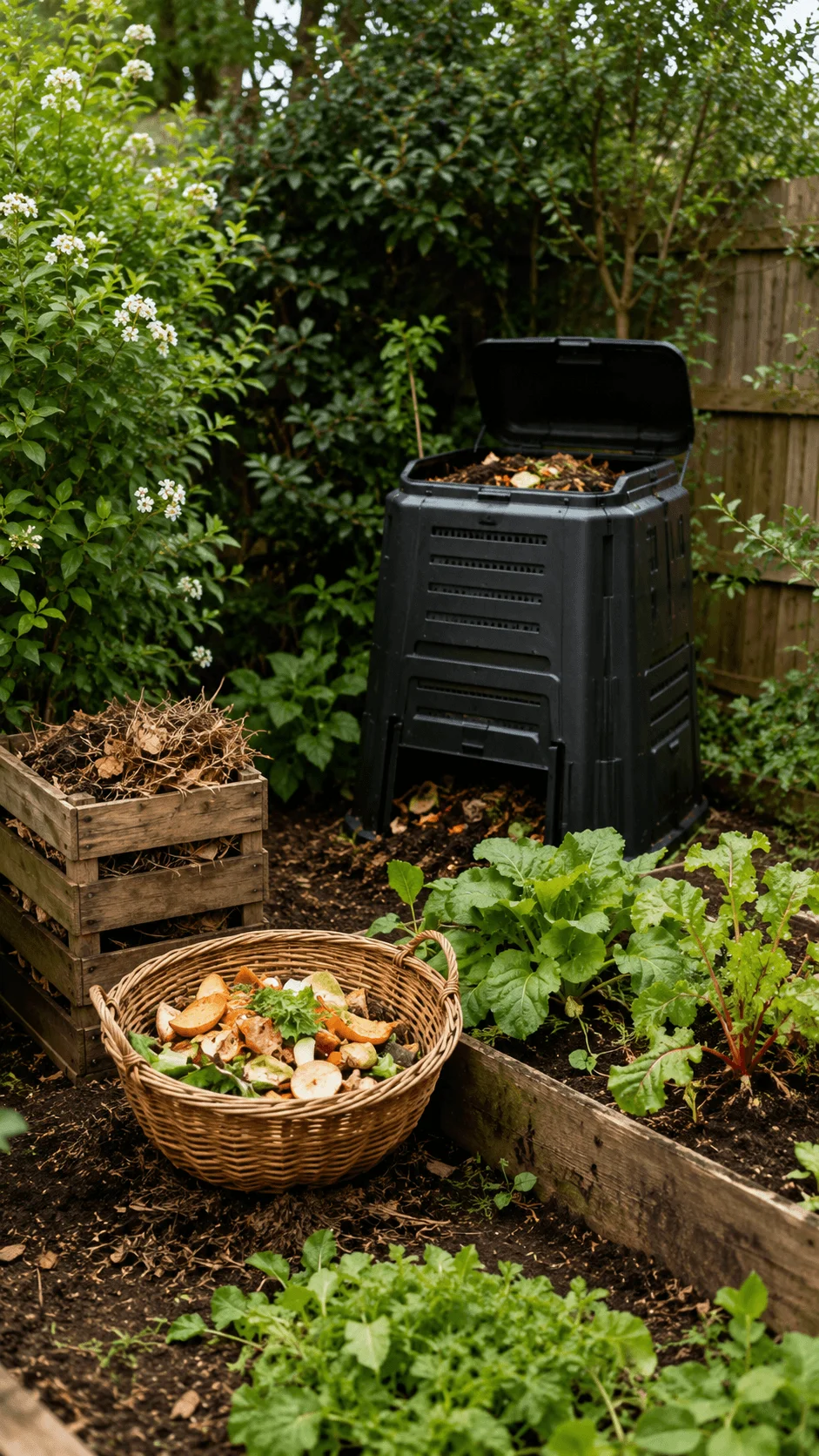
Once the material breaks down into finished compost, you can use it to improve suitable garden beds and containers. Compost can help add organic matter to soil and support healthy plant growth.
The biggest advantage is that composting connects different parts of your garden routine. Instead of buying soil amendments every time your plants need help, you can produce a useful material from resources that you already have.
Composting also fits naturally with other eco friendly garden ideas. You can combine it with native planting, edible landscaping, lawn reduction, and water conservation to create a more complete sustainable garden.
11. Choose Climate Resilient Plants
Choosing plants according to your local growing conditions is becoming increasingly important as gardeners deal with changing weather patterns. A plant may look beautiful in a garden center, but that does not mean it will thrive in your particular yard.
Climate resilient gardening starts by understanding the conditions you already have. Consider how much sunlight reaches different parts of your garden, how quickly the soil dries, how much rainfall your area receives, and whether certain areas experience extreme heat or cold.
You should also pay attention to soil. Some plants prefer well drained soil, while others tolerate heavier or wetter conditions. Matching the plant to the site can reduce unnecessary maintenance.
Another useful approach involves grouping plants with similar needs. Plants that require similar amounts of water can share a planting area. This can make watering more efficient because you do not have to treat every plant differently.
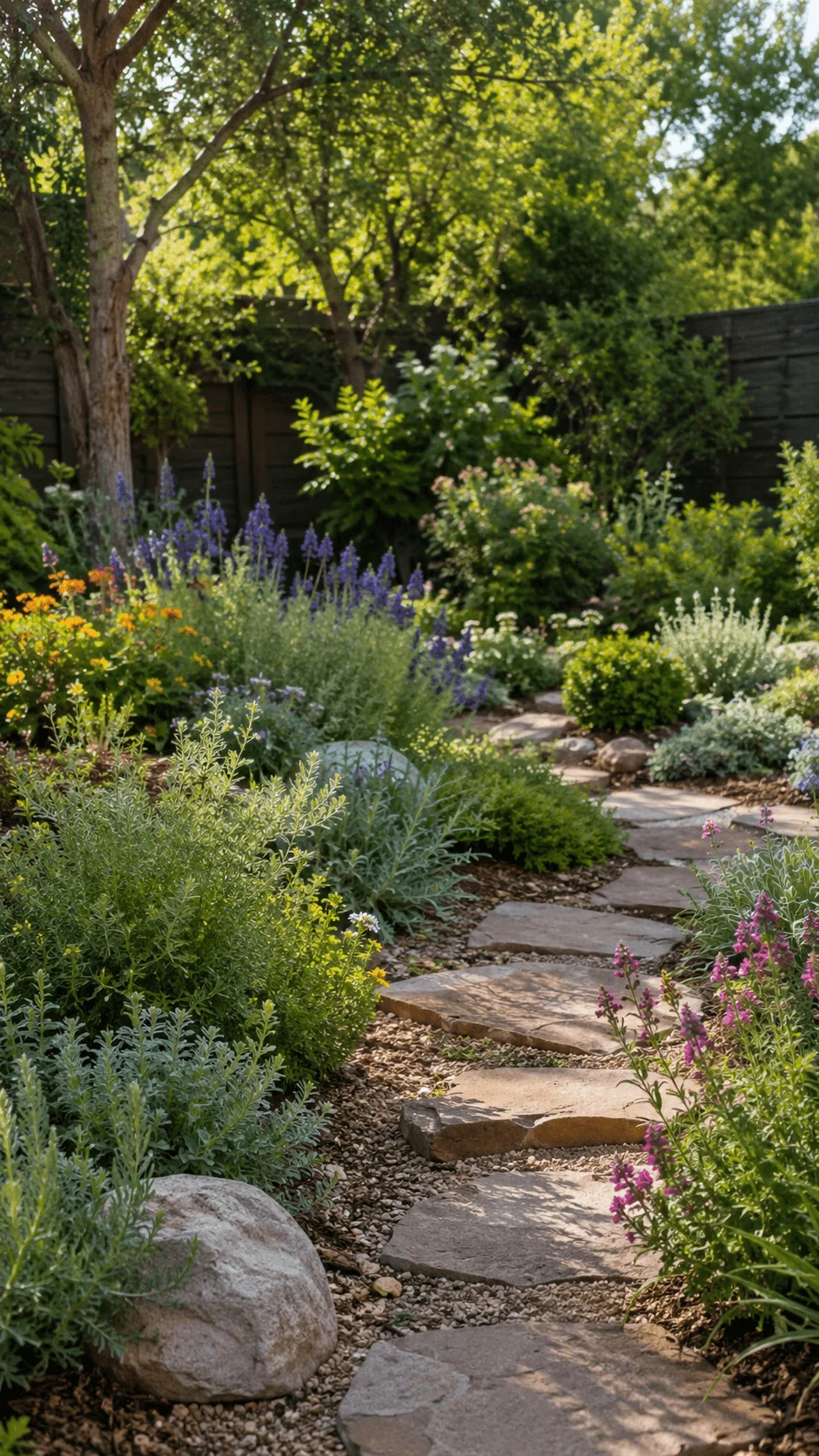
A resilient garden does not mean choosing only drought tolerant plants. The right choices depend on your location. Some areas experience heavy rainfall, while others face long dry periods. Your garden should respond to your actual environment.
You can also create layers of vegetation. Trees can provide shade, shrubs can occupy the middle level, and ground covers can protect the soil underneath. This layered approach can create a more diverse and visually interesting landscape.
Before purchasing a plant, research whether it suits your region. Local nurseries, botanical gardens, gardening groups, and extension services can often provide useful information about appropriate species.
The result can be a garden that handles normal local conditions with less intervention. Instead of constantly trying to keep unsuitable plants alive, you allow the garden to work with the environment.
This makes climate resilient planting one of the most useful sustainable garden ideas for home because it focuses on choosing wisely before problems begin.
12. Build a Backyard Wildlife Habitat
A backyard can become much more than a decorative outdoor space. With thoughtful planting and a few simple habitat features, you can create an environment that provides food, shelter, and water for local wildlife.
Start with plants. Flowers can provide nectar, while certain plants produce seeds or fruit that birds and other animals can use. Shrubs can provide shelter, and taller plants can create additional layers within the garden.
Plant diversity is important because different creatures use different parts of the landscape. A garden with only one type of plant provides fewer opportunities than one with flowers, shrubs, grasses, ground covers, and trees.
You can also include a small water feature. Even a simple shallow source can become useful when you maintain it properly and position it safely.
Shelter matters too. Dense shrubs, ground cover, fallen leaves, and carefully managed natural areas can give small creatures places to rest and hide.
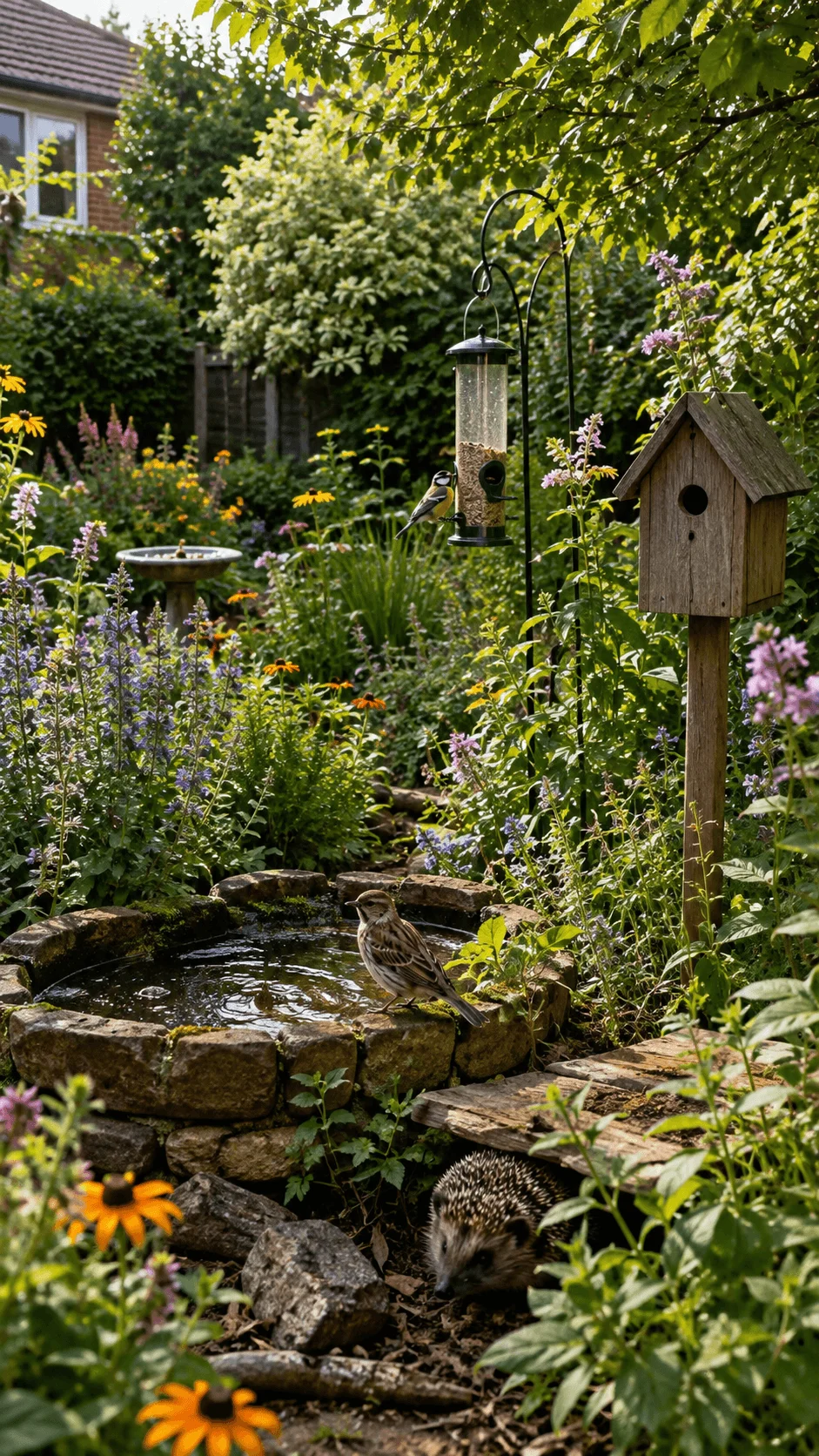
A wildlife garden does not need to look messy. You can create a clear design with paths, planting borders, seating areas, and dedicated habitat zones. This allows you to enjoy a beautiful garden while still making space for nature.
Avoid trying to attract every possible species. Focus on supporting wildlife that naturally occurs in your region. Local plants usually provide a better foundation than randomly choosing species because they look attractive.
A small garden can still provide habitat. Even a few containers filled with suitable flowers can offer resources for insects. A larger backyard simply gives you more opportunities to create different habitat layers.
When several of these features work together, your garden can become a small ecosystem rather than simply a collection of decorative plants.
How to Start an Eco Friendly Garden at Home
You do not need to redesign your entire outdoor space to begin sustainable gardening. In fact, starting slowly can make the process easier and more affordable.
Begin by looking at your existing garden. Identify areas that receive plenty of sunlight, sections that stay damp, places that dry quickly, and parts of the yard that your family rarely uses.
This simple observation can help you decide what changes make sense.
You might start by replacing a small lawn section with native plants. Another homeowner might begin by adding a compost bin or creating a container garden for herbs. Someone with drainage problems could explore whether a suitable rain garden would work.
Focus on changes that solve real problems in your garden.
If watering takes too much time, choose plants that suit your local conditions and group them according to their water needs. If the soil performs poorly, focus on improving soil quality with appropriate organic matter. If your garden has very little wildlife, introduce diverse native plants that provide food and shelter.
Do not rush to buy everything at once. An environmentally conscious garden should also be practical for your budget.
You can gradually replace high maintenance plants as they reach the end of their useful life. You can expand planting beds one section at a time and experiment with different species before committing to a larger design.
The most successful eco friendly garden ideas at home usually begin with observation. Understand your space first, then choose changes that suit it.
Eco Friendly Garden Ideas on a Budget
Creating a sustainable garden does not have to involve expensive landscaping projects. Some of the most useful improvements can cost very little when you plan carefully.
Start by using what you already have. Existing containers can become planters, fallen leaves can become useful compost material, and suitable branches or natural materials can sometimes become part of a habitat area.
You can also grow more plants from seeds instead of purchasing mature plants every time. Depending on the species, propagation from cuttings can provide another affordable way to expand your garden.
Composting can reduce the need to purchase certain soil amendments. Collecting suitable organic material from your garden and turning it into compost gives you a resource that you can use later.
Another affordable approach involves gradual lawn replacement. Instead of removing a huge lawn area and paying for a complete landscape redesign, convert one small section at a time.
You can also focus your spending on plants that provide several benefits. A flowering native plant might support pollinators while also improving the appearance of a planting bed. A fruiting shrub might provide food for your household and wildlife.
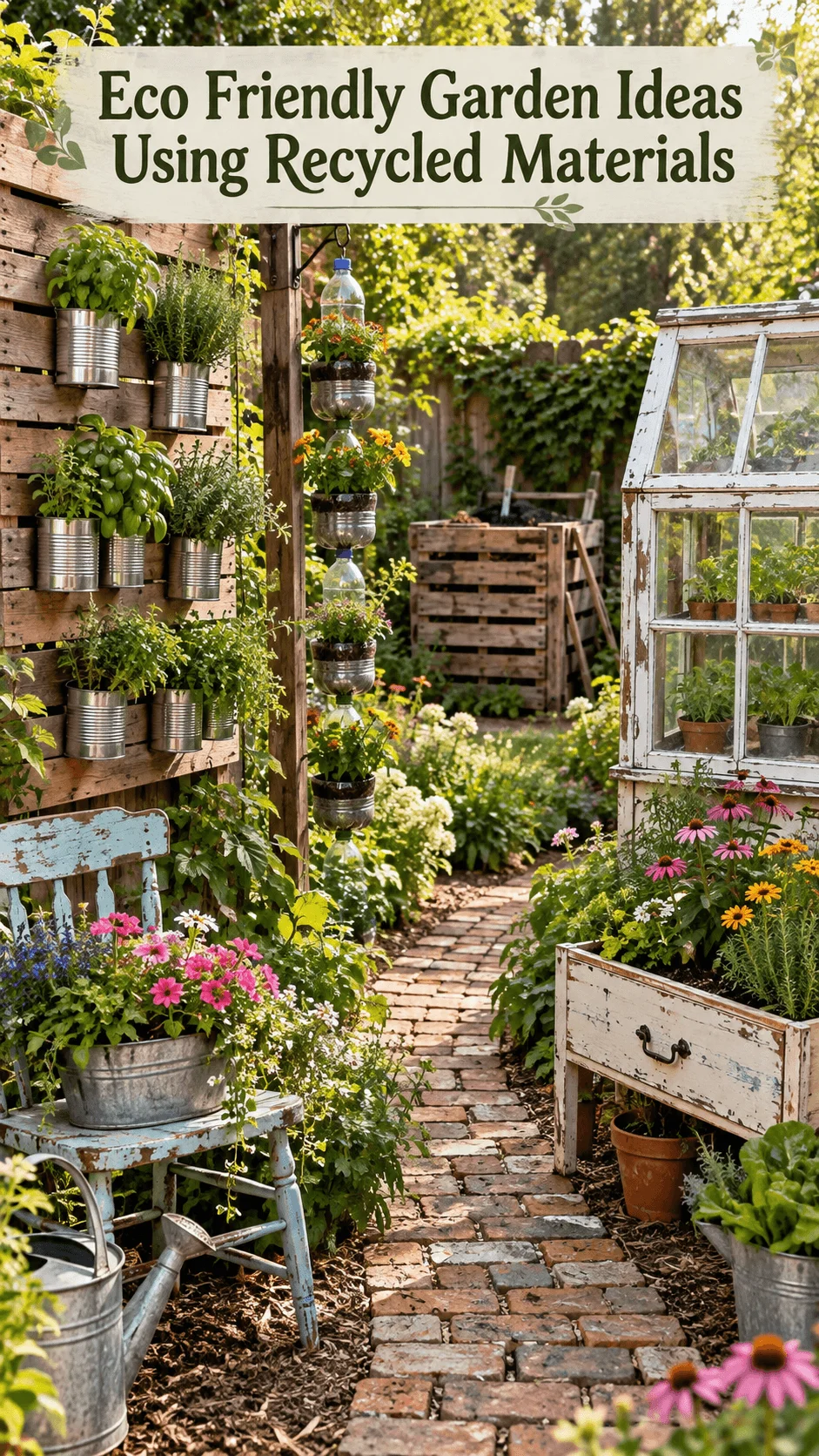
Reuse can also become part of your garden style. Old containers, natural stones, reclaimed wood, and other suitable materials can sometimes find new purposes in paths, borders, planters, or seating areas.
However, do not reuse materials that could contain harmful substances or deteriorate quickly in ways that could damage the garden.
A limited budget can actually encourage more thoughtful garden design. Instead of purchasing dozens of decorative items, you can focus on soil, plants, water management, and habitat features that provide long term value.
Common Mistakes to Avoid When Creating a Sustainable Garden
One common mistake is choosing plants based entirely on appearance. A plant may look perfect in a photograph but struggle in your local climate. Always consider sunlight, soil, moisture, temperature, and space before planting.
Another mistake involves trying to change everything at once. A complete garden makeover can become expensive and overwhelming. A gradual approach gives you time to understand what works.
Some homeowners also assume that every natural looking material automatically creates a sustainable garden. Material selection still requires thought. Consider durability, maintenance, sourcing, water movement, and how the material fits the specific location.
Choosing too many different plants can create another problem. Variety is useful, but every plant has its own needs. A smaller collection of well suited plants can be easier to maintain than a garden filled with species that require completely different conditions.
Do not overlook water management. Planting drought tolerant species will not solve every water problem if your garden still directs large amounts of runoff toward unsuitable areas.
Another mistake involves treating wildlife gardening as simply adding a bird feeder. Wildlife habitat works better when the garden provides a combination of food, shelter, water, and suitable plants.
Finally, avoid expecting immediate results. Plants need time to establish themselves, soil improves gradually, and wildlife may take time to discover a new habitat.
A sustainable garden develops over time. Paying attention to how your garden responds each season will help you make better decisions in the future.
Conclusion
Creating a sustainable outdoor space does not require perfection. The most effective approach is to make thoughtful changes that suit your home, climate, soil, available space, and lifestyle. Whether you begin with native plants, a small rain garden, a pollinator border, composting, or a lawn alternative, each improvement can contribute to a healthier garden.
The best eco friendly garden ideas at home are the ones you can maintain and expand over time. You can start with one small section and gradually introduce more sustainable features as you learn what works. A garden can provide beauty while also conserving resources, improving soil, supporting wildlife, and producing food. With thoughtful planning, your outdoor space can become a living environment that works with nature rather than against it.