Simple Ways To Shrink Your Footprint In Daily Life
Every person leaves an environmental footprint through daily activities. The food we eat, the energy we consume, the products we purchase, and the transportation we use all require natural resources and generate emissions. As the global population grows and consumption increases, the collective impact of these everyday actions becomes more significant.
Reducing an environmental footprint does not require extreme lifestyle changes. In many cases it simply involves becoming more aware of how everyday choices affect the planet. Modern sustainability trends are helping individuals adopt smarter habits that conserve resources while maintaining comfort and convenience. Advances in technology, growing community initiatives, and increasing awareness about environmental responsibility have created new opportunities for individuals to live more sustainably.

Shrinking your footprint is ultimately about making intentional choices that reduce waste, protect ecosystems, and support systems that restore the environment rather than harm it. By understanding how our lifestyles influence the planet, individuals can begin making changes that contribute to long term environmental health.
Understanding Environmental Footprints
An environmental footprint represents the amount of natural resources a person uses and the waste generated through their lifestyle. This includes energy consumption, transportation emissions, water usage, food production, and the environmental cost of manufacturing products we buy.
Many people assume that only large industries are responsible for environmental damage. While industries do play a major role, individual behavior also shapes demand for products, services, and energy. When millions of people choose sustainable options, markets begin shifting toward environmentally responsible practices.

Understanding this concept empowers individuals to recognize that even small changes can accumulate into meaningful environmental improvements.
The Rise Of Modern Sustainable Living
Sustainability today is evolving beyond simple recycling and energy saving habits. New approaches focus on smarter systems, regenerative practices, and shared resources that make sustainable living easier to adopt.
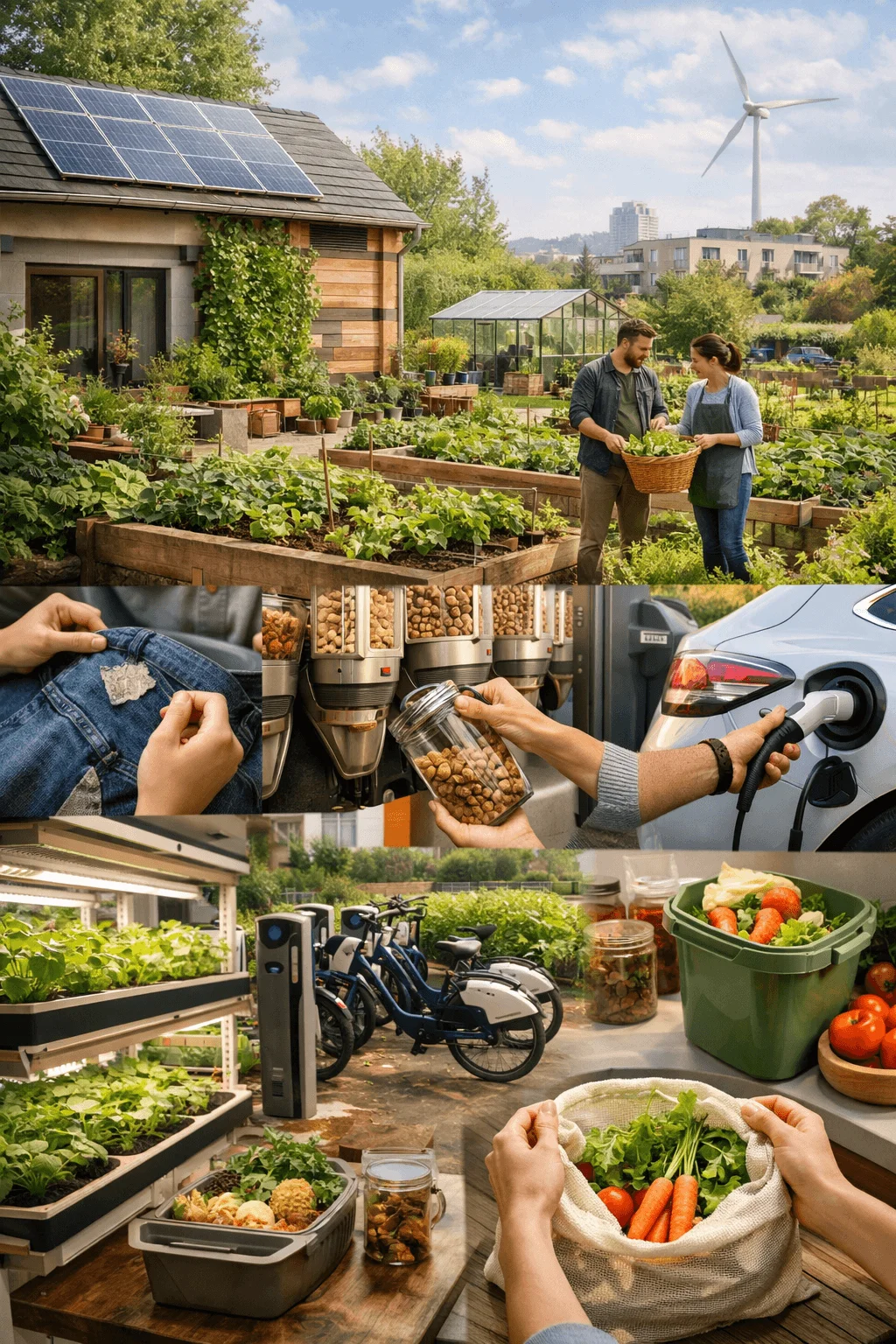
Modern sustainability emphasizes reducing waste at the source, extending the lifespan of products, supporting local food systems, and using technology to optimize resource use. These strategies reflect a broader shift toward a circular economy where materials are reused and resources are preserved rather than discarded.
As awareness grows, more people are exploring creative and practical ways to reduce their environmental footprint while improving their quality of life.
Reducing Digital Carbon Footprints
Many people are unaware that digital activities contribute to environmental impact. Data centers that store emails, videos, and online files require enormous amounts of electricity to operate and maintain cooling systems.
Streaming high definition videos, storing thousands of unused files, and keeping unnecessary online accounts active all contribute to this energy demand. While digital services may feel invisible, they rely on large physical infrastructures powered by electricity.

Individuals can reduce their digital footprint by regularly deleting unused files and emails, organizing cloud storage efficiently, and avoiding unnecessary data consumption. Even choosing lower streaming resolutions when high definition is not required can reduce the energy used by data networks. As digital technology continues expanding globally, being mindful about online activity becomes an increasingly important part of sustainable living.
Using Smart Technology To Manage Energy
Technology is becoming a powerful tool for reducing household energy consumption. Smart energy monitoring systems allow homeowners to track electricity usage in real time and identify which appliances consume the most power.
Smart thermostats can automatically adjust heating and cooling systems based on daily routines and outdoor temperatures. Instead of heating or cooling empty rooms, these systems ensure that energy is used only when needed. Over time this optimization can significantly reduce electricity consumption while maintaining comfortable living conditions.

Energy efficient lighting systems and automated controls also contribute to smarter energy use. These innovations make it easier for individuals to lower their environmental impact without constantly monitoring every appliance.
Supporting Regenerative Food Systems
Food production has a profound effect on ecosystems, soil health, and climate emissions. Conventional farming practices often degrade soil and rely heavily on chemical inputs that harm biodiversity.
Regenerative agriculture offers an alternative approach that focuses on restoring soil health and increasing biodiversity. Farmers using regenerative methods rotate crops, reduce chemical usage, and encourage natural soil regeneration processes. Healthy soil captures carbon from the atmosphere while improving long term agricultural productivity.

Consumers can support regenerative agriculture by purchasing food from local farms, farmers markets, and community supported agriculture programs. By supporting these practices individuals encourage farming systems that help restore environmental balance.
Reducing Food Waste Through Better Planning
Food waste represents one of the largest environmental challenges in modern societies. Large amounts of food are discarded every year even though significant resources are used to grow, transport, and package it.
Careful meal planning helps households use ingredients more efficiently and avoid unnecessary waste. Preparing shopping lists based on planned meals ensures that only necessary items are purchased. Storing food properly and creatively using leftovers can further reduce waste.

Many modern applications now help households manage groceries by suggesting recipes based on ingredients already available at home. These tools encourage more thoughtful food consumption and reduce the environmental cost associated with wasted food.
Embracing The Secondhand Economy
The growing popularity of secondhand shopping reflects a shift toward more sustainable consumption. Buying used items extends the life cycle of products and reduces the need for new manufacturing.
Manufacturing new clothing, electronics, and furniture requires energy, raw materials, and water. By purchasing secondhand items individuals reduce the demand for new production and prevent usable products from being discarded.

Online resale platforms and local thrift stores have made secondhand shopping more accessible and socially accepted. What was once considered a niche practice is now becoming a mainstream strategy for reducing environmental impact.
Reviving Repair Culture
For many years consumer culture promoted the idea of replacing items rather than repairing them. Broken electronics, appliances, and household items were often discarded even when minor repairs could restore them.
The repair movement is helping reverse this trend by encouraging people to fix items instead of throwing them away. Community repair workshops allow people to learn practical repair skills while working together to restore broken items.

Repairing products extends their lifespan and reduces the demand for new manufacturing. It also reconnects people with the value of craftsmanship and resource conservation.
Rethinking Fashion Consumption
Fashion trends often encourage frequent purchasing of new clothing. However the fashion industry is responsible for significant environmental impacts including water consumption, textile waste, and chemical pollution.
Circular fashion offers a more sustainable alternative by keeping clothing in use for longer periods. Clothing swaps, rental services, and resale platforms allow individuals to refresh their wardrobes without constantly buying new items.

Choosing durable clothing and maintaining garments carefully also helps extend their lifespan. By approaching fashion with a long term perspective individuals can reduce waste while still expressing personal style.
Growing Food In Urban Spaces
Urban gardening is becoming an increasingly popular sustainability practice. Even small living spaces can support herbs, vegetables, and edible plants through creative gardening methods.
Balcony planters, indoor pots, and hydroponic systems allow individuals to grow food in apartments and urban environments. Producing food locally reduces transportation emissions and packaging waste associated with store bought produce.
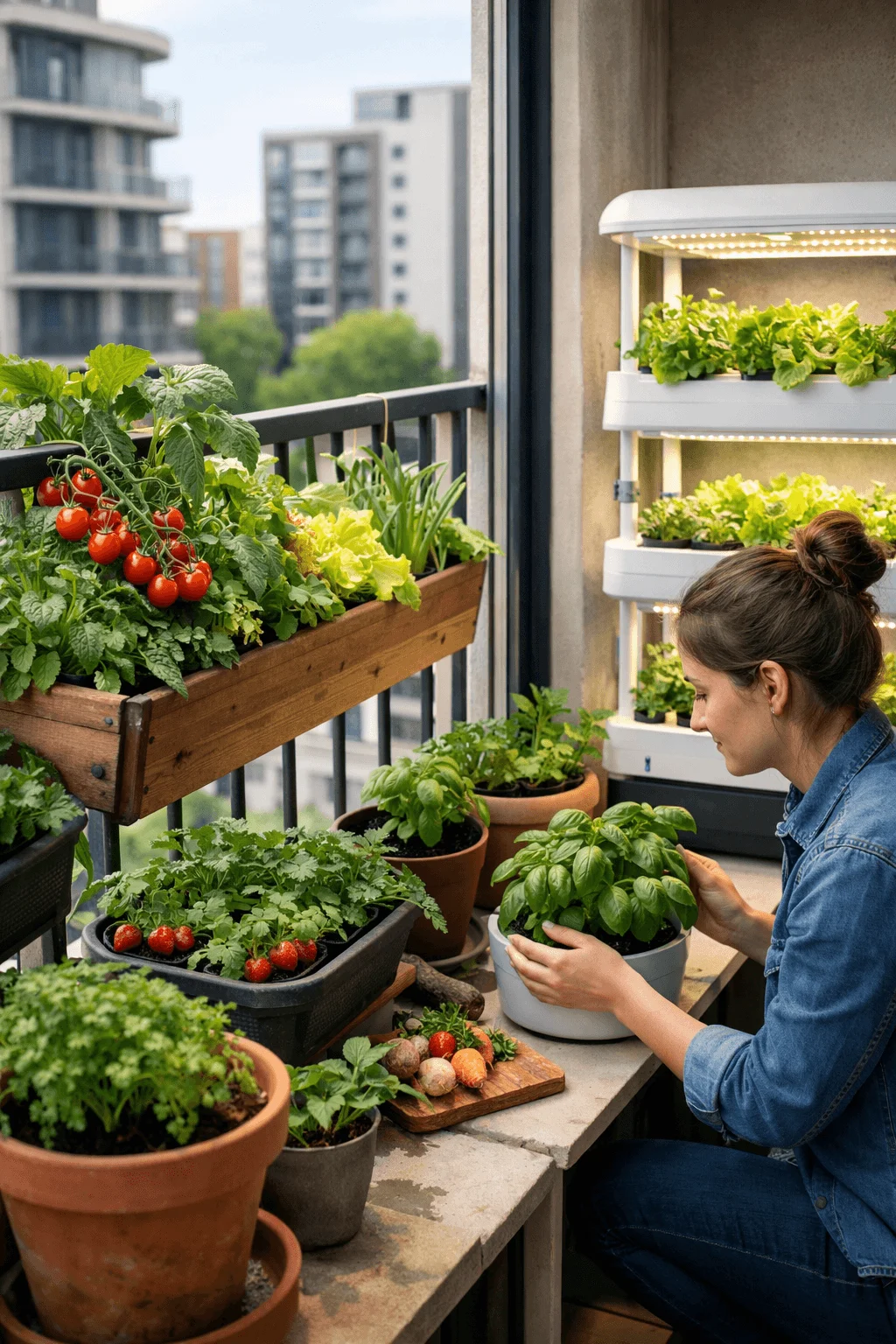
Urban gardening also helps people reconnect with nature and understand the effort required to produce food. This awareness often leads to more mindful consumption and appreciation for natural resources.
Sharing Resources Within Communities
Many tools and household items are used only occasionally. Instead of every household purchasing the same equipment, community sharing programs allow people to borrow items when needed.
Tool libraries, community workshops, and shared equipment programs reduce the need for individual ownership while maximizing the usefulness of existing resources. These systems promote efficient resource use and strengthen community connections.

By embracing shared resources communities can reduce consumption while fostering cooperation and mutual support.
Choosing Sustainable Mobility Options
Transportation contributes significantly to global carbon emissions. Reducing reliance on personal vehicles can greatly decrease individual environmental footprints.
Walking, cycling, and using public transportation are among the most effective ways to reduce transportation emissions. Electric bicycles and shared mobility services have also become popular alternatives for short distance travel.

These mobility solutions not only reduce emissions but also improve urban air quality and promote healthier lifestyles.
Monitoring Personal Carbon Impact
Many digital tools now help individuals measure their environmental impact. Carbon tracking applications analyze lifestyle habits such as travel patterns, food consumption, and household energy usage.
These tools provide insights into which activities contribute most to a person’s footprint. By understanding these patterns individuals can make more informed decisions about how to reduce their impact.

Tracking progress also encourages long term commitment to sustainable living practices.
Reducing Plastic In Daily Routines
Plastic waste has become a major environmental issue affecting oceans, wildlife, and ecosystems. Everyday routines often involve single use plastic items that are quickly discarded.
Switching to reusable containers, refillable personal care products, and biodegradable materials can significantly reduce plastic waste. Many sustainable brands now offer products designed specifically to eliminate disposable packaging.

By making small adjustments in daily routines individuals can help reduce the accumulation of plastic waste in the environment.
Supporting Local Food Networks
Local food systems provide fresh produce while reducing the environmental impact of long supply chains. Purchasing food directly from local farmers supports regional agriculture and reduces transportation emissions.
Farmers markets and community supported agriculture programs create direct connections between consumers and producers. This relationship encourages transparency and strengthens local economies.

Eating locally grown food also promotes seasonal diets that align with natural agricultural cycles.
Practicing Conscious Consumption
Modern consumer culture often encourages frequent purchasing and rapid product replacement. Practicing conscious consumption means considering whether a purchase is truly necessary and evaluating its environmental impact.

Choosing durable products, supporting environmentally responsible companies, and prioritizing quality over quantity helps reduce unnecessary waste. Mindful consumption not only benefits the environment but also encourages more thoughtful use of resources.
Improving Home Heating And Cooling Efficiency
Heating and cooling systems account for a large portion of household energy use. Improving insulation, sealing air leaks, and optimizing thermostat settings can significantly reduce energy consumption.
Smart climate control systems automatically adjust indoor temperatures based on occupancy and weather conditions. These technologies ensure that energy is used efficiently without compromising comfort.

Reducing unnecessary heating and cooling helps lower electricity demand and decreases overall emissions.
Aligning Financial Choices With Sustainability
Financial institutions influence environmental outcomes through the industries they support. Some banks and investment funds are now focusing on renewable energy projects and environmentally responsible initiatives.

Choosing financial services that support sustainable development allows individuals to align their financial decisions with environmental values. Responsible investment strategies encourage businesses to adopt greener practices.
Participating In Environmental Restoration Projects
Community environmental projects provide meaningful opportunities for individuals to contribute directly to ecological restoration. Tree planting programs, habitat restoration initiatives, and community cleanups help repair environmental damage while raising awareness about sustainability.
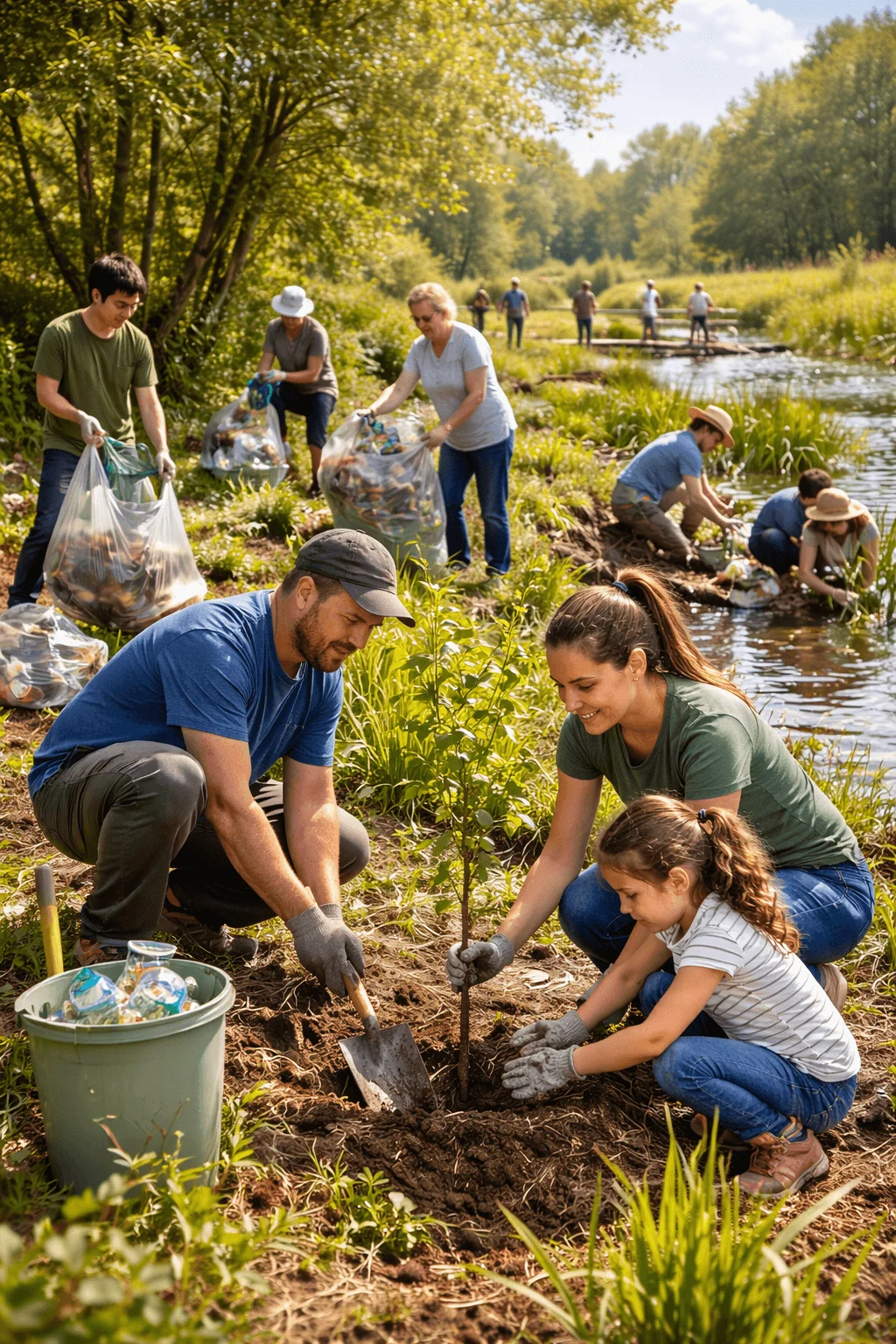
Participating in these activities strengthens community engagement and fosters a sense of collective responsibility for protecting natural resources.
Conclusion
Shrinking your environmental footprint begins with awareness and grows through consistent daily choices. While global environmental challenges may seem overwhelming, individuals have significant power to influence positive change through their habits and decisions.
Modern sustainability strategies demonstrate that reducing environmental impact does not require sacrificing comfort or convenience. Instead it involves adopting smarter practices that conserve resources, reduce waste, and support systems that restore ecological balance.
From reducing digital energy consumption and supporting regenerative agriculture to embracing repair culture and participating in community initiatives, there are countless ways to contribute to a healthier planet.