Eco Friendly House Design Architecture Ideas
Eco friendly house design architecture has become one of the most important directions in modern residential construction. As environmental concerns continue to grow and energy costs increase around the world, architects and homeowners are searching for smarter ways to design homes that are both sustainable and comfortable. Sustainable architecture focuses on reducing environmental impact while improving energy efficiency, indoor air quality, and long term living comfort.
Modern eco friendly homes are no longer limited to simple green materials or solar panels. Today architects combine innovative technology, intelligent building orientation, natural design elements, and advanced construction techniques to create homes that work in harmony with the environment. These houses consume less energy, generate less waste, and often produce part of their own power.
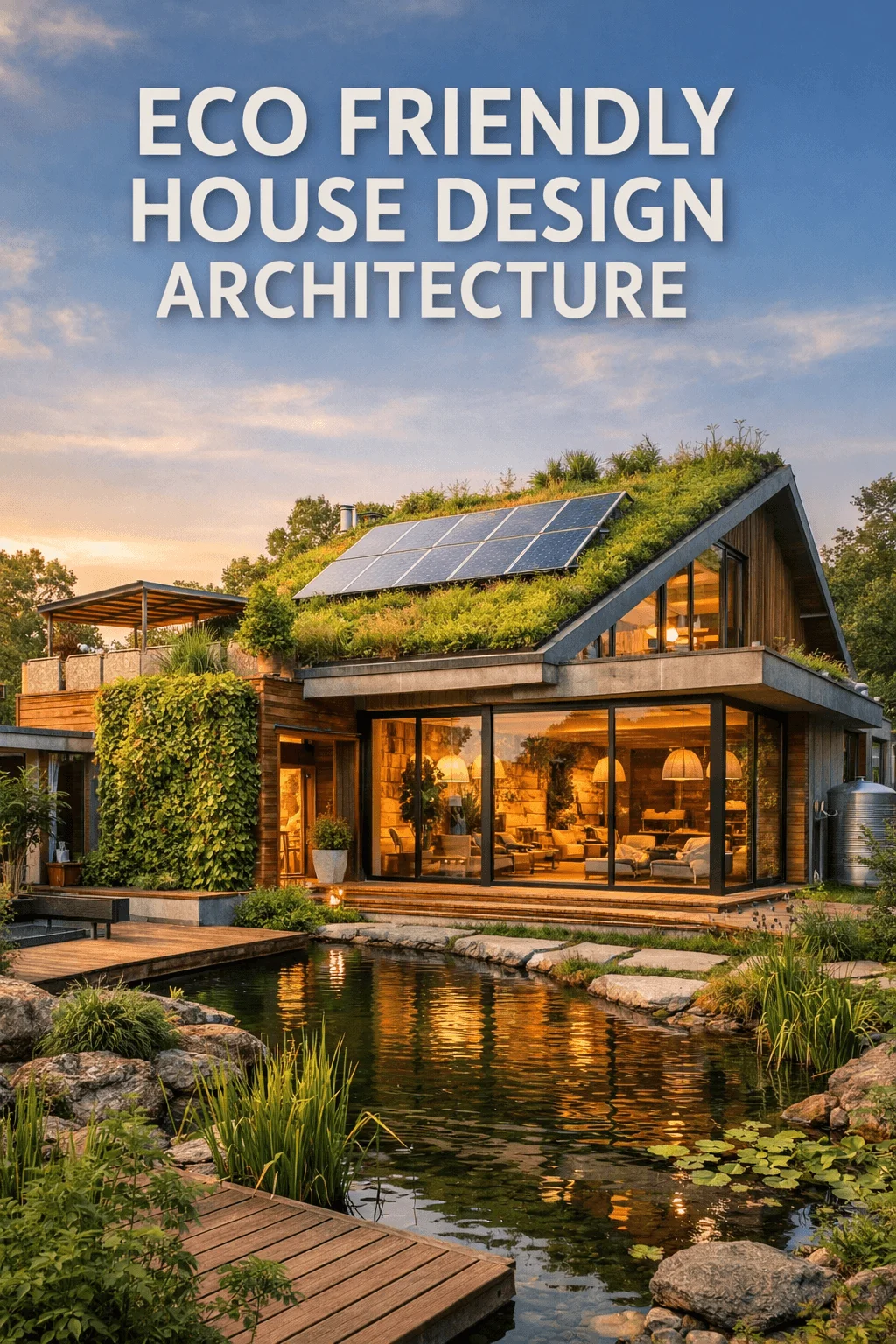
Eco friendly house design architecture is also becoming more attractive and modern. Many sustainable homes now feature stunning natural aesthetics, open spaces, greenery integrated into the structure, and smart systems that improve daily life.
In this article we will explore the most important eco house architecture ideas that are shaping sustainable residential design today.
Net Zero Energy Houses
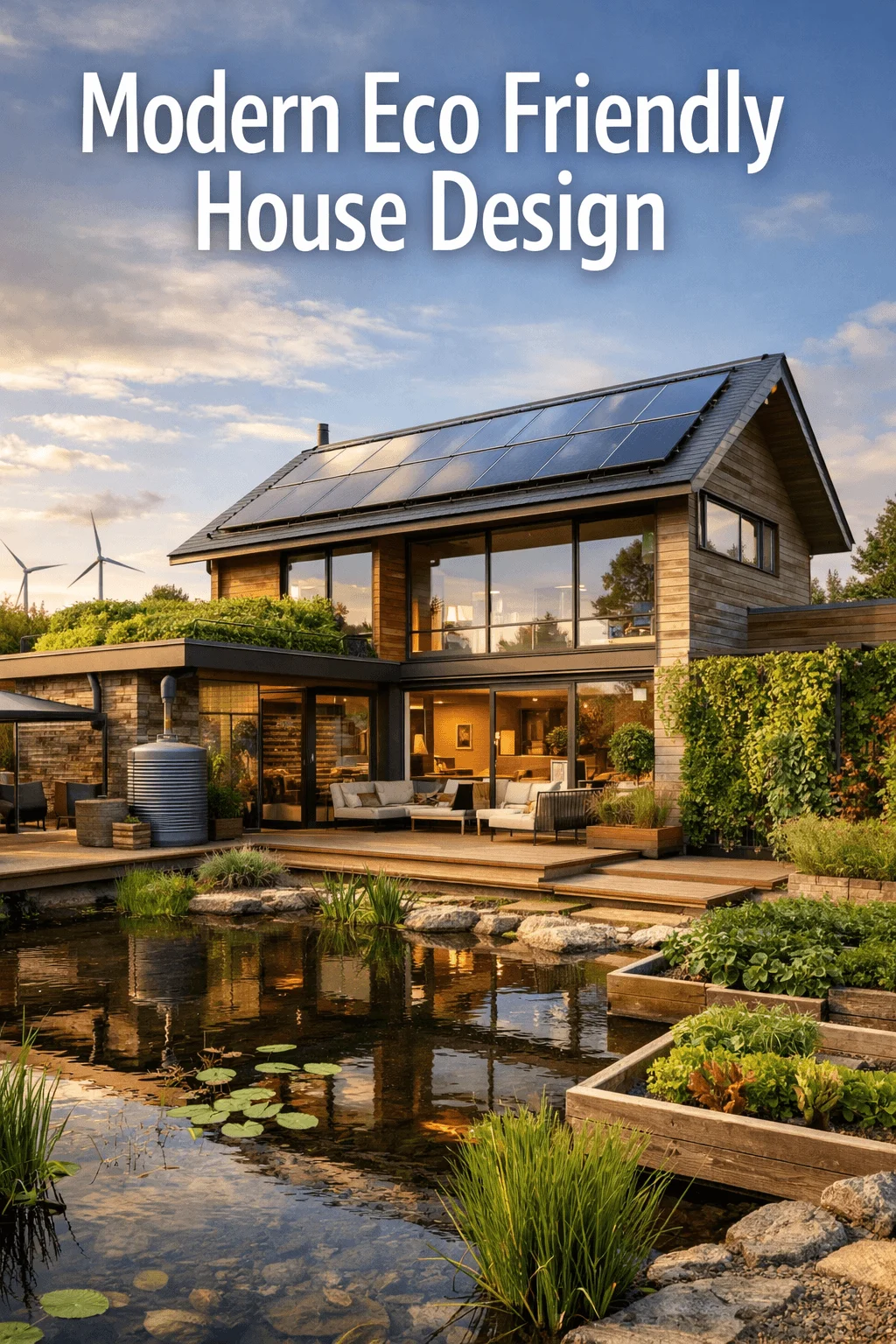
One of the most advanced concepts in sustainable house architecture design is the net zero energy house. A net zero home produces as much energy as it consumes over the course of a year. This is usually achieved by combining renewable energy systems with highly efficient building design.
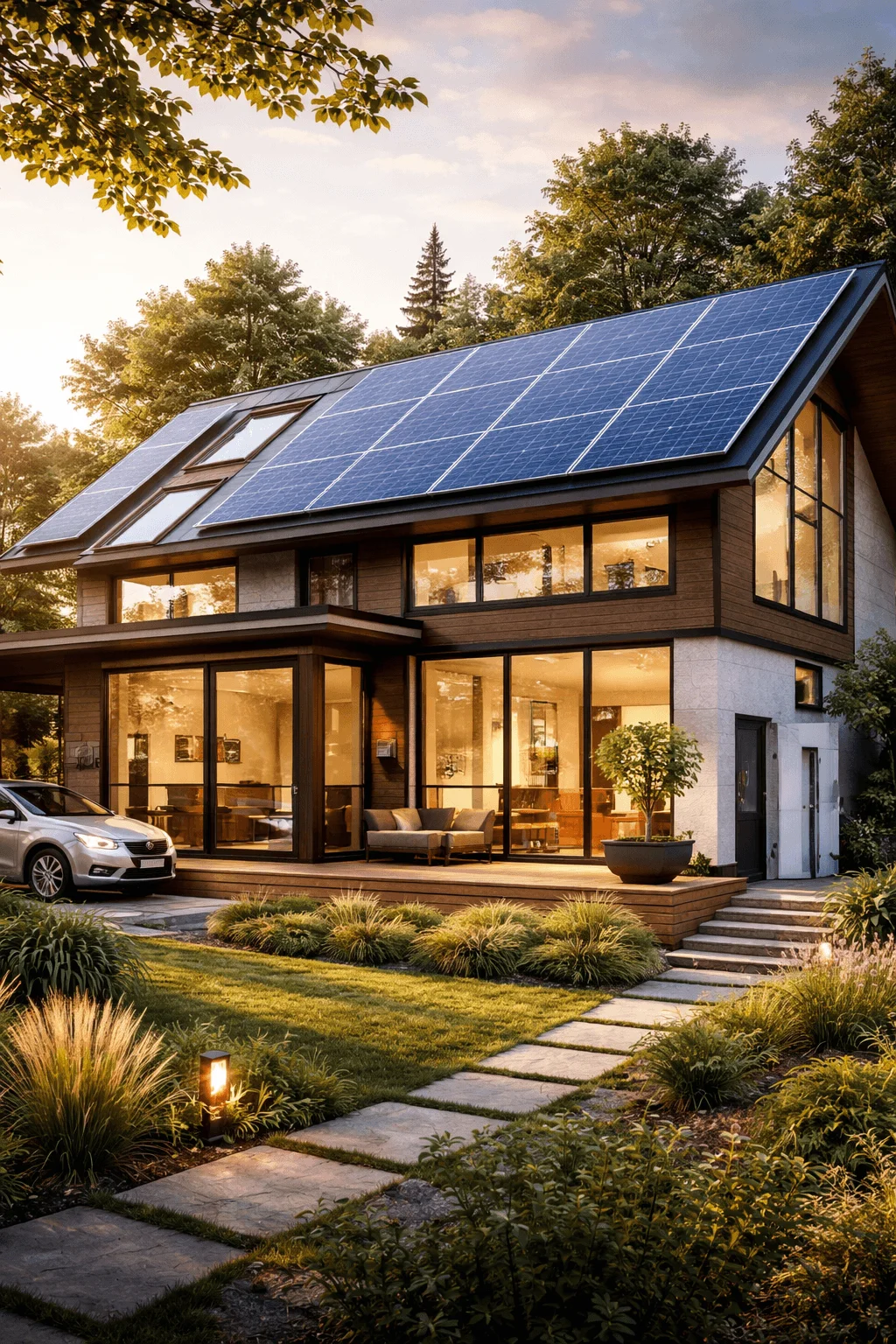
Architects design these houses to minimize energy loss through high quality insulation, airtight construction, and energy efficient windows. Solar panels are commonly installed on the roof to generate electricity, while energy storage systems allow homeowners to store power for later use.
Net zero homes dramatically reduce carbon emissions and eliminate high electricity bills. As renewable technology becomes more affordable, this type of eco friendly architecture is becoming increasingly popular around the world.
Passive Solar Architecture
Passive solar architecture is a design approach that uses natural sunlight to heat and illuminate a house without relying heavily on mechanical systems. Instead of installing complex heating equipment, architects design the structure itself to capture and distribute solar energy.
Large south facing windows allow sunlight to enter during the winter months, warming the interior naturally. Materials such as stone, brick, or concrete floors act as thermal mass that stores heat during the day and releases it slowly at night.
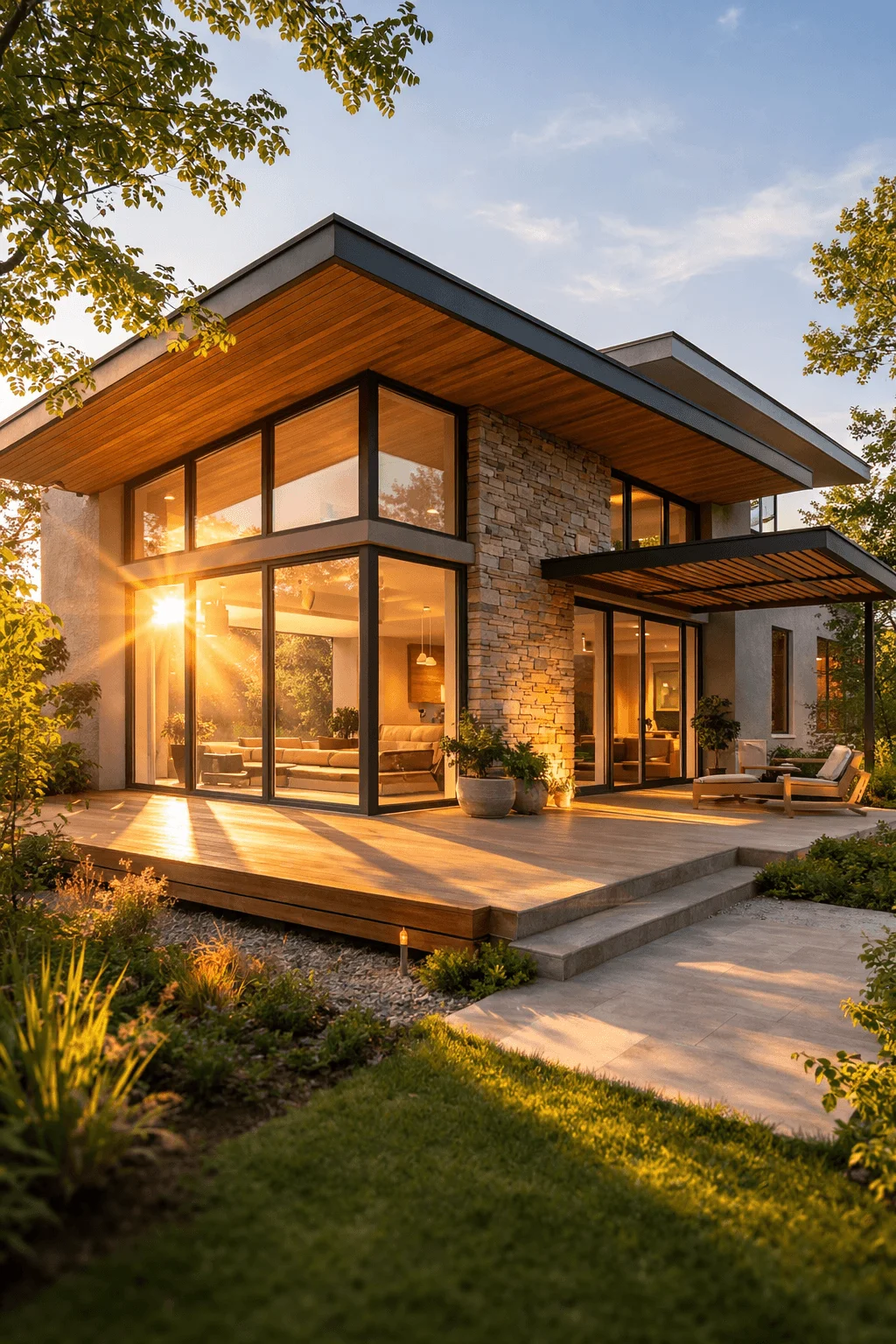
During summer, shading elements such as roof overhangs prevent overheating. This intelligent design reduces the need for artificial heating and cooling, making passive solar architecture one of the most energy efficient house architecture design strategies.
Biophilic Architecture
Biophilic architecture focuses on strengthening the connection between humans and nature. In eco friendly house design architecture, this concept is becoming extremely popular because it improves both environmental sustainability and human well being.
Architects incorporate natural elements directly into the structure of the house. This may include indoor gardens, natural wood materials, large windows with landscape views, and open spaces that allow fresh air and sunlight to flow through the home.
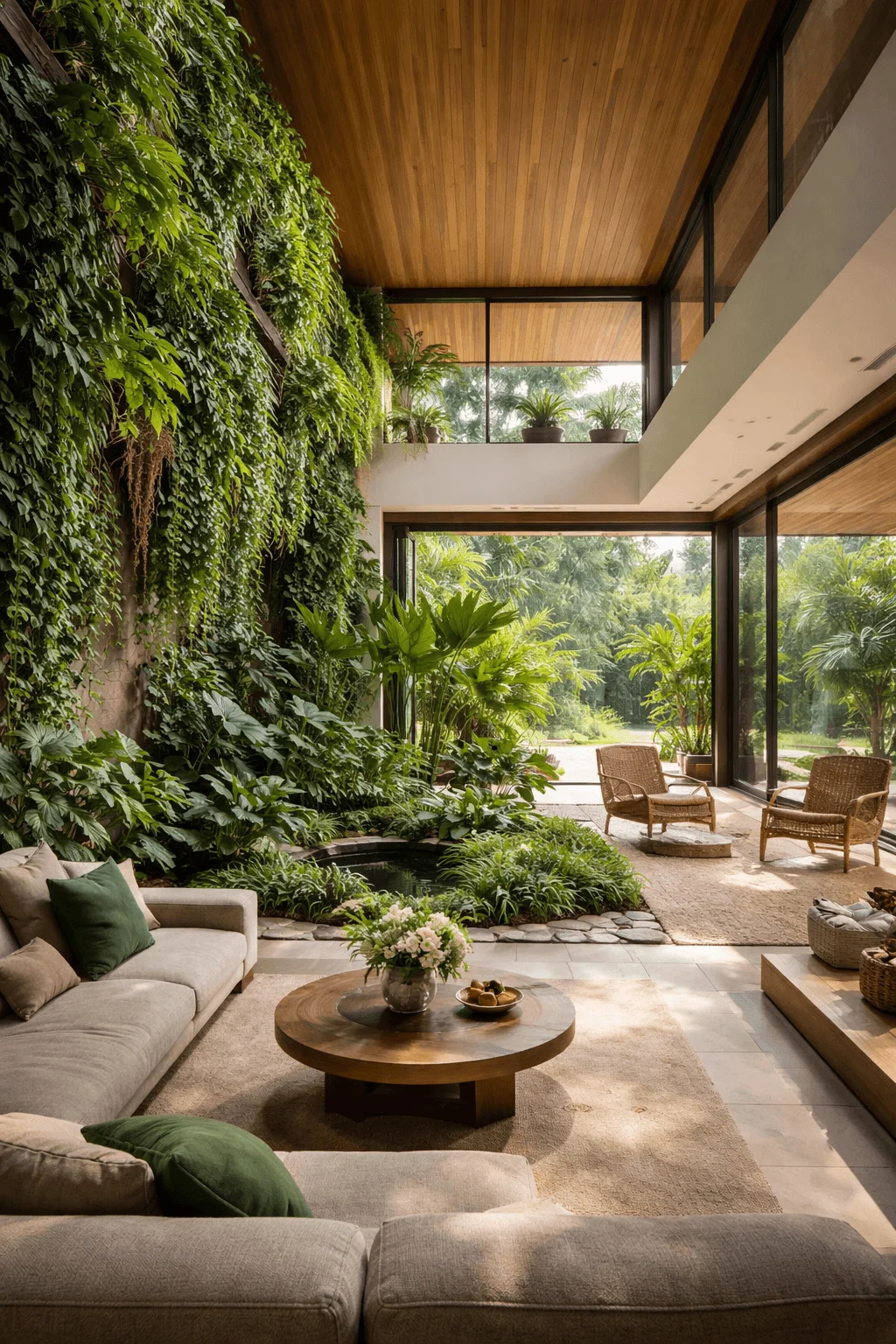
Living walls covered in plants are also common in biophilic homes. These features improve indoor air quality while creating a relaxing and healthy living environment. Homes designed with biophilic principles often feel more peaceful and connected to the surrounding landscape.
Green Roof Houses
Green roofs are another powerful strategy used in modern eco house architecture ideas. Instead of traditional roofing materials, the roof surface is partially or completely covered with soil and vegetation.
A green roof acts as natural insulation that keeps the house cooler during summer and warmer during winter. The plants absorb rainwater and reduce stormwater runoff, which helps prevent flooding in urban areas.
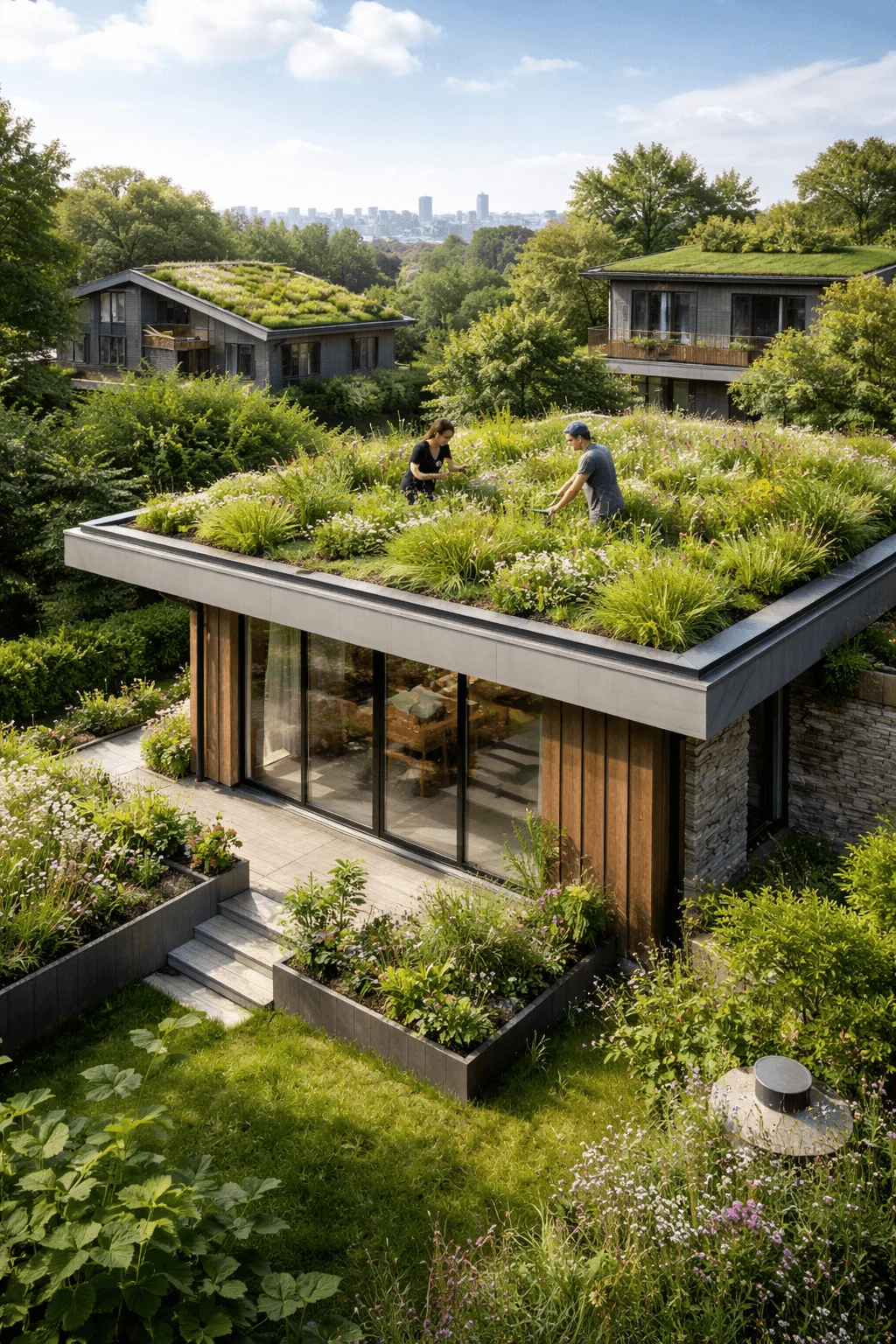
Green roofs also support biodiversity by creating habitats for birds and insects. In cities where green space is limited, rooftop gardens bring nature back into the built environment.
Vertical Garden Facades
Vertical gardens are becoming an iconic feature of modern green architecture house design. Instead of simple exterior walls, the building facade is covered with plants arranged in vertical structures.
These living walls provide several environmental benefits. Plants naturally filter air pollutants and absorb carbon dioxide. They also provide shade that reduces heat absorption on building surfaces.
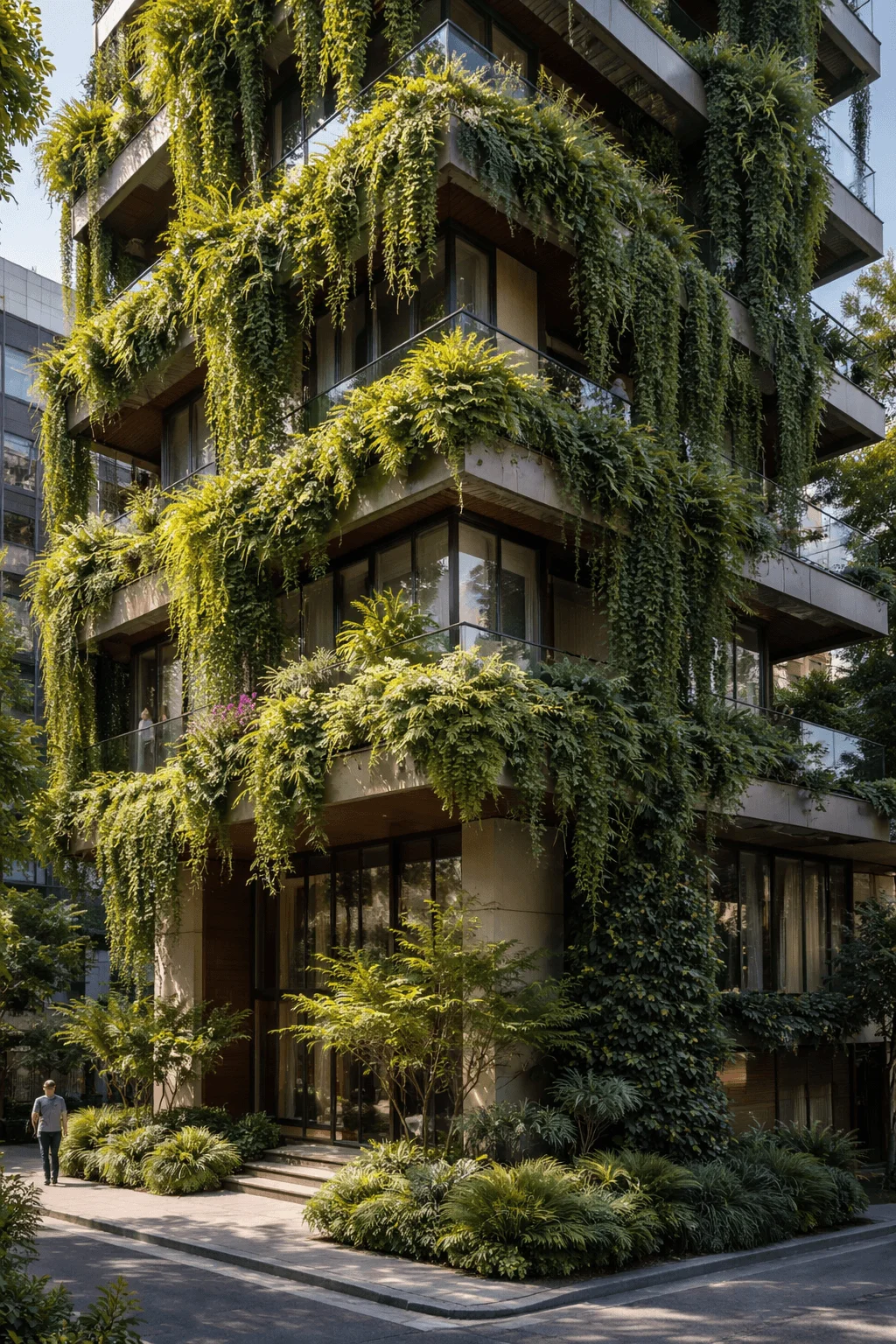
Vertical gardens improve the visual appearance of homes and create a strong connection with nature. In dense urban environments, they are an effective way to introduce greenery without requiring large outdoor spaces.
Eco Brutalism Architecture
Eco brutalism is a fascinating new trend that combines bold architectural forms with natural greenery. Traditional brutalist architecture often uses exposed concrete and strong geometric shapes. Eco brutalism softens this style by integrating plants and natural landscapes into the design.
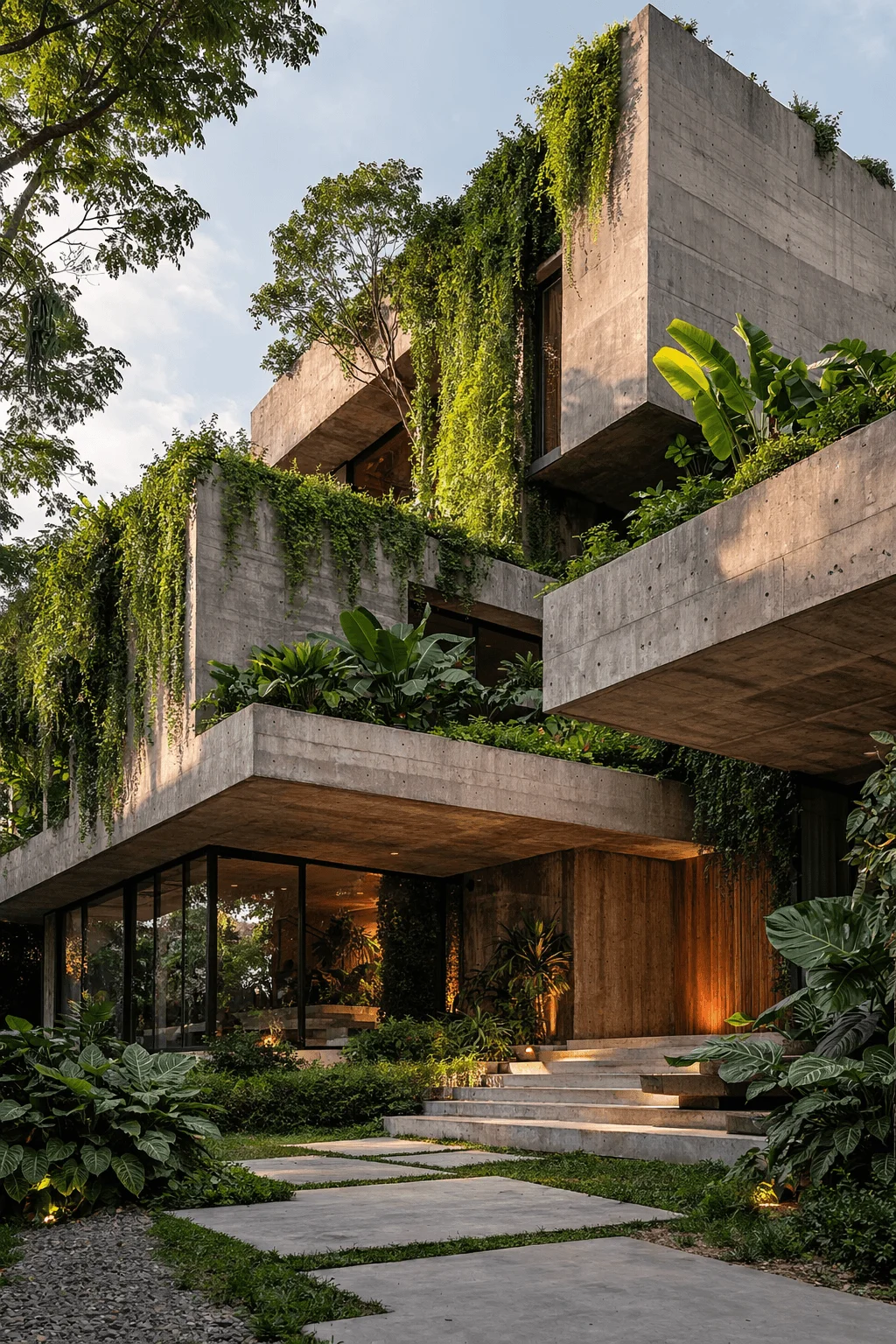
Large concrete structures are covered with climbing plants, moss, and greenery that gradually become part of the building. The contrast between raw construction materials and living vegetation creates a striking visual effect.
This approach also improves environmental performance by reducing heat absorption and increasing natural insulation.
Sustainable Natural Building Materials
One of the most important aspects of eco friendly architecture trends is the use of sustainable building materials. Traditional construction materials often require large amounts of energy to produce and transport.
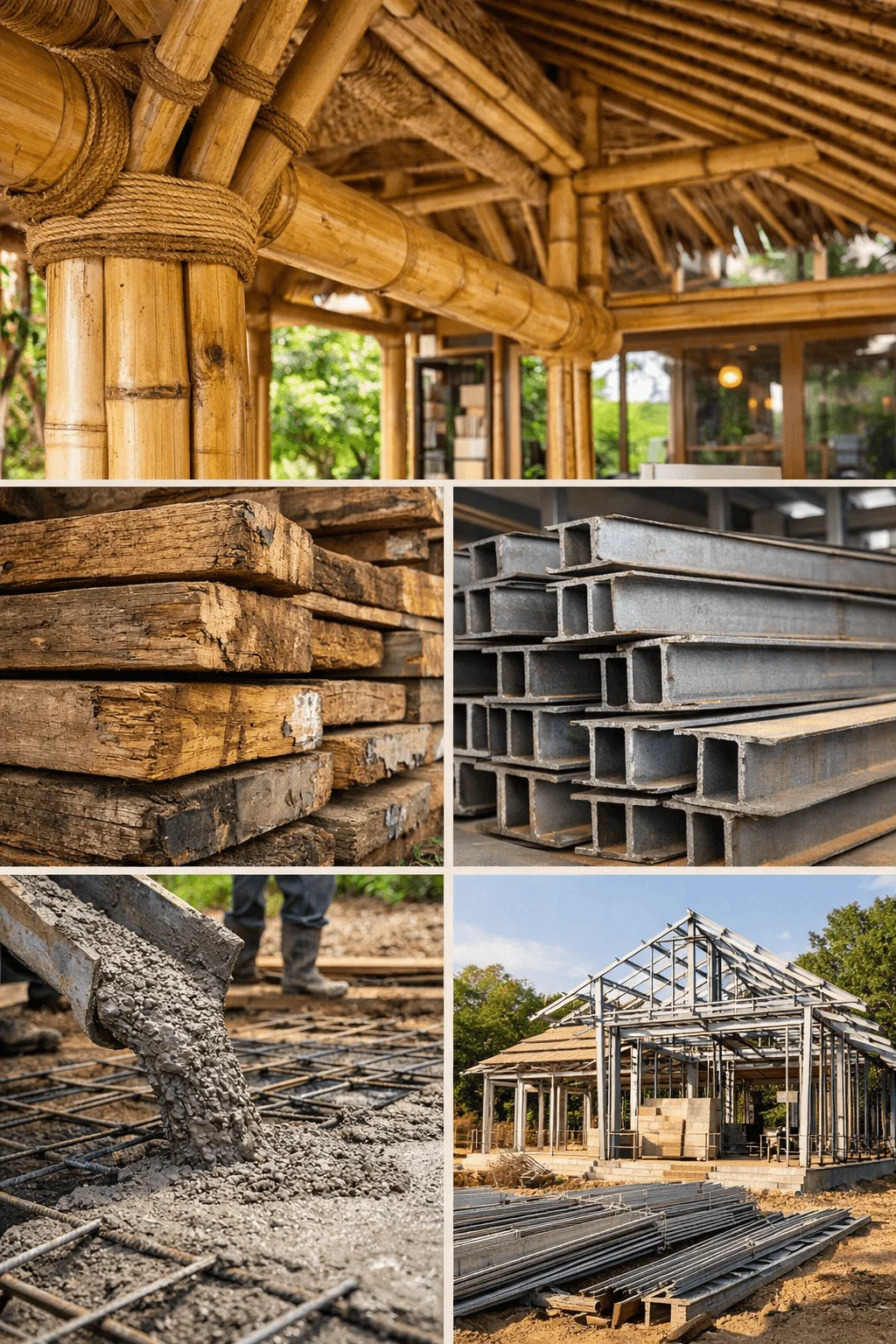
Modern sustainable homes use materials that have lower environmental impact. Bamboo is one example because it grows quickly and regenerates naturally. Reclaimed wood from old buildings is another popular choice that reduces the need for cutting new trees.
Recycled steel and low carbon concrete are also becoming more common in sustainable house architecture design. These materials reduce construction emissions while maintaining structural strength and durability.
Smart Energy Efficient Homes
Smart technology is playing an important role in energy efficient house architecture design. Modern eco homes often include intelligent systems that automatically manage lighting, heating, cooling, and appliances.
Smart sensors detect when rooms are occupied and adjust energy usage accordingly. Automated thermostats learn household patterns and optimize temperature settings for maximum efficiency.
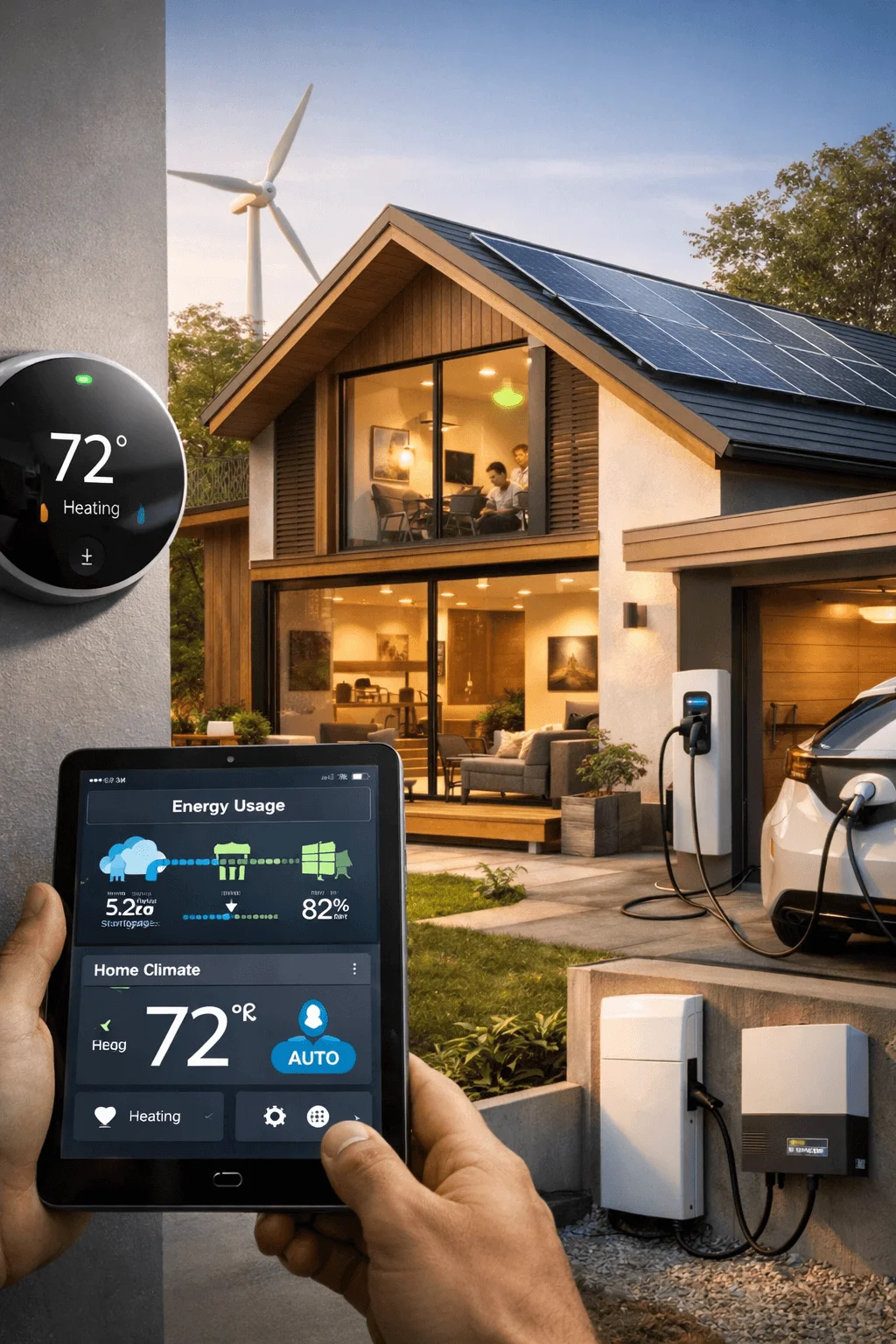
These systems reduce unnecessary energy consumption and help homeowners monitor their environmental footprint. When combined with renewable energy systems, smart homes become highly efficient living environments.
Rainwater Harvesting Architecture
Water conservation is another key principle of eco friendly house design architecture. Rainwater harvesting systems collect rainwater from the roof and store it for later use.
Architects integrate collection channels and storage tanks directly into the building design. The collected water can be used for irrigation, cleaning, and sometimes even toilet flushing.
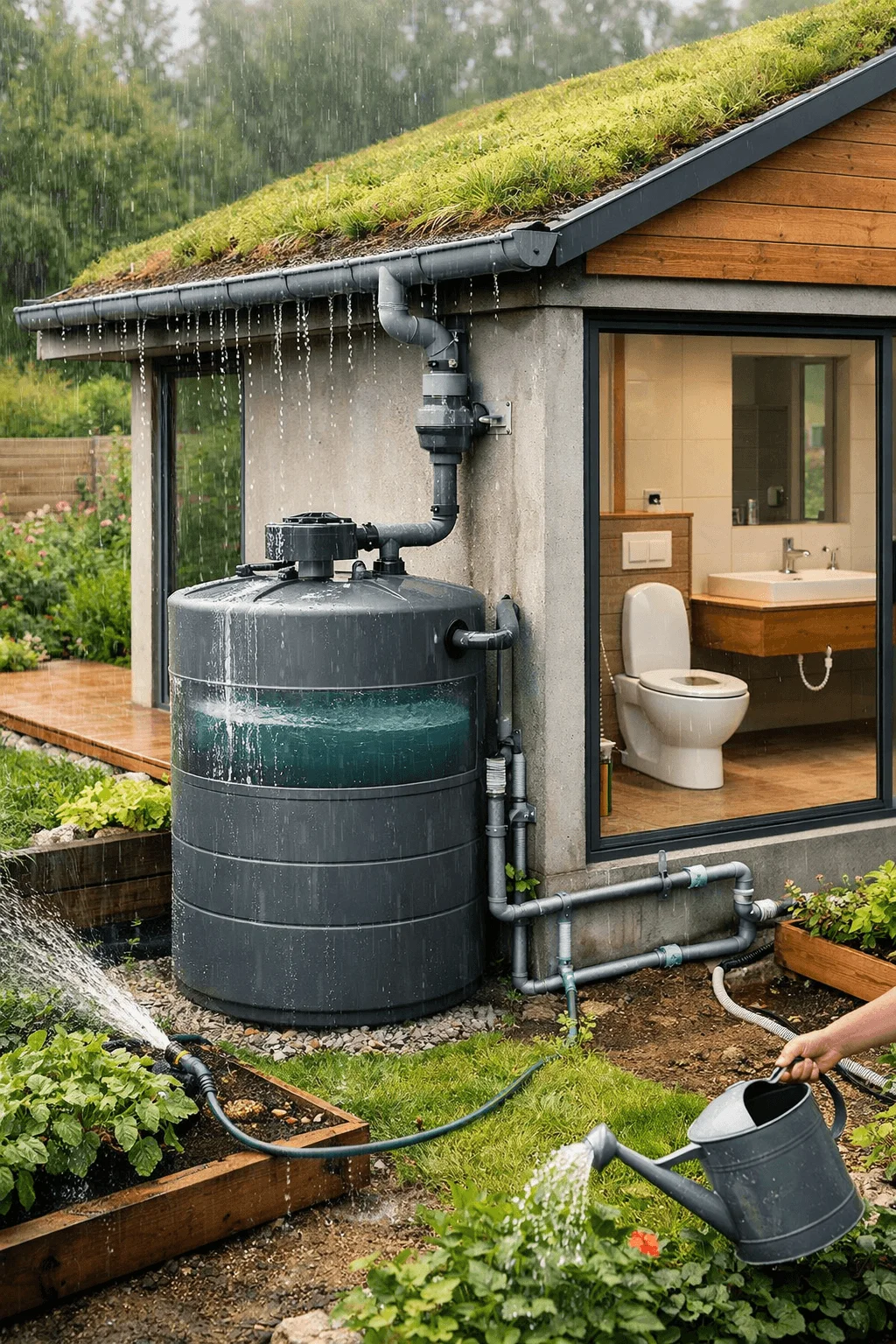
This approach reduces dependence on municipal water supplies and helps conserve one of the most valuable natural resources.
Modular and Prefabricated Eco Homes
Prefabricated construction is transforming sustainable housing by improving efficiency and reducing waste. In this approach, building components are manufactured in factories and then transported to the construction site for assembly.
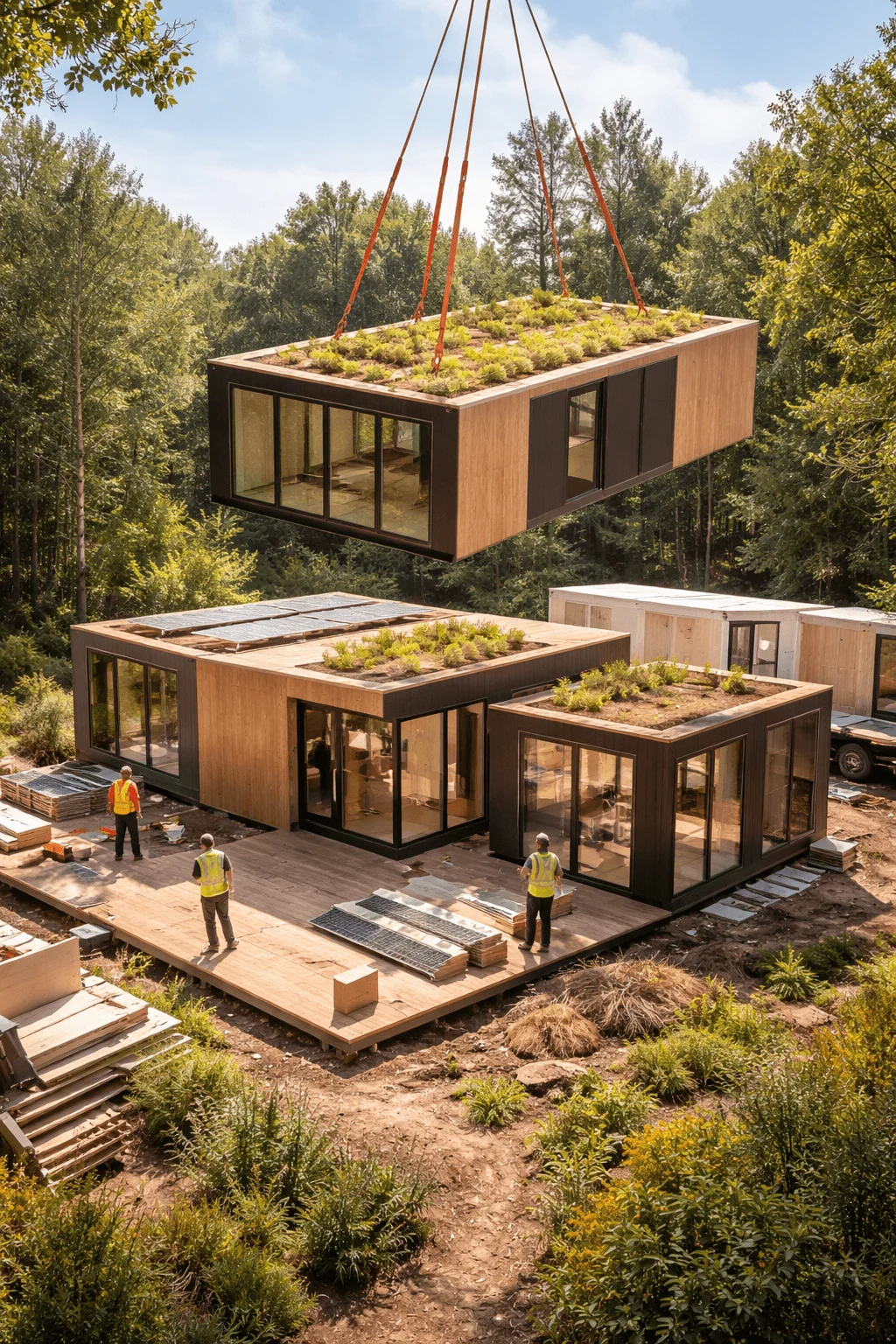
Because factory production is more controlled, material waste is significantly reduced. Construction time is also much shorter compared to traditional building methods.
Modular eco homes can be designed to meet high environmental standards while maintaining affordability and flexibility.
3D Printed Sustainable Houses
3D printing technology is beginning to revolutionize the construction industry. In sustainable architecture, large scale printers are used to create building structures using specially designed materials.
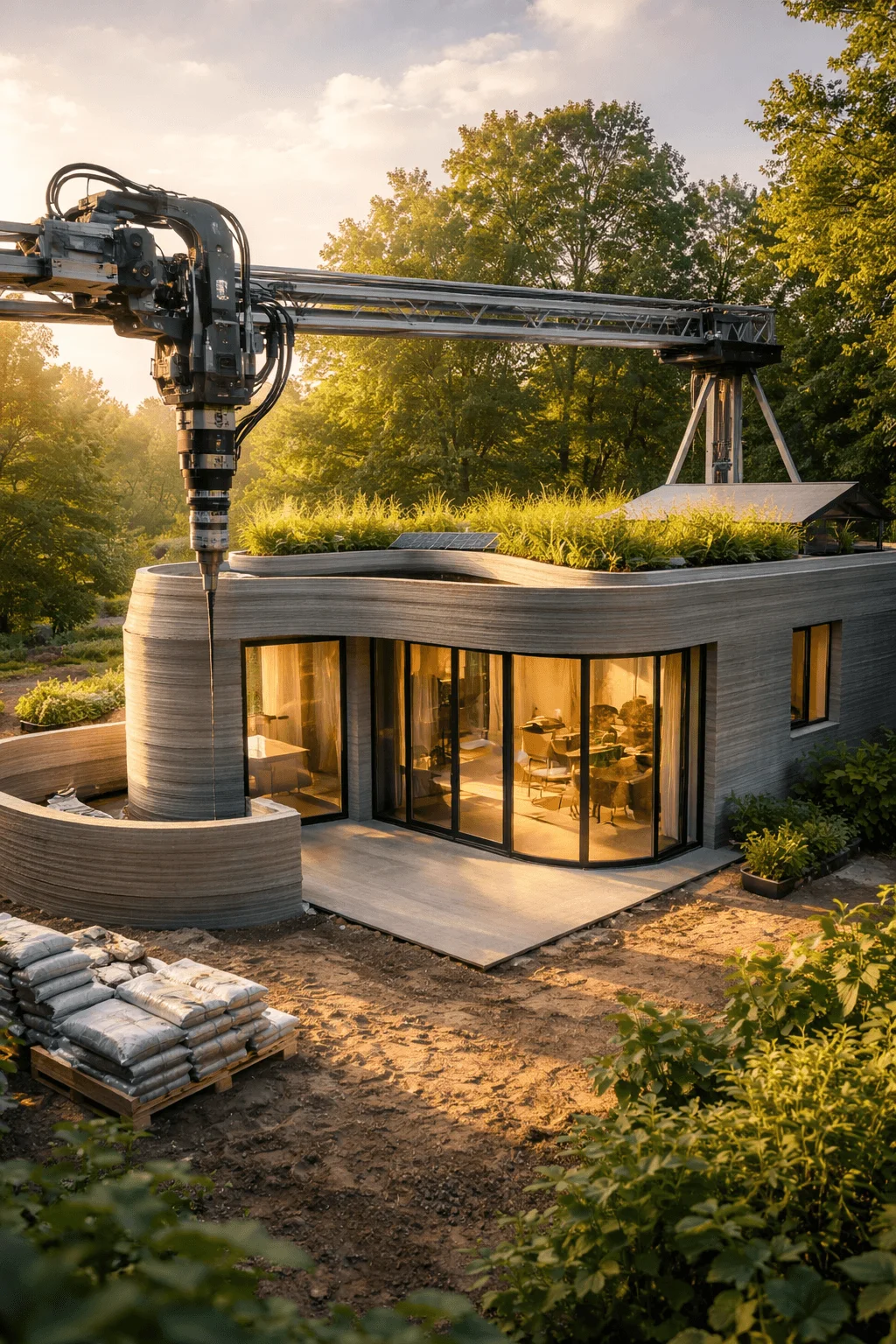
This process dramatically reduces construction waste and allows architects to design complex shapes that would be difficult to build using traditional methods.
Some 3D printed houses can be constructed in just a few days while using less material and energy. As the technology improves, it is expected to play a major role in future sustainable housing.
Off Grid Eco Homes
Off grid homes are designed to operate independently from public utility networks. These houses generate their own electricity and often manage their own water and waste systems.
Solar panels and battery storage systems provide renewable power, while rainwater collection and filtration systems supply clean water. Composting toilets and greywater recycling systems further reduce environmental impact.
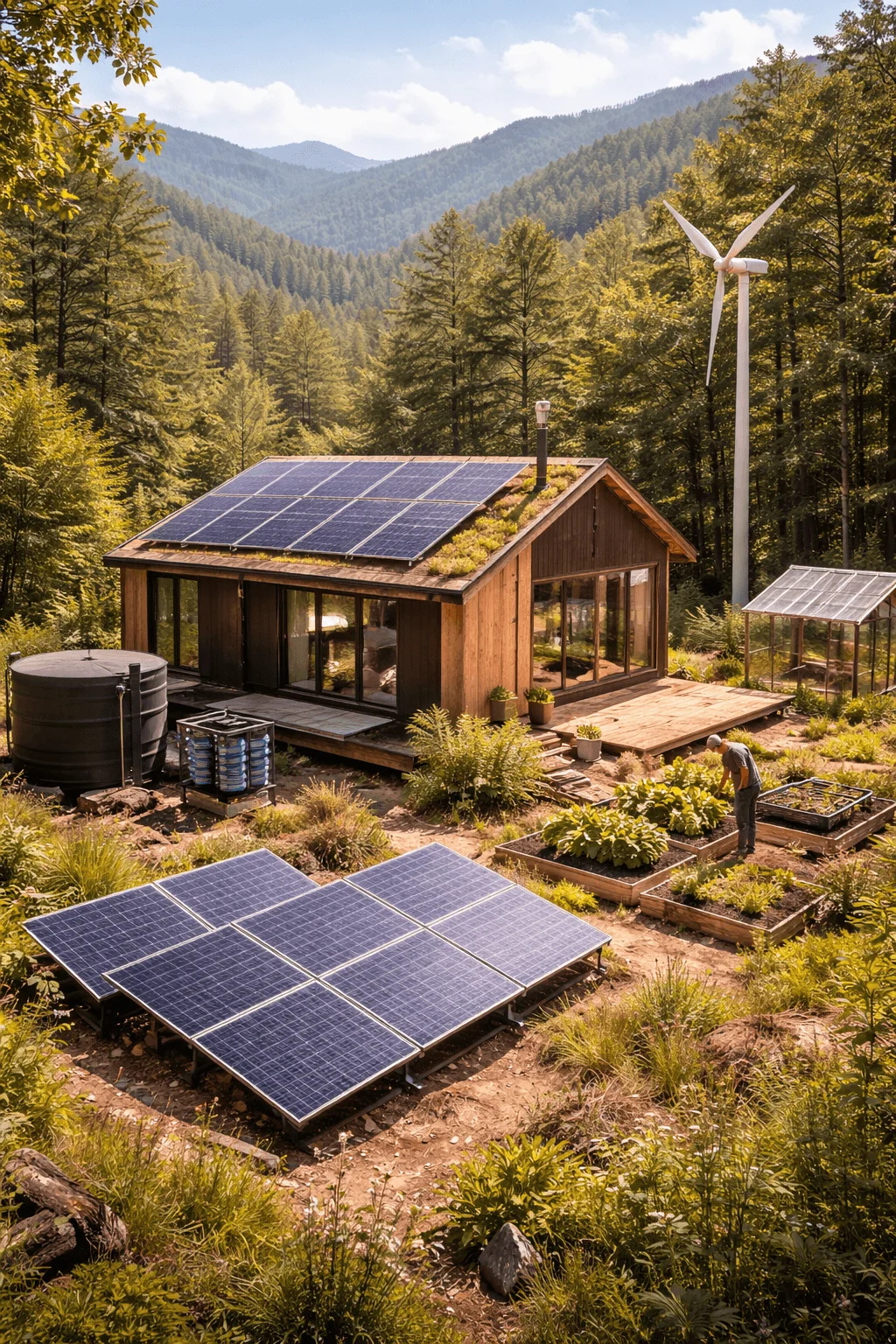
Off grid eco homes are especially popular in remote areas and among homeowners who want complete energy independence.
Climate Responsive Architecture
Climate responsive architecture adapts the design of a house to the specific environmental conditions of its location. Instead of using the same design everywhere, architects analyze local climate patterns before planning the structure.
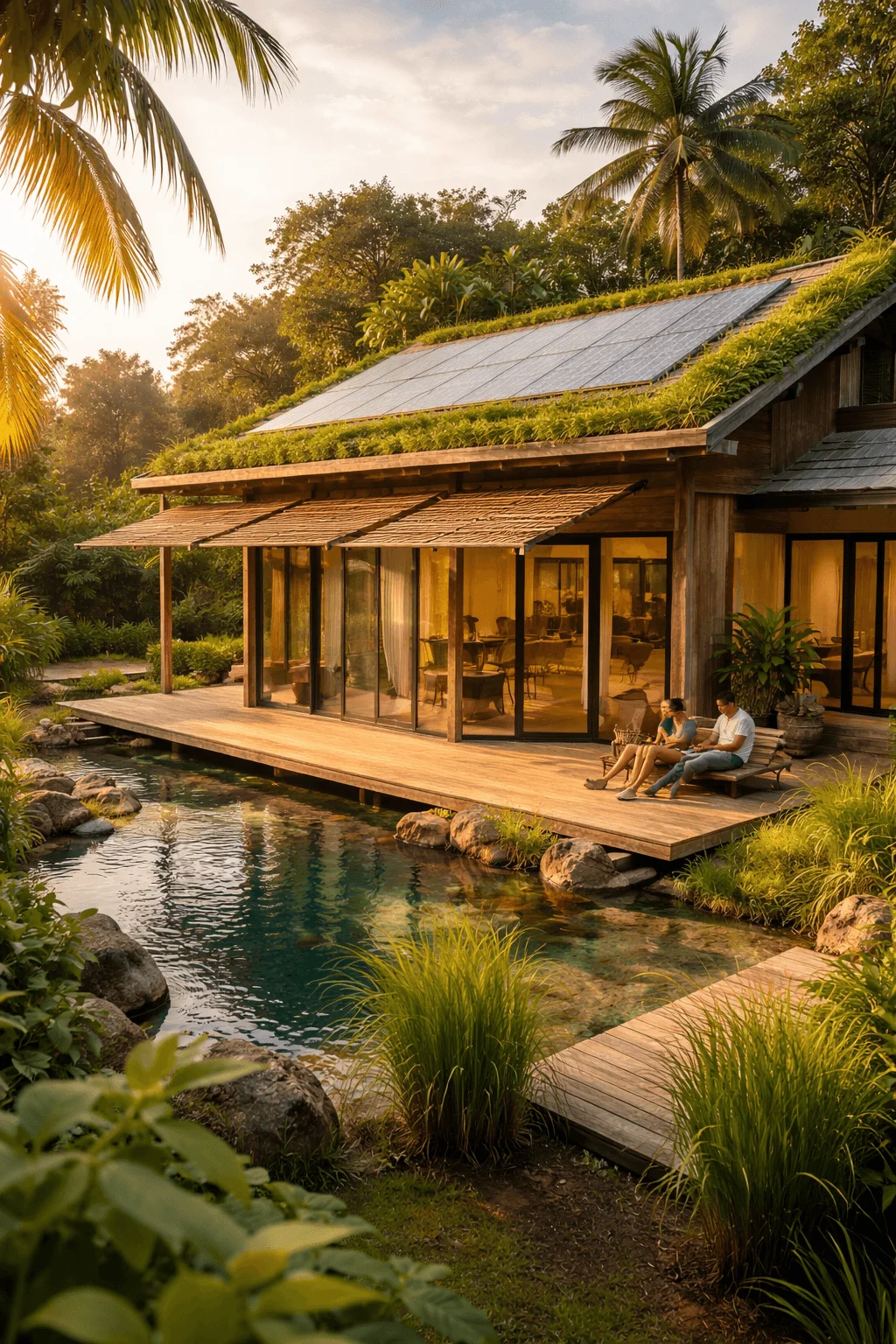
This includes studying sun angles, wind directions, humidity levels, and seasonal temperature changes. Based on this information, architects design homes that naturally maintain comfortable indoor temperatures.
Features such as cross ventilation, shading devices, and thick insulation help reduce the need for mechanical cooling and heating systems.
High Performance Insulation and Smart Windows
Modern sustainable homes rely heavily on advanced insulation and window technology. High performance insulation prevents heat from escaping during winter and blocks external heat during summer.
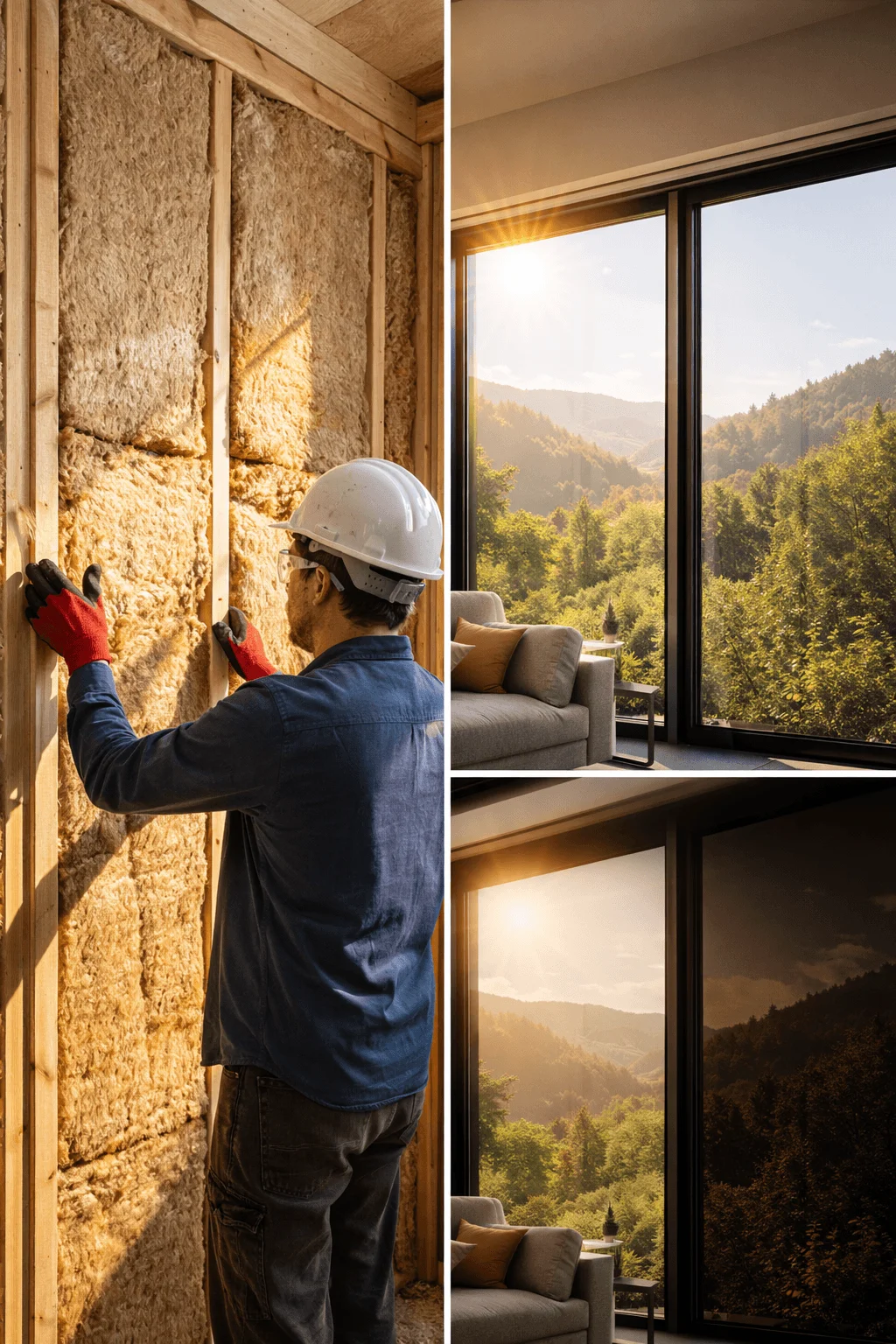
Smart windows are another innovation in eco friendly architecture. These windows automatically adjust their transparency depending on sunlight intensity. When sunlight is strong, the glass becomes darker to reduce heat gain.
These technologies improve indoor comfort while significantly lowering energy consumption.
Adaptive Reuse Architecture
Adaptive reuse architecture focuses on transforming existing buildings into new residential spaces rather than constructing entirely new structures. This approach reduces construction waste and preserves valuable materials.
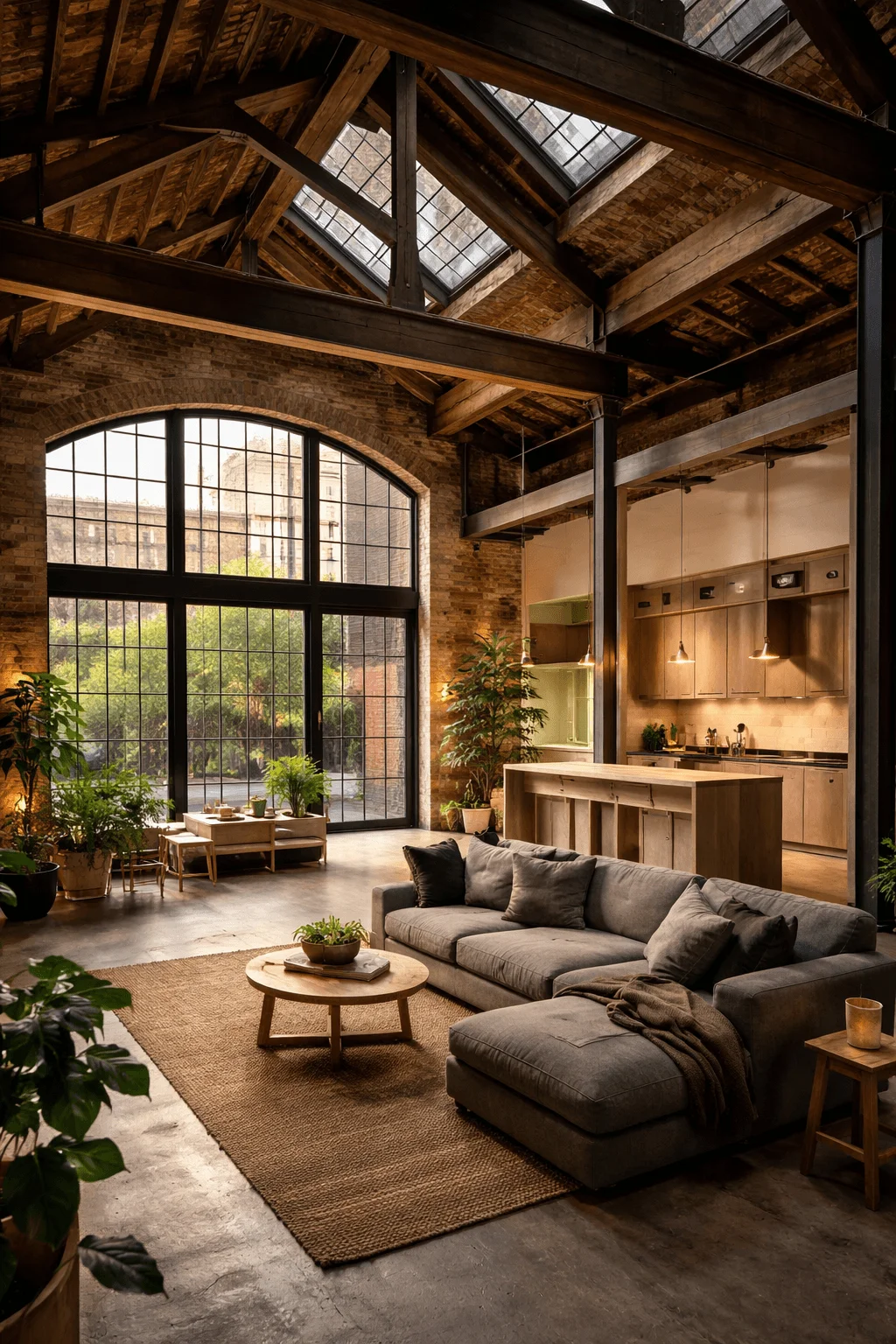
Old warehouses, factories, and historic buildings can be converted into modern eco friendly homes with updated insulation, efficient windows, and renewable energy systems.
Adaptive reuse not only protects architectural heritage but also reduces the environmental impact associated with new construction.
Conclusion
Eco friendly house design architecture represents the future of residential living. As environmental challenges grow and energy resources become more limited, sustainable homes offer a practical and responsible solution.
Modern eco house architecture ideas combine renewable energy systems, intelligent design strategies, and natural elements to create homes that are efficient, comfortable, and visually inspiring. From net zero energy houses to biophilic architecture and adaptive reuse projects, sustainable design continues to evolve rapidly.
By embracing these innovative architectural approaches, homeowners and architects can create living spaces that not only meet modern needs but also protect the planet for future generations. Eco friendly architecture is no longer just an alternative option. It is becoming the new standard for responsible and forward thinking home design.