Eco Friendly House Exterior Design Ideas
Sustainable living has become one of the most important movements in modern architecture. Homeowners are increasingly aware that the design of their homes can have a significant impact on the environment. While interior design often receives much attention, the exterior of a house plays an equally important role in sustainability. The way a home is built, the materials used on its outer structure, and the way it interacts with sunlight, wind, and nature can greatly influence its environmental footprint.

Eco friendly house exterior design ideas focus on reducing environmental impact while creating homes that are visually appealing and comfortable to live in. Modern sustainable homes are designed to work with nature rather than against it. Architects and designers now combine natural materials, energy efficient technologies, and environmentally responsible landscaping to create homes that are both beautiful and sustainable.
This article explores some of the most innovative and trending eco friendly house exterior design ideas that are shaping modern sustainable architecture.
Living Green Walls
Living green walls are becoming one of the most recognizable features of sustainable architecture. These walls are covered with plants that grow vertically across the exterior of a house. Instead of traditional concrete or painted surfaces, the walls become living ecosystems filled with greenery.
One of the most important advantages of green walls is their ability to regulate temperature. Plants absorb sunlight and reduce the amount of heat that reaches the wall surface. This helps keep the interior of the house cooler during hot seasons and reduces the need for air conditioning.
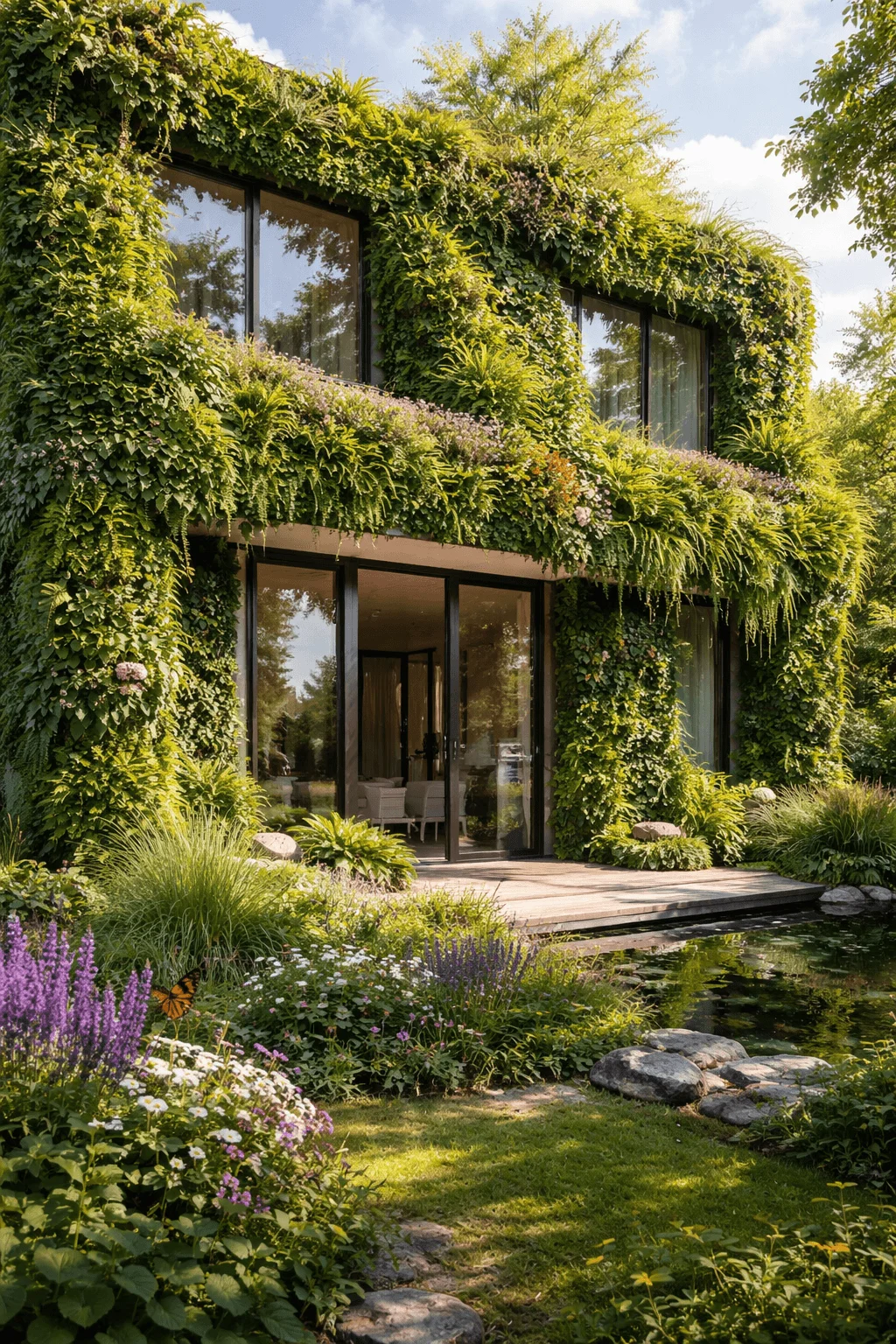
Green walls also contribute to cleaner air by absorbing carbon dioxide and releasing oxygen. In urban areas where pollution levels are higher, these plant covered facades can significantly improve the surrounding environment. They also attract birds, butterflies, and beneficial insects, which supports local biodiversity.
From a visual perspective, living walls transform ordinary homes into vibrant natural spaces. The combination of architecture and vegetation creates a design that feels organic and connected to nature.
Solar Roof Tiles
Renewable energy is one of the most important components of eco friendly house design. Solar roof tiles represent a modern solution that allows homes to produce their own electricity without compromising the appearance of the building.
Unlike traditional solar panels that are mounted on top of roofs, solar tiles are designed to function as both roofing material and energy generating technology. They blend seamlessly with the roof structure, giving the home a sleek and modern look.
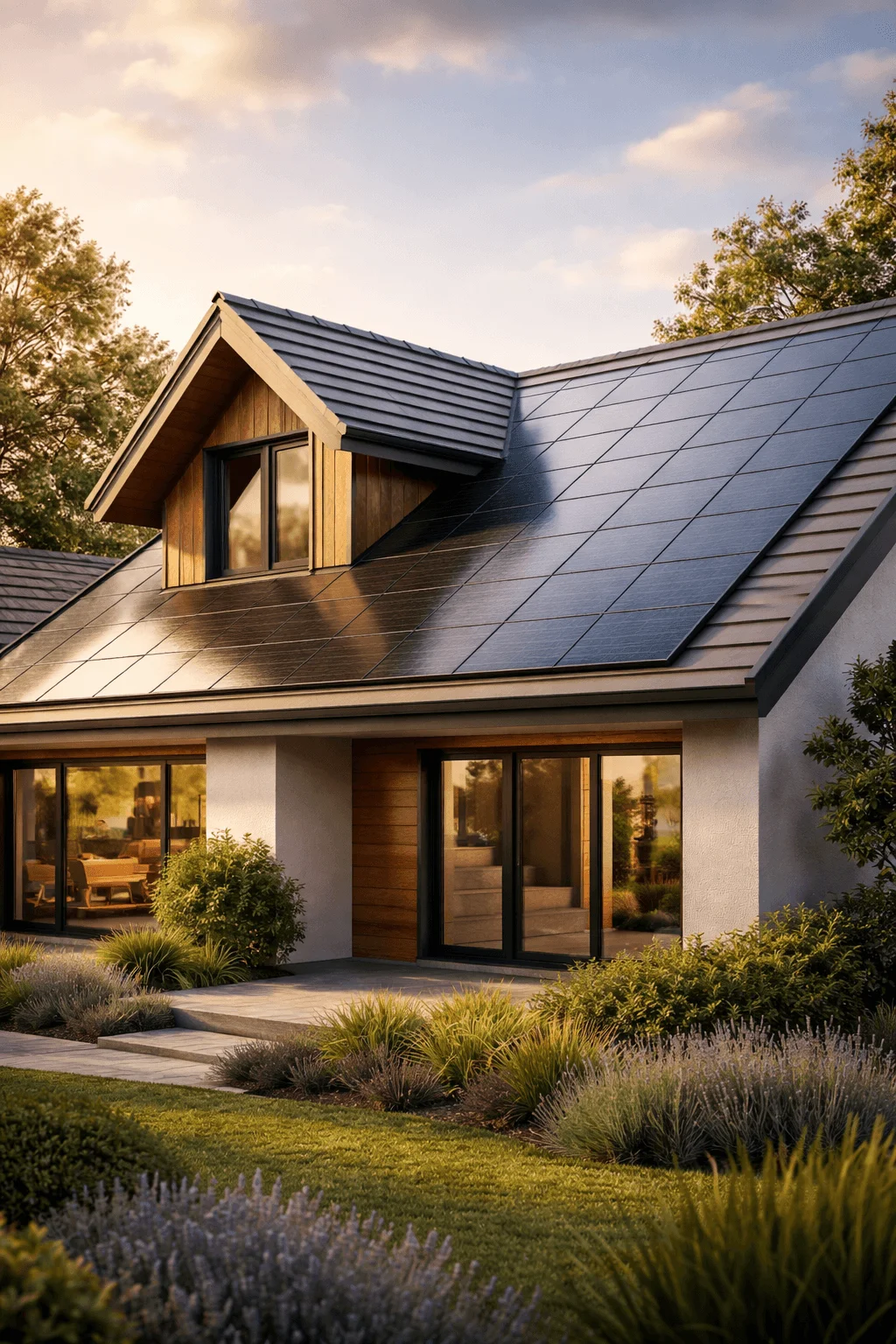
These tiles capture sunlight and convert it into electricity that can power household appliances and lighting systems. Over time this reduces energy costs and decreases reliance on fossil fuels.
As solar technology continues to improve, solar roof tiles are becoming more efficient and more accessible. Many modern sustainable homes now incorporate solar integrated roofs as a standard design feature.
Reclaimed Wood Exterior Cladding
Reclaimed wood has gained popularity in sustainable construction because it reduces the demand for newly harvested timber. Instead of cutting down fresh trees, builders use wood that has been salvaged from older structures such as barns, warehouses, and historic buildings.
Using reclaimed wood for exterior cladding gives homes a distinctive character. The natural weathering and texture of the wood create a warm and authentic appearance that cannot easily be replicated with new materials.
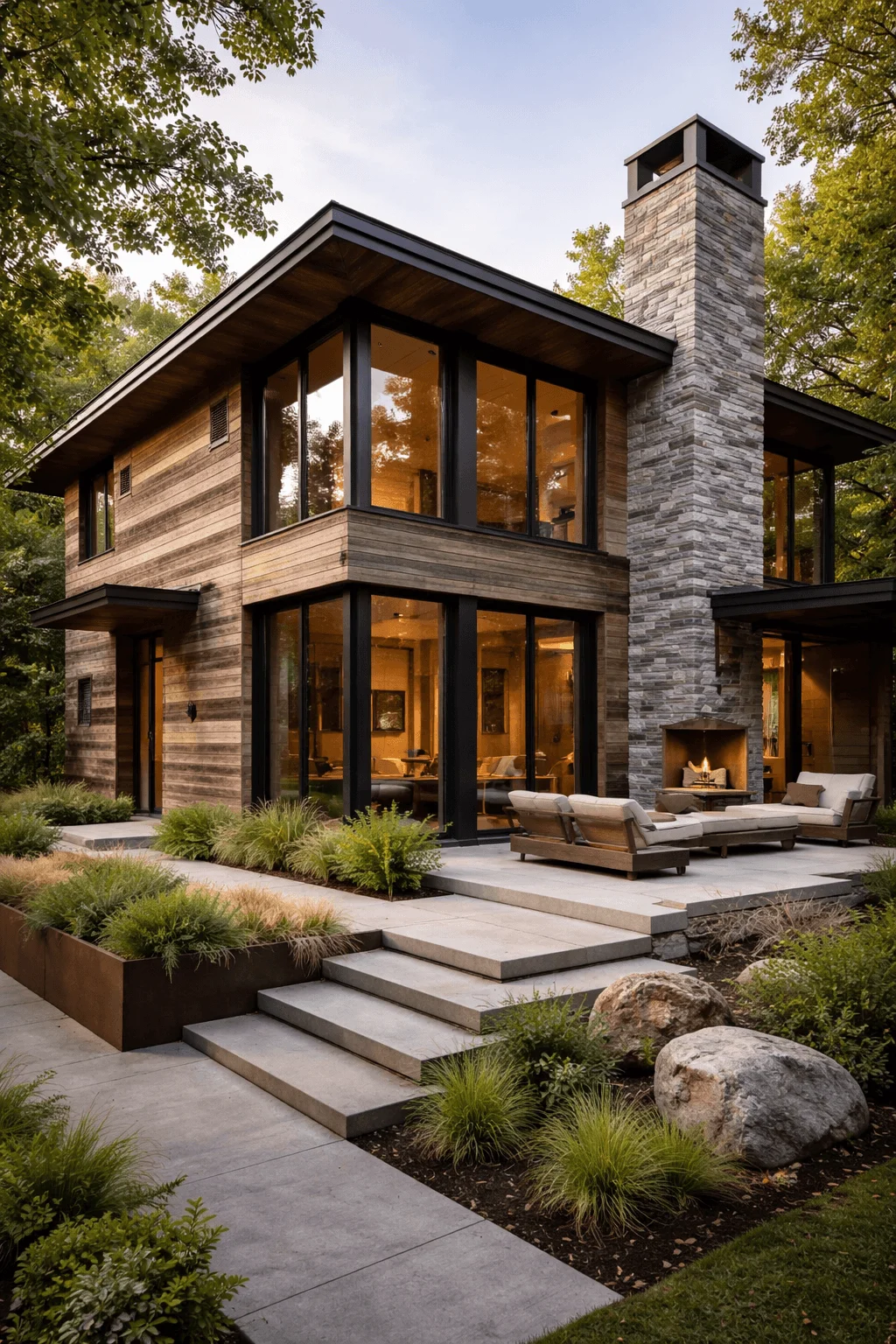
Beyond its aesthetic appeal, reclaimed wood represents a responsible approach to resource management. It extends the life cycle of existing materials and prevents usable wood from being discarded as waste.
Modern architects often combine reclaimed wood with glass, stone, and metal to create exteriors that feel both contemporary and environmentally responsible.
Rammed Earth Exterior Walls
Rammed earth construction is one of the oldest building techniques in human history, yet it is gaining new attention in modern sustainable architecture. This technique involves compressing layers of soil inside molds to form solid walls.
The resulting walls are extremely strong and have a natural layered appearance that reflects the colors of the earth used in construction. Each wall becomes unique depending on the soil composition.
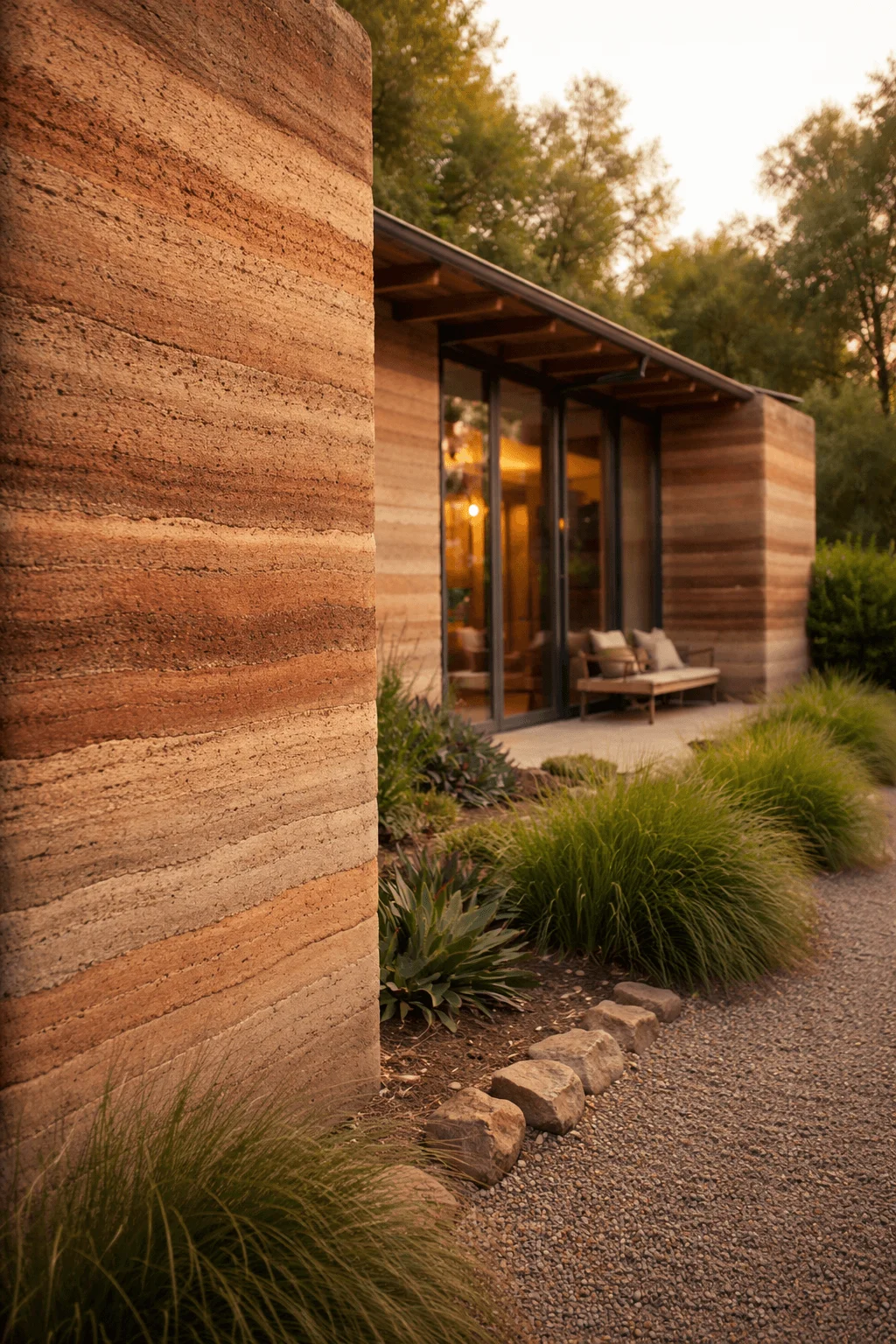
Rammed earth walls also have excellent thermal performance. They absorb heat during the day and release it slowly at night, which helps regulate indoor temperatures naturally. This reduces the need for artificial heating and cooling systems.
Because the primary material used is soil from the construction site or nearby areas, rammed earth buildings have a much lower environmental impact compared to conventional construction methods.
Green Roof Systems
Green roofs are another important innovation in eco friendly house exterior design. Instead of traditional roofing materials, these roofs are covered with soil and vegetation.
The presence of plants on the roof creates natural insulation that helps maintain comfortable indoor temperatures throughout the year. During hot weather the vegetation absorbs heat and prevents it from entering the home. During colder seasons the soil layer helps retain warmth inside the building.
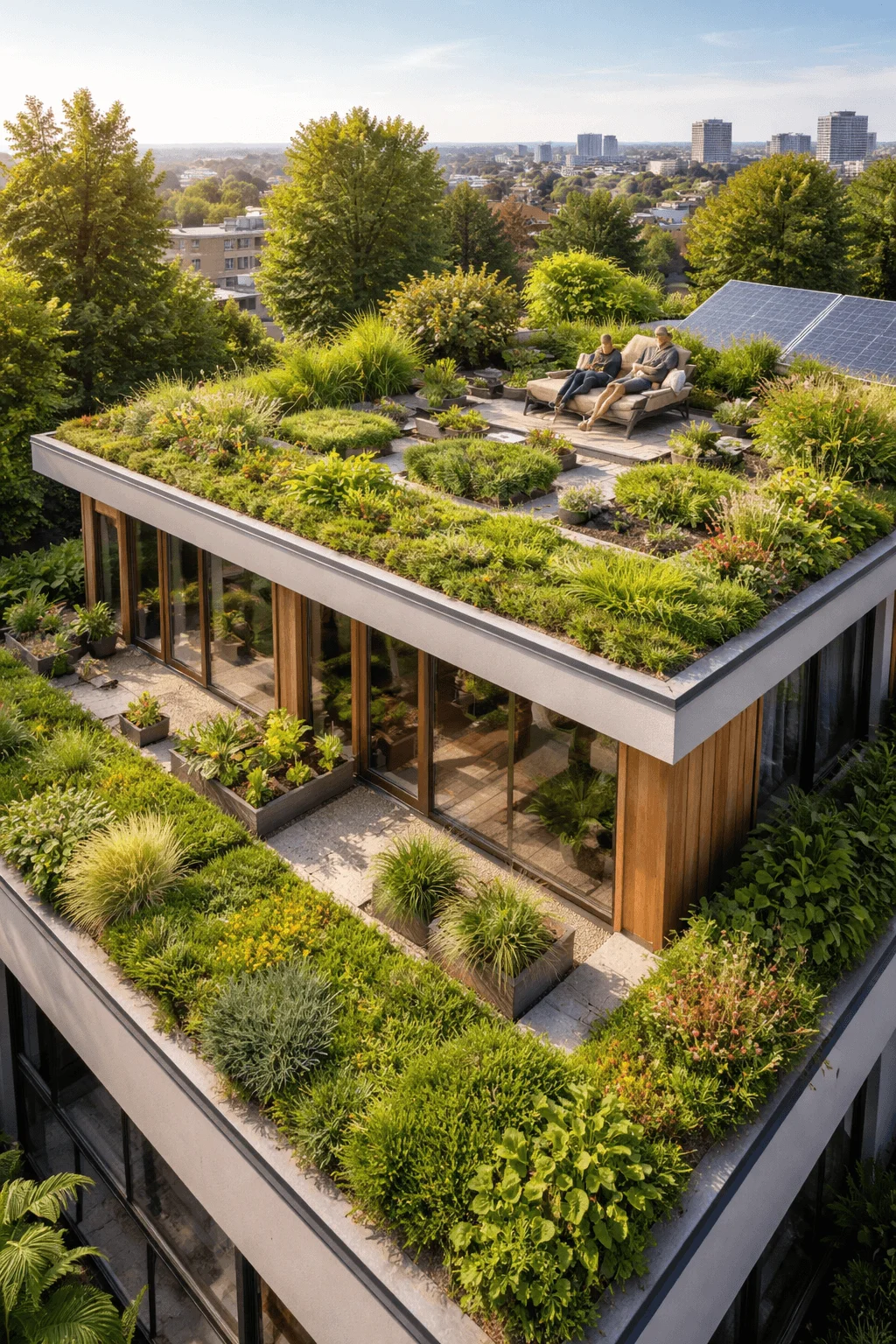
Green roofs also help manage rainwater. The plants and soil absorb a significant portion of rainfall, which reduces water runoff and helps prevent flooding in urban areas.
In addition to their environmental benefits, green roofs provide homeowners with additional outdoor spaces that can be used as gardens, relaxation areas, or small natural retreats above the city.
Passive Solar House Orientation
Passive solar design focuses on using natural sunlight to heat and illuminate the home. Instead of relying heavily on artificial systems, architects carefully plan the orientation of the house to maximize the benefits of sunlight.
Large windows are often placed on the side of the home that receives the most sunlight during winter months. This allows natural heat to enter the building. Roof overhangs or shading elements are used to prevent excessive heat during summer.
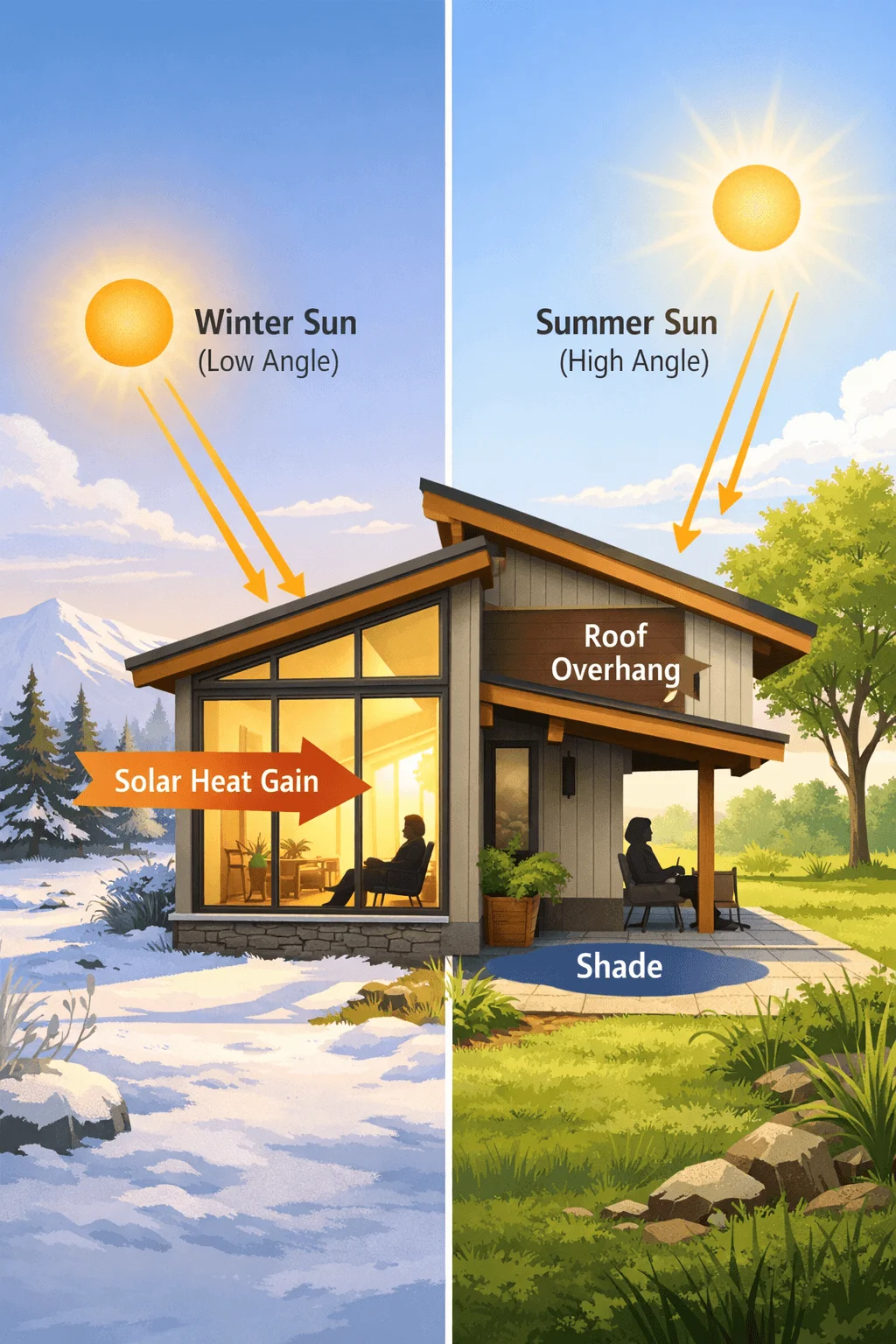
This thoughtful placement of windows, walls, and shading structures reduces energy consumption while maintaining a comfortable indoor environment.
Passive solar design demonstrates how architectural planning can significantly improve sustainability without requiring expensive technology.
Natural Stone Exterior Facades
Natural stone remains one of the most durable and environmentally responsible materials used in home exteriors. Stone structures can last for decades or even centuries without losing their strength.
When sourced locally, stone reduces the environmental impact associated with long distance transportation. It also blends naturally with surrounding landscapes, making homes appear as though they are part of the environment rather than separate from it.
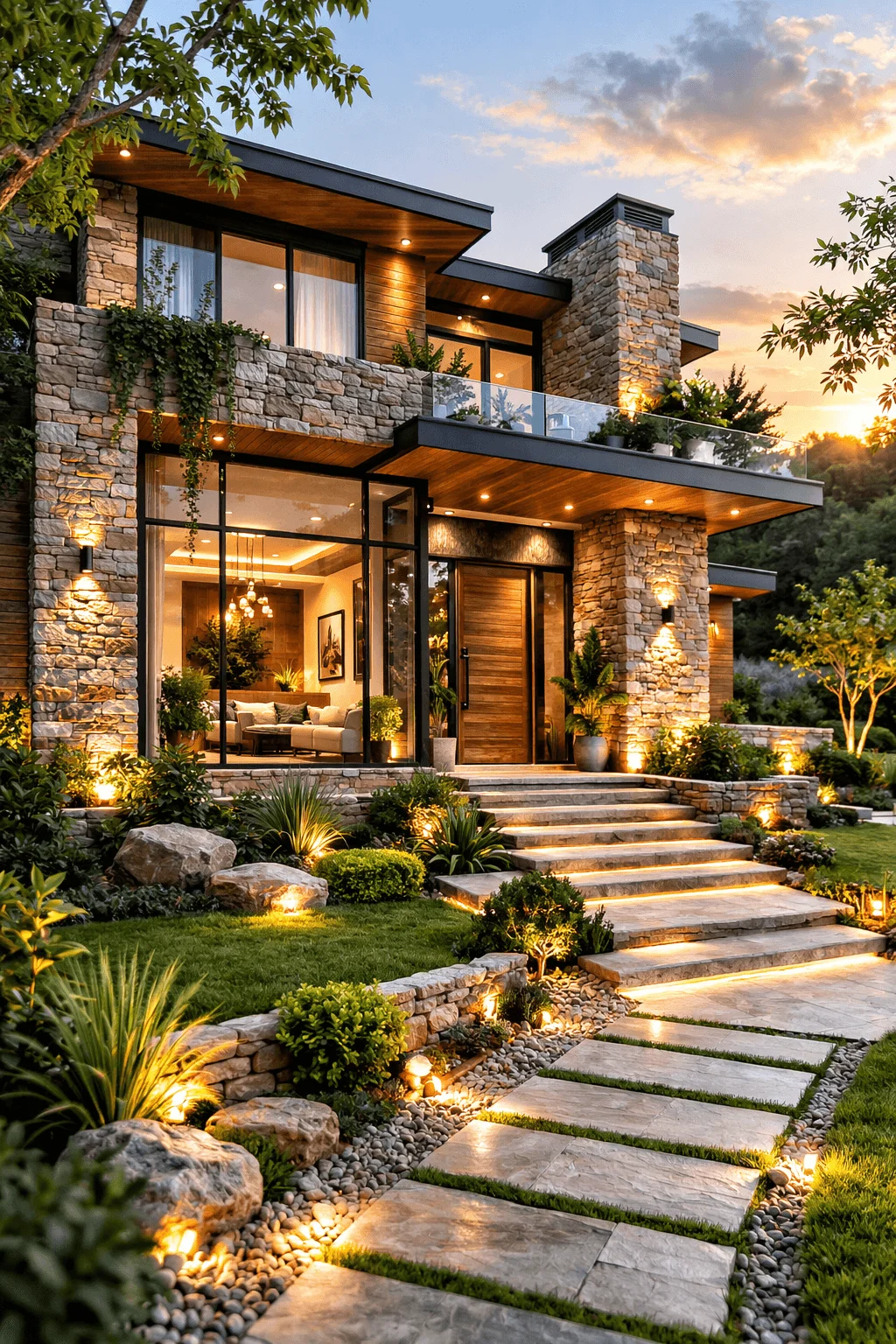
Stone facades also require very little maintenance compared to other materials. Their natural textures and earthy colors add depth and character to the exterior of a house.
Many modern eco friendly homes combine stone with wood and glass to create a balanced and timeless architectural design.
Bamboo Exterior Elements
Bamboo is considered one of the most sustainable building materials in the world because of its rapid growth rate and natural strength. Unlike traditional timber, bamboo can grow to maturity within a few years.
Architects often use bamboo for exterior design features such as shading structures, fences, decorative panels, and outdoor pergolas. These elements help control sunlight while maintaining airflow around the home.
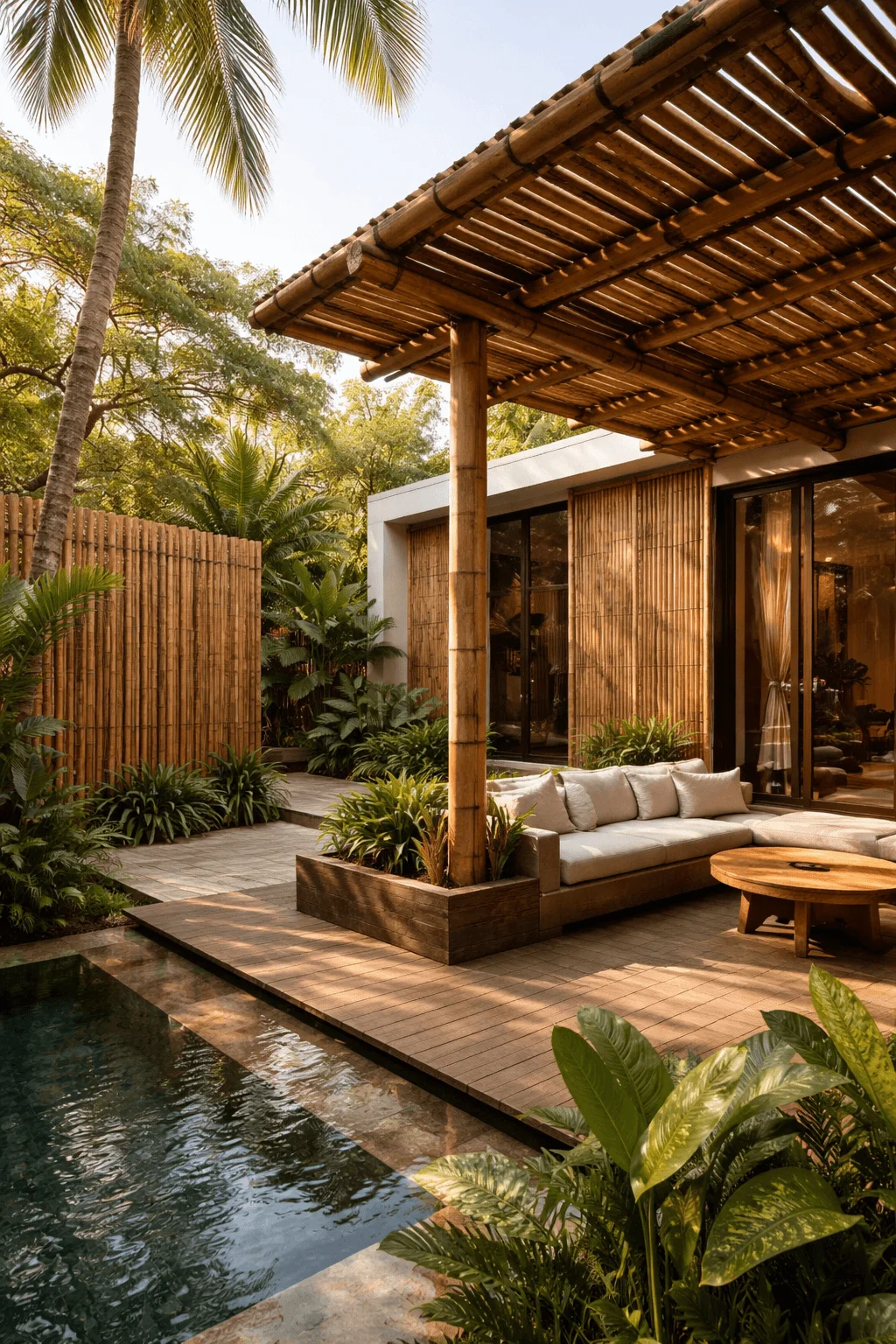
The natural color and texture of bamboo also add warmth to contemporary architectural designs. It creates a visual connection between the home and its natural surroundings.
Because bamboo regenerates quickly and requires minimal chemical treatment, it represents an environmentally responsible alternative to many conventional building materials.
Permeable Driveways and Walkways
Traditional paved surfaces often prevent rainwater from soaking into the ground. This can lead to water runoff and drainage problems, especially in urban areas.
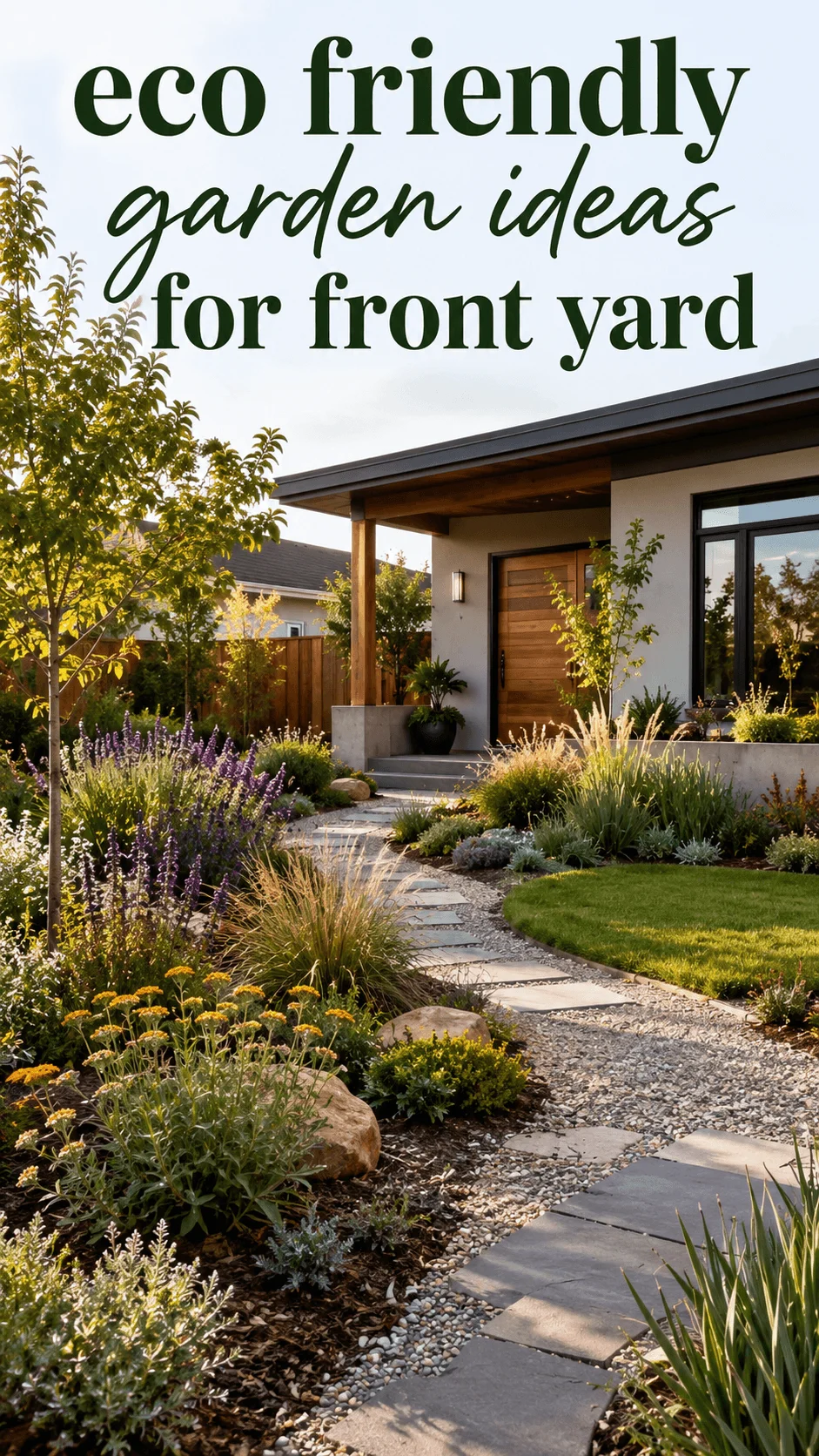
Permeable driveways and walkways are designed with materials that allow water to pass through the surface. Gravel, porous concrete, and specially designed paving blocks help rainwater filter into the soil naturally.
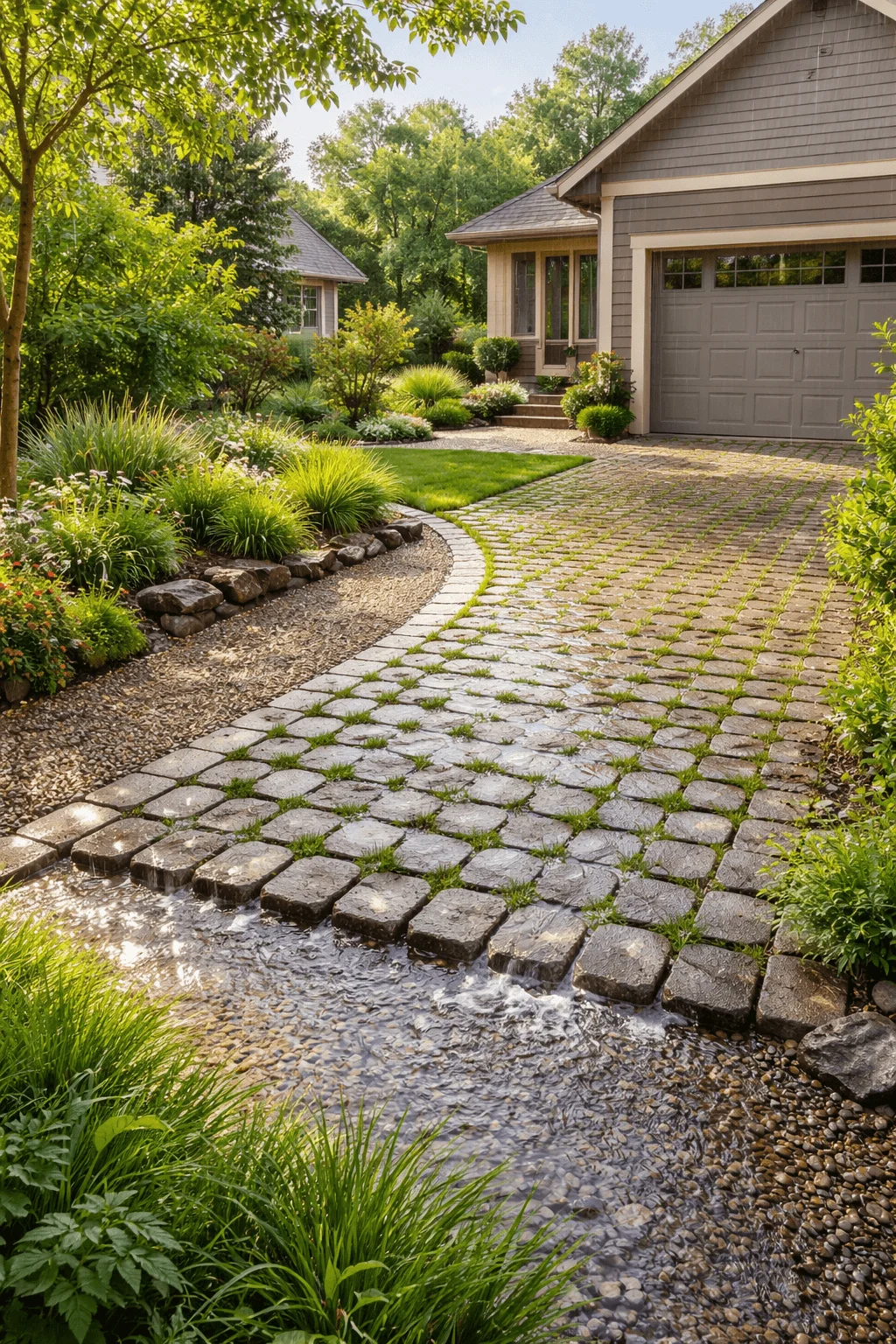
This approach helps replenish groundwater supplies and reduces pressure on drainage systems. It also prevents puddles and flooding during heavy rainfall.
Permeable surfaces create a more natural transition between the house and the surrounding landscape, making outdoor areas feel more integrated with the environment.
Smart Exterior Lighting Systems
Exterior lighting can greatly enhance the appearance and safety of a home, but traditional lighting systems often consume unnecessary amounts of electricity.
Smart lighting solutions address this issue by using energy efficient LED lights powered by solar energy. Motion sensors and automated timers ensure that lights only turn on when needed.
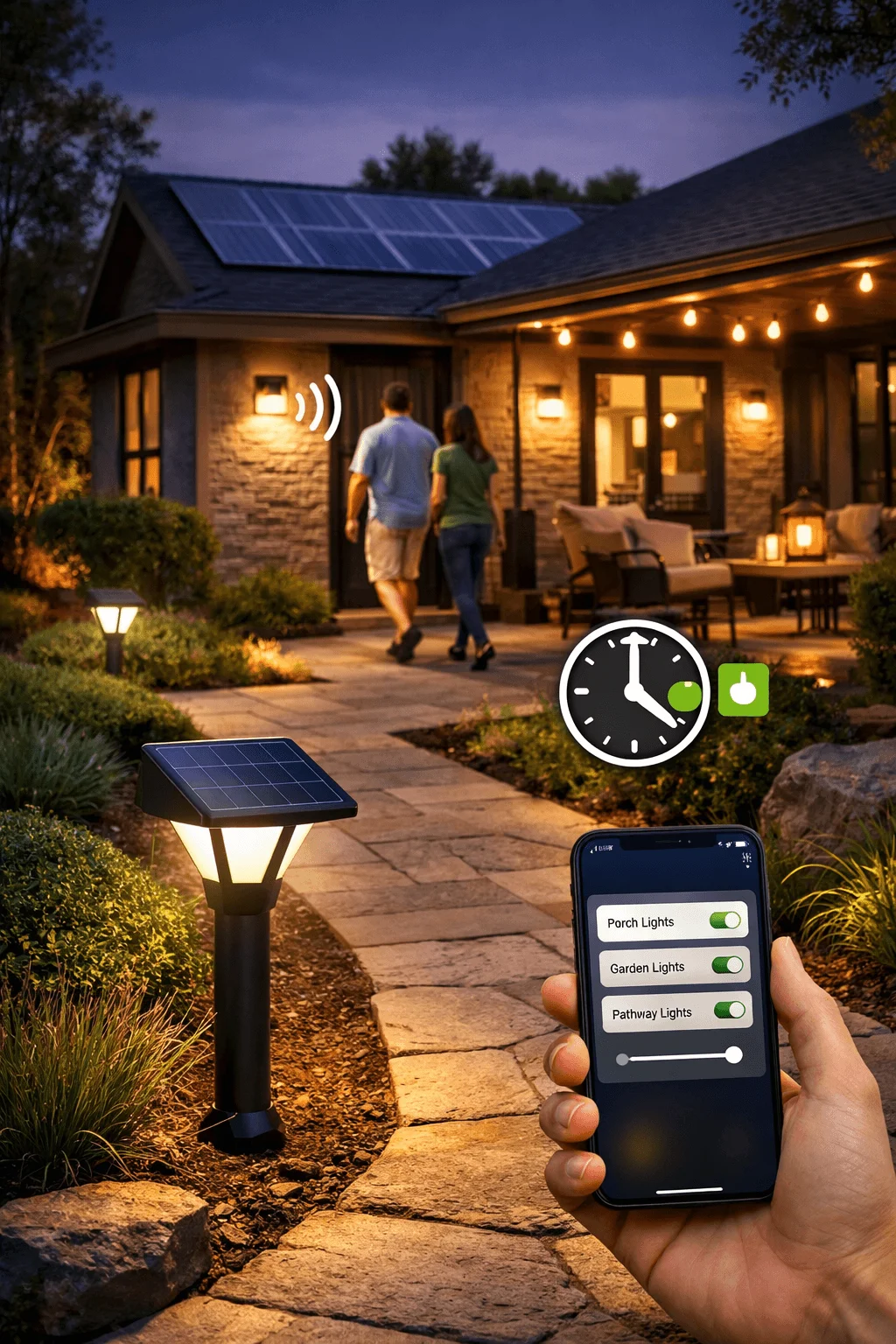
This technology reduces electricity usage while still providing effective illumination for pathways, entrances, and outdoor living areas.
Smart lighting systems also allow homeowners to control lighting remotely, making it easier to manage energy consumption.
Rainwater Harvesting Design
Rainwater harvesting systems collect rainwater from rooftops and store it in tanks for later use. This water can be used for gardening, cleaning outdoor areas, and irrigation.
In modern eco friendly homes these systems are often integrated into the architectural design so that storage tanks and drainage channels blend seamlessly with the exterior structure.
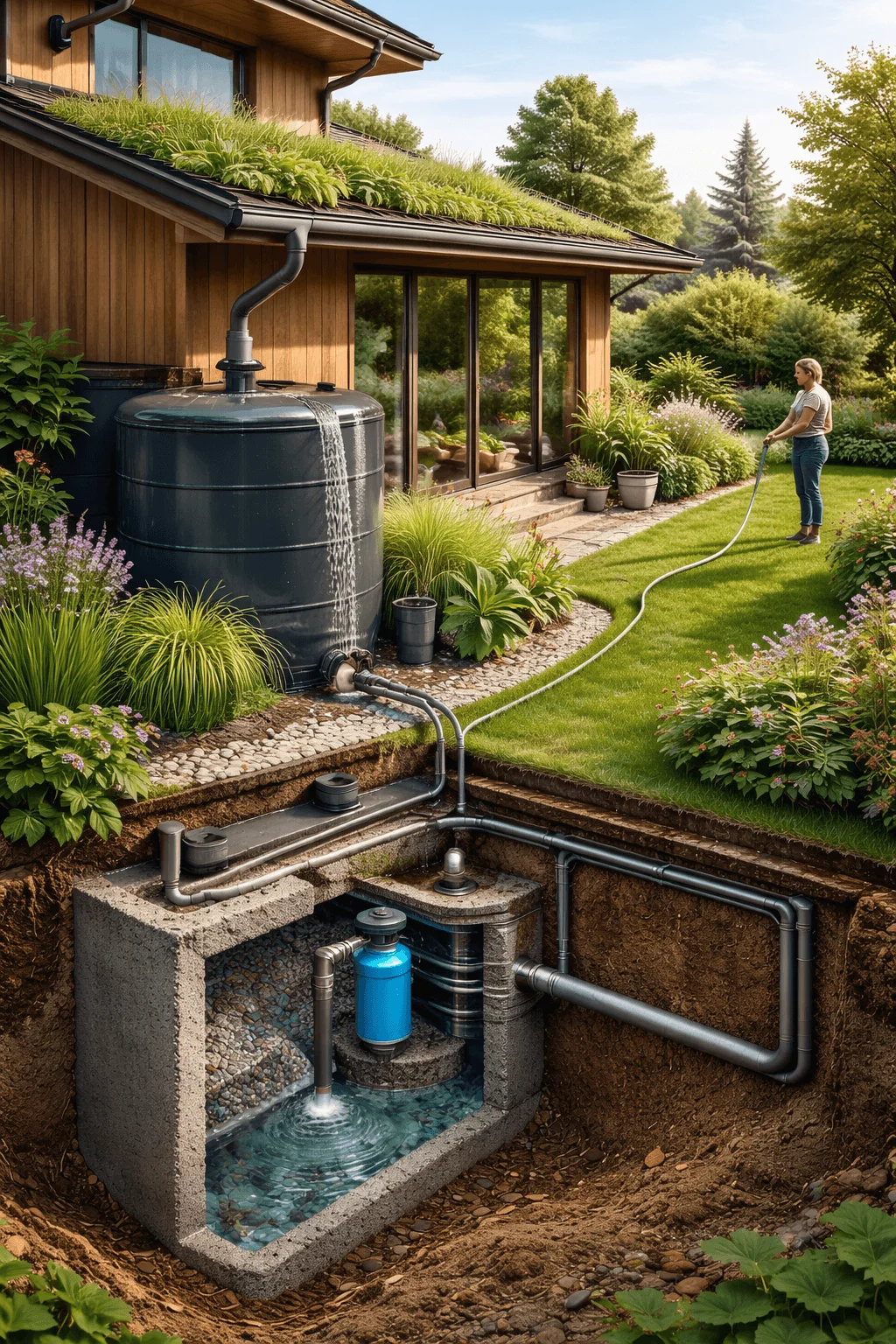
Collecting rainwater reduces demand on municipal water supplies and helps conserve one of the planet’s most valuable resources.
Rainwater harvesting is particularly useful in regions where water conservation is essential.
Eco Friendly Exterior Paint
Many conventional paints contain chemicals that release harmful emissions into the environment. Eco friendly paints are designed to minimize these emissions while providing durable protection for exterior surfaces.
These paints are made with low emission ingredients and natural pigments. They improve air quality and reduce the environmental impact of construction.
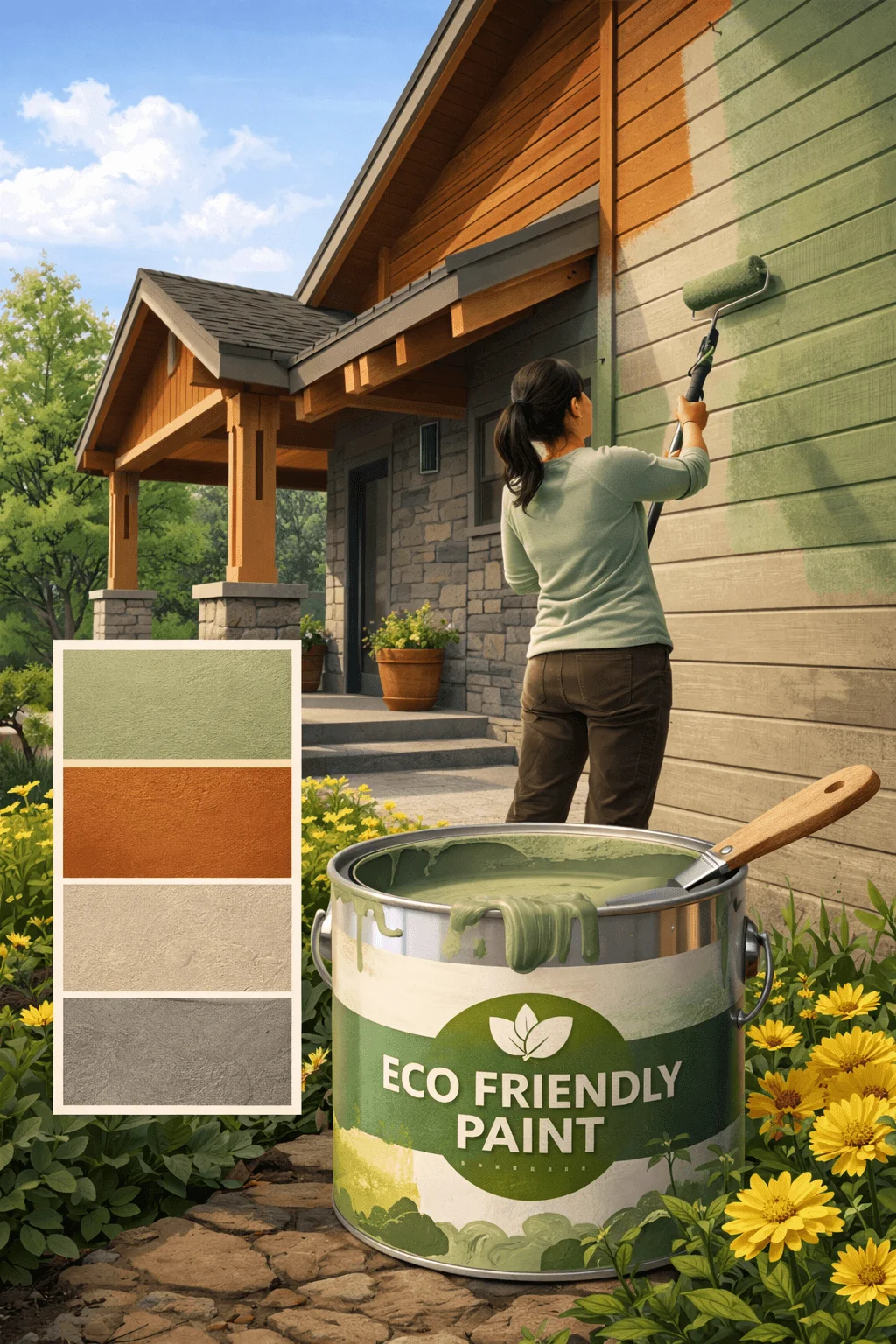
Eco friendly paints are available in a wide range of colors that complement natural building materials such as wood and stone. They also maintain their appearance for long periods of time, which reduces the need for frequent repainting.
Biophilic Exterior Landscaping
Biophilic design focuses on strengthening the connection between people and nature. In exterior architecture this concept is expressed through thoughtful landscaping that integrates plants, gardens, and natural elements around the home.
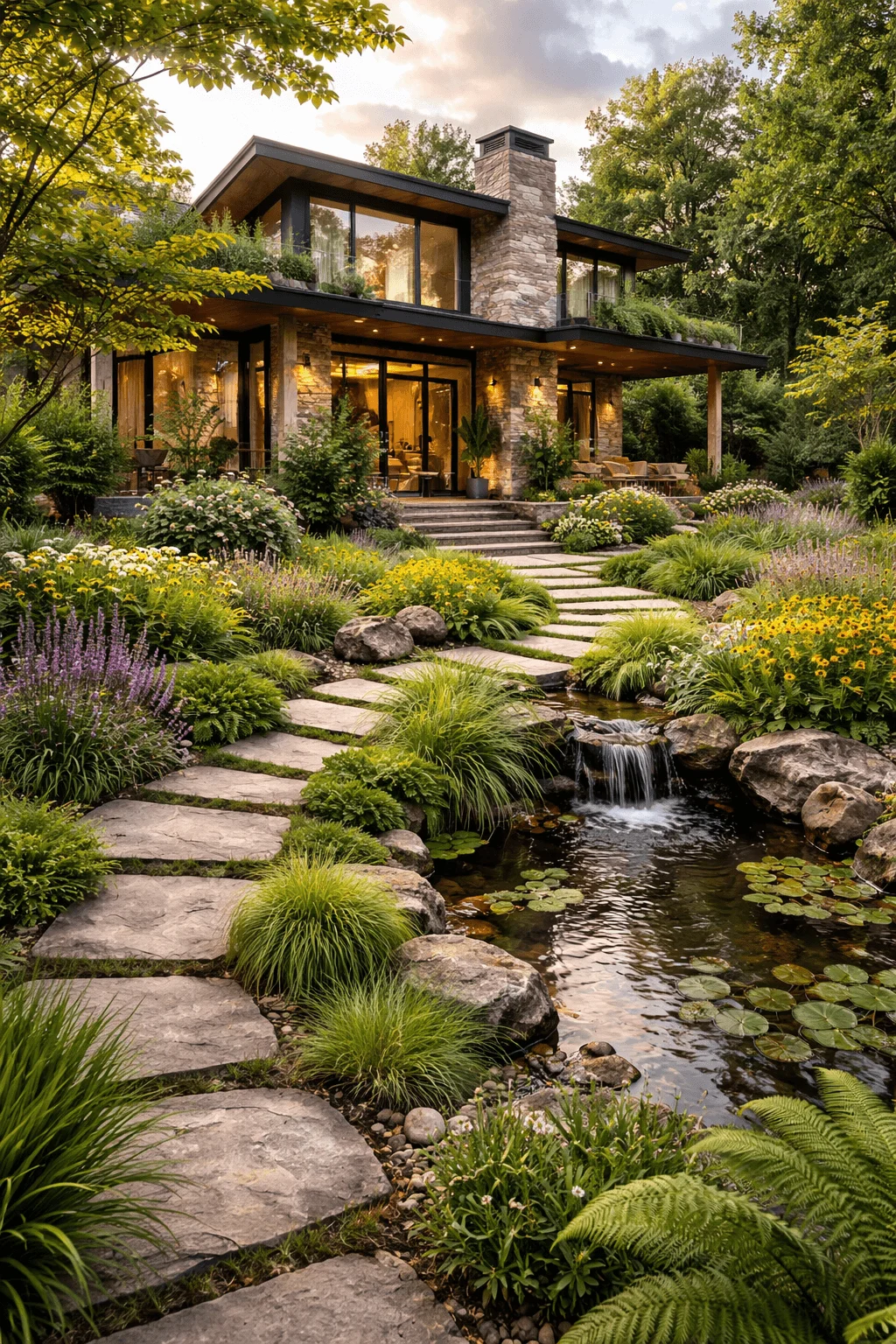
Native plants are often used because they are well suited to the local climate and require less water and maintenance. These plants also support local wildlife by providing food and shelter for birds and insects.
Biophilic landscaping transforms the outdoor environment into a peaceful and vibrant natural space. It encourages homeowners to spend more time outdoors and develop a deeper appreciation for nature.
Modular Prefabricated Exterior Panels
Prefabricated construction is becoming increasingly popular in sustainable architecture. Exterior panels are manufactured in controlled environments and then transported to the building site for assembly.
This process reduces construction waste and improves efficiency. Because the panels are produced with precision, they often provide better insulation and structural performance.
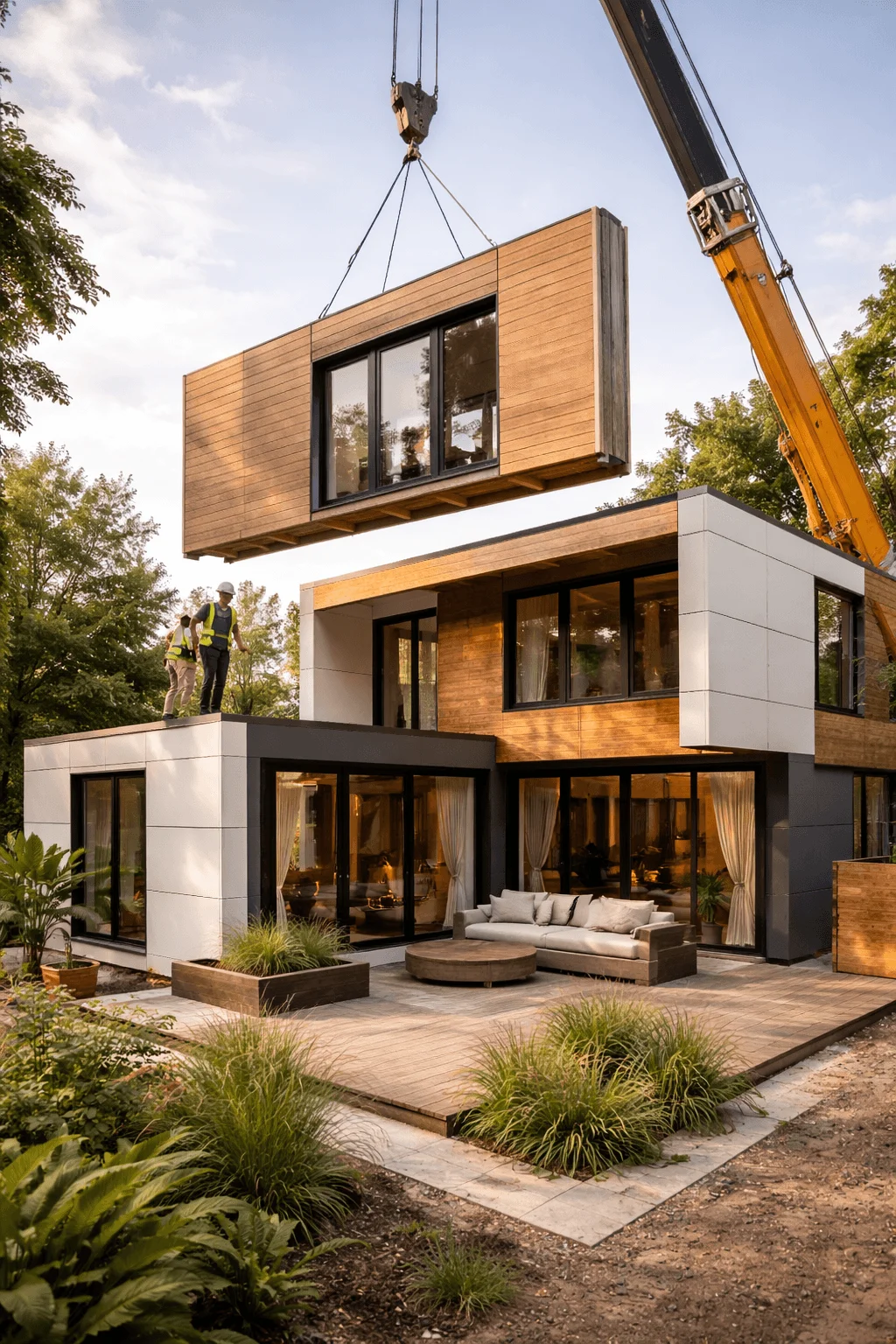
Prefabricated systems also shorten construction time, which reduces environmental disruption at the building site.
Many modern eco friendly homes use modular exterior panels to achieve high energy efficiency while maintaining sleek contemporary designs.
Climate Responsive Exterior Screens
Climate responsive screens are architectural elements designed to control sunlight and airflow around a building. These screens are installed on the exterior of the house and can be adjusted depending on weather conditions.
During hot weather the screens provide shade that reduces indoor temperatures. During cooler periods they can be repositioned to allow more sunlight into the home.
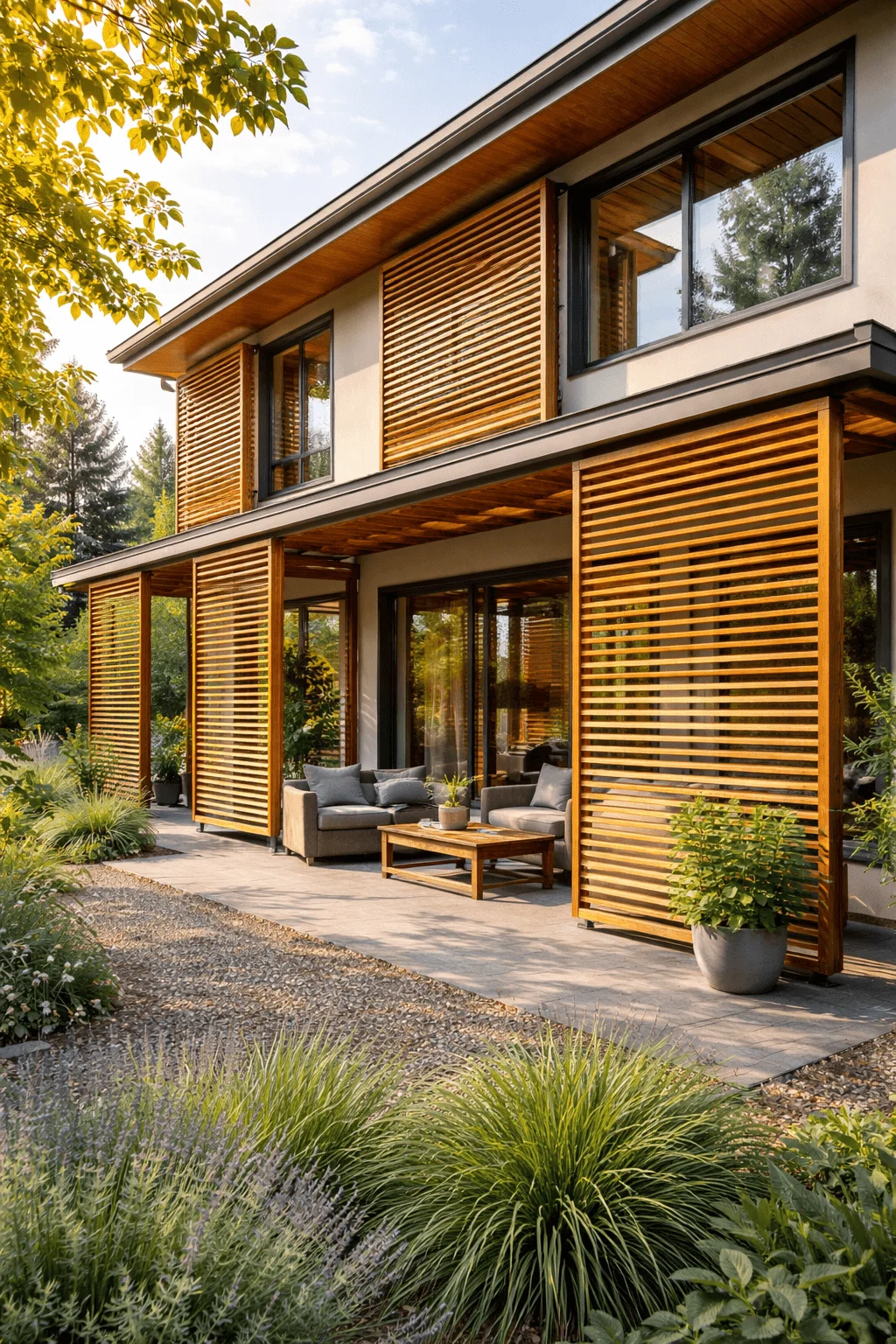
These screens can be made from sustainable materials such as wood, bamboo, or recycled metal. In addition to improving energy efficiency, they add depth and texture to the exterior design.
Climate responsive screens demonstrate how thoughtful architectural details can improve comfort while reducing energy consumption.
Conclusion
Eco friendly house exterior design ideas are transforming modern architecture by combining sustainability with innovative design. By using natural materials, renewable energy technologies, and environmentally responsible landscaping, homeowners can create houses that are both beautiful and environmentally conscious.
Features such as green walls, solar roof tiles, reclaimed wood cladding, and passive solar orientation show how design choices can significantly reduce energy consumption and environmental impact. At the same time these elements enhance the visual character of the home and strengthen the connection between architecture and nature.
As sustainable living becomes increasingly important, eco friendly exterior design will continue to shape the future of residential architecture. Homes that embrace these principles not only protect the environment but also provide healthier and more efficient living spaces for the people who live in them.