Eco Friendly Aesthetic Photography Ideas
Eco friendly aesthetic photography ideas combine beautiful visual storytelling with thoughtful choices about materials, settings, lighting and everyday subjects. In 2026, photographers are moving toward more natural, authentic and imperfect imagery, making sustainable photography an exciting way to create photographs that feel both contemporary and meaningful. You do not need expensive props or elaborate sets to achieve an attractive aesthetic. Natural light, earthy colors, reusable objects and real environments can often create more character than artificial studio setups.
Photography has always been a way to communicate an atmosphere. A photograph can make a quiet garden feel peaceful, turn an ordinary ceramic cup into an attractive still life, or show how simple everyday habits connect with nature. The eco friendly approach adds another layer to this creative process because it encourages photographers to look at what they already have instead of constantly purchasing new materials.
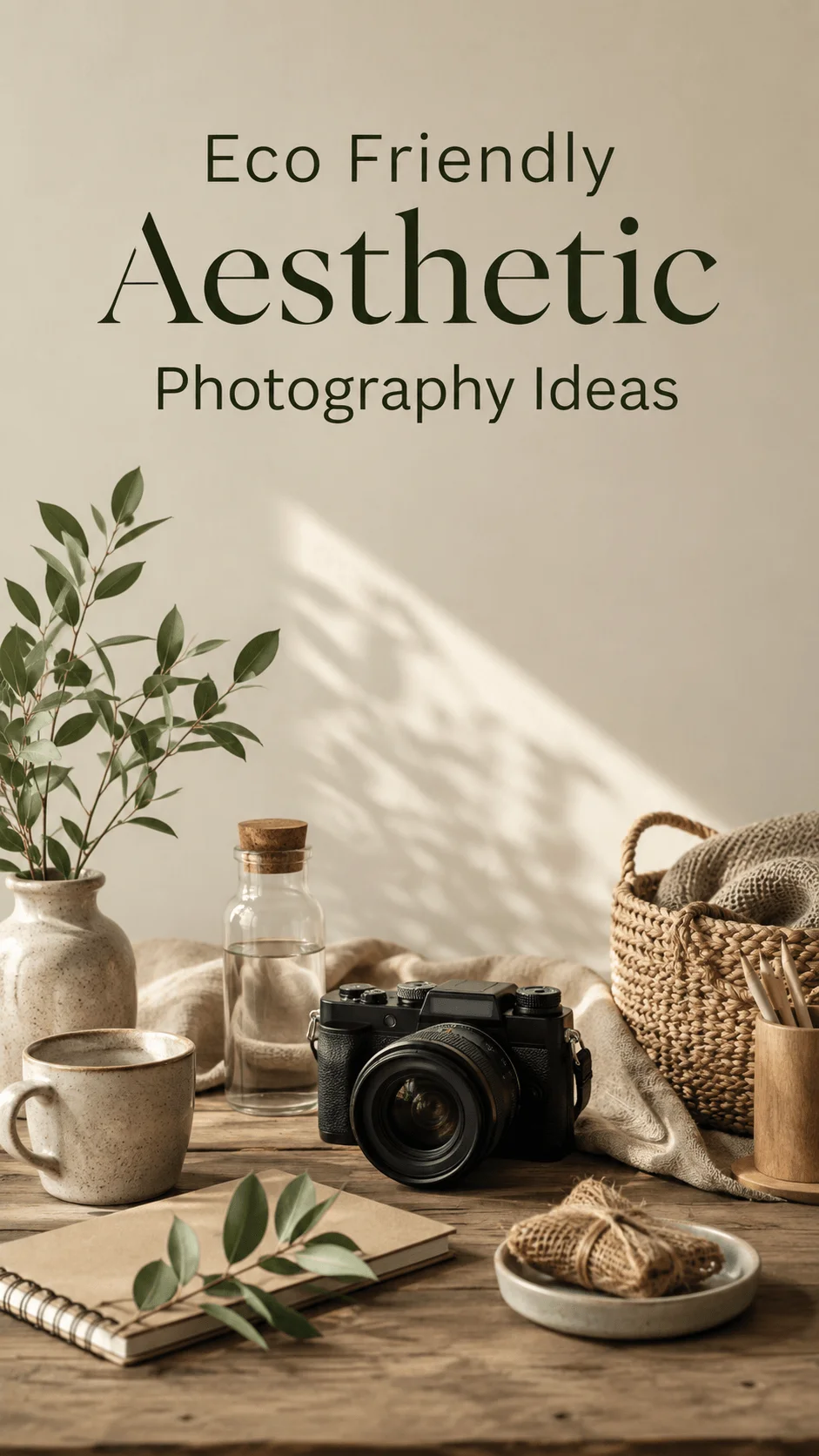
The result can feel personal, warm and authentic. From earthy minimalist compositions to botanical shadows and vintage inspired images, there are many ways to create beautiful photographs while keeping the setup simple and thoughtful.
What Makes Eco Friendly Aesthetic Photography Different
Traditional photography can sometimes involve numerous purchased props, artificial backgrounds, disposable styling materials and elaborate setups. An eco conscious approach looks at photography differently. Instead of asking what needs to be purchased for a photograph, the photographer can ask what already exists in the surrounding environment.
This mindset creates many creative possibilities. A piece of reclaimed wood can become a background. A linen cloth can create texture beneath a product. Leaves can introduce natural shapes and shadows. An old glass container can become part of a still life. Even an outdoor wall with an interesting texture can provide a complete background without any additional materials.
Color also plays an important role. Earthy shades such as muted green, warm beige, soft brown, clay, cream and natural gray can create a calm visual identity. These colors work especially well with plants, handmade objects, sustainable products and outdoor scenes.
Natural imperfections can also become part of the aesthetic. Small variations in texture, uneven surfaces and authentic environments often make photographs feel less artificial. This approach works particularly well with the current interest in genuine visual storytelling.
Earthy Aesthetic Photography Ideas for Minimalist Images
Earthy minimalist photography focuses on simplicity while allowing natural colors and textures to become the main visual elements. Instead of filling the frame with many objects, the photographer selects a small number of subjects and gives each one enough space to stand out.
A wooden table can provide warmth beneath a ceramic cup. A stone surface can create an understated background for skincare products. A simple branch can add height and direction to an otherwise flat composition. These materials already have visual character, so they do not need much decoration.
Negative space can make this style even more effective. Leaving an empty area around the main subject gives the photograph a sense of calm and allows the viewer to focus immediately on the important element. This works particularly well for Pinterest graphics, social media imagery and product photography.
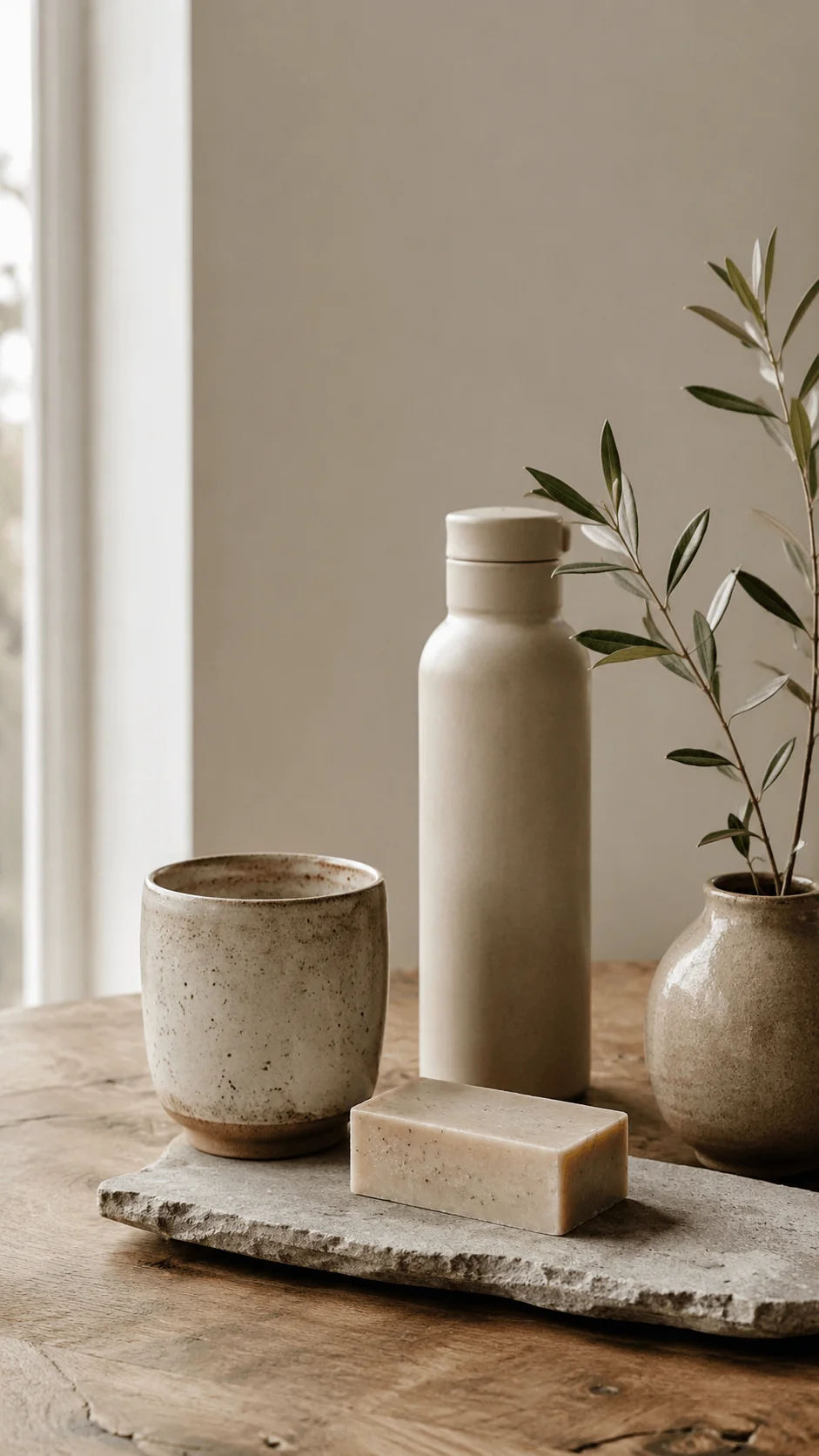
Natural light can enhance earthy colors beautifully. Morning light often creates a gentle appearance, while late afternoon sunlight can introduce warmer tones. If the light becomes too strong, a thin curtain can soften it without requiring specialized lighting equipment.
This style also works with everyday objects. A reusable bottle, handmade soap, plant pot, notebook or bowl can become the central subject. The goal is not to make the photograph look expensive. The goal is to make simple materials look intentional and visually balanced.
Vintage Film Inspired Nature Photography
Vintage film inspired photography continues to influence modern visual aesthetics because it brings softness, nostalgia and character into photographs. You can recreate this feeling while photographing natural subjects such as flowers, trees, gardens, landscapes and outdoor lifestyle scenes.
A slightly muted color palette can create a nostalgic atmosphere. Warm highlights and gentle shadows can make greenery feel softer, while subtle grain can introduce the appearance of an older photograph. Slight imperfections can also contribute to the feeling of authenticity.
Nature provides an excellent setting for this approach. Imagine a narrow garden path surrounded by plants, sunlight passing between branches, or a person sitting beneath a large tree. These scenes already contain layers, textures and natural colors, so the photographer does not need to construct an elaborate set.
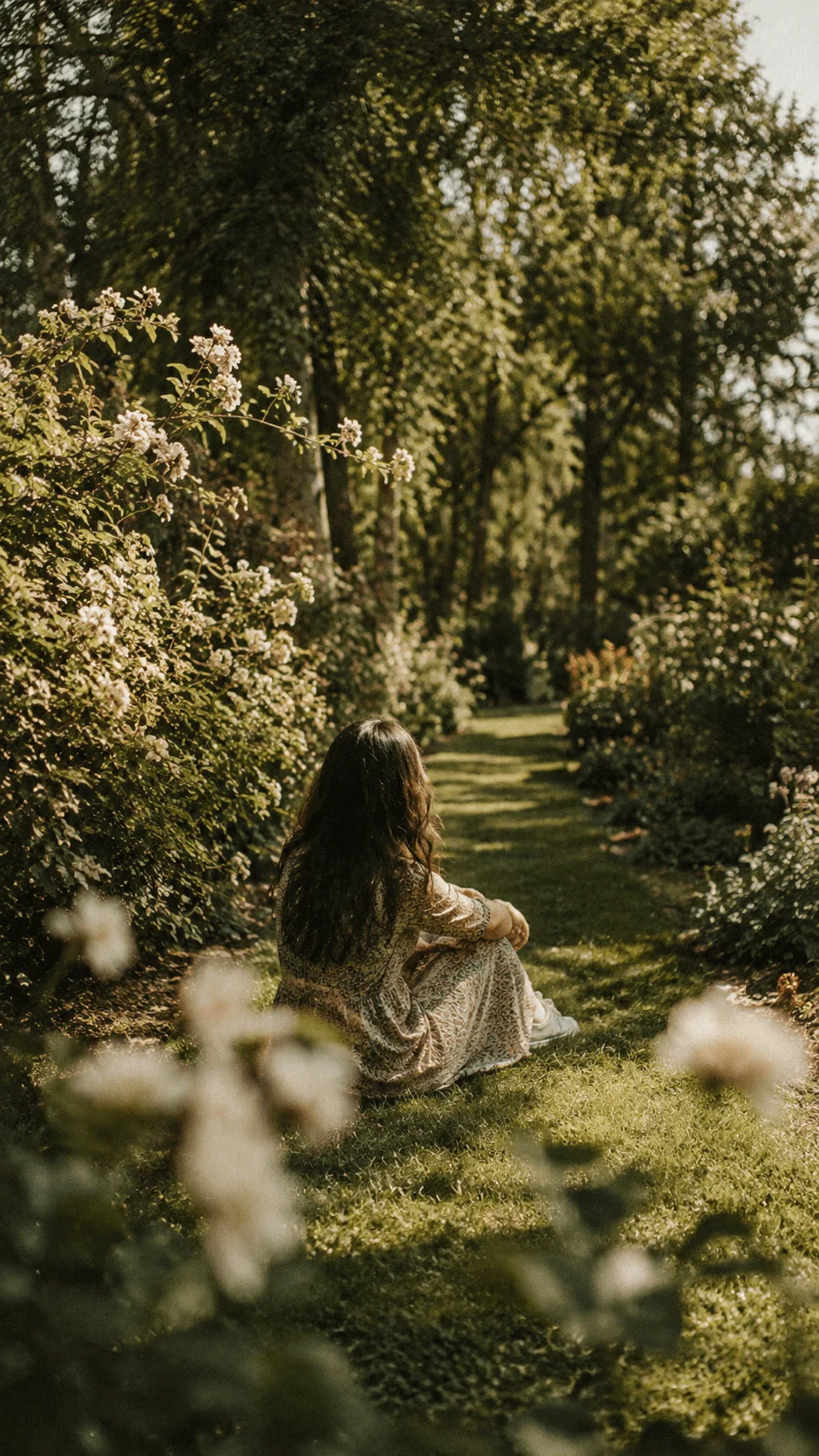
Composition can also support the vintage appearance. Try photographing through leaves, placing the subject slightly away from the center, or allowing part of the environment to remain visible around the main subject. These choices create a sense that the photograph captures a real moment rather than a carefully manufactured scene.
Digital cameras and smartphones can also produce this visual direction. Subtle editing can reduce excessive sharpness, soften contrast and introduce gentle grain. The key is restraint. Heavy effects can make the photograph look artificial, while a subtle treatment can preserve the natural appearance of the scene.
Natural Light Eco Portraits
Natural light provides one of the easiest ways to create beautiful portraits without building a complicated lighting setup. A large window, shaded garden, quiet street or open outdoor area can provide enough illumination for an attractive portrait.
Window light works particularly well because it creates direction. Positioning the subject near a window can produce gentle highlights and shadows across the face while keeping the surrounding environment visible. A simple curtain can soften direct sunlight and create a more delicate appearance.
Outdoor portraits can take advantage of golden hour, especially when the surroundings contain plants, trees or natural architecture. Warm sunlight passing through leaves can create interesting highlights in the background. A photographer can also use a nearby wall, wooden structure or garden area to create a natural frame around the subject.

The clothing and surroundings can support the overall aesthetic as well. Natural looking fabrics, earthy colors and simple accessories can complement outdoor environments without making the scene feel overly staged.
The location itself can tell part of the story. A person gardening communicates something different from a person walking through a forest or sitting beside a window with a reusable cup. These details turn a portrait into a small piece of visual storytelling.
Upcycled Prop Photography
Upcycled props can give photographs personality while encouraging photographers to look at old objects in a creative way. Materials that might otherwise be ignored can become useful visual elements.
An old wooden board can provide a textured product background. A used glass jar can hold flowers. Recycled paper can add an interesting surface beneath handmade products. Old fabric can create folds and shadows behind a still life. A weathered box can introduce depth and character into a composition.
The beauty of upcycled props often comes from their imperfections. Scratches, faded areas and irregular textures can make an image feel more authentic. A perfectly manufactured background may look clean, but an older material can tell a story.
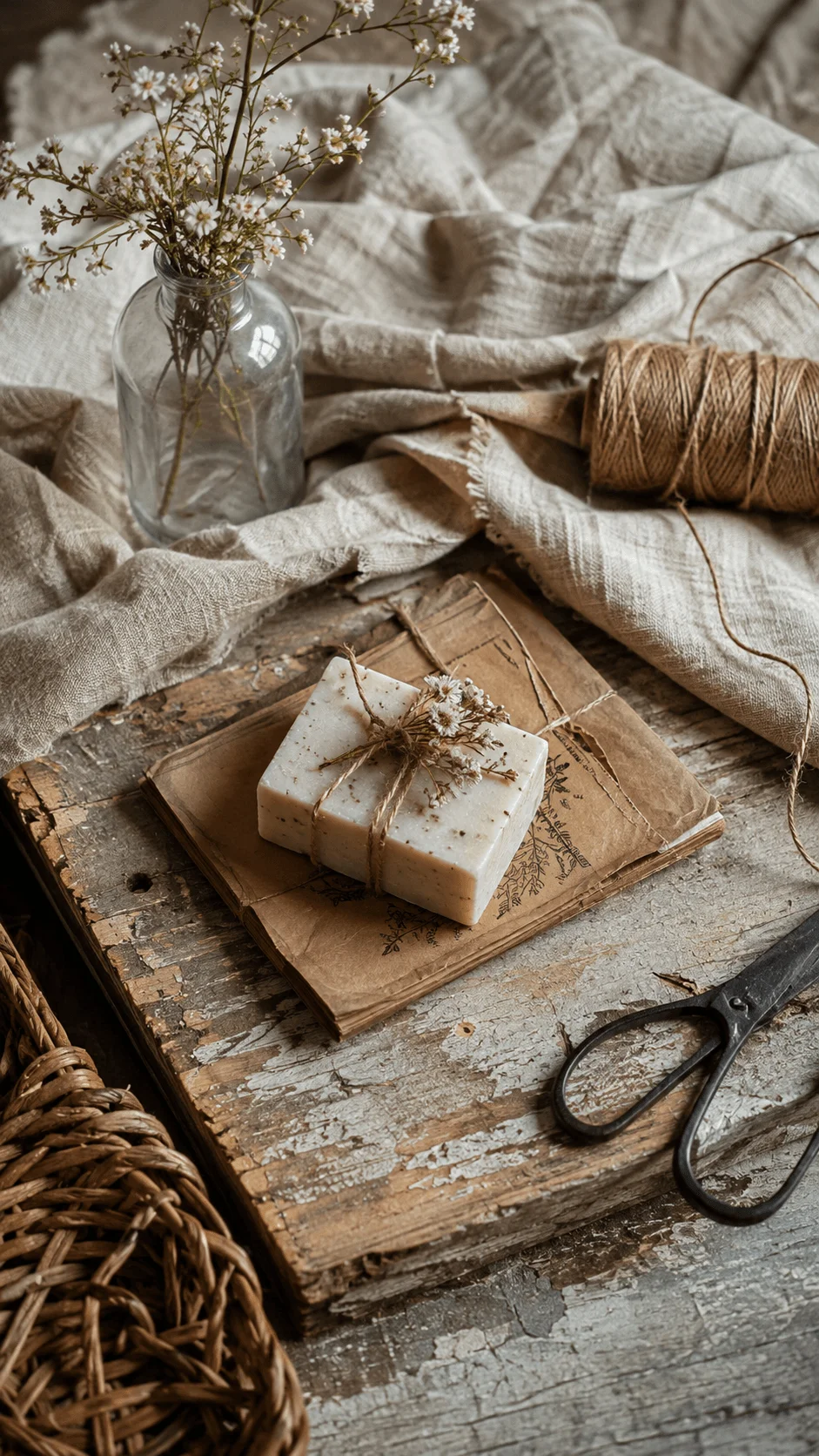
You can also use these materials for different photography styles. A small handmade product can sit on reclaimed wood. A food photograph can use an old ceramic plate. A lifestyle scene can include a vintage basket or glass container.
The important part is balance. The prop should support the subject rather than compete with it. If the main object already contains strong colors or patterns, a quieter background can create better visual harmony.
Zero Waste Still Life Photography
Still life photography provides an excellent opportunity to turn ordinary sustainable objects into beautiful visual compositions. You do not need to purchase decorative objects specifically for a photograph. Many interesting subjects already exist in the kitchen, garden or home.
Fresh vegetables can create rich natural colors. Reusable bottles can introduce simple geometric shapes. Cloth bags can provide texture. Fruits can add color and organic forms. Flowers, books, ceramics and wooden utensils can also contribute to an attractive composition.
Think about the story behind the objects. A photograph of fresh vegetables beside a reusable shopping bag can suggest mindful consumption. A collection of handmade ceramics can communicate appreciation for craftsmanship. A reusable water bottle surrounded by natural textures can create a simple sustainability focused image.

Composition makes the difference between an ordinary collection of objects and an engaging still life. Start with one main subject and then introduce supporting elements. Pay attention to height, spacing, shadows and color relationships.
Natural light can make these objects particularly appealing. Place the composition near a window and observe how the light moves across the surface. Shadows can add depth and prevent the image from appearing flat.
Botanical Shadow Photography
Plants can become both the subject and the lighting element in a photograph. Botanical shadow photography uses sunlight passing through leaves, flowers or branches to create patterns across walls, fabric, paper or other surfaces.
This technique requires very little equipment. A sunny window and a plant can provide everything needed. Move the plant closer to the surface to create sharper shapes, or increase the distance to make the shadows softer and more spread out.
Different leaves create different patterns. Large leaves can produce bold silhouettes, while smaller leaves can create delicate textures. Branches can introduce lines that guide the viewer’s eye across the composition.
You can also photograph a person or product within the botanical shadows. A simple portrait beside a sunlit plant can create an artistic atmosphere. A handmade product placed beneath leaf shadows can gain additional visual depth without requiring decorative backgrounds.
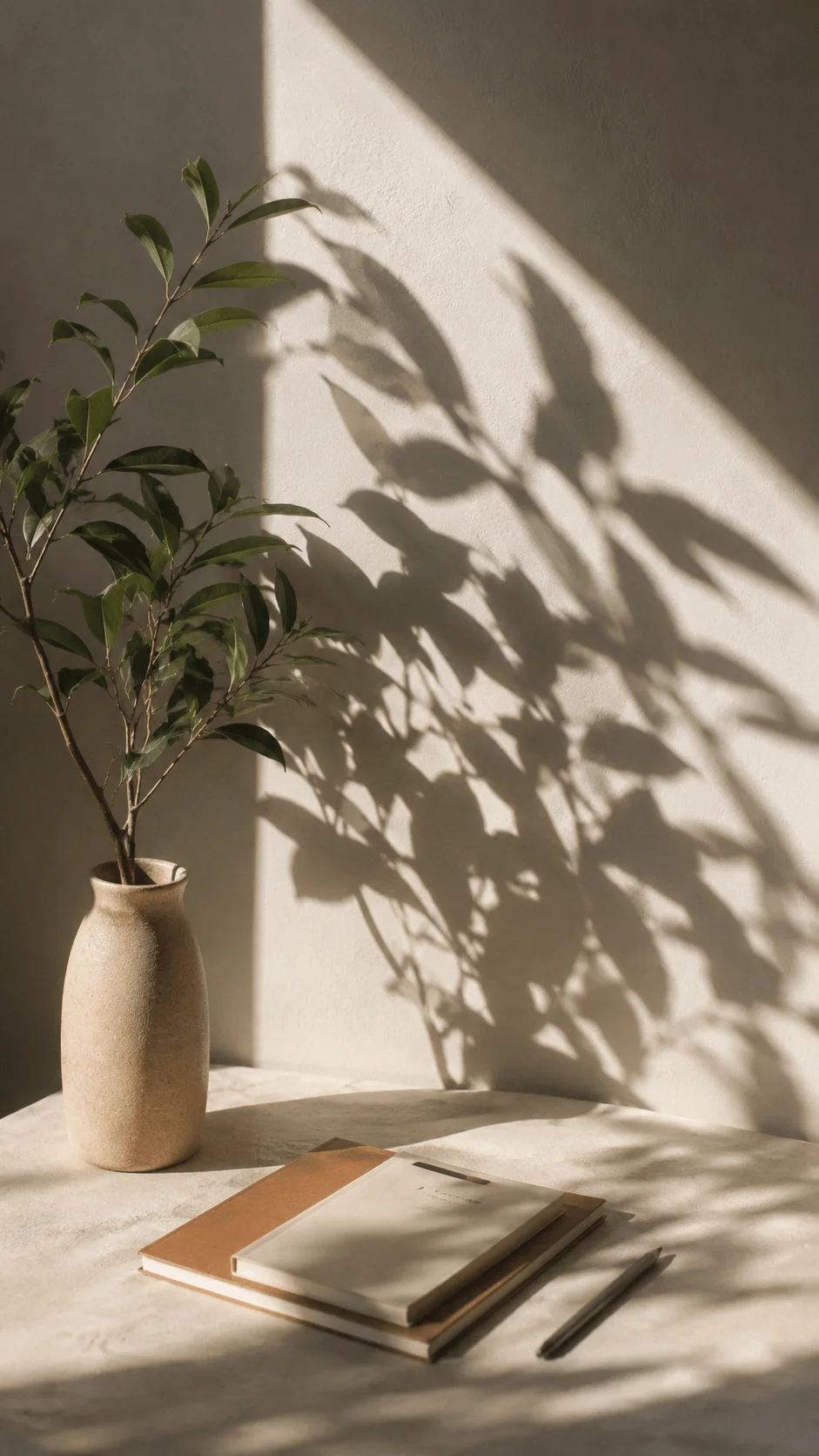
Timing matters as well. The direction and intensity of sunlight change throughout the day, so the same plant can produce completely different photographs at different times. This makes botanical shadow photography an easy technique to experiment with repeatedly.
The strongest results often come from simplicity. Let the natural shadow become the main design element instead of adding several competing objects.
Environmental Storytelling Photography
Environmental storytelling focuses on showing a subject within the place where its story naturally belongs. Rather than isolating a person, product or activity against an artificial background, the photographer allows the surroundings to communicate additional information.
A gardener working among plants can communicate a connection with nature. A handmade product photographed inside a small workshop can reveal the creative process behind it. A reusable shopping bag photographed at a local market can communicate everyday sustainable living.
This approach can also make photographs feel more authentic because the environment provides context. The viewer does not simply see an object. They see where it exists and how it fits into a larger story.
Composition becomes especially important here. Look for natural frames created by trees, doorways, windows or architectural structures. Use foreground objects to add depth and allow the background to remain visible enough to support the story.
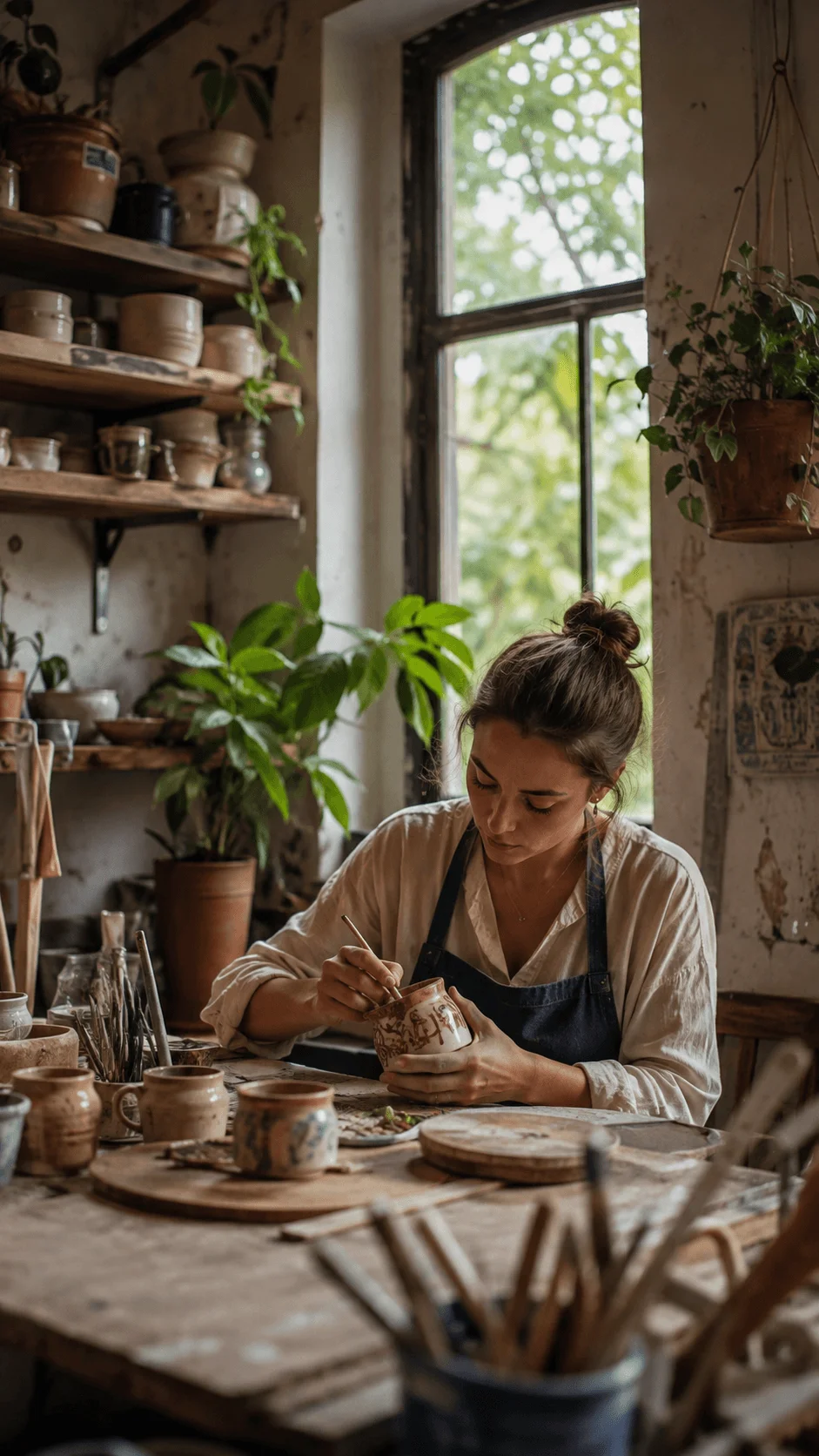
Environmental storytelling also works well with candid photography. Instead of asking a person to pose perfectly, capture natural actions such as planting, cooking, repairing, walking or creating something by hand.
This style connects strongly with modern visual preferences because it focuses on genuine moments rather than perfection. It also allows sustainability to appear naturally within the photograph instead of becoming a forced visual message.
Eco Friendly Product Photography Ideas for Natural Flat Lays
Eco friendly product photography can turn simple sustainable products into visually appealing compositions by using natural surfaces, organic textures and reusable styling elements. This approach works particularly well for handmade products, skincare, reusable household items, natural foods, candles and sustainable lifestyle products.
Instead of building a complicated studio background, look around your home or workspace for materials that already have visual character. A wooden table can create warmth, while a stone surface can provide a clean and earthy appearance. Linen fabric can introduce soft folds, and a ceramic plate can provide an attractive base for smaller objects.
Natural light can make these materials look even more interesting. Place the product close to a window and observe how the light interacts with its shape. Gentle shadows can create depth, while stronger side lighting can emphasize texture.
The arrangement should also feel intentional. Place the main product where the viewer notices it first, then use supporting elements to guide attention toward it. A few leaves, natural fibers or pieces of fruit can add context without overwhelming the composition.

This technique works especially well for sustainable brands because the visual style reinforces the message behind the product. A reusable bottle photographed with natural textures feels connected to everyday sustainability. Handmade soap photographed on a wooden surface can communicate craftsmanship and simplicity.
The most effective eco friendly aesthetic photography ideas often work because they make sustainability visible through the visual environment rather than relying on excessive text or decoration.
Slow Living Photography
Slow living photography focuses on ordinary moments that communicate simplicity, mindfulness and a connection with everyday surroundings. It can include gardening, preparing food, reading beside a window, walking outdoors, repairing clothing, making handmade items or enjoying time in a natural environment.
The appeal comes from authenticity. Instead of constructing an elaborate scene, photographers can document activities that already happen naturally. This reduces the need for purchased props while creating photographs with a stronger sense of personal storytelling.
Consider photographing someone planting herbs in a small garden. The soil, gardening tools, plants and natural light already create a complete visual environment. There is no need to add numerous decorative elements.
Cooking provides another opportunity. Fresh vegetables, wooden utensils, ceramic dishes and natural fabrics can create a warm composition. Photographing the preparation process rather than only the finished meal can make the story feel more engaging.
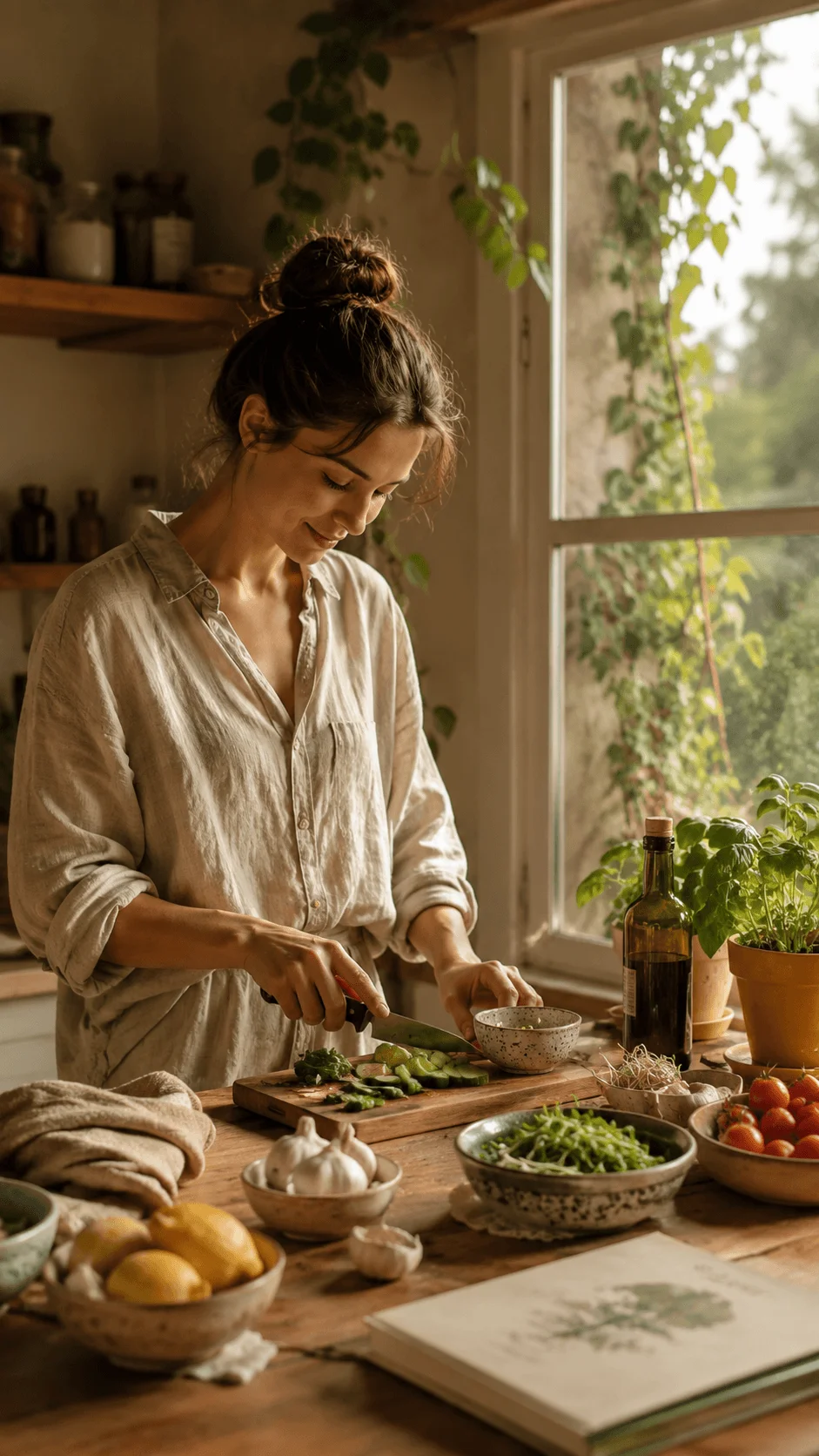
Movement can also improve slow living photography. A person watering plants, opening curtains or carrying a reusable shopping bag creates a sense of life within the frame. Slight movement can make an image feel spontaneous rather than carefully staged.
Lighting should remain natural whenever possible. Early morning light can create a quiet atmosphere, while late afternoon light can make outdoor scenes feel warmer. Soft shadows can help maintain the relaxed character of this visual style.
Slow living photography also works beautifully for social media because each photograph can communicate an entire lifestyle through small details. A simple cup of tea beside a window can suggest relaxation, while a basket of locally grown vegetables can communicate a connection with seasonal living.
Nature Texture Macro Photography
Nature provides an enormous collection of textures that photographers can explore without purchasing additional backgrounds or props. Bark, moss, leaves, stones, flowers, seeds, soil, water and natural fibers can all become fascinating subjects when photographed closely.
Macro photography allows viewers to notice details that often disappear when looking at nature from a distance. The rough surface of tree bark can resemble an abstract pattern. Tiny drops of water can transform a leaf into a collection of reflective shapes. The veins of a leaf can create delicate lines across the frame.
Lighting determines how strongly these textures appear. Side lighting can emphasize raised surfaces and create shadows between small details. Soft overcast light can produce a gentler appearance when the subject contains delicate colors.
You can also experiment with focus. A shallow depth of field can isolate one small section of a plant or natural object while allowing the surrounding details to fade softly into the background.
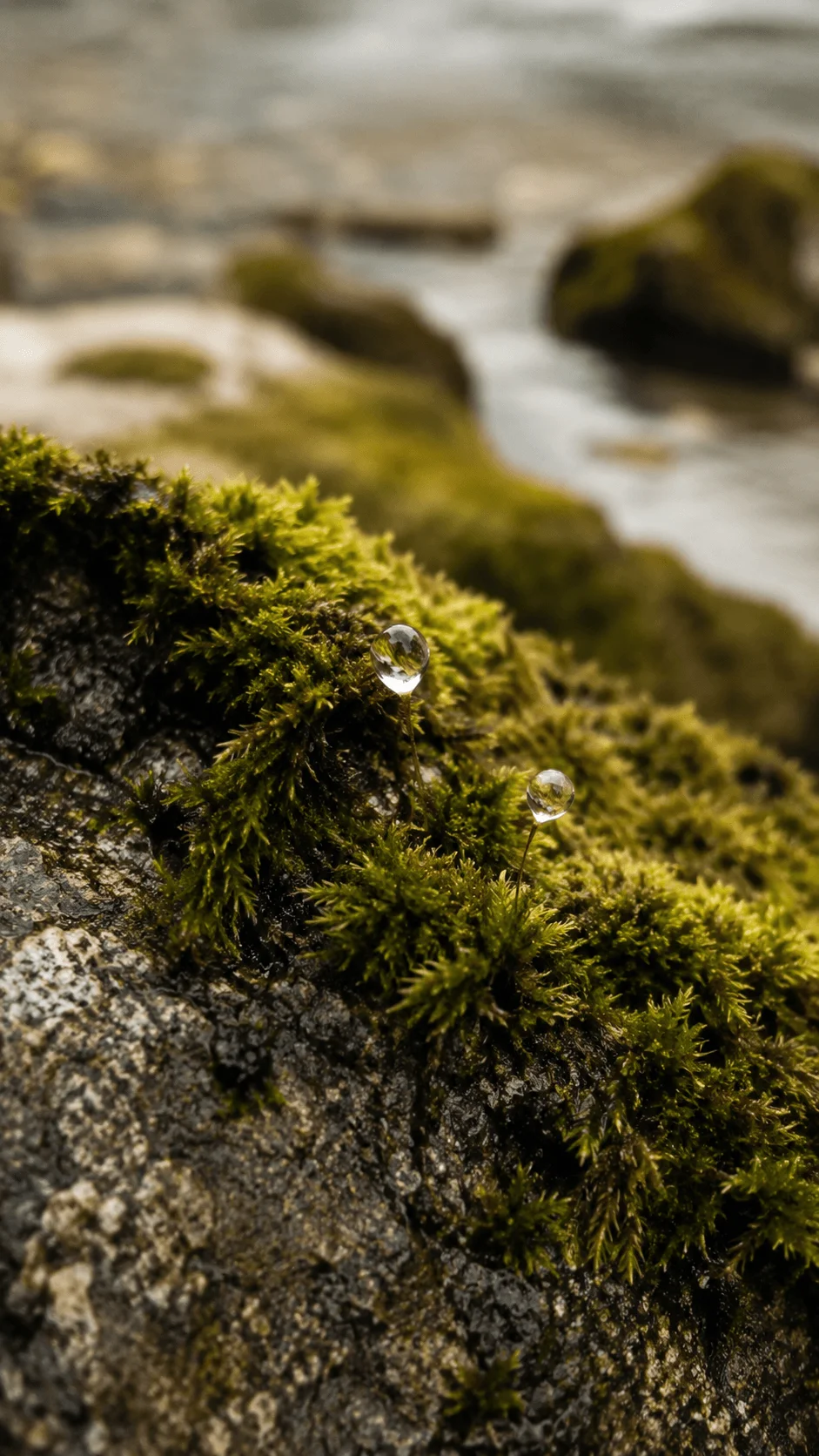
Color relationships are another important part of the composition. A deep green leaf against a muted brown surface creates a natural palette. A pale flower against dark soil creates stronger contrast. Even small changes in background color can dramatically affect the mood.
The biggest advantage of this photography style is its simplicity. A photographer can step into a garden, park or natural area and discover dozens of potential subjects without creating a studio setup.
When photographing natural environments, however, it is important to avoid damaging plants or disturbing wildlife. Photograph what already exists rather than removing or rearranging natural elements unnecessarily.
Vertical Eco Storytelling
Vertical photography has become increasingly important because people consume a large amount of visual content on phones and social platforms. A vertical frame can also create a strong storytelling structure by giving the photographer more room to arrange foreground, subject and background elements.
A tall composition works particularly well for plants, trees, people and products. For example, a reusable bottle can sit near the bottom of the frame while leaves create a natural frame around it. A person walking through a garden can appear between tall plants, creating depth from top to bottom.
Vertical photography also provides useful negative space. A person can occupy one portion of the frame while a large area of sky, wall or foliage remains open. This can make the image feel calm and provide space for text when the photograph becomes part of a Pinterest graphic or social media design.
Natural framing can make vertical images more dynamic. Trees, doorways, curtains and tall plants can create lines that naturally guide the viewer toward the subject.
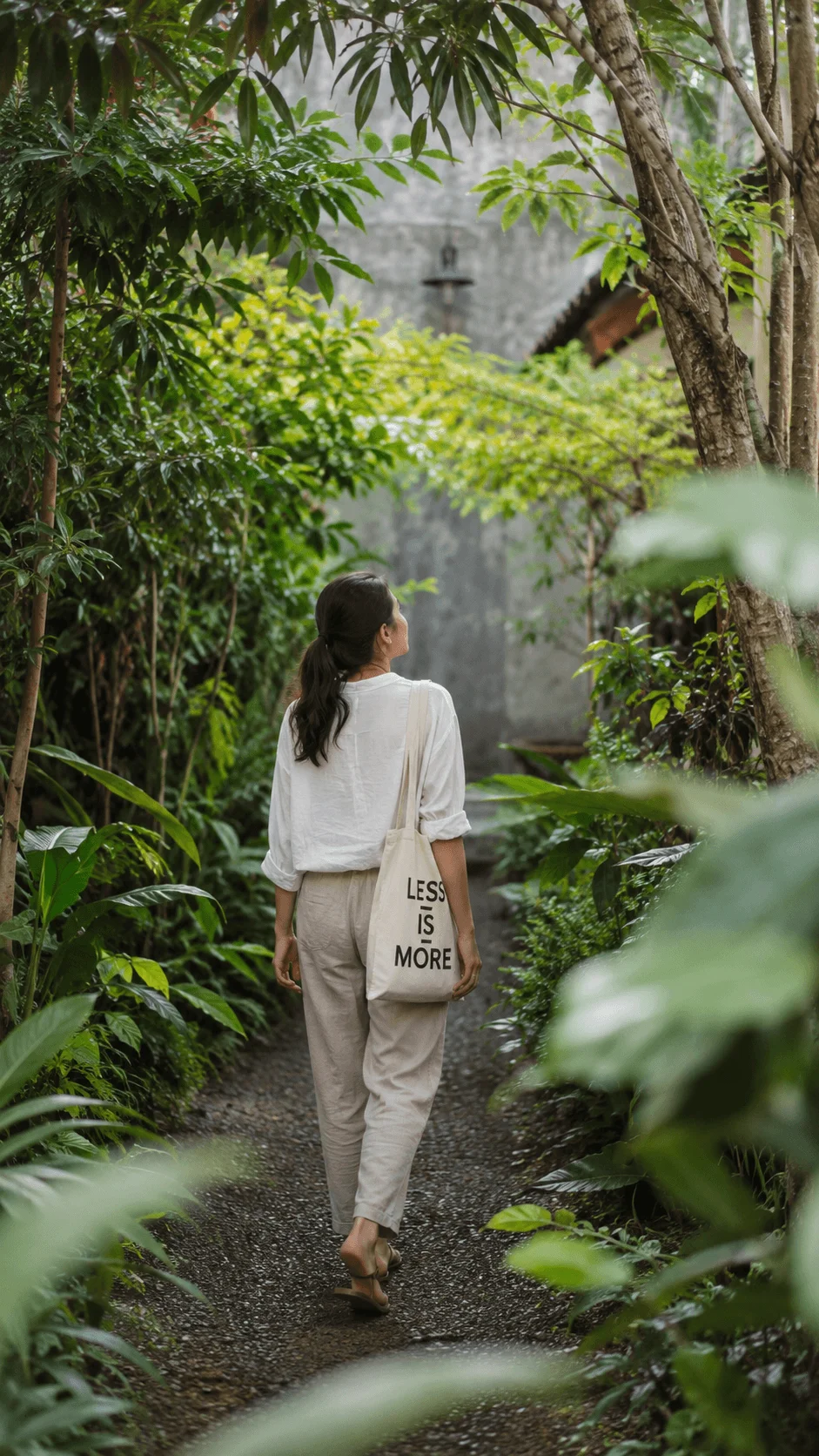
You can also use layers. Place a slightly blurred leaf or branch close to the camera, position the subject in the middle distance and allow the natural environment to remain visible behind it. This creates depth without artificial backgrounds.
The strongest vertical compositions still need a clear focal point. A tall photograph should not simply contain more objects. Every element should contribute to the story or visual balance.
Imperfect Eco Photography
Modern photography does not always need to look perfectly polished. Slight imperfections can create personality and make photographs feel more genuine.
Natural motion, subtle blur, film inspired grain, uneven textures, spontaneous expressions and imperfect framing can all contribute to this aesthetic. These characteristics can be particularly effective when photographing everyday sustainable lifestyles.
Imagine a photograph of someone walking through a garden with slight movement in their clothing. The image may not have the technical perfection of a carefully posed portrait, but the movement can make the moment feel alive.
The same principle applies to still life photography. A slightly uneven handmade ceramic bowl can be more visually interesting than a perfectly manufactured object because its surface contains evidence of craftsmanship.
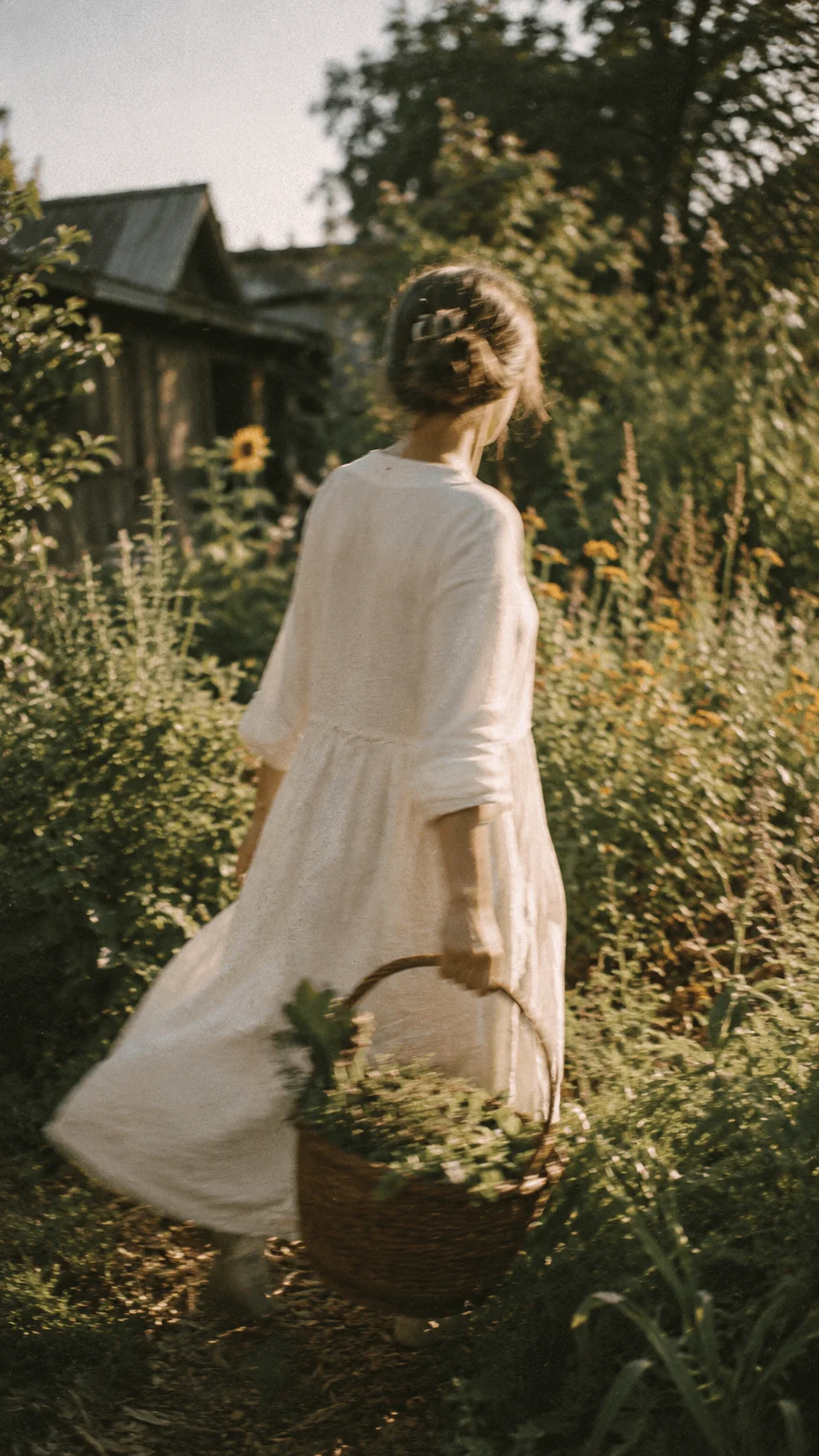
Imperfect photography also encourages experimentation. Instead of deleting every photograph that contains a small visual irregularity, consider whether that characteristic contributes to the mood.
This approach can reduce the pressure to create flawless images with extensive editing and elaborate setups. It encourages photographers to work with what is already available and to recognize beauty in natural variation.
The goal is not to deliberately create poor quality photographs. Focus, exposure and composition still matter. The difference is that the photographer allows authentic details to remain instead of removing every sign of real life.
How to Create a Consistent Eco Aesthetic
Creating individual beautiful photographs is one thing, but developing a recognizable visual identity requires consistency. Photographers can establish this identity through repeated choices involving color, lighting, texture and composition.
Start by selecting a small group of colors that naturally appear in your preferred subjects. Earthy greens, warm browns, soft whites and muted beige can create a recognizable foundation.
Lighting should also remain relatively consistent. If your visual identity depends on soft natural light, continue using similar lighting conditions across different sessions. This helps photographs feel connected even when the subjects change.
Textures can become another signature element. You might regularly use wood, linen, stone or natural foliage. These materials can appear in different forms while maintaining a consistent visual character.
Composition matters just as much. Some photographers may prefer large areas of negative space, while others may favor layered environmental scenes. Choose a style that feels natural and repeat the principles rather than copying the same arrangement.
Consistency does not mean making every photograph identical. The purpose is to create recognizable visual relationships while allowing each image to tell its own story.
More Eco Friendly Photo Ideas for Creative Storytelling
Sustainable photography becomes more interesting when photographers move beyond obvious nature subjects. Everyday environments can provide countless opportunities for visual storytelling.
A local market can become a colorful setting for lifestyle photography. A small workshop can reveal the process behind handmade products. A community garden can provide portraits, environmental scenes and detailed nature images. A bicycle parked beside an old building can create a simple urban sustainability story.
Local environments are particularly valuable because they reduce the need for unnecessary travel. Photographers can explore familiar places from new perspectives instead of constantly searching for distant locations.
Seasonal storytelling can also create a strong collection. Photograph the same garden during different seasons, documenting changes in plants, colors and light. This approach creates a visual narrative while encouraging photographers to pay closer attention to their surroundings.
You can also photograph sustainable habits without making the images feel instructional. Someone carrying a reusable bag, repairing an old item or growing herbs can become part of an authentic lifestyle photograph.
The strongest images often focus on the human experience behind sustainability. Rather than simply photographing an object, show how someone uses it in everyday life.
Conclusion
The best eco friendly aesthetic photography ideas do more than create attractive photographs. They encourage photographers to notice beauty in natural materials, everyday environments, authentic moments and simple compositions. Wood, stone, plants, sunlight, handmade objects and ordinary sustainable habits can provide enough visual material for an entire photography collection.
The growing interest in natural colors, analog inspired textures, environmental storytelling and imperfect imagery makes this approach particularly relevant in 2026. Photographers do not need elaborate sets or constantly changing props to create compelling work. A thoughtful composition and a strong understanding of light can transform simple surroundings into memorable photographs.
Whether you prefer earthy minimalism, botanical shadows, slow living scenes, macro textures or environmental portraits, sustainability can become part of your creative identity. Start by exploring what already surrounds you. Experiment with natural light, reusable materials and local environments, then develop a visual style that feels authentic to your work.
Ultimately, sustainable photography is not about limiting creativity. It is about discovering more creative possibilities in the materials, places and moments that already exist.