Sustainability Wall Design Ideas for 2026
Sustainable design is no longer a secondary consideration in interiors. In 2026 it has become the foundation of how spaces are imagined, built, and experienced. People are moving away from purely decorative choices and leaning toward materials and ideas that reflect awareness, responsibility, and long term value. Walls are at the center of this shift because they define the mood, texture, and identity of a space more than any other surface.
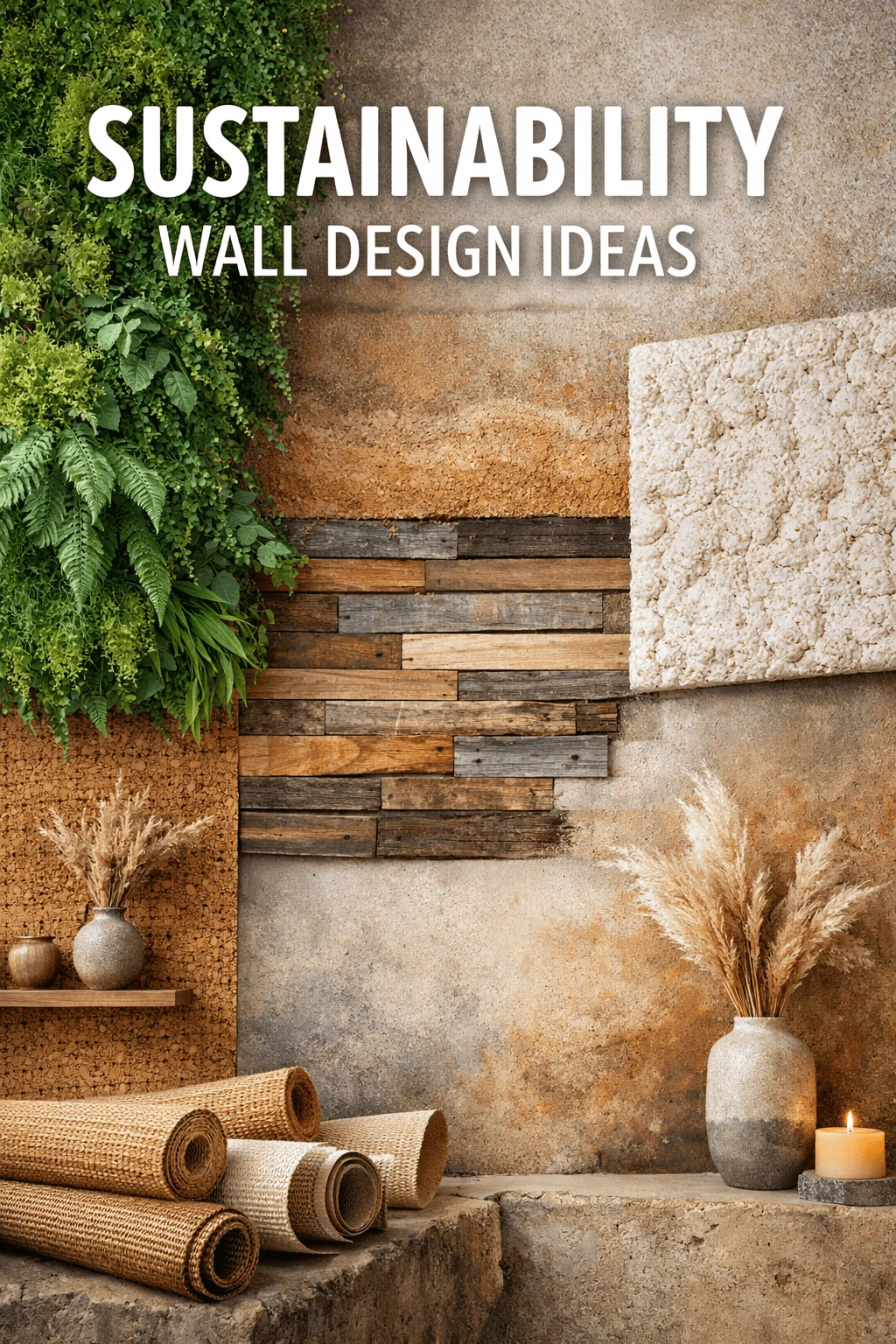
What makes this transformation interesting is that sustainability is no longer about compromise. It is now about elevation. Eco conscious walls are richer in texture, deeper in meaning, and more emotionally engaging than traditional flat painted surfaces. They feel alive, grounded, and connected to nature.
This article explores the most relevant sustainability wall design ideas for 2026, focusing on concepts that combine aesthetics, innovation, and environmental responsibility.
Living Green Walls and Biophilic Surfaces
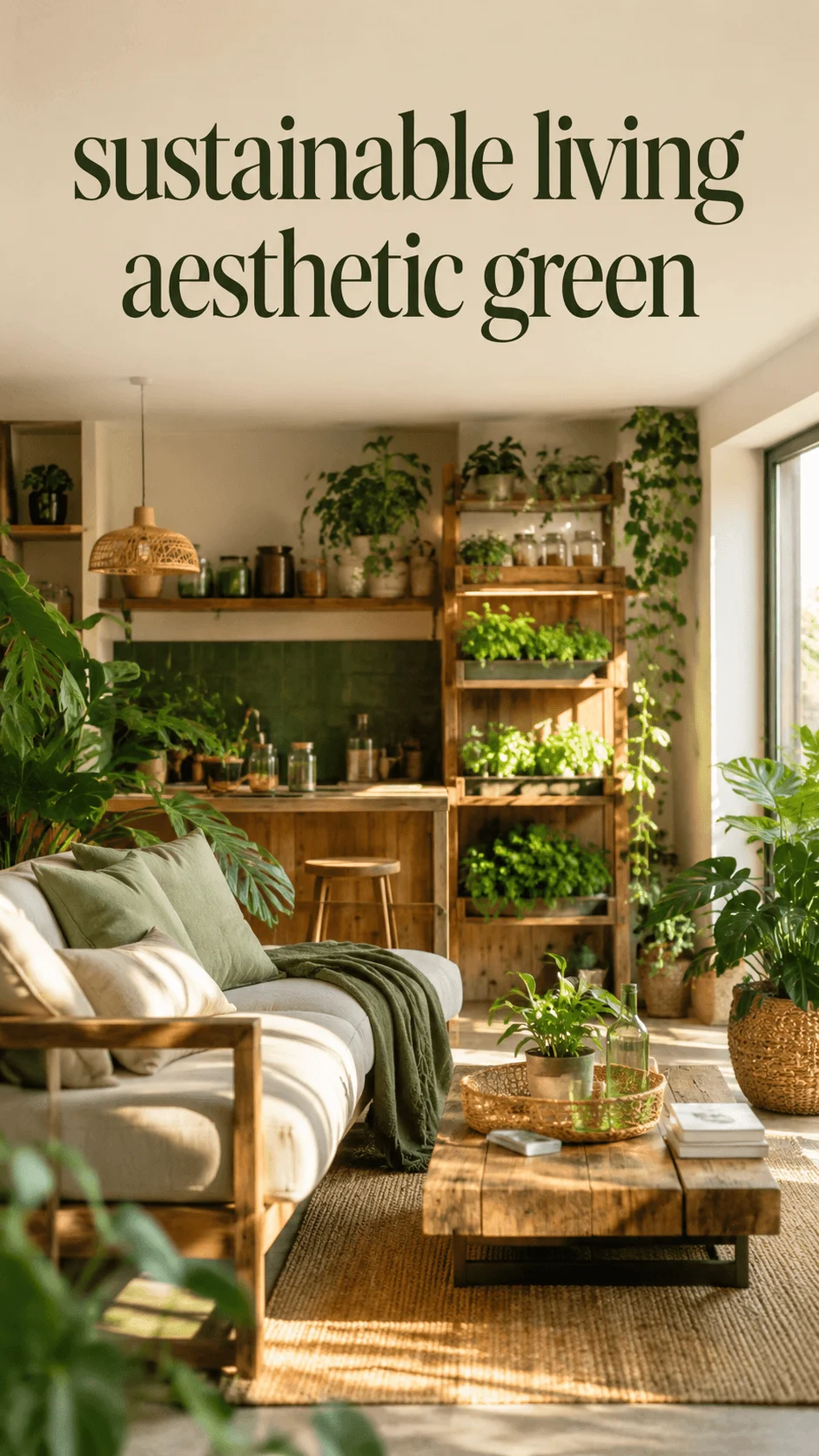
Living walls bring actual plant life into interior spaces, turning vertical surfaces into ecosystems. This idea goes beyond decoration and becomes an experience. The presence of greenery introduces movement, subtle changes in color, and a sense of life that static materials cannot replicate.
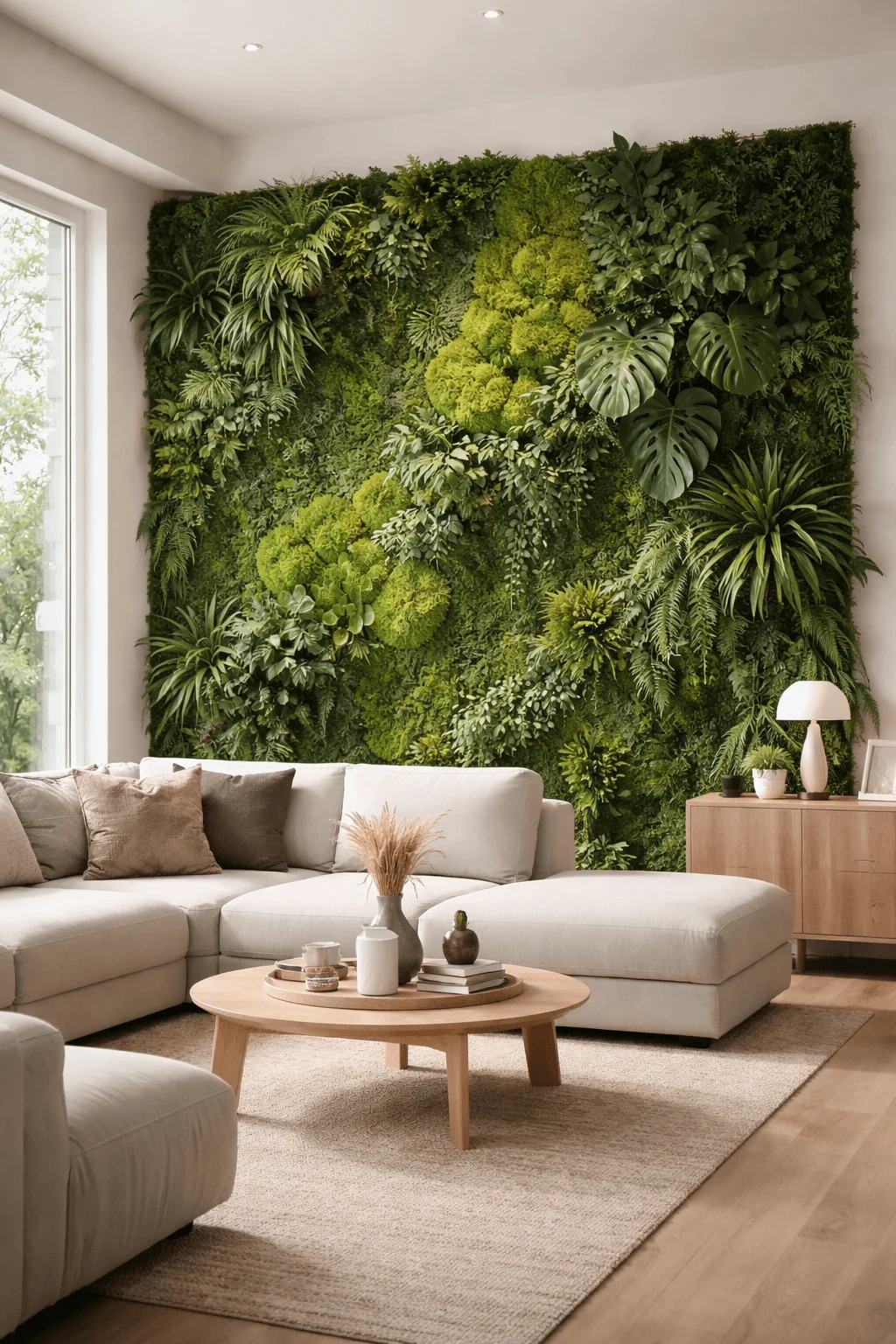
In 2026, these walls are being designed more intentionally. Instead of dense plant arrangements, designers are creating curated compositions that balance openness and texture. Preserved moss walls are also gaining attention because they offer the same visual softness without requiring maintenance.
These walls work particularly well in spaces where people spend long hours, such as living rooms and offices, because they create a calming environment that reduces visual fatigue.
Cork Walls as Functional Texture
Cork walls are gaining popularity because they combine sustainability with practicality. The material is harvested in a way that allows trees to continue growing, making it a renewable choice that does not deplete natural resources.
What makes cork especially interesting is its tactile quality. It adds warmth and softness to a space while also improving acoustics. In modern interiors, cork is no longer used as a simple board but as a full wall treatment with subtle patterns and tonal variations.
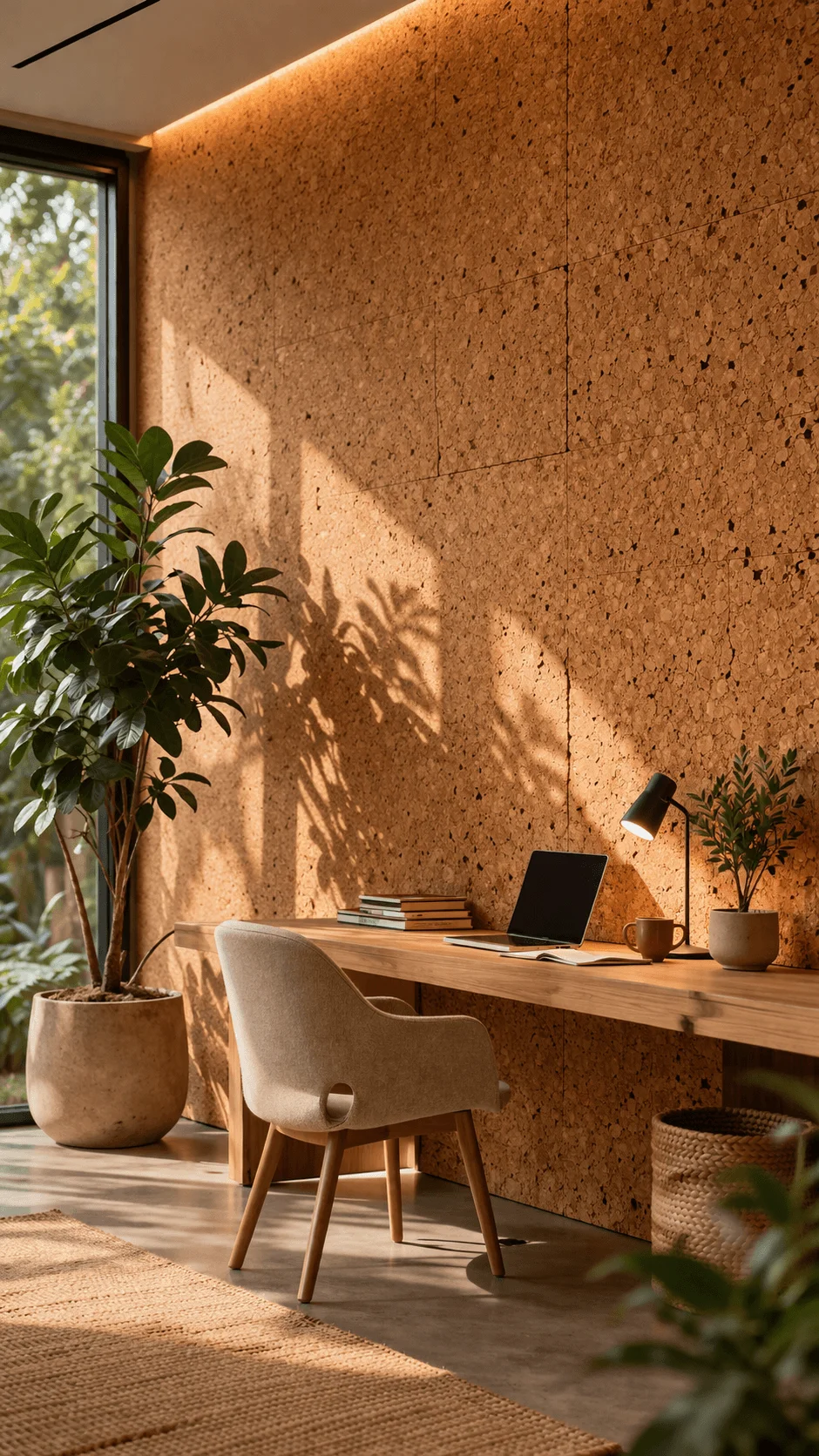
Designers are using cork to create spaces that feel quiet and grounded, especially in environments where focus and comfort are important.
Clay and Limewash Walls with Organic Depth
Clay and limewash finishes are redefining how walls are perceived. Instead of appearing flat and uniform, these surfaces have depth, movement, and variation. Light interacts with them differently throughout the day, creating a dynamic visual experience.
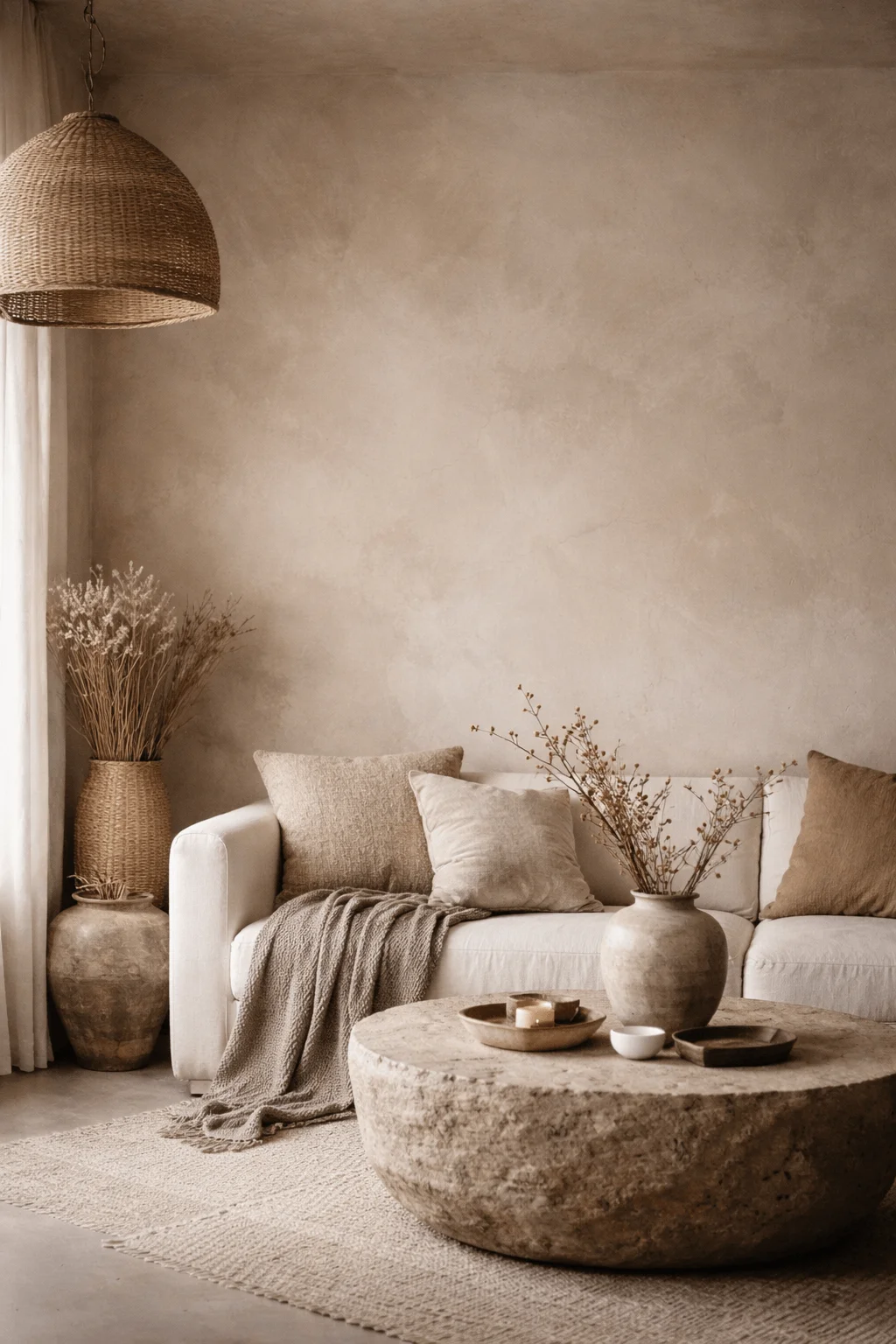
These finishes are appreciated not only for their appearance but also for their breathable and non toxic nature. They contribute to healthier indoor air quality and create a more natural atmosphere.
In 2026, the trend is shifting toward softer, more muted tones that reflect elements like soil, stone, and sand. This creates a connection to nature that feels subtle yet powerful.
Recycled Wood Feature Walls with Story and Character
Recycled wood walls bring history into modern interiors. Each piece carries marks, textures, and variations that cannot be replicated by new materials. This creates a sense of authenticity that is highly valued in contemporary design.
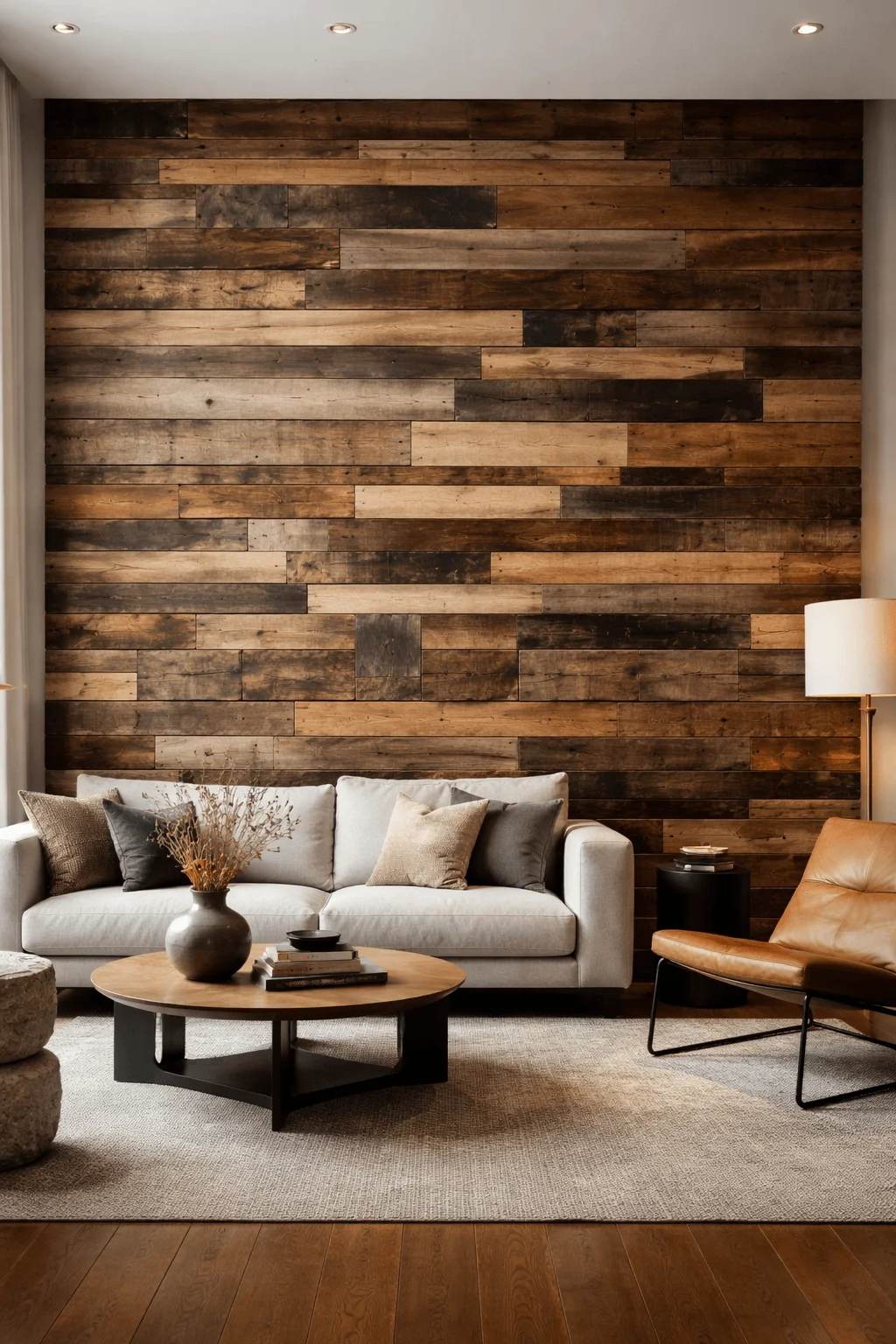
Rather than using wood in a traditional rustic way, designers are arranging reclaimed pieces in clean, structured patterns. This combination of raw material and modern composition creates a balance between past and present.
These walls are often used as focal points, drawing attention without overwhelming the space.
Mycelium Panels and Bio Based Materials
Mycelium panels represent a new direction in sustainable design. Grown from natural processes, they offer a material solution that is both innovative and environmentally responsible.
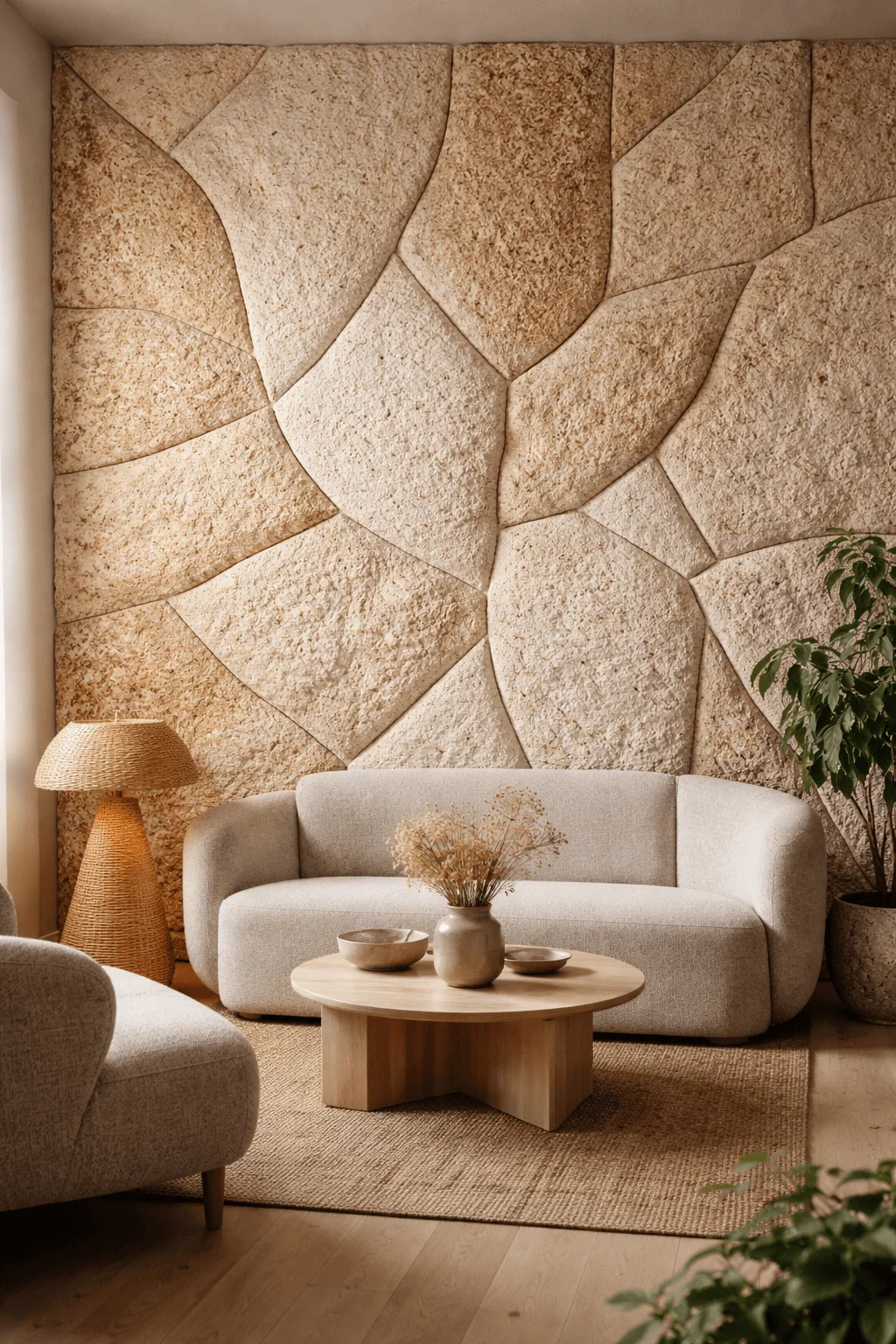
Their texture is soft yet structured, giving walls a unique organic appearance. What makes them especially appealing is the idea that they can return to the earth without causing harm.
As this material becomes more accessible, it is expected to move from experimental spaces into mainstream interiors, redefining what wall surfaces can be.
Textured Eco Wallpapers with Natural Fibers
Wallpaper is evolving into a more tactile and material driven element. Instead of printed designs alone, the focus is on the physical texture created by natural fibers such as grass, linen, and recycled paper.
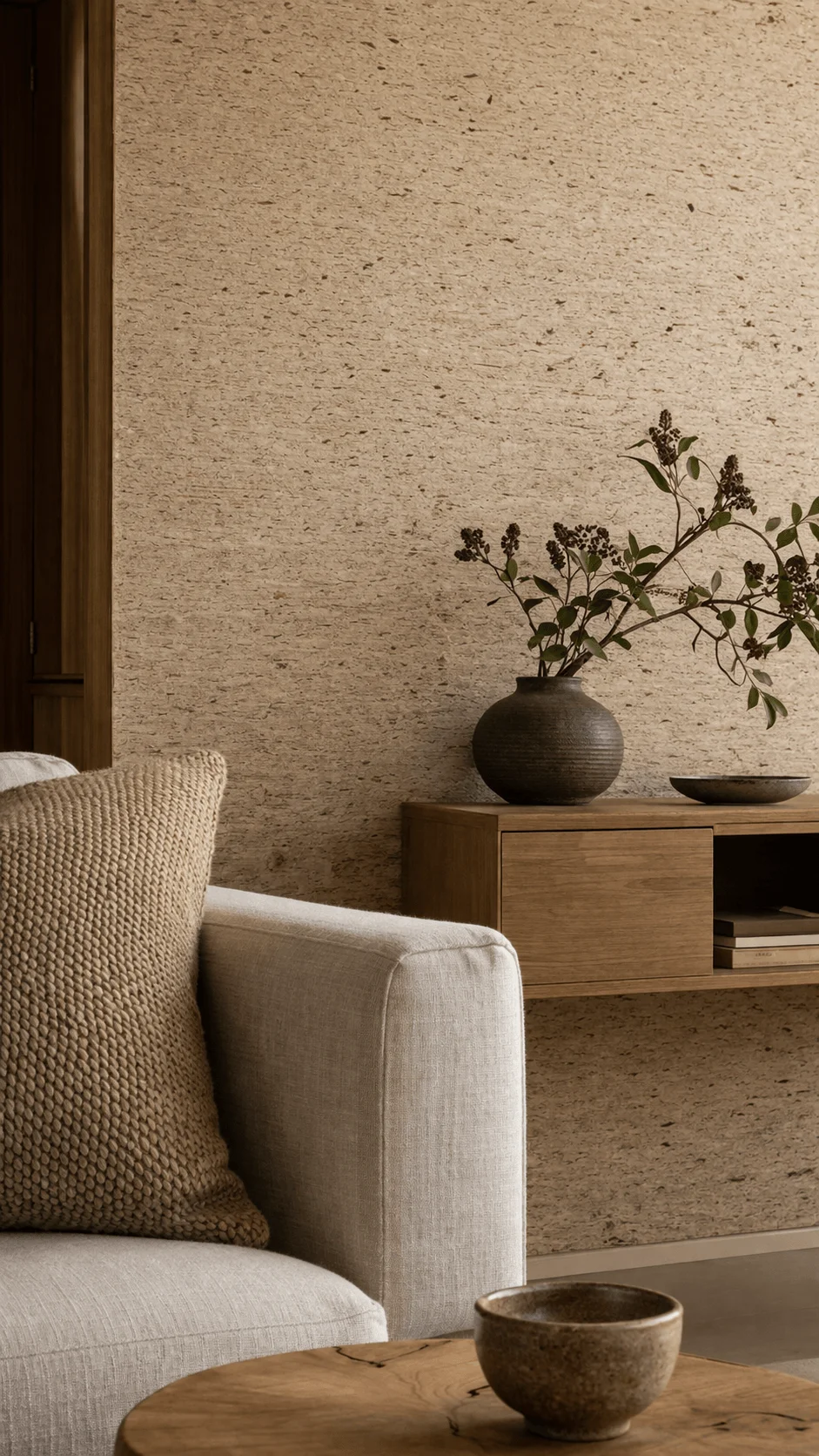
These wallpapers add depth without requiring heavy construction changes. They are being used to create subtle yet impactful backgrounds that enhance the overall atmosphere of a room.
In 2026, the emphasis is on understated elegance, where texture speaks louder than bold patterns.
Large Scale Eco Murals as Storytelling Elements
Murals are becoming more intentional and meaningful. Instead of decorative images, they are used to tell stories about nature, sustainability, and the environment.
These walls often feature landscapes, abstract interpretations of natural elements, or symbolic representations of ecological themes. They create an immersive experience that transforms how a space is perceived.
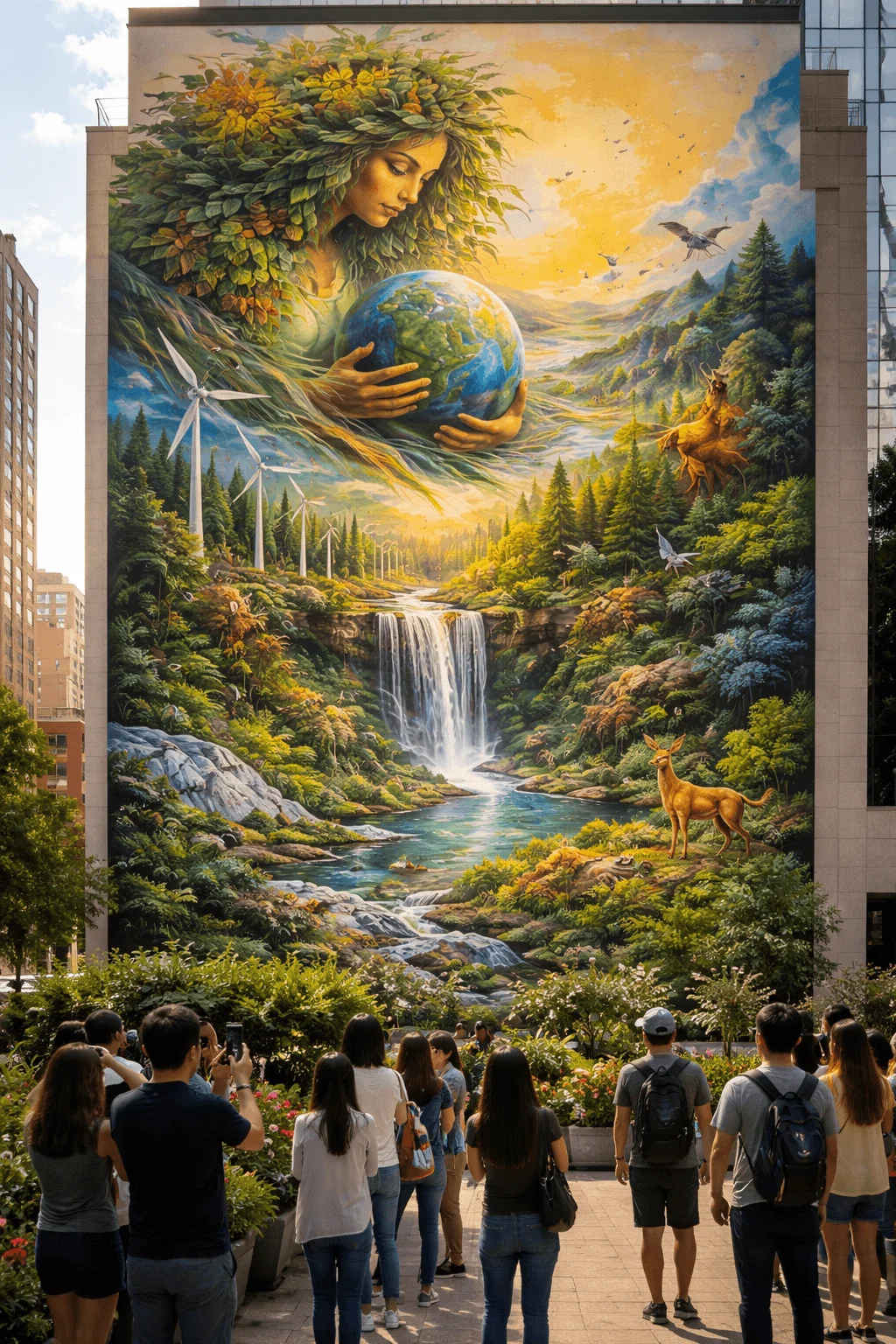
This approach is especially effective in creative environments where visual inspiration plays a key role.
Modular Wall Systems for Flexibility
Modular walls are designed to adapt over time. Instead of committing to a permanent design, these systems allow sections to be replaced, rearranged, or updated.
This reduces waste and supports a more sustainable approach to design. It also allows interiors to evolve without requiring complete renovations.
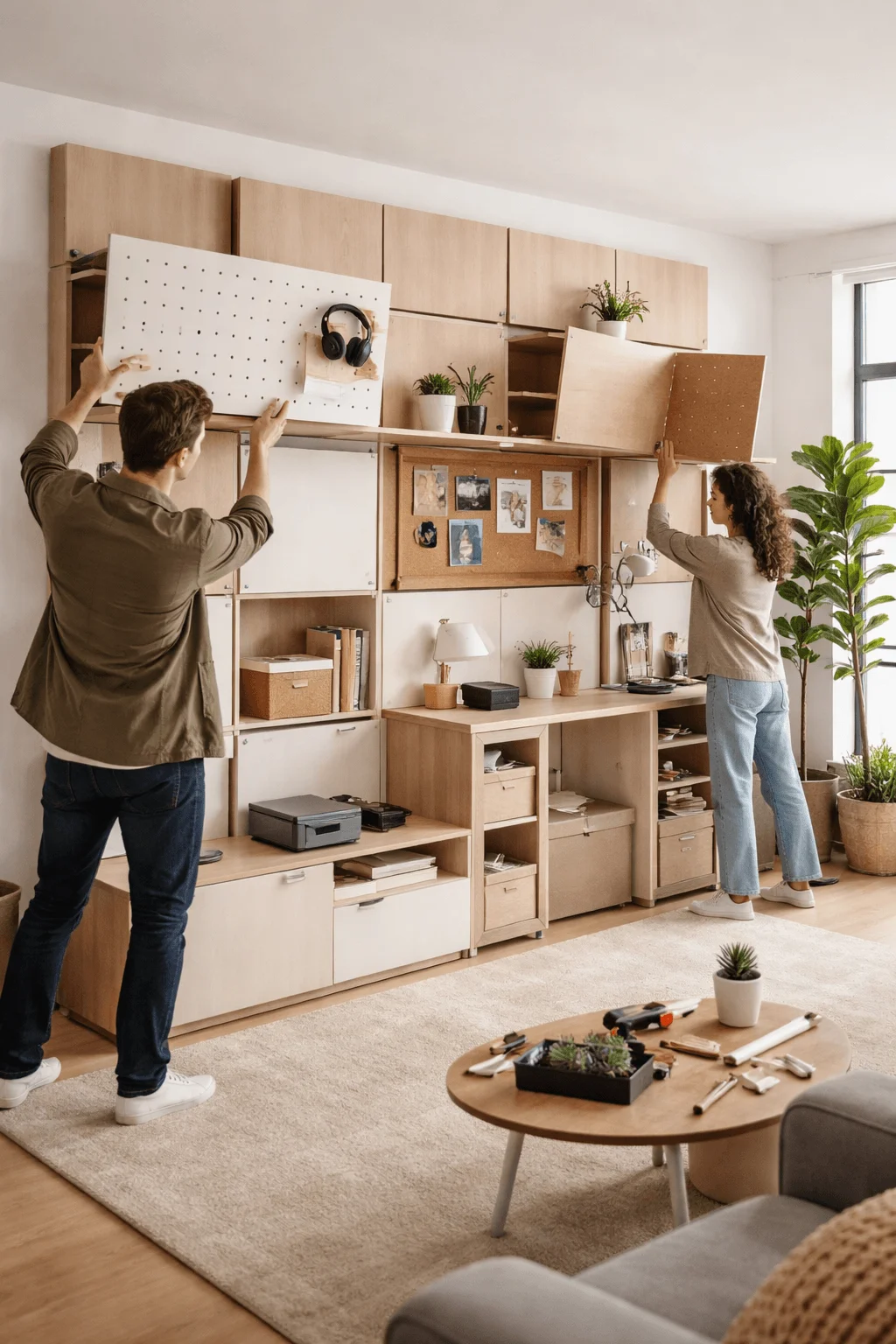
The flexibility of modular systems makes them ideal for people who want their spaces to grow and change with their needs.
Acoustic Panels Made from Recycled Materials
Acoustic panels are no longer purely functional. In 2026 they are designed to be visually engaging while also improving sound quality.
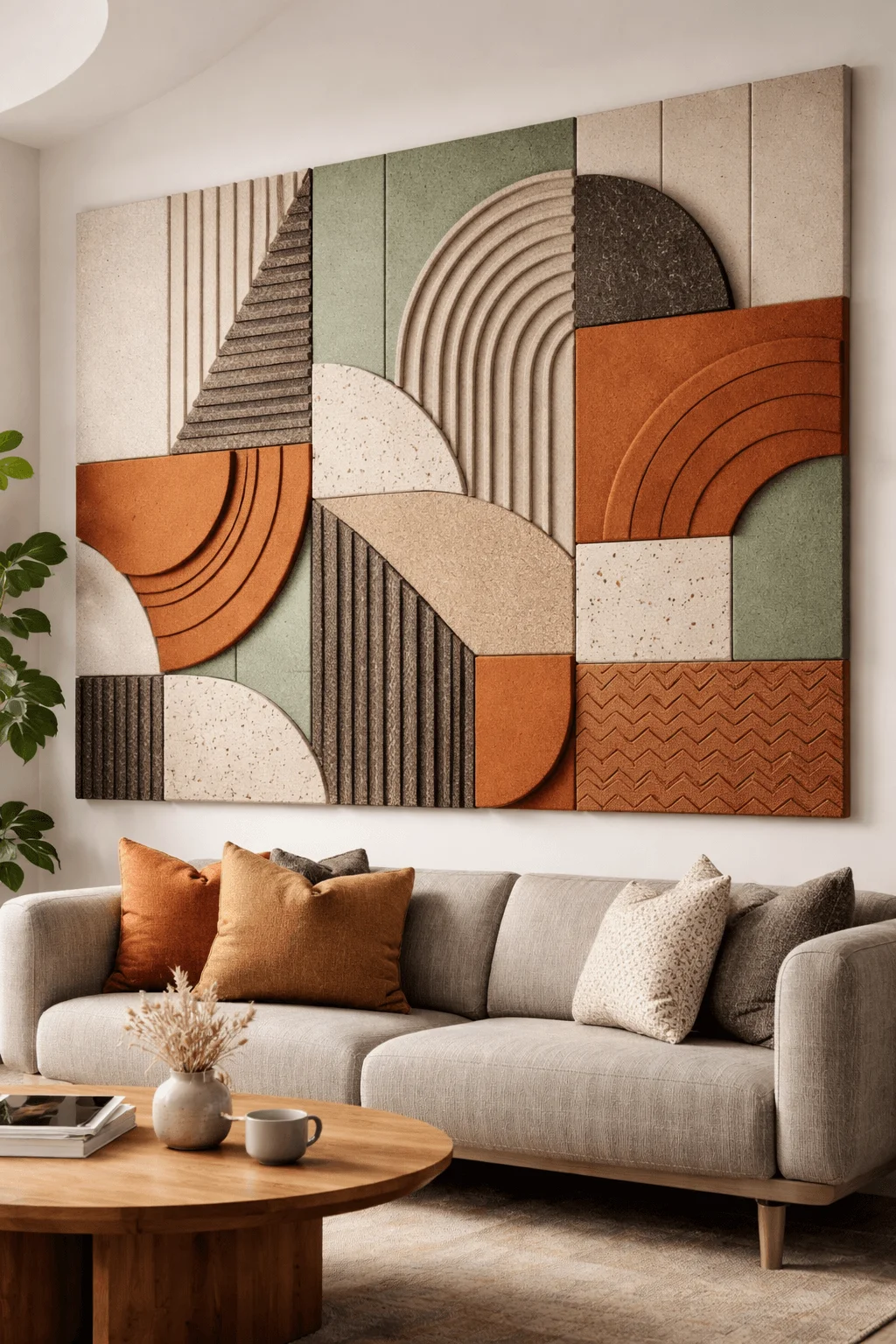
Made from recycled materials, these panels often feature geometric patterns and layered compositions. They add both visual interest and comfort to a space.
This dual purpose makes them particularly valuable in modern open plan interiors.
Bamboo Wall Cladding with Natural Elegance
Bamboo is becoming a preferred material because of its rapid growth and renewable nature. Its clean lines and natural tones make it suitable for a wide range of interior styles.
When used as wall cladding, bamboo creates a sense of continuity and flow. It brings warmth without feeling heavy and adds a refined natural texture.
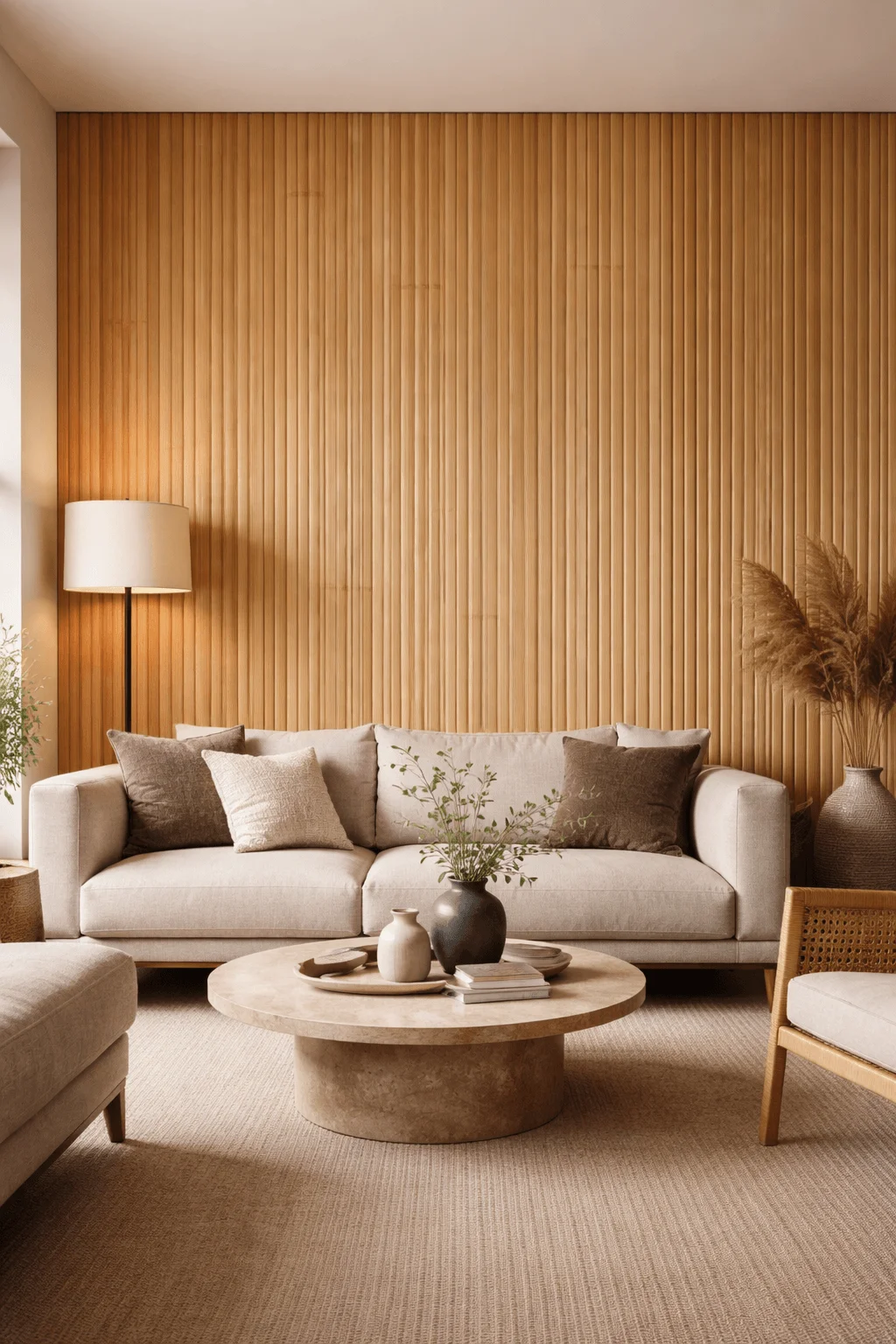
This makes it a versatile option for both minimalist and more expressive interiors.
Upcycled Art Walls with Creative Expression
Upcycled art walls transform discarded materials into meaningful design elements. This approach celebrates creativity and challenges the idea of waste.
These walls often feature unexpected combinations of materials, creating compositions that feel unique and personal. They are not just decorative but also symbolic, representing a shift toward more conscious living.
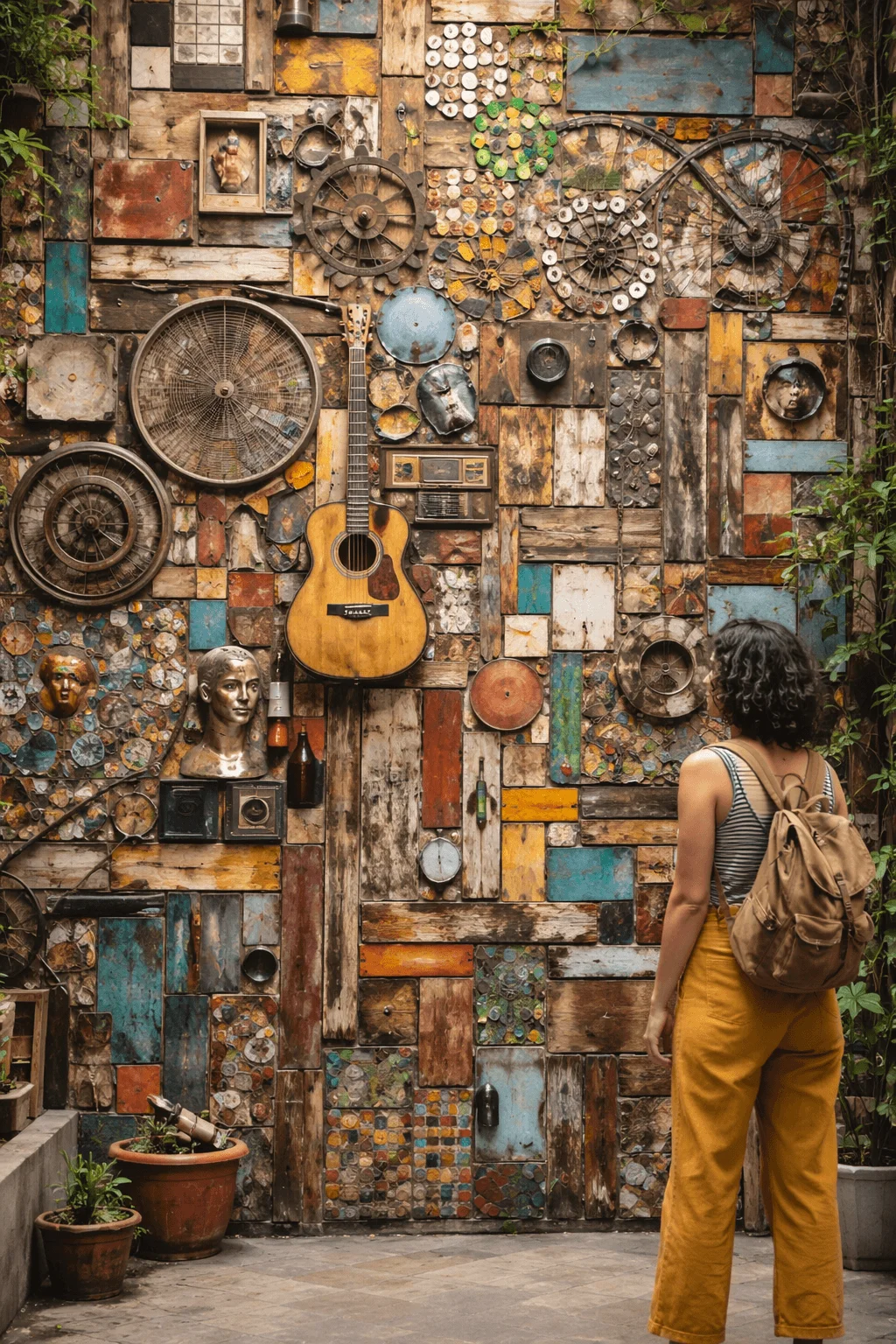
This idea resonates strongly with audiences who value originality and sustainability.
Earth Tone Gradient Walls for Emotional Impact
Gradient walls inspired by natural tones create a soft transition of color that feels calming and immersive. Instead of sharp contrasts, these designs focus on harmony and flow.
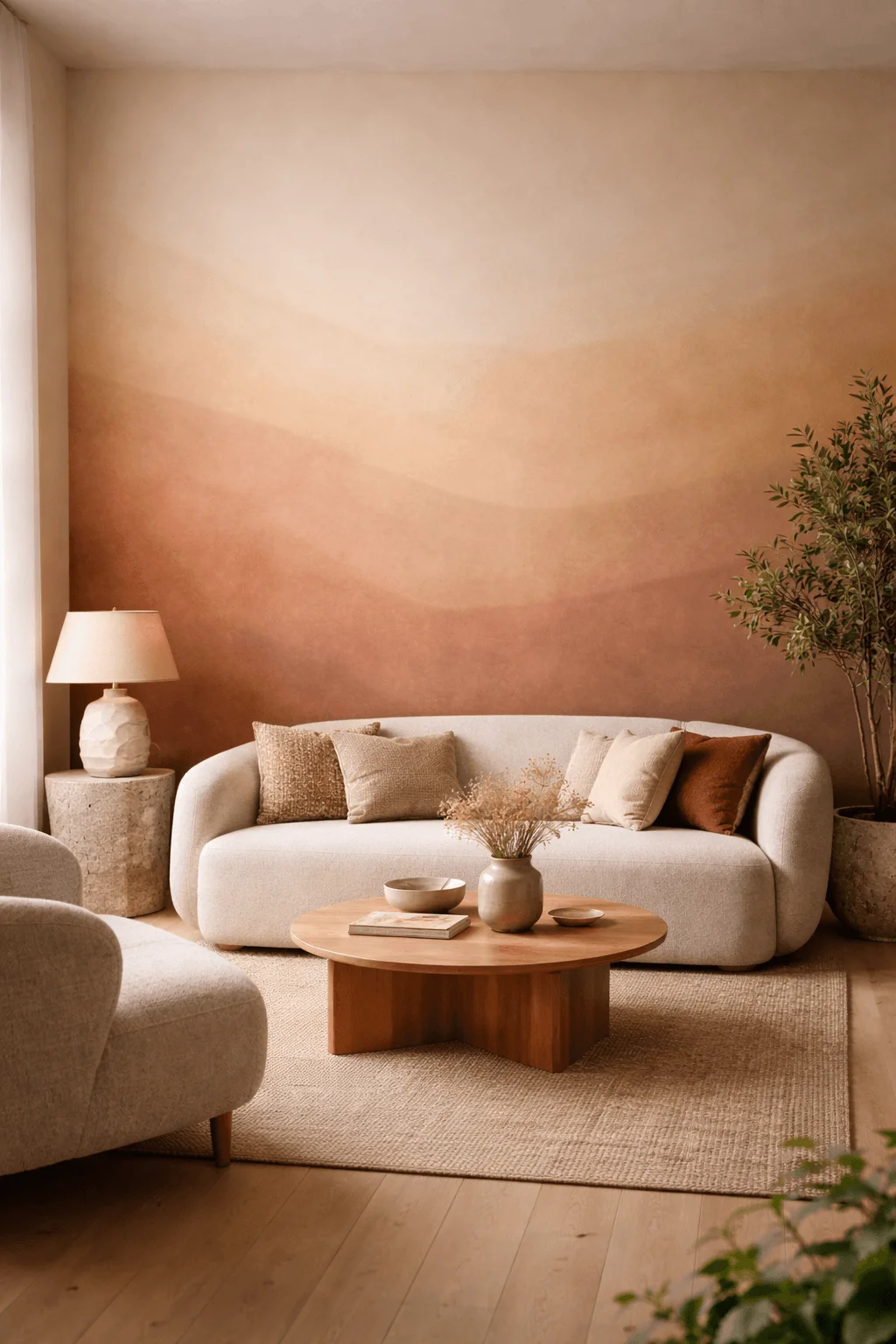
The use of earthy colors connects the interior to the natural world, creating a sense of stability and comfort. This approach is particularly effective in spaces designed for relaxation.
It reflects a broader movement toward emotional and sensory design.
Venetian Plaster for Timeless Surfaces
Venetian plaster offers a refined yet natural finish that can last for decades. Its smooth, polished surface reflects light in a subtle way, creating depth without texture.
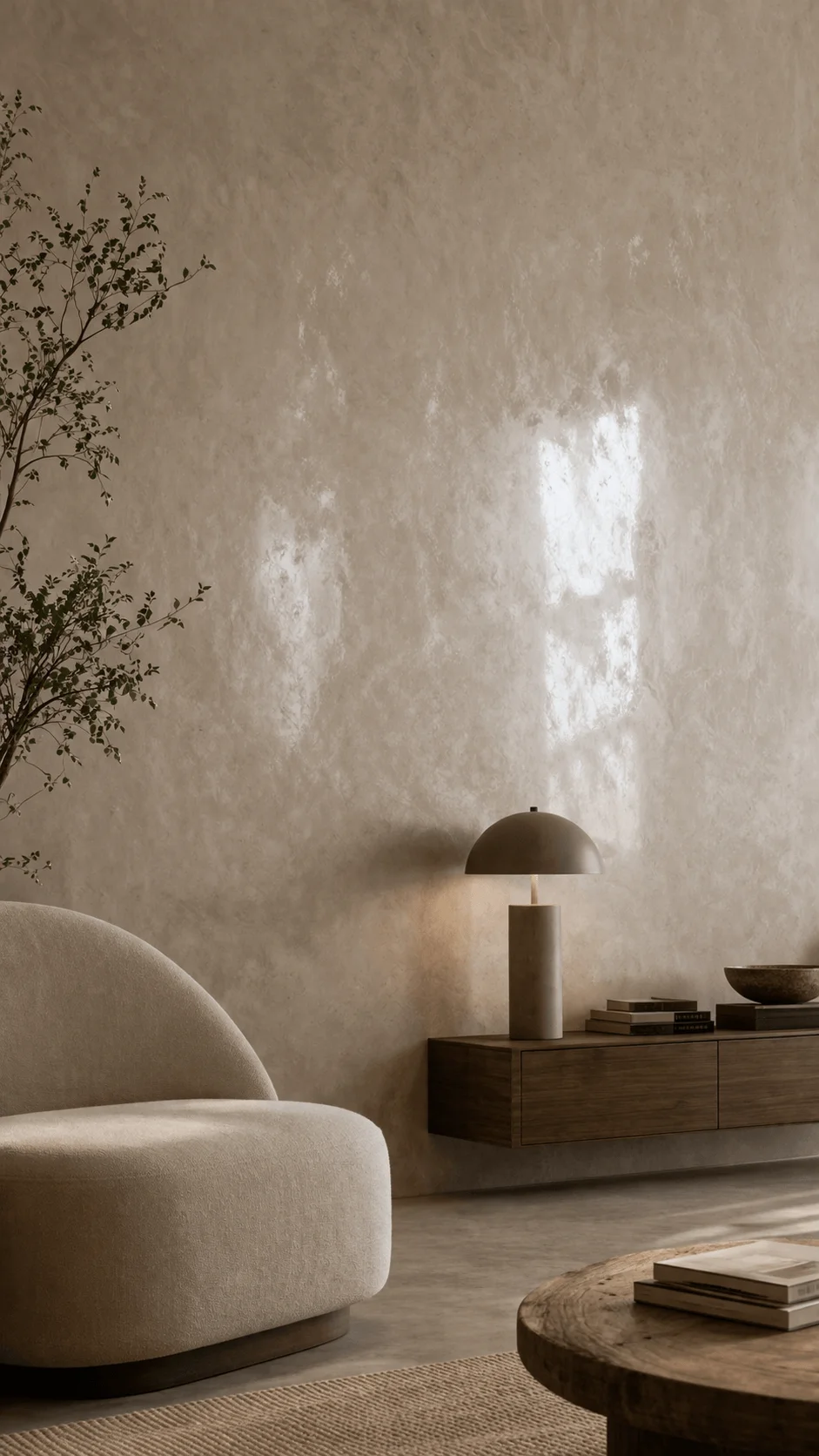
This material supports the idea of investing in long lasting design rather than constantly updating interiors. It combines luxury with sustainability by reducing the need for frequent changes.
Its timeless quality makes it a strong choice for future focused spaces.
Low Energy LED Wall Installations
Technology is becoming part of sustainable design through energy efficient lighting solutions. LED wall installations allow for dynamic visuals while consuming minimal energy.
These walls can change over time, offering different moods and atmospheres without physical alterations. This reduces material waste and introduces a new layer of flexibility.
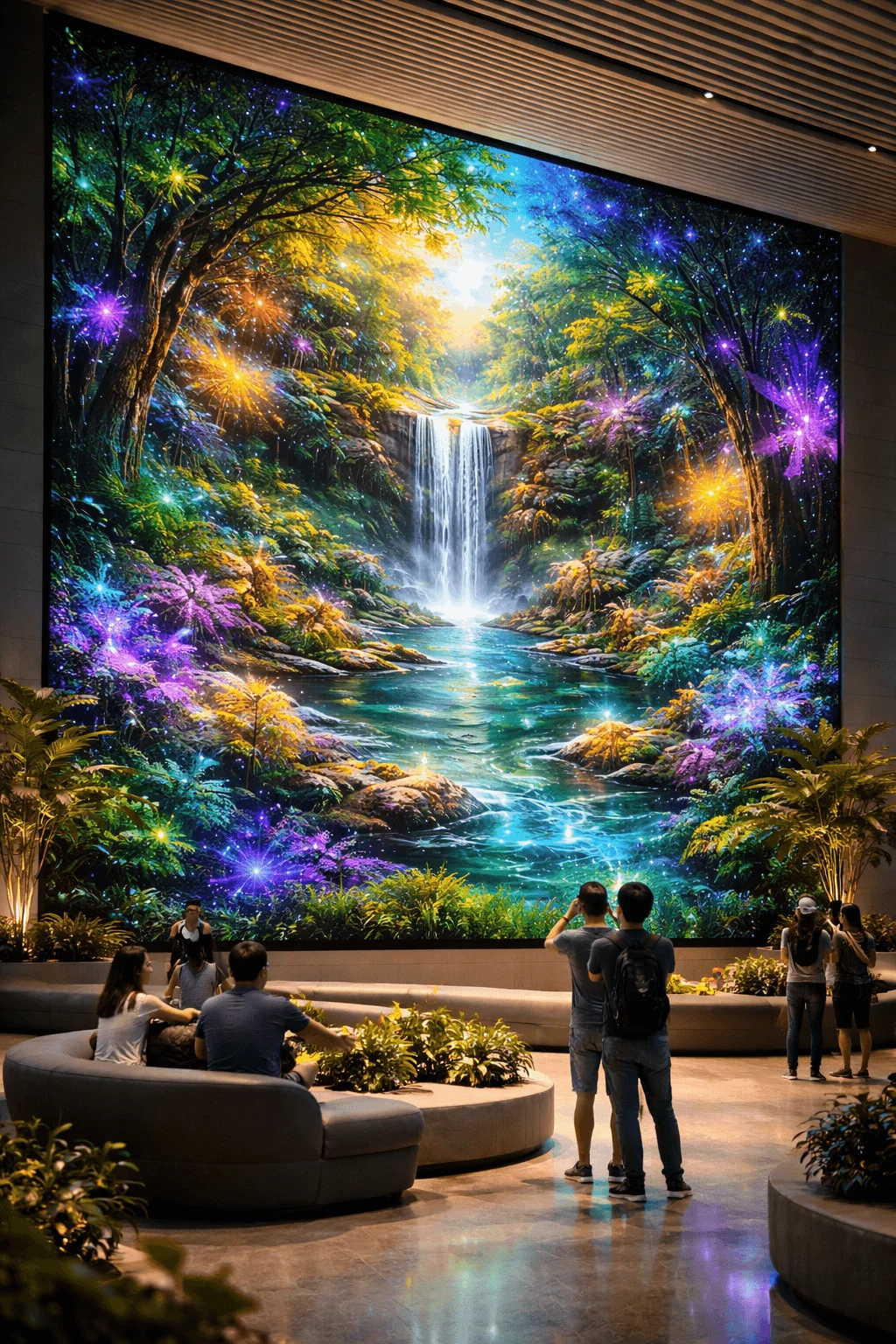
They represent a fusion of digital innovation and environmental awareness.
Layered Walls with Mixed Materials
Layered walls combine different materials to create depth and complexity. This approach moves away from simplicity and embraces richness in texture and composition.
By combining elements such as wood, fabric, and plaster, designers create surfaces that feel more engaging and tactile. This reflects a shift toward interiors that stimulate multiple senses.
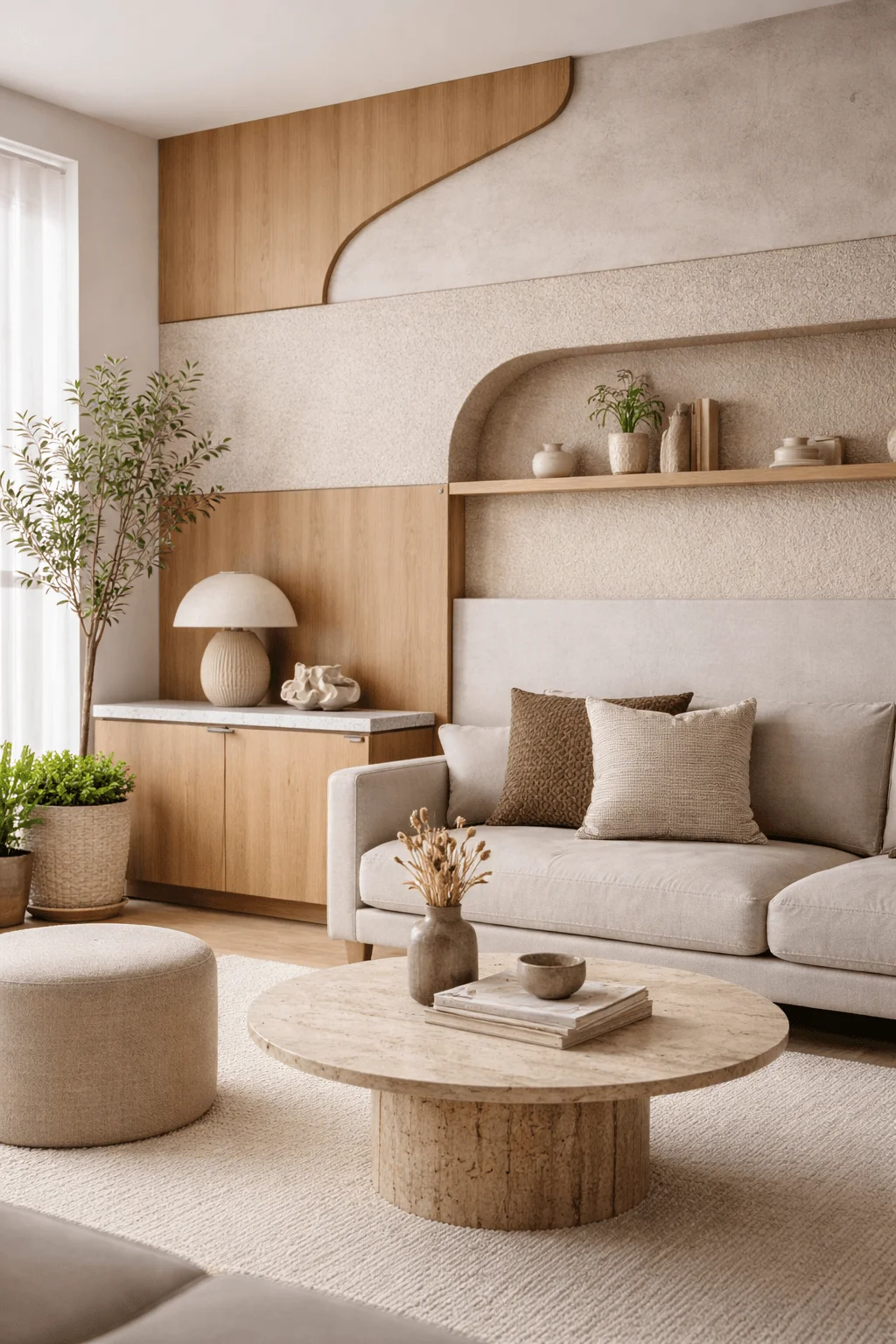
It also allows for more creative expression while maintaining a sustainable approach through thoughtful material selection.
Conclusion
Sustainability wall design ideas in 2026 represent a significant shift in how interiors are created and experienced. Walls are no longer passive surfaces but active elements that influence mood, health, and environmental impact.
From living green walls to innovative materials like mycelium, these ideas show that sustainability can be both practical and visually compelling. The focus on texture, authenticity, and longevity is redefining modern interiors in a way that feels more connected to the natural world.
As design continues to evolve, sustainable walls will play a central role in shaping spaces that are not only beautiful but also meaningful and responsible.