Sustainable Development Goals School Projects: 12 Innovative Ideas for Students in 2026
Sustainable development goals school projects are becoming an important part of modern education because schools are no longer limited to traditional classroom learning. Students today need practical experiences that help them understand environmental challenges, social responsibilities, and innovative solutions for a better future. These projects connect classroom knowledge with real world problems and encourage young learners to become active contributors toward sustainable development.
The United Nations Sustainable Development Goals have created a global framework that helps communities, organizations, and educational institutions work toward solving major challenges such as climate change, pollution, inequality, and resource shortages. Schools play a powerful role in this mission because students develop habits and values that influence future generations. Through creative sustainability projects, learners can explore science, technology, creativity, leadership, and teamwork while working on meaningful solutions.
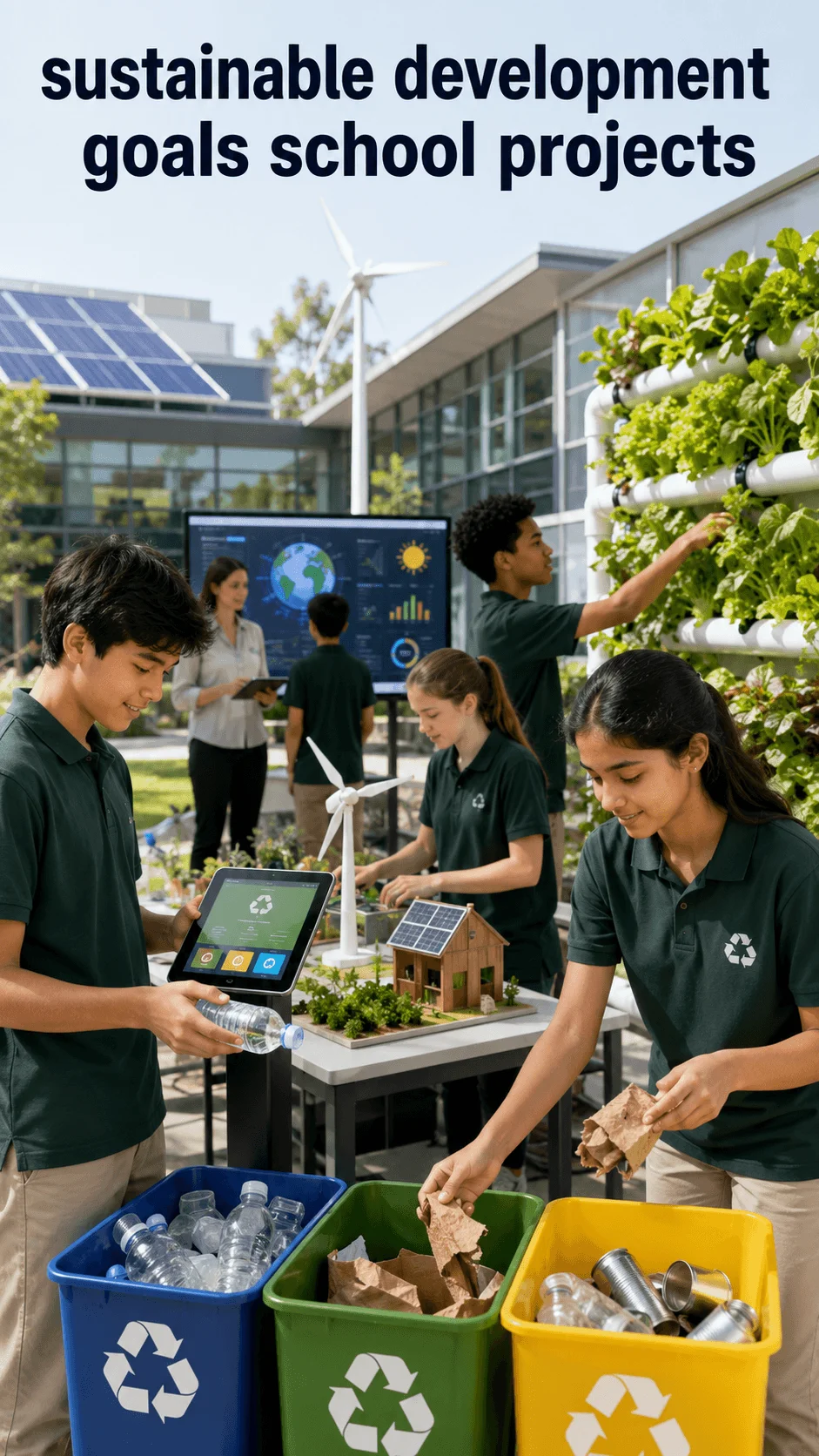
In 2026, schools are moving beyond simple environmental activities and adopting more advanced approaches. Technology based solutions, digital awareness campaigns, climate monitoring systems, and student led innovation programs are becoming popular because they prepare students for future challenges. Modern sustainable development goals school projects combine environmental education with skills that students will need in future careers.
These projects are not only about protecting nature. They also teach students how to analyze problems, develop solutions, communicate ideas, and create positive changes within their communities. By introducing sustainability into education, schools can transform students into responsible citizens and future environmental leaders.
Why Sustainable Development Goals School Projects Are Important in Modern Education
Education has always played a major role in shaping society. However, the challenges facing the world today require a different approach to learning. Climate change, increasing waste, declining biodiversity, and resource management problems demand creative thinkers who can understand complex issues and develop practical solutions.
Sustainable development goals school projects allow students to learn through experience instead of only reading textbooks. When students design a water conservation model, create a recycling system, or analyze energy consumption, they understand sustainability concepts more deeply. They learn how their actions affect the environment and how small changes can create meaningful results.
These projects also support skill development. Students improve research abilities by collecting information, strengthen communication skills by presenting ideas, and develop teamwork through collaboration. Many projects also introduce students to technology, entrepreneurship, and innovation, which are important skills for future careers.
Another important benefit is that sustainability education creates responsibility. Students who participate in environmental projects often influence their families and communities. A student who learns about reducing waste at school may encourage similar habits at home. This creates a wider impact beyond the classroom.
Modern schools are also focusing on student creativity. Instead of giving students fixed answers, sustainability projects encourage them to identify problems and design their own solutions. This approach develops independent thinking and prepares young people to handle future challenges.
AI Powered Smart Waste Management Project
One of the most innovative sustainable development goals school projects in 2026 combines artificial intelligence with waste management. Schools produce different types of waste every day, including paper, plastic, food waste, and electronic materials. Managing this waste properly can become a practical learning opportunity for students.
In this project, students can create a smart waste sorting system using artificial intelligence tools, sensors, or simple image recognition technology. They can design a prototype that identifies different waste materials and guides users toward proper disposal methods.
For example, students can create a digital waste monitoring system that records how much waste the school produces each week. They can analyze this information and develop strategies to reduce unnecessary consumption. This project teaches students about technology, environmental science, and responsible resource management.
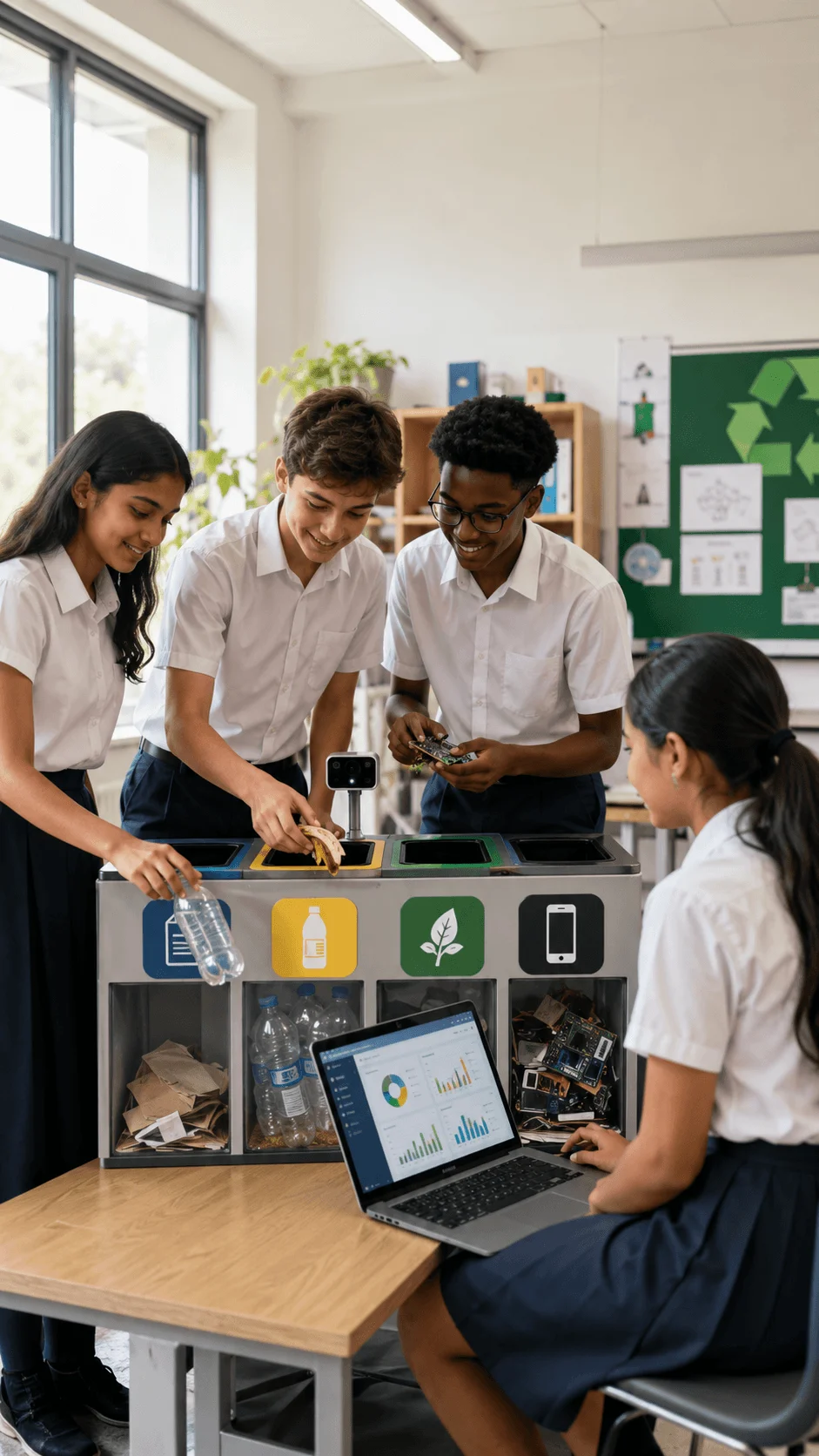
The project supports SDG 12 Responsible Consumption and Production because it encourages better waste practices. It also supports SDG 13 Climate Action by helping students understand how waste contributes to environmental problems.
The reason this idea is becoming popular is because artificial intelligence is becoming part of many industries. Combining AI skills with sustainability education helps students understand how technology can solve real environmental problems.
Climate Action Digital Dashboard Project
A climate action digital dashboard is another modern approach that connects sustainability with data analysis. Schools can use this project to measure their environmental performance and allow students to understand the impact of daily activities.
Students can design a digital dashboard that tracks electricity usage, water consumption, waste generation, and recycling progress. They can collect information from different areas of the school and convert it into easy to understand visual reports.
For example, students can compare energy consumption between different classrooms and identify areas where electricity can be saved. They can create awareness campaigns based on their findings and encourage teachers and students to adopt sustainable habits.
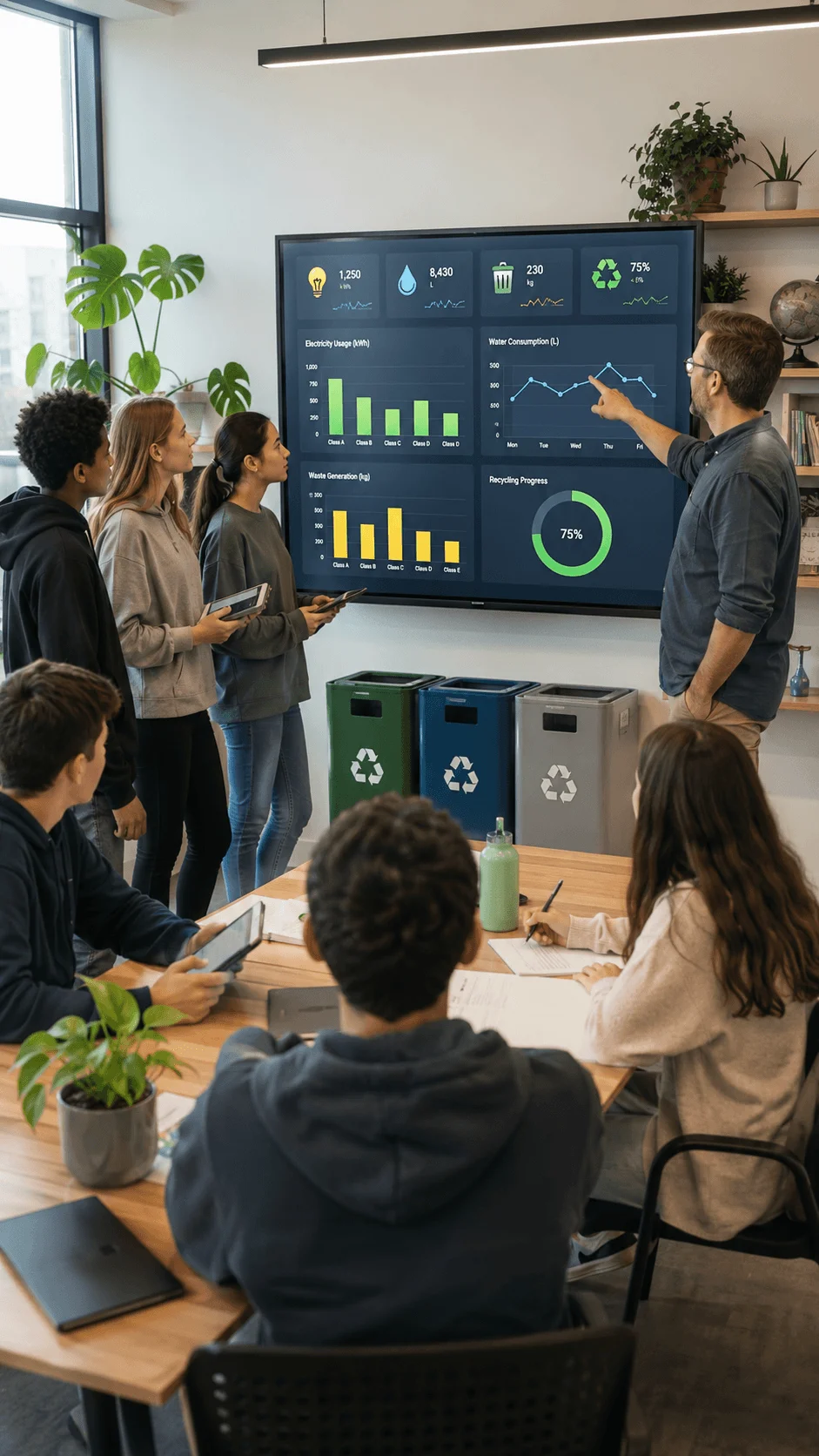
This project develops important digital skills because students learn how to collect, organize, and analyze information. It also improves their understanding of climate action because they see measurable results rather than only theoretical concepts.
This idea supports SDG 13 Climate Action and SDG 11 Sustainable Cities and Communities. It reflects a growing trend where schools use technology and data to create smarter environmental solutions.
Biodiversity Mapping and Wildlife Monitoring Project
Biodiversity protection has become a major focus in sustainability education because ecosystems are experiencing rapid changes. A biodiversity mapping project allows students to explore and protect the natural environment around their schools.
Students can document plants, birds, insects, and other living organisms found near their school campus. They can use photography, mobile applications, and digital maps to create a biodiversity record.
The project encourages students to observe nature carefully and understand the importance of different species. They can identify which plants attract pollinators, which areas support wildlife, and what improvements can protect local ecosystems.
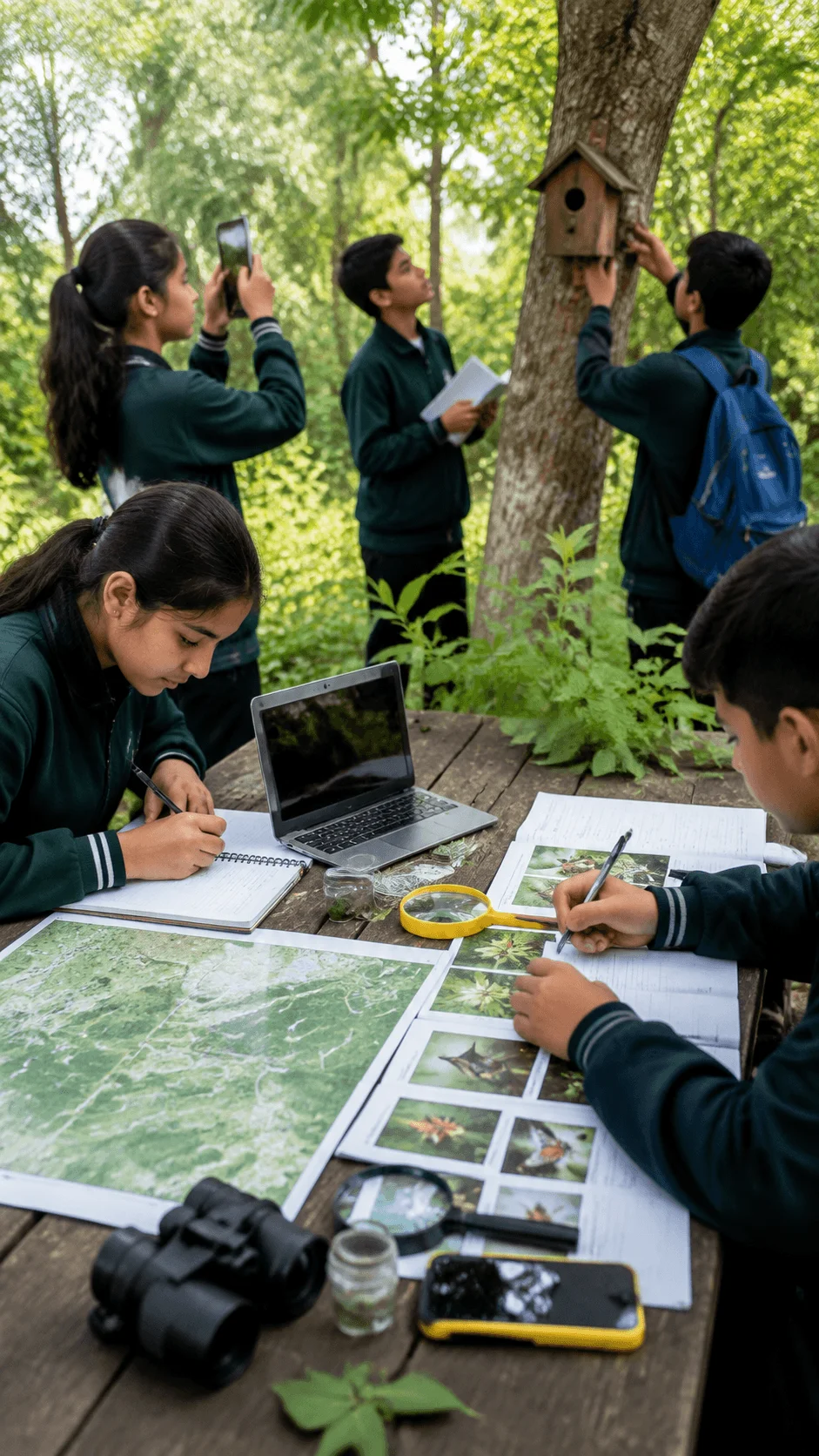
For example, students may discover that creating small green spaces can support insects and birds. They can develop recommendations for improving biodiversity around the school.
This project supports SDG 15 Life on Land and SDG 13 Climate Action. It also develops scientific research skills because students collect evidence and analyze environmental patterns.
Unlike traditional gardening activities, biodiversity mapping focuses on understanding ecosystems. This makes it one of the most engaging sustainability projects for students who are interested in science and environmental research.
Circular Economy School Marketplace Project
The circular economy approach teaches students that products should not immediately become waste after use. Instead of following the traditional system of buying, using, and throwing away, students learn how resources can be reused and redesigned.
In this project, students create a school marketplace where unused items can be exchanged, repaired, or transformed into new products. They can organize clothing exchange programs, book sharing systems, electronic repair activities, or creative recycling workshops.
For example, old school uniforms can be redesigned into bags or art materials. Used books can be exchanged between students instead of purchasing new copies every year.
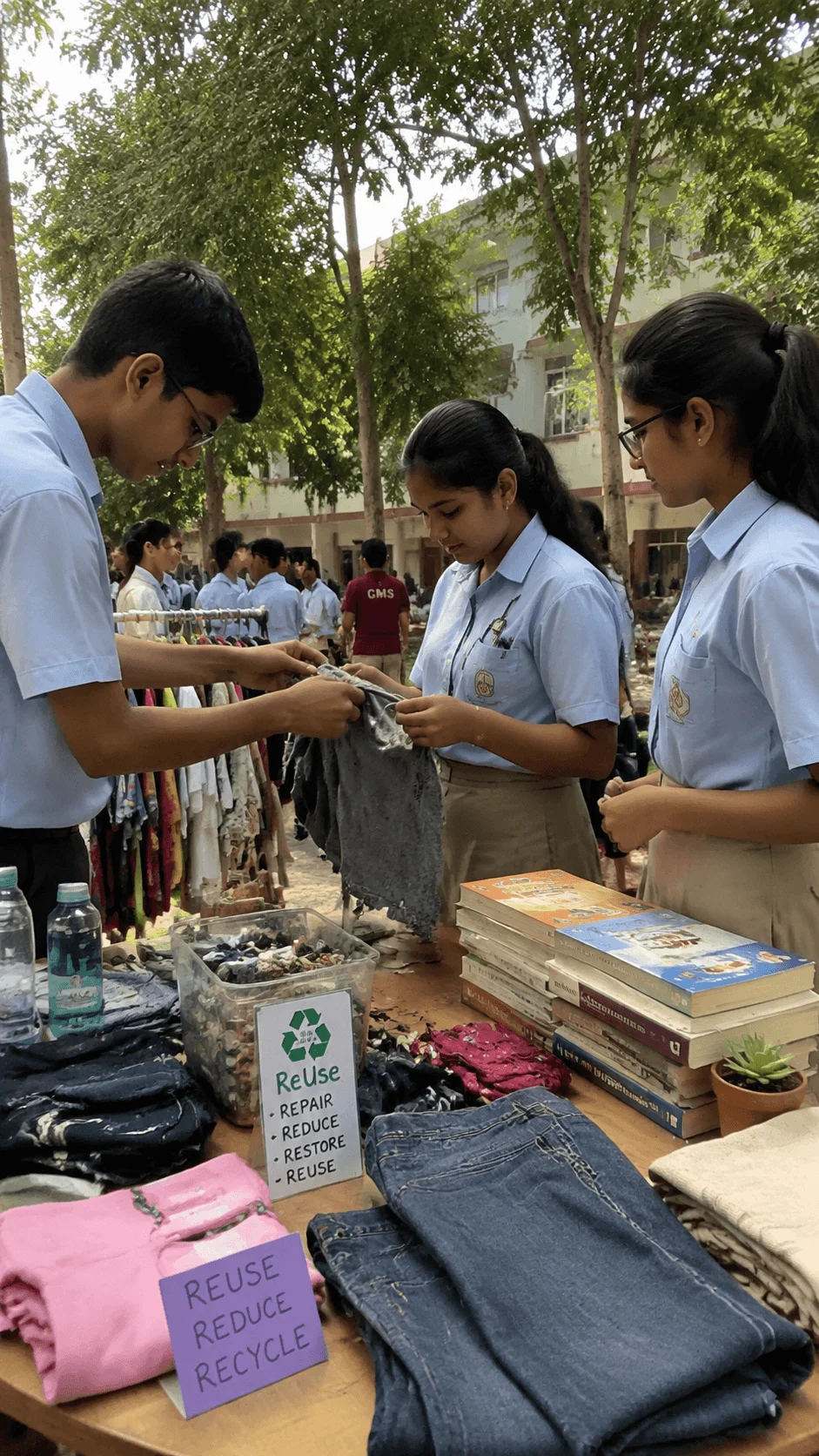
This project develops creativity and teaches students about responsible consumption. They understand that sustainability is not only about recycling but also about changing the way society produces and uses resources.
The project supports SDG 12 Responsible Consumption and Production. It also connects with entrepreneurship because students can explore how sustainable businesses create value from unused materials.
The popularity of circular economy projects is increasing because industries around the world are searching for ways to reduce waste and improve resource efficiency. Schools that introduce these concepts prepare students for future economic models.
Student Sustainable Startup Challenge
A student sustainable startup challenge combines environmental awareness with entrepreneurship. Instead of only learning about sustainability problems, students develop solutions that could become real businesses.
Students can identify environmental challenges and create products or services that address those issues. Ideas may include eco friendly stationery, reusable products, sustainable farming solutions, or energy saving devices.
The process teaches students how to research markets, understand customer needs, develop ideas, and communicate their vision. They learn that sustainability can create economic opportunities while protecting the environment.
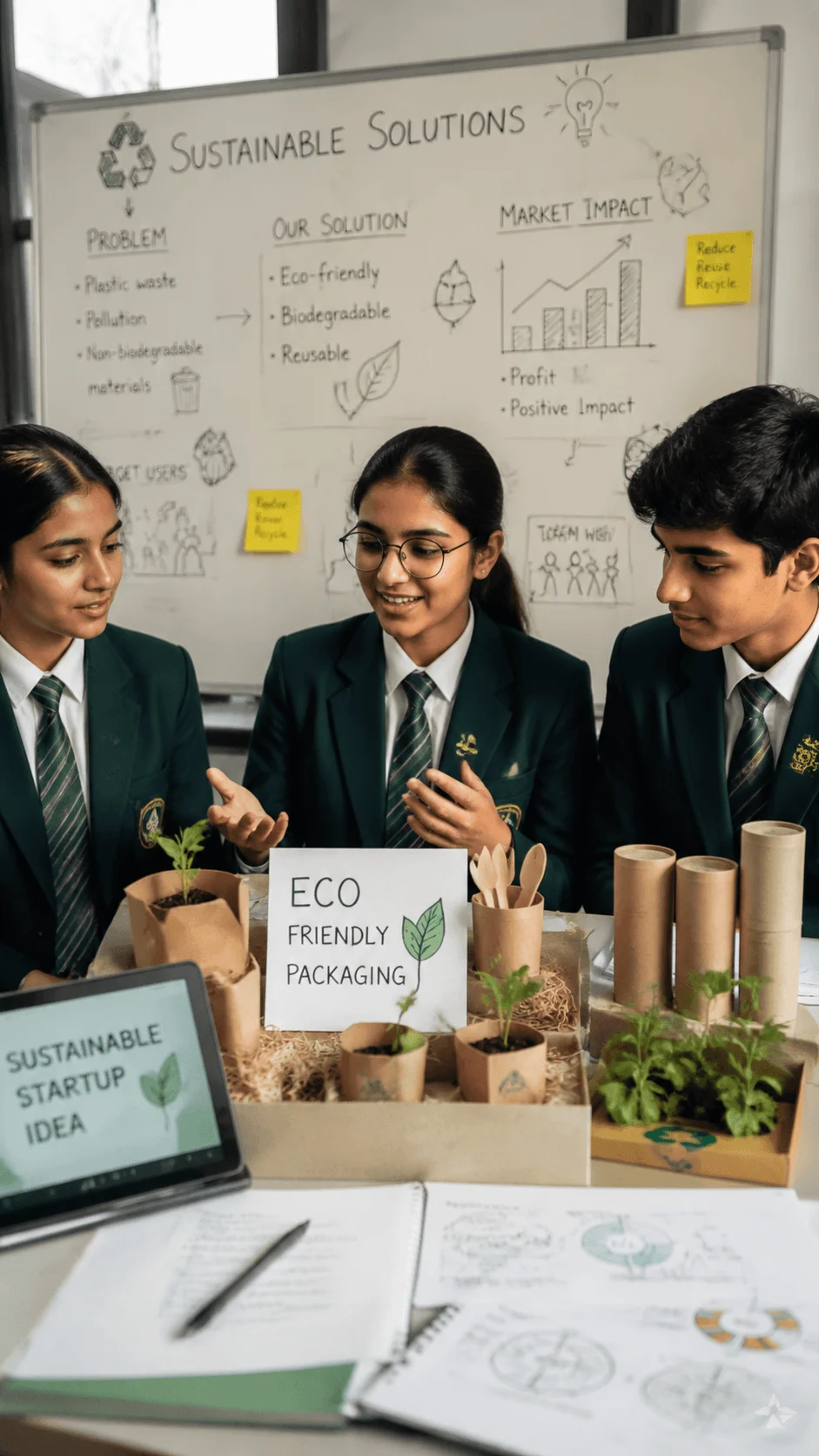
For example, a group of students may design reusable packaging solutions for local businesses. Another group may create natural products using locally available materials.
This project supports SDG 8 Decent Work and Economic Growth and SDG 12 Responsible Consumption and Production. It also develops leadership, innovation, and problem solving abilities.
The reason this idea is trending is because young people are becoming increasingly interested in solving global problems through innovation. Schools are recognizing that entrepreneurship skills combined with sustainability knowledge can prepare students for future careers.
Smart Water Conservation Project
Water conservation is one of the most important sustainability challenges worldwide. A smart water conservation project helps students understand how water resources can be protected through technology and awareness.
Students can create models of rainwater harvesting systems, monitor water usage in school, identify wasteful practices, and design campaigns to encourage responsible consumption.
For example, students can measure how much water is used in bathrooms, gardens, and classrooms. They can analyze this data and suggest improvements such as fixing leaks or introducing water saving methods.
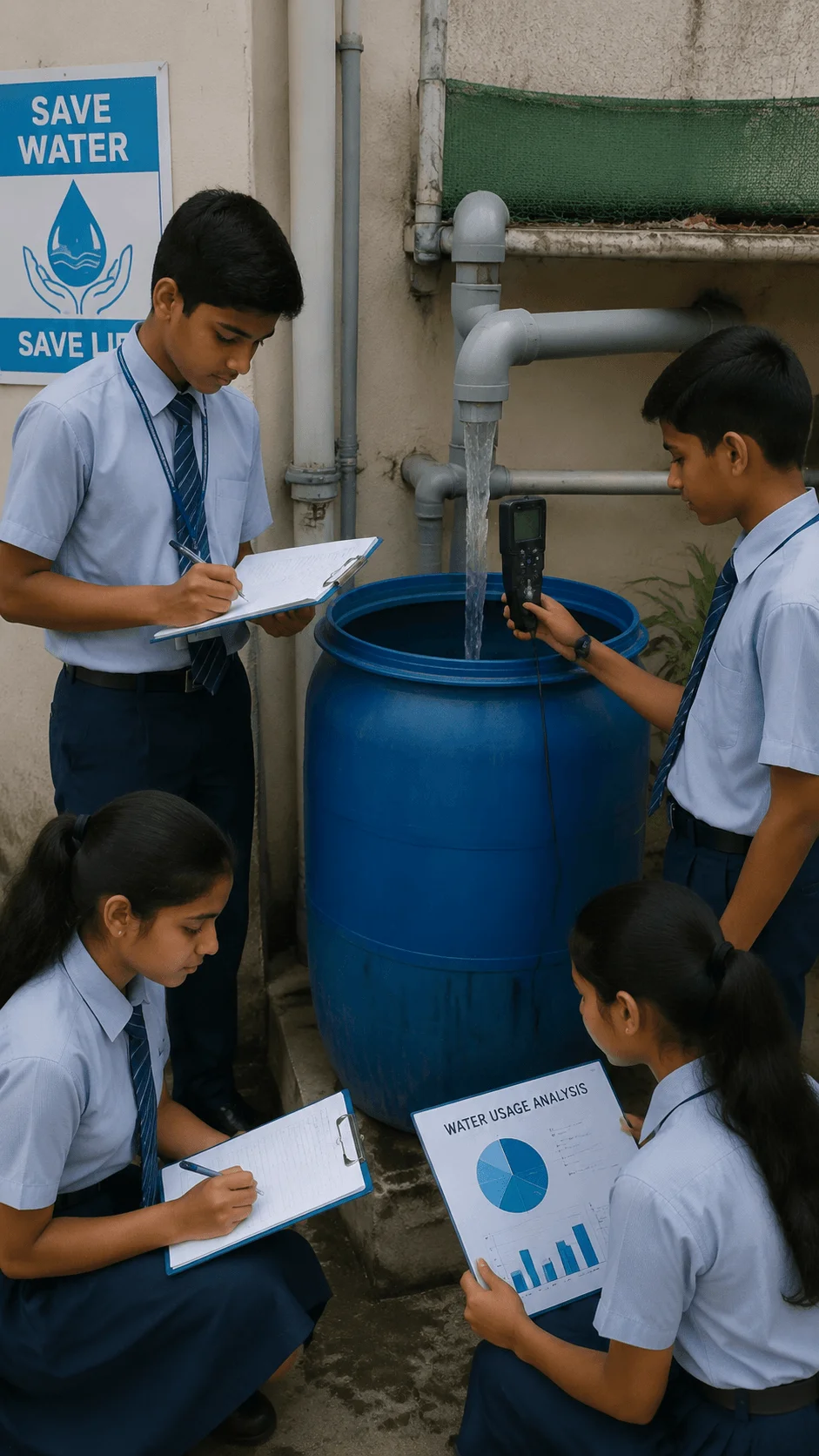
This project supports SDG 6 Clean Water and Sanitation because it focuses on protecting and managing water resources. It also supports SDG 13 Climate Action because climate change affects water availability in many regions.
Smart water projects teach students that sustainability requires both individual responsibility and organized planning. They learn that technology and awareness can work together to solve environmental challenges.
Vertical Garden and Urban Farming Project
Urban areas are growing rapidly, and many schools have limited outdoor space for traditional gardening. A vertical garden and urban farming project provides a creative solution by helping students grow plants in small spaces while learning about food systems, biodiversity, and sustainable agriculture.
In this project, students can design vertical gardens using recycled containers, wall structures, or simple hydroponic systems. They can grow vegetables, herbs, and flowers while monitoring plant growth and understanding the importance of sustainable food production.
Students can explore different farming techniques such as hydroponics, composting, and organic gardening. They can study how plants grow with limited water and how sustainable farming methods reduce pressure on natural resources.
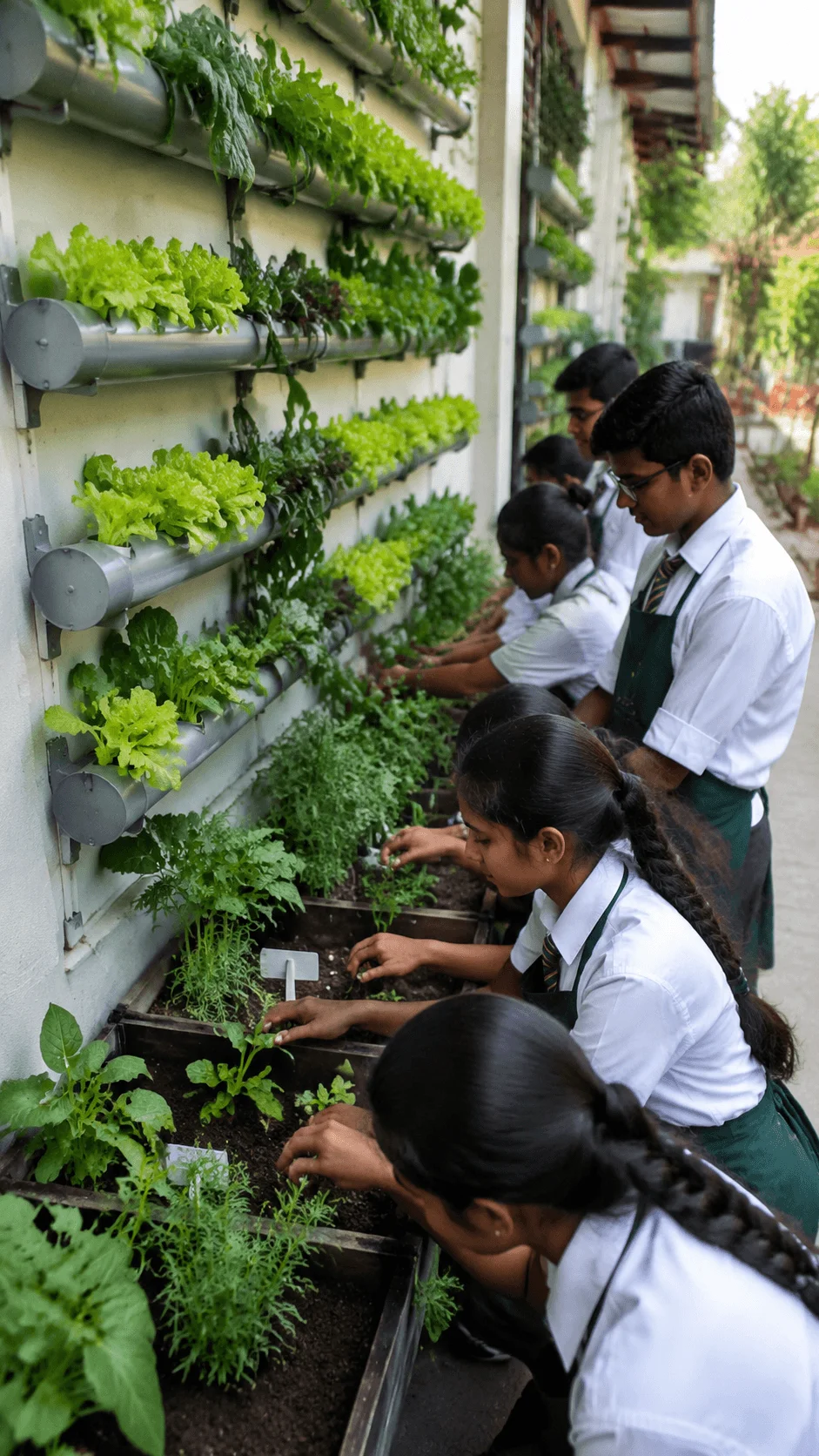
For example, a school can transform an unused wall into a green space where students grow vegetables used in cooking activities. Another approach could involve creating a small rooftop garden that improves air quality and provides fresh food.
This project supports SDG 2 Zero Hunger because it teaches students about food security and sustainable agriculture. It also supports SDG 15 Life on Land by encouraging biodiversity and greener environments.
Vertical gardening is becoming popular because many cities face challenges related to limited land availability. It introduces students to modern agricultural solutions and helps them understand how future food systems may depend on innovative approaches.
Renewable Energy Innovation Lab
Renewable energy education is becoming increasingly important as countries transition toward cleaner sources of power. A renewable energy innovation lab allows students to explore how sustainable technologies can reduce dependence on traditional energy sources.
In this project, students create small renewable energy models and experiments. They can design solar powered devices, build mini wind turbines, test energy saving solutions, or create models showing how clean energy systems work.
Students can investigate how solar panels convert sunlight into electricity and how wind energy can generate power. They can compare different energy sources and understand the environmental impact of each option.
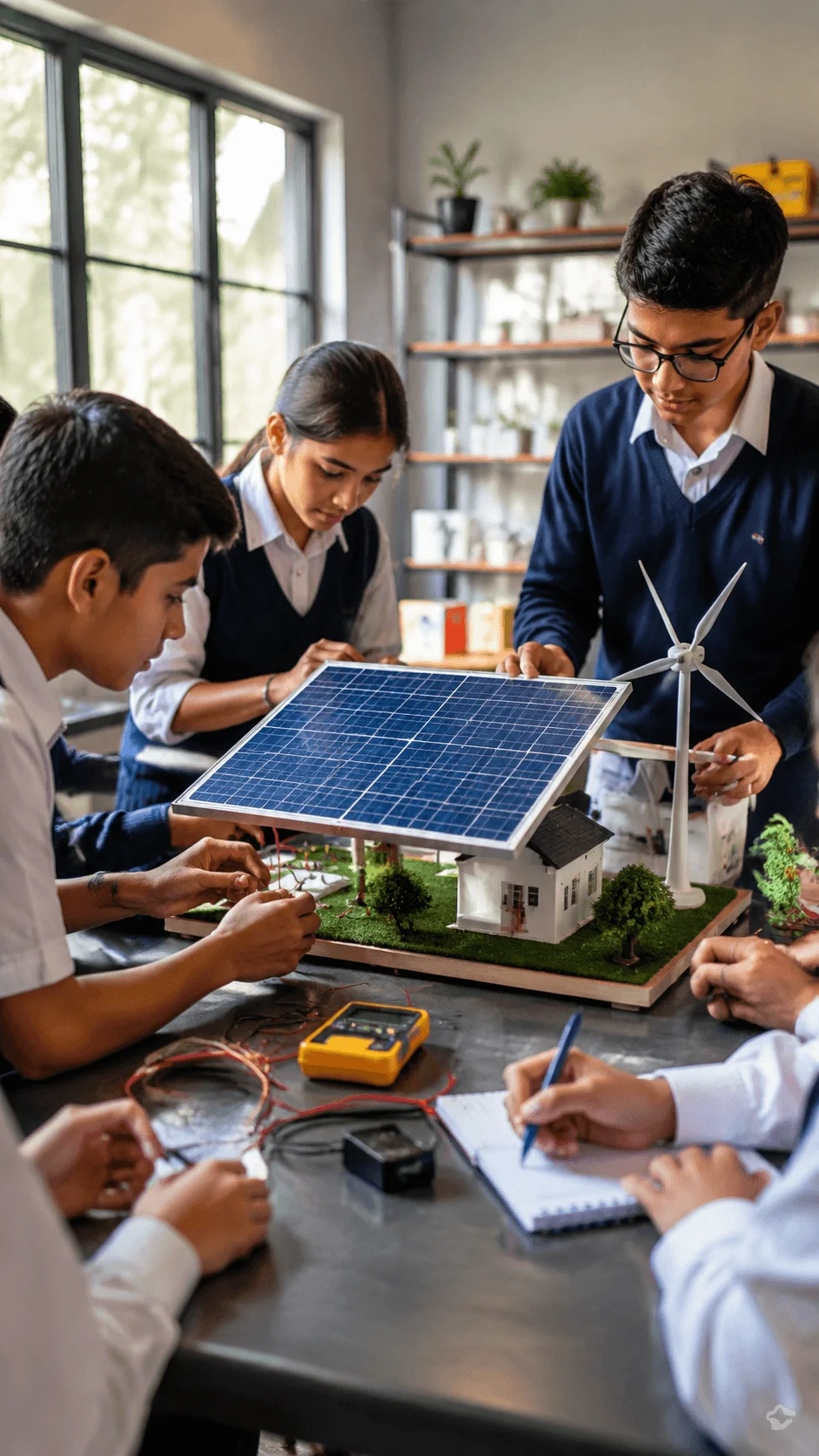
For example, students can develop a solar powered charging station for classroom devices. They can calculate how much electricity the system produces and estimate how much traditional energy it can replace.
This project supports SDG 7 Affordable and Clean Energy and SDG 9 Industry, Innovation and Infrastructure. It also improves scientific thinking because students experiment, analyze results, and improve their designs.
Renewable energy projects are becoming more common in schools because clean technology is shaping the future economy. Students who understand renewable energy today will be better prepared for future careers in engineering, environmental science, and technology.
Sustainable Food and Zero Waste Kitchen Project
Food waste is a major global challenge, and schools can become important places for teaching responsible food consumption. A sustainable food and zero waste kitchen project helps students understand the connection between food choices, waste reduction, and environmental protection.
Students begin by measuring how much food the school wastes each day. They can collect data from cafeterias, analyze common waste patterns, and develop solutions to reduce unnecessary food disposal.
The project may include creating compost systems, promoting healthy sustainable meals, encouraging proper portion planning, and educating students about food waste reduction.
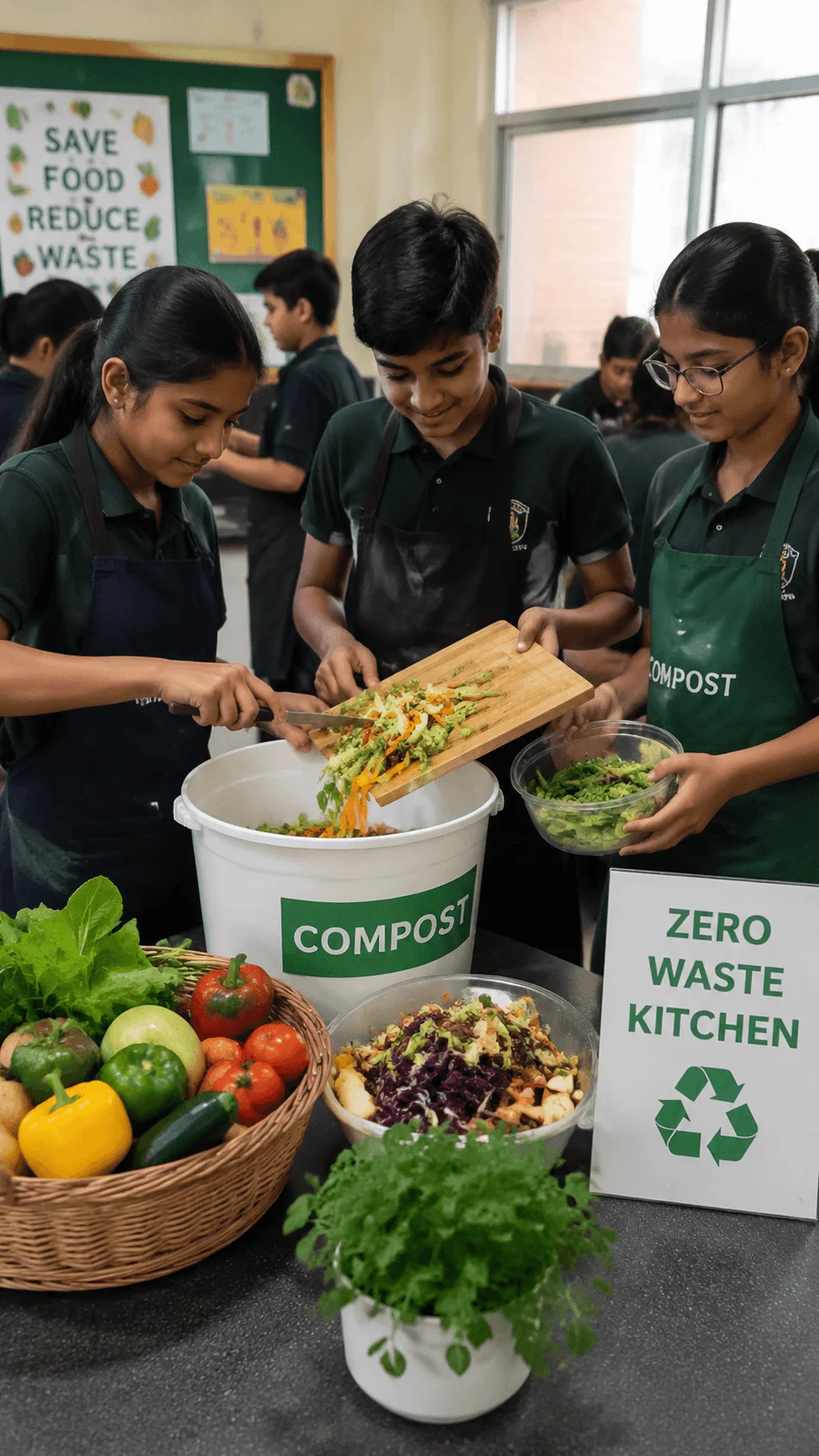
For example, students can create a composting area where leftover organic materials become natural fertilizer for school gardens. This creates a complete cycle where food waste supports new food production.
This project supports SDG 2 Zero Hunger and SDG 12 Responsible Consumption and Production. It also teaches students that sustainability involves everyday decisions such as choosing food, managing resources, and reducing waste.
The idea is becoming popular because schools are recognizing that sustainability is not only about environmental protection but also about changing daily habits. Food related projects create visible results and allow students to see the impact of their actions.
SDG Digital Storytelling and Awareness Campaign
Communication plays an important role in solving sustainability challenges. Even the best ideas cannot create change if people do not understand them. A digital storytelling project helps students use creativity and technology to spread sustainability messages.
Students can create documentaries, podcasts, animations, digital posters, and online campaigns focused on different Sustainable Development Goals. They can interview environmental experts, record community stories, and share information about local sustainability issues.
For example, students may create a short documentary about plastic pollution in their area. They can research the problem, interview community members, and suggest practical solutions.
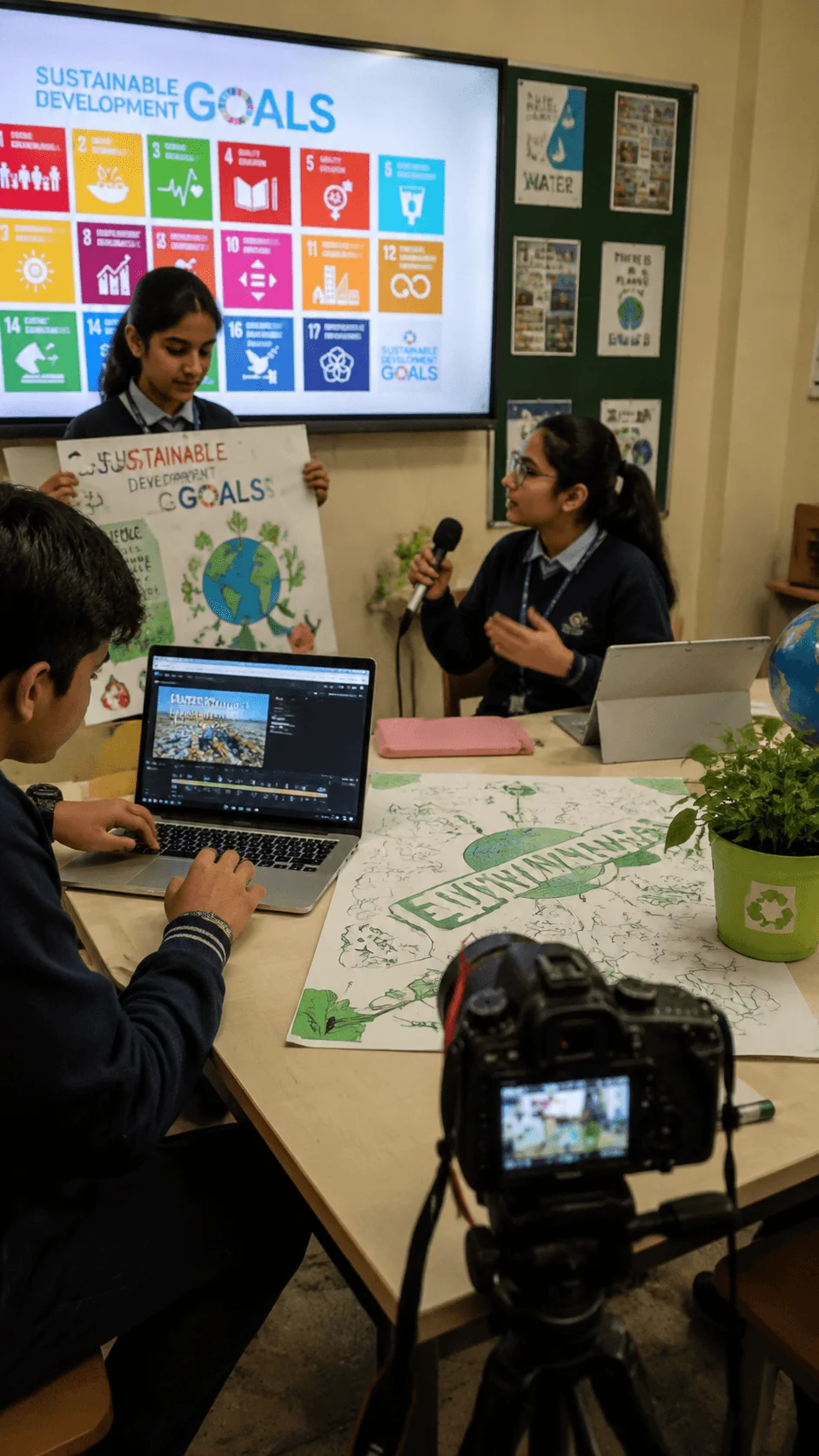
This project develops communication skills, creativity, research abilities, and digital literacy. Students learn how powerful storytelling can influence public awareness and encourage positive behavior.
The project supports SDG 4 Quality Education and SDG 17 Partnerships for the Goals because it encourages knowledge sharing and collaboration.
Digital storytelling is becoming more popular because students today communicate through digital platforms. Teaching them how to use technology for social and environmental improvement helps them become responsible digital citizens.
Sustainable Smart Classroom Design Project
Classrooms are the spaces where students spend most of their learning time, making them ideal places for sustainability improvements. A smart classroom design project allows students to rethink how learning spaces can become more environmentally friendly.
Students can analyze classroom energy use, lighting conditions, ventilation, and resource consumption. They can then create designs that improve efficiency and reduce environmental impact.
Ideas may include using natural lighting, adding indoor plants, improving air quality, reducing paper waste, and creating energy saving systems.
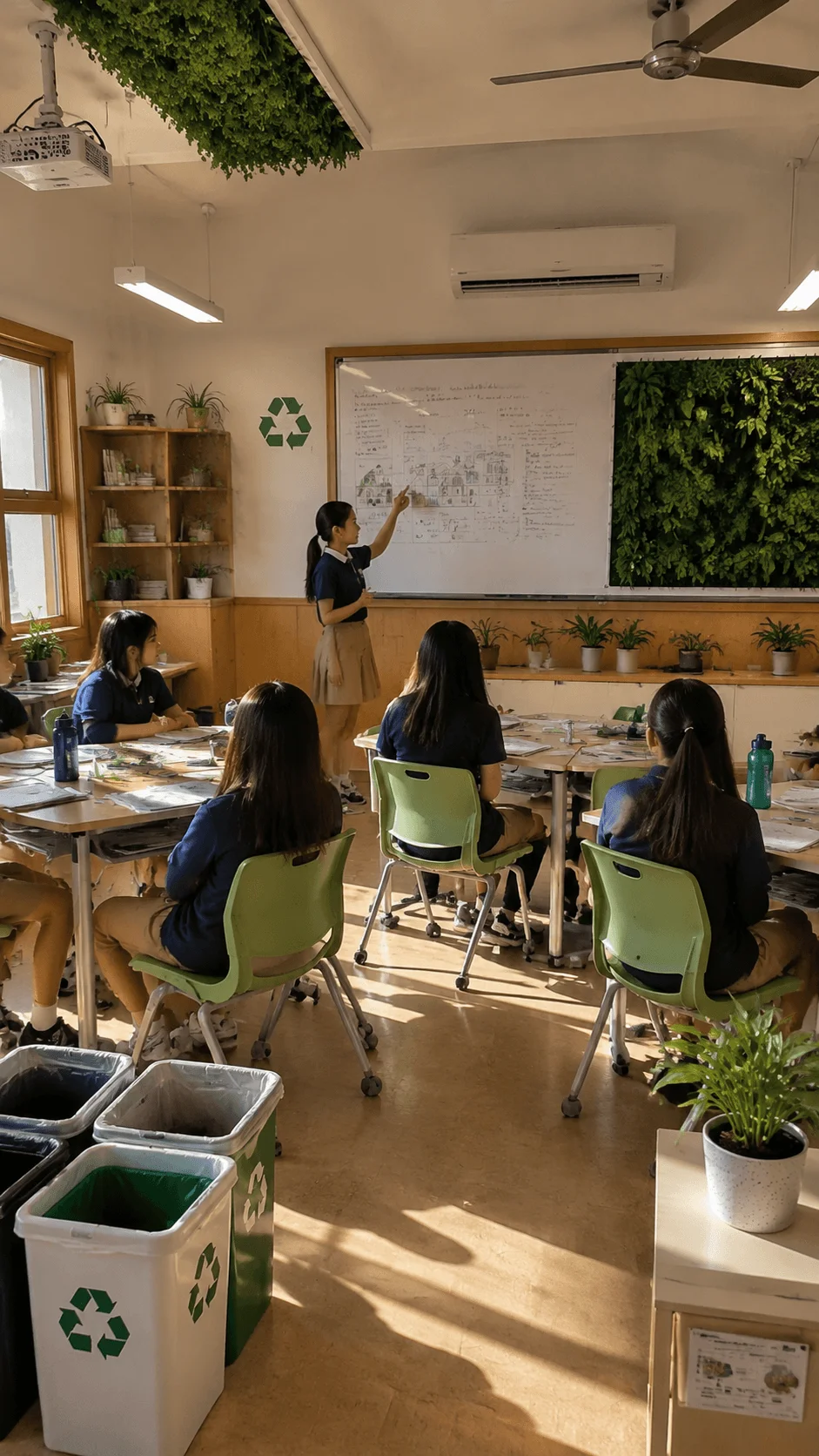
For example, students can redesign a classroom layout to maximize sunlight during the day, reducing the need for artificial lighting. They can also introduce digital learning systems to reduce paper consumption.
This project supports SDG 11 Sustainable Cities and Communities and SDG 13 Climate Action. It combines sustainability with architecture, design, and engineering.
The project is trending because sustainable architecture is becoming a major focus worldwide. Students who participate in these activities begin to understand how buildings influence energy use, human health, and environmental quality.
Community Sustainability Action Project
The most meaningful sustainable development goals school projects often extend beyond school boundaries. A community sustainability action project encourages students to identify local problems and create solutions that benefit society.
Students can work with community members to understand challenges such as waste management, water shortages, pollution, or lack of environmental awareness. After researching the issue, they can design practical solutions.
For example, students may organize neighborhood cleaning campaigns, create recycling awareness programs, support tree protection efforts, or help communities adopt water saving practices.
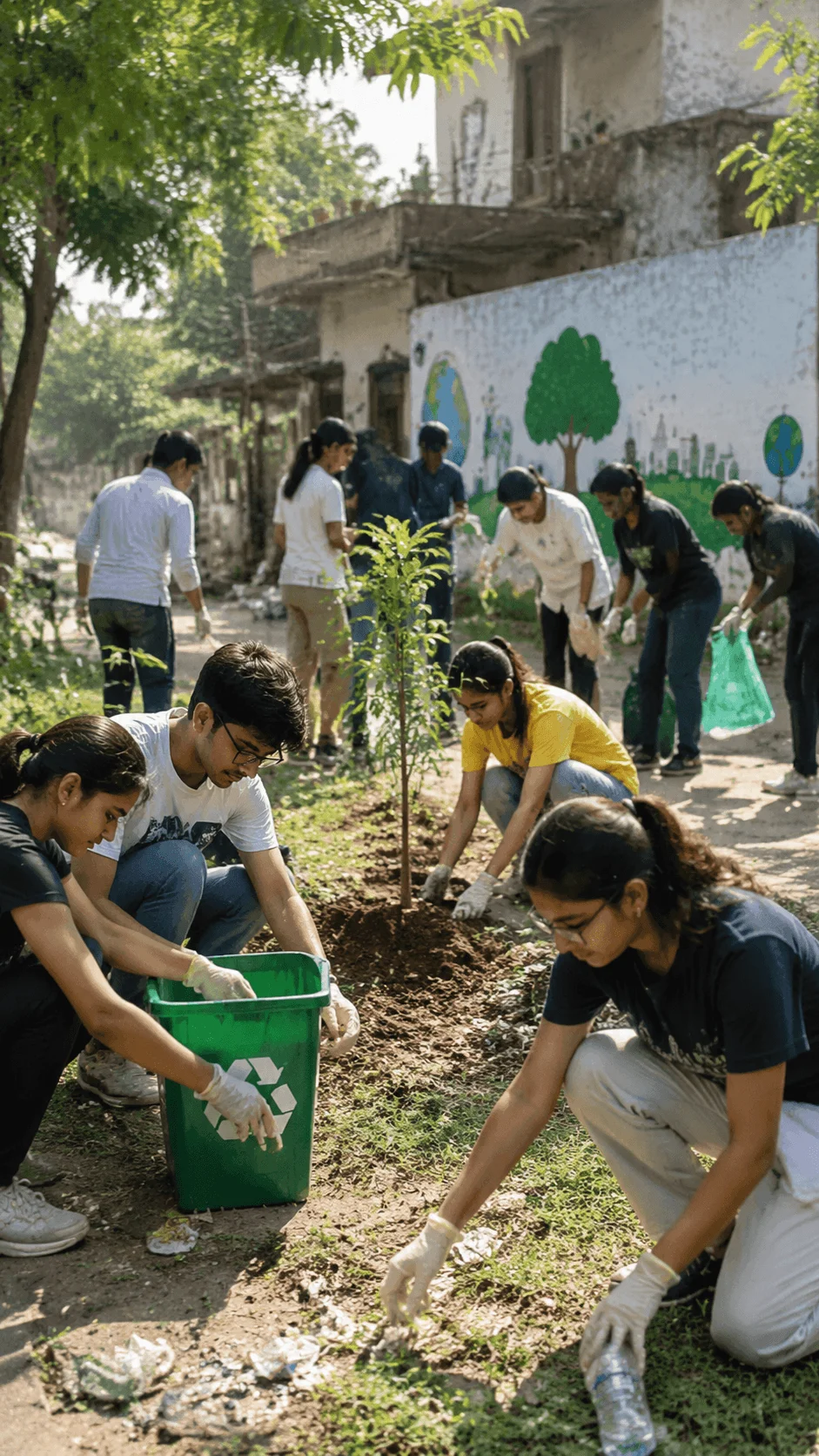
This project teaches students that sustainability requires cooperation. Environmental challenges cannot be solved by individuals alone. Communities, schools, governments, and organizations must work together.
The project supports SDG 10 Reduced Inequalities, SDG 11 Sustainable Cities and Communities, and SDG 17 Partnerships for the Goals.
Community based projects are becoming more important because education systems are focusing on real world learning. Students are no longer only learning about problems; they are becoming active participants in creating solutions.
How Schools Can Successfully Implement Sustainability Projects
Many schools believe that sustainability projects require expensive equipment or large budgets. However, successful projects often begin with simple ideas and strong student involvement.
Schools can start by creating sustainability clubs where students and teachers work together. These clubs can identify environmental problems within the school and select projects based on available resources.
Teachers can connect sustainability projects with different subjects. Science classes can study environmental systems, mathematics classes can analyze sustainability data, art classes can create awareness materials, and technology classes can develop digital solutions.
Partnerships with local organizations can also help schools access resources and expertise. Environmental groups, universities, and businesses can provide guidance, materials, and opportunities for students to present their work.
The most important factor is student participation. When students take ownership of projects, they become more motivated and develop stronger leadership skills.
The Future of Sustainability Education in Schools
The future of sustainability education is moving toward innovation, technology, and practical learning. Schools are gradually changing from traditional awareness programs to interactive projects that allow students to experience sustainability directly.
Artificial intelligence, digital tools, renewable energy models, and data analysis are becoming valuable parts of environmental education. These technologies help students understand complex problems and develop modern solutions.
Future sustainable development goals school projects will likely focus more on collaboration between students, communities, and industries. Education will become a bridge between environmental knowledge and real world action.
Schools that invest in sustainability education are not only protecting the environment but also preparing students for future opportunities. Careers in renewable energy, environmental engineering, sustainable business, and climate technology are growing rapidly.
By encouraging creativity and innovation, schools can help students become leaders who understand both environmental responsibility and technological progress.
Conclusion
Sustainable development goals school projects are transforming the way students learn about environmental and social challenges. These projects provide opportunities for young learners to move beyond textbooks and participate in meaningful activities that create real impact.
The latest project ideas in 2026 show that sustainability education is becoming more innovative. From AI powered waste management and climate dashboards to renewable energy experiments and community action programs, schools are discovering new ways to prepare students for the future.
These projects help students develop creativity, leadership, problem solving abilities, and environmental awareness. They also teach an important lesson that every individual has the ability to contribute toward a more sustainable world.
Schools are not only places where students gain knowledge. They are environments where future leaders are shaped. By implementing creative sustainability initiatives, educational institutions can inspire a generation that understands global challenges and has the skills to solve them.
The success of sustainable development goals school projects depends on curiosity, collaboration, and continuous action. When students learn to protect resources, design solutions, and support their communities, they become powerful contributors to building a healthier and more sustainable future.