Sustainable Living Homestead DIY Projects For Beginners
The growing interest in sustainable living homestead DIY projects reflects a major shift in how people think about their homes, resources, and connection with nature. In 2026, more individuals are exploring ways to create self sufficient lifestyles by growing their own food, reducing waste, saving energy, and using traditional skills combined with modern technology. Sustainable homesteading is no longer limited to people living on large farms. Even families with small backyards, limited land, or urban spaces are adopting practical eco friendly solutions that improve their daily lives.
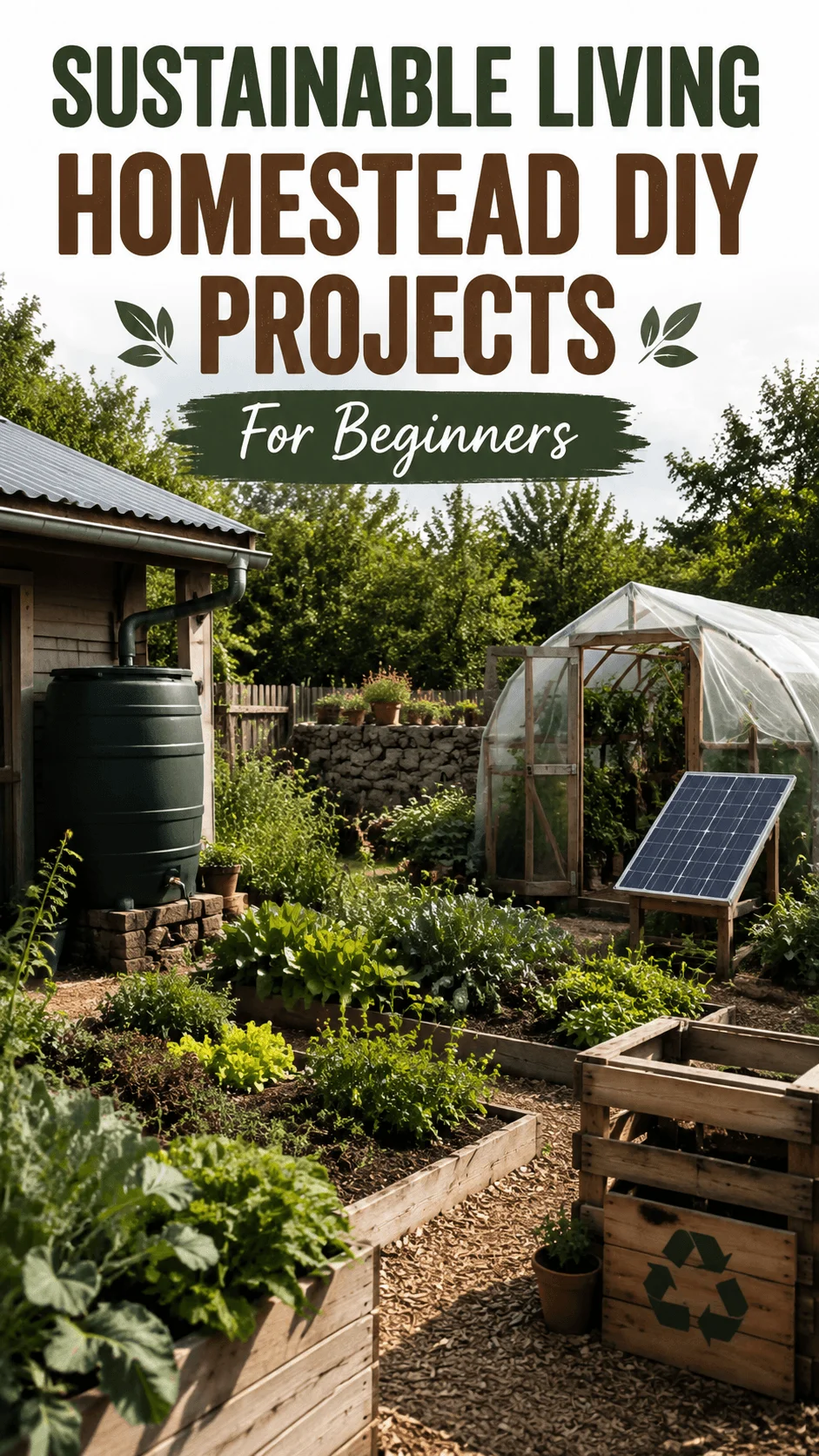
Modern homesteading focuses on creating systems that work together. A garden can provide fresh food, compost can improve soil, rainwater collection can support plants, and renewable energy can reduce dependence on traditional power sources. These small changes create a more resilient lifestyle while helping protect the environment.
Unlike old ideas of homesteading that focused only on farming, today’s approach combines sustainability, creativity, technology, and thoughtful design. People are looking for affordable ways to become more independent while creating beautiful spaces that support health and wellbeing. From regenerative gardens and smart growing systems to recycled building projects, sustainable homestead ideas are becoming an important part of modern living.
This article explores 12 innovative and practical projects that can help beginners and experienced homeowners create a greener lifestyle. These sustainable living homestead DIY projects focus on simple solutions that provide long term benefits while making everyday living more connected with nature.
Sustainable Living Homestead DIY Projects That Create Self Sufficient Homes
1. Regenerative Food Forest Backyard System
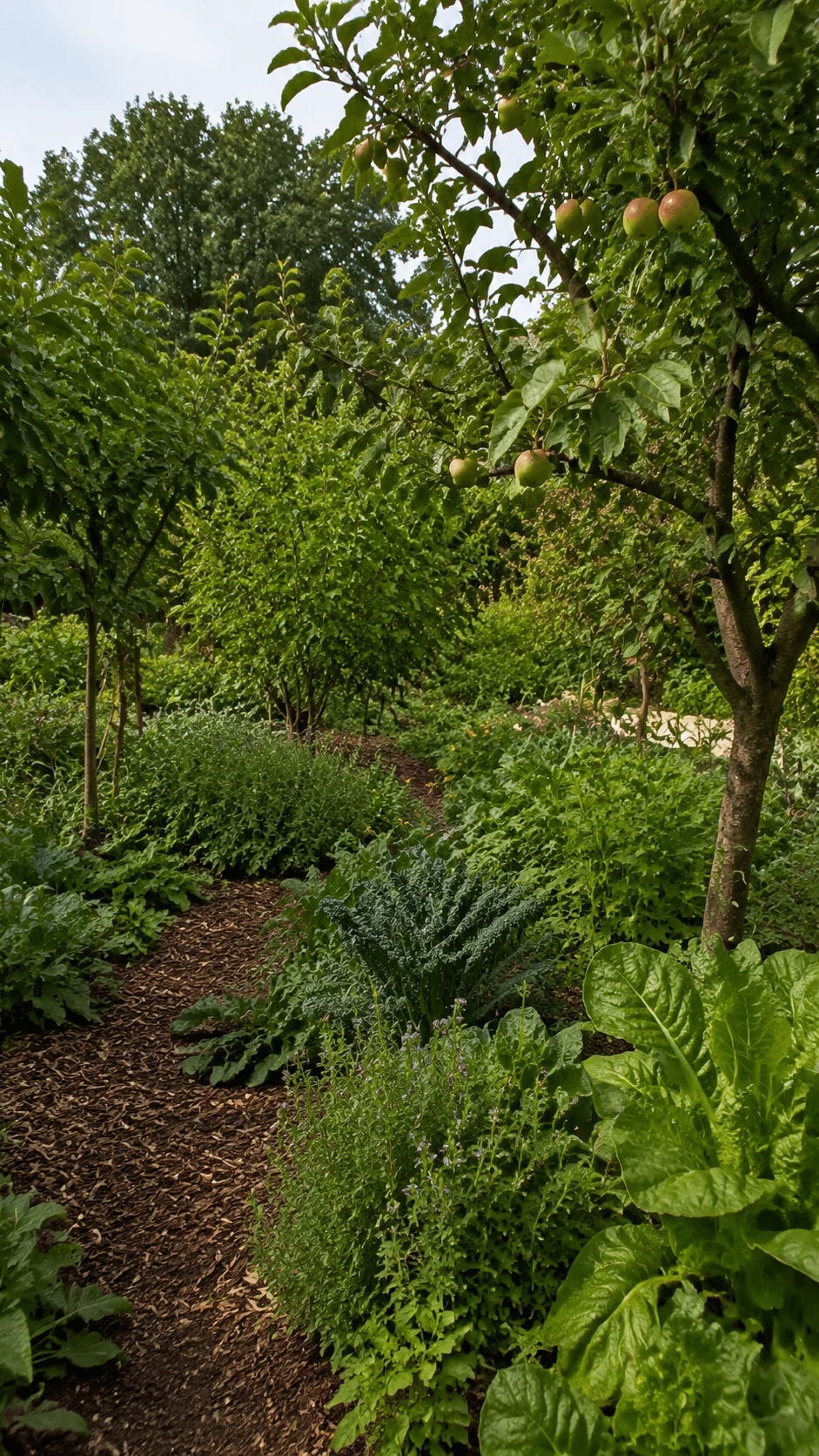
One of the most exciting developments in modern sustainable gardening is the growth of regenerative food forests. Unlike traditional vegetable gardens that require constant planting and maintenance, a food forest creates a natural ecosystem where different plants support each other. This approach copies the way forests grow naturally by combining trees, shrubs, ground plants, herbs, and flowers in one balanced environment.
A backyard food forest can include fruit trees, berry bushes, medicinal plants, vegetables, herbs, and flowers that attract beneficial insects. Instead of depending heavily on fertilizers and chemicals, regenerative systems focus on improving soil health through natural processes.
This type of garden has become popular because many homeowners want more than seasonal food production. They want a low maintenance system that continues producing year after year. Once established, many perennial plants require less care compared with traditional crops.
Beginners can start small by selecting a corner of their backyard and planting a combination of useful plants. Fruit trees can create shade, smaller plants can grow underneath them, and ground covers can protect soil from drying out. Adding compost and organic mulch helps improve soil quality and encourages healthy microorganisms.
The biggest advantage of regenerative food forests is that they provide multiple benefits at the same time. They produce food, support biodiversity, reduce water usage, improve soil structure, and create a peaceful natural environment. For people interested in regenerative homestead ideas, a food forest is one of the best starting points.
2. DIY Rainwater Harvesting System For Sustainable Homesteads
Water conservation has become one of the most important parts of sustainable living. Changing weather patterns, increasing water demand, and rising utility costs have encouraged homeowners to find smarter ways to manage this valuable resource. A DIY rainwater harvesting system provides an effective solution by collecting and storing rainfall for later use.
A basic system can start with rain barrels connected to roof gutters. The collected water can support gardens, outdoor cleaning, and other household activities. More advanced systems can include underground storage tanks, filtration methods, and automated irrigation systems.
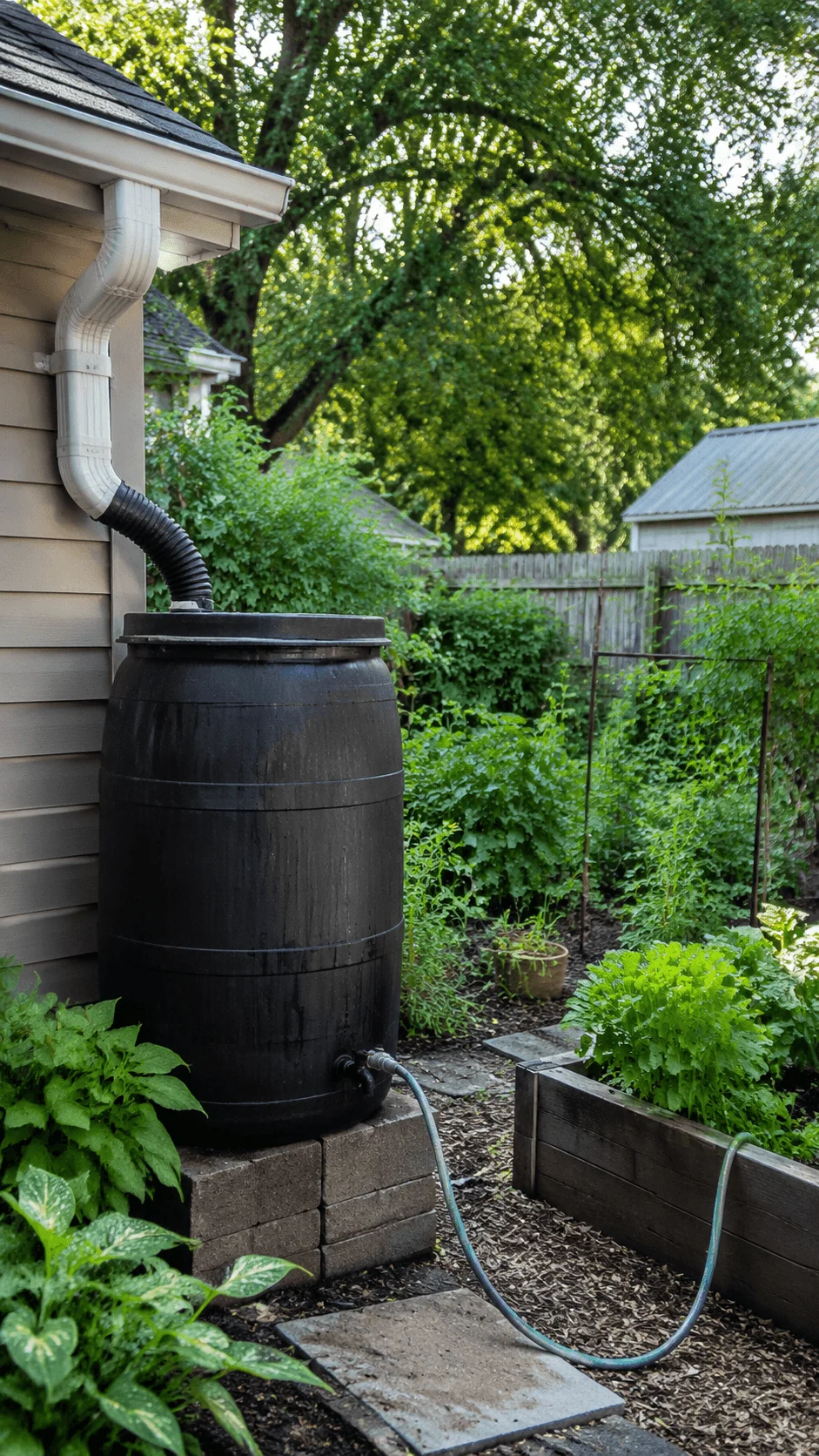
The popularity of rainwater harvesting continues to grow because it gives homeowners more control over their water supply. Gardens often require large amounts of water during warmer months, and collected rainwater can reduce dependence on municipal sources.
Creating a simple system does not require expensive equipment. Many beginners start with one or two storage containers and gradually expand as they understand their needs. The important step is designing a system that matches the available rainfall, roof size, and garden requirements.
Rainwater harvesting also improves the overall sustainability of a property. It reduces stormwater runoff, prevents water waste, and creates a more resilient home environment. Among eco friendly homestead projects, water collection remains one of the most practical investments because it directly supports food production and conservation.
3. Smart Homestead Garden Using AI And Modern Technology
Technology and traditional gardening may seem completely different, but they are now coming together to create smarter and more efficient growing systems. Smart homestead gardens represent one of the newest trends in sustainable living because they help people produce more food while using fewer resources.
Modern gardeners are using soil moisture sensors, automated irrigation systems, weather monitoring tools, and plant tracking applications to understand their gardens better. These technologies allow homeowners to provide plants with exactly what they need instead of wasting water or nutrients.
Artificial intelligence is also becoming part of gardening. AI based tools can analyze plant conditions, identify possible diseases, recommend watering schedules, and help beginners understand plant care. This makes gardening easier for people who have limited experience.
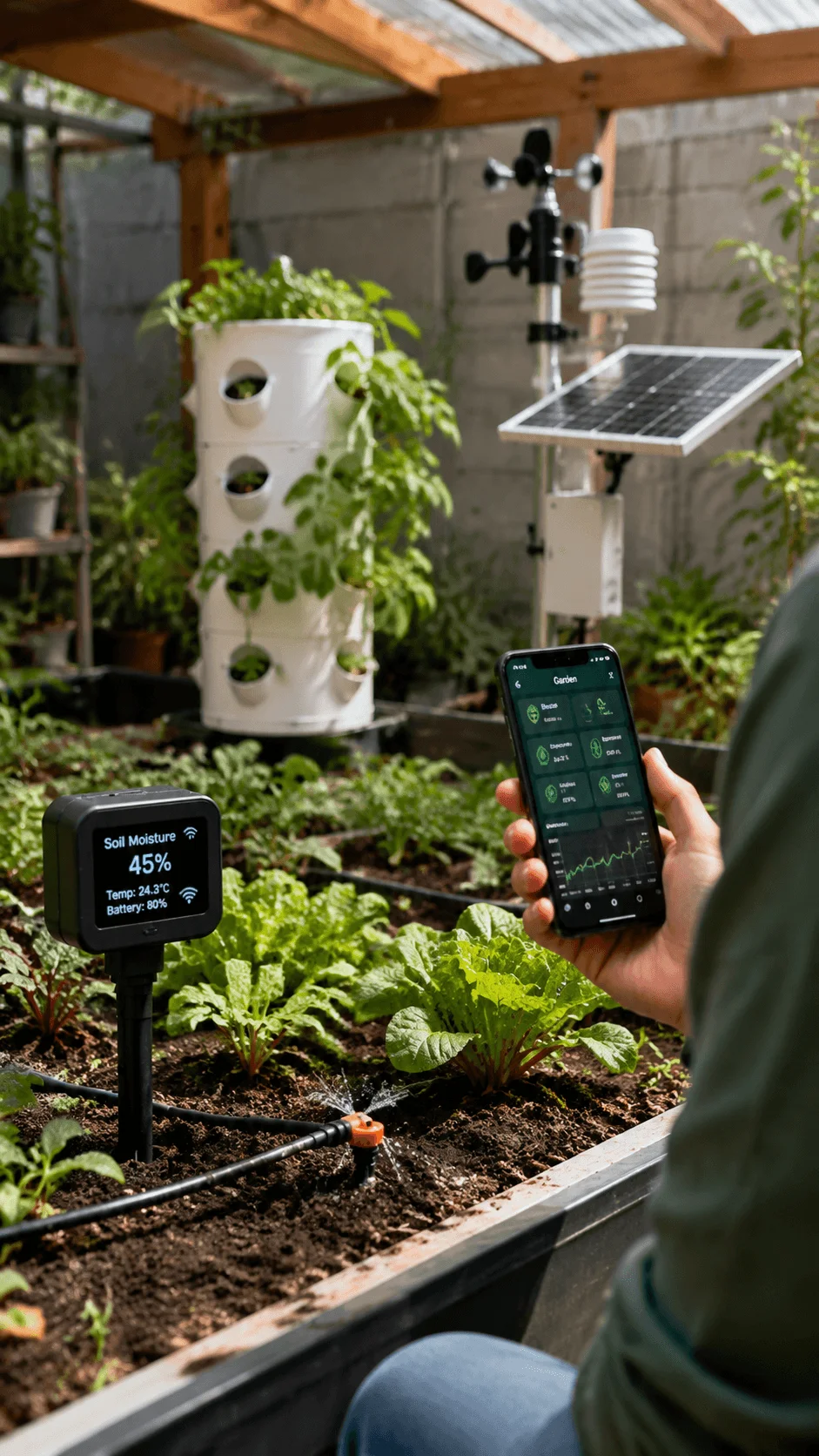
A smart garden does not need to be expensive or complicated. Beginners can start with simple tools such as moisture sensors connected to automatic watering systems. Even small improvements can save time and reduce resource consumption.
The combination of technology and sustainability creates a new generation of modern homesteading projects. Instead of replacing traditional knowledge, technology enhances it by helping people make better decisions. This approach is especially useful for busy families who want to grow food but have limited time for daily maintenance.
Smart gardening also makes sustainable living more accessible. People who live in apartments, small homes, or urban areas can use compact systems to grow herbs, vegetables, and edible plants throughout the year.
4. DIY Solar Powered Homestead Projects
Renewable energy has become a major part of sustainable home design. Many homeowners are exploring affordable solar projects that reduce energy costs and increase independence. DIY solar powered systems allow people to start small and gradually build more advanced solutions.
A beginner friendly solar project could include outdoor lighting, solar powered garden decorations, or small water pumps for irrigation. These simple projects introduce homeowners to renewable energy without requiring a large financial investment.
Solar energy works especially well with homestead systems because many projects need electricity in outdoor areas. Greenhouses, chicken coops, gardens, and storage spaces can benefit from independent solar power sources.
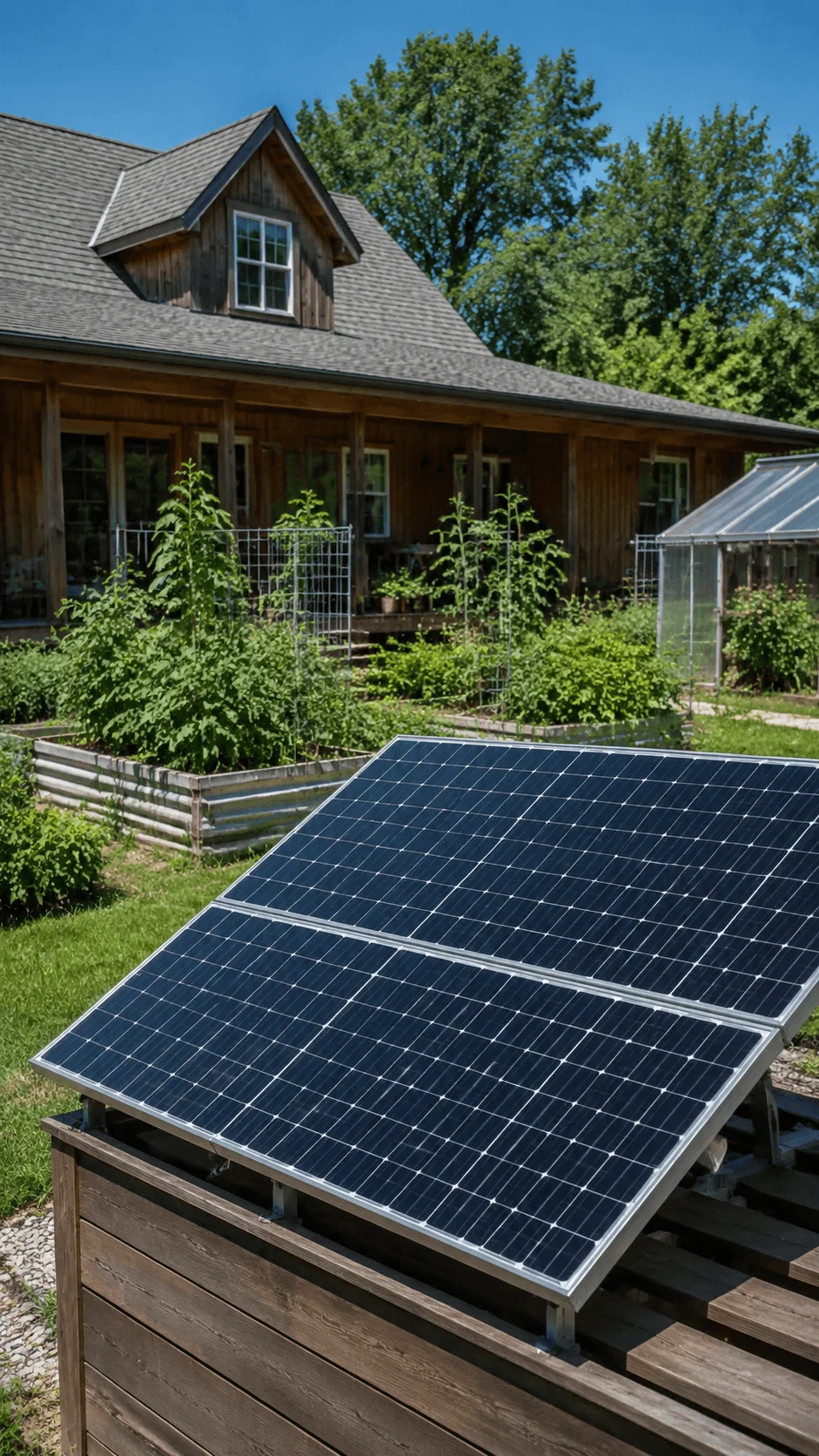
Small solar systems can also support emergency preparation. During power interruptions, basic solar equipment can provide energy for essential devices and outdoor systems.
The biggest advantage of solar projects is their long term value. After installation, sunlight provides free renewable energy while reducing dependence on traditional electricity sources. For people interested in a DIY self sufficient homestead, solar power creates an important foundation for greater independence.
The future of sustainable homes will likely include more renewable energy solutions combined with smart technology. As solar equipment becomes more affordable, more families will be able to create energy efficient homes without making major lifestyle changes.
5. Sustainable Chicken Coop Design Using Recycled Materials
Raising chickens has become a popular choice among people interested in self sufficient living. A well designed chicken coop provides fresh eggs, natural fertilizer, and an opportunity to connect more closely with food production.
Modern sustainable chicken coops focus on using recycled and environmentally friendly materials. Old wood, reclaimed materials, and unused household items can often become useful parts of a functional coop. This reduces waste while creating a unique structure with character.
A sustainable chicken coop should provide proper ventilation, protection from weather, safe nesting areas, and easy cleaning. Good design makes chicken care easier while keeping animals healthy.
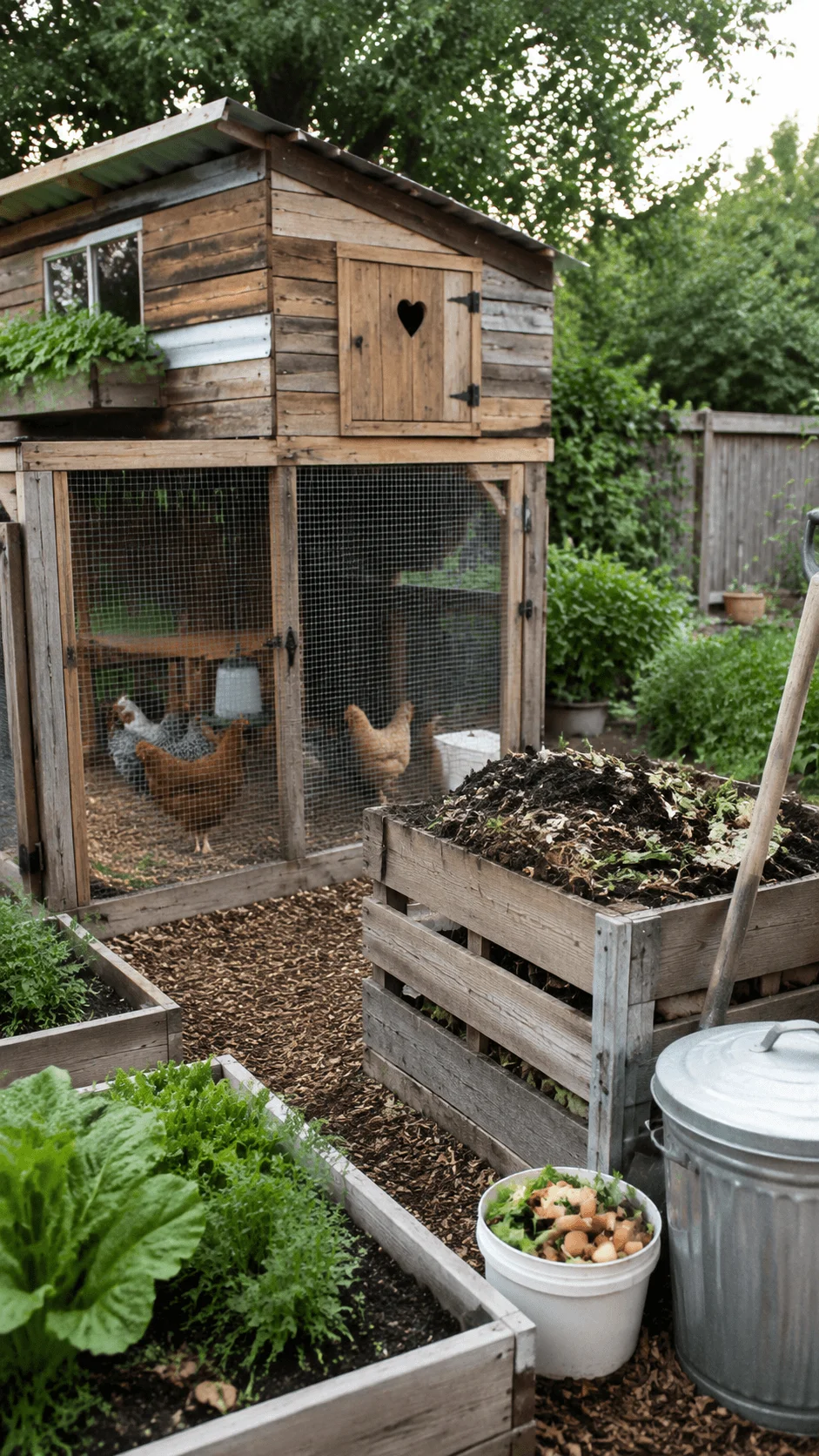
One important aspect of eco friendly chicken keeping is waste management. Chicken bedding and manure can become valuable compost material when handled correctly. Instead of becoming waste, these materials improve garden soil and support food production.
Beginners should start by learning local regulations, understanding chicken care needs, and designing a coop that matches the available space. A small backyard setup can still provide meaningful benefits when planned properly.
Sustainable chicken keeping represents the connection between animals, gardens, and natural cycles. It allows homeowners to create a small food system where different parts support each other.
6. Zero Waste DIY Composting Systems
Composting remains one of the simplest and most powerful sustainable practices that anyone can start at home. It transforms kitchen scraps, garden waste, and organic materials into valuable soil nutrients.
A zero waste composting system helps reduce the amount of household waste sent to landfills while creating natural fertilizer for gardens. Instead of throwing away vegetable peels, leaves, and plant materials, homeowners can return these resources back to the earth.
There are many composting methods available depending on space and lifestyle. Traditional outdoor compost piles work well for larger properties, while worm composting systems are suitable for smaller homes and apartments.
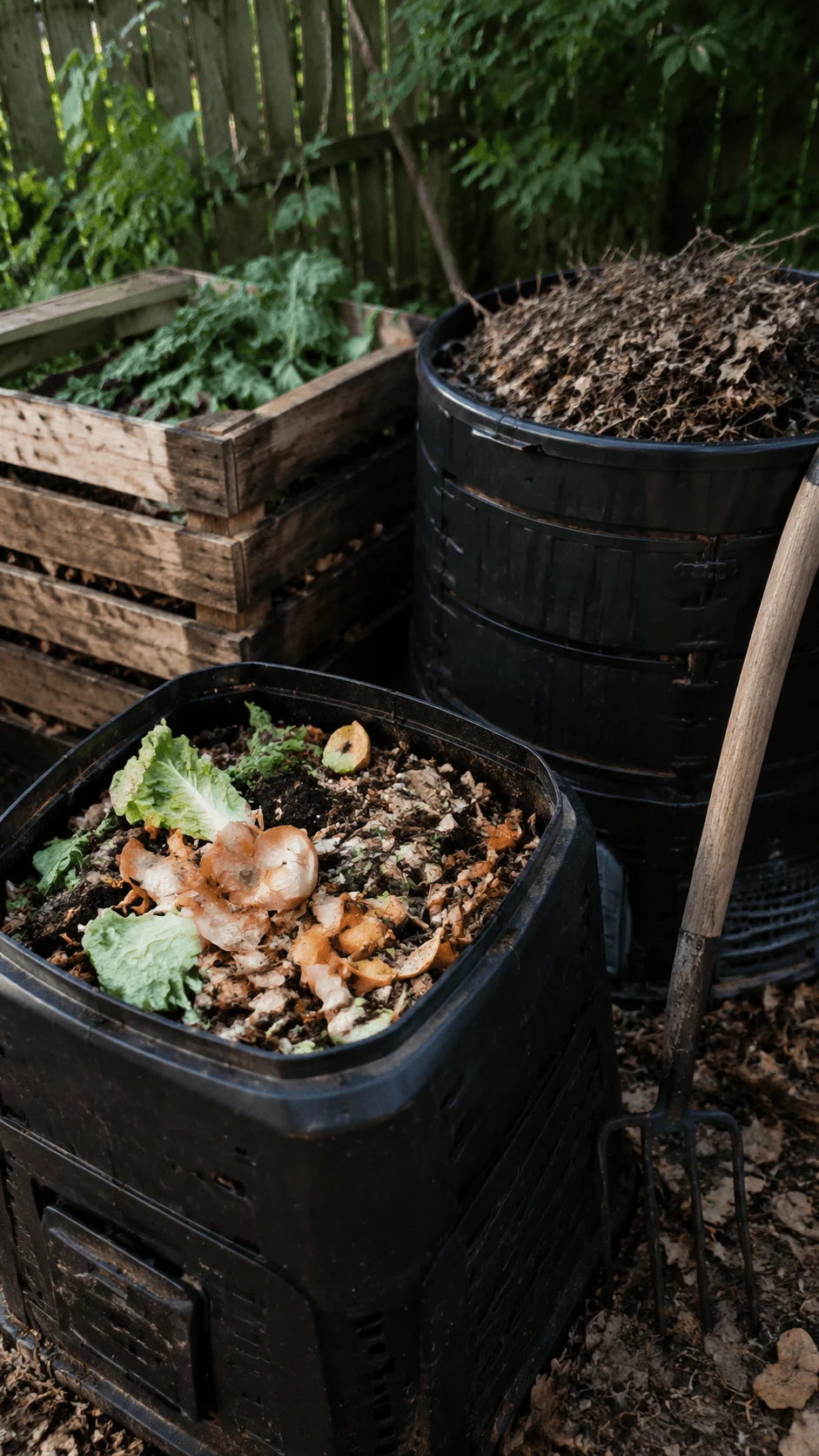
Successful composting depends on maintaining balance. Organic materials need the right combination of moisture, air, and different types of waste to break down properly. Beginners often make mistakes by adding too much of one material or ignoring airflow.
Composting supports almost every other sustainable project because healthy soil creates healthier plants. A productive garden depends on strong soil, and compost provides the nutrients needed for natural growth.
Among beginner homestead projects, composting is one of the easiest ways to begin because it requires minimal investment but creates significant environmental benefits. It teaches an important lesson about sustainability: many things we consider waste still have value.
7. Natural Building Projects Using Earth And Reclaimed Materials
Sustainable construction has become an important part of modern eco friendly living. Many homeowners are moving away from disposable building practices and exploring natural materials that create healthier and more environmentally responsible spaces. Natural building projects combine traditional techniques with modern sustainability principles to create structures that have a smaller impact on the planet.
Materials such as reclaimed wood, clay, stone, bamboo, and natural fibers are becoming popular choices for outdoor structures, garden spaces, storage areas, and small backyard buildings. These materials often have unique textures and character that manufactured products cannot replicate.
A simple beginner project could include creating a reclaimed wood garden shed, a natural outdoor seating area, or a small earth based garden structure. Using salvaged materials not only reduces waste but also gives old resources a new purpose.
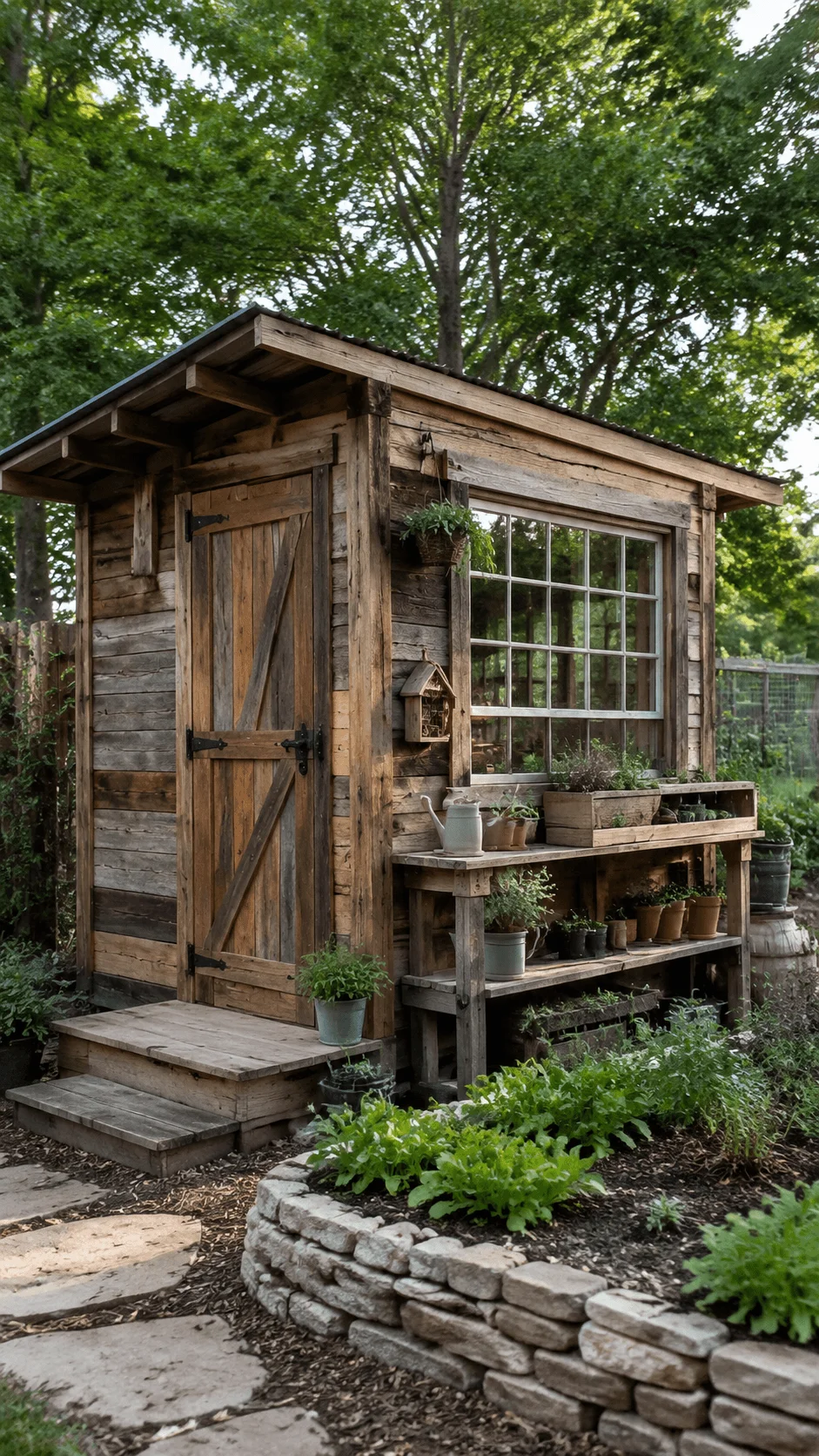
Natural building methods also support the idea of creating spaces that feel connected with nature. Earth based materials often provide better temperature control and create a warm, organic atmosphere. A small structure made from sustainable materials can become a peaceful workspace, greenhouse area, or relaxation corner.
People interested in sustainable living homestead DIY projects often choose natural building because it combines creativity with environmental responsibility. Instead of buying everything new, homeowners can rethink available materials and create useful spaces with fewer resources.
The key to successful natural building is planning. Beginners should research suitable materials for their climate, understand basic construction principles, and start with smaller projects before attempting larger structures. Even simple changes, such as using reclaimed wood for raised garden beds, can contribute to a more sustainable lifestyle.
8. Indoor Food Gardens And Small Space Growing Systems
Many people believe homesteading requires large amounts of land, but modern sustainable living has changed this idea. Indoor food gardens allow people with apartments, small homes, and limited outdoor space to grow fresh produce throughout the year.
Indoor gardening has become one of the most practical sustainable backyard projects because it brings food production closer to everyday life. People can grow herbs, vegetables, microgreens, and small plants using creative systems that require very little space.
Vertical gardens are especially popular because they maximize growing areas by using walls, shelves, or hanging systems. These setups work well in kitchens, balconies, and small rooms. They allow homeowners to produce fresh ingredients while creating a natural atmosphere inside their homes.
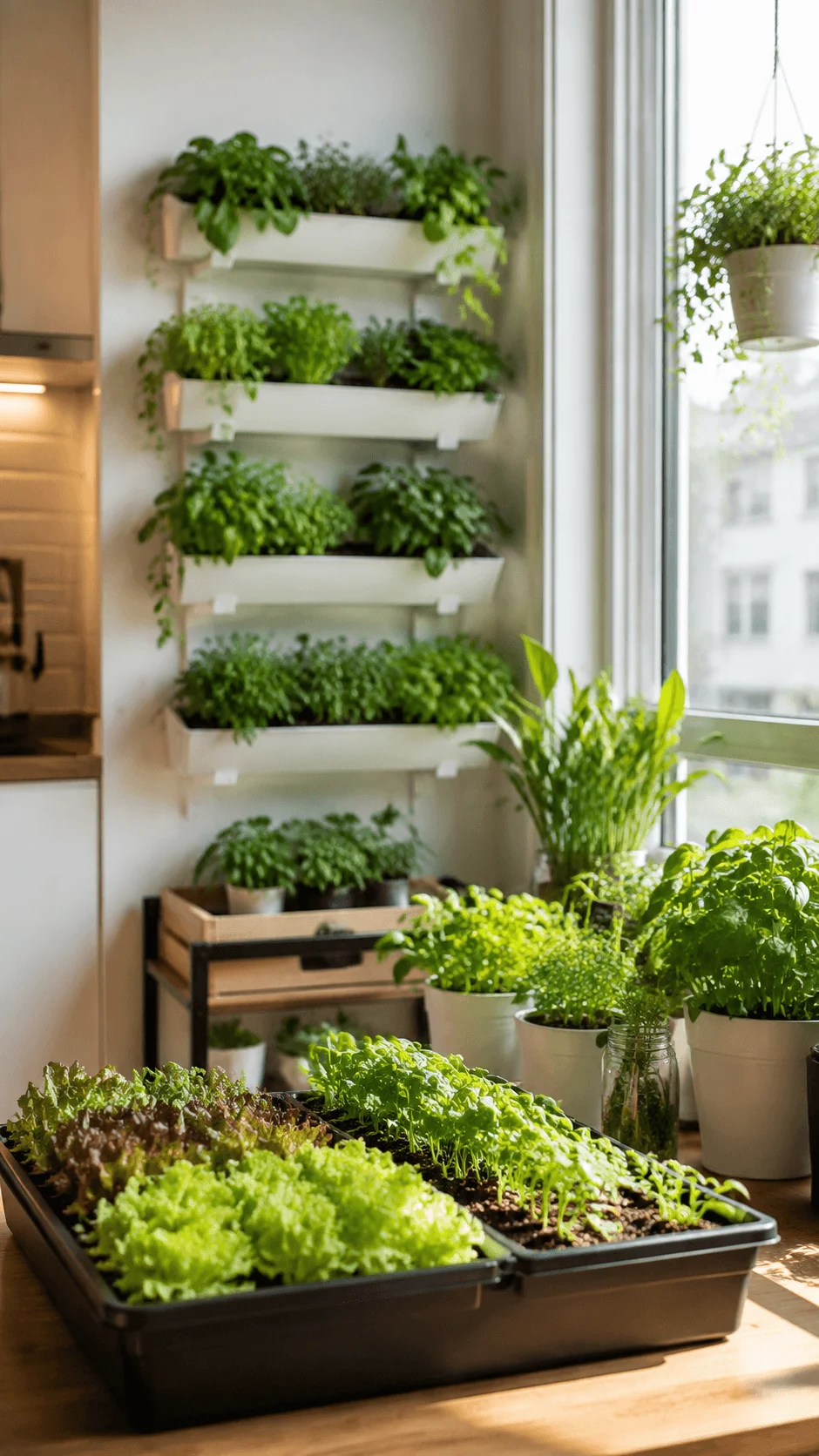
Microgreens have also gained popularity because they grow quickly and provide high nutritional value. Beginners can start with simple containers, natural light, and basic growing materials. Over time, they can expand into more advanced systems such as hydroponic gardens or automated indoor farms.
Indoor food growing supports sustainable living by reducing transportation needs and encouraging people to understand where their food comes from. It also helps create stronger connections between households and natural processes.
For beginners, the best approach is to start with easy plants such as basil, mint, lettuce, or spinach. Learning plant care gradually makes the process enjoyable rather than overwhelming.
These small scale sustainable living solutions prove that anyone can participate in growing food regardless of their location. A small indoor garden can become the first step toward a more independent and environmentally conscious lifestyle.
9. Upcycled Furniture And Salvaged Material Projects
The growing interest in conscious consumption has increased the popularity of upcycling and creative reuse. Instead of replacing old furniture or throwing away unused materials, many homeowners are transforming them into practical and beautiful household items.
Upcycled furniture projects represent one of the most affordable homestead DIY ideas because they reduce waste while allowing people to create personalized designs. Old wooden furniture, pallets, doors, containers, and unused household items can become useful resources with a little creativity.
A damaged wooden table can become a garden workstation. Old wooden boxes can become storage solutions. Reclaimed materials can create shelves, plant stands, outdoor seating, and decorative pieces.
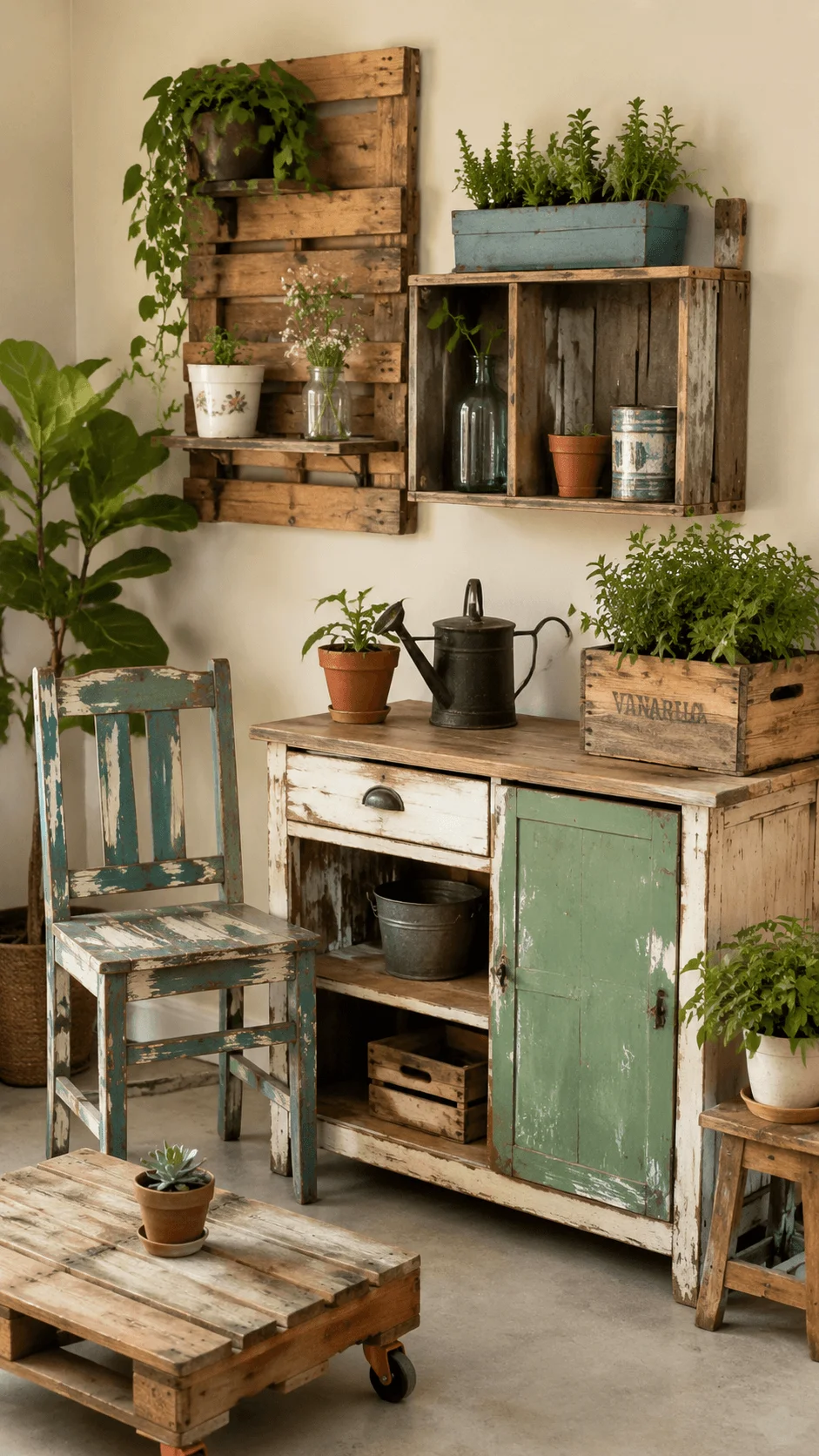
This approach supports sustainability because it reduces demand for newly manufactured products. Every reused item prevents additional waste and saves the resources required for producing something new.
Upcycling also connects strongly with slow living and sustainable home design trends. Many people now prefer homes that tell a story rather than spaces filled with mass produced items. Handmade and restored pieces create warmth, personality, and authenticity.
Beginners can start with simple projects that require basic tools and small amounts of effort. Painting, repairing, refinishing, or repurposing old items can create impressive results without spending much money.
Among affordable homestead DIY projects, upcycling provides one of the easiest entry points because it does not require land or advanced skills. It allows anyone to practice sustainability through everyday choices.
10. Pollinator Friendly Homestead Gardens
Healthy ecosystems depend on biodiversity, and pollinator friendly gardens are becoming a major part of sustainable landscaping. Bees, butterflies, birds, and other beneficial insects play an important role in supporting plant growth and maintaining natural balance.
A pollinator garden focuses on creating spaces where wildlife can find food, shelter, and water. Instead of using only decorative plants, homeowners choose flowers and native species that support local ecosystems.
Creating a pollinator garden does not require a large area. Even a small backyard corner, balcony, or collection of containers can provide valuable support for insects and birds.
Native plants are especially important because they naturally adapt to local conditions. They usually require less water and maintenance while providing better resources for local wildlife.
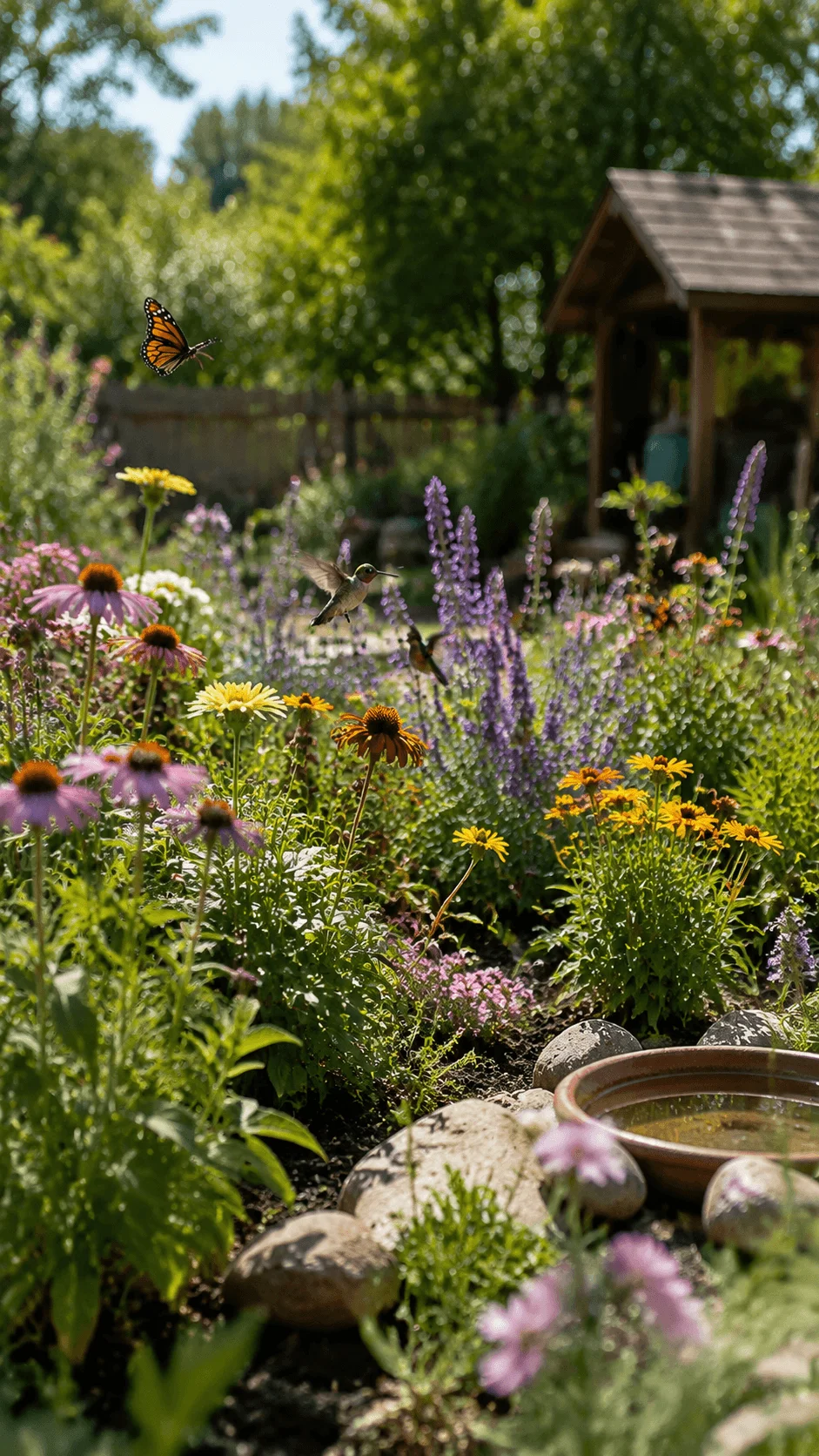
A sustainable pollinator garden may include flowering plants, herbs, small shrubs, and water sources. These elements create a healthier environment while making outdoor spaces more attractive.
Pollinator gardens also improve food production because many fruits and vegetables depend on insects for pollination. By supporting biodiversity, homeowners strengthen their entire growing system.
People interested in regenerative homestead ideas often include pollinator spaces because they understand that sustainability is not only about producing resources. It is also about protecting the natural systems that make life possible.
Creating a wildlife friendly garden encourages a deeper relationship with nature and transforms ordinary outdoor spaces into living ecosystems.
11. DIY Food Preservation And Sustainable Storage Systems
Growing food is only one part of creating a self sufficient lifestyle. Learning how to preserve and store food allows households to enjoy their harvest throughout the year while reducing waste.
Food preservation has become increasingly popular among modern homesteaders because it supports independence and reduces reliance on processed products. Traditional techniques such as fermentation, drying, canning, and natural storage methods are experiencing renewed interest.
Fermentation is one example of a simple preservation method that creates healthy foods while extending shelf life. Vegetables, fruits, and dairy products can be transformed into long lasting products with unique flavors.
Drying is another practical technique that requires minimal equipment. Herbs, fruits, and vegetables can be dried and stored for future use. This method works especially well for gardeners who produce more than they can immediately consume.
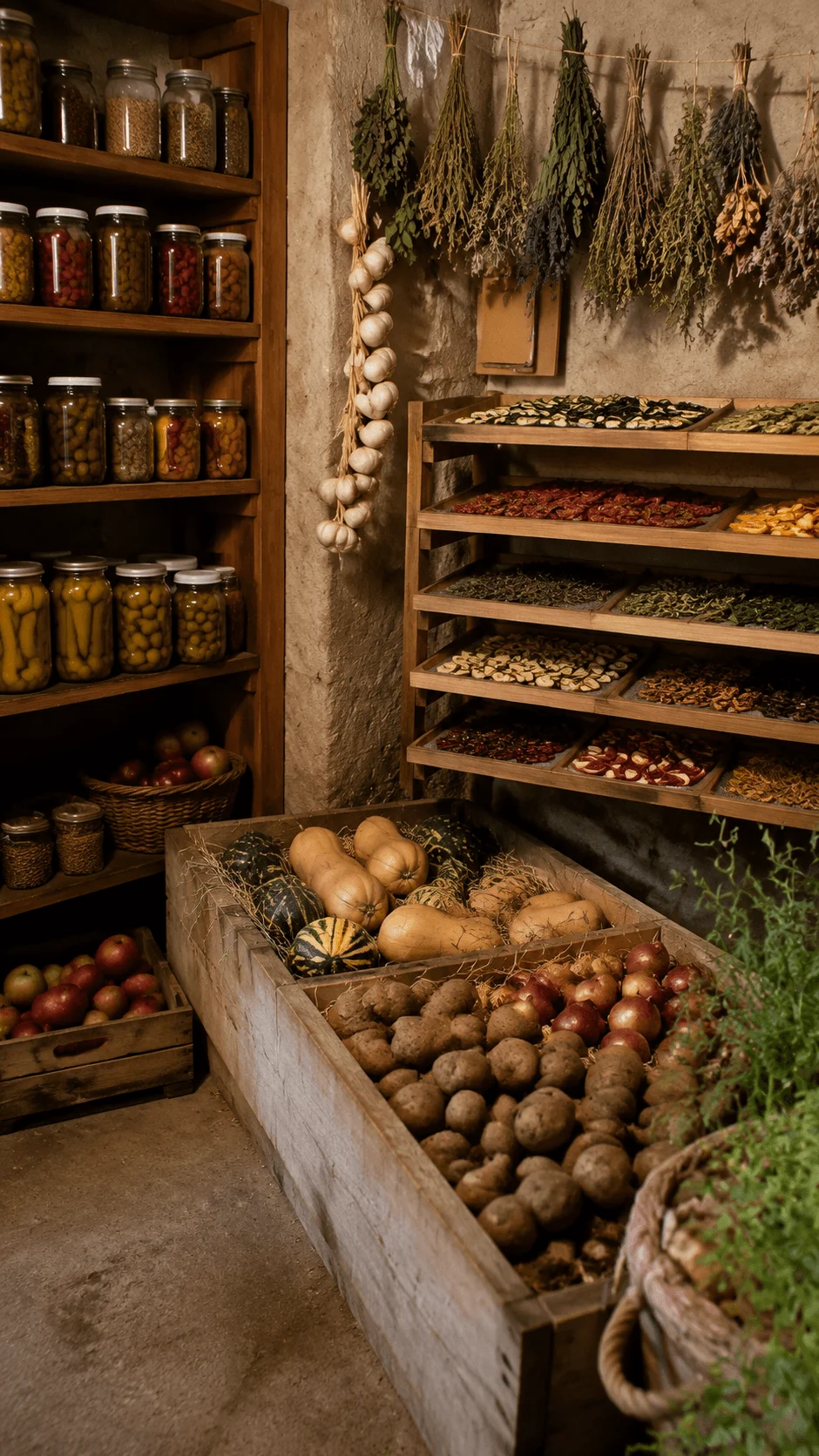
Some homeowners also explore traditional storage systems such as root cellars. These spaces use natural temperature control to preserve vegetables for extended periods.
Sustainable food storage reduces waste because excess harvest does not go unused. It also helps families prepare for seasonal changes and become more independent.
For beginners, starting with small preservation projects is the best approach. Learning one technique at a time builds confidence and creates valuable skills.
Food preservation represents an important part of a DIY self sufficient homestead because it connects gardening, cooking, and resource management into one complete system.
12. Small Sustainable Homestead Layout Planning
Creating a successful homestead does not always require large amounts of land. Many people are now designing small sustainable homesteads that maximize available space through careful planning.
A well planned layout allows different systems to support each other. Gardens can connect with compost areas, rainwater systems can support plants, and animal areas can contribute natural fertilizer.
Small homestead designs often focus on efficiency rather than size. A backyard, quarter acre, or small piece of land can provide meaningful opportunities when resources are organized properly.
Planning should consider sunlight, water access, soil quality, and daily routines. Placing gardens where they receive enough sunlight and keeping frequently used areas easily accessible improves productivity.
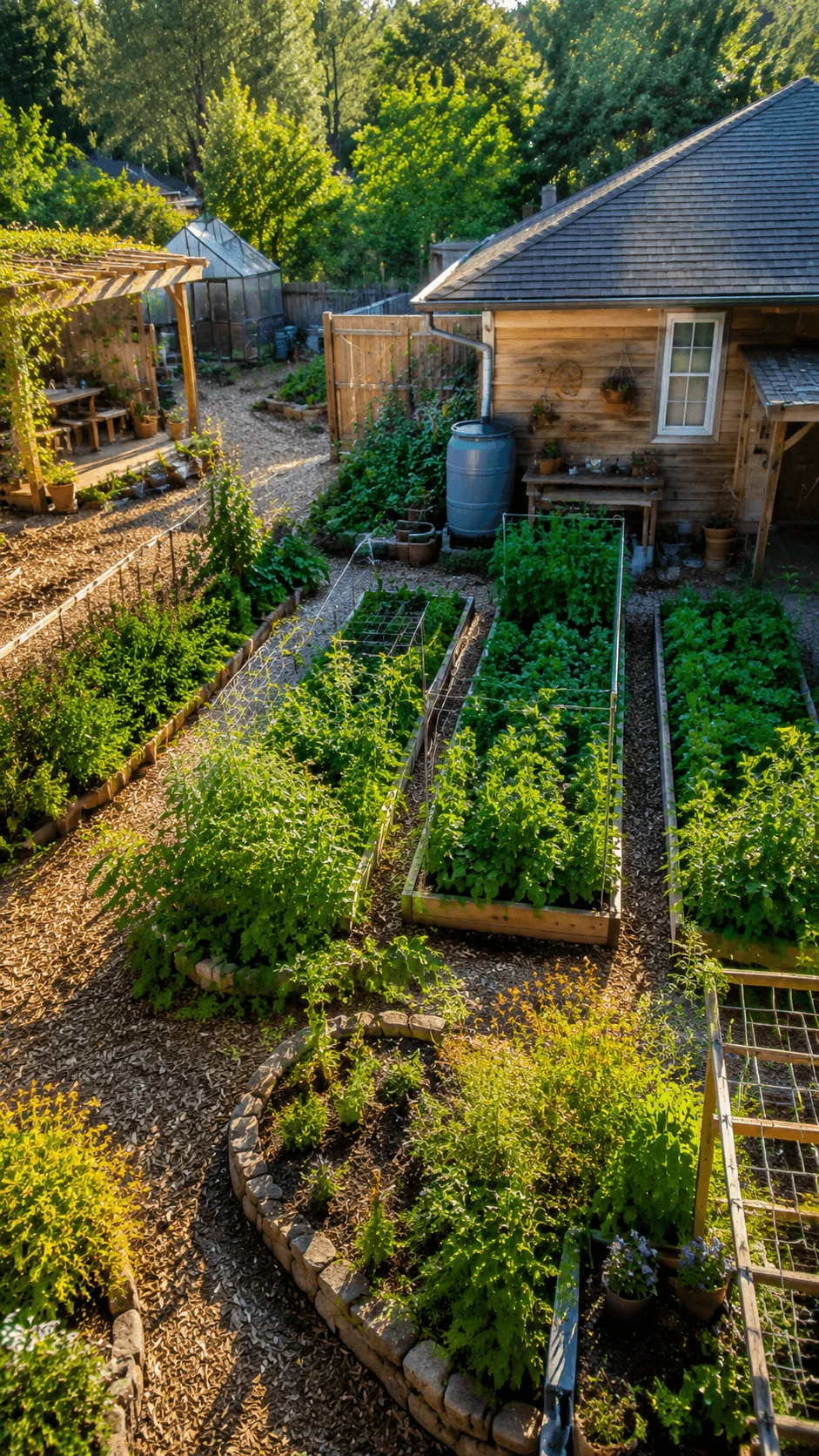
Modern sustainable homestead ideas often combine traditional methods with innovative solutions. A small space can include vegetable beds, fruit trees, compost areas, rain collection systems, and outdoor living spaces.
The goal is not to create a perfect farm immediately. Successful homesteading develops gradually through learning and experimentation.
Beginners should focus on building one system at a time. Starting with composting, gardening, or water collection creates a foundation for future expansion.
Small sustainable homestead planning proves that sustainability depends more on thoughtful design than property size. Anyone can create a greener lifestyle by making intentional decisions about how they use space and resources.
Why Sustainable Homestead DIY Projects Are Trending In 2026
The popularity of sustainable homesteading continues to grow because people are searching for more meaningful and resilient lifestyles. Rising living costs, environmental concerns, and interest in self sufficiency have encouraged many households to rethink traditional ways of living.
Modern homeowners want solutions that provide practical benefits while protecting natural resources. Growing food, reducing waste, producing renewable energy, and reusing materials help create a lifestyle that feels more connected and responsible.
Another reason these projects are gaining attention is the combination of traditional knowledge with modern innovation. Technology, smart tools, and new design ideas are making sustainable practices easier for beginners.
Social media platforms have also increased interest in slow living, natural homes, gardening, and handmade projects. People are attracted to the idea of creating beautiful spaces that support health, creativity, and environmental awareness.
Sustainable living is becoming less about following a trend and more about building long term habits that improve everyday life.
Common Mistakes Beginners Make When Starting A Sustainable Homestead
Many beginners feel excited and try to start too many projects at once. Creating a sustainable lifestyle takes time, and focusing on a few important systems first usually creates better results.
Poor planning is another common mistake. Every location has different conditions, including climate, soil, available sunlight, and water resources. Understanding these factors helps prevent unnecessary problems.
Some people also spend too much money on equipment before learning basic skills. Sustainable living often focuses on using available resources wisely rather than purchasing expensive solutions.
Ignoring soil health can also limit gardening success. Healthy soil creates healthy plants, so composting and natural soil improvement should become important priorities.
Patience is another essential part of homesteading. Many systems require time before they produce noticeable results. Gardens grow, compost develops, and ecosystems become stronger gradually.
Learning from mistakes is part of the process. Sustainable living is not about creating a perfect system immediately but improving step by step.
Conclusion
Sustainable living homestead DIY projects provide practical ways to create healthier, more independent, and environmentally responsible lifestyles. From regenerative gardens and rainwater systems to renewable energy, composting, and natural building, these projects help households use resources more wisely.
The future of homesteading is not limited to people with large farms. Anyone can adopt sustainable practices by starting with small changes that match their space, skills, and lifestyle.
The most important part of sustainable living is progress rather than perfection. A simple compost system, a small garden, or a recycled furniture project can become the beginning of a larger transformation.
As more people explore sustainable homestead ideas, the connection between homes, nature, and personal wellbeing continues to grow. By choosing thoughtful DIY projects, individuals can create spaces that support both their families and the planet.