12 Best Sustainable Development Projects Ideas to Try in 2026
Sustainable development projects ideas are becoming increasingly important in 2026 as communities, schools, businesses, and governments search for practical solutions to environmental challenges. These projects help people reduce waste, conserve natural resources, protect ecosystems, and create healthier communities. Unlike traditional environmental campaigns, modern sustainability projects combine technology, innovation, and community participation to create measurable results.
The growing impact of climate change, increasing waste production, water shortages, and biodiversity loss has made sustainable development projects ideas a powerful way to encourage positive action. From AI based recycling systems to smart water management and biodiversity protection, new sustainability projects are helping people understand that small local actions can contribute to global development goals.
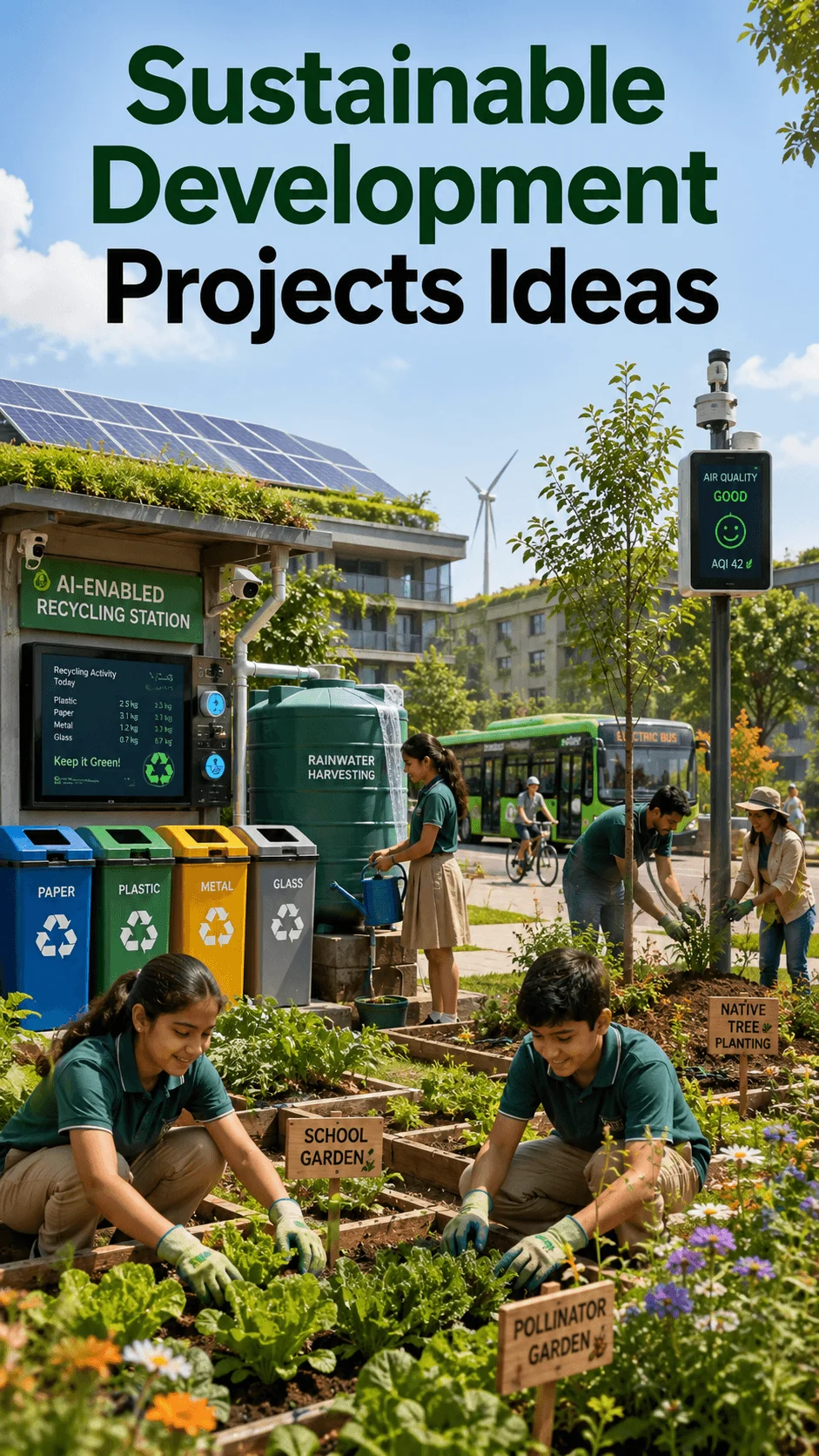
In 2026, the most successful sustainability projects focus on affordability, scalability, and real world impact. Students, researchers, and communities are developing creative solutions that support the United Nations Sustainable Development Goals while addressing local problems. These projects are not only protecting the environment but also improving education, creating awareness, and encouraging responsible lifestyles.
Why Sustainable Development Projects Ideas Matter in 2026
Sustainable development has moved beyond planting trees and recycling campaigns. Modern sustainability requires solutions that balance environmental protection, economic growth, and social improvement. The best sustainable development projects ideas of 2026 focus on using technology and community involvement to solve problems more effectively.
One major reason these projects are gaining popularity is the increasing pressure on natural resources. Rapid population growth and urban expansion have increased demand for water, energy, food, and land. Without responsible management, these resources may become limited for future generations.
Another important factor is the rise of climate related challenges. Extreme weather events, pollution, and changing ecosystems are affecting communities around the world. Sustainable projects help people adapt to these challenges by introducing renewable energy solutions, climate smart farming techniques, and nature based protection methods.
Schools and universities are also playing a major role in promoting sustainability. Educational institutions are encouraging students to develop projects that improve environmental awareness and practical problem solving skills. These activities allow young people to become future leaders in climate action and sustainable development.
Best Sustainable Development Project Ideas for Students and Communities
AI Based Waste Sorting Project for Circular Economy
Waste management is one of the biggest environmental challenges in the modern world. Every year, millions of tons of waste enter landfills, causing pollution and wasting valuable materials. An AI based waste sorting project is one of the most innovative sustainable development projects ideas because it combines technology with environmental protection.
This project uses artificial intelligence, cameras, sensors, or mobile applications to identify different types of waste. The system can separate recyclable materials such as plastic, paper, glass, and metal from general waste. This improves recycling efficiency and supports the circular economy by keeping materials in use for longer periods.
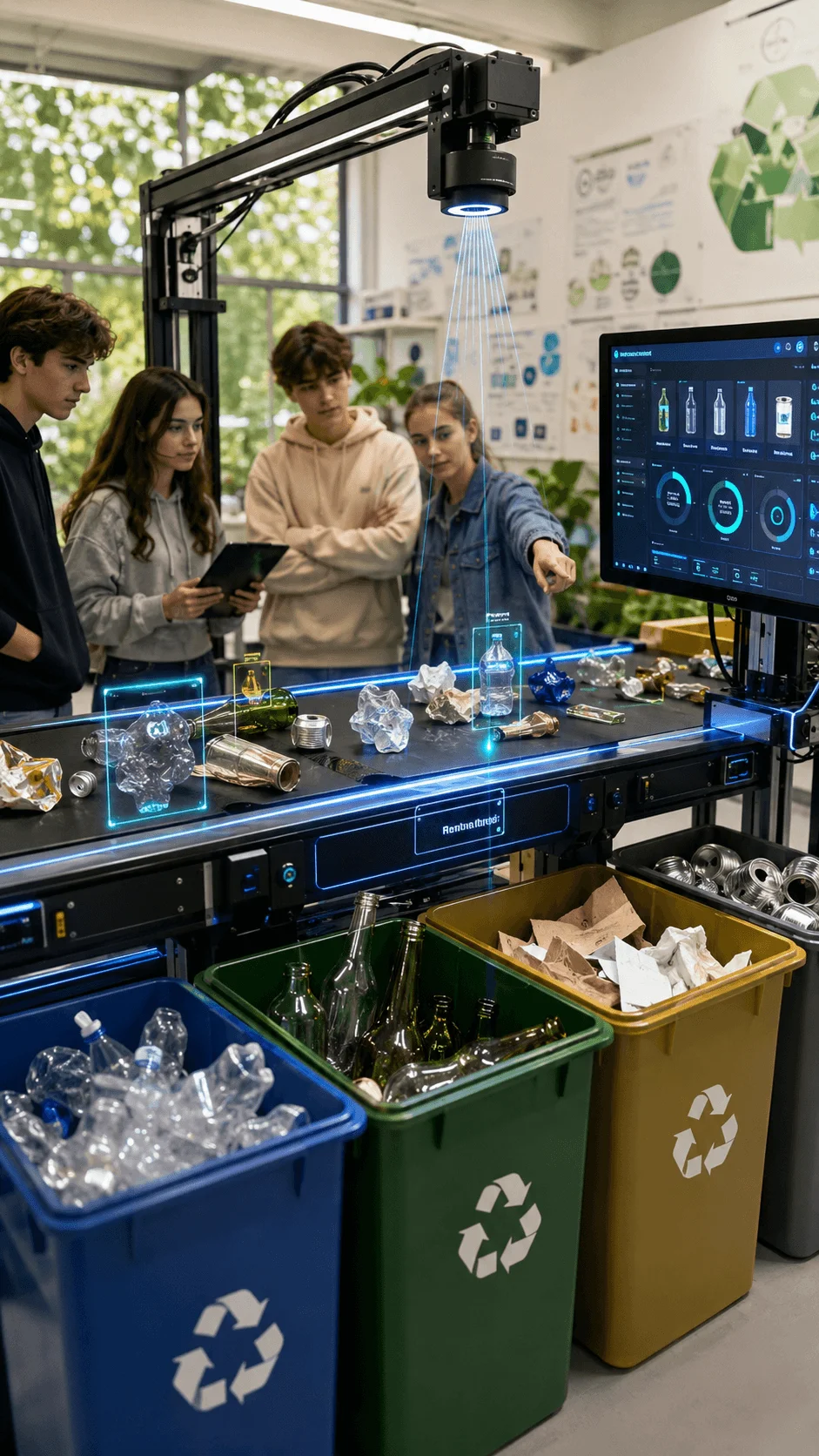
The popularity of AI based waste solutions is increasing because cities need smarter ways to handle growing waste volumes. Traditional waste sorting often depends on manual labor, which can be slow and inaccurate. AI technology can make the process faster and more reliable.
Students can create a simple version of this project by developing a waste identification app or creating an awareness system using basic image recognition tools. Schools can also install separate waste collection stations and use data tracking to measure recycling improvements.
This project supports Sustainable Development Goal 12, which focuses on responsible consumption and production. It also teaches students how technology can help solve environmental problems.
Smart Water Saving System for Schools and Homes
Water conservation has become one of the most important sustainability priorities in 2026. Increasing population, climate change, and poor water management are creating serious water challenges in many regions. A smart water saving system is a practical project that helps reduce unnecessary water consumption.
This project focuses on monitoring water usage and finding ways to prevent waste. Students and communities can create systems that detect leaks, measure water flow, collect rainwater, or reuse household water for gardening.
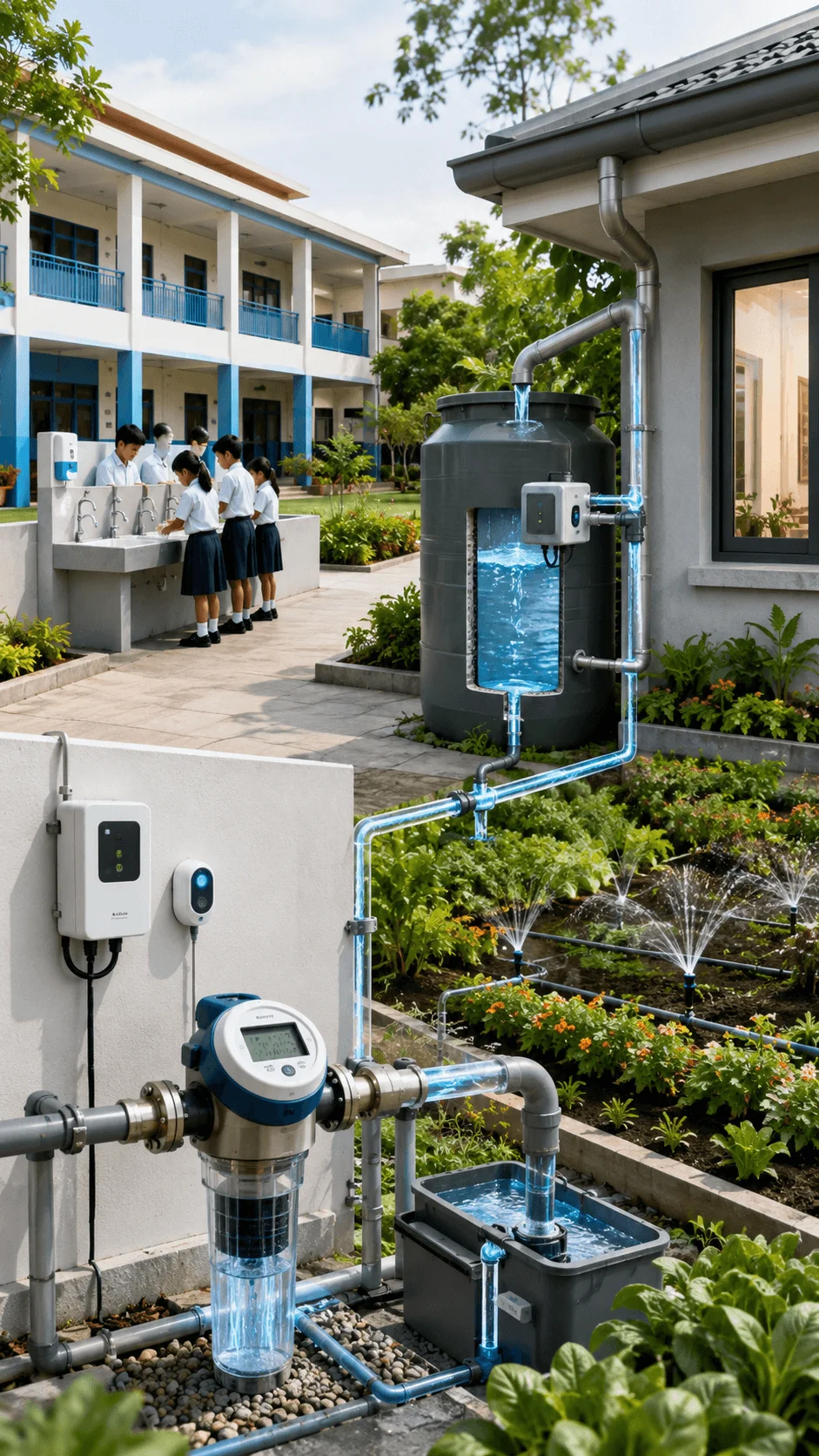
Smart water systems can include sensors that automatically control water supply based on need. For example, irrigation systems can provide water only when plants require it instead of wasting water through continuous supply.
This idea is especially useful for schools because educational institutions consume large amounts of water every day. A school based water conservation project can monitor daily usage, introduce awareness campaigns, and encourage students to adopt responsible habits.
The project supports Sustainable Development Goal 6, which focuses on clean water and sanitation. It also helps communities understand that water conservation is not only an environmental responsibility but also a social necessity.
Solar Powered Urban Drainage Filter Project
Urban pollution has created serious problems for drainage systems and water bodies. Plastic waste, chemicals, and polluted runoff often enter rivers and lakes through city drainage networks. A solar powered urban drainage filter project provides an innovative solution to this issue.
This project focuses on creating a filtration system that removes harmful materials from stormwater before it reaches natural water sources. Solar energy can power small pumps or filtration equipment, making the system more sustainable.
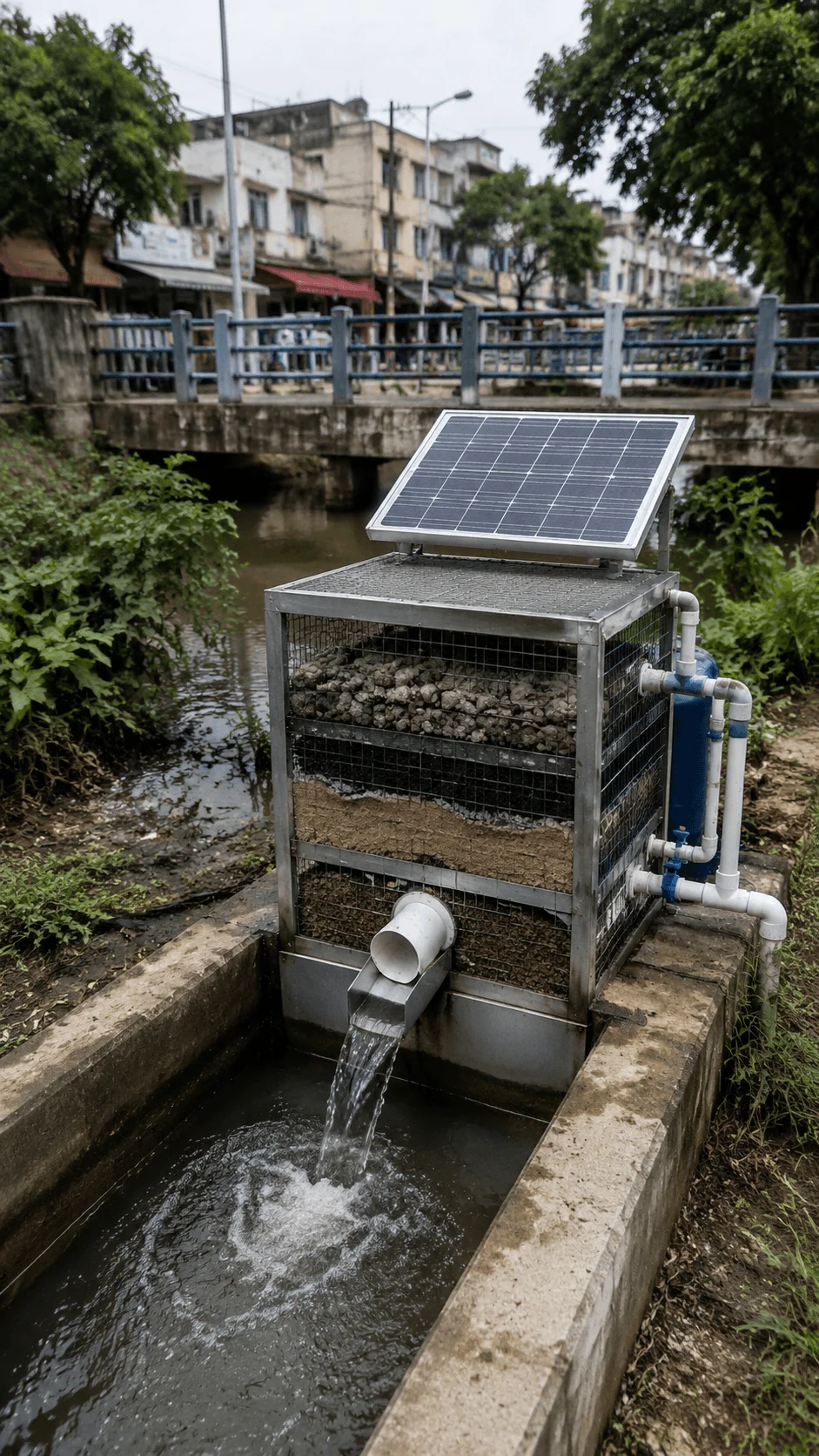
The project combines renewable energy, water protection, and waste management. It can be designed using affordable materials, making it suitable for schools and community groups.
Students can develop a small demonstration model showing how polluted water passes through different filtration layers. Communities can use larger versions near drainage channels to reduce water pollution.
This project supports Sustainable Development Goal 6 and Sustainable Development Goal 11, which focuses on creating sustainable cities and communities.
Climate Smart School Garden Project
Agriculture is facing major challenges due to climate change, soil degradation, and changing weather patterns. Climate smart school gardens are becoming popular because they combine education with sustainable food production.
A climate smart garden uses methods such as composting, organic farming, rainwater collection, drip irrigation, and native plant cultivation. These gardens help students understand where food comes from while teaching them responsible farming practices.
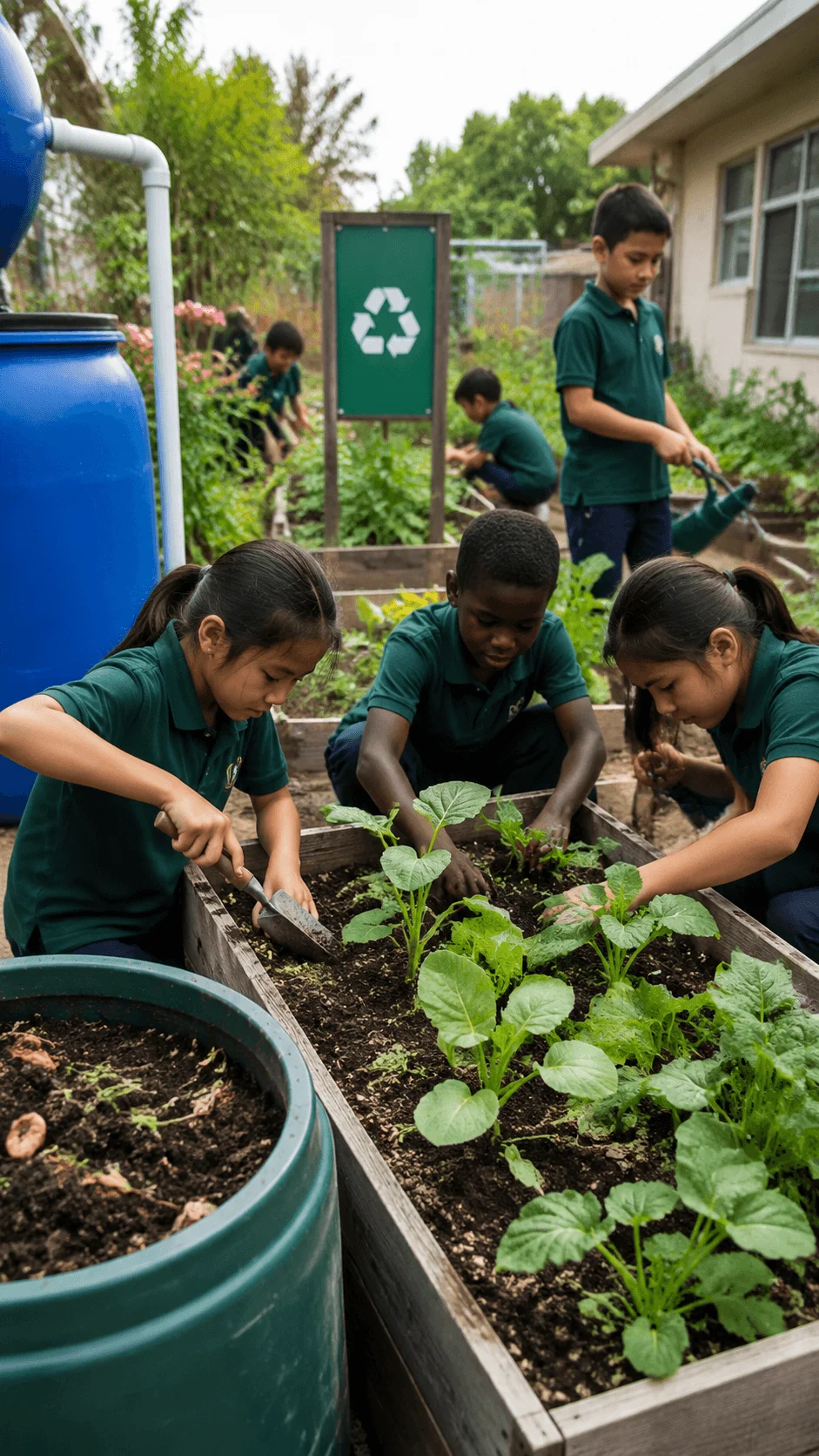
Unlike traditional gardens, climate smart gardens focus on long term environmental benefits. They improve soil health, support biodiversity, reduce water waste, and encourage healthier food choices.
Schools can use unused spaces to create small gardens where students grow vegetables, herbs, and native plants. The project can also include compost areas where food waste from cafeterias becomes natural fertilizer.
This idea supports Sustainable Development Goal 2, which focuses on food security, and Sustainable Development Goal 13, which focuses on climate action.
Food Waste Composting and Biogas Project
Food waste is a major global issue because large amounts of edible and organic waste are thrown away every day. A food waste composting and biogas project helps transform waste into useful resources.
Composting converts organic waste into nutrient rich fertilizer that improves soil quality. Biogas systems can convert food waste into renewable energy that can be used for cooking or heating.
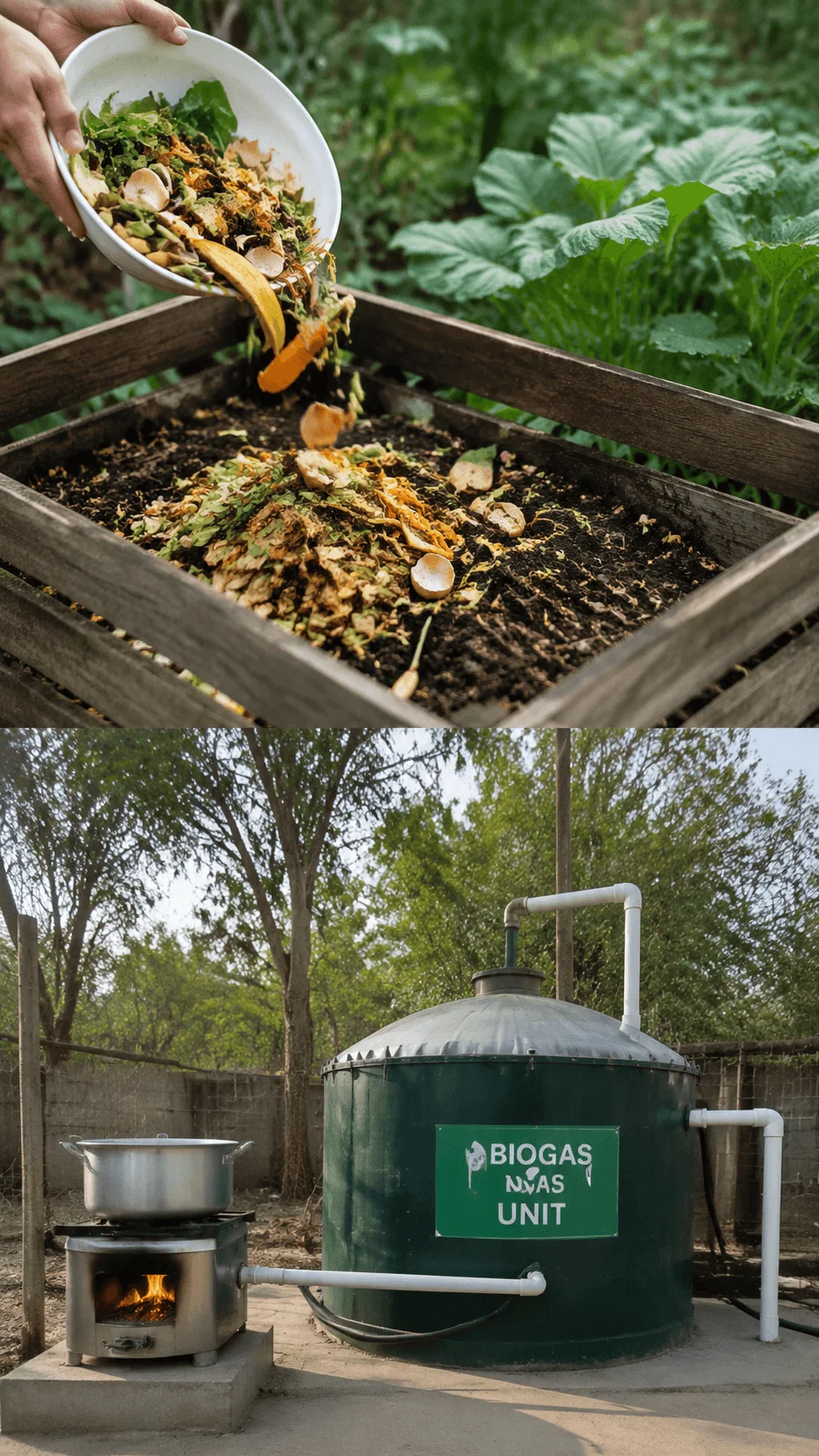
This project is becoming more popular because it supports the circular economy. Instead of treating waste as a problem, it transforms waste into a valuable resource.
Schools, restaurants, and communities can collect food waste and create composting systems. Students can monitor the amount of waste collected and calculate the environmental benefits.
This project supports Sustainable Development Goal 12 by promoting responsible consumption and reducing waste generation.
Native Tree Micro Forest Project
Forests play a vital role in maintaining climate balance, protecting biodiversity, and improving air quality. However, rapid urban development has reduced natural green spaces in many areas. A native tree micro forest project is one of the most effective sustainable development projects ideas because it focuses on restoring local ecosystems through small but highly productive forests.
A micro forest is a small area planted with native trees, shrubs, and plants that naturally belong to a specific region. These forests grow faster than traditional plantations because they create a self supporting ecosystem where plants work together to improve soil quality and attract wildlife.
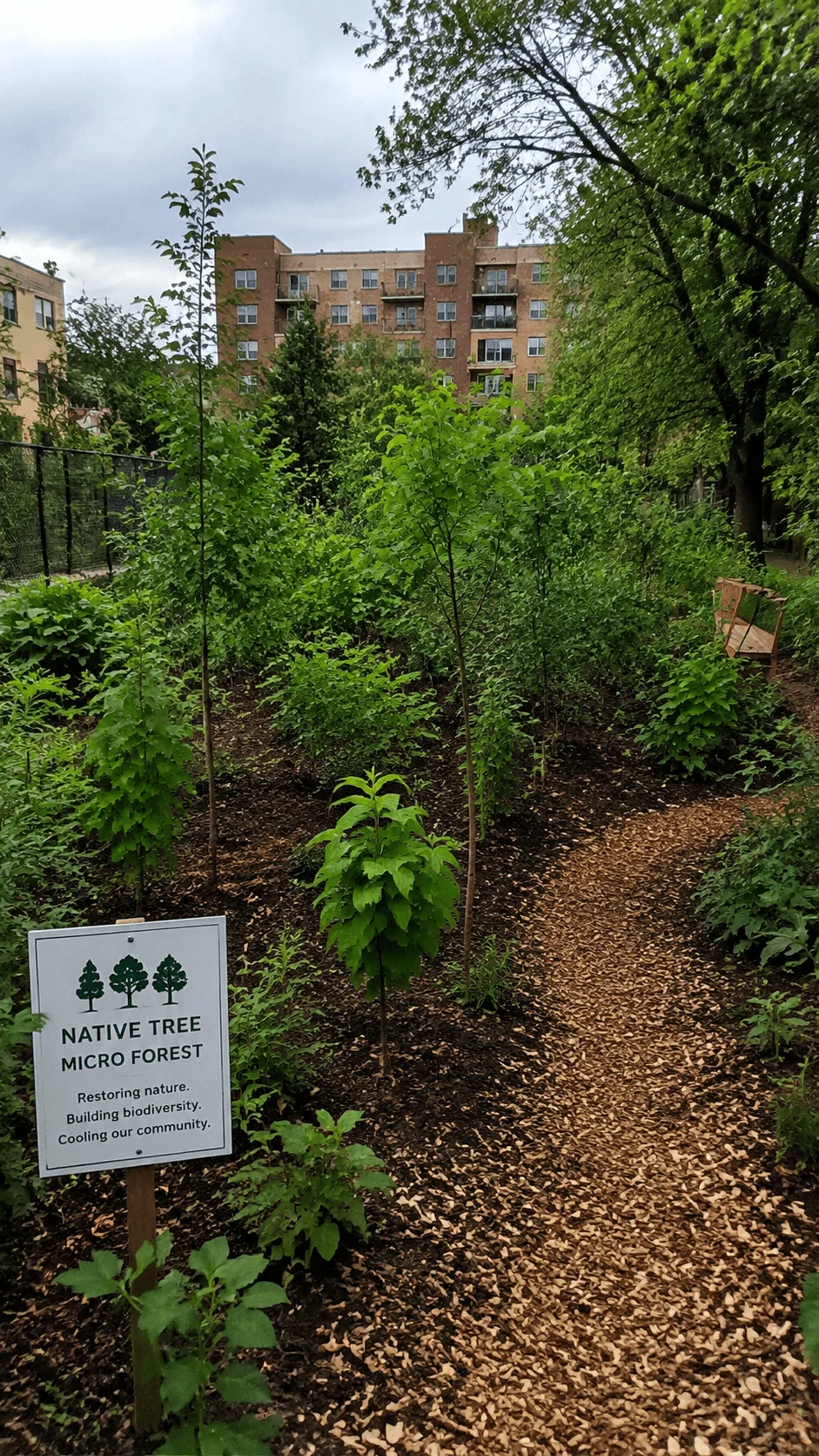
This project is becoming more popular in 2026 because cities need affordable solutions to reduce heat, improve air quality, and create green spaces. Unlike ordinary tree planting campaigns, micro forests focus on biodiversity rather than only increasing the number of trees.
Schools and communities can select unused land areas and plant native species after studying local climate conditions. Students can monitor plant growth, identify wildlife returning to the area, and measure environmental improvements.
This project supports Sustainable Development Goal 13, which focuses on climate action, and Sustainable Development Goal 15, which focuses on protecting life on land. It also teaches communities that protecting nature requires long term commitment rather than short term activities.
Clean Air Monitoring Project for Students
Air pollution has become one of the biggest environmental and health challenges worldwide. Increasing traffic, industrial activities, and urban growth have made air quality monitoring an important part of sustainable development planning.
A clean air monitoring project allows students and communities to measure pollution levels and understand the causes of poor air quality. Using affordable air quality sensors, participants can collect information about dust particles, smoke, carbon emissions, and indoor air pollution.
This project is one of the most practical sustainable development projects ideas because it combines environmental science, technology, and public awareness. When people understand pollution levels in their surroundings, they can make better decisions to reduce emissions.
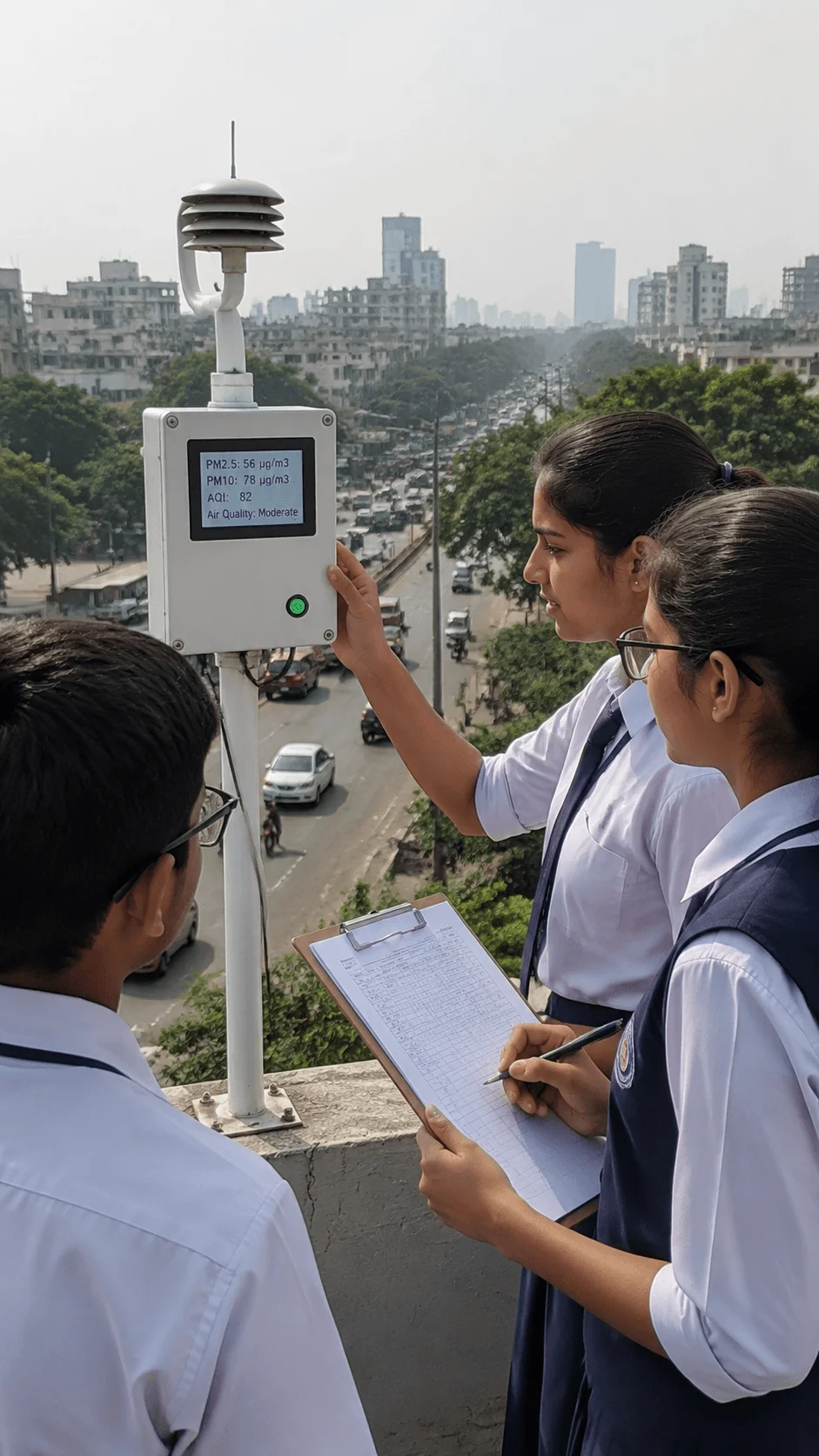
Schools can install simple monitoring devices and create reports showing daily air quality changes. Students can compare pollution levels near roads, parks, and school buildings to understand how different environments affect air quality.
The project can also encourage actions such as planting trees, reducing unnecessary vehicle use, improving ventilation, and promoting clean energy.
This idea supports Sustainable Development Goal 3, which focuses on good health and well being, and Sustainable Development Goal 13, which focuses on climate action.
Sustainable Transport Awareness Campaign
Transportation is responsible for a significant amount of global carbon emissions. As cities continue to grow, sustainable transport solutions are becoming essential for reducing pollution and improving quality of life.
A sustainable transport awareness campaign focuses on encouraging environmentally friendly travel habits. This can include promoting walking, cycling, public transport, car sharing, and better urban mobility planning.
Students can conduct surveys to understand how people travel to school or work. They can create awareness programs that encourage people to choose cleaner transportation options whenever possible.
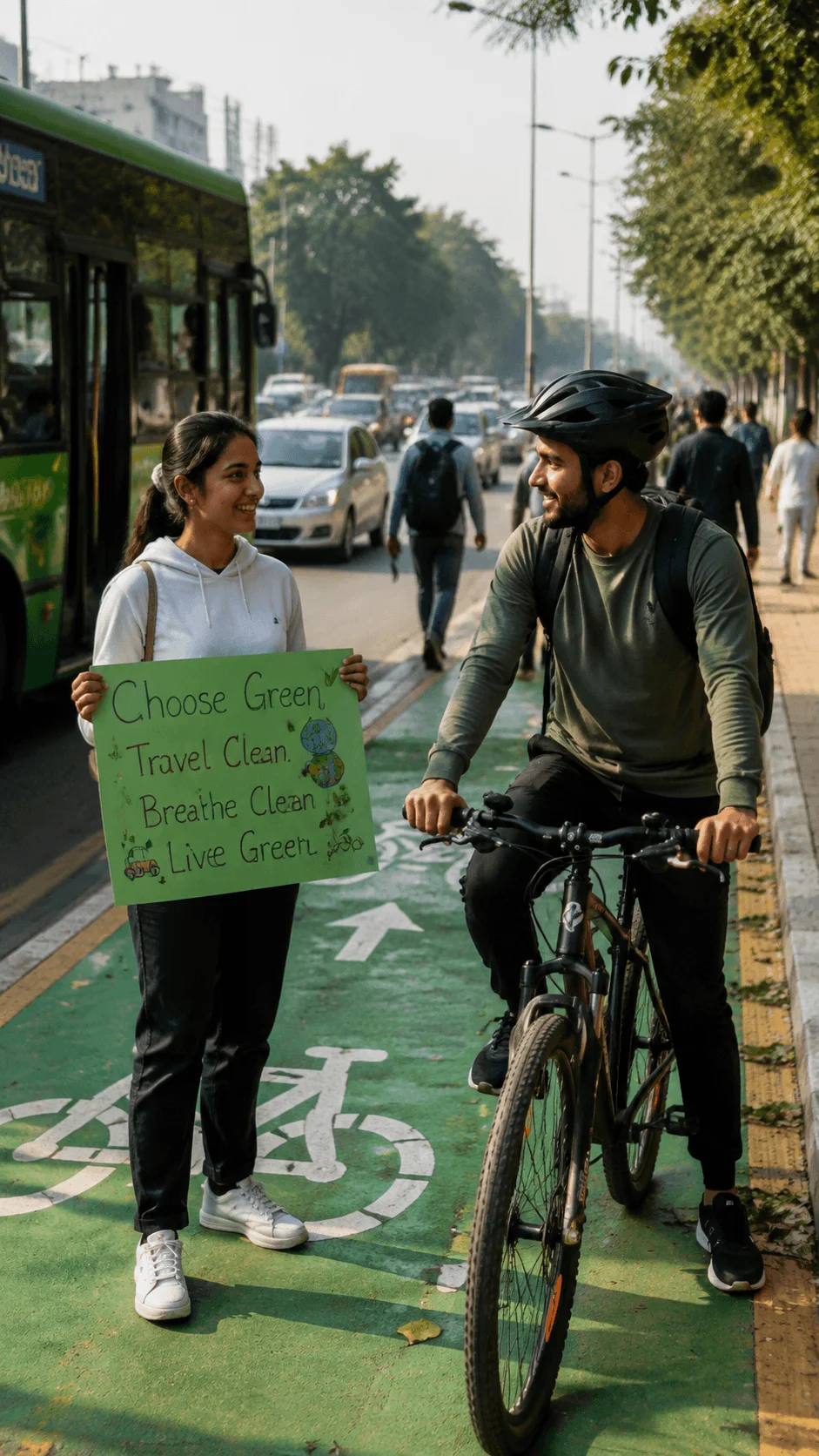
This project is especially relevant in 2026 because many cities are investing in greener transportation systems. However, public participation remains necessary for these solutions to succeed.
A school can organize a “green travel week” where students track their transportation choices and calculate how much carbon emission they reduce. Communities can also create safe walking maps or cycling awareness programs.
This project supports Sustainable Development Goal 11, which focuses on sustainable cities and communities, and Sustainable Development Goal 13, which focuses on climate action.
Digital Product Passport Project
The traditional production system often follows a pattern where products are made, used, and thrown away. A digital product passport project introduces a more sustainable approach by helping people understand the complete life cycle of products.
A digital product passport is a digital record that provides information about a product’s materials, manufacturing process, repair options, and recycling instructions. This idea supports transparency and encourages responsible consumption.
Students can create simple QR code based systems for school items such as uniforms, electronic devices, books, or furniture. When someone scans the code, they can learn how to repair, reuse, or recycle the product.
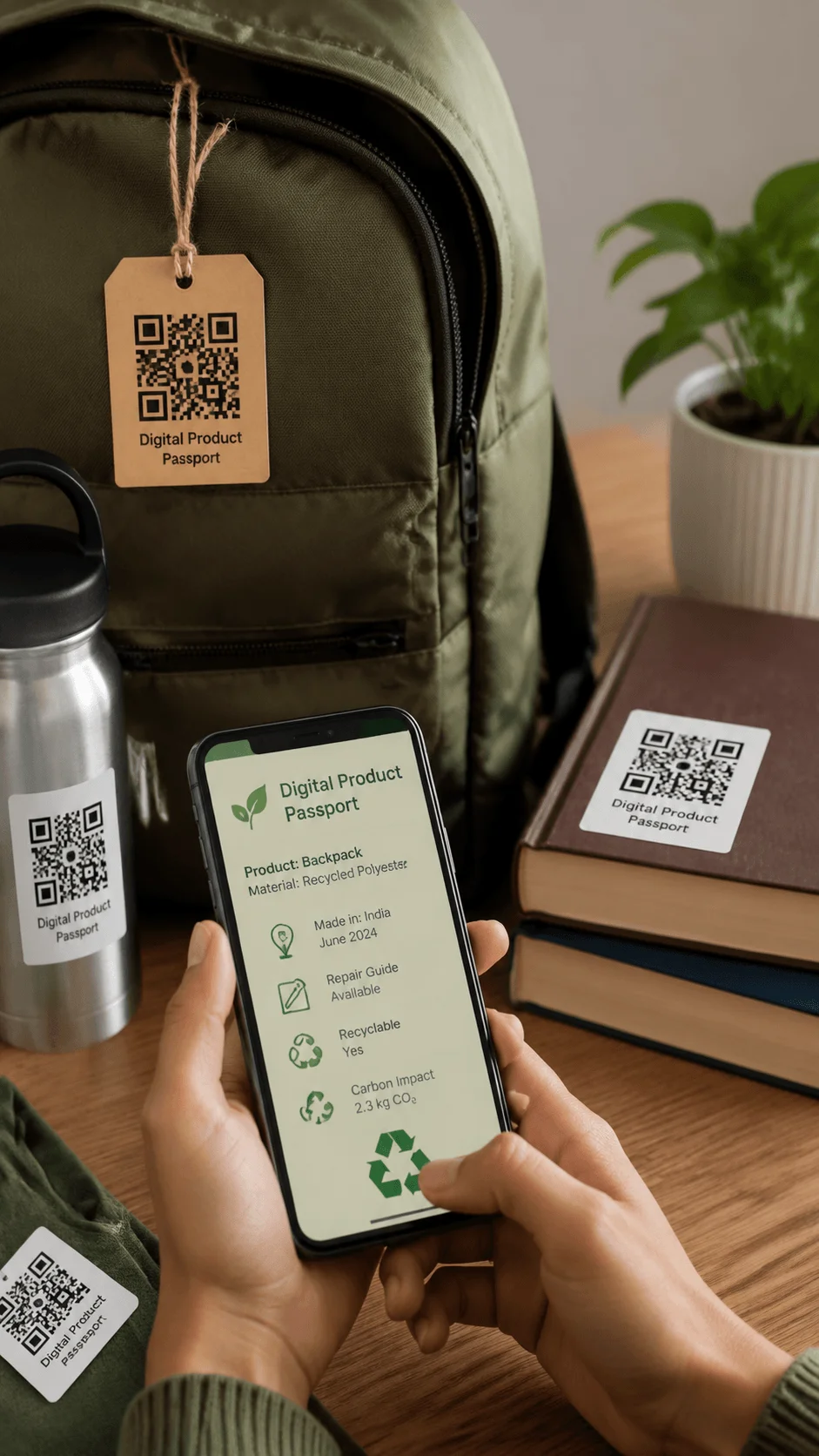
This project is becoming a major sustainability trend because industries are moving toward circular economy models. Consumers increasingly want information about where products come from and how they affect the environment.
A school based project can teach students that sustainability is not only about buying environmentally friendly products but also about extending the life of existing products.
This idea supports Sustainable Development Goal 12 by encouraging responsible consumption and production.
Eco Tourism and Local Culture Conservation Project
Tourism can create economic opportunities, but uncontrolled tourism can damage natural environments and local cultures. Eco tourism projects provide a sustainable way to support communities while protecting natural and cultural resources.
An eco tourism conservation project focuses on responsible travel, biodiversity protection, local traditions, and environmental education. Communities can create nature trails, cultural tours, wildlife observation programs, and conservation activities.
This project is one of the emerging sustainable development projects ideas because travelers are becoming more interested in experiences that protect nature and support local communities.
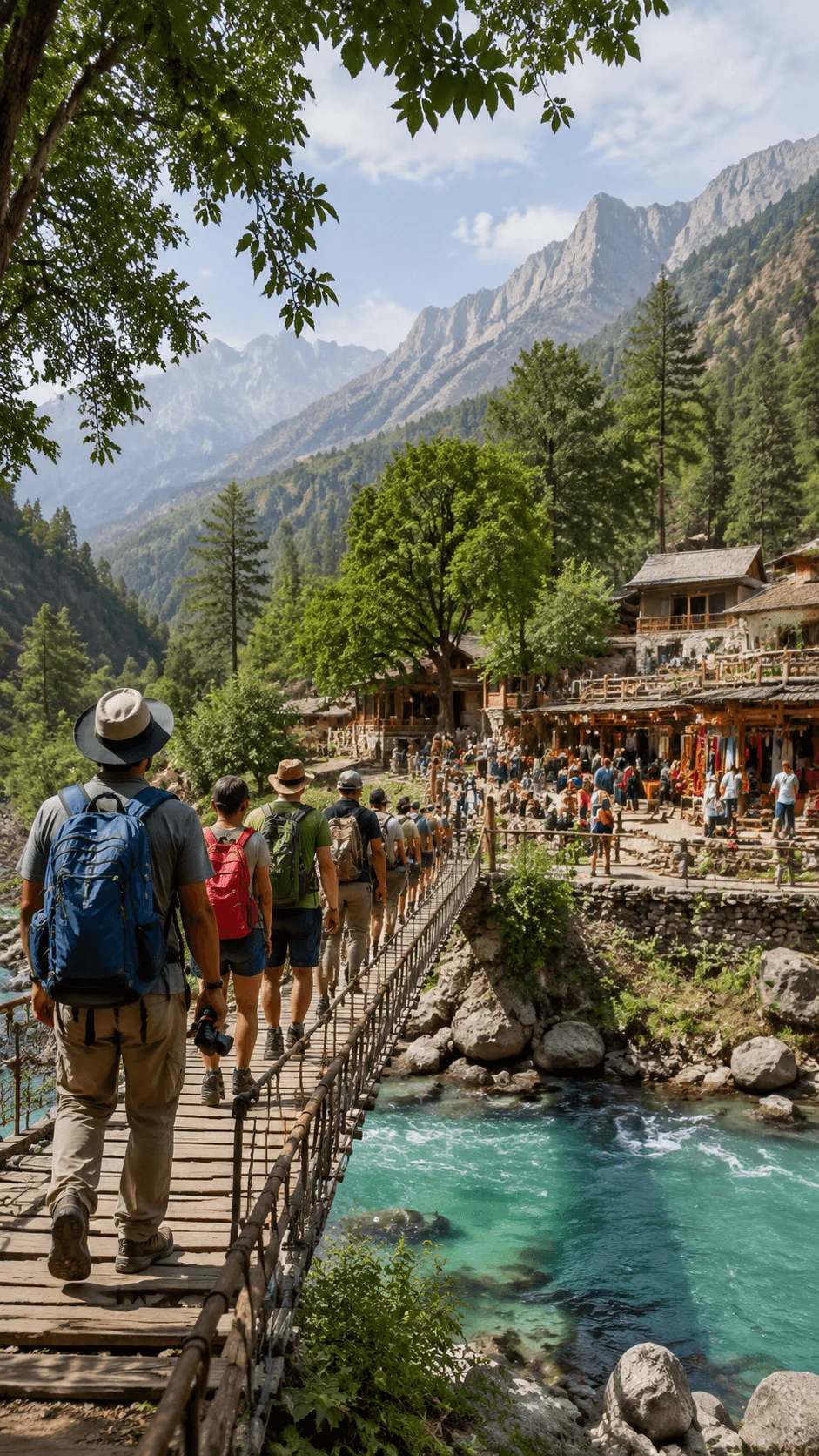
Students can research local natural areas, document cultural traditions, and create awareness campaigns about responsible tourism. They can also develop digital guides that promote environmentally friendly travel practices.
Eco tourism helps create income opportunities while protecting ecosystems. It shows that economic development and environmental protection can work together.
This project supports Sustainable Development Goal 8, which focuses on sustainable economic growth, and Sustainable Development Goal 15, which focuses on protecting ecosystems.
Sustainable AI Energy Awareness Project
Artificial intelligence is transforming many industries, but it also creates new sustainability challenges because AI systems require significant computing power and energy resources.
A sustainable AI energy awareness project focuses on understanding how digital technologies affect the environment. Students can research energy consumption from data centers, electronic devices, and online services.
The goal of this project is not to discourage technology but to encourage responsible use. Students can promote energy saving practices such as efficient device usage, reducing unnecessary digital storage, and choosing renewable energy sources.
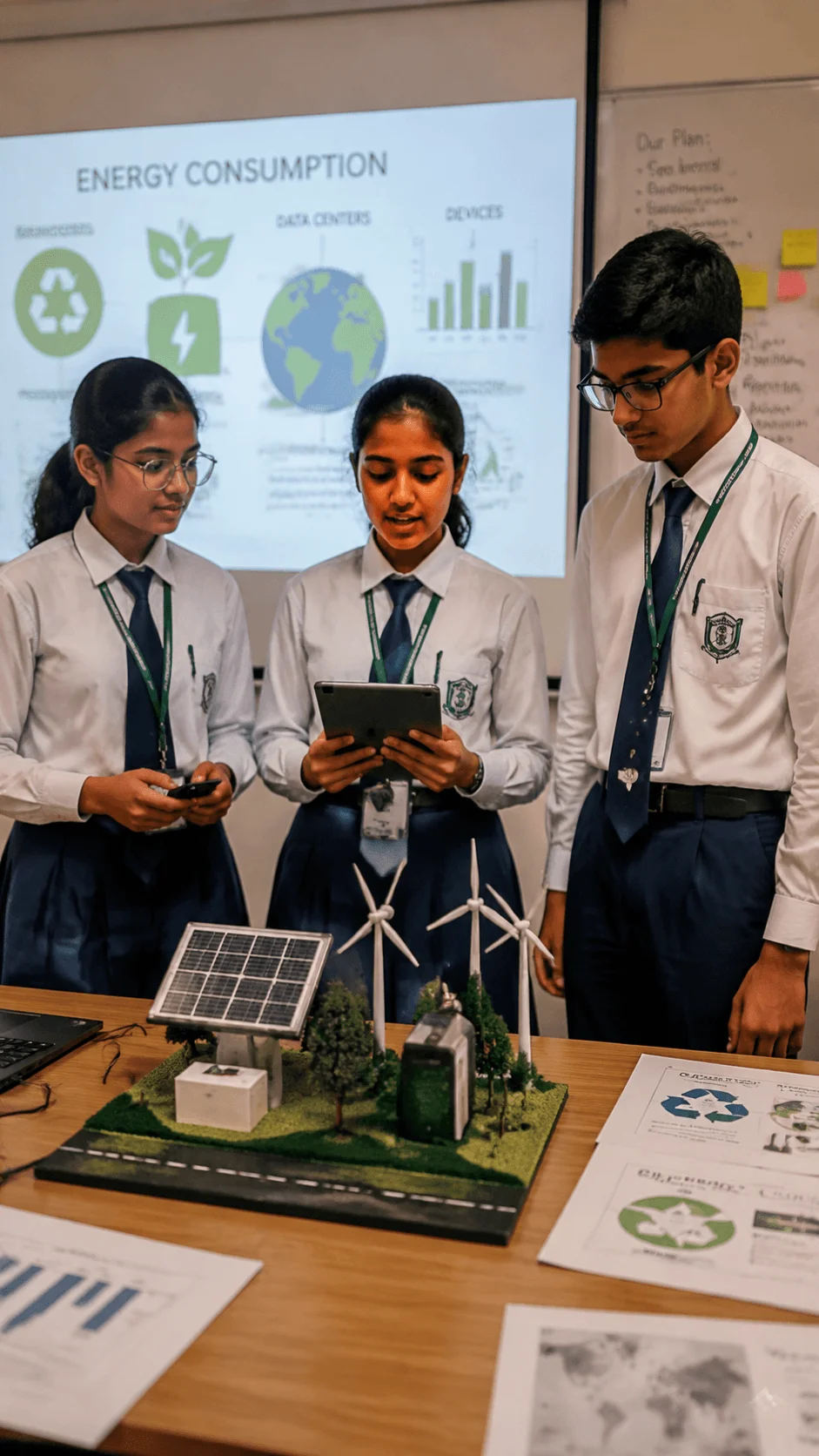
This is a modern sustainability topic because technology and environmental responsibility are becoming increasingly connected. Future generations need to understand how innovation can grow while reducing environmental impact.
Schools can organize awareness sessions where students compare energy consumption patterns and suggest practical solutions.
This project supports Sustainable Development Goal 7, which focuses on clean energy, and Sustainable Development Goal 13, which focuses on climate action.
Biodiversity Mapping Project for Local Communities
Biodiversity plays an important role in maintaining healthy ecosystems. However, habitat destruction, pollution, and climate change are causing many species to decline.
A biodiversity mapping project helps communities understand and protect local plants, animals, insects, and natural habitats. Participants collect information about different species and create maps showing biodiversity locations.
This project is becoming increasingly valuable because conservation efforts need accurate information about local ecosystems. Communities cannot protect what they do not understand.
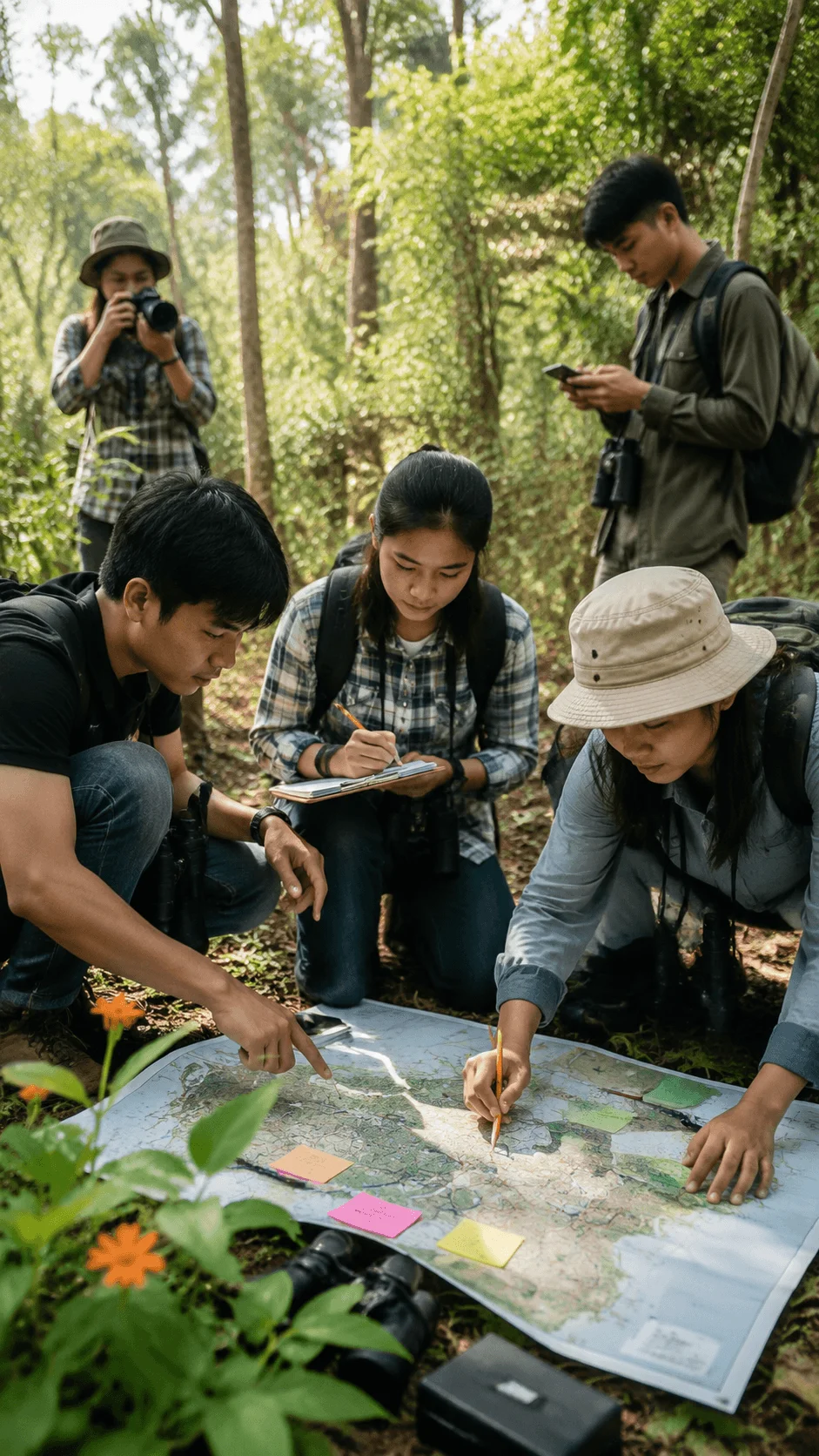
Students can use mobile applications, photography, and observation records to document birds, plants, insects, and other wildlife in their areas.
The project can also identify areas that need protection, such as wetlands, forests, and pollinator gardens.
Biodiversity mapping supports Sustainable Development Goal 15 by protecting life on land and encourages communities to become active participants in conservation.
How to Choose the Best Low Cost Sustainability Project
Choosing the right project depends on available resources, local problems, and the expected impact. The best sustainable development projects ideas are not always the most expensive or technologically advanced. A successful project is one that solves a real problem and encourages people to participate.
Students should first identify challenges in their environment. For example, a school facing water shortages may benefit from a water conservation project, while an area with waste problems may need recycling or composting solutions.
The next step is understanding available resources. Some projects require technology, while others can begin with simple materials and community participation. A small composting system, tree plantation project, or awareness campaign can create meaningful results with limited investment.
Long term impact should also be considered. A good sustainability project continues creating benefits even after the initial activity ends. Projects that involve education, community participation, and regular monitoring usually create stronger results.
The most successful projects combine environmental benefits with social improvement. They teach people new skills, create awareness, and encourage responsible decisions.
Conclusion
Sustainable development projects ideas are becoming essential tools for addressing environmental challenges in 2026. From artificial intelligence based waste management to biodiversity protection and climate smart farming, modern sustainability projects show how innovation and community action can create meaningful change.
The importance of these projects goes beyond protecting the environment. They help students develop problem solving skills, encourage communities to work together, and support global Sustainable Development Goals. Whether a project focuses on saving water, reducing waste, improving air quality, or protecting nature, every effort contributes to a more sustainable future.
The best approach is to start with a local problem and create a practical solution. Small projects can grow into larger movements when people participate and share responsibility. By choosing creative and realistic sustainability initiatives, schools, communities, and organizations can help build a healthier planet for future generations.