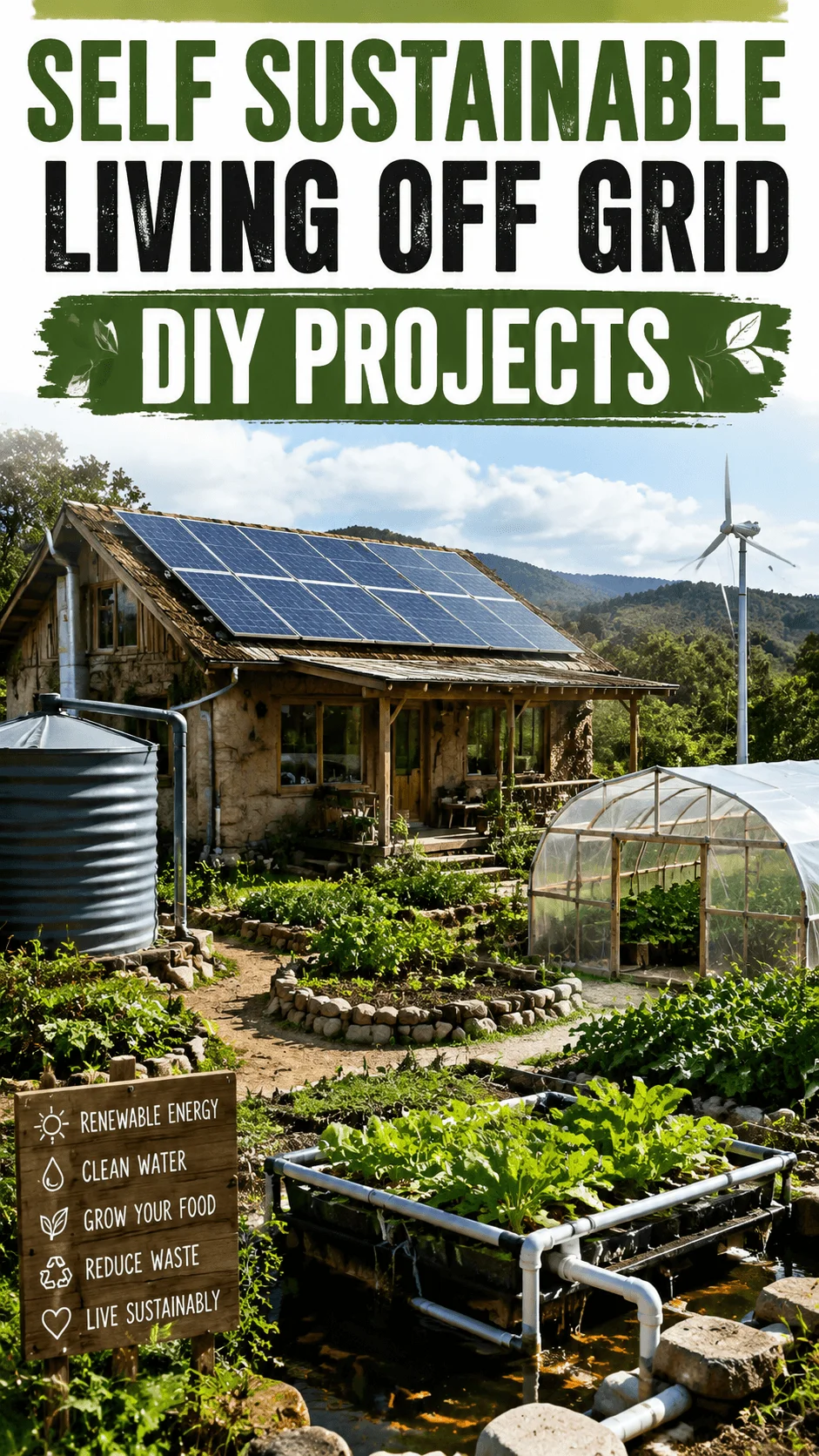
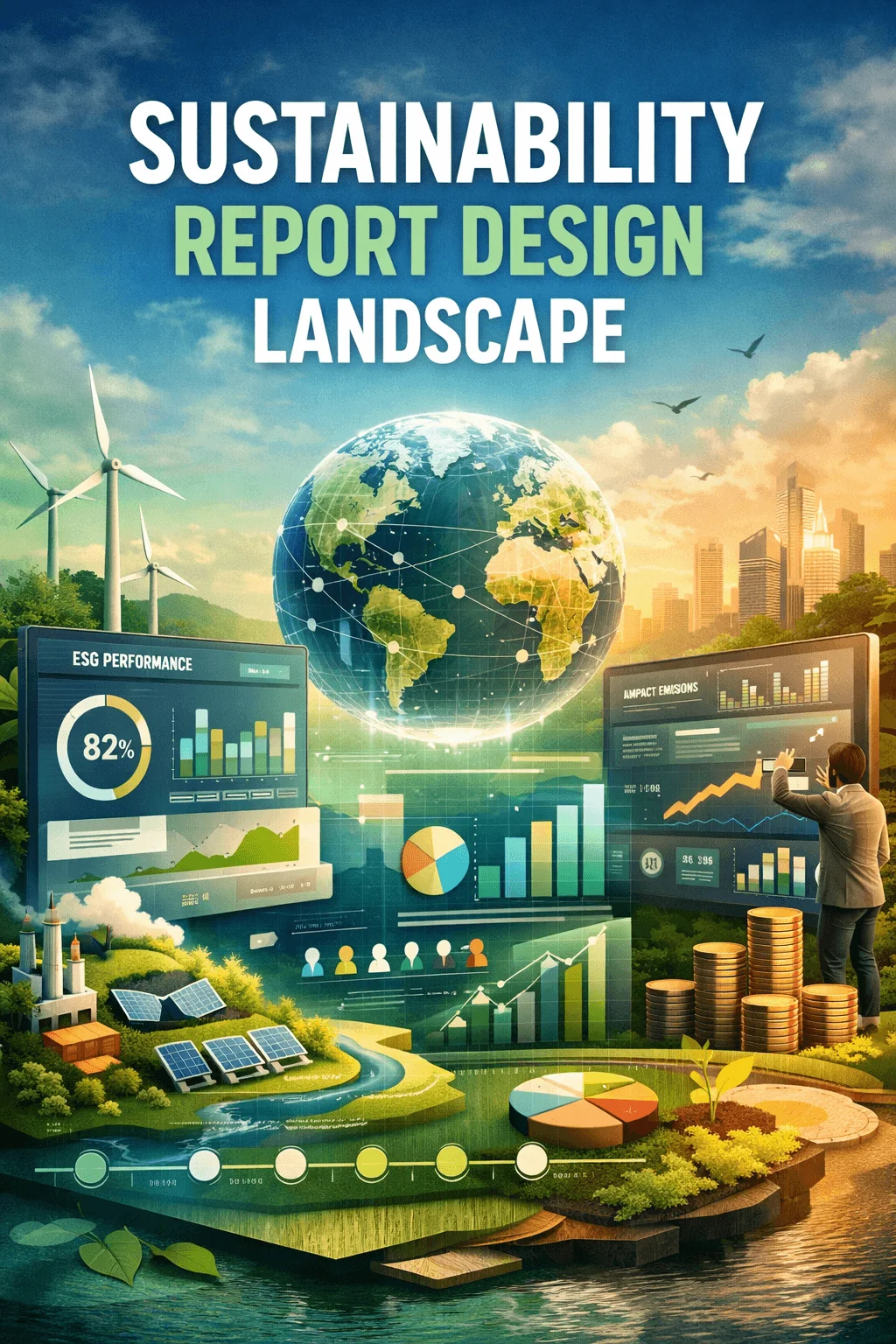
Sustainable Aesthetic Photography Editing
Photography editing has evolved far beyond simply adjusting brightness or removing imperfections. Today, creators want images that feel authentic, timeless, and visually appealing while reflecting a deeper appreciation for nature and mindful creativity. Sustainable Aesthetic Photography Editing has emerged as one of the most influential editing styles in 2026 because it combines natural color palettes, realistic adjustments, and efficient editing techniques to produce beautiful photographs without relying on excessive manipulation. As platforms like Pinterest and Instagram continue to favor genuine visual storytelling, photographers are embracing editing methods that preserve authenticity while creating an elegant and memorable aesthetic.

Unlike editing styles that depend on dramatic effects and unrealistic colors, this approach celebrates simplicity and balance. It encourages photographers to enhance the original beauty of an image rather than completely transform it. At the same time, modern editing tools powered by artificial intelligence have made it easier to achieve professional results with fewer adjustments, allowing photographers to save time while maintaining consistency. Whether you are editing travel photographs, portraits, lifestyle content, or product images, adopting sustainable editing techniques can improve both your creative process and the final quality of your work.
What Is Sustainable Aesthetic Photography Editing
Sustainable Aesthetic Photography Editing is a photography editing style that focuses on creating visually attractive images while preserving realism, authenticity, and natural beauty. Instead of relying on dramatic filters or aggressive retouching, photographers use thoughtful adjustments that enhance colors, lighting, and textures without making the image appear artificial. The goal is to produce photographs that remain timeless rather than following short lived editing trends.
One of the defining characteristics of this editing style is its emphasis on subtle improvements. Rather than changing every aspect of a photograph, editors carefully evaluate what truly needs adjustment. Exposure, contrast, color balance, and texture are refined with restraint so the original scene remains recognizable. This approach allows viewers to connect with the image because it feels genuine and believable.
Another important aspect is the inspiration taken from nature. Forest greens, earthy browns, warm beige tones, muted blues, and soft golden highlights create a calming atmosphere that reflects natural environments. These colors have become increasingly popular because they evoke feelings of comfort, peace, and environmental awareness. Instead of competing for attention with bright artificial colors, these natural palettes encourage viewers to appreciate subtle details.
Efficiency also plays an important role. Professional photographers often build organized editing workflows that reduce repetitive tasks while maintaining consistent quality across hundreds of photographs. Reusable presets, organized catalogs, and intelligent editing tools allow creators to spend more time capturing meaningful moments instead of repeating the same adjustments.
Another reason this editing style continues to gain popularity is its versatility. It works equally well for portraits, wedding photography, travel content, fashion campaigns, home interiors, food photography, and sustainable product marketing. Because the edits remain natural, the final photographs continue to look attractive even years after they are published.
More importantly, sustainable editing encourages photographers to respect the integrity of their work. Instead of creating unrealistic perfection, they highlight genuine emotions, natural lighting, and authentic textures. This philosophy builds greater trust with audiences who increasingly value honest visual storytelling.
Sustainable Aesthetic Photography Editing Through Earth Tone Color Grading
Among all editing trends, earth tone color grading has become one of the strongest visual signatures of Sustainable Aesthetic Photography Editing. These color palettes create a peaceful atmosphere while enhancing the emotional impact of a photograph. Rather than overwhelming viewers with intense saturation, earth tones invite them to appreciate subtle beauty.
Earth inspired colors include warm browns, soft beige, clay, olive green, forest green, muted blue, terracotta, sandstone, and gentle golden highlights. These colors naturally occur in landscapes, forests, deserts, beaches, and mountains, making them instantly familiar and comforting. When incorporated thoughtfully into photography editing, they create images that feel grounded and timeless.
Successful color grading begins with understanding the mood of the original photograph. A sunrise landscape may benefit from warmer highlights that emphasize early morning light, while a forest portrait may look more balanced with deeper greens and softer shadows. Instead of applying identical adjustments to every image, photographers carefully adapt color grading to complement each scene.

Reducing excessive saturation is another defining characteristic of earth tone editing. Vibrant colors still exist, but they are softened enough to appear realistic. This prevents distractions and encourages viewers to focus on the subject rather than exaggerated colors.
Lightroom offers powerful tools for refining these natural palettes. Small adjustments within the Color Mixer allow photographers to modify individual color channels without affecting the entire image. Slightly reducing bright greens while warming yellow tones can create a beautiful organic atmosphere. Similarly, carefully balancing blue tones helps skies appear softer and more realistic instead of unnaturally vivid.
Earth tone color grading also works exceptionally well across many photography genres. Portraits appear warmer and more inviting, travel photography captures the atmosphere of natural destinations, interior photography feels calm and welcoming, and product photography gains a premium handcrafted appearance. This versatility explains why so many creators continue adopting these natural color palettes.
Consistency is equally important. Developing a recognizable editing style built around earth inspired colors strengthens a photographer’s visual identity. When viewers recognize a consistent editing style across an entire portfolio, they are more likely to remember the photographer’s work and associate it with professionalism.
Natural Aesthetic Photo Editing With Low Contrast Techniques
For many years, dramatic contrast was considered a hallmark of professional editing. Deep blacks, brilliant whites, and intense shadows dominated countless photography styles. However, Natural Aesthetic Photo Editing has shifted toward softer contrast that preserves more detail and creates a gentle visual experience.
Lower contrast editing does not mean photographs become flat or lifeless. Instead, it creates smoother transitions between highlights and shadows, allowing details to remain visible throughout the image. This subtle balance makes photographs appear closer to how the human eye naturally perceives a scene.
Portrait photographers especially benefit from this approach because softer contrast creates more flattering skin tones and reduces harsh facial shadows. Instead of emphasizing every wrinkle or imperfection, the lighting appears balanced while preserving natural texture.
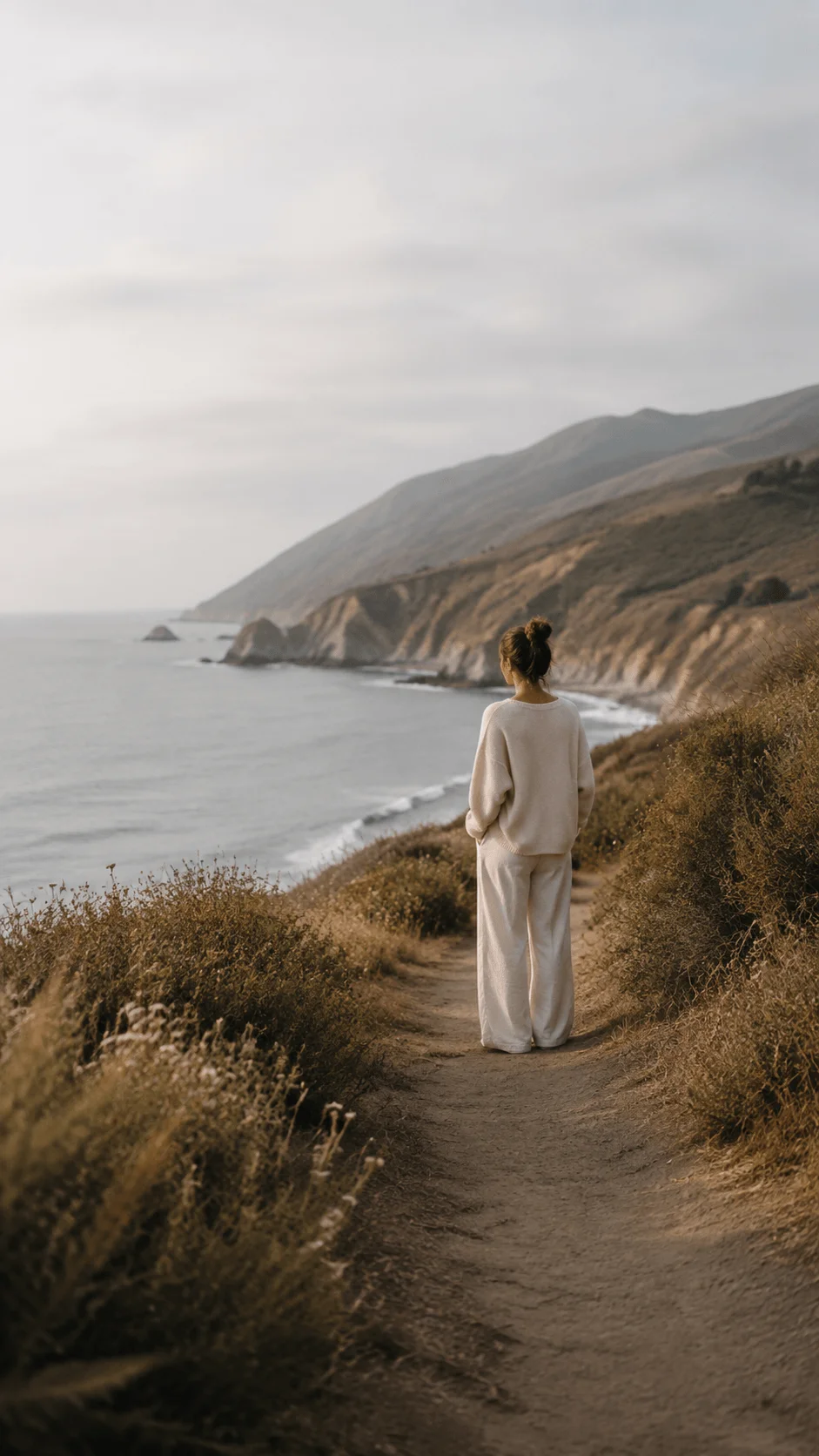
Landscape photography also becomes more immersive through low contrast editing. Rather than forcing dramatic differences between bright skies and dark foregrounds, photographers create gradual tonal transitions that feel peaceful and realistic. This approach encourages viewers to explore every part of the image instead of focusing only on high contrast areas.
Achieving this effect requires careful adjustments rather than drastic changes. Lowering the global contrast slightly while recovering highlight detail and lifting shadows often produces excellent results. Fine tuning the tone curve allows photographers to control contrast with greater precision, creating depth without sacrificing realism.
Texture also becomes more important when contrast is reduced. Natural surfaces such as wood, leaves, stone, fabric, and skin remain visible because subtle tonal variations replace harsh separation. This contributes to the organic appearance that defines sustainable editing.
Another advantage of low contrast editing is its compatibility with modern digital displays. Since most viewers now experience photography on smartphones and tablets, balanced tonal ranges often appear more comfortable to the eye than highly aggressive edits. Images remain detailed across different screen brightness settings while maintaining a sophisticated appearance.
Most importantly, low contrast editing supports authentic storytelling. It allows the subject, lighting, and composition to carry the emotional impact instead of relying on dramatic editing techniques. As audiences continue valuing honesty and realism, this editing style is likely to remain influential for many years.
Sustainable Photo Editing With Artificial Intelligence
Artificial intelligence has transformed modern photography editing, but its greatest strength lies in supporting creativity rather than replacing it. Within Sustainable Photo Editing, AI serves as an efficient assistant that handles repetitive tasks while allowing photographers to focus on artistic decisions and storytelling.
One of the most valuable AI features is automatic subject selection. Instead of manually tracing complex edges around hair, clothing, or objects, photographers can isolate subjects in seconds. This saves considerable editing time while maintaining impressive accuracy.
AI powered masking has also improved local adjustments. Photographers can brighten faces, soften backgrounds, enhance skies, or adjust landscapes individually without creating complicated manual masks. These targeted improvements preserve the natural appearance of the photograph while increasing editing precision.
Noise reduction represents another significant advancement. High ISO images captured during weddings, wildlife photography, or nighttime travel often contain digital grain that previously required extensive correction. Modern AI algorithms reduce unwanted noise while preserving important details such as skin texture, foliage, and architectural patterns.

Object removal tools have become increasingly intelligent as well. Small distractions like litter, electrical wires, or unwanted people can often be removed seamlessly. However, responsible photographers use these tools thoughtfully rather than altering the reality of important documentary or journalistic images.
Color correction has also become faster through AI analysis. Editing software can identify lighting conditions and recommend balanced white balance adjustments that provide an excellent starting point. Photographers remain free to refine these suggestions according to their artistic vision, ensuring that every final image reflects personal creativity instead of automated decisions.
The most successful photographers treat artificial intelligence as a collaborative tool rather than a replacement for experience. While AI can automate repetitive technical adjustments, only human creativity can recognize emotion, composition, atmosphere, and storytelling. Sustainable editing achieves its greatest potential when technology supports artistic judgment instead of controlling it.
Film Inspired Editing That Feels Timeless
One of the most exciting developments in modern photography is the return of film inspired editing. Instead of creating photographs with extreme sharpness and exaggerated colors, many photographers now recreate the soft, emotional qualities that made analog film so memorable. This style perfectly complements Sustainable Aesthetic Photography Editing because it emphasizes authenticity over perfection.
Film inspired editing often includes subtle grain, gentle contrast, muted highlights, and balanced colors. These characteristics help digital photographs feel more organic while adding personality without overwhelming the original image. Rather than making every photograph appear identical, this editing style allows each scene to maintain its unique atmosphere.
Color grading plays a major role in achieving this look. Warm highlights can recreate the feeling of afternoon sunlight, while slightly faded shadows produce a nostalgic mood. Soft blues, earthy greens, and warm neutral colors work together to create images that remain visually pleasing for many years instead of following short lived editing trends.
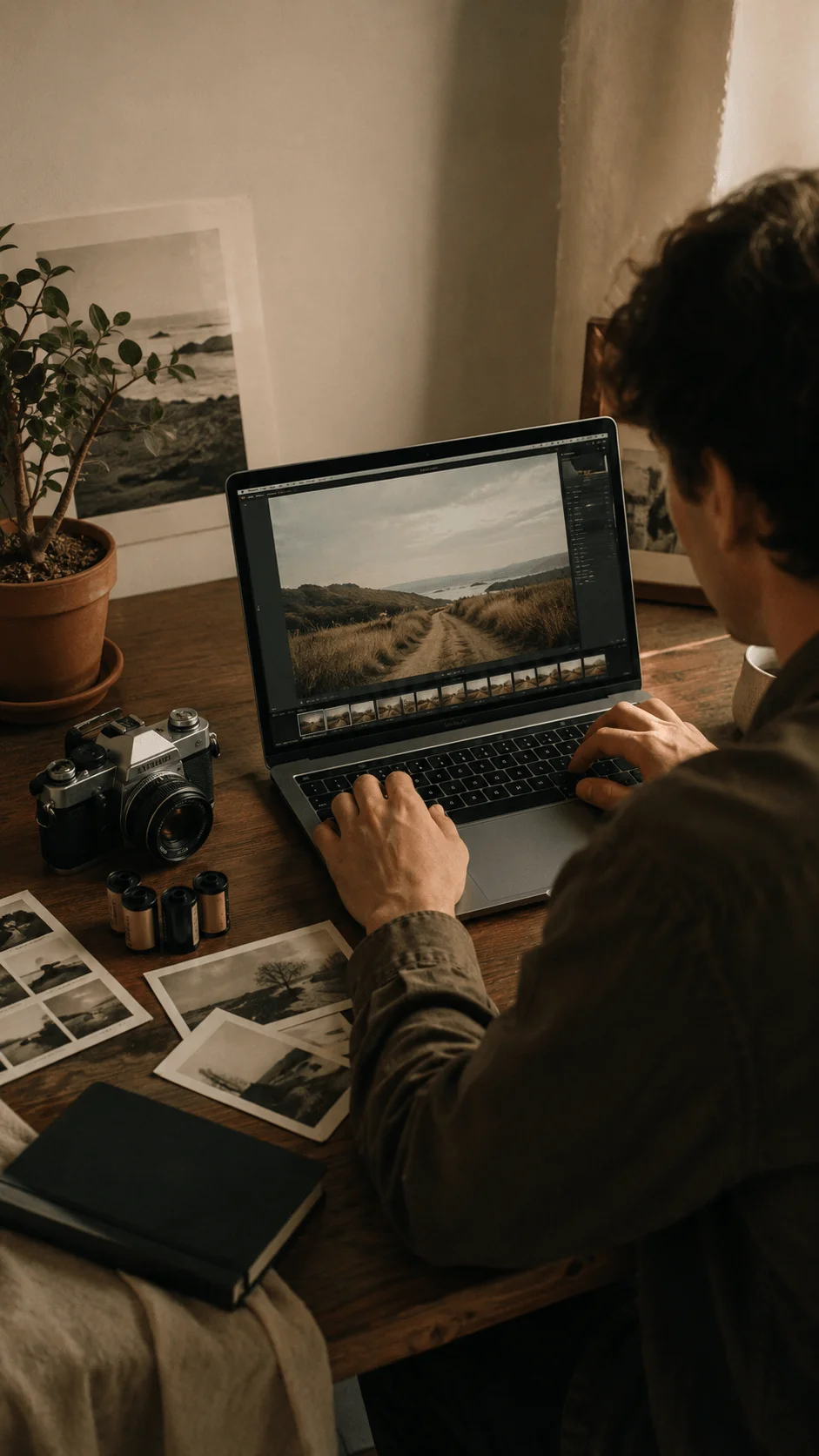
Another reason photographers appreciate film inspired editing is its versatility. Wedding photographers use it to create romantic galleries, travel photographers rely on it to highlight the atmosphere of different destinations, and lifestyle creators often use it to tell more personal stories. Even product photographers have started adopting softer editing styles because consumers increasingly prefer realistic images over highly polished advertisements.
The goal is never to imitate old cameras perfectly. Instead, photographers borrow the emotional qualities of film while combining them with the precision and flexibility of modern editing software. This balance creates photographs that feel both classic and contemporary.
Authentic Skin Tone Preservation
One of the biggest changes in modern editing is the growing appreciation for natural skin tones. For many years, heavy retouching dominated portrait photography, often removing every wrinkle, pore, and facial characteristic. Today, photographers recognize that these natural details contribute to authentic storytelling.
Authentic skin tone preservation begins with accurate white balance. When colors are balanced correctly, skin appears healthy and realistic without requiring dramatic adjustments. Instead of relying on heavy color shifts, photographers make subtle refinements that enhance natural beauty while respecting the original appearance of the subject.
Texture also deserves careful attention. Healthy skin naturally contains pores, fine lines, and small imperfections. Removing every detail often creates an unrealistic appearance that viewers immediately recognize as artificial. Gentle retouching produces far more professional results because it improves the image without removing the subject’s individuality.

Lighting adjustments can further improve portraits without depending on excessive editing. Small exposure corrections, careful highlight recovery, and balanced shadow adjustments often create a flattering appearance while preserving realism. These techniques allow photographers to celebrate genuine human features instead of replacing them with unrealistic perfection.
This approach has become increasingly important for brands, influencers, and businesses that value transparency. Authentic portraits help build trust because viewers connect more easily with images that reflect real people rather than heavily manipulated versions of them.
Botanical Green Color Accents
Nature has become one of the greatest sources of inspiration for photographers, making botanical green accents a defining element of sustainable editing. Green represents growth, balance, freshness, and environmental awareness, which makes it particularly effective for creating calming visual experiences.
The key is selective enhancement rather than excessive saturation. Forest landscapes, gardens, parks, and indoor plants often benefit from gentle adjustments that increase richness while preserving natural variation. Healthy greens should appear vibrant without becoming fluorescent or unrealistic.
Color harmony is equally important. Green tones should complement surrounding colors rather than dominate the entire photograph. Warm browns, soft beige, muted blues, and natural skin tones create beautiful combinations that feel balanced and inviting.

Product photographers frequently use botanical color accents when promoting eco friendly products, organic skincare, handmade crafts, and sustainable fashion. These subtle enhancements reinforce the message of environmental responsibility while maintaining an elegant visual style.
Travel photographers also benefit from this technique because it captures the atmosphere of natural destinations more accurately. Instead of exaggerating every color, careful adjustments allow viewers to appreciate the beauty of forests, mountains, gardens, and countryside landscapes as they truly appear.
Minimal Editing Philosophy
Modern photography increasingly demonstrates that simplicity often creates stronger visual impact than complexity. The minimal editing philosophy encourages photographers to improve photographs only where necessary while preserving the natural qualities that make each image unique.
Every adjustment should serve a clear purpose. Exposure corrections improve visibility, color balance creates realism, and subtle sharpening enhances important details. Adjustments that do not improve the viewer’s experience can often be removed entirely.
Minimal editing also helps photographers develop a consistent visual identity. Instead of experimenting with dramatically different styles for every project, they build recognizable portfolios based on balanced colors, natural lighting, and thoughtful composition.

This philosophy offers practical benefits as well. Editing becomes faster because fewer unnecessary adjustments are applied. File management becomes easier because photographers spend less time creating multiple versions of the same image. Clients also receive galleries that remain visually consistent from beginning to end.
Perhaps most importantly, minimal editing places greater emphasis on photography skills rather than software. Composition, lighting, timing, and storytelling become the foundation of outstanding images, while editing simply enhances what already exists.
Sustainable Lightroom Editing Workflow
An organized workflow is essential for photographers who want consistent results while reducing unnecessary editing time. Sustainable Lightroom editing focuses on efficiency, organization, and repeatable processes that improve productivity without sacrificing creativity.
The editing process should begin with accurate exposure and white balance adjustments. Correcting these foundational settings first creates a balanced image that requires fewer corrections later. Once overall brightness has been established, photographers can refine highlights and shadows to recover important details while maintaining natural contrast.
The Color Mixer provides precise control over individual colors. Rather than increasing overall saturation, adjusting specific color channels creates cleaner and more believable results. Warming yellow tones, softening greens, and balancing blues often produce a more sophisticated appearance than broad global adjustments.
Texture and clarity should be used carefully. Moderate adjustments preserve natural detail while avoiding harsh edges that can make photographs appear overly processed. Small refinements usually produce the most elegant results.

Creating reusable presets is another valuable practice. A well designed preset provides a consistent starting point while allowing individual photographs to receive personalized adjustments. Instead of replacing creativity, presets improve efficiency by eliminating repetitive work.
Export settings deserve equal attention. Choosing appropriate image dimensions, file sizes, and color profiles ensures photographs display beautifully across websites, Pinterest, Instagram, and professional portfolios without creating unnecessarily large files.
Nature Inspired Split Toning
Split toning has become increasingly popular because it allows photographers to create emotional depth using subtle color relationships inspired by nature. Instead of applying dramatic color filters, photographers gently adjust highlights and shadows to produce balanced visual harmony.
Warm highlights often resemble sunrise or sunset light, creating feelings of comfort and optimism. Cooler shadows inspired by forests, oceans, or mountain landscapes introduce depth without overpowering the photograph. Together these colors produce an image that feels natural while adding emotional richness.
This technique works particularly well in landscape photography where natural lighting already contains a wide range of colors. Portrait photographers also benefit because warm highlights flatter skin tones while cooler shadows create pleasing separation between subjects and backgrounds.
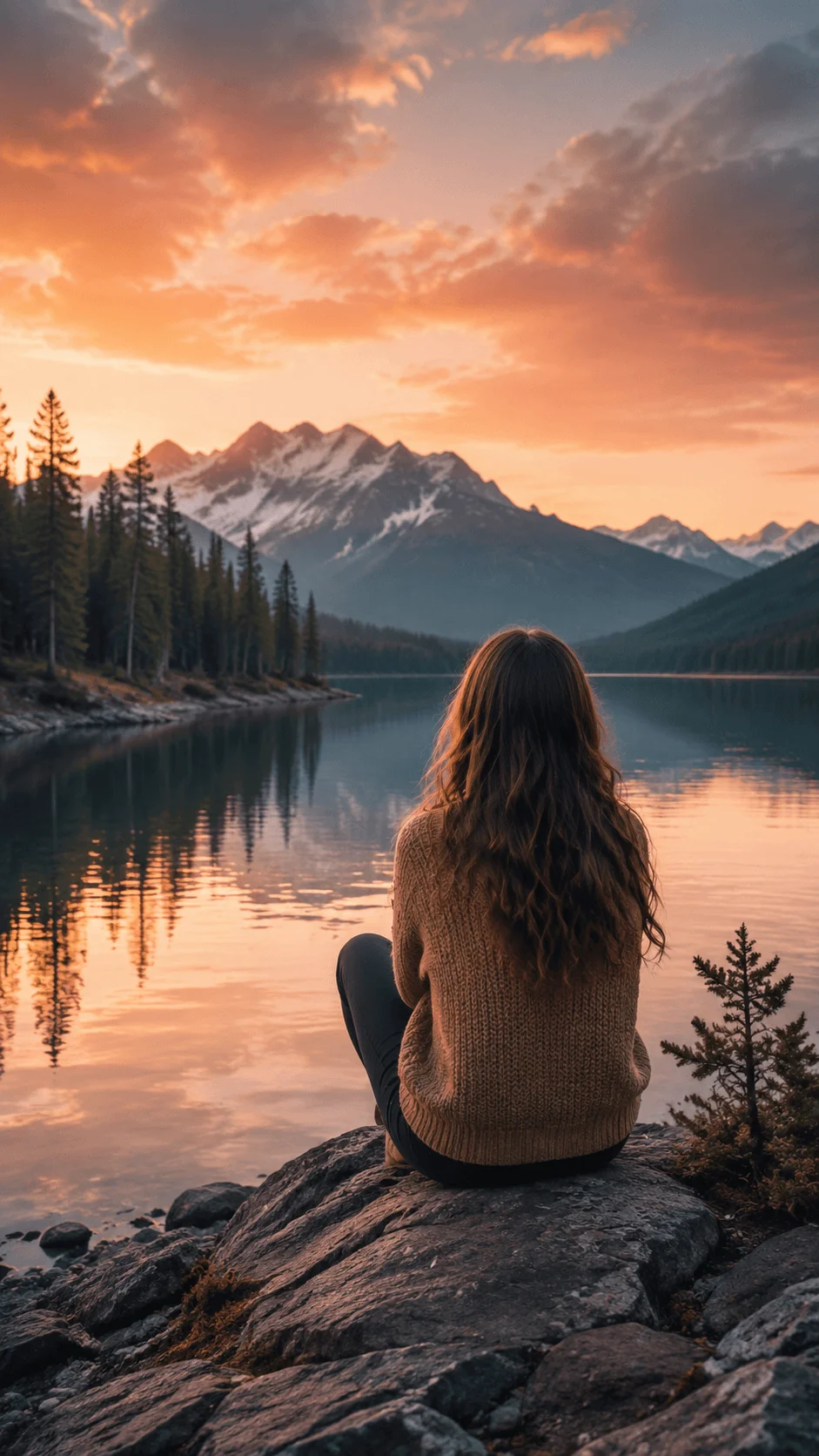
The effectiveness of split toning depends on restraint. Strong color shifts quickly become distracting, while subtle adjustments remain almost invisible. Viewers may not consciously notice the editing, but they often feel the emotional atmosphere it creates.
Nature continues to provide endless inspiration for photographers, making this technique one of the most enduring editing styles available.
Ethical AI Photo Editing
Artificial intelligence continues to improve rapidly, making ethical editing more important than ever. While AI offers remarkable capabilities, photographers remain responsible for ensuring their work represents reality honestly and respectfully.
Ethical editing begins by understanding the purpose of each photograph. Commercial photography allows greater creative freedom, while documentary photography requires much higher levels of accuracy. Responsible editors consider these differences before making significant alterations.
Transparency also strengthens audience trust. When artificial intelligence has played a major role in creating or modifying an image, many photographers choose to communicate this openly. Honest communication helps viewers understand the creative process while maintaining credibility.
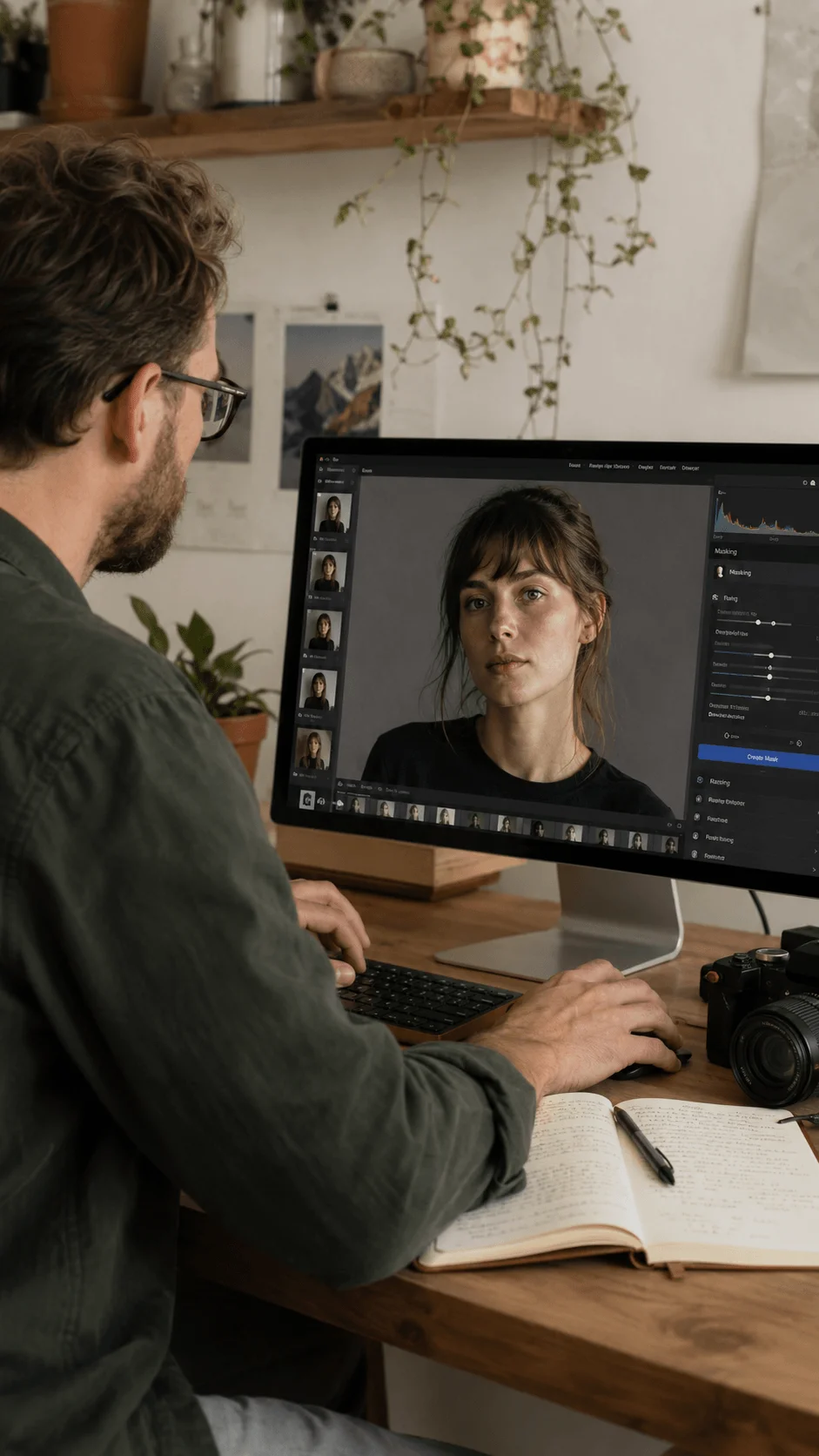
Another important consideration is preserving identity. AI should enhance photographs rather than changing facial features, body shapes, or cultural characteristics beyond recognition. Maintaining respect for subjects demonstrates professionalism and supports responsible visual storytelling.
Artificial intelligence works best when it removes technical limitations instead of replacing artistic decisions. By combining advanced technology with thoughtful human judgment, photographers create images that remain both beautiful and trustworthy.
Mobile First Sustainable Editing
Most photographs are now viewed on smartphones before they are seen anywhere else. This change has transformed editing decisions because photographers must optimize images for smaller screens without compromising quality.
Balanced brightness is particularly important on mobile devices. Extremely dark photographs often lose detail, while overly bright images may appear washed out. Careful exposure adjustments ensure photographs remain attractive across different screen settings.
Color consistency also matters. Soft earth tones and balanced saturation generally display more reliably than highly intense colors, creating a pleasant viewing experience regardless of device type.

Vertical compositions have become increasingly valuable because platforms such as Pinterest and Instagram prioritize mobile friendly formats. Photographers often consider final image dimensions during editing to ensure important subjects remain properly framed.
File optimization is another essential practice. Compressing images responsibly reduces loading times while preserving visual quality. Faster loading benefits both website visitors and search engine performance, making efficient exporting an important part of sustainable editing.
Carbon Conscious Editing Workflow
Although photography editing is digital, photographers can still adopt efficient habits that reduce unnecessary resource consumption while improving productivity. A carbon conscious editing workflow focuses on thoughtful organization and smarter use of technology.
Carefully selecting the strongest photographs before editing prevents unnecessary processing of images that will never be published. This simple habit reduces editing time while keeping photo libraries organized.
Reusable presets also reduce repetitive adjustments across large collections of images. Instead of editing every photograph from the beginning, photographers refine an established style that remains consistent throughout an entire project.

Organized file management further supports efficiency. Clearly labeled folders, consistent naming systems, and regular backups reduce confusion while minimizing duplicate files that occupy unnecessary storage space.
Cloud collaboration can also improve workflow by allowing photographers and clients to review photographs without repeatedly exporting multiple versions. Fewer revisions often result in faster project completion and more efficient use of digital resources.
These practices demonstrate that sustainability extends beyond visual style into the entire creative process.
Best Color Palettes for Sustainable Aesthetic Photography Editing
Color selection shapes the emotional impact of every photograph. Sustainable Aesthetic Photography Editing relies on palettes that reflect the beauty of natural environments while remaining elegant and timeless.
Earth tones remain the foundation of this style because they create warmth without overwhelming the viewer. Browns, beige, sandstone, terracotta, and olive tones establish a calming atmosphere suitable for many photography genres.
Forest greens symbolize growth and balance, making them ideal for nature photography, lifestyle content, and environmentally focused brands. When combined with warm neutrals, these colors create harmonious compositions that feel authentic.
Muted blues contribute a sense of peace while complementing skies, water, and outdoor environments. Rather than increasing blue saturation dramatically, photographers often soften these tones to preserve realism.
Natural skin colors remain equally important. Accurate color reproduction strengthens trust and helps portraits appear timeless. Combined with matte finishes and balanced contrast, these palettes produce photographs that remain visually appealing regardless of changing design trends.
Common Mistakes to Avoid
Many photographers unintentionally reduce the quality of their work by making unnecessary editing decisions. Oversaturation remains one of the most common problems because intense colors quickly distract viewers from the subject. Balanced color adjustments usually produce more professional results.
Excessive sharpening creates another issue by introducing unnatural edges and digital artifacts. Gentle sharpening enhances detail while preserving realism.
Heavy skin smoothing often removes important facial texture that contributes to authentic portraits. Preserving natural characteristics creates stronger emotional connections with viewers.
Incorrect white balance can dramatically change the mood of an image. Taking time to achieve accurate color temperature improves every other editing decision that follows.
Another common mistake is relying entirely on artificial intelligence. While AI offers excellent technical assistance, photographers should always review automated adjustments carefully. Human creativity remains essential for producing meaningful photographs.
Finally, inconsistent editing styles weaken an overall portfolio. Developing a recognizable visual identity helps photographers build stronger personal brands while creating more cohesive collections of work.
Conclusion
Sustainable Aesthetic Photography Editing represents far more than a passing photography trend. It reflects a growing movement toward authentic storytelling, thoughtful creativity, and timeless visual design. By focusing on natural colors, balanced contrast, realistic skin tones, efficient workflows, and responsible use of artificial intelligence, photographers can create images that remain beautiful long after temporary editing trends disappear.
Whether you photograph landscapes, portraits, products, travel experiences, or lifestyle content, adopting sustainable editing techniques allows you to produce work that feels genuine, emotionally engaging, and professionally consistent. Small improvements such as using earth inspired color palettes, preserving natural textures, organizing efficient Lightroom workflows, and making intentional editing decisions can significantly improve both your creative process and your final results.
As photography continues to evolve, the creators who embrace authenticity, simplicity, and purposeful editing will be best positioned to stand out. Sustainable editing is not about doing less. It is about making every adjustment meaningful. By combining modern technology with artistic vision and a commitment to realism, you can develop a photography style that remains relevant, memorable, and inspiring for years to come.