Self Sustainable Living Off Grid DIY Projects for 2026
The idea of creating a home that can produce its own energy, grow its own food, manage its own resources, and reduce dependence on outside systems is becoming increasingly popular. Self sustainable living off grid DIY projects represent a modern approach to independent living where people combine traditional skills with new technology to create environmentally responsible lifestyles. From renewable energy systems and smart gardens to natural buildings and water conservation solutions, these projects allow individuals and families to build stronger connections with nature while improving their quality of life.
The growing interest in sustainable living is not only about leaving cities or moving to remote locations. Many people are adopting smaller changes that make their homes more efficient, affordable, and environmentally friendly. Rising energy costs, concerns about climate change, increasing interest in healthier food, and the desire for greater independence are encouraging people to explore new ways of living.
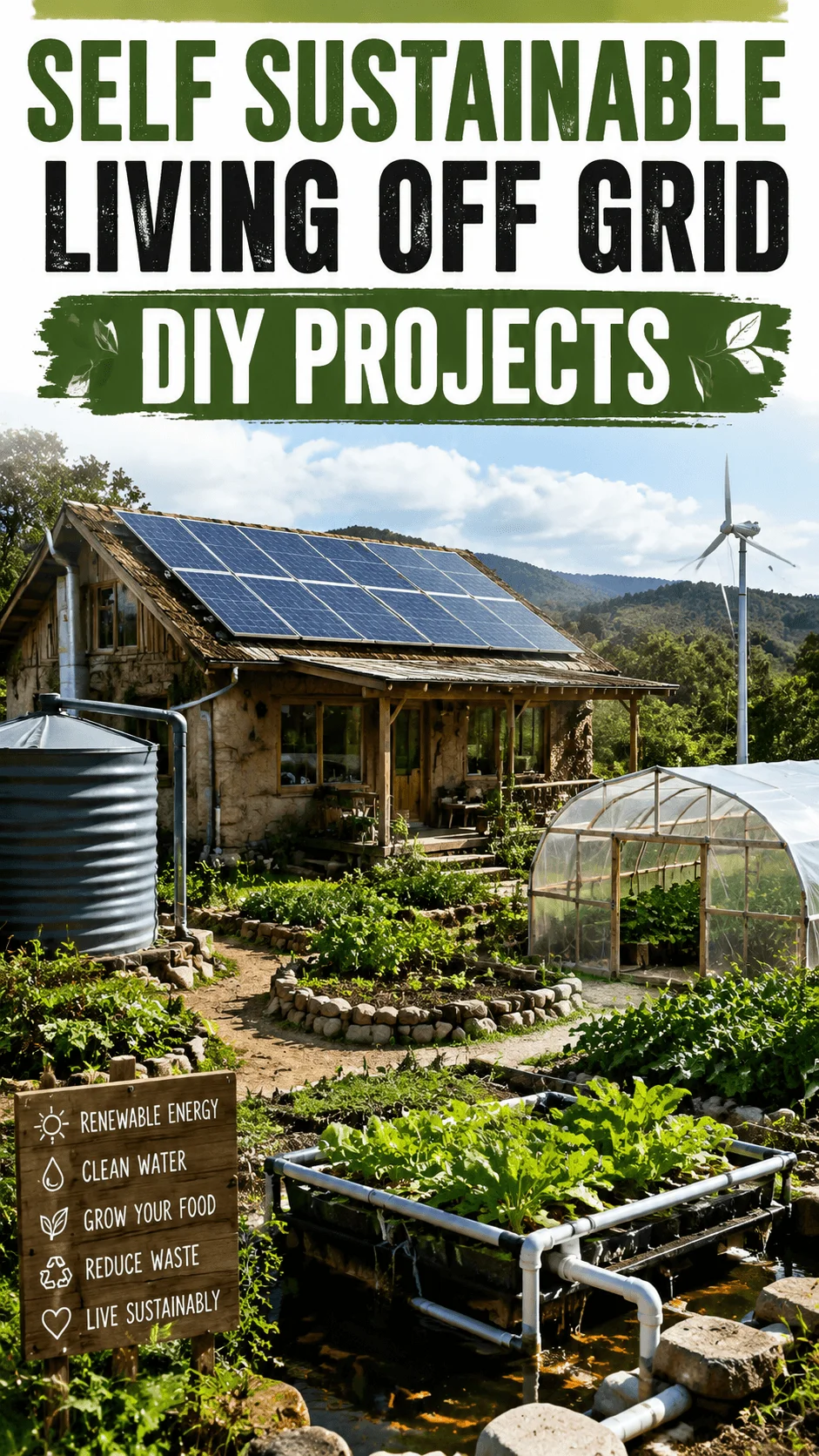
Modern off grid living has changed significantly compared to the past. Earlier ideas often focused only on survival and basic needs, but today’s sustainable homes combine comfort, innovation, and environmental responsibility. Advanced solar systems, automated gardening tools, efficient water solutions, and natural construction methods allow people to enjoy a comfortable lifestyle while reducing their impact on the planet.
The future of sustainable living is moving toward a balance between nature and technology. People are not only looking for ways to consume less but also for methods to create, recycle, and restore resources. This shift has made DIY sustainability projects more attractive because they give individuals practical ways to participate in building a greener future.
Understanding Self Sustainable Living and the Rise of Modern Off Grid Lifestyles
Self sustainable living means creating a lifestyle where people can meet many of their daily needs through their own resources. This approach focuses on producing energy, growing food, conserving water, reducing waste, and designing homes that work efficiently with the surrounding environment.
A completely independent lifestyle does not happen overnight. Many people begin with small improvements such as installing rainwater collection systems, starting vegetable gardens, using renewable energy, or creating composting solutions. Over time, these individual projects can develop into a complete sustainable living system.
Modern off grid lifestyles are becoming more practical because technology has removed many challenges that previous generations faced. Solar panels have become more affordable, battery storage systems have improved, and smart devices can now monitor energy usage and resource consumption. These developments allow people to create efficient homes without sacrificing comfort.
Another important reason behind this movement is the desire for financial freedom. While some sustainable projects require an initial investment, they often reduce long term expenses. Producing your own electricity, growing your own food, and recycling resources can significantly decrease monthly costs.
Sustainability also creates a stronger relationship between people and their environment. Instead of viewing nature as something separate, self sufficient living encourages people to understand natural cycles and become responsible users of resources.
12 Trending Self Sustainable Living Off Grid DIY Projects for 2026
AI Powered Smart Solar Energy Management System
Solar energy has become one of the most important parts of modern sustainable homes. However, the latest trend is moving beyond simple solar panel installation. Homeowners are now exploring intelligent solar systems that use automation, monitoring tools, and smart energy management to improve efficiency.
An AI powered solar energy system can analyse electricity usage patterns and help determine the best times to store or use energy. Instead of wasting extra power during sunny hours, smart systems can direct electricity toward batteries, appliances, or charging stations.
Battery storage technology has also changed the possibilities of independent homes. In the past, solar energy depended heavily on sunlight availability, but modern storage solutions allow households to save excess energy for nighttime or cloudy days.
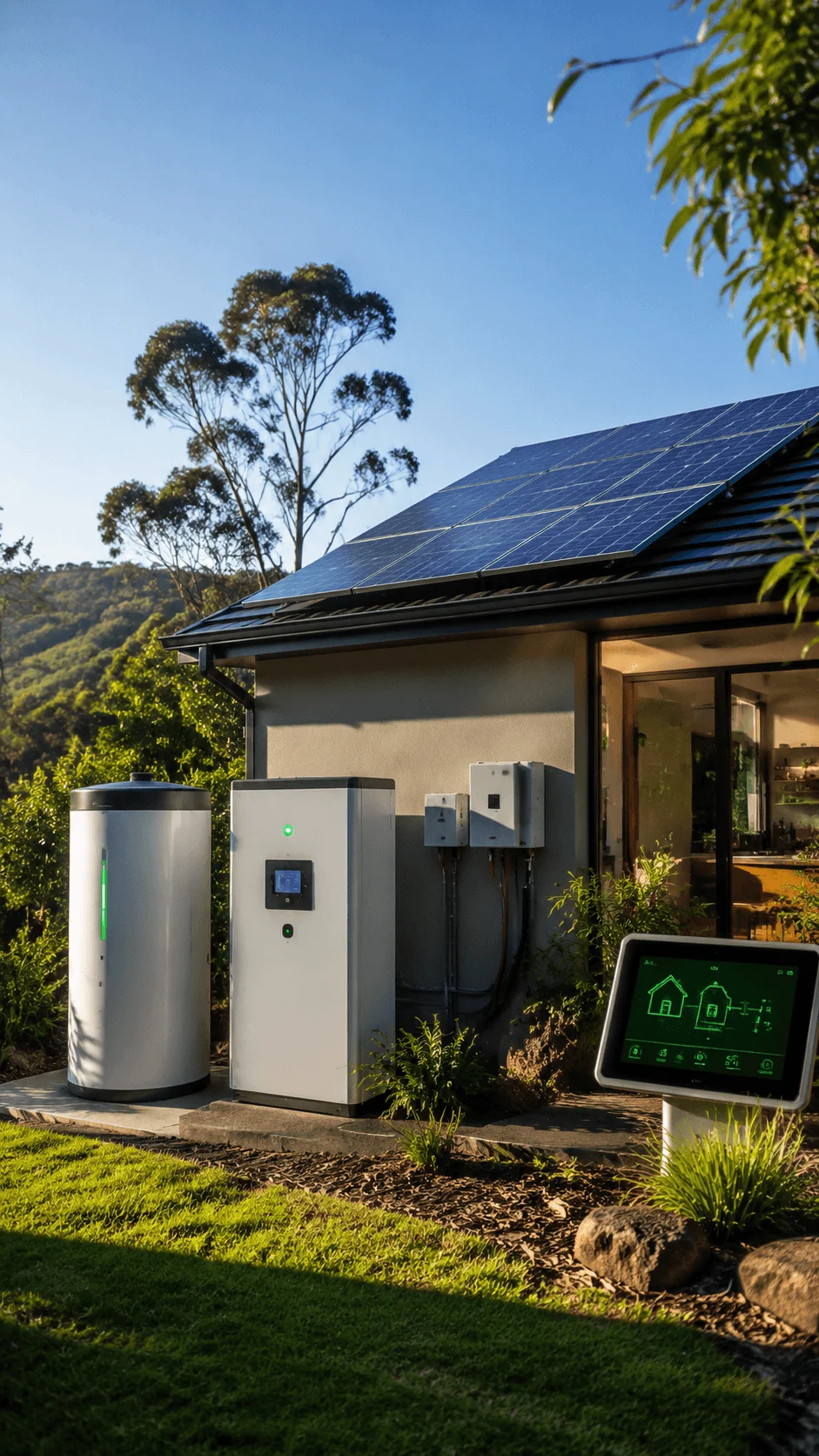
These systems support self sustainable living off grid DIY projects because they provide a foundation for energy independence. A home that produces and manages its own electricity becomes less dependent on traditional power networks.
Beginners can start with smaller projects such as installing solar monitoring devices, learning energy consumption patterns, and gradually expanding their renewable energy systems. Understanding electricity usage is often the first step toward creating a complete energy independent home.
The future of solar technology will likely include more automation, artificial intelligence, and improved storage systems. As these technologies become more affordable, sustainable energy solutions will become accessible to more households.
DIY Rainwater Harvesting and Smart Water Recycling System
Water independence is becoming one of the most important parts of sustainable living. Many people focus on energy production but overlook the importance of managing water resources efficiently. A reliable water system can make an off grid home much more practical and resilient.
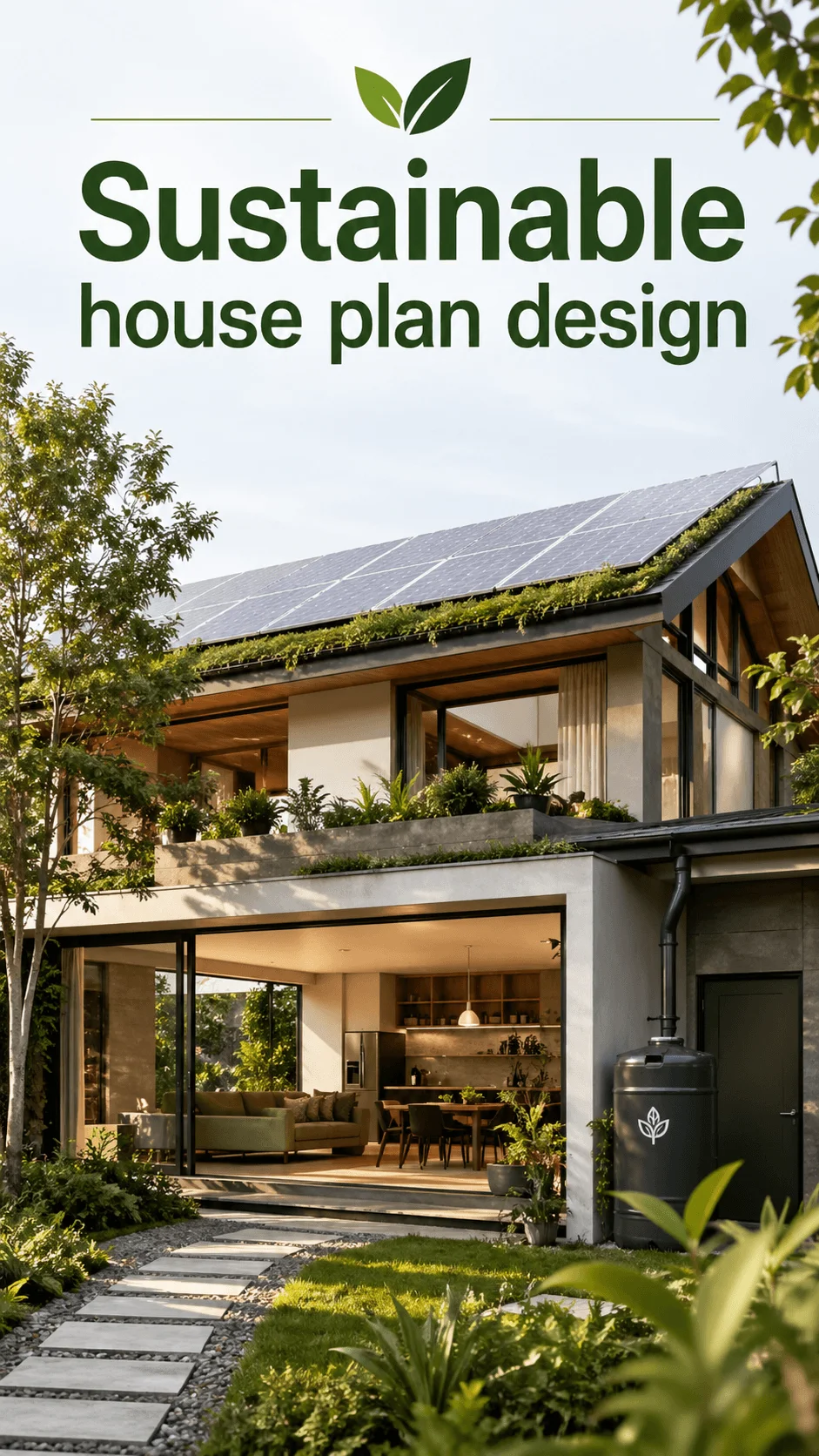
DIY rainwater harvesting systems collect rainfall from rooftops and store it for different household uses. With proper filtration, collected rainwater can support gardening, cleaning, and other daily activities. Some advanced systems can even include purification methods for household consumption.
Greywater recycling is another growing trend. Instead of allowing used water from sinks or showers to disappear into waste systems, homeowners can redirect it toward gardens or landscaping. This reduces water waste and creates a more circular household system.
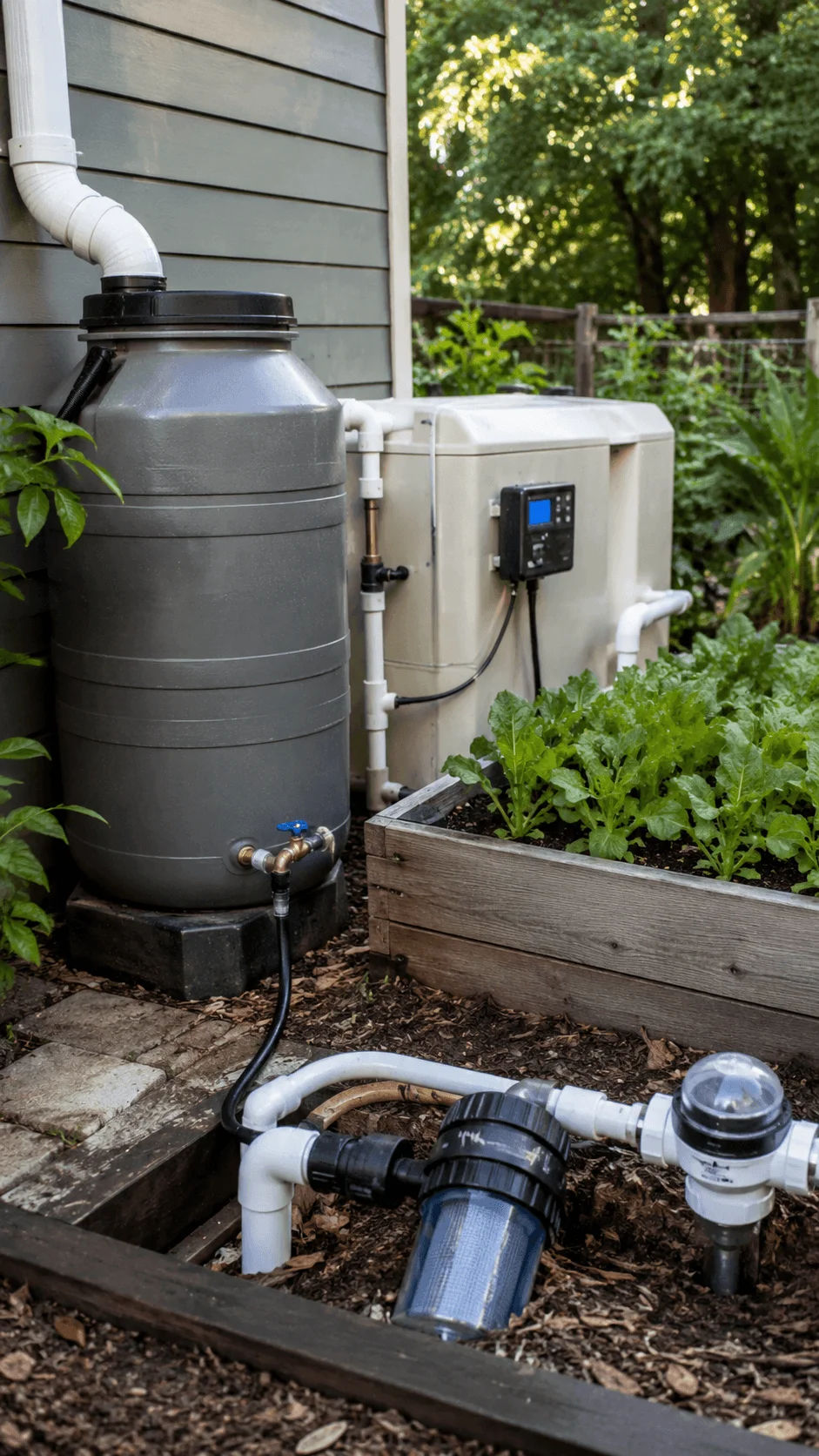
Smart monitoring tools are also improving water management. Sensors can measure water levels, detect leaks, and help homeowners understand their consumption patterns.
These projects are important because water security is becoming a major global concern. Creating efficient water systems allows families to reduce waste while protecting valuable natural resources.
A beginner friendly approach is to start with simple rain barrels, basic filtration systems, and water saving gardening methods. As knowledge increases, these systems can become more advanced and integrated into a complete sustainable home.
Regenerative Food Forest for Long Term Food Independence
Traditional gardening focuses mainly on growing seasonal vegetables, but regenerative food forests take a different approach. They create natural ecosystems designed to produce food while improving soil health and supporting biodiversity.
A food forest combines fruit trees, herbs, vegetables, medicinal plants, and beneficial flowers in a carefully planned environment. Instead of constantly replanting crops, many plants continue producing resources year after year.
This approach is becoming popular because people want more sustainable ways to grow food. Modern agriculture often depends on chemicals, heavy machinery, and long transportation systems. A food forest provides an alternative by creating a smaller natural food system close to home.
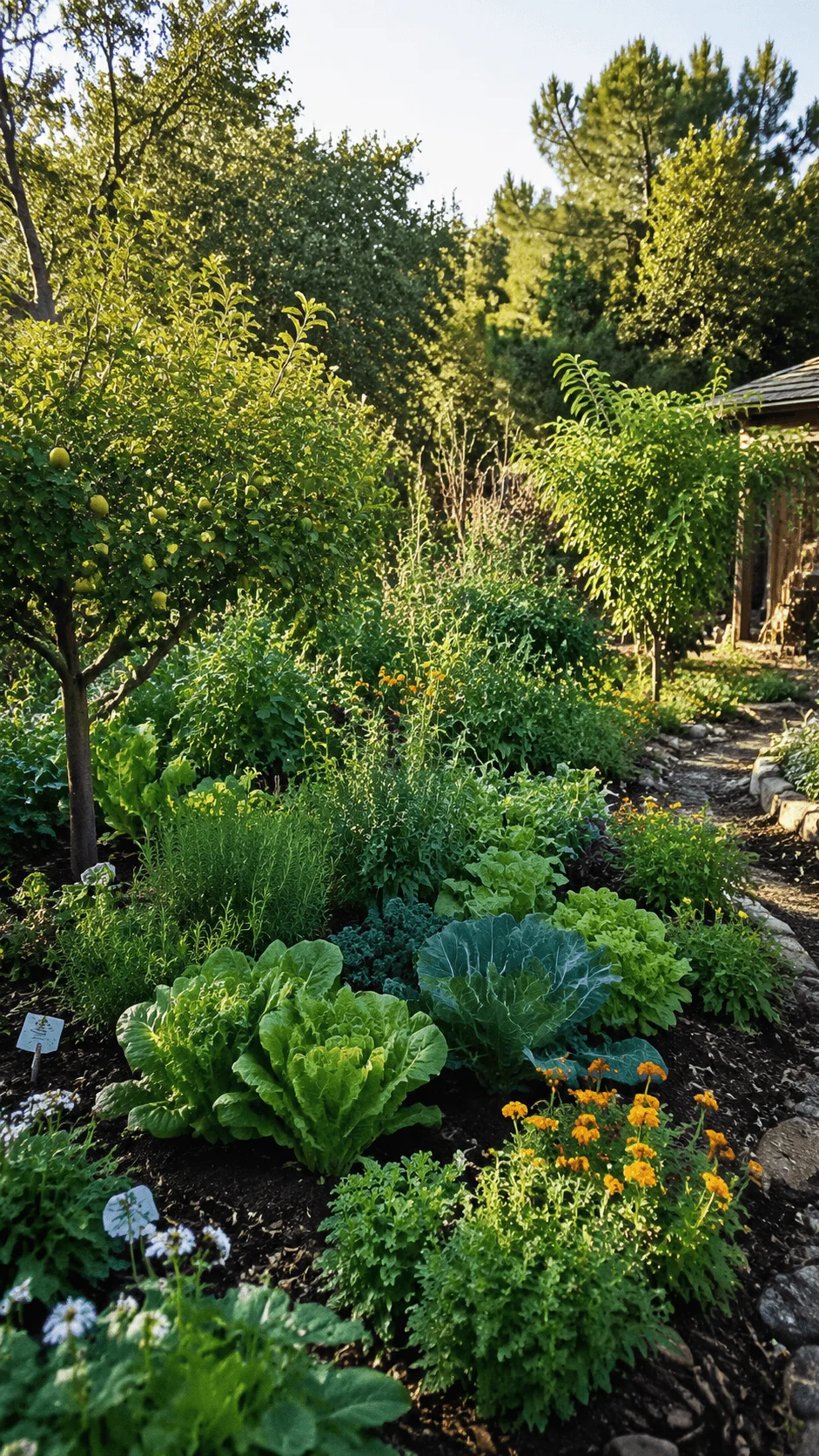
One of the biggest advantages of food forests is their ability to work with nature instead of against it. Different plants support each other by improving soil quality, attracting pollinators, and creating natural protection from weather conditions.
For beginners, creating a food forest does not require a large piece of land. Even a small backyard can include fruit trees, herbs, and companion plants. The key is understanding plant relationships and designing a system that becomes more productive over time.
Food forests represent a long term vision of sustainability because they focus on regeneration rather than simple production. They show how homes can become part of natural ecosystems instead of separate from them.
Solar Powered Indoor Hydroponic Food Systems
Growing food at home is becoming easier with modern technology. Indoor hydroponic systems allow people to produce vegetables and herbs without traditional soil based gardening.
Hydroponics uses nutrient rich water to grow plants efficiently. These systems require less space and often use significantly less water compared to conventional farming methods.
Combining hydroponics with solar power creates an attractive solution for people interested in independent food production. Solar energy can operate pumps, lighting systems, and monitoring equipment, making indoor gardens more sustainable.
This type of project is especially valuable for people living in apartments or areas with limited outdoor space. Small vertical gardens can produce fresh food throughout the year while reducing dependence on commercial supply chains.
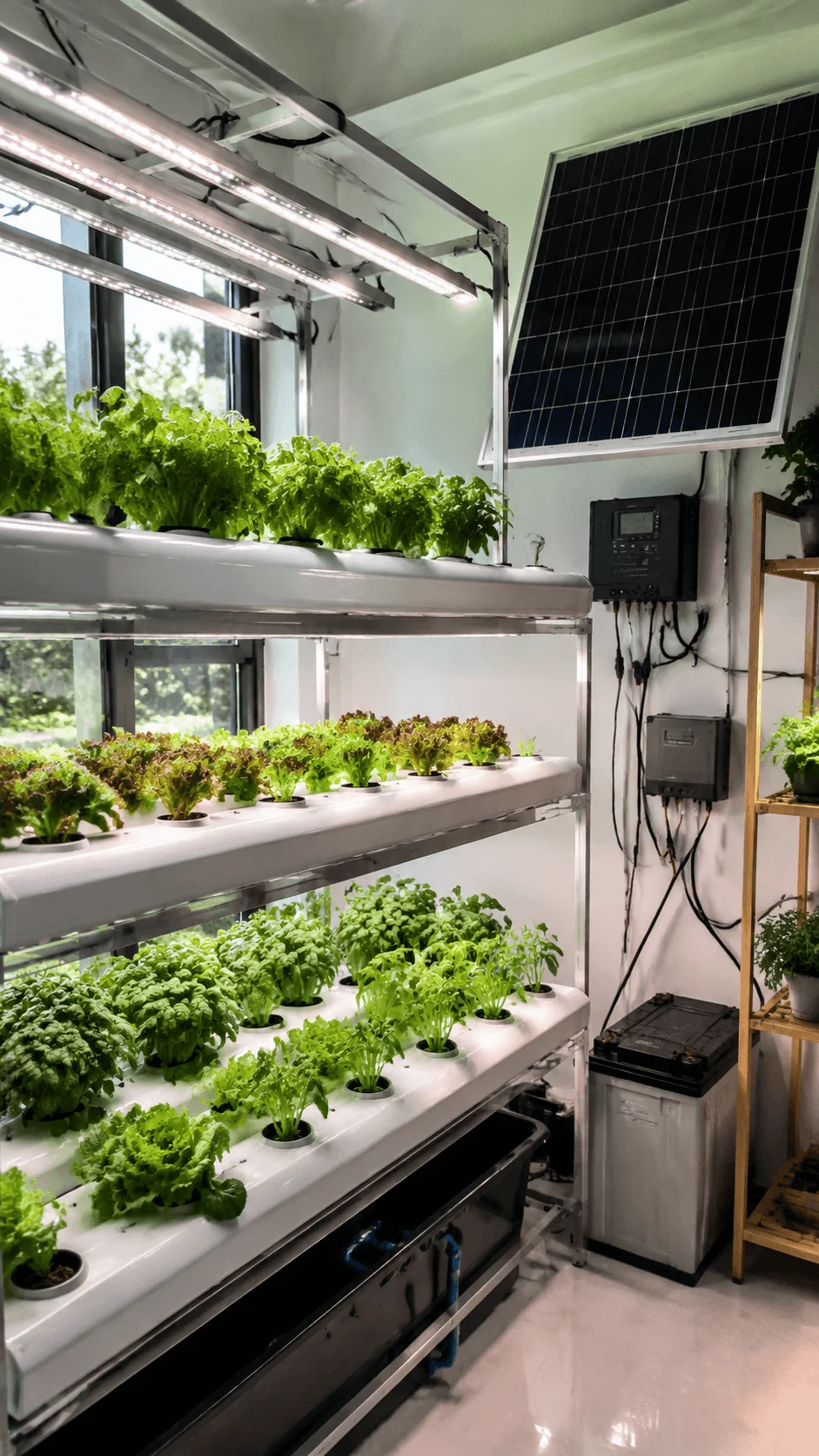
Technology is making hydroponic systems smarter through automated watering, temperature control, and plant monitoring. These developments are helping create the future of sustainable food production.
For beginners, starting with a small herb garden or simple hydroponic container system is a practical way to learn. As experience grows, larger systems can be developed to support greater food independence.
Earthship Inspired Natural Building and Eco Friendly Homes
The way homes are designed plays a major role in sustainable living. Traditional buildings often depend heavily on heating, cooling, and artificial energy systems. Natural building methods focus on creating structures that work with the environment.
Earthship inspired designs have gained attention because they combine renewable energy, natural materials, and efficient temperature control. These homes often use recycled materials, earth based construction methods, and passive design principles.
Earthbag homes, cob houses, and other natural structures demonstrate that comfortable housing does not always require expensive conventional materials. These methods can reduce environmental impact while creating unique and durable living spaces.
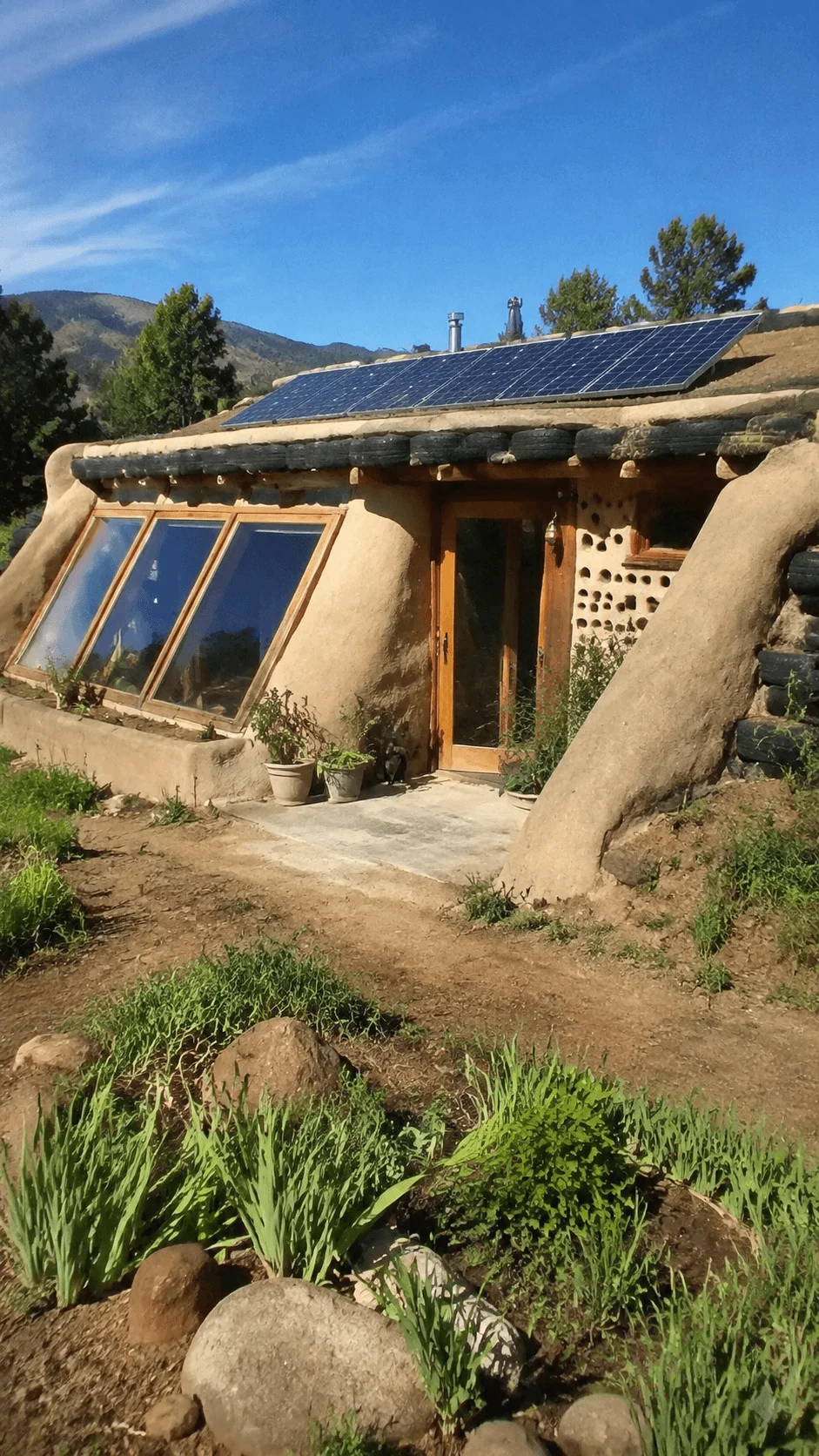
Natural buildings often use materials that provide thermal protection. Thick walls, earth materials, and smart positioning can help maintain comfortable indoor temperatures without excessive energy use.
The popularity of sustainable construction reflects a growing interest in homes that are healthier, more affordable, and environmentally responsible. People are no longer looking only for attractive houses; they are looking for spaces that support sustainable lifestyles.
Beginners can explore natural building through small projects such as garden structures, outdoor spaces, or simple earth based designs before creating a complete home.
DIY Composting Toilet and Closed Loop Waste Management
Waste management is one of the most important parts of creating a truly independent lifestyle. Many traditional homes follow a linear system where resources are used once and then discarded. Sustainable living focuses on creating a circular system where waste can become a valuable resource.
A DIY composting toilet system is becoming increasingly popular among people interested in off grid homes because it reduces water consumption and creates a more sustainable approach to sanitation. Traditional toilets can use large amounts of water every day, while composting systems use natural processes to break down organic waste.
These systems work by allowing microorganisms to transform waste into compost under controlled conditions. When designed and maintained correctly, composting toilets can reduce environmental impact while supporting responsible resource management.
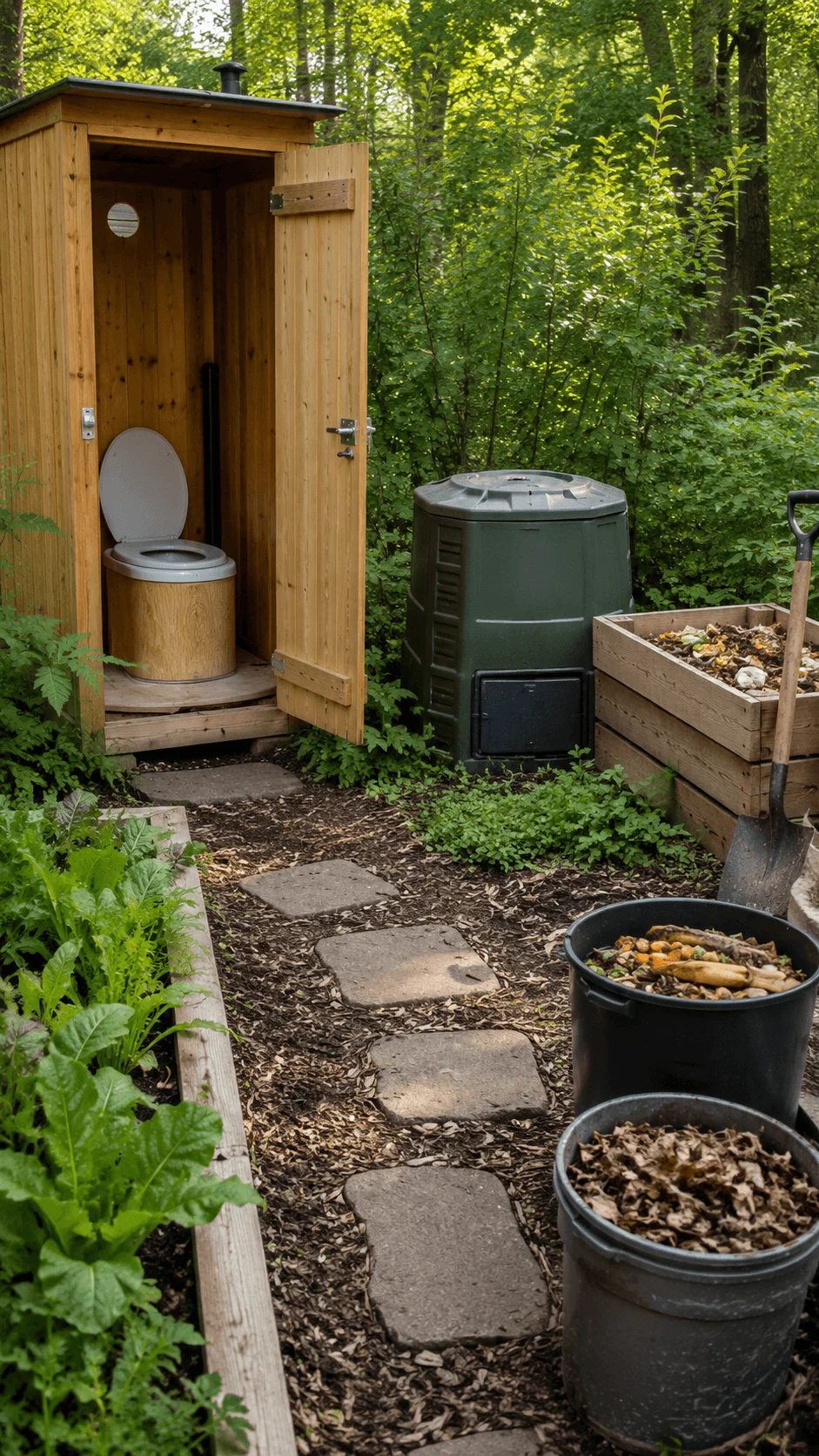
Closed loop waste systems go beyond toilets. They include kitchen composting, organic waste recycling, and methods for returning nutrients back into the soil. Food scraps, garden waste, and natural materials can become valuable resources instead of unnecessary waste.
This approach supports self sustainable living off grid DIY projects because it helps create homes that depend less on external waste services. It also encourages people to rethink their relationship with consumption and disposal.
Beginners can start with simple composting methods such as creating garden compost areas, separating organic waste, and learning proper waste management practices. Over time, these systems can become a complete zero waste solution.
As sustainability becomes more important, closed loop systems will likely become a standard feature of environmentally responsible homes. They represent a future where homes produce fewer problems and create more benefits for the surrounding environment.
Smart Greenhouses for Automated Sustainable Food Production
Growing food throughout the year can be challenging because weather conditions, temperature changes, and limited space can affect plant growth. Smart greenhouses are changing traditional gardening by combining natural farming methods with modern technology.
A smart greenhouse uses sensors, automation, and efficient growing systems to create better conditions for plants. Temperature sensors can monitor climate conditions, automated watering systems can provide the right amount of moisture, and solar powered ventilation can help maintain healthy growing environments.
These systems are becoming popular because they allow people to produce food more consistently. Instead of depending completely on seasonal conditions, homeowners can create controlled environments that support plant growth throughout the year.
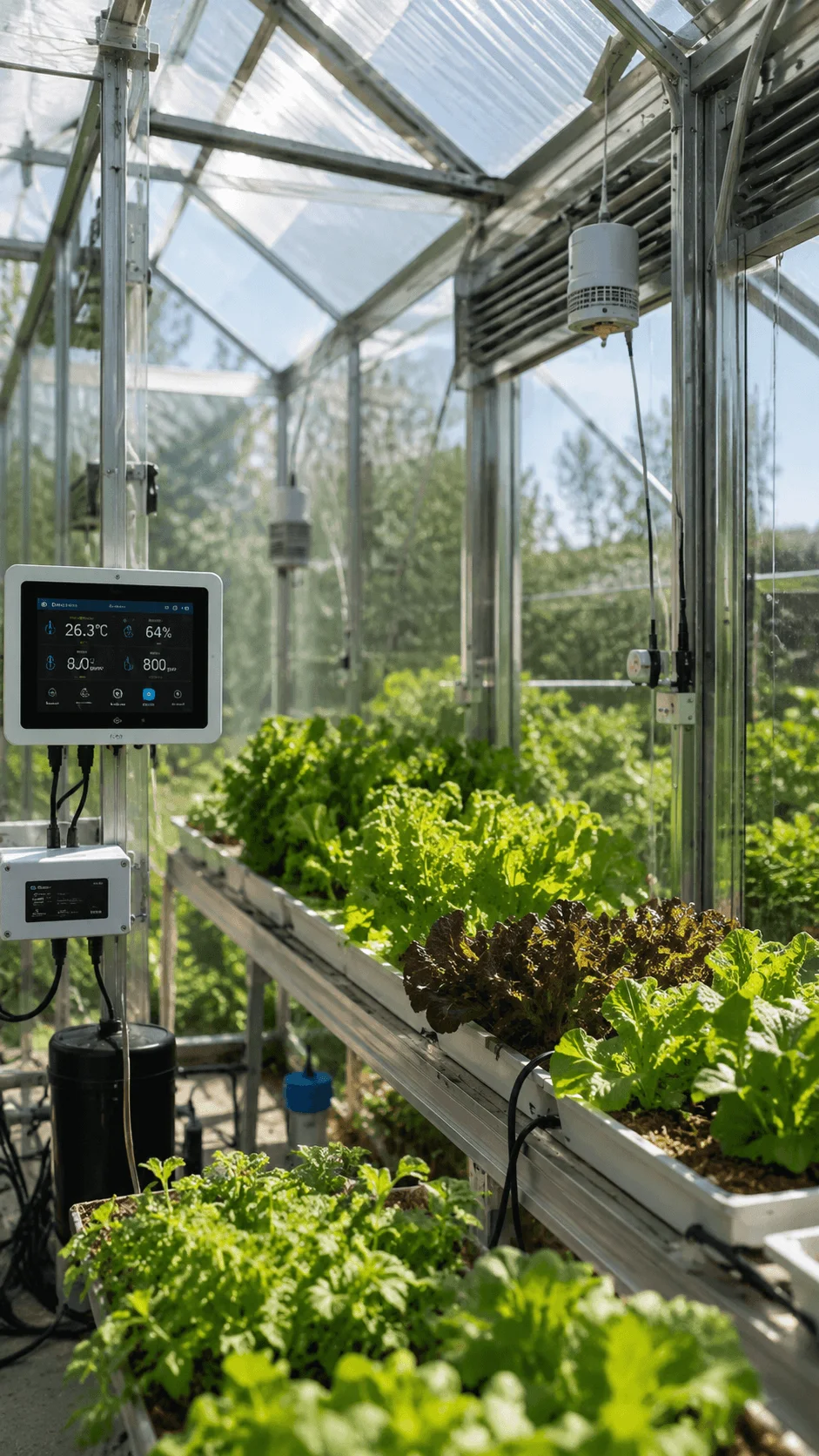
Smart greenhouses are especially useful for people interested in sustainable homestead ideas because they combine food production with resource efficiency. Water usage can be reduced through drip irrigation, rainwater collection, and recycling systems.
Technology is also making greenhouse management easier for beginners. Mobile applications can provide information about plant conditions and help users make better decisions.
A small greenhouse can become the foundation of a larger food independence system. Even a simple structure can provide herbs, vegetables, and seedlings that support a more sustainable lifestyle.
The future of gardening will likely include more automation and artificial intelligence. These developments will make sustainable food production easier for people with different levels of experience.
Micro Wind and Hybrid Renewable Energy Systems
Solar energy receives most of the attention in renewable energy discussions, but wind power is becoming an interesting option for certain locations. A combination of solar and wind energy can create a stronger and more reliable renewable energy system.
Micro wind turbines are designed for smaller scale energy production. They can generate electricity when wind conditions are suitable, including periods when solar panels produce less energy.
Hybrid renewable systems combine different energy sources to improve reliability. For example, solar panels may produce the most electricity during sunny days, while wind turbines may continue generating power during cloudy or nighttime conditions.
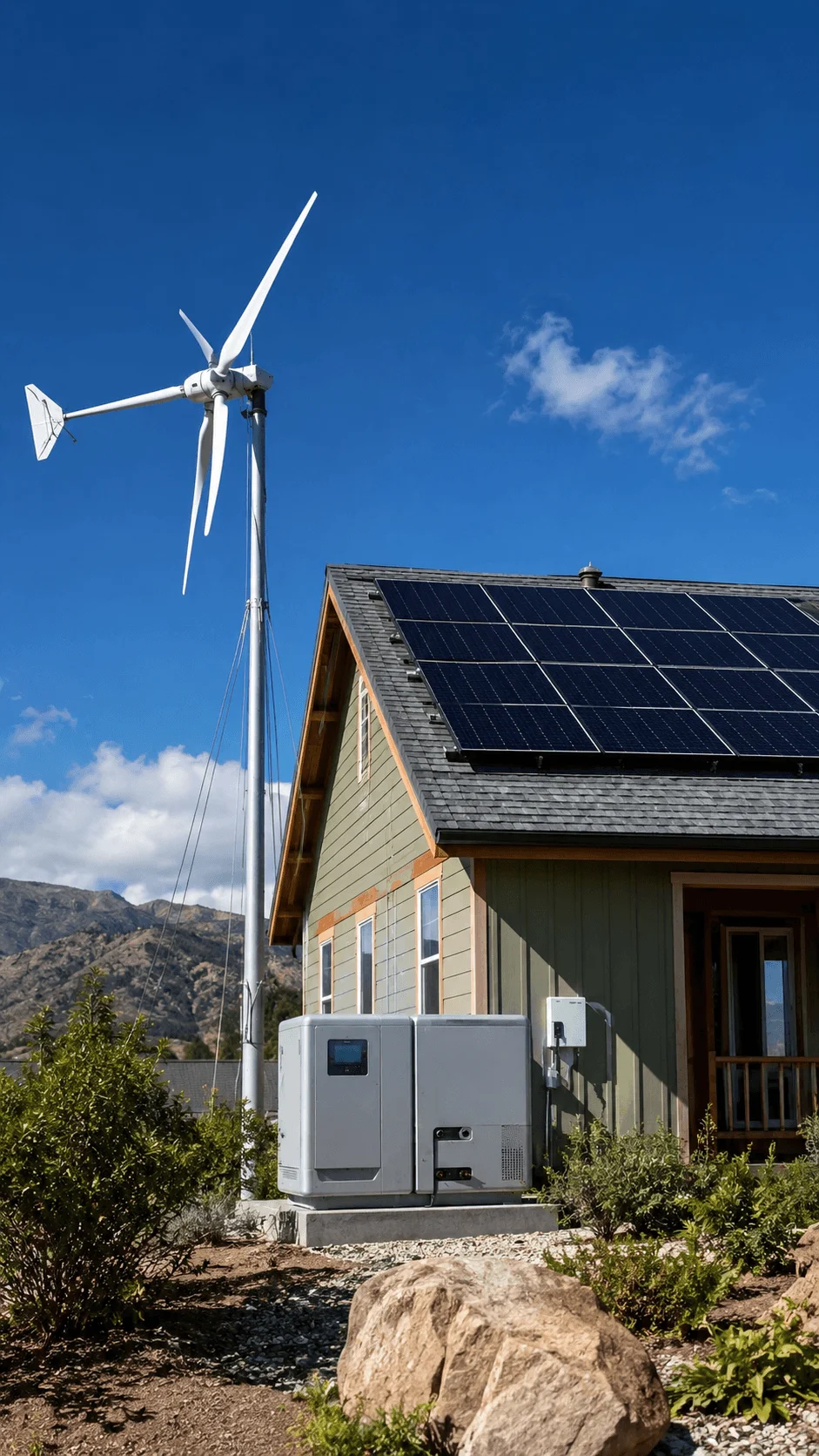
This approach is valuable for remote homes where connection to traditional electricity networks may be difficult or expensive. A balanced renewable energy system provides greater independence and reduces dependence on a single power source.
Before installing a small wind system, homeowners need to understand local wind conditions, installation requirements, and energy needs. Proper planning is essential because wind energy performance depends heavily on location.
Hybrid systems represent the future of renewable energy because they provide flexibility. Instead of relying on one solution, sustainable homes can combine different technologies to create stronger energy networks.
Passive Cooling and Heating Designs for Energy Efficient Homes
One of the smartest approaches to sustainability is reducing energy demand before producing more energy. Passive home design focuses on creating comfortable indoor environments through natural methods instead of relying heavily on heating and cooling systems.
Passive cooling techniques include proper building orientation, natural ventilation, shaded windows, and materials that prevent excessive heat. These methods help maintain comfortable temperatures while reducing electricity consumption.
Passive heating uses similar principles by allowing buildings to capture and store natural heat. Large windows facing suitable directions, thermal mass materials, and effective insulation can help maintain warmth during colder periods.
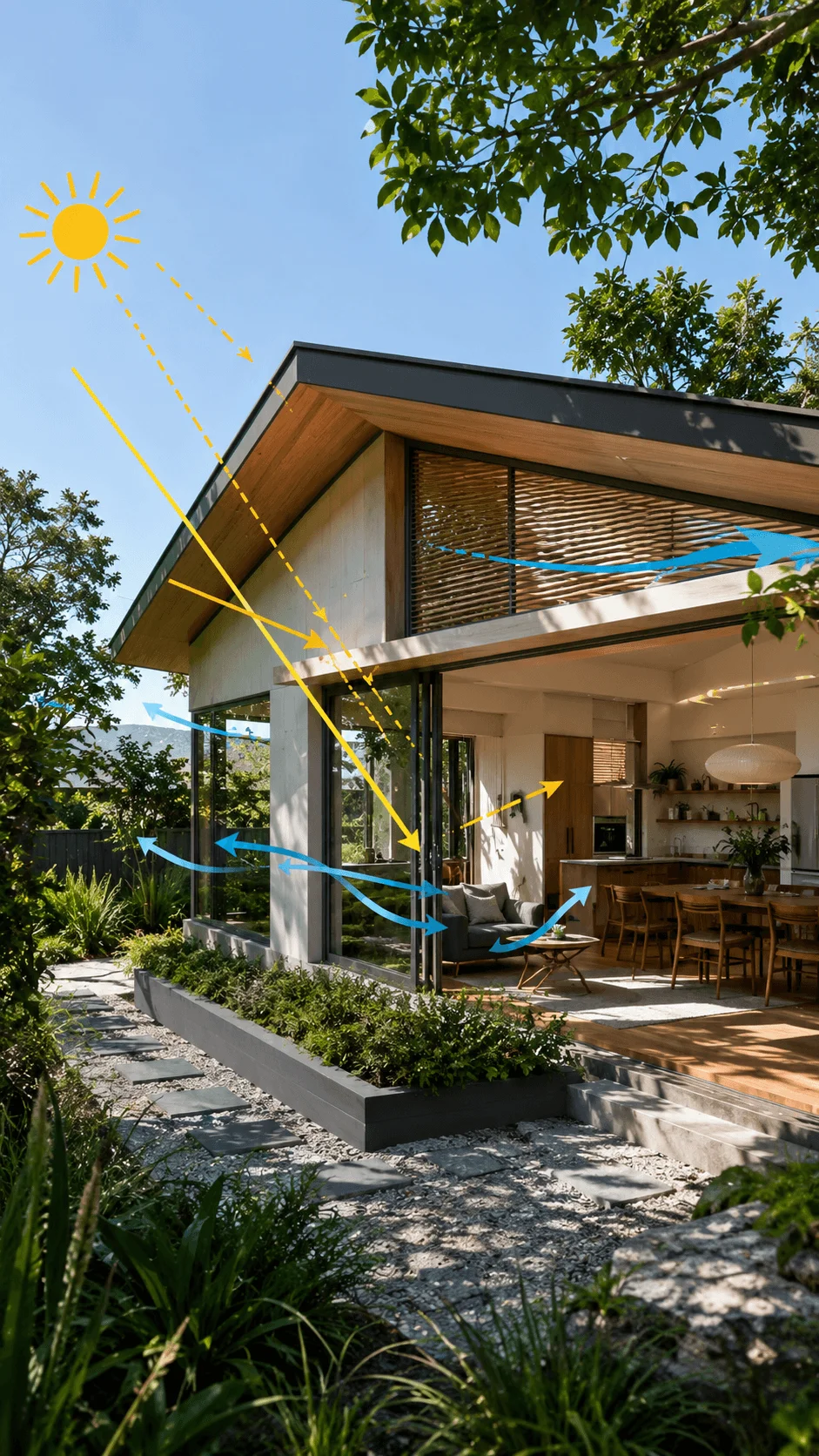
This concept is becoming increasingly popular because energy efficiency is now considered just as important as renewable energy production. A home that requires less energy is easier and cheaper to maintain.
Modern sustainable architecture combines passive design with renewable energy systems. Together, these approaches create homes that are comfortable, efficient, and environmentally responsible.
For beginners, passive improvements can include planting shade trees, improving insulation, reducing air leaks, and using natural airflow. These small changes can create noticeable improvements without requiring major construction.
Passive design shows that sustainability is not only about adding new technology. Sometimes the best solution is designing spaces that naturally work with the environment.
Backyard Aquaponics Systems for Self Sufficient Food Production
Aquaponics is becoming a popular sustainable food production method because it combines fish farming and plant cultivation into one connected system.
In an aquaponics system, fish provide natural nutrients for plants, while plants help filter and clean the water for fish. This creates a balanced ecosystem that uses fewer resources compared to traditional farming methods.
The biggest advantage of aquaponics is water efficiency. Because water circulates through the system, it requires significantly less water than conventional gardening.
Backyard aquaponics systems are suitable for people who want to increase food independence without requiring large areas of land. Small systems can produce herbs, vegetables, and fish while teaching valuable skills about ecosystems and resource management.
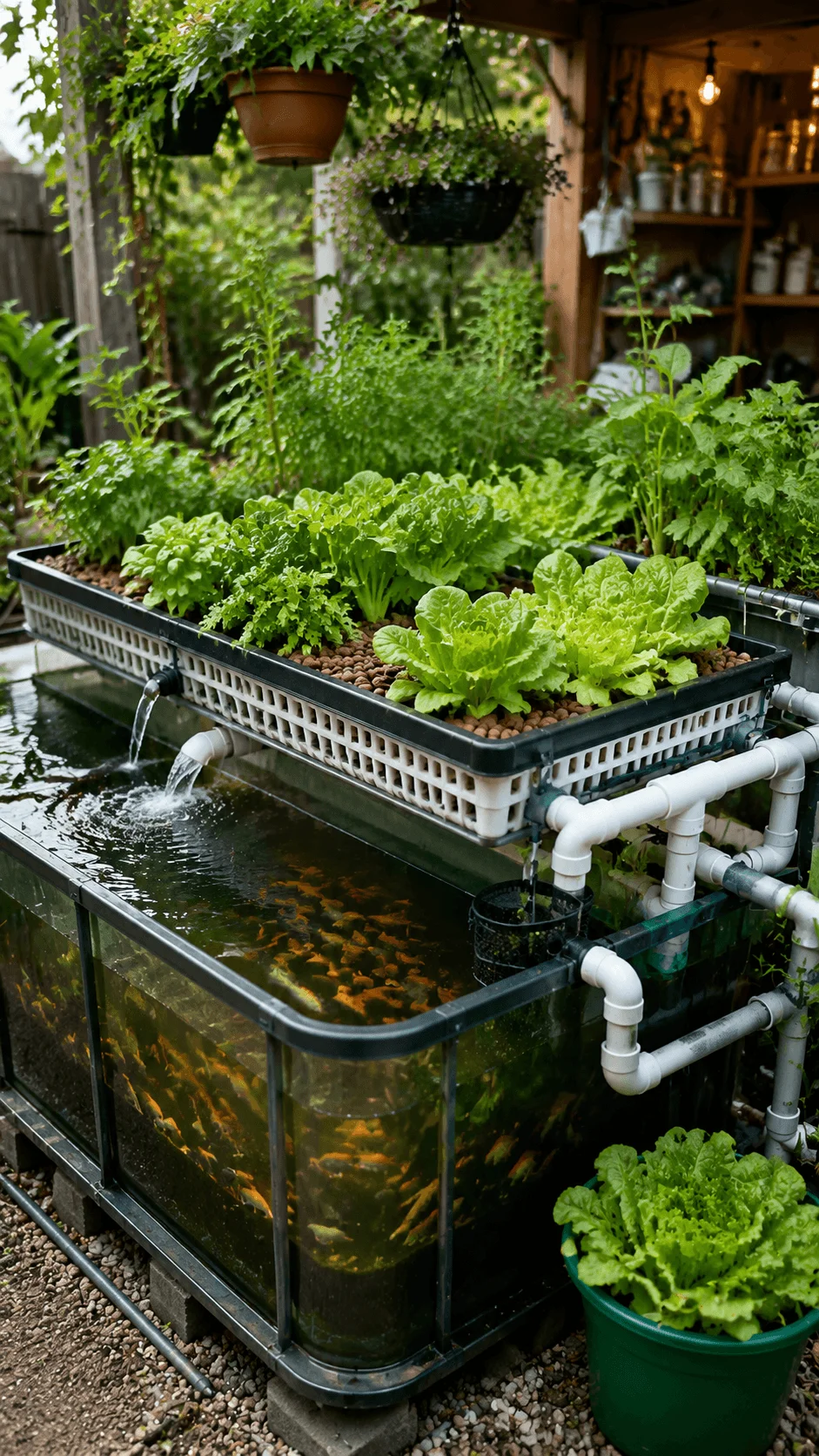
This project connects strongly with modern off grid living because it creates another layer of independence. Instead of purchasing all food resources from outside sources, families can produce some of their own food at home.
Beginners can start with small container based systems before expanding into larger designs. Learning about water balance, fish care, and plant requirements is important for long term success.
Aquaponics represents the future of sustainable agriculture because it combines natural processes with efficient resource use.
DIY Off Grid Kitchen and Sustainable Food Preservation
Food independence is an important part of sustainable living. Growing food is only one part of the process; storing and preserving resources is equally important.
Traditional preservation methods are becoming popular again because they allow families to reduce food waste and depend less on commercial systems. Solar dehydrators, fermentation, root cellars, and natural storage methods help extend the life of harvested food.
A solar food dehydrator is a simple project that uses sunlight to remove moisture from fruits, vegetables, and herbs. This allows people to preserve seasonal produce without electricity.
Root cellars provide another traditional solution by using natural temperature and humidity conditions to store vegetables for longer periods. These methods show how older knowledge can support modern sustainability.
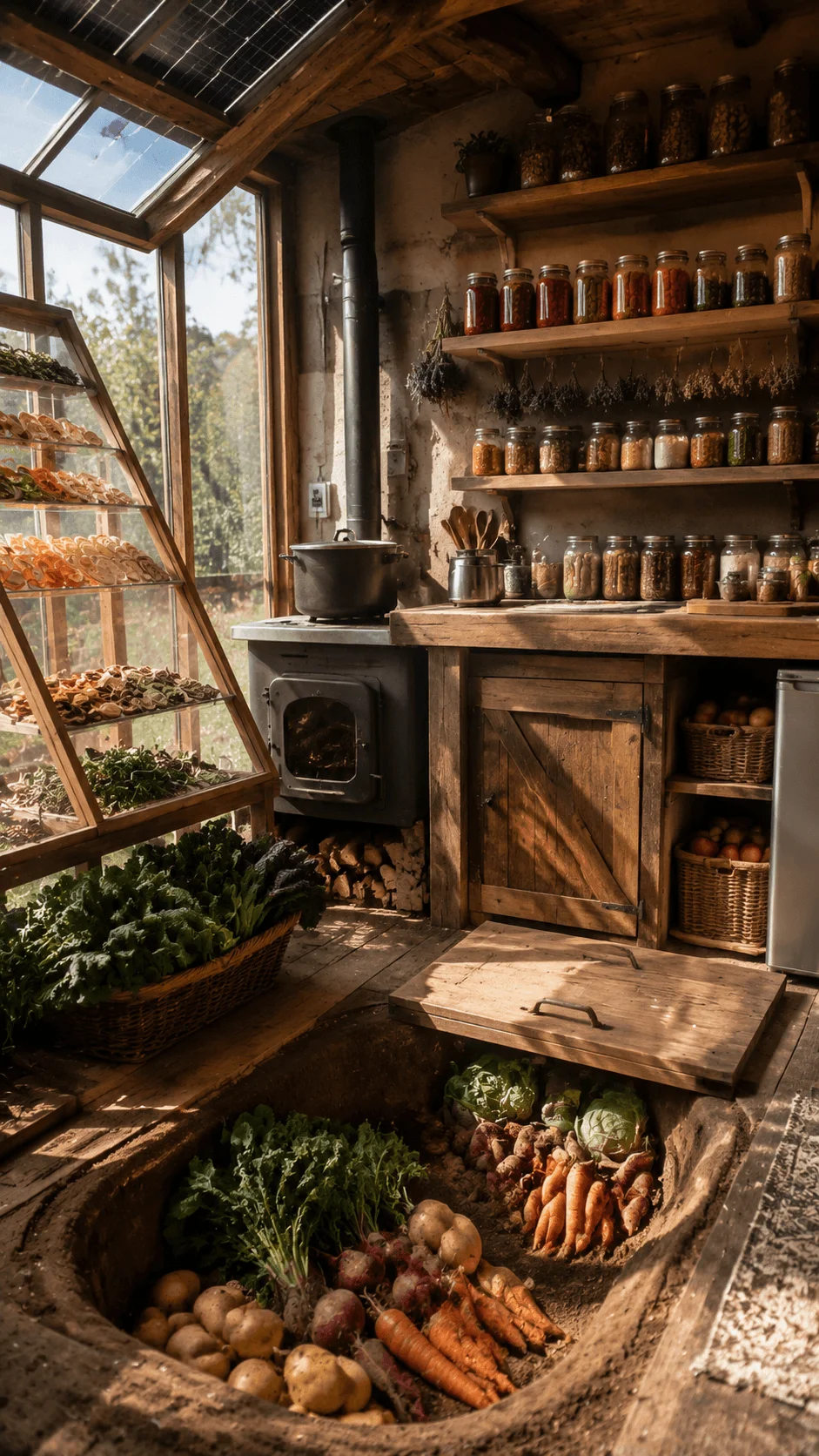
An off grid kitchen can also include energy efficient appliances, renewable cooking methods, and systems designed to minimise waste. The goal is not only producing food but creating a complete sustainable food cycle.
These projects encourage people to reconnect with traditional skills while using modern improvements. They support a lifestyle based on preparation, resource awareness, and independence.
Small Modular Off Grid Utility Hubs
One of the newest trends in sustainable living is the development of small modular utility systems. Instead of building a complete off grid home immediately, many people are creating compact independent units that provide essential services.
A modular utility hub can include solar energy equipment, water storage, communication systems, workspace areas, and basic living facilities. These systems allow people to experiment with independent living without making a huge investment.
This concept is becoming popular among remote workers, travellers, and people interested in flexible lifestyles. A small sustainable unit can provide many benefits while requiring fewer resources than a traditional house.
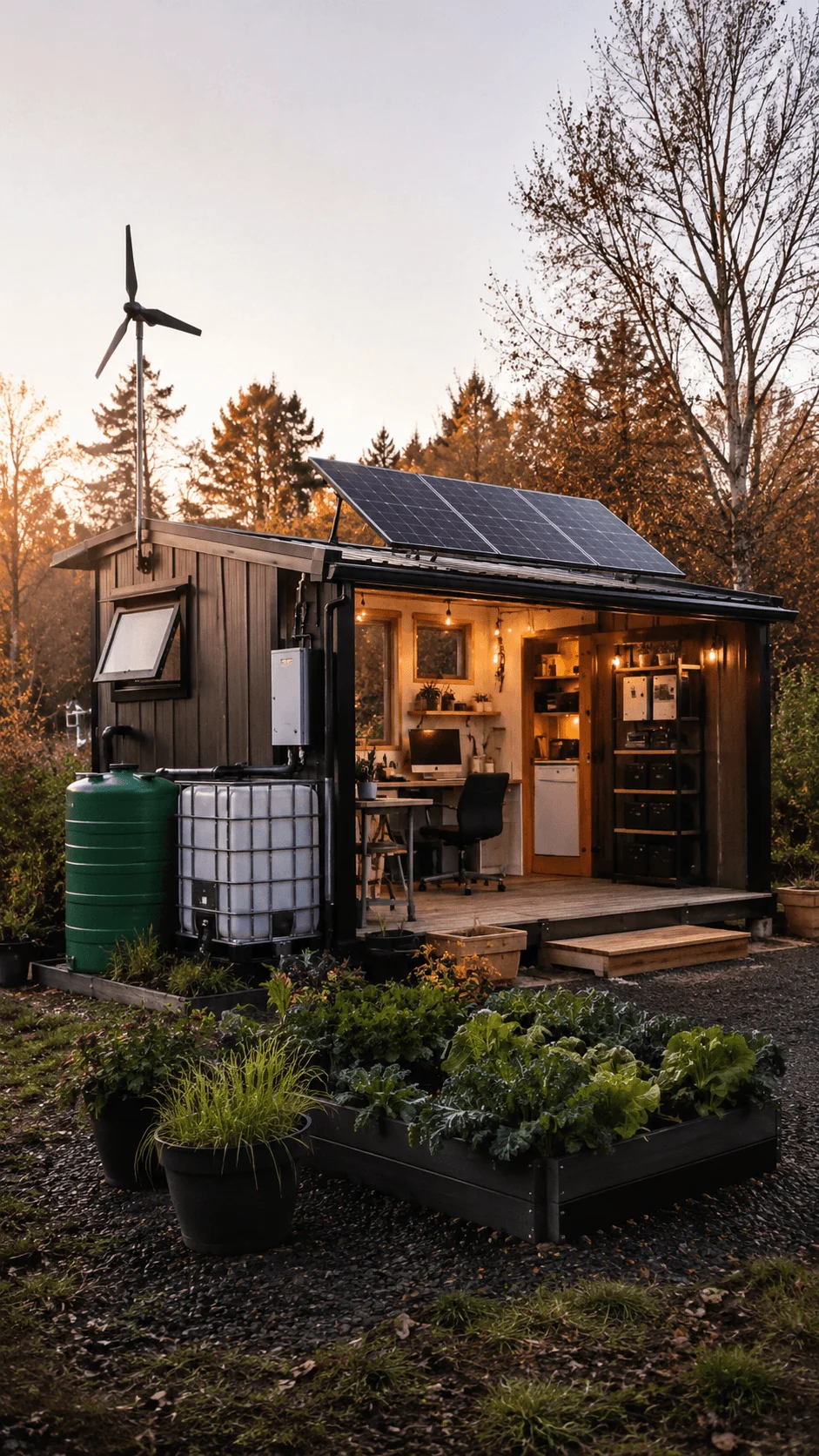
Modern designs focus on efficiency and simplicity. Smart energy management, compact storage solutions, and renewable technologies allow small spaces to become highly functional.
These systems represent an important direction for modern off grid living because they make sustainability more accessible. People do not always need large properties or expensive homes to begin creating independent systems.
The future may include more affordable modular solutions that allow individuals to build sustainable living spaces according to their needs.
The Future of Self Sustainable Living and Modern Off Grid DIY Projects
The future of sustainable living will continue to combine natural systems with advanced technology. Artificial intelligence, automation, renewable energy, and smart monitoring tools are changing how people create independent homes.
Future sustainable houses may manage energy automatically, grow food with minimal human effort, recycle resources more efficiently, and adapt to changing environmental conditions.
One of the biggest changes will be accessibility. Sustainable technologies that were once expensive are becoming more affordable and easier to use. This will allow more people to participate in creating environmentally responsible lifestyles.
The future of self sustainable living off grid DIY projects is not about completely disconnecting from society. Instead, it is about creating smarter systems that reduce waste, improve efficiency, and encourage responsible resource use.
As climate challenges continue, sustainable homes will become increasingly important. People are discovering that independence and environmental responsibility can work together.
Conclusion
Self sustainable living off grid DIY projects represent a powerful movement toward a more independent, efficient, and environmentally conscious future. These projects allow people to take control of essential resources such as energy, water, food, and waste management while developing valuable practical skills.
Modern off grid living is no longer limited to remote survival homes. Today, it includes smart technology, renewable energy systems, natural construction methods, and innovative food production solutions. People can begin with small improvements and gradually create a lifestyle that supports both personal needs and environmental responsibility.
The most important aspect of sustainable living is understanding that every action contributes to a larger change. A rainwater system, a small garden, a solar setup, or a composting project may seem simple, but together these choices create a more resilient way of life.
As technology continues to improve, sustainable living will become easier, more affordable, and more accessible. The future belongs to those who find better ways to use resources, protect nature, and create homes that work in harmony with the environment.
By exploring these ideas and starting with practical projects, anyone can move closer to a healthier and more sustainable lifestyle.