Sustainable Aesthetic Photography Using AI
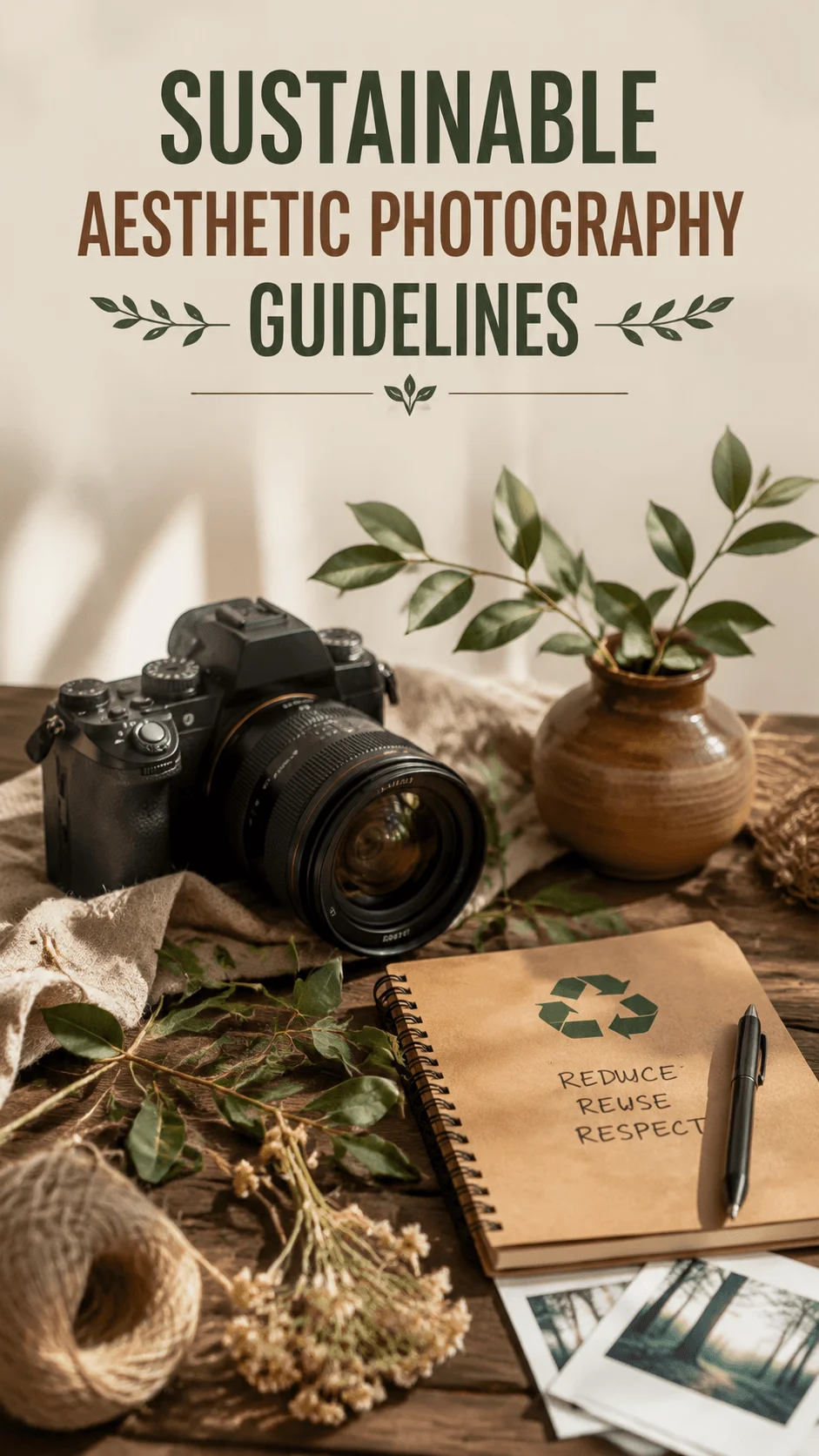
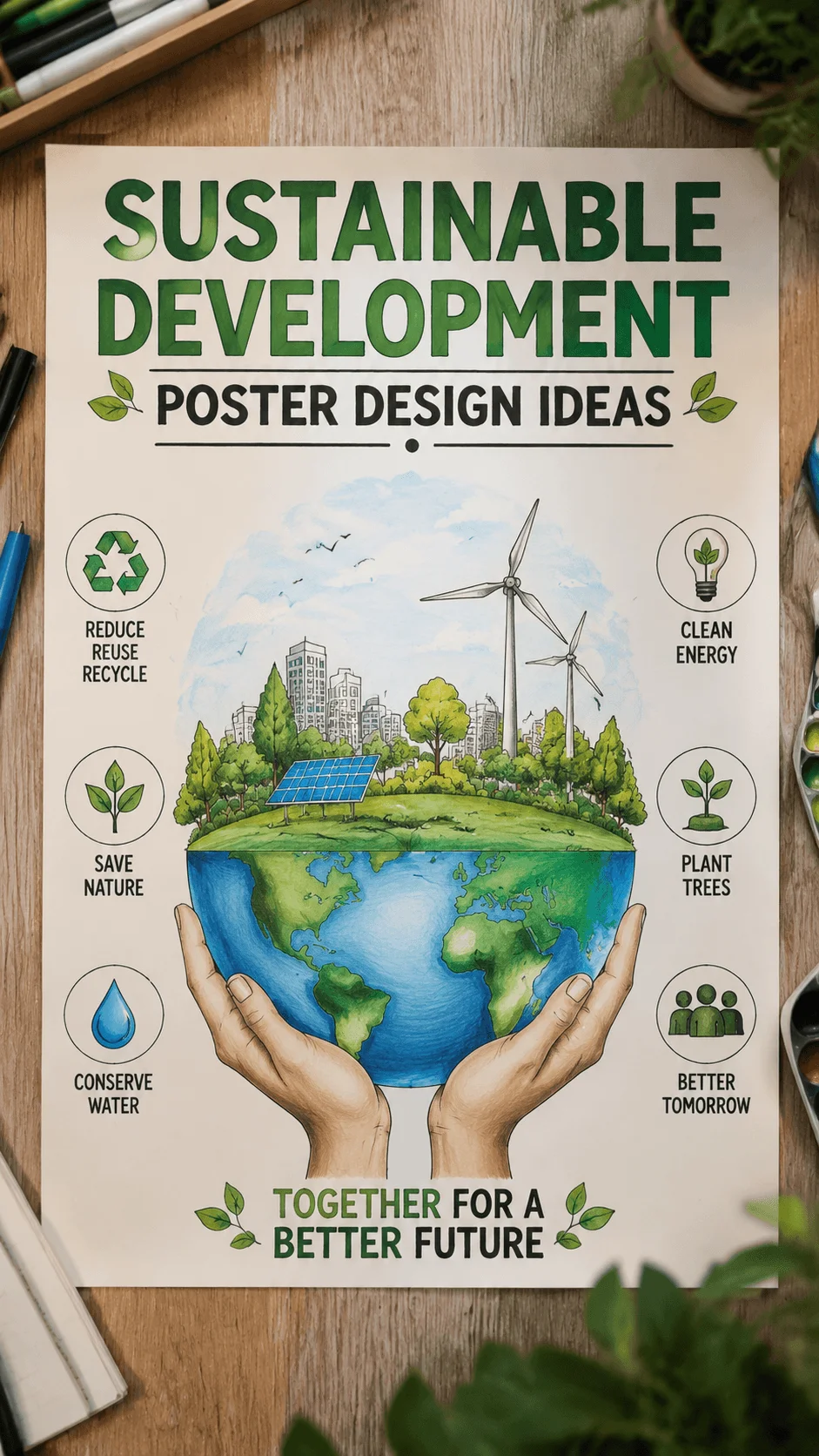
Sustainable Aesthetic Photography Using AI is transforming the way photographers, content creators, and brands produce visually stunning images while reducing environmental impact. Instead of relying on expensive travel, elaborate studio setups, or disposable props, creators can now use artificial intelligence to design realistic, nature inspired visuals with minimal waste. This innovative approach combines artistic creativity with eco conscious practices, making it easier than ever to create captivating content that aligns with modern sustainability values. In this guide, you will discover how AI is changing sustainable photography, why this trend continues to grow, and the latest creative ideas you can use to produce beautiful, environmentally responsible images.

What Is Sustainable Aesthetic Photography Using AI?
Sustainable aesthetic photography using AI combines environmentally conscious creative practices with artificial intelligence to produce visually appealing images that celebrate nature, simplicity, and responsible design. Traditional photography often requires physical locations, transportation, lighting equipment, printed backdrops, and decorative props. While these methods can create remarkable results, they may also consume significant resources and generate unnecessary waste.
Artificial intelligence introduces a new way to approach photography by allowing creators to visualize concepts digitally before investing in physical production. AI can generate realistic environments, simulate lighting conditions, and create artistic compositions that would otherwise require extensive planning or travel. Instead of building multiple photography sets, creators can experiment with different styles digitally until they find the perfect composition.
The aesthetic aspect focuses on creating images that feel calm, natural, and timeless. Soft lighting, earthy colors, organic textures, and balanced compositions often define this style. Sustainability adds another dimension by encouraging thoughtful creative decisions that minimize environmental impact while maintaining high visual quality.
This combination appeals to photographers, bloggers, designers, marketers, and businesses that want beautiful imagery without unnecessary consumption. It also helps creators produce consistent content more efficiently, making it an attractive solution for both personal projects and commercial campaigns.
Sustainable Photography With AI Creates Earth Tone Minimalism
One of the strongest visual trends this year is Earth Tone Minimalism. Instead of vibrant colors and busy backgrounds, creators now prefer soft natural shades inspired by landscapes and organic materials. Warm beige, clay brown, olive green, sand, stone gray, and muted terracotta create a peaceful atmosphere that feels authentic and timeless.
Artificial intelligence makes it easy to build these calming environments without collecting physical materials or constructing elaborate sets. A creator can generate a studio scene featuring natural wood, linen fabric, handcrafted ceramics, and soft sunlight within minutes. The result captures the beauty of simplicity while reducing the need for disposable decorative items.

This style works exceptionally well for skincare products, handmade crafts, sustainable fashion, wellness brands, and home decor photography. The restrained color palette allows the subject to remain the focal point while creating an emotional connection with viewers.
Earth Tone Minimalism also performs well on Pinterest because users often search for calming visual inspiration. Clean compositions with natural textures encourage longer viewing times and higher engagement, making this trend valuable for bloggers and content creators who depend on visual discovery platforms.
Instead of filling every frame with decorative objects, focus on intentional composition. Every element should contribute to the overall story, creating images that feel balanced, peaceful, and environmentally inspired.
Eco Friendly AI Photography Through Zero Waste Product Scenes
Product photography has traditionally required numerous props, printed backgrounds, lighting accessories, and custom built displays. Many of these materials serve only one campaign before being discarded. AI offers a more sustainable alternative by allowing creators to design reusable digital scenes.
Imagine photographing a reusable water bottle. Rather than purchasing artificial plants, stones, fabrics, and wooden surfaces, AI can create an elegant composition featuring natural rocks, flowing water, moss, bamboo, and warm sunlight. The product appears professionally staged while eliminating the waste associated with temporary physical setups.
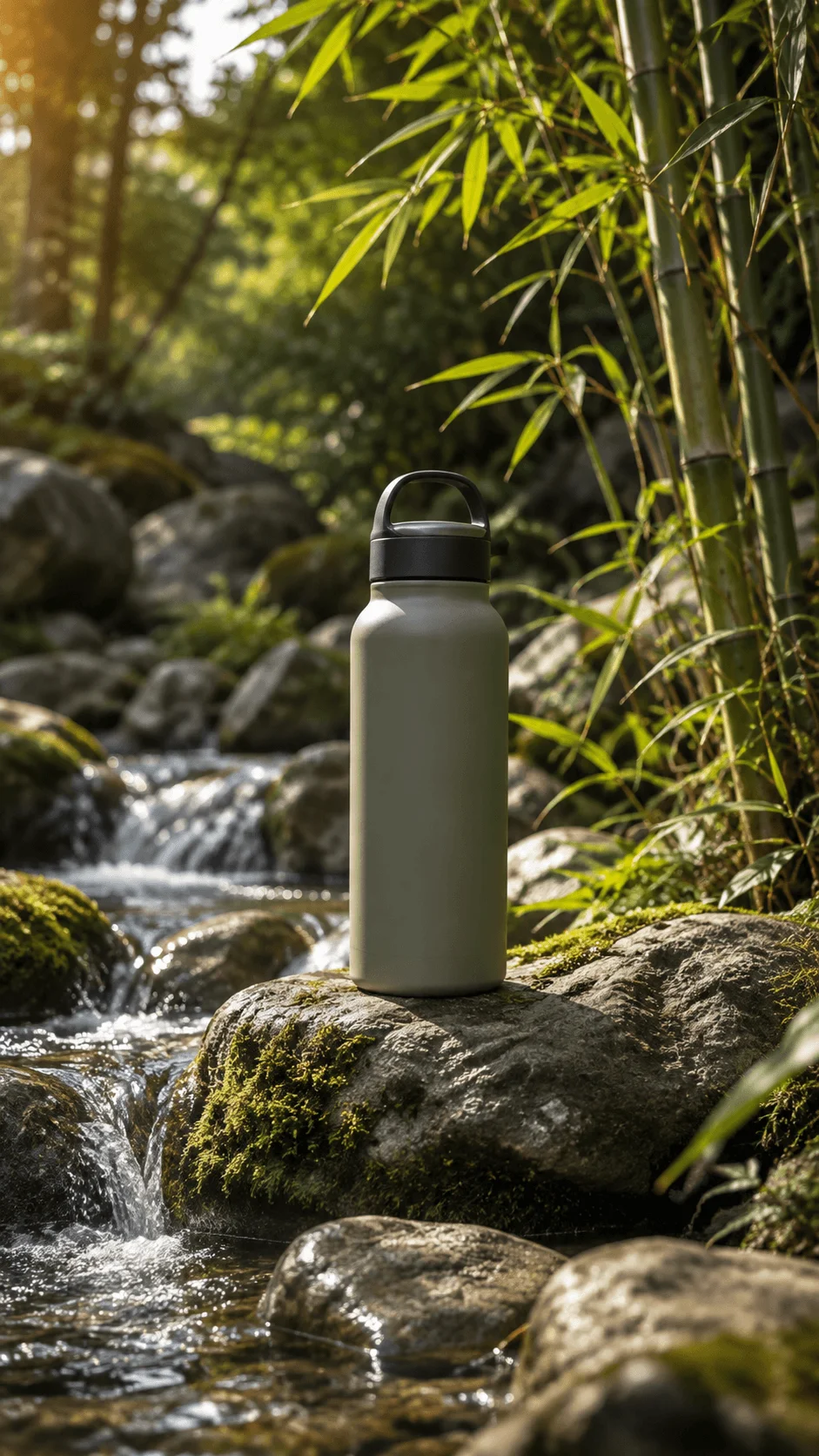
This approach provides remarkable flexibility. A single product can appear in several different sustainable environments without additional production costs. Brands can create separate campaigns for spring, summer, autumn, and winter while using the same original product photograph.
Small businesses especially benefit because they often cannot afford repeated professional photoshoots. AI gives them access to premium visual quality while supporting environmentally responsible marketing practices.
Consumers increasingly notice when brands embrace sustainability. Images that feature recycled materials, renewable resources, and nature inspired environments reinforce a company’s commitment to responsible business practices, helping build trust with environmentally conscious audiences.
AI Nature Photography Ideas With Natural Color Grading
Color has an extraordinary influence on emotional response. Instead of relying on heavily saturated filters, many creators now embrace natural color grading inspired directly by landscapes.
Artificial intelligence analyzes colors found in forests, rivers, mountains, deserts, oceans, and gardens to produce harmonious palettes that feel realistic and calming. Rather than exaggerating colors, AI enhances existing tones while preserving their natural beauty.
This approach creates images that appear more authentic. Soft greens, gentle blues, warm browns, and golden sunlight produce a visual experience that feels peaceful rather than overwhelming. These subtle color combinations also remain timeless, making them suitable for long term branding.
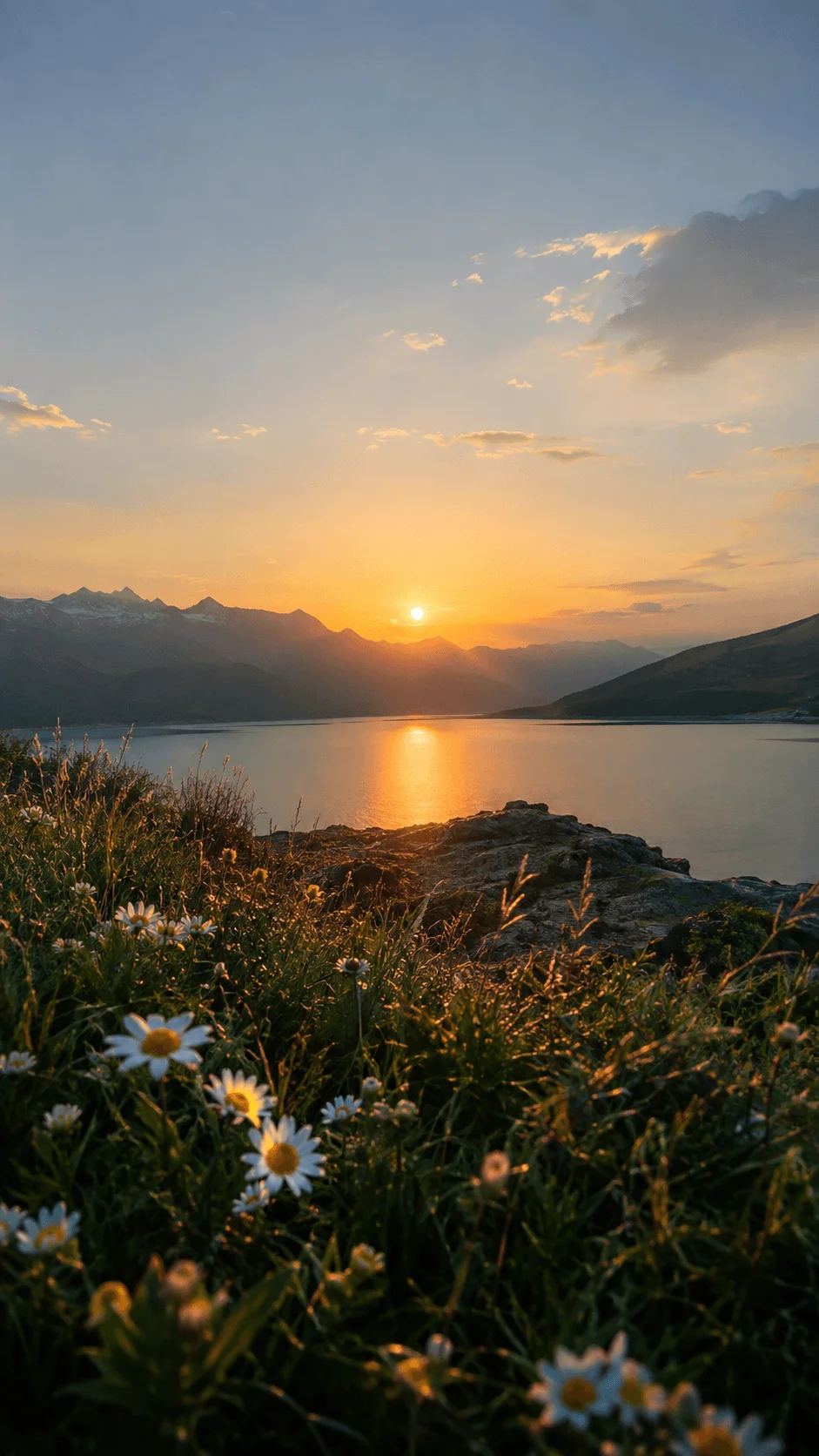
Nature inspired color grading works particularly well for travel photography, wellness content, outdoor products, sustainable fashion, organic food brands, and environmental campaigns. Because the colors originate from real ecosystems, viewers often associate them with freshness, quality, and trust.
Creators can further improve these images by maintaining consistent lighting across entire collections. Consistency strengthens brand identity while making Pinterest boards, blogs, and social media feeds appear more professional.
Sustainable Photography Ideas With The Imperfect Organic Aesthetic
For many years, digital photography focused on perfection. Every surface looked flawless, every shadow appeared carefully controlled, and every object seemed almost unreal. Today, audiences increasingly appreciate authenticity over perfection.
The Imperfect Organic Aesthetic celebrates natural textures, subtle imperfections, and realistic details. AI can intentionally introduce gentle film grain, soft shadows, handmade textures, uneven surfaces, and natural lighting that resembles traditional photography.
These imperfections create emotional warmth because they remind viewers of real experiences rather than artificial perfection. Handmade pottery, woven fabrics, weathered wood, dried flowers, and textured paper all contribute to this welcoming visual style.

Photographers and designers use this approach to tell stories instead of simply displaying products. A handcrafted ceramic cup placed beside a linen cloth and an open book creates a narrative about slow living and mindful consumption rather than simply showcasing an object.
This trend reflects a broader cultural movement toward authenticity. As consumers become more aware of overly edited imagery, they increasingly appreciate visuals that feel genuine and emotionally relatable.
Artificial intelligence supports this style by recreating realistic imperfections while giving creators complete control over composition and lighting. Instead of chasing unrealistic perfection, photographers can focus on creating images that feel honest, peaceful, and connected to everyday life.
Eco Luxury Photography Ideas Using Natural Materials
Luxury no longer depends on extravagant displays or excessive decoration. Modern premium brands increasingly embrace sustainability by presenting products in elegant environments inspired by nature.
AI allows creators to design sophisticated scenes featuring marble, natural stone, recycled glass, linen, wood, bamboo, moss, and handcrafted ceramics without sourcing every physical element. These materials communicate quality while supporting environmentally conscious storytelling.
Luxury watches displayed on weathered wood, premium skincare products resting beside smooth river stones, or handcrafted jewelry surrounded by delicate leaves create visual narratives that feel refined and responsible. The contrast between luxury products and natural materials reflects changing consumer values, where craftsmanship and sustainability coexist.
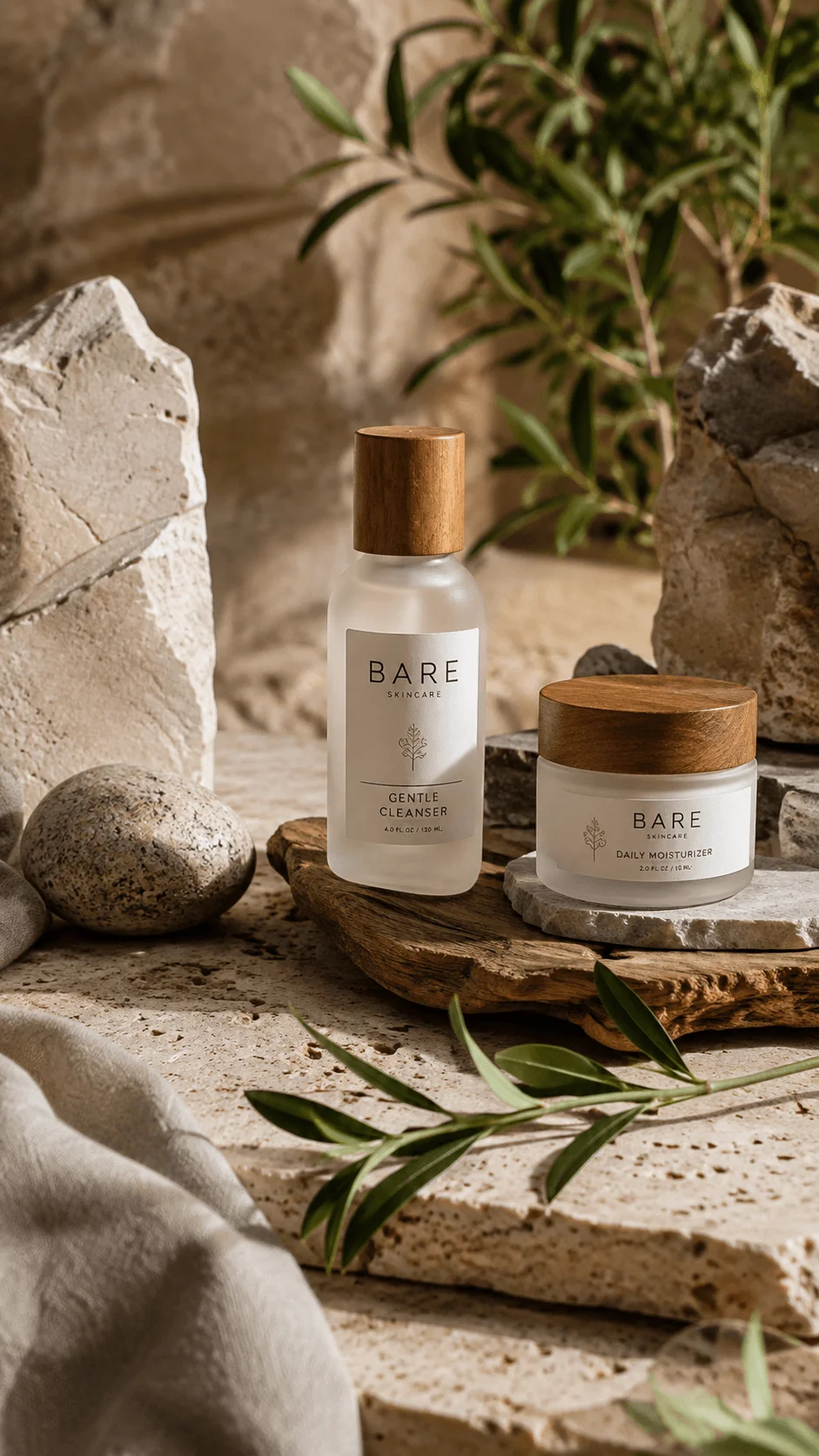
This photography style appeals to fashion labels, cosmetic companies, jewelry brands, fragrance businesses, and lifestyle marketers seeking timeless imagery. Instead of overwhelming viewers with lavish decorations, the focus remains on elegant simplicity and thoughtful composition.
Artificial intelligence enables endless experimentation with lighting, textures, and layouts until every element works together naturally. The final result feels premium without appearing excessive, helping brands communicate sophistication while supporting sustainable creative practices.
AI Sustainable Photography Through Digital Botanical Worlds
One of the most exciting trends in sustainable visual content is the creation of Digital Botanical Worlds. Instead of traveling to remote forests, botanical gardens, or tropical destinations, creators can use AI to generate breathtaking environments inspired by nature. These scenes feature lush greenery, oversized flowers, climbing vines, peaceful waterfalls, misty forests, and sunlit gardens that feel both realistic and artistic.
This trend has become especially popular because audiences are drawn to images that provide a sense of calm and connection with nature. As people spend more time online, they often seek visual experiences that feel peaceful rather than overwhelming. AI makes it possible to design these environments while avoiding the environmental costs associated with frequent travel or large scale set construction.
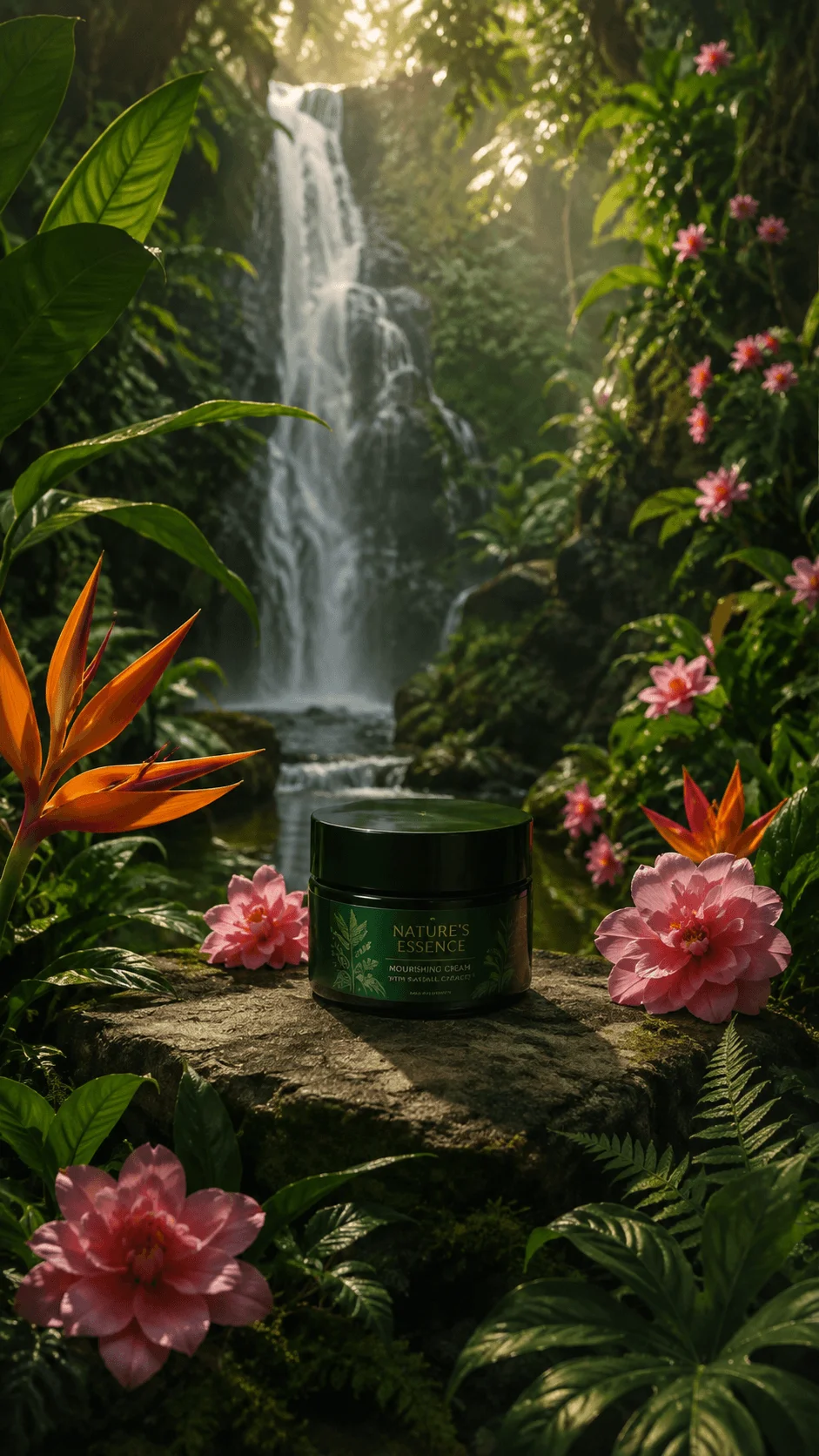
Digital Botanical Worlds work beautifully for beauty products, fashion campaigns, wellness brands, travel blogs, and lifestyle photography. A skincare product surrounded by glowing tropical plants or a portrait framed by soft blooming flowers instantly creates an emotional connection with viewers. These scenes also perform exceptionally well on Pinterest because users frequently search for nature inspired inspiration that feels elegant and timeless.
Rather than simply placing plants around a subject, think about creating a complete visual story. Consider how light filters through leaves, how flowers frame the composition, and how textures work together to create harmony. AI gives creators the freedom to experiment with countless botanical environments until the perfect scene emerges.
Sustainable Photography Trends With AI Generated Seasonal Collections
Seasonal photography often requires photographers to revisit locations throughout the year or rebuild entire studio sets to match changing weather conditions. Artificial intelligence offers a far more efficient solution by generating seasonal environments without repeating the entire production process.
A single product or portrait can be transformed into a fresh spring garden, a warm summer meadow, a colorful autumn forest, or a peaceful winter landscape while maintaining the same visual quality. This allows businesses to create consistent seasonal marketing campaigns without unnecessary expenses or material waste.

For bloggers and Pinterest creators, seasonal collections provide continuous inspiration throughout the year. Readers actively search for fresh content that reflects changing seasons, making this approach valuable for increasing long term traffic and engagement.
Successful seasonal photography goes beyond simply changing background colors. Spring often represents growth and renewal through soft flowers and fresh greenery. Summer emphasizes warmth, sunlight, and outdoor experiences. Autumn highlights rich earth tones and textured leaves, while winter creates peaceful scenes through soft lighting and minimal compositions. AI helps capture these seasonal emotions while keeping production efficient and environmentally responsible.
Nature Inspired AI Photography For The Slow Living Lifestyle
The Slow Living movement continues to influence photography because it encourages people to appreciate simple moments instead of constant consumption. Sustainable aesthetic photography using AI naturally complements this philosophy by focusing on peaceful environments, mindful routines, and intentional design.
Images inspired by Slow Living often include warm sunlight entering a quiet room, a cup of tea beside an open book, handmade pottery resting on a wooden table, linen fabrics moving gently in natural light, or indoor plants creating a calming atmosphere. These photographs communicate comfort and balance rather than luxury or excess.

Artificial intelligence allows creators to build these scenes without collecting large numbers of props or renting expensive locations. Instead, AI generates harmonious interiors that feel authentic and inviting while allowing creators to adjust every detail until the composition reflects the desired mood.
Brands that promote wellness, home decor, organic food, sustainable fashion, and personal development frequently adopt this style because it aligns with their values. Viewers often spend more time looking at these peaceful images because they evoke feelings of relaxation and emotional connection.
Rather than filling every frame with decorative objects, successful Slow Living photography celebrates empty space, soft light, and thoughtful composition. Simplicity becomes the strongest design element.
Sustainable Visual Storytelling Through Circular Economy Concepts
Consumers increasingly appreciate brands that demonstrate responsible environmental practices. Photography now plays an important role in communicating these values through visual storytelling.
Circular Economy photography focuses on repairing, recycling, reusing, and extending the life of everyday products instead of encouraging unnecessary consumption. Artificial intelligence helps creators visualize these concepts through realistic scenes that highlight sustainable lifestyles.
Imagine a handcrafted chair being restored instead of replaced, reusable shopping bags displayed beside fresh produce, refillable cosmetic containers arranged on natural stone, or clothing repaired with visible craftsmanship. These visual stories celebrate resourcefulness while encouraging thoughtful consumer behavior.

This photography style is especially effective for educational campaigns, nonprofit organizations, eco conscious businesses, and sustainability focused blogs. Rather than presenting products in isolation, the images communicate meaningful stories about responsibility and long term value.
AI supports this creative process by allowing photographers to explore multiple storytelling concepts before finalizing their campaigns. As a result, brands can communicate complex sustainability messages through compelling visuals that remain approachable and inspiring.
AI Nature Photography Ideas With Wildlife Inspired Portraits
Wildlife inspired portraits have become increasingly popular because they combine human creativity with the beauty of the natural world. Instead of placing people in artificial environments, AI creates harmonious compositions where portraits blend naturally with forests, flowers, birds, butterflies, rivers, and mountain landscapes.
The goal is not to create fantasy for the sake of spectacle but to celebrate the relationship between people and nature. Soft lighting, organic textures, and balanced colors help these portraits feel artistic while remaining believable.
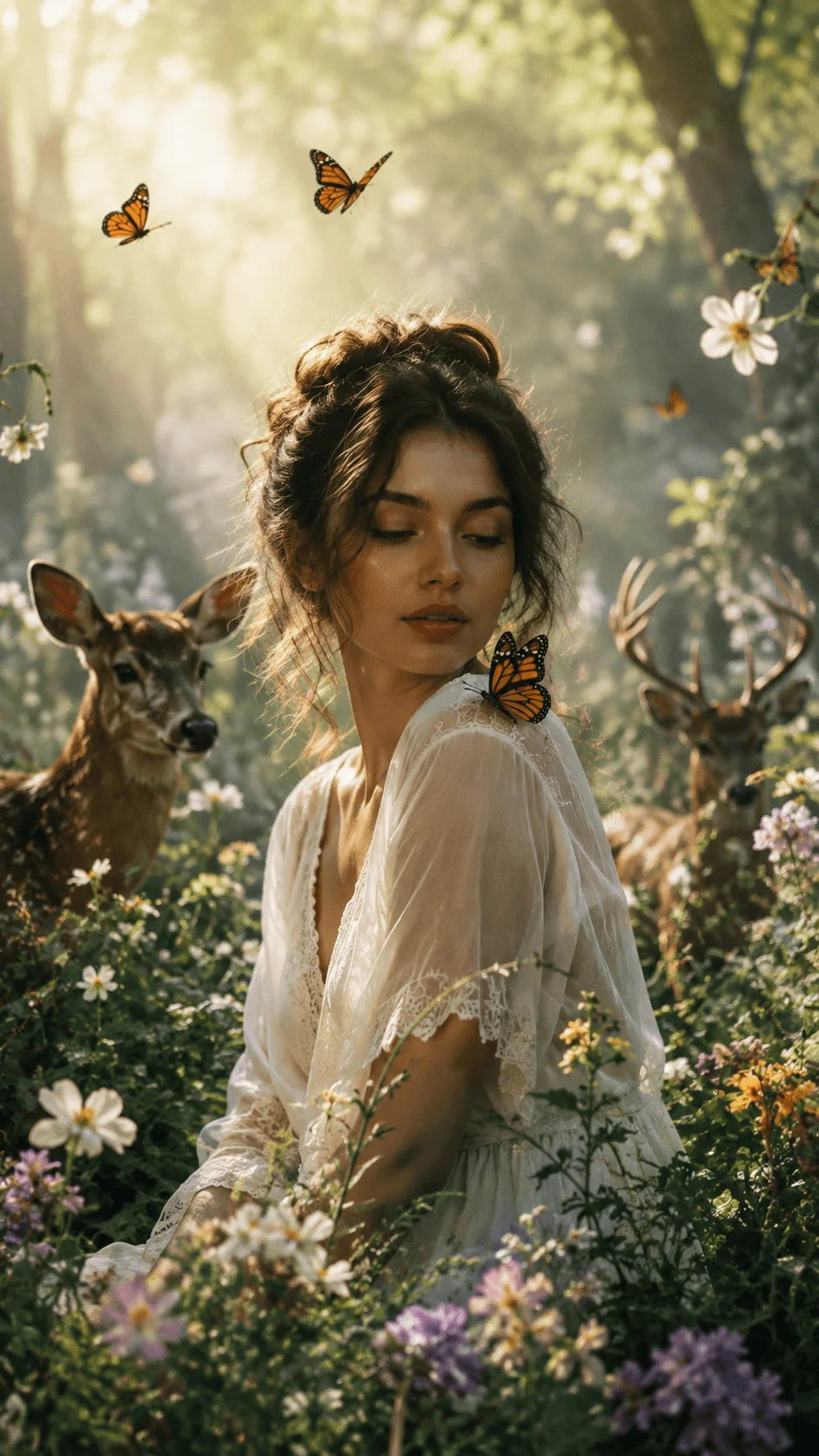
Photographers often use this style for personal branding, editorial projects, environmental campaigns, and creative portfolios. A portrait surrounded by gentle butterflies or framed by blooming wildflowers communicates serenity, curiosity, and appreciation for nature without relying on excessive editing.
Artificial intelligence makes these creative concepts more accessible by generating realistic backgrounds, adjusting natural lighting, and refining compositions while preserving a cohesive aesthetic. This allows photographers to focus on storytelling rather than technical limitations.
Sustainable Aesthetic Photography Using AI For Human And Nature Harmony
Another major trend this year emphasizes the relationship between people and the natural environment. Instead of treating nature as a simple background, photographers now integrate people into landscapes in ways that feel respectful and balanced.
Artificial intelligence helps create scenes where individuals walk through forests, relax beside rivers, care for gardens, or interact with sustainable architecture surrounded by greenery. These images encourage viewers to see themselves as part of nature rather than separate from it.
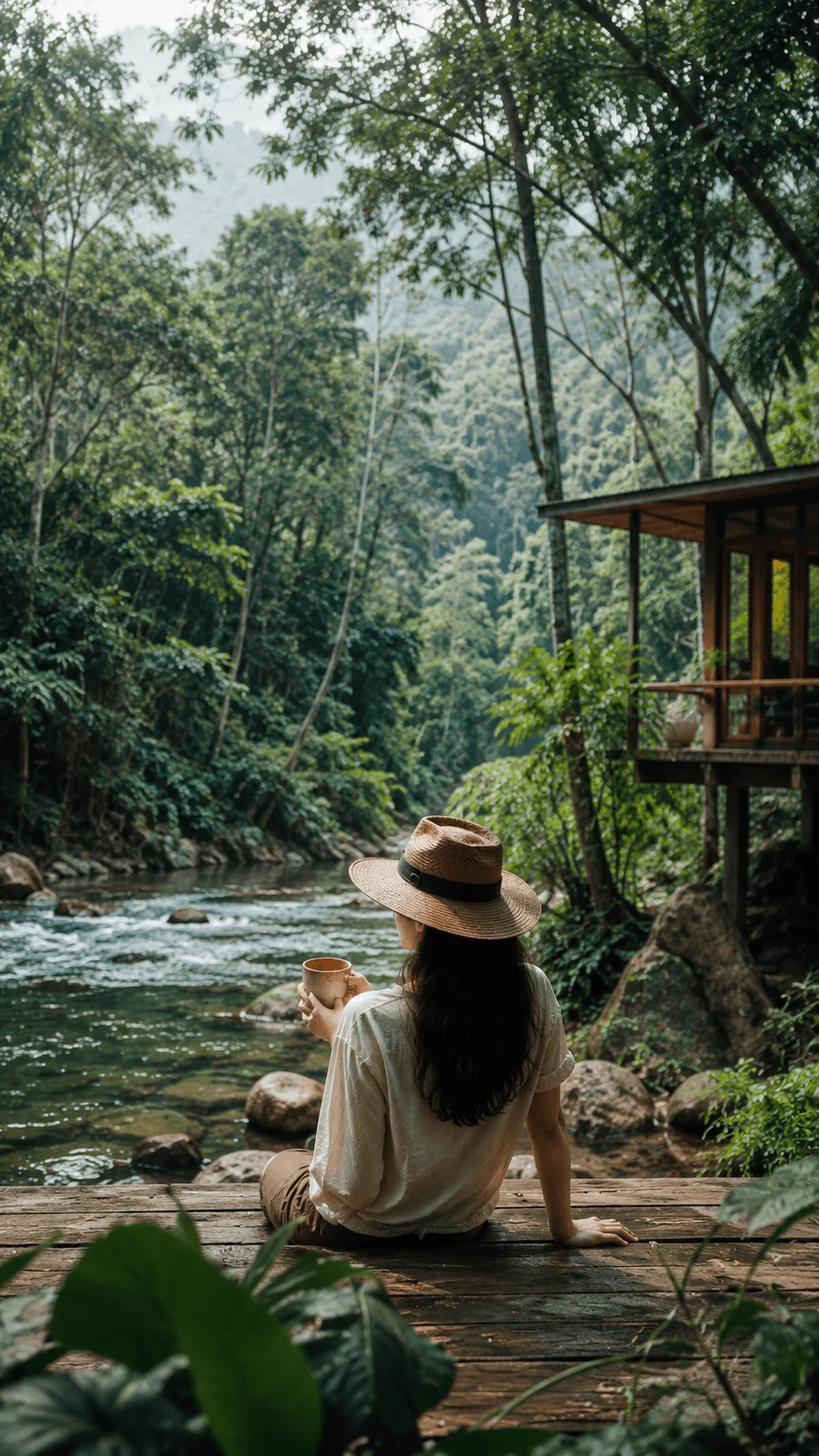
This concept resonates strongly with modern audiences because environmental awareness continues to grow across the world. Businesses also appreciate this visual direction because it communicates responsibility without appearing overly promotional.
When creating Human and Nature Harmony photography, every element should support the overall narrative. Clothing, lighting, colors, and composition should complement the surrounding environment rather than compete with it. The result is imagery that feels peaceful, authentic, and emotionally engaging.
Sustainable Photography Prompts Through AI Mood Boards
Before beginning a photography project, many creators now develop AI generated mood boards that establish a consistent visual direction. These mood boards combine colors, textures, lighting styles, materials, and composition references into one unified creative vision.
Instead of collecting dozens of printed inspiration images, AI quickly generates personalized mood boards based on detailed prompts. This process helps photographers organize ideas while reducing unnecessary printing and material use.
Mood boards also improve communication between photographers, designers, marketers, and clients. Everyone understands the intended visual style before production begins, reducing revisions and saving valuable time.
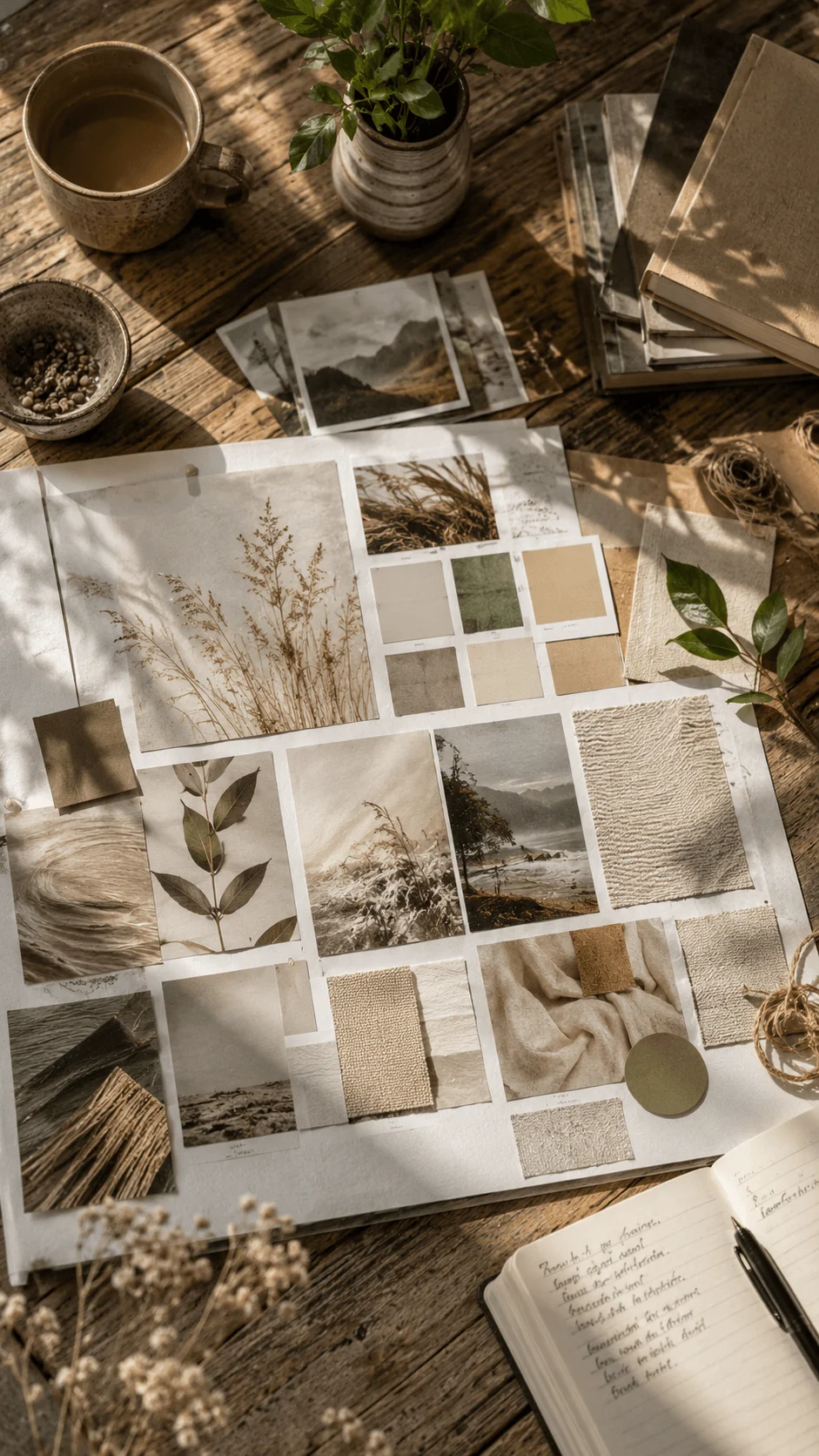
For Pinterest creators, developing a consistent visual identity is especially important. Collections of images that share similar colors, lighting, and composition often perform better because they create a recognizable aesthetic that audiences remember.
Artificial intelligence allows creators to refine these mood boards continuously until every visual element supports the overall creative direction.
Common Mistakes To Avoid In AI Sustainable Photography
Many beginners rely too heavily on unrealistic prompts that produce overly artificial images. Others include too many visual elements, creating cluttered compositions that distract from the main subject.
Another common mistake involves ignoring consistency. Random lighting, mismatched color palettes, and conflicting artistic styles make a collection feel unprofessional. Taking time to establish a unified visual direction results in stronger branding and more memorable content.
Finally, remember that sustainability is more than a visual style. Authentic storytelling, thoughtful design, and responsible creative decisions should guide every project rather than simply adding natural backgrounds for appearance alone.
Future Trends In Sustainable Photography Using AI
Artificial intelligence will continue making sustainable photography more accessible and sophisticated. Future systems will generate increasingly realistic lighting, materials, and environmental details while offering greater creative control.
We can also expect stronger integration between AI generated imagery and traditional photography, allowing creators to combine real photographs with digital enhancements seamlessly. Personalized visual storytelling, interactive content, and highly customized branding will likely become more common as AI technology evolves.
As sustainability remains a global priority, businesses and creators who adopt environmentally responsible creative workflows will continue attracting audiences that value authenticity, innovation, and conscious design.
Conclusion
Sustainable Aesthetic Photography Using AI represents more than a technological advancement. It reflects a creative shift toward responsible storytelling, thoughtful design, and environmentally conscious content creation. By combining artificial intelligence with natural aesthetics, photographers, businesses, bloggers, and content creators can produce remarkable visuals while reducing waste, lowering production costs, and improving creative efficiency.
The latest trends, from Earth Tone Minimalism and Digital Botanical Worlds to Slow Living photography and Circular Economy storytelling, demonstrate how AI can inspire meaningful visual experiences that resonate with modern audiences. Instead of replacing creativity, artificial intelligence expands creative possibilities by allowing artists to experiment, refine ideas, and build compelling narratives without unnecessary environmental impact.
As AI technology continues to evolve, sustainable photography will become even more accessible, helping creators produce authentic, visually captivating content that supports both artistic expression and responsible innovation. Whether you are building a Pinterest strategy, growing a brand, or expanding your photography portfolio, embracing sustainable AI photography today can help you create timeless imagery that stands out while contributing to a more sustainable creative future.