Sustainability Projects for Kids Ideas Every Child Will Love
Sustainability Projects for Kids Ideas are one of the best ways to help children understand how their everyday choices can make a positive difference for the environment. Rather than simply reading about recycling, conservation, or protecting wildlife, kids learn these valuable lessons through exciting activities that encourage creativity, curiosity, and hands on exploration. Whether at home, in the classroom, or during community events, these projects transform important environmental concepts into memorable learning experiences.
As environmental challenges continue to grow, teaching children sustainable habits from an early age has never been more important. Fun and meaningful activities help young learners appreciate nature, reduce waste, conserve resources, and develop problem solving skills they can use throughout their lives. Parents and teachers also benefit by creating opportunities for teamwork, communication, and critical thinking while encouraging children to care for the world around them.
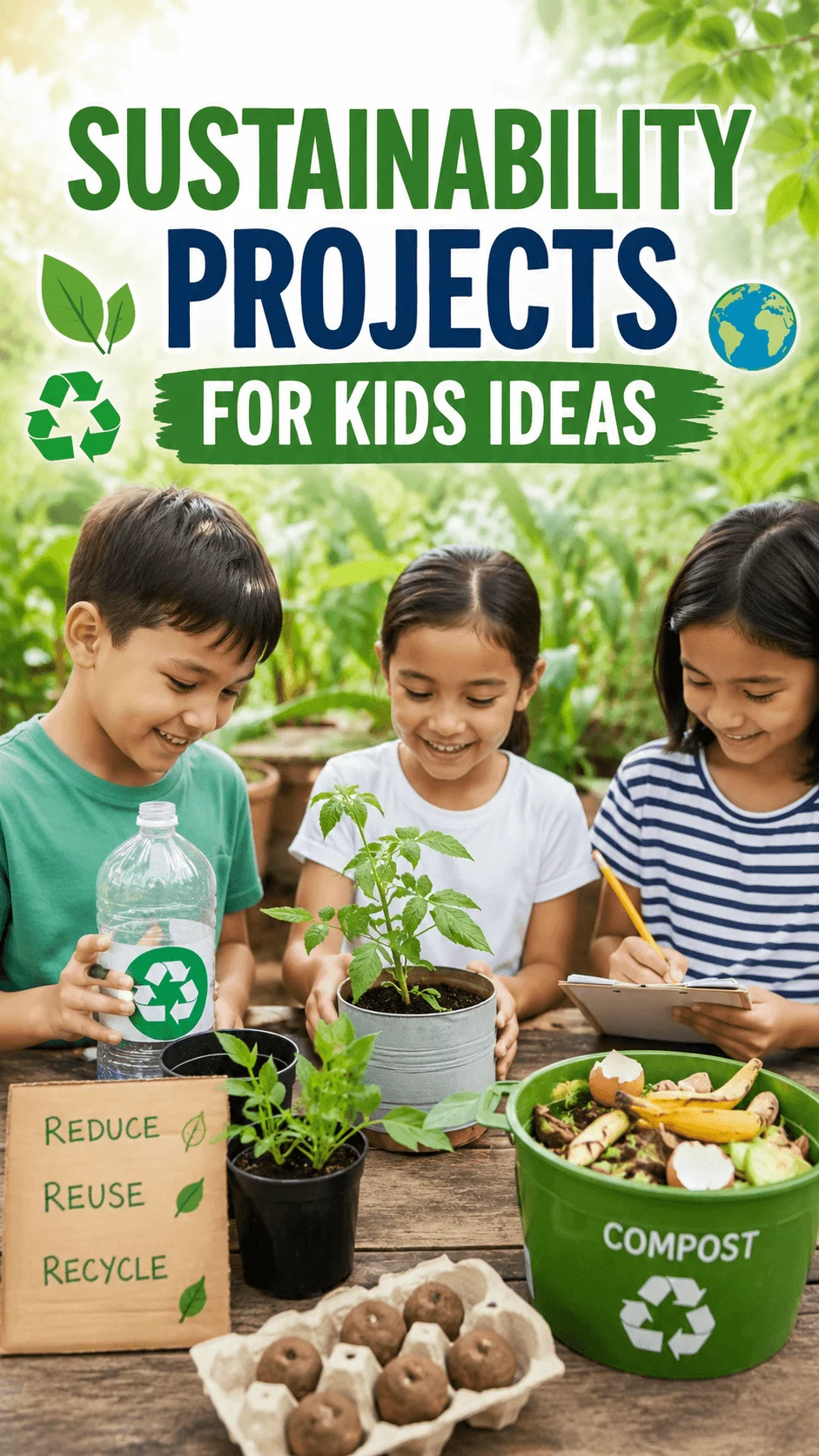
In this guide, you will discover some of the most creative and engaging sustainability activities for kids that are gaining popularity this year. From exploring local biodiversity to building simple science experiments, each idea offers an enjoyable way to combine education with action. These projects are suitable for different age groups and can easily be adapted for homes, classrooms, homeschooling, or community programs.
Backyard Biodiversity Survey
A backyard may seem like an ordinary space, but it often contains a surprising variety of plants, insects, birds, and other living creatures. Creating a biodiversity survey encourages children to slow down, observe nature carefully, and understand that every living organism plays an important role in maintaining healthy ecosystems. This project introduces environmental science in a way that feels like an exciting outdoor adventure rather than a classroom lesson.
Children can use a notebook, printable observation sheets, or a camera to record the different species they discover over several days or weeks. They might identify colorful butterflies, busy bees, unique flowers, or birds visiting nearby trees. Parents and teachers can expand the activity by discussing food chains, habitats, and why biodiversity supports a healthier planet.
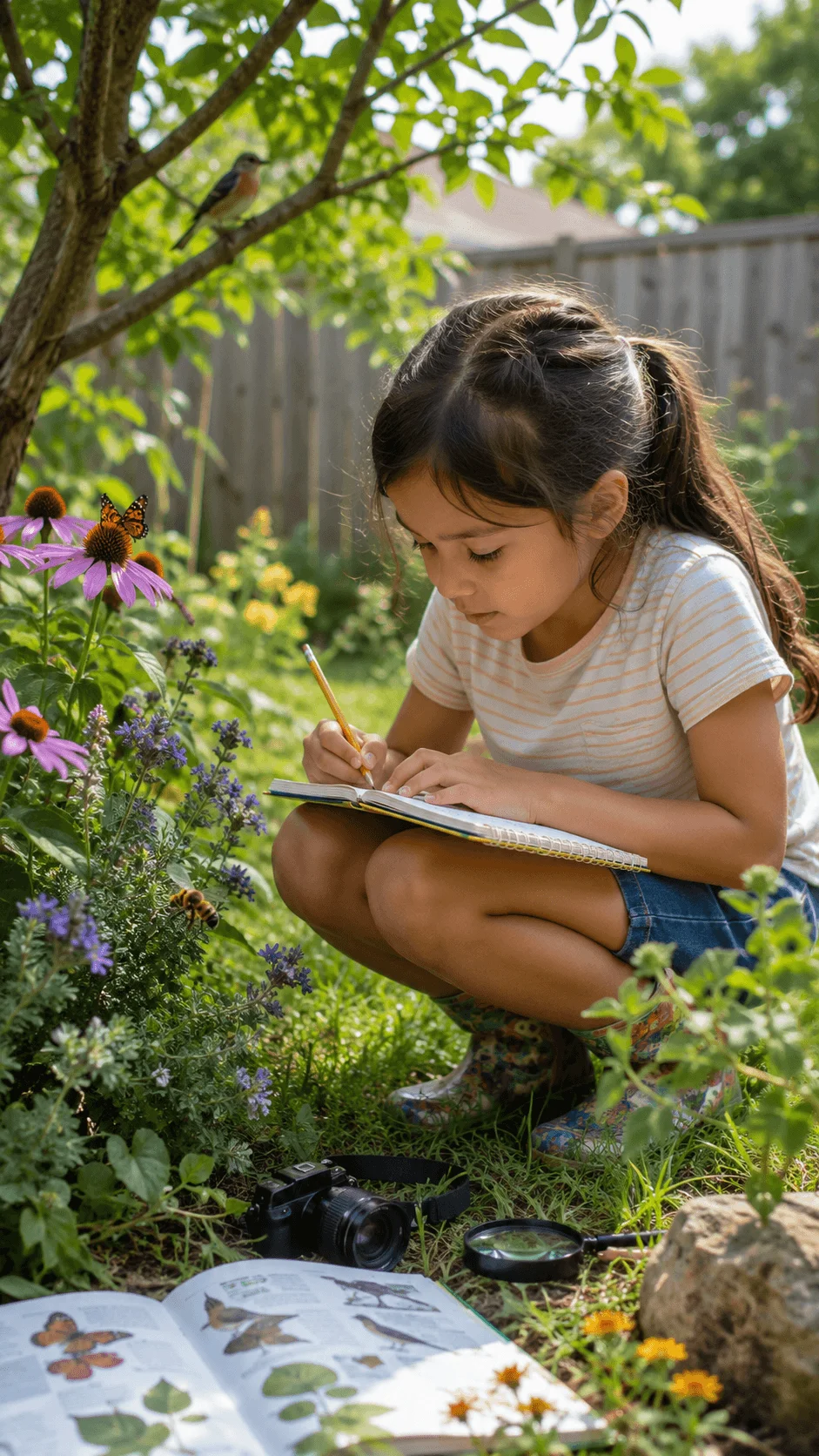
Instead of treating the survey as a one time project, encourage children to revisit the same area during different seasons. Watching nature change throughout the year helps them recognize patterns, appreciate wildlife, and develop stronger observation skills. This simple activity also inspires respect for local ecosystems while building curiosity about the natural world.
Pollinator Garden Challenge
Creating a pollinator garden gives children the opportunity to support bees, butterflies, and other helpful insects while learning why these tiny creatures are essential for healthy ecosystems. Many children enjoy planting flowers, but understanding how those flowers provide food and shelter for pollinators adds a meaningful educational experience that lasts well beyond planting day.
Choose colorful native flowers that bloom during different seasons so pollinators have a consistent source of nectar. As the garden grows, children can observe which insects visit most often and record their discoveries in a journal. This transforms gardening into an engaging science activity that develops patience, observation, and environmental awareness.
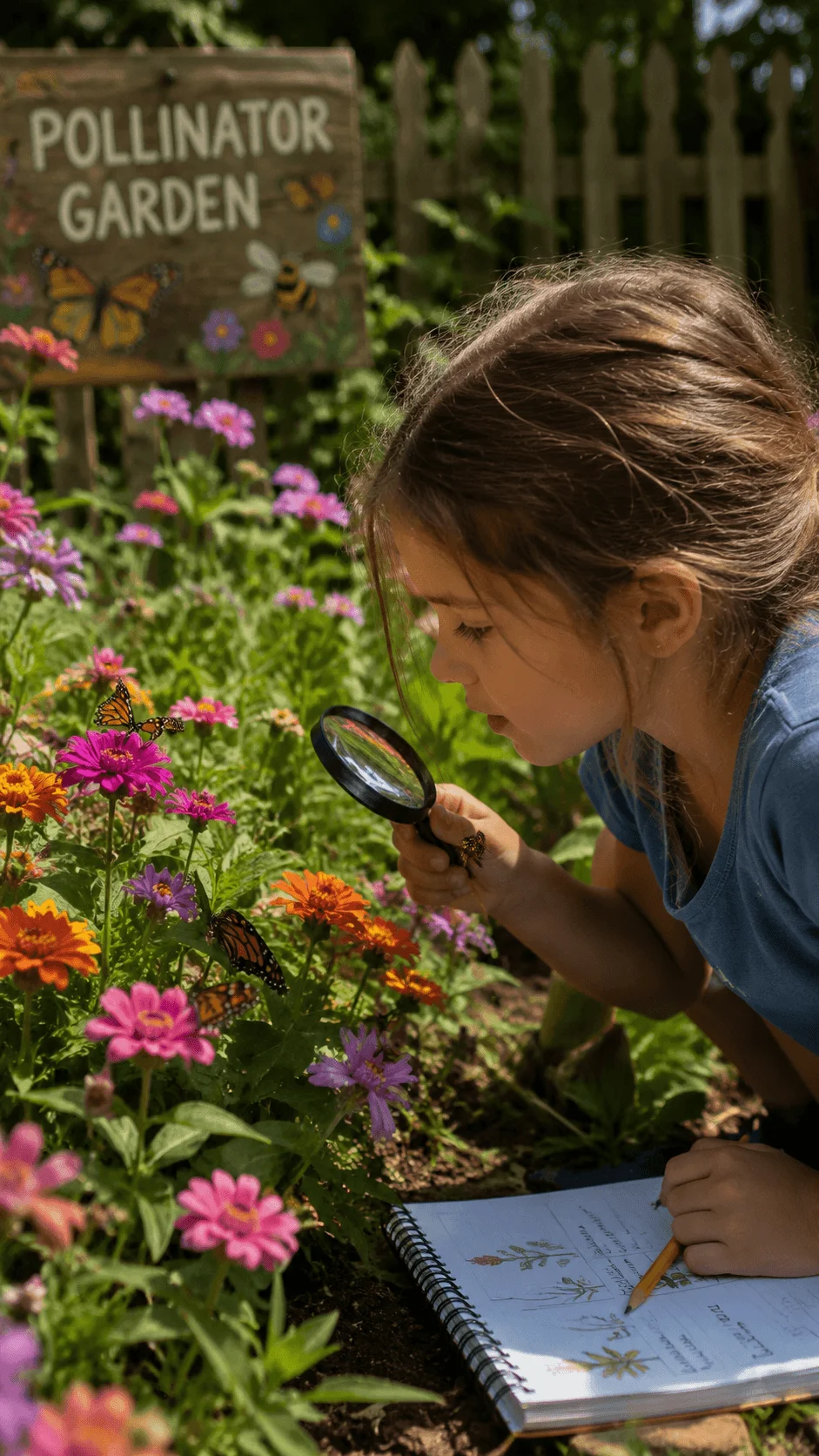
Parents and teachers can encourage discussions about food production, explaining that many fruits and vegetables depend on pollinators. Children quickly realize that protecting insects also helps people. Over time, the garden becomes a living classroom where kids witness nature working together while developing a stronger appreciation for sustainable gardening and wildlife conservation.
QR Code Nature Trail
Technology and environmental education can work together in creative ways, making a QR Code Nature Trail one of the most exciting sustainability activities for kids. Instead of using screens only for entertainment, children use digital tools to help others learn about trees, flowers, birds, insects, and local wildlife.
Parents or teachers can place simple QR codes near different plants or natural features around a school garden, park, or backyard. Each code links to information, photos, fun facts, or short videos explaining why that plant or animal is important to the environment. Children can even create their own educational content, making the project much more personal and memorable.
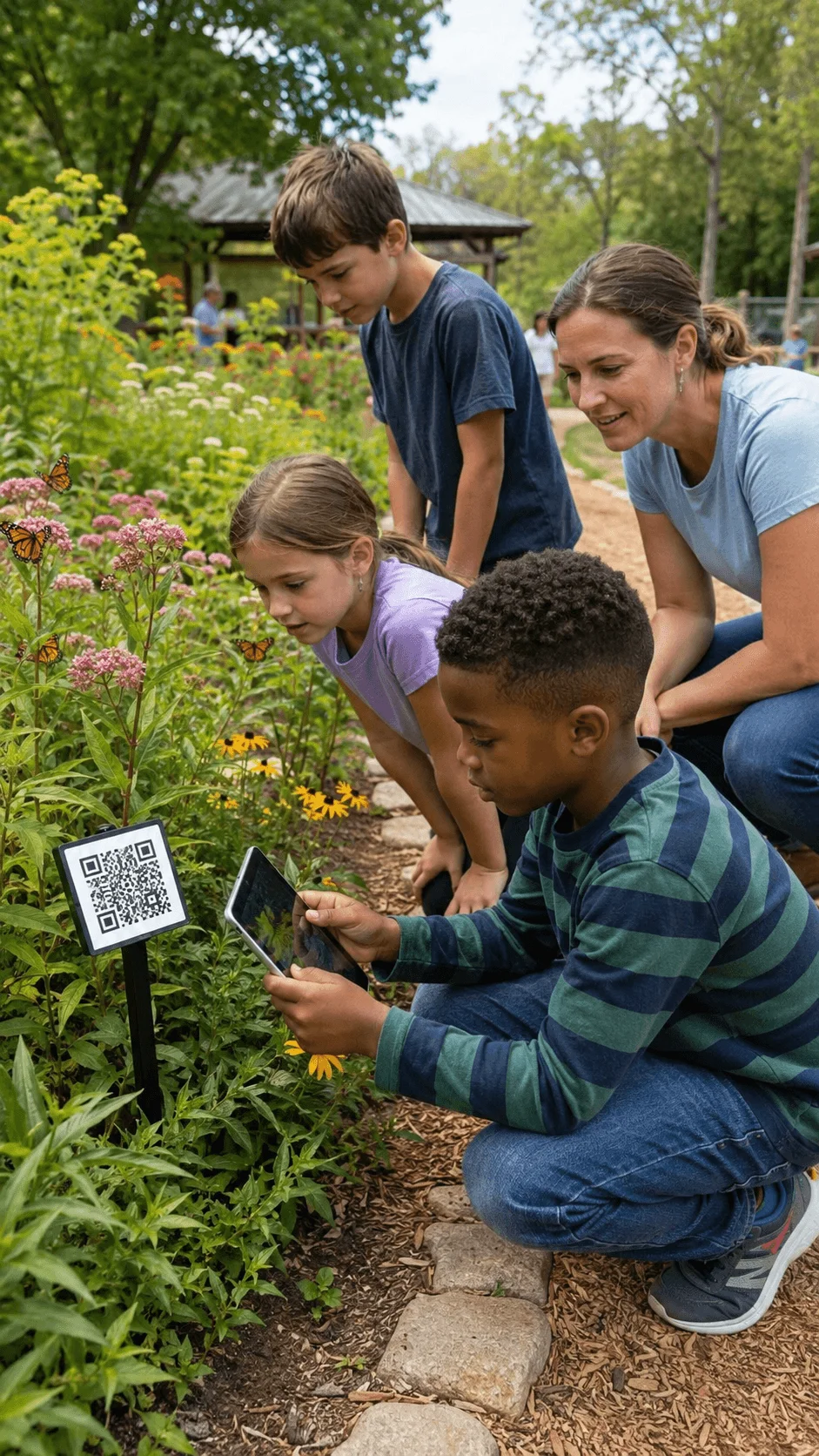
This activity encourages research, writing, teamwork, and digital literacy while strengthening environmental knowledge. It also inspires children to become young educators who proudly share what they have learned with friends and family. As the trail expands, it becomes an interactive outdoor learning experience that can be enjoyed throughout the year.
Household Carbon Footprint Challenge
Helping children understand their household carbon footprint introduces the idea that everyday choices have a real impact on the environment. Instead of presenting climate change as a complicated topic, this challenge focuses on practical actions that families can take together to reduce energy use and waste.
Children can observe daily habits such as turning off unused lights, unplugging electronics, saving water, walking instead of driving short distances, and reducing unnecessary purchases. Keeping a simple journal allows them to track improvements and celebrate positive changes over time.
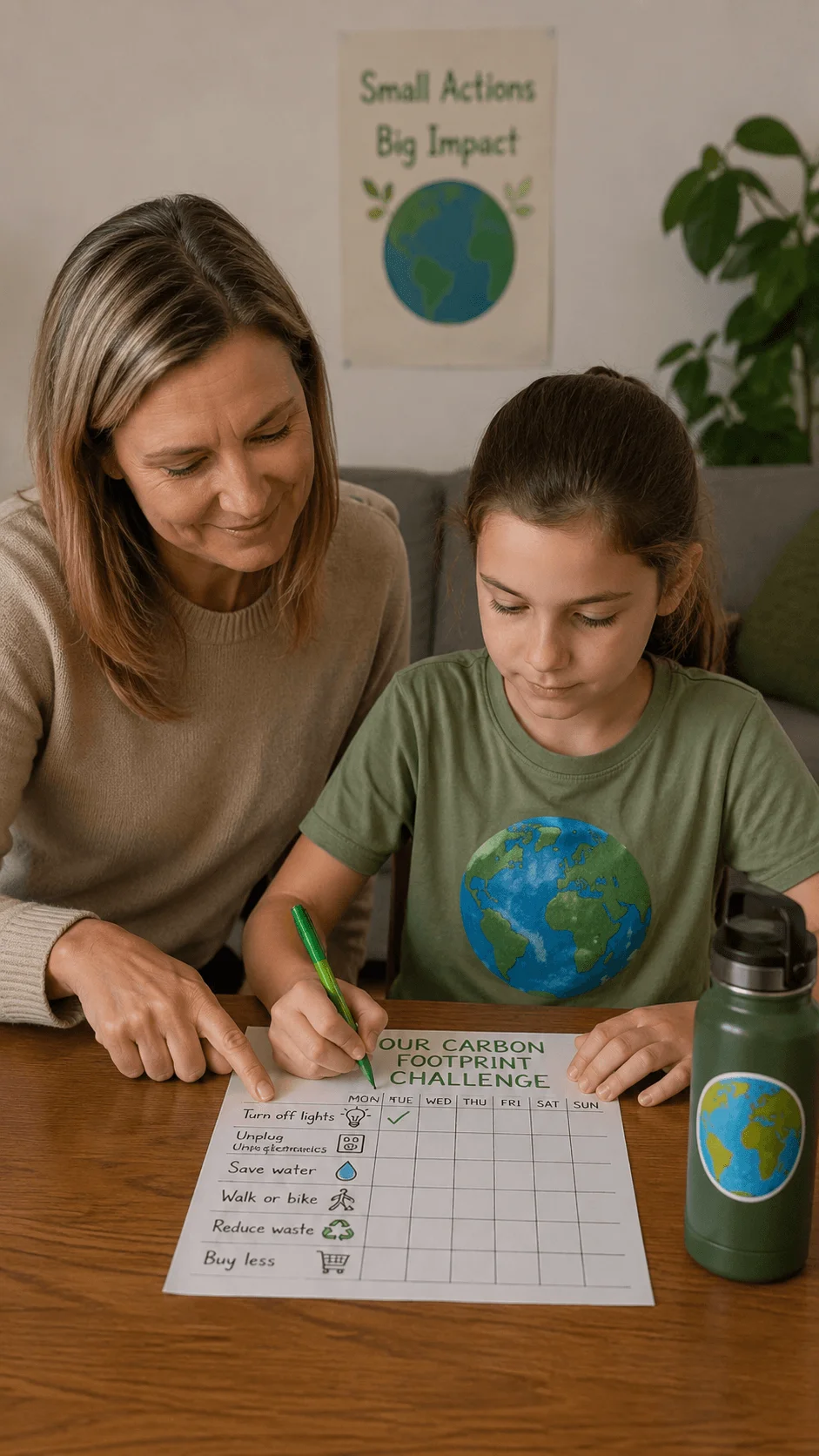
Parents and teachers can explain how these small actions reduce greenhouse gas emissions and protect natural resources. As children begin connecting daily routines with environmental responsibility, they gain confidence that even simple habits can contribute to a healthier future. This project also encourages teamwork because every family member can participate in reaching shared sustainability goals.
Plastic Free Week Challenge
The Plastic Free Week Challenge encourages children to become more aware of the disposable products they use each day. Instead of simply telling kids to recycle, this activity helps them recognize opportunities to reduce waste before it is even created. It builds thoughtful habits that often continue long after the challenge ends.
Families can observe how many plastic bottles, food wrappers, shopping bags, or disposable utensils they use during the week. Children can then brainstorm creative alternatives such as reusable water bottles, cloth shopping bags, refillable lunch containers, or homemade snacks packed without single use packaging.
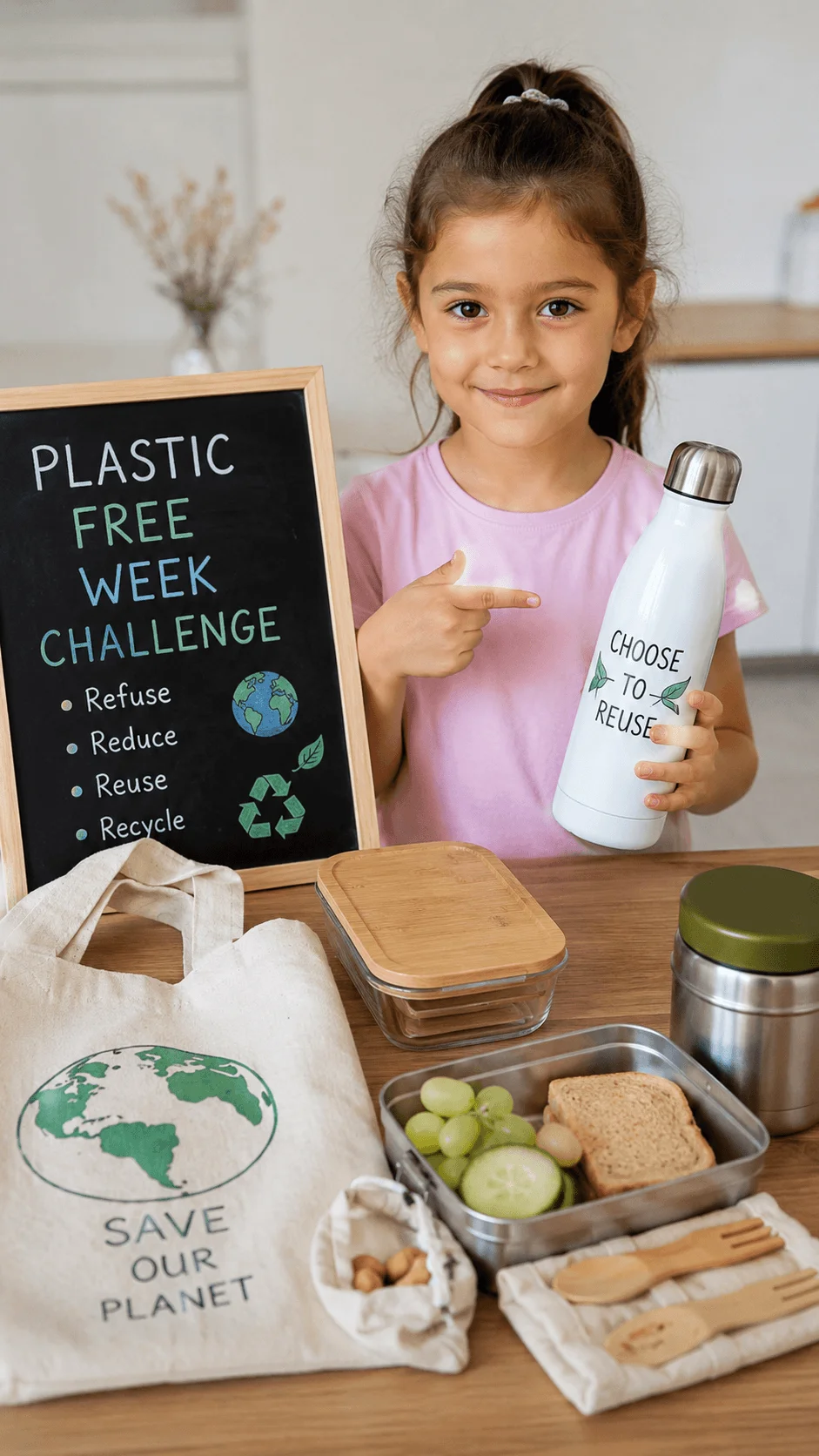
The challenge also sparks meaningful conversations about how plastic affects oceans, wildlife, and communities around the world. By finding realistic alternatives together, children learn that sustainability is not about being perfect but about making better choices whenever possible. Every small success helps build confidence and encourages lifelong environmentally responsible habits.
Rainwater Harvesting Experiment
Water is one of Earth’s most valuable resources, making this experiment an excellent way to teach children about conservation. Collecting rainwater allows young learners to see how natural resources can be used wisely while reducing unnecessary water consumption at home or school.
Using a clean container placed in a safe outdoor location, children can collect rainwater and compare it with tap water. They might use the collected water to nourish garden plants, observe plant growth, or discuss why conserving fresh water is becoming increasingly important in many parts of the world.
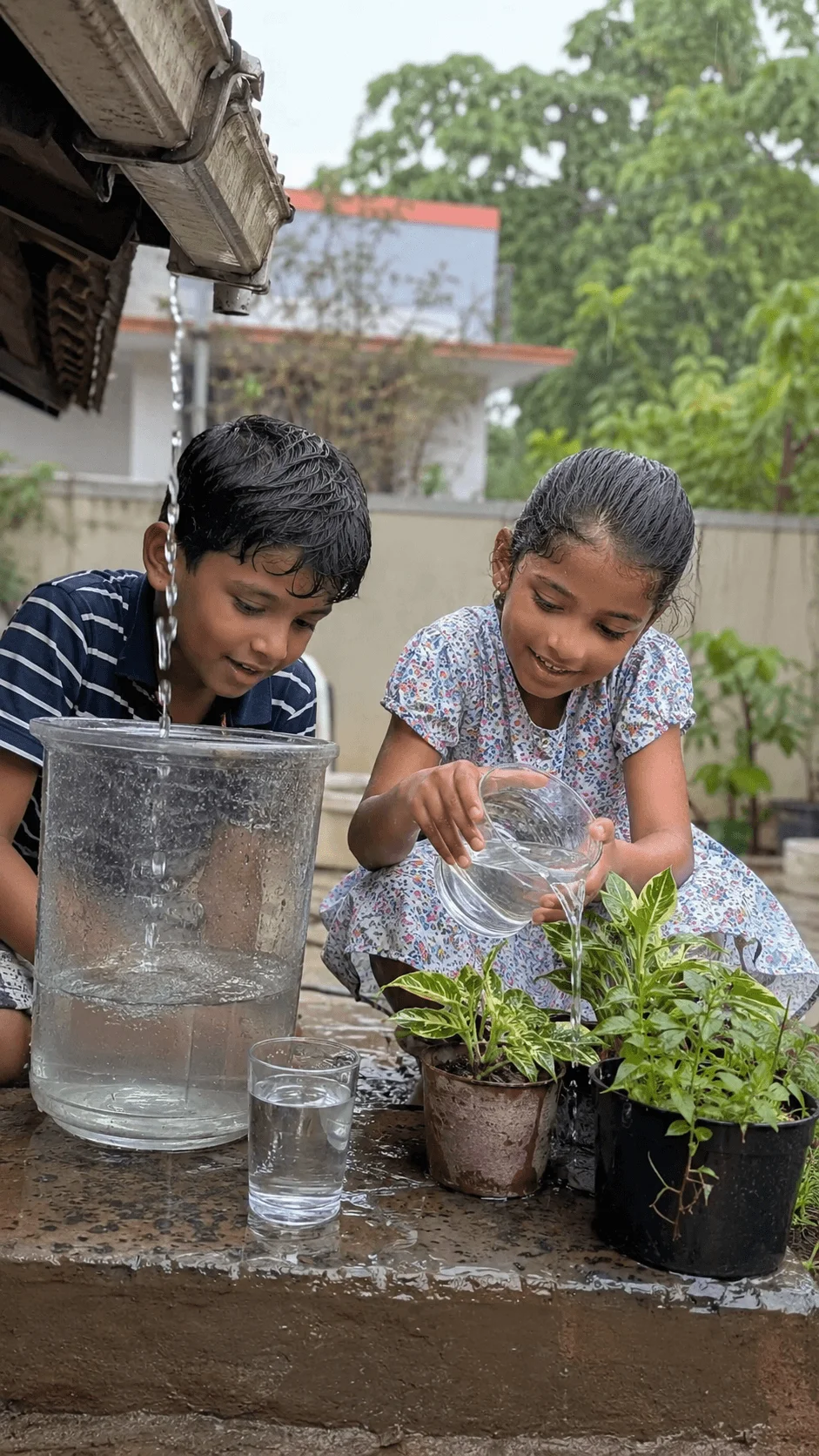
Parents and teachers can also introduce conversations about droughts, weather patterns, and responsible water use. Rather than viewing rain as something ordinary, children begin recognizing it as an important natural resource that deserves careful management. This simple experiment creates lasting awareness about sustainability while encouraging responsible daily habits.
Mini Compost Science Lab
Composting becomes far more exciting when children approach it like scientists conducting an experiment. Instead of simply placing food scraps into a compost bin, they can observe how natural decomposition transforms waste into nutrient rich material that supports healthy plant growth.
Children can safely add fruit peels, vegetable scraps, dry leaves, and small pieces of paper while recording changes over time. They may notice differences in temperature, texture, moisture, and smell as microorganisms gradually break down the materials. Keeping observations in a journal encourages scientific thinking and curiosity.
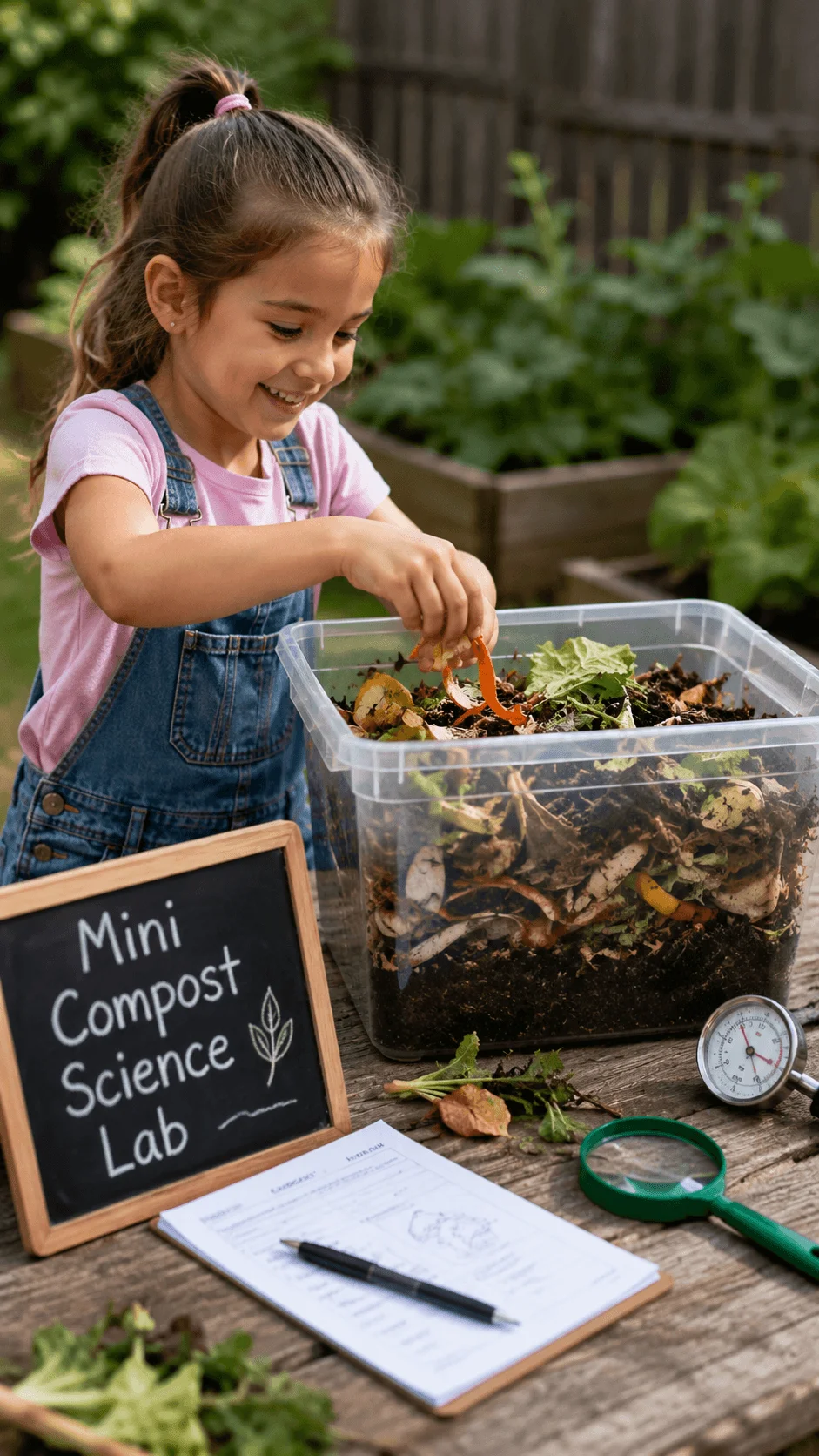
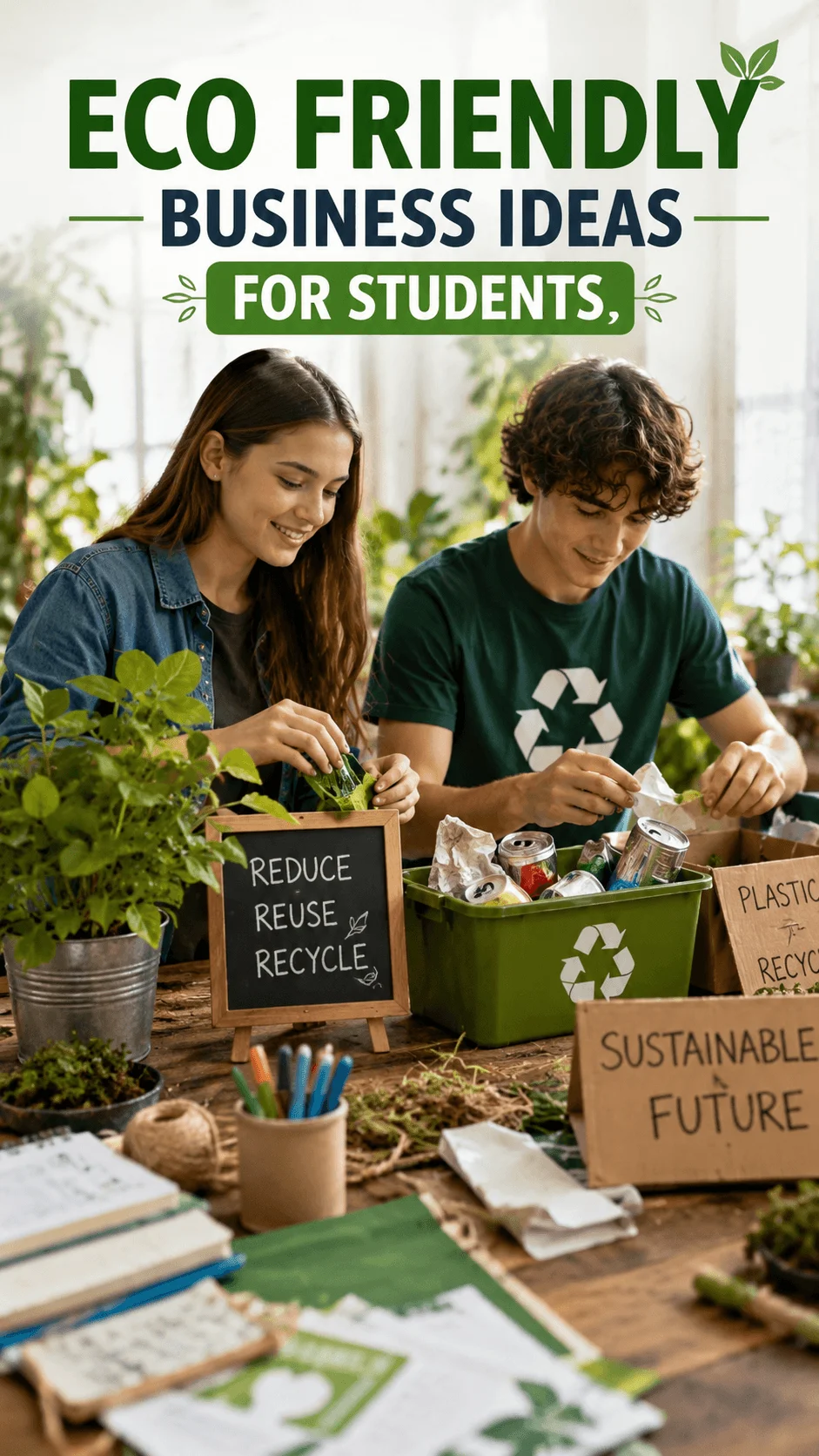
Parents and teachers can explain how composting reduces landfill waste while returning valuable nutrients to the soil. Children quickly discover that many items they once considered garbage can actually become useful resources. This project connects science, sustainability, and gardening in a practical way that demonstrates how nature continually recycles its own materials.
Upcycled Fashion Show
An Upcycled Fashion Show transforms old clothing into exciting new creations while teaching children that creativity can reduce waste. Instead of throwing away worn or unused clothes, kids learn to see them as valuable materials waiting for a second life. This project combines art, design, and environmental responsibility in a memorable and enjoyable way.
Children can redesign old shirts, jeans, scarves, or fabric scraps into stylish outfits, bags, hats, or creative accessories using safe craft supplies and simple sewing techniques when appropriate. Parents and teachers can encourage children to explain the story behind each design, helping them think about why reducing textile waste matters and how the fashion industry affects the environment.
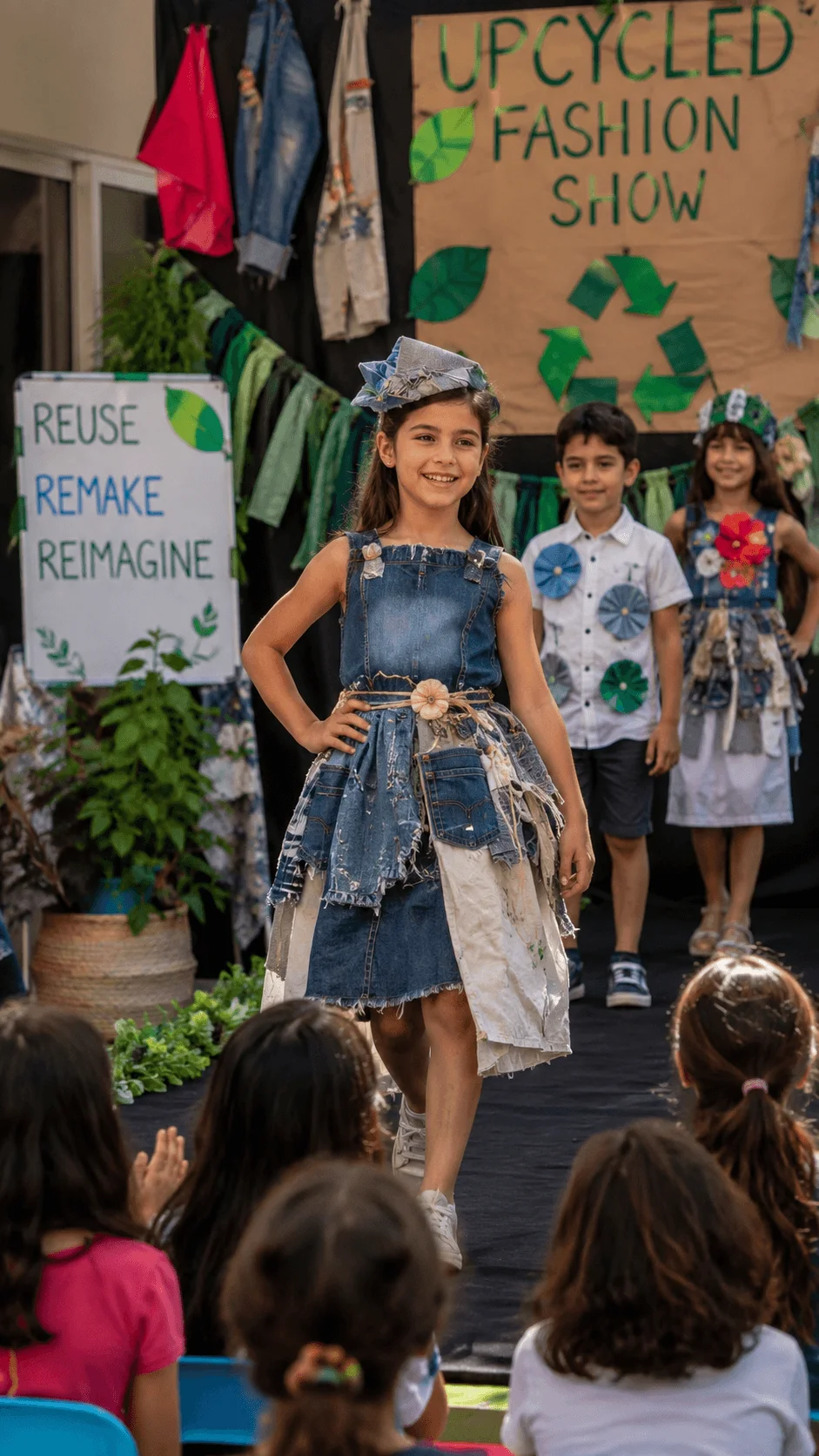
The fashion show itself becomes a celebration of imagination rather than expensive clothing. Children build confidence as they present their creations while discovering that sustainable choices can also be fun, expressive, and creative. More importantly, they begin understanding that reusing existing materials often has a greater environmental impact than constantly buying something new.
Solar Oven STEM Project
A solar oven project introduces children to renewable energy by showing them that the sun can provide heat without using electricity or fossil fuels. Rather than simply explaining how solar power works, this activity allows children to experience it firsthand through observation and experimentation. It also encourages curiosity about how scientists and engineers develop cleaner energy solutions for the future.
Using a cardboard box, aluminum foil, plastic wrap, and dark construction paper, children can build a simple solar oven with adult supervision. They can test how sunlight warms different foods such as marshmallows or cheese while comparing the results on sunny and cloudy days. Recording these observations helps develop scientific thinking and problem solving skills.
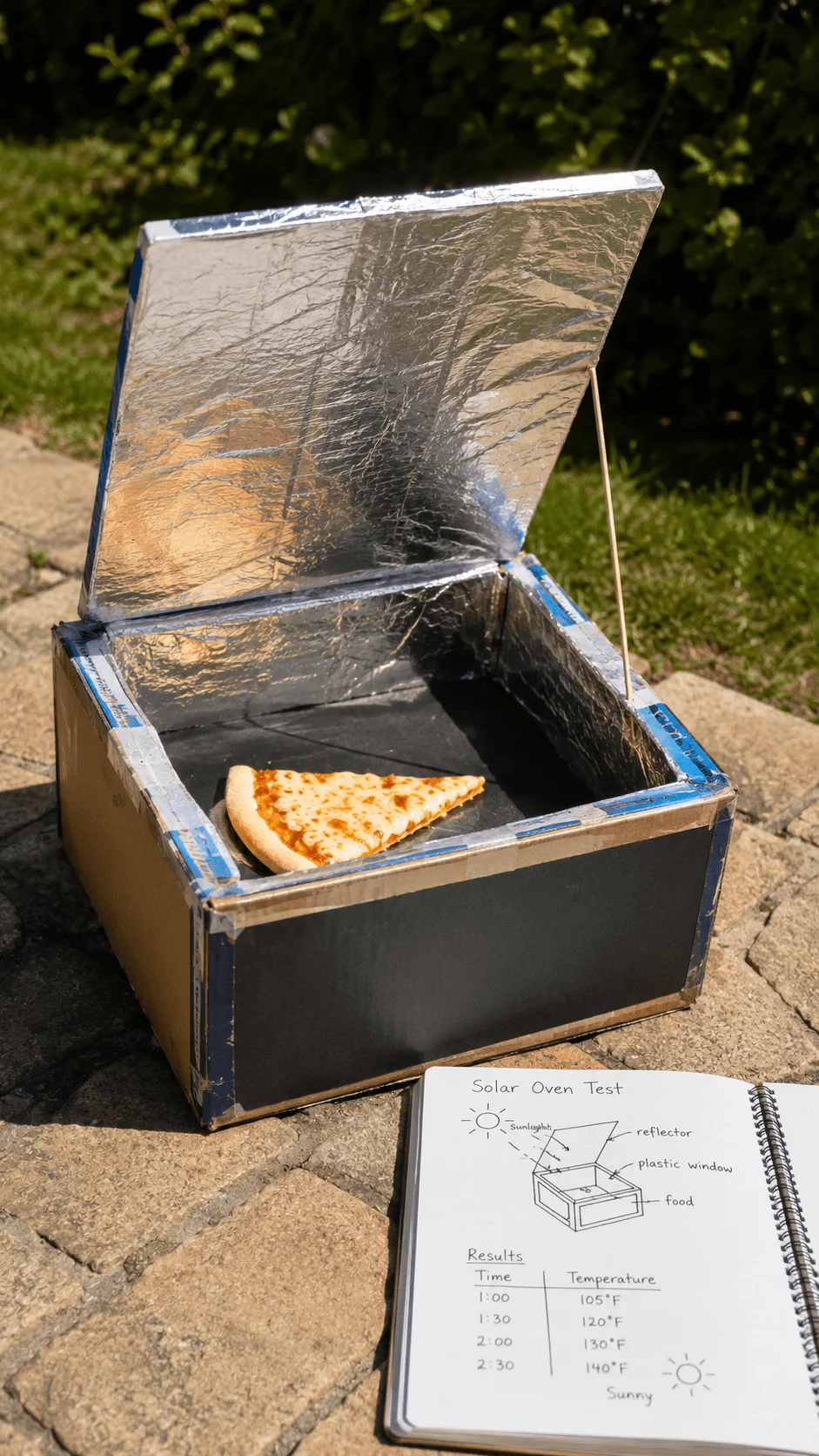
Parents and teachers can expand the project by discussing how solar panels power homes, schools, and businesses around the world. Children quickly understand that renewable energy is not just a future idea but a practical solution that people already use every day. This project inspires young learners to think creatively about cleaner ways to meet the world’s growing energy needs.
Seed Bomb Making
Seed bomb making is a creative project that encourages children to support local biodiversity while learning how plants contribute to healthier ecosystems. Instead of viewing empty spaces as unused land, children begin seeing opportunities to grow flowers that attract bees, butterflies, and other beneficial insects. This simple activity helps them understand that even small actions can create positive environmental change.
Children can mix clay, compost, and native wildflower seeds to form small balls that are left to dry before being placed in suitable outdoor areas. As the flowers begin to grow, they can observe visiting pollinators and record changes throughout the season. Watching a once bare space become colorful and full of life creates a rewarding experience.
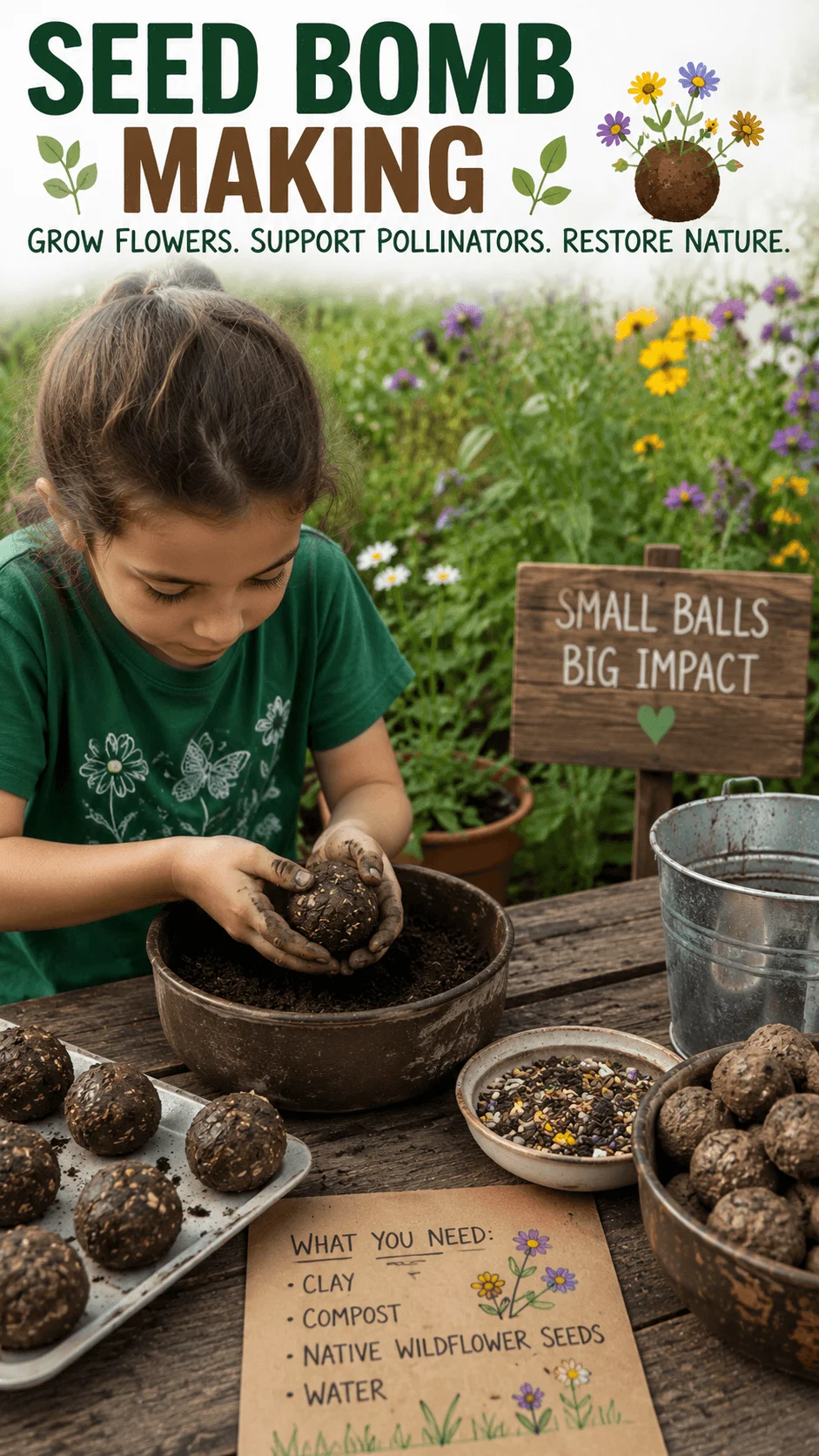
Parents and teachers can discuss the importance of choosing native plants that naturally support local wildlife. Children also learn patience as they wait for their efforts to produce visible results. Over time, this project builds appreciation for biodiversity while showing that restoring nature often starts with one simple idea.
Food Waste Detective
Food waste is a growing environmental issue, yet many children never realize how much edible food is thrown away each week. Becoming a Food Waste Detective encourages them to pay closer attention to everyday habits while discovering practical ways to reduce unnecessary waste at home and at school.
Children can observe which foods are most often left uneaten, forgotten in the refrigerator, or discarded after meals. They can then suggest simple improvements such as planning meals more carefully, storing food properly, or using leftovers in creative recipes. This turns ordinary family routines into valuable learning opportunities.
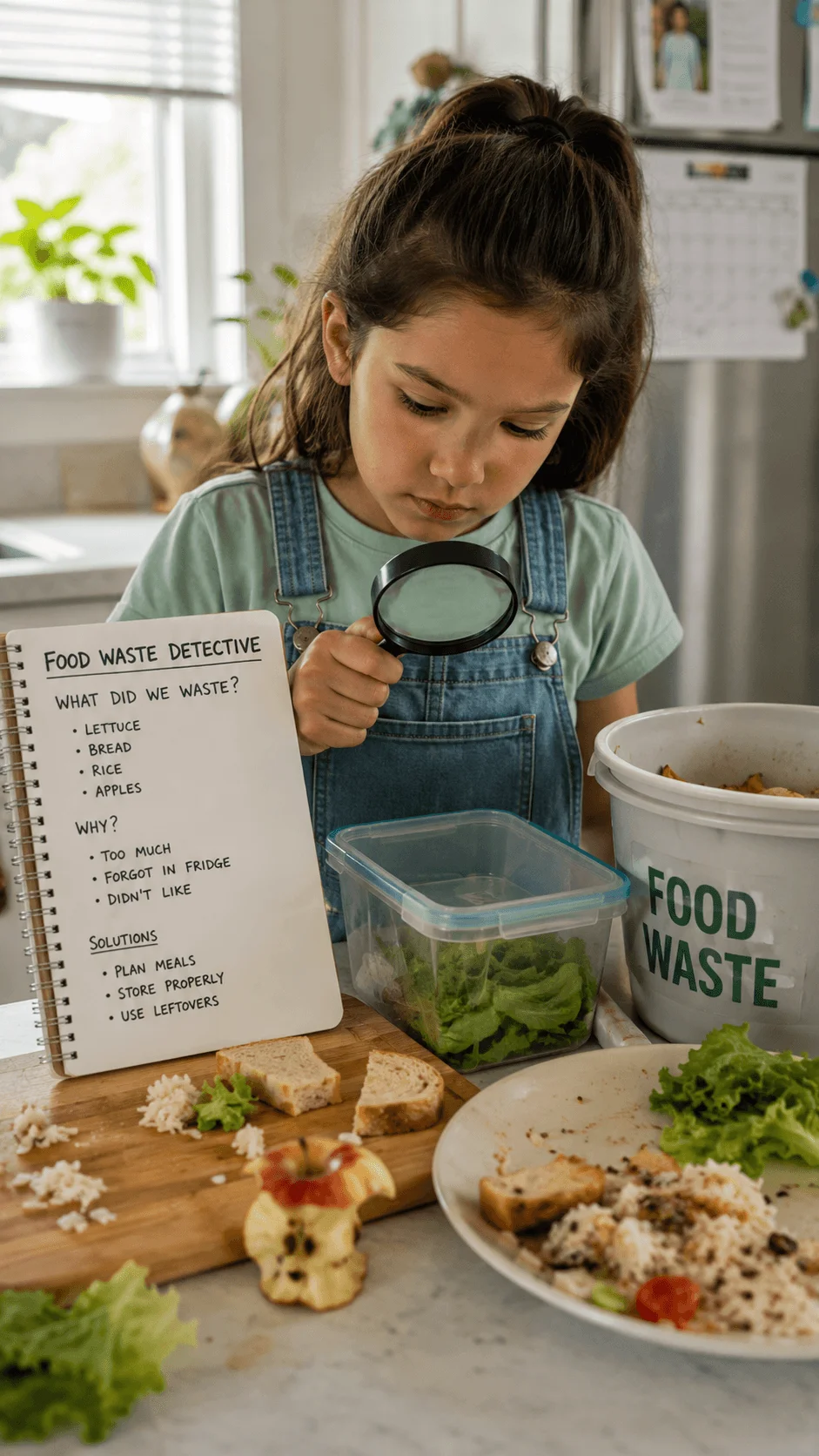
Parents and teachers can explain how reducing food waste also saves water, energy, farmland, and transportation resources used to produce that food. Children begin connecting their daily choices with larger environmental challenges and recognize that responsible habits can benefit both their families and the planet. This project encourages thoughtful decision making that often continues long after the activity ends.
Energy Detective Challenge
The Energy Detective Challenge helps children discover how much energy their homes or classrooms use each day. Instead of thinking about electricity as something that appears automatically, they begin understanding that every light, fan, charger, and appliance requires valuable resources to operate.
Children can walk through different rooms looking for opportunities to save energy. They might notice lights left on in empty rooms, electronic devices that remain plugged in, or windows left open while cooling systems are running. Keeping a simple record of these discoveries encourages observation and critical thinking.
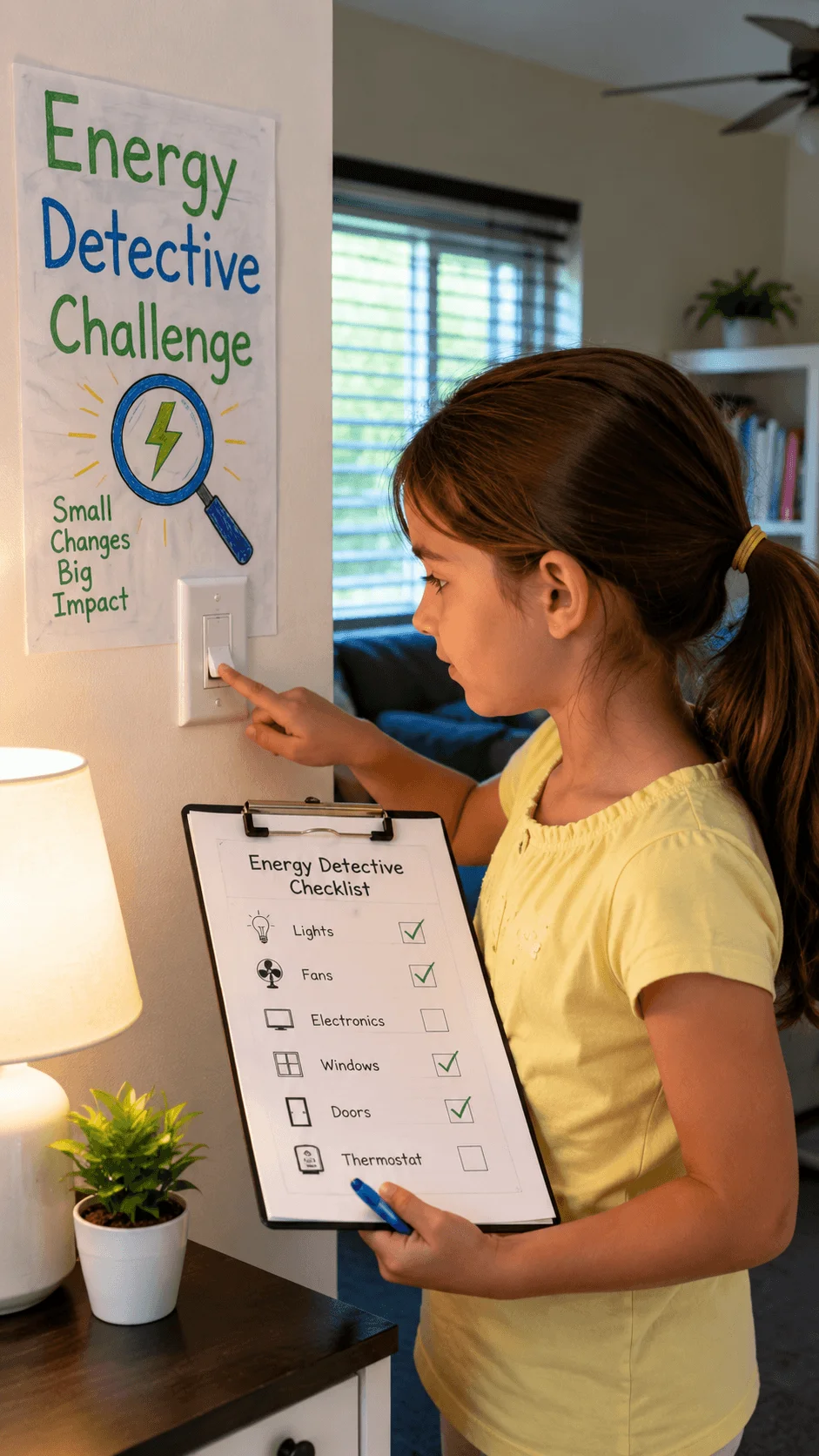
Parents and teachers can challenge children to create realistic energy saving goals and monitor their progress over several weeks. As they see lower energy use become a daily habit, children develop confidence that their actions truly matter. This project also introduces the idea that protecting the environment often begins with small changes that everyone can make.
Eco Entrepreneur Project
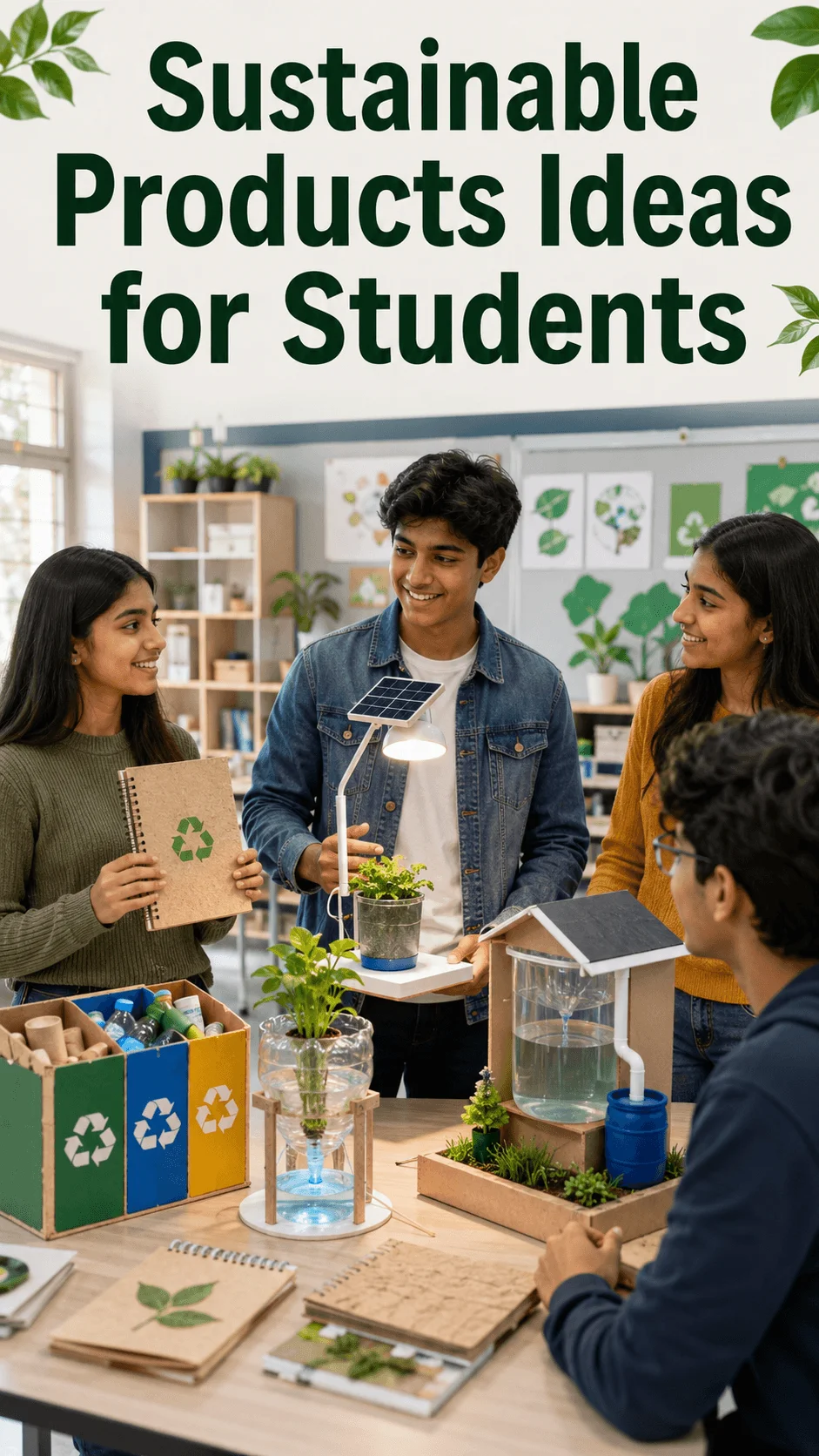
The Eco Entrepreneur Project combines sustainability with creativity by encouraging children to design useful products from recycled or reused materials. Rather than viewing discarded items as waste, they begin thinking like young innovators who can transform everyday objects into something valuable.
Children might create storage containers from cardboard, decorative items from glass jars, or simple toys using materials that would otherwise be thrown away. They can also design a brand name, explain the environmental benefits of their product, and present their ideas to classmates or family members. This builds confidence while introducing basic business concepts.
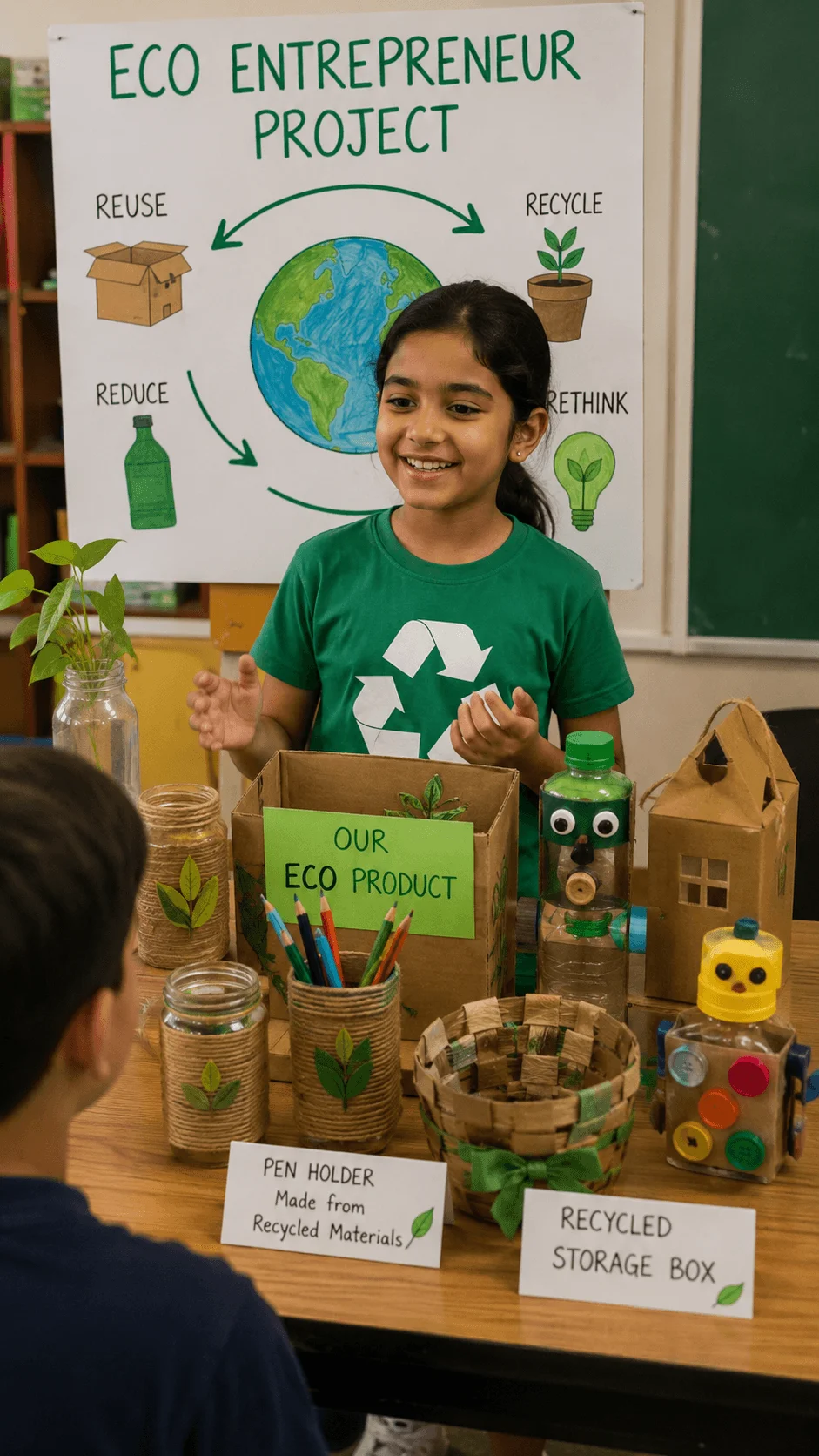
Parents and teachers can encourage discussions about responsible production, thoughtful consumption, and the importance of reducing waste before buying something new. Children discover that successful ideas often solve real problems while protecting natural resources. This project promotes imagination, communication, and environmental responsibility all at the same time.
Community Micro Cleanup
Many children want to help the environment but believe they must do something enormous to make a difference. A Community Micro Cleanup teaches the opposite lesson by showing that small, consistent actions can create meaningful improvements over time. Focusing on one sidewalk, playground, garden, or neighborhood corner makes the task manageable and rewarding.
With proper safety guidance and adult supervision, children can collect litter using gloves and reusable bags while recording the types of waste they find. Afterwards, they can discuss where the litter may have come from and explore ways their community could reduce it in the future.
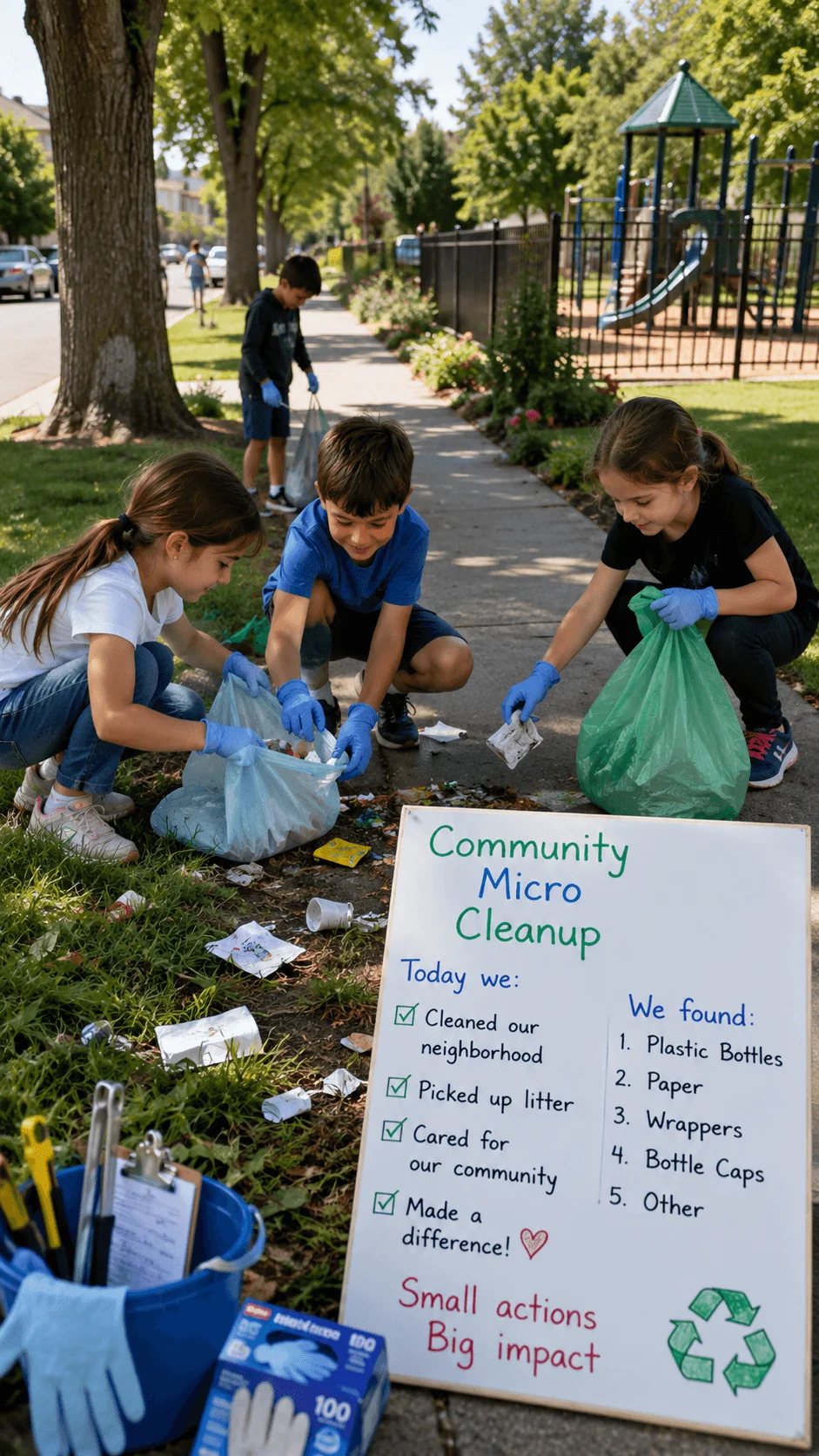
Parents and teachers can repeat the cleanup several times during the year so children see the lasting results of their efforts. Watching a familiar place become cleaner encourages pride, responsibility, and a stronger connection to the local community. It also reminds children that caring for shared spaces benefits everyone.
Build a Bug Hotel
Many insects play an essential role in healthy ecosystems, yet children often overlook their importance. Building a bug hotel helps young learners appreciate these tiny creatures by creating safe spaces where beneficial insects can rest, shelter, and thrive. It is a simple project that encourages respect for wildlife while supporting local biodiversity.
Children can arrange bamboo sticks, pinecones, bark, dry leaves, and small branches inside a wooden frame or sturdy container to create different hiding spaces. Over time, they can observe which insects choose to visit and keep a nature journal documenting their discoveries. This makes outdoor learning exciting throughout the changing seasons.
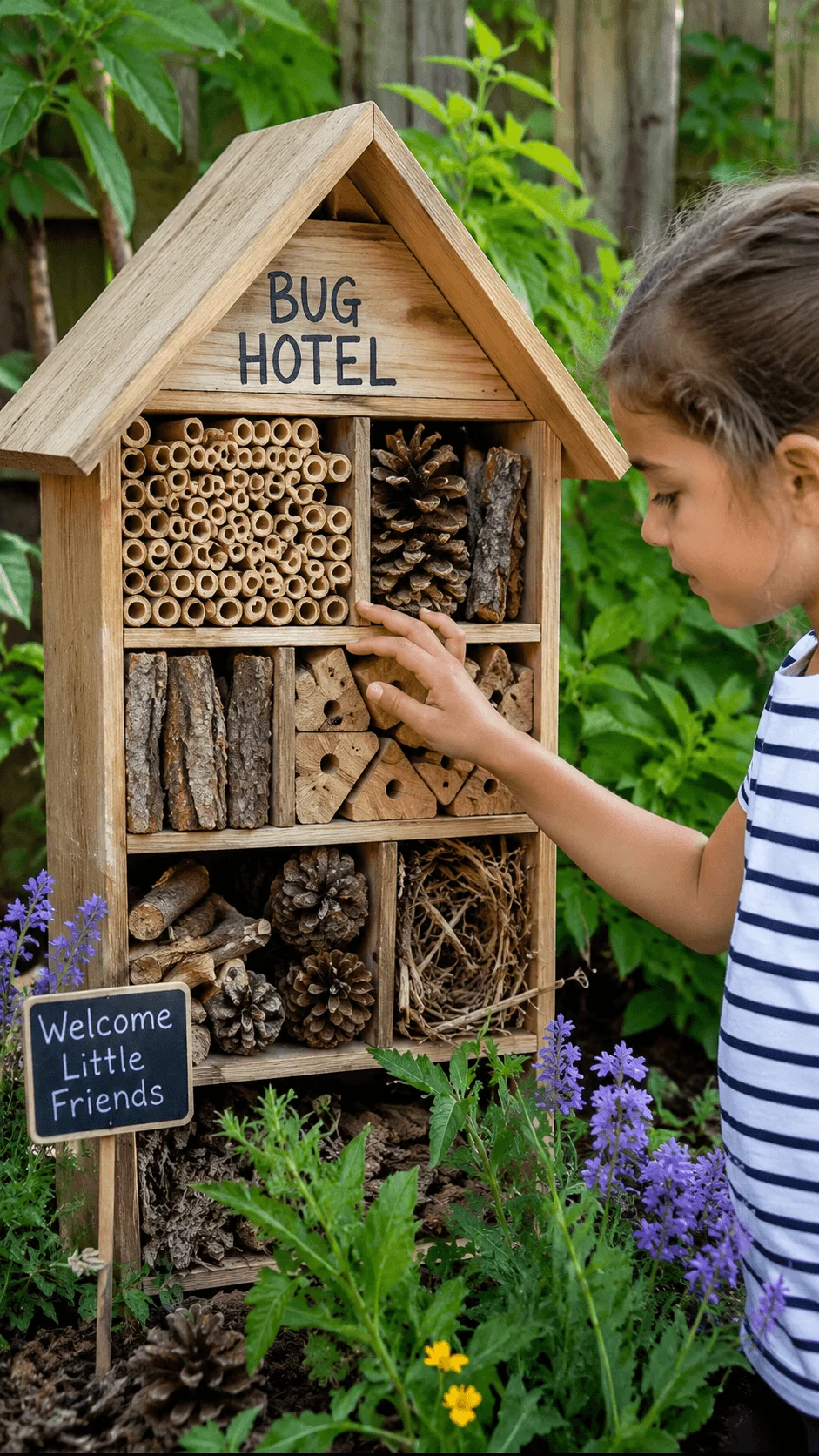
Parents and teachers can explain how insects help pollinate plants, improve soil health, and support food chains. Instead of fearing bugs, children begin recognizing them as valuable members of the natural world. This project develops patience, observation skills, and a deeper appreciation for the balance that exists within every ecosystem.
Tips for Parents and Teachers
Parents and teachers play an important role in helping children develop sustainable habits that last a lifetime. The best projects are those that feel enjoyable rather than like extra schoolwork. Allow children to ask questions, make discoveries, and solve problems on their own instead of providing every answer immediately. Their curiosity often leads to the most meaningful learning experiences.
Choose activities that match the child’s age and interests while encouraging creativity instead of perfection. Recycled materials, natural objects, and everyday household items often work just as well as expensive supplies. Celebrating effort and progress helps children stay motivated and builds confidence as they explore new ideas.
Connecting these projects with daily routines also strengthens their impact. Gardening, reducing food waste, saving water, and caring for local wildlife become much more meaningful when children practice them regularly instead of treating them as one time activities. Over time, these simple experiences shape responsible habits that can continue into adulthood.
Conclusion
Sustainability Projects for Kids Ideas give children much more than enjoyable activities. They help young learners develop curiosity, creativity, responsibility, and a deeper understanding of how their everyday actions affect the environment. Whether children are exploring local wildlife, growing flowers for pollinators, reducing household waste, or experimenting with renewable energy, every project encourages practical learning that extends beyond the classroom.
The greatest benefit of these activities is that they show children positive environmental change begins with small, consistent actions. As they build confidence through hands on experiences, they also develop lifelong habits that support healthier communities and a more sustainable future. Parents and teachers can make an even greater impact by encouraging children to continue asking questions, exploring nature, and finding new ways to care for the world around them.
Choose one project that matches your child’s interests and begin today. Every observation, every creative idea, and every environmentally responsible choice helps shape the next generation of thoughtful citizens who understand that protecting our planet starts with simple actions taken together.