12 Eco Friendly Business Ideas for Students
Students today have more opportunities than ever to turn environmental problems into practical business opportunities. Eco friendly business ideas for students can help young entrepreneurs earn money while addressing issues such as waste, excessive consumption, unnecessary packaging and resource use. The best opportunities do not require students to build large companies immediately. Many can begin with a small budget, a few customers and skills that students already have.
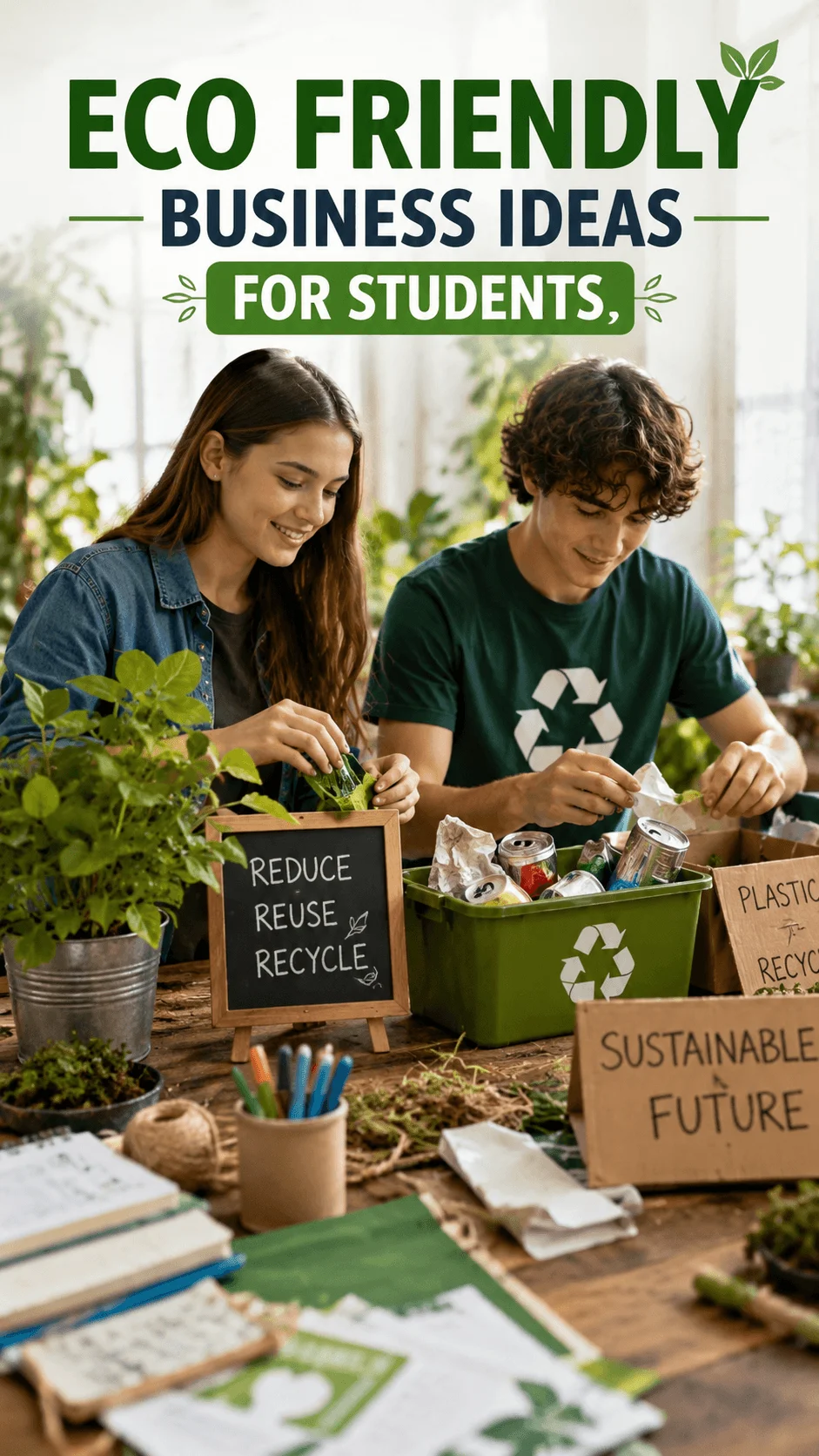
Sustainable entrepreneurship has also become more interesting in 2026 because businesses and consumers are paying greater attention to reuse, repair, recycling, waste reduction and responsible resource use. This creates opportunities for students who can identify everyday problems and create simple solutions. From collecting unwanted electronics to creating reusable event supplies, students can build businesses that provide practical value while supporting more sustainable habits.
Why Sustainable Business Ideas for Students Are Growing in 2026
The sustainability market continues to develop beyond traditional products such as reusable bags and water bottles. Businesses now have opportunities to focus on repairing products, extending their useful life, reducing waste and finding new uses for materials that people normally throw away.
This change creates an important opportunity for students. A student does not always need advanced equipment or significant investment to enter the sustainability space. Instead, they can provide a service within their school, college, university or local community.
Digital platforms also make it easier to reach potential customers. A student can showcase products through social media, create a simple online store, promote services through local groups and communicate directly with potential customers. This allows a small sustainable business to test an idea before investing heavily in inventory or equipment.
Another important development is the growth of circular business models. A traditional business often follows a simple pattern in which products are made, purchased and eventually discarded. A circular business looks for ways to keep products and materials useful for longer. Repairing, reselling, renting, reusing and upcycling all fit into this approach.
For students, this model can be particularly practical because many opportunities involve collecting existing resources rather than purchasing large quantities of new materials.
12 Eco Friendly Business Ideas for Students in 2026
The following ideas focus on opportunities that students can explore at a small scale. Each one combines a potential business opportunity with a practical environmental purpose.
Campus E Waste Collection and Refurbishing
Electronic waste provides an interesting opportunity for students because people regularly replace devices, accessories and electronic equipment while many items still have useful components or resale value.
A student could create a small collection service for unwanted chargers, keyboards, headphones, phones, tablets, computers and other suitable electronics. Instead of treating every item as waste, the student could sort the collected products and determine whether they can be reused, repaired or responsibly recycled.
The business does not need to begin with a large collection center. A student could start by serving classmates, teachers, student organizations or nearby households. They could create a simple collection schedule and accept selected electronic items from people who no longer need them.
Refurbishing can create another source of revenue. Students with suitable technical skills could learn basic repair techniques and restore certain devices for resale. Items that require specialist repair should go to qualified professionals rather than being handled without the necessary knowledge.
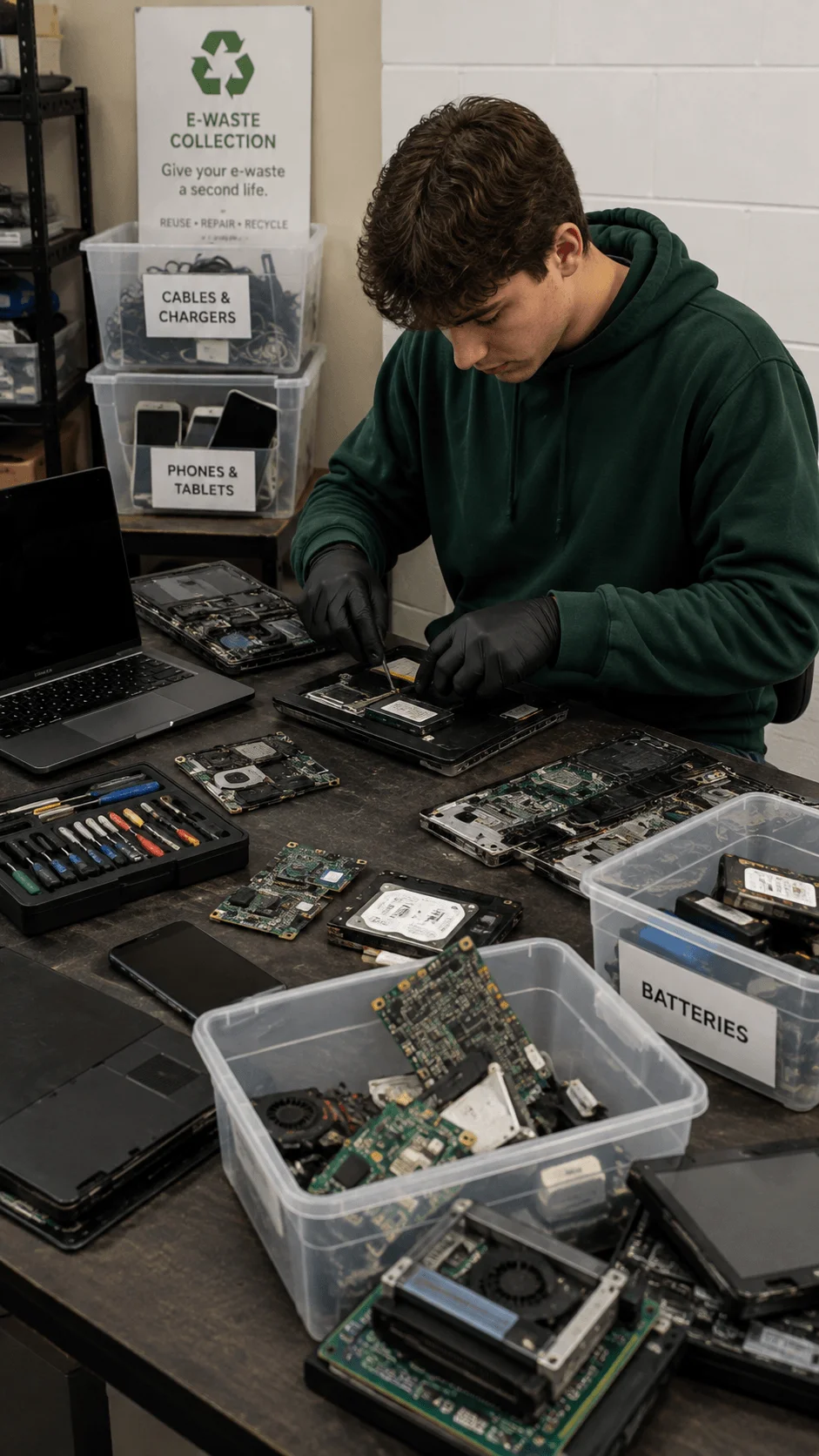
Responsible recycling also matters. Students should work with appropriate recycling services for items that cannot be reused. Electronics may contain materials that require proper handling, so simply throwing them into ordinary waste is not a responsible solution.
This business model can eventually grow beyond collection. A student could build relationships with local repair shops, schools, offices and businesses that regularly replace electronic equipment. The combination of collection, reuse, resale and responsible recycling gives this idea several possible revenue streams.
Upcycled Campus Merchandise
Students often have access to unwanted clothing, fabric scraps, old banners and other materials that still have useful qualities. Instead of allowing these materials to become waste, a student can transform them into attractive products.
An upcycling business could create tote bags, pencil cases, laptop sleeves, small accessories, customized clothing or other practical products. Campus organizations can provide an especially useful customer base because clubs and societies regularly need merchandise for events and activities.
The strongest approach is to combine sustainability with customization. A student could create personalized products featuring organization names, artwork or event themes. This makes the product more than simply an environmentally friendly alternative. It gives customers something specific that they cannot easily find elsewhere.
Students with sewing, design or craft skills may find this idea particularly suitable. Those without manufacturing skills could collaborate with someone who can sew or produce the items while they handle design, marketing and customer communication.
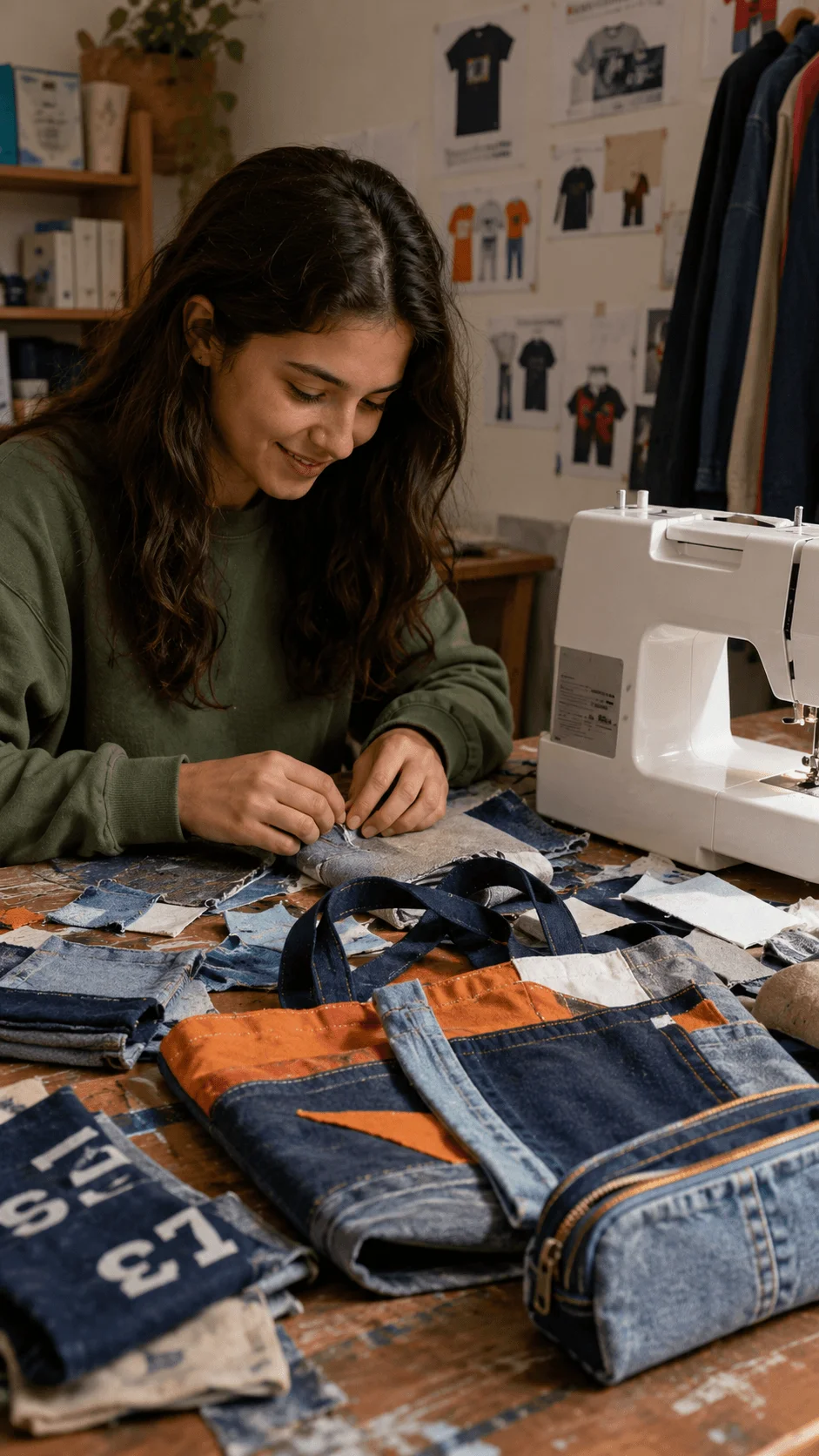
Social media can help showcase the transformation process. Showing how an old material becomes a useful product can make the business story more engaging and help customers understand the environmental value behind the purchase.
The business can start with a small collection of materials and a few product designs. Once students identify which products customers prefer, they can focus on those products rather than creating a large inventory.
Food Waste Upcycling Business
Food waste represents another area where students can explore sustainable entrepreneurship. Restaurants, cafes, bakeries and households regularly deal with food scraps and byproducts that may have additional uses.
Food waste upcycling goes beyond simply throwing scraps into a compost container. The concept focuses on finding safe and appropriate ways to transform suitable food byproducts into useful materials or products.
For example, students could explore opportunities involving coffee grounds, certain fruit byproducts or other suitable materials. The exact business model depends on local regulations, available resources and the type of waste involved.
A student could begin by approaching a small cafe or food business and learning about the waste it produces. Instead of immediately collecting everything, the student should identify one specific waste stream that has a realistic reuse opportunity.
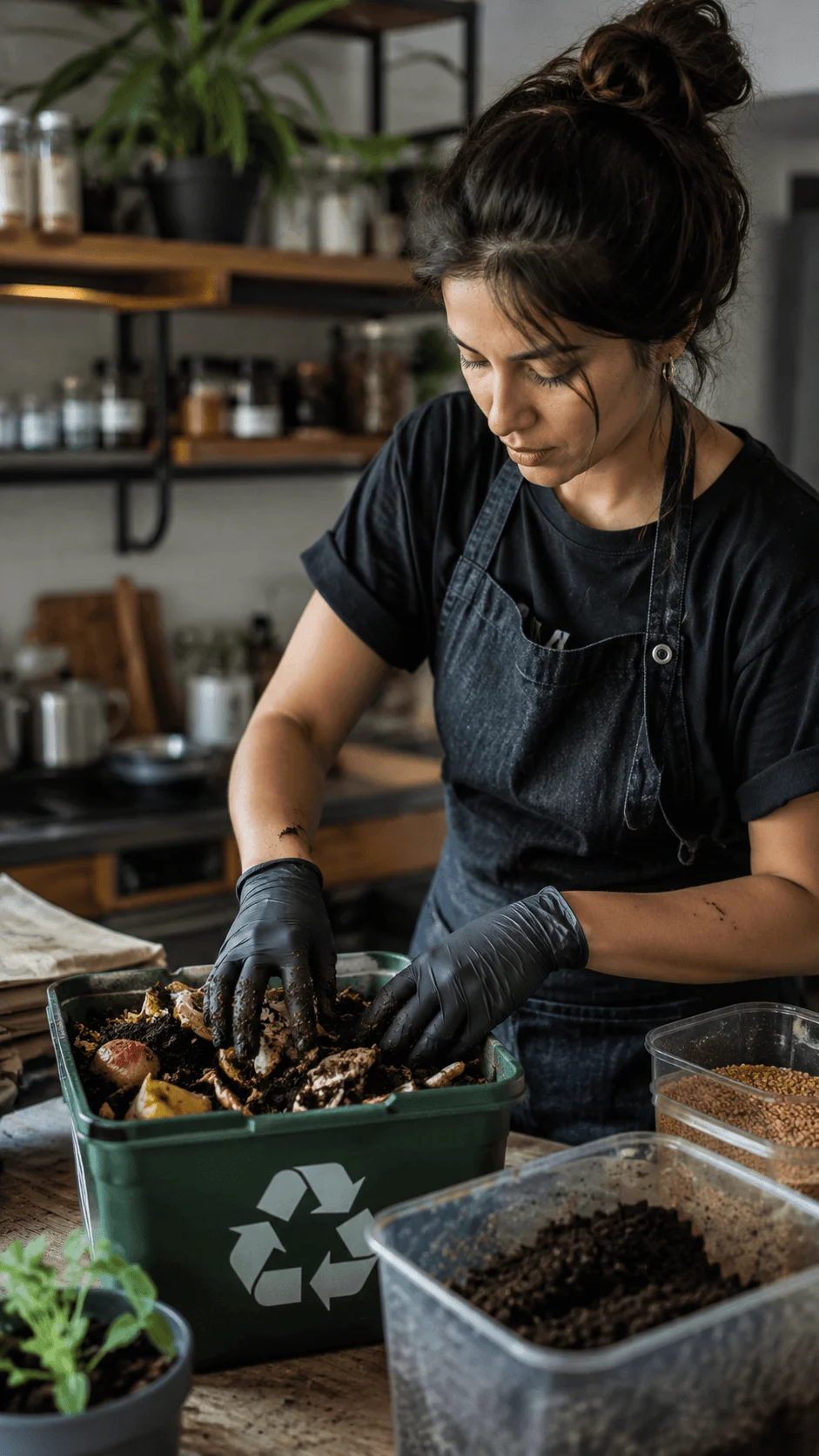
Safety should remain a priority. Food related businesses require careful handling, storage and processing, and students should follow applicable local requirements. They should never sell products made from food waste without understanding the relevant safety standards.
The business could eventually develop partnerships with several local food businesses. A student might provide collection services while also developing products or working with another organization that specializes in processing the material.
This idea demonstrates an important principle of circular entrepreneurship. Something that one business considers a waste material may become a useful resource for another business when the right system exists.
Reusable Event Kit Rental
Schools, colleges and universities host events throughout the year. These events can require cups, plates, serving equipment, decorations, signs and other supplies. Buying disposable products for every event can create unnecessary waste.
A reusable event kit rental business offers a different approach. Students can build a collection of reusable event supplies and rent them to organizations for individual events.
The business could begin with a small selection of frequently requested items. Instead of purchasing everything at once, the student could identify what local organizations actually need and gradually expand the collection.
Student clubs can become valuable customers because they frequently organize meetings, celebrations, fundraising activities and educational events. Local community groups and small event organizers may also provide additional demand.
The business can generate revenue through rental charges. Students can also charge reasonable fees for delivery, collection and cleaning when appropriate.
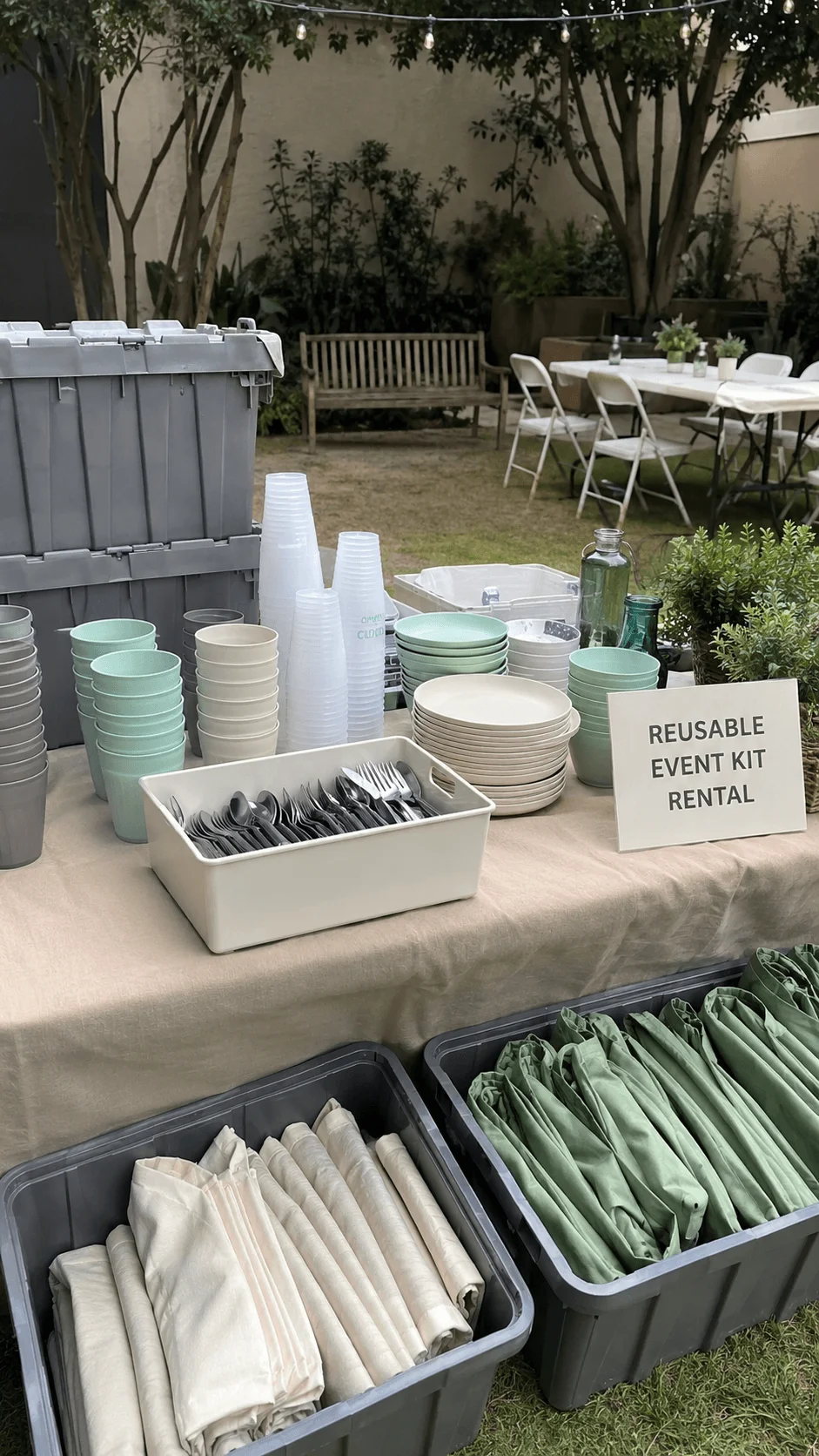
The model becomes stronger when the student manages the supplies carefully. Each item should remain clean, usable and organized between events. A simple booking system can help prevent scheduling problems as the customer base grows.
Over time, the business could expand into larger event packages. Instead of purchasing disposable supplies for every gathering, organizations could repeatedly rent the same reusable items.
Sustainable Packaging Service for Small Businesses
Packaging creates a practical opportunity for students with design, research or communication skills. Many small businesses want to improve their packaging but may not know which options suit their products, customers and budget.
A student can create a service that helps small businesses review their current packaging and identify ways to reduce unnecessary material use.
The service could include packaging research, design suggestions, label design, product presentation and educational information about responsible disposal. A student with graphic design skills could also create packaging artwork that helps a small business present its products professionally.
The goal should not be to tell every business that one particular material is always better. Packaging decisions depend on the product, transportation requirements, durability, local waste systems and other factors. A responsible student business should therefore focus on practical improvements rather than making exaggerated environmental claims.
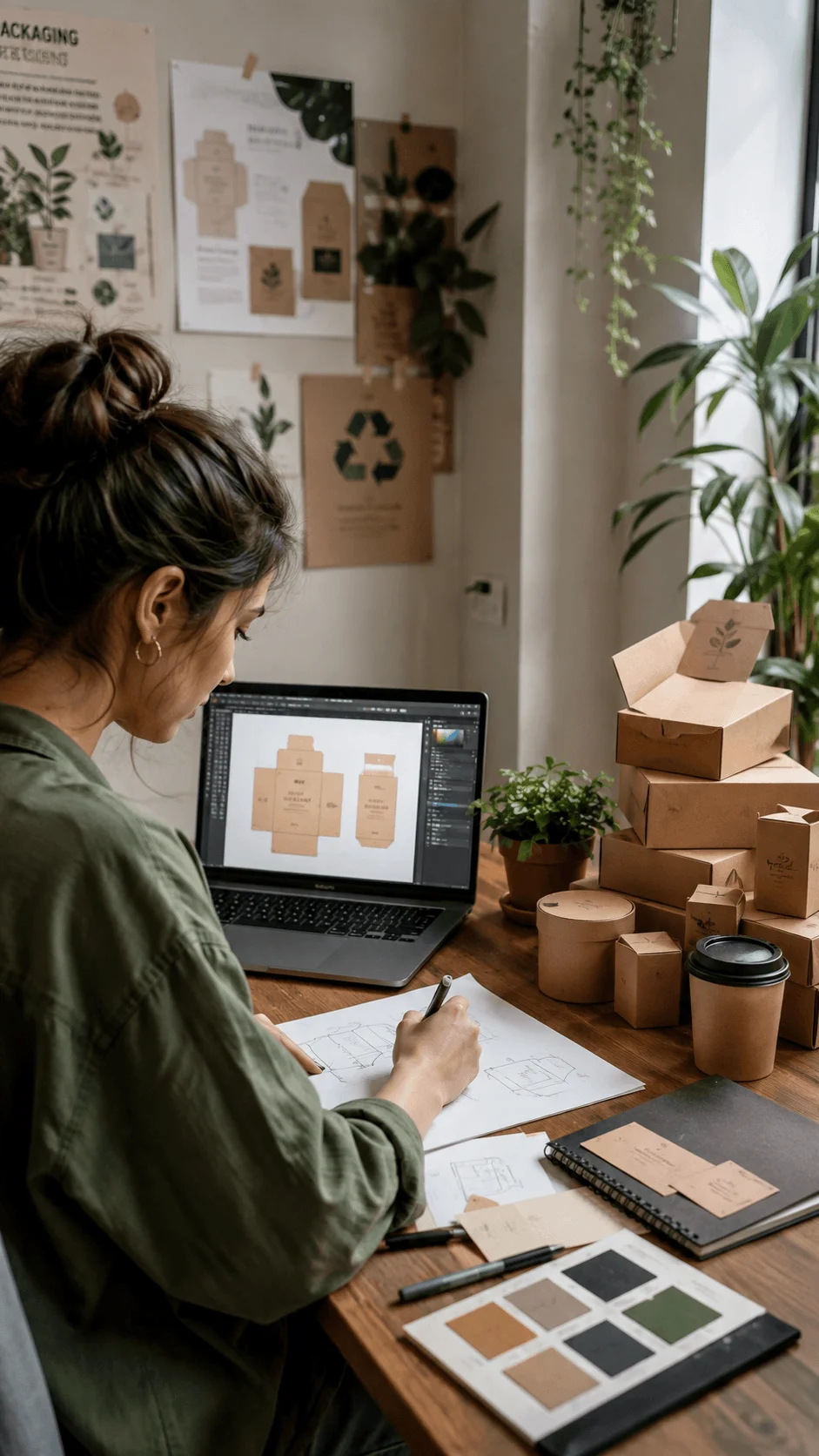
Small businesses can benefit because they may not have the budget to hire a large sustainability consultancy. A student who combines design and sustainability knowledge can provide a more accessible service.
The business can begin with a few local brands. After completing several projects, the student can create a portfolio showing how they helped businesses improve packaging design and communication.
This idea also has strong potential for remote work. Students can communicate with clients online, prepare design concepts digitally and provide research based recommendations without needing a physical office.
Student Thrift and Clothing Customization
Secondhand clothing continues to provide opportunities for students who want to combine resale with creativity. Instead of creating a conventional thrift store, students can build a business around carefully selected secondhand items and customization.
The process could involve finding unwanted clothing, checking its condition, cleaning appropriate items, making simple improvements and presenting selected pieces for resale. Students with creative skills can add customization through alterations, artwork or other suitable techniques.
The environmental value comes from extending the useful life of clothing. When someone buys a suitable secondhand item instead of purchasing another new product, the existing garment gets another opportunity to be used.
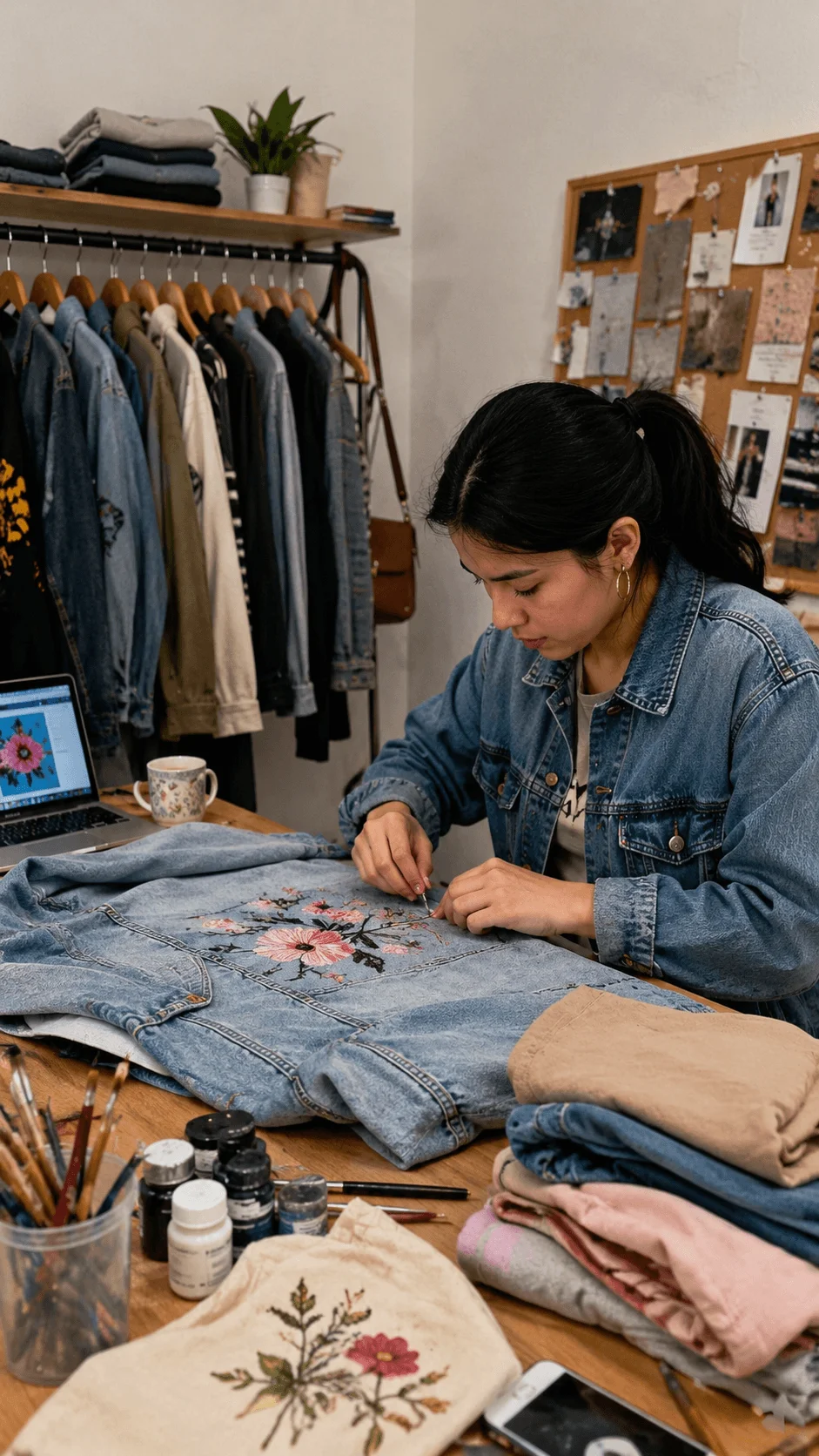
Students can sell through social media, online marketplaces or campus based events. Good photography and clear product descriptions can make a significant difference because customers need to understand the condition and appearance of secondhand products before purchasing them.
Customization creates another opportunity. A student can offer personalized designs or alterations for customers who want something different from standard secondhand clothing.
This model can begin with a very small collection. Students do not need to fill an entire store before testing demand. They can start with selected pieces, observe which styles customers prefer and gradually develop the business around those preferences.
Micro Compost Collection Service
Composting creates another practical opportunity for students who want to build a local environmental business. Many households, cafes and small food businesses produce organic scraps but do not always have a convenient way to manage them.
A student could create a small collection service that gathers suitable organic waste from customers and takes it to an appropriate composting location or community gardening project. The business can focus on a small service area at first, which keeps transportation and operating costs manageable.
The most important step involves understanding what materials the collection system can accept. Students should establish clear rules for customers and avoid accepting materials that their chosen composting system cannot process.
A recurring collection model can make this business particularly interesting. Customers could pay for regular collection instead of making individual requests. This creates a predictable service while helping customers manage their organic waste more conveniently.
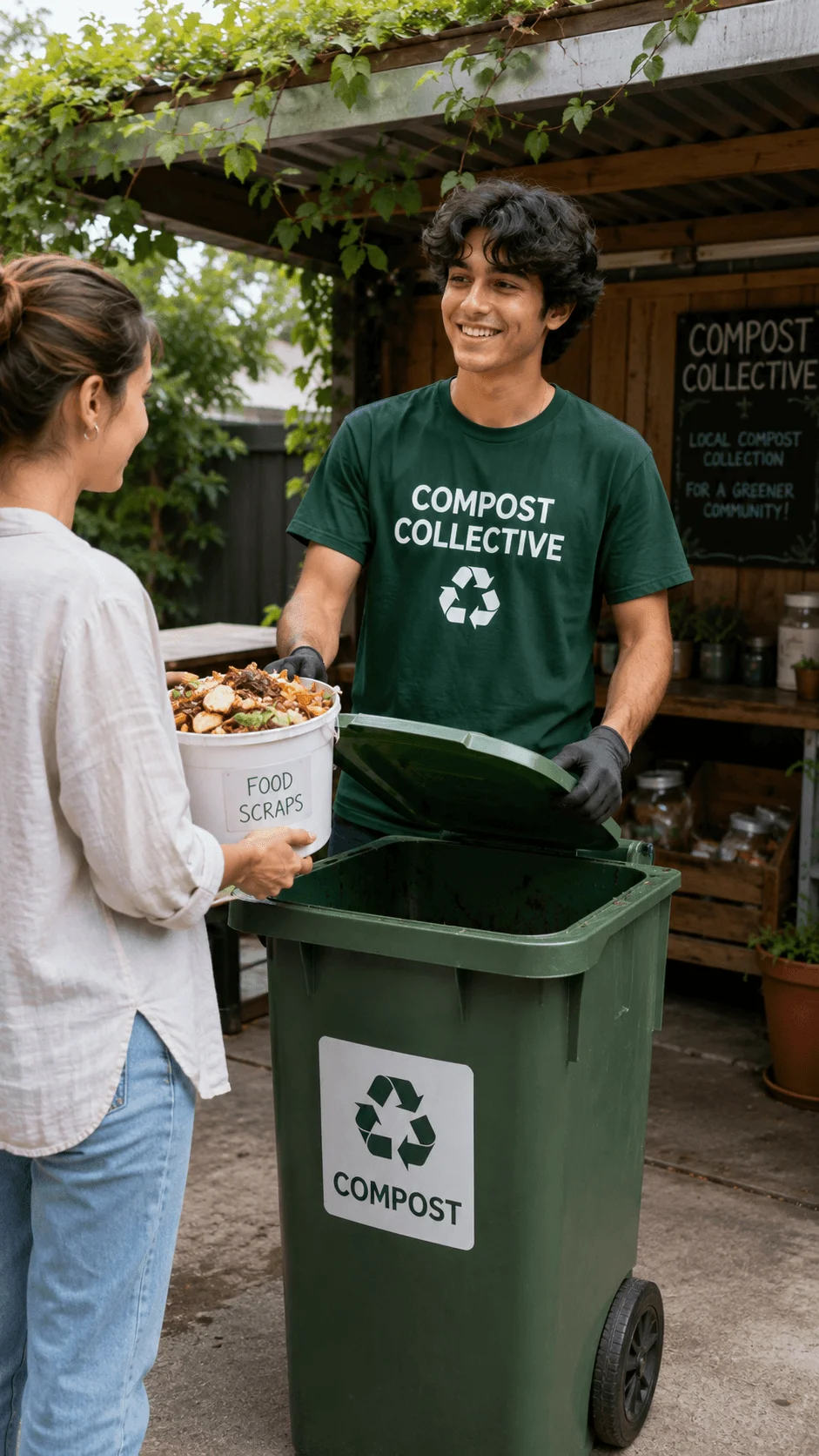
Students can initially approach nearby households, cafes, student accommodation and community gardens. They can promote the service through local social media groups and personal networks.
As demand grows, the student could expand the collection area or partner with an established composting facility. The business could also develop educational services that teach customers how to reduce food waste and separate organic materials correctly.
This idea works especially well because it solves a practical problem. Customers are not simply paying for an environmental product. They are paying for a convenient service that helps them manage something they would otherwise need to dispose of themselves.
Eco Friendly Printing and Design Service
Students with graphic design, photography, illustration or marketing skills can turn those abilities into a sustainability focused service. Schools, student organizations and small businesses regularly need posters, promotional materials, invitations, menus and event signage.
Instead of focusing only on creating attractive designs, an eco friendly printing service can help clients reduce unnecessary material use.
For example, students can design materials that work well digitally before recommending physical printing. When printing makes sense, they can help clients choose appropriate paper sizes and layouts that reduce unnecessary waste.
Reusable signage can also become an important part of the service. Instead of creating event signs that become useless after one occasion, students can design adaptable signs that organizations can reuse for future events.
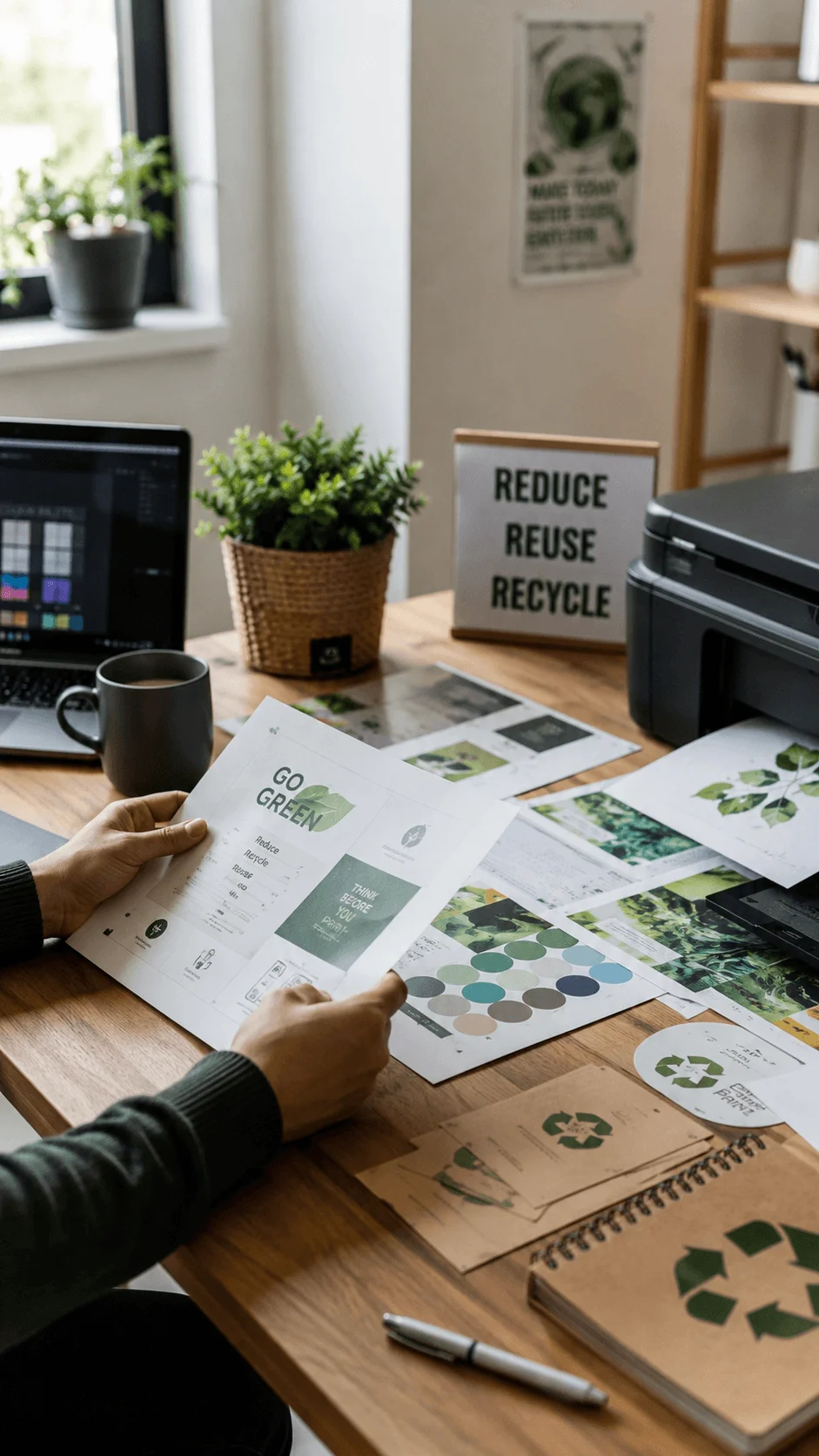
The business can combine design services with responsible printing recommendations. A student does not necessarily need to own a printer. They can work with a suitable local printing provider and manage the design and customer relationship themselves.
This approach allows creative students to build a portfolio while working with organizations that want more thoughtful communication materials.
The business can eventually expand into broader sustainability communication. A student could provide social media graphics, digital campaigns, event materials and educational content for businesses or organizations interested in communicating environmental topics responsibly.
Sustainable Move Out Resale Service
Moving between student accommodation creates a unique opportunity for a circular business. At the end of an academic period, students may have books, storage items, decorations, kitchen products, small furniture and other belongings they no longer want.
A sustainable move out resale service can help keep these items in use.
The student running the business could organize collection periods when students prepare to leave their accommodation. After collecting suitable items, they can sort, clean and photograph them before offering them to incoming students.
The timing of the business becomes an important advantage. Demand often increases when new students arrive and need affordable household and study items.
A student could create an online catalog where customers browse available products and arrange collection or delivery. The business could earn money by purchasing selected items for resale or by charging a commission when the original owner makes a sale.
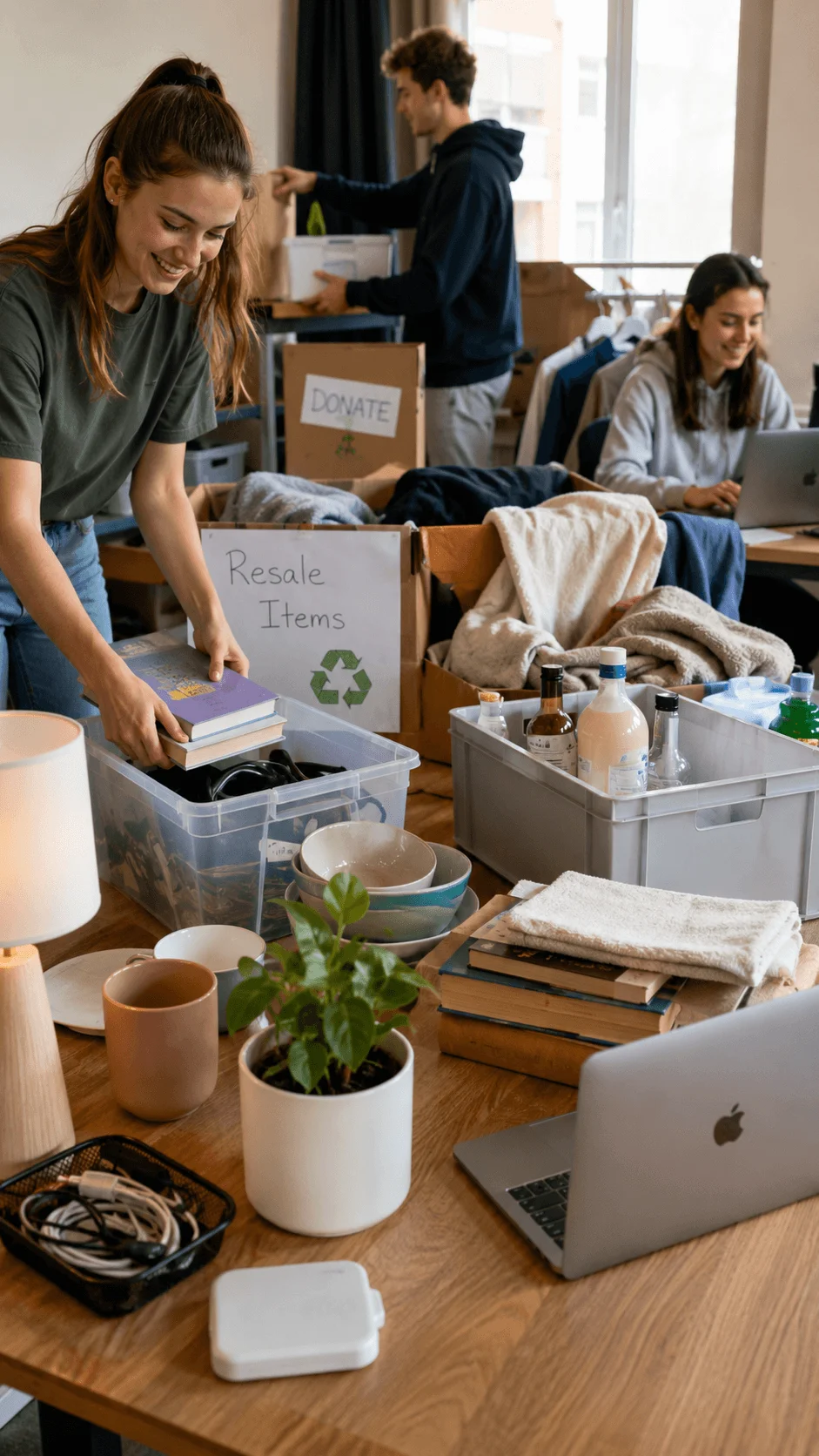
The second approach can reduce the amount of money needed to purchase inventory. Instead of buying every product in advance, the student can act as a marketplace connecting outgoing and incoming students.
Partnerships with student accommodation providers, universities and student societies could help the business reach more people.
This is one of the strongest examples of a circular economy business because the same products can serve multiple students instead of becoming unwanted waste after one person finishes using them.
Eco Friendly Campus Delivery Service
Local delivery provides another opportunity for students who want a service based business. A student could provide short distance deliveries for campus stores, small food businesses, student sellers or other nearby customers using walking, bicycles or other suitable transportation methods.
The business should focus on short routes where a student can provide reliable service without needing expensive vehicles or equipment.
The environmental benefit can increase when the service encourages consolidated deliveries. Instead of making multiple separate trips, the student could organize deliveries within specific time periods or nearby locations.
Reusable delivery containers can provide another sustainability feature. Businesses that regularly deliver suitable products could use containers that customers return for future orders.
Students can begin with a small service area and limited operating hours. For example, they might focus on a particular campus or nearby neighborhood before considering expansion.
Customer trust will become particularly important. Deliveries should arrive on time, products should remain secure and communication should stay clear.
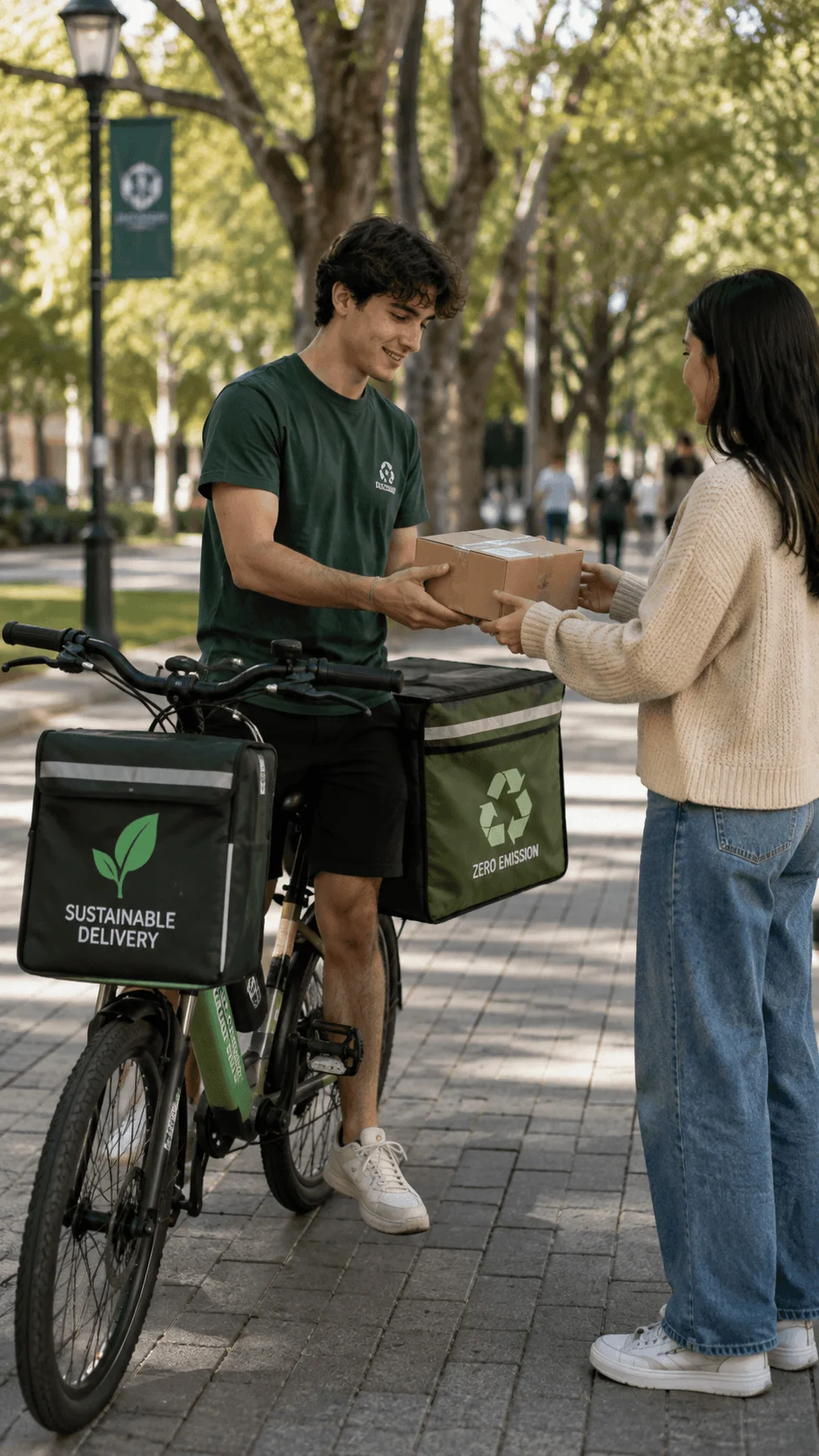
The business can charge customers per delivery or create regular arrangements with local businesses. A student who builds a reliable reputation could eventually coordinate several delivery workers and expand beyond a single campus.
This idea demonstrates that sustainable entrepreneurship does not always require manufacturing a physical product. A well designed service can also reduce unnecessary resource use while creating a source of income.
Native Plant and Mini Garden Kits
Students interested in gardening, environmental education or design can create small garden kits for people with limited outdoor space.
Instead of selling generic plants, the business can focus on suitable plants for local conditions. Native or locally appropriate plants can be particularly useful because they may fit regional climate conditions and support local biodiversity.
A kit could include suitable plants, growing containers, basic growing materials and an educational guide. Students can design different versions for balconies, windowsills, school projects or small gardens.
Low water gardening can provide another direction. In areas where water availability creates challenges, students can promote gardening approaches that use water thoughtfully.
The educational element can make the business more valuable. Customers may appreciate simple information explaining where to place the plants, how to care for them and why certain plant choices benefit the local environment.
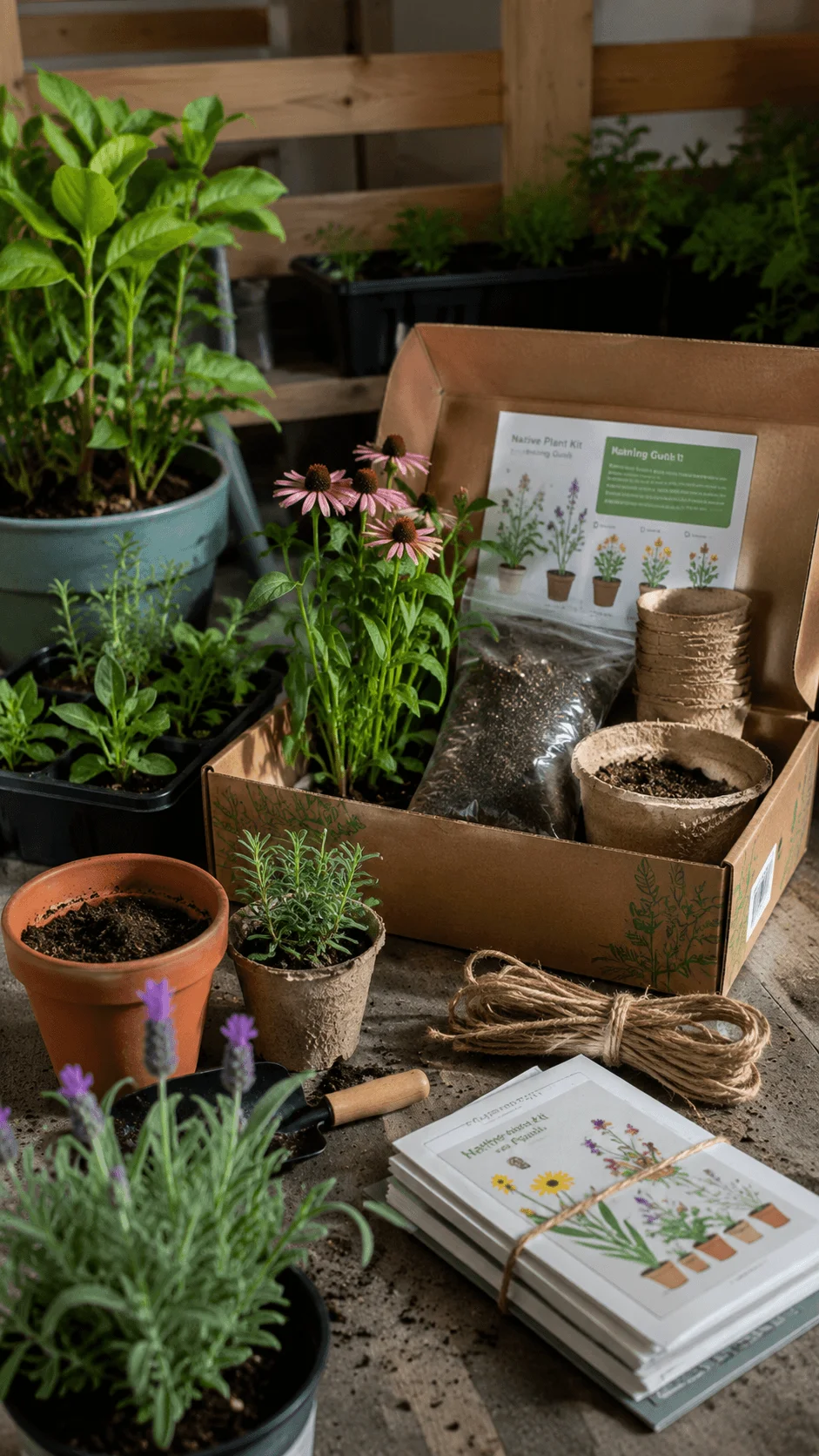
Students can sell the kits through social media, local markets, school events or partnerships with community organizations.
The business can also expand into workshops. A student could teach children or families how to create small gardens and understand topics such as biodiversity, pollinators and responsible water use.
This concept combines a physical product with education and can therefore create several ways to generate revenue.
Sustainability Content and Green Marketing Service
Students who understand social media, writing, photography, graphic design or video creation can build a digital sustainability service for businesses.
Many small businesses want to communicate their environmental efforts but may not have someone who can create consistent content. A student can help create social media posts, educational graphics, short videos, website content and product photography.
The important responsibility involves accuracy. A sustainability content service should not encourage businesses to make environmental claims that they cannot support.
Instead, students can help businesses explain genuine improvements clearly. For example, a business might want to explain its packaging choices, waste reduction efforts, repair services or responsible sourcing practices.
This creates an opportunity for students who already spend time learning digital skills. They can combine those skills with sustainability knowledge and develop a specialized service.
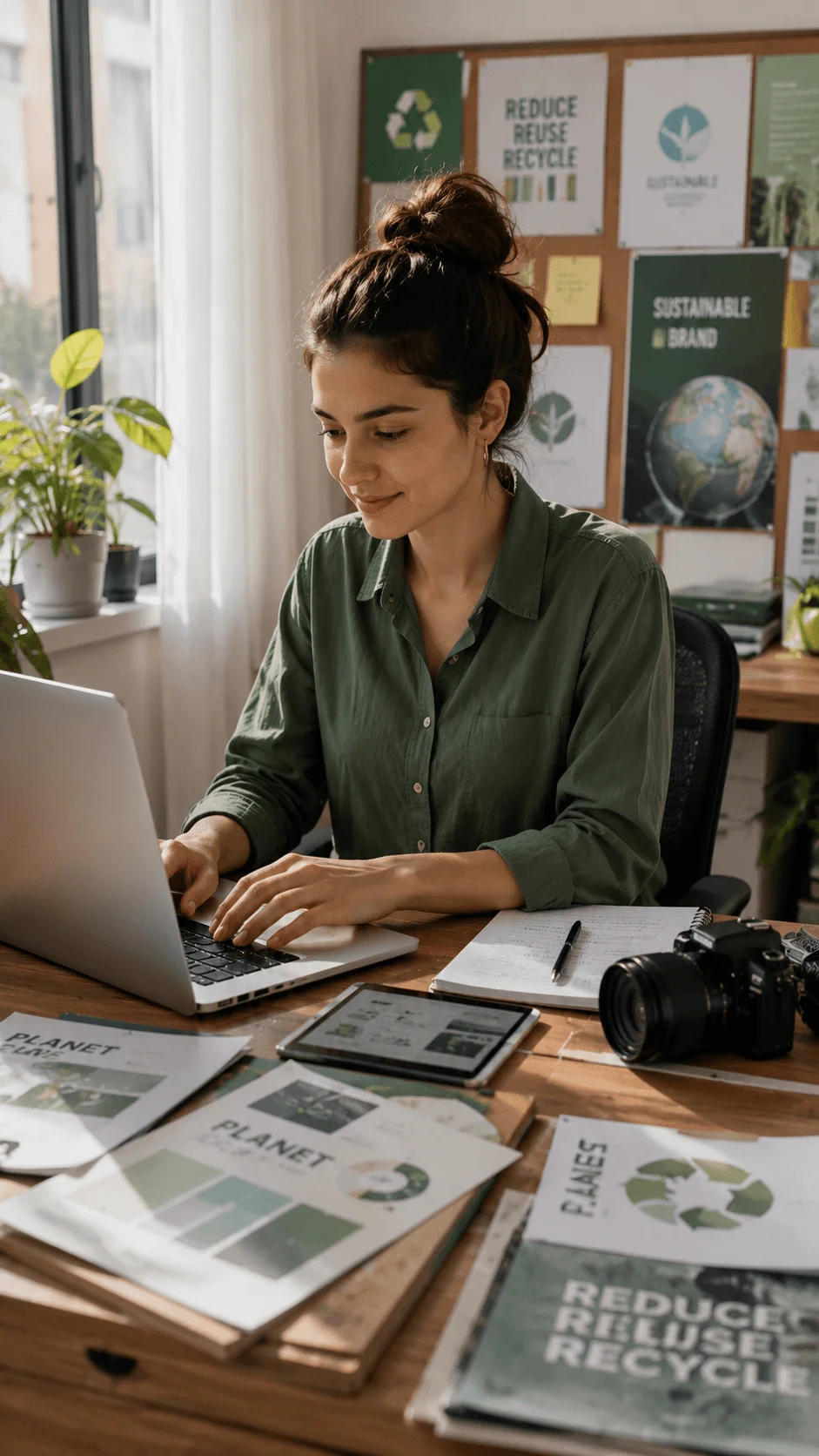
Students can begin with small local businesses. A few strong projects can create a portfolio that demonstrates their ability to communicate environmental topics professionally.
The service can eventually expand beyond social media. Students could offer website content, sustainability guides, email campaigns, photography and video production.
Because much of the work can happen remotely, this is one of the more flexible sustainable startup ideas for students. It can fit around school or university schedules while allowing students to develop valuable professional skills.
Common Mistakes Students Should Avoid
One common mistake involves spending too much money before confirming demand. Students sometimes purchase large amounts of inventory because they believe customers will automatically buy it. Testing a smaller version first can reduce this risk.
Another mistake involves copying popular sustainable businesses without understanding the customer. A product may look successful on social media but still perform poorly in a particular local market.
Students should also avoid unsupported environmental claims. Calling a product completely sustainable or claiming that it has no environmental impact can create misleading expectations. Responsible businesses should communicate what they actually know and avoid exaggeration.
Ignoring local rules can create another problem. Businesses involving food, electronics, waste collection, transportation or plants may have specific requirements depending on the location. Students should research the relevant rules before operating such services.
Trying to expand too quickly can also make a small business difficult to manage. Students already have academic responsibilities, so growth should match their available time and resources.
Finally, students should not assume that sustainability alone will create demand. Customers still care about price, quality, convenience, appearance and reliability. A successful environmental business needs to deliver these benefits while creating a genuine sustainability advantage.
The Future of Student Sustainable Entrepreneurship
The future of student entrepreneurship is likely to include more businesses focused on reuse, repair, resource efficiency and circular systems. Students can play an important role because they often understand the habits and challenges of younger consumers.
Digital skills will also remain valuable. A student does not need to manufacture a physical product to build a sustainable business. Digital marketing, design, education and communication can help existing businesses improve how they operate and communicate their environmental efforts.
At the same time, local services can create strong opportunities. Repair, resale, compost collection, reusable event supplies and campus based marketplaces all address practical problems that people experience in their everyday lives.
The biggest opportunity may come from combining different models. A student could begin with clothing resale and later add customization. Someone who starts an electronic collection service could develop repair and resale partnerships. A garden kit business could eventually add workshops and educational content.
This flexibility makes eco friendly business ideas for students particularly valuable for young entrepreneurs who want to experiment before committing to a larger company.
Conclusion
The best eco friendly business ideas for students do more than use environmental language. They solve real problems while encouraging people to reduce waste, reuse products, repair useful items or make more thoughtful resource choices.
Students can explore opportunities such as electronic waste collection, upcycled merchandise, food waste upcycling, reusable event rentals, sustainable packaging services, secondhand clothing, compost collection, eco friendly design, move out resale, campus delivery, garden kits and sustainability content services.
The right choice depends on the student’s skills, budget, available time and local demand. A student does not need to launch a large company immediately. Starting with a small group of customers can provide valuable experience and show whether the idea has potential.
Sustainable entrepreneurship can also provide benefits beyond immediate income. Students can develop marketing, communication, design, technical and business skills while working on environmental challenges.
The most practical approach is to choose one problem, understand the people experiencing it and create a simple solution that customers value. By starting small, listening to feedback and improving over time, students can turn a simple sustainability concept into a meaningful business opportunity in 2026.