Eco Friendly Business Ideas From Home
Starting an eco friendly business from home has become an attractive option for people who want to earn through a practical business while supporting more responsible consumption. In 2026, eco friendly business ideas from home are moving beyond traditional recycling and handmade products. New opportunities are emerging around upcycling, sustainable packaging, refill systems, responsible gifting, biodiversity, digital products, and the circular economy. These changes give beginners more ways to build a small business around skills they already have.
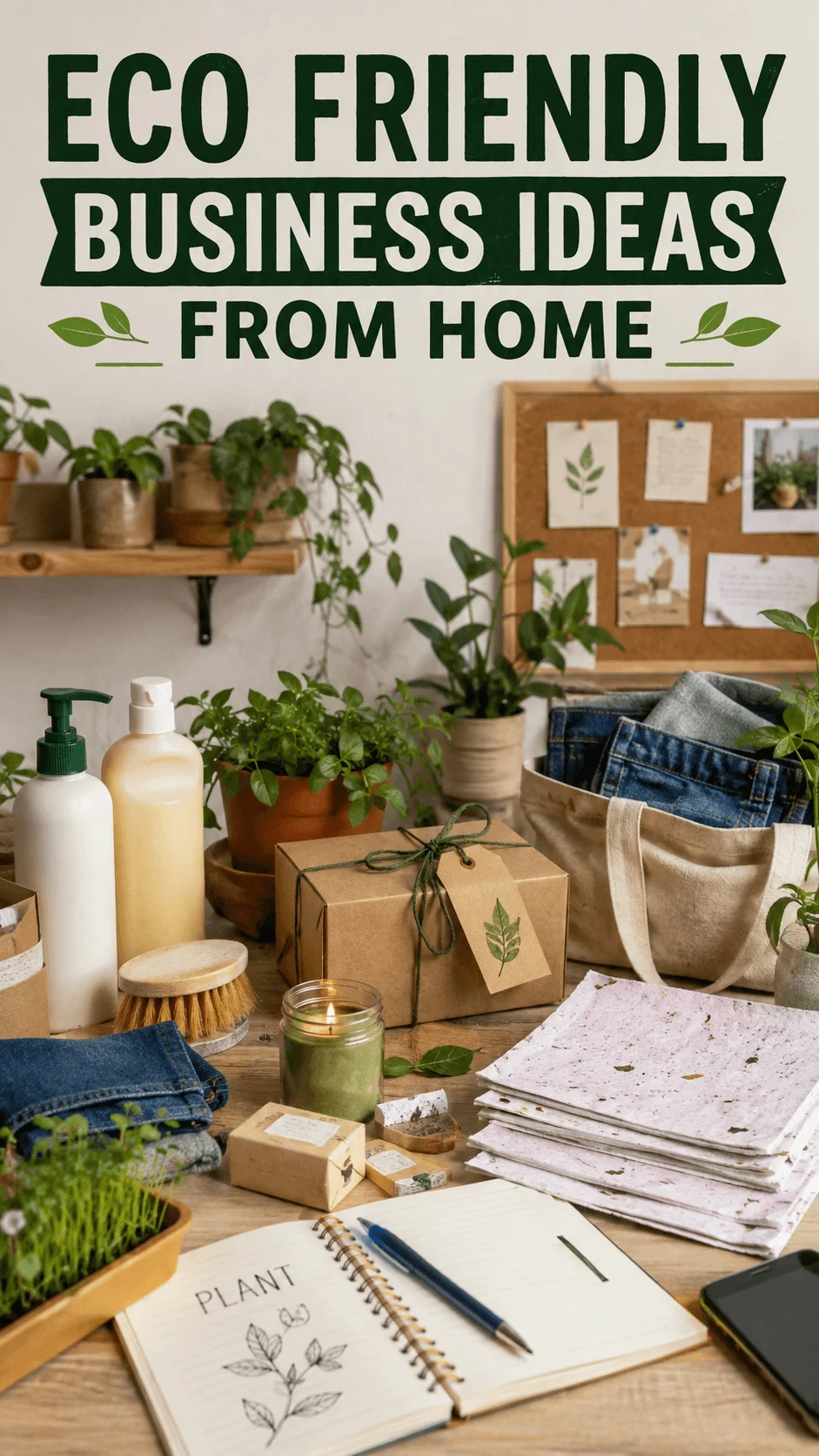
A home based sustainable business does not always require a large workspace, expensive machinery, or a warehouse. Some ideas require physical products and creative skills, while others can operate almost entirely online. The best opportunity depends on your skills, available space, budget, and the type of customers you want to serve.
Why Eco Friendly Home Business Ideas Are Growing in 2026
Sustainability has become more connected with everyday purchasing decisions. People are increasingly interested in products that last longer, create less unnecessary waste, use existing materials, or offer alternatives to disposable products. This shift creates opportunities for small businesses that can provide focused solutions instead of trying to compete with large companies across an entire market.
The circular economy is also influencing new business models. Instead of producing something, using it briefly, and throwing it away, circular businesses focus on extending product life through reuse, repair, refurbishment, repurposing, and recycling. This creates opportunities for home entrepreneurs because many circular business models can begin at a small scale.
Another important change is the growth of specialized sustainable niches. A business does not need to sell every type of environmentally friendly product. It can focus on one specific customer group or problem. For example, an entrepreneur could create sustainable products specifically for pet owners, gardeners, gift buyers, or small ecommerce brands.
This makes sustainable home business ideas particularly interesting for beginners who want to start small and develop their business gradually.
12 Sustainable Business Ideas From Home to Explore in 2026
Upcycled Denim Business From Home
Upcycling denim is one of the most creative opportunities for someone who enjoys sewing, crafting, or working with textiles. Instead of treating unwanted jeans as waste, an entrepreneur can transform them into useful products that customers can purchase.
Old jeans can become tote bags, storage organizers, pencil cases, plant holders, cushions, small accessories, laptop sleeves, and decorative products. The material already has a distinctive appearance, which can give finished products a handmade character without requiring complicated decoration.
An upcycled denim business from home can begin with materials that are already available. Entrepreneurs can collect unwanted jeans from family members, friends, local communities, thrift sources, or textile reuse programs where available. Sorting the material by color and condition can help create more consistent product collections.
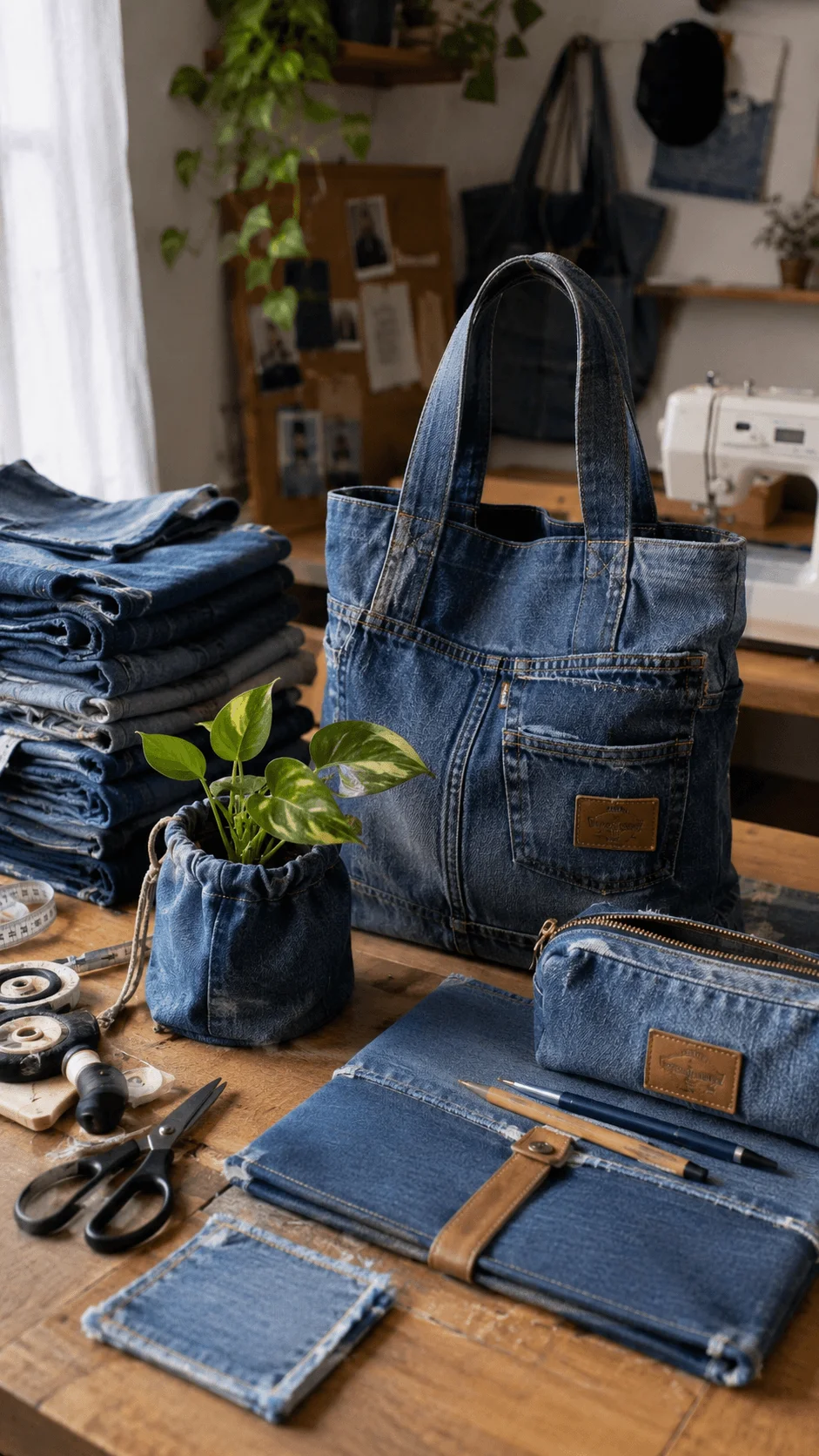
Customization can become an important part of the business. Customers may want initials, names, patches, embroidery, or specific designs. Personalized products can also work well as gifts because the customer receives something that feels different from mass produced merchandise.
The business can sell through an online store, social media, handmade marketplaces, local events, or direct orders. Good photography can make a major difference because customers need to see the texture, stitching, size, and finish of each product.
The strongest sustainability message comes from explaining exactly how the material receives a second life. Instead of simply calling the product eco friendly, the business can tell customers where the denim comes from and how it becomes the finished product.
Eco Friendly Gift Box Business
Gift giving creates another opportunity for a specialized home business. An eco friendly gift box business can bring together several carefully selected products into a themed package for customers who want thoughtful gifts without spending time searching for individual items.
A home entrepreneur could develop collections around sustainable self care, gardening, birthdays, new homes, holidays, stationery, relaxation, or environmentally conscious living. The business could also target companies that want thoughtful gifts for employees, customers, or business partners.
An eco friendly gift box business from home can stand out through careful product selection and presentation. Instead of filling a box with unrelated products, each collection should have a clear purpose and a consistent theme.
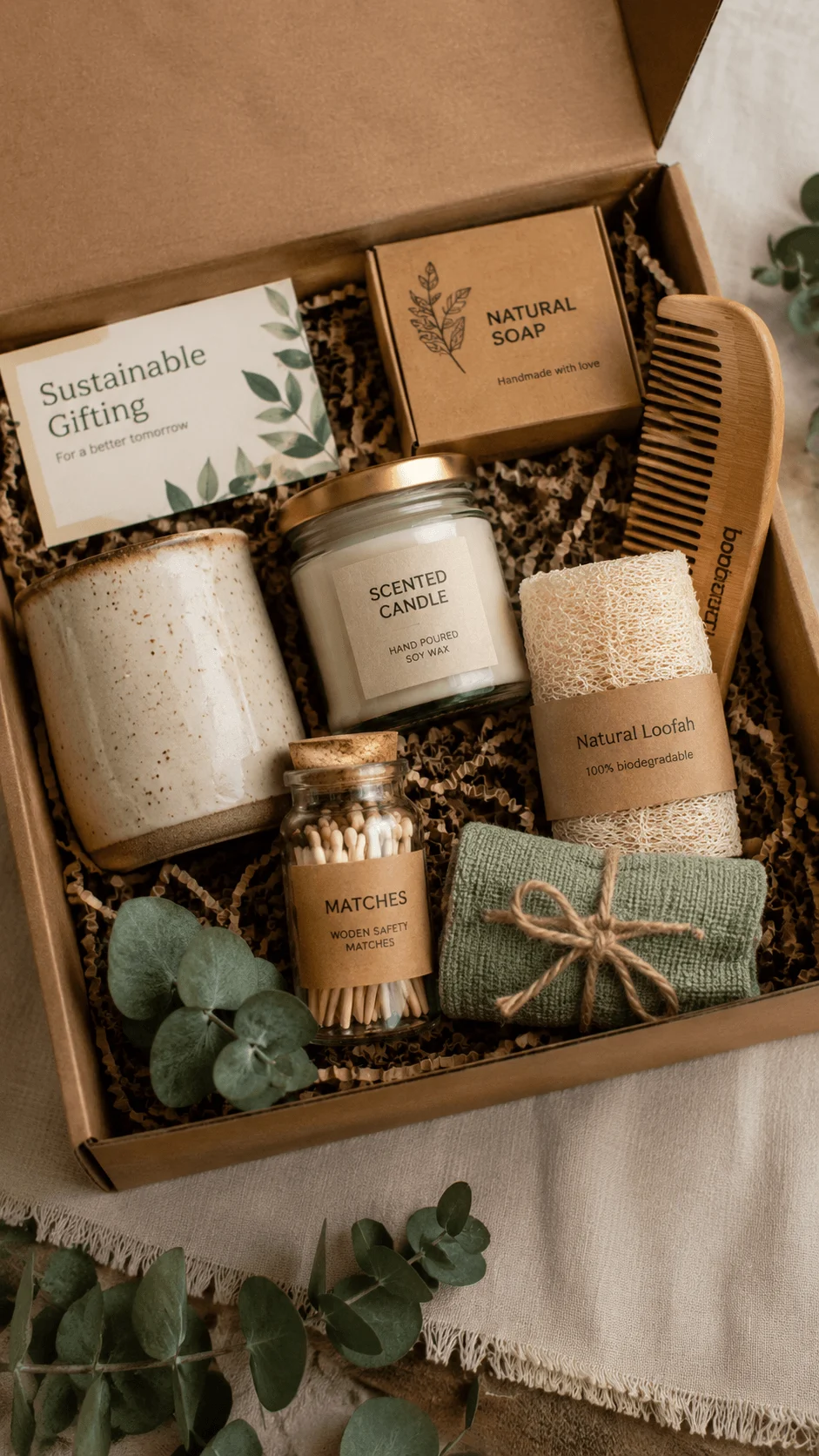
Packaging deserves particular attention. Reusable boxes, recycled paper, minimal inserts, reusable fabric wrapping, and appropriately sized packaging can help reduce unnecessary materials. However, the business should avoid making broad environmental claims unless it can support them.
Personalization can provide another revenue opportunity. Customers might choose a recipient’s name, preferred colors, occasion, message, or product combination. Seasonal collections can also encourage existing customers to return throughout the year.
The business can begin with a small number of carefully designed gift boxes rather than dozens of products. Once customers respond positively to particular themes, the entrepreneur can expand the collection.
Seed Paper Products Business
Seed paper products offer a distinctive combination of sustainability, stationery, gardening, and gifting. Seed paper contains seeds that can potentially grow when the paper receives suitable conditions, making it different from conventional paper products.
A seed paper business from home can create greeting cards, gift tags, thank you cards, invitations, event stationery, packaging inserts, and promotional materials. The concept can appeal to individuals as well as businesses that want their printed materials to have an additional purpose.
Weddings and events can provide an especially interesting customer group. Couples may want invitations or thank you cards that connect with their interest in gardening and sustainability. Small businesses can also use plantable cards or tags as part of their customer experience.
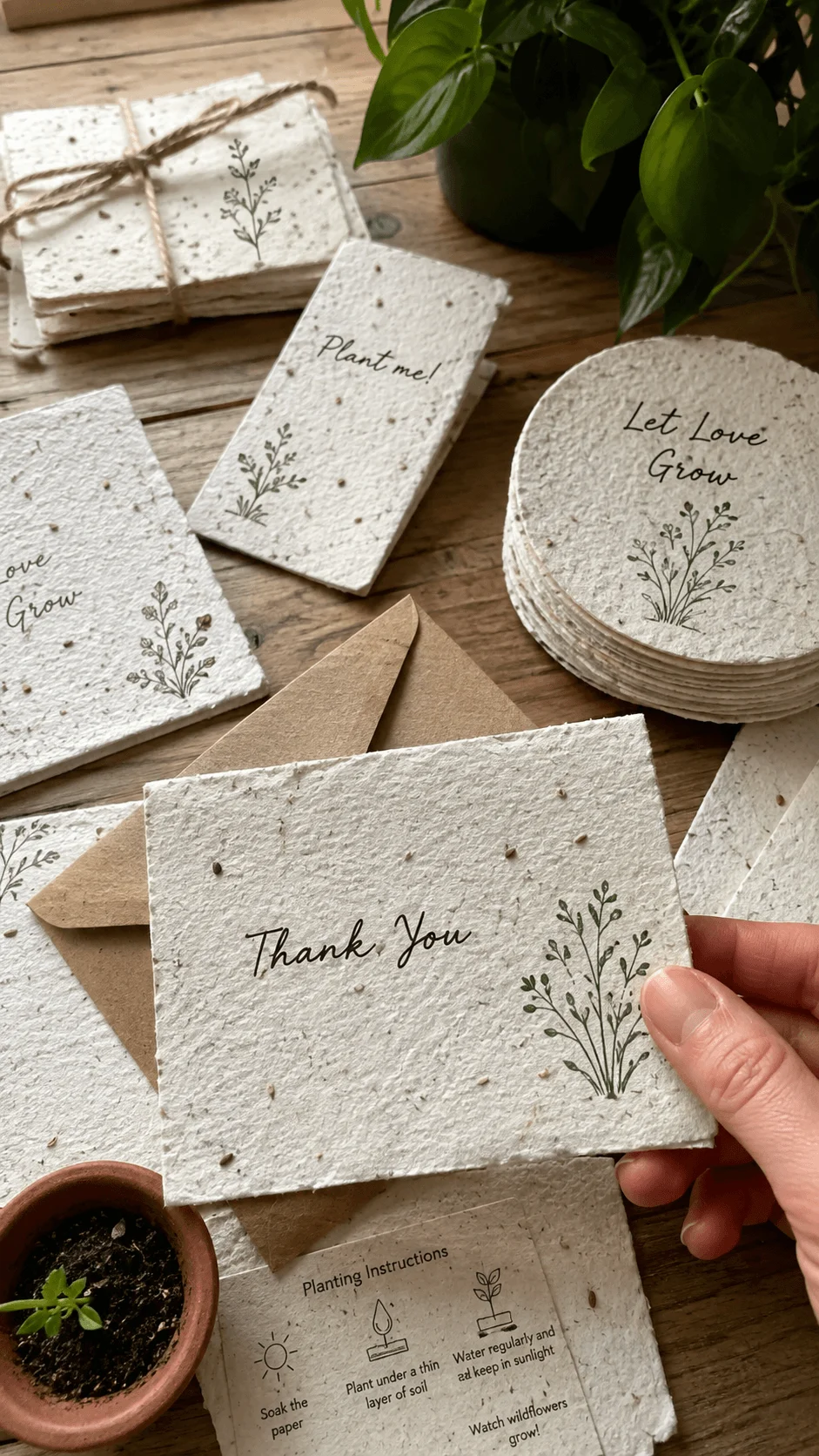
The business can become more valuable through customization. Instead of selling only standard designs, the entrepreneur can offer personalized names, messages, artwork, event themes, and branding.
The entrepreneur should also consider the seeds used in the product and communicate accurate planting information. Local conditions matter, so responsible product descriptions should avoid suggesting that every seed will grow successfully everywhere.
This business can work well from home because the finished products are relatively easy to store compared with large physical goods. A small workspace can support design, packaging, order preparation, and customer service.
Refillable Home Cleaning Products Business
Refill systems are becoming an interesting part of the sustainability conversation because they can reduce the need for customers to repeatedly purchase new packaging. Instead of buying a completely new container every time, customers can reuse an existing container and purchase an appropriate refill.
A refill focused home business can serve customers who want convenient alternatives to constantly replacing household product packaging. The entrepreneur could focus on a carefully selected range of compliant household products and work with suitable suppliers rather than attempting to manufacture potentially hazardous cleaning chemicals at home.
The business model can work through local delivery, collection points, subscriptions, online orders, or partnerships with nearby communities and businesses, depending on local regulations and practical considerations.
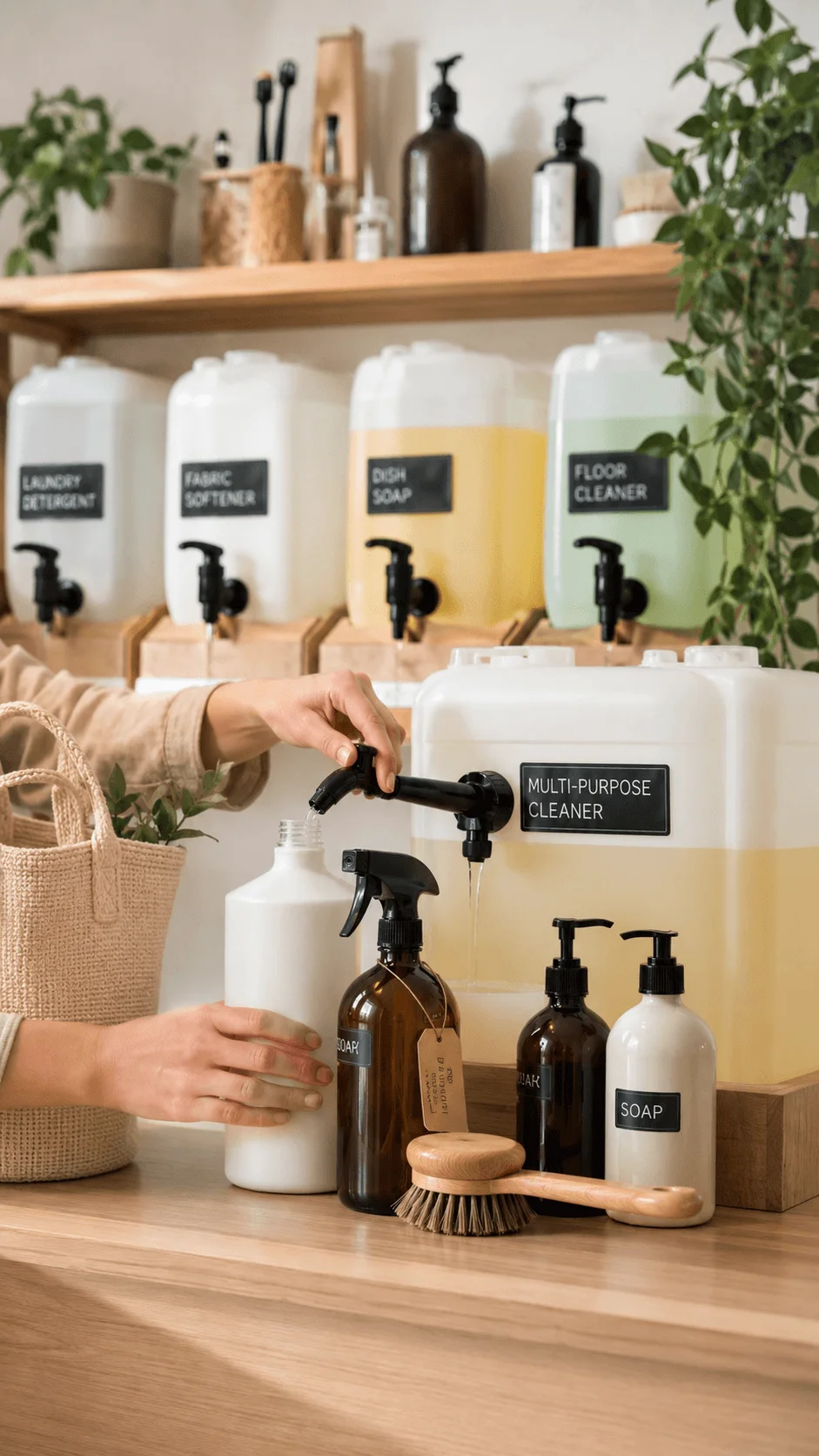
Convenience will matter greatly. Customers may appreciate a refill system, but they still expect reliable products, clear instructions, clean packaging, and dependable service.
A strong brand can focus on reducing unnecessary packaging while making the purchasing process simple. Reusable containers can also become part of the customer experience.
For beginners, the most important consideration is responsible sourcing and compliance. The business should use appropriate products from legitimate suppliers and avoid making unsupported claims about environmental benefits.
Sustainable Packaging Design Service
Packaging has become an important consideration for businesses that want to reduce unnecessary materials and improve their environmental practices. This creates an opportunity for people with graphic design, product design, branding, or research skills.
A sustainable packaging business from home does not necessarily need to manufacture packaging. Instead, the entrepreneur can provide design and consulting services to small brands.
A consultant could help a handmade business rethink its boxes, labels, inserts, wrapping, and shipping materials. An ecommerce company might need help creating packaging that protects its products while avoiding unnecessary layers. A small beauty brand could need assistance developing a more thoughtful presentation for its products.
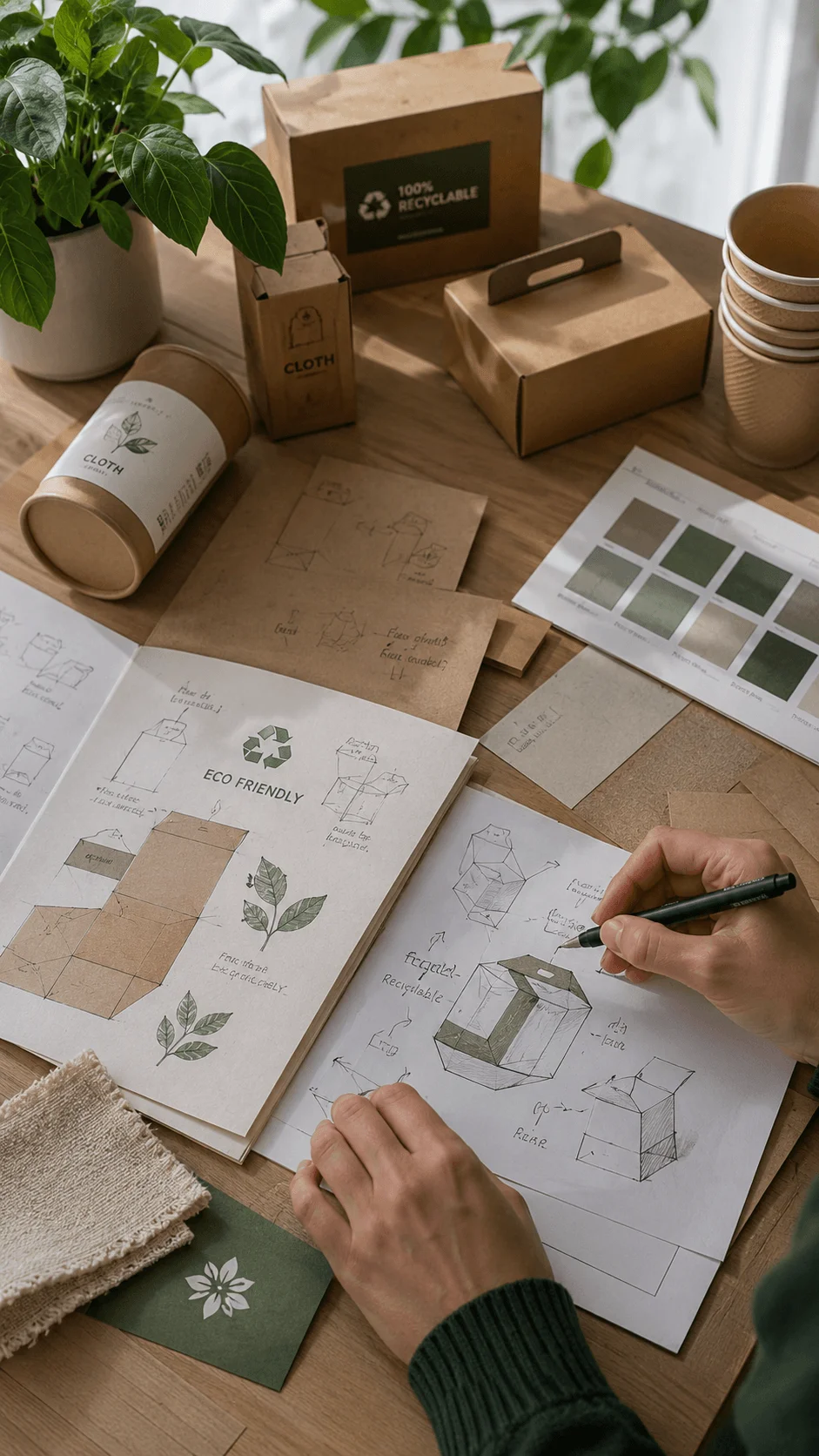
The service can include packaging concepts, material research, packaging audits, supplier research, design recommendations, and visual mockups. The entrepreneur can work remotely with clients and deliver most projects digitally.
This model is particularly attractive for a home based entrepreneur because it does not require large amounts of physical inventory. The main investment involves developing useful skills, building a portfolio, researching materials, and learning how packaging decisions affect cost and waste.
Trust is important in this field. A consultant should avoid vague claims and explain the reasoning behind recommendations. Sustainability involves more than choosing a material that sounds environmentally friendly. Packaging size, durability, reuse, transportation, sourcing, and end of life options can all influence the overall outcome.
Eco Friendly Pet Products Business
The pet industry offers another focused niche for sustainable entrepreneurs. Instead of competing with general pet stores, a home business can target customers who want products that align with their interest in responsible consumption.
An entrepreneur could develop or source reusable pet accessories, products made from suitable recycled materials, sustainable toys, feeding accessories, storage products, or themed pet gift boxes.
The key is to combine sustainability with functionality. Pet owners still want products that are safe, durable, attractive, and practical. An environmentally conscious message cannot compensate for poor quality.
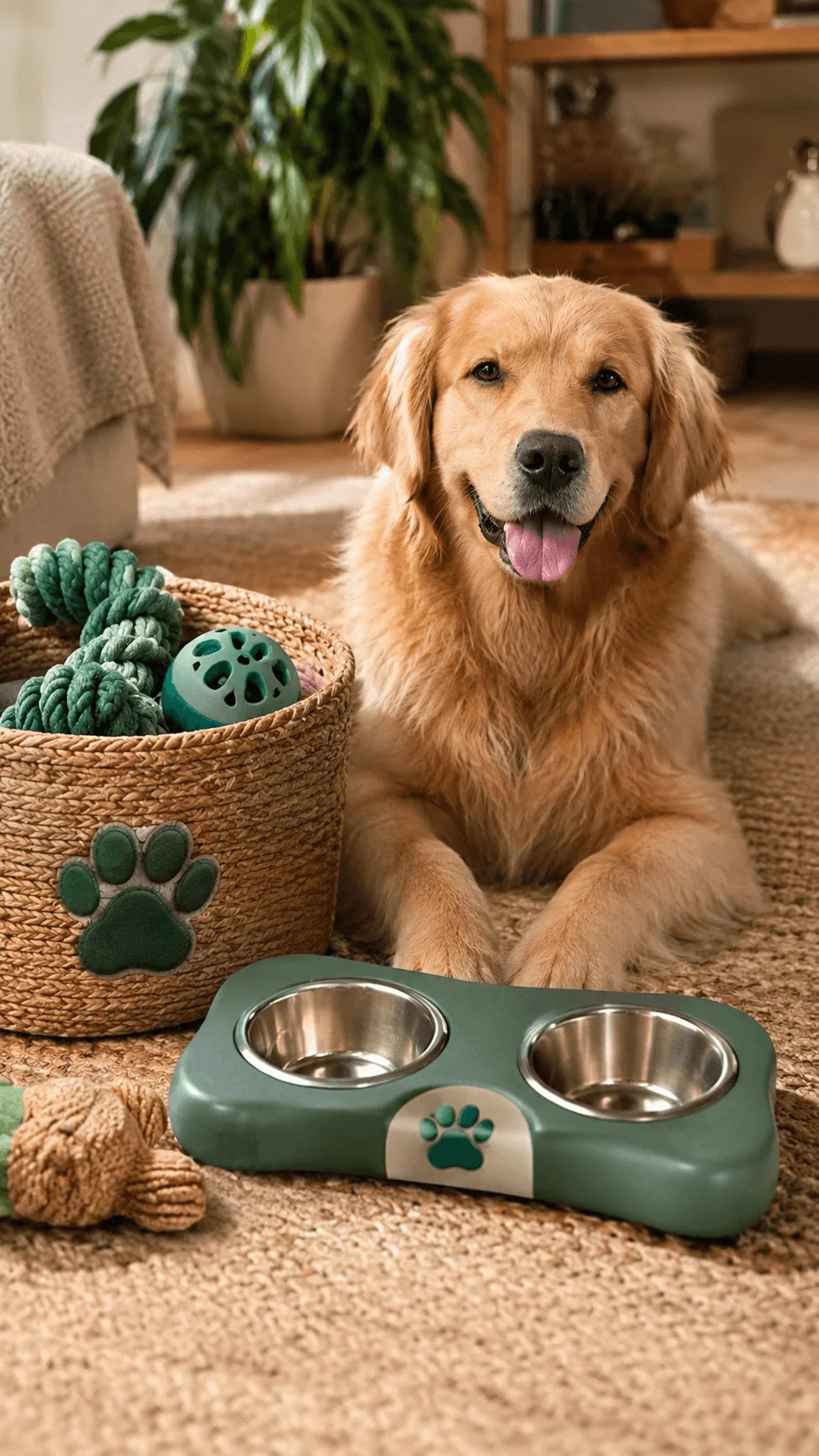
A specialized brand can focus on a particular customer group, such as owners of dogs, cats, small pets, or people looking for sustainable pet gifts. Strong product photography and clear descriptions can help customers understand the materials and purpose of each product.
The business can operate through an online store or social media while keeping inventory relatively focused. Entrepreneurs can also test a small collection before expanding into additional products.
Transparency can help build customer trust. Rather than simply describing everything as green, the business should explain the materials, packaging, sourcing, and intended product life whenever reliable information is available.
Clothing Repair and Upcycling Business
Clothing repair represents another practical example of circular business activity. Many garments remain useful even when they have a small tear, loose seam, damaged section, or outdated appearance.
A home based repair service can provide alterations, repairs, creative mending, denim transformation, patchwork, and other textile services. Someone with sewing experience can begin with a small workspace and gradually develop a customer base.
Clothing upcycling can also create products from garments that customers no longer want to wear. An old shirt could become a reusable bag, while damaged jeans could become storage products or accessories.
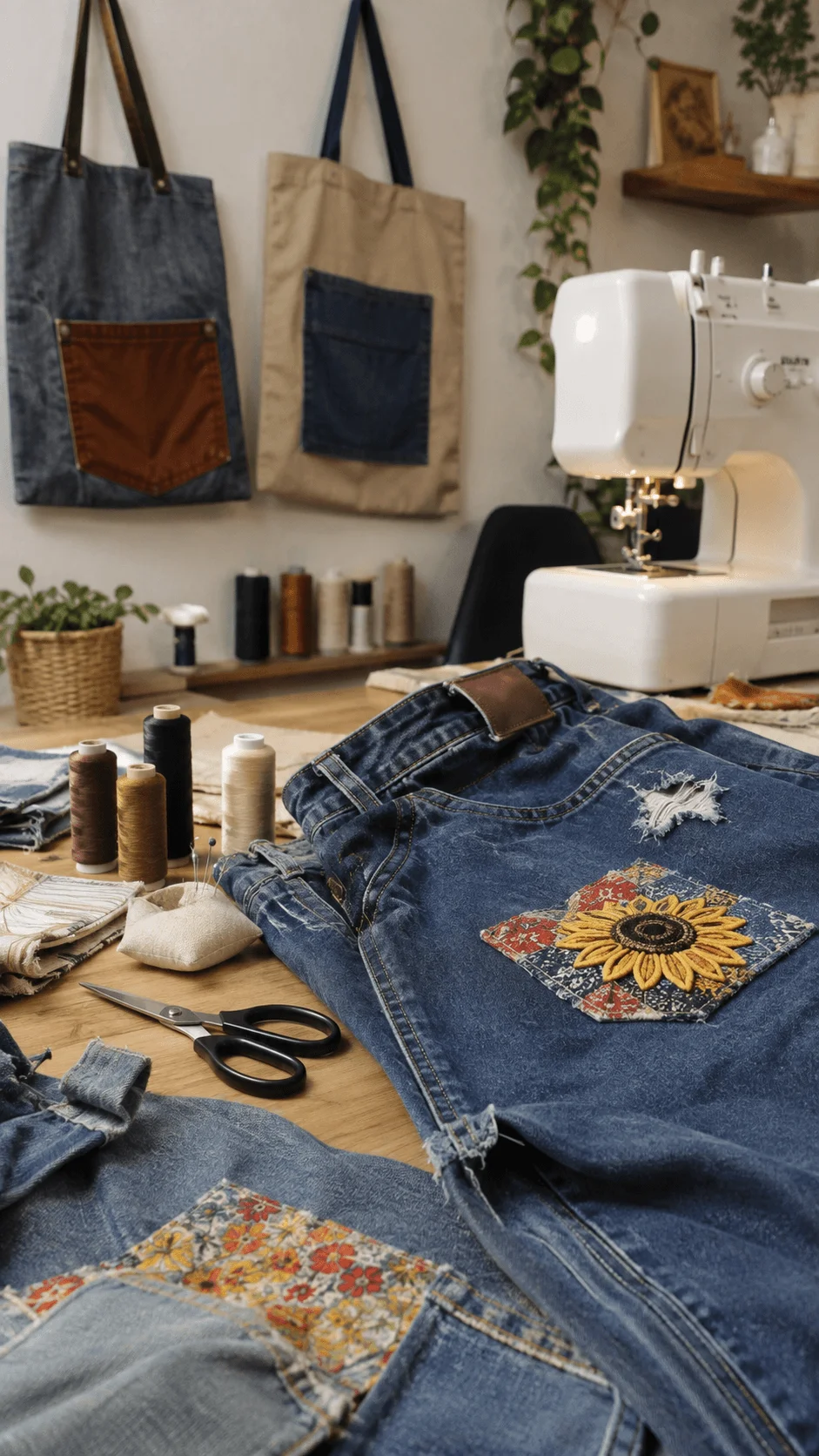
This model has an advantage because the entrepreneur can combine services and products. Repair customers can become buyers of upcycled products, while people who discover the products online may later request custom work.
The strongest opportunity often comes from developing a recognizable style. Creative stitching, interesting fabric combinations, personalized details, and careful finishing can turn a basic repair service into a distinctive sustainable brand.
Native Seed and Pollinator Garden Kits
Native seed and pollinator garden kits offer an interesting opportunity for people who want to combine sustainability with gardening and biodiversity. Instead of selling general gardening supplies, a home based business can focus on helping customers create small spaces that support plants and pollinators.
A kit could contain suitable seeds, basic growing information, planting guidance, labels, and simple educational material. Different kits could target balconies, small gardens, windowsills, or beginner gardeners. Seasonal collections can also give customers a reason to return throughout the year.
The idea becomes more valuable when the entrepreneur understands the local environment. Native plants vary by region, so responsible businesses should research which species are appropriate for their target customers. This can also become part of the brand identity. Instead of selling generic seed packets, the business can educate customers about local plants and biodiversity.
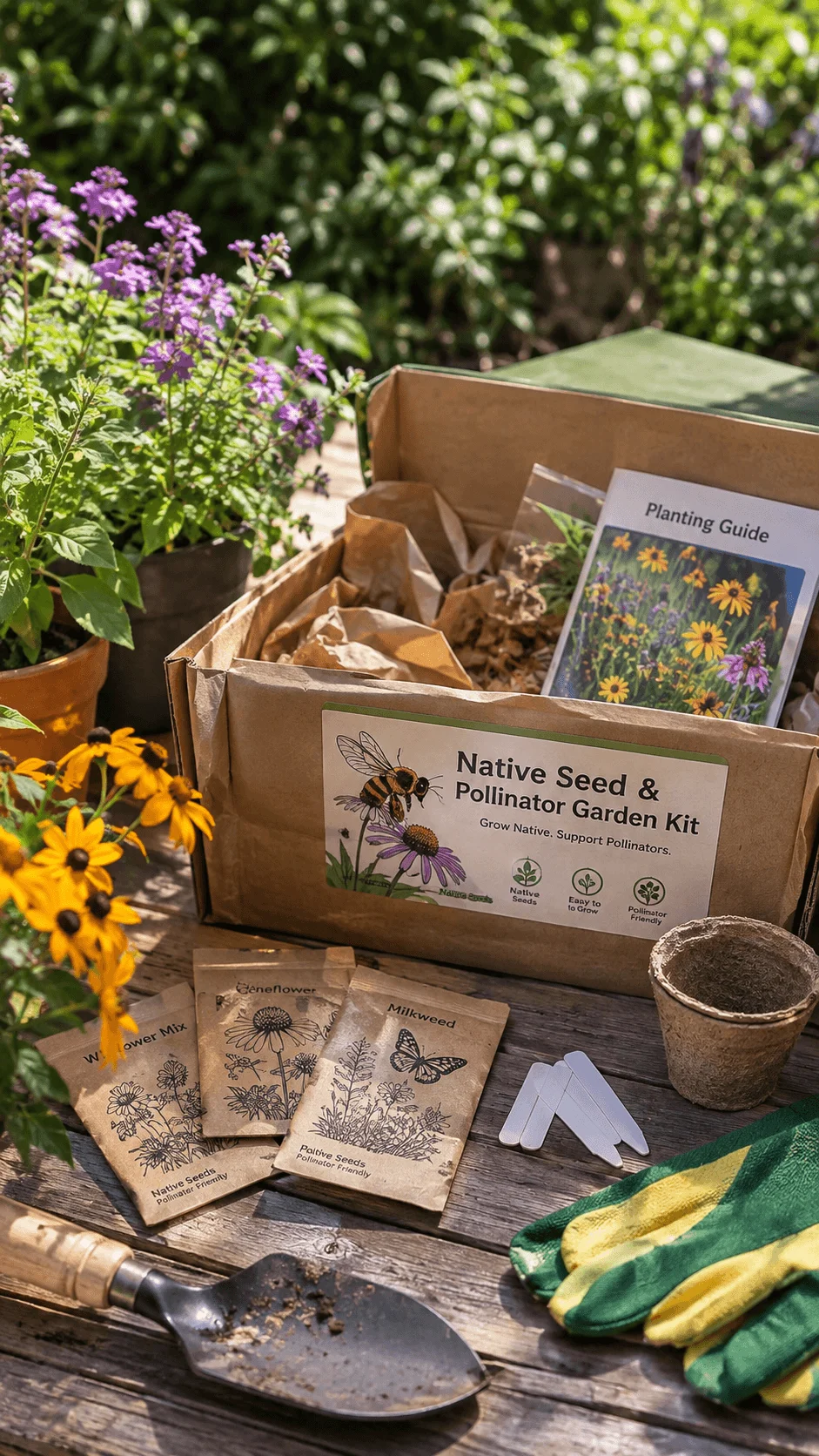
Small spaces provide another opportunity. Not everyone has a large garden, but many people have balconies, patios, window boxes, or small outdoor areas. A compact pollinator kit can therefore target customers who want to make a small contribution to biodiversity without completely redesigning their outdoor space.
Packaging also matters. Lightweight recyclable or reusable packaging can reduce unnecessary material use while keeping seeds protected. Clear planting instructions can improve the customer experience and reduce confusion.
A native seed business can begin with a limited collection and gradually expand after learning which products customers prefer. Entrepreneurs can also create themed collections around pollinators, seasonal flowers, beginner gardening, or small space gardening.
Sustainable Product Sourcing Service
Not every sustainable business needs to sell physical products. A sustainable product sourcing service can help small companies find suppliers, materials, packaging, and products that better match their environmental goals.
Many small businesses want to make more responsible purchasing decisions but do not have enough time to research every supplier. A home based consultant can provide that research as a service.
For example, a small online store might want to replace its current packaging. The consultant could research different packaging options, compare suppliers, examine material information, and prepare recommendations for the business owner.
The same approach could work with recycled materials, reusable products, sustainable stationery, packaging inserts, shipping materials, or other business supplies.
This is one of the more specialized sustainable business ideas from home because the entrepreneur sells knowledge and research rather than maintaining a large inventory.
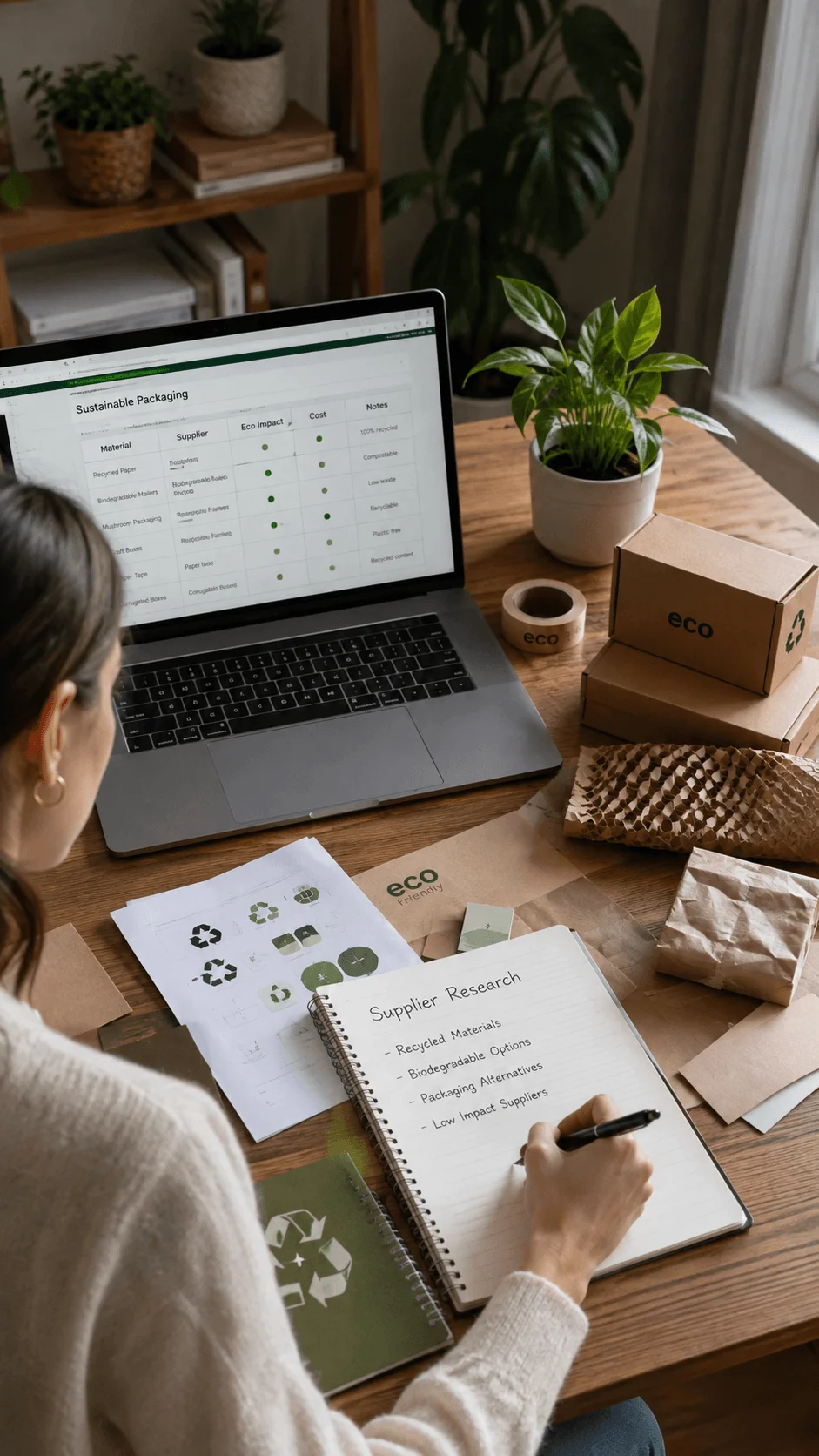
The business can offer different service levels. A beginner package might include a basic supplier research report. A more advanced service could involve ongoing sourcing support, supplier comparisons, packaging research, and regular recommendations.
Strong research skills are important. The entrepreneur should learn how to evaluate supplier information and avoid repeating unsupported environmental claims. A product should not automatically receive a sustainable label simply because its marketing uses words such as natural, green, or environmentally friendly.
The service can also focus on a particular industry. For example, someone might specialize in sustainable packaging for handmade businesses or sourcing materials for small fashion brands. A narrow specialization can make the service easier to explain and market.
Because much of the work happens online, this business can operate from a small home office with relatively little physical equipment.
Eco Friendly Digital Products
Digital products are among the most accessible eco friendly business ideas for beginners because they do not require traditional physical inventory. An entrepreneur can create a useful digital product once and sell it online repeatedly.
The sustainability angle comes from helping customers manage areas such as waste, gardening, organization, energy use, shopping, or household consumption.
For example, an entrepreneur could create a sustainable living planner that helps users organize reusable shopping habits, household purchases, gardening tasks, and waste reduction goals. A gardening planner could help users track planting schedules and seasonal tasks.
Other possibilities include waste tracking templates, decluttering worksheets, sustainable shopping planners, meal planning templates designed to reduce food waste, garden journals, and sustainability habit trackers.
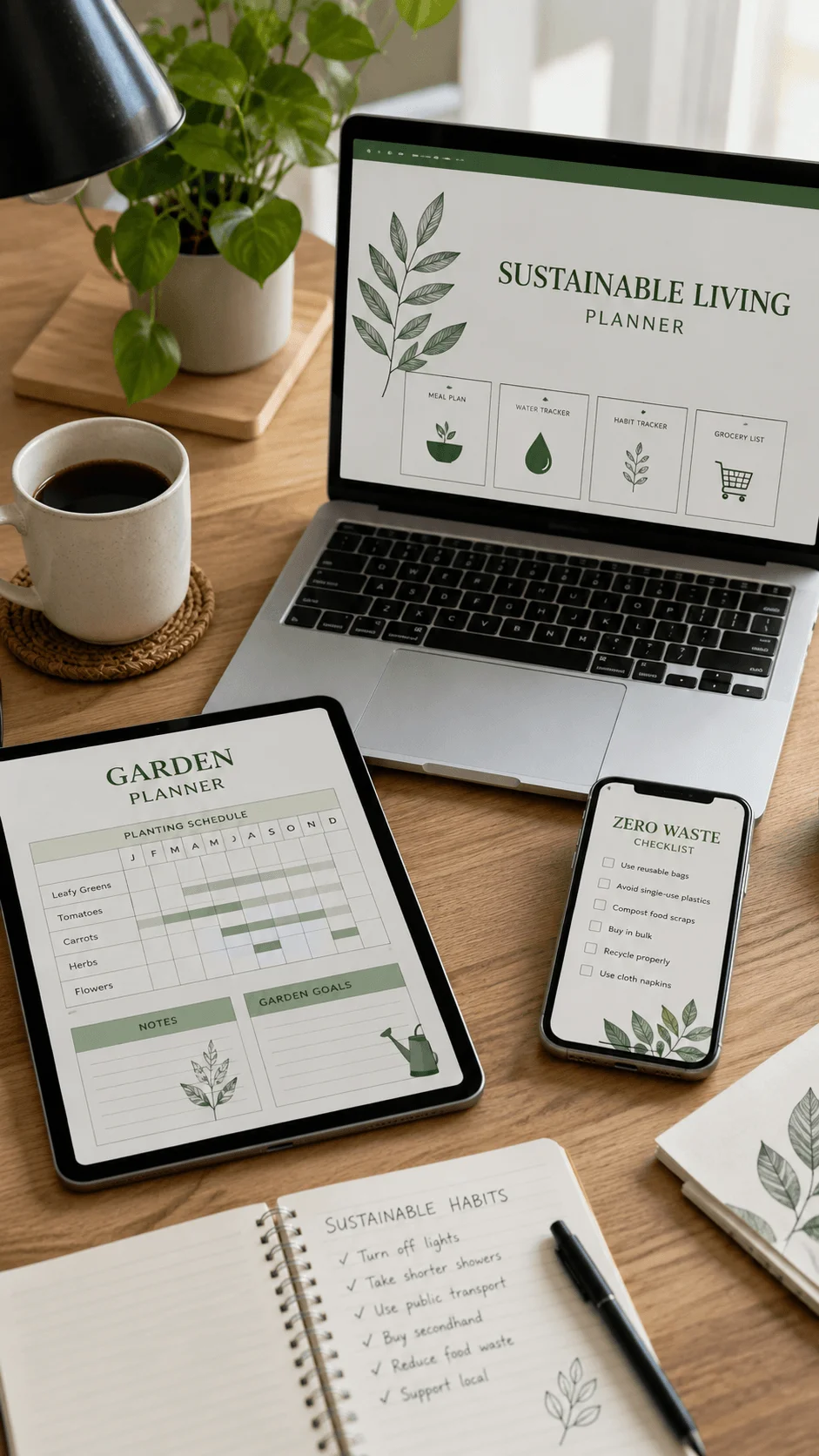
The important point is that the product should solve a genuine problem. Adding an eco friendly title to a generic planner does not automatically create a sustainable product. The content needs to provide useful information or functionality.
Design skills can help, but beginners do not necessarily need advanced software. They can start with simple, well organized templates and improve them based on customer feedback.
Digital products can also complement physical businesses. For example, someone selling native seed kits could create a digital gardening guide. A clothing upcycling business could sell sewing templates or care guides. A sustainable gift business could provide digital gift planning resources.
This creates opportunities for multiple revenue streams without requiring a large increase in physical inventory.
Upcycled Home Décor Business
Upcycled home décor can turn unwanted materials into attractive products for people who want distinctive interiors. The appeal comes from combining creativity with the story behind the materials.
An entrepreneur could work with reclaimed wood, old textiles, discarded containers, vintage materials, or other suitable items and transform them into shelves, organizers, wall décor, decorative pieces, textile art, or useful household products.
The strongest brands in this space usually develop a recognizable visual style. Rather than creating completely random products, the entrepreneur can choose a particular aesthetic and create collections around it.
For example, one business might focus on rustic reclaimed materials, while another could create colorful textile décor from leftover fabrics. Another might specialize in minimalist organizers made from reused materials.
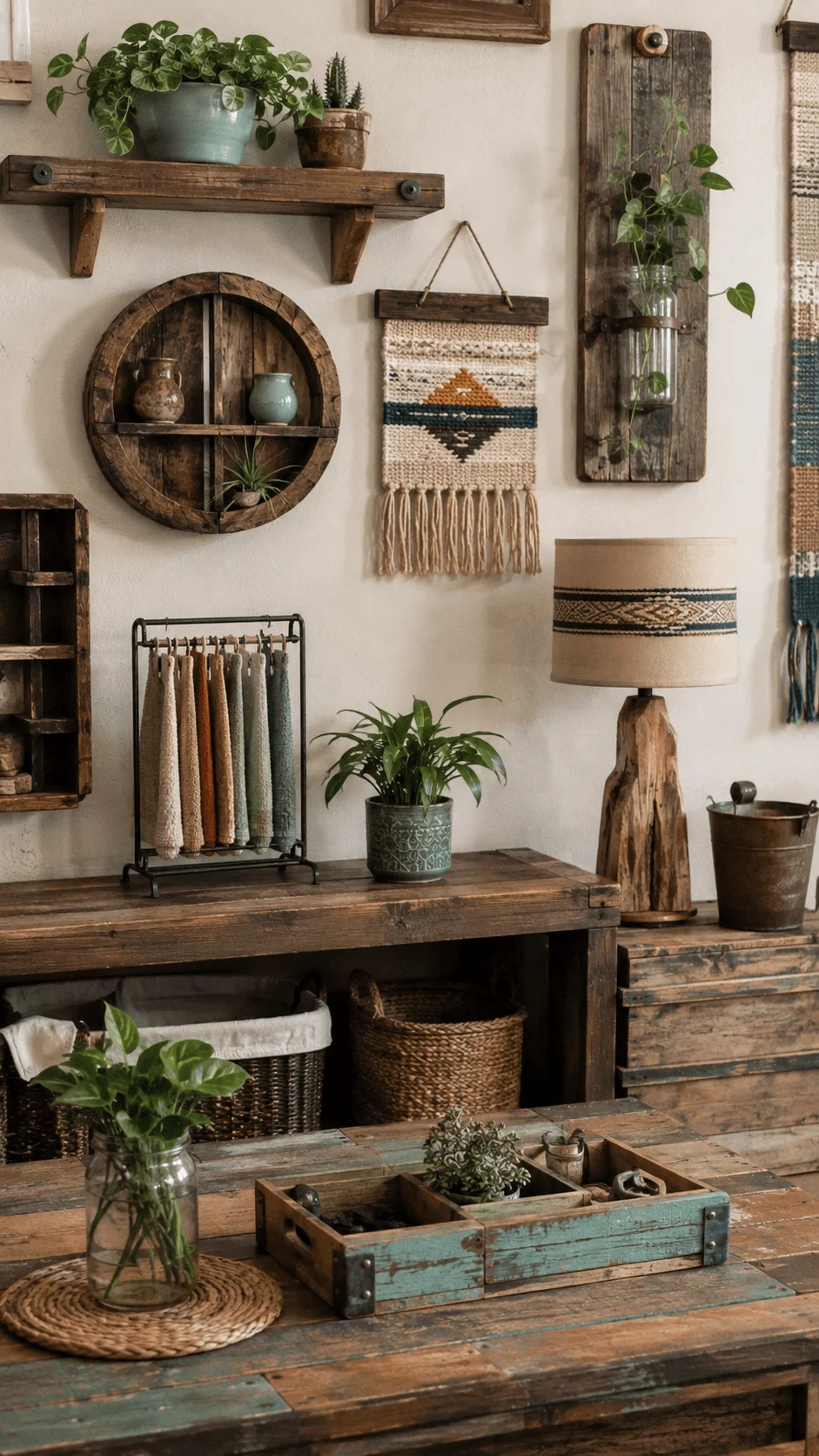
Sourcing materials can become part of the business model. Entrepreneurs may find usable materials through local communities, secondhand sources, furniture that people no longer need, or leftover materials from other businesses.
However, the business should consider quality and safety carefully. Reusing a material does not automatically make a product suitable for every purpose. The finished item should be strong, functional, and appropriate for its intended use.
Online selling can work particularly well when the products have a strong visual identity. High quality photographs can show the transformation from the original material to the finished product.
Local markets and craft events can also provide useful opportunities because customers can physically see the products and ask questions about their origins.
The story behind each item can become an important part of the brand. Customers may appreciate knowing that a product was created from an otherwise unwanted material rather than manufactured from entirely new resources.
Natural Wax and Low Waste Candle Business
Candles remain a familiar handmade business, so simply starting a candle company does not represent a new sustainability trend. A more focused opportunity comes from building a brand around thoughtful materials, reusable containers, minimal packaging, and responsible sourcing.
An eco friendly candle business from home can create small collections around particular themes. For example, the brand might focus on relaxing scents, seasonal collections, simple home décor, or gift sets.
Reusable containers can become an important part of the customer experience. Instead of treating the container as something disposable after the candle finishes, the brand can design containers that customers may find useful afterward or explore appropriate refill concepts.
Packaging should also receive careful attention. The business can avoid unnecessary layers and choose packaging that protects the product without creating excessive material waste.
The brand can differentiate itself through presentation, scent selection, product photography, personalization, and thoughtful storytelling.
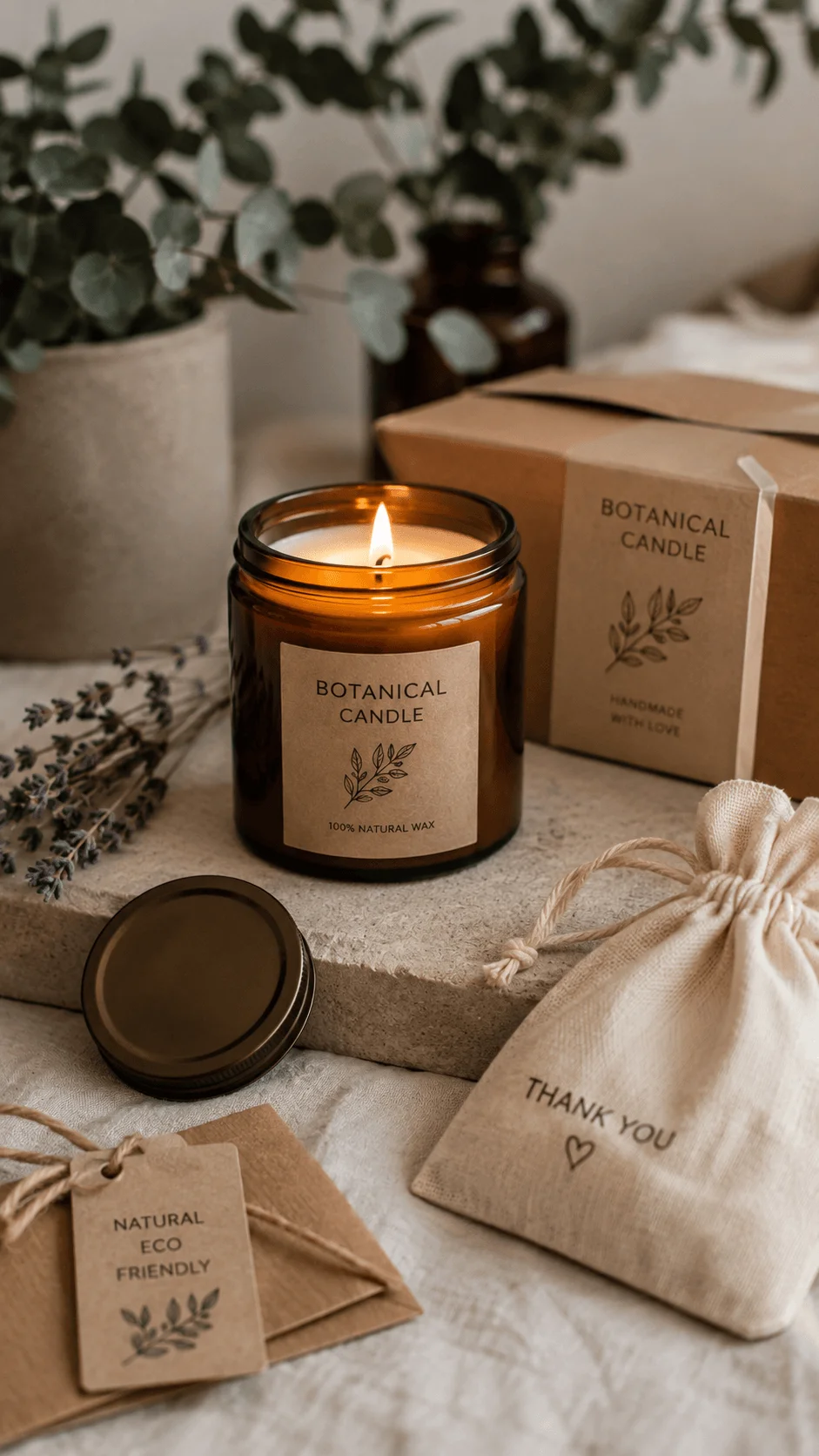
For example, a candle could become part of a sustainable gift collection rather than functioning as an isolated product. Customers could purchase a candle alongside other carefully selected items for birthdays, holidays, or home related occasions.
As with any physical product business, quality matters. Customers expect consistent scent, appearance, packaging, and performance. Sustainability should complement product quality rather than replace it.
Entrepreneurs should also describe materials accurately. Terms such as natural, sustainable, biodegradable, or environmentally friendly can have different meanings, so businesses should avoid broad claims they cannot support.
Why Sustainable Home Businesses Are Trending in 2026
The sustainability market continues to develop beyond the simple idea of selling environmentally friendly products. In 2026, several connected trends are creating opportunities for smaller businesses.
The circular economy remains particularly important. Reuse, repair, refurbishment, upcycling, and product life extension can create businesses that work with materials that already exist.
This is why clothing repair, denim upcycling, and upcycled décor can be more than creative hobbies. They connect directly with a broader effort to keep products and materials useful for longer.
Sustainable packaging is another important area. Businesses that sell physical products need packaging, and many small brands want alternatives that reduce unnecessary materials without sacrificing presentation or product protection.
Refill models also provide opportunities by encouraging customers to reuse containers rather than repeatedly purchasing new ones.
Sustainable gifting offers another specialized market. Instead of selling generic products, businesses can curate thoughtful collections that combine usefulness, presentation, and responsible purchasing.
Biodiversity and pollinator gardening provide another emerging niche. People with small gardens, balconies, and outdoor spaces can participate in environmentally conscious gardening without needing large properties.
Digital products represent a different side of the trend. Entrepreneurs can create tools that help customers organize sustainable habits while avoiding the physical inventory associated with traditional product businesses.
These trends demonstrate why modern green businesses do not need to follow one specific model. They can combine creativity, services, technology, reuse, education, and responsible product sourcing.
How to Make Your Home Based Business More Sustainable
Starting a business with an eco friendly concept does not automatically make every part of the business sustainable. Entrepreneurs should look at the entire operation and identify where they can reduce unnecessary waste.
Start with materials and suppliers. Understand where important materials come from and ask suppliers for reliable information about their products. Avoid making environmental claims based only on marketing language.
Packaging is another area where small changes can have a meaningful effect. Use appropriately sized packaging and avoid adding unnecessary layers, inserts, or decorative materials that customers will immediately throw away.
Inventory management also matters. Producing too many products can create waste when items remain unsold. Starting with smaller collections allows entrepreneurs to understand customer preferences before investing heavily in materials.
Durability should also remain a priority. A product that lasts longer can provide more value than a product that customers need to replace quickly.
Transparency can strengthen a sustainable brand. Explain what materials you use, where appropriate, why you selected them, and what customers can do with the product after they finish using it.
Avoid vague claims such as completely green or perfectly sustainable. Almost every physical product involves materials, transportation, energy, or packaging. Honest communication creates more credibility than exaggerated environmental promises.
A business can also educate customers. Simple care instructions, reuse suggestions, repair information, and responsible disposal guidance can extend the usefulness of products and help customers make better decisions.
Conclusion
The best eco friendly business ideas from home in 2026 are not necessarily complicated or expensive. Many opportunities come from identifying everyday problems and finding ways to solve them through reuse, repair, responsible sourcing, better packaging, digital tools, or more thoughtful products.
Upcycled denim, sustainable gift boxes, seed paper products, refill systems, packaging services, sustainable pet products, clothing repair, native seed kits, sourcing services, digital products, upcycled décor, and low waste candles each provide a different path into the growing world of sustainable entrepreneurship.
The right choice depends on your skills, budget, available space, and preferred business model. Some people may thrive by creating physical products, while others may find greater flexibility through consulting or digital products.
Rather than trying to launch a large business immediately, start with one focused idea and learn what your customers actually want. Test a small collection, improve your products or services, listen to feedback, and expand when you understand the market.
A successful sustainable business should do more than use eco friendly language. It should provide genuine value while encouraging better use of resources, reducing unnecessary waste, extending product life, or helping customers make more responsible choices. With a focused niche and a practical approach, a home based business can become a meaningful way to combine entrepreneurship with sustainability.