Energy and Sustainable Living Projects for 2026
Energy and sustainable living projects are becoming increasingly important as people search for smarter ways to reduce energy costs, protect natural resources, and create more independent lifestyles. In 2026, sustainable living is no longer limited to recycling or reducing waste. Modern homeowners, communities, and innovators are exploring advanced solutions that combine renewable energy, artificial intelligence, automation, and smart technology to create efficient living environments.
The demand for energy and sustainable living projects is growing because traditional energy systems face challenges such as rising costs, limited resources, and environmental concerns. People are now interested in solutions that allow them to generate their own energy, manage consumption more efficiently, and reduce their impact on the planet. From solar powered homes to AI controlled energy systems, these ideas represent a major shift toward cleaner and more responsible lifestyles.
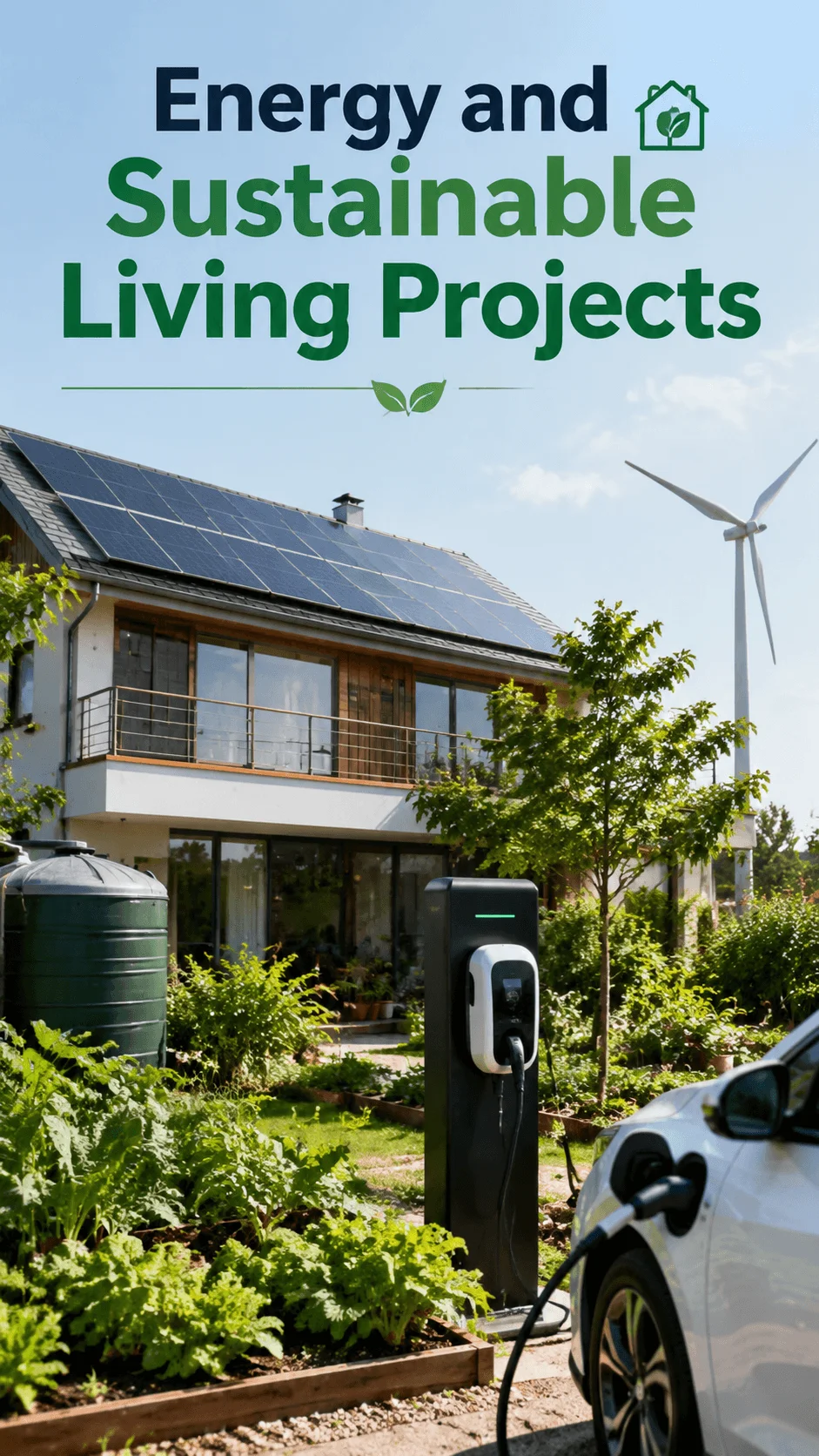
Technology has changed the way people think about sustainability. Earlier, renewable energy solutions were considered expensive or difficult to manage, but new innovations have made them more accessible for households. Smart devices can now monitor electricity usage, predict energy needs, and automatically reduce unnecessary consumption. Similarly, renewable energy systems are becoming more efficient, allowing homes to move closer to energy independence.
The future of sustainable living will not depend on a single solution. Instead, it will combine different approaches including solar energy, battery storage, smart home technology, waste management, and decentralized power systems. These advancements are creating opportunities for individuals to design homes that are not only environmentally friendly but also more affordable and comfortable.
This article explores the latest energy and sustainable living projects that are shaping the future in 2026. These innovative ideas show how renewable technology and creative thinking can help people build greener homes and communities.
Why Sustainable Energy Solutions Are Transforming Modern Homes
The concept of sustainable living has expanded significantly in recent years. People are no longer only focused on saving electricity through simple habits. They are exploring complete systems that generate, store, and manage energy more effectively. Modern sustainable homes are designed around efficiency, renewable resources, and intelligent technology.
One major reason behind this transformation is the increasing need for energy independence. Many households want protection from rising electricity prices and unreliable power supplies. Renewable energy systems allow homeowners to produce their own electricity and reduce dependence on traditional energy networks.
Another important factor is technological advancement. Smart sensors, artificial intelligence, and automation have made energy management easier than ever before. A home can now understand energy patterns, identify waste, and automatically adjust systems to improve efficiency. These smart home energy solutions are becoming a major part of future sustainable living ideas.
Sustainability is also becoming a lifestyle choice. Many people want homes that reflect their environmental values while providing modern comfort. Energy efficient designs, renewable power systems, and eco friendly technologies are helping create living spaces that support both personal needs and environmental protection.
AI Powered Smart Home Energy Management Project
Artificial intelligence is becoming one of the most exciting developments in renewable energy management. An AI energy saving home project uses advanced algorithms, sensors, and connected devices to understand how a home uses electricity and find ways to reduce unnecessary consumption.
Traditional homes usually consume energy without analyzing patterns. Lights, appliances, heating systems, and cooling devices often operate without considering whether they are actually needed. AI changes this process by collecting information from different devices and making intelligent decisions.
A smart AI energy system can monitor electricity usage throughout the day. It can identify which appliances consume the most power and suggest better usage patterns. For example, it can recommend running energy intensive appliances during periods when renewable energy production is higher.
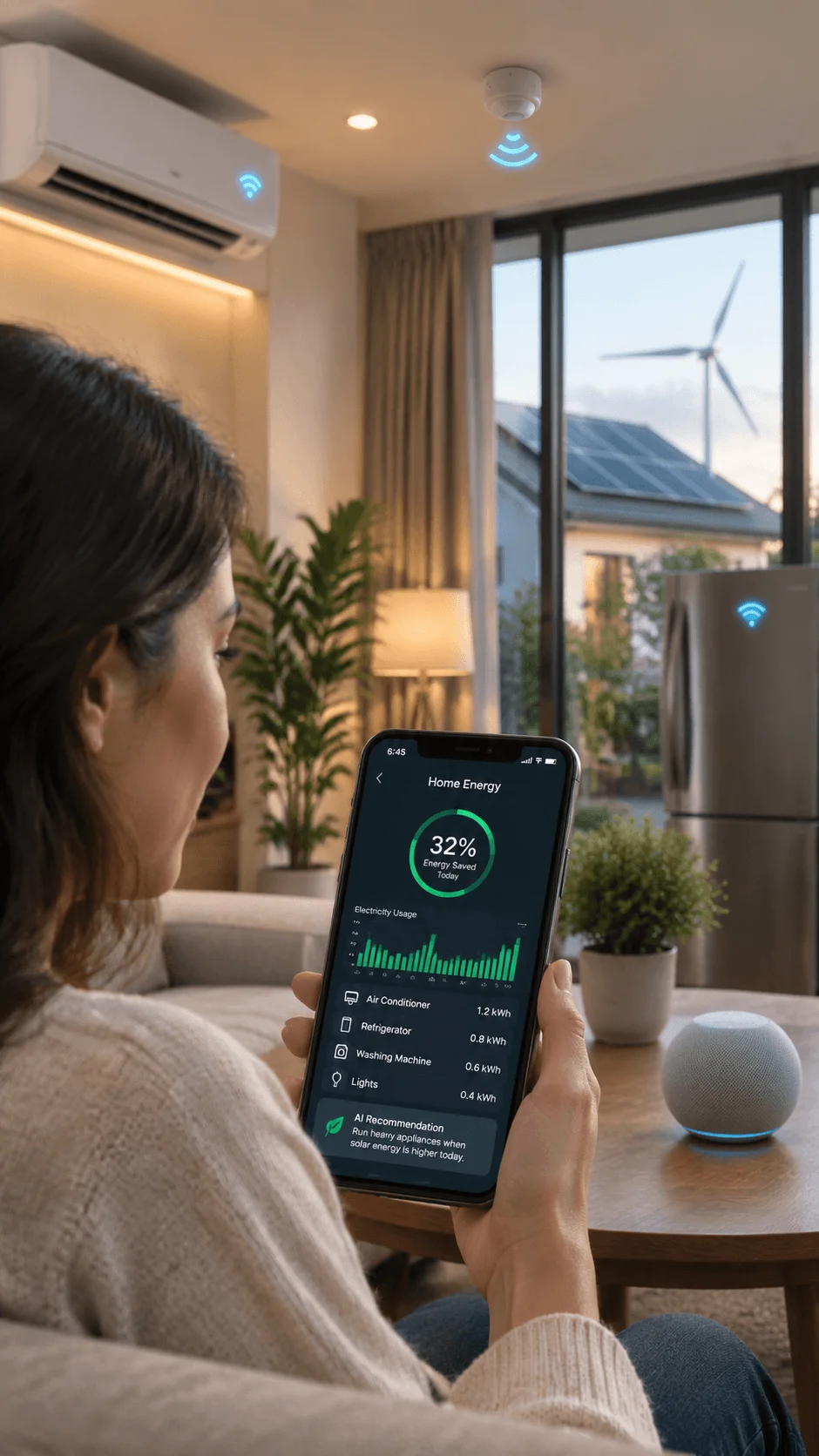
Smart sensors play an important role in this system. Motion sensors can automatically turn off lights in empty rooms, while temperature sensors can adjust heating and cooling systems according to real conditions. This reduces energy waste while maintaining comfort.
Machine learning technology allows these systems to improve over time. The AI system learns household routines and predicts future energy needs. If a family usually uses more electricity in the evening, the system can prepare by managing stored energy or adjusting appliance schedules.
The biggest advantage of AI based energy management is that it creates a more efficient relationship between people and technology. Instead of manually controlling every device, homeowners can allow intelligent systems to optimize energy consumption automatically.
These systems represent the future of energy and sustainable living projects because they combine convenience with environmental responsibility. As smart technology becomes more affordable, AI powered homes are expected to become increasingly common.
Solar Powered Smart Garden System for Sustainable Homes
Solar powered gardens are becoming a popular example of combining renewable energy with sustainable food production. A solar powered smart garden system uses clean energy to support plant growth, irrigation, and monitoring while reducing dependence on traditional electricity sources.
Gardening has always been connected with sustainable living, but modern technology has made it more efficient. A smart garden can use solar panels to power irrigation pumps, sensors, and automated watering systems. This allows plants to receive the right amount of water without unnecessary waste.
One important feature of this project is soil moisture monitoring. Smart sensors placed in the soil can measure moisture levels and communicate with irrigation systems. When the soil becomes dry, the system automatically provides water. When enough moisture is available, it stops irrigation to prevent waste.
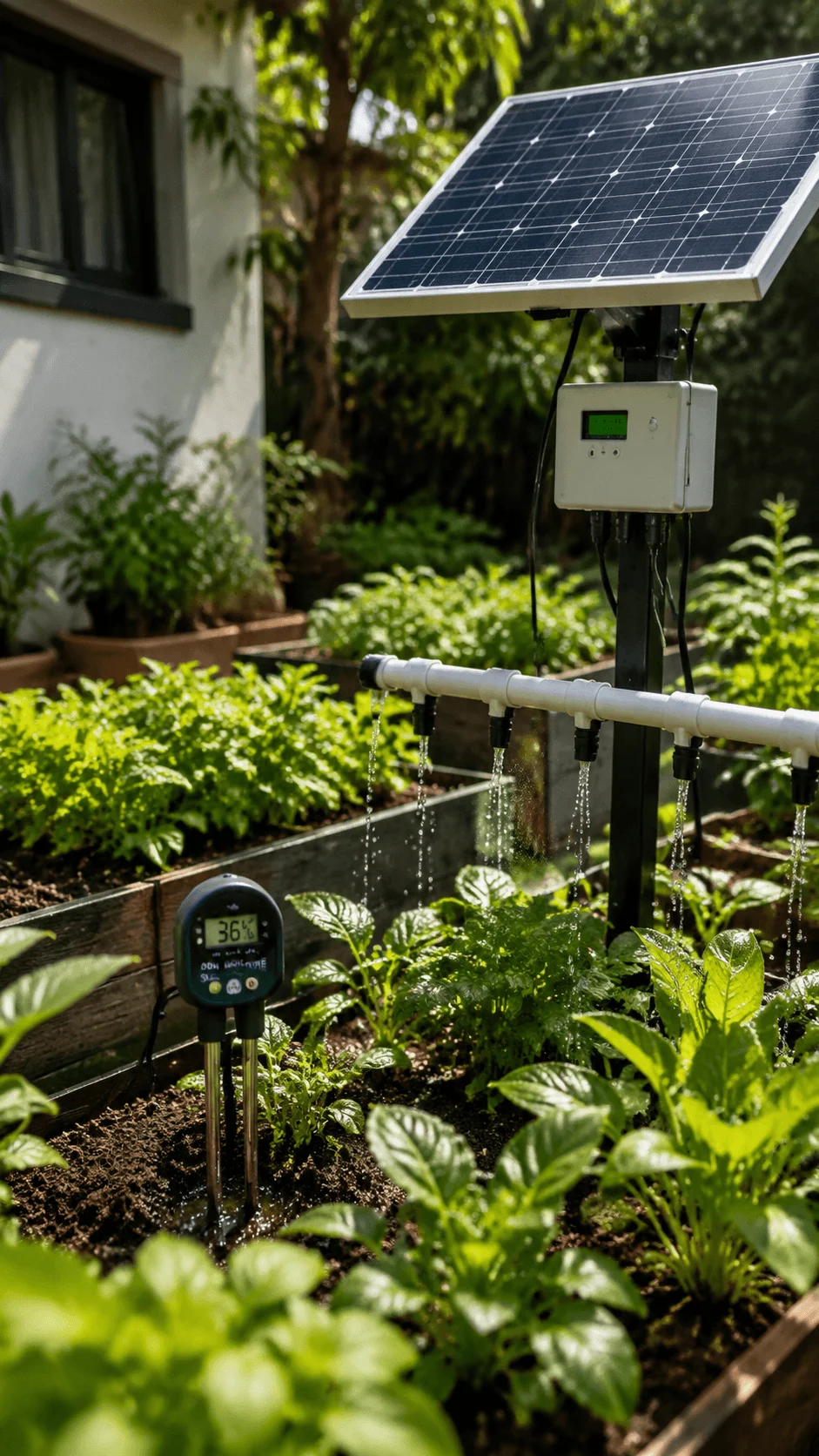
Solar powered gardens are especially useful in areas where water conservation is important. Instead of relying on constant manual watering, homeowners can create efficient systems that support plant health while saving resources.
These gardens also support sustainable food production. People can grow herbs, vegetables, and small crops at home using renewable energy. This reduces transportation needs and encourages healthier food choices.
Indoor solar gardening is another growing trend. Urban residents who have limited outdoor space can create small food gardens using LED lighting, smart sensors, and renewable energy sources. This approach connects technology with urban sustainability.
Among different DIY renewable energy ideas, solar garden projects are attractive because they are practical, educational, and suitable for different lifestyles. They demonstrate how renewable energy can support everyday activities beyond electricity production.
Home Solar Battery Storage Projects for Energy Independence
Solar energy has become one of the most widely adopted renewable solutions, but energy storage has become equally important. A solar system can generate electricity during sunlight hours, but without storage, excess energy may not be available when the sun is unavailable.
Home solar battery storage projects solve this challenge by storing extra electricity for later use. These systems allow homeowners to save solar power during the day and use it at night or during power interruptions.
Energy storage is becoming a major focus in 2026 because people want greater control over their electricity supply. A home with solar panels and battery storage can reduce dependence on the traditional power grid and create a more reliable energy system.
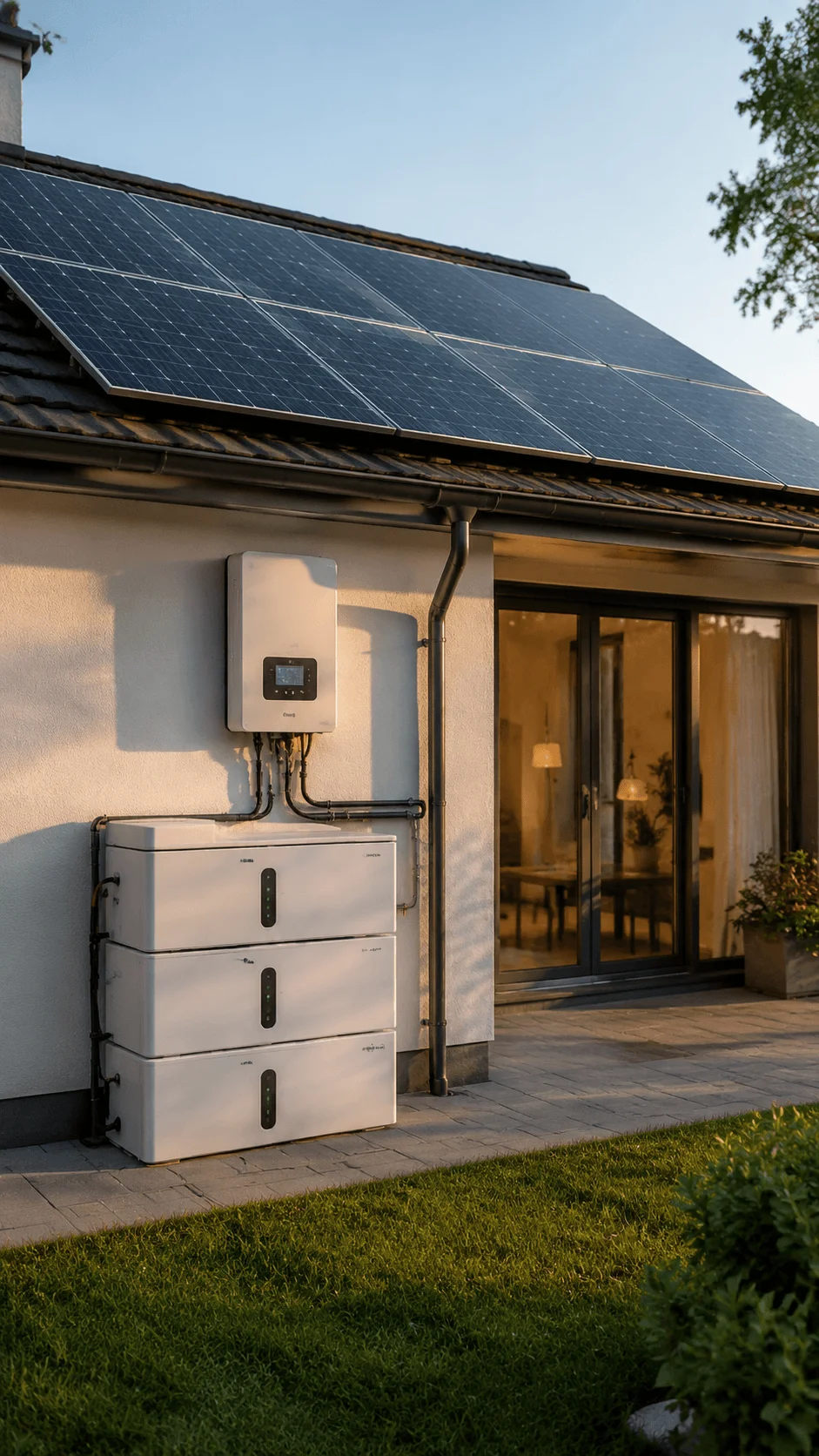
Modern batteries are becoming more efficient, smaller, and easier to install. They can work together with smart energy management systems to decide when electricity should be stored, used, or shared.
For example, during periods when solar panels produce more electricity than a home requires, the extra energy can be stored instead of wasted. Later, when electricity demand increases, the stored energy can provide power.
Solar battery systems are especially valuable for off grid sustainable living projects. Remote homes, cabins, and communities can use solar panels and batteries to create independent energy networks without relying on traditional infrastructure.
Beyond energy independence, these systems also support environmental goals. By increasing the use of renewable electricity and reducing fossil fuel dependence, solar storage helps create cleaner energy systems.
The combination of solar generation and battery technology represents a major step toward future homes that produce, store, and manage their own energy efficiently.
Vehicle To Home Energy Systems and Future Smart Energy Networks
Electric vehicles are changing the way people think about transportation and energy. In the future, cars may not only consume electricity but also provide power to homes through vehicle to home technology.
Vehicle to home energy systems allow electric vehicle batteries to supply electricity back to residential buildings. Through bidirectional charging technology, energy can move between the vehicle and the home when needed.
This creates new opportunities for home energy independence projects. During electricity shortages or peak demand periods, an electric vehicle can act as a temporary energy source.
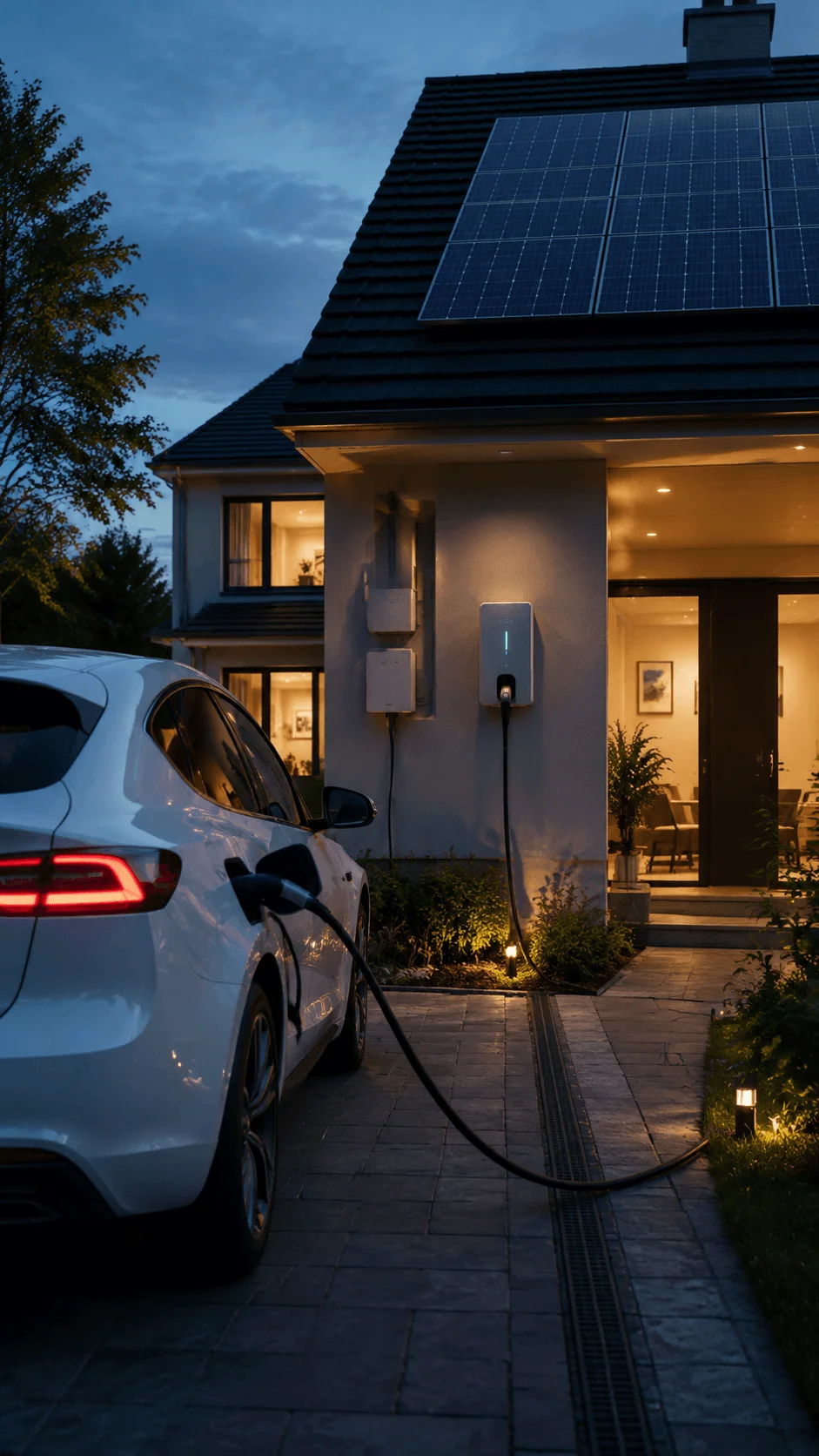
For example, a homeowner with a solar powered electric vehicle can store extra solar energy in the vehicle battery during the day. That stored energy can later support household electricity needs.
This technology also supports smarter energy networks. Instead of millions of vehicles sitting unused while connected to homes, they can become part of a larger renewable energy system.
Vehicle to home solutions show how transportation and energy systems are becoming more connected. As electric vehicle adoption increases, this approach may become an important part of future sustainable living ideas.
Smart Solar Panel Tracking Systems for Better Energy Efficiency
Solar energy has become one of the most popular renewable solutions, but improving the efficiency of solar panels remains an important goal. Traditional solar panels usually remain fixed in one position, which means they cannot always capture the maximum amount of sunlight throughout the day. Smart solar panel tracking systems solve this problem by automatically adjusting panel positions according to the movement of the sun.
A smart solar tracking project uses sensors, motors, and intelligent control systems to change the angle of solar panels. When sunlight changes direction during the morning, afternoon, and evening, the system adjusts the panel position to maintain better exposure.
This technology can increase energy production because solar panels receive more direct sunlight for longer periods. For homeowners interested in DIY renewable energy ideas, small scale solar tracking systems can become educational projects that demonstrate how technology can improve renewable energy efficiency.
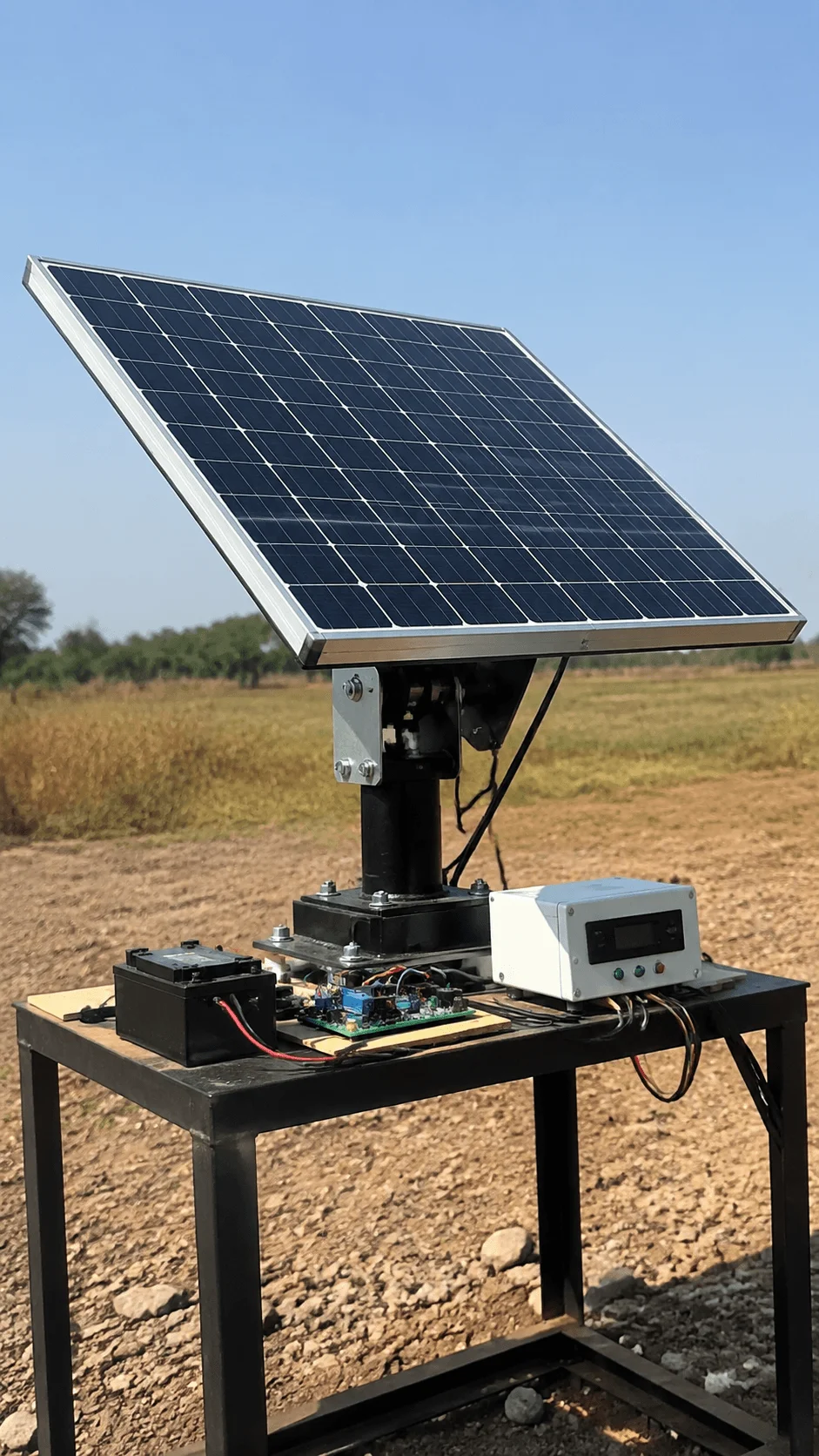
These systems also introduce people to automation and smart energy management. Instead of manually adjusting solar panels, sensors and controllers can perform the work automatically. This creates a more efficient renewable energy system with less human involvement.
Solar tracking technology is especially useful in areas with strong sunlight availability. Homes, farms, and small businesses can benefit from improved solar performance without installing additional panels.
The development of affordable sensors and microcontrollers has made solar tracking more accessible. Students, researchers, and sustainability enthusiasts can create smaller versions of these systems to understand renewable energy principles.
As solar technology continues improving, smart tracking systems will become an important part of energy and sustainable living projects because they help maximize clean energy production while reducing resource waste.
Zero Energy Home Design Ideas for Future Sustainable Living
A zero energy home represents one of the most advanced concepts in sustainable architecture. These homes are designed to produce almost the same amount of energy that they consume. Instead of depending completely on external electricity sources, they combine renewable energy production with highly efficient building design.
Zero energy homes use multiple strategies to reduce energy demand. Solar panels, energy efficient appliances, smart lighting systems, and advanced insulation work together to lower electricity consumption.
Building design also plays an important role. Passive design techniques use natural sunlight, ventilation, and building orientation to reduce the need for artificial heating and cooling. Large windows can improve natural lighting, while proper insulation helps maintain comfortable indoor temperatures.
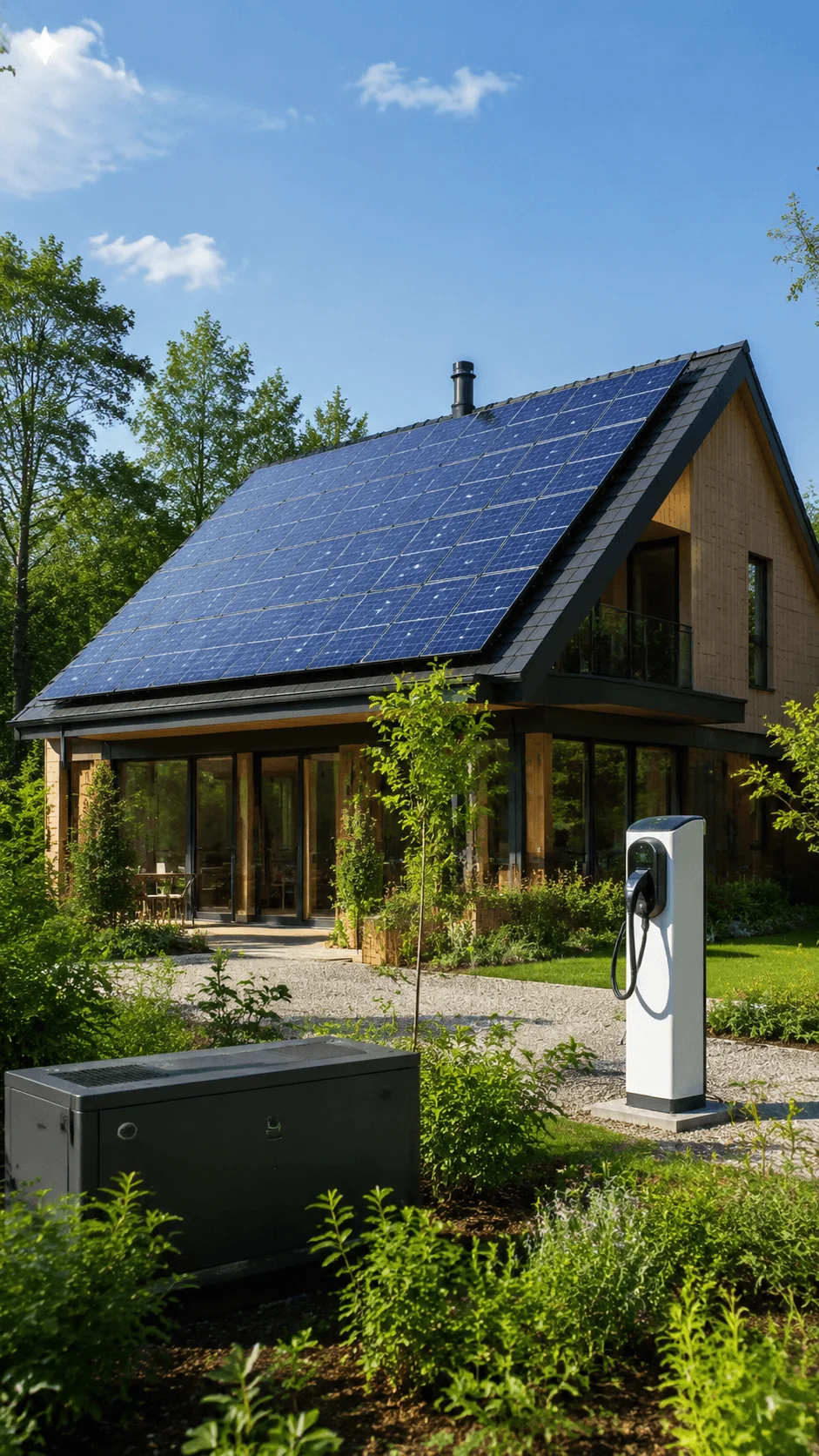
Modern zero energy home project ideas focus on creating comfortable spaces without unnecessary energy consumption. These homes are not only environmentally friendly but can also reduce long term electricity expenses.
Sustainable building materials are another important element. Many future homes are using recycled materials, natural insulation, and environmentally responsible construction methods. These choices reduce environmental impact while improving indoor comfort.
Smart technology makes these homes even more effective. Energy monitoring systems can track consumption, while automated controls adjust lighting, temperature, and appliances according to household needs.
The popularity of zero energy homes reflects a larger movement toward future sustainable living ideas. People are increasingly interested in homes that support environmental protection while offering modern convenience.
As renewable energy becomes more affordable, zero energy homes are expected to become more common. They represent a future where buildings are not just consumers of energy but active producers of clean power.
AI Based Solar Energy Prediction Systems
Artificial intelligence is not only improving energy management inside homes but also helping predict renewable energy production. AI based solar energy prediction systems analyze weather information, historical data, and solar performance patterns to estimate future electricity generation.
Solar energy production depends on several factors including sunlight intensity, cloud coverage, temperature, and seasonal changes. Traditional systems often struggle to predict exact energy output, but AI can process large amounts of information and create more accurate forecasts.
A smart solar prediction system can help homeowners decide when to store energy, use appliances, or share electricity with other systems. For example, if AI predicts strong sunlight the next day, a battery system can adjust its charging strategy.
These systems are also valuable for larger renewable energy networks. Energy providers can use predictions to balance electricity supply and demand more effectively.
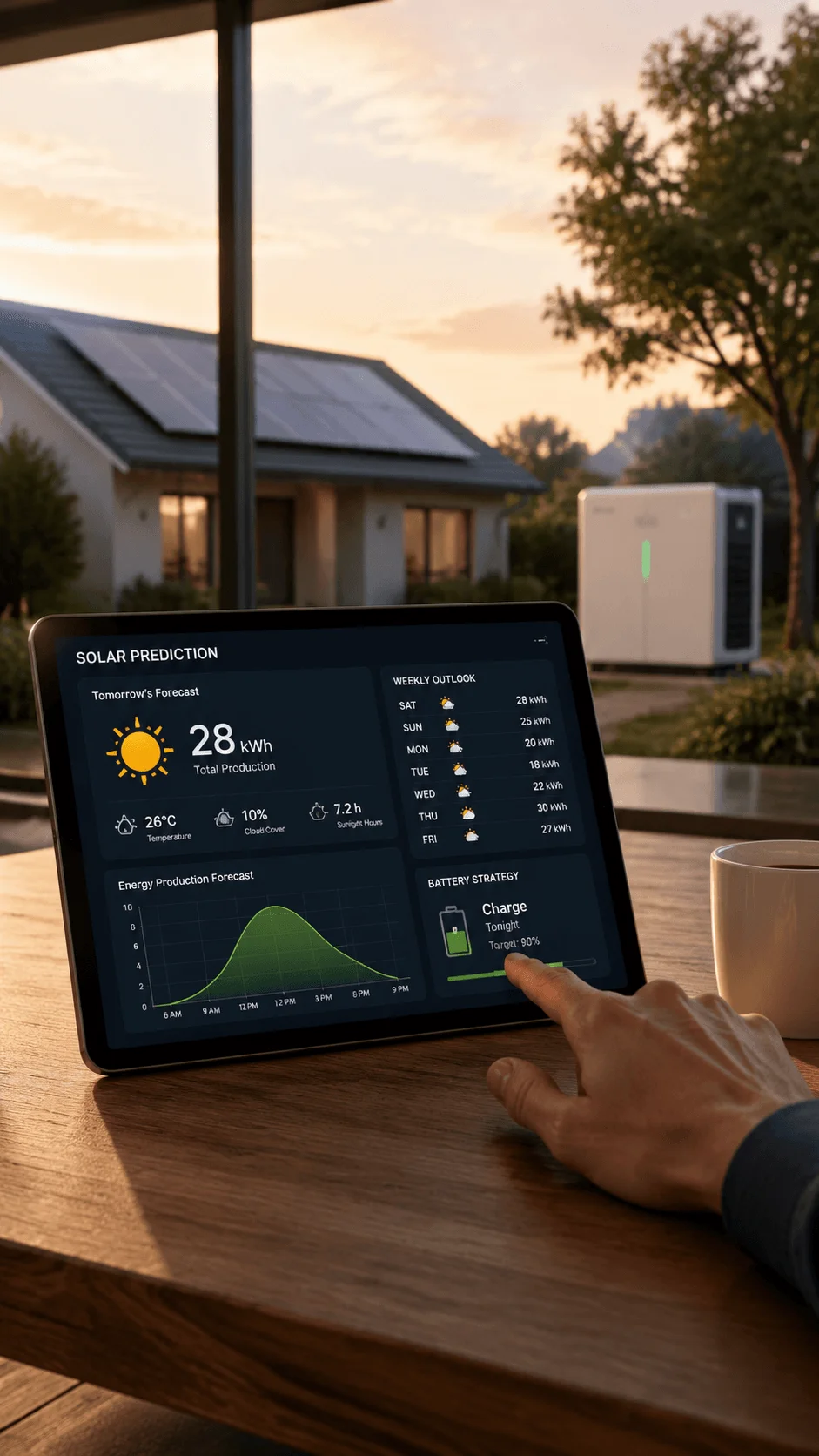
For homeowners, AI prediction creates better control over renewable energy use. It allows people to understand how much energy their solar system may produce and plan consumption accordingly.
The combination of artificial intelligence and renewable energy represents one of the most promising developments in modern sustainability. It shows how technology can make clean energy systems smarter, more reliable, and easier to manage.
AI based prediction is expected to become a major part of smart home energy solutions as more households adopt solar power and energy storage systems.
Small Scale Wind Energy Projects for Residential Use
Solar energy receives significant attention, but wind energy also has potential for sustainable homes, especially in areas with suitable weather conditions. Small scale wind energy projects use compact turbines to generate electricity from natural wind movement.
A residential wind turbine can support household energy needs by producing additional renewable power. These systems are especially useful when combined with solar panels because wind and solar energy often produce power at different times.
A hybrid solar wind system can provide a more balanced renewable energy solution. Solar panels may generate more electricity during sunny days, while wind turbines can continue producing energy during windy periods or nighttime conditions.
Small wind turbines are commonly used in rural locations, farms, and off grid homes where access to traditional electricity systems may be limited.
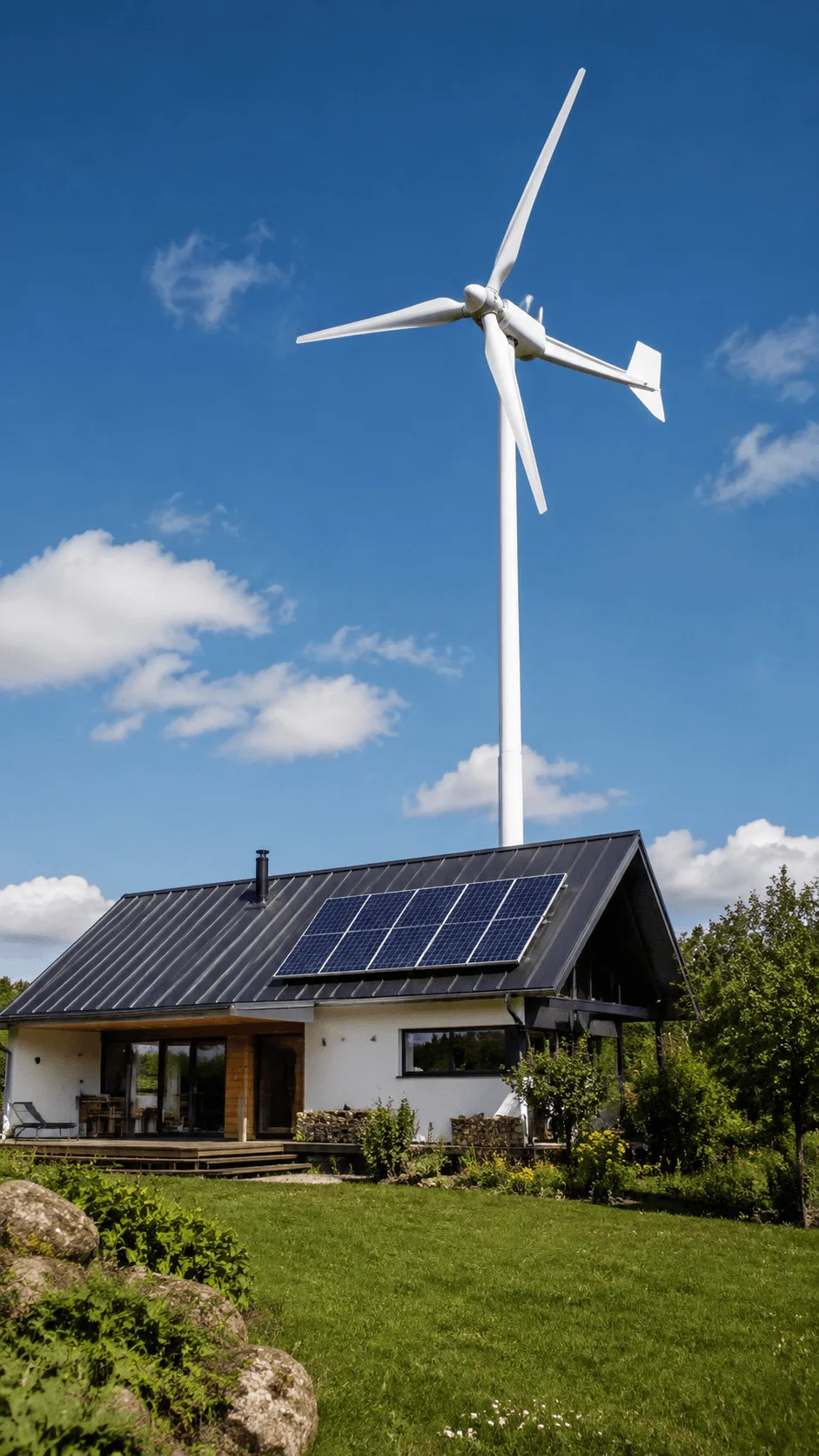
Modern designs focus on reducing noise, improving efficiency, and making turbines suitable for smaller spaces. Advances in technology have made residential wind systems more practical than older designs.
For people interested in off grid sustainable living projects, small wind systems provide another option for creating independent energy sources.
Although wind energy is not suitable for every location, it can become a valuable part of a combined renewable energy strategy when properly planned.
Smart Compost Energy Generation Projects Using Organic Waste
Sustainable living is not only about producing clean energy but also about managing resources responsibly. Smart compost energy generation projects combine waste management with renewable energy production by turning organic waste into useful energy.
Kitchen waste, agricultural waste, and other organic materials can produce biogas through anaerobic digestion. This process breaks down organic matter and creates methane gas that can be used for cooking or energy generation.
Traditional composting focuses mainly on creating natural fertilizer, but modern systems explore how waste can provide multiple benefits. A smart compost system can monitor temperature, moisture levels, and decomposition conditions to improve efficiency.
These projects encourage a circular approach where waste becomes a valuable resource instead of being sent to landfills.
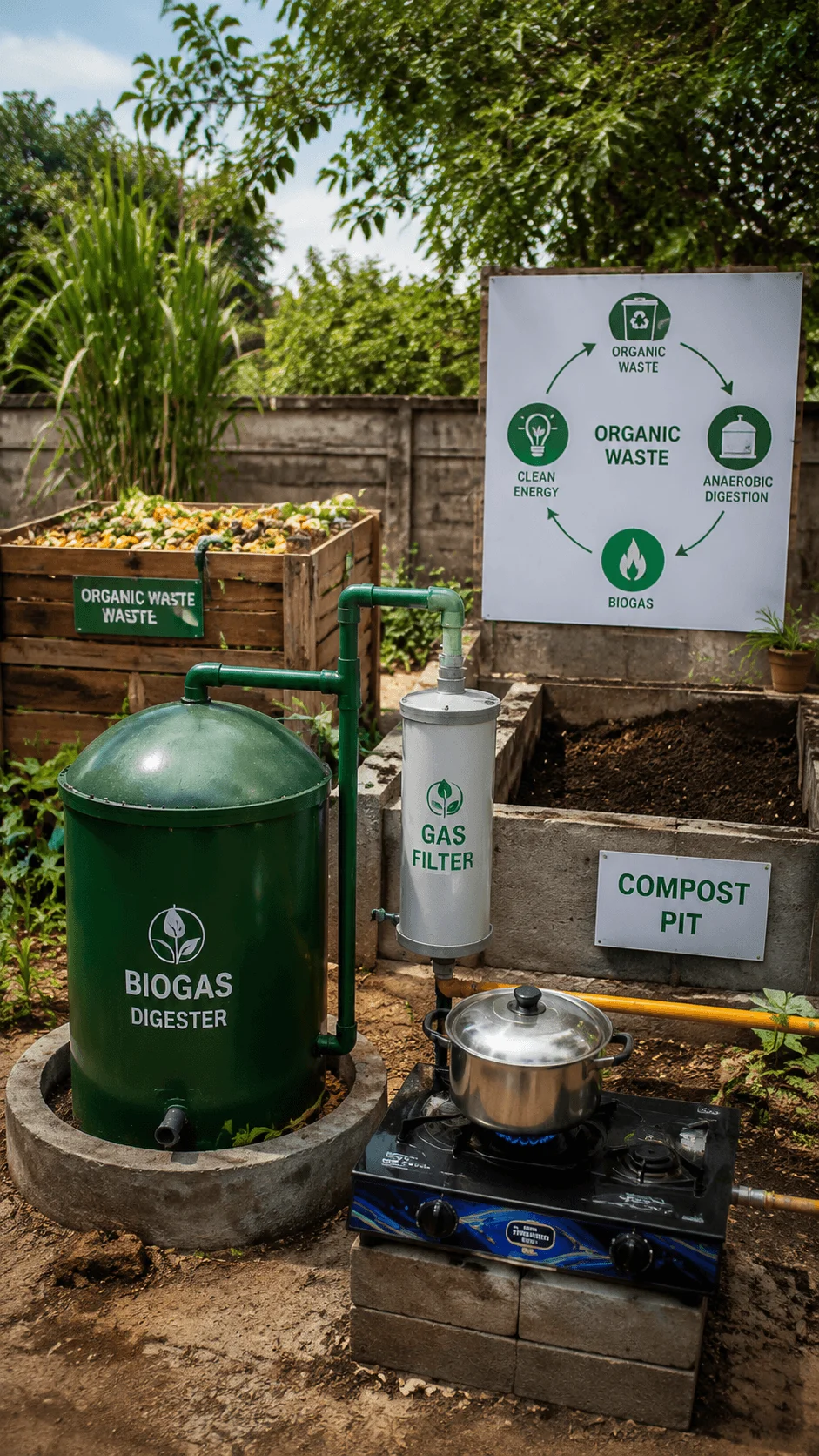
For households, small biogas systems can reduce kitchen waste while providing an alternative energy source. This approach is especially useful in rural communities where organic materials are easily available.
Smart compost energy projects demonstrate how sustainable technology can solve multiple problems at the same time. They reduce waste, support renewable energy production, and encourage responsible consumption.
Among emerging energy and sustainable living projects, waste to energy systems have strong potential because they connect environmental protection with practical household benefits.
Solar Powered Water Conservation Systems
Water and energy are closely connected because many water management systems require electricity for pumping, filtration, and distribution. Solar powered water conservation systems use renewable energy to improve water efficiency while reducing electricity consumption.
One common example is a solar powered irrigation system. These systems use solar panels to operate water pumps that deliver water to gardens and agricultural areas.
Smart irrigation technology improves efficiency by measuring soil conditions and weather information. Sensors can determine when plants need water and automatically adjust irrigation schedules.
Rainwater harvesting systems can also be combined with solar technology. Solar powered pumps can move collected rainwater to storage tanks or irrigation areas without depending on traditional electricity.
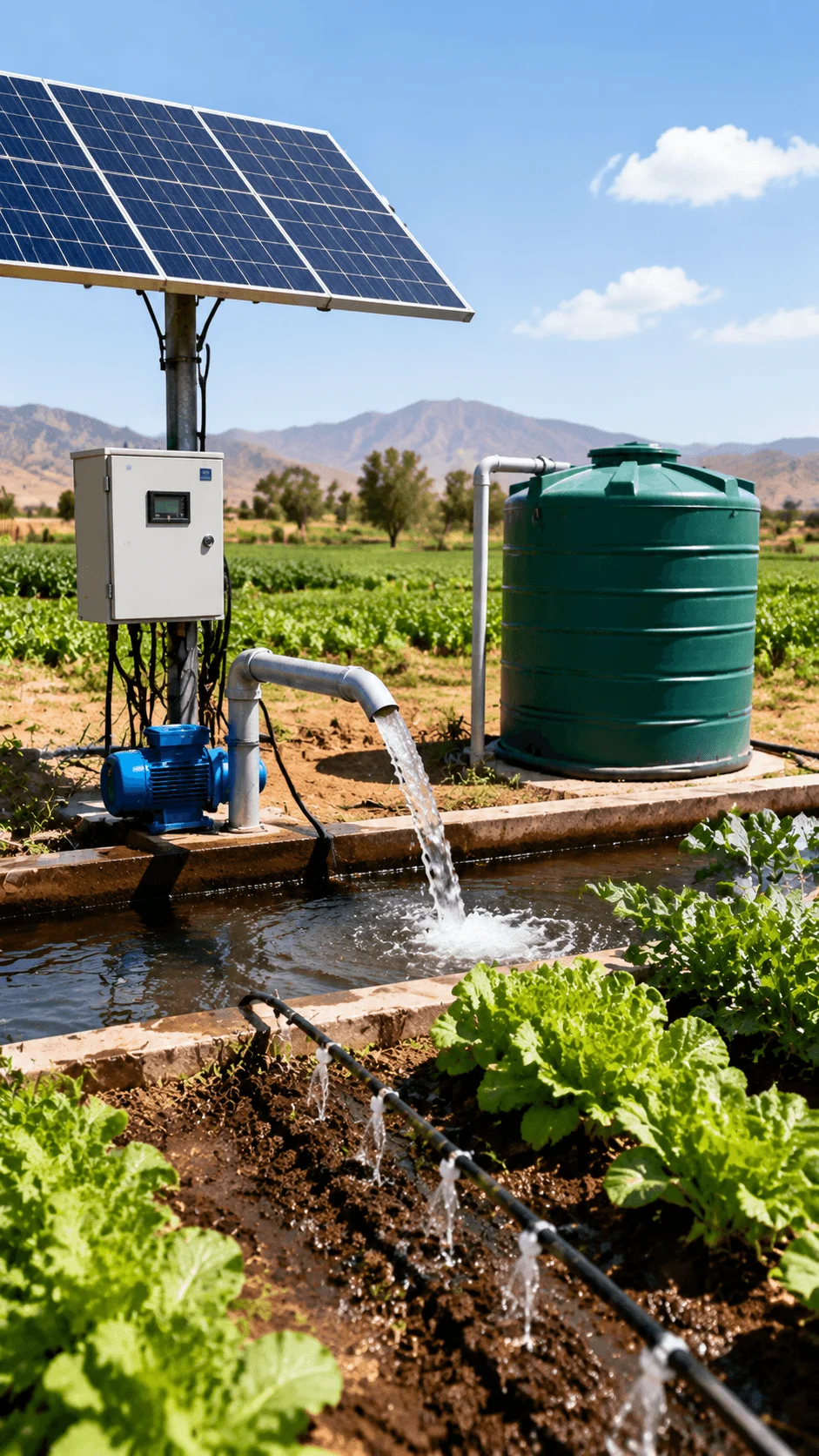
These systems are especially valuable in regions facing water shortages. They help communities manage limited resources while reducing energy costs.
Solar water projects also support sustainable agriculture by providing reliable irrigation solutions. Farmers and homeowners can grow plants while using fewer resources.
As climate challenges increase, combining renewable energy with water conservation will become an important part of future sustainable living.
Off Grid Sustainable Living Projects for Self Sufficient Homes
Off grid living has become increasingly popular among people who want independence from traditional energy systems. Off grid sustainable living projects focus on creating homes that can operate using renewable resources without relying completely on external infrastructure.
A successful off grid home usually combines several technologies. Solar panels provide electricity, batteries store energy, rainwater systems manage water supply, and efficient appliances reduce consumption.
Many off grid homes also include sustainable food production methods such as gardens and compost systems. This creates a lifestyle where energy, food, and resources are managed more responsibly.
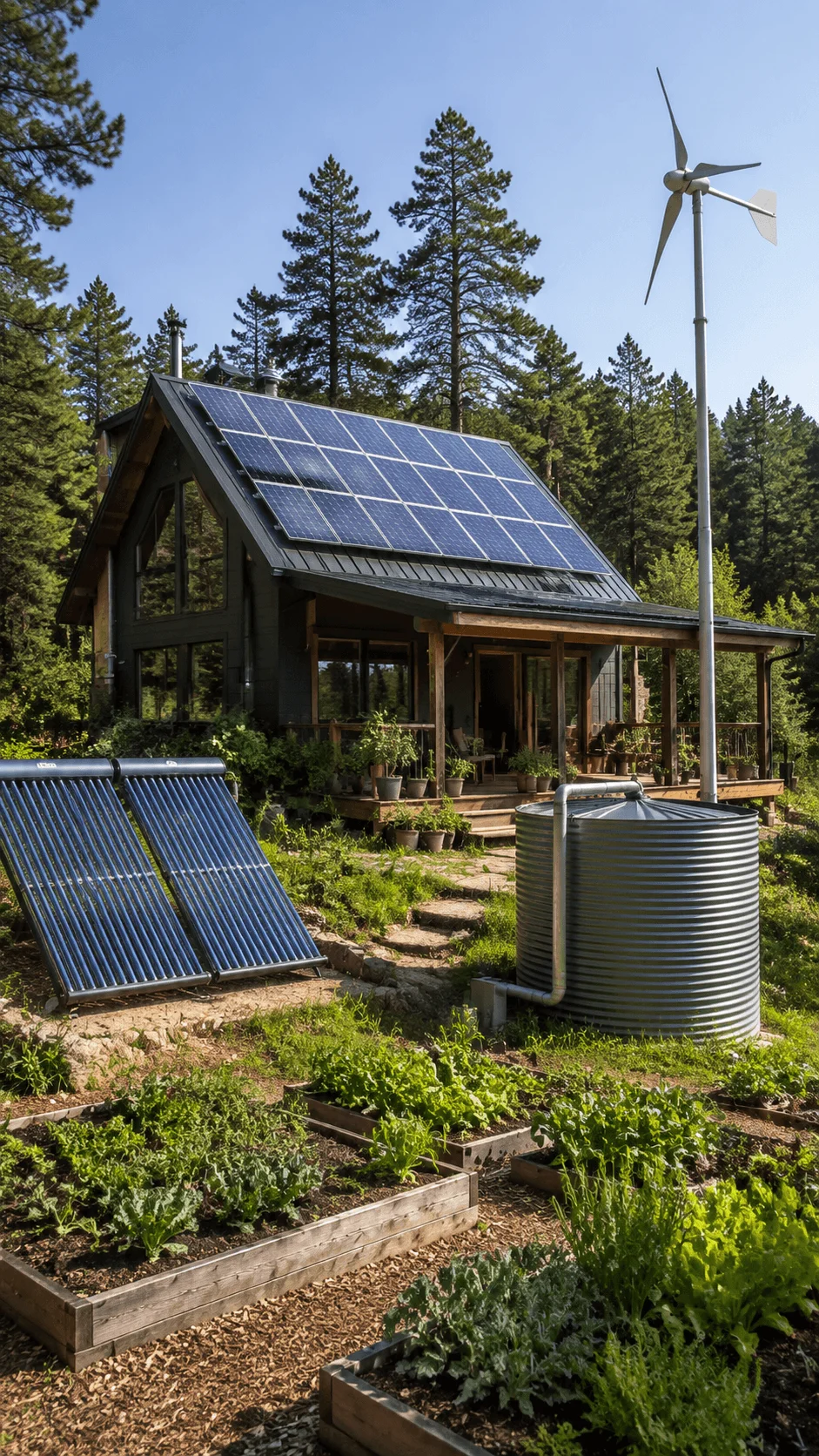
Modern off grid systems are very different from older concepts of isolated living. Today, smart technology allows these homes to remain comfortable and connected while maintaining energy independence.
Energy monitoring systems help residents understand consumption patterns and make better decisions. Smart appliances reduce waste, while renewable energy systems provide reliable power.
The growth of off grid living shows that sustainability is becoming more than an environmental choice. It is becoming a practical lifestyle option for people seeking resilience and independence.
Virtual Power Plant Projects and the Future of Connected Energy Systems
Virtual power plants represent one of the most advanced concepts in future energy management. Instead of relying only on large power stations, virtual power plants connect many small renewable energy systems together.
Homes with solar panels, batteries, and smart energy systems can become part of a connected network. These homes can share electricity, balance demand, and support the wider energy system.
A virtual power plant uses digital technology to manage thousands of small energy resources. Artificial intelligence and smart controls help decide when energy should be stored, used, or distributed.
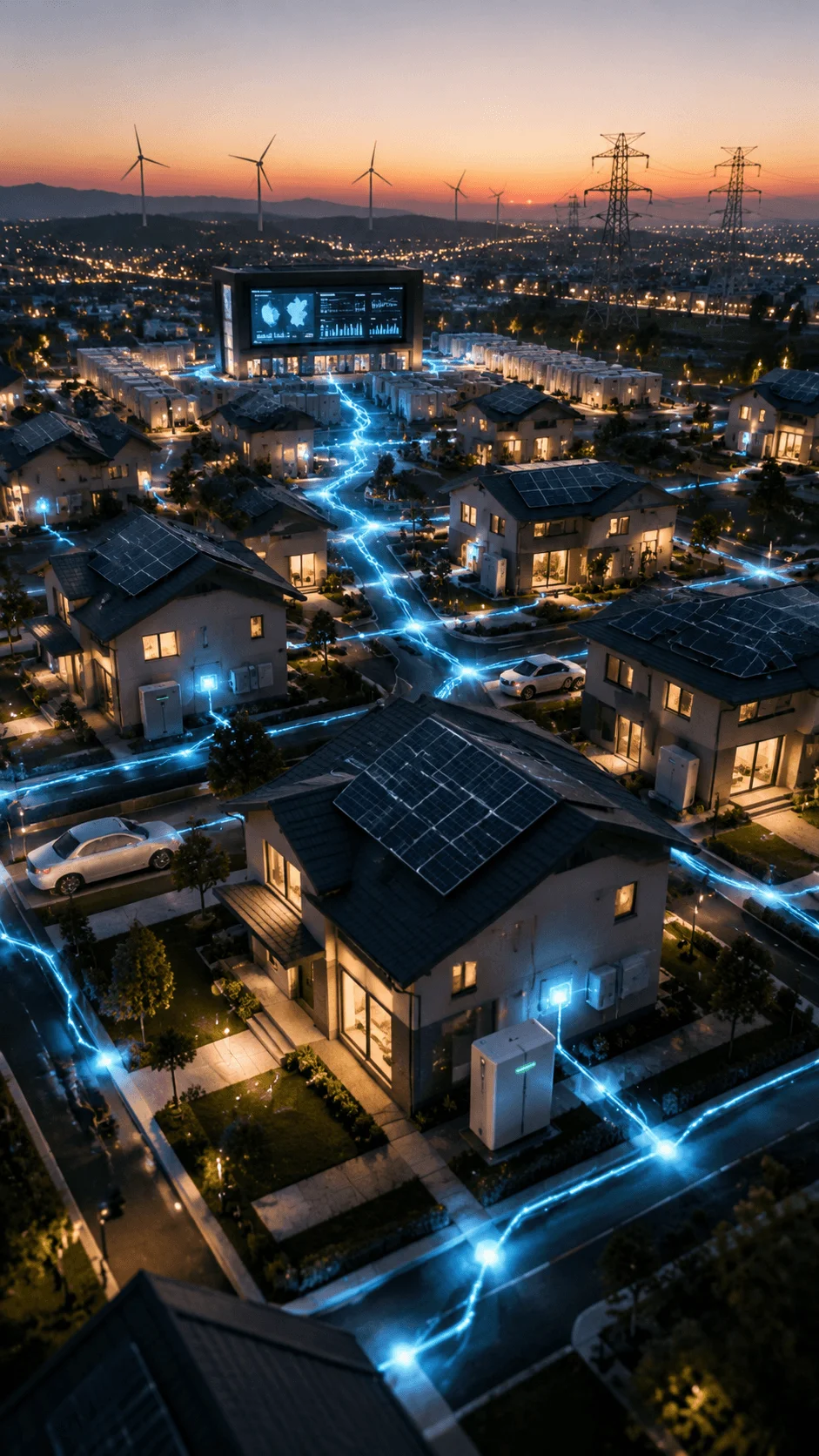
This concept changes the traditional idea of energy production. Instead of homes only consuming electricity, they can become active participants in the energy network.
Virtual power plants are expected to play an important role in future sustainable communities. They can improve renewable energy reliability and reduce pressure on traditional electricity systems.
This innovative approach shows how technology is creating new possibilities for energy and sustainable living projects around the world.
Future Trends Shaping Energy and Sustainable Living Projects
The future of sustainability will be shaped by the combination of renewable energy, artificial intelligence, automation, and smarter resource management. Homes of the future will not simply consume energy. They will generate, store, analyze, and optimize energy according to changing needs.
AI will continue improving smart home systems by making energy decisions more accurate. Renewable energy storage will become more efficient, allowing more people to rely on clean power sources.
Future communities may include connected energy networks where homes exchange electricity and work together. Smart technology will help reduce waste while improving comfort and affordability.
Sustainable living will also become more personalized. People will be able to monitor their environmental impact, manage resources efficiently, and design homes according to their specific needs.
The growth of renewable technology shows that sustainability is moving from a simple environmental concept toward a complete lifestyle transformation.
Conclusion:
Energy and Sustainable Living Projects represent a major step toward creating smarter, cleaner, and more independent lifestyles. From AI powered energy systems to solar gardens, battery storage, and virtual power plants, these innovations show how technology can work together with nature.
The future of sustainable living will depend on creativity, renewable resources, and responsible choices. People no longer need to view sustainability as a sacrifice. Modern solutions can provide comfort, savings, and environmental benefits at the same time.
As energy challenges continue to grow, adopting renewable solutions will become increasingly important. These projects demonstrate that individuals, families, and communities can play an active role in building a more sustainable world.
By embracing innovative energy solutions, society can move toward a future where homes are more efficient, resources are protected, and clean energy becomes a normal part of everyday life.