Eco Friendly Activities for Students
Schools have an important role to play in helping young people understand environmental responsibility. The best eco friendly activities for students do more than teach children to recycle or switch off lights. They allow students to investigate real environmental problems, collect information, develop solutions, and see how their decisions can affect the world around them. In 2026, schools can make sustainability education more practical by combining environmental learning with science, technology, creativity, teamwork, and problem solving.
Students spend a large part of their lives at school, which makes the school environment a natural place for sustainability projects. A classroom can become a small research space, a garden can become an outdoor science laboratory, and a waste audit can become a lesson in mathematics and responsible consumption. When students participate directly, environmental education becomes something they experience rather than something they simply read about.
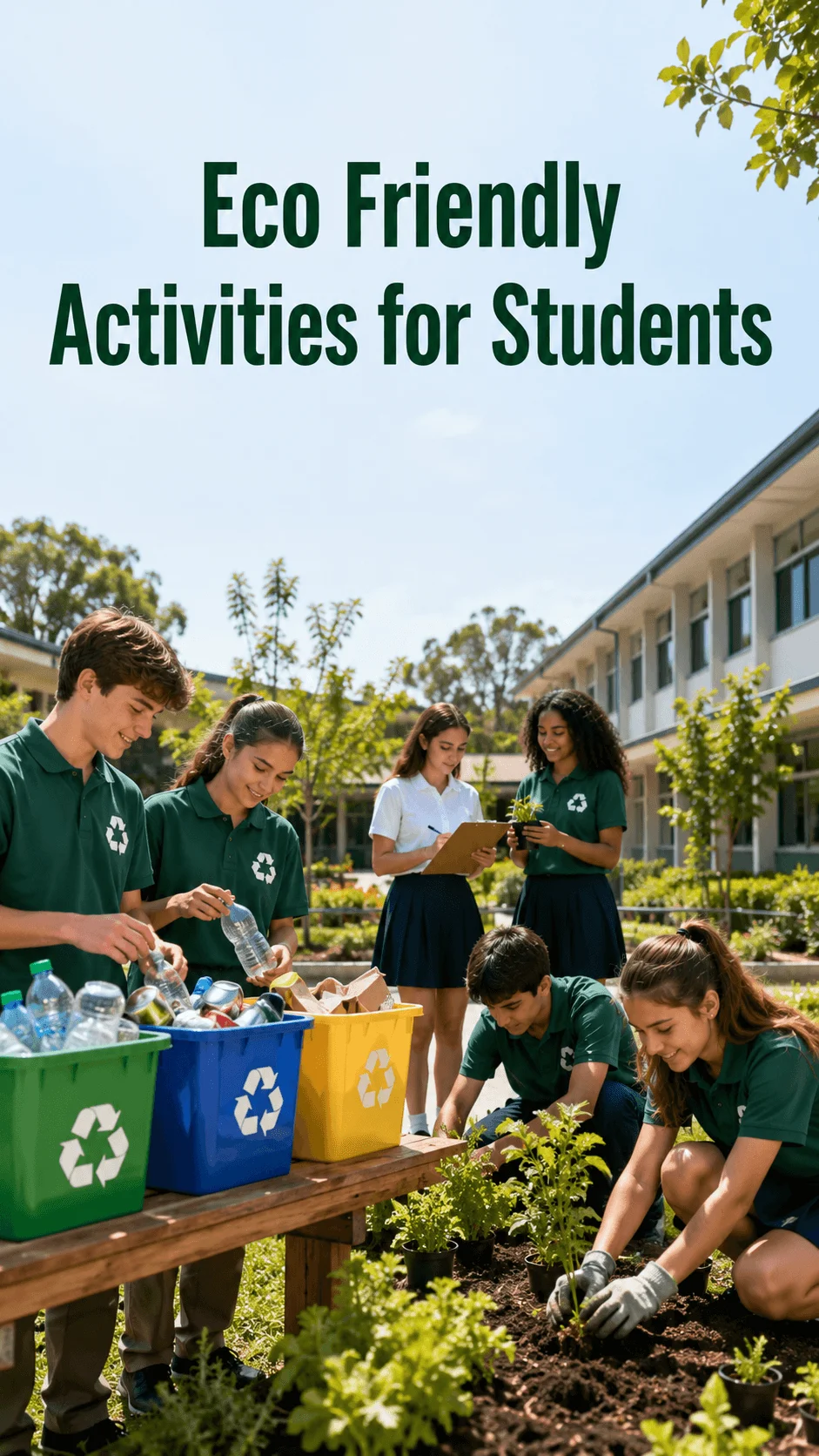
Modern school sustainability also goes beyond traditional activities. Students can investigate air quality, map biodiversity, study food waste, monitor environmental data, repair damaged items, and develop their own sustainability proposals. These activities can help students build practical skills while encouraging them to think about how schools and communities can use resources more responsibly.
Why Eco Friendly Activities for Students Matter
Environmental education becomes more meaningful when students can connect classroom lessons with situations they see every day. Reading about waste may explain why waste reduction matters, but measuring the amount of rubbish produced in a school can make the issue much more understandable.
Eco friendly activities for students can also develop skills that extend beyond environmental education. Students can practise observation, research, communication, teamwork, mathematics, scientific thinking, creativity, and leadership while working on sustainability projects.
Another advantage comes from giving students responsibility. Instead of allowing teachers to make every decision, schools can ask students to identify problems and suggest practical solutions. This approach can make sustainability feel like a shared responsibility.
The following ideas focus on activities that students can actually investigate, develop, and improve rather than simply completing once and forgetting.
1. Conduct a School Waste Audit
A school waste audit turns an ordinary waste problem into a practical investigation. Instead of simply telling students to recycle, teachers can ask them to find out exactly what their school throws away.
Students can begin by identifying different areas where waste appears, such as classrooms, lunch areas, offices, activity rooms, and school events. They can then record the types of waste they observe. Depending on school rules and safety requirements, students may classify materials such as paper, food waste, packaging, plastic items, and other general waste without directly handling unsafe materials.
The next stage involves looking for patterns. Students might discover that classrooms produce large amounts of paper waste while lunch areas generate more food packaging. They can compare their observations and discuss which types of waste the school could reduce most easily.
This activity becomes even more valuable when students move from observation to problem solving. If students find excessive paper waste, they could suggest better use of digital materials or improved paper collection. If lunch packaging creates a major problem, they could investigate reusable or lower waste alternatives.
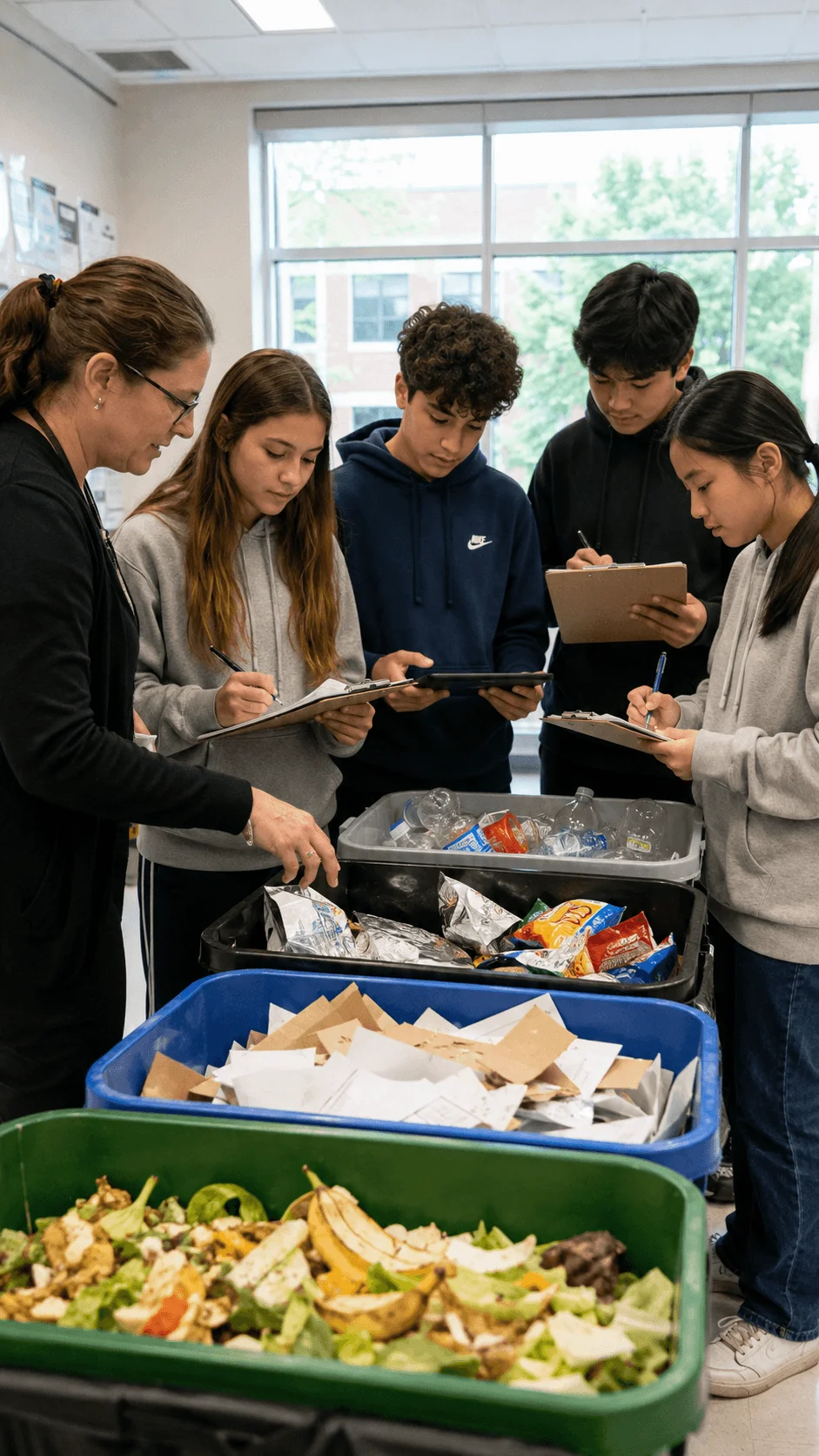
Students can also repeat the waste audit after several weeks or months. Comparing the two sets of observations allows them to see whether their recommendations created an improvement. This turns a simple environmental activity into a small research project based on evidence.
A school waste audit can therefore teach students an important sustainability lesson: before trying to solve an environmental problem, understand its size and source.
2. Become Air Quality Detectives
Air quality is another interesting subject for student investigation because students experience the school environment every day. Rather than treating air pollution as an abstract topic, teachers can help students explore the factors that influence air quality around their school.
Students can investigate areas with different conditions, such as classrooms, outdoor spaces, roads near the school, playgrounds, or areas with noticeable dust. Where schools have suitable monitoring equipment or access to reliable air quality information, students can record observations and compare results.
The activity does not need to become a complicated science experiment. Students can start by researching what air quality means and learning about factors such as ventilation, dust, vehicle pollution, and indoor environmental conditions. They can then examine how different parts of the school environment may have different characteristics.
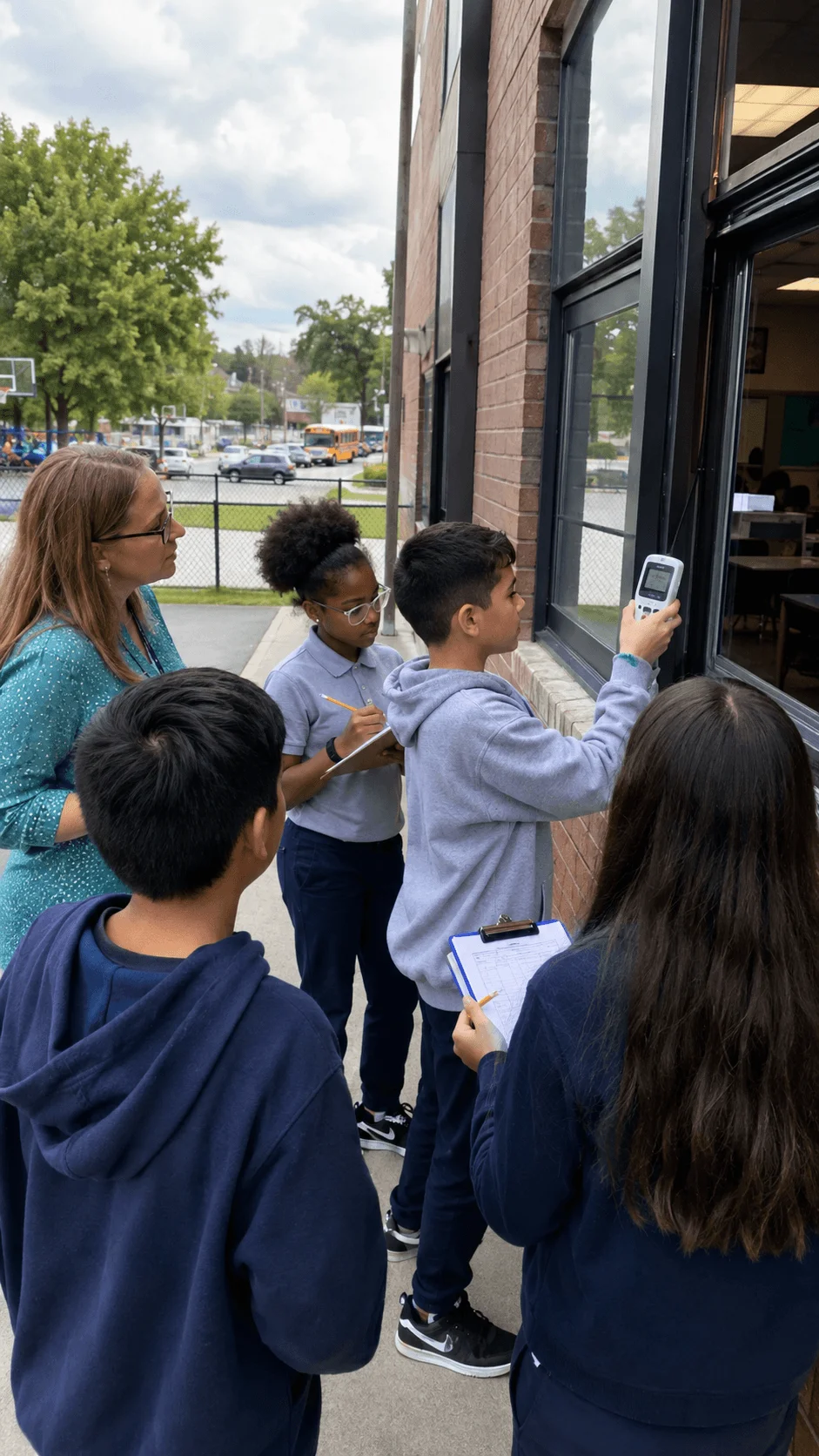
Students can create charts or simple reports based on the information they collect. They might notice that certain classrooms need better ventilation or that traffic around particular areas creates environmental concerns. Teachers can then guide students toward realistic recommendations.
The project also provides an opportunity to discuss citizen science. Citizen science allows ordinary people, including students, to contribute observations and data to environmental investigations. This approach makes environmental education more active and can introduce students to the way scientists study real world problems.
Air quality investigations also connect naturally with science, geography, mathematics, and technology. Students are not simply learning what pollution is. They are learning how to ask questions, gather information, interpret evidence, and communicate their findings.
3. Create a School Biodiversity Map
A school may contain far more life than students initially notice. Trees, flowers, insects, birds, fungi, and other organisms can create a small ecosystem within school grounds. A biodiversity mapping project gives students the opportunity to discover it.
Students can divide the school grounds into different areas and observe what plants and animals appear in each location. They can record observations in notebooks or suitable digital tools and then create a map showing where different organisms occur.
For example, one part of the school might contain several mature trees and attract birds, while another area may contain flowering plants that attract insects. Students can compare these locations and discuss why certain organisms prefer particular environments.
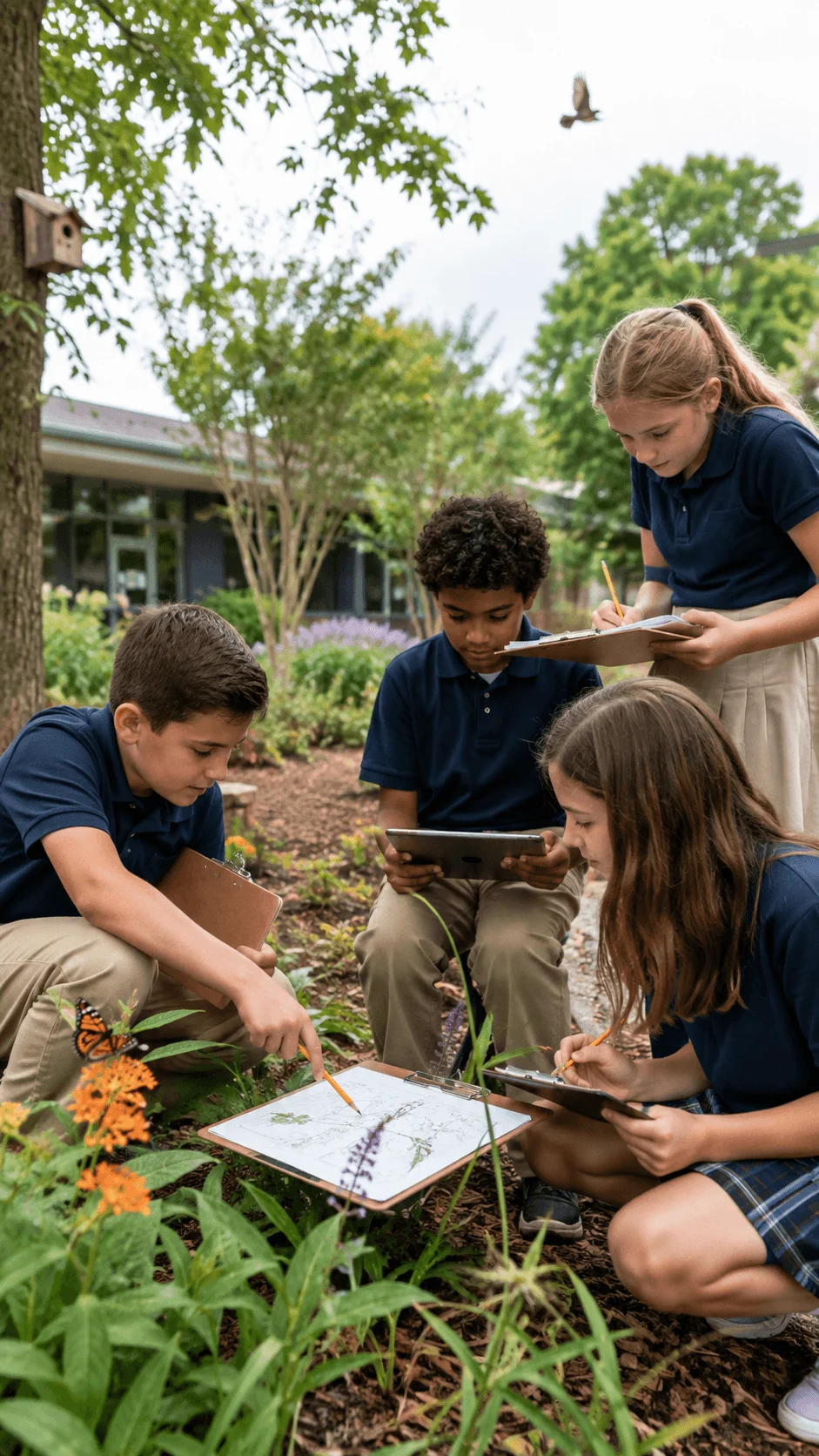
The project can also introduce students to the concept of habitat. Students begin to understand that wildlife needs food, shelter, water, and suitable spaces to survive. This can lead to discussions about how school grounds could become more welcoming to local biodiversity.
Students can repeat their observations at different times of the year. This allows them to notice seasonal changes and discover that biodiversity does not remain exactly the same throughout the year.
Creating a biodiversity map also encourages students to look closely at their surroundings. A familiar school garden can suddenly become a place for scientific discovery.
4. Track Food Waste and Start Composting
Food waste provides another practical opportunity for students to investigate sustainability. Many students see leftover food being discarded during lunch, but they may not consider how much waste accumulates over time.
A food waste project can begin with observation. Students can investigate what types of food commonly remain uneaten and explore possible reasons. They can discuss portion sizes, food preferences, packaging, storage, and other factors that may contribute to waste.
The school can then explore appropriate ways to reduce food waste. Students might suggest better planning, awareness campaigns, or ways to encourage students to take only the food they expect to eat.
Where suitable facilities exist, schools can also introduce composting for appropriate organic materials. Students can learn how organic waste breaks down and how compost can support healthy soil.
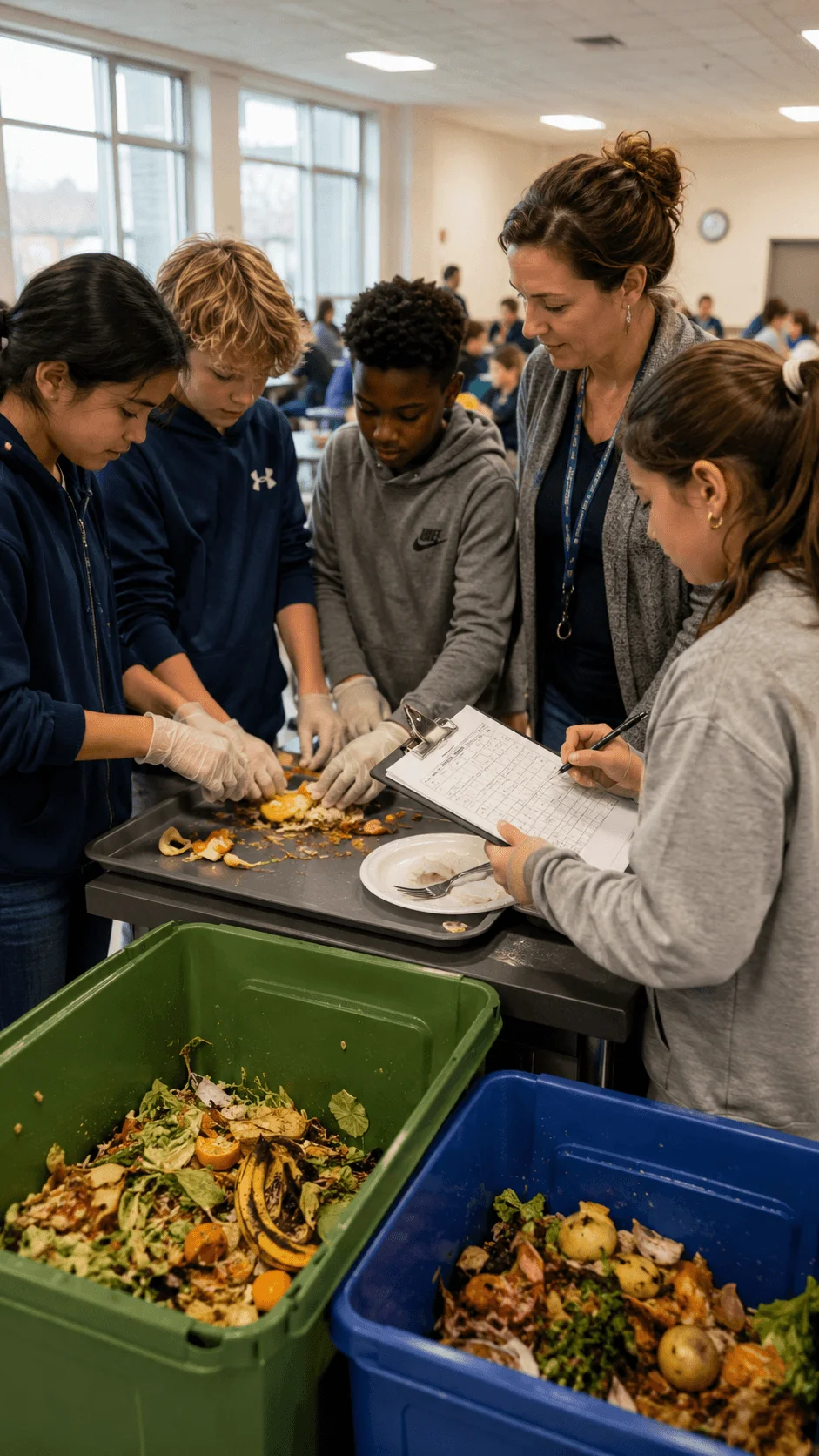
The activity can become more meaningful when students compare food waste before and after the school introduces changes. This gives them evidence about whether their efforts made a difference.
Food waste projects also connect environmental education with discussions about agriculture, resources, food production, soil, and responsible consumption. Students can begin to understand that wasting food also wastes the resources involved in producing and transporting it.
5. Try a Circular Fashion and Textile Upcycling Project
Textile waste offers an excellent opportunity to combine sustainability with creativity. Instead of treating old fabric or unwanted clothing as useless, students can explore how materials can receive a second life.
A textile upcycling project can involve suitable unwanted fabric, old clothing, damaged textiles, or fabric scraps. Students can turn these materials into classroom decorations, art pieces, puppets, simple bags, craft projects, or other useful creations.
The important lesson comes from understanding why reuse matters. Producing textiles requires materials, energy, water, transportation, and other resources. Keeping an existing material useful for longer can reduce the need to immediately replace it.
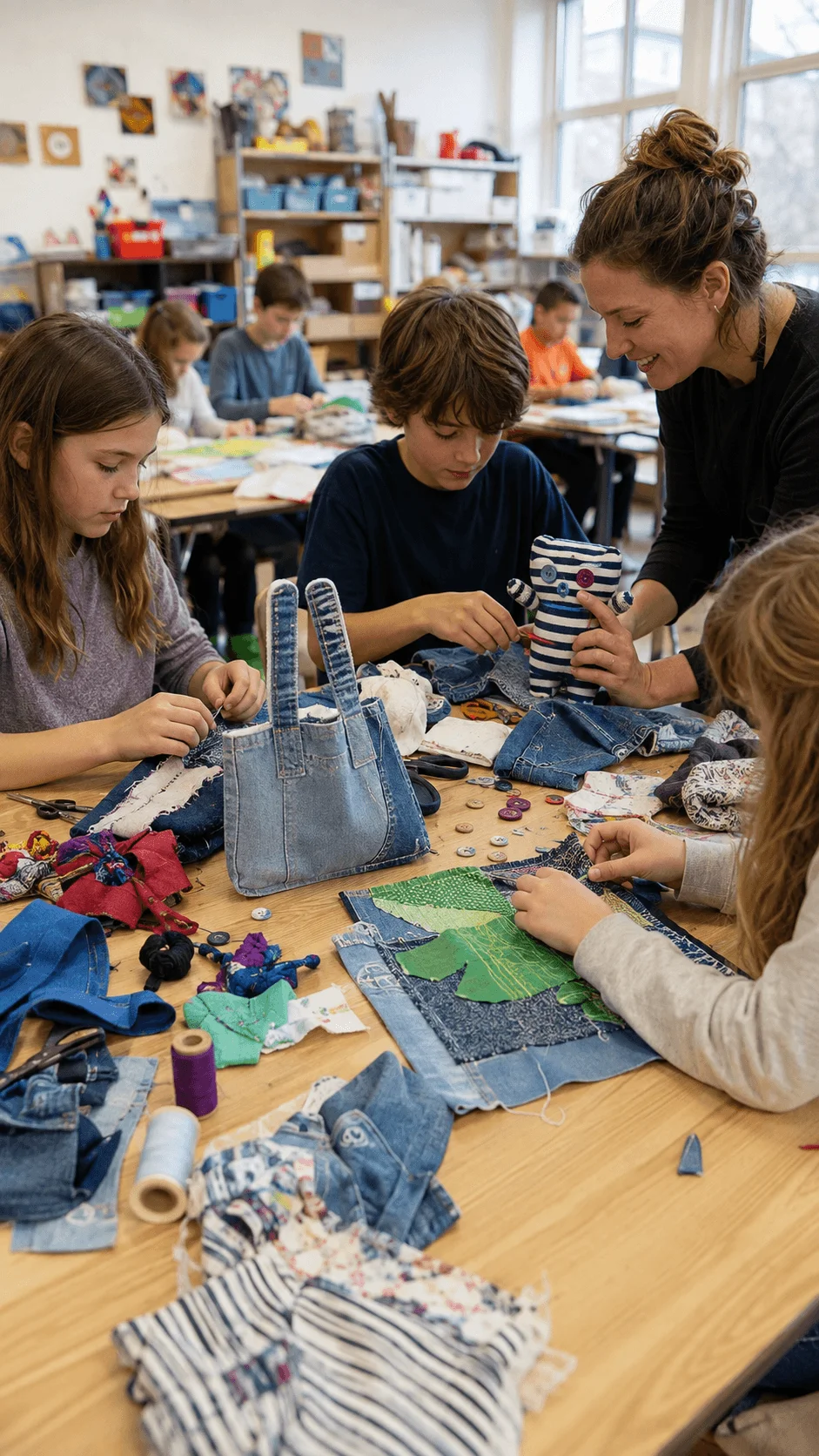
Teachers can introduce students to the idea of a circular economy, where materials remain useful for as long as possible instead of following a simple pattern of buying, using, and throwing away.
Students can also research the journey of a piece of clothing. They can investigate where materials come from, how clothing is manufactured, how people use it, and what happens when they no longer want it.
This makes textile upcycling more than an art project. It becomes an opportunity to explore consumption, design, creativity, resource conservation, and the circular economy.
6. Become School Energy Detectives
Energy use provides another opportunity for students to investigate how their school operates. Students can become energy detectives by looking for situations where electricity may be used unnecessarily.
They can examine classrooms, computer rooms, libraries, laboratories, hallways, and other suitable areas. Their investigation can focus on everyday habits such as leaving lights on in empty rooms or leaving equipment running when it is not needed.
Students can record their observations and identify areas where simple behavioural changes might reduce unnecessary energy use. They can then present their findings to teachers and school administrators.
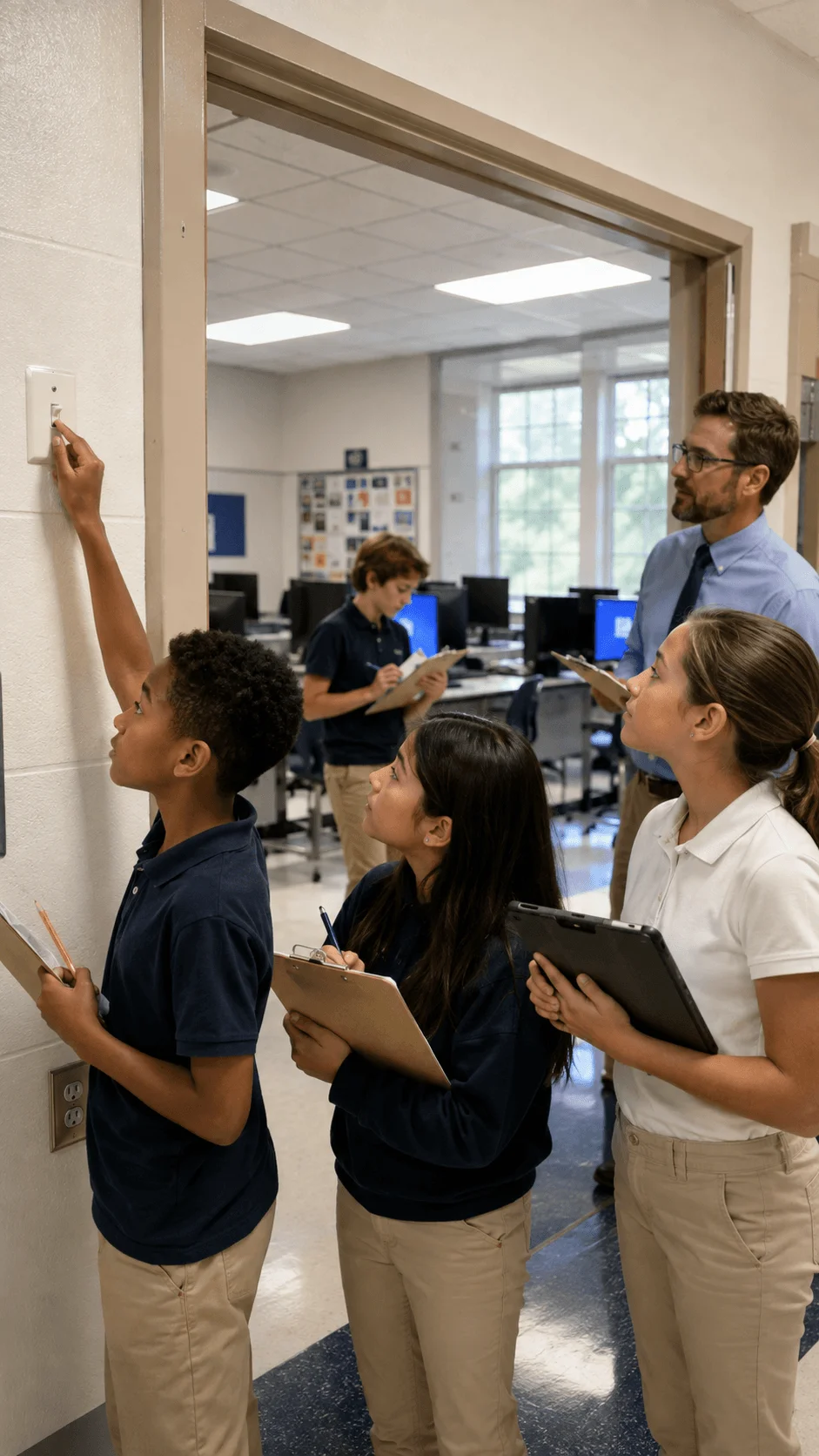
If the school has access to suitable energy consumption information, students can also compare usage over different periods. This can help them understand the difference between making a recommendation and measuring its results.
The activity provides a practical introduction to energy efficiency and resource management. Students can learn that sustainability does not always require expensive technology. Sometimes a better system or a small change in behaviour can make a meaningful difference.
Energy detective projects also work well across different subjects. Science teachers can discuss energy, mathematics teachers can work with data, and technology classes can explore efficient systems.
7. Create a Native Plant School Garden
A native plant school garden can turn an ordinary outdoor space into a living classroom. Instead of treating gardening as simply a decorative activity, students can use the garden to study plants, insects, soil, weather, and local ecosystems.
Students can begin by researching plants that naturally grow in their region or plants that are well suited to the local environment. They can investigate which plants provide useful habitats for insects, birds, and other wildlife. This research gives students a reason to understand why choosing suitable plants matters.
Once the school selects an appropriate area, students can help plan the garden. They can think about where different plants should grow, how much sunlight different areas receive, and how the garden can support biodiversity. Teachers can connect the project with lessons about ecosystems and plant biology.
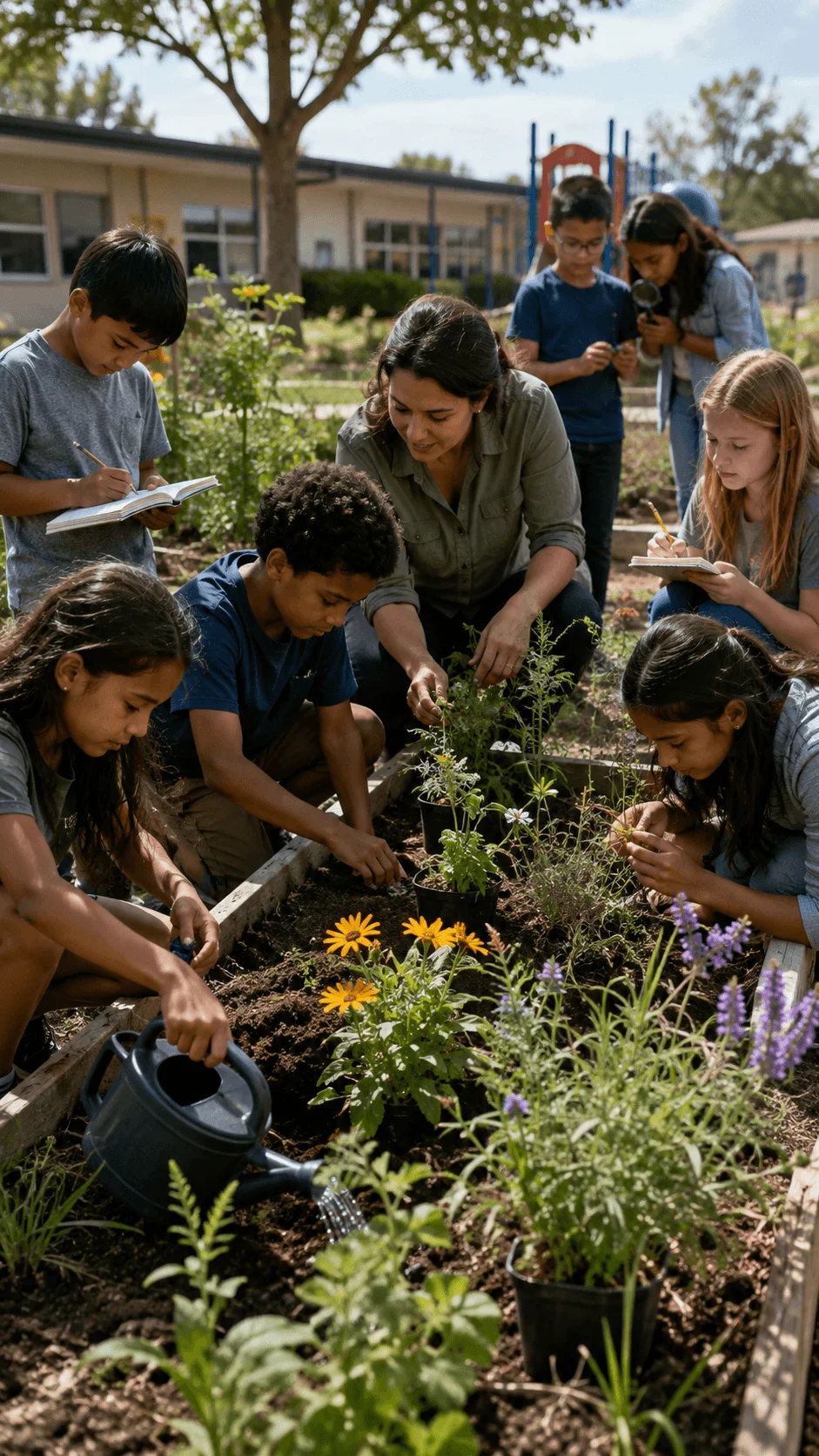
The garden can also become a long term project. Students can keep records of plant growth, observe insects visiting flowers, and compare changes throughout different seasons. Younger students can draw what they see, while older students can maintain more detailed observation records.
A native plant garden can also help students understand that sustainability depends on choosing solutions that suit local conditions. A successful garden is not simply about planting as many plants as possible. It is about creating a healthy and appropriate environment that students can maintain over time.
8. Organize a Plastic Free School Week
Plastic Free School Week can transform the familiar idea of reducing plastic into a practical investigation. Instead of simply asking students to stop using plastic, the school can first ask them to discover where unnecessary single use plastic appears.
Students can observe lunch areas, school events, classrooms, and other suitable locations. They can record common examples such as disposable packaging, plastic bags, cups, or other single use materials.
After identifying the main sources, students can research possible alternatives. They might investigate reusable containers, refill systems, reusable decorations, or other options that suit their school.
The important part of the project is allowing students to think about practicality. Not every plastic item has an easy alternative, and students should understand that sustainability involves making thoughtful decisions rather than simply avoiding one material in every situation.
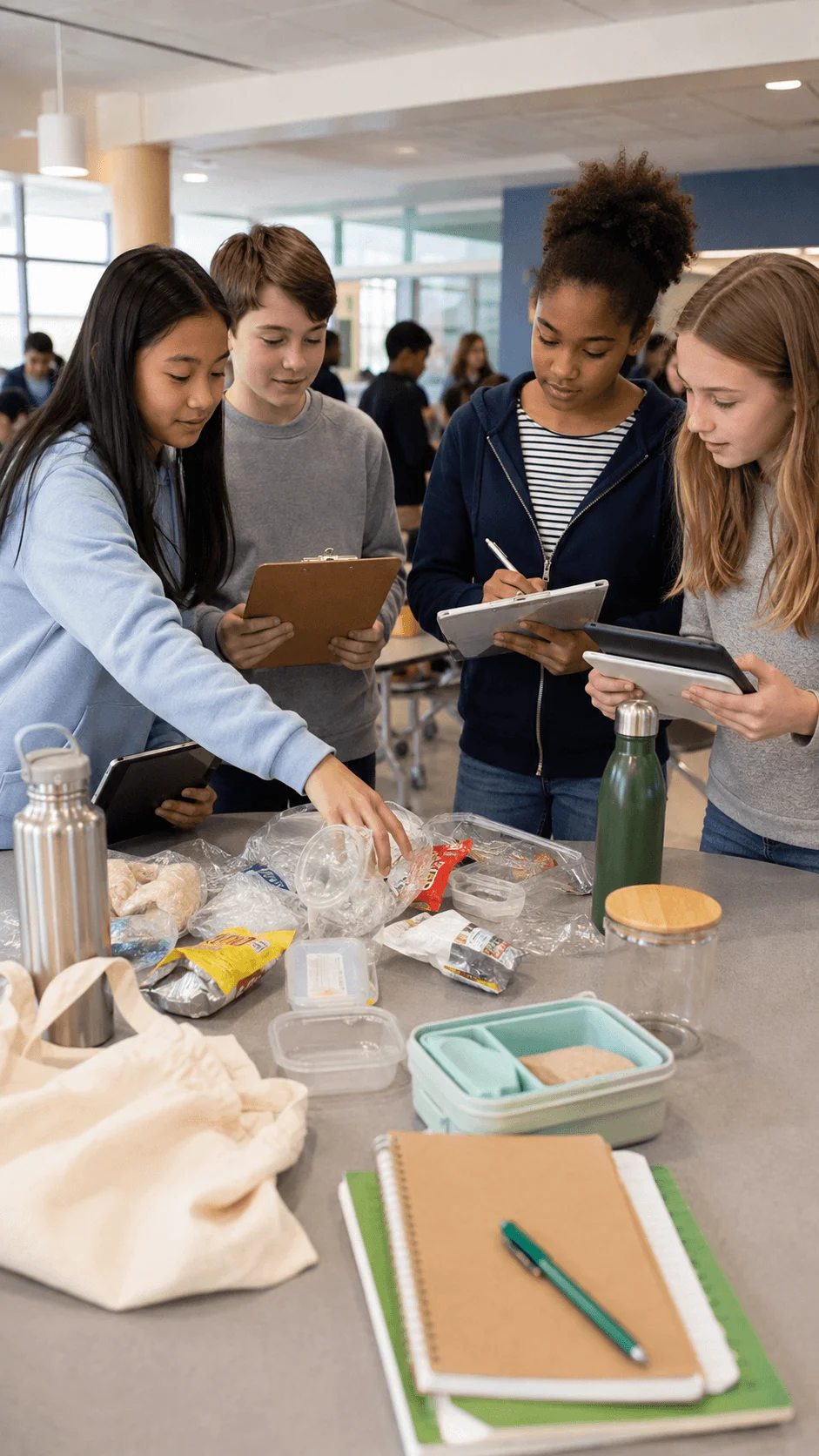
The school can also compare observations from before and after the challenge. Students can discuss which changes worked well and which changes created difficulties. This gives them an opportunity to improve their ideas instead of treating the project as a one week campaign.
Plastic reduction can also lead to wider conversations about consumption. Students can learn why plastic became popular, why people use disposable products, and what happens when materials are discarded.
This makes Plastic Free School Week one of the more useful eco friendly activities for students because it combines environmental awareness with research, decision making, communication, and practical action.
9. Build a Student Climate Data Dashboard
A student climate data dashboard brings technology and environmental education together. Students can collect suitable environmental information and turn it into charts, tables, or visual displays that help their school understand environmental patterns.
The project does not require students to build complicated software. A classroom can begin with a simple spreadsheet or chart. Depending on what information the school can access, students might record temperature, rainfall, waste measurements, energy information, water use, or other suitable environmental data.
Students can then organize the information and look for patterns. For example, they might compare temperatures across different weeks or examine whether waste levels change during special school events.
The real educational value comes from asking questions about the data. Students can discuss why a particular pattern appeared and whether additional information could help explain it.
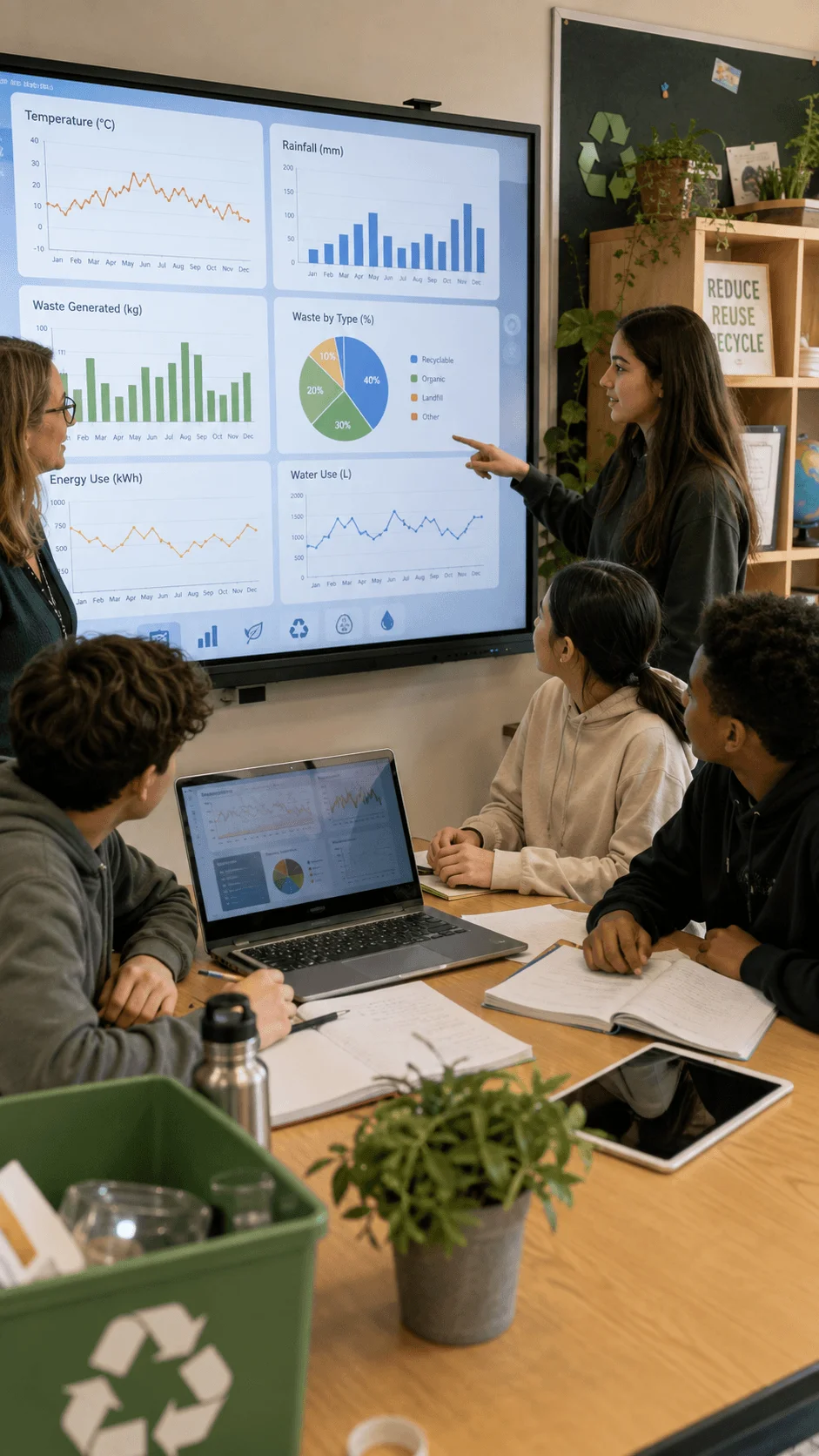
Teachers can connect this activity with mathematics by teaching students how to organize and interpret data. Science lessons can explore environmental changes, while technology lessons can focus on creating digital charts and presentations.
Students can also display their findings in a classroom or school sustainability area. Seeing their own research presented visually can give students a stronger sense of ownership.
Climate data activities for students can therefore turn environmental education into an investigation based on evidence. Students learn that understanding environmental problems requires more than opinions. Good decisions often begin with reliable information.
10. Start a Repair and Reuse Classroom Challenge
Many school items are thrown away because they are damaged, outdated, or no longer considered useful. A repair and reuse challenge encourages students to stop and ask an important question before something becomes waste: can we continue using it?
Students can look for suitable classroom materials that need simple repairs or could serve another purpose. These might include folders, storage containers, craft materials, decorations, books, or other appropriate items.
The project can encourage students to think creatively. An old classroom decoration could become part of a new art project. A reusable container could receive a new purpose. A damaged folder might become useful craft material.
Teachers can introduce students to the difference between recycling and reuse. Recycling processes materials so manufacturers can use them again, while reuse keeps an existing item in use without immediately turning it into raw material.
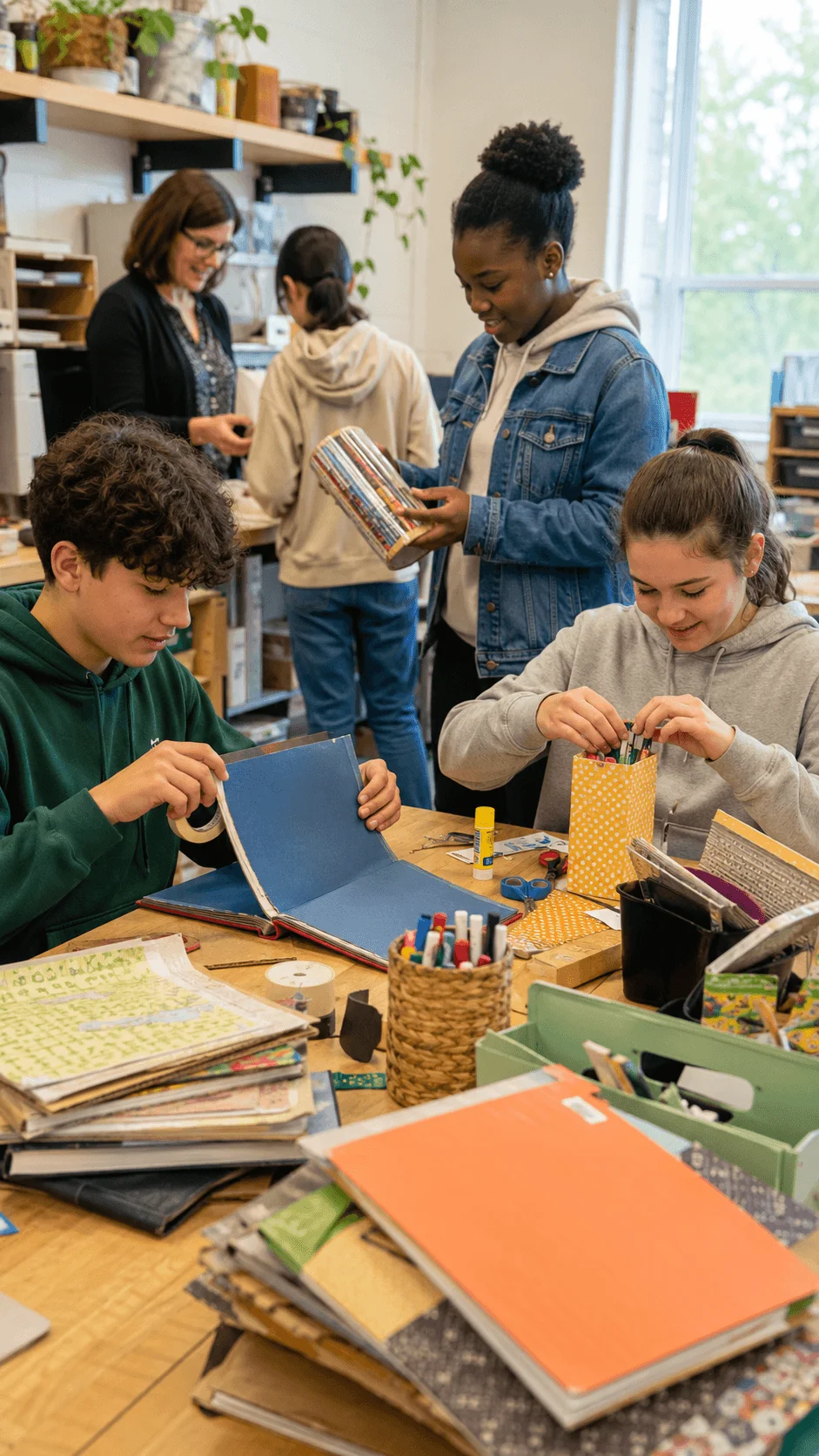
The activity also introduces the principles of the circular economy. Students begin to understand that products do not always have to follow a straight path from purchase to disposal.
Schools can make the challenge more engaging by creating a classroom repair station or reuse area for suitable materials. Students can contribute ideas about how the system should work.
This activity teaches an important sustainability habit: before buying something new or throwing something away, consider whether an existing item can be repaired, shared, redesigned, or reused.
11. Create a Pollinator and Wildlife Habitat
A small area of school grounds can become a useful habitat for local wildlife. Students can design a suitable space that provides plants, shelter, and other appropriate resources for insects and other organisms.
Students can first research local pollinators and wildlife. They can learn which plants provide useful food sources and which environmental conditions support different organisms.
After researching the subject, students can help plan the habitat. They can decide where suitable plants could grow and how the area can remain safe and manageable for the school.
Once the habitat develops, students can observe it without disturbing the wildlife. They can record which insects, birds, or other organisms they notice and whether observations change over time.
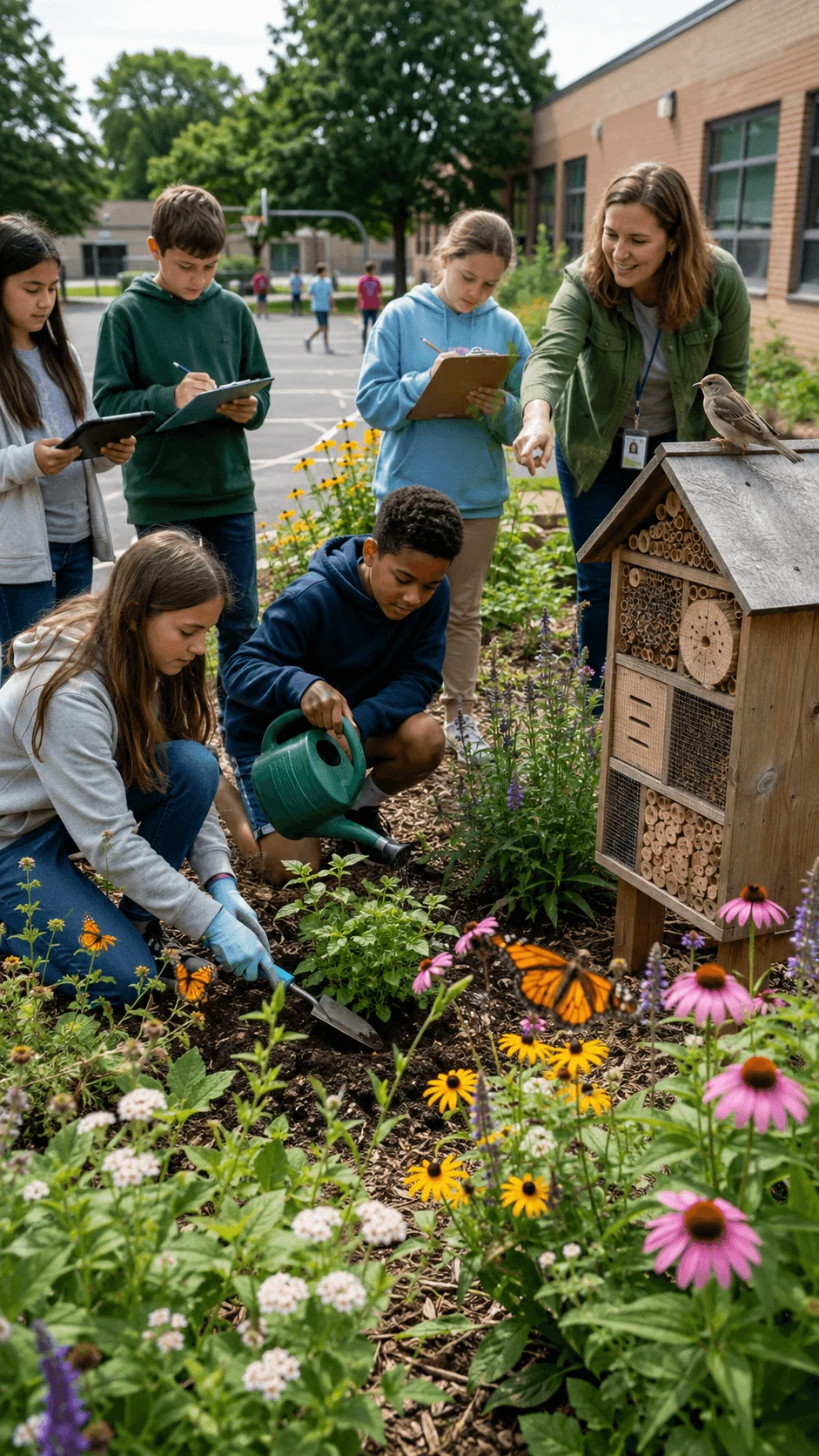
This creates an excellent opportunity for citizen science. Students can collect observations, organize their findings, and discuss what those observations might tell them about the health of the habitat.
The project can also help students understand the relationship between plants and animals. Flowers provide resources for pollinators, while plants and habitat areas can support many other organisms.
A wildlife habitat does not have to be large to become educationally valuable. Even a small suitable space can encourage students to pay closer attention to biodiversity around them.
12. Hold a Student Sustainability Solution Pitch
A student sustainability solution pitch can give students the opportunity to become environmental problem solvers. Instead of teachers choosing every project, students identify a sustainability issue within their own school and develop a possible solution.
Students can begin by observing their school environment and identifying problems. They might notice excessive waste, unnecessary energy use, limited green space, food waste, poor recycling systems, or another suitable concern.
After choosing a problem, students research its possible causes. They can collect observations, talk with teachers or other students, and examine information that helps them understand the issue.
Students then develop a realistic solution. They should think about what the school would need, who would participate, what challenges might appear, and how the school could measure progress.
The final stage involves presenting the proposal. Students can prepare a short presentation for teachers, school leaders, or an eco club. They can explain the problem, show their evidence, describe their solution, and explain how they would measure its success.
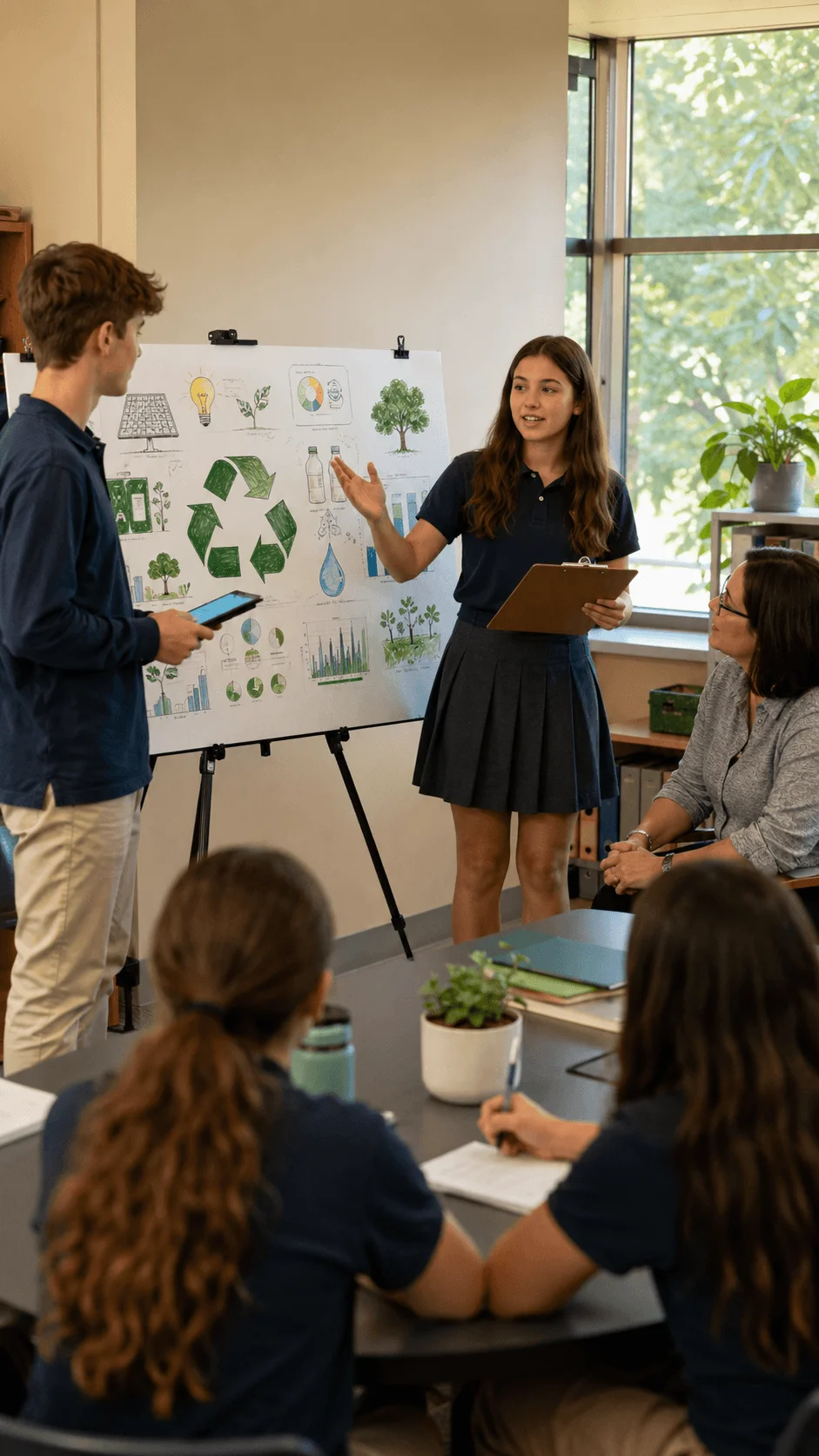
This activity develops skills that traditional environmental lessons may not provide. Students practise research, public speaking, teamwork, planning, creativity, leadership, and critical thinking.
Most importantly, students experience what it means to participate in environmental decision making. They are not simply following instructions. They are identifying a problem and attempting to solve it.
How Schools Can Make Eco Friendly School Activities More Effective
A sustainability activity becomes more valuable when it continues beyond a single class period. Schools can create stronger environmental learning experiences by allowing students to investigate problems, take action, and review their results.
One useful approach is to give students a clear objective before starting a project. For example, a waste audit could focus on identifying the largest source of unnecessary waste rather than simply collecting information without a purpose.
Schools can also encourage students to measure progress whenever practical. A project becomes more meaningful when students can compare conditions before and after an intervention.
Teachers can connect sustainability projects with regular subjects. A waste project can support mathematics through data analysis. A biodiversity project can support science. A sustainability pitch can support language and communication skills. An energy investigation can connect with physics and technology.
Student involvement also matters. Students should have opportunities to make decisions instead of completing every activity according to a fixed teacher plan. Giving students responsibility can make them more interested in the outcome.
Schools can also document successful projects. Photographs, charts, student reports, observation journals, and presentations can create a record of progress. Future students can then learn from earlier projects and continue improving them.
How Sustainability Activities for Students Can Create Long Term Change
The strongest sustainability projects do not end when students finish an assignment. They can influence habits, school policies, and future projects.
For example, a waste audit may lead to a permanent waste reduction system. A biodiversity map may encourage the school to protect important green spaces. A food waste investigation may lead to better lunch planning. A student sustainability pitch may eventually become an actual school improvement project.
Students can also share what they learn with their families and communities. When students explain environmental issues in their own words, they can help spread awareness beyond the classroom.
Schools can create student eco clubs or sustainability teams that continue monitoring projects throughout the year. Older students can also help younger students understand how previous projects worked.
This creates a cycle of learning. Each group of students can build upon what earlier students discovered rather than starting from the beginning every year.
Long term sustainability also requires realistic expectations. Students do not need to solve every environmental problem. The goal is to help them understand that meaningful change often begins with identifying one manageable problem and taking thoughtful action.
Conclusion
The best eco friendly activities for students combine environmental responsibility with practical learning. When students measure waste, investigate air quality, map biodiversity, track food waste, reuse materials, monitor environmental data, and develop sustainability solutions, they gain a much deeper understanding of how environmental systems work.
These projects also show students that sustainability is not limited to recycling or planting trees. It involves observing problems, asking questions, collecting evidence, designing solutions, and evaluating results.
Schools can make these experiences even more valuable by giving students responsibility and allowing them to participate in real decisions. A small classroom investigation can become a long term school project when students have the opportunity to improve their ideas and measure their progress.
The most meaningful sustainability activities for students are therefore not necessarily the biggest ones. A simple waste investigation, biodiversity observation, repair challenge, or student proposal can teach powerful lessons when students understand why they are doing it and what their actions can achieve.
By making sustainability practical, creative, and student led, schools can help young people develop habits and skills that extend far beyond the classroom. These environmental activities for students can encourage a generation that does not simply learn about environmental challenges but feels prepared to investigate them and contribute thoughtful solutions.