Eco Friendly Aesthetic Photography Camera Kit Ideas
Photography is becoming more intentional in 2026, and an eco friendly aesthetic photography camera kit offers an interesting way to combine beautiful imagery with more thoughtful equipment choices. Instead of constantly replacing cameras, lenses and accessories, photographers can build distinctive setups around secondhand equipment, vintage technology, compact cameras and durable accessories. This approach does not require giving up image quality or creativity. In many cases, using less equipment can actually encourage photographers to experiment more and develop a stronger visual identity. The goal is not to create a completely impact free photography setup, because every piece of electronic equipment has an environmental footprint. Instead, it is about making equipment last longer, reducing unnecessary purchases and finding creative value in gear that already exists.
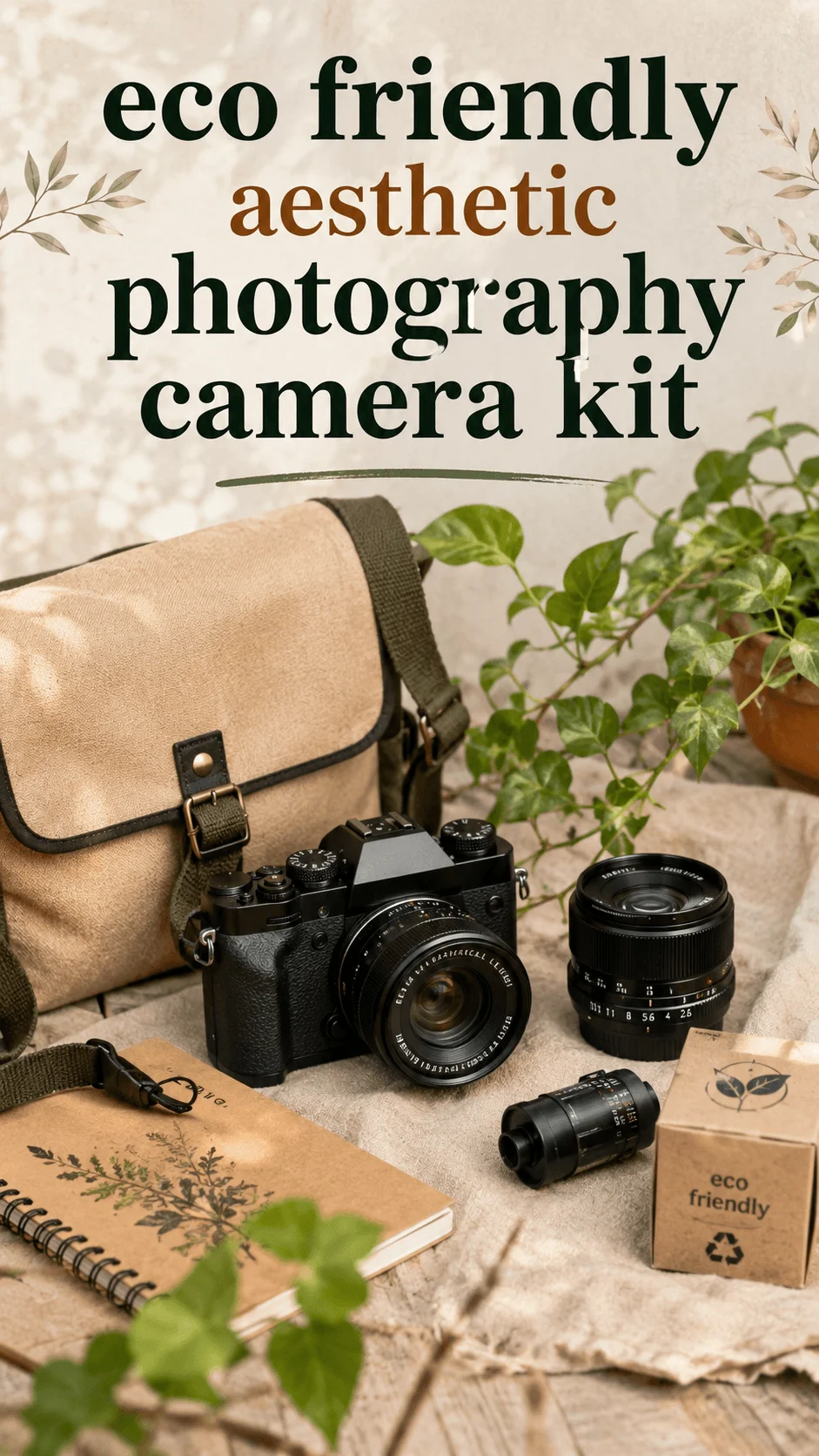
What Makes an Eco Friendly Aesthetic Photography Camera Kit Different?
A conventional camera kit often develops over time as photographers purchase additional lenses, newer camera bodies, extra batteries, bags, filters and accessories. While each purchase may seem useful individually, the complete collection can eventually contain much more equipment than the photographer actually needs.
An eco friendly photography camera kit takes a different approach. It focuses on using equipment intentionally and getting more value from every item. A photographer might choose a refurbished camera instead of a brand new body, pair it with one versatile lens, carry a rechargeable battery and use a durable camera bag for several years.
The aesthetic side adds another interesting dimension. Photography does not always need the newest sensor or the highest resolution to look beautiful. Older digital cameras, vintage lenses and compact cameras can produce distinctive colors, contrast, flash characteristics and imperfections. These characteristics have become valuable creative tools rather than technical disadvantages.
This combination of sustainability and visual character makes the concept particularly relevant to photographers interested in nostalgic, minimalist, Y2K, film inspired and lifestyle photography.
1. Build Around a Secondhand Camera
One of the most practical ways to create a sustainable photography setup is to begin with a secondhand camera. Used equipment already exists, which means photographers can extend the useful life of a product rather than immediately contributing to demand for another newly manufactured device.
Secondhand does not automatically mean low quality. Cameras from previous generations can still produce excellent photographs, especially when the photographer understands composition, lighting and exposure. A camera that no longer represents the newest technology can remain completely capable of creating professional looking images.
Older cameras can also bring an unexpected aesthetic advantage. Different generations of sensors and image processing systems can produce subtly different colors and contrast. Some photographers specifically seek these characteristics because they make photographs feel less standardized.
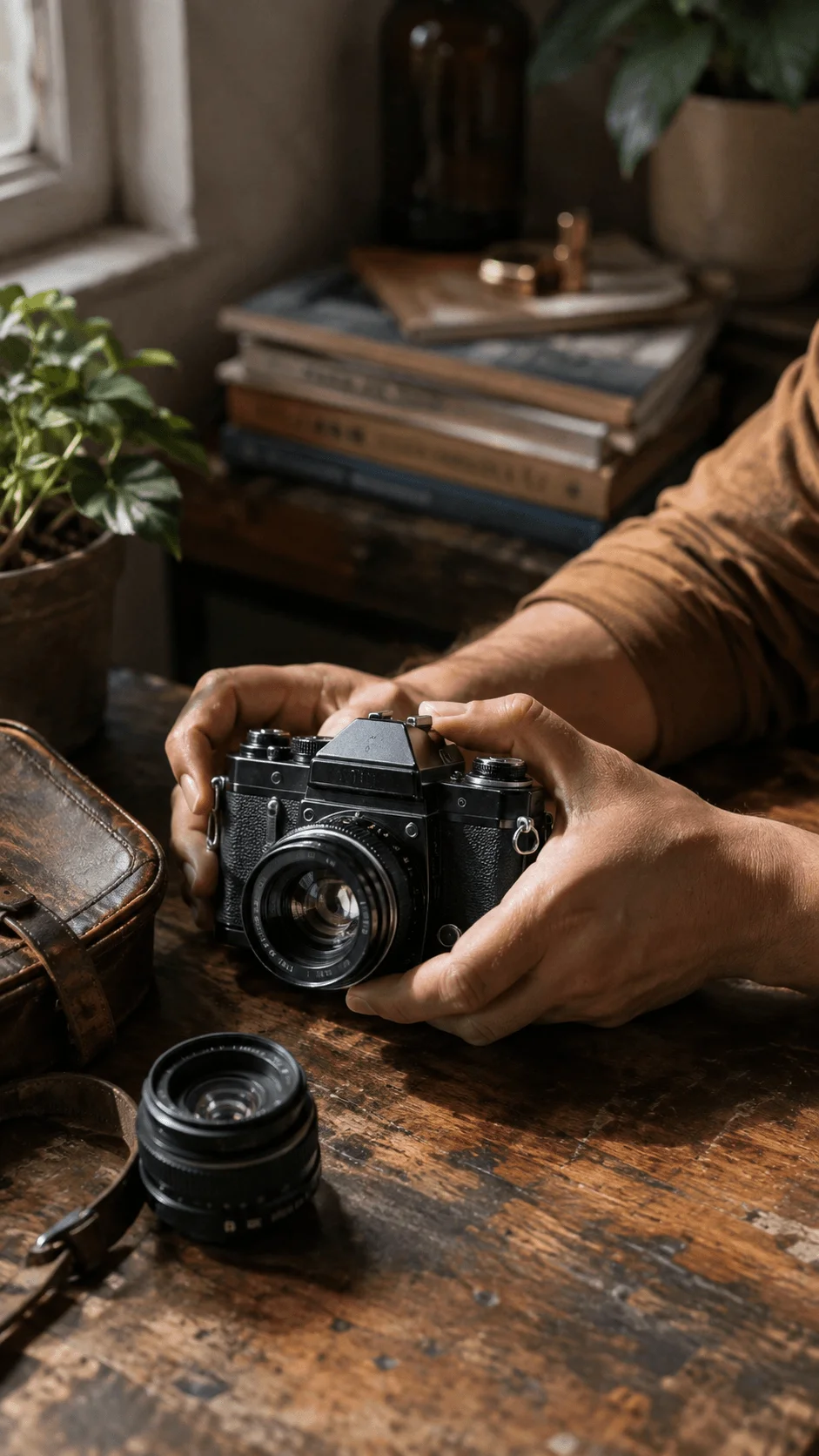
A secondhand camera also encourages a different mindset. Instead of asking which new model has the most advanced specifications, photographers can ask what their current equipment can actually accomplish. That shift can reduce unnecessary upgrading and encourage greater creativity.
When purchasing used equipment, photographers should pay attention to the camera’s physical condition, controls, battery performance, lens compatibility and overall functionality. A reliable used camera that receives proper care can remain useful for many years.
2. Rediscover the Character of Vintage Digital Cameras
Vintage digital cameras have developed a fascinating place within modern aesthetic photography. Cameras that once seemed outdated now attract photographers who want photographs with a distinctive early digital appearance.
Many older compact cameras produced images with characteristics that modern cameras often try to recreate through software. Built in flash, smaller sensors, strong contrast and unusual color rendering can create an instantly recognizable appearance.
This makes vintage digital cameras particularly interesting for lifestyle photography, casual portraits, parties, street photography and travel images. Their small size also makes them easier to carry than larger interchangeable lens systems.
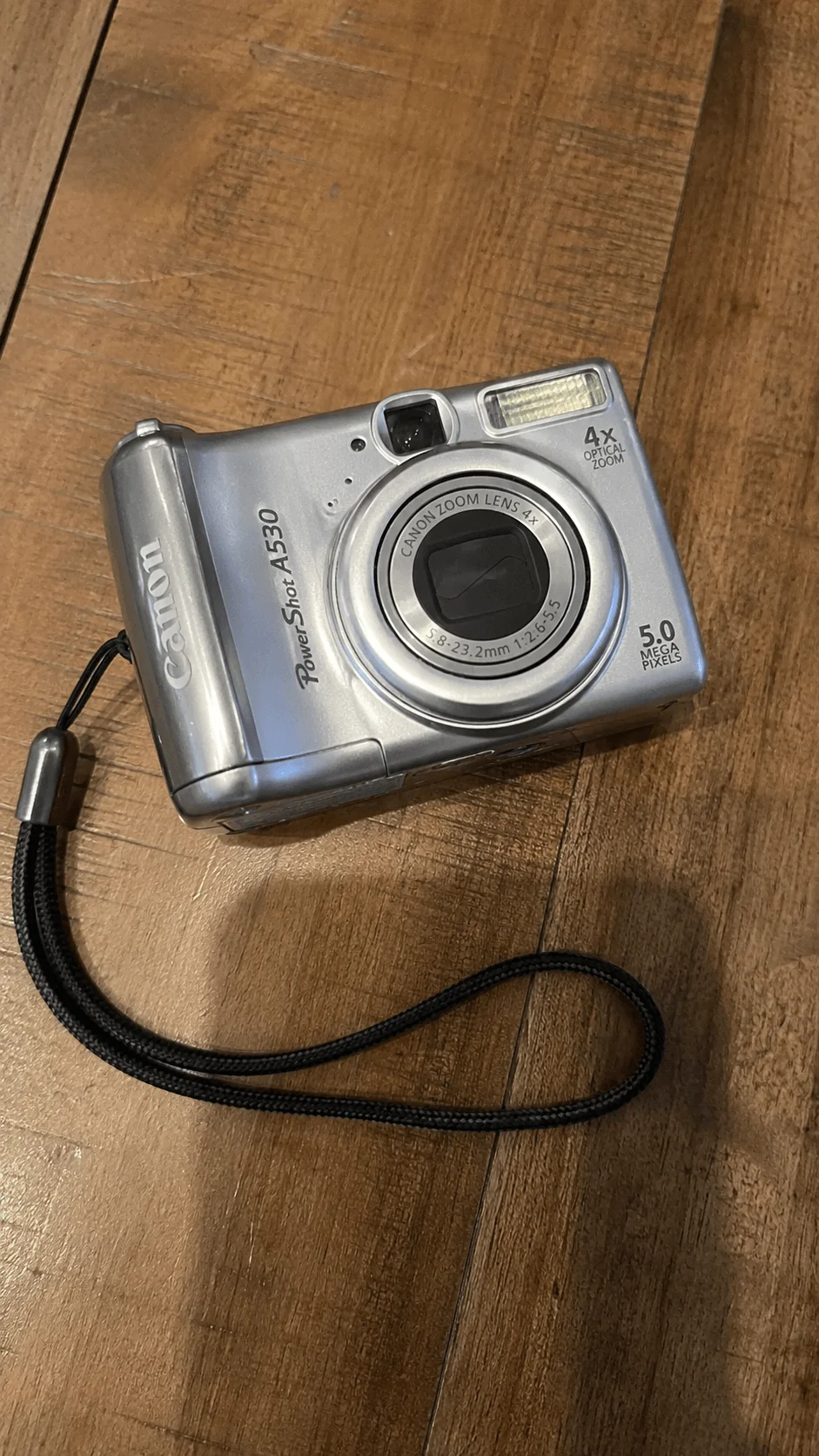
The appeal goes beyond nostalgia. Older digital cameras can encourage photographers to concentrate on the image rather than technical perfection. A photographer might accept a little motion blur, stronger flash or unusual exposure because those characteristics contribute to the atmosphere.
Using an existing vintage digital camera also fits naturally into a more sustainable approach. Instead of purchasing a modern camera specifically designed to imitate an older digital aesthetic, photographers can explore equipment that already exists.
3. Explore the Y2K Digital Camera Aesthetic
The Y2K digital camera aesthetic has become particularly interesting for photographers who want images that feel spontaneous and nostalgic. Early digital photography often produced a very different visual experience from today’s highly polished smartphone and mirrorless camera images.
Direct flash, compact bodies, limited dynamic range and visible imperfections can give photographs a casual character. The images can feel personal rather than overly produced.
A photographer creating this style does not necessarily need expensive equipment. An older compact digital camera may provide many of the characteristics that define the look. This makes the trend especially interesting from a sustainability perspective.
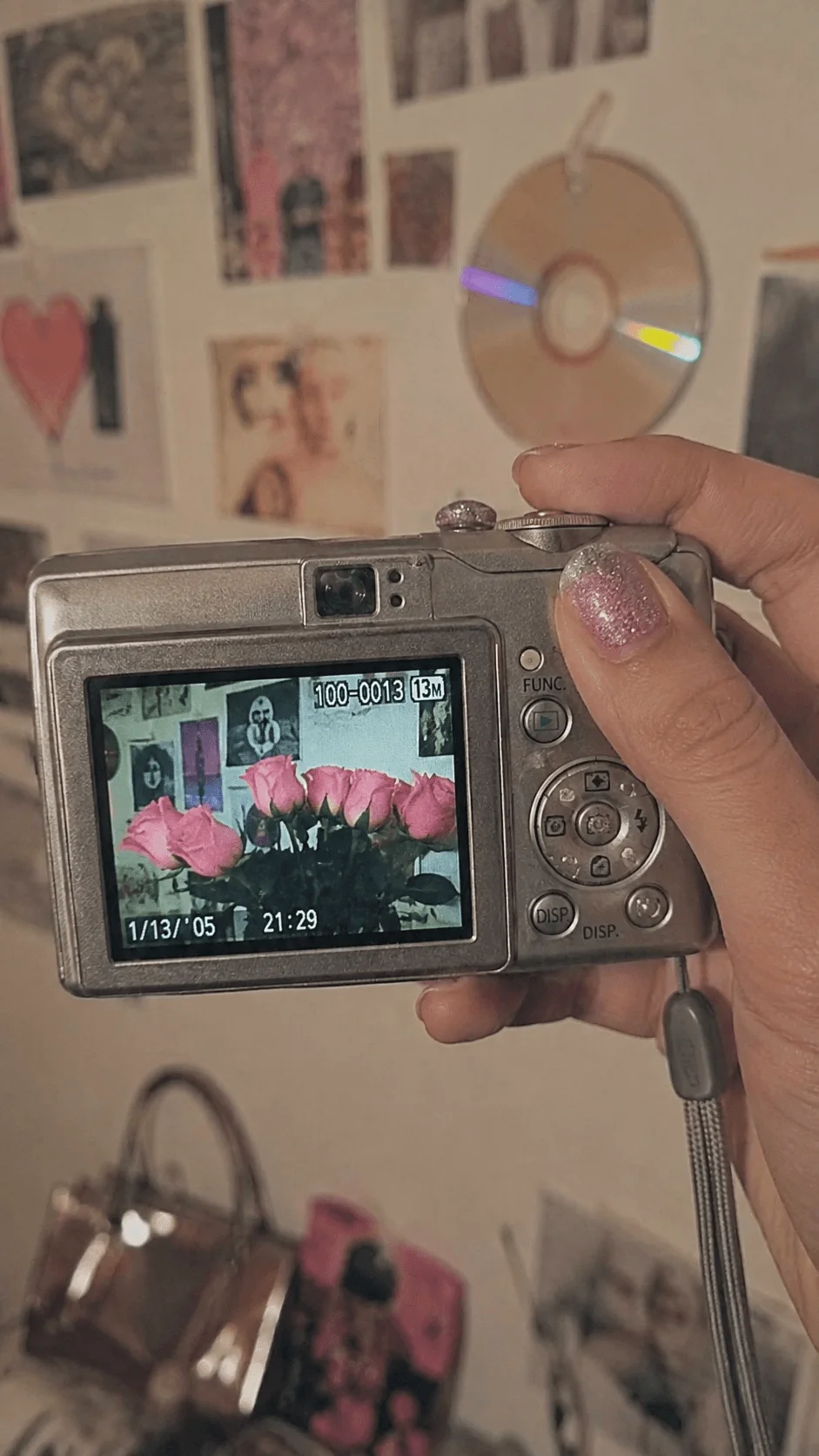
Instead of purchasing filters, software packages and new cameras to reproduce an artificial retro appearance, photographers can experiment with equipment from the period that inspired the style.
The Y2K aesthetic also works well because photography does not need to look technically perfect to communicate a mood. A slightly imperfect image can sometimes feel more authentic than an extremely polished photograph.
For an eco friendly aesthetic photography camera kit, this creates a strong connection between creative experimentation and equipment reuse.
4. Try Screen Free and More Intentional Photography
Modern cameras provide photographers with enormous amounts of information. Large displays, instant previews, menus and connected features can make photography convenient, but they can also change how people experience the process.
Screen free photography offers an alternative. Cameras designed with minimal screen interaction encourage photographers to concentrate on the moment rather than immediately checking every photograph.
This approach can change the way someone shoots. Instead of taking a photograph, checking it and immediately taking another, the photographer becomes more attentive to light, composition and timing.
The idea also supports minimalism. A camera that does fewer things can sometimes become more enjoyable because the photographer spends less time navigating technology.
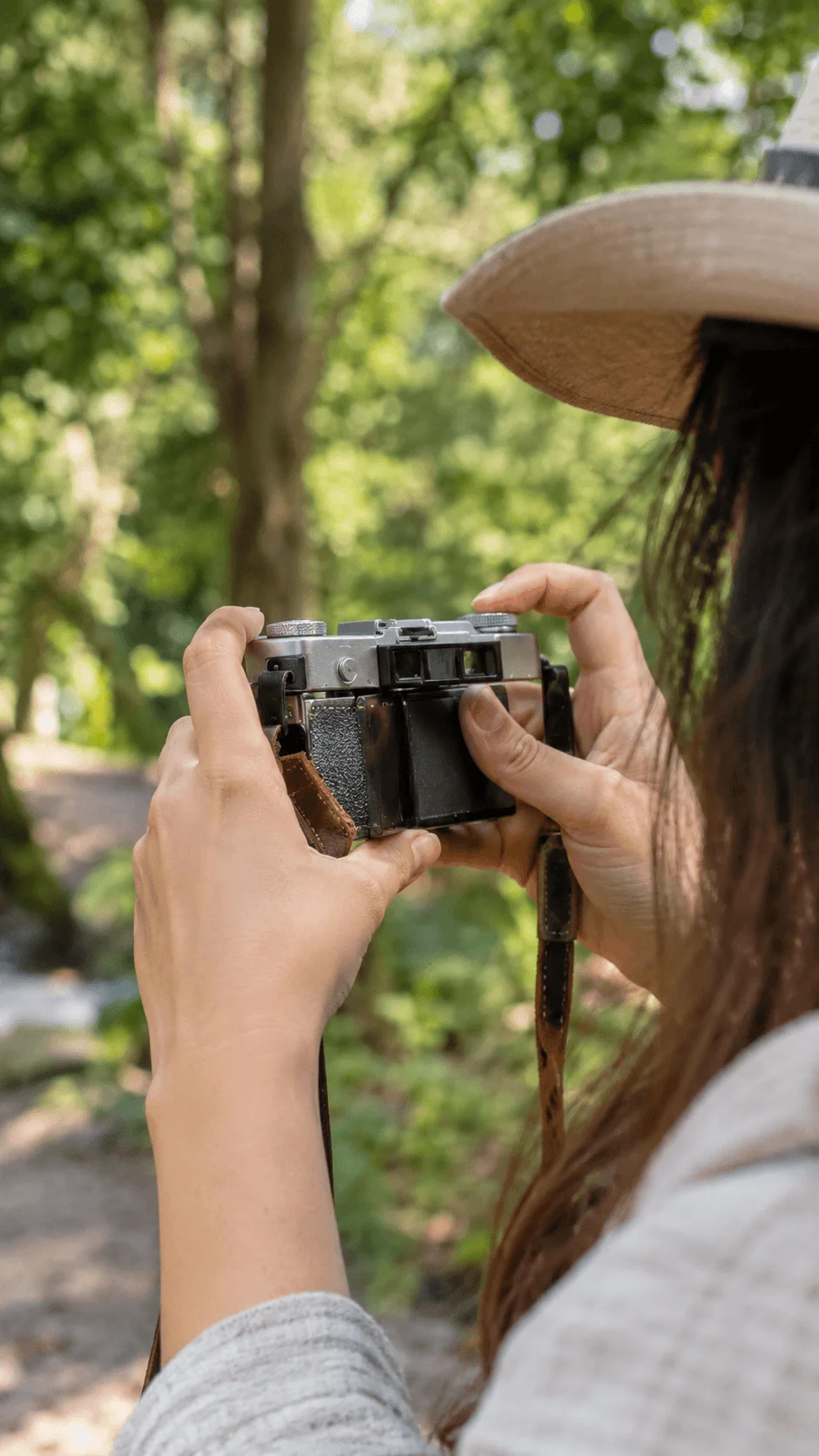
Screen free photography can work particularly well for travel, street photography and everyday moments. It encourages people to observe their surroundings instead of constantly interacting with the camera.
From a sustainability perspective, the concept fits the broader idea of buying equipment for its actual purpose rather than collecting features. A camera does not need to provide every modern convenience to create meaningful photographs.
5. Create a Minimalist One Camera and One Lens Setup
A minimalist camera kit can become one of the most sustainable choices a photographer makes. Instead of carrying multiple bodies and lenses, photographers can build a setup around one capable camera and one versatile lens.
This approach creates a useful creative limitation. When photographers know they cannot immediately switch to another lens, they start thinking differently about distance, composition and perspective.
A versatile lens can cover many everyday situations. A photographer can use it for portraits, street scenes, travel photographs, environmental images and casual lifestyle work.
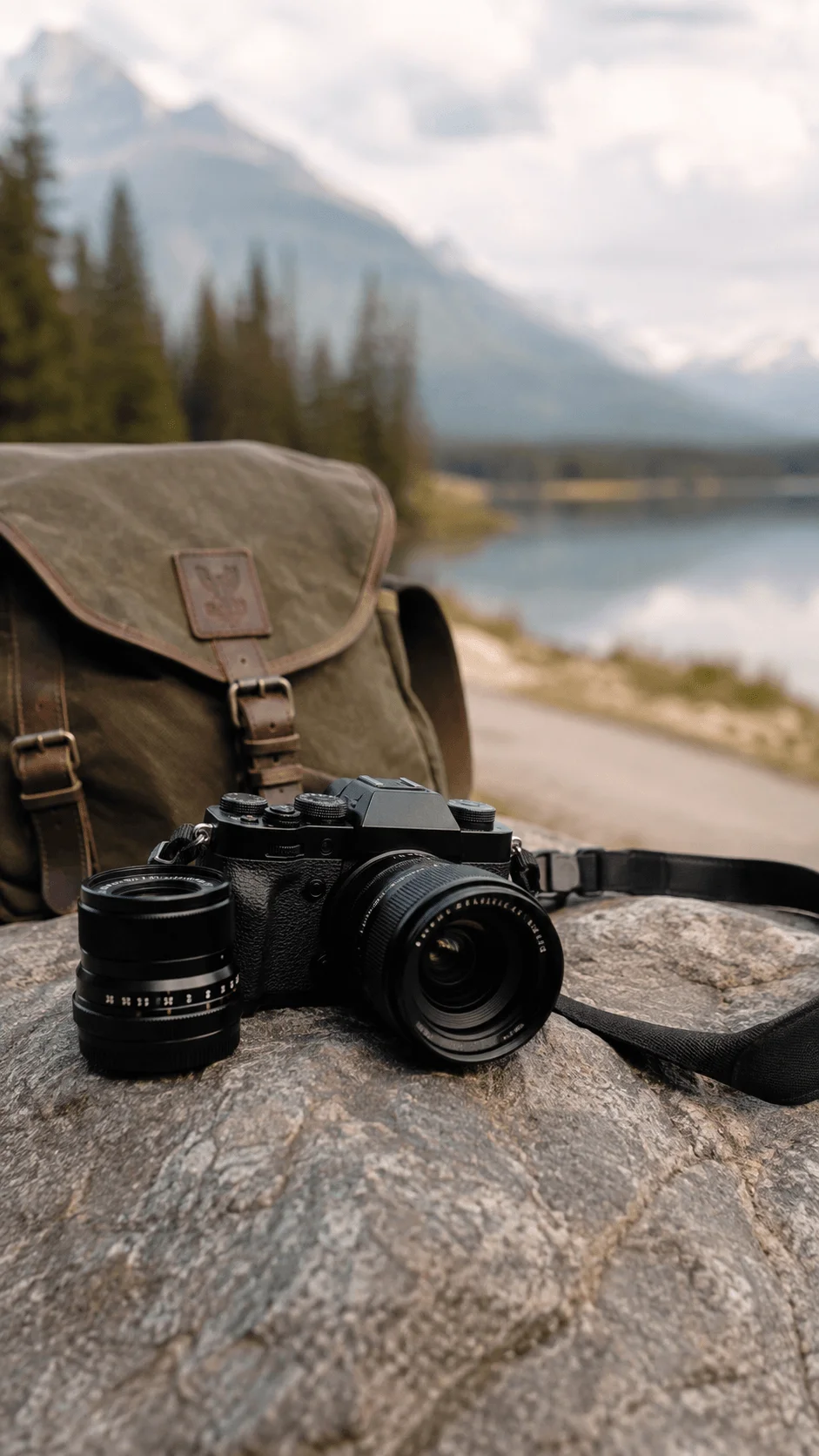
The minimalist approach also changes purchasing habits. Once photographers learn to work effectively with their existing equipment, they may feel less pressure to purchase another lens whenever they encounter a new photography style.
There is also an aesthetic benefit. Using the same camera and lens combination consistently can create a more recognizable visual style. The photographer learns how that particular combination responds to light, color and distance.
A minimalist eco friendly camera kit therefore does more than reduce the amount of equipment someone carries. It can encourage greater technical confidence and creative discipline.
6. Give Vintage Lenses a New Life
Vintage lenses offer another creative opportunity for photographers interested in sustainable equipment. Many older lenses still provide useful optical characteristics, especially when photographers use compatible adapters with modern digital cameras.
Manual focus is one of the most noticeable differences. Working without autofocus encourages photographers to slow down and pay greater attention to their subjects.
Vintage lenses can also produce distinctive rendering. Some create softer images, unusual flare, lower contrast or unique background characteristics. These qualities can contribute significantly to an aesthetic photography style.
The important point is not to collect as many vintage lenses as possible. Doing that simply replaces one form of unnecessary consumption with another. Instead, photographers can explore whether an existing or carefully chosen older lens can provide a look they genuinely need.
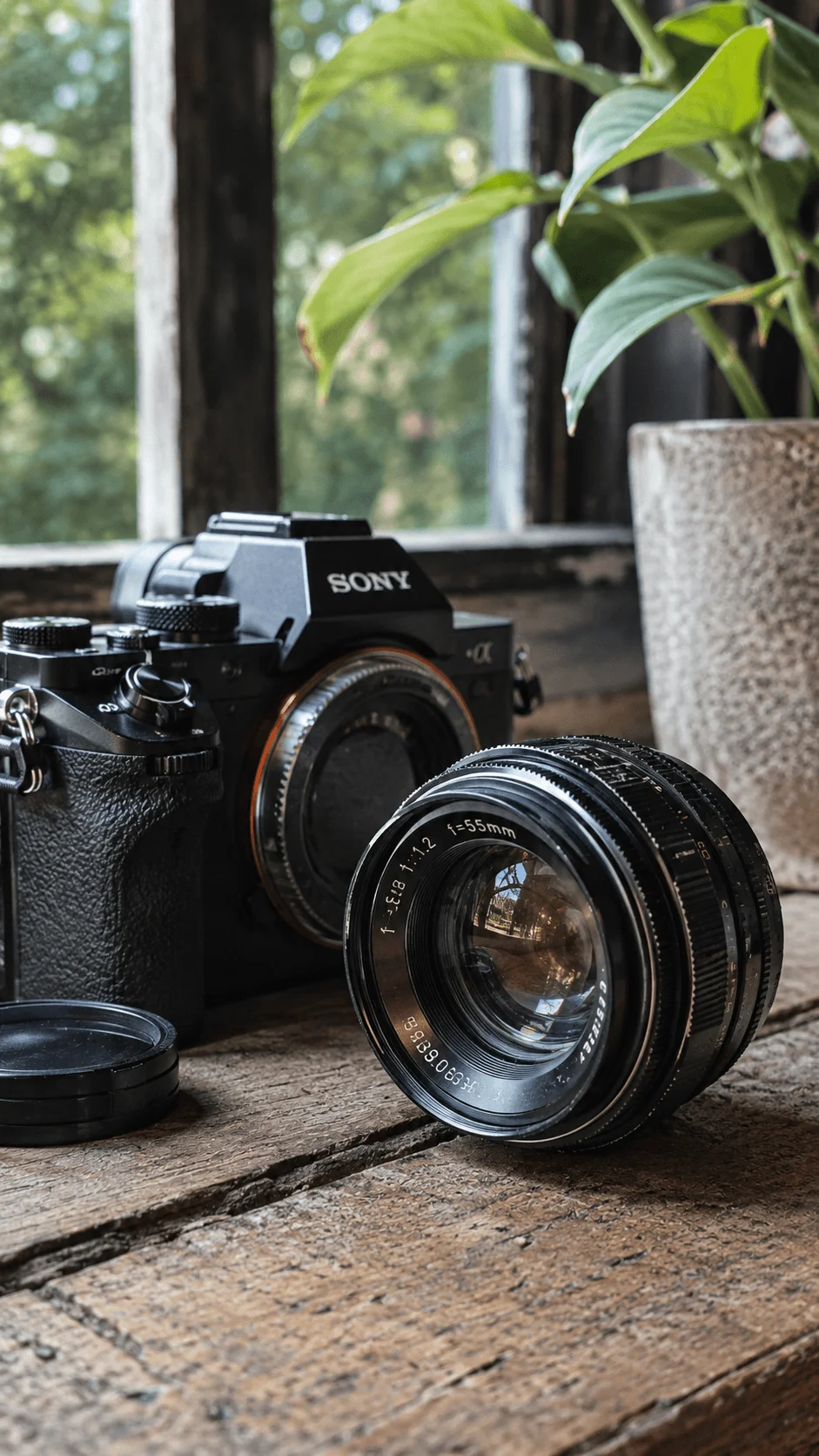
This approach gives older equipment another purpose. A lens that once belonged to a different camera system can continue producing photographs rather than sitting unused.
For photographers interested in an eco friendly vintage camera setup, this can be one of the most creative ways to combine older technology with a modern workflow.
7. Choose Camera Bags for Longevity
A camera bag may not receive as much attention as the camera itself, but it plays an important role in a sustainable photography setup. A poorly made bag that needs frequent replacement can create more waste than a durable bag that remains useful for years.
Photographers can look for bags designed around durability, repairability and practical organization. Recycled materials can also provide an interesting option when the product itself meets genuine quality and longevity requirements.
The aesthetic side matters too. Many photographers do not want a large traditional camera bag. A simple sling, compact backpack or lifestyle style bag can fit better with minimalist photography.
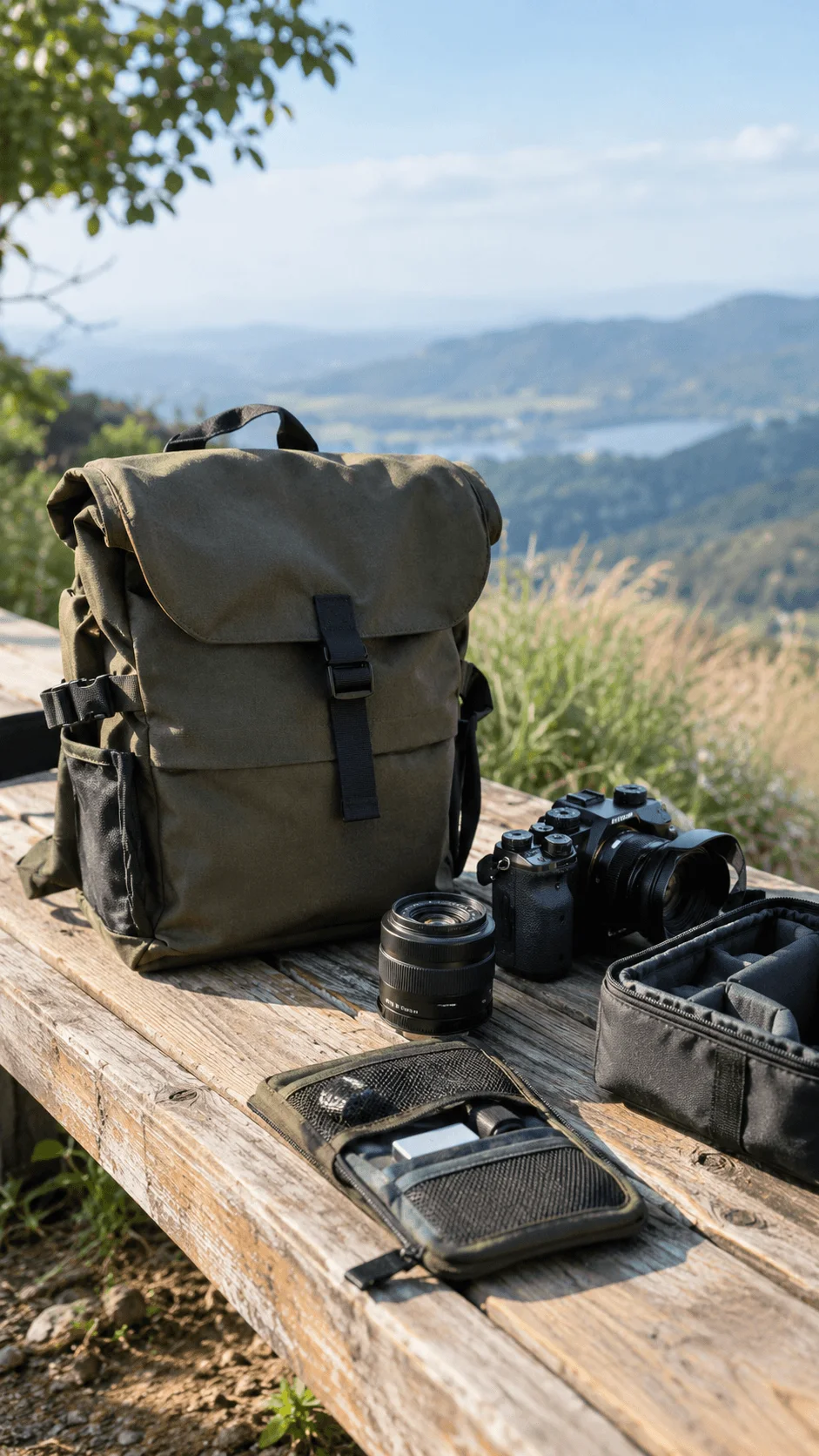
The most sustainable bag is not necessarily the one with the strongest environmental marketing. It can simply be the bag that a photographer will use consistently for a long time.
A practical bag should protect the equipment without encouraging photographers to carry unnecessary accessories. A smaller setup naturally requires less storage space, which complements the minimalist philosophy of sustainable photography.
8. Reduce Waste With Rechargeable Camera Power
Batteries are another small but important part of an eco conscious photography setup. Photographers who regularly use disposable batteries can create unnecessary waste over time, particularly when they shoot frequently.
Rechargeable batteries can provide a practical alternative for compatible cameras and accessories. They allow photographers to reuse the same power source repeatedly rather than continually purchasing replacements.
Good battery care also matters. Storing batteries appropriately, avoiding unnecessary charging cycles and following the manufacturer’s guidance can help photographers get more useful life from them.
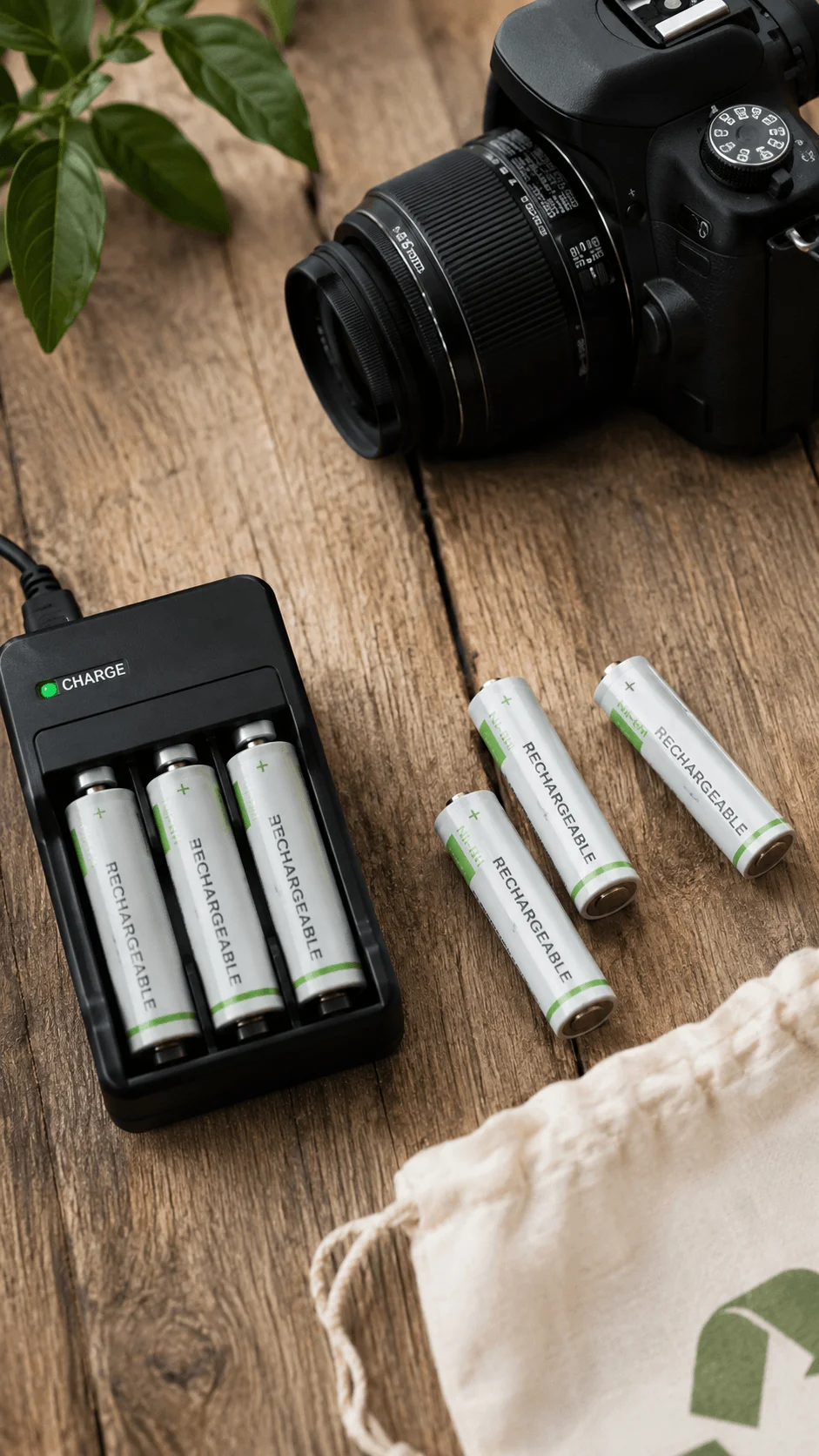
Photographers should also handle old batteries responsibly. Batteries contain materials that require appropriate recycling or disposal rather than ordinary household waste.
Rechargeable power fits naturally into a minimalist camera setup because photographers can carry a small number of reliable batteries rather than constantly purchasing replacements.
The environmental difference may seem small when considering one photographer, but responsible habits become more meaningful when they continue throughout years of photography.
9. Repair Before Replacing Photography Equipment
Repair culture represents one of the strongest ideas behind sustainable photography. When a camera, lens or accessory develops a problem, replacing it immediately is not always the only solution.
Regular maintenance can extend the useful life of photography equipment considerably. Cleaning cameras carefully, maintaining lenses, replacing worn components and addressing problems early can help prevent minor issues from becoming major ones.
Older cameras often receive less attention because photographers assume that newer technology automatically provides a better experience. However, a camera that continues to work reliably can still create excellent photographs.
Repair also encourages photographers to develop a stronger relationship with their equipment. Instead of viewing cameras as disposable technology, they become tools that deserve care and maintenance.
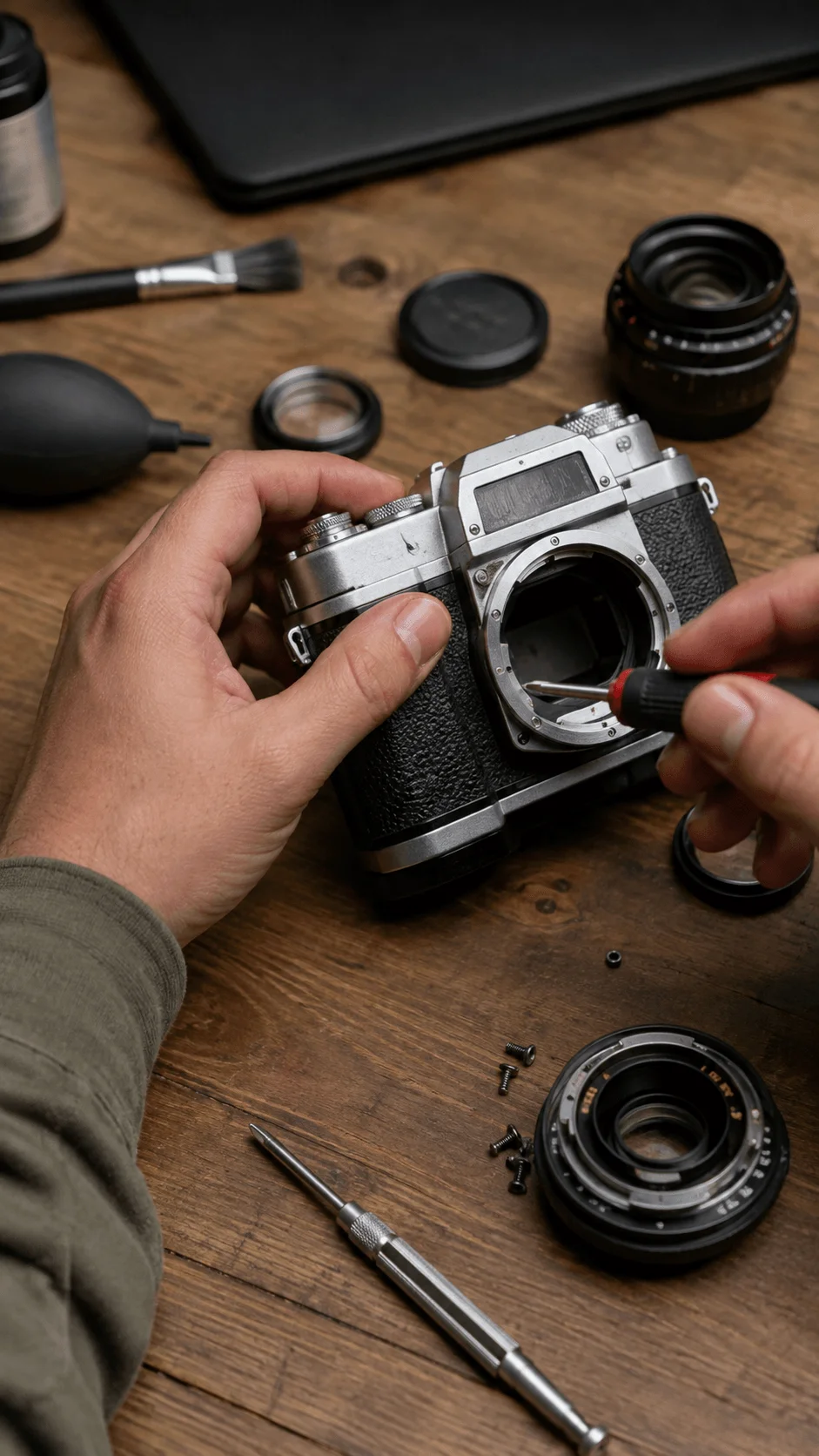
This philosophy can be particularly valuable for aesthetic photographers. Older equipment may have limitations, but those limitations can become part of the creative process.
A photographer who learns how to work with one camera for several years can develop a much deeper understanding of its controls, exposure behavior and visual characteristics.
That makes repair more than an environmental decision. It can also become a creative decision.
10. Experiment With DIY Wooden Pinhole Cameras
DIY photography provides an entirely different way to think about the camera. Wooden pinhole cameras and handmade designs show that photography does not always require complex electronics and advanced technology.
A pinhole camera uses a very simple optical principle. Instead of relying on a conventional lens system, it creates an image through a tiny opening. The resulting photographs can have a distinctive softness and dreamlike quality.
Handmade cameras also encourage photographers to slow down. The process can make people think more carefully about light, exposure and composition because the equipment provides fewer automatic controls.
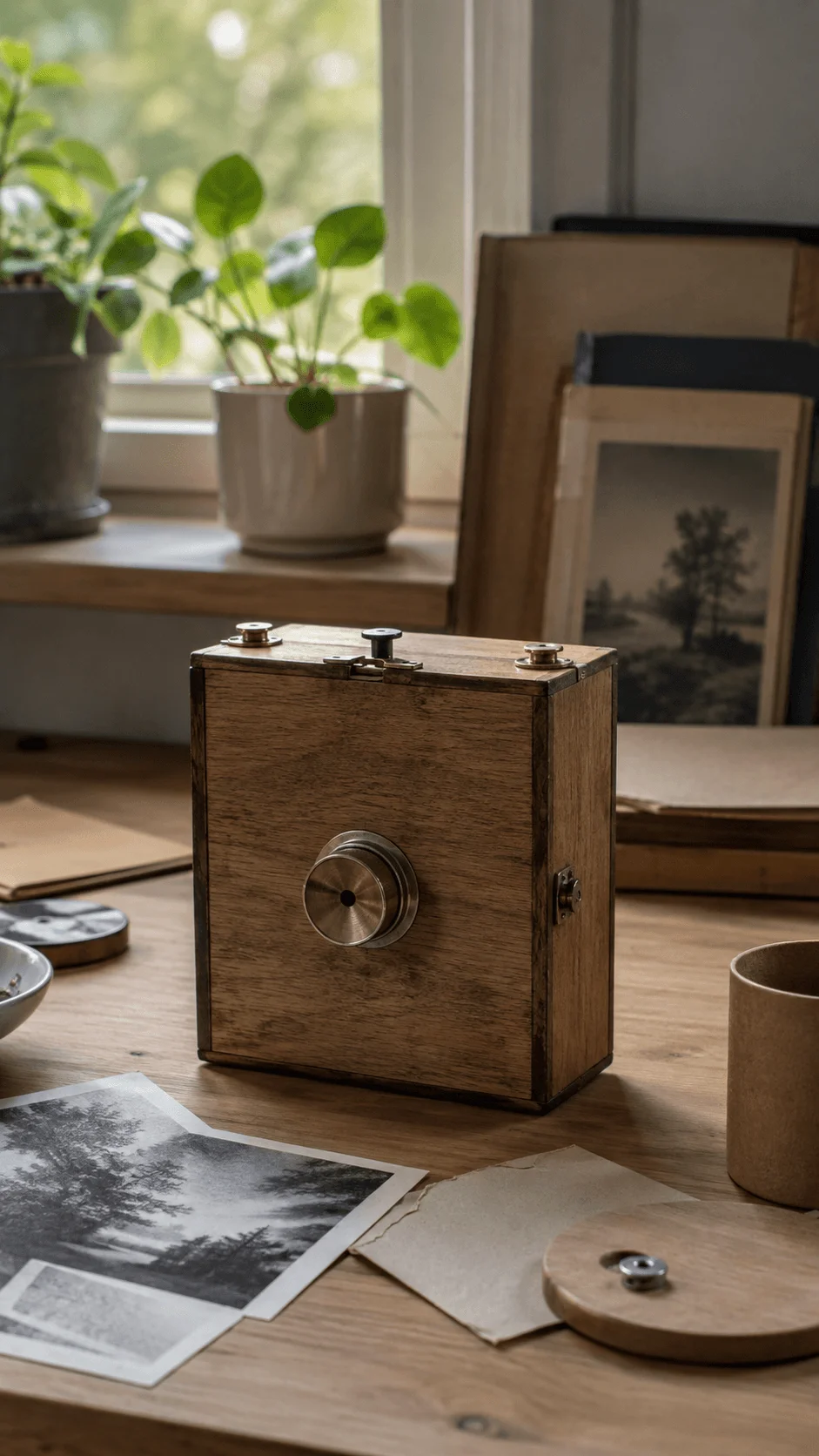
Wooden camera designs can also become attractive objects within an aesthetic photography collection. Their handmade appearance contrasts strongly with mass produced electronic devices.
The value of this idea lies primarily in creativity and experimentation. A DIY camera does not need to replace a professional camera. Instead, it can become a secondary creative tool for photographers who want to explore photography from a different perspective.
This approach also demonstrates an important principle behind sustainable photography: creativity does not always increase when technology increases.
11. Combine Analog and Digital Photography
Hybrid analog and digital photography provides another interesting direction for an eco friendly photography setup. Photographers can use film or older cameras to create images with physical characteristics that digital systems reproduce differently.
A hybrid workflow might involve shooting photographs on film, scanning the results and then using digital tools for editing, organization and sharing.
This process combines the tactile experience of analog photography with the convenience of modern digital publishing.
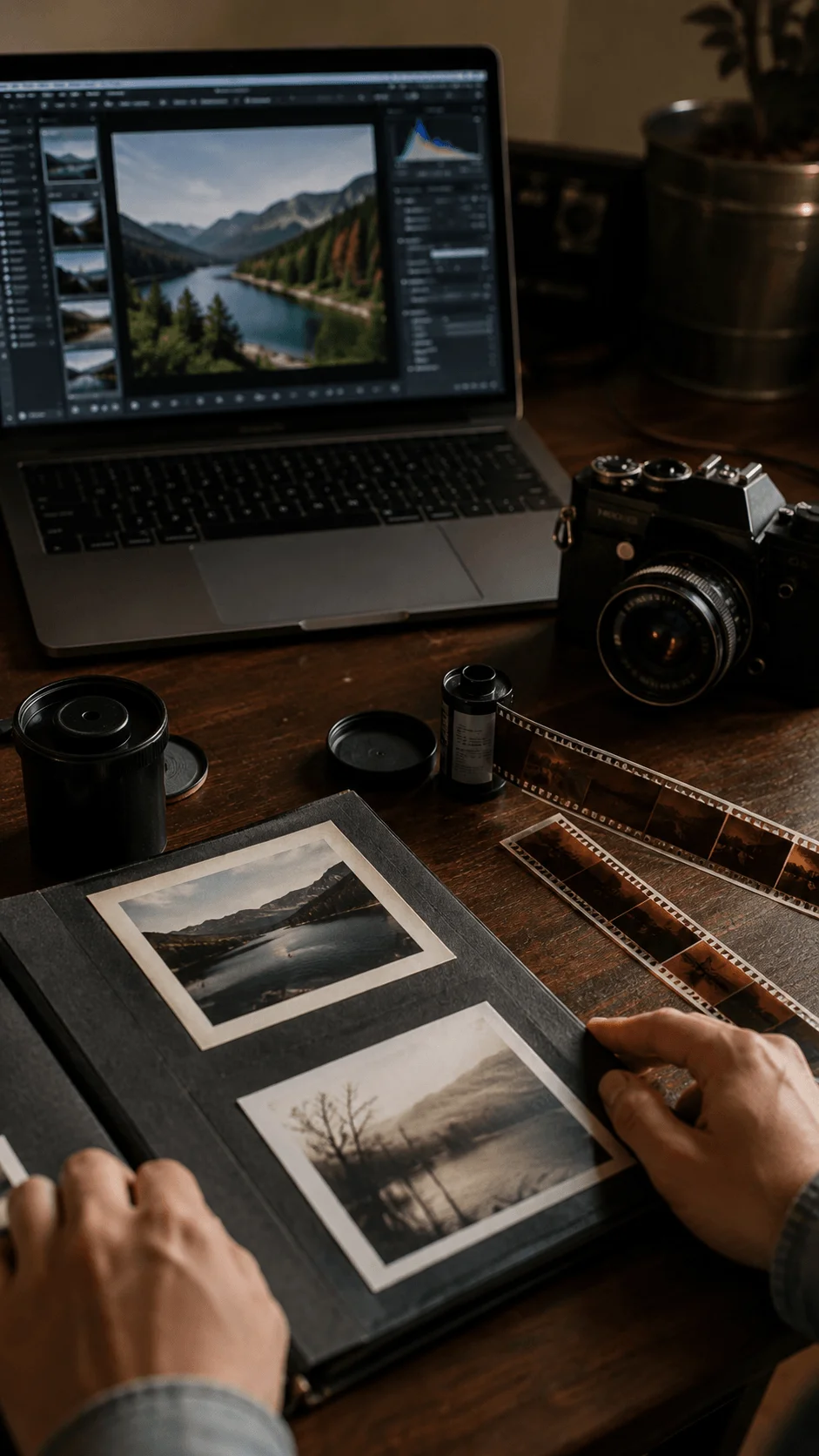
The sustainability question becomes more complicated with film because film photography involves physical materials and chemical processing. For that reason, responsible use matters. Photographers can shoot intentionally rather than taking hundreds of unnecessary frames.
The aesthetic advantage remains significant. Film can produce distinctive grain, color and contrast, while digital editing provides flexibility after scanning.
This combination allows photographers to create a personal visual style without relying entirely on modern equipment.
12. Choose Compact Cameras for Minimalist Travel
Compact cameras fit naturally into a sustainable photography philosophy because they allow photographers to carry a capable setup without bringing an extensive collection of equipment.
A small camera can encourage spontaneous photography. Instead of deciding whether carrying a large bag full of equipment is worthwhile, photographers can simply take a compact camera with them.
This can be particularly useful for travel. A smaller setup takes up less space and reduces the temptation to bring multiple lenses and accessories for situations that may never happen.
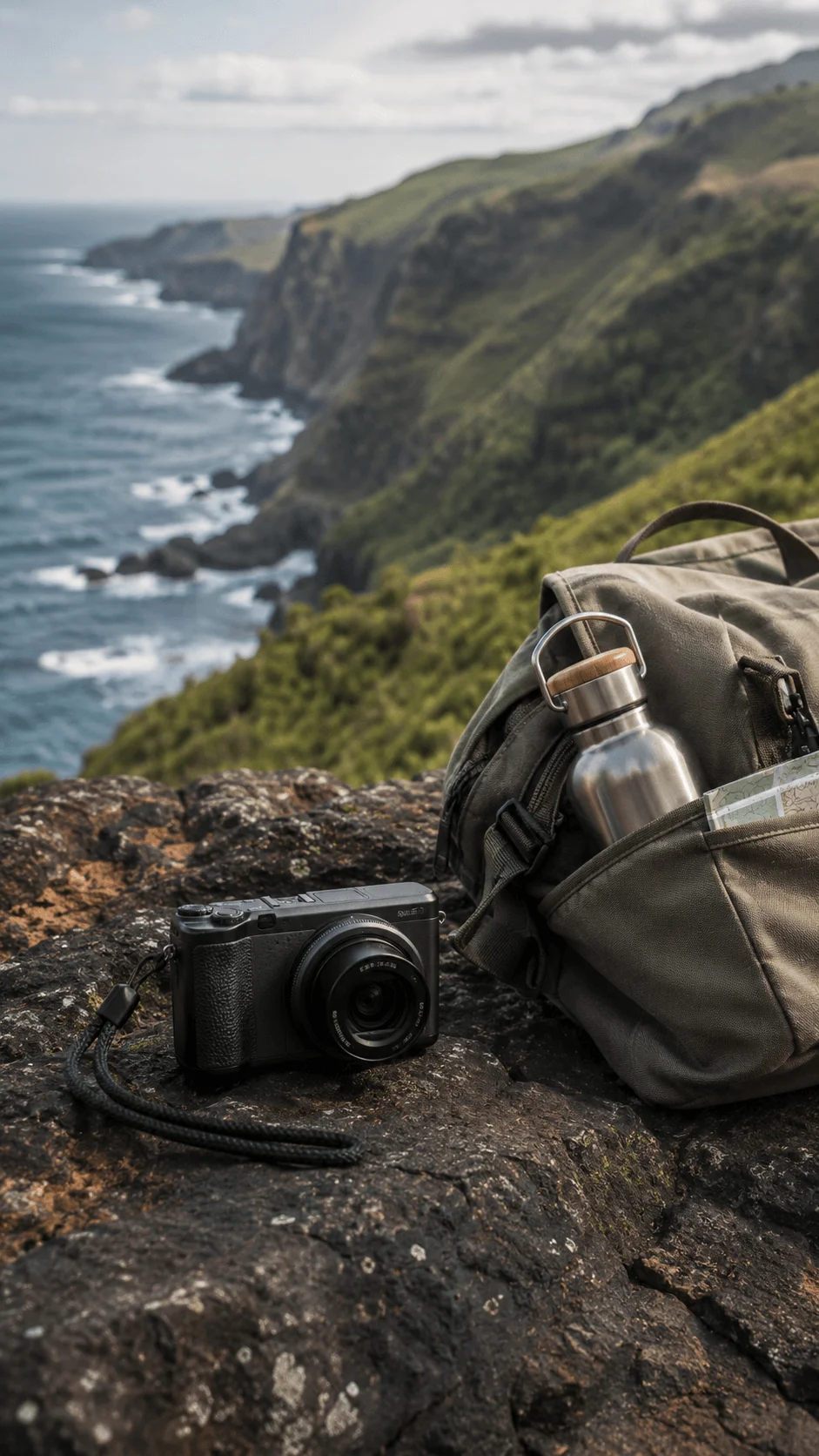
Compact cameras can also change the relationship between photographer and subject. Their smaller size can feel less intrusive during street photography, family moments and everyday travel.
The best travel setup does not necessarily contain the most equipment. It contains the equipment that the photographer will actually use.
For someone building an eco friendly aesthetic photography camera kit, a compact camera can therefore provide a practical balance between portability, creativity and reduced equipment consumption.
Conclusion
Creating an eco friendly aesthetic photography camera kit does not require purchasing an entirely new collection of products labeled as sustainable. A more meaningful approach starts with using equipment thoughtfully and keeping useful gear in circulation for as long as possible.
Secondhand cameras, vintage digital models, Y2K inspired photography, screen free shooting, minimalist lens choices and vintage optics can all provide distinctive creative experiences. Recycled camera bags, rechargeable batteries and equipment repair can strengthen the practical sustainability of the setup.
The most important idea is intentionality. Photographers do not need to own every new camera, lens or accessory to create beautiful photographs. They can learn the strengths of existing equipment, experiment with limitations and discover aesthetic qualities in older technology.
An eco friendly aesthetic photography camera kit can ultimately become more than a collection of camera equipment. It can represent a slower and more thoughtful approach to photography, where creativity matters more than constant upgrades and existing resources receive a longer life.