Eco Friendly Aesthetic Photography Materials for 2026
Eco friendly aesthetic photography materials are changing the way photographers create beautiful backgrounds, props, textures, and styling scenes in 2026. Instead of depending on disposable decorations or buying new studio props for every photoshoot, photographers can use materials such as reclaimed wood, bamboo, recycled fabrics, natural stone, dried botanicals, clay, and upcycled glass. These materials can add character to photographs while supporting a more thoughtful approach to styling.
Aesthetic photography has become increasingly focused on natural textures, earthy colors, authentic imperfections, and visually rich compositions. This makes sustainable materials particularly useful because many of them already have the tactile qualities that modern photography styles seek. A piece of aged wood can introduce warmth, while linen can soften a composition and natural stone can give a product photograph a sophisticated appearance.
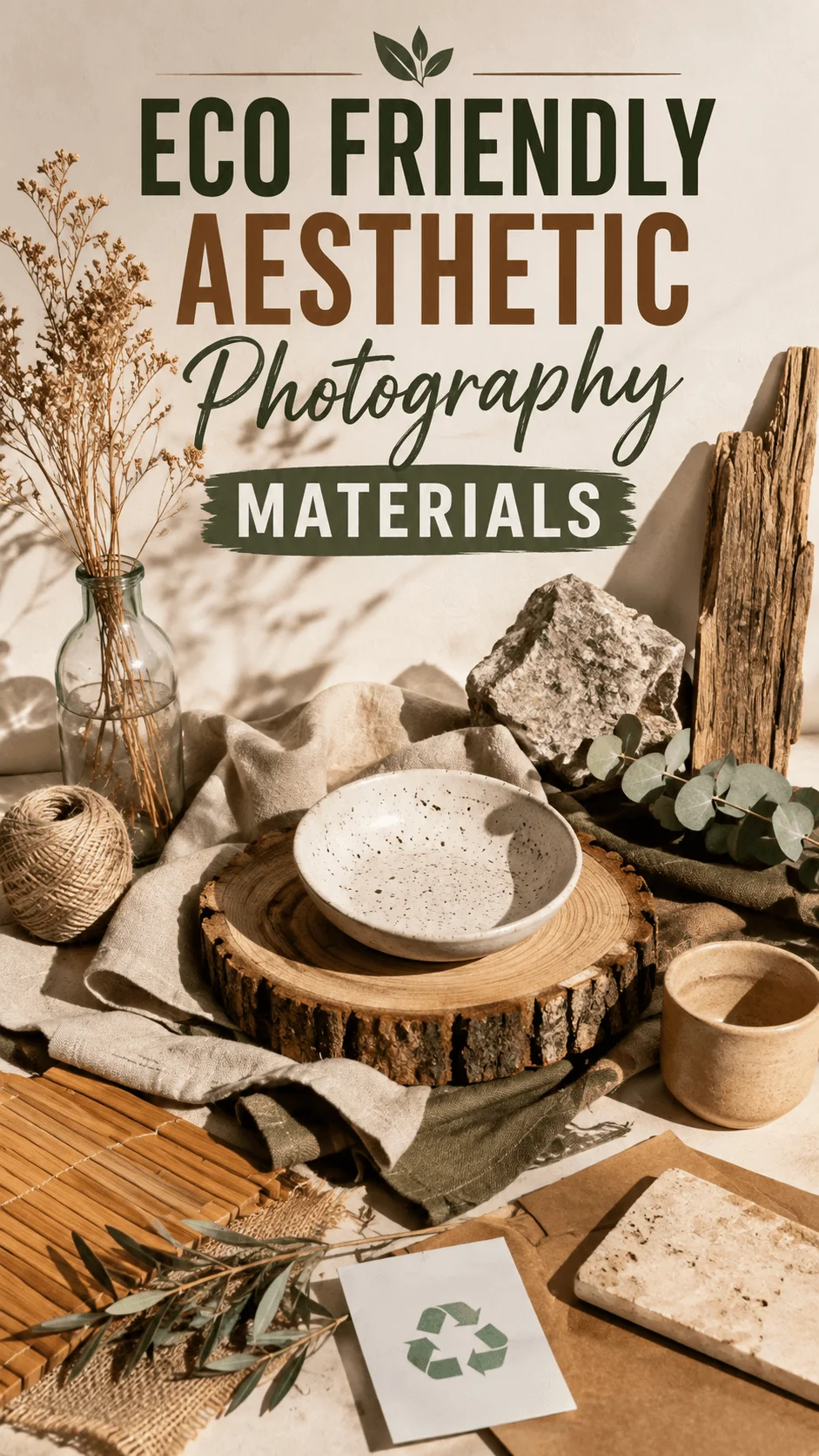
The best part is that photographers do not need an expensive collection of specialized props. Many sustainable materials can serve several purposes and work across different photography styles. A single piece of reclaimed wood, for example, can become a background for product photography, a surface for a flat lay, or a platform for a still life composition.
This guide explores twelve creative materials that can help photographers build attractive and reusable photography setups while reducing unnecessary consumption.
What Are Eco Friendly Aesthetic Photography Materials?
Eco friendly aesthetic photography materials are natural, recycled, reclaimed, upcycled, or reusable materials that photographers can incorporate into their visual setups. They can serve as backdrops, surfaces, props, platforms, textures, or decorative elements.
The important distinction is that sustainability does not automatically make something visually appealing. A material becomes particularly valuable for aesthetic photography when it also contributes something interesting to the image.
Texture is one example. A wrinkled linen cloth can create soft shadows and subtle movement. Reclaimed wood can introduce visible grain and imperfections. A piece of natural stone can create a strong contrast against a smooth cosmetic bottle.
Color also matters. Natural materials often come in muted shades such as beige, brown, cream, gray, terracotta, and green. These colors work especially well with the neutral and earthy palettes popular in contemporary photography.
Another important factor is versatility. A useful material should ideally work across several shoots rather than becoming a single use decoration.
Why Sustainable Photography Materials Are Trending in 2026
Photography styling is becoming more tactile and natural. Instead of perfectly smooth artificial backgrounds, photographers are increasingly experimenting with surfaces that show grain, fibers, folds, weathering, and handmade characteristics.
This shift works particularly well for brands that want their photographs to communicate authenticity. Skincare brands can use stone and linen to create a calm atmosphere. Handmade businesses can use wood and clay to emphasize craftsmanship. Food photographers can combine linen, wood, ceramics, and dried botanicals to create a warm setting.
Another important trend involves reusable photography setups. Rather than buying a different backdrop for every concept, photographers can invest in a small collection of versatile surfaces and change the arrangement, lighting, and props around them.
This approach can also make creative work more efficient. A photographer who owns several neutral materials can create dozens of different compositions without needing to constantly purchase new styling products.
The growing interest in low waste creative practices also gives photographers an opportunity to think differently about materials. Old objects can become new photography props when viewed from a creative perspective.
Recycled Cotton Fabric for Aesthetic Photography
Recycled cotton fabric can make an excellent photography backdrop when you want a soft and natural appearance. Unlike rigid surfaces, fabric introduces folds, wrinkles, and subtle variations that can make an image feel more relaxed and organic.
The material works especially well for beauty photography, fashion photography, handmade products, skincare, jewelry, and lifestyle scenes. A neutral cotton cloth placed underneath a product can provide enough texture to prevent the composition from looking flat without distracting attention from the subject.
The way you arrange the fabric can dramatically change the final image. You can spread it completely flat for a clean background, create gentle folds for additional shadows, or allow part of it to fall naturally around the subject.
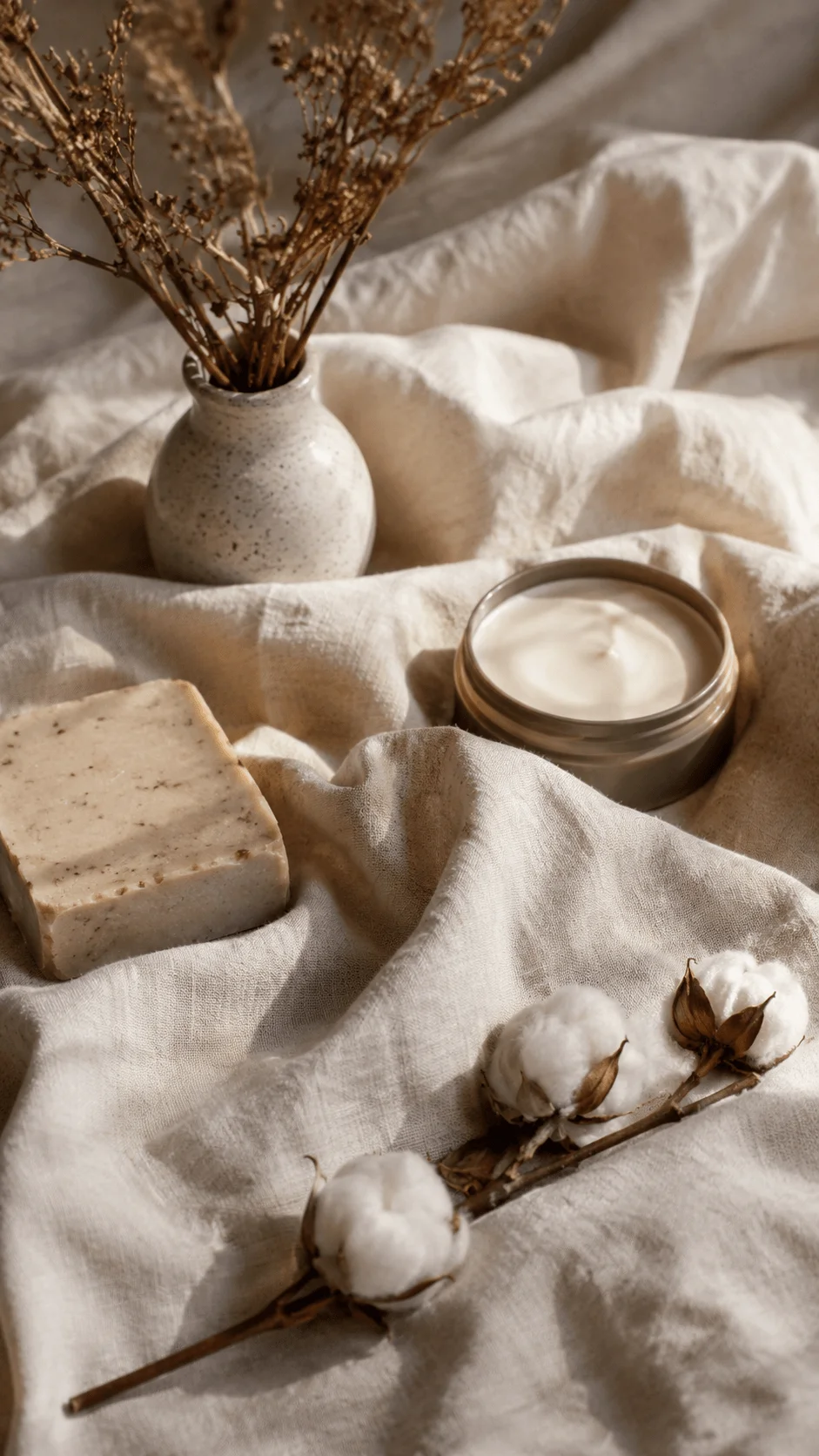
Color selection also plays an important role. Cream and beige can create a warm appearance, while muted gray can provide a cooler minimalist atmosphere. Earthy green and brown can complement botanical products particularly well.
Recycled cotton also gives photographers an opportunity to create different backgrounds from the same piece of material. Changing the folds, lighting direction, camera angle, and product position can produce photographs that look completely different.
For photographers who create content regularly, this versatility makes fabric particularly practical. Instead of purchasing several decorative backgrounds, one collection of reusable fabrics can provide many styling possibilities.
Bamboo Surfaces for Sustainable Photography
Bamboo can bring warmth and natural texture to an aesthetic photography setup. Its distinctive grain makes it more visually interesting than a completely plain surface, while its relatively clean appearance allows the subject to remain the focus.
Bamboo boards, trays, panels, and small furniture pieces can all become photography surfaces. A bamboo board can work as a flat background, while a bamboo tray can create a raised platform for a product.
This material works particularly well with minimalist photography. Imagine a skincare bottle placed on a warm bamboo surface beside a small ceramic container and a folded piece of linen. The natural grain provides visual interest without overwhelming the composition.
Bamboo also pairs well with neutral products. White packaging can stand out against warm wood tones, while green products can create a natural botanical feeling. Dark packaging can create a stronger contrast and a more premium appearance.
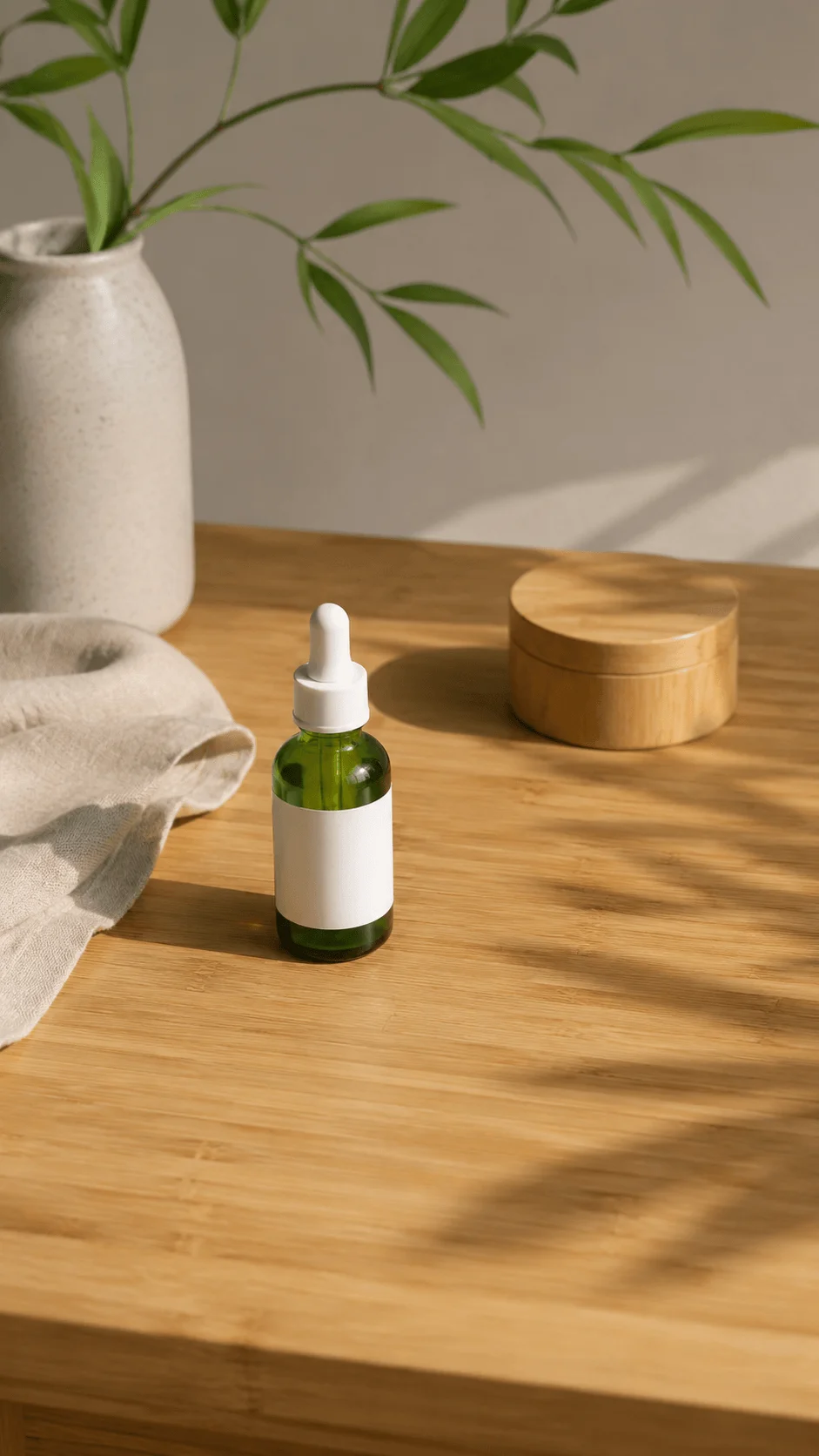
Lighting can further emphasize the material. Side lighting can reveal the grain and create subtle shadows, while softer front lighting can make the surface appear cleaner and more understated.
Bamboo works especially well for skincare, cosmetics, food, handmade products, stationery, and lifestyle photography. Because the same surface can work in many different compositions, it can become a useful part of a reusable photography collection.
Reclaimed Wood Photography Backdrops
Reclaimed wood offers something that manufactured photography backgrounds often struggle to reproduce: genuine character.
Old boards can contain natural grain, small marks, weathering, faded areas, and changes in color. Rather than treating these imperfections as flaws, photographers can use them as part of the visual story.
Reclaimed wood can produce several different aesthetics depending on its appearance. Pale weathered wood can create a soft rustic scene. Darker timber can give a photograph a dramatic and sophisticated mood. Warm brown wood can create a cozy lifestyle atmosphere.
The material works particularly well for food photography, handmade products, candles, coffee, fashion accessories, plants, and rustic product photography.
Wood can also provide both a background and a physical platform. You can place a product directly on the board or use smaller pieces of timber to create different heights within the composition.
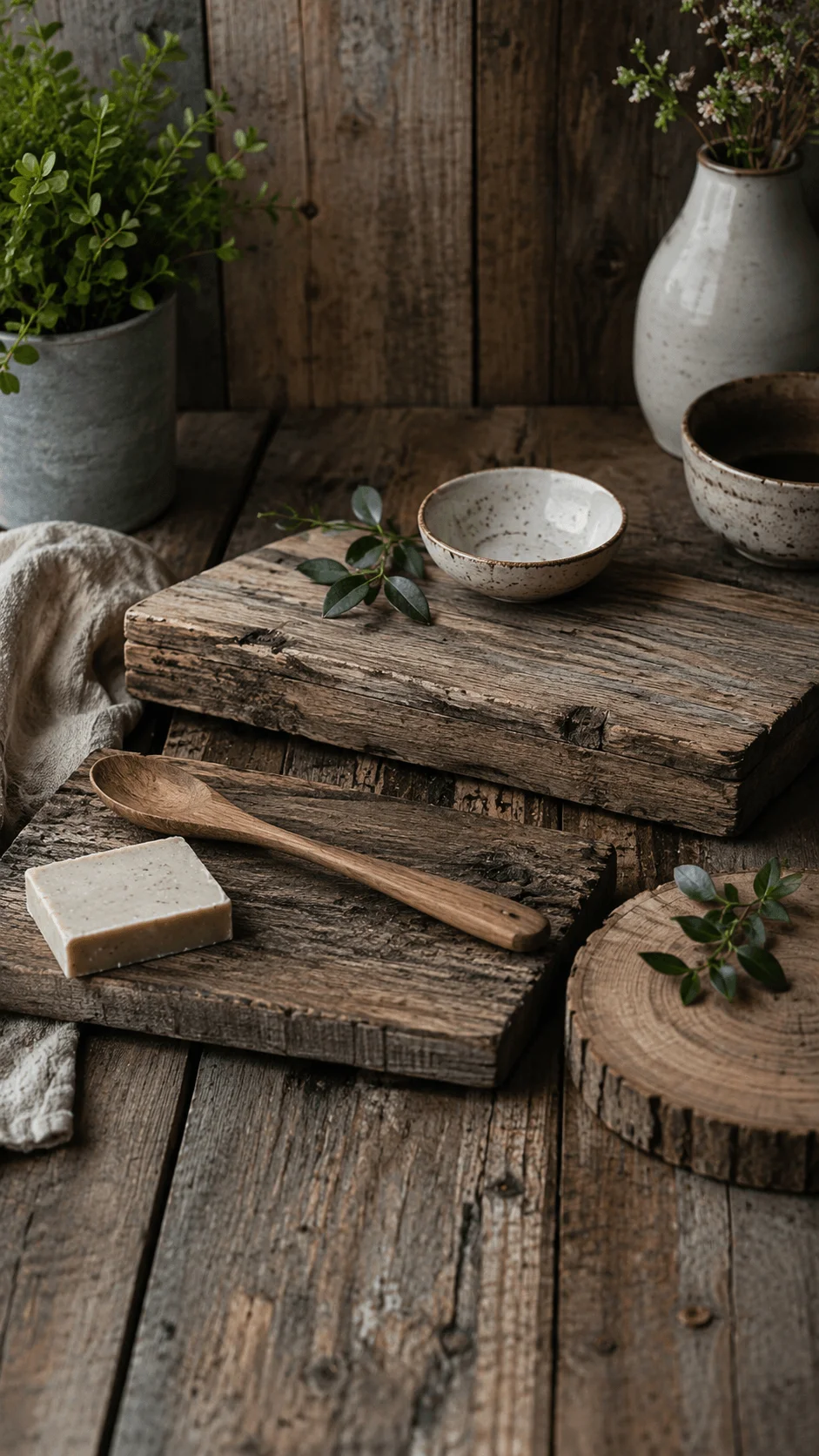
Creating height is particularly useful in still life photography. Instead of arranging every object on one flat surface, you can place one item on a raised wooden piece and keep other elements lower in the frame. This creates depth and makes the photograph more dynamic.
The most interesting reclaimed wood does not necessarily need to look perfect. Natural variation often gives the photograph a more authentic quality.
Cork Props for Natural Photography Styling
Cork remains an underused material in photography styling, which makes it an interesting choice for photographers looking for something different.
Its warm brown color and fine texture can add subtle visual depth without becoming the main focus of the image. Cork sheets can work as backgrounds, while thicker cork pieces can become platforms or small risers.
Cork is particularly suitable for stationery, notebooks, handmade products, plants, coffee, skincare, and lifestyle photography. Its earthy appearance can complement neutral packaging and natural product designs.
One interesting approach involves combining cork with smoother materials. For example, a glass container placed on cork creates a contrast between transparency and texture. Pairing cork with recycled paper can produce a warm minimalist composition.
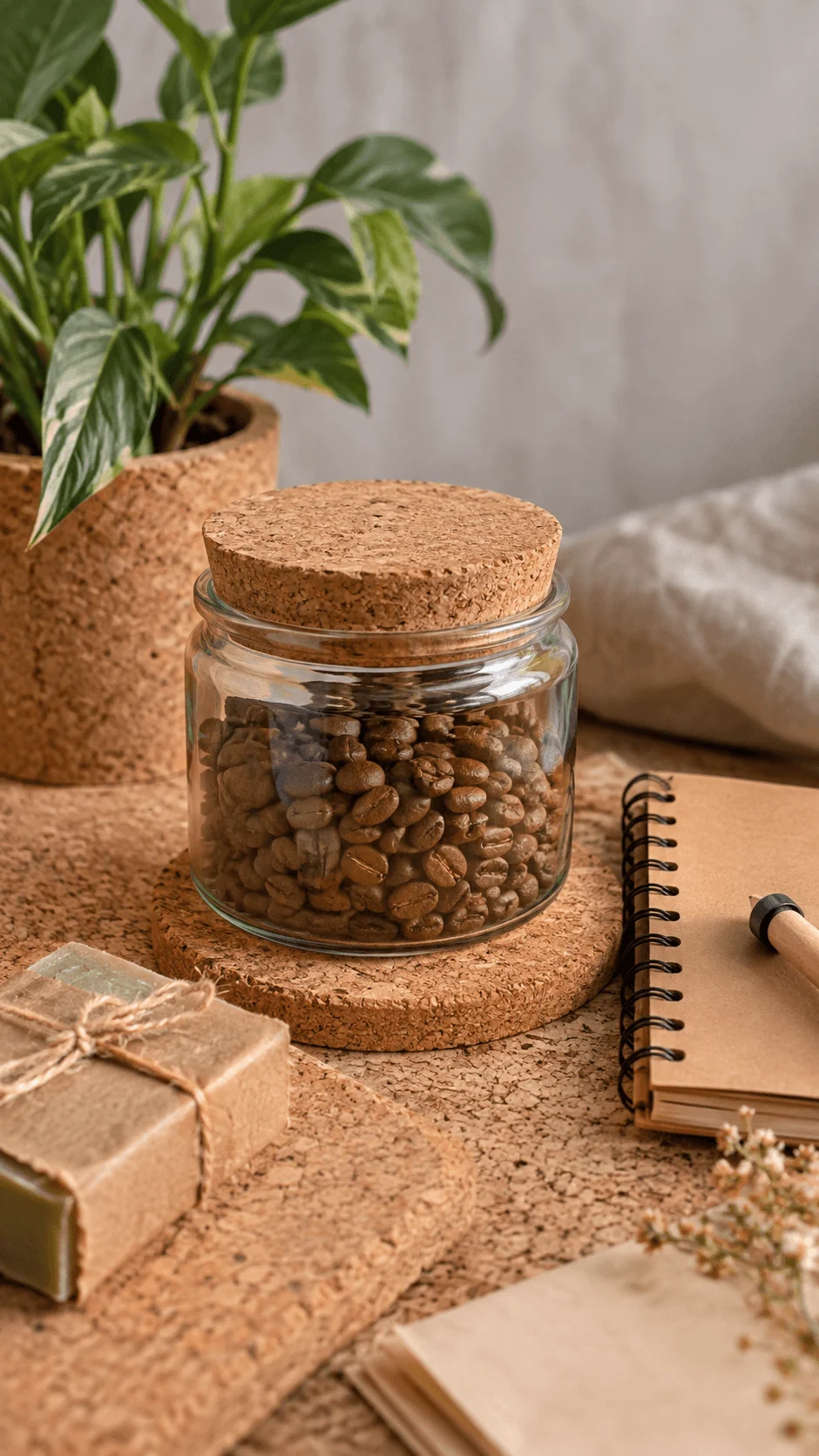
Cork also works well in close up photography because its texture becomes more noticeable when the camera moves closer to the surface.
The material can therefore serve both a functional and aesthetic purpose. It provides a surface for positioning the subject while simultaneously contributing texture to the photograph.
Hemp Fabric for Sustainable Photography
Hemp fabric can introduce a distinctly natural feeling into a photography setup. Its visible fibers and slightly irregular texture can make an image appear more tactile and authentic.
Unlike completely smooth synthetic fabrics, hemp can provide small variations that interact beautifully with light. Folds create shadows, while the woven surface can become visible in close up photographs.
Photographers can use hemp underneath products, behind objects, or as a draped styling element. It can also work as part of a lifestyle composition where the material appears naturally rather than functioning as an obvious studio backdrop.
Hemp works particularly well with wooden surfaces, handmade ceramics, dried plants, clay objects, and neutral packaging.
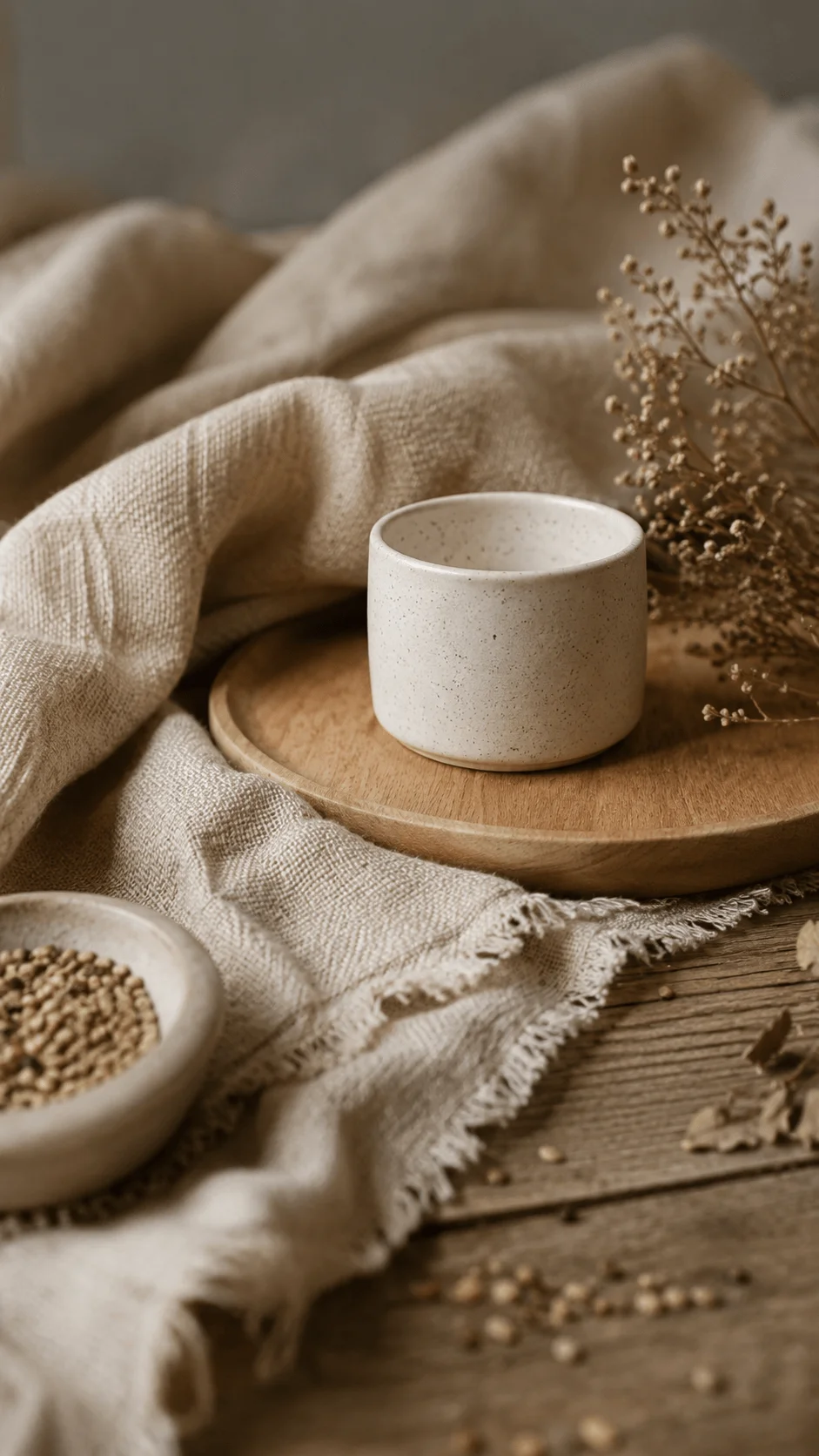
For example, a handmade skincare product could sit on a wooden board with a piece of loosely folded hemp fabric behind it. A few dried botanical elements could complete the composition without making the scene appear overly decorated.
Natural beige and muted brown hemp fabrics are particularly versatile because they can work with many product colors.
Recycled Paper and Molded Paper Photography Props
Recycled paper provides photographers with an inexpensive way to introduce shape, height, and texture into a composition.
Instead of using paper only as a flat background, photographers can fold, layer, roll, stack, or shape it into different forms. Corrugated cardboard can provide strong linear texture, while molded paper pulp can create unusual sculptural shapes.
This material works particularly well for minimalist product photography because it can create a clean composition without competing strongly with the subject.
Paper can also be useful when a photographer wants to create different levels within a photograph. A folded sheet can become a small platform, while several layers can create a stepped arrangement.
The natural neutral colors of recycled paper also work well with colorful products. A bright cosmetic container, for example, can stand out against a muted paper background.
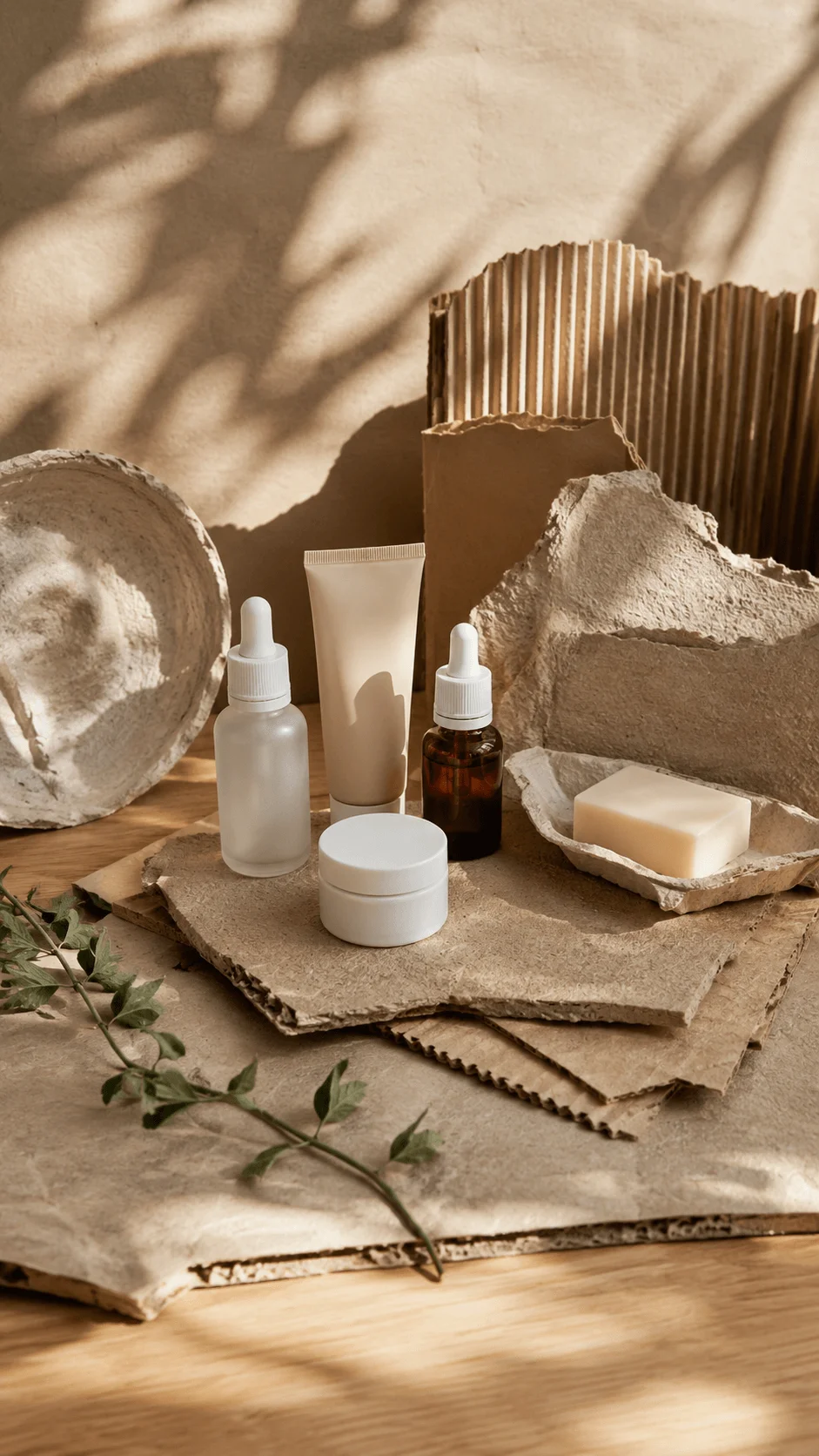
Another advantage is creative flexibility. Paper can be cut or folded into shapes that suit the particular photograph. This makes it especially useful when a photographer wants to create a custom setup rather than rely on standard props.
The material can also complement other sustainable styling elements. Recycled paper combined with cork can create a warm stationery scene, while paper paired with bamboo can produce a clean minimalist composition.
Natural Stone Photography Props
Natural stone can instantly change the visual character of a photograph. Depending on the type and color, it can make a scene feel luxurious, earthy, dramatic, cool, or minimalist.
Small pieces of marble, slate, granite, travertine, and natural rock can function as backgrounds, platforms, or individual styling elements.
Stone is particularly effective for product photography because it creates a strong visual contrast against smooth packaging. A polished skincare bottle sitting on textured stone can produce an elegant composition, while rougher stone can make a handmade product feel more organic.
Jewelry photography can also benefit from stone because its natural texture provides a contrasting environment for reflective surfaces. Metal jewelry can stand out against matte stone, creating visual separation between the product and background.
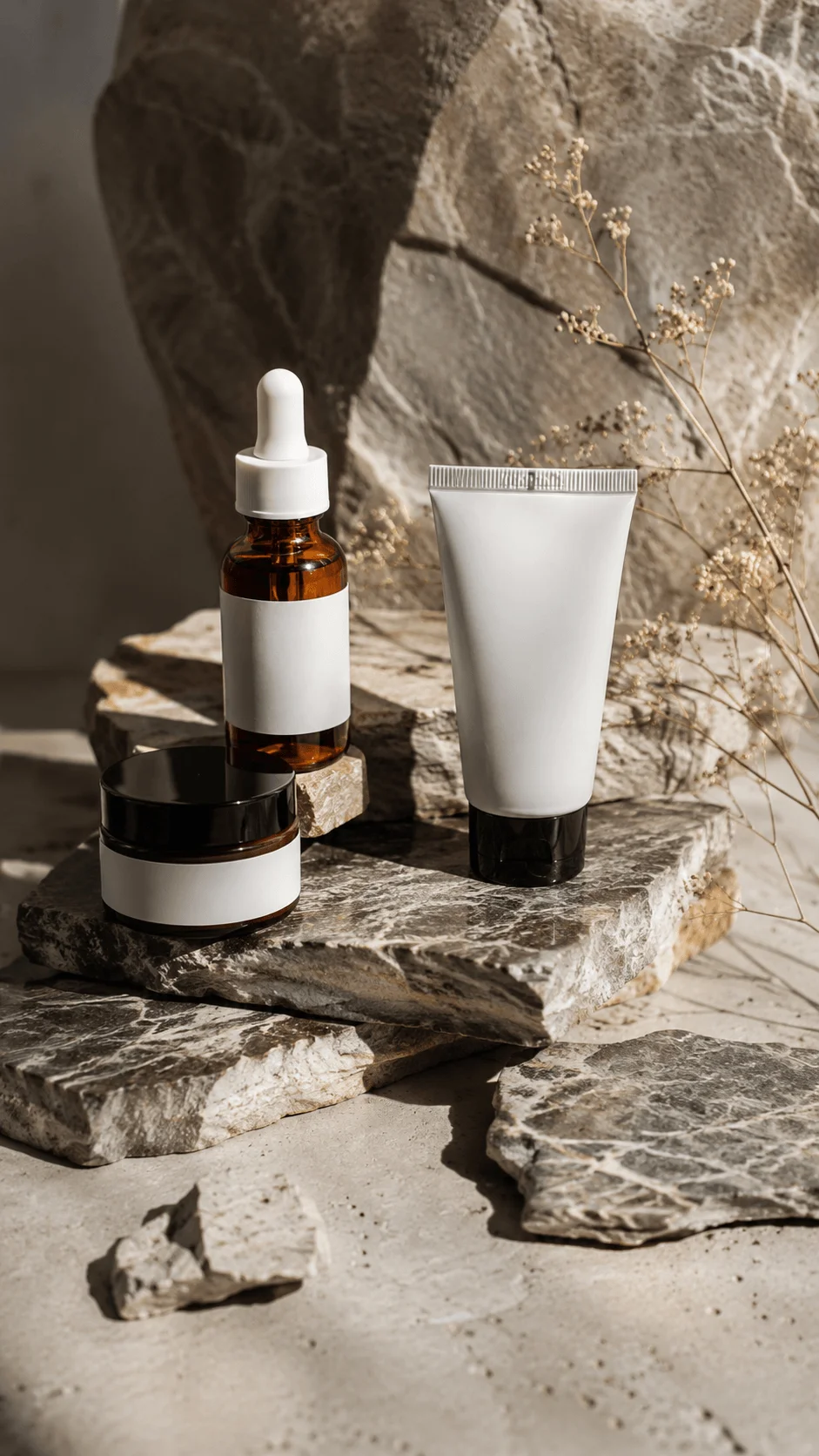
The color of the stone matters greatly. Light marble can create an airy premium atmosphere, while dark slate can produce a dramatic appearance. Warm stone can complement earthy products and natural cosmetics.
Photographers should also experiment with stone fragments rather than limiting themselves to large slabs. Small pieces can act as risers or visual accents and can be rearranged across different compositions.
Dried Botanical Photography Props
Dried botanicals can bring an organic and delicate quality to aesthetic photography without requiring elaborate decorations. Dried leaves, flowers, grasses, seed pods, wheat stems, small branches, and preserved plant pieces can all become useful styling elements.
Their biggest visual advantage comes from their natural shapes. A product placed against a plain surface can sometimes look static, but a few dried stems can introduce curves, lines, shadows, and movement. These details can guide the viewer’s attention toward the main subject.
Dried botanicals work particularly well with skincare, candles, handmade products, stationery, jewelry, food, wellness products, and lifestyle photography. They can create a calm and natural atmosphere around products that already have an organic identity.
You can position dried leaves around the edges of a flat lay, place a seed pod beside a product, or allow a few stems to enter the frame from one side. You do not need to cover the entire scene with plants. A small amount can often create a stronger result because it keeps the composition clean.
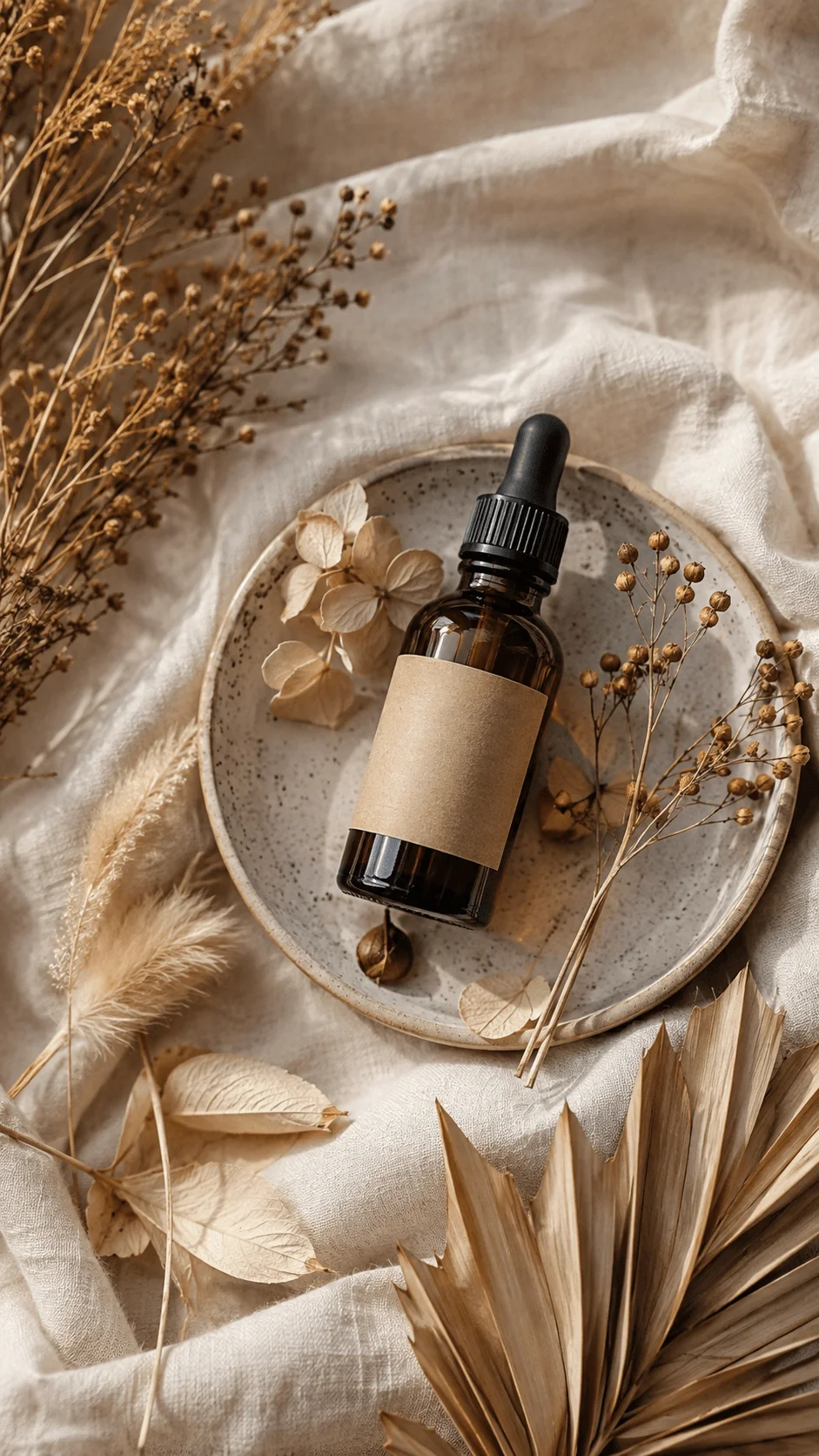
Lighting also changes how dried botanicals appear. Side lighting can project attractive shadows onto the background, while softer lighting creates a gentler appearance. Backlighting can highlight thin leaves and stems and give them additional visual separation.
Dried botanicals also offer excellent versatility. You can change their position, trim them into different shapes, group several varieties together, or photograph individual pieces as subtle background elements.
For a more contemporary appearance, combine dried botanicals with materials such as stone, recycled paper, linen, bamboo, and clay. These combinations create layers of natural texture without making the photograph feel overly decorated.
Upcycled Glass for Creative Photography
Upcycled glass can add an entirely different visual quality to photography because it introduces transparency, reflection, distortion, and light transmission.
Old glass jars, bottles, containers, vases, and decorative pieces can become photography props instead of being discarded. Their previous purpose can become irrelevant once they enter a carefully designed composition.
Glass works especially well for perfume, skincare, beverages, candles, jewelry, food, and lifestyle photography. A transparent glass object can create a soft secondary shape behind the main product, while a reflective glass surface can introduce highlights and visual depth.
One creative approach involves placing a glass container slightly behind the main subject. When the light passes through it, the glass can create subtle reflections and shapes without competing with the product.
You can also experiment with partially filled glass containers when the subject allows it. Water can create interesting optical effects and reflections, although photographers should always protect equipment from spills.
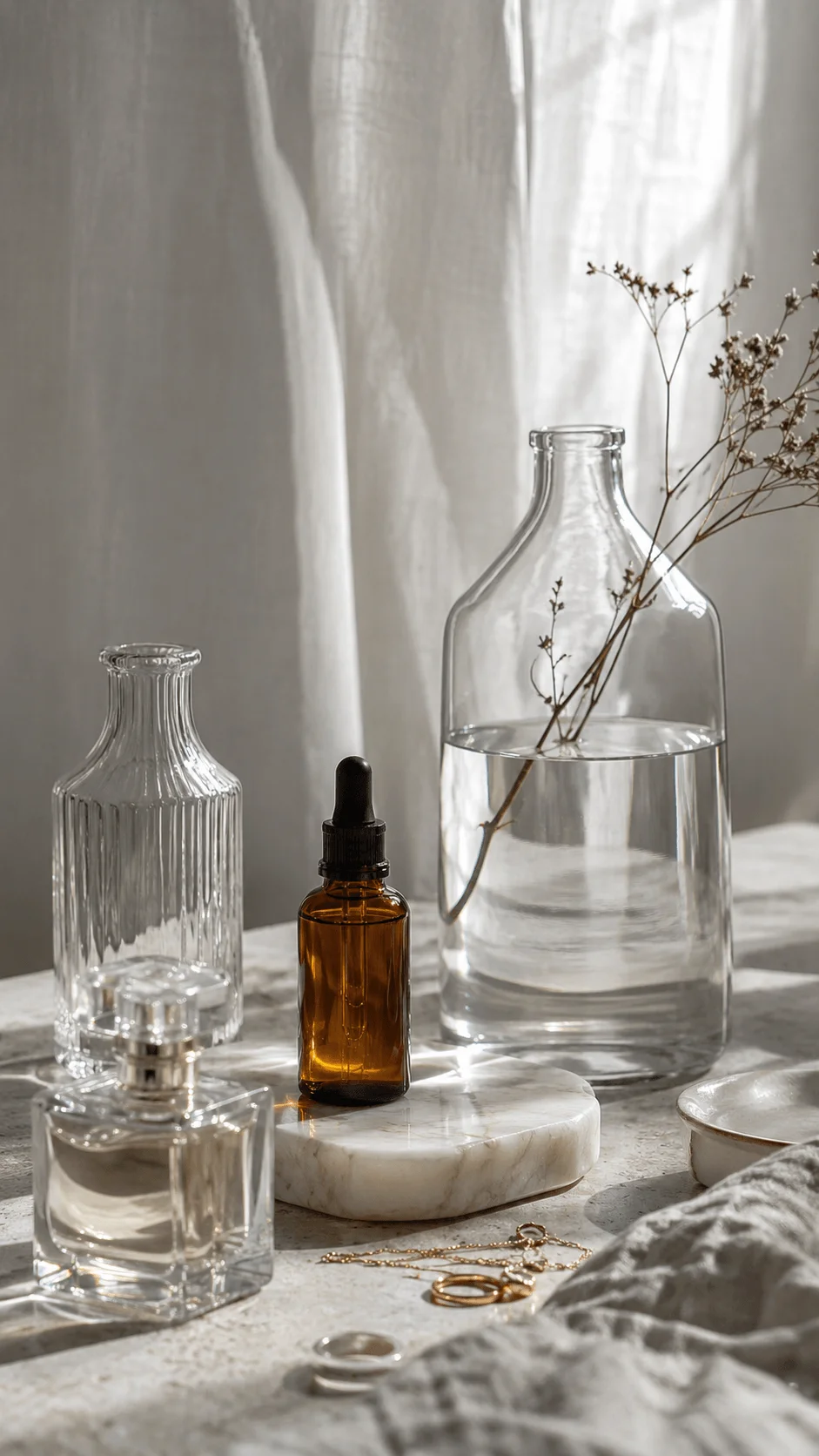
Different glass shapes can also change the mood. A simple transparent jar can create a clean minimalist scene, while an older textured bottle can provide a vintage appearance.
Glass becomes particularly interesting when you combine it with matte materials. A reflective glass object beside natural stone, linen, or reclaimed wood creates contrast between smooth and textured surfaces.
Because glass props can remain useful for many years, they can become a long term part of a photographer’s styling collection. Instead of purchasing new decorative objects for individual shoots, photographers can collect interesting containers from items they already have.
Linen and Jute for Natural Photography Textures
Linen and jute are excellent materials for photographers who want to introduce soft, woven, and organic textures into an image.
Linen has a relatively refined appearance, while jute tends to look more rustic and visibly textured. This difference allows photographers to choose the material according to the mood they want to create.
A linen cloth can provide a subtle background for skincare or beauty photography. Its folds can create gentle shadows that add depth without distracting from the product.
Jute can create a stronger visual texture. It can work particularly well with handmade products, plants, baskets, food, pottery, and rustic lifestyle scenes.
Both materials work well in flat lay photography. A photographer can place a piece of linen beneath several products and then introduce small jute elements around the composition. The combination creates variation without requiring many additional props.
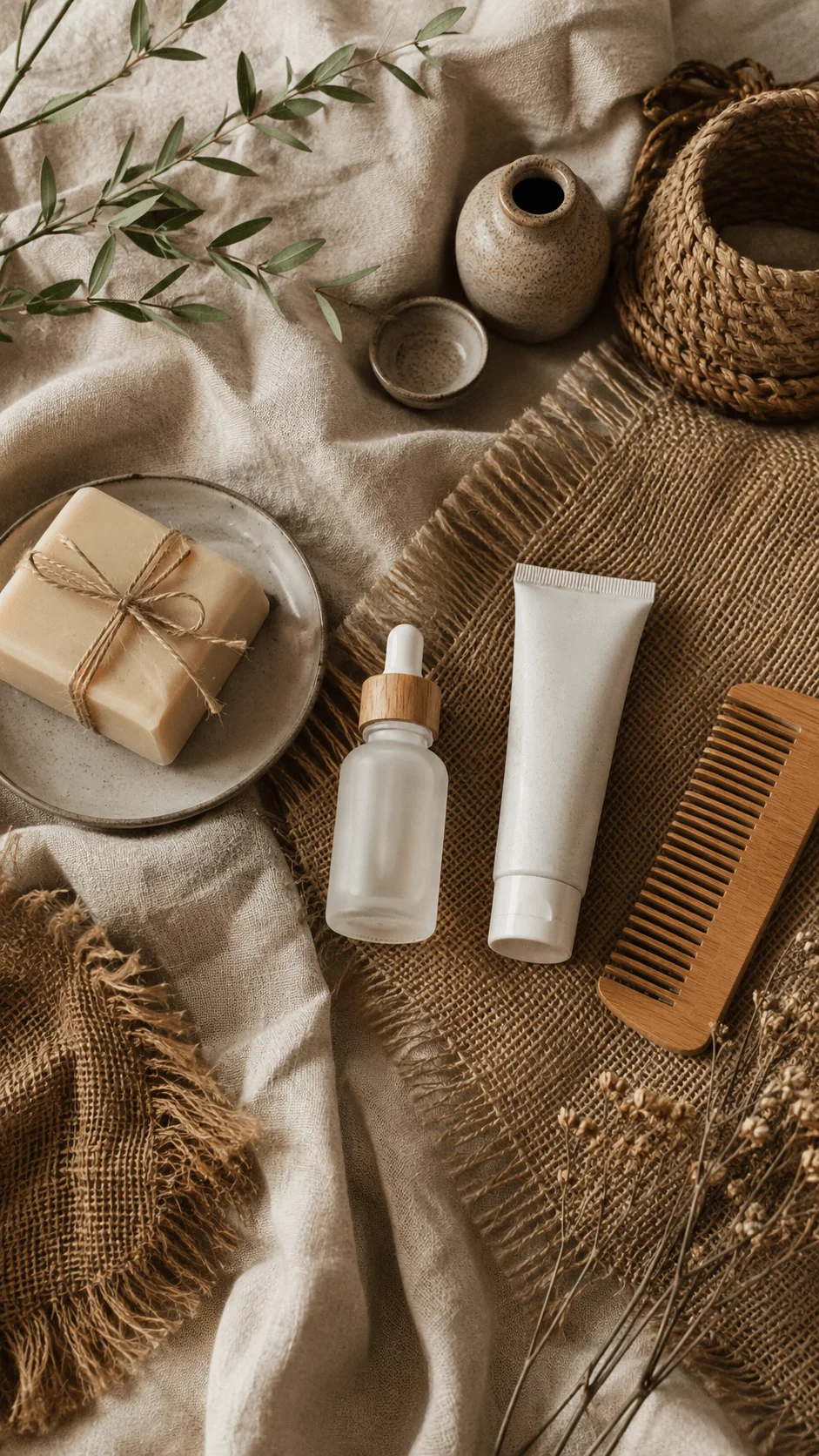
Wrinkles can also become part of the aesthetic. There is no need to make every fold perfectly symmetrical. Natural looking fabric arrangements can support the broader preference for authentic and relaxed photography.
Color selection remains important. Natural beige, cream, sand, and muted brown shades provide versatility, while darker fabrics can create more dramatic scenes.
Linen and jute also pair beautifully with wood, stone, ceramics, clay, and dried botanicals. These combinations can create a cohesive natural palette that works particularly well for brands focused on handmade, organic, artisanal, or nature inspired products.
Terracotta and Natural Clay Photography Props
Terracotta and natural clay can introduce warmth and craftsmanship into an aesthetic photograph.
Terracotta pots, handmade clay dishes, ceramic tiles, small sculptural pieces, and raw clay surfaces can all become useful photography materials. Their earthy colors make them especially suitable for photographs that rely on warm and natural palettes.
One of the strongest qualities of clay is its handmade appearance. Small variations in shape, texture, and color can make a scene feel less manufactured.
Terracotta works particularly well with plants and botanical products. A small terracotta pot beside a skincare product or handmade candle can create a warm lifestyle setting.
It can also work with food photography. A clay plate or small handmade bowl can provide a visually interesting surface while contributing to the overall atmosphere of the photograph.
For minimalist photography, a single terracotta object can provide a controlled accent against a neutral background. You do not need multiple clay pieces to communicate the aesthetic.
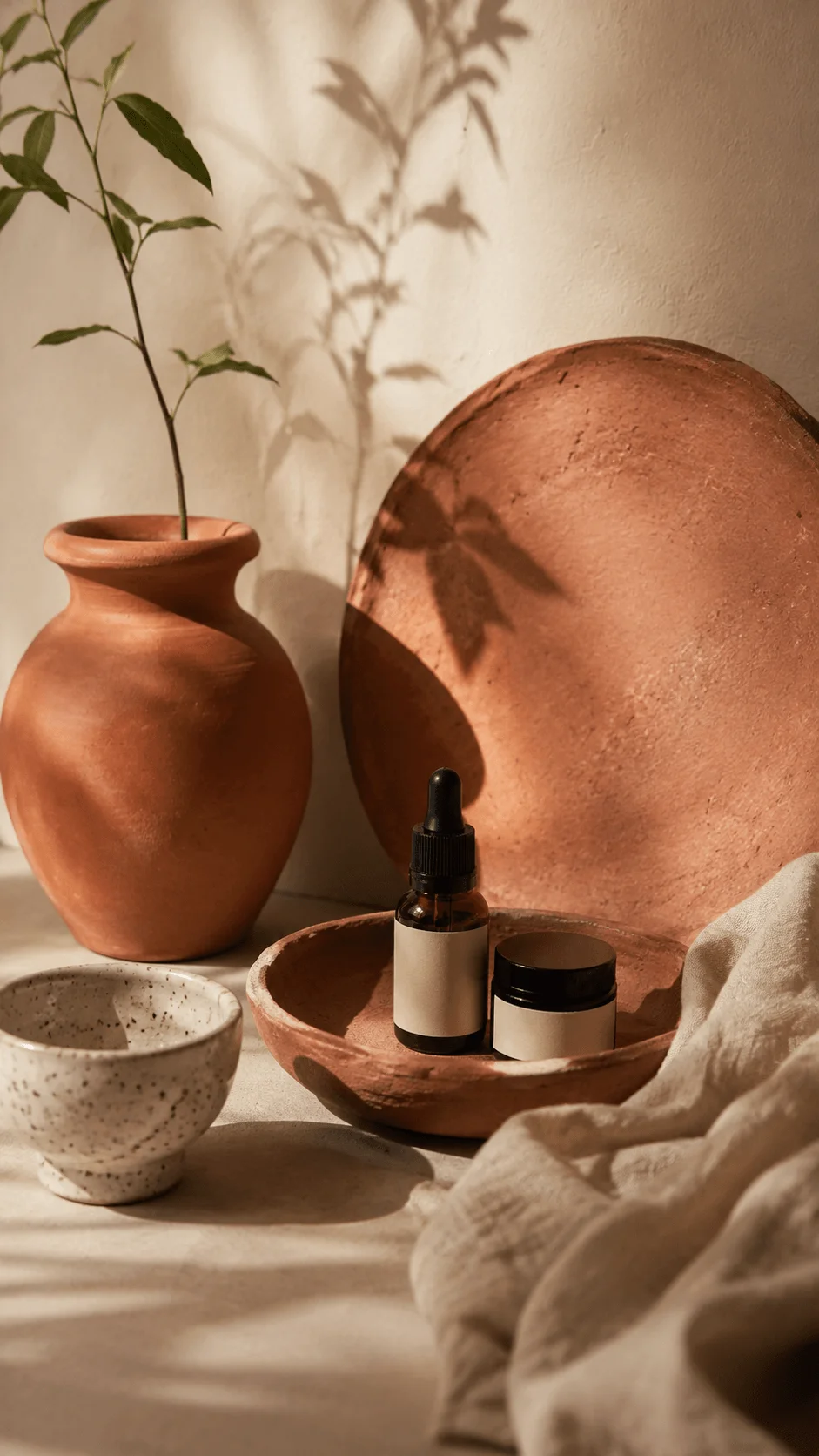
Clay also creates interesting texture contrasts. Pairing a rough clay object with smooth glass can make both materials more noticeable. Combining clay with soft linen produces another type of contrast between hard and soft surfaces.
Photographers can also use handmade imperfections creatively. Slight variations in a clay object can make the image feel more authentic and personal.
Reusable Modular Photography Backdrops
Reusable modular photography backdrops deserve special attention because they focus on an important part of sustainable photography: longevity.
Instead of purchasing a completely new backdrop whenever you want a different visual concept, you can build a collection of durable surfaces and rearrange them in different ways.
A modular system might include several neutral boards, textured panels, wooden surfaces, fabric pieces, stone sections, or other durable materials. You can photograph one side as a background, place another piece underneath the subject, or use smaller pieces to create levels.
The major advantage is flexibility. The same materials can produce completely different photographs depending on camera position, lighting, product placement, and surrounding props.
For example, a neutral textured board might look minimal when photographed alone. Add a piece of linen and a small ceramic object, and it becomes part of a lifestyle scene. Place a glass bottle on the same surface and change the lighting, and the composition can take on an entirely different appearance.
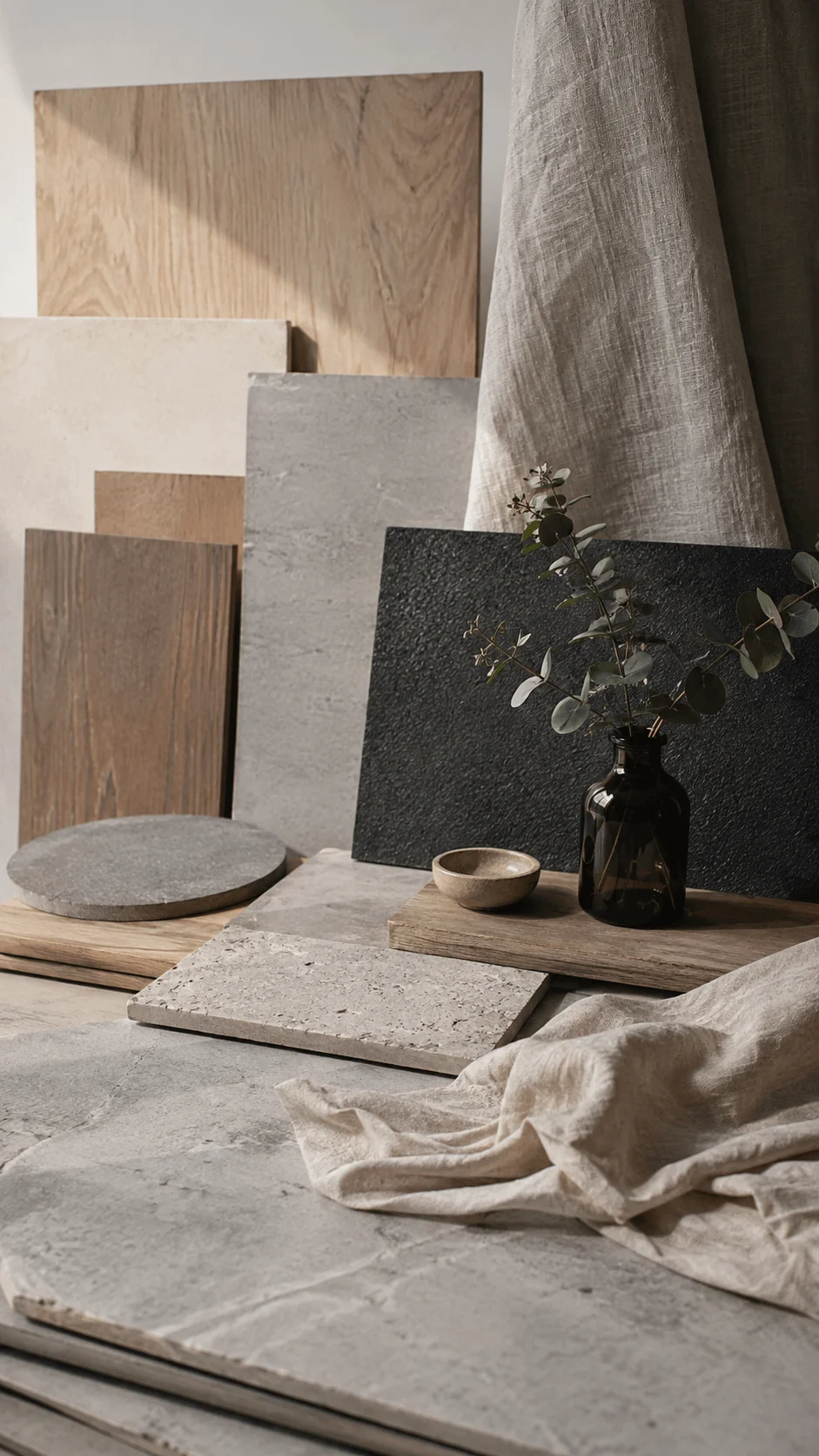
Modular backdrops are also useful for photographers who create content for several brands. A neutral collection allows you to adapt the visual environment to different products without constantly purchasing new materials.
Storage matters as well. Flat panels can often be stored vertically or stacked carefully, while smaller styling pieces can fit into containers.
The goal is not to own as many materials as possible. A carefully selected collection of versatile pieces can provide more creative possibilities than a large collection of single purpose props.
How to Choose the Right Material for Your Photoshoot
Choosing the right material starts with understanding the subject.
A luxury product may benefit from smooth stone and subtle glass reflections, while a handmade product may look more natural against reclaimed wood or linen.
Product color also matters. A white product can blend into a pale background, so a warmer or darker material may provide better separation. A colorful product might benefit from a neutral background that allows its packaging to remain the visual focus.
Lighting should influence your choice as well. Reflective materials such as glass can produce highlights, while rough surfaces such as stone and wood can create stronger shadows.
Think about the mood you want to communicate. Linen and light wood can create a soft and relaxed feeling. Dark reclaimed wood can create a more dramatic atmosphere. Terracotta can introduce warmth, while gray stone can create a sophisticated appearance.
Brand identity should also guide the decision. A natural skincare brand may benefit from linen, stone, wood, and botanical elements. A handmade stationery brand might work better with cork, recycled paper, bamboo, and fabric.
The physical size of your photography space matters too. Large backgrounds may work well in a studio, while smaller photographers may benefit from compact boards, fabric pieces, trays, and small props.
Most importantly, think about versatility. Before purchasing a material, consider how many different ways you can use it. Can it function as a backdrop and a platform? Can you photograph it from several angles? Can you combine it with different colors?
Materials that offer several creative uses can help photographers build more sustainable collections while maintaining plenty of visual variety.
Conclusion
Eco friendly aesthetic photography materials offer photographers a practical way to create beautiful images while thinking more carefully about consumption and waste. Materials such as recycled cotton, bamboo, reclaimed wood, cork, hemp, recycled paper, natural stone, dried botanicals, upcycled glass, linen, jute, terracotta, and reusable backdrops can all contribute distinctive textures and visual qualities.
The real value of these materials goes beyond their environmental appeal. They can make photographs feel warmer, more authentic, tactile, natural, and visually memorable. A piece of reclaimed wood can add character, linen can create softness, stone can introduce sophistication, and dried botanicals can bring organic movement into a composition.
The best approach is to build a small collection of versatile materials rather than constantly purchasing new props. When photographers reuse the same surfaces in different ways, they can create a surprising amount of visual variety through changes in composition, lighting, camera angle, and product placement.
As photography continues to embrace natural textures and authentic styling in 2026, sustainable materials can offer both creative and practical advantages. With thoughtful selection and experimentation, photographers can create distinctive images that look modern and aesthetic without relying on excessive or disposable styling.