20 Eco Friendly Event Ideas for Sustainable Events 2026
Sustainability in events has moved from a branding choice to a strategic necessity. In 2026 event organizers are expected to demonstrate measurable environmental responsibility, not just good intentions. Sponsors, attendees, and corporate partners increasingly look for proof of reduced emissions, responsible sourcing, and transparent reporting. This shift creates a powerful opportunity for planners to design events that are both memorable and environmentally responsible.
Zero Waste Festival Model
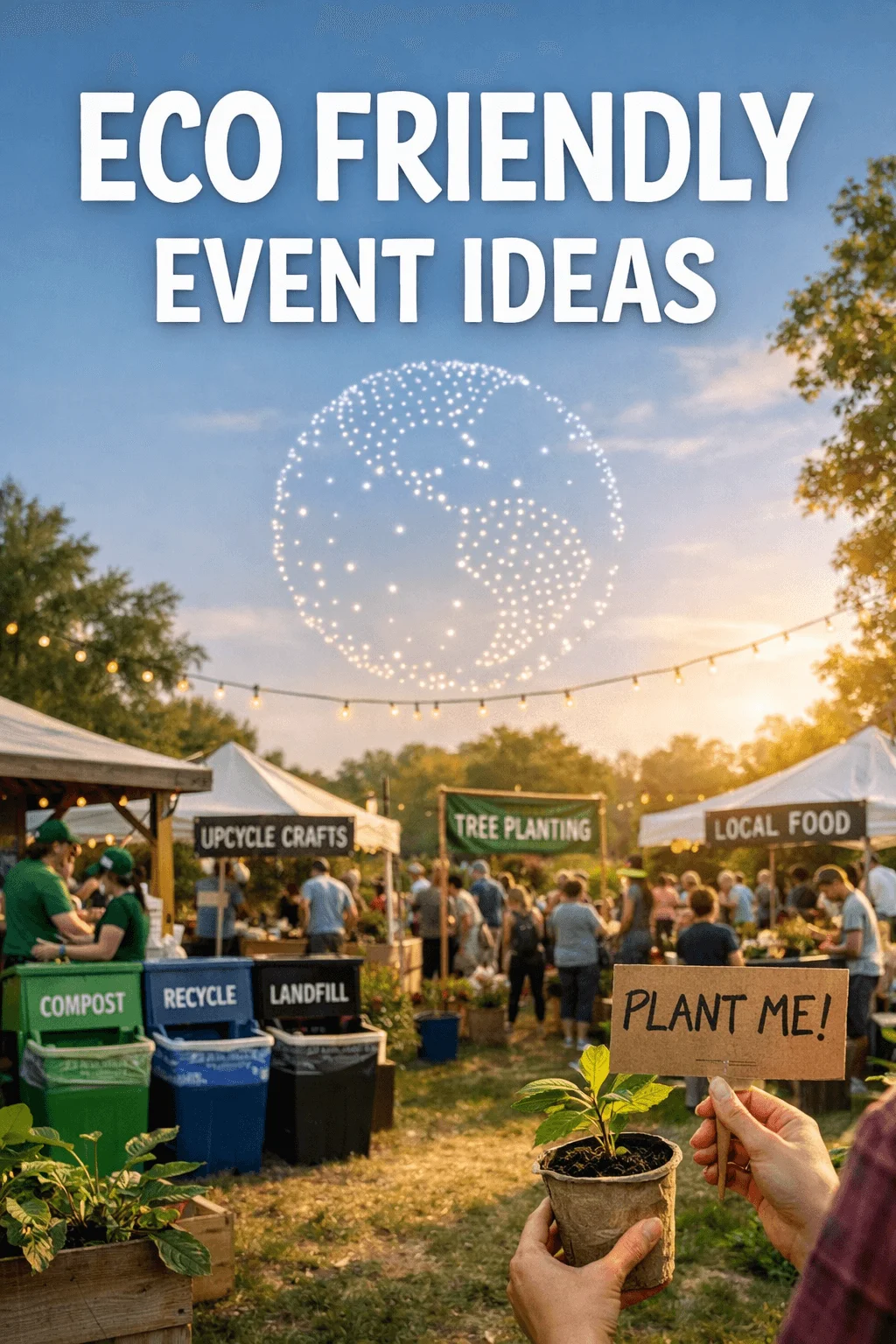
A zero waste festival is built around prevention rather than disposal. Vendors are required to eliminate single use plastics and instead rely on reusable or certified compostable materials. Deposit return cup systems significantly reduce beverage waste and encourage responsible participation.
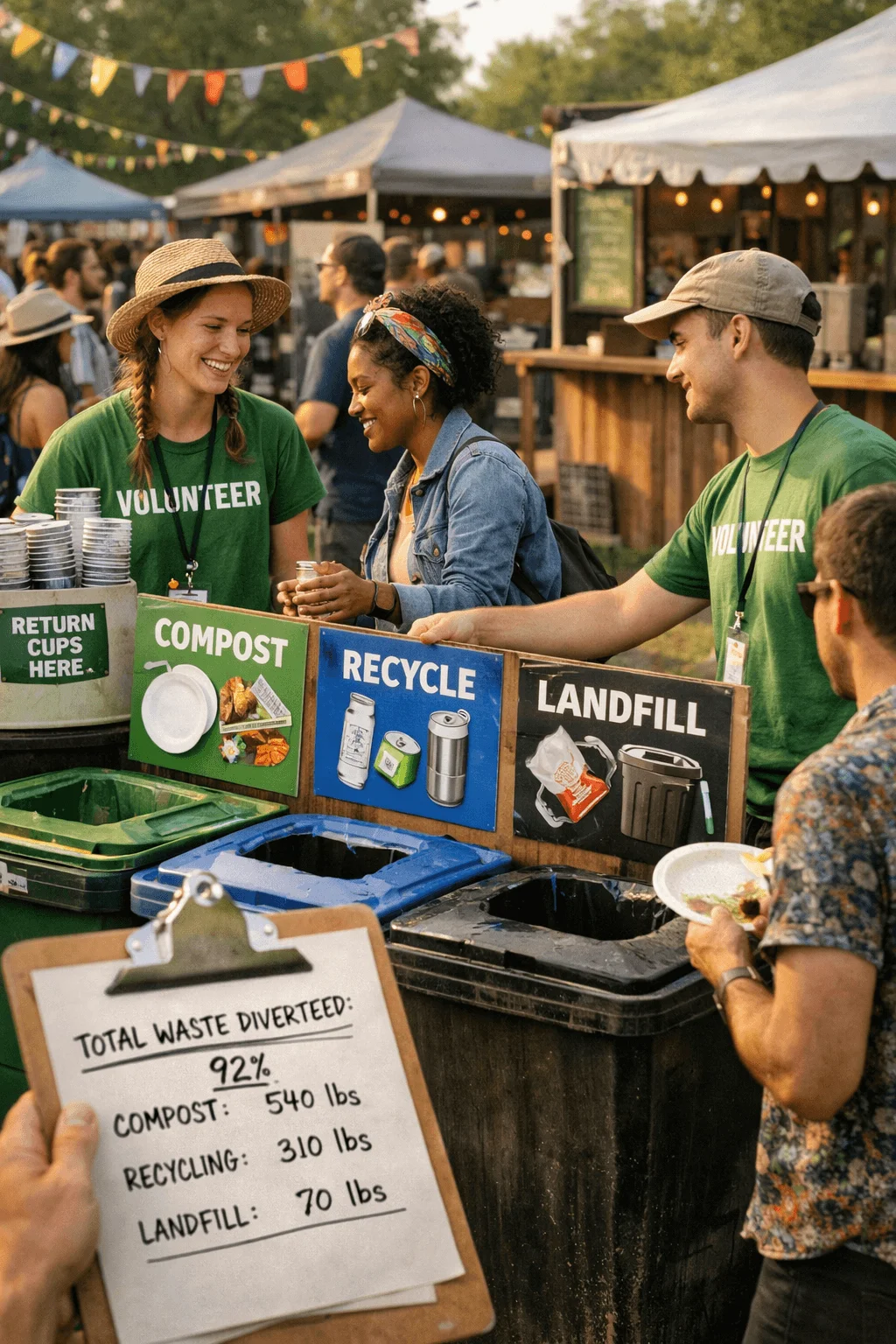
To succeed, organizers must train volunteers to manage clearly marked waste stations and help attendees sort correctly. Publishing waste diversion results after the event strengthens credibility and encourages future attendance. This model turns sustainability into a shared responsibility rather than a hidden operational detail.
Plant Forward and Regenerative Catering
Catering decisions often represent one of the largest environmental impacts of an event. In 2026 planners are moving beyond offering a single vegetarian option. Entire menus are being designed around plant focused, seasonal ingredients sourced from local producers.

Storytelling is essential. Sharing information about farms, sourcing distances, and food waste prevention plans builds trust. Partnering with local food rescue organizations ensures leftovers are redistributed instead of discarded. This approach connects sustainability with community support and health conscious dining.
Carbon Offset Scavenger Hunt
Gamification is transforming sustainability engagement. A carbon offset scavenger hunt invites participants to complete environmental challenges such as identifying native plants, documenting low carbon travel, or participating in small cleanup actions.
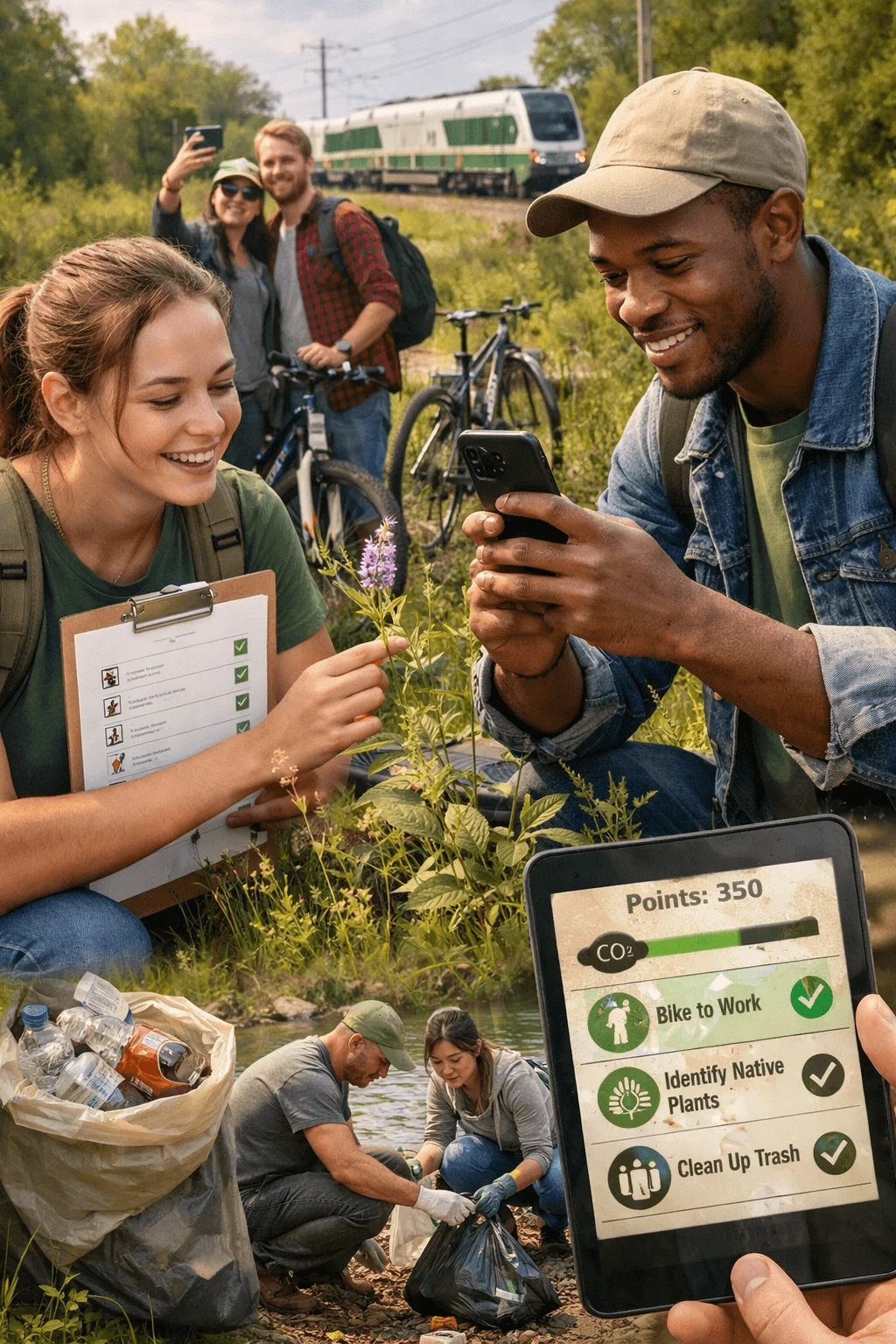
Points earned translate into verified carbon offset contributions funded by the organizer. This interactive approach makes climate action tangible while reinforcing teamwork and education.
Community Tree Planting and Seed Bomb Workshops
Tree planting remains impactful when combined with proper education. Instead of symbolic planting sessions, events now partner with environmental groups to teach attendees about native species, soil health, and long term care.
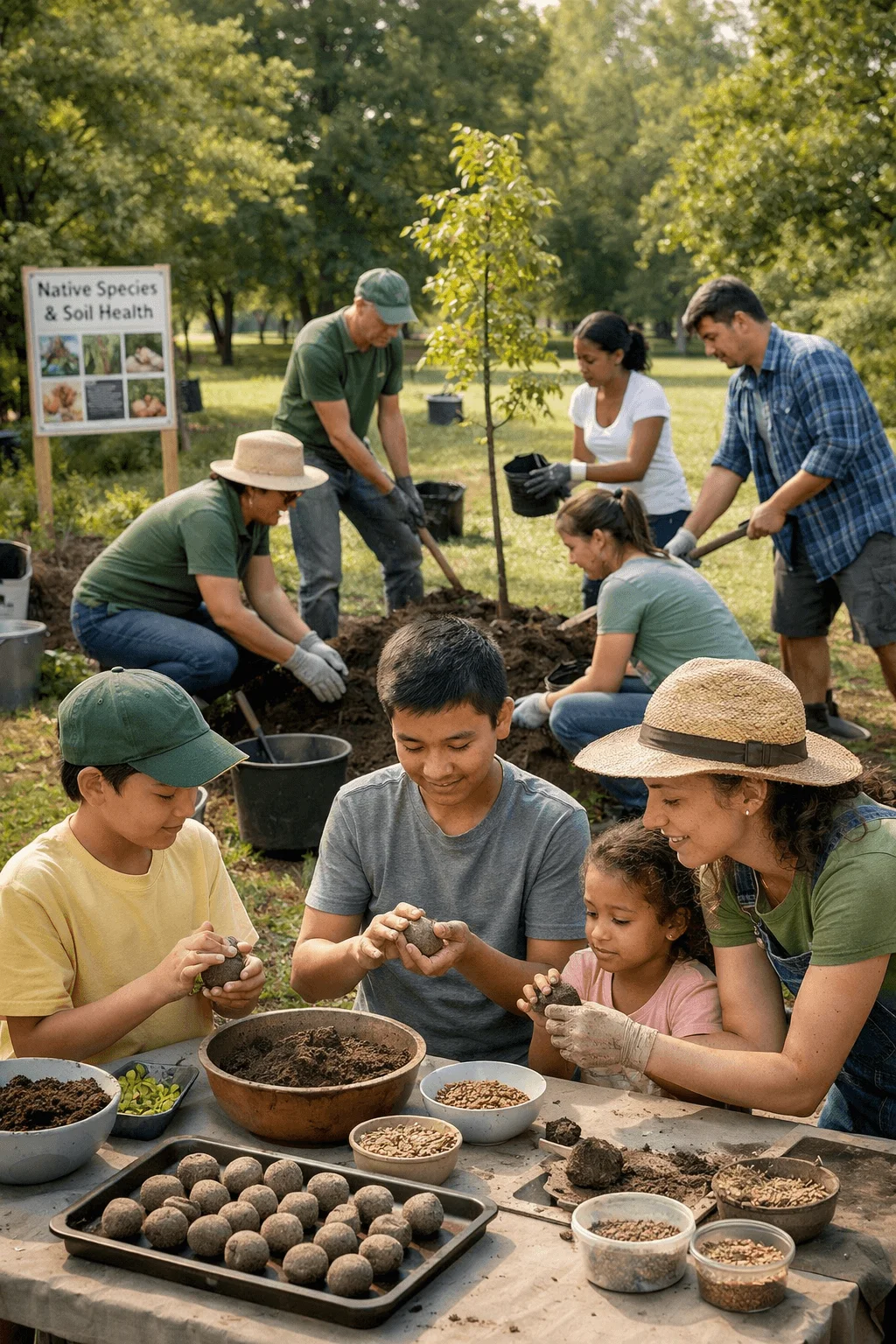
Seed bomb workshops are especially effective in urban settings. Participants create small clay and compost balls filled with native seeds and learn where responsible planting is appropriate. This extends the event’s impact into neighborhoods and public spaces.
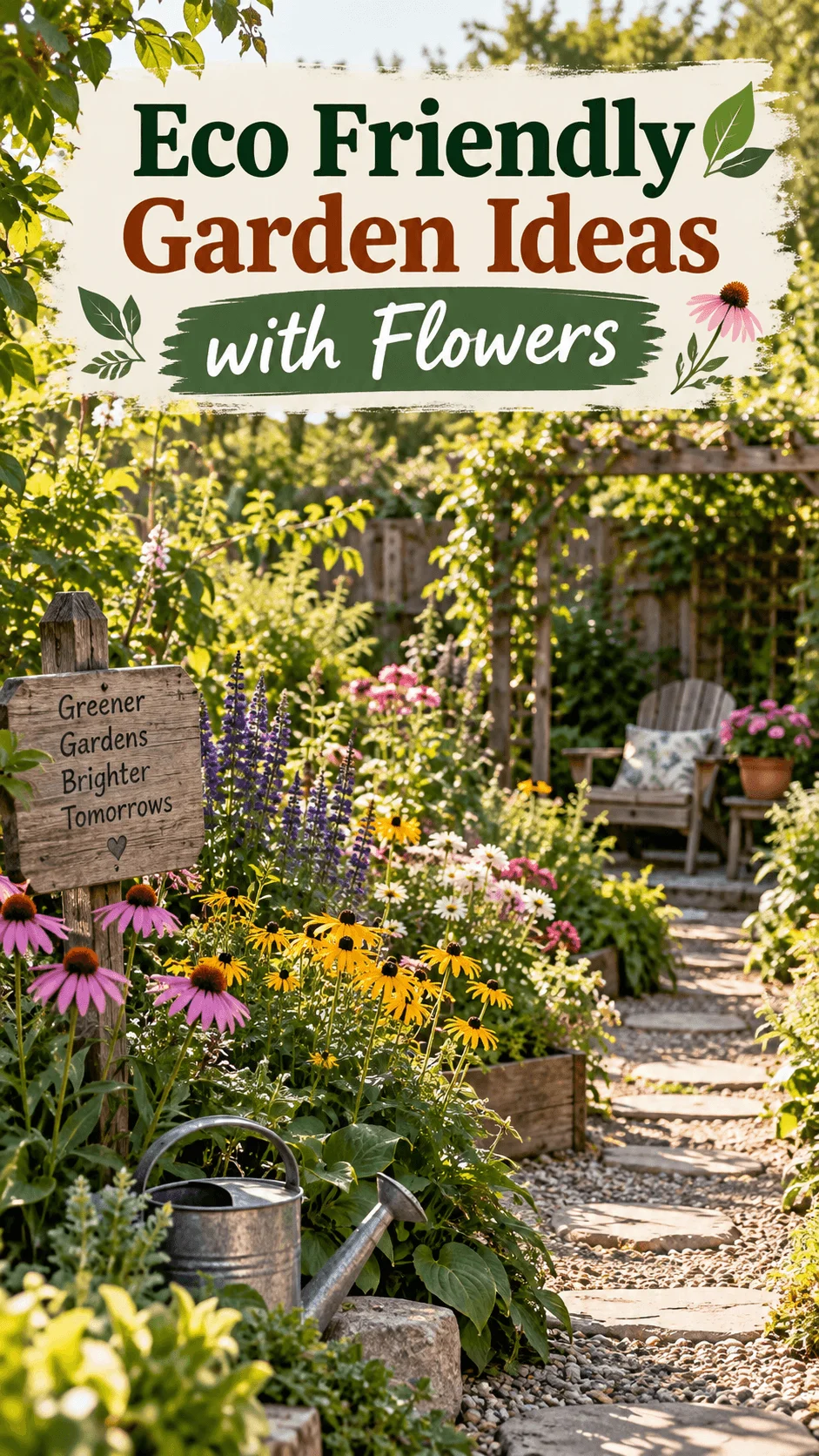
Pollinator Garden Experience Zones
Pollinator gardens serve as living demonstrations of biodiversity. Rather than decorative flower arrangements, organizers curate native plants that attract bees and butterflies. Informational signage explains the importance of pollinators and how attendees can replicate small gardens at home.
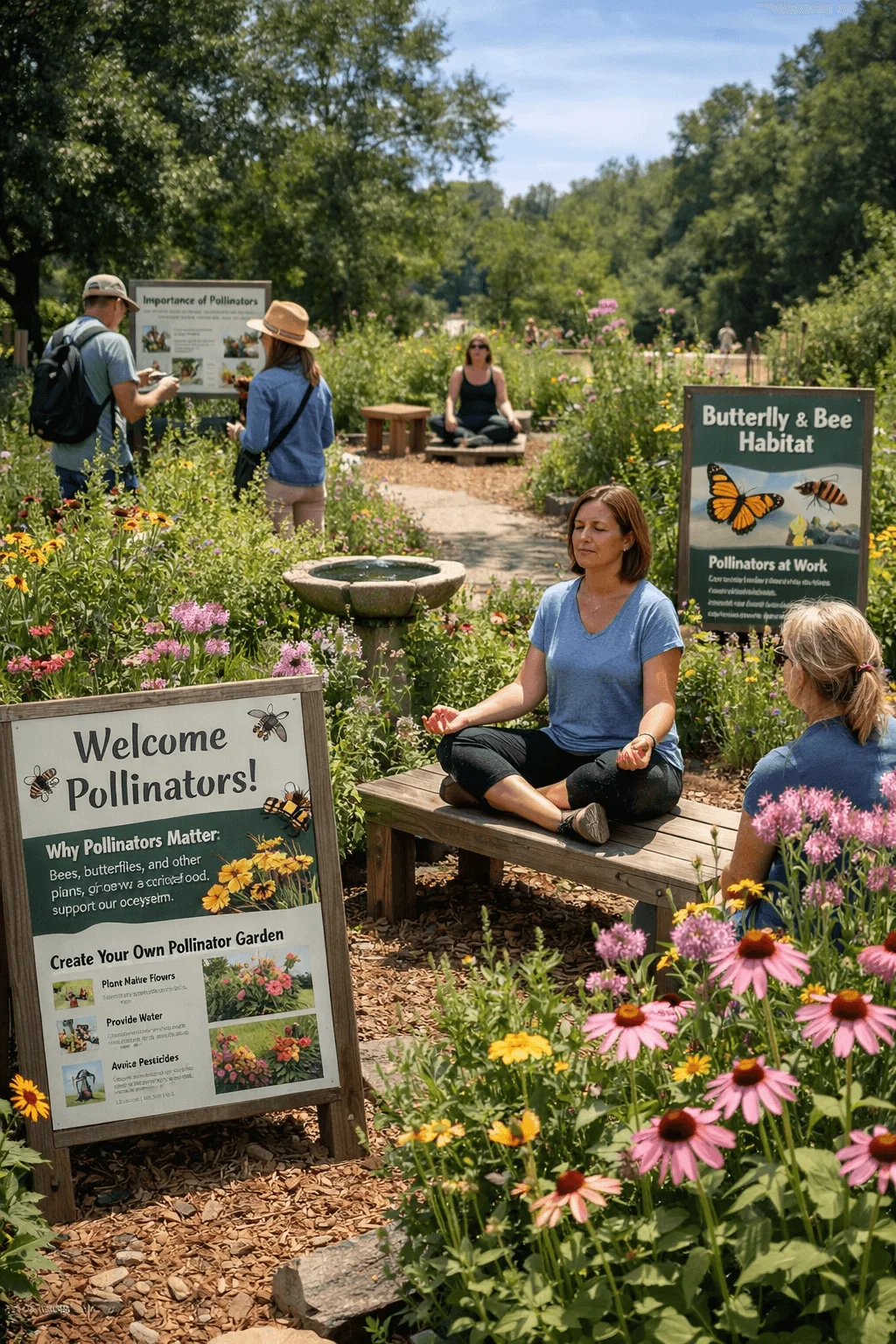
These areas often double as relaxation spaces, linking environmental awareness with wellness and mindfulness.
Drone Light Shows Instead of Fireworks
Traditional fireworks contribute to air and noise pollution. Drone light shows offer a quieter and more sustainable alternative while maintaining visual excitement. Coordinated drones create patterns, animations, and branded imagery in the night sky.
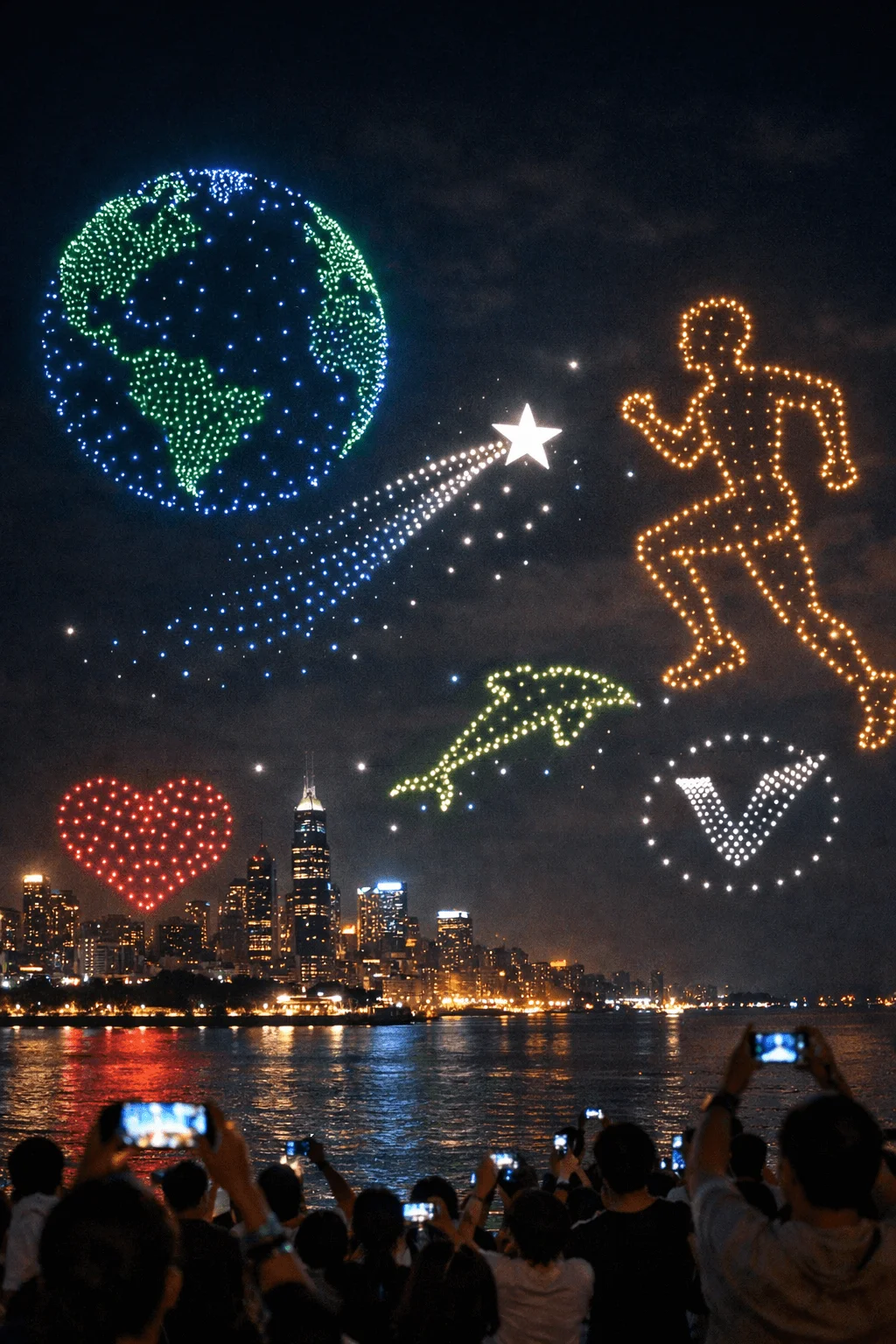
This innovation signals forward thinking event design and reduces the environmental impact associated with large scale celebrations.
Purposeful Hybrid Event Design
Hybrid events are evolving beyond convenience. In 2026 they are intentionally structured to reduce travel emissions. Physical attendance may be limited while high quality digital platforms ensure remote participants receive equal engagement opportunities.

Interactive sessions, live chats, and virtual networking rooms help maintain connection while lowering the event’s overall carbon footprint.
Sustainable Venue Transparency Tours
Many venues invest in renewable energy systems, water recycling, and efficient lighting technologies. Offering guided sustainability tours during the event showcases these features and educates attendees.
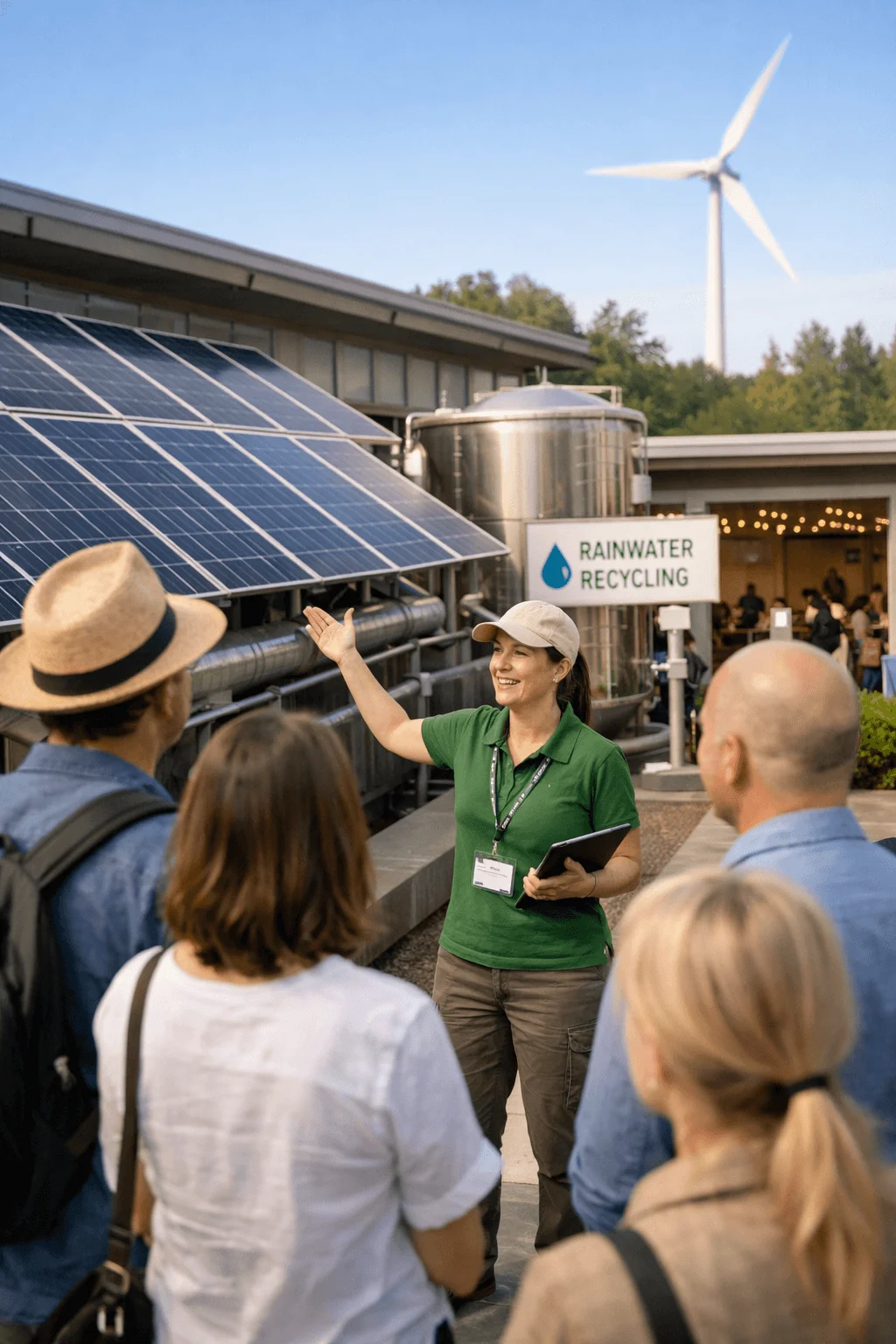
Transparency builds trust and demonstrates that sustainability is integrated into infrastructure, not just event programming.
Upcycling Maker Spaces
Upcycling stations transform leftover or donated materials into creative products. Fabric scraps can become tote bags and paper waste can be turned into handmade notebooks.
This initiative reduces the need for mass produced merchandise while encouraging creativity and circular design thinking.

Circular Swap Markets
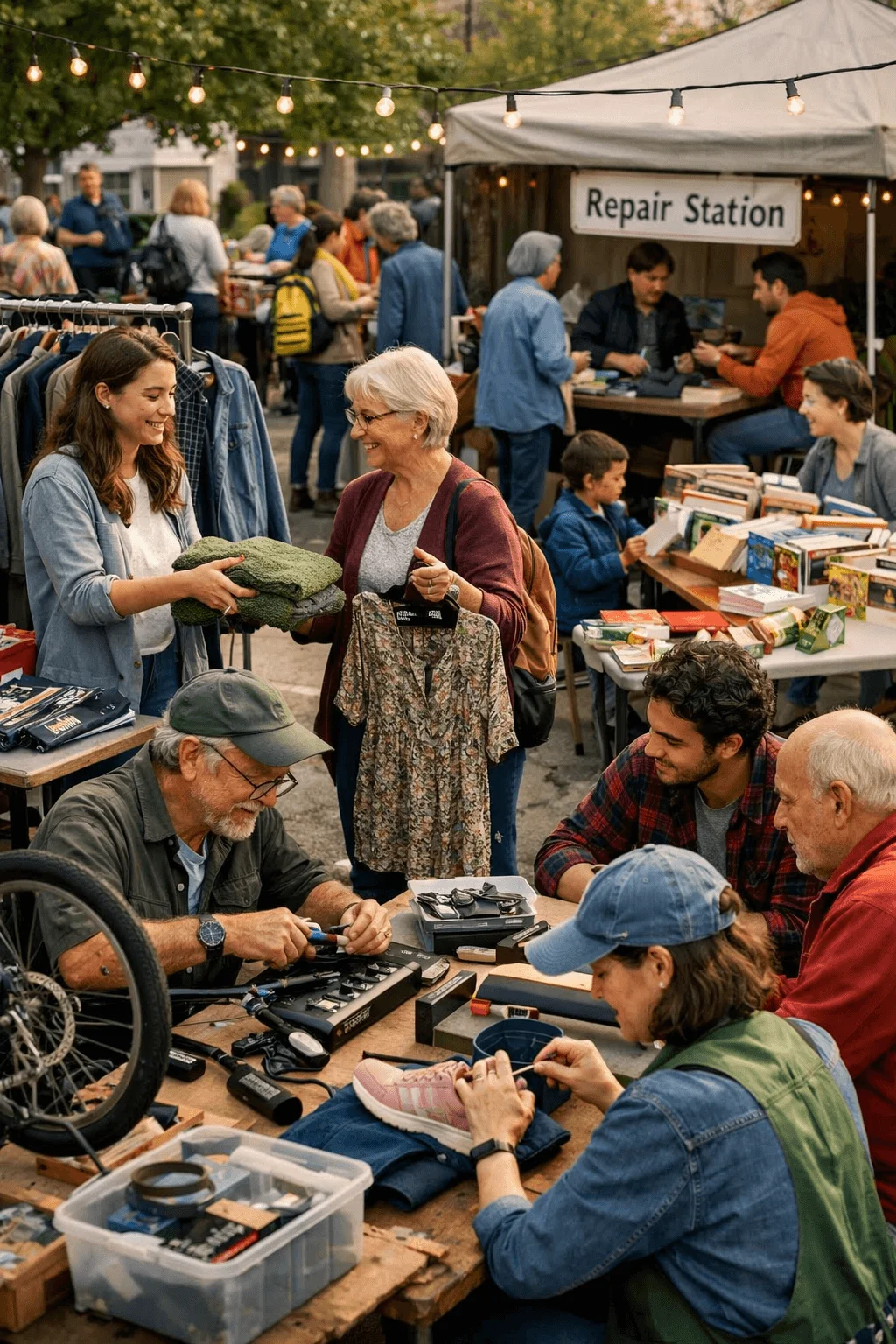
Swap markets encourage reuse by allowing attendees to exchange clothing, books, or equipment. Repair stations staffed by volunteers extend product lifespans and reinforce the value of maintenance over replacement.
This format supports community interaction while reducing resource consumption.
Visible Compost and Food Rescue Programs
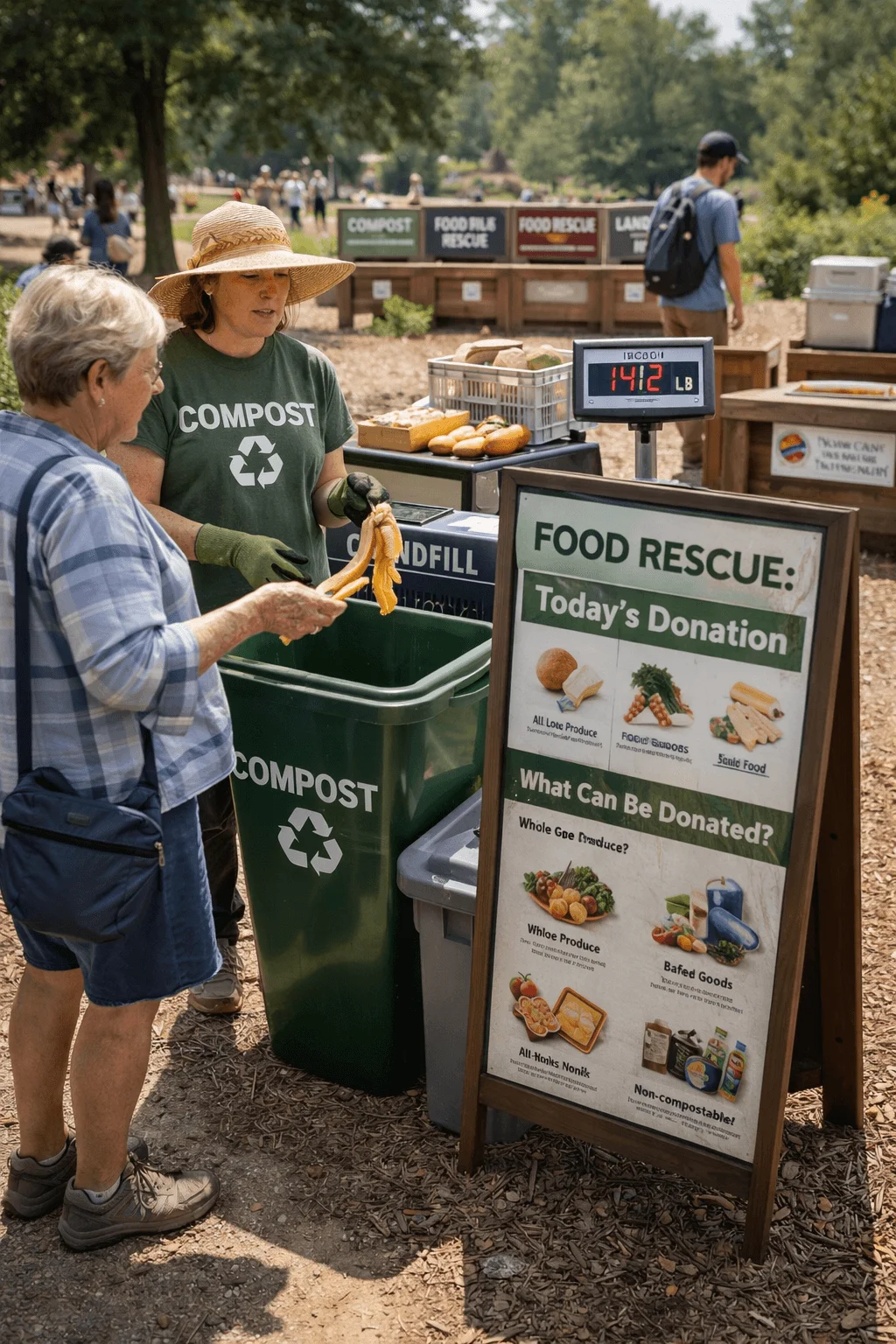
Composting efforts become more effective when they are visible and educational. Staffed stations explain what materials qualify for composting and why separation matters.
Measuring and reporting food donation volumes adds transparency and highlights social impact alongside environmental benefits.
Sustainable Fashion Showcases
Fashion oriented events can require participating designers to disclose sustainable sourcing practices. Discussions about recycled fabrics, plant based textiles, and ethical manufacturing provide deeper insight into responsible production.
This approach combines creativity with education and consumer awareness.

Climate Micro Talks and Film Sessions
Short presentations from local experts or activists can inspire meaningful change. Pairing these talks with documentary screenings strengthens understanding and emotional connection.
Each session should conclude with a clear action step so attendees leave empowered rather than overwhelmed.

Low Carbon Travel Incentives
Encouraging sustainable transportation options significantly reduces emissions. Offering ticket discounts, priority seating, or small rewards for attendees who travel by public transport or bicycle can shift behavior.
Providing clear travel guides and secure bike parking makes sustainable choices practical and convenient.

Citizen Science Engagement Booths
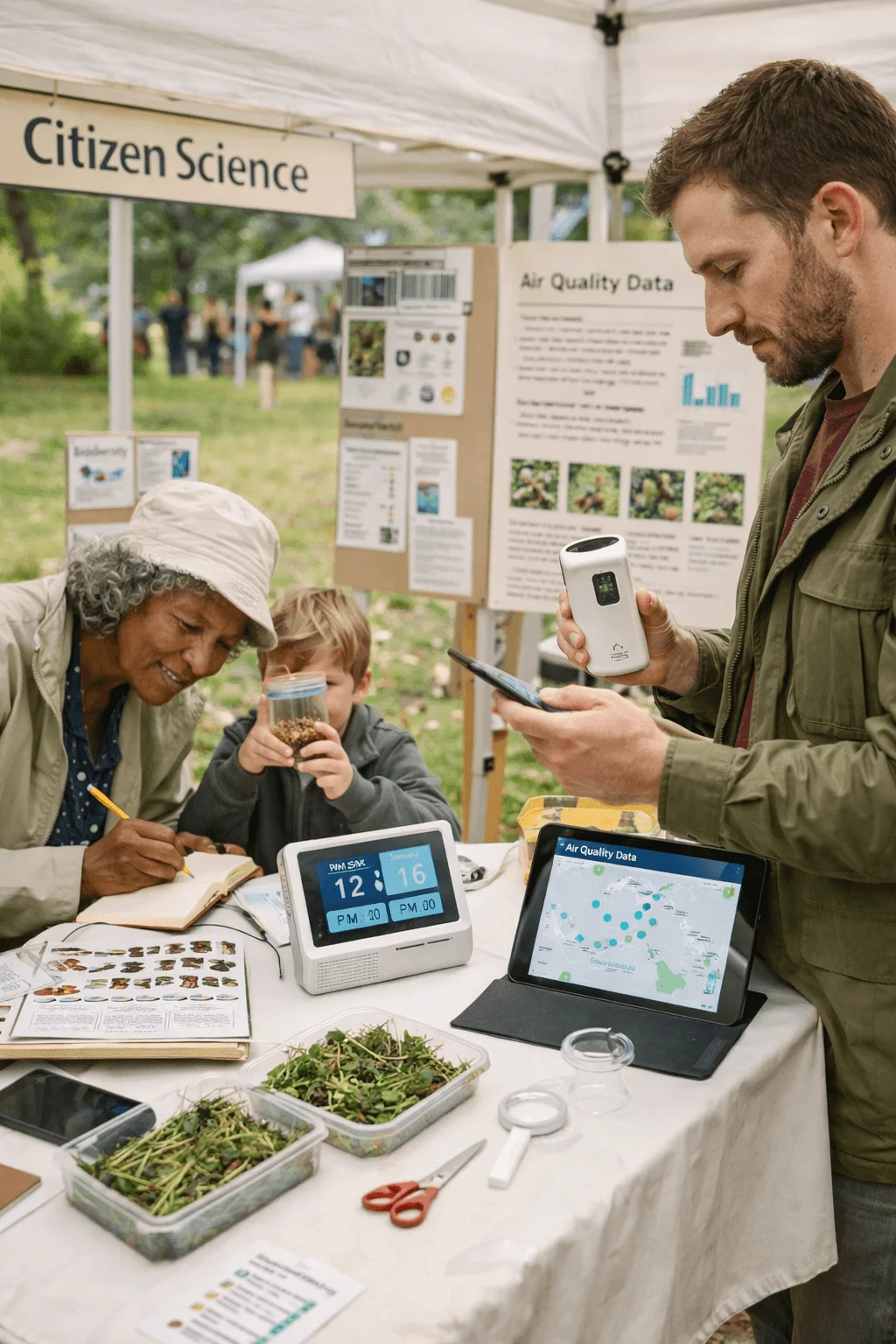
Citizen science booths allow attendees to contribute to real environmental research by collecting biodiversity or air quality data. Participants gain a sense of ownership because their contributions support ongoing scientific initiatives.
This bridges the gap between learning and direct action.
Sustainable Decor Rental Systems
Reusable decor systems reduce material waste and production emissions. Modular backdrops, lighting rigs, and signage frames can be rented and reused across multiple events.
Tracking and communicating reuse rates demonstrates measurable efficiency improvements.

Carbon Labeling for Menus and Travel
Displaying simple carbon indicators beside menu items or travel options empowers informed decision making. For example, a plant based meal may display a lower carbon symbol compared to a meat heavy dish.
Transparency fosters trust and encourages voluntary behavior change.

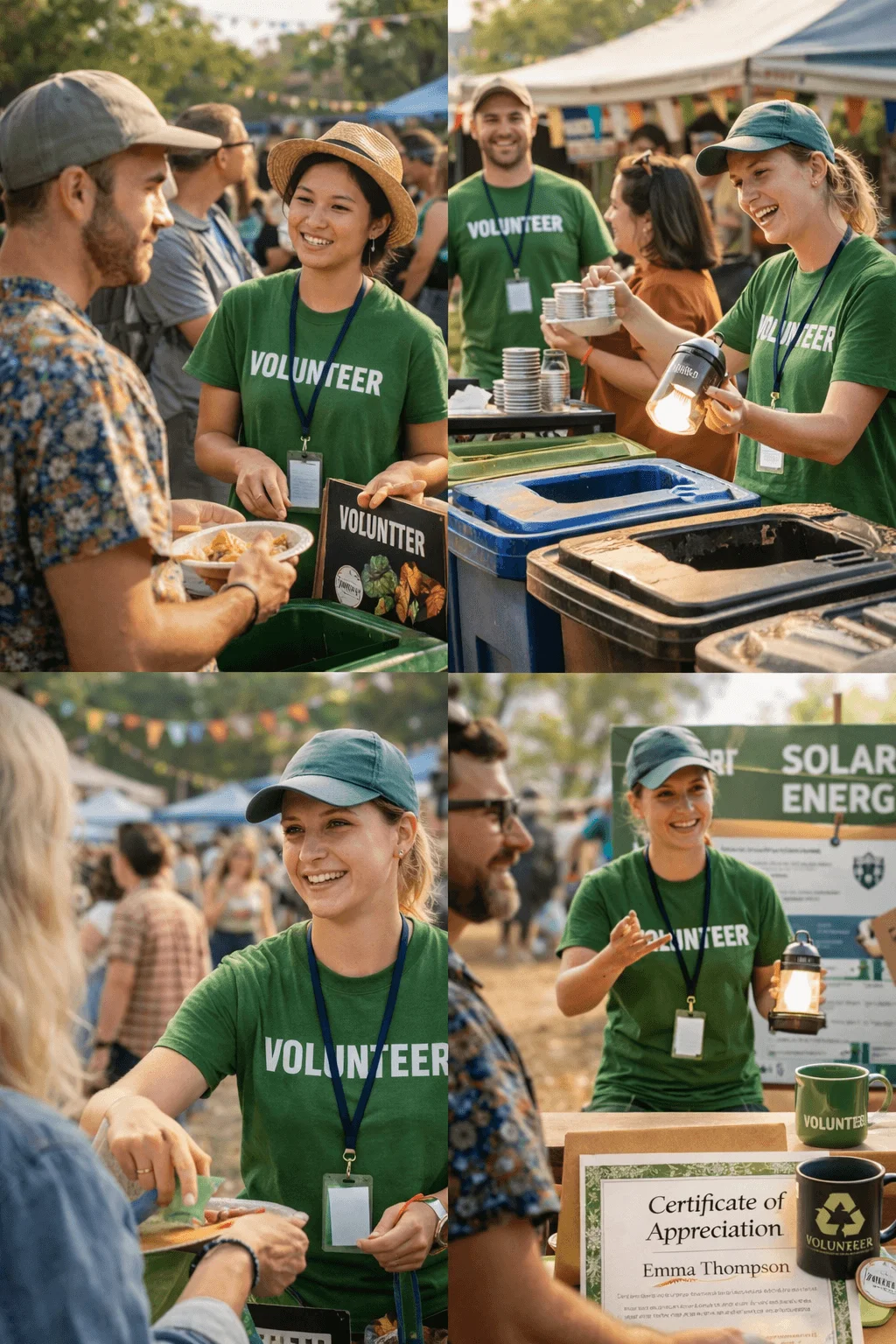
Green Volunteer Teams
Dedicated sustainability volunteers ensure initiatives run smoothly. They guide waste sorting, assist with workshops, and answer attendee questions about environmental practices.
Providing training and recognition increases motivation and professionalism.
Plantable Invitations
Invitations printed on seed embedded paper transform marketing materials into living plants. Recipients are encouraged to plant the paper after use, reinforcing sustainability messaging before the event even begins.
This small gesture leaves a lasting impression.

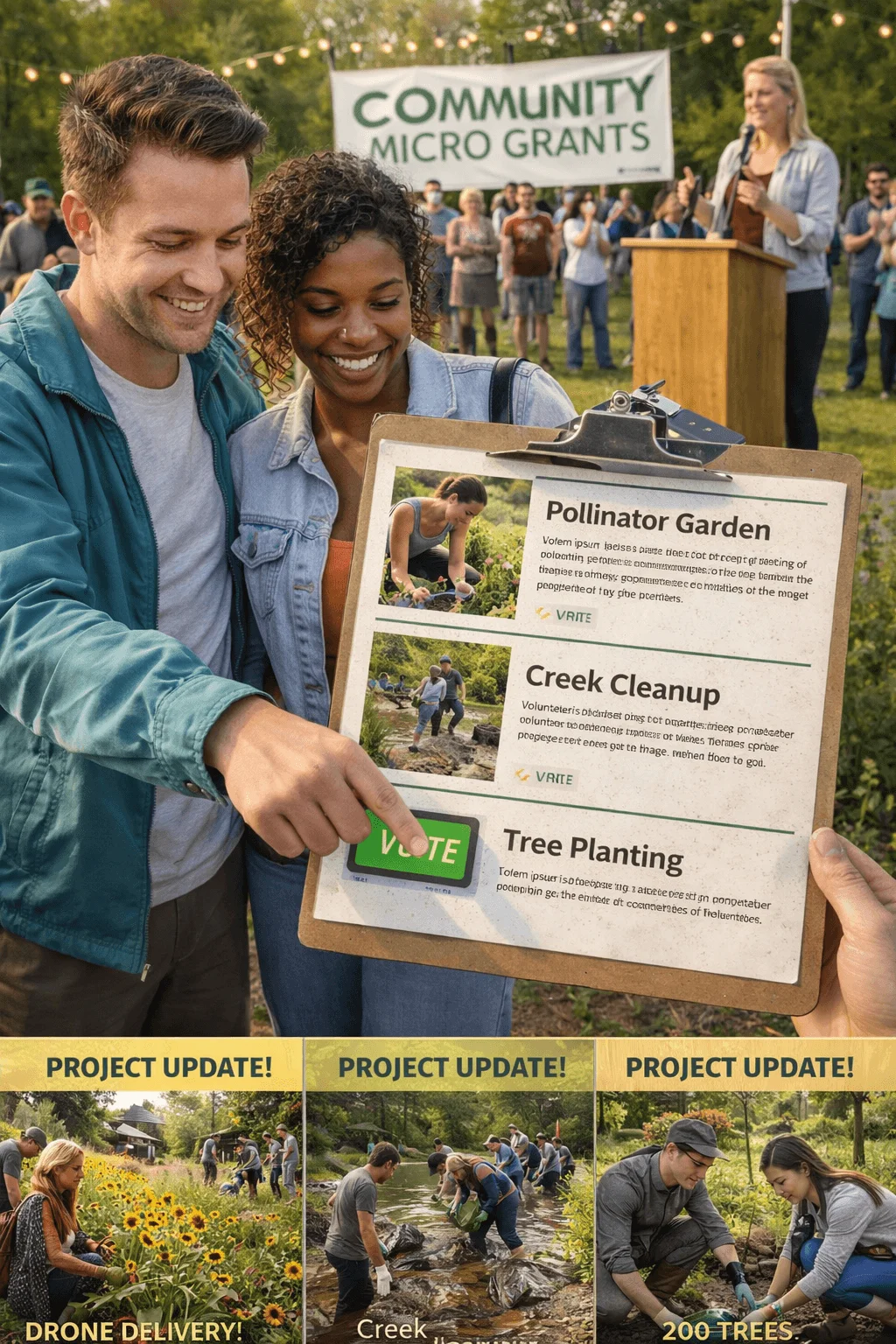
Community Micro Grants
Allocating a portion of ticket revenue to fund local environmental projects creates long term community impact. Attendees can vote on which initiatives receive support.
Sharing follow up reports on funded projects strengthens trust and demonstrates accountability.
Conclusion
Eco friendly event planning in 2026 is defined by measurable action, community engagement, and creative innovation. From zero waste systems to citizen science booths and carbon conscious catering, the most successful events integrate sustainability into every layer of design.
By combining thoughtful planning, local partnerships, and transparent reporting, event organizers can transform gatherings into platforms for environmental leadership. Sustainability is no longer a supporting feature. It is the foundation of modern event excellence.