Eco Friendly Garden Ideas Outdoor for 2026
Creating a beautiful garden does not have to come at the expense of the environment. The latest eco friendly garden ideas outdoor trends are changing the way homeowners design their yards by combining attractive planting with biodiversity, water conservation, healthier soil and climate conscious landscaping. In 2026, sustainable gardening is moving beyond simply growing plants organically. Gardeners are creating outdoor spaces that support wildlife, respond to changing weather, reduce waste and make better use of natural resources.
An eco friendly garden can look polished, colorful and modern while still working with nature instead of against it. From climate resilient planting and keystone plants to rain gardens and naturalistic landscapes, there are plenty of ways to make an outdoor space more environmentally responsible. The best part is that you do not need a huge yard or an expensive landscaping project to get started.
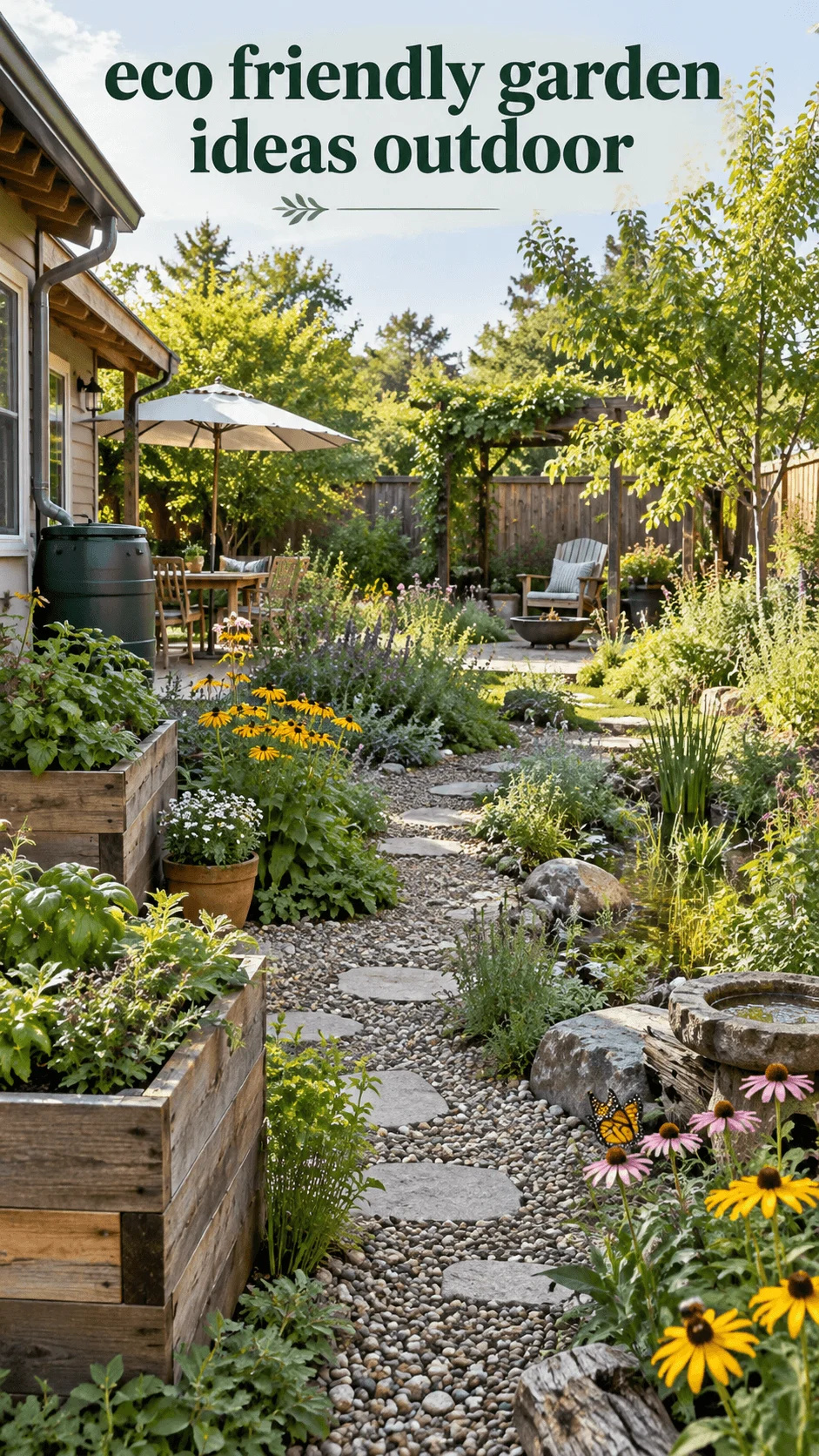
Whether you are redesigning an entire backyard or simply improving one small garden bed, these sustainable ideas can help you create a healthier and more enjoyable outdoor space in 2026.
1. Create a Climate Resilient Outdoor Garden
One of the biggest changes in modern gardening is the growing focus on climate resilience. Instead of choosing plants based only on appearance, gardeners are paying more attention to how well those plants can handle the conditions of their particular location.
A climate resilient garden can cope better with periods of heat, dry weather, intense rainfall and other environmental stresses. This does not mean filling your yard with plants that require almost no care. Instead, it means designing the garden around conditions that naturally occur in your area.
Start by observing your outdoor space. Notice which areas receive strong sunlight, where water collects after rain and which sections dry out quickly. These observations can help you place plants where they are most likely to thrive. A plant that naturally enjoys a sunny and dry location will usually need less intervention when you place it there instead of trying to maintain it in a constantly wet area.
Healthy soil also plays an important role. Adding compost and organic matter can improve the soil’s ability to hold moisture while supporting beneficial organisms. A layer of mulch can further protect the soil from excessive evaporation and temperature changes.
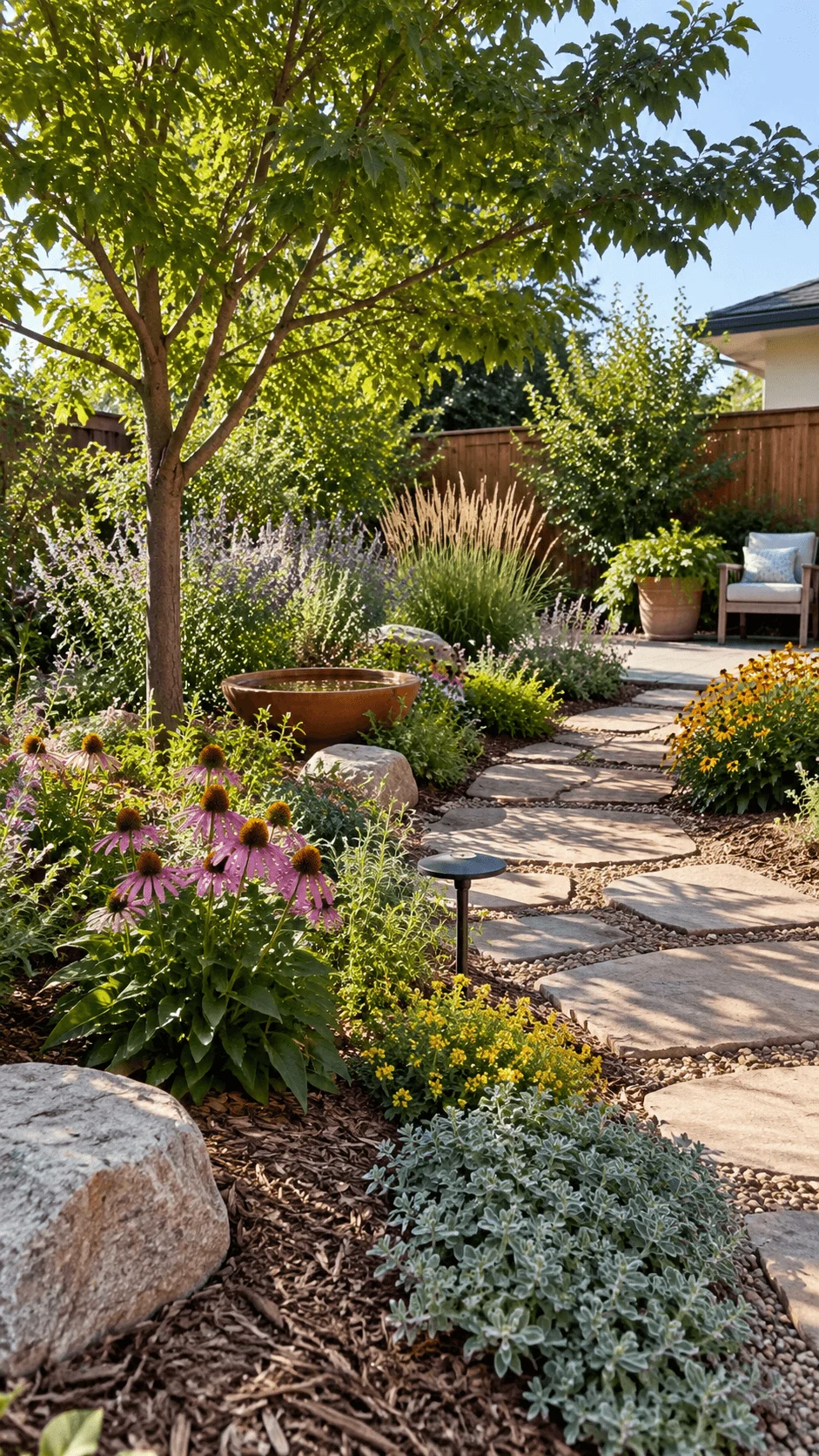
Plant diversity can make the garden more resilient as well. Instead of filling an entire bed with one species, combine different types of plants with different growth habits. Trees can provide shade, shrubs can create structure and smaller plants can cover the soil beneath them.
This approach makes sustainable outdoor garden ideas more practical because the garden begins working as a small ecosystem. When plants match their surroundings and the soil receives proper care, you can often reduce unnecessary watering and maintenance.
For example, a sunny backyard could include a shade producing tree, drought tolerant shrubs, native flowering plants and a thick layer of organic mulch. The result can look attractive while being better prepared for periods of heat and limited rainfall.
2. Design a Keystone Plant Garden for More Biodiversity
Native plants have become an important part of sustainable gardening, but an emerging trend takes the concept further through the use of keystone plants. These are plants that provide exceptional ecological value because they can support many different insects and other forms of wildlife.
A keystone plant garden can therefore provide much more than visual appeal. Certain plants can provide food for caterpillars and other insects, while their flowers may offer nectar to pollinators. Later in the season, seeds and fruits can provide additional food for birds and other animals.
The first step is to discover which keystone plants naturally belong to your region. Local native plant organizations, botanical gardens and gardening groups can provide useful information about suitable species.
You do not need to turn your entire backyard into a wild landscape. Keystone plants can become part of a carefully designed flower border, foundation planting or backyard garden. Combine them with shrubs, grasses and ground covers to create a layered appearance.
One advantage of this approach is that the garden can become more interesting throughout the year. Different plants flower, produce seeds or change foliage at different times, creating seasonal variation.
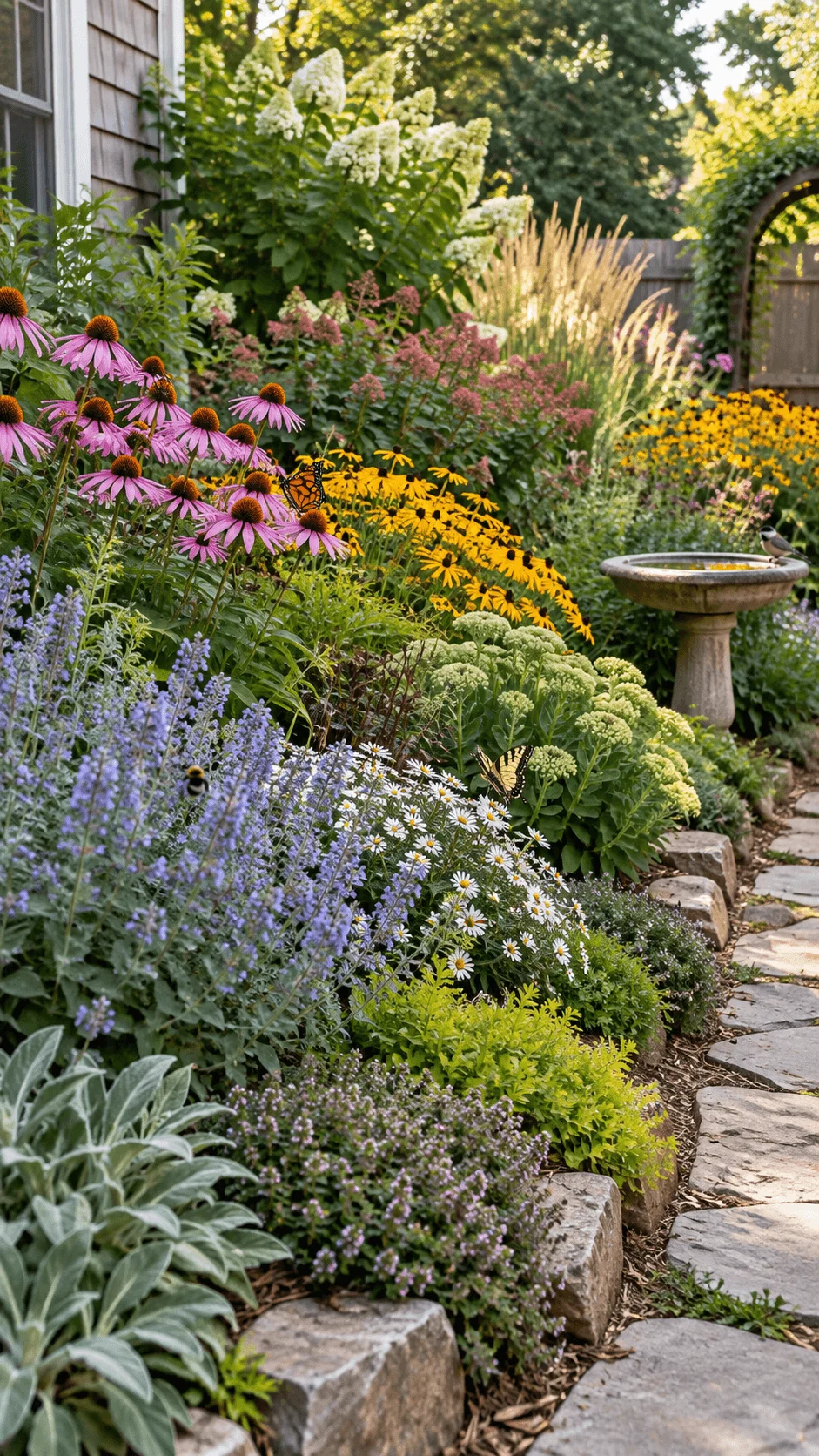
When planning wildlife friendly garden ideas, think beyond individual flowers. Consider what the entire garden can provide throughout the year. Wildlife needs food, water, shelter and suitable places to move through the landscape.
A garden centered around ecologically valuable plants can therefore become both a beautiful outdoor feature and a small contribution to local biodiversity.
3. Turn Your Backyard Into a Wildlife Friendly Garden
A wildlife friendly garden does not need to look untidy or completely natural. With thoughtful design, you can create an organized backyard that gives birds, beneficial insects and other wildlife more opportunities to find food and shelter.
One useful approach involves creating different layers of vegetation. Taller trees can form the upper layer, while shrubs occupy the middle level. Flowering plants, grasses and ground covers can fill the lower levels.
This layered approach gives the garden more structure and creates different habitats in a relatively small area. A shrub can provide shelter for birds, while flowering plants beneath it can provide resources for insects.
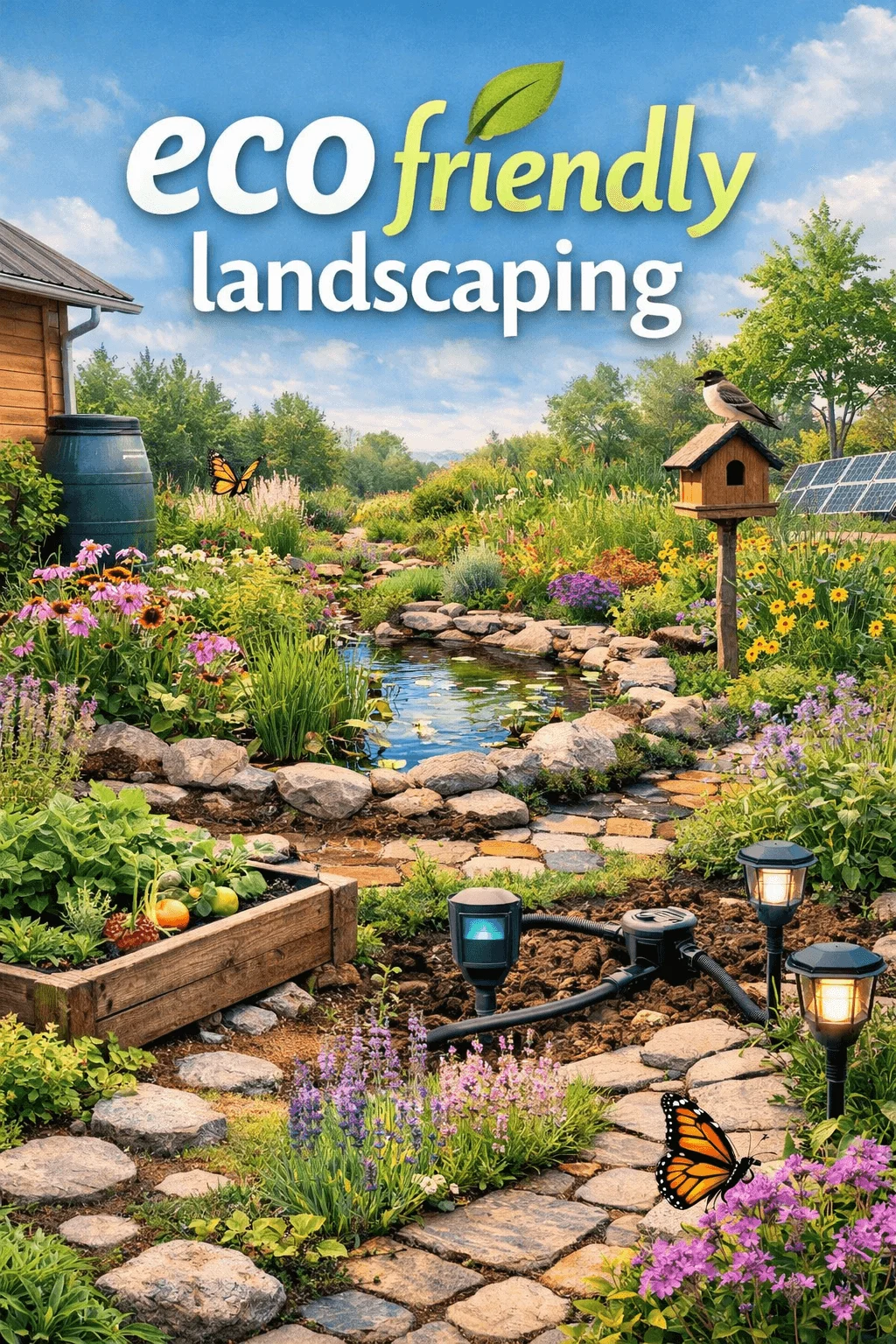
Water can also make an outdoor garden more useful to wildlife. Even a modest shallow water feature can add another element to the landscape. Keep the design safe and easy to maintain, and provide areas where small creatures can access water without difficulty.
Avoid making the garden excessively dependent on chemical treatments. A healthy ecosystem contains many organisms that interact with one another. Beneficial insects can help manage certain garden pests, while diverse planting can provide more stable habitat.
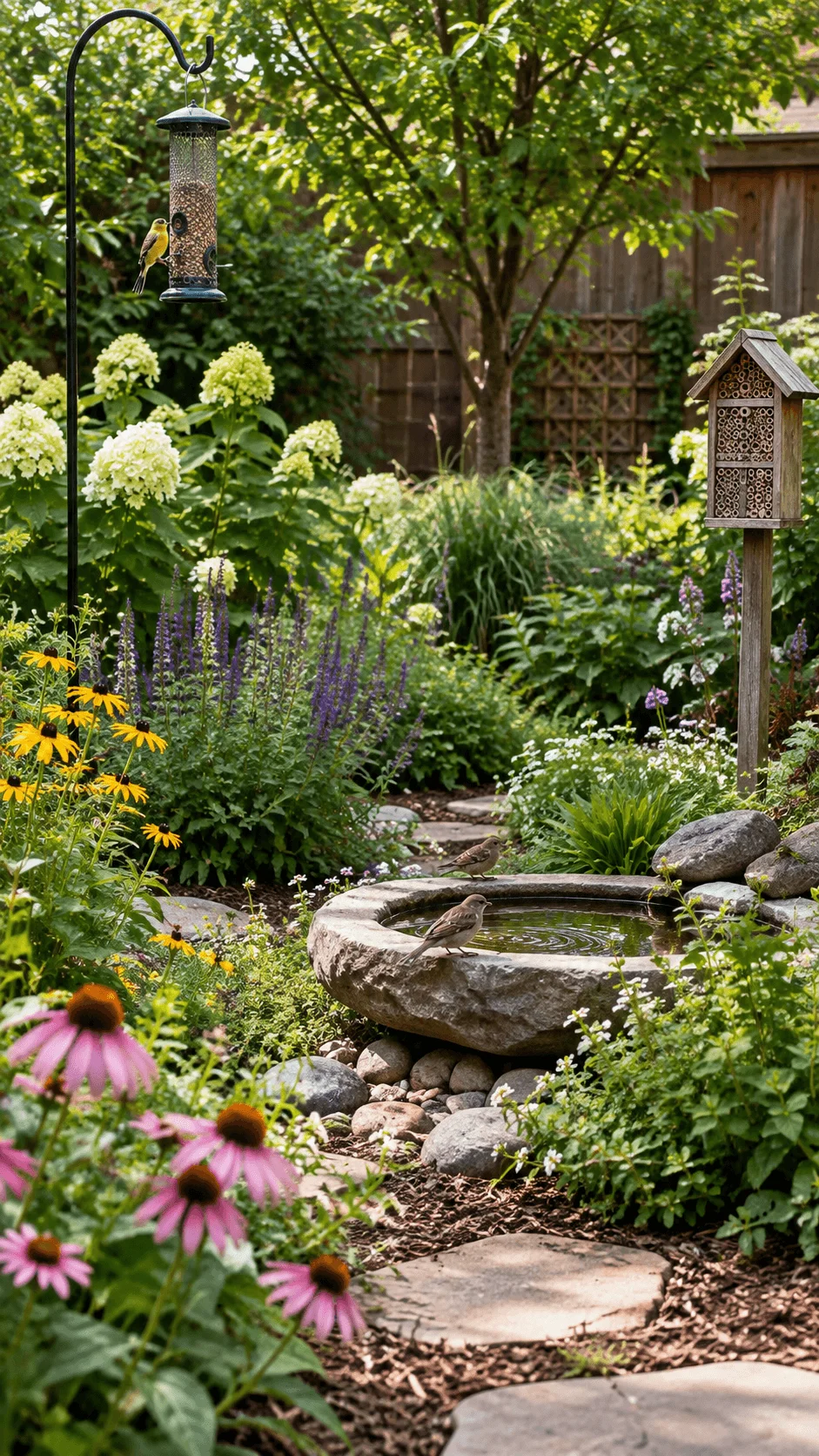
You can also create a small wildlife corridor by connecting different planted areas instead of separating everything with large empty sections. A row of shrubs, ground covers and flowering plants can help make movement through the garden easier for wildlife.
For smaller yards, even a single densely planted corner can make a difference. The goal is not to recreate a forest. It is to make better use of the space you already have.
4. Add a Natural Rain Garden
Rain gardens are another excellent example of how practical landscaping can become part of eco friendly garden ideas outdoor planning. Instead of allowing rainwater to quickly run across hard surfaces and leave the property, a rain garden gives water a planted area where it can collect and gradually move into the soil.
A rain garden usually sits in a naturally suitable low area or a location where runoff can be directed safely. The exact design depends on the soil, slope and rainfall patterns of the property.
The plants inside a rain garden need to tolerate periods of moisture as well as drier conditions between rainfall events. Choosing plants suited to the local environment can make maintenance easier.
A rain garden can also become an attractive focal point. Rather than treating it as a drainage feature, use different plant heights and textures to create a deliberate landscape design. Taller plants can form the background while lower plants create a softer edge around the area.
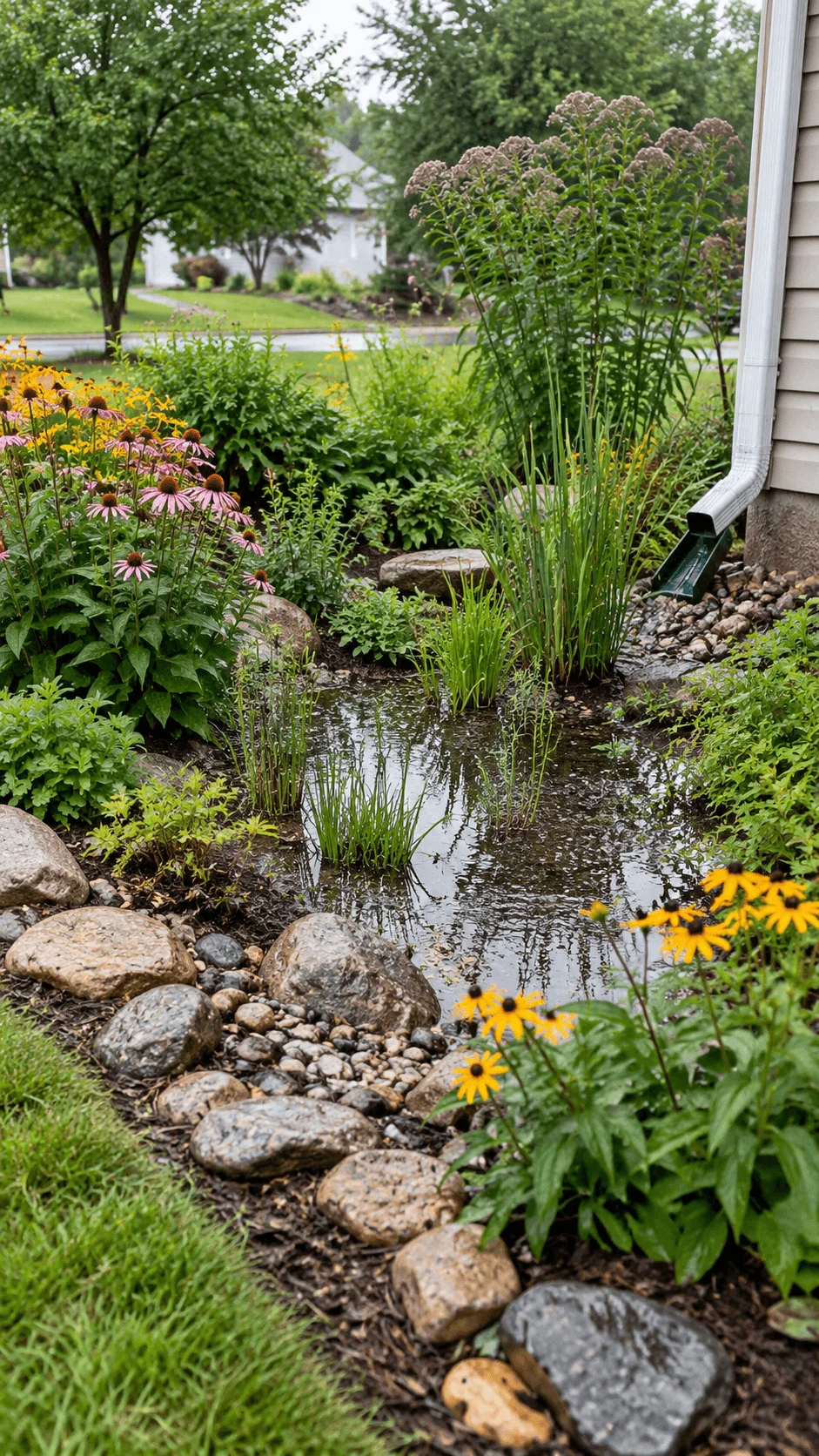
Homeowners with limited space can adapt the concept to a smaller planting bed. Even a modest area designed to receive runoff from part of a roof or paved surface can add an interesting feature to the landscape.
Rain gardens also fit naturally into broader water saving garden ideas because they encourage homeowners to think about where rainwater goes rather than treating rainfall as something that simply needs to leave the property.
5. Use Permeable Paths for a More Sustainable Outdoor Space
Garden paths are often overlooked when homeowners think about sustainable landscaping. Yet the materials covering pathways, patios and other outdoor areas can influence how rainwater interacts with the ground.
Large areas of conventional hard surfaces can prevent water from naturally entering the soil. Permeable alternatives allow more rainfall to move through the surface and into the ground.
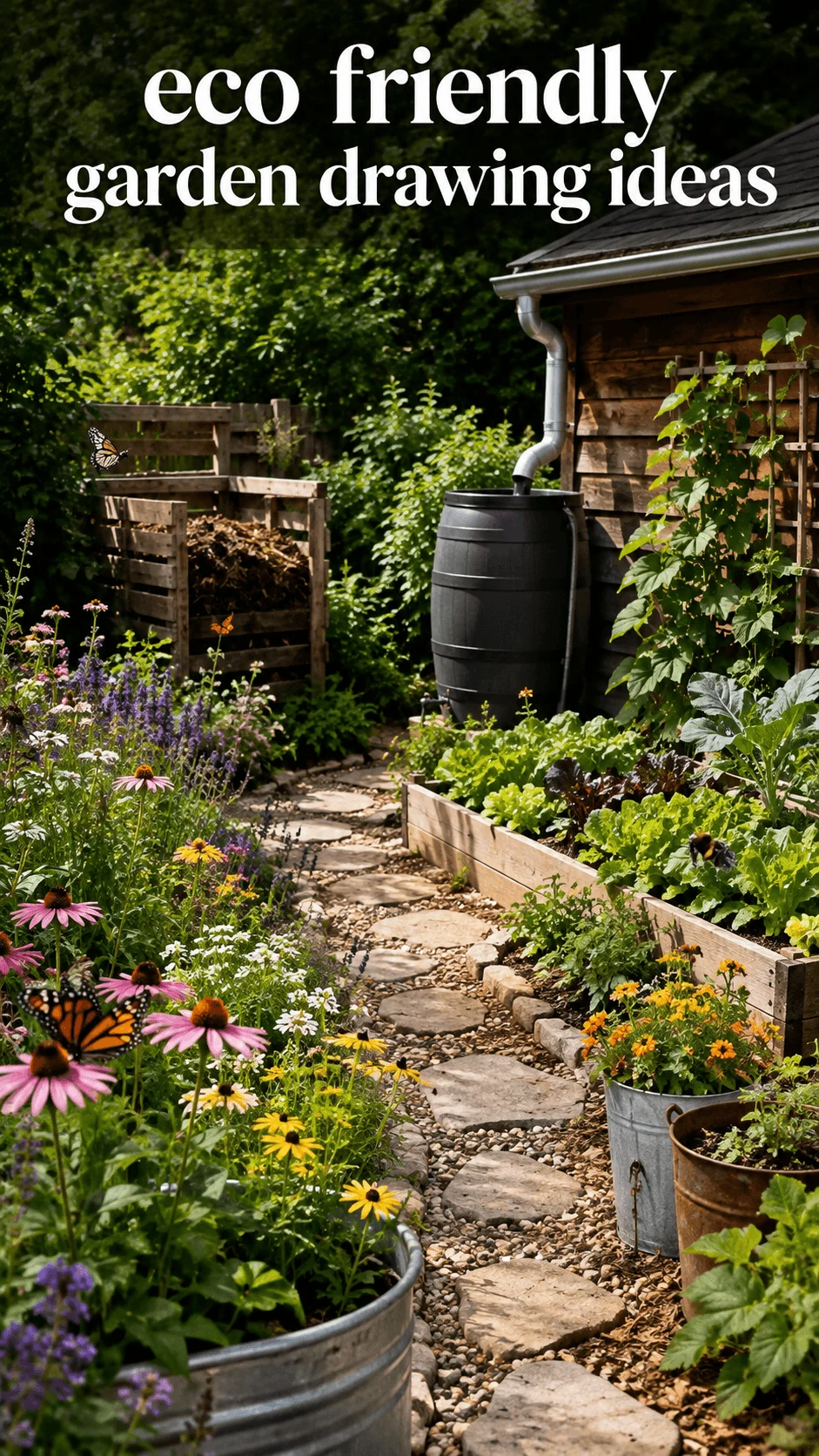
Gravel paths provide one simple option. Stepping stones surrounded by planting or gravel can also create an attractive informal pathway. Permeable paving can offer a more structured appearance for homeowners who prefer a modern garden design.
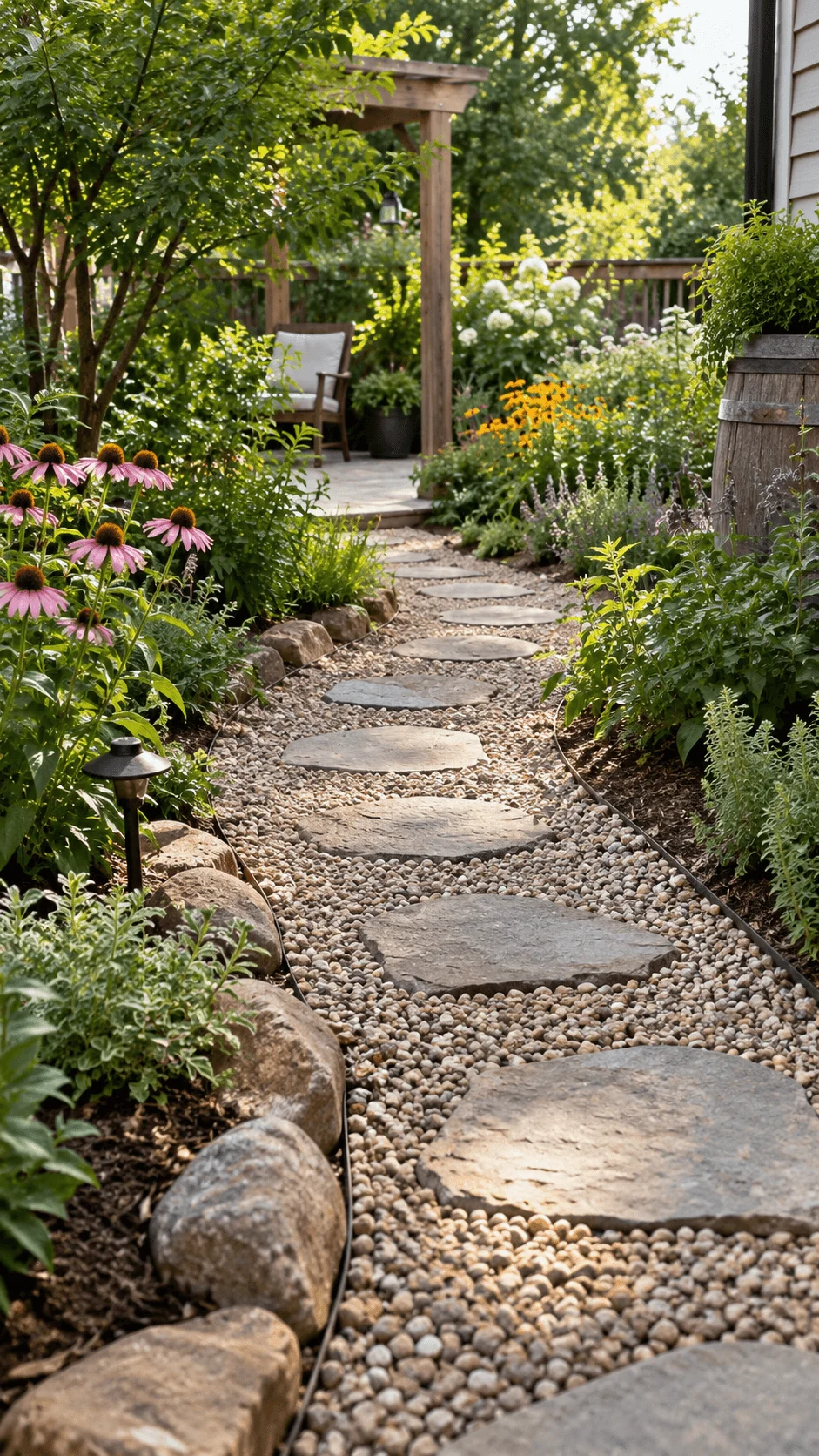
The right choice depends on how the area will be used. A frequently used pathway may need a stable and even surface, while a decorative garden path can use a looser natural material.
Permeable paths can also become part of the overall visual design. Combining stone with ground covers, grasses or small planting areas can soften hard edges and make the garden feel more connected to nature.
This is where sustainable backyard landscaping becomes more than simply choosing environmentally friendly plants. The layout and materials of the garden matter too.
6. Build No Dig Garden Beds
No dig gardening is another sustainable approach gaining attention among gardeners who want to protect soil while creating productive planting areas. Instead of repeatedly turning the soil, gardeners build fertility from above using compost and other organic materials.
The basic concept is straightforward. Organic matter sits on the surface and gradually becomes part of the soil system through natural processes. This approach can reduce unnecessary disturbance while helping maintain a healthier soil environment.
A no dig bed can be particularly useful when converting part of a lawn into a vegetable or flower garden. Rather than extensively disturbing the existing ground, gardeners can cover the area and build a new growing space using appropriate organic materials.
Compost plays an important role because it adds organic matter and nutrients. Mulch can then help protect the surface, reduce moisture loss and suppress unwanted plant growth.
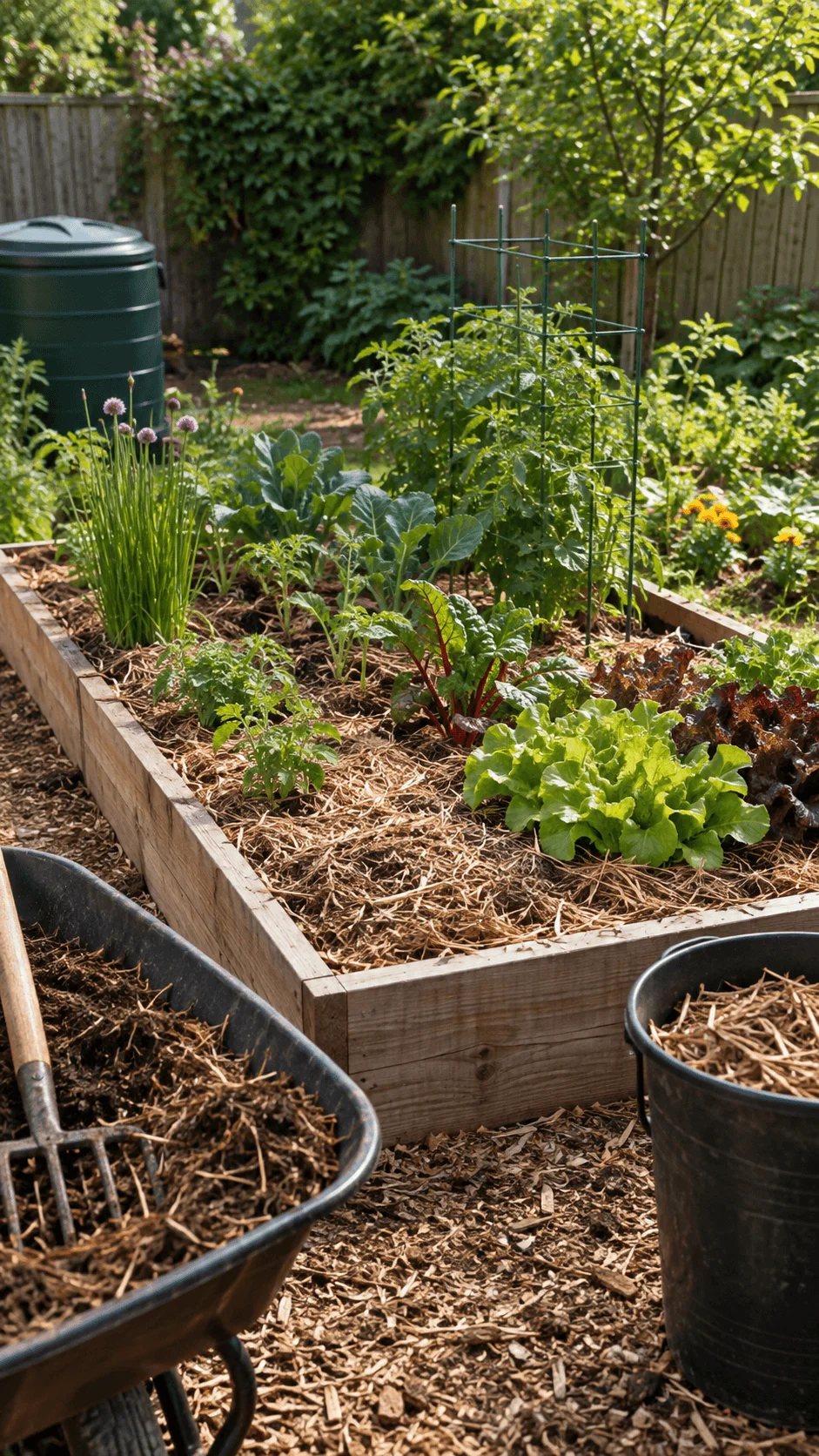
No dig gardening also encourages gardeners to pay closer attention to soil life. Earthworms, fungi, bacteria and many other organisms contribute to healthy soil processes.
For a beginner, a small no dig bed can be an easy way to experiment. Choose a manageable area, prepare the surface properly and gradually improve it with compost and organic matter.
This method fits well with no dig eco friendly garden planning because it focuses on improving the growing environment rather than constantly disturbing it.
7. Create a Small Backyard Food Forest
A backyard food forest brings a different dimension to eco friendly garden ideas outdoor by combining food production with natural planting. Instead of growing vegetables in a single dedicated bed, a food forest uses several layers of plants that work together in the same space.
The upper layer can include fruit trees, while smaller fruiting shrubs occupy the middle layer. Herbs, vegetables and low growing plants can fill the spaces underneath. This layered approach allows gardeners to produce food while making better use of vertical and horizontal space.
A food forest can also support biodiversity. Flowering fruit trees and herbs can attract pollinators, while dense vegetation can provide shelter for beneficial insects. Ground covering plants protect exposed soil and can help reduce evaporation.
You do not need a large property to experiment with this concept. A small backyard could contain one compact fruit tree, a few berry producing shrubs, culinary herbs and suitable ground covers. Containers can also help people introduce edible plants when garden space is limited.
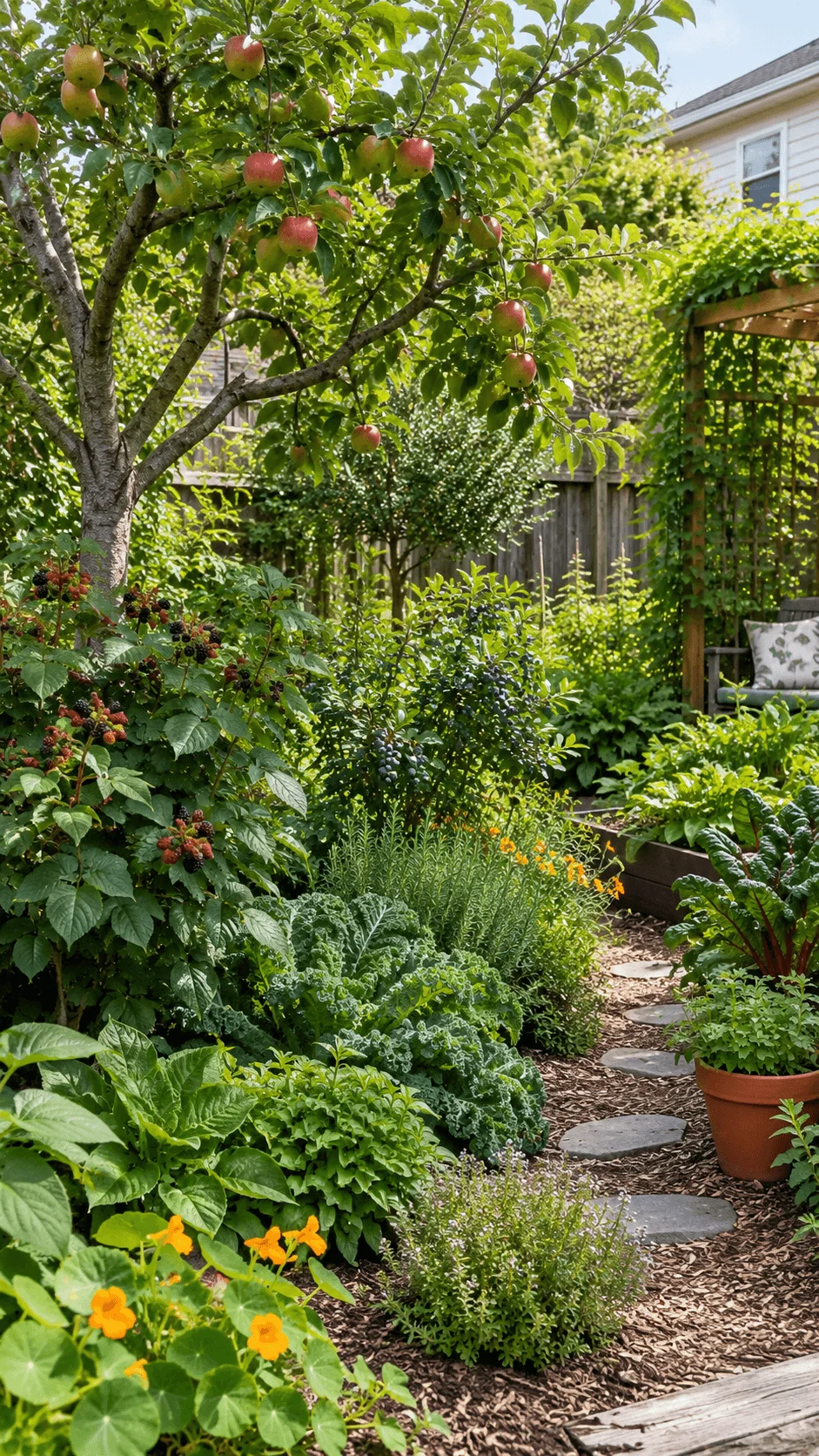
Plant selection should depend on the local climate and growing conditions. Choose species that can thrive with the amount of sunlight, moisture and space available. Combining plants with different heights can also create a more natural appearance.
The food forest concept works especially well for homeowners who want their gardens to provide something useful beyond decoration. It can turn an ordinary outdoor area into a productive landscape where food, wildlife and garden design exist together.
8. Replace Part of Your Lawn With Eco Friendly Alternatives
Traditional lawns can provide useful open space, but maintaining a large lawn often requires regular mowing and watering. This has encouraged many homeowners to explore eco friendly lawn alternatives that can provide a different appearance while reducing maintenance.
You do not have to remove your entire lawn. In fact, gradually replacing selected sections can be a much easier approach. Consider starting with areas that are difficult to mow, require frequent watering or receive little practical use.
Depending on your local climate, alternatives can include native ground covers, meadow style planting, low growing plants and other species adapted to local conditions. Native options can be particularly useful because they often fit naturally into the surrounding ecosystem.
A meadow inspired area can create a softer and more informal appearance. It can also introduce more flowering plants and habitat than a closely maintained lawn. Ground covers can work well around trees, along pathways or in other areas where maintaining grass proves inconvenient.
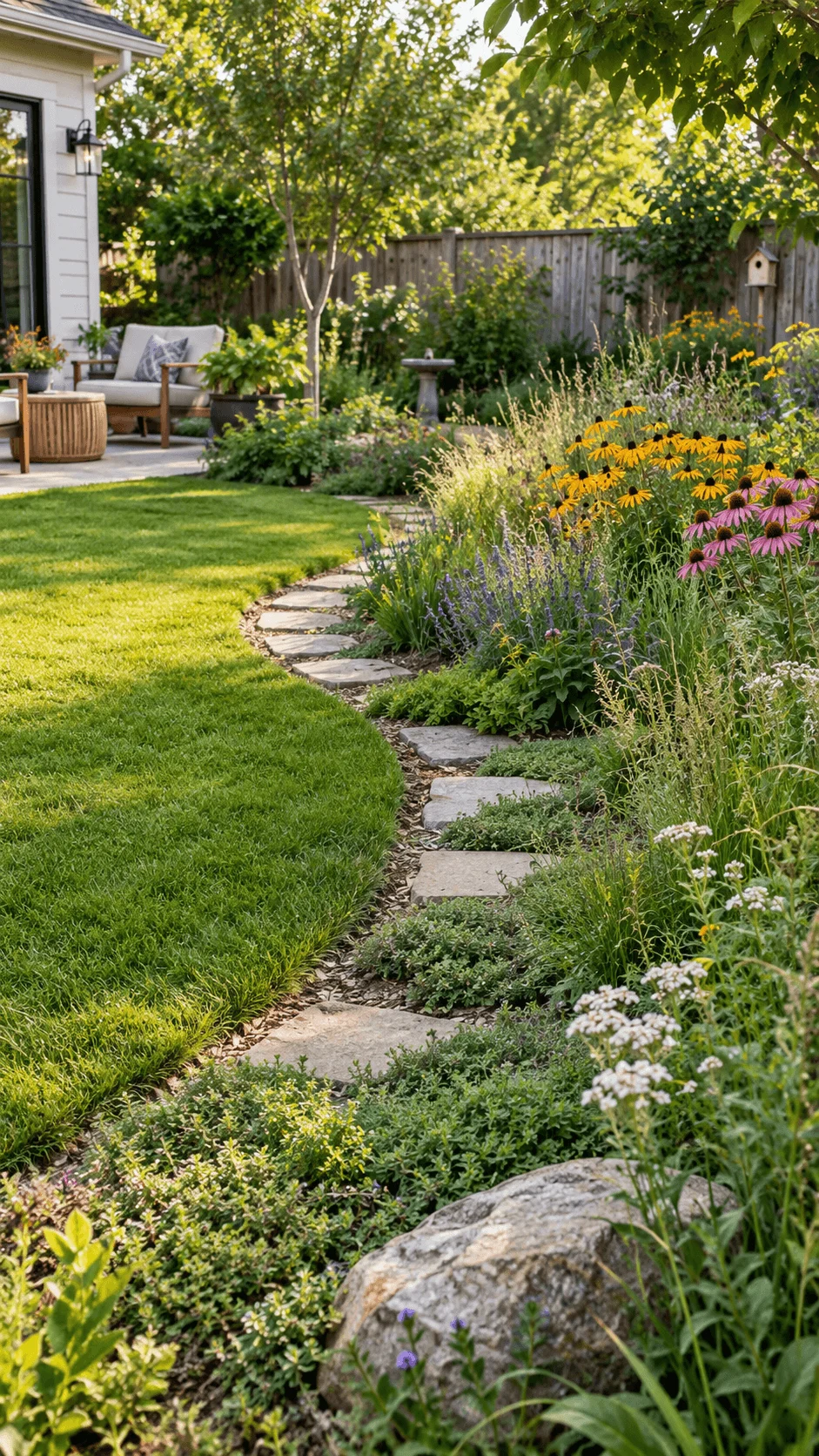
Design is important when replacing lawn. A completely unstructured planting area may not suit every property, so consider creating defined edges around naturalistic sections. Curved borders, stepping stones and carefully positioned plants can make the transition look intentional.
Another advantage comes from changing how you think about garden space. A lawn does not need to occupy every open area. A mixture of seating areas, planting beds, paths and natural spaces can create a more functional backyard.
These eco friendly backyard garden ideas can help homeowners reduce maintenance while creating outdoor spaces with greater plant diversity and character.
9. Create a Closed Loop Sustainable Garden
A closed loop garden aims to keep useful resources circulating within the garden rather than constantly sending them away as waste. This idea can make sustainability feel much more practical because it focuses on everyday gardening habits.
Fallen leaves provide a good example. Instead of treating them entirely as waste, gardeners can use suitable leaves as mulch or add them to compost. Plant trimmings can also contribute organic material when they are appropriate for composting.
Composting can turn many forms of garden and kitchen waste into useful organic matter. That compost can later return to planting beds and improve the growing environment.
Rainwater can also become part of the cycle. Collecting rainwater where local regulations and conditions allow can provide another water source for appropriate garden uses.
Mulching adds another layer to the system. Organic mulch gradually breaks down and contributes material to the soil while helping protect the surface. This means materials that began as garden waste can eventually become part of future plant growth.
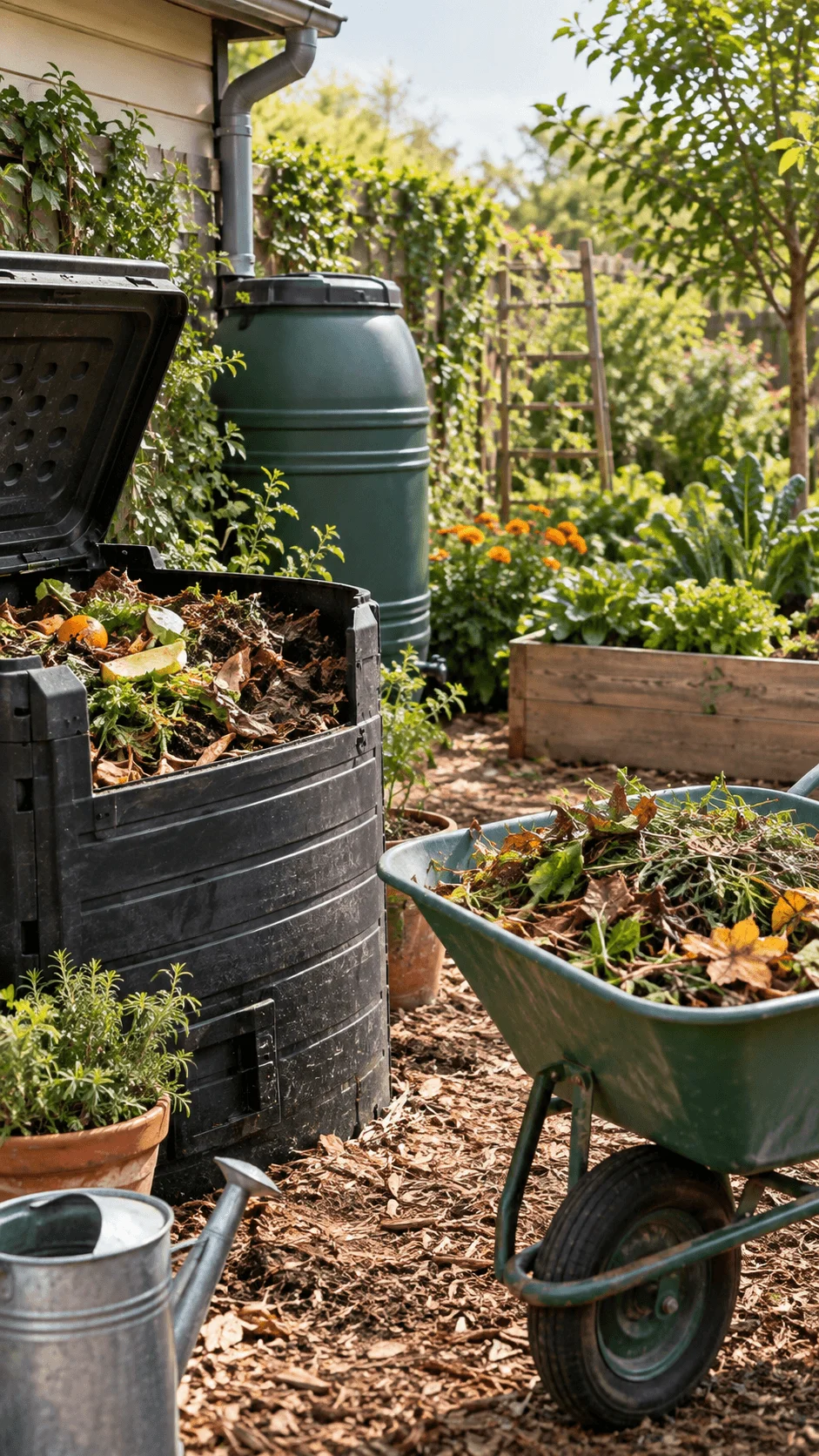
The closed loop approach also encourages gardeners to buy more thoughtfully. Before purchasing a new planter, garden decoration or soil amendment, consider whether an existing material can serve the same purpose.
A garden does not need to achieve a perfect closed loop to benefit from this philosophy. Even simple changes, such as composting plant material and reusing leaves as mulch, can reduce waste and improve the garden at the same time.
For homeowners searching for practical sustainable garden ideas, this approach offers a useful way to connect waste reduction with everyday garden maintenance.
10. Decorate With Reclaimed and Natural Materials
Sustainable garden design does not stop with plants. The materials used for paths, seating, planters, borders and decorative features can also influence the environmental impact of an outdoor space.
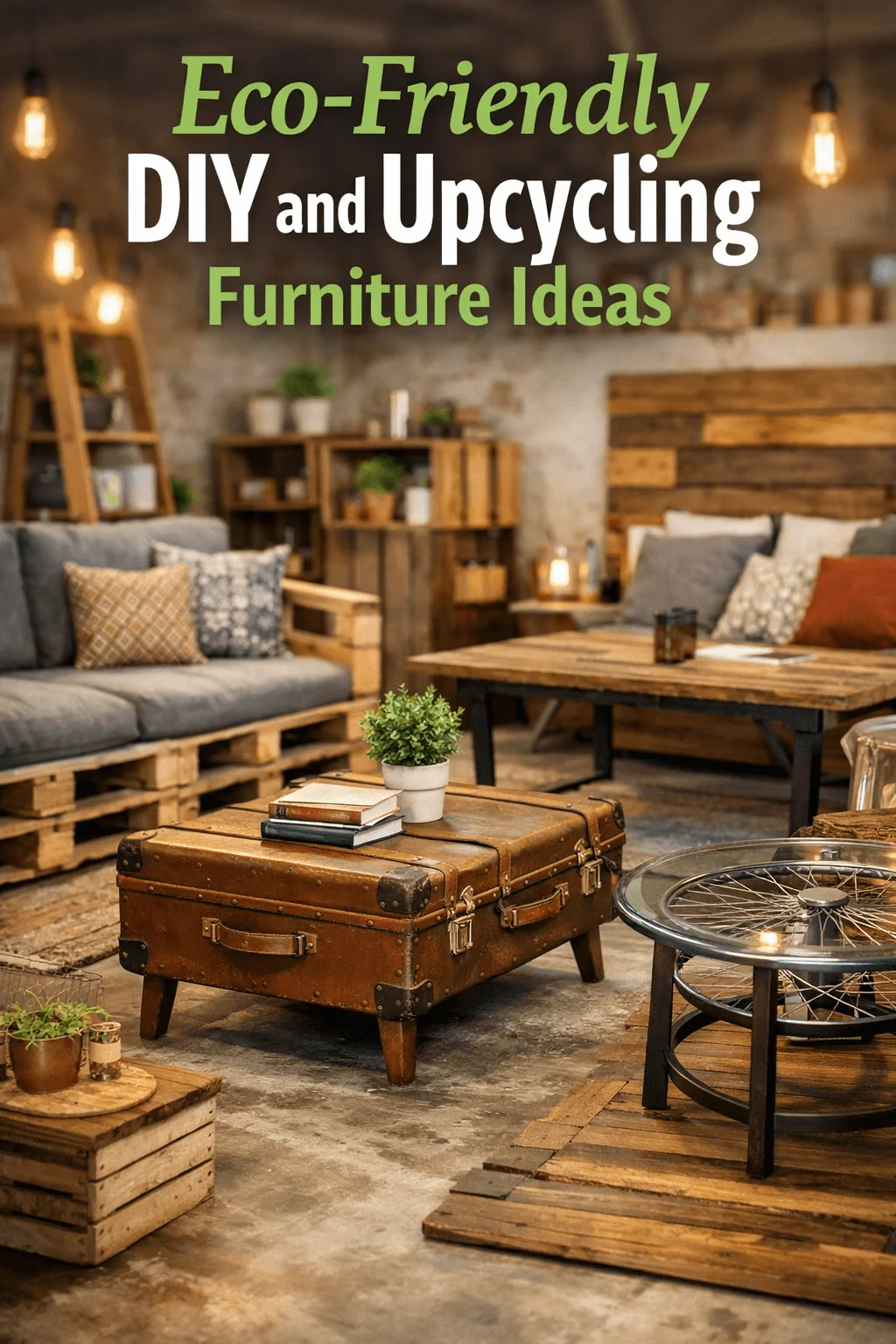
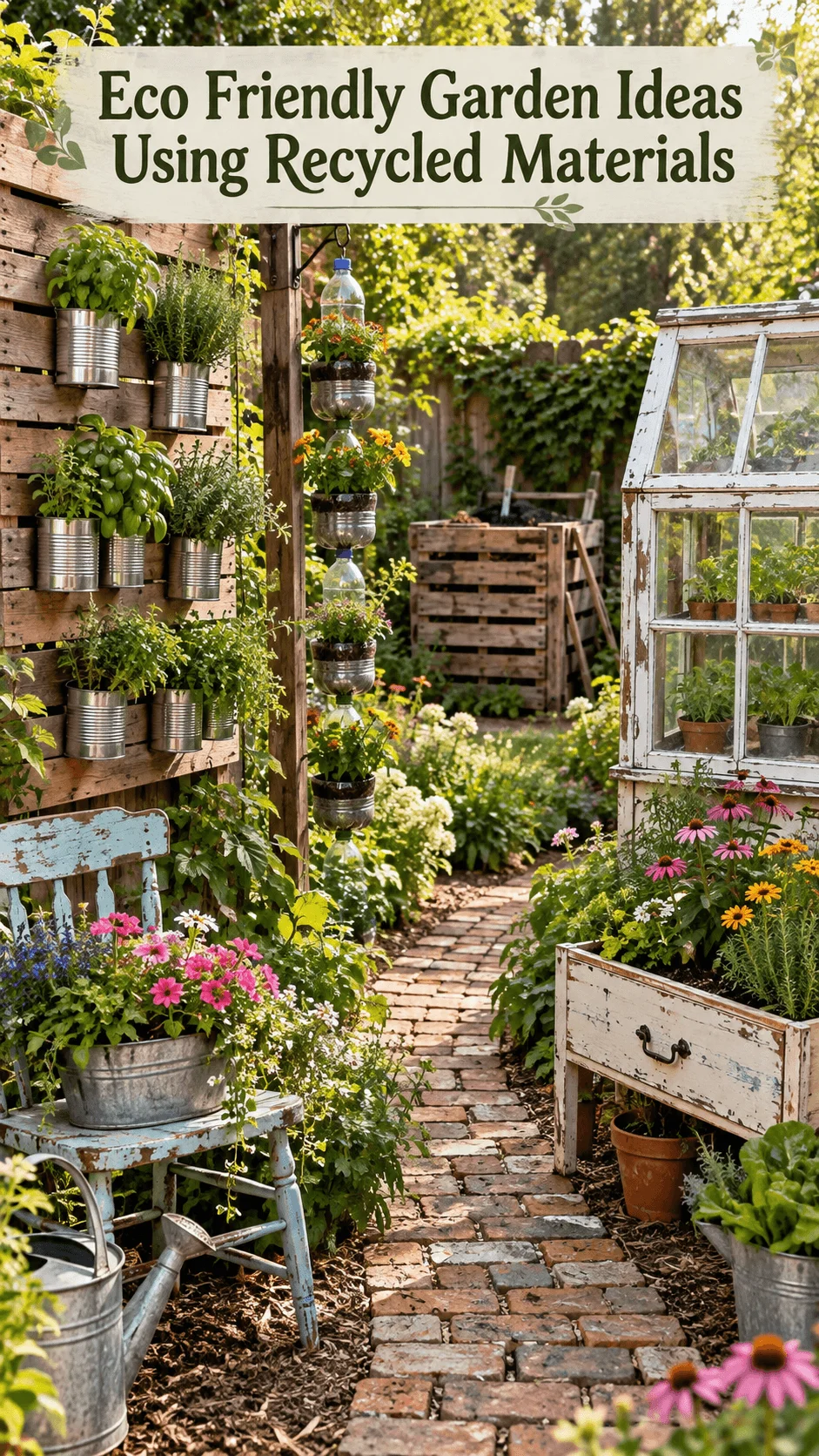
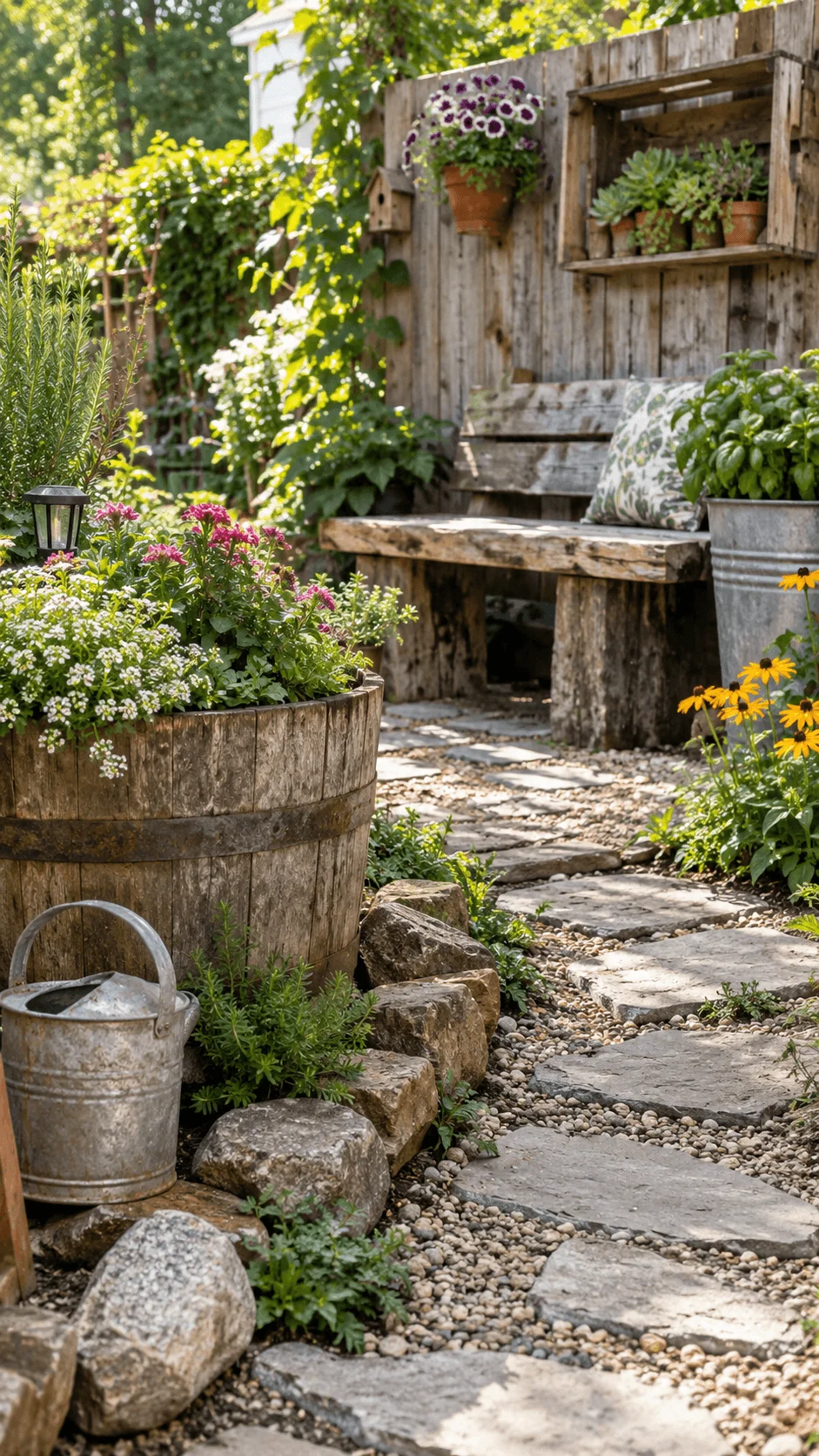
Reclaimed materials can give a garden character while reducing the need to purchase new products. Old timber may become part of a garden border or seating feature when it is suitable for the intended use. Previously used containers can also become planters after proper cleaning and preparation.
Natural stone can provide another durable option for paths, edging and garden features. The most sustainable choice depends on factors such as durability, local availability and how the material was sourced.
Repurposing can also make an outdoor space more personal. An old container might become a herb planter, while a suitable piece of reclaimed wood could become a simple garden sign or structural feature.
However, sustainable design does not mean using every old object you can find. Materials should still be safe, durable and appropriate for outdoor conditions. Avoid materials that may release harmful substances into soil or water.
Think about longevity as well. A material that lasts for many years may reduce the need for repeated replacements. Good design can therefore reduce waste while creating an outdoor space that feels intentional.
You can combine reclaimed materials with living plants to create a balanced appearance. Natural stone beside ground covers, reclaimed timber beside flowering plants and reused containers surrounded by herbs can make the garden feel warm rather than overly manufactured.
This approach adds a practical design dimension to eco friendly garden design, showing that sustainability can influence both the living and built elements of a garden.
11. Use Smart Water Saving Technology
Water conservation remains one of the most useful areas to consider when planning a sustainable outdoor garden. Modern technology can help gardeners provide plants with the water they need without relying on unnecessary irrigation.
Drip irrigation is one practical option. Instead of distributing water across an entire area, it delivers water closer to the plants that need it. This can be especially useful in vegetable beds, containers and carefully arranged planting areas.
Soil moisture sensors can provide another layer of control. Rather than watering simply because a particular day has arrived on the calendar, a sensor can help indicate whether the soil actually needs additional moisture.
Weather based watering systems can also adjust irrigation according to environmental conditions. When combined with sensible garden design, these systems can make watering more targeted.
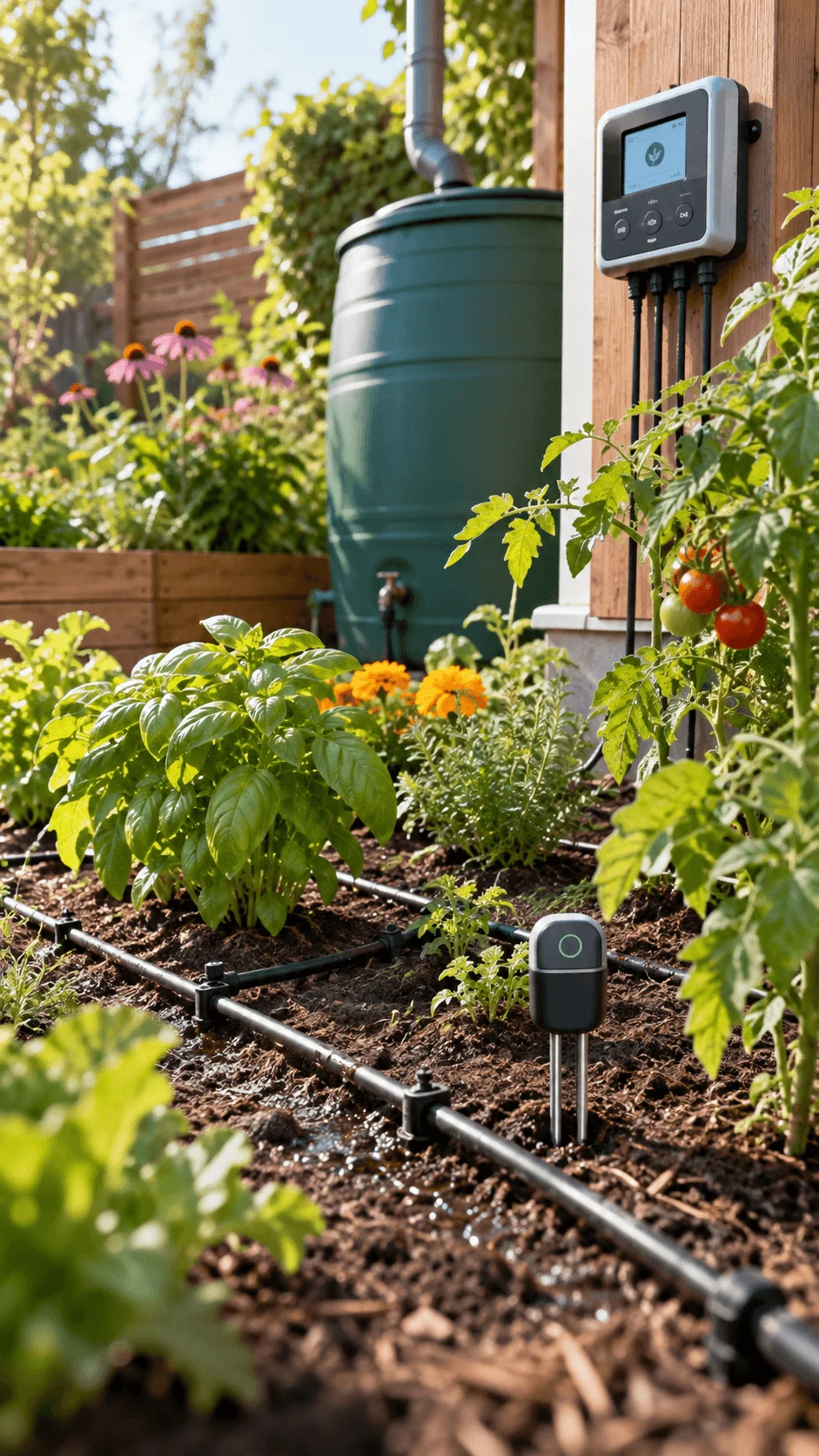
Technology works best when it supports good gardening rather than replacing it. Choosing plants suited to the local climate, improving soil, applying mulch and grouping plants according to their water needs can reduce the amount of irrigation required in the first place.
For example, a garden could divide plants into zones based on their moisture requirements. Plants that need regular moisture can occupy one area, while drought tolerant species can grow in a sunnier and drier section.
This makes water saving garden ideas part of the overall design instead of treating irrigation as an isolated problem.
Even a small garden can benefit from more thoughtful watering. A simple timer or targeted irrigation system may be enough for one homeowner, while a larger landscape may benefit from sensors and automated controls.
The goal should always be efficient watering rather than simply adding more technology. A smart system becomes most valuable when it helps prevent unnecessary watering and complements climate appropriate planting.
12. Try a Green on Green Naturalistic Garden
The green on green approach is an appealing direction for homeowners who want an outdoor space that feels calm, natural and sophisticated. Instead of relying heavily on colorful flowers, this style creates interest through different shades of green, foliage textures, leaf shapes and plant heights.
One green plant can look completely different from another. Large tropical looking leaves, fine grasses, delicate ground covers and structured shrubs can create contrast even when they share similar colors.
This makes green on green planting particularly useful for creating a garden that looks attractive throughout much of the growing season. Foliage often lasts longer than individual flowers, so the overall design can remain visually interesting between periods of flowering.
Naturalistic planting can also support biodiversity when gardeners include locally appropriate native species. Instead of arranging every plant as an isolated specimen, allow compatible plants to grow in groups and layers.
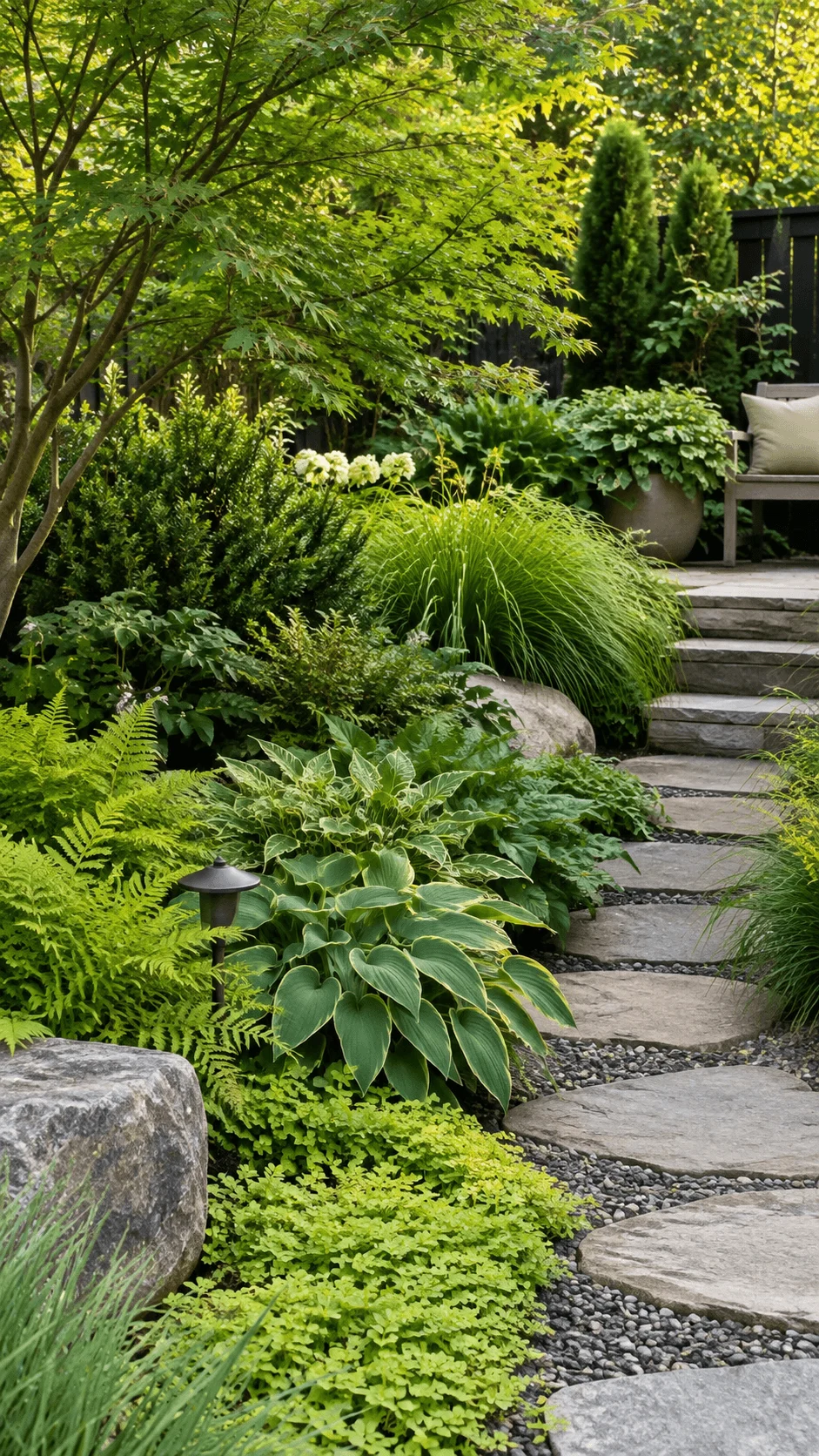
Trees can provide height and shade, shrubs can create structure, grasses can add movement and ground covers can soften the lowest level. This layered structure can make an outdoor space feel more connected to the surrounding landscape.
You can still introduce flowers into this style. The goal is not to eliminate color but to make foliage the main visual foundation. Seasonal flowers can then provide additional accents without dominating the entire design.
For smaller yards, focus on variation in texture rather than planting dozens of species. A few carefully selected plants with contrasting foliage can create a surprisingly rich appearance.
Green on green design also works well with sustainable materials and wildlife friendly planting. Natural stone paths, reclaimed timber features and native plants can complement the relaxed character of the garden.
This combination makes natural garden design ideas especially useful for people who want sustainability and modern outdoor aesthetics to work together.
Conclusion
The best eco friendly garden ideas outdoor spaces are not necessarily the ones with the most expensive landscaping features or the largest collection of plants. A truly sustainable garden begins with thoughtful decisions about soil, water, plants, materials and the wildlife that shares the space.
The biggest change in modern garden design is the move toward working with natural systems rather than constantly trying to control them. Climate resilient planting can help gardens cope with challenging weather, while keystone plants and wildlife corridors can provide valuable habitat. Rain gardens and permeable paths can make better use of rainfall, while no dig beds and closed loop gardening can help protect and improve soil.
You can also make your garden more productive by introducing a small food forest or replacing sections of lawn with suitable ground covers and naturalistic planting. Reclaimed materials can reduce unnecessary consumption, while smart irrigation can make watering more precise.
You do not need to implement all twelve ideas at once. Start with the part of your garden that needs the most improvement. A small lawn section could become a wildlife planting area, a neglected corner could become a rain garden, or an existing flower bed could become more resilient through better soil and plant selection.
The most successful eco friendly garden ideas outdoor approach is one that fits your property, climate, lifestyle and available resources. By making gradual improvements, you can create an outdoor space that looks beautiful while supporting biodiversity, conserving resources and working more naturally with the environment.
A sustainable garden does not have to look ordinary or restrictive. With thoughtful planning, it can become a productive, wildlife friendly and visually appealing part of your home that continues to provide value for years to come.