Creative Eco Friendly Packaging Ideas for Boxes
Eco friendly packaging ideas for boxes are becoming increasingly important as businesses and consumers search for ways to reduce environmental impact. Packaging plays a major role in modern commerce, especially with the rapid growth of ecommerce and global shipping. Every product that reaches a customer usually passes through several layers of packaging, which means the type of packaging used can significantly affect the amount of waste produced.
In the past, most packaging solutions focused only on protecting products and reducing costs. However, environmental concerns have changed the way companies think about packaging. Businesses are now exploring materials and designs that protect products while also minimizing waste and pollution. Eco friendly packaging boxes are designed to be recyclable, biodegradable, reusable, or produced from renewable resources.
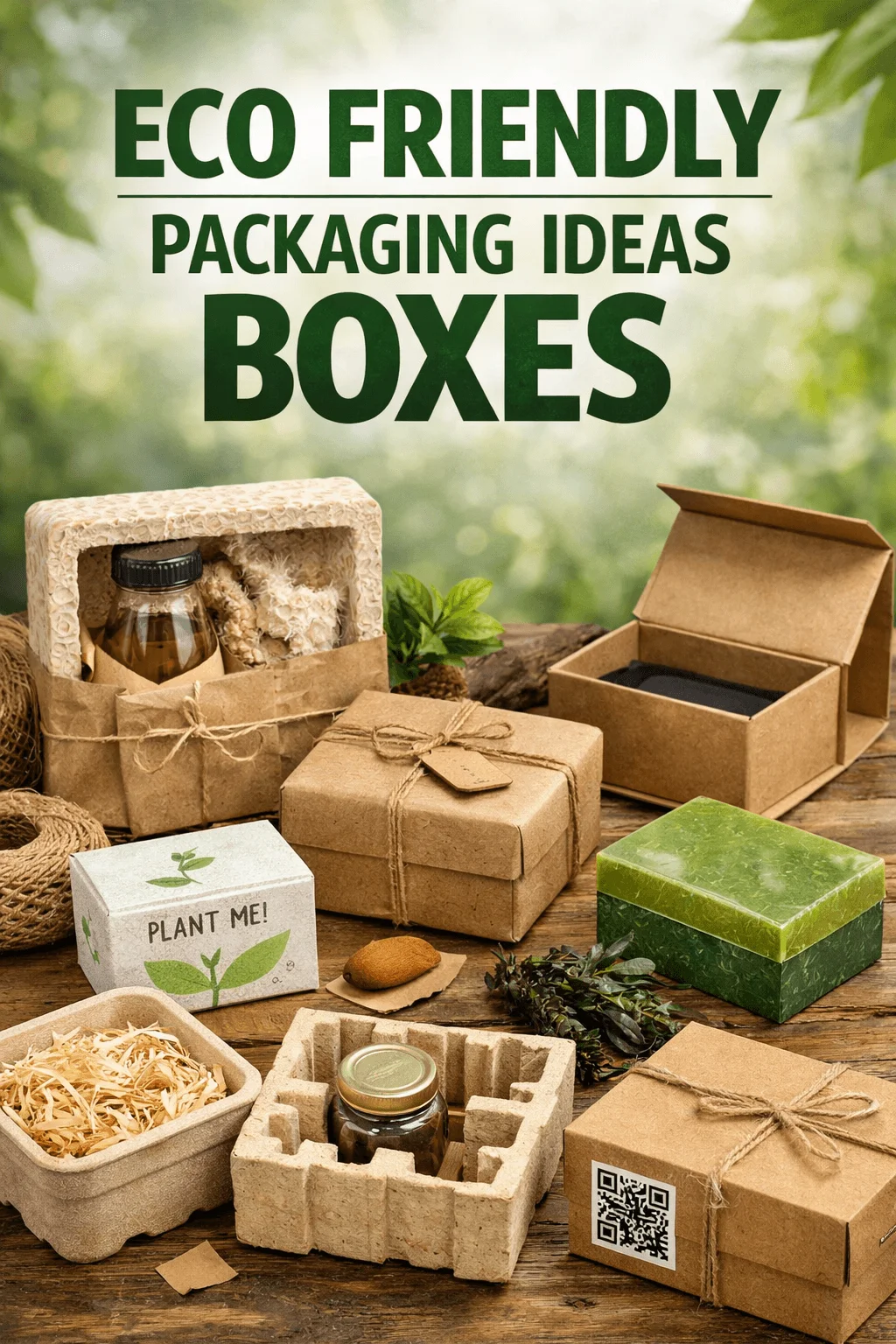
Sustainable packaging does more than just reduce waste. It also improves brand reputation, attracts environmentally conscious customers, and supports global efforts to protect natural resources. Many companies now see eco friendly packaging not as an optional feature but as an essential part of responsible business practices.
This growing focus on sustainability has inspired many creative packaging innovations. New materials and design approaches are allowing companies to package products safely while also protecting the environment. The following sections explore some of the most promising eco friendly packaging ideas for boxes that businesses can adopt today.
Mushroom Based Packaging Boxes
Mushroom based packaging is one of the most fascinating innovations in sustainable packaging. This material is created by combining agricultural waste with mycelium, which is the root structure of mushrooms. When these materials are placed in molds, the mycelium grows and binds the natural fibers together, forming a strong protective packaging material.
The process of growing mushroom packaging requires very little energy compared to traditional packaging manufacturing. Once the packaging has been used, it can be composted at home and will break down naturally within a short period of time. This means it does not contribute to long term landfill waste or environmental pollution.
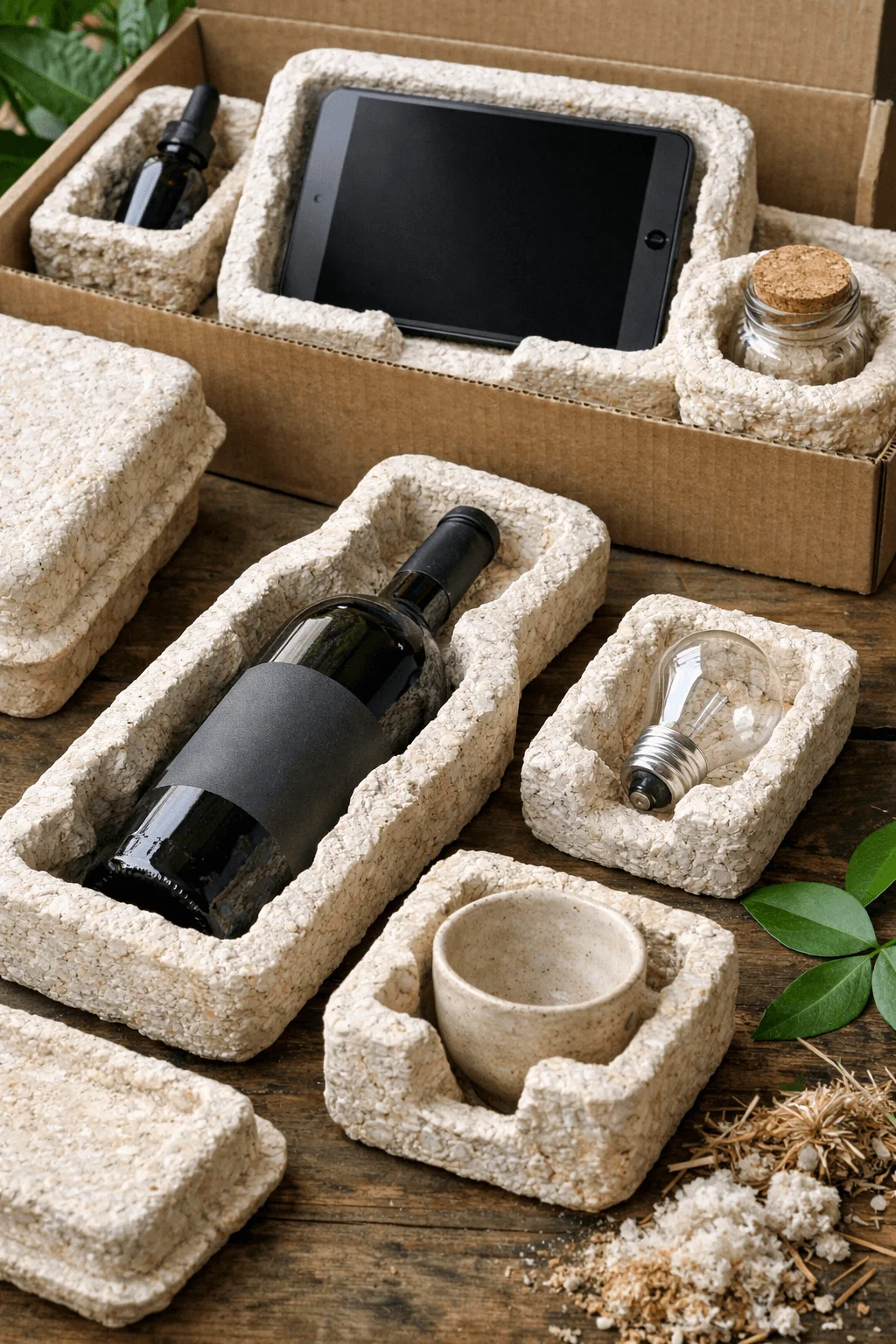
Mushroom packaging is particularly effective for protecting fragile products. It can be molded into custom shapes that hold items securely during transportation. Because it is lightweight and durable, it serves as a sustainable alternative to foam packaging materials that are commonly used in shipping boxes.
Many environmentally conscious companies are now experimenting with mushroom based packaging for electronics, glass products, and delicate items that require additional protection during delivery.
Seaweed Based Packaging Boxes
Seaweed based packaging is another innovative solution that is attracting attention in the sustainable packaging industry. Seaweed is a fast growing natural resource that grows abundantly in oceans without the need for fertilizers, fresh water, or land cultivation. This makes it one of the most renewable materials available for packaging production.
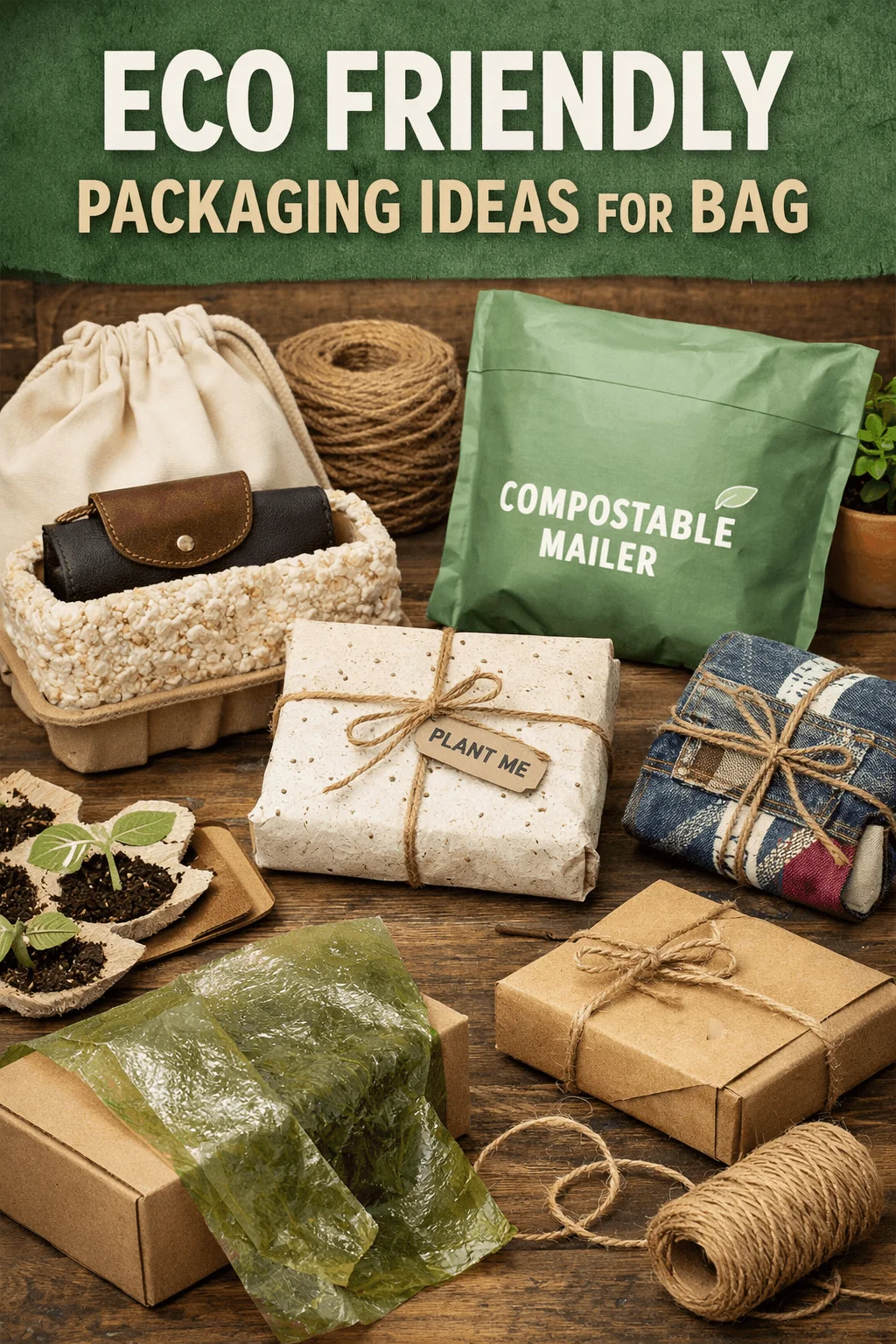
Seaweed extracts can be processed into flexible films and protective layers that can be used inside packaging boxes. These materials provide a natural barrier that helps protect products while also being completely biodegradable.
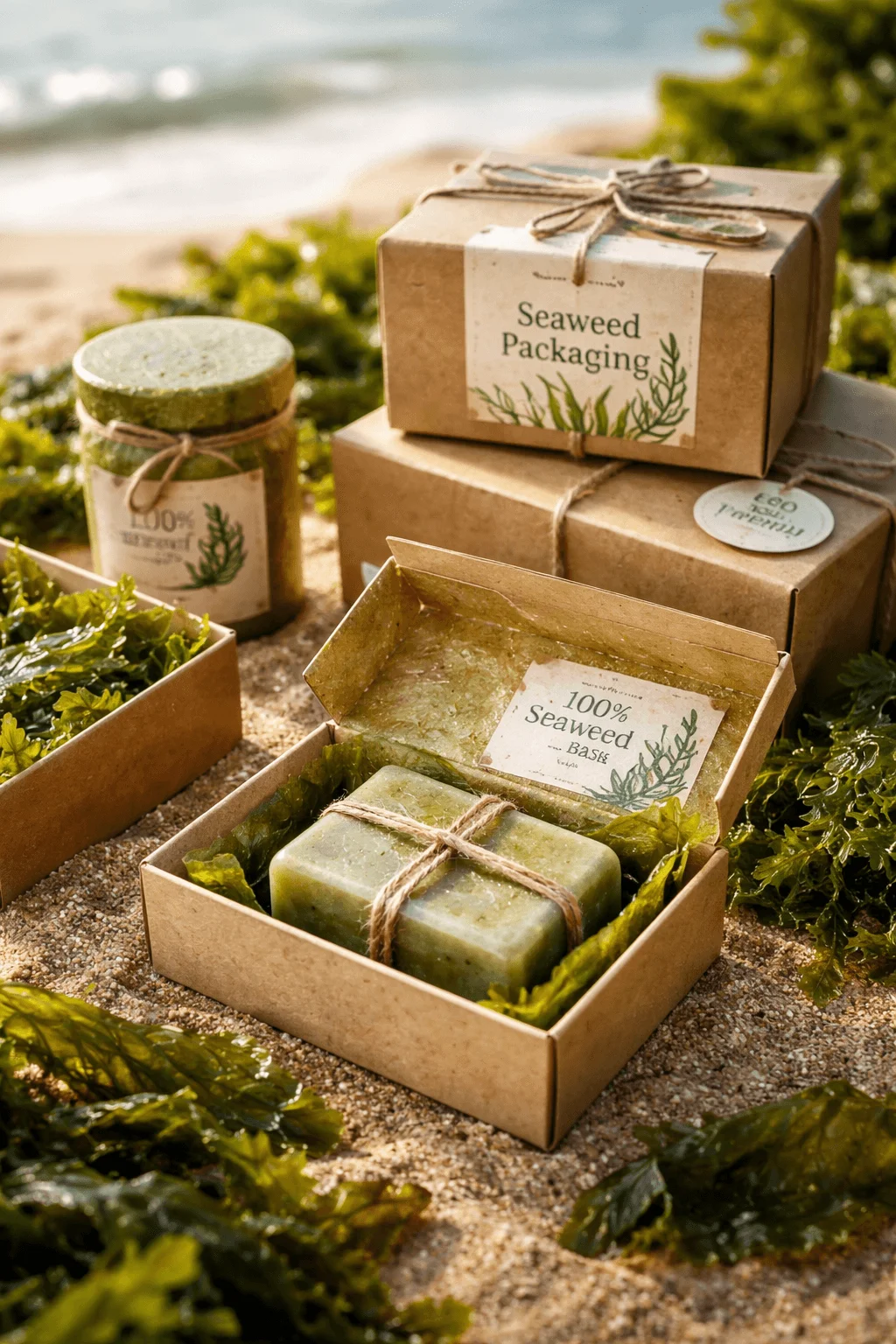
One of the most interesting aspects of seaweed packaging is that it dissolves naturally in the environment without leaving harmful microplastics behind. Unlike plastic materials that remain in ecosystems for decades, seaweed packaging returns to nature safely.
Businesses that want to showcase their commitment to sustainability often use seaweed based materials as part of their eco friendly packaging strategy. Customers are also fascinated by the idea of packaging that originates from ocean plants, which adds an interesting story behind the product.
Plantable Seed Paper Packaging Boxes
Plantable seed paper packaging transforms ordinary packaging into something meaningful and interactive. These boxes are created using recycled paper that contains embedded seeds such as herbs, flowers, or small plants.
After customers receive their products and remove the contents from the packaging box, they can plant the paper in soil. When watered and cared for, the seeds begin to grow into plants. This process turns what would normally become waste into something that supports the environment.
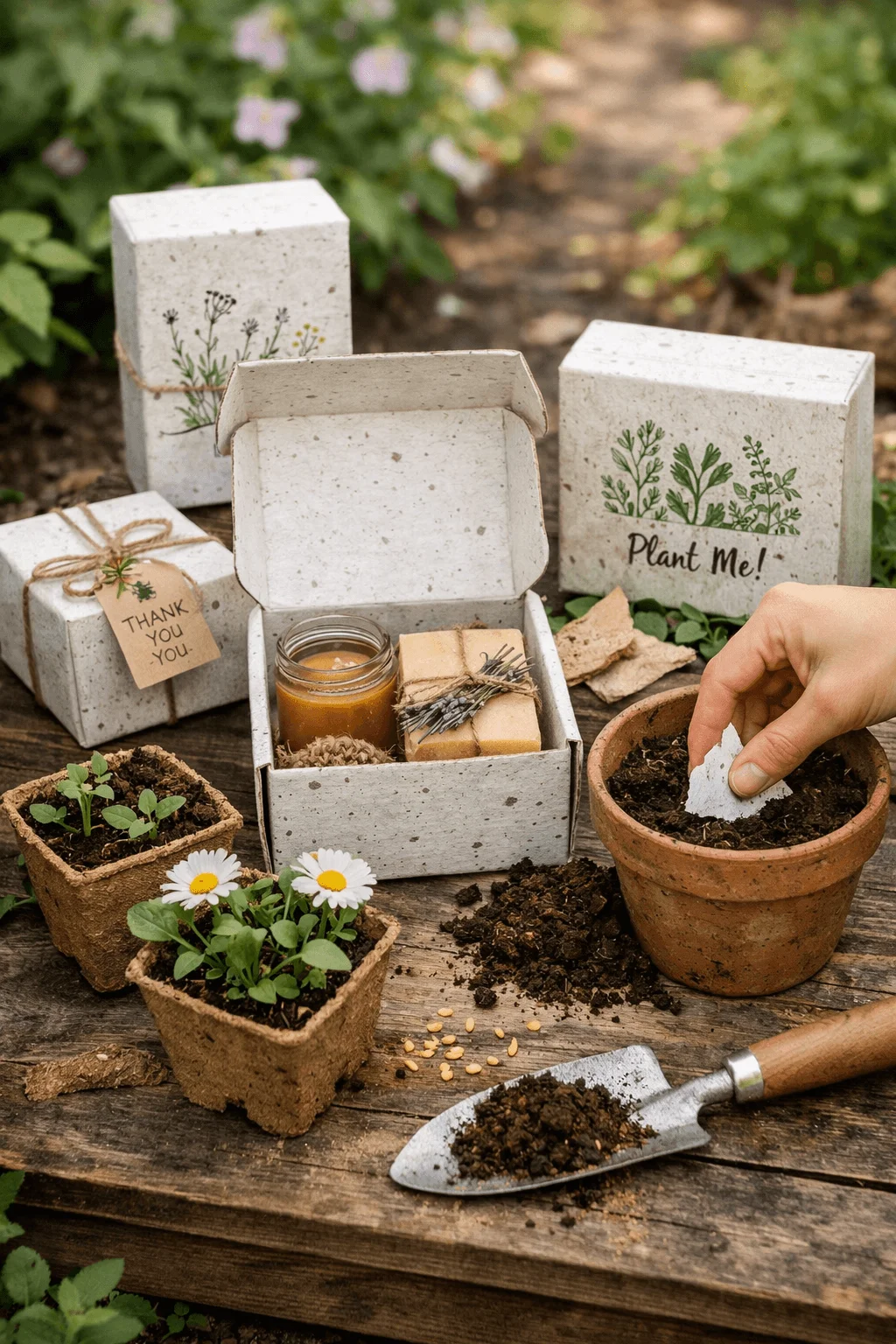
Plantable packaging is especially popular among handmade product sellers, eco friendly brands, and gift oriented businesses. Customers often enjoy the experience of planting the packaging and watching it grow into something new.
This idea also helps raise awareness about sustainability because it encourages people to think about how packaging materials can have a second life instead of simply being thrown away.
Recycled Kraft Paper Packaging Boxes
Recycled kraft paper packaging boxes remain one of the most widely used eco friendly packaging solutions. Kraft paper is strong, durable, and highly recyclable. It is commonly used for shipping boxes, product packaging, and protective wrapping.
The production of recycled kraft paper requires fewer resources than producing new paper materials. Using recycled fibers reduces the need for cutting down trees and decreases the amount of waste that ends up in landfills.
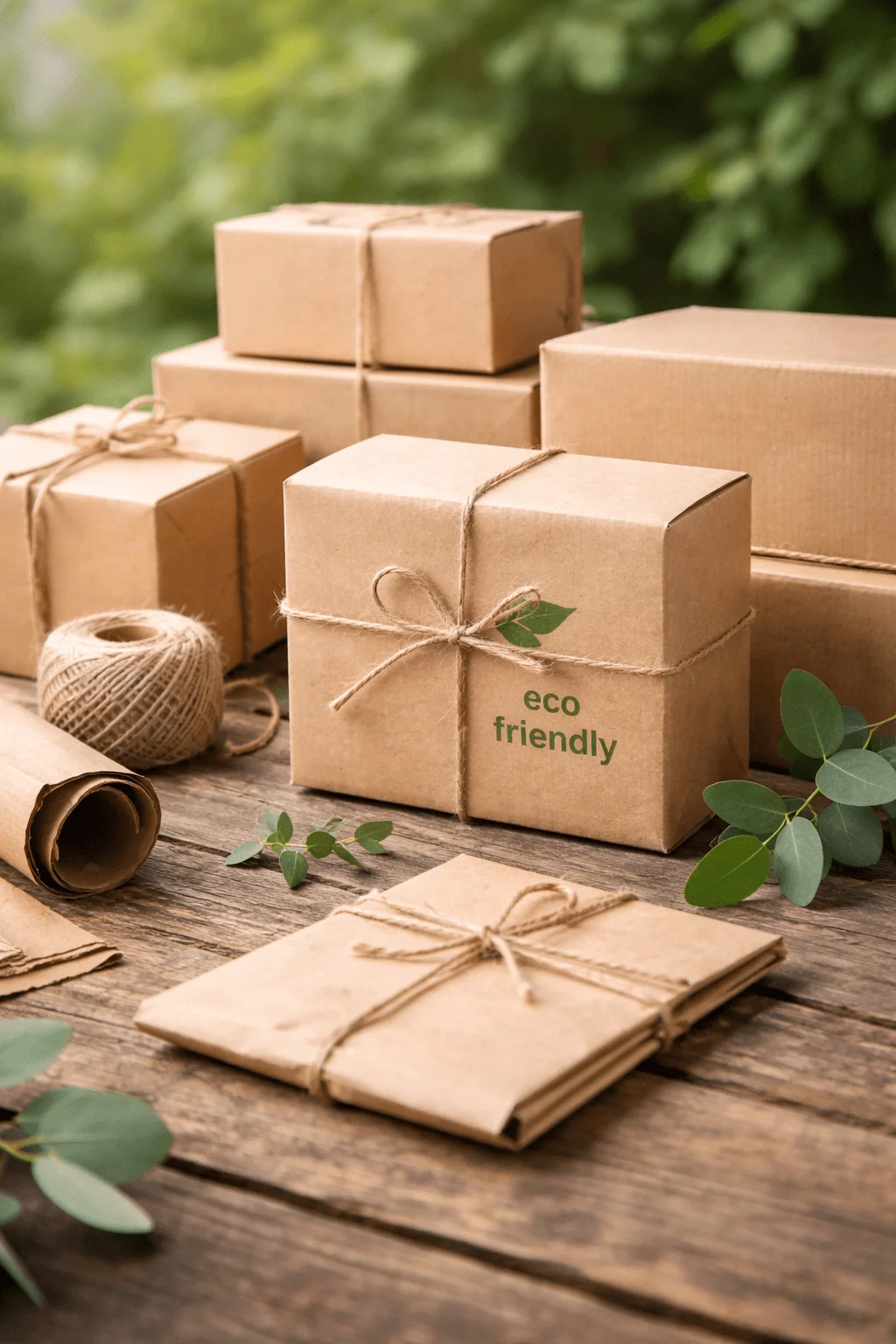
Another advantage of kraft paper packaging is its natural appearance. Many brands prefer the simple brown color of kraft boxes because it reflects a natural and environmentally responsible image.
These boxes can also be customized easily with eco friendly printing methods. Businesses can add logos, branding elements, and product information while maintaining the sustainability of the packaging.
Reusable Magnetic Closure Packaging Boxes
Reusable packaging boxes are designed to extend the life of packaging materials beyond a single use. Magnetic closure boxes are a good example of this concept. These boxes are made from sturdy cardboard and include hidden magnets that allow them to open and close easily.
Because of their durable construction, customers often keep these boxes for storage or future use. Instead of discarding the packaging immediately, people reuse it for organizing items, storing accessories, or presenting gifts.
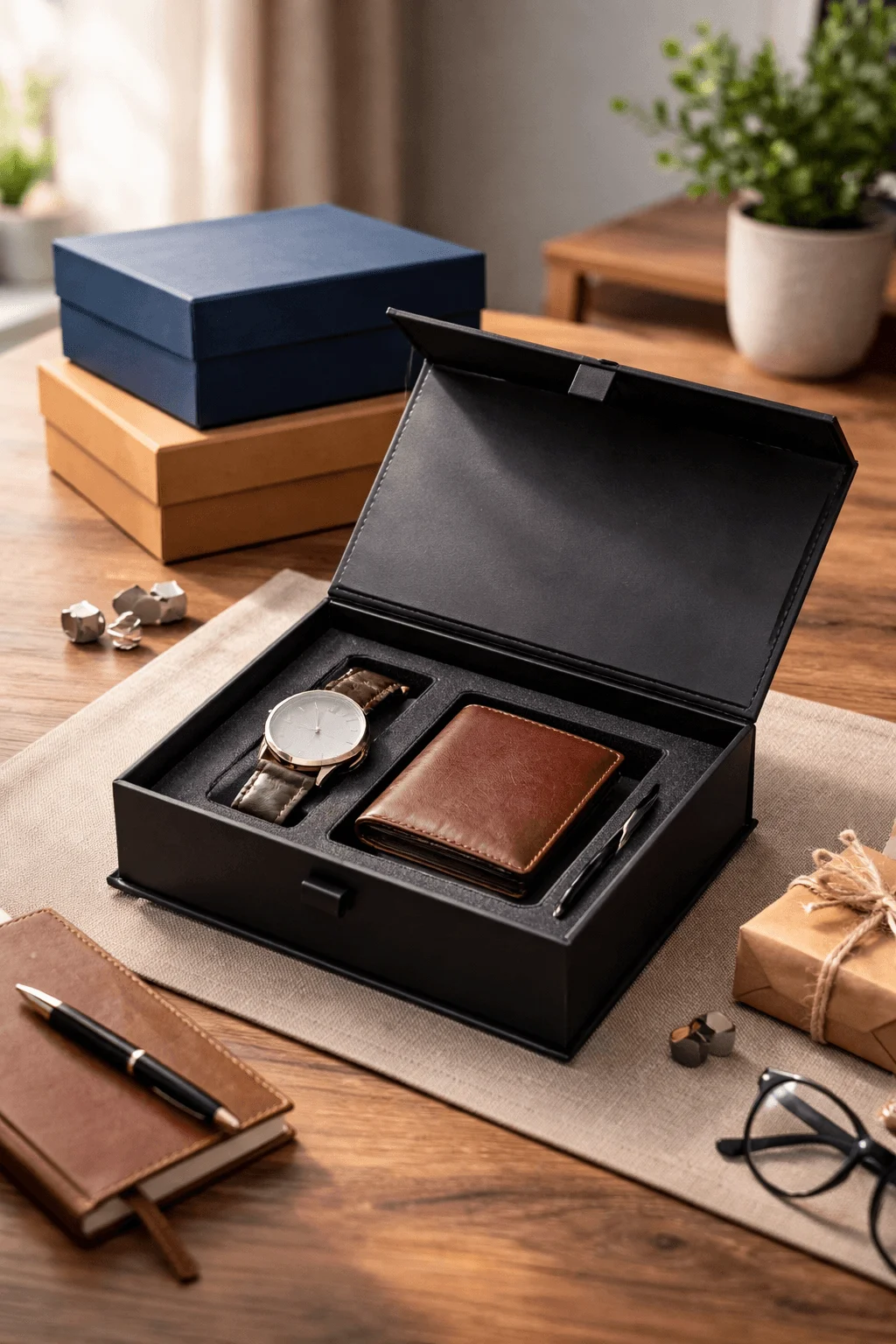
This approach reduces the need for new packaging materials and helps decrease waste over time. Many premium product brands use magnetic closure boxes to create a luxurious unboxing experience while also encouraging reuse.
Reusable packaging also creates a stronger connection between the brand and the customer because the packaging remains useful long after the original product has been used.
Minimalist Packaging Boxes
Minimalist packaging focuses on reducing unnecessary materials while still protecting the product effectively. Instead of using multiple layers of packaging materials, minimalist packaging designs aim to use the smallest amount of material possible.
A minimalist packaging box is carefully designed so that the product fits perfectly inside it. This eliminates the need for excessive fillers, plastic wraps, or additional protective layers.
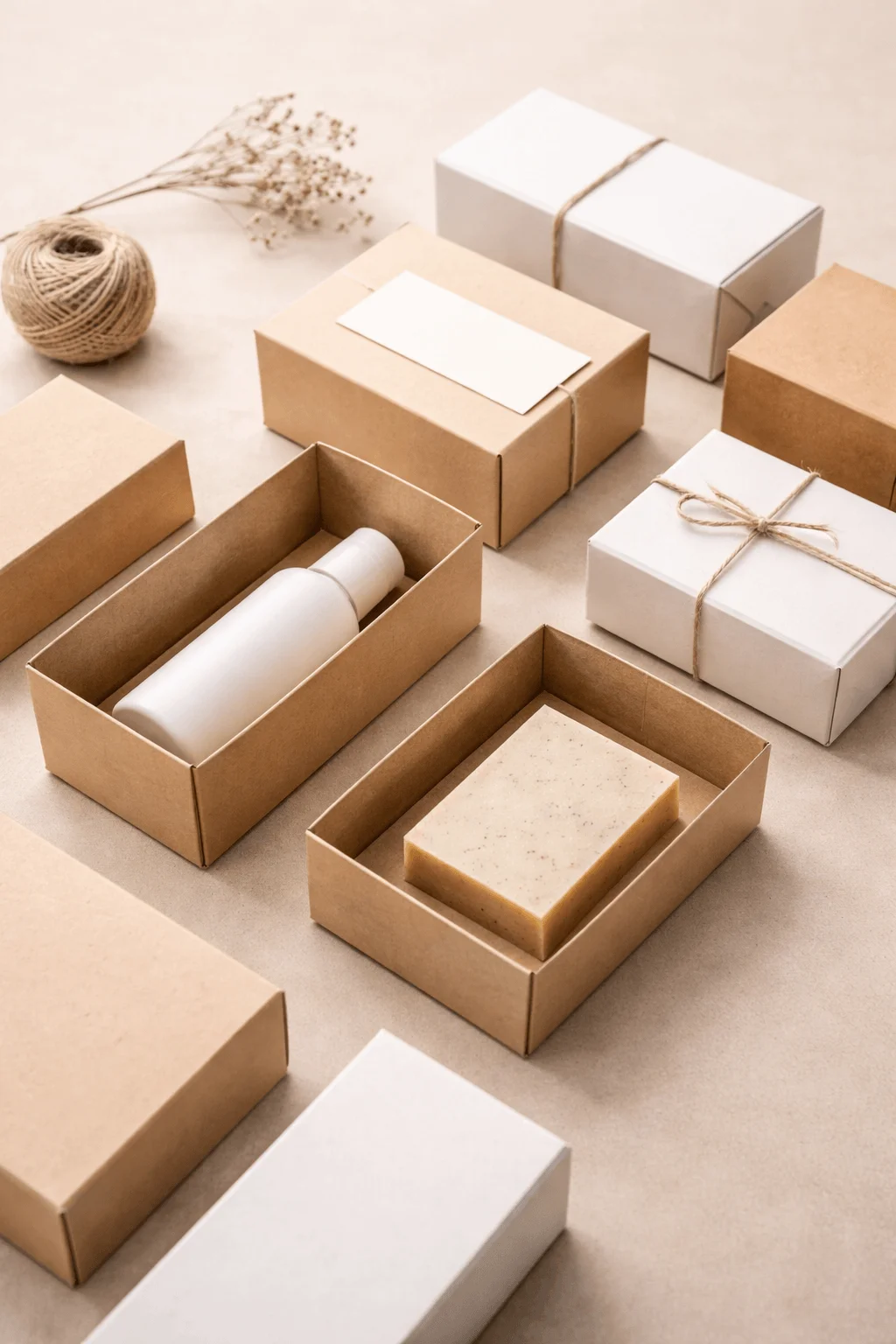
The benefits of minimalist packaging go beyond environmental advantages. Using fewer materials can reduce manufacturing costs and shipping weight. This makes packaging more efficient and environmentally responsible at the same time.
Consumers also appreciate the clean and simple appearance of minimalist packaging. Many modern brands choose minimalist designs because they create a sophisticated and environmentally conscious brand image.
Compostable Packaging Boxes
Compostable packaging boxes are made from natural plant based materials that break down into organic matter in composting environments. Materials such as sugarcane fiber, bamboo pulp, and cornstarch based compounds are often used to create these packaging products.
When compostable packaging is disposed of properly, it decomposes into natural components that enrich soil instead of polluting the environment. This process helps reduce landfill waste and supports healthier ecosystems.
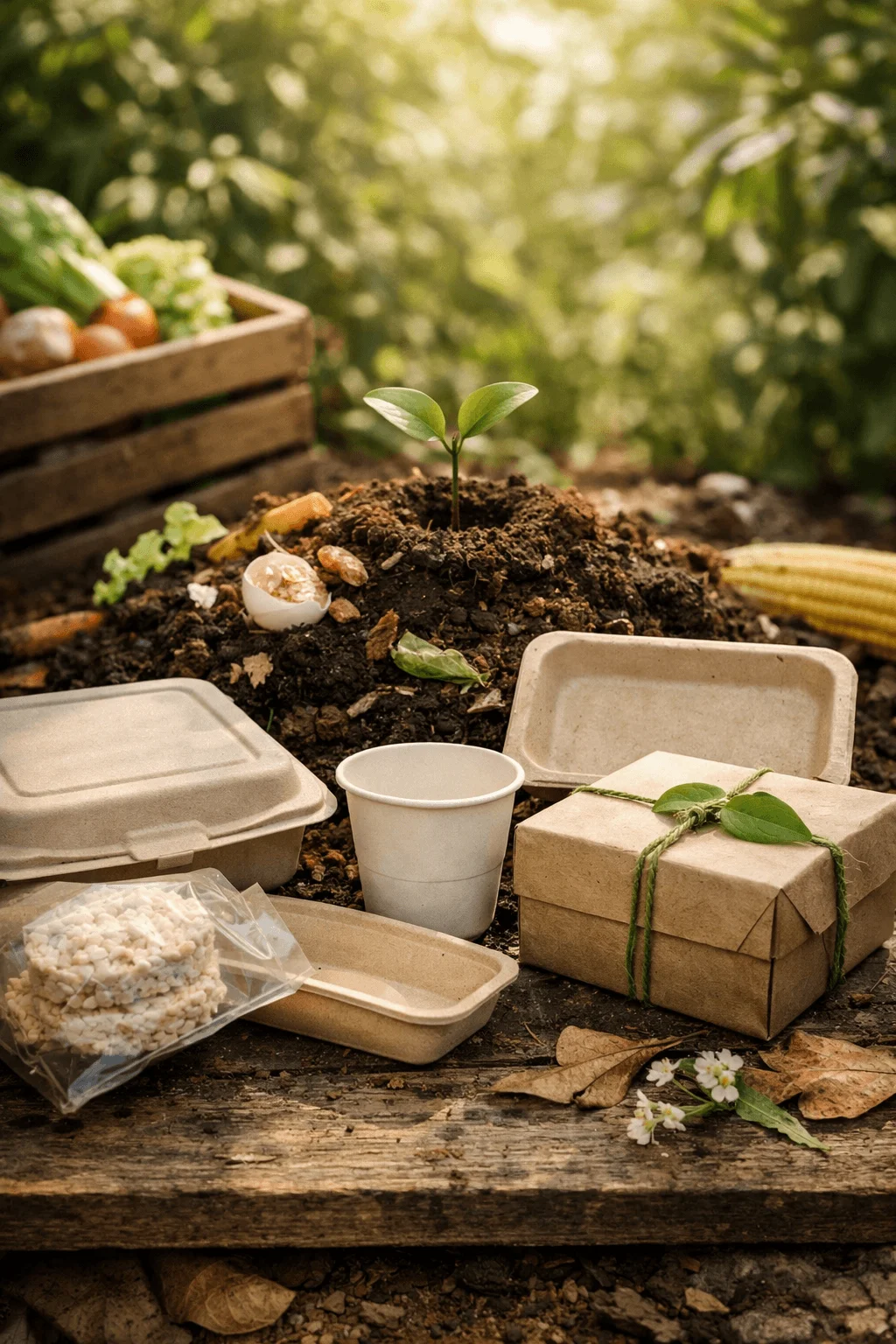
Businesses that focus on sustainability often adopt compostable packaging as part of their environmental commitment. Customers who care about the environment are more likely to support brands that use packaging materials that return safely to nature.
Compostable packaging also represents a step toward circular packaging systems where materials continuously return to the natural cycle instead of accumulating as waste.
Smart QR Code Packaging Boxes
Smart packaging combines traditional packaging with digital technology. QR code packaging boxes include printed codes that customers can scan using their smartphones.
When scanned, the QR code can provide information about the product, the manufacturing process, sustainability practices, or recycling instructions. This creates a connection between the packaging and the digital experience of the brand.
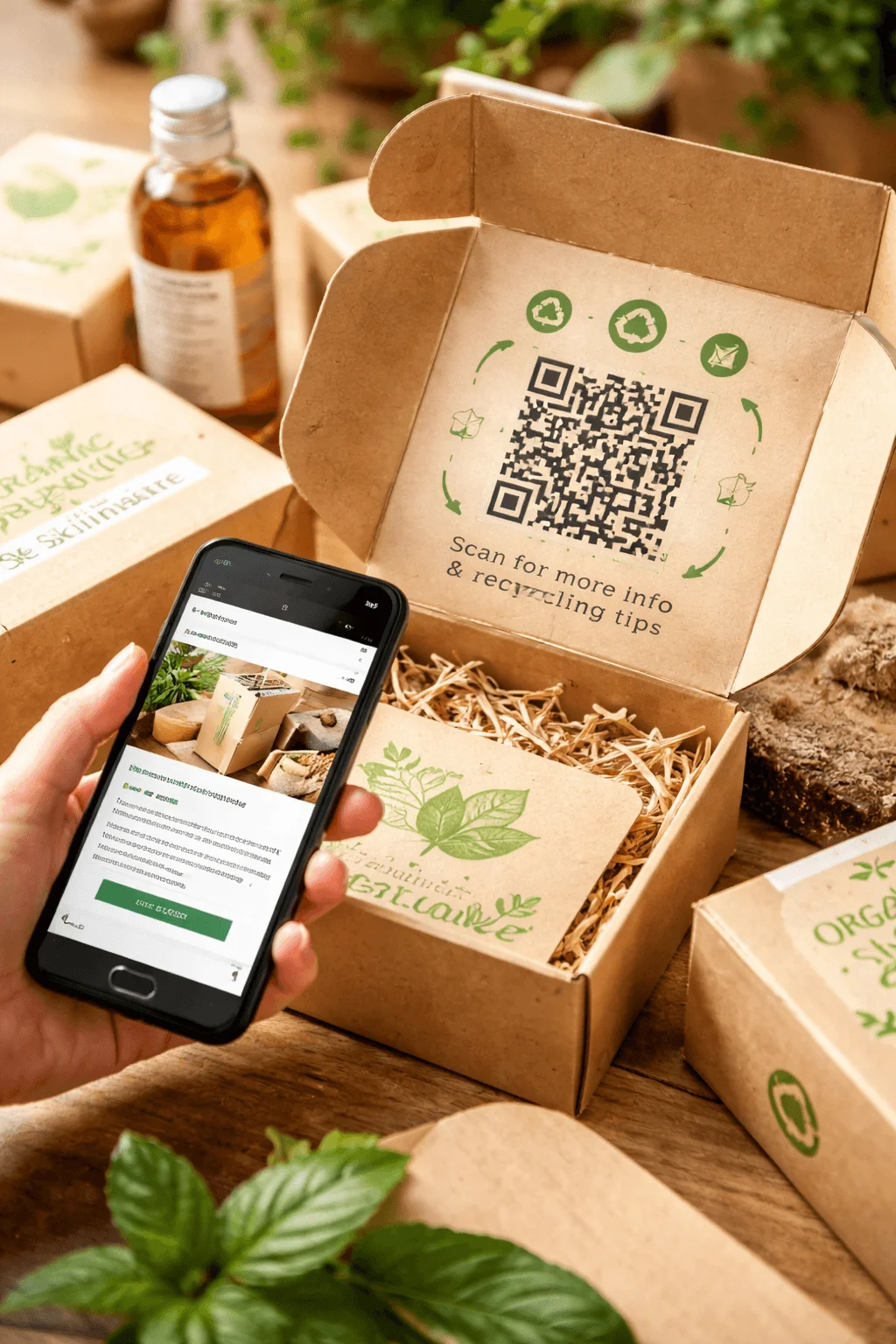
Smart packaging allows companies to communicate more information without adding additional printed materials inside the box. It also helps customers understand how to properly recycle or dispose of packaging components.
As technology continues to evolve, smart packaging is expected to become an important part of sustainable packaging strategies.
Mono Material Packaging Boxes
Many traditional packaging solutions combine several materials such as plastic films, adhesives, and coated papers. These combinations make recycling difficult because the materials must be separated before processing.
Mono material packaging boxes are designed using a single recyclable material. For example, a packaging box made entirely from cardboard is easier to recycle than a box that includes plastic layers.
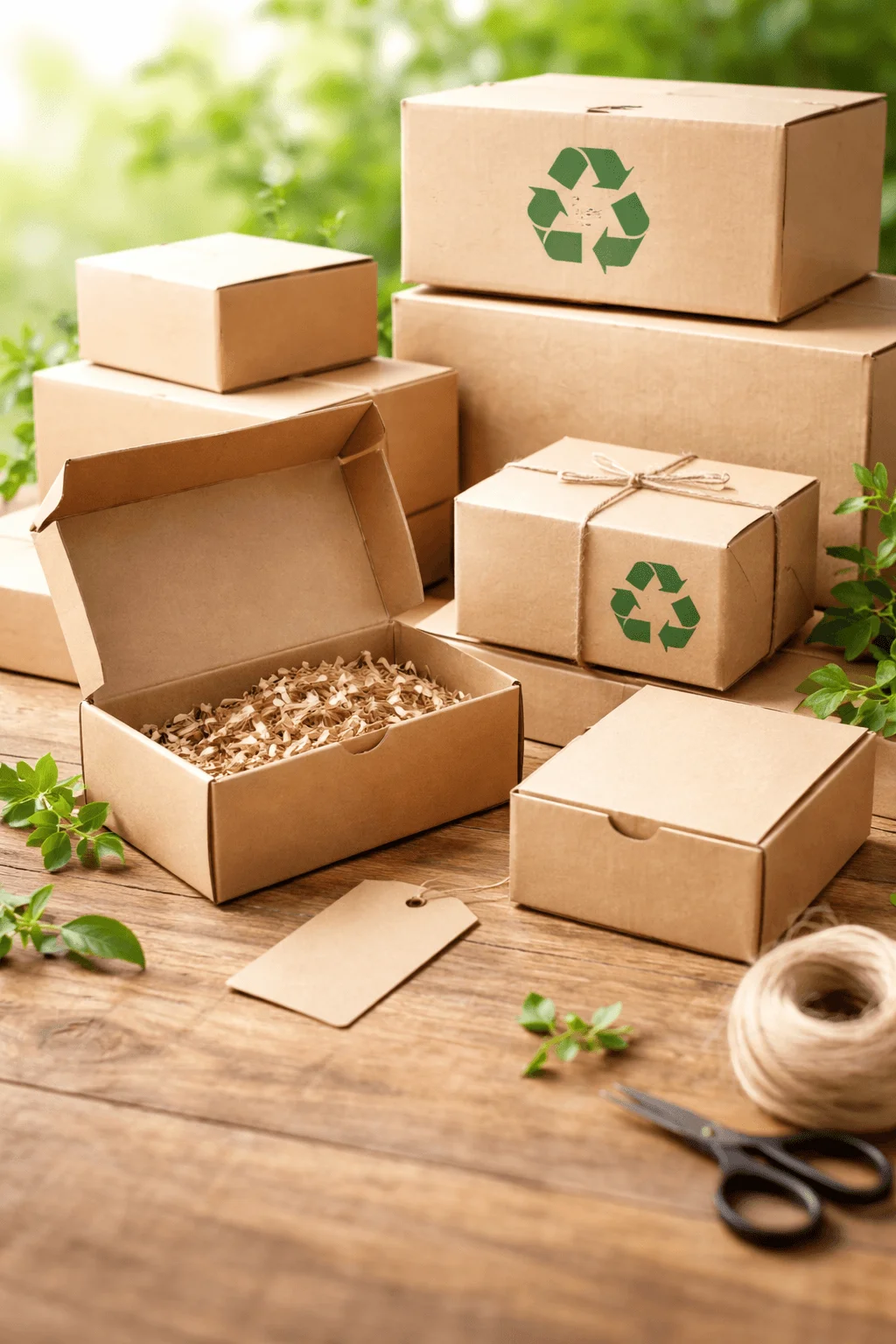
This design approach simplifies the recycling process and increases the likelihood that the packaging will actually be recycled. It also supports the development of circular economies where materials are reused instead of discarded.
Companies that adopt mono material packaging demonstrate a strong commitment to improving recyclability and reducing environmental impact.
Edible Packaging Concepts
Edible packaging represents one of the most innovative ideas in sustainable packaging. This concept involves creating packaging materials that can safely be consumed along with the product.
Edible packaging is often made from natural ingredients such as rice starch, algae extracts, or other plant based compounds. While this technology is still developing, it offers an exciting glimpse into the future of waste free packaging.
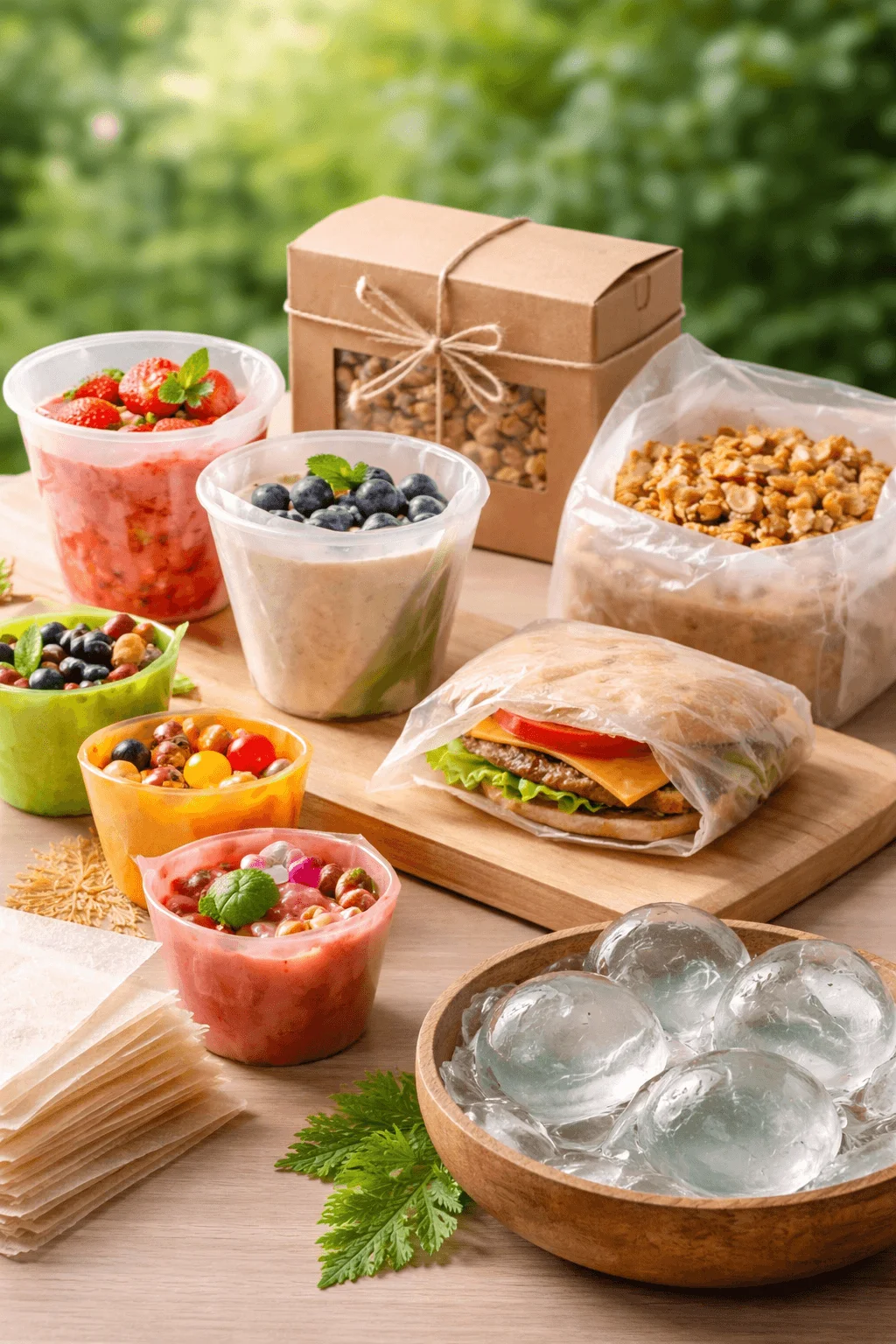
In some cases, edible packaging can be combined with traditional eco friendly packaging boxes to create a layered packaging system that reduces waste dramatically.
Consumers are often intrigued by edible packaging because it represents a completely different way of thinking about packaging materials.
Corrugated Cardboard Protective Inserts
Corrugated cardboard inserts are an eco friendly alternative to plastic bubble wrap and foam packaging. These inserts are designed to hold products securely within packaging boxes while providing cushioning during transportation.
Because they are made from recyclable cardboard fibers, these inserts can be recycled along with the outer packaging box. This simplifies the recycling process for consumers.
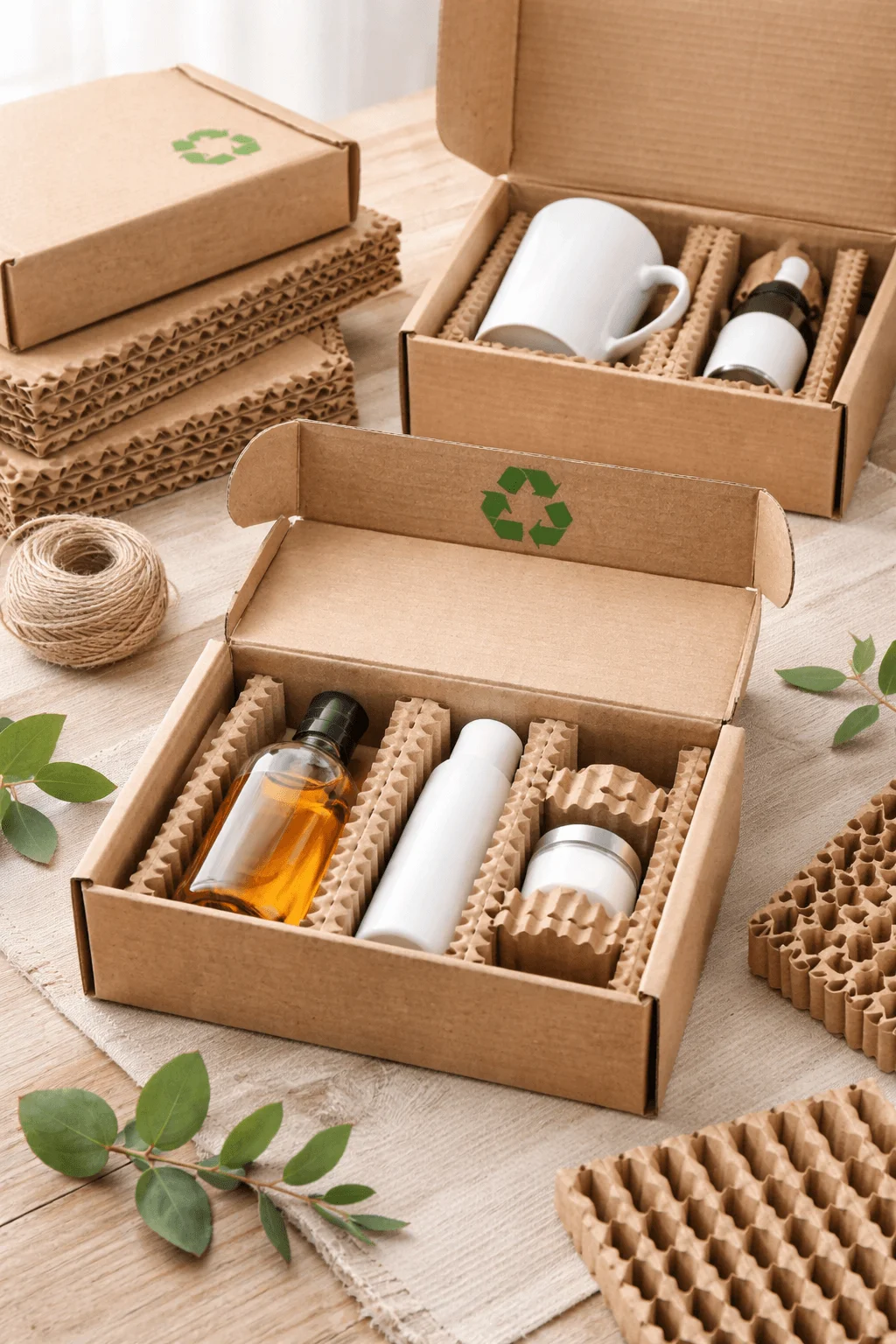
Corrugated inserts can also be customized to fit specific products. This ensures that items remain stable during shipping while avoiding the use of plastic based protective materials.
Many ecommerce businesses are adopting cardboard inserts as part of their effort to create fully recyclable packaging systems.
Agricultural Waste Fiber Packaging Boxes
Agricultural waste materials such as wheat straw, corn husks, and fruit peels can be transformed into useful packaging fibers. Instead of allowing these materials to go to waste after harvesting, they can be processed into pulp for packaging production.
Packaging boxes made from agricultural waste fibers offer several environmental benefits. They reduce the amount of organic waste generated by agriculture while also reducing the need for traditional paper production.
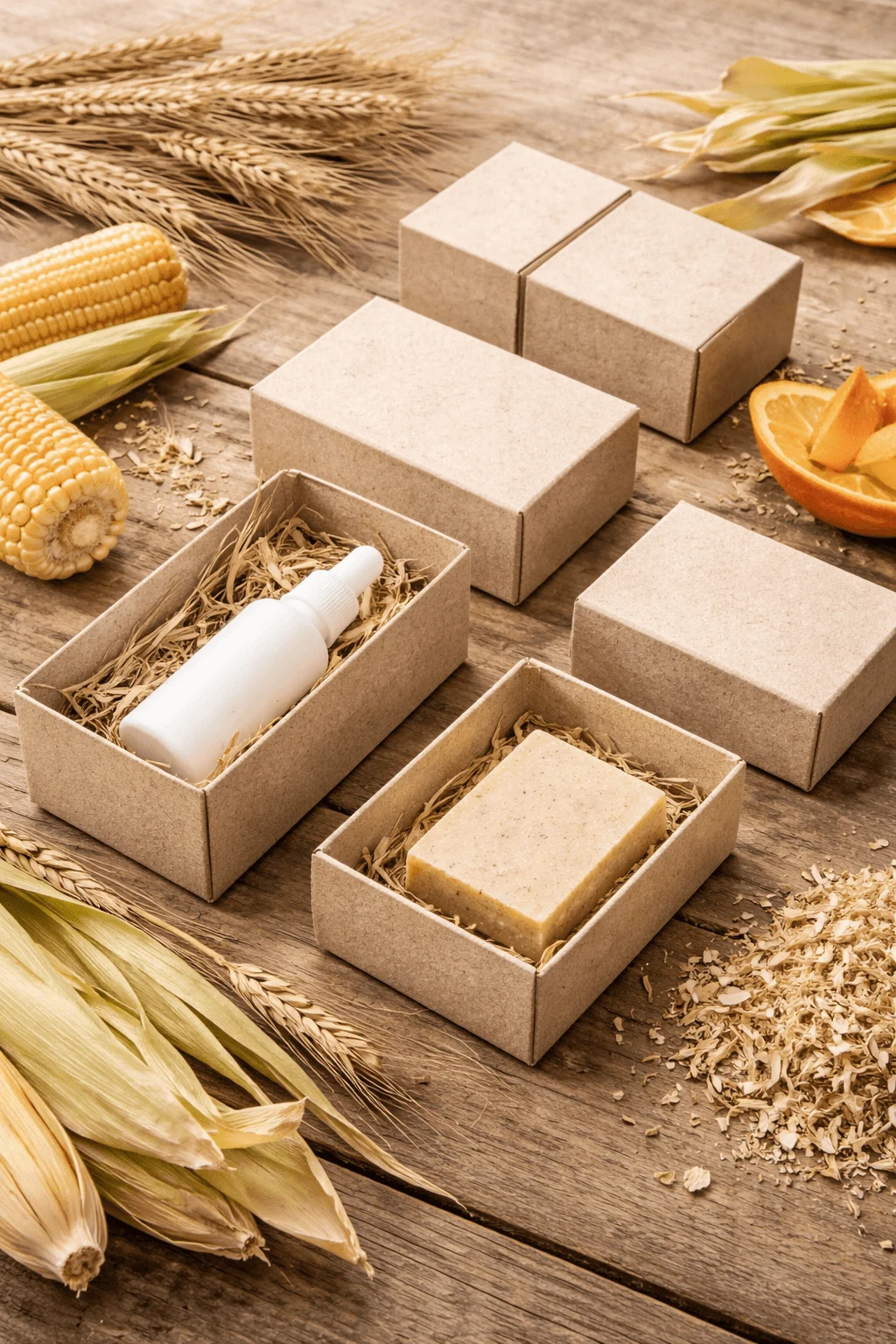
These materials are biodegradable and often require less energy to process compared to conventional packaging materials.
Using agricultural waste for packaging demonstrates how industries can work together to create more sustainable production systems.
Foldable Reusable Packaging Boxes
Foldable packaging boxes are designed so that they can collapse when not in use. This feature allows customers and businesses to store the boxes easily and reuse them later.
Reusable packaging is becoming an important part of sustainable supply chains. Instead of discarding packaging after a single delivery, businesses can encourage customers to reuse packaging materials for storage or returns.
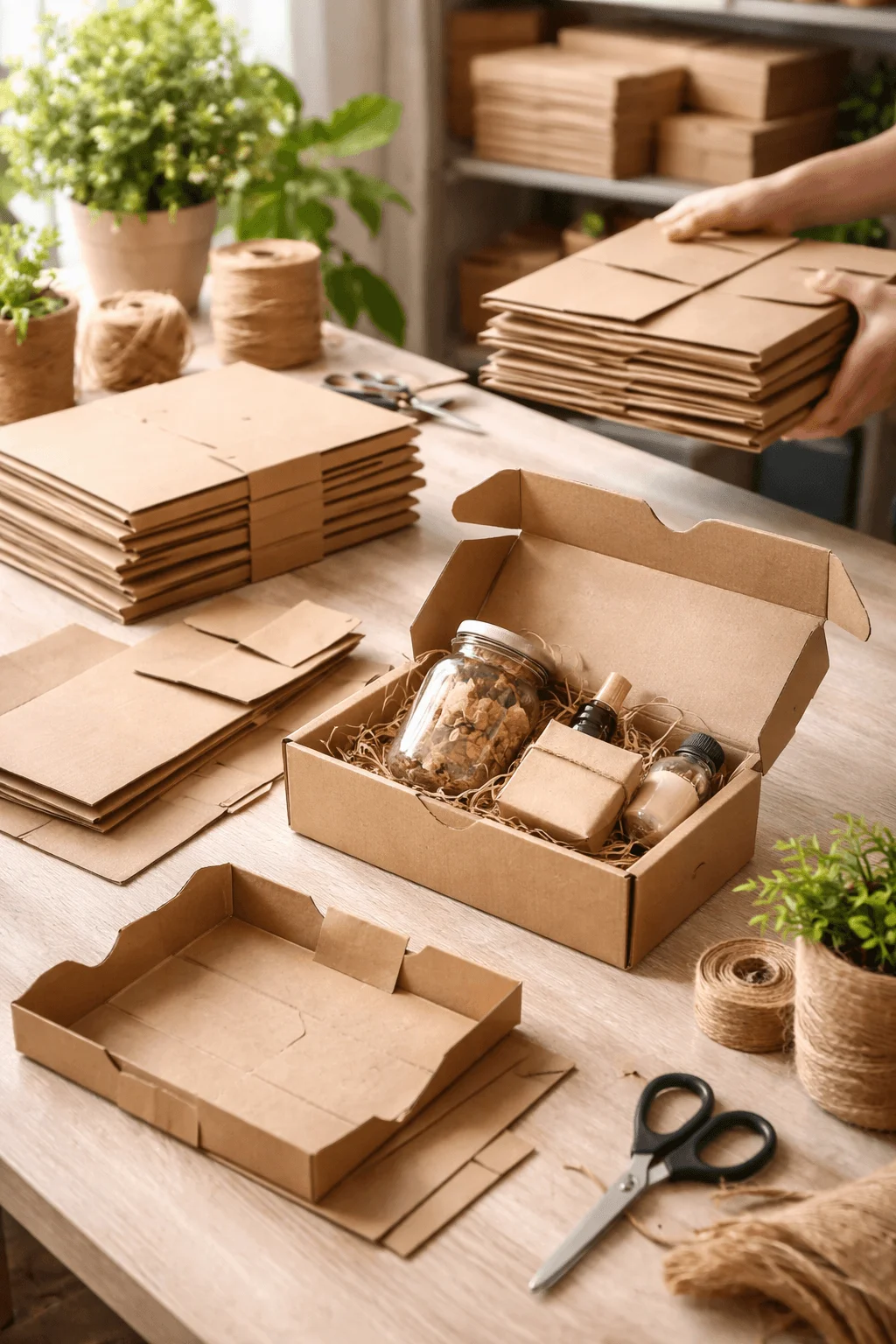
Foldable boxes also make transportation more efficient because they occupy less space when empty.
This design approach helps reduce packaging waste while extending the lifespan of packaging materials.
Vegetable Ink Printed Packaging Boxes
Printing plays an important role in packaging design, but traditional printing inks often contain petroleum based chemicals. Vegetable based inks provide a more environmentally friendly alternative.
These inks are created from plant oils such as soy or other natural sources. They produce vibrant colors while generating fewer harmful emissions during the printing process.
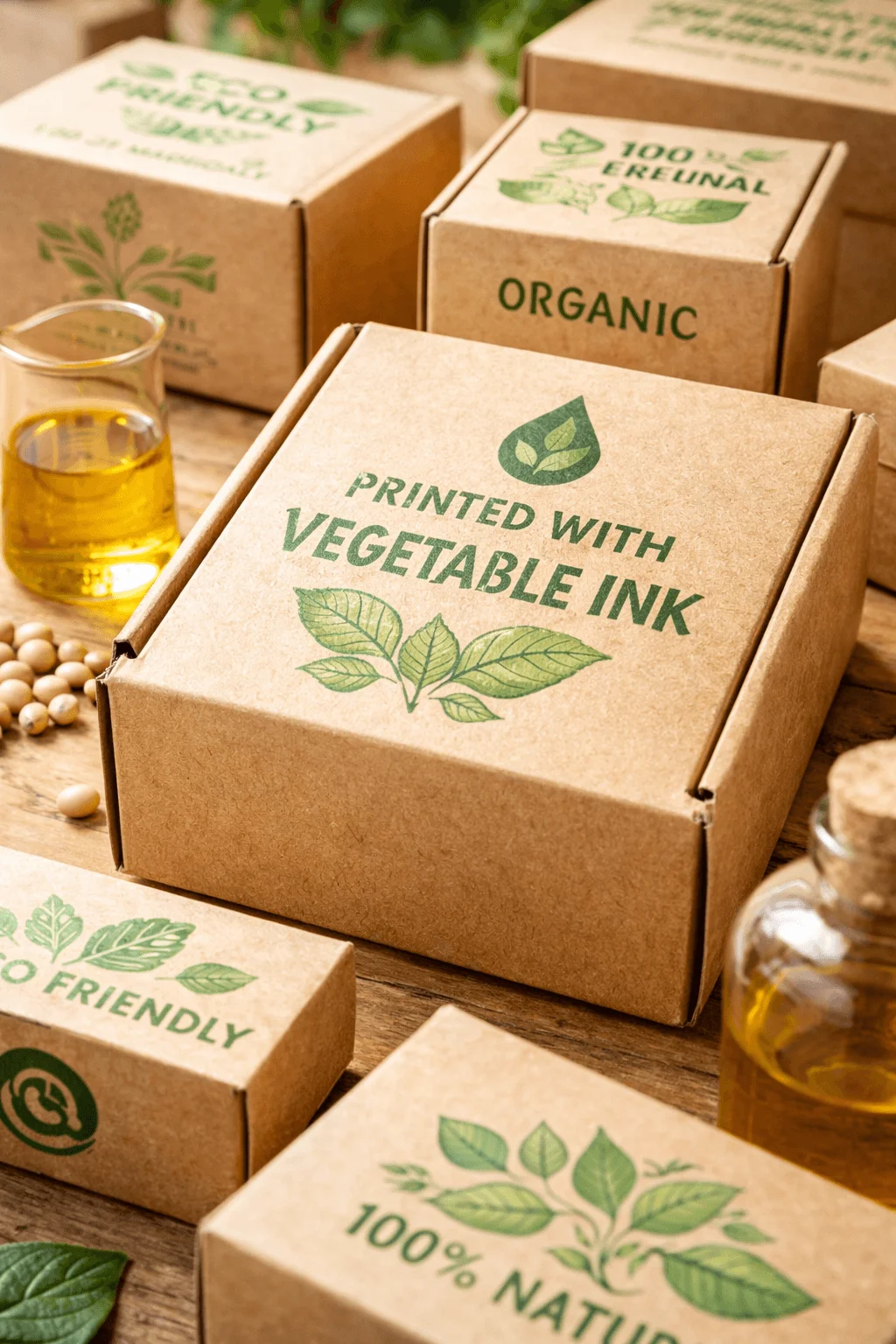
Vegetable based inks also improve the recyclability of packaging boxes because they break down more easily during the recycling process.
Many sustainable brands now choose vegetable ink printing to ensure that every part of their packaging aligns with environmental values.
Right Sized Packaging Boxes
Right sized packaging focuses on designing boxes that perfectly match the size of the product being shipped. Oversized packaging often requires additional filler materials and increases shipping weight.
By creating packaging boxes that closely fit the product, businesses can reduce the need for protective fillers and minimize material usage.
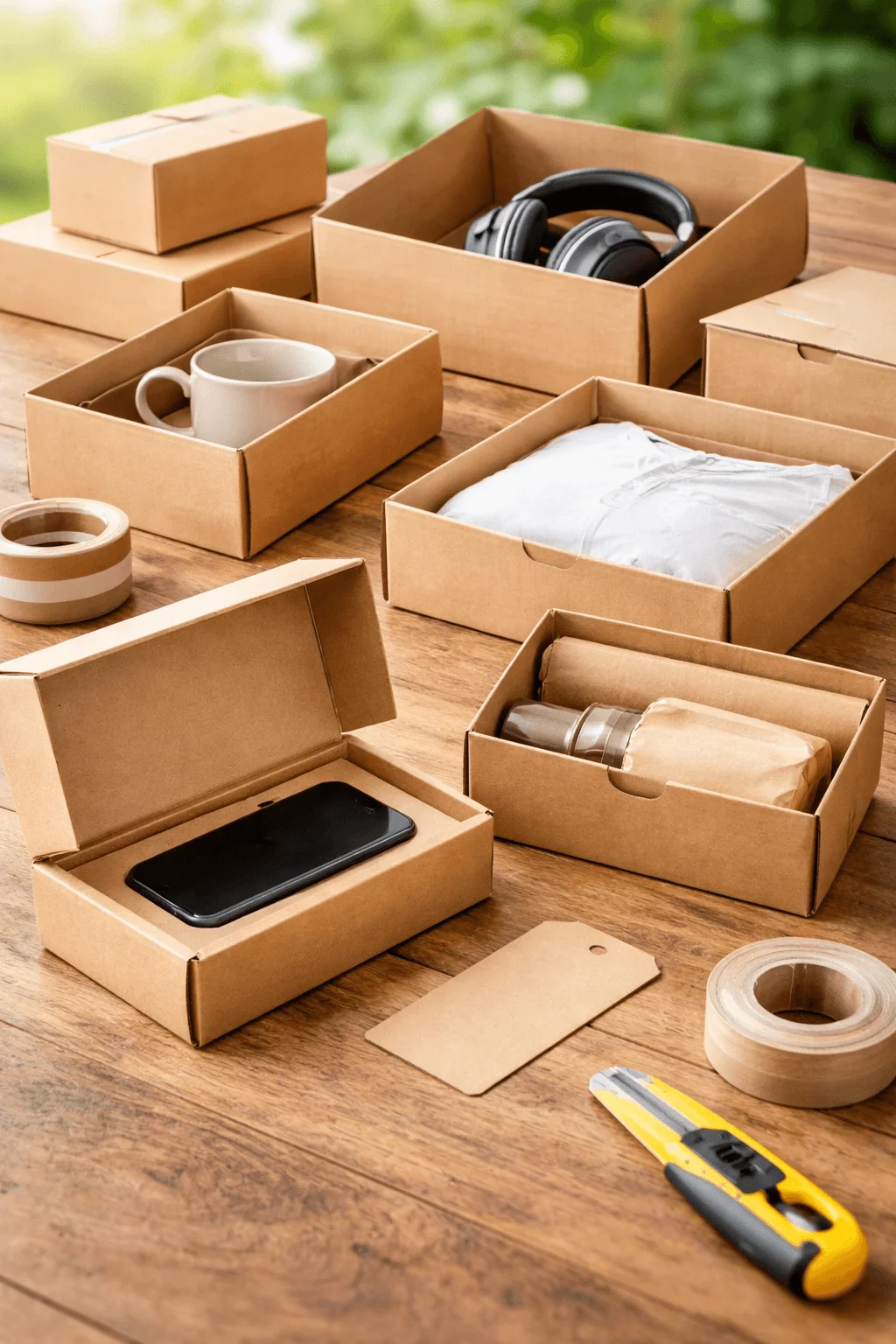
Right sized packaging also improves shipping efficiency because smaller boxes require less transportation space. This can reduce fuel consumption and carbon emissions during delivery.
Advanced packaging technologies now allow companies to create custom sized boxes automatically for each order, making right sized packaging more practical than ever.
Conclusion
Eco friendly packaging ideas for boxes are transforming the way businesses package and deliver their products. By adopting sustainable materials and innovative designs, companies can significantly reduce environmental impact while improving the overall customer experience.
From mushroom based materials and seaweed packaging to recyclable kraft boxes and right sized shipping designs, there are many creative ways to make packaging more environmentally responsible.
Businesses that embrace eco friendly packaging not only contribute to environmental protection but also strengthen their brand reputation and appeal to modern consumers. As sustainable technologies continue to evolve, eco friendly packaging will become an essential foundation for responsible and successful businesses in the future.