How to Dispose of Construction Waste Legally and Sustainably in 2025
Construction projects bring renewal and progress, but once the work is done, the challenge of dealing with leftover debris begins. Disposing of construction waste properly is not just about cleaning up the mess. It involves legal compliance, environmental responsibility, and practical cost management. Whether you are a homeowner completing a small renovation or a contractor managing a large site, understanding the correct methods of handling construction waste is essential for a safe and sustainable project.
What Is Construction Waste
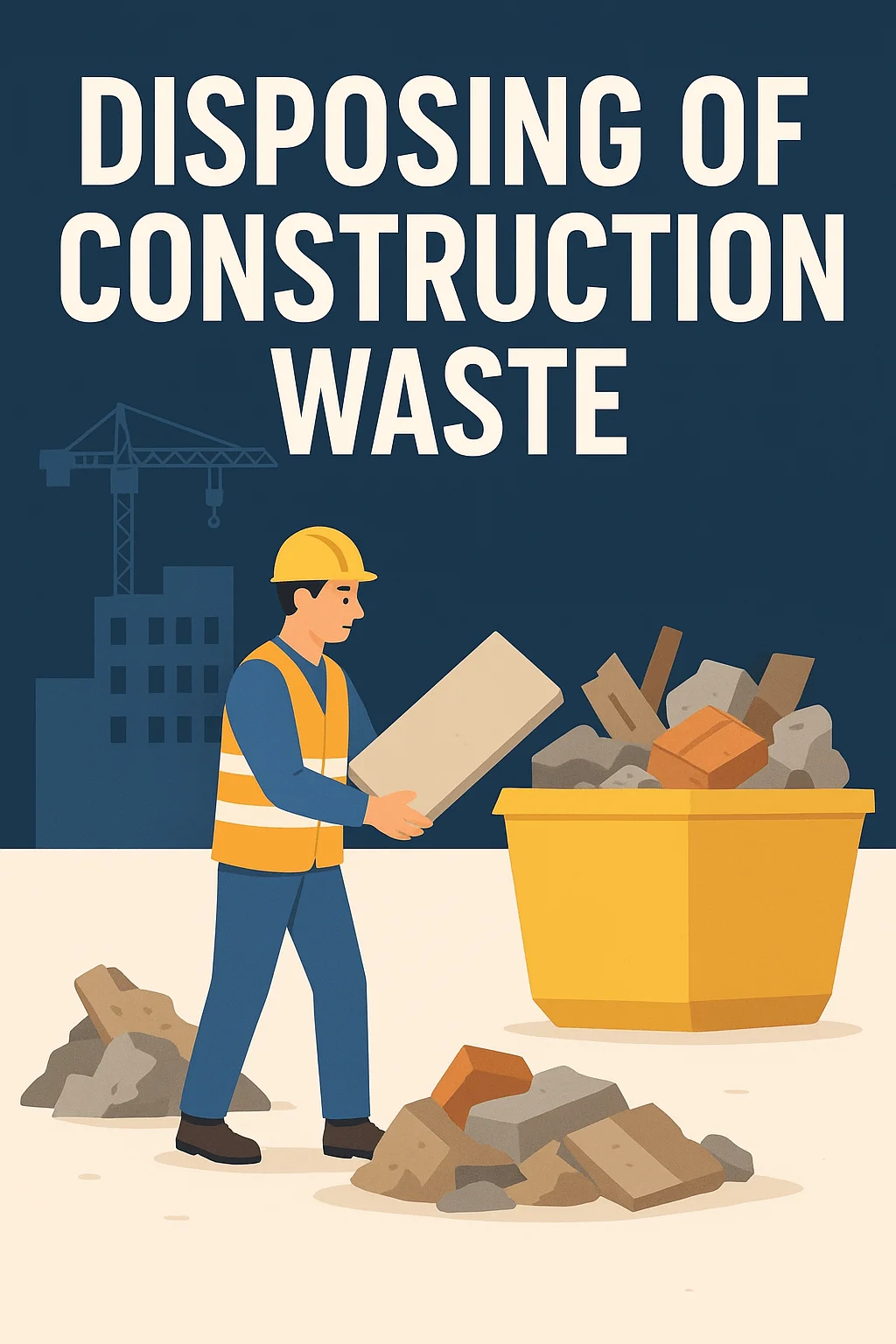
Construction waste refers to all the unwanted materials generated during building, renovation, or demolition. This includes bricks, concrete, wood, metals, drywall, plastics, tiles, and insulation. Some of these materials are recyclable, while others may contain hazardous substances that require special disposal methods. Many people underestimate how quickly construction debris can accumulate. Even a small kitchen remodel can produce several cubic yards of waste that cannot simply be left out for regular trash pickup. Recognizing the types of waste you produce helps you determine the right disposal or recycling process.

Why Proper Disposal Matters
Improper disposal of construction waste can lead to serious environmental damage and legal issues. Dumping debris in unauthorized areas or mixing hazardous materials with regular waste can cause soil and water contamination. Local authorities impose fines for illegal dumping, and such actions also harm your reputation if you are a contractor. On the other hand, following correct disposal methods supports recycling programs, conserves resources, and promotes sustainability. It also helps communities maintain cleaner surroundings and healthier ecosystems.

How to Dispose of Construction Waste Legally
The first step toward responsible waste management is understanding your local regulations. Every region has specific rules about how and where construction waste should be handled. You should contact your municipal waste department or local environmental agency to learn about approved disposal sites and recycling centers. Some cities require permits before placing a dumpster or debris container on public property. Keeping proper records of how you disposed of waste protects you from fines and demonstrates compliance. Legal disposal ensures that materials are processed safely and often recycled into new products instead of ending up in illegal dumpsites.

Sorting and Separating Construction Materials
Sorting waste at the source is one of the most effective strategies for minimizing environmental impact. Separate materials such as metal, wood, concrete, drywall, and cardboard as you work. Doing this makes recycling easier and can even reduce disposal costs because recyclables are often cheaper to handle than mixed debris. Homeowners doing small projects can use bins or labeled containers to keep materials organized. Contractors on larger sites can set up designated waste zones for different materials. A well-planned sorting system saves time, money, and space.

Construction Waste Disposal Guide for Homeowners
Homeowners often face confusion when it comes to disposing of renovation debris. Items like broken tiles, old cabinets, and drywall cannot go in regular trash bins. Local recycling centers usually accept many of these materials, but they must be clean and free from hazardous residues. You can also hire a licensed waste removal service that specializes in construction debris. When choosing a service, always confirm that they dispose of materials legally and recycle when possible. Homeowners can also reduce waste by reusing materials such as wood or metal fixtures in other home projects.

What to Do with Construction Debris After Renovation
After completing a renovation, you are often left with piles of debris that seem overwhelming. The best way to manage them is to plan disposal before the project begins. Arrange for a dumpster or recycling pickup in advance so waste does not accumulate unnecessarily. Many communities have recycling days where construction waste is accepted at lower fees. You can also donate reusable materials such as doors, fixtures, and tiles to local charities or construction reuse centers. Thinking about disposal from the start of a project makes cleanup faster and more efficient.

How to Recycle Drywall and Concrete Rubble
Drywall and concrete are two materials that can be successfully recycled. Recycling drywall involves separating the gypsum core from the paper layer. The gypsum can be reused in agricultural soil treatments or in new drywall manufacturing. Concrete rubble can be crushed into smaller pieces and used as base material for roads, driveways, or new construction foundations. Recycling these materials conserves natural resources and significantly reduces landfill waste. Many local facilities accept these items, so always check with your nearest recycling plant before throwing them away.

Safe Disposal of Hazardous Construction Waste
Some construction materials require special care because they are hazardous. Products like paint, solvents, varnish, adhesives, asbestos, and treated wood can harm human health and the environment if disposed of improperly. Never mix them with regular construction debris or household trash. Contact your local hazardous waste disposal facility or municipal program for instructions. Many cities host special collection days where homeowners can drop off dangerous materials safely. Properly handling hazardous waste protects your workers, your community, and the environment from long-term damage.

The Importance of a Construction Waste Management Plan
A construction waste management plan, often called a CWMP, is an organized strategy that outlines how a project will handle waste. It identifies what types of waste will be produced, how they will be sorted, and where they will be sent for recycling or disposal. Even small projects can benefit from a simplified version of this plan. Having a clear structure saves time, ensures compliance with local regulations, and helps you track disposal costs. It also demonstrates commitment to sustainability, which can enhance a company’s reputation and improve client trust.

Affordable Construction Waste Pickup Options
For those who prefer professional help, hiring an affordable construction waste pickup service can make the process much easier. Many companies provide services that include sorting, hauling, and recycling debris. Some offer special pricing for clean loads of recyclable materials such as metal or concrete. When choosing a provider, compare quotes and check reviews to ensure they follow environmental laws. Affordable waste pickup not only saves time but also guarantees that your waste is disposed of in compliance with regulations.

Reducing Waste Before It Happens
The most effective way to manage construction waste is to reduce it in the first place. Careful planning, accurate material estimation, and reuse of leftover supplies can significantly lower waste generation. Design your projects with modular elements or prefabricated materials to reduce cutting waste. Use recycled or reclaimed materials when possible. Even small efforts, such as returning unused materials to suppliers or donating them to charities, can make a big difference. Waste reduction not only benefits the environment but also cuts project costs.

Environmental Benefits of Proper Construction Waste Management
Proper construction waste management has far-reaching environmental benefits. Recycling and reusing materials reduces the demand for new raw materials, saving energy and lowering greenhouse gas emissions. Clean and organized construction sites also prevent contamination of soil and water sources. Sustainable waste management promotes a circular economy where waste becomes a valuable resource. This approach aligns with modern environmental goals and reflects a responsible attitude toward future generations.

Community Impact and Public Awareness
Educating communities about the importance of responsible construction waste disposal can inspire collective action. Local governments, contractors, and homeowners can work together to establish recycling programs, awareness campaigns, and donation drives. Public awareness not only encourages proper waste handling but also builds stronger, cleaner neighborhoods. When people understand the benefits of sustainable waste disposal, compliance and participation increase naturally.

Conclusion
Disposing of construction waste is a responsibility shared by everyone involved in the building process. By understanding regulations, sorting materials properly, recycling valuable resources, and safely handling hazardous items, we protect both the environment and our communities. Legal and sustainable disposal practices save money, improve efficiency, and promote a greener future. Every construction project, big or small, has the potential to make a positive environmental difference through thoughtful waste management.