How Much Food Gets Wasted at Christmas and How to Reduce It
Christmas is a season that brings families and friends together around tables filled with festive meals. While the joy of preparing and sharing food is an important part of the holiday, it is also a time when food waste reaches its peak. Millions of households across the world buy more food than they can possibly consume, and much of it ends up in the bin. This waste not only affects family budgets but also contributes to environmental damage and global hunger. Understanding how much food is wasted at Christmas, why it happens, and how it can be reduced is an important step toward celebrating more responsibly.

The Scale of Food Waste at Christmas
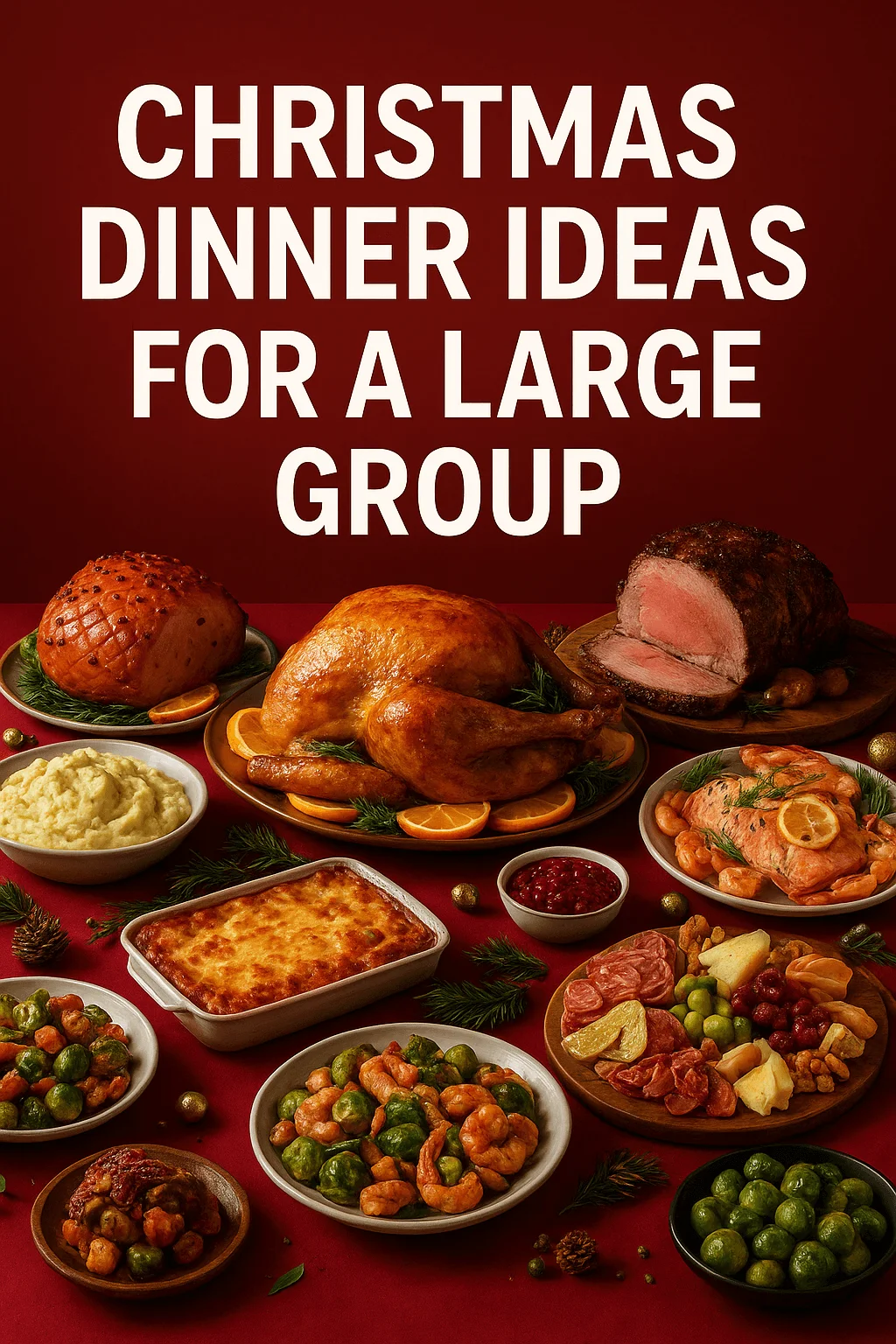
Studies show that food waste rises sharply during the holiday season. In the United Kingdom alone, an estimated 4.2 million Christmas dinners are wasted each year. This number includes hundreds of thousands of turkeys, millions of mince pies, and millions of Brussels sprouts that never get eaten. Globally, while the statistics vary, it is clear that developed countries produce an enormous amount of waste during the festive period. The percentage of Christmas food thrown away in some regions can reach as high as 20 percent, making the holiday one of the most wasteful times of the year.

Why Christmas Food Waste is Higher Than Normal
Food waste is a problem all year round, but at Christmas it becomes more extreme. One of the main reasons is cultural expectation. Families want to create a sense of abundance and generosity, and that often means preparing more food than guests could reasonably eat. Fear of running out of food also drives people to overbuy. Marketing campaigns by supermarkets further reinforce this behavior, encouraging shoppers to take advantage of bulk deals and promotions. As a result, fridges and cupboards become overloaded with items that expire before they can be consumed.

The Most Wasted Christmas Food Items
Certain foods are consistently wasted more than others. Turkeys are one of the biggest sources of waste since many households buy large birds that produce far more meat than is needed. Vegetables like carrots, potatoes, and Brussels sprouts are also wasted in millions of portions. Sweet treats such as mince pies and Christmas puddings are another common casualty, with surveys showing millions of them go uneaten. Even condiments and gravies, often bought in abundance, are frequently discarded when they are not finished during the meal. The problem is not limited to one type of food but spans across the entire Christmas menu.

The Economic Cost of Christmas Food Waste
The financial impact of Christmas food waste is enormous. In the UK alone, households throw away food worth an estimated 64 million pounds each holiday season. On an individual level, families can lose hundreds of pounds by buying food that ends up uneaten. For many people this money could have been used more wisely, especially at a time of year when expenses are already high due to gifts, travel, and other celebrations. Food waste also represents a hidden cost for farmers, retailers, and producers who put time and resources into producing food that never reaches the table.

The Environmental Impact of Wasted Christmas Food
The environment pays a heavy price for Christmas food waste. Every turkey that is thrown away represents wasted water, land, and energy that went into raising and processing it. Vegetables and desserts require transportation, packaging, and refrigeration, all of which contribute to carbon emissions. When food ends up in landfills it produces methane, a greenhouse gas that is more powerful than carbon dioxide in warming the planet. Globally, food waste is responsible for around ten percent of greenhouse gas emissions, and Christmas contributes heavily to this problem in countries with high consumption.

The Social Consequences of Christmas Food Waste
The wastefulness of Christmas stands in sharp contrast to the reality of global hunger. Millions of people around the world struggle to find enough food, while in wealthier countries millions of tons are thrown away during the holidays. This inequality highlights the moral dimension of food waste. Choosing to waste less during Christmas is not only good for the planet and for family finances, it is also an act of social responsibility that respects the value of food.

Psychological and Behavioral Reasons for Overbuying
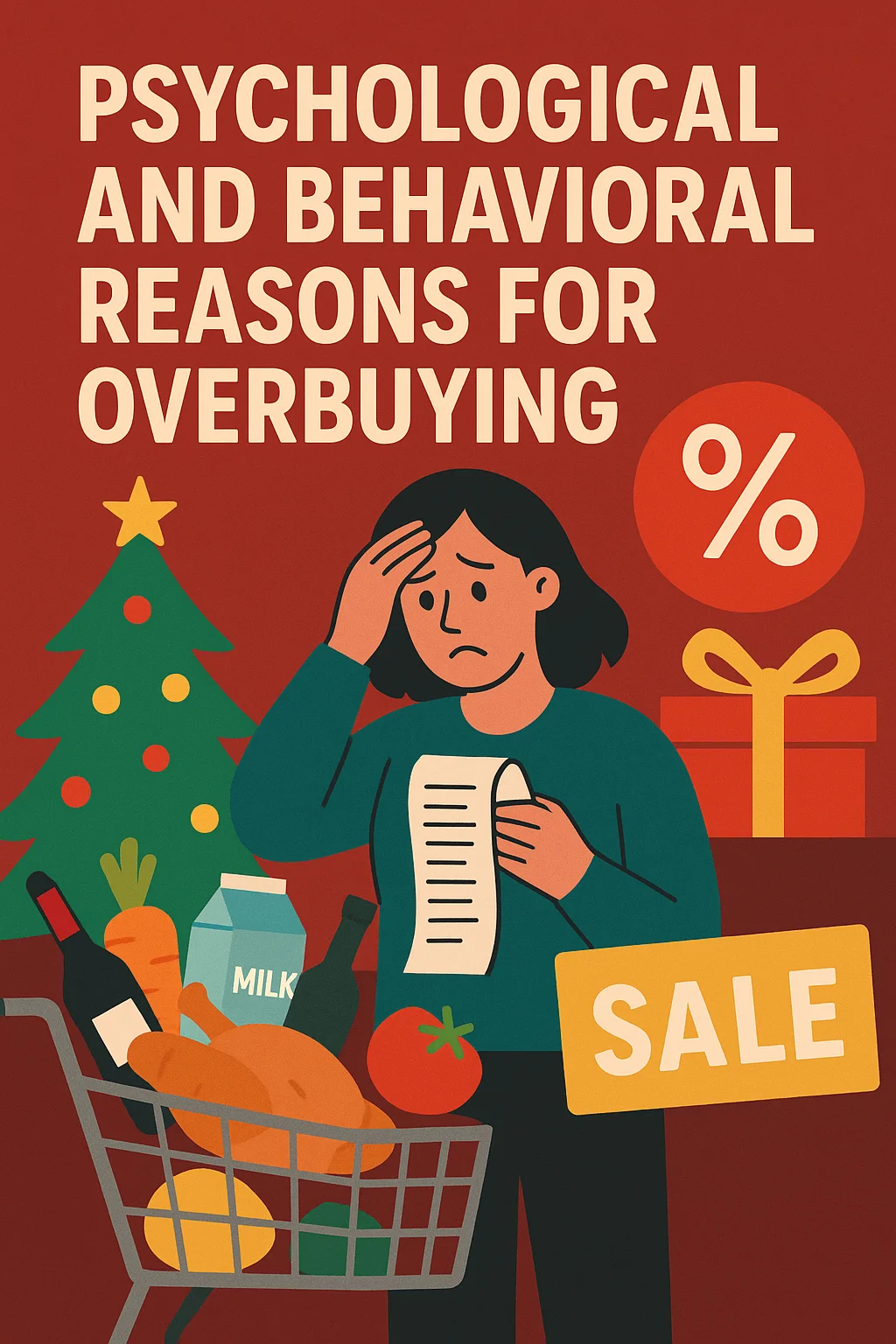
Food waste at Christmas is not just about poor planning but also about psychology and behavior. Families often associate abundance with love and celebration, believing that a table overflowing with dishes reflects generosity. There is also a strong fear of disappointment if a dish runs out, leading hosts to prepare far more than necessary. Retail environments are carefully designed to encourage impulse buying, with seasonal packaging, special offers, and large displays creating a sense of urgency. These combined pressures drive households to overpurchase and ultimately waste more food.
How to Plan Meals and Portions for Christmas
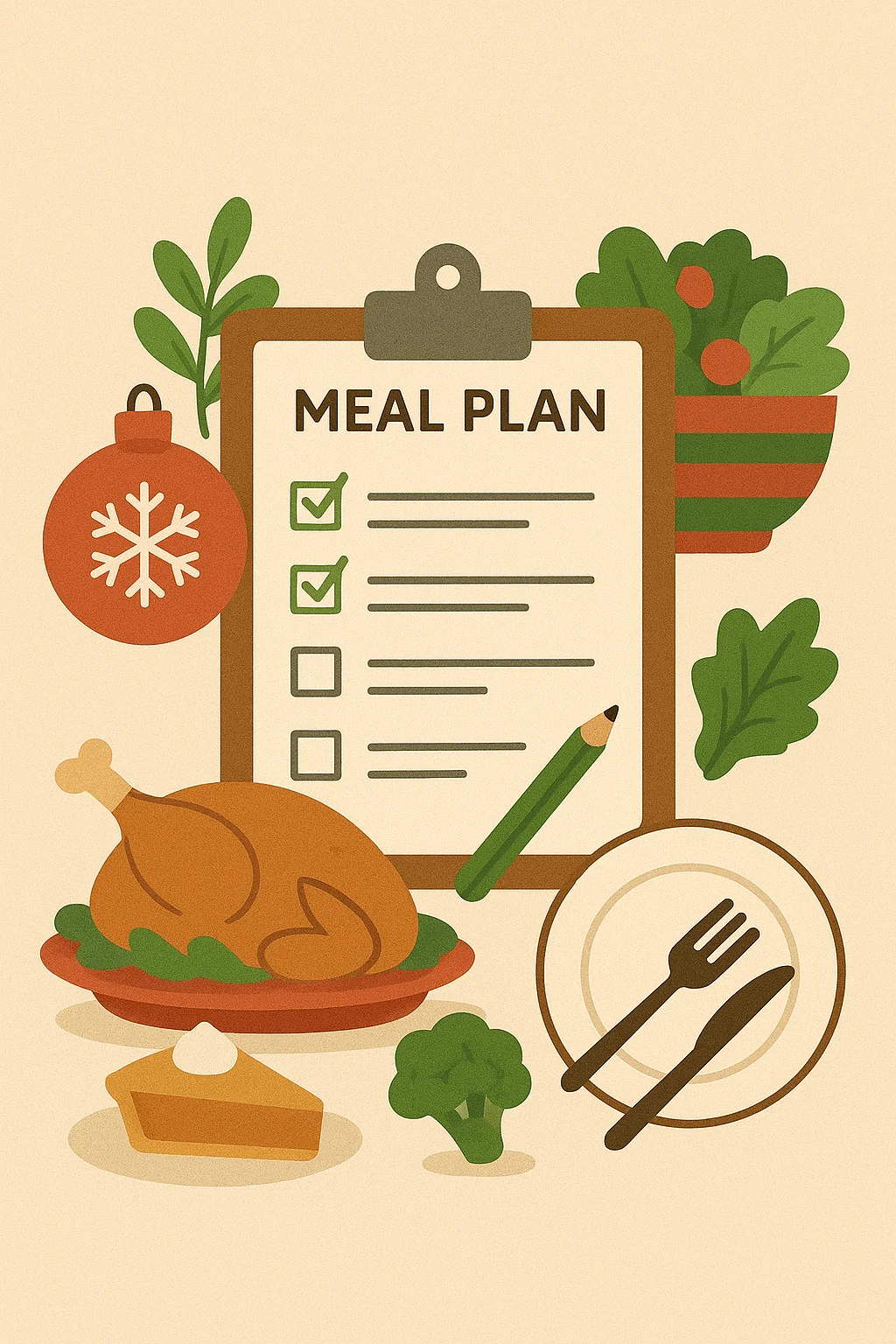
One of the most effective ways to cut down waste is through planning. Families can start by creating detailed shopping lists based on the number of guests and the meals they plan to serve. Portion guides and meal calculators are widely available and can help estimate how much meat, vegetables, and desserts are truly needed. Planning menus in advance also prevents last-minute panic buying, which is one of the biggest triggers of excess. A thoughtful approach ensures that the table remains festive and generous without leading to unnecessary waste.
Storing Food and Using Leftovers Effectively
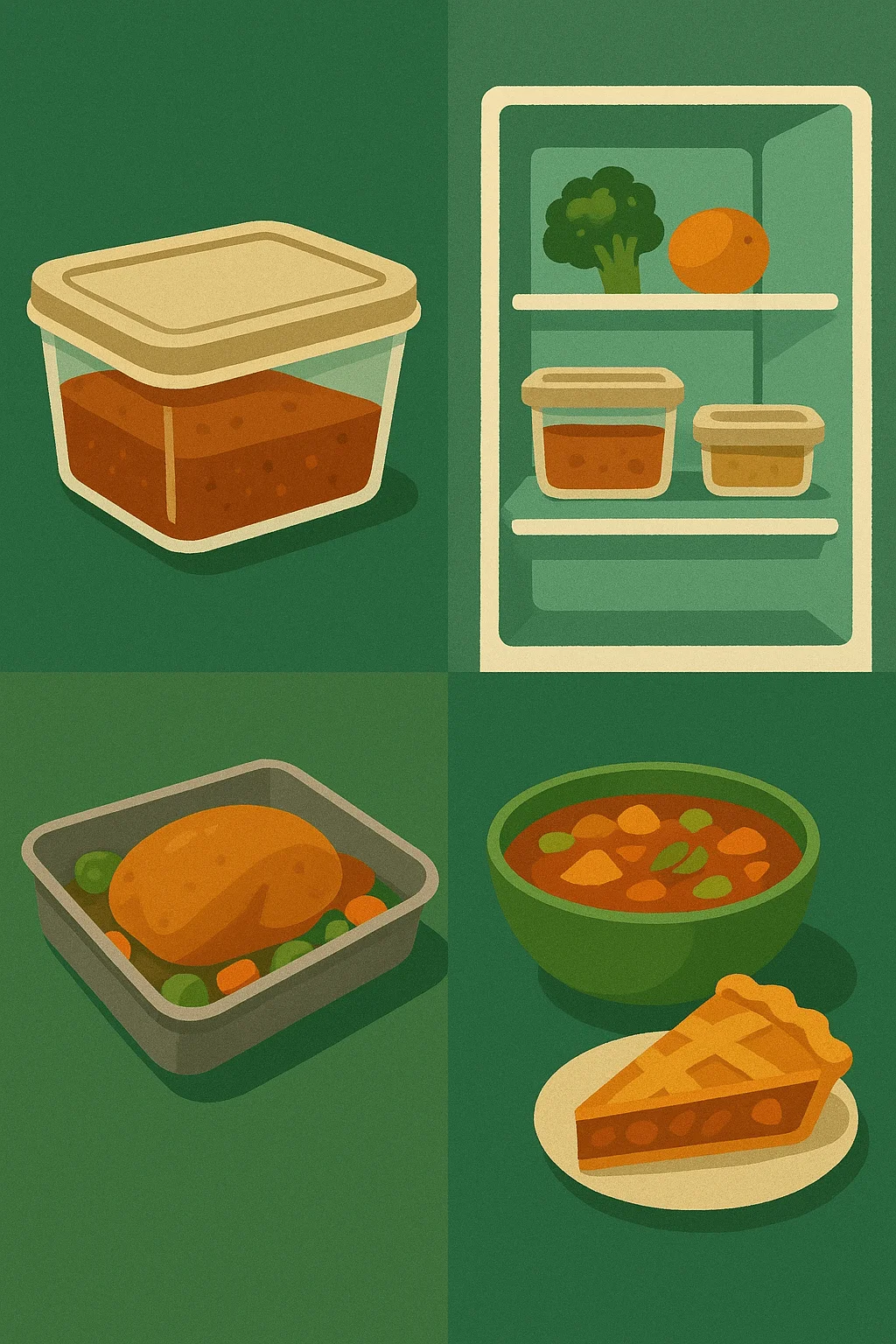
Proper storage plays a big role in preventing food waste. Leftovers should be refrigerated quickly after meals to maintain freshness and reduce the risk of spoilage. Freezing is another excellent option, especially for meats and baked goods, since they can be enjoyed weeks later. Creative cooking is equally important. Turkey can be transformed into soups, curries, or pies. Vegetables can be repurposed into frittatas or blended into hearty soups. Even desserts like Christmas pudding can be used in trifles or turned into new treats. Viewing leftovers as opportunities rather than burdens can significantly reduce waste.
The Role of Food Donation During the Holidays
Not all excess food has to stay in the home. Many communities have food banks and charitable organizations that accept non-perishable donations. Donating canned goods, packaged foods, and other items before Christmas ensures that they reach people who truly need them. Some charities also collect surplus meals from restaurants and supermarkets to distribute to families in need. Encouraging food donation during the holiday season can help reduce waste while spreading the spirit of generosity that Christmas is meant to represent.

Changing the Culture of Christmas Abundance
Ultimately, reducing food waste at Christmas requires a cultural shift. Abundance should not be measured by how much food is left over but by the quality of time spent together. Families can set new traditions that focus less on quantity and more on sustainability. This could include preparing fewer dishes but making them more meaningful, teaching children about the value of food, and encouraging guests to take home leftovers. Over time, these small cultural changes can create a more sustainable and mindful way of celebrating.
Conclusion
Christmas should be a season of joy, togetherness, and gratitude rather than waste. Yet every year millions of turkeys, vegetables, and desserts are thrown away, costing families money and harming the environment. The statistics are sobering, but the solutions are practical and achievable. Careful planning, mindful shopping, proper storage, creative use of leftovers, and food donation can all make a significant difference. By changing habits and perspectives, households can celebrate with abundance while respecting the value of food. A more sustainable Christmas is not only possible but essential for future generations.