Sustainable Dress Design Ideas 2026 That Will Change Fashion
Sustainability in fashion has moved far beyond a simple concern about fabrics or production. In 2026, it has become a powerful design philosophy that shapes how dresses are imagined, experienced, and valued. Designers are no longer only trying to reduce harm. They are actively rethinking how a dress can exist within a larger system of environmental responsibility, emotional connection, and long term use.
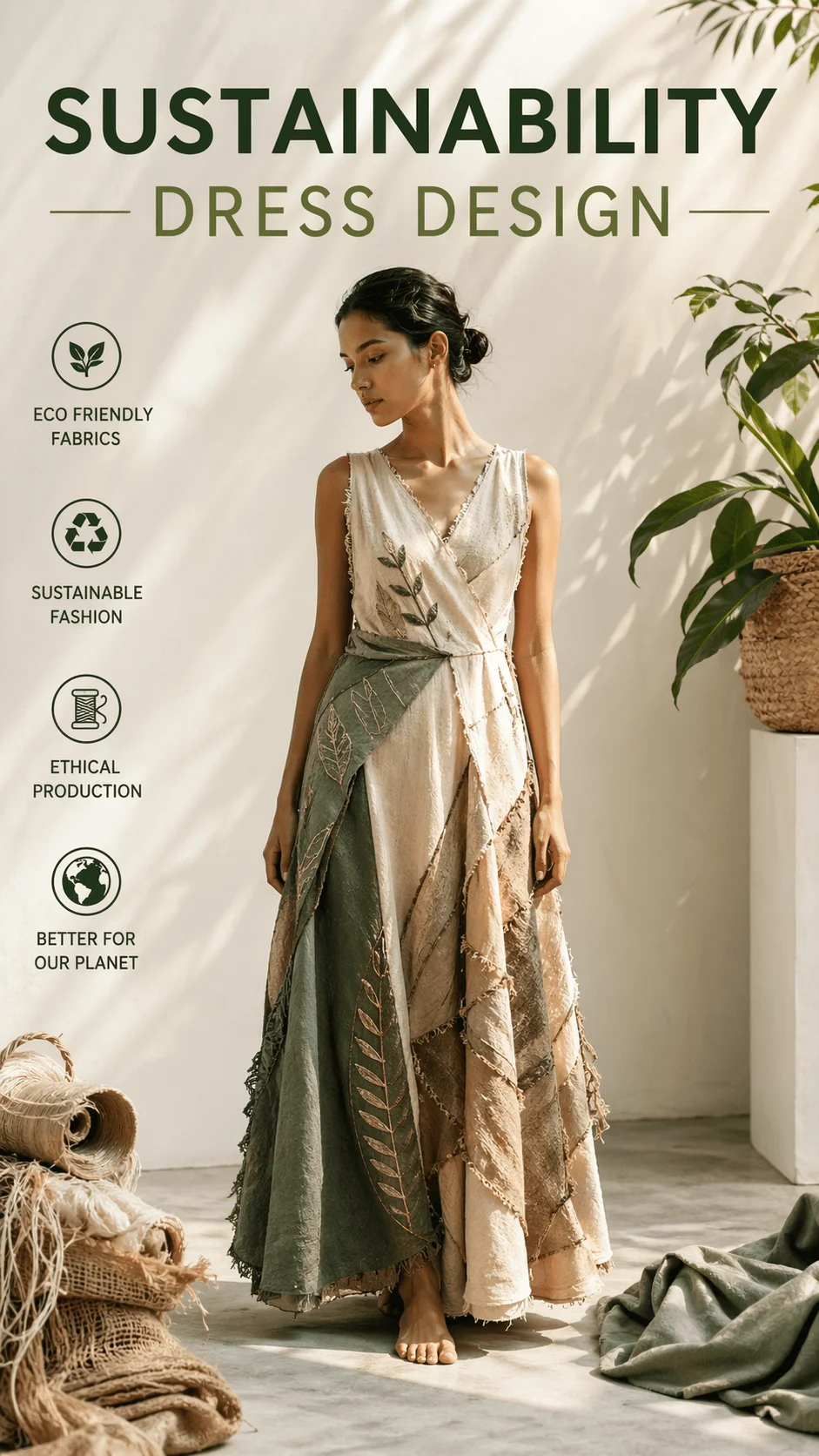
This shift is being driven by a new mindset among consumers. People are no longer satisfied with fast changing trends that lack meaning. They want garments that feel intentional, adaptable, and connected to a bigger story. As a result, sustainable dress design ideas 2026 are becoming more innovative, expressive, and forward looking. The focus is not just on what a dress is made of, but on how it lives, evolves, and interacts with the world.
The following ideas explore the most important eco friendly dress design trends that are shaping the future of fashion and redefining how creativity and sustainability come together.
Circular Dress Design
Circular dress design introduces a completely different way of thinking about clothing. Instead of designing a dress with a fixed beginning and end, designers imagine a continuous cycle where the garment can be reused, reworked, or transformed. This idea influences every stage of design, from material choice to construction methods.
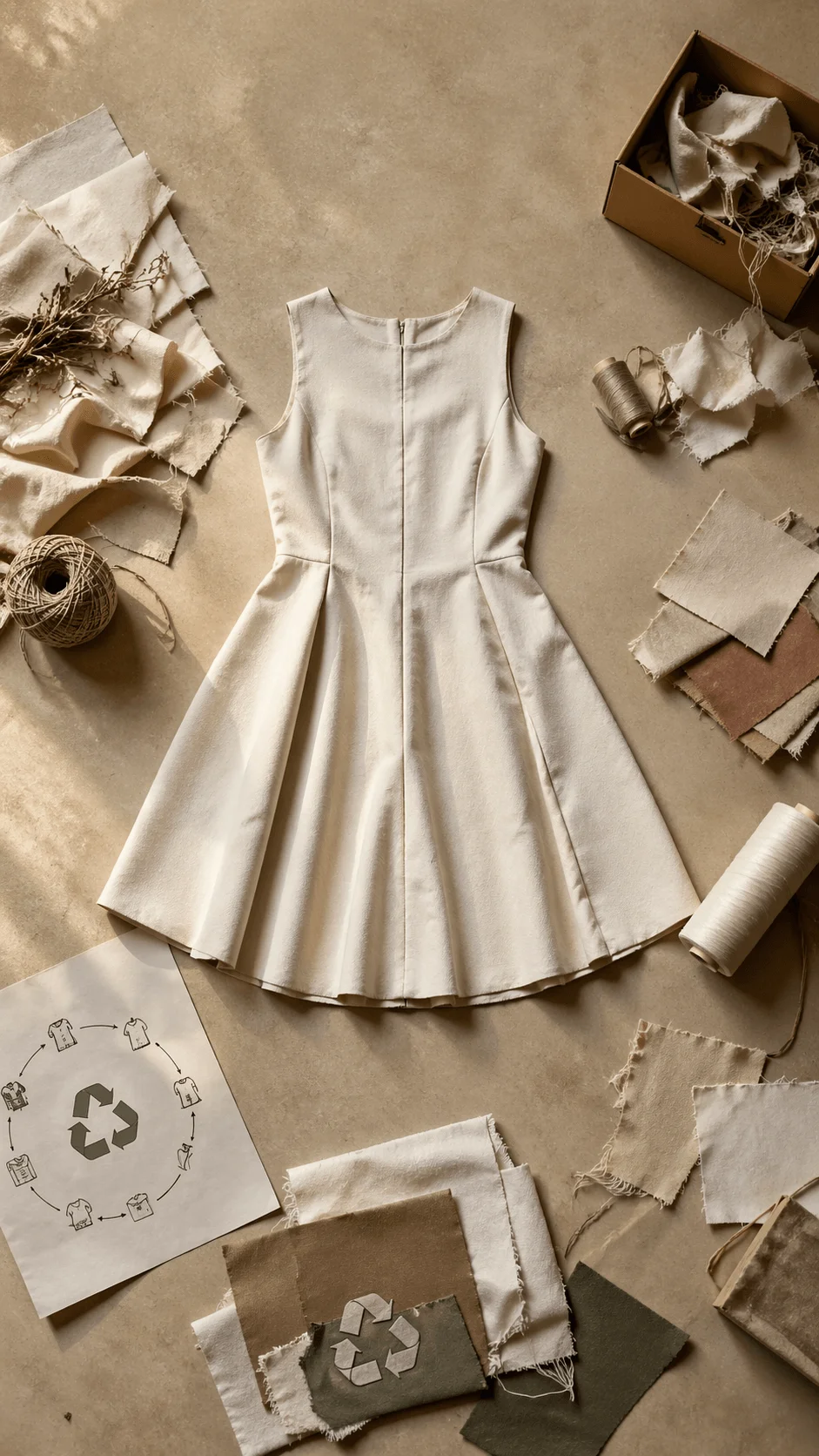
In practice, this often leads to dresses that are intentionally simple in structure yet highly intelligent in design. Seams may be placed in ways that allow easy disassembly. Materials are chosen not only for their look and feel but also for their ability to be recycled or repurposed. Some designs even anticipate how the fabric will behave after multiple uses, creating a sense of longevity built into the garment itself.
What makes circular design especially powerful is its invisible storytelling. A dress may appear minimal and elegant, but behind that simplicity lies a carefully considered system that prevents waste and encourages reuse. This concept is gaining popularity because it aligns with a growing awareness that fashion must move beyond disposable culture.
Upcycled Patchwork Dresses
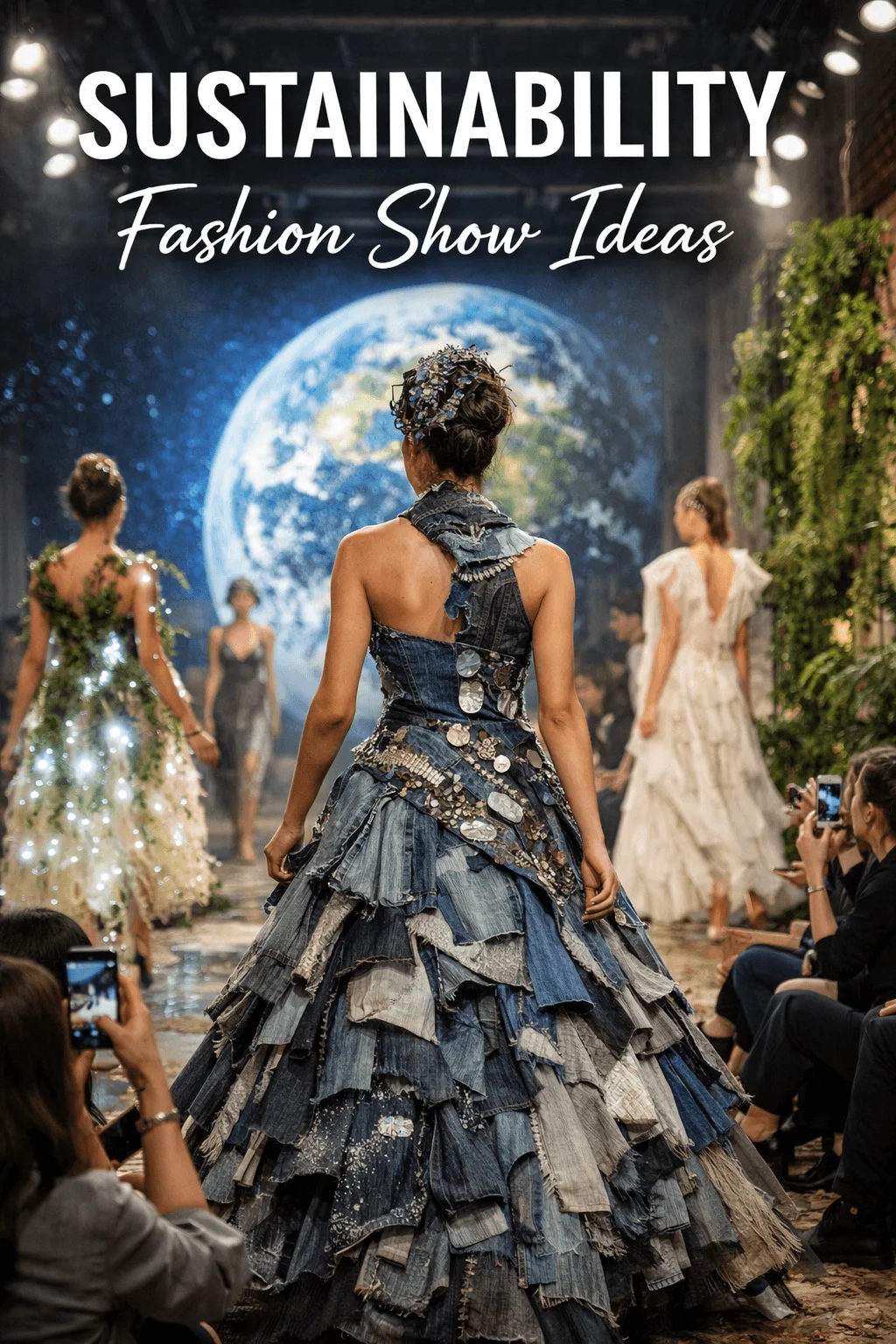
Upcycled patchwork dresses bring a sense of history and individuality into modern fashion. Instead of relying on new materials, designers gather existing textiles and transform them into something entirely new. Each piece of fabric carries its own story, and when combined, they create a layered narrative that feels deeply personal.
The visual appeal of patchwork lies in its unpredictability. Different colors, textures, and patterns come together in ways that feel spontaneous yet intentional. Designers are pushing this idea further by creating compositions that resemble artwork, where each section of the dress contributes to a larger visual theme.
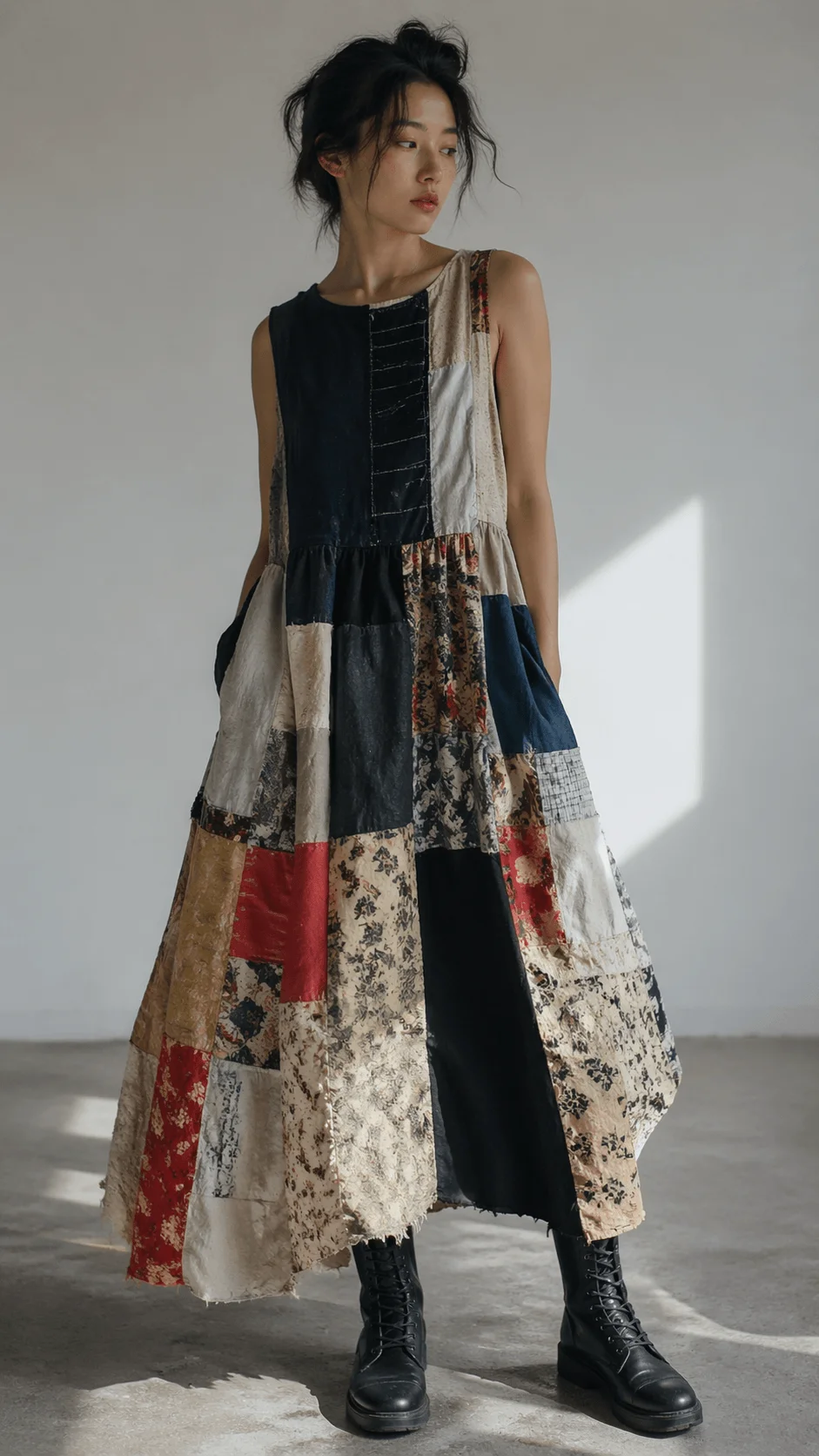
This approach also changes how people perceive value. A dress made from discarded materials becomes more meaningful because of its uniqueness and the creativity involved in its transformation. It reflects a shift away from perfection and toward authenticity, where irregularity becomes a defining feature rather than a flaw.
Bio Fabric Dresses
Bio fabric fashion design trends are redefining the very concept of material in fashion. Instead of relying on traditional textiles, designers are experimenting with materials derived from natural sources such as fungi, algae, and agricultural waste. These fabrics often have unusual textures and finishes that open up new creative possibilities.
A bio fabric dress might feel soft and organic or slightly structured with a natural sheen. The way these materials interact with light and movement can create a dynamic visual experience that feels different from conventional fabrics. Designers are exploring how to highlight these qualities rather than hiding them, allowing the material itself to become a central design element.
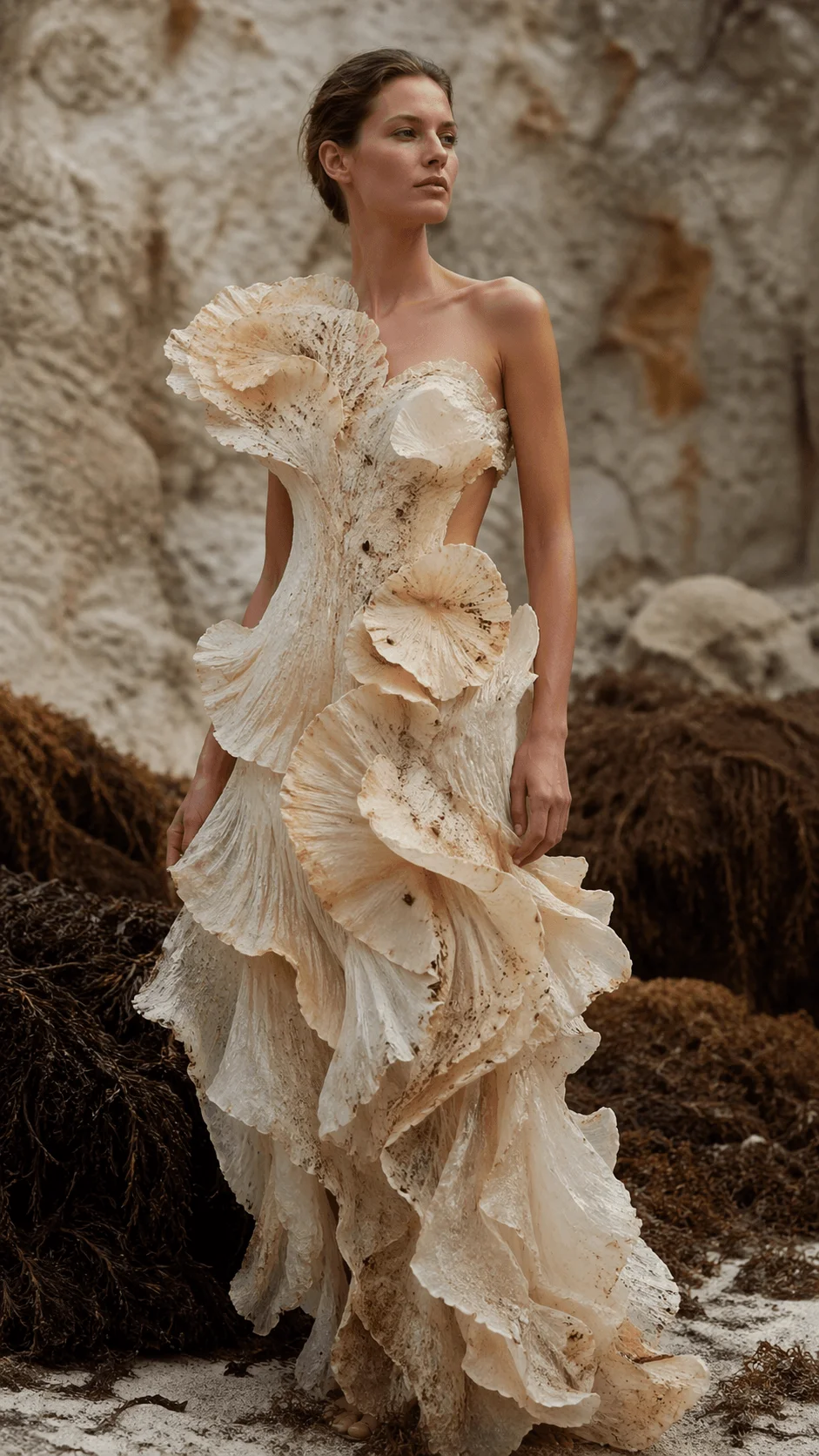
Beyond aesthetics, bio fabrics represent a shift toward harmony with nature. They challenge the idea that fashion must rely on resource intensive processes and instead offer a vision of clothing that grows, evolves, and returns to the environment in a more balanced way.
Regenerative Fabric Dresses
Regenerative fabric dress design takes sustainability a step further by focusing on restoration rather than reduction. These fabrics are produced through methods that improve soil health, support ecosystems, and contribute positively to the environment.
From a design perspective, this often leads to a closer connection between the garment and its origin. Designers may emphasize natural textures, subtle color variations, and organic forms that reflect the landscape where the material was produced. The dress becomes a representation of a larger ecological process.
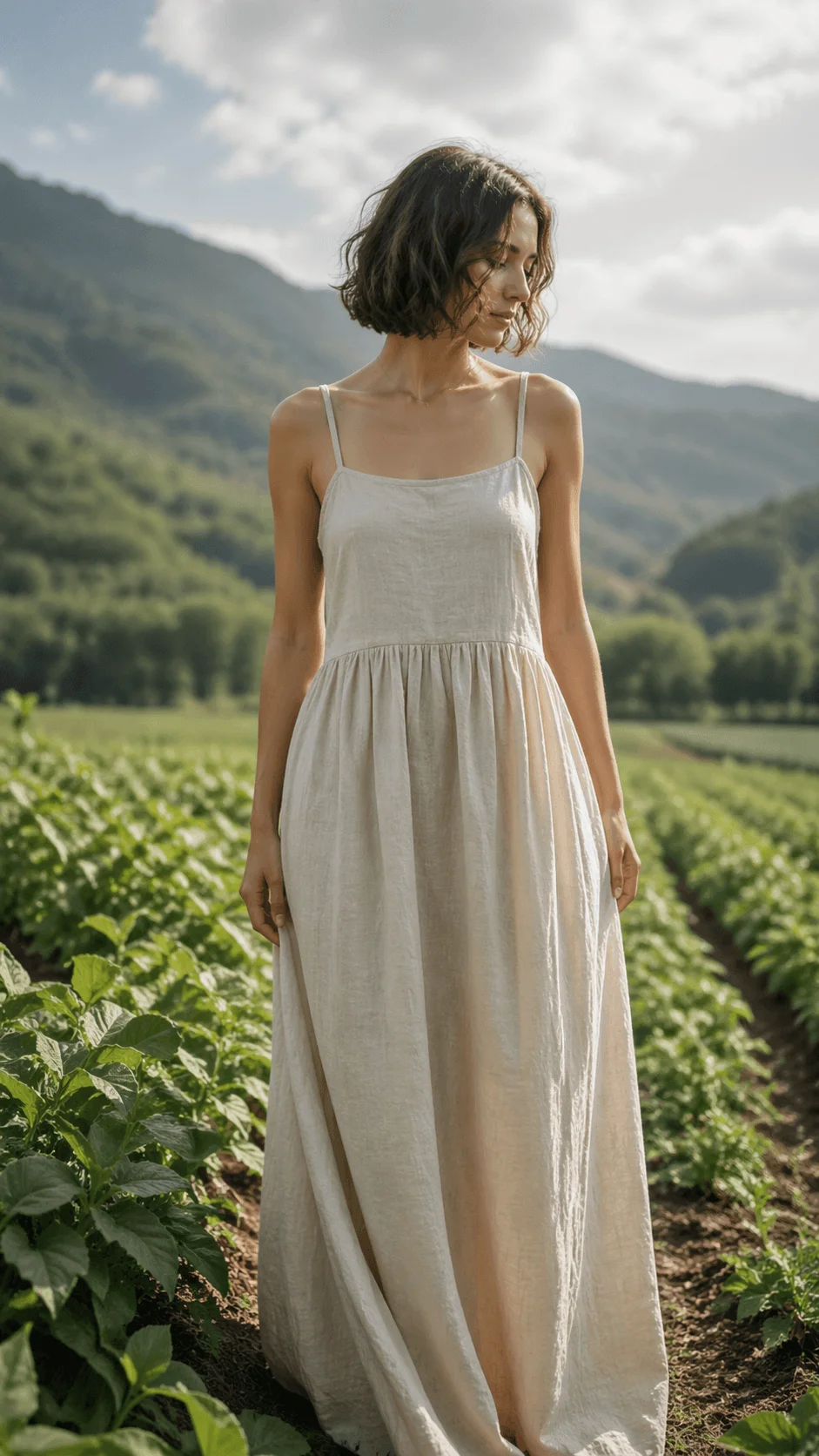
This idea resonates strongly with consumers who want their choices to have a meaningful impact. Wearing a regenerative fabric dress is not just about style. It is about participating in a system that actively contributes to environmental recovery.
Zero Waste Pattern Dresses
Zero waste dress pattern ideas challenge designers to rethink how garments are constructed. Instead of cutting fabric in a way that leaves unused scraps, the entire piece of material is incorporated into the design.
This constraint often leads to unexpected and innovative silhouettes. Dresses may feature geometric shapes, layered structures, or fluid draping that emerges directly from the pattern. The design process becomes more like solving a puzzle, where creativity is driven by limitation.
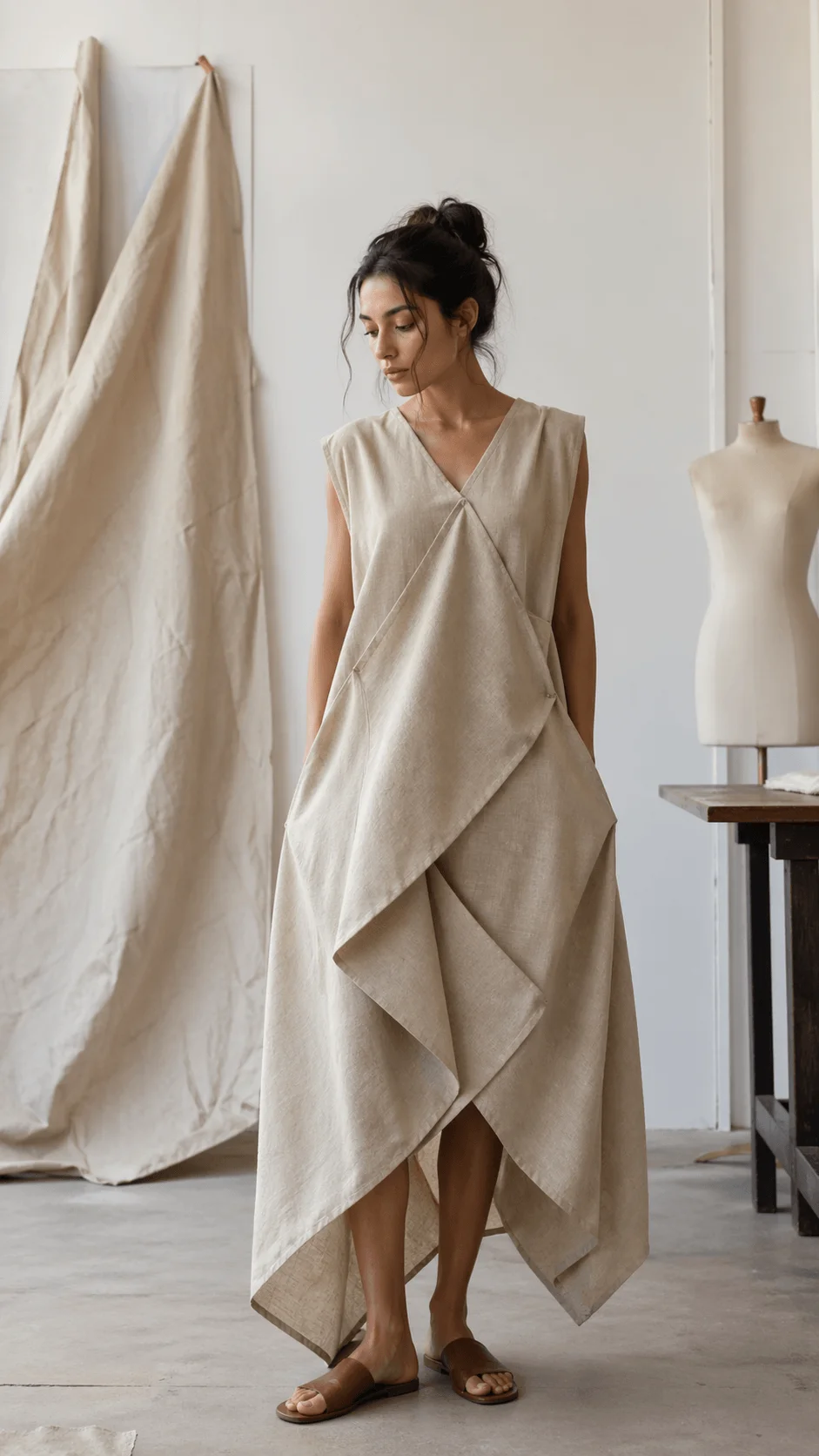
The result is often visually striking because it breaks away from conventional forms. At the same time, it carries a strong message about efficiency and resourcefulness. Zero waste design demonstrates that sustainability can be a source of inspiration rather than a restriction.
Modular Dresses
Modular dress design sustainability focuses on adaptability and transformation. Instead of creating multiple garments for different occasions, designers develop a single dress that can change its form.
This is achieved through elements that can be attached, removed, or adjusted. A dress might shift from a casual daytime look to an elegant evening style through subtle modifications. The design encourages interaction, allowing the wearer to actively shape the garment.
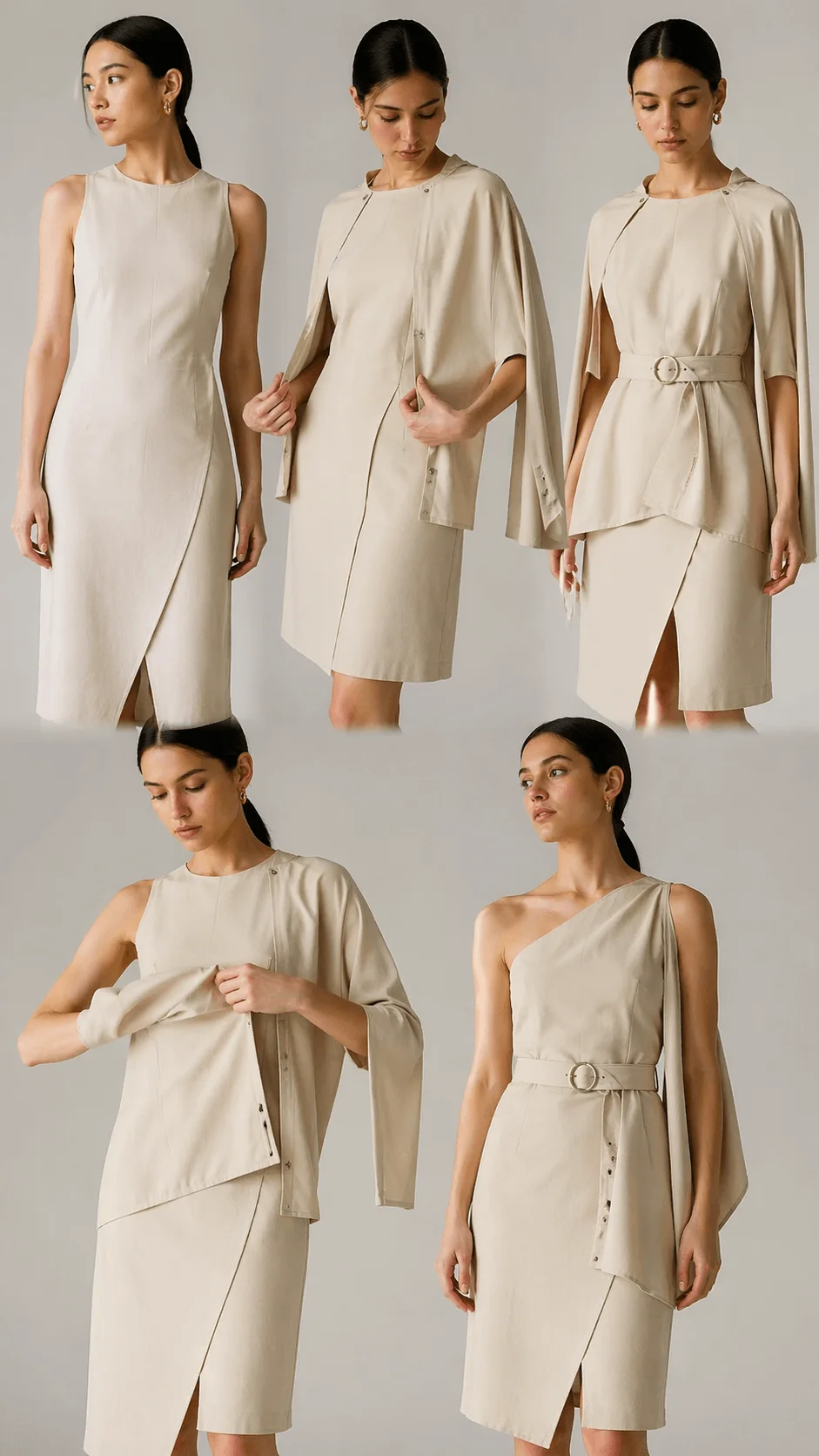
Visually, modular dresses often maintain a clean and refined appearance while hiding their transformative features within the structure. This balance between simplicity and versatility makes them highly appealing to modern consumers who value both functionality and style.
Digital Passport Dresses
Digital passport dresses introduce a new level of transparency and connection in fashion. By integrating digital elements such as scannable codes, designers provide access to detailed information about the garment’s journey.
When explored, this information reveals the origin of materials, the people involved in production, and the environmental impact of the dress. This transforms the garment into a storytelling medium, where every detail becomes part of a larger narrative.
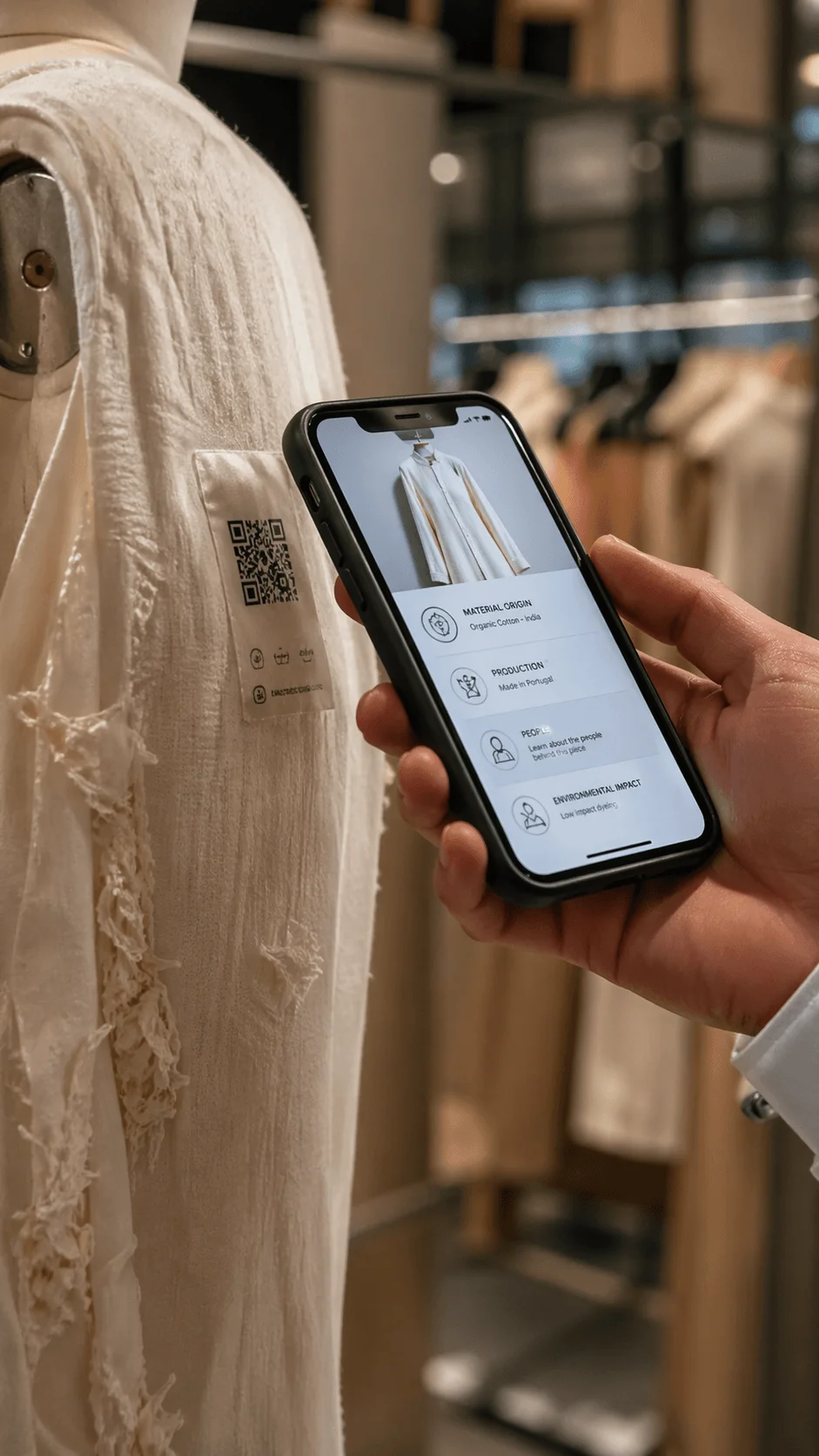
From a design standpoint, these features are incorporated in subtle and creative ways so they enhance the experience without disrupting the visual appeal. This trend reflects a growing desire for honesty and accountability in the fashion industry.
On Demand Custom Dresses
On demand production is reshaping how dresses are created. Instead of producing large quantities in advance, designers craft each piece only after it is ordered. This approach reduces waste and allows for a more personalized experience.
Designers can tailor details such as fit, color, and structure to suit individual preferences. This creates a stronger emotional connection between the wearer and the garment, as it feels uniquely made for them.
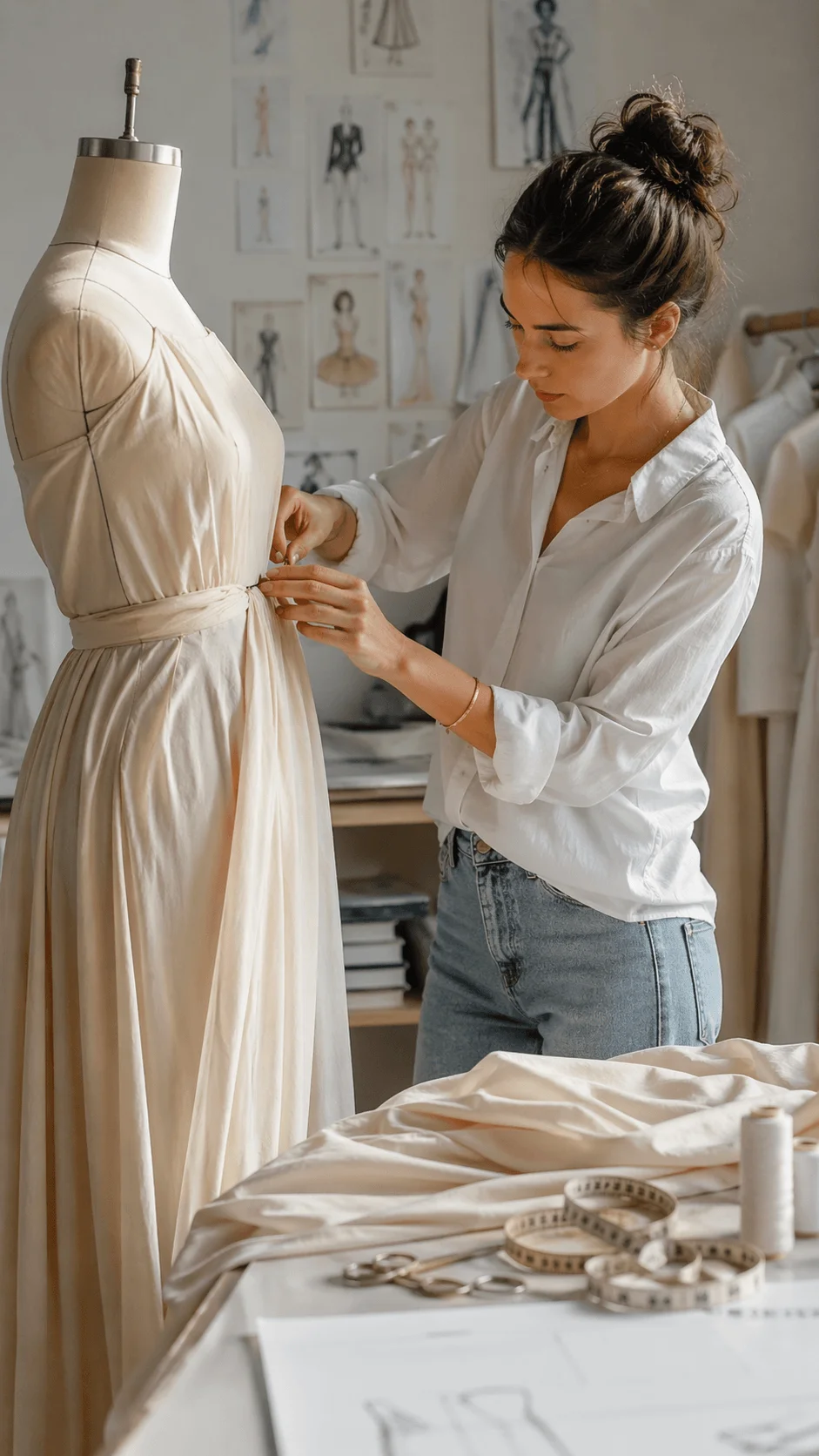
This trend is gaining traction because it aligns with a shift toward mindful consumption. People are choosing quality and personalization over mass production.
Rental Friendly Dresses
Rental friendly dresses are designed with repeated use in mind. As fashion rental becomes more common, designers are considering durability, versatility, and ease of maintenance from the beginning.
These dresses often feature timeless silhouettes and high quality construction that can withstand multiple wear cycles. The design must appeal to a wide range of users while maintaining a sense of elegance and relevance.
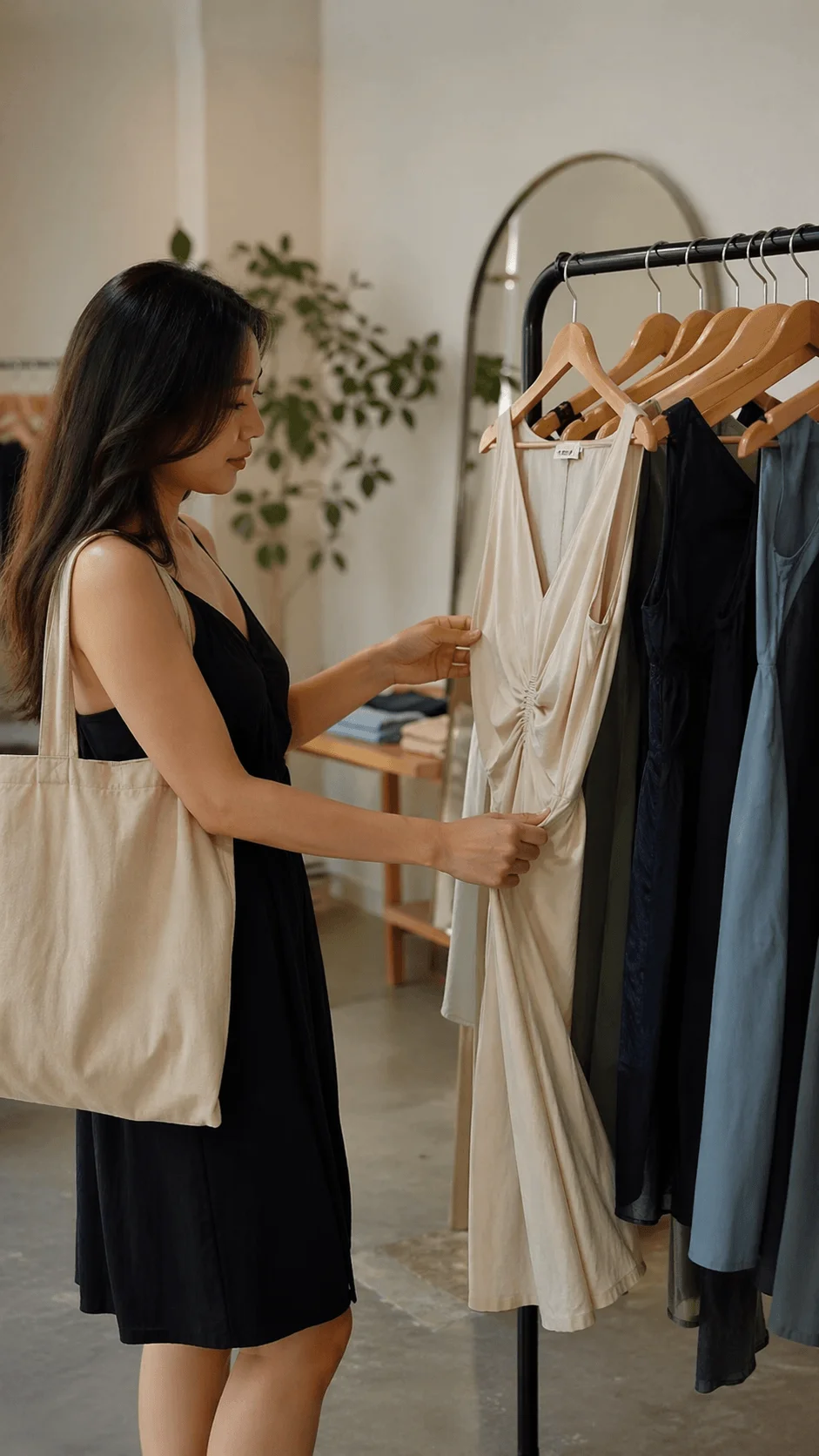
This approach reflects a broader change in how people interact with fashion. Ownership is no longer the only goal. Access and shared use are becoming equally important.
Natural Dye Dresses
Natural dye dresses bring a sense of authenticity and softness to sustainable design. Using pigments derived from plants and natural sources, designers create colors that feel more organic and less uniform.
These dyes often produce subtle variations, giving each dress a unique character. The process itself becomes part of the story, connecting the garment to traditional techniques and natural cycles.
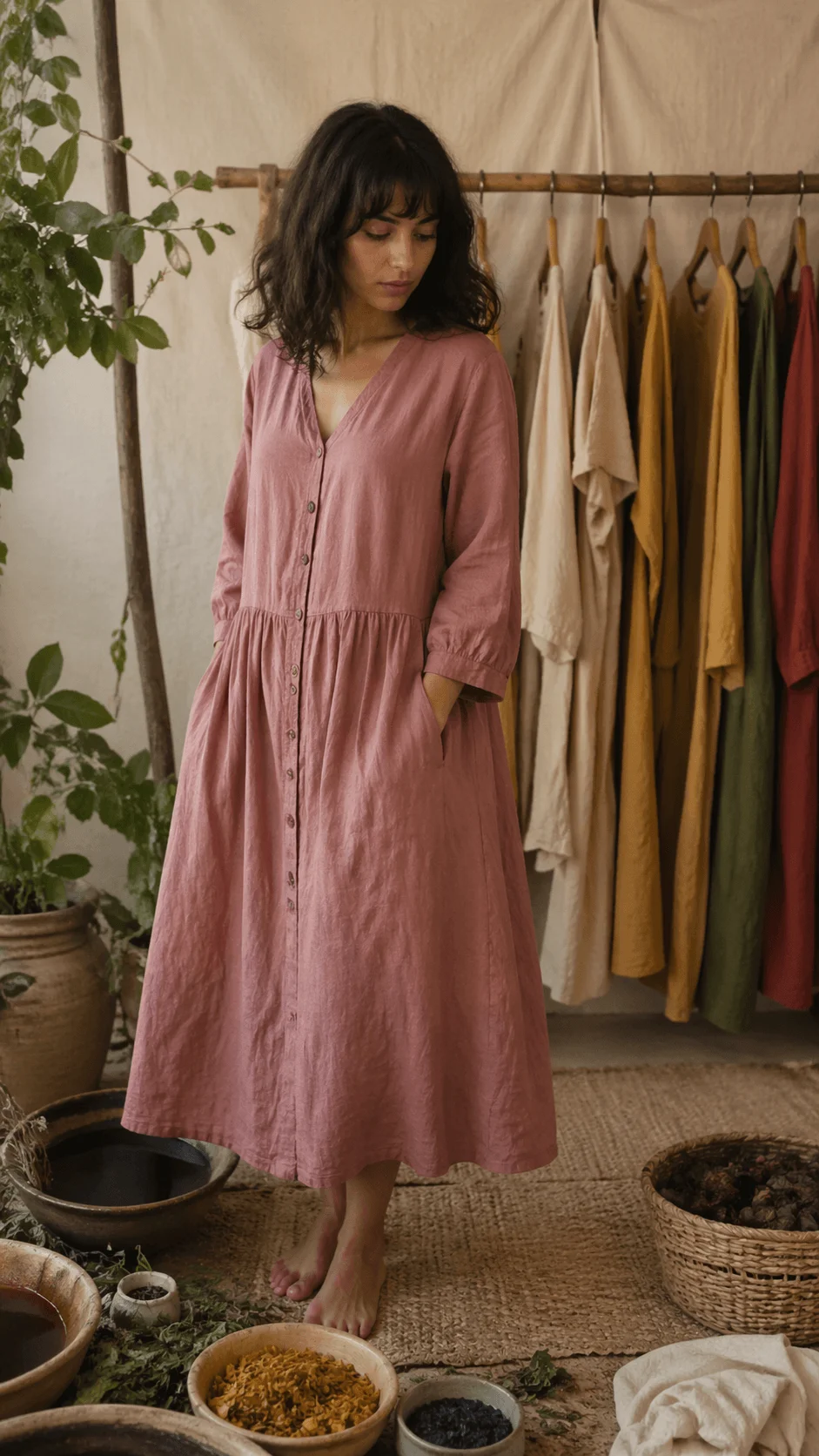
The visual result is calming and grounded, offering an alternative to the intensity of synthetic colors. This trend appeals to those who appreciate craftsmanship and a deeper connection to nature.
Repairable Dress Design
Repairable dress design emphasizes longevity and care. Instead of treating garments as disposable, designers create pieces that can be maintained and restored over time.
This may involve thoughtful construction that allows easy access to key areas or the inclusion of elements that can be replaced or reinforced. Some designs even celebrate the act of repair, turning it into a visible and meaningful feature.
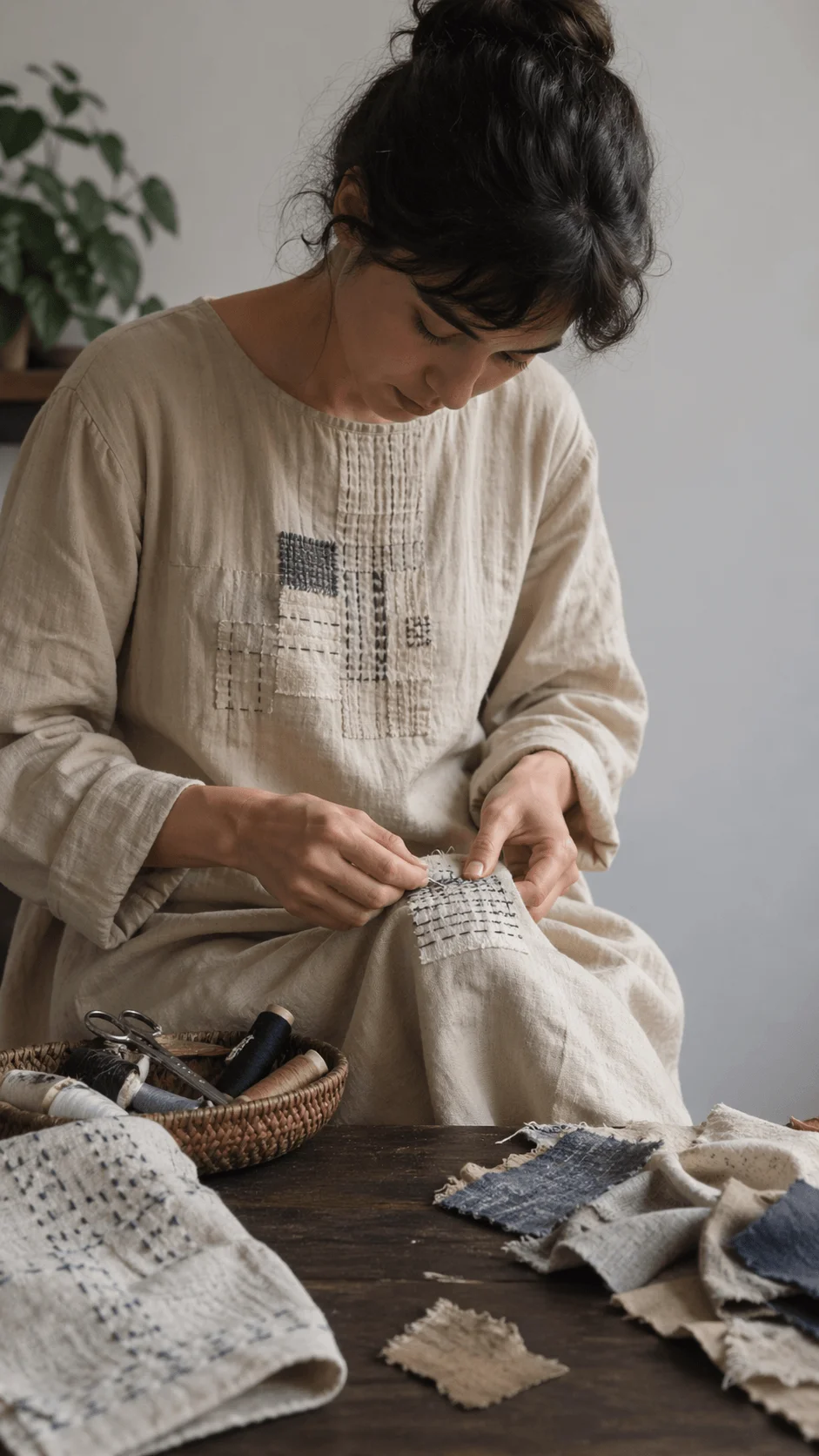
This approach encourages a different relationship with clothing. The dress becomes something to be cared for and preserved rather than replaced.
Vintage Inspired Sustainable Dresses
Vintage inspired designs offer a timeless perspective on sustainability. By drawing from past styles, designers create dresses that are less likely to feel outdated.
These designs often feature classic silhouettes and refined details that have proven their appeal over time. When combined with sustainable materials, they create a balance between tradition and innovation.
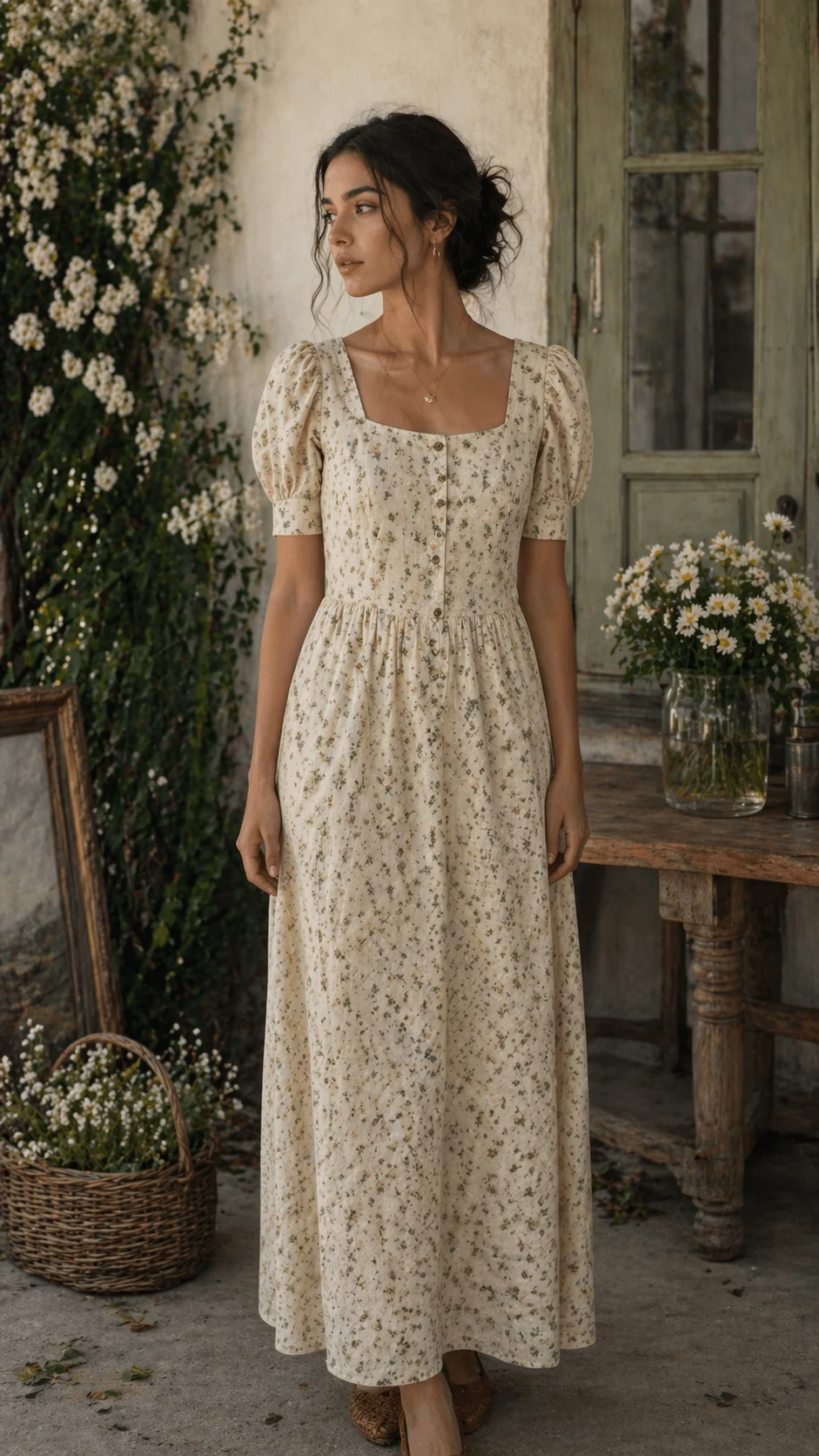
This trend highlights the idea that sustainability can be achieved by slowing down and valuing enduring style over constant change.
Tech Integrated Smart Dresses
Tech integrated smart dresses represent the merging of fashion and innovation. These garments use advanced materials and technologies to enhance functionality and comfort.
A smart dress might respond to temperature changes or adapt its structure based on movement. These features create a dynamic interaction between the garment and the wearer.
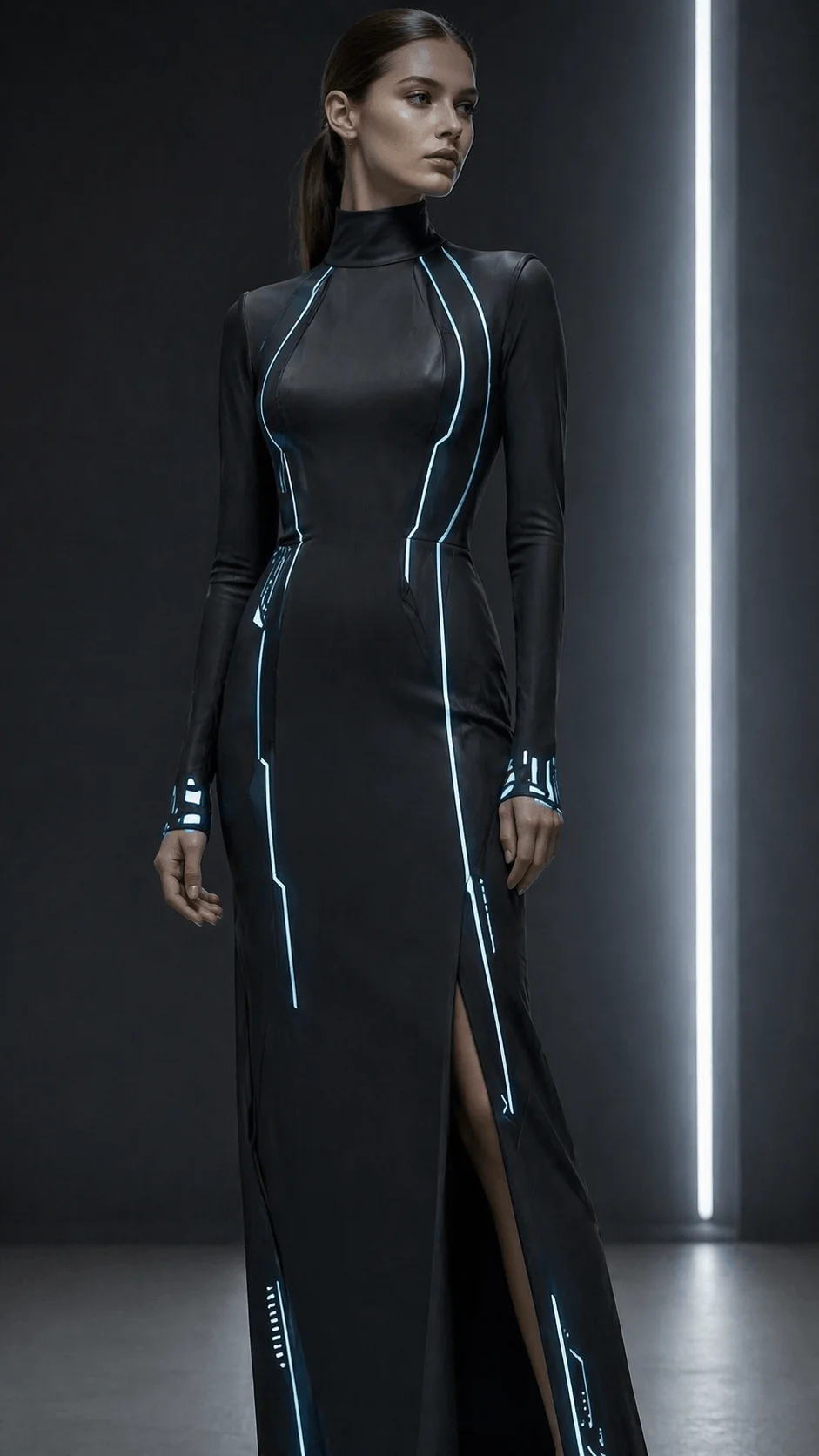
From a design perspective, the challenge lies in integrating technology without compromising aesthetics. The result is a new category of fashion that feels both futuristic and practical.
Maximalist Eco Dresses
Maximalist eco dresses bring energy and expression into sustainable fashion. Instead of focusing on simplicity, designers embrace bold patterns, rich textures, and vibrant colors.
This approach challenges the idea that eco friendly design must be understated. It shows that sustainability can be just as expressive and visually impactful as any other style.
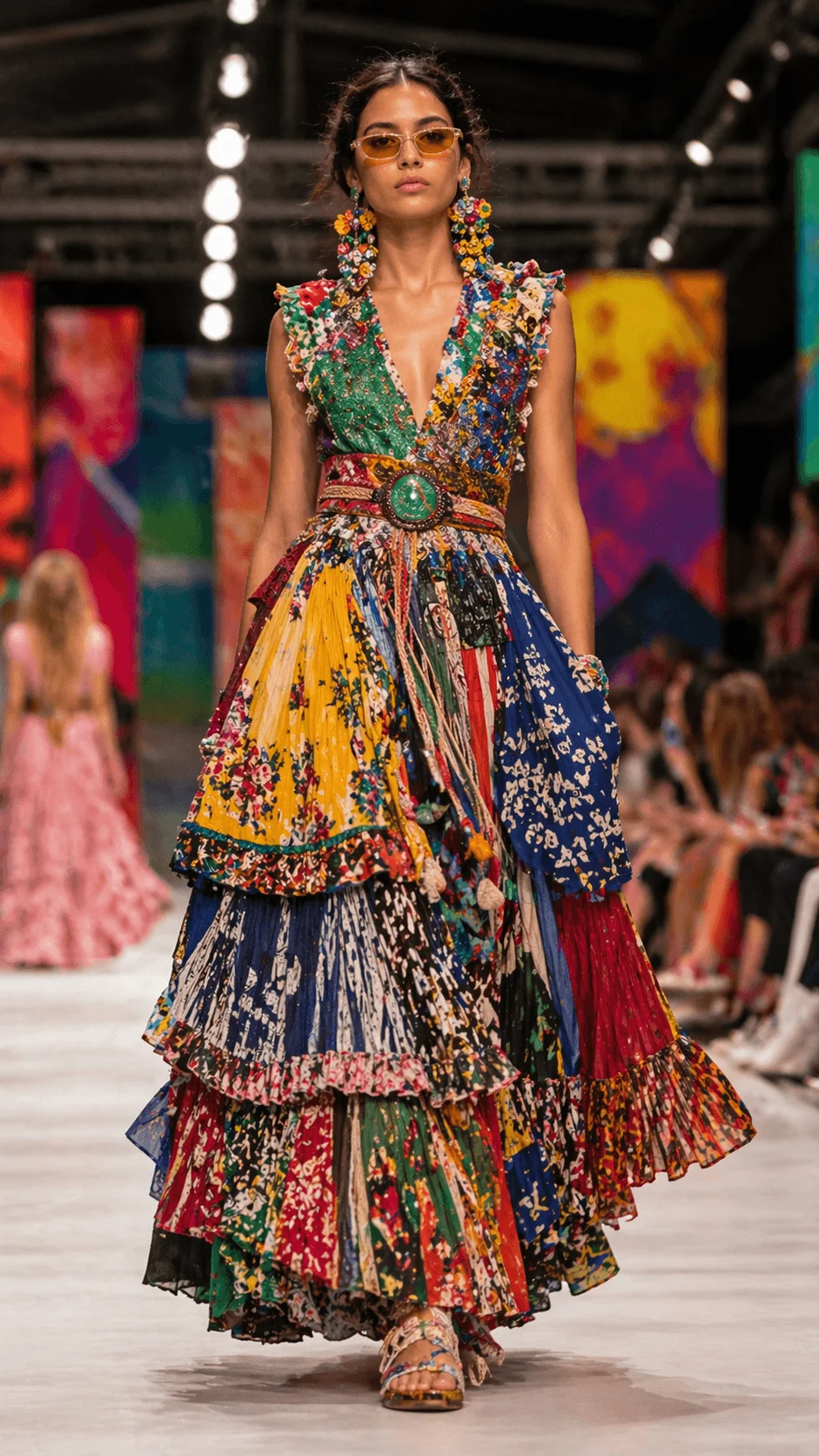
The popularity of this trend reflects a desire for individuality and creativity, especially among younger audiences who want their clothing to make a statement.
Slow Fashion Statement Dresses
Slow fashion statement dresses are designed to be meaningful and enduring. These garments prioritize craftsmanship, quality, and emotional value over quick trends.
Designers invest time and care into every detail, creating pieces that feel special and significant. The goal is to produce a dress that will be cherished and worn for years rather than discarded after a short period.
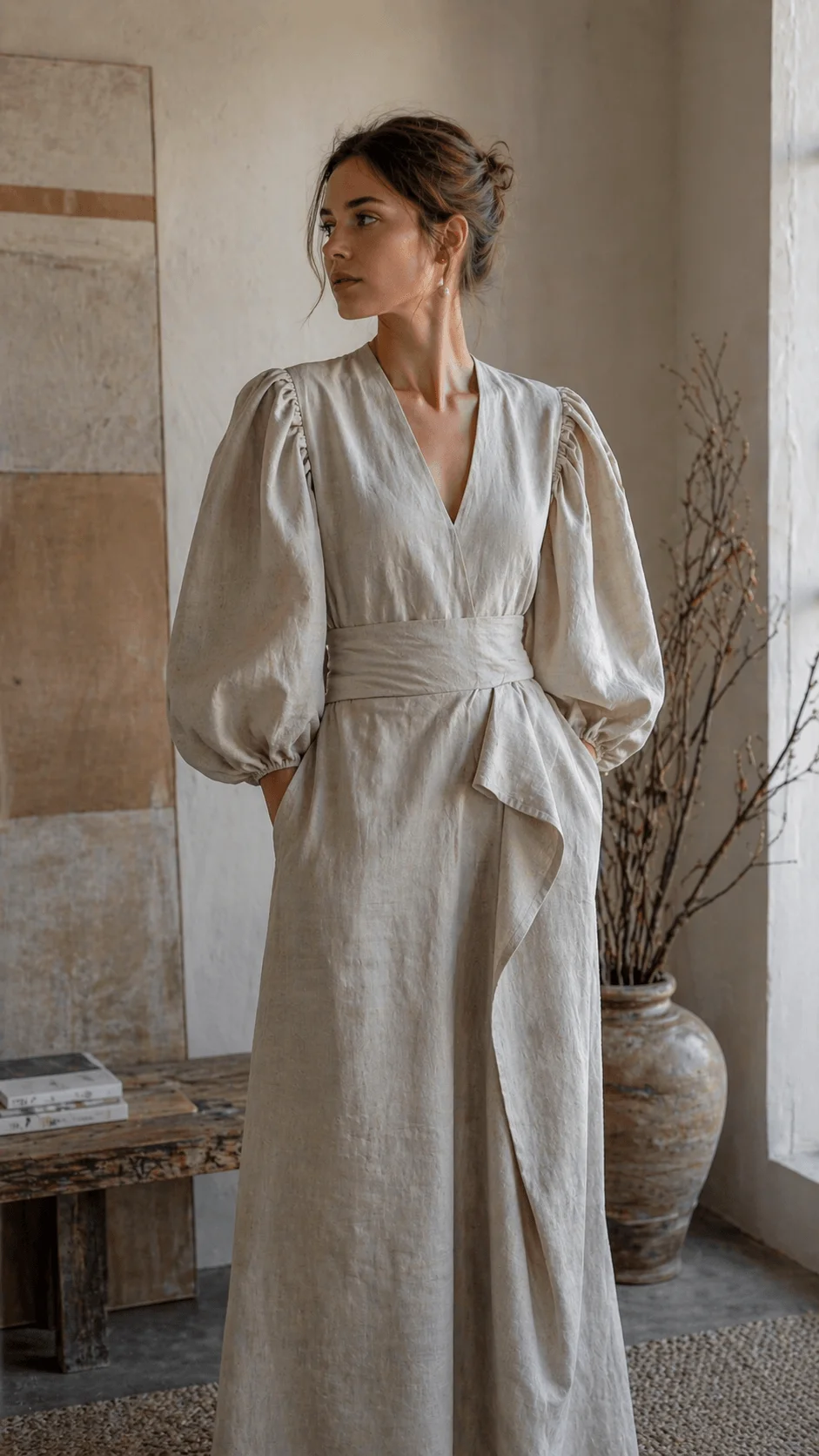
This approach aligns with a growing appreciation for thoughtful design and long term value. It represents a return to a more intentional way of engaging with fashion.
Conclusion
Sustainability dress design in 2026 is defined by a powerful combination of creativity, responsibility, and innovation. It is no longer limited to reducing environmental impact. It is about reimagining what a dress can be and how it can exist within a larger system of care and connection.
From regenerative fabric dress design to modular dress design sustainability, these ideas show that the future of fashion is not only sustainable but also deeply imaginative. Designers are exploring new materials, new technologies, and new ways of thinking that challenge traditional boundaries.
As this movement continues to grow, it becomes clear that sustainable fashion is not a limitation. It is an opportunity to create something more meaningful, more adaptive, and more aligned with the world we want to build.