Valentine’s Day Campaign Ideas Brands Can Use in 2026
Valentine’s Day marketing in 2026 has moved far beyond flowers and generic discount codes. Consumers now expect campaigns that feel personal inclusive emotionally relevant and useful in real life. This year the strongest trends revolve around personalization self love pet focused gifting meaningful experiences shoppable video and sustainability. Brands that succeed are the ones that reduce decision stress create emotional connection and offer flexible solutions for both early planners and last minute buyers. This detailed guide explores twenty trending Valentine’s Day campaign ideas that marketers can realistically execute. Each idea is expanded with clear explanations practical execution guidance and real world application so you can confidently turn inspiration into action.

Personalized gift finder quizzes
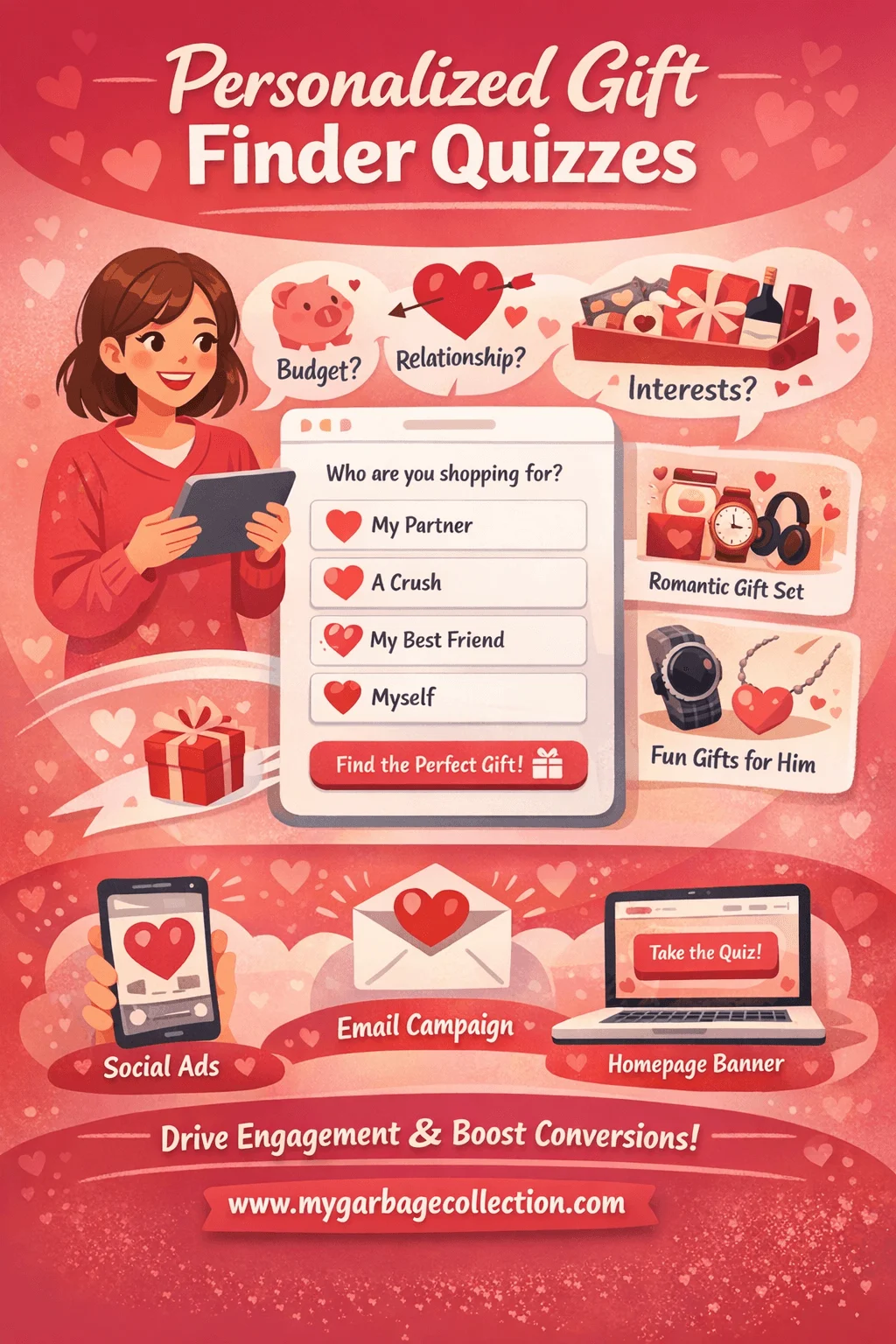
Personalized quizzes have become one of the most effective Valentine campaign tools because they guide customers through a stressful decision making process. Instead of scrolling endlessly shoppers answer a few simple questions about personality budget relationship type or interests and receive tailored recommendations. This approach works because it mimics a personal shopping assistant and makes the buyer feel understood. Brands can build quizzes using lightweight tools and connect results to product collections or bundles. Promoting the quiz through email social ads and homepage banners drives both engagement and higher conversion rates while collecting valuable customer insights for future campaigns.
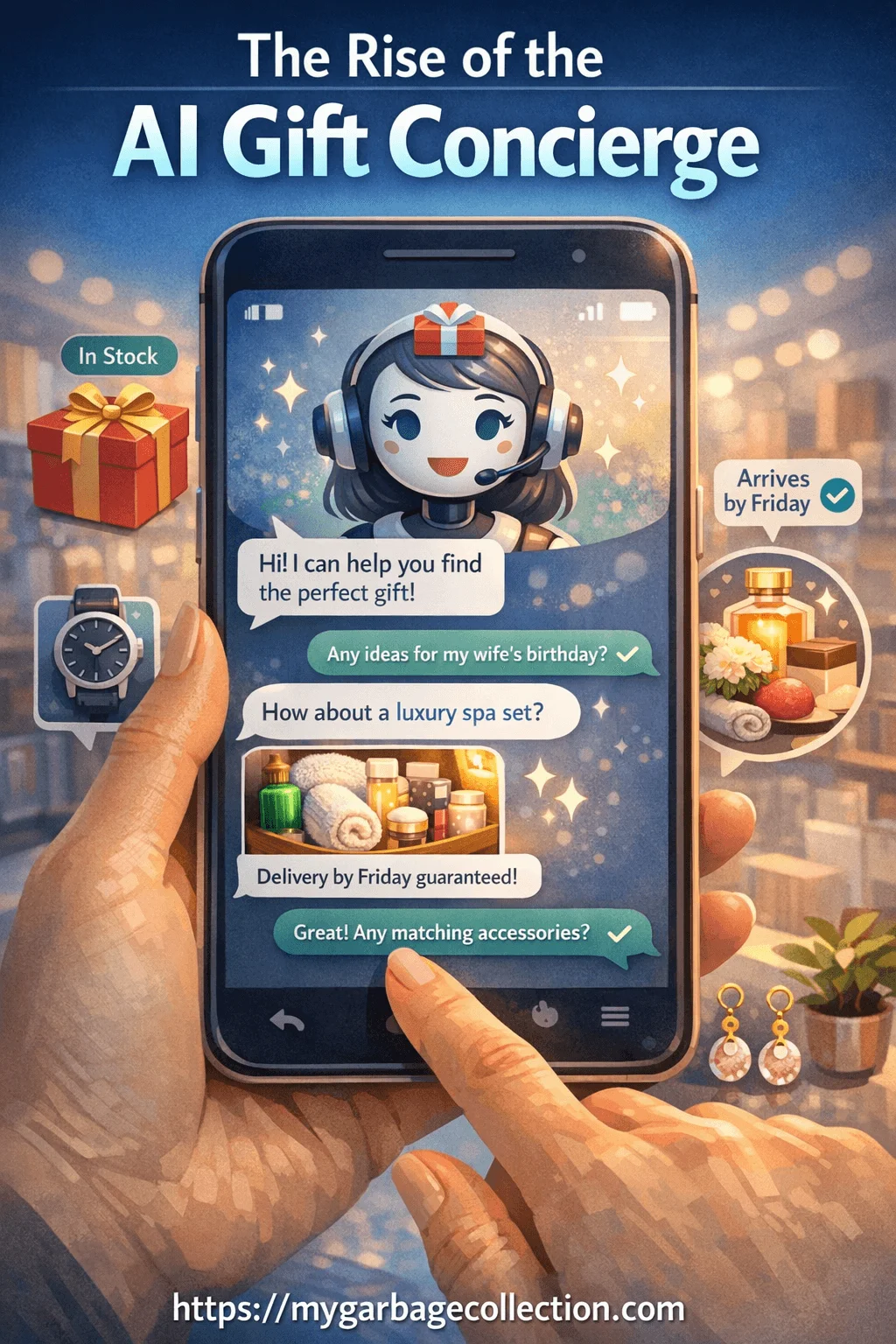
AI powered gift concierge chat experience
A virtual gift concierge offers real time help to shoppers who are unsure what to buy. This idea works especially well on mobile where browsing fatigue is high. The chatbot can ask conversational questions suggest gifts confirm delivery dates and even upsell complementary products. What makes this trend powerful in 2026 is its always on availability and its ability to handle last minute questions without human support. Brands should integrate the chatbot with inventory and shipping data so answers feel trustworthy and helpful rather than generic.
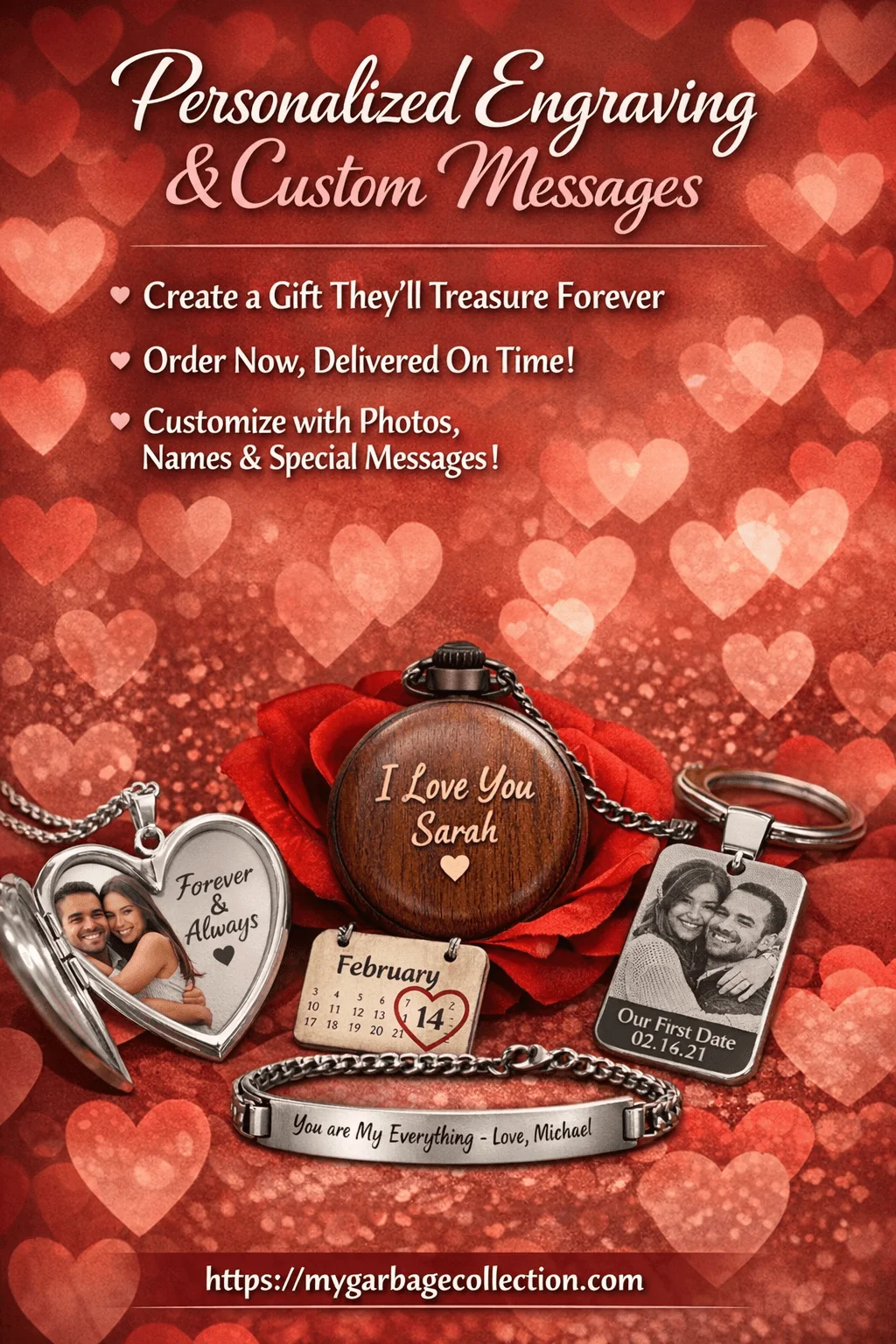
Personalized engraving and custom messages
Personalization through engraving custom notes or photo uploads continues to be a major Valentine driver. Customers are willing to pay more when a gift feels one of a kind. This year the key improvement is transparency around delivery timelines and clear cutoff dates for customization. Campaigns should focus on messaging that reassures shoppers they can still personalize without risking late delivery. Highlighting personalization early in January helps brands capture higher value orders before peak congestion.
Shoppable short form video campaigns
Short form video remains one of the most powerful Valentine campaign formats. Platforms like Instagram and TikTok allow brands to tag products directly in videos creating a seamless path from inspiration to purchase. Successful campaigns focus on real usage moments such as unboxing reactions casual gifting scenarios or quick date ideas. These videos feel less like ads and more like recommendations which increases trust. Brands should test multiple creative angles and amplify the best performers with paid promotion during late January and early February.

User generated content storytelling contests
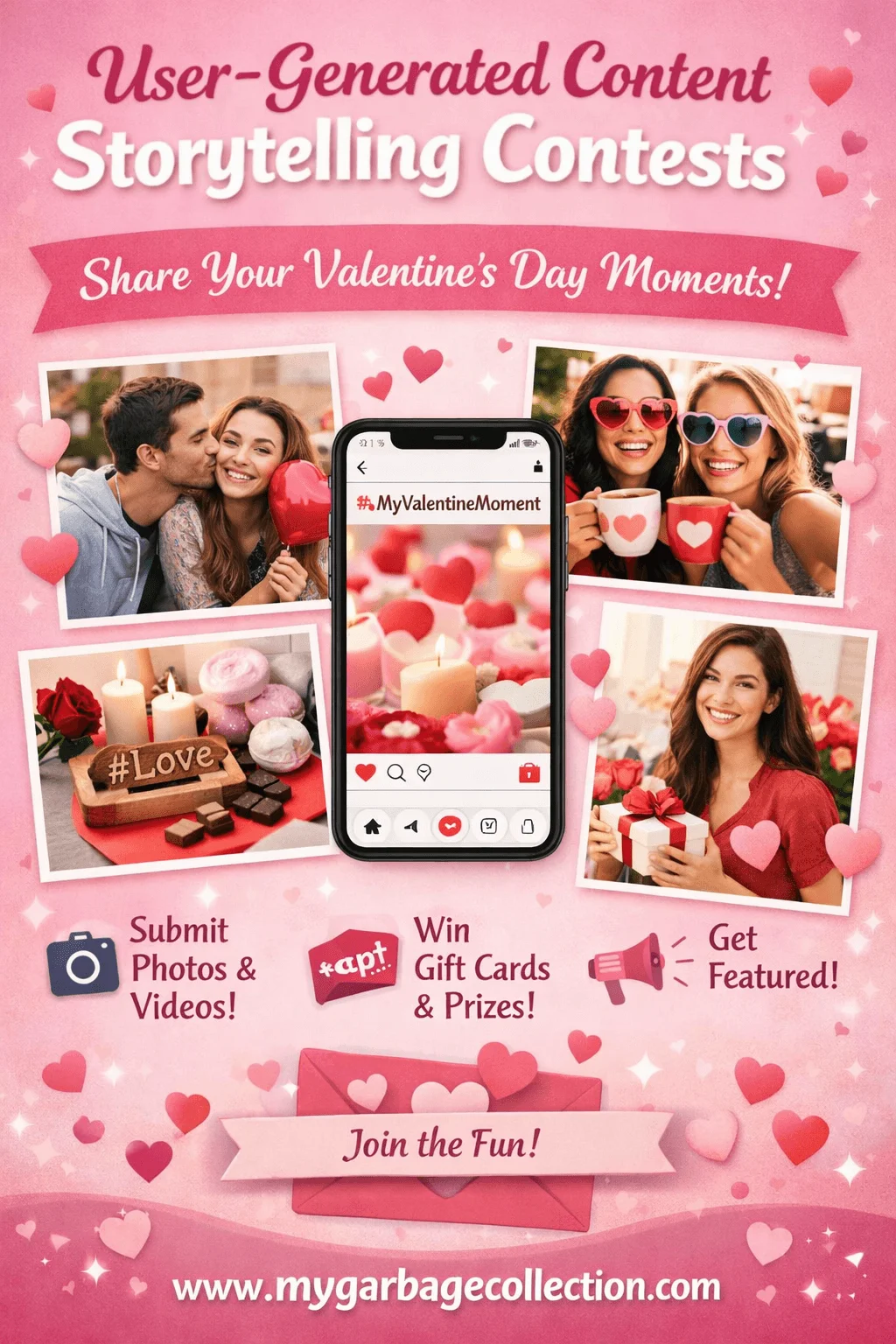
UGC campaigns work well during Valentine season because people enjoy sharing moments of love friendship and self care. Brands can invite customers to submit photos or videos showing how they celebrate Valentine’s Day using a branded hashtag. Featuring selected entries on official channels builds social proof and emotional connection. This approach also generates a library of authentic creative that can be reused across ads and emails. Clear participation guidelines and simple rewards such as gift cards or features help drive participation.
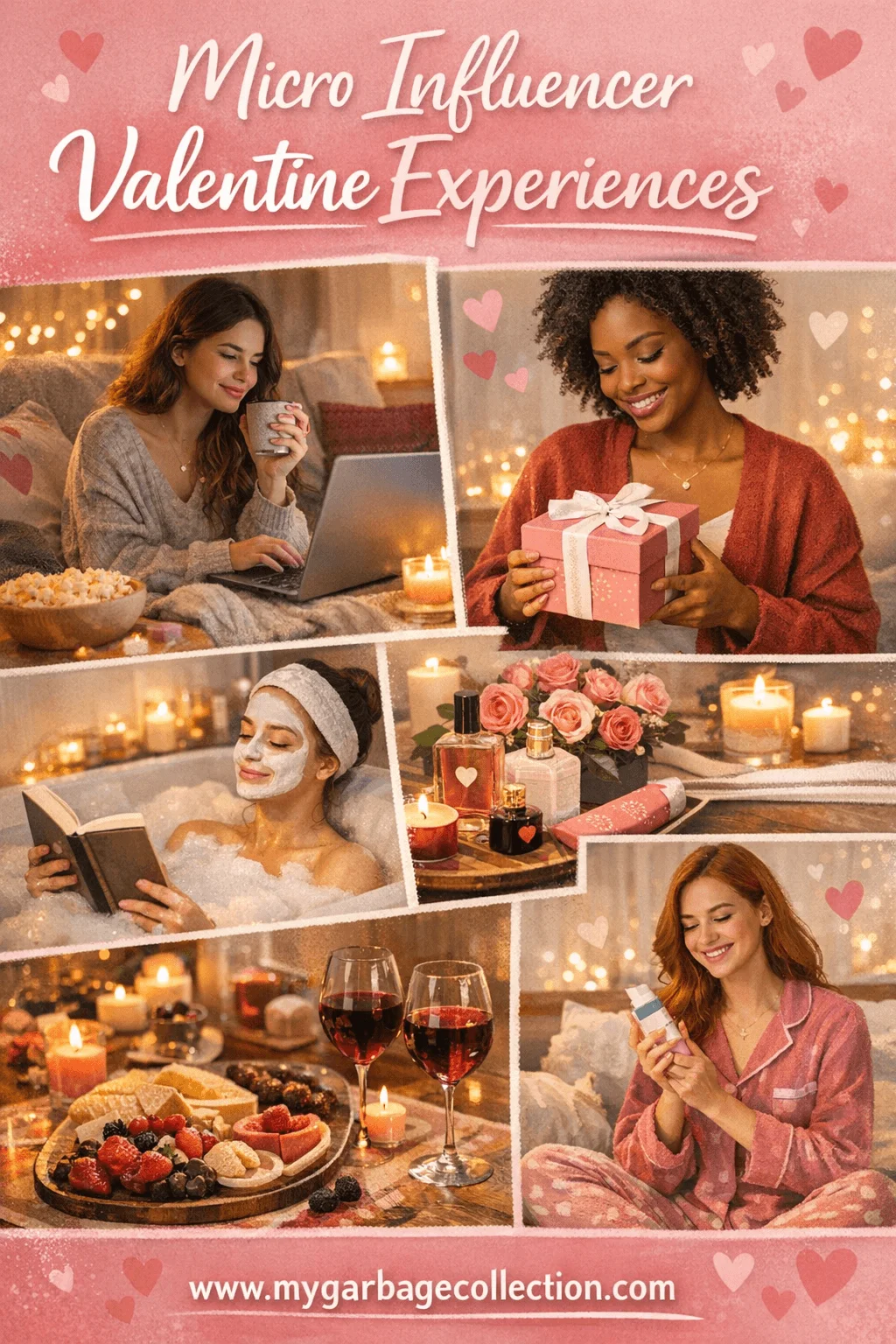
Micro influencer Valentine experiences
Rather than relying on a single large influencer many brands are shifting toward micro influencer collaborations. These creators showcase realistic Valentine experiences such as cozy nights in thoughtful gifting or self care rituals. Their smaller but more engaged audiences often deliver higher trust and better conversion rates. Brands should focus on creators whose lifestyle naturally fits the product and allow them creative freedom to keep content authentic.
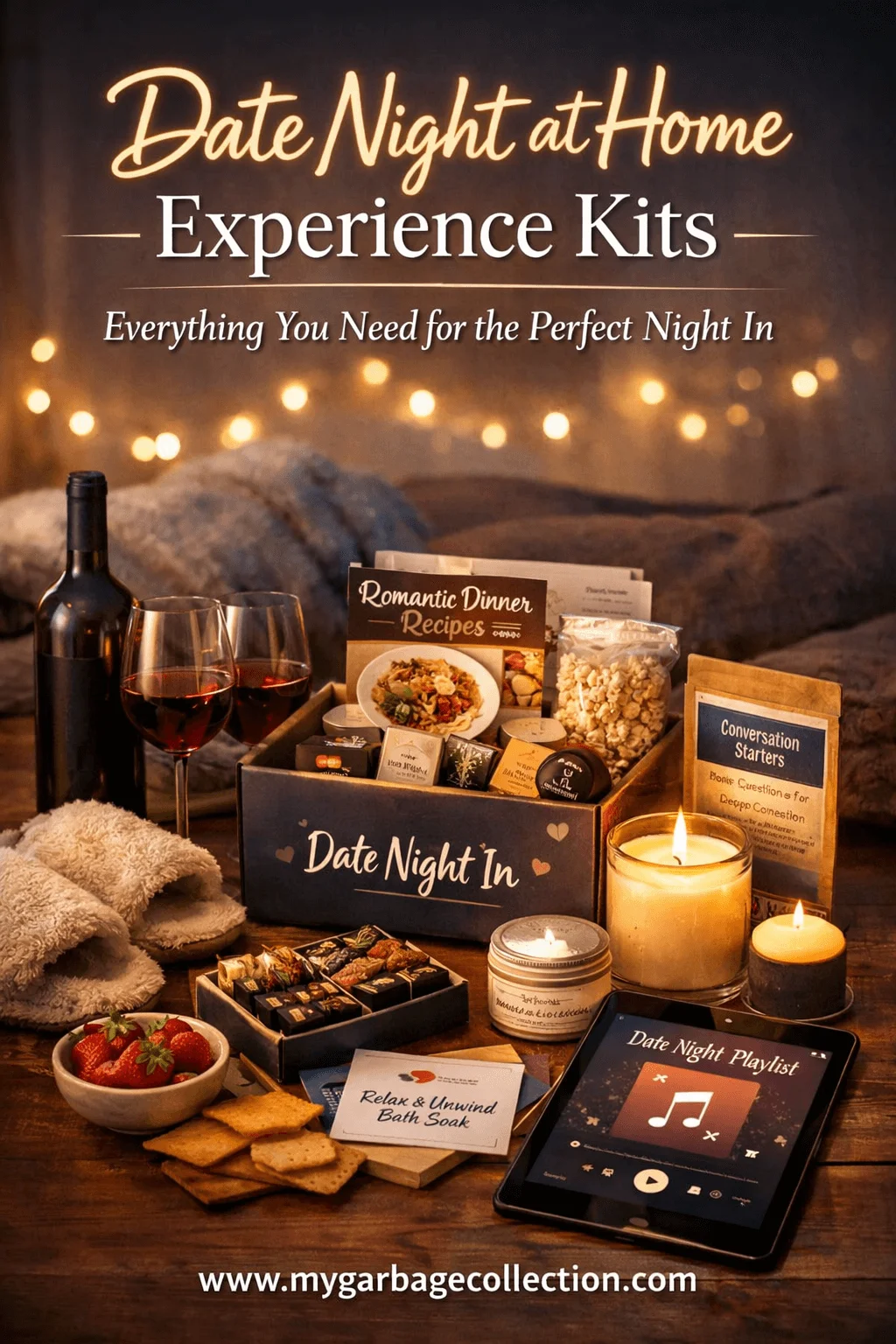
Date night at home experience kits
Experience based gifting continues to outperform single item gifts because it creates memories. Date night at home kits bundle products with an emotional narrative such as reconnecting unwinding or celebrating quietly together. These kits can include physical items paired with digital extras like playlists recipes or conversation prompts. Campaign messaging should emphasize ease and thoughtfulness positioning the kit as a complete solution rather than just a product.
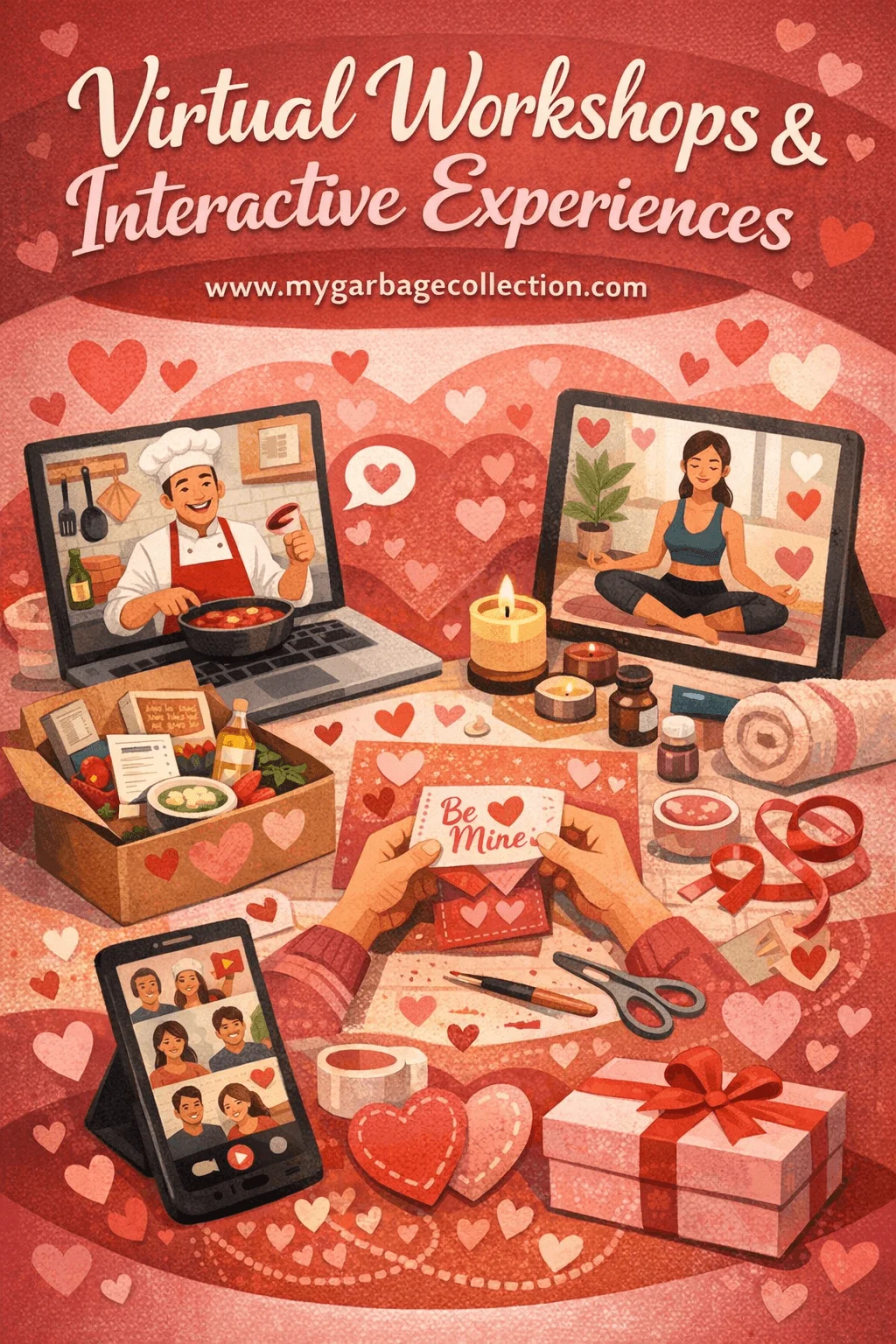
Virtual workshops and interactive experiences
Hosting virtual workshops such as cooking classes craft sessions or wellness experiences allows brands to extend Valentine beyond a single purchase. Customers receive a kit in advance and then participate in a live or recorded session. This approach deepens brand engagement and creates post purchase interaction which many campaigns lack. Workshops also provide strong content for social sharing and email follow ups.
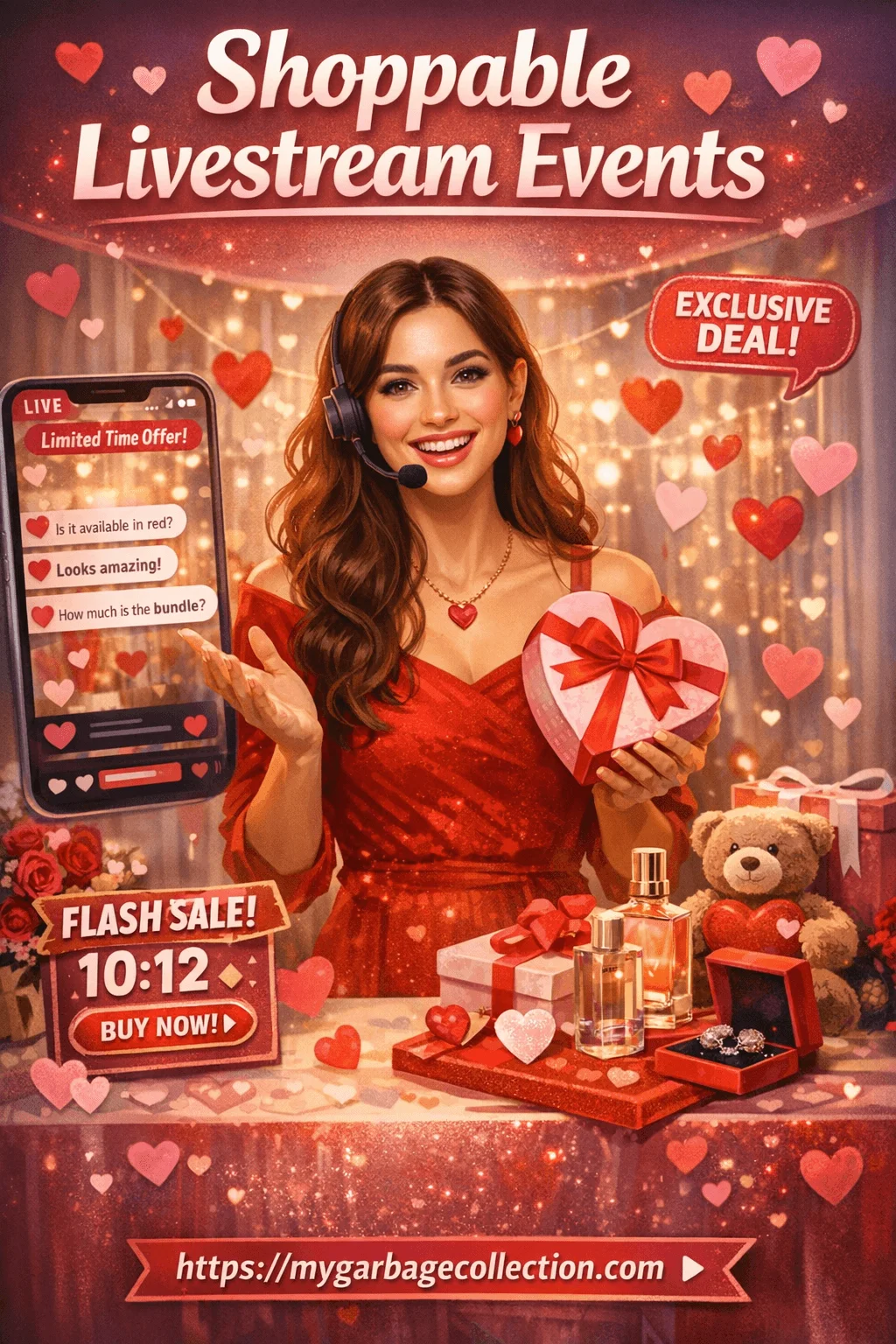
Shoppable livestream events
Live shopping events blend entertainment urgency and interaction. During Valentine season livestreams can showcase gift ideas demonstrate products and answer real time questions. Limited time offers and exclusive bundles encourage immediate purchase. Brands that succeed with livestreams prepare clear scripts manage inventory carefully and assign a dedicated host to keep energy high and calls to action clear.
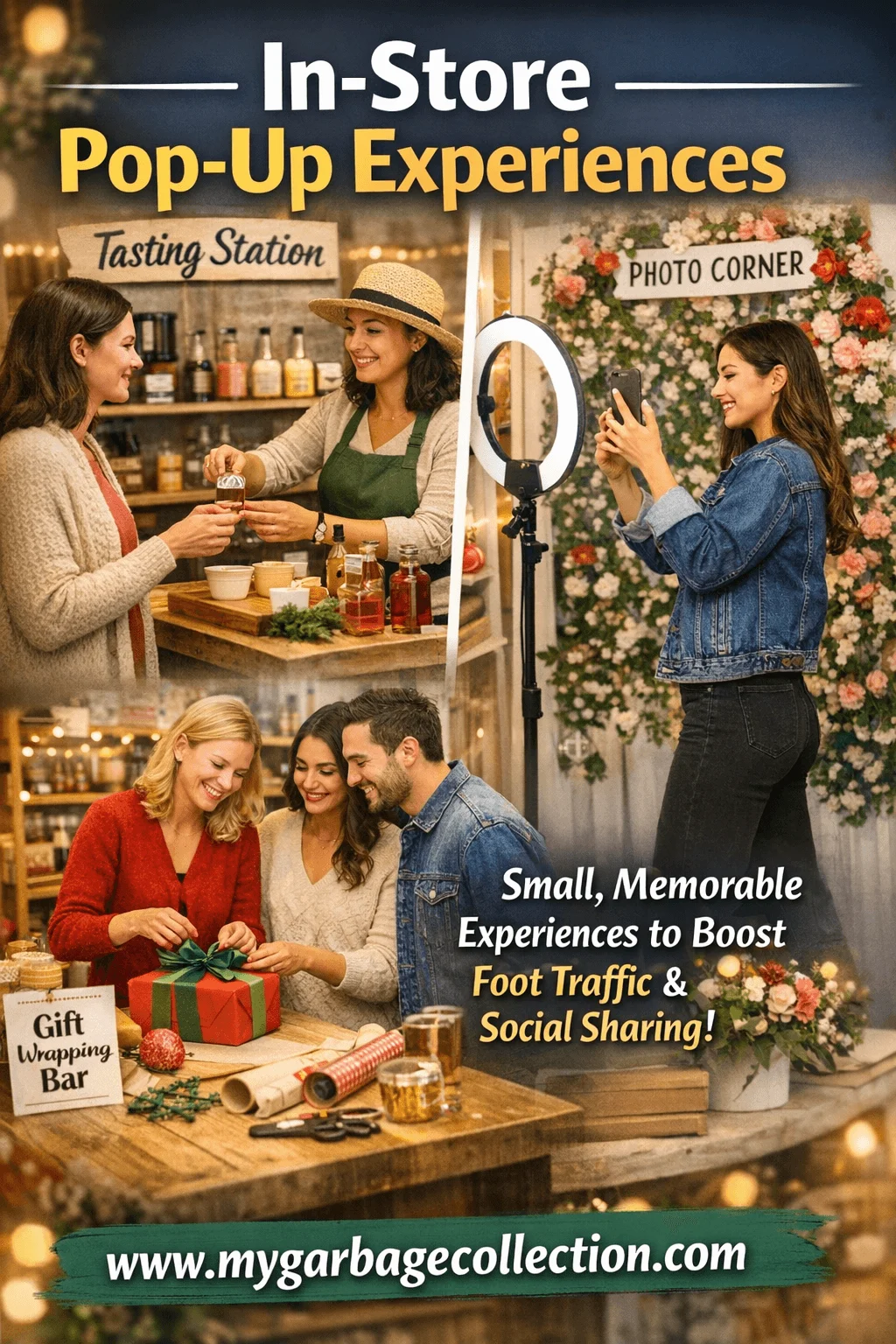
In store pop up experiences
Physical retail campaigns are returning with a focus on small memorable experiences rather than large scale events. Pop ups such as tasting stations gift wrapping bars or photo corners encourage foot traffic and social sharing. These experiences work best when combined with local social advertising and partnerships with nearby businesses. Even small retailers can execute this idea with minimal budget by focusing on one simple activation.
Same day gift services and pickup campaigns
Convenience is critical during Valentine week. Campaigns that highlight same day pickup express wrapping or local delivery solve a major pain point for procrastinating shoppers. Clear messaging around cutoff times and availability builds trust. This idea works particularly well when paired with local search optimization and email reminders.

Collaborative Valentine pop ups
Collaborating with a complementary brand such as a florist chocolatier or café allows both businesses to expand reach and share marketing costs. Joint promotions feel fresh and provide customers with a more complete Valentine solution. Successful collaborations focus on aligned audiences and simple shared offers rather than complex integrations.

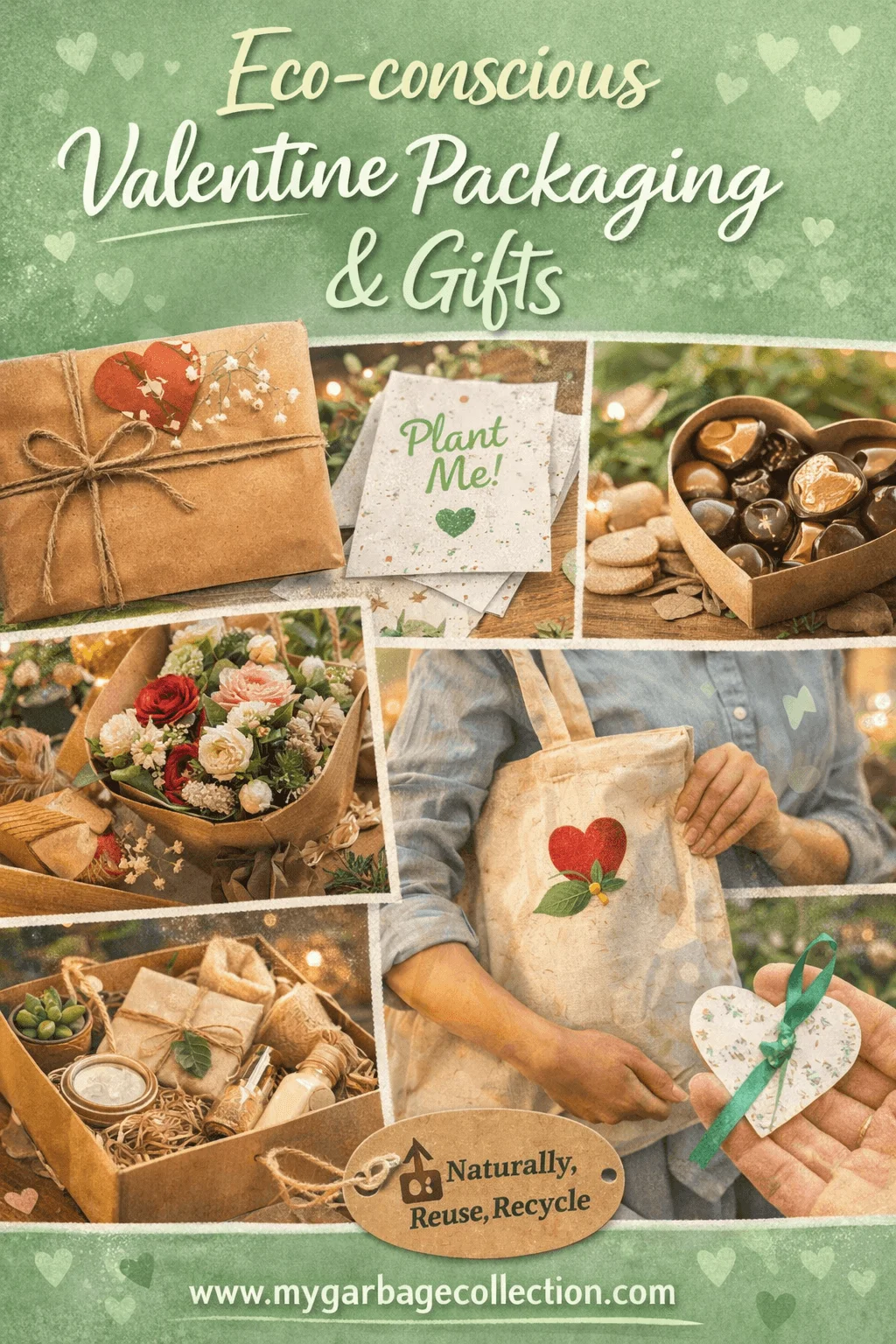
Eco conscious Valentine packaging and gifts
Sustainability remains an important factor in purchasing decisions. Campaigns that highlight eco friendly packaging plantable cards or reduced waste options appeal to conscious consumers. The key is authenticity. Brands should clearly explain what makes the product sustainable and avoid vague claims. Visual storytelling helps communicate these values effectively.
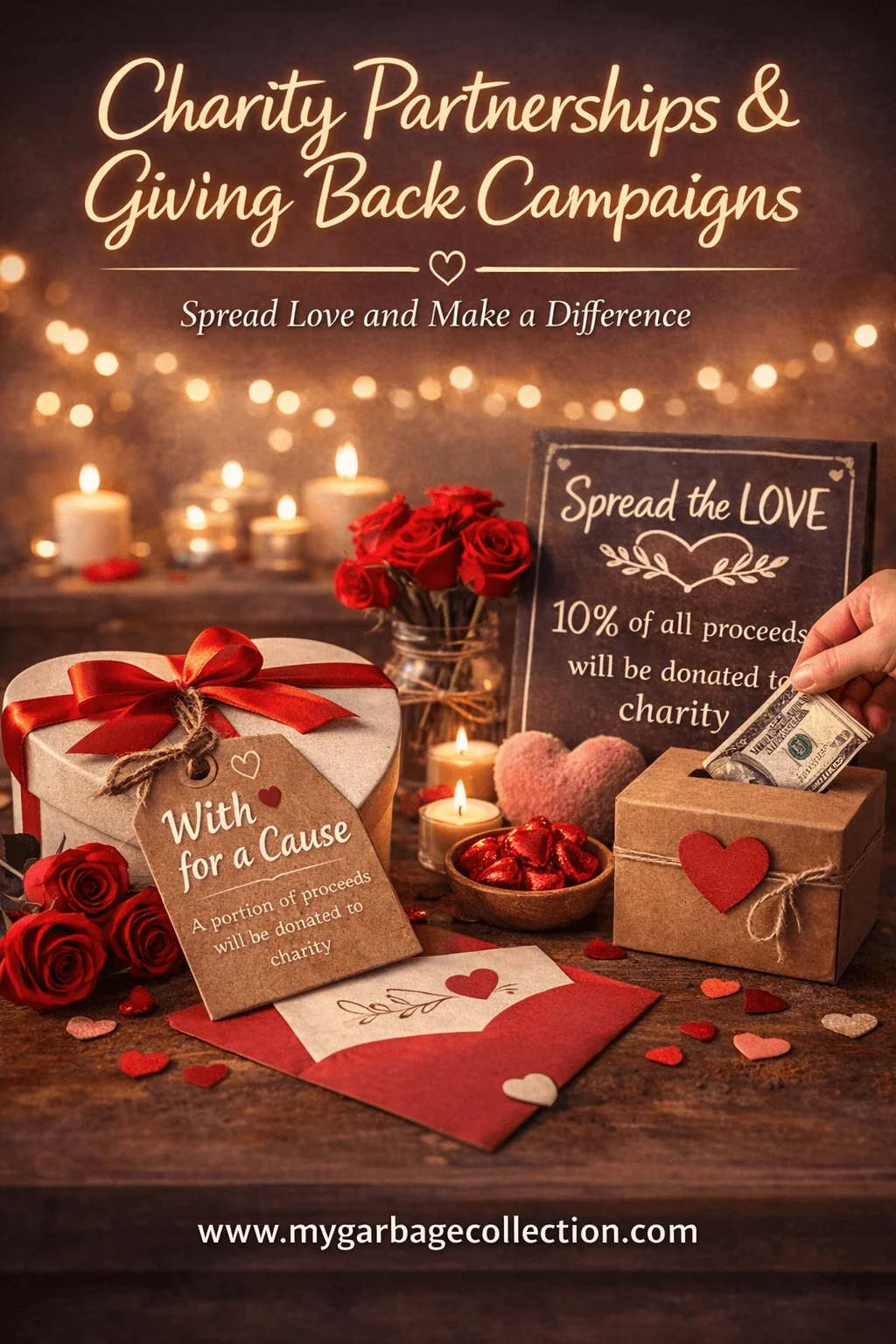
Charity partnerships and giving back campaigns
Purpose driven Valentine campaigns resonate when the cause aligns with the brand values. Donating a portion of sales or supporting a specific community initiative adds emotional depth to the purchase. Transparency around impact and follow up communication strengthens trust and long term loyalty.
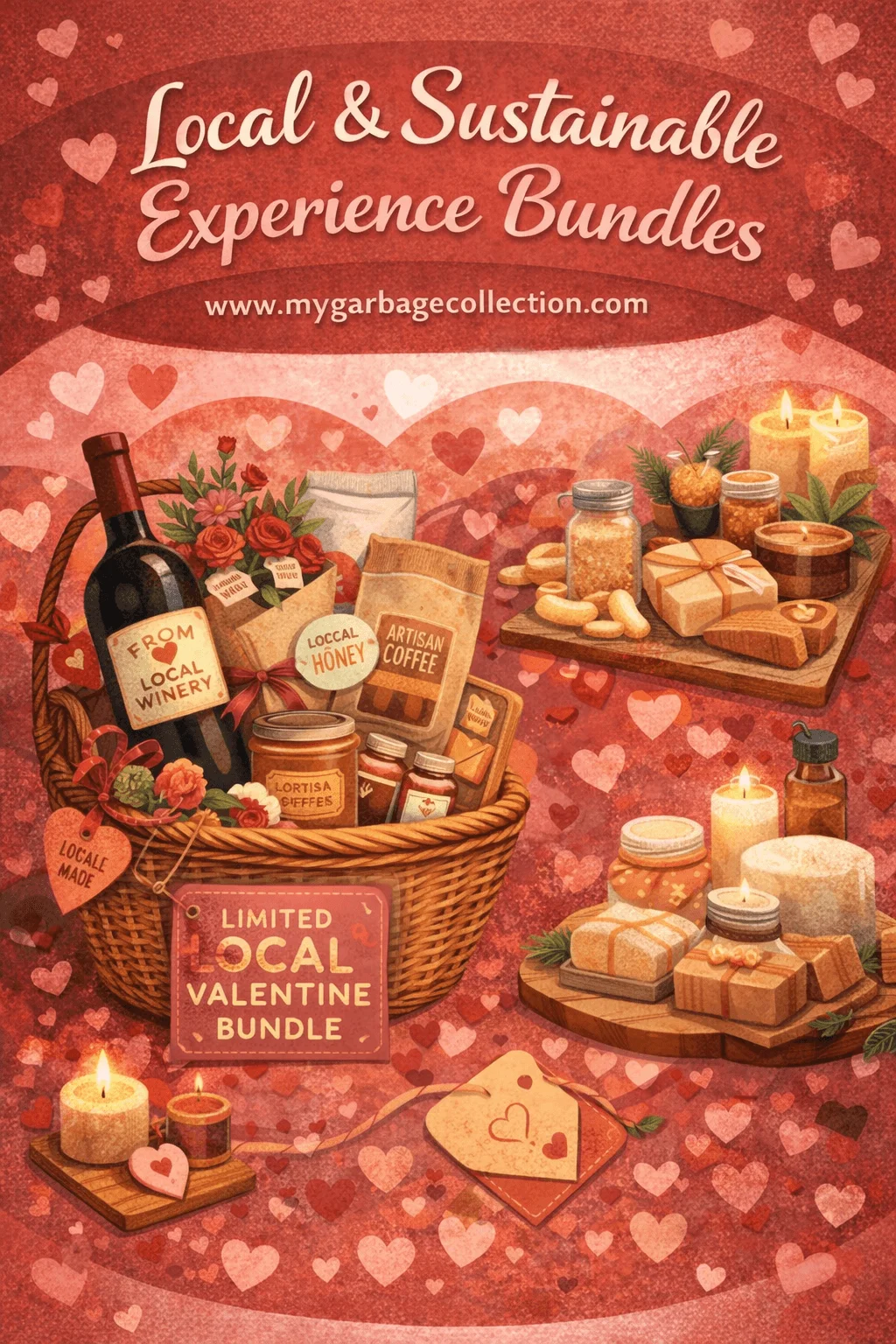
Local and sustainable experience bundles
Partnering with local artisans or service providers allows brands to create unique Valentine offerings while supporting the local economy. These bundles feel more meaningful and differentiated compared to mass produced alternatives. Limited availability increases urgency and perceived value.
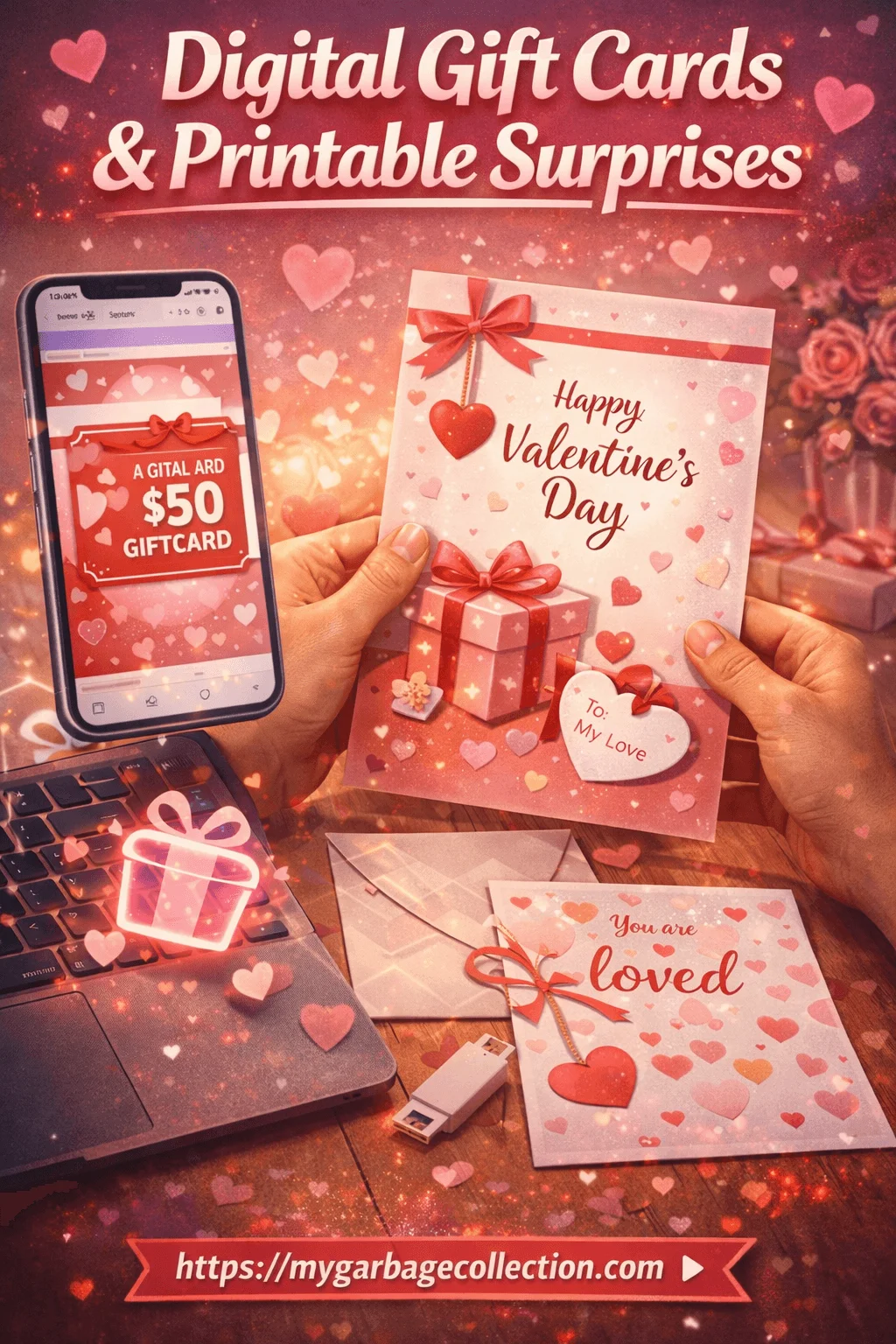
Digital gift cards and printable surprises
Last minute shoppers are a significant segment every year. Digital gifts remove delivery anxiety and allow instant gratification. Campaigns should focus on presentation by offering beautifully designed printable cards or email templates that still feel thoughtful and premium.
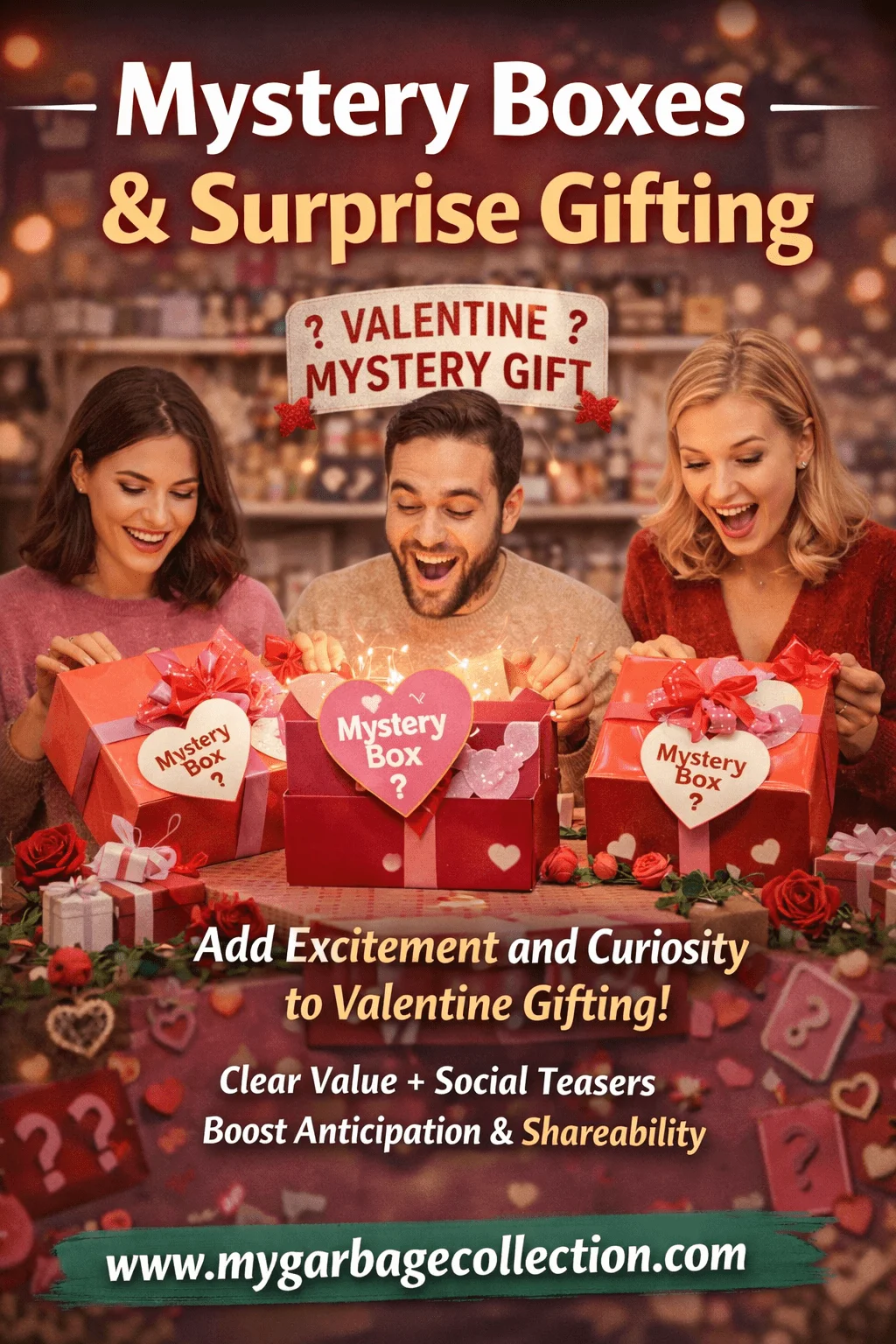
Mystery boxes and surprise gifting
Mystery boxes add excitement and curiosity to Valentine gifting. Customers enjoy the surprise element especially when the value is clearly communicated. This idea also helps brands move slower inventory while maintaining perceived value. Social media teasers enhance anticipation and shareability.
Experience vouchers redeemable later
Experience vouchers allow shoppers to give something meaningful even if the experience happens after Valentine’s Day. This approach reduces pressure around scheduling and shipping. Messaging should emphasize flexibility and anticipation rather than immediacy.

Conclusion
Valentine’s Day campaigns in 2026 succeed when they reduce stress create emotional relevance and offer flexible solutions. Instead of trying to execute everything at once brands should choose three ideas that align best with their audience and resources. Test early track performance through conversion rate engagement and average order value then scale the strongest performers with additional creative and paid support. Whether through personalization shoppable video meaningful experiences or last minute digital solutions the key is to make Valentine gifting feel easier more thoughtful and more inclusive. Brands that focus on clarity authenticity and customer experience will not only win Valentine’s Day but build long term loyalty beyond it.