Garbage Disposal Waste Treatment How It Is Processed and Managed
When you flip the switch on a garbage disposal, it feels like the food scraps simply vanish. The grinding blades break everything down, water rushes through, and the mess is gone. But the question remains, where does garbage disposal waste actually go? This is something most people never think about, yet the journey of that waste is long and complex.

Understanding what happens to garbage disposal waste helps us appreciate the hidden systems that manage it. It also reveals the environmental impact of our everyday actions and opens the door to more sustainable choices. Let’s dive into the complete story.
The First Step from Your Kitchen Sink
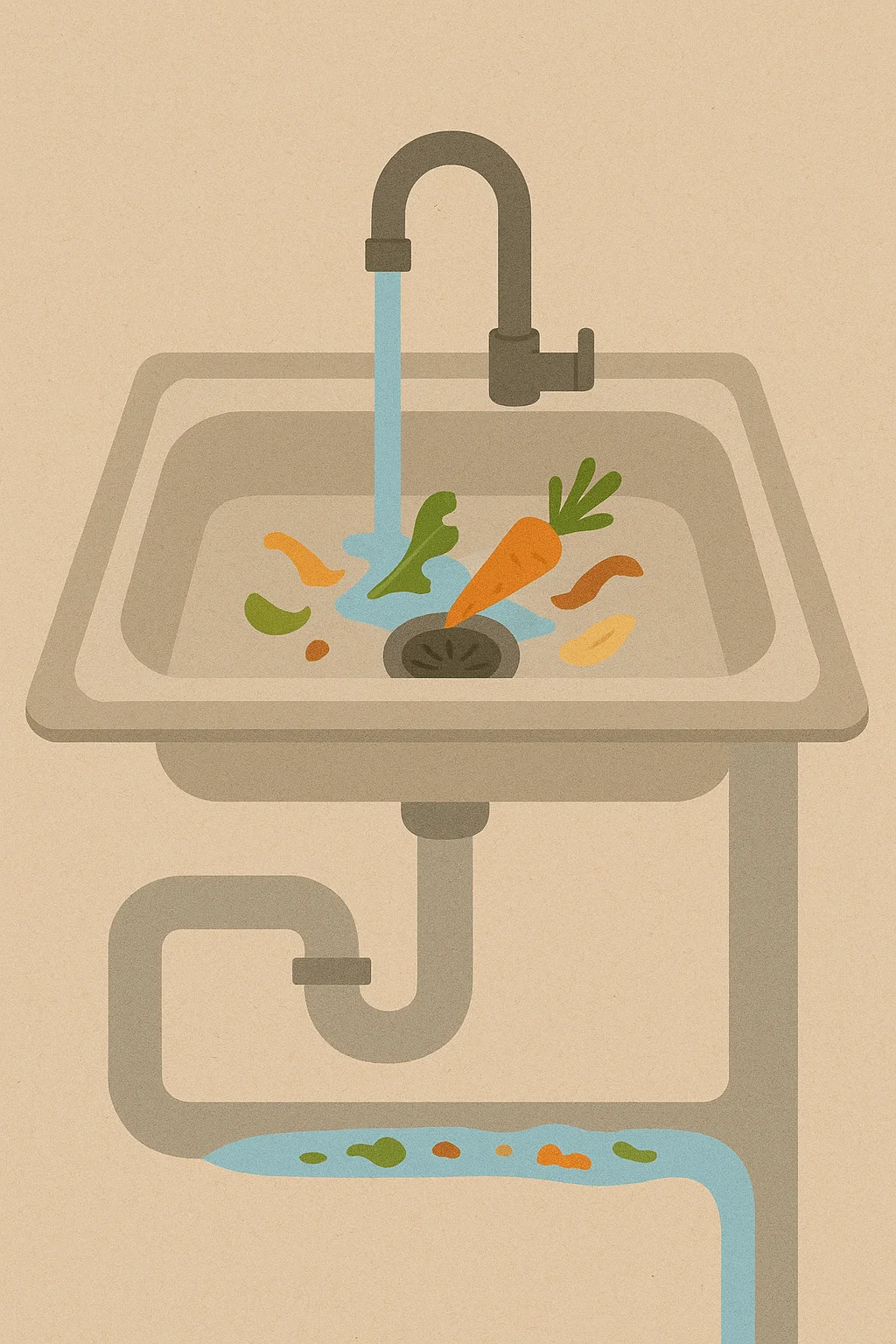
The process begins in the sink. When you use your garbage disposal, food scraps are shredded into very small particles. These are flushed down the drain with water and enter your household plumbing system. Unlike food that is thrown into a trash can, these particles do not sit in a bag waiting for garbage trucks. They immediately mix with wastewater from your home and continue on their way.
This combination of water, food particles, and other liquids travels through a series of pipes and joins the municipal sewer system. From there, the waste begins its hidden journey to treatment facilities.
Arrival at the Wastewater Treatment Plant
Wastewater treatment plants are designed to handle everything that flows down household and industrial drains. Food waste from garbage disposals is a small but important part of this stream. When it arrives at the plant, the mixture first passes through screens that catch large debris.
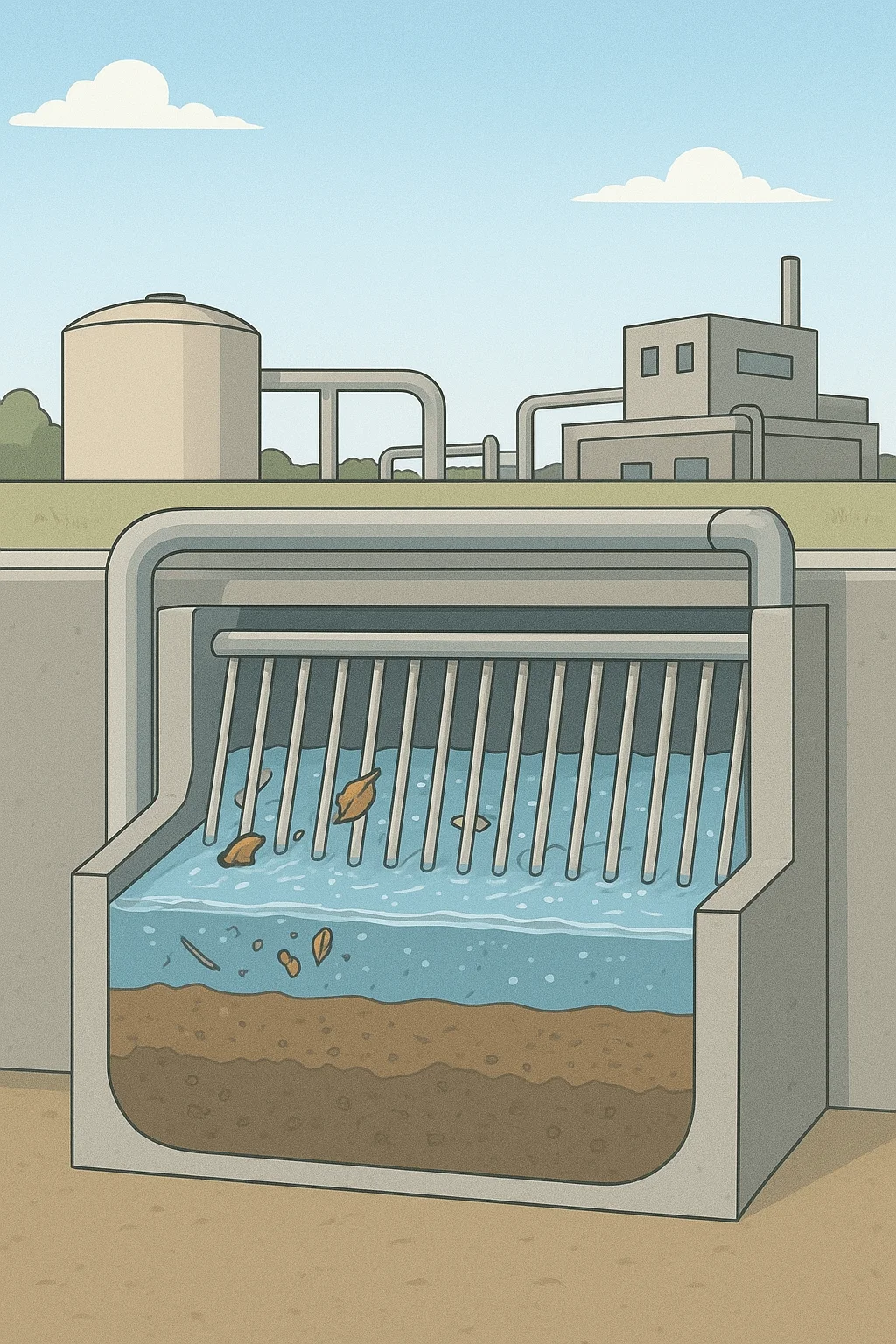
Next, the water moves into settling tanks where gravity does the work. Heavy particles, including food bits from garbage disposals, sink to the bottom. Oils and grease float to the top where they can be skimmed away. The middle layer of water then continues to more advanced stages of treatment.
The end result of this stage is twofold. On one hand, cleaner water can be treated further before release back into nature. On the other, the concentrated solids form a thick mixture called sludge. This sludge is where garbage disposal waste ultimately ends up.
What Sludge Really Is
Sludge is essentially the collected solids from wastewater treatment. It contains everything heavy that sinks out of the water including food particles from garbage disposals. It may sound unpleasant, but sludge is a critical focus of waste management because it can be both a problem and an opportunity.
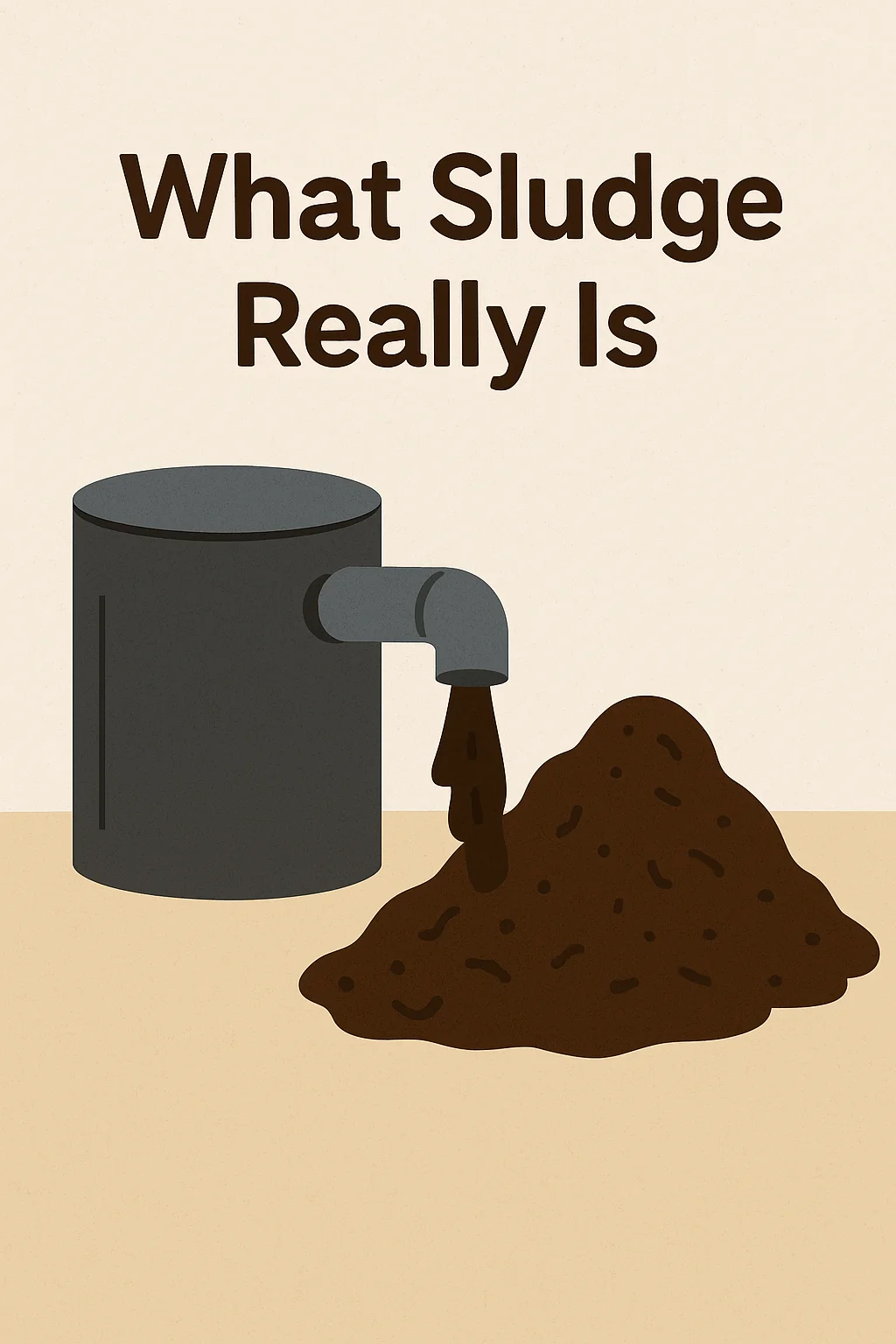
Untreated sludge can carry pathogens and harmful chemicals. That means it cannot simply be left sitting around. Cities and towns must decide what to do with it, and the options vary. Some methods focus on disposal while others look for ways to turn sludge into something useful.
Landfills as a Destination
One of the most common destinations for sludge is the landfill. Here it is dried or dewatered to reduce its volume, then buried in lined sites. These landfills are designed to prevent liquid leakage and protect groundwater.
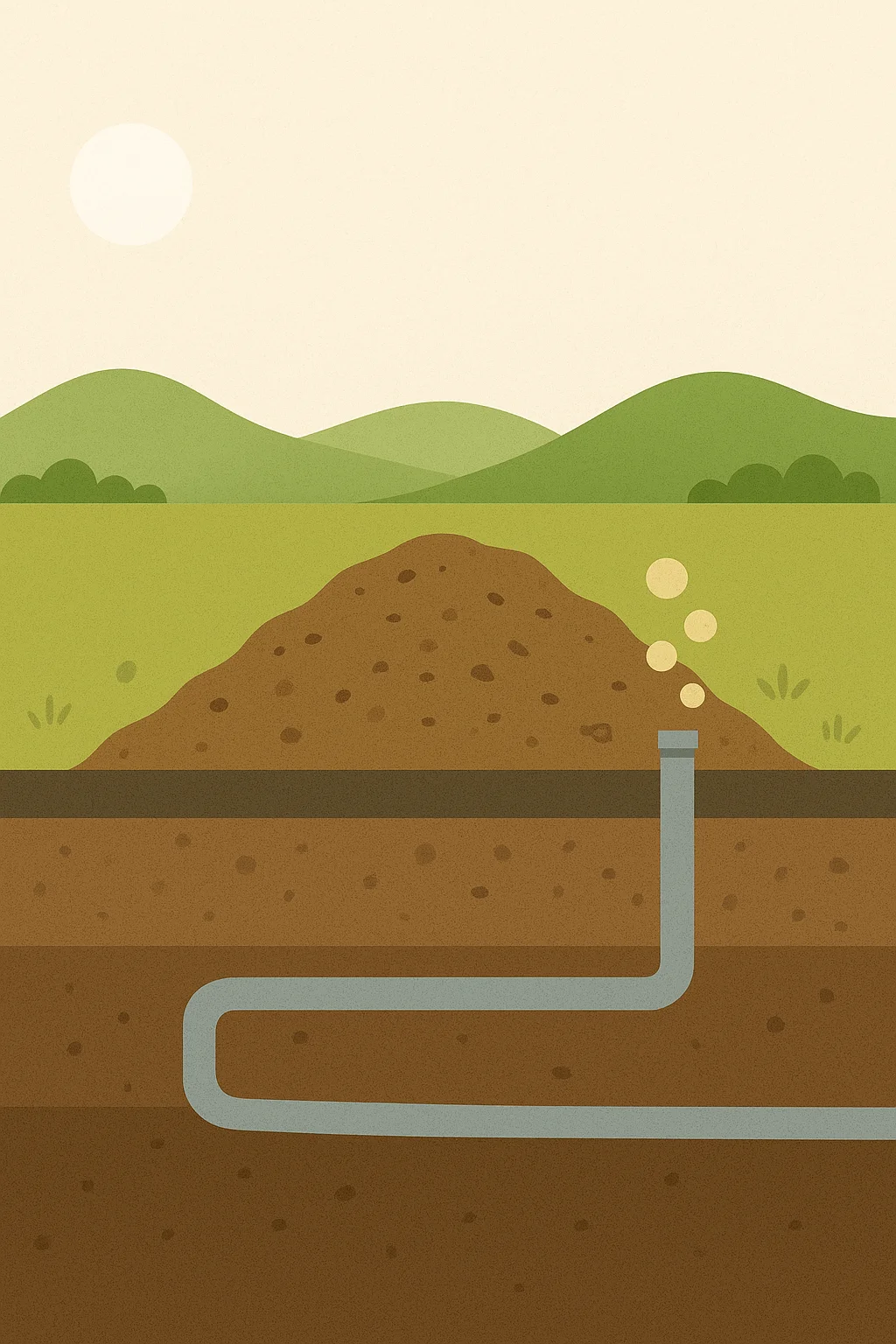
While this method is straightforward, it comes with challenges. Decomposing sludge produces methane, a greenhouse gas much stronger than carbon dioxide. Landfills must capture this gas to prevent it from harming the environment. Despite these efforts, landfilling is not the most sustainable solution.
Incineration as a Disposal Method
Another approach is to incinerate sludge. Burning reduces the volume dramatically and kills harmful organisms. The high temperatures transform much of the material into ash.

Incineration, however, requires a lot of energy and can release pollutants if systems are not carefully managed. Some modern plants capture the heat produced to generate energy, making the process more efficient. Still, this method raises questions about emissions and cost.
Anaerobic Digestion as a Sustainable Option
Anaerobic digestion has gained popularity as a more sustainable alternative. In this process, microorganisms break down sludge in an oxygen free environment. As they digest the waste, they produce biogas, a renewable energy source that can be used for electricity or heating.
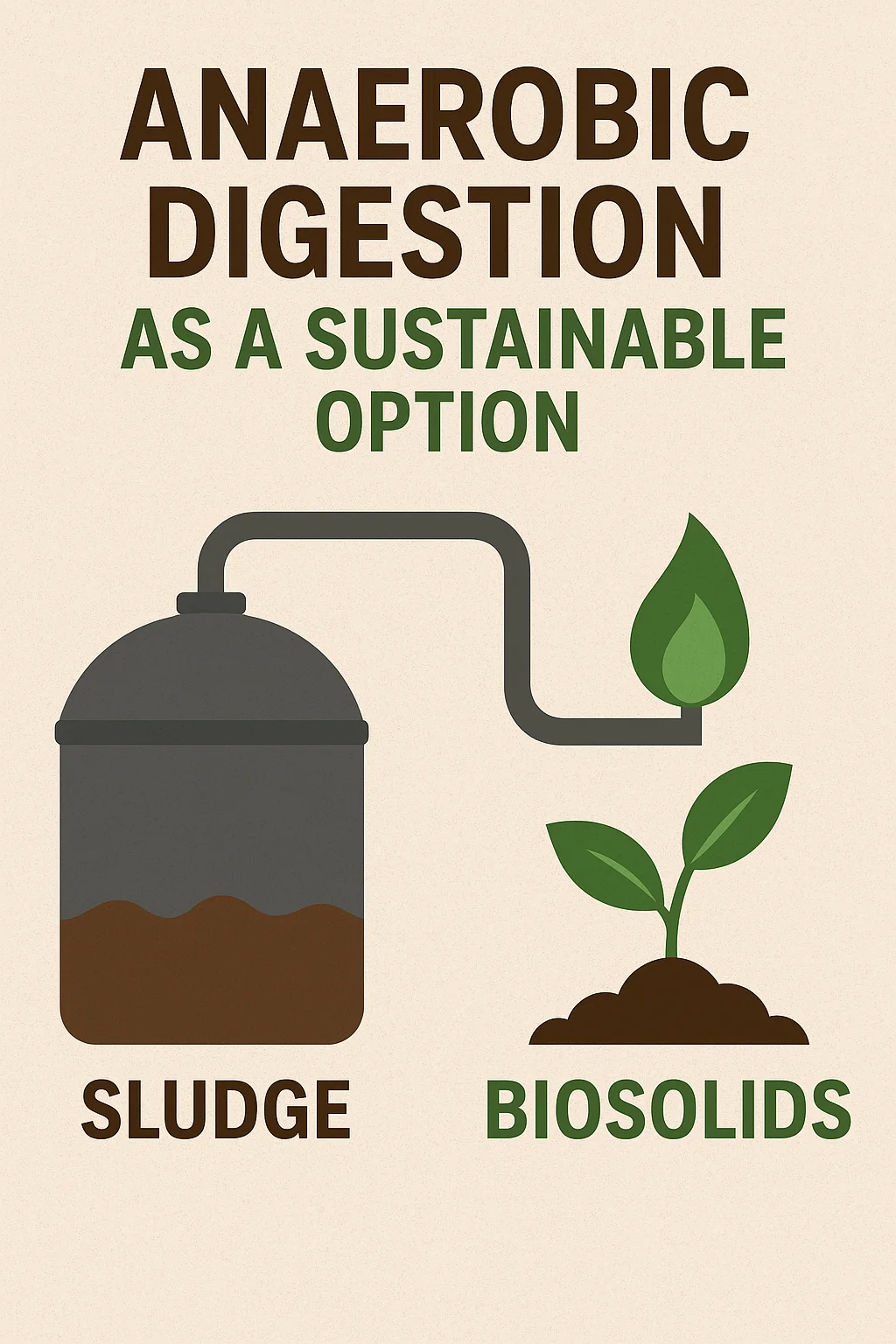
The remaining material can be treated further and turned into biosolids, which sometimes serve as fertilizer for agriculture. This method not only reduces the volume of sludge but also creates valuable byproducts. It shows how garbage disposal waste can be transformed from a burden into a resource.
Composting as a Natural Path
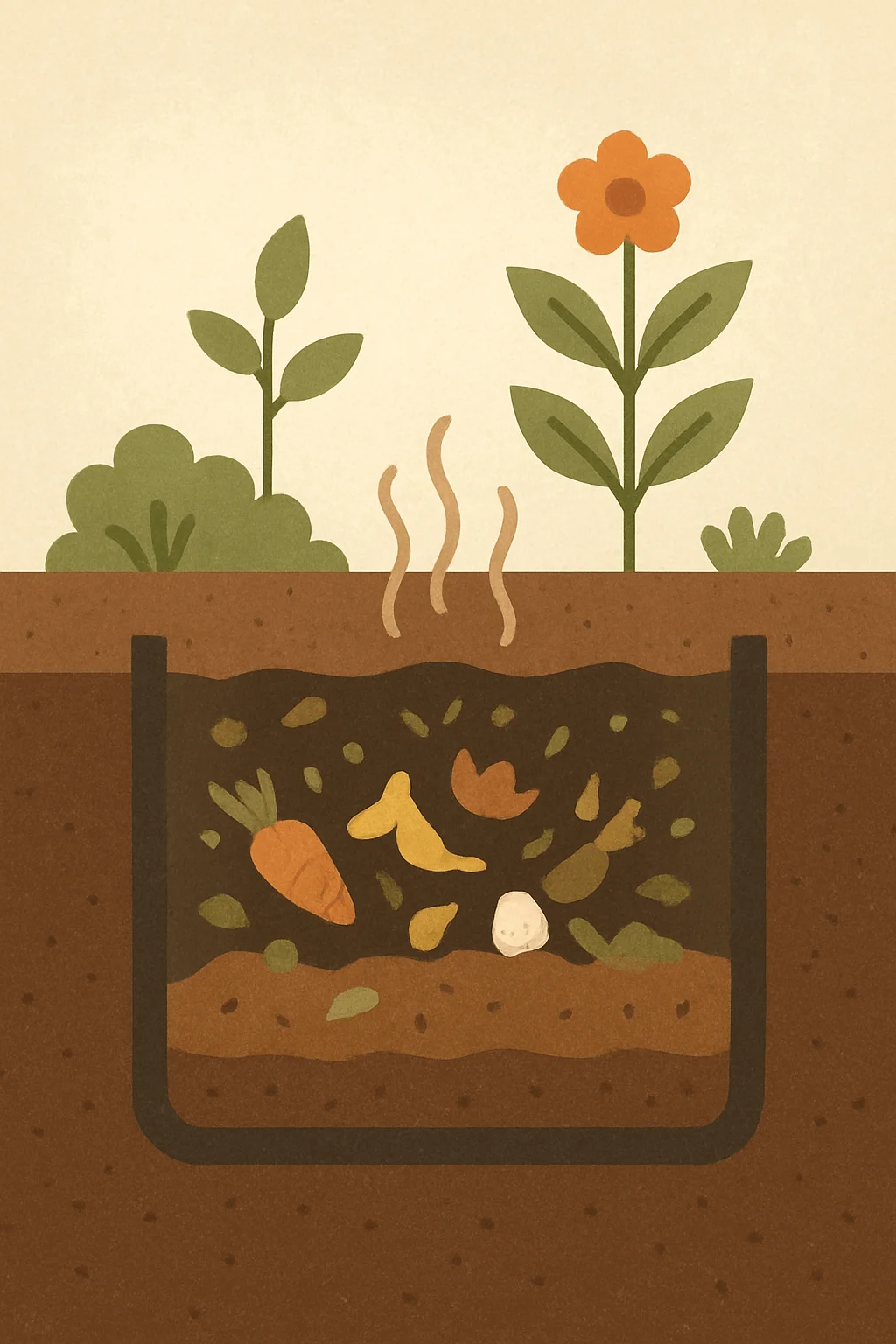
In some places, sludge is mixed with other organic material and composted. This creates a soil amendment that can be used in landscaping or farming. Composting is a natural recycling process that mirrors what happens in nature when organic matter breaks down.
For composting to be safe, the sludge must be treated to remove pathogens and contaminants. When done correctly, this method returns nutrients to the soil and helps close the loop of waste management.
Environmental Impacts of Garbage Disposal Waste
Although garbage disposals seem convenient, they increase the organic load on wastewater treatment plants. More food particles mean more energy is required to clean the water and manage the sludge. This can strain facilities, especially in areas where infrastructure is already under pressure.

Landfilling sludge contributes to methane emissions. Incineration consumes energy and risks air pollution. Even composting and land application raise concerns about safety if heavy metals or other contaminants are present.
Another consideration is water use. Garbage disposals require running water to push waste through the pipes. In regions facing water scarcity, this extra demand can be significant.
Rethinking Food Waste at Home
Knowing where garbage disposal waste goes invites us to rethink how we handle food scraps. Composting at home is one of the most effective alternatives. Instead of sending food down the drain, scraps can be turned into rich compost for gardens.
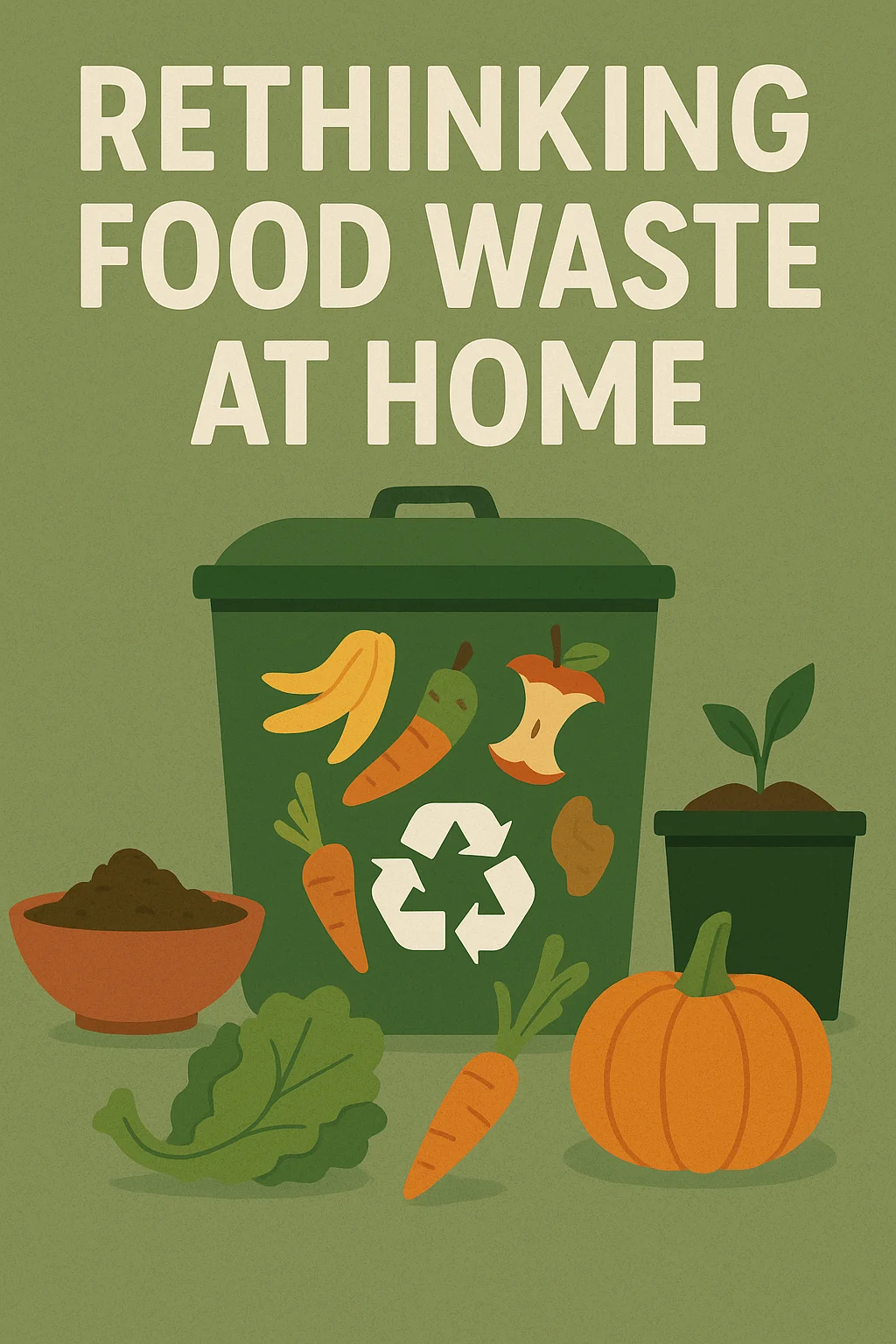
Some cities provide curbside organics collection, making it easier for households to separate food waste and send it to industrial composting or anaerobic digestion facilities. This diverts waste from wastewater plants and landfills while creating useful products.
Reducing food waste in the first place is another powerful step. Planning meals carefully, storing food properly, and getting creative with leftovers can cut down on waste dramatically. Less food wasted means less food to dispose of through any system.
The Bigger Picture of Wastewater and Food
The story of garbage disposal waste is just one part of a much larger cycle. Our wastewater systems connect homes, businesses, and industries to the environment. Every decision we make in the kitchen has downstream effects.
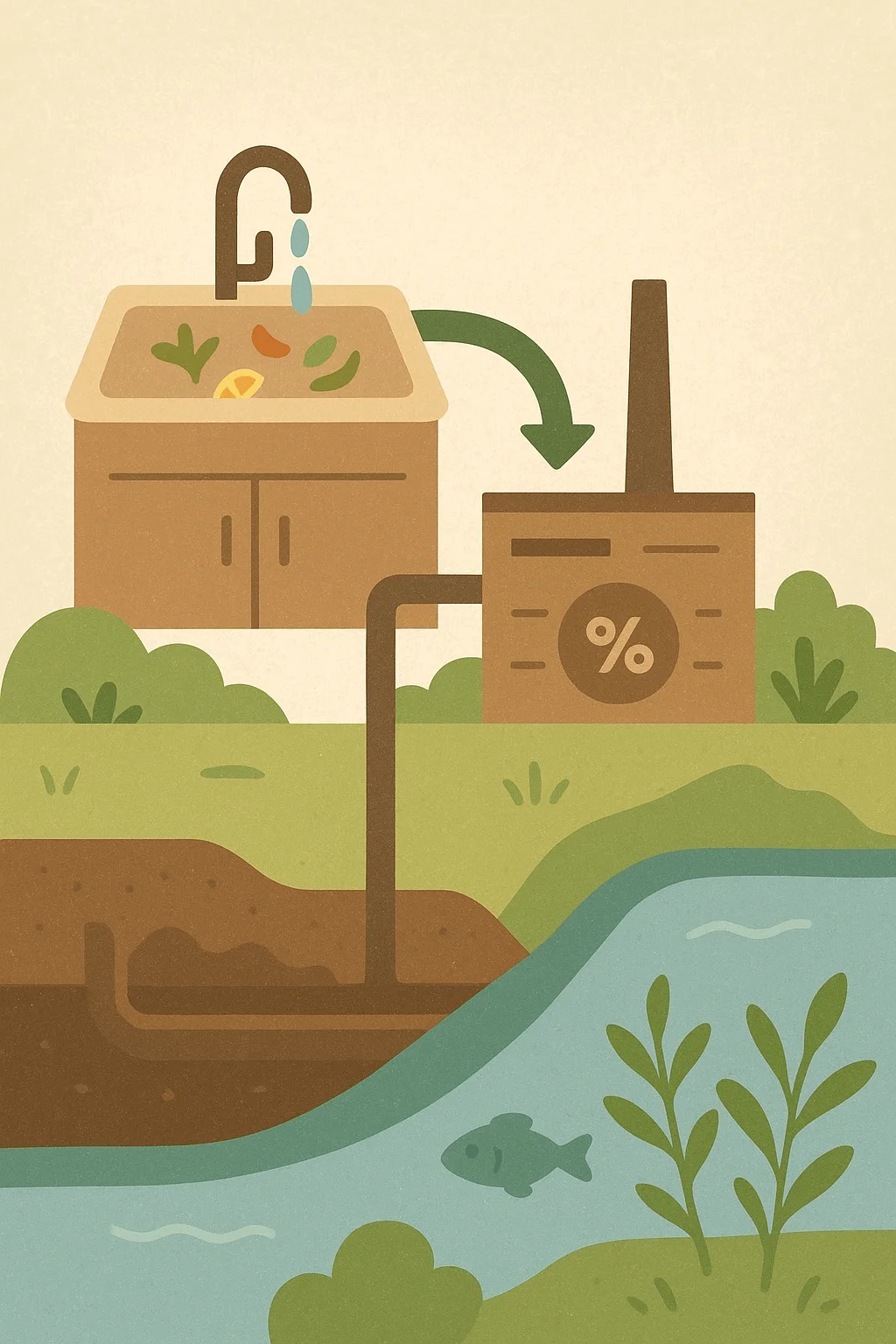
By being mindful of what we put into our disposals and considering alternatives, we contribute to healthier systems overall. Wastewater treatment is a marvel of modern infrastructure, but it works best when communities support it by reducing unnecessary burdens.
A Look at the Future of Garbage Disposal Waste
Technology continues to evolve, offering new ways to handle sludge and food waste more sustainably. Some treatment plants are upgrading to advanced anaerobic digesters that maximize energy recovery. Others are developing systems to capture nutrients like phosphorus from sludge for use in agriculture.

The future may see even more integration between waste management, renewable energy, and farming. If households and communities embrace sustainable practices, garbage disposal waste could shift from being seen as a problem to being valued as a resource.
Conclusion
So where does garbage disposal waste go? The answer is that it travels from your sink into the sewage system, through wastewater treatment plants, and finally becomes sludge that must be managed. That sludge may end up in landfills, be burned through incineration, digested for biogas, or composted into soil.
Each method has pros and cons, and each leaves an environmental footprint. What matters most is how we choose to manage food waste before it ever reaches the sink. By composting, reducing waste, and supporting sustainable treatment systems, we can lessen the impact of garbage disposal waste on the planet.The next time you use your garbage disposal, remember that it is only the beginning of a long journey. Your small choices at home play a big role in shaping where that journey leads.