Eco Friendly Waste Sorting Food Safe Packaging: 12 Smart Ideas
Learning about eco friendly waste sorting food safe packaging helps households, cafés and small food businesses reduce unnecessary trash without confusing recyclability with food safety. A container might protect dinner perfectly yet belong in general waste after use. Another package may be widely recyclable but unsuitable for storing a second meal. Knowing the difference makes everyday decisions more reliable.
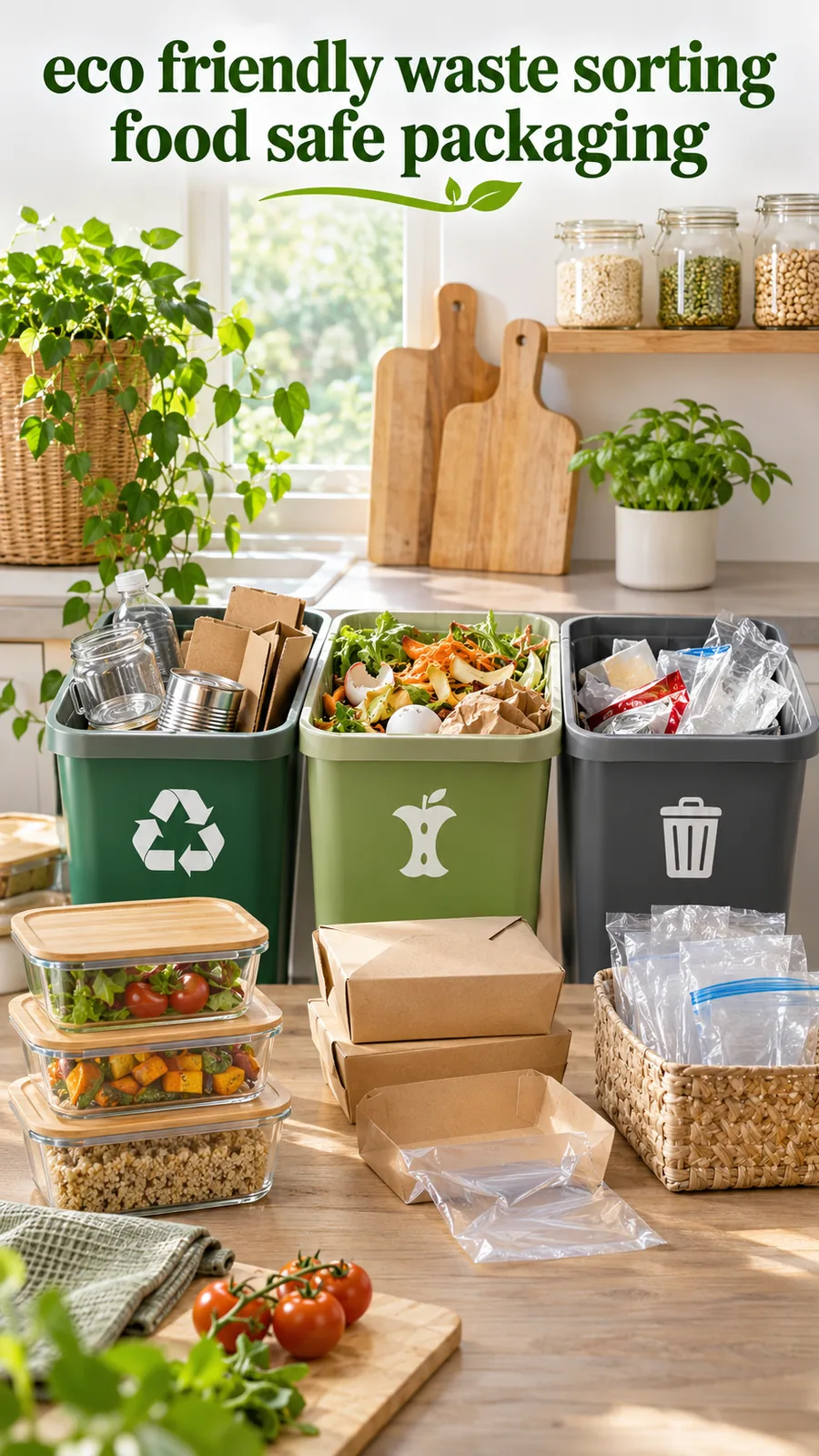
The most effective approach begins before throwing anything away. Choose appropriate packaging, keep useful materials separate and follow the collection rules where you live. These twelve practical ideas cover kitchens, takeout counters and shared spaces, with simple habits that protect food, reduce contamination and make sorting easier.
Create a Simple Three Stream Sorting Station
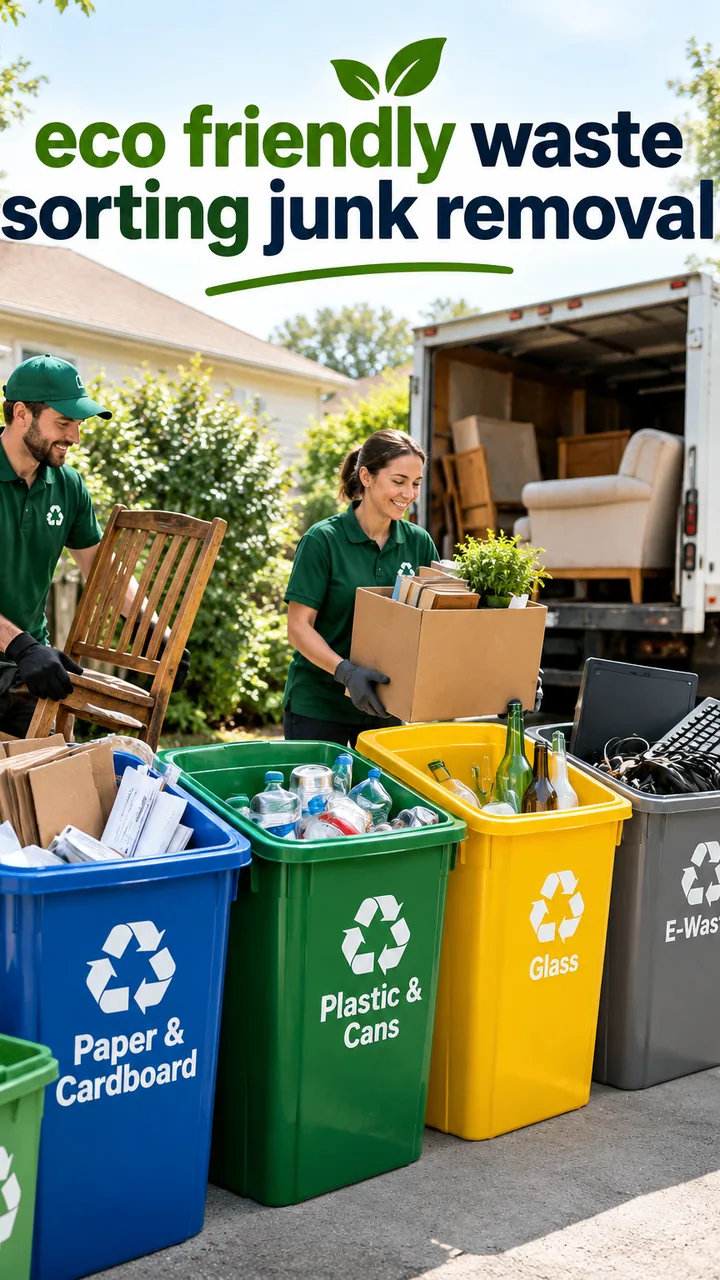
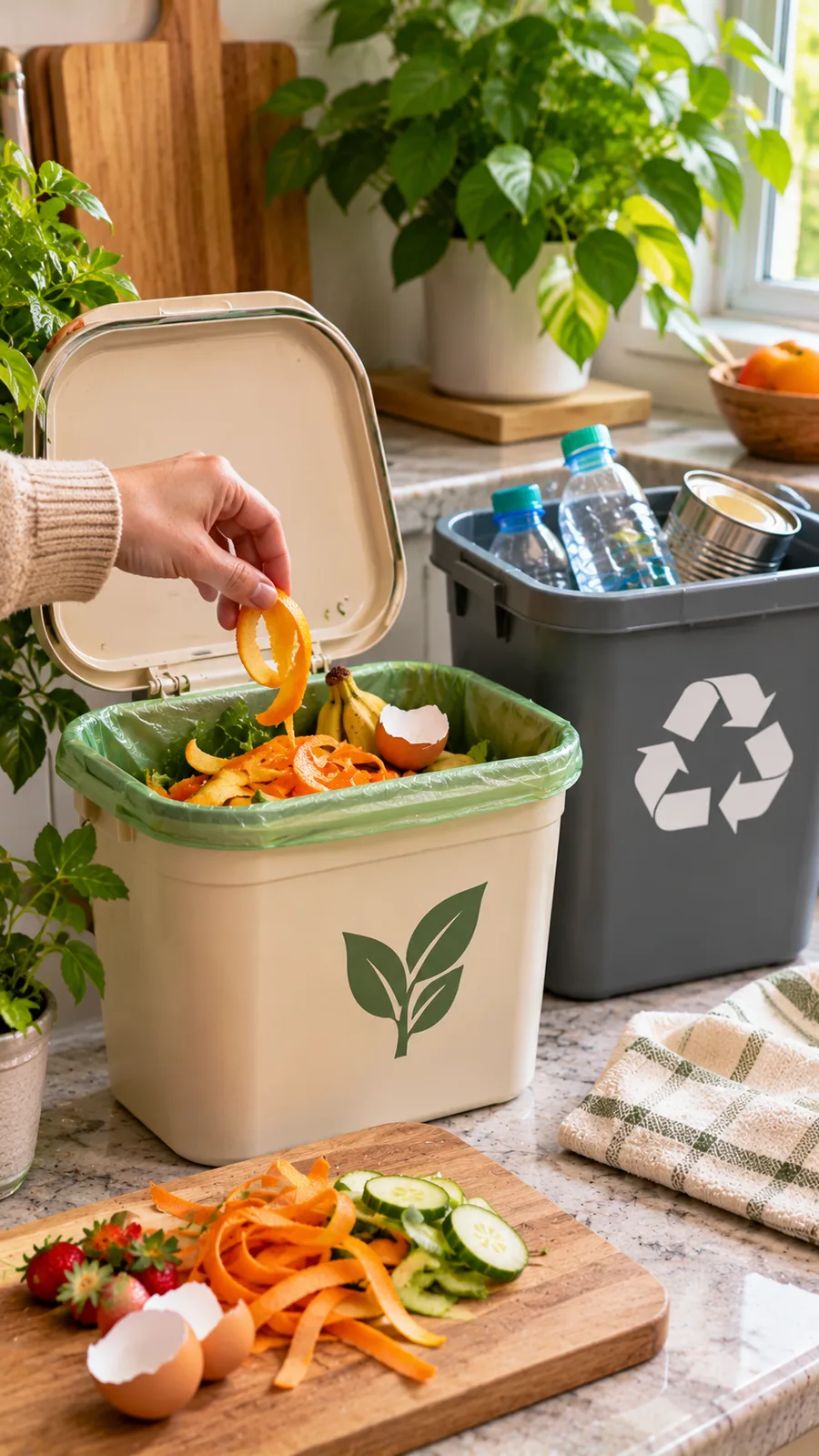
Start with clearly marked places for accepted recycling, food scraps and residual trash. Keep the containers close to the point where people unpack groceries or finish meals. An easy layout matters more than expensive matching bins. If your municipality collects food scraps separately, place that container where it is convenient but away from clean food preparation surfaces.
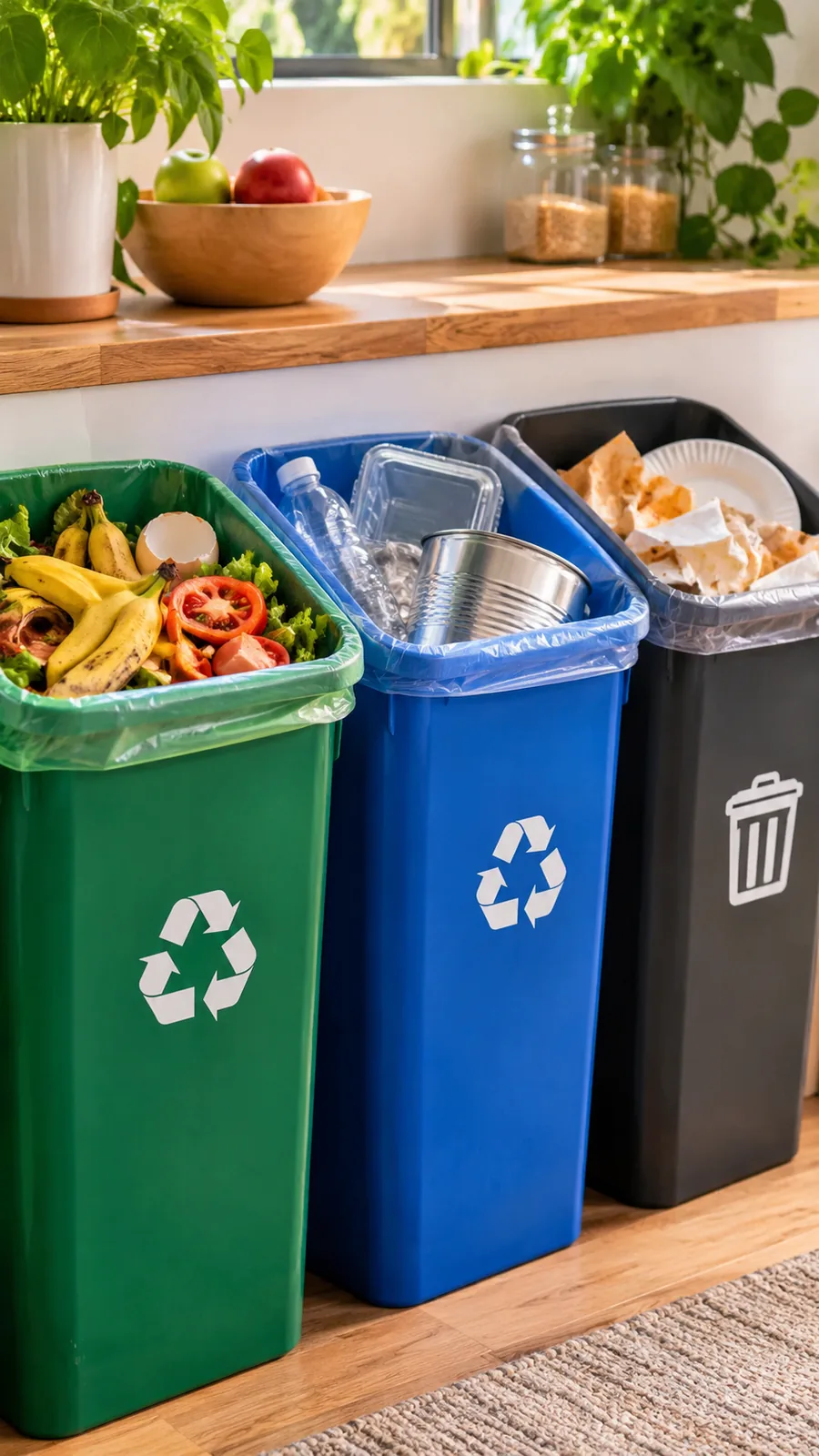
Make labels specific to the materials your local collector accepts. A sign saying “clean cans and bottles” is more useful than one saying “everything green.” Keep the recycling area dry and empty bins often enough to discourage pests. This basic eco friendly waste sorting food safe packaging habit prevents hurried decisions at the sink and helps visitors understand the system immediately.
Separate Food Residue Before Packaging Disposal
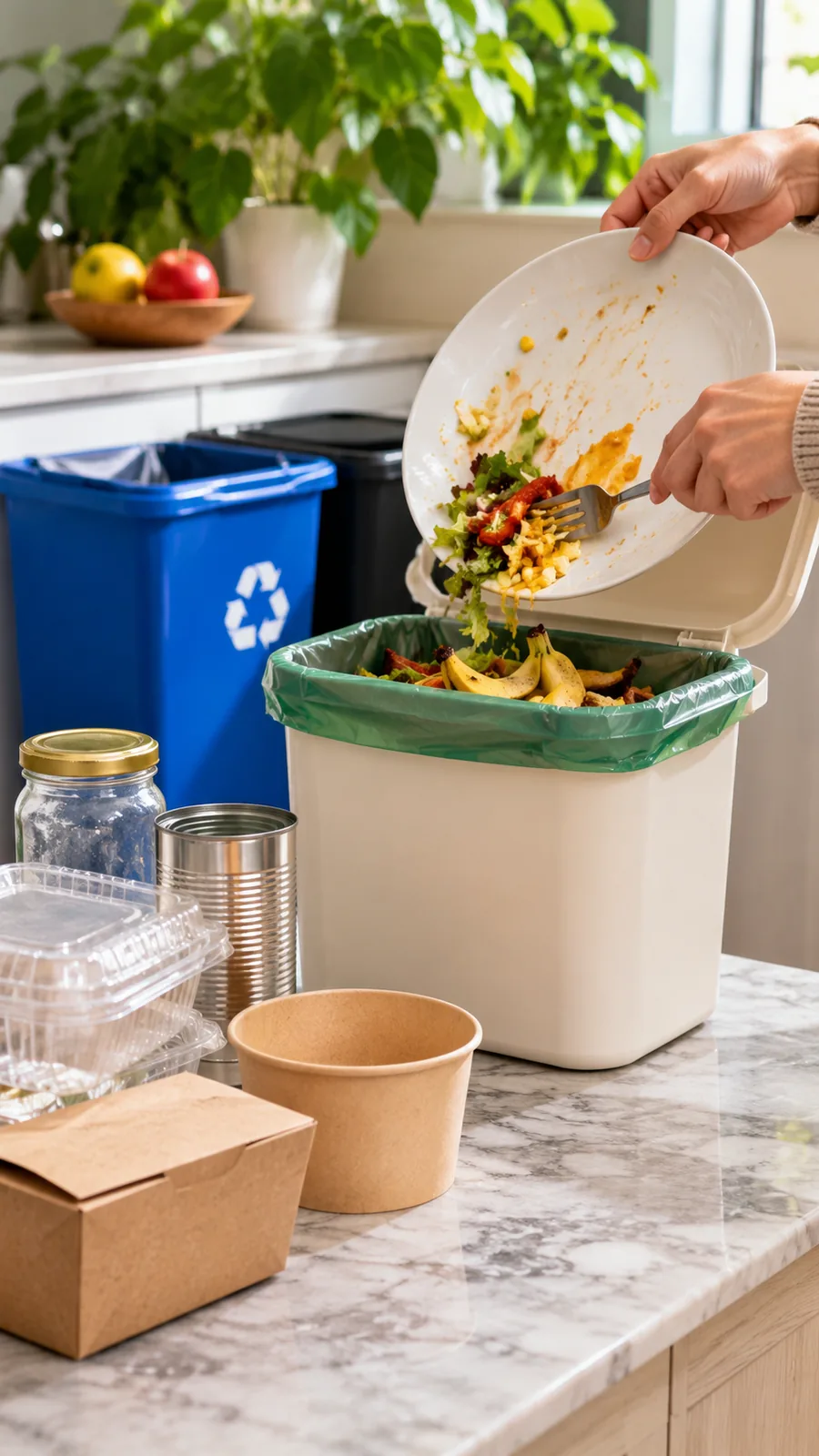
A recyclable food container can become a problem when sauce, crumbs or liquids remain inside. Scrape leftovers into the correct food waste or trash container before assessing the packaging. A quick rinse may help plastic, metal and glass, but recycling does not generally require sterilizing each item. Check local instructions when water conservation is a concern.
Paper and cardboard usually need to be dry and reasonably clean. Tear away a greasy portion when your collector permits clean sections to enter recycling, and place the remaining stained part where local rules direct. Never put loose food in a mixed recycling bin. Small preparation habits make a bigger difference than trying to rescue every dirty wrapper.
Choose Verified Food Contact Containers for Reuse
Before reusing a jar, box or tub for food, confirm that its material and original purpose are appropriate. Packaging made to transport dry crackers may not be suitable for repeatedly holding hot soup. The words “recycled,” “natural” and “biodegradable” do not guarantee that a package is safe for direct food contact.
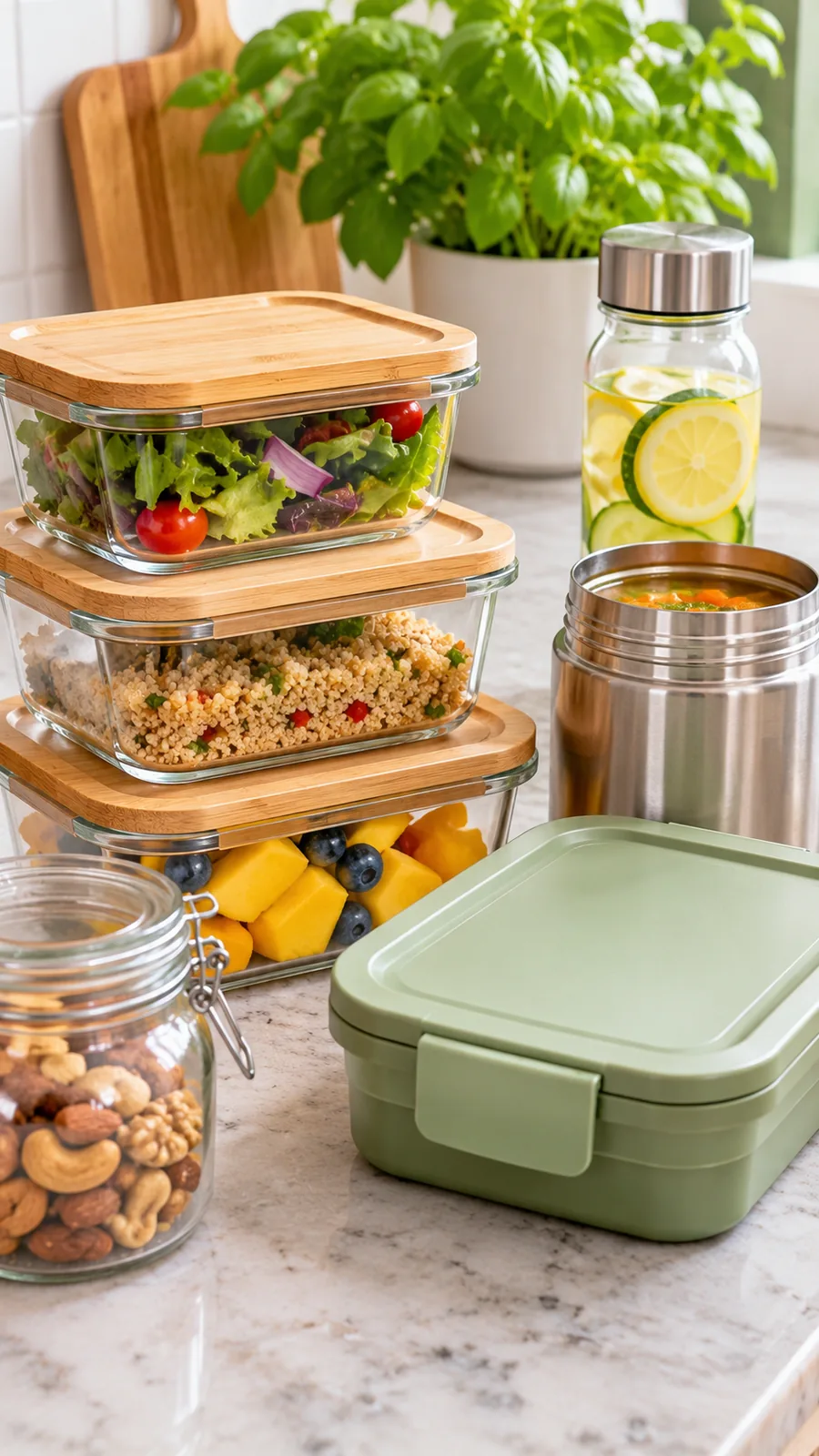
Use sturdy containers clearly intended for repeated food storage and follow their temperature and cleaning instructions. Replace items with cracks, persistent odors or damaged seals. Keep household cleaning products away from food containers and never repurpose their packaging for meals. Safer reuse is part of eco friendly waste sorting food safe packaging because it reduces disposable purchases without introducing unnecessary risks.
Sort Paperboard Separately from Plastic Liners
Many food packages combine paper with a thin plastic film, a metallic lining or a separate tray. A cardboard sleeve might be recyclable even when the inner wrapper is not. Take a moment to separate components that come apart easily, then check the disposal instructions for each material.
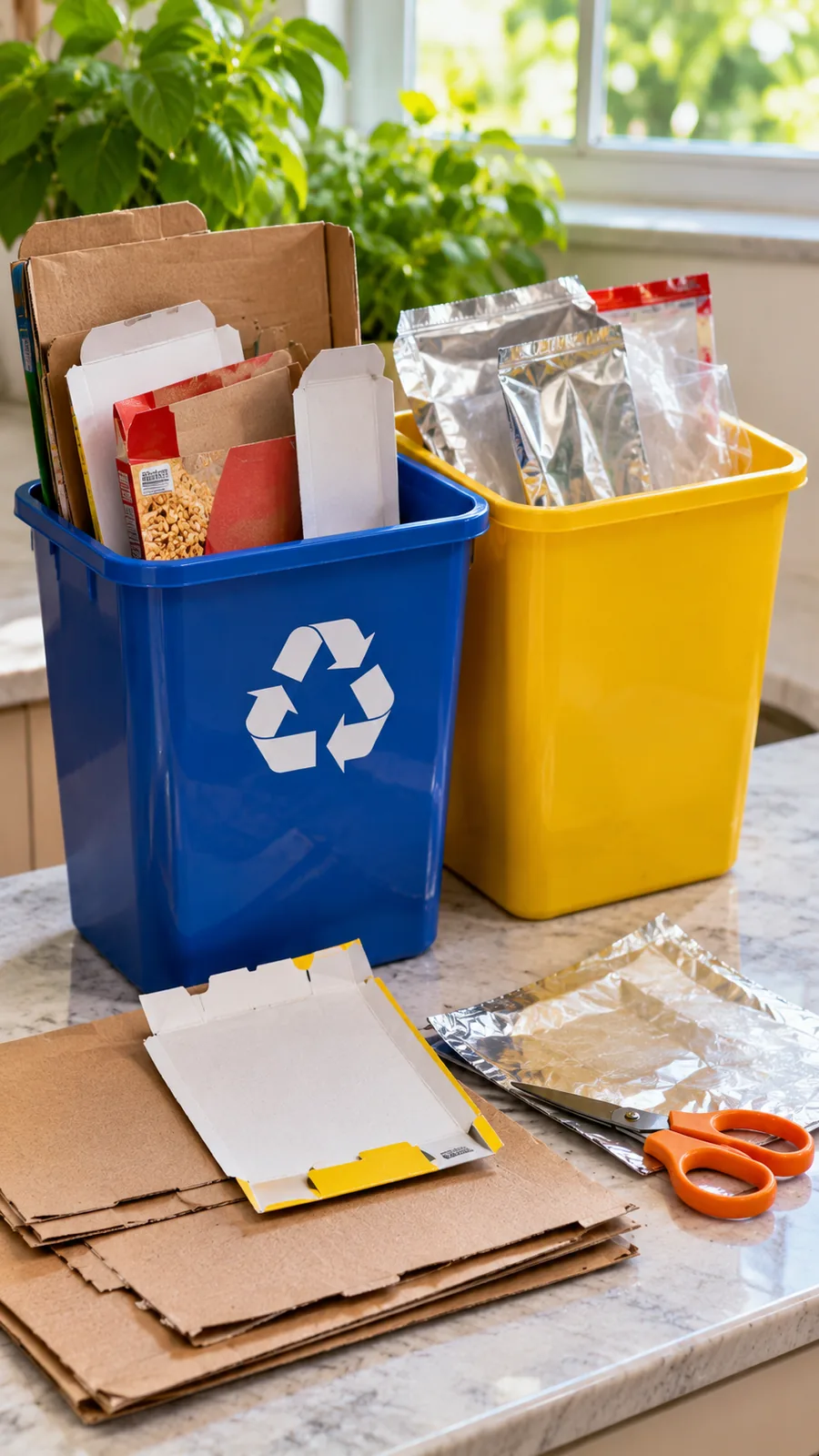
Do not assume every paper looking bowl belongs in the paper bin. Moisture resistant coatings can change how recycling facilities handle it. Some cartons have dedicated collection systems, while other layered materials belong in residual waste. If the package cannot be separated without tearing it into tiny pieces, ask your service provider how that exact product should be sorted instead of guessing.
Use Refillable Containers Where Hygiene Allows
Reusable food storage and refill systems can reduce the number of packages entering the waste stream. Start with products you use regularly, such as dry staples, lunches and leftovers. Choose containers that seal reliably, wash properly and fit your household’s routine rather than buying an entire new set immediately.
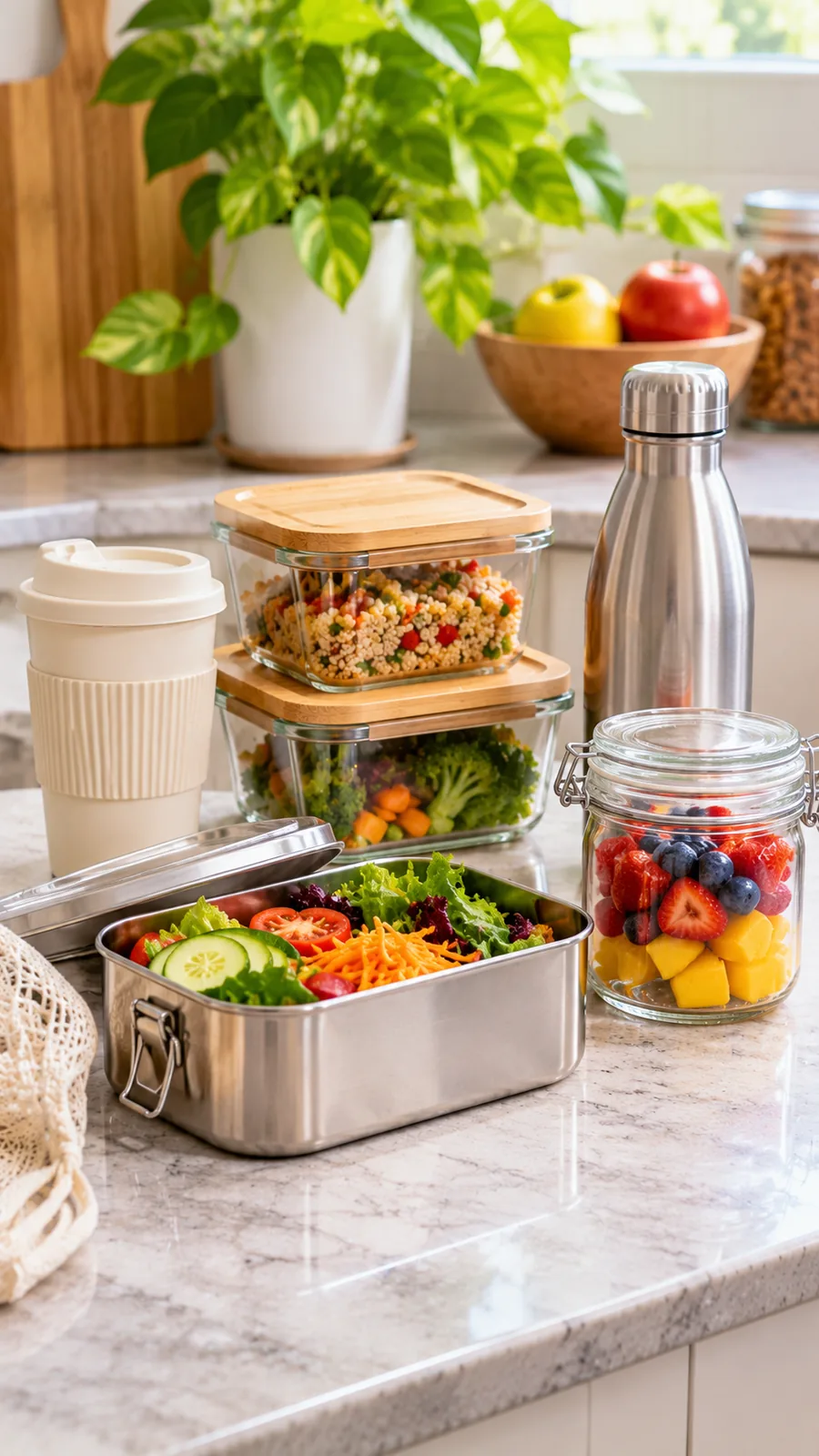
For shared food service, employees should follow the establishment’s food safety procedures and local rules on customer supplied containers. Clean and sanitize appropriate equipment as required, and do not let a reusable container touch dispensing surfaces unless allowed by the operation’s practices. Reuse works best when food protection and convenience stay central, not when people feel pressured to reuse unsuitable packaging.
Create a Separate Spot for Flexible Plastic Films
Bread bags, snack wrappers and plastic pouches frequently cause sorting mistakes. Many curbside programs do not accept loose film because it can interfere with processing equipment. Keep accepted clean and dry films apart from bottles and rigid containers when a local store collection service specifically accepts them.
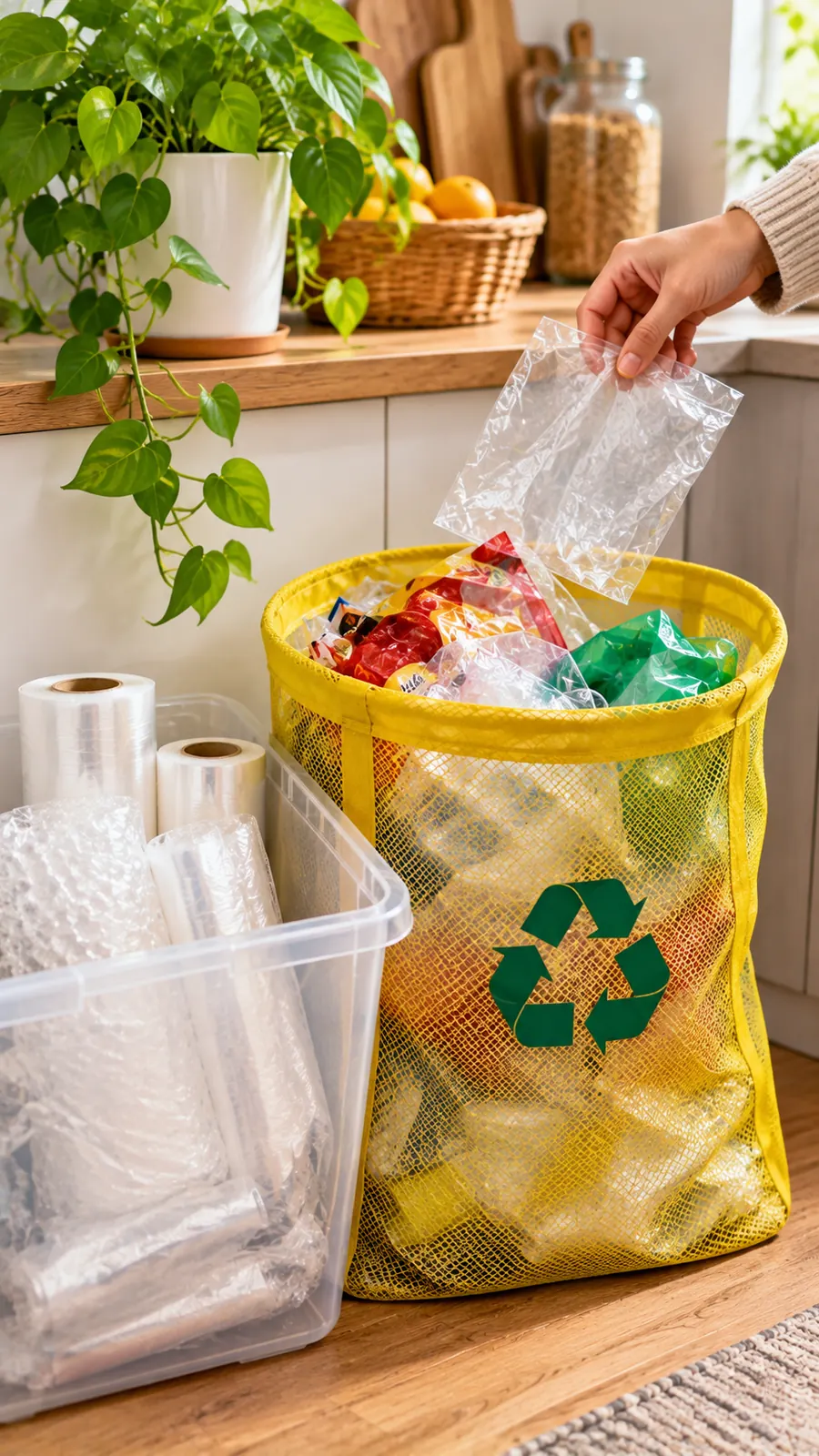
Always read collection instructions because multilayer snack wrappers and greasy plastic may not qualify. Avoid putting flexible film into curbside recycling just because it carries a recycling symbol. For eco friendly waste sorting food safe packaging, preventing contamination is often more useful than collecting a larger volume of questionable material.
Handle Compostable Food Packaging Carefully
Compostable cups, plates and utensils need a suitable collection and processing system. Their labels do not mean they will break down properly in a backyard pile or in every commercial compost facility. Check whether the local organics collector accepts packaging as well as food scraps before mixing the two.
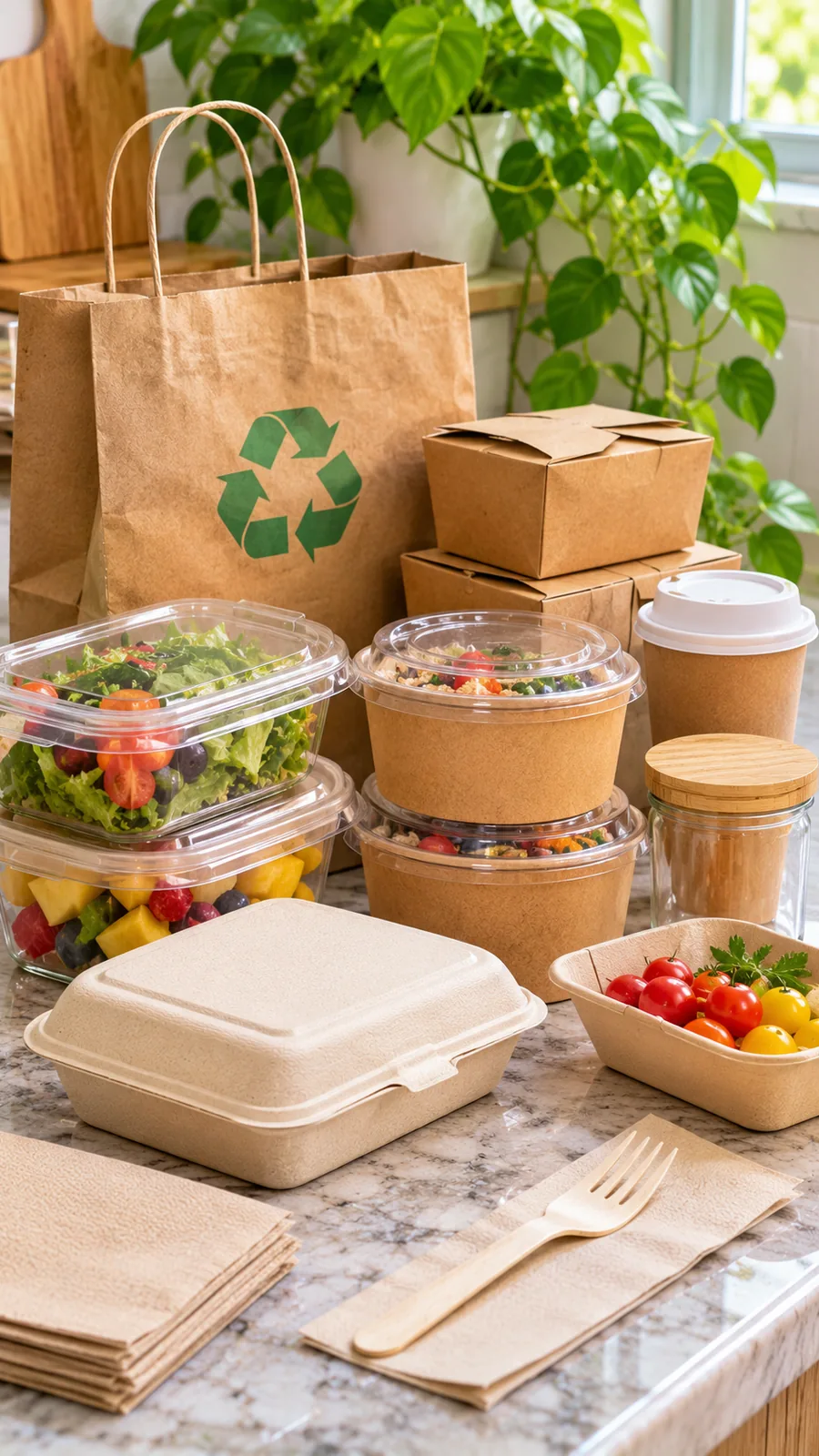
Certified compostability and food contact suitability answer different questions. A product should be suitable for the food and temperatures it holds, while its composting claim should match a real disposal option. When no facility accepts the item, follow local waste advice instead of placing it in ordinary recycling. Keeping compostable plastics out of plastic recycling protects the quality of recovered material.
Select Packaging Based on the Food Inside
Packaging is only useful if it protects the food it contains. Dry bakery goods, acidic sauces, frozen meals and hot beverages place different demands on materials. Before purchasing alternatives, check the supplier’s intended uses, including whether the package resists grease, moisture and the required storage temperatures.
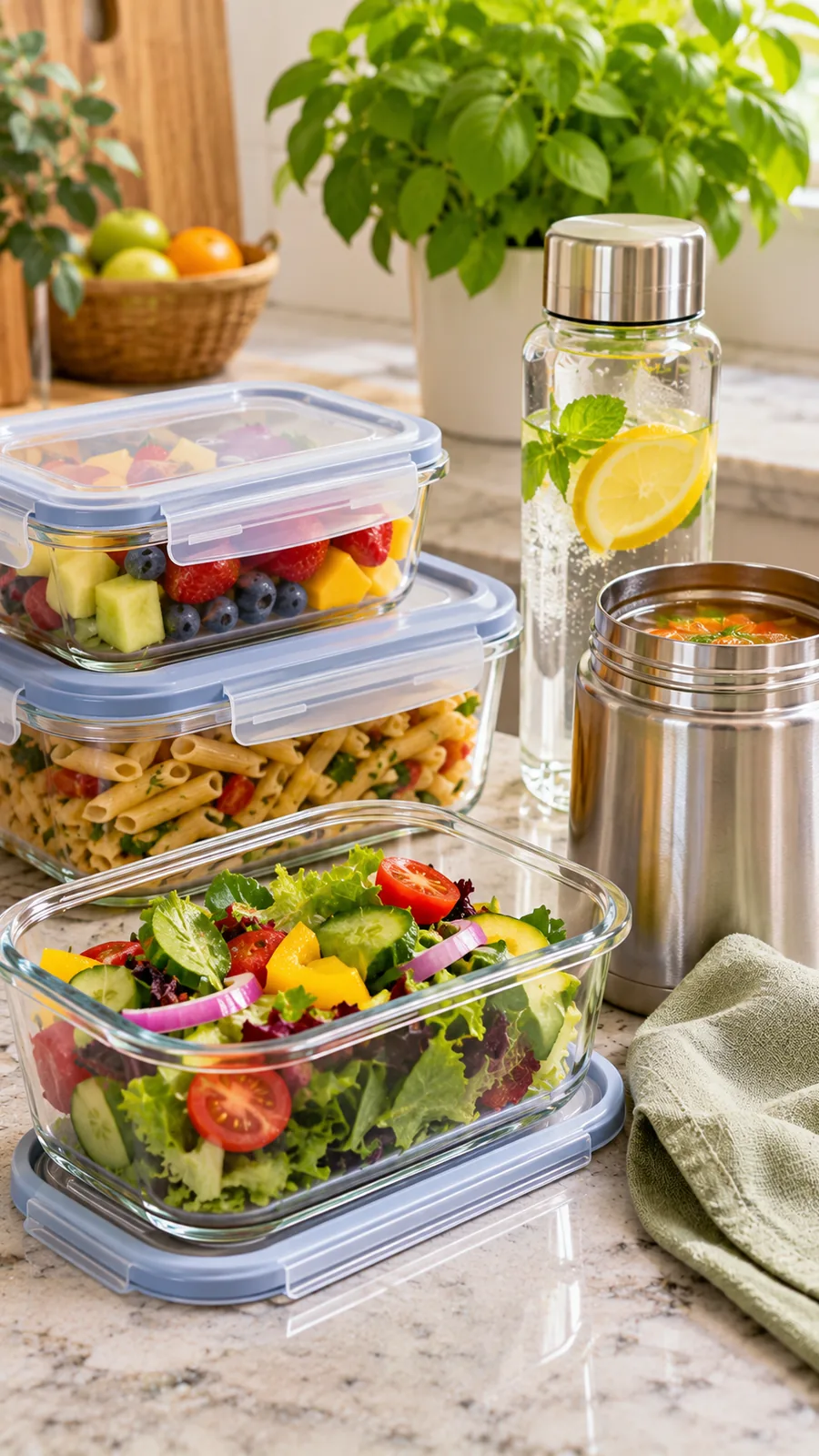
A package advertised as plant based is not automatically safe for hot meals. Similarly, a plastic container made for refrigerated foods may not be suitable for microwaving. Ask suppliers for documentation when buying food service products in bulk. Strong eco friendly waste sorting food safe packaging decisions consider food safety first, then local collection options and unnecessary material use.
Reduce Unneeded Layers and Accessories
One of the easiest ways to lower packaging waste is to avoid creating it. Skip unnecessary sleeves, extra bags and duplicate boxes when they do not protect the food or improve delivery. At home, choose appropriate package sizes and buy quantities you can use before spoilage becomes likely.
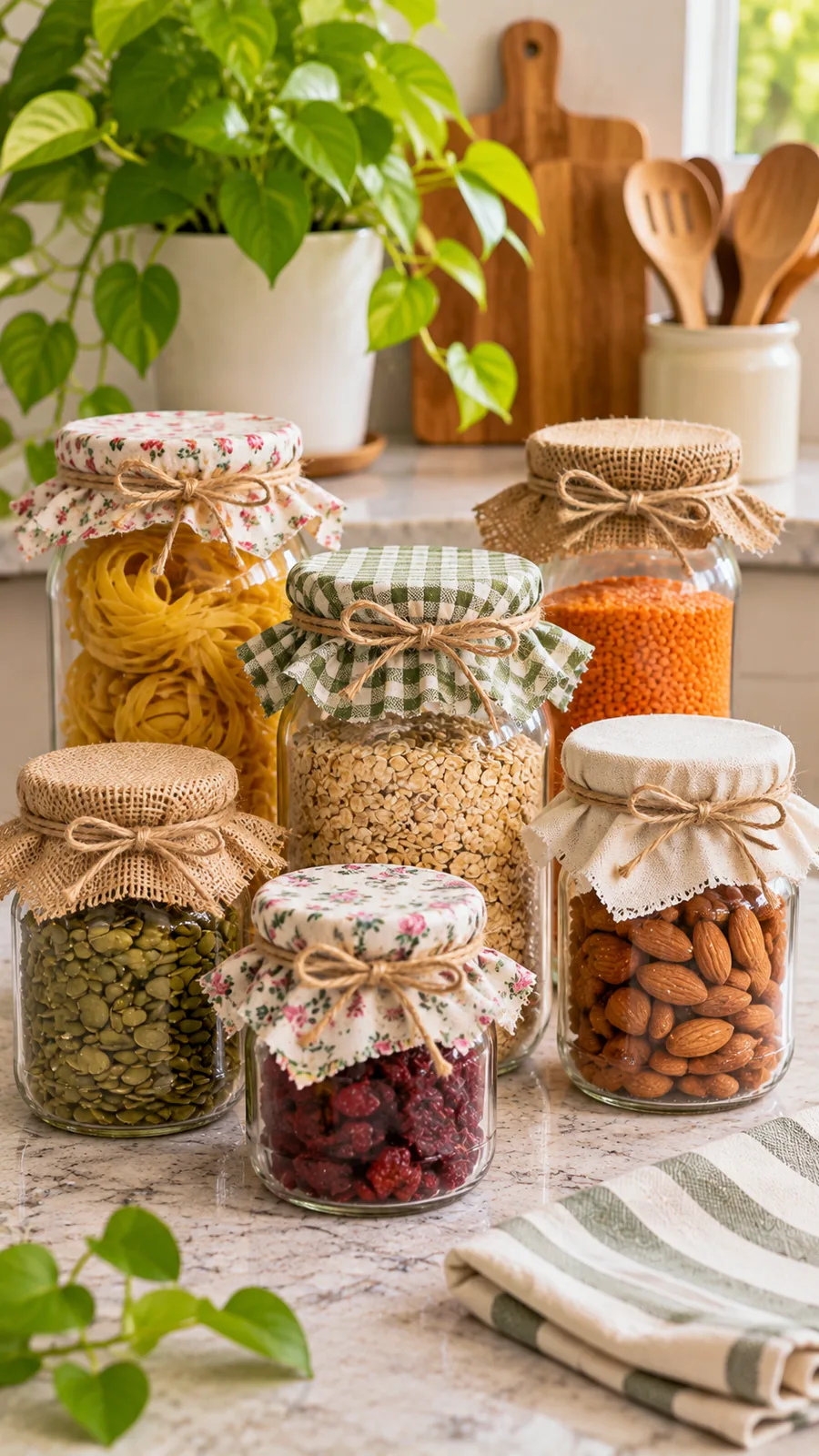
Food businesses can review common orders to see which accessories customers actually request. Offer napkins, cutlery and condiment sachets by need rather than automatically adding them to every bag, where local rules allow. Do not remove protective seals or tamper evident features that serve a genuine safety purpose. Reducing waste at the source is better than relying entirely on perfect recycling.
Use Clear Labels at Takeout and Event Stations
Waste sorting becomes difficult when dozens of people finish meals at once. Place simple signs at the point where customers return trays or dispose of packaging. Show the exact cup, tray, lid and food waste types used at the venue rather than generic recycling graphics that may not match accepted materials.
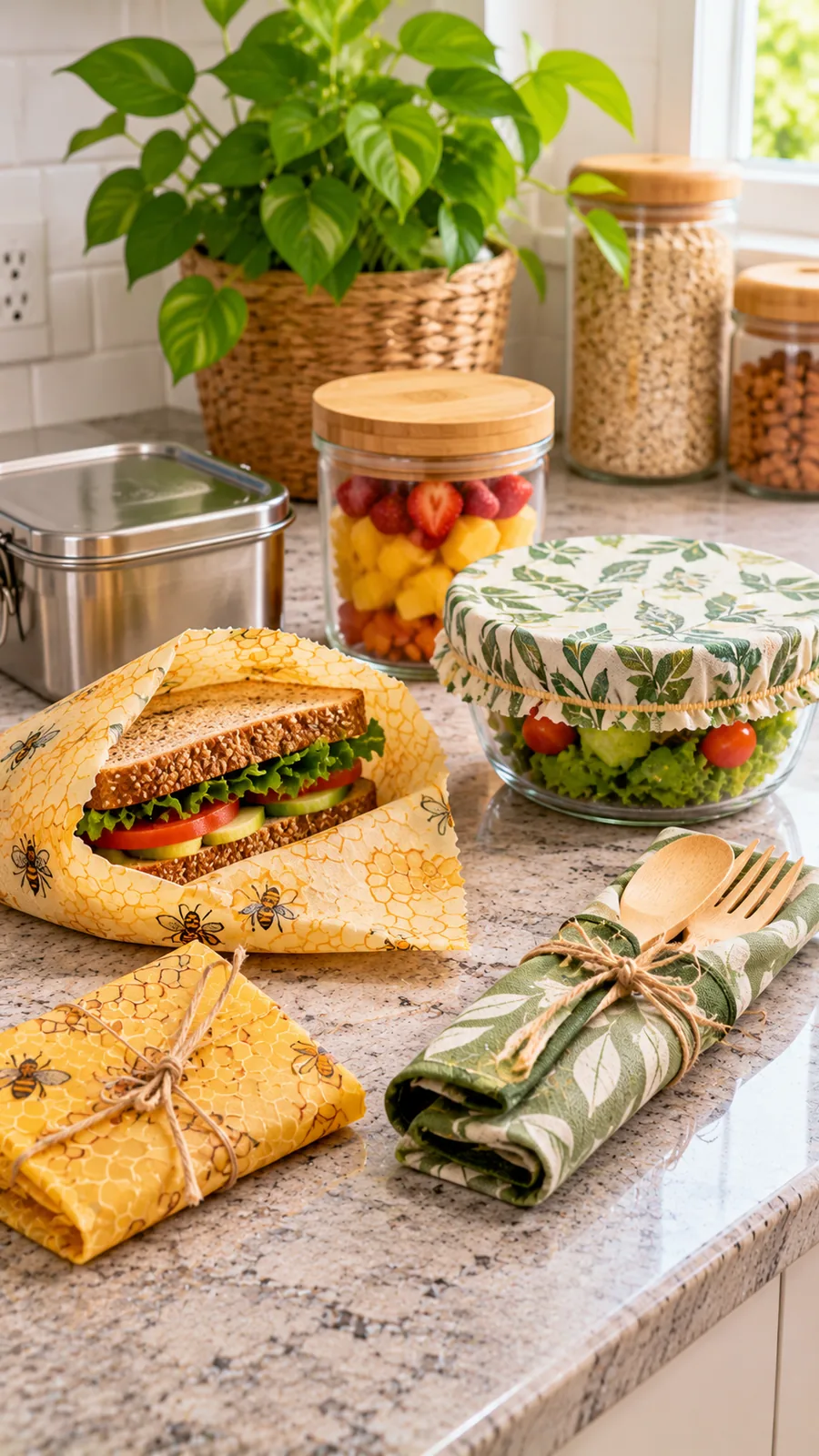
Where possible, offer packaging formats that fit the collection system already available. Put all disposal containers together so people do not walk across the room looking for another bin. Have a staff member check contamination during busy periods. This adapts eco friendly waste sorting food safe packaging to real behavior rather than assuming every customer knows the rules.
Keep Recyclables Dry During Storage and Collection
Even correctly sorted materials can become difficult to recover when liquids leak into paper and cardboard. Drain containers, close waste collection lids and keep bags of accepted recyclables protected from rain. Flatten clean cardboard if your local service requests it, but avoid shredding paper into pieces too small for local systems to handle.
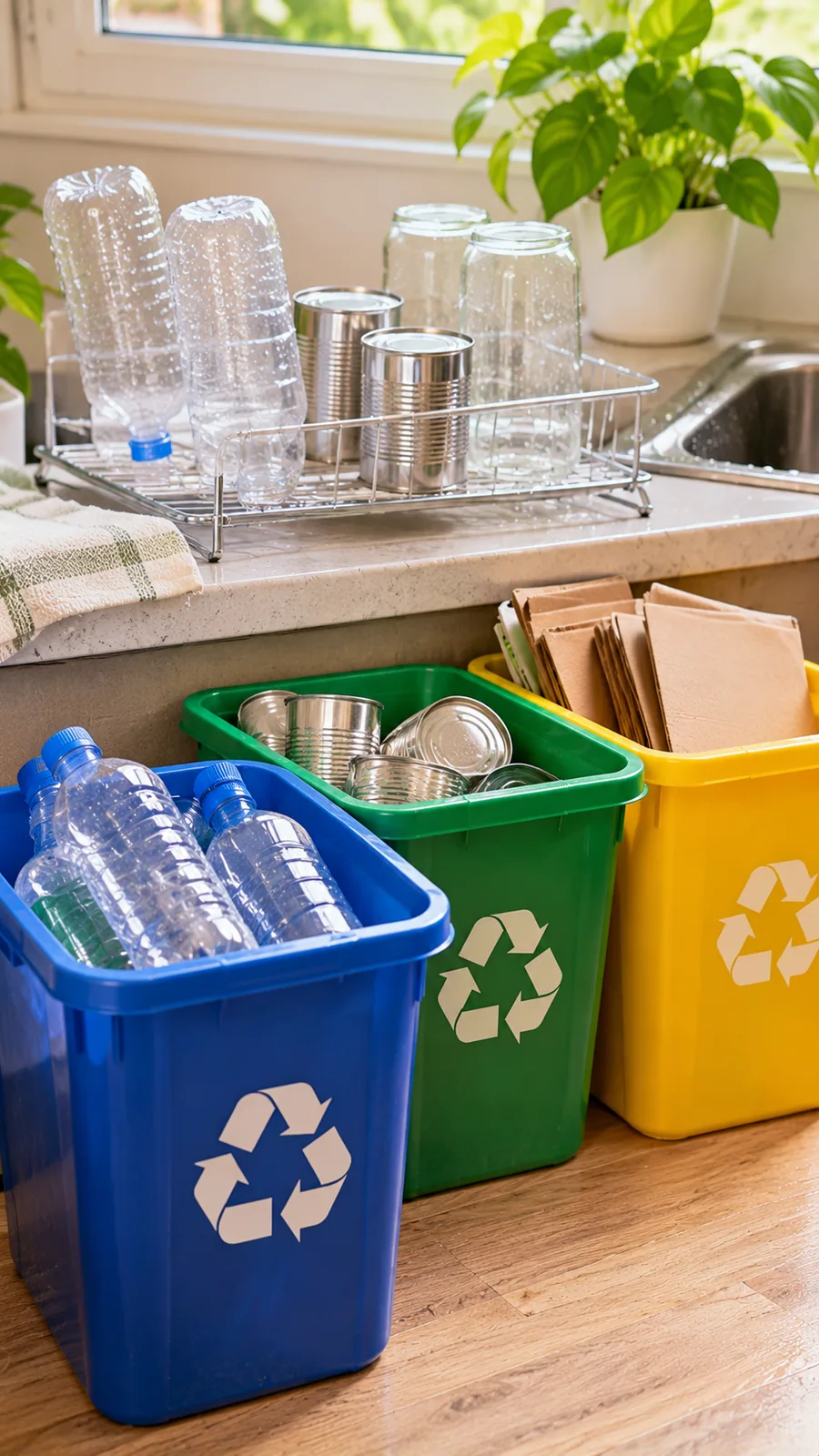
For businesses, establish a tidy storage place away from food preparation and receiving areas. Use bins that workers can clean and empty safely. Check that the collection schedule suits the amount of packaging generated. Keeping materials organized reduces odors, mess and the temptation to put everything into one overflowing container.
Review Your Packaging Choices Every Month
Track which packages your household or business throws away most often. A simple observation of overflowing bins may reveal that one kind of takeaway tray, disposable cup or individual wrapper creates most of the volume. Focus improvements on items you can replace without compromising food quality or safety.
Ask the local waste collector which packaging types have reliable recovery options. If a supplier changes materials, review the new label instead of assuming yesterday’s instructions still apply. Good eco friendly waste sorting food safe packaging is a continuing process of better purchasing, correct separation and realistic local disposal choices. Small consistent changes work better than complicated rules nobody follows.
How to Check Whether Packaging Is Food Safe
Food safe describes suitability for a particular food contact use, not a universal property that applies under all conditions. Check the manufacturer’s instructions for direct contact, temperature limits, microwave use and repeated cleaning. For businesses, request reliable supplier documentation relevant to the country where the product is sold. Recycled content alone does not establish food contact safety because the manufacturing and decontamination processes matter.
In the United States, the Food and Drug Administration oversees regulated food contact substances and provides guidance on recycled plastic food packaging. Health Canada also addresses source control and processing when evaluating recycled plastics for food packaging. If a container has no trustworthy intended use information, choose a verified food storage product rather than experimenting with hot, acidic or oily foods.
How Local Recycling Rules Change the Answer
A recycling triangle is not a guarantee that a local collection company will accept an item. Collection programs differ across cities and even neighboring districts. Check official municipal guidance for rigid plastics, glass, metal, cartons, paper, films and organics. In the United Kingdom, business packaging waste may also require formal classification and separate handling under applicable rules.
In the United States and Canada, local programs decide which household packaging materials they collect. If you cannot find instructions for an unusual package, contact the recycling provider before adding it. Keep the system simple enough that everyone in the home or workplace can apply it without constantly searching for answers. A practical first step is to keep a small reference note beside the bins. Record the collector’s current accepted materials and revisit that note when you move, change waste services or purchase a new packaging type. For shared kitchens, give one person responsibility for updating the information. If collection rules change, update the signs before old habits create contamination. Packaging decisions are easier when the system reflects the options that genuinely exist in your neighborhood. This also prevents well meaning household members from adding items that look recyclable but are not collected by their service.
Avoid These Common Sorting Mistakes
Do not place greasy paper, food filled containers or compostable plastics into an ordinary recycling bin without checking your program’s rules. Do not assume a “green” marketing claim proves that a material will be accepted locally. Avoid placing loose plastic bags and film into a curbside mixed recycling stream when the program excludes them.
Another common mistake is prioritizing packaging reduction over actual food protection. A poorly chosen package can lead to spoiled meals and additional waste. The strongest approach considers food safety, prevention, reuse and realistic end of life processing together. Whenever the disposal instructions remain uncertain, follow the local collector’s recommendations rather than wishfully recycling an item.
Conclusion
Eco friendly waste sorting food safe packaging does not require a perfect kitchen or complicated equipment. It requires thoughtful packaging choices, proper food contact materials, clean separation and awareness of local collection rules. Begin with an easy sorting station and a few common packages, then expand your system as the habits become familiar.
With clearer labels, reliable reusable containers and realistic composting and recycling choices, households and food businesses can reduce confusion and waste while continuing to protect the meals people enjoy.