12 Eco Friendly Waste Sorting Gift Wrapping Techniques
Thoughtful gift presentation can be beautiful without creating a mountain of discarded wrapping. With eco friendly waste sorting gift wrapping techniques, the goal is to use what you already have, make each package feel special, and keep reusable or recyclable materials separate when celebrations end. A well chosen scarf or an old shipping box can look just as intentional as expensive decorative paper.
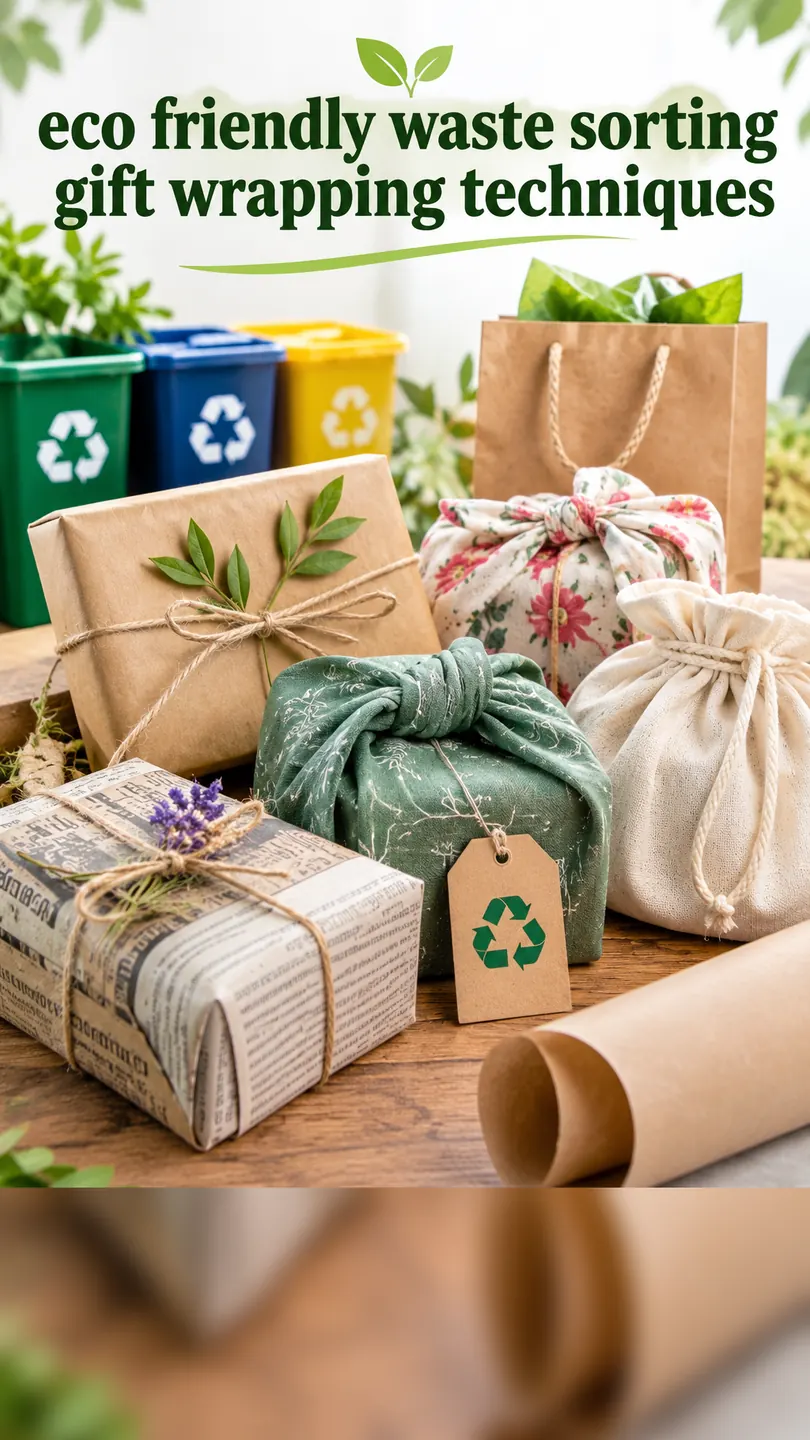
These twelve practical methods work for birthdays, holidays, weddings, and everyday thank you gifts. They also address an easily overlooked part of sustainable wrapping: what happens after the surprise is opened. Recycling instructions vary across the United States, United Kingdom, and Canada, so the safest approach is to prioritize reuse and follow your local collection provider’s guidance for everything else.
Wrap Gifts in Reused Brown Packing Paper
Brown packing paper saved from parcels makes an attractive blank canvas for gifts. Flatten the sheet under a few books if it has creases, then cut only the amount needed to cover the item. A simple overlap at the back keeps the presentation neat without wasting a large rectangle of paper. Fold corners firmly and secure the package with a reusable length of cotton string rather than covering the edges in tape.
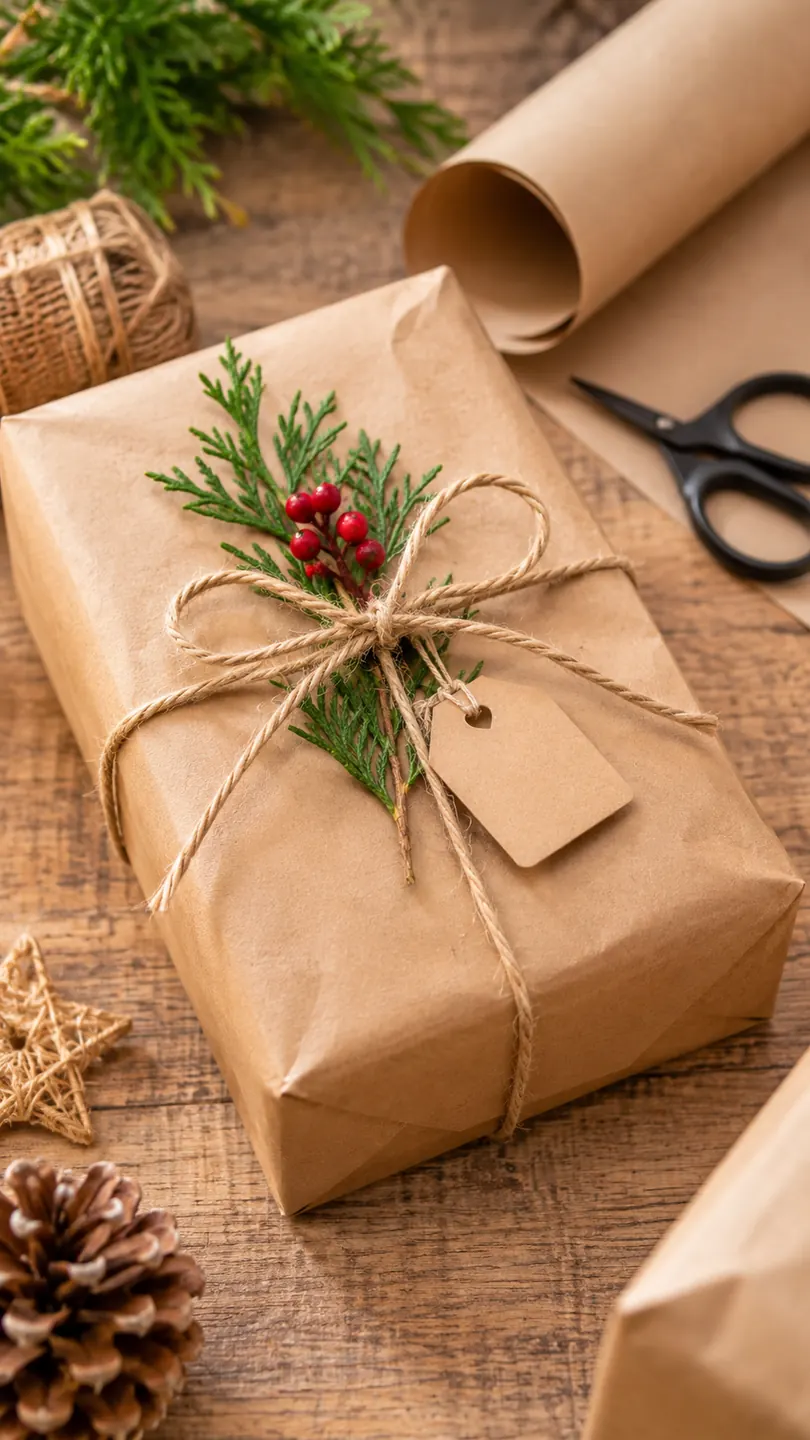
Keep any extra pieces in a drawer for small presents. When the gift is opened, set aside intact paper first for reuse. Collect clean scraps separately, and check whether your local paper recycling service accepts the material. This method makes eco friendly waste sorting gift wrapping techniques especially practical for everyday birthdays and casual celebrations.
Tie a Gift Using the Furoshiki Fabric Method
Furoshiki is a traditional Japanese approach to wrapping objects in cloth. A square scarf, tea towel, or clean fabric offcut can become a colorful gift covering without using disposable paper. Place the item diagonally in the center, bring opposite corners together, and tie them securely. A second knot can hold the remaining corners for a snug finish. The right knot depends on the shape of the gift, so adjust it until the fabric sits comfortably.
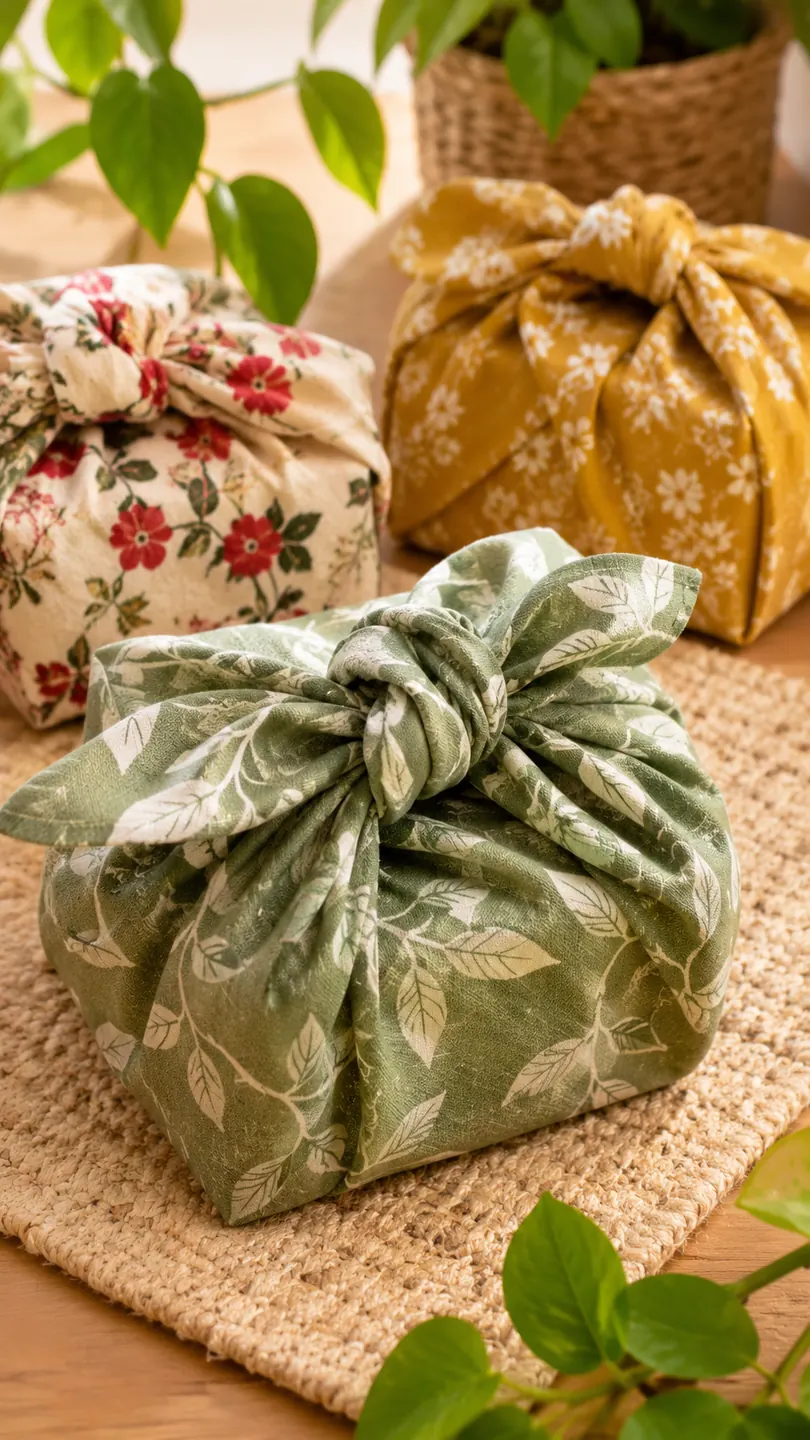
Tell the recipient that they can use the cloth again as a scarf, napkin, or future gift wrap. For delicate objects, place the item inside a reused protective box before tying the fabric. Wash fabric as needed and store it dry. At the end of its useful life, check textile reuse or collection options rather than automatically placing it in household paper recycling. Fabric belongs to a completely different material stream.
Turn Newspaper Pages Into Personalized Gift Wrap
Old newspapers offer striking typography and interesting images that look stylish when arranged thoughtfully. Choose pages with clean, dry surfaces and avoid letting ink touch unprotected food. A comics page can suit a playful birthday gift, while black and white text creates a simple vintage appearance. Lay the sheets flat, overlap the edges where necessary, and finish with a saved ribbon that the recipient can untie.
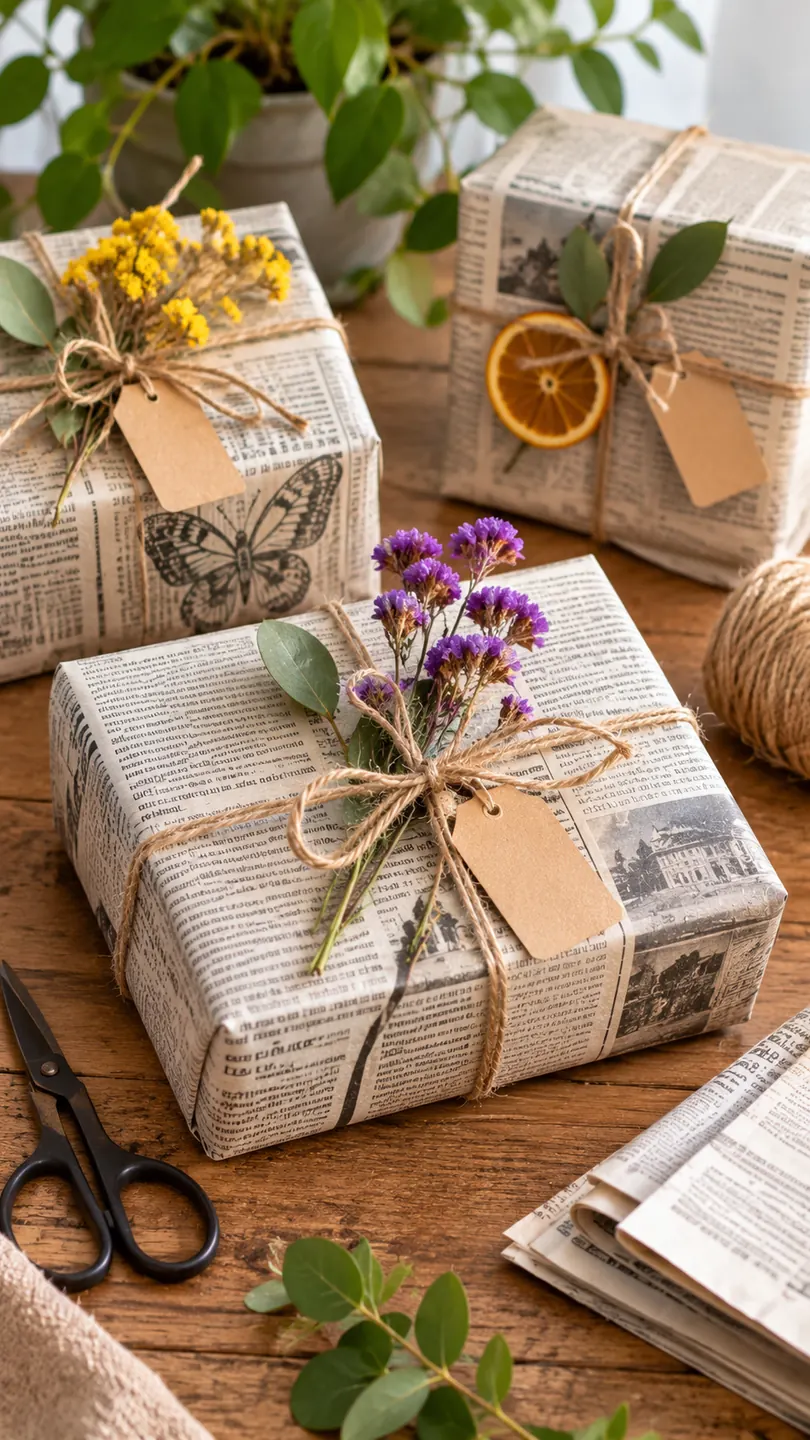
If a single newspaper page is too small, join two with a narrow strip of tape on the inside, using as little as possible. Ask recipients to keep large sheets for another use. When the newspaper becomes too torn to save, remove nonpaper decorations and place clean pages into the appropriate local paper stream. Separating embellishments from paper is a small habit that makes the wrapping process easier to manage afterward.
Fold Paper Without Tape Using Simple Tucks
A tape free fold is a useful skill for anyone who wants clean looking packages with fewer mixed materials. Start with a rectangular item and a piece of sturdy paper that reaches around it with enough overlap to tuck beneath itself. Bring the longer edges around the box, crease each edge sharply, then fold the end flaps into triangles. Slide the final flap beneath another fold or hold the entire package in place with removable string.
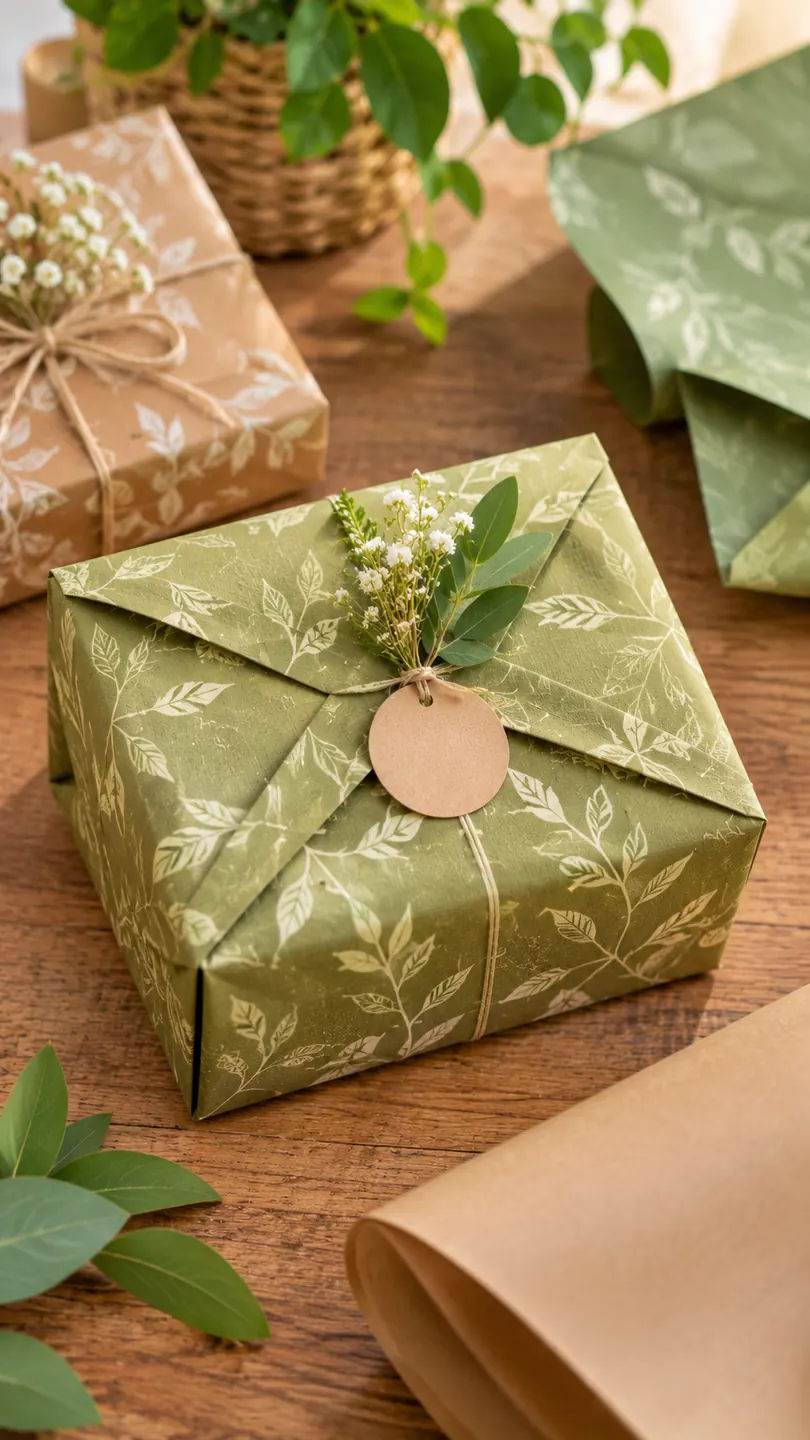
Practice with a shoebox before working with an oddly shaped object. Very thin paper can tear when pulled too tightly, while oversized sheets create bulky corners. After opening, the receiver can unfold the paper instead of ripping it. This gives the sheet another chance to serve as wrapping and keeps loose tape from mixing with recyclable scraps. Tape free methods also make end of party cleanup less confusing.
Reuse Gift Bags and Replace Only the Name Tag
A sturdy gift bag can carry presents for years when it is handled with care. Rather than writing directly on the bag, attach a small removable tag. Make the tag from leftover cardboard, a scrap of plain paper, or the back of a greeting card. This preserves the original bag for the next birthday, graduation, or seasonal gathering. If the existing handles are strong, keep them rather than replacing them purely for appearance.
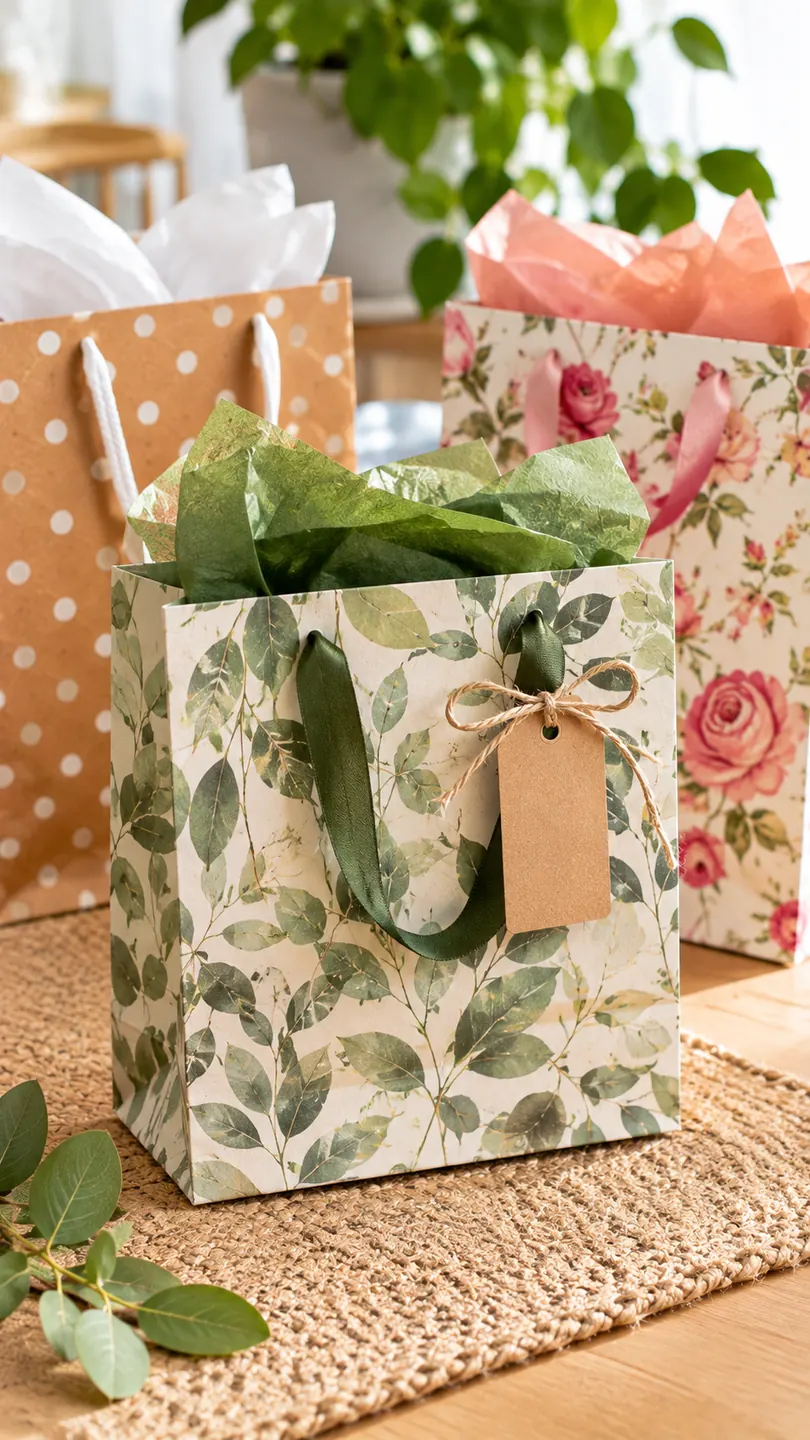
Match the size of the bag to the gift and add saved tissue paper only if the item needs cushioning. Flatten empty bags and group them by size in a reusable storage box. When a bag finally wears out, inspect its material before sorting. Plain paper bags may be accepted locally after handles and nonpaper embellishments are removed, but laminated bags and those with mixed materials can be excluded. Reusing the entire bag is usually easier than trying to separate its glued layers later. That makes this one of the simplest eco friendly waste sorting gift wrapping techniques.
Make Reusable Drawstring Bags From Fabric Scraps
Fabric scraps left from sewing projects can become practical gift bags for jewelry, small toys, handmade soaps, and other lightweight presents. Choose a clean piece large enough to fold into a pouch, stitch the sides, and leave an opening at the top. Turn the edges under to create a channel for a cord, or simply tie the opening with a reusable length of string. A contrasting fabric remnant can make a decorative patch without requiring new materials.
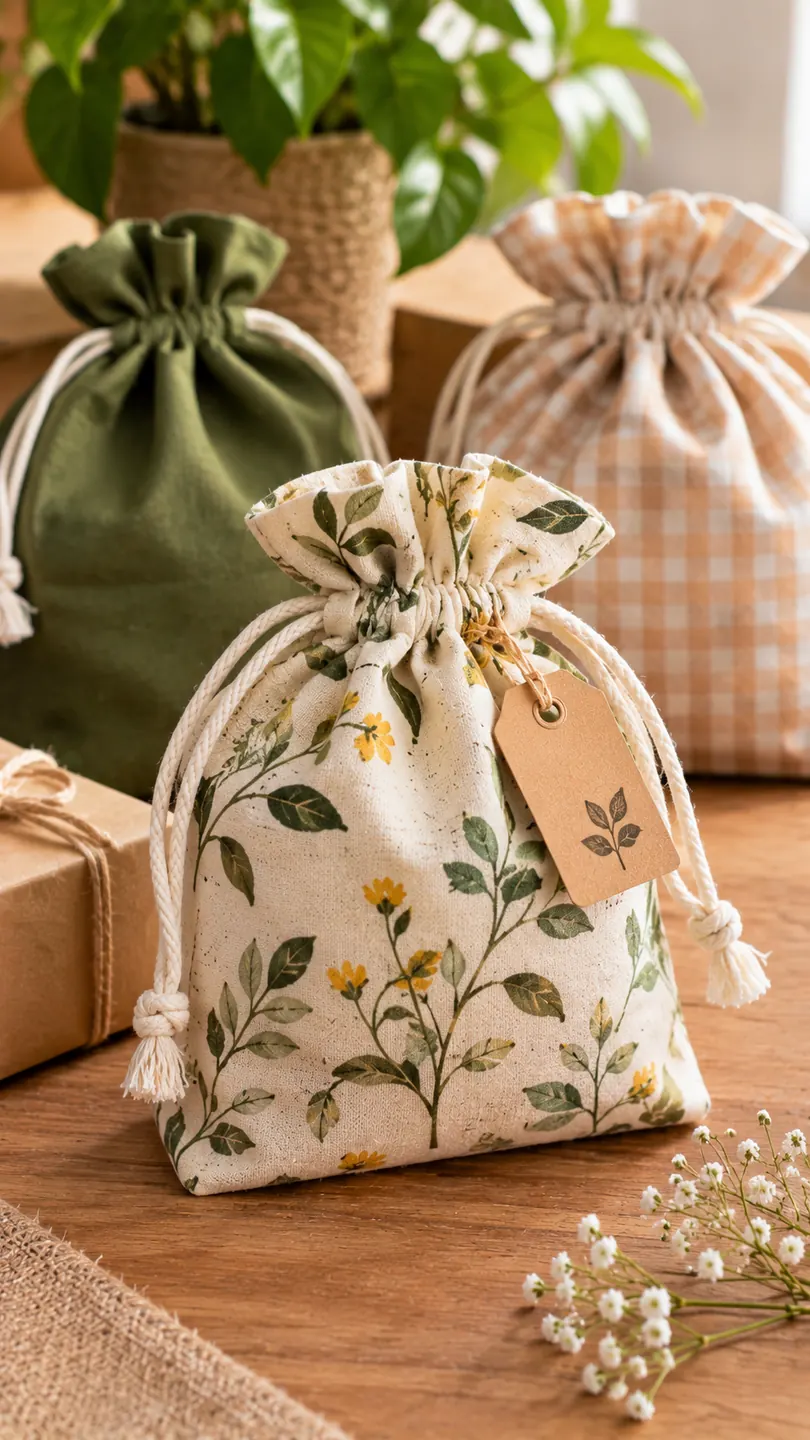
These bags are especially helpful for gifts with unusual shapes, which normally require extra paper and tape. For fragile items, put the object in a protective box first, then use the pouch as the decorative outer layer. Keep fabric scraps and threads out of paper and cardboard recycling bins. When a bag becomes damaged, repair a loose seam before replacing it. Giving the pouch with the present encourages the recipient to continue the reuse cycle.
Use Recycled Cardboard Boxes as Gift Packaging
A plain box can look intentional and elegant with only a few finishing touches. Save sturdy boxes from deliveries, remove old shipping labels that expose personal information, and check that the inside is clean. For a mismatched logo, cover only the visible panel with a small piece of reused paper rather than wrapping the whole box. A hand lettered name tag and cotton twine can add personality without excessive embellishment.

Choose a box that closely fits the gift so it does not need piles of extra filler. Reuse clean packing paper to prevent movement inside. After opening, encourage the receiver to keep the box for storage or another present. If it eventually needs recycling, flatten it and remove plastic windows, foam inserts, and any other loose materials according to local instructions. Cardboard often has more straightforward recycling options than decorative mixed material gift packaging, but acceptance still depends on local collection rules. The key is to keep the box dry and free from food residue.
Wrap Small Presents in Reused Maps and Calendar Pages
Old maps, calendars, and posters often feature beautiful illustrations that need very little added decoration. Their bold colors can turn even a simple gift into something personal. Pick a page with an image that suits the recipient, such as a landscape, constellation, or favorite city. Cut carefully around the most interesting section and use a slim strip of leftover paper as a matching gift tag. Calendar pages work well for flat notebooks and small boxes.
Before using a map or poster, inspect its surface. Thick glossy coatings and plastic lamination can change whether the paper belongs in recycling, regardless of the design printed on it. If you use tape, remove it before sorting, and never assume a shiny map is recyclable just because it looks like paper. Using materials already at home avoids buying a new roll for one occasion and creates gifts with a more thoughtful connection to the recipient.
Decorate Plain Paper With Stamps and Reusable String
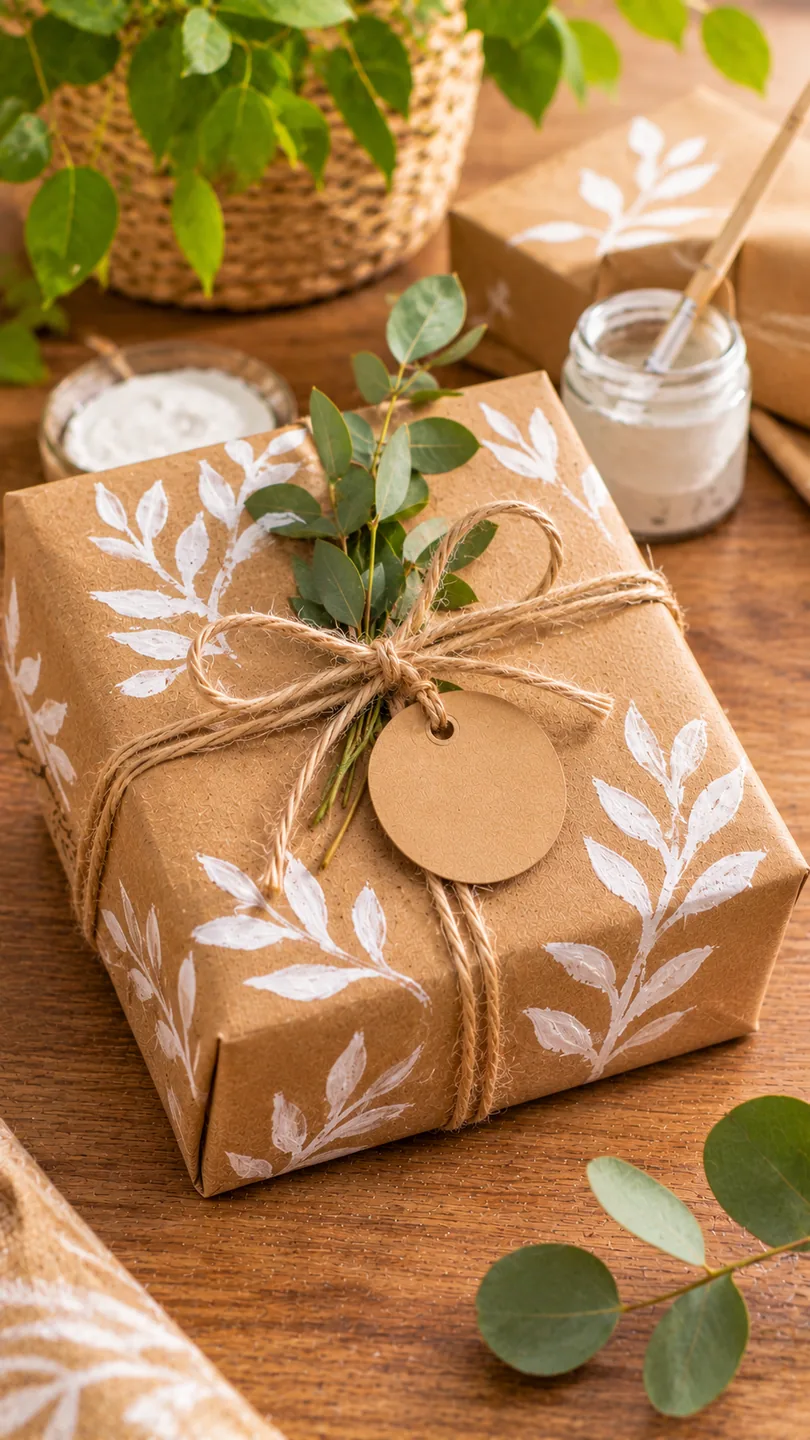
Plain paper becomes memorable when you add a few handmade motifs instead of buying heavily decorated gift wrap. Cut a simple stamp from a safe, reusable craft material, or use an existing rubber stamp. Apply modest amounts of ink to create repeating dots, leaves, or stars. Let the paper dry completely before folding it around a box so the design stays crisp. Tie the finished package with string saved from previous wrapping projects.
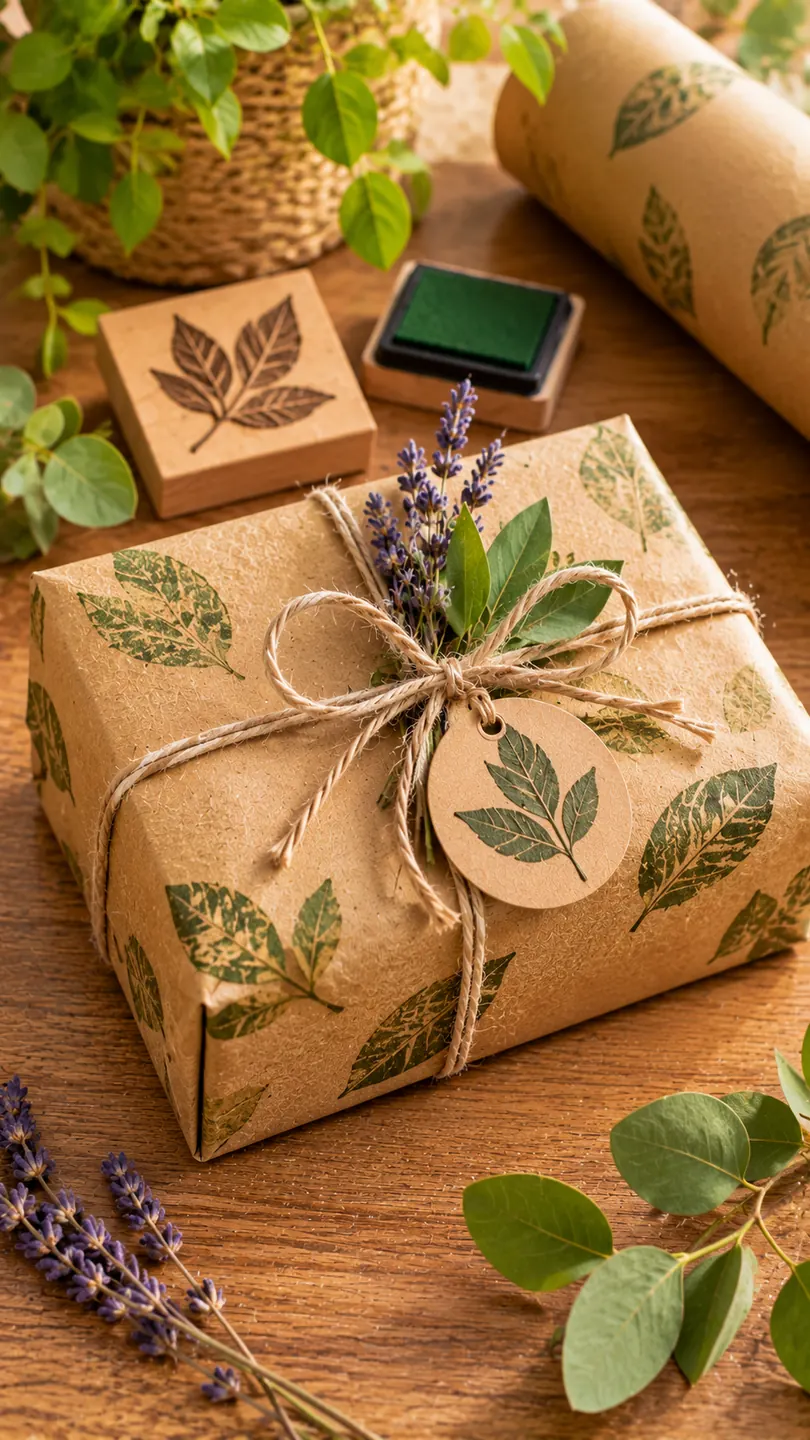
Try printing only one corner or creating a border along the bottom edge. Avoid adding glitter, plastic gems, foil stickers, or thick coatings that complicate recycling. Ink alone does not guarantee acceptance, so always follow local paper collection guidance. Save small stamped offcuts as tags and keep the reusable string in a dedicated jar. This combines creative wrapping with a simple sorting habit: remove the reusable decoration first, then assess the paper separately after the gift has been opened.
Secure Gifts With Reusable Ribbons and Fabric Bands
Ribbon can be wasteful when people treat it as something to throw away immediately. A better technique is to choose a durable ribbon already in your home and tie it in a loose bow that can be untied without scissors. Fabric bands cut from old garments can also hold wrapping paper in place. Use one broad band around the center of a box for a minimalist look, or cross two narrow pieces over the top for a festive finish.
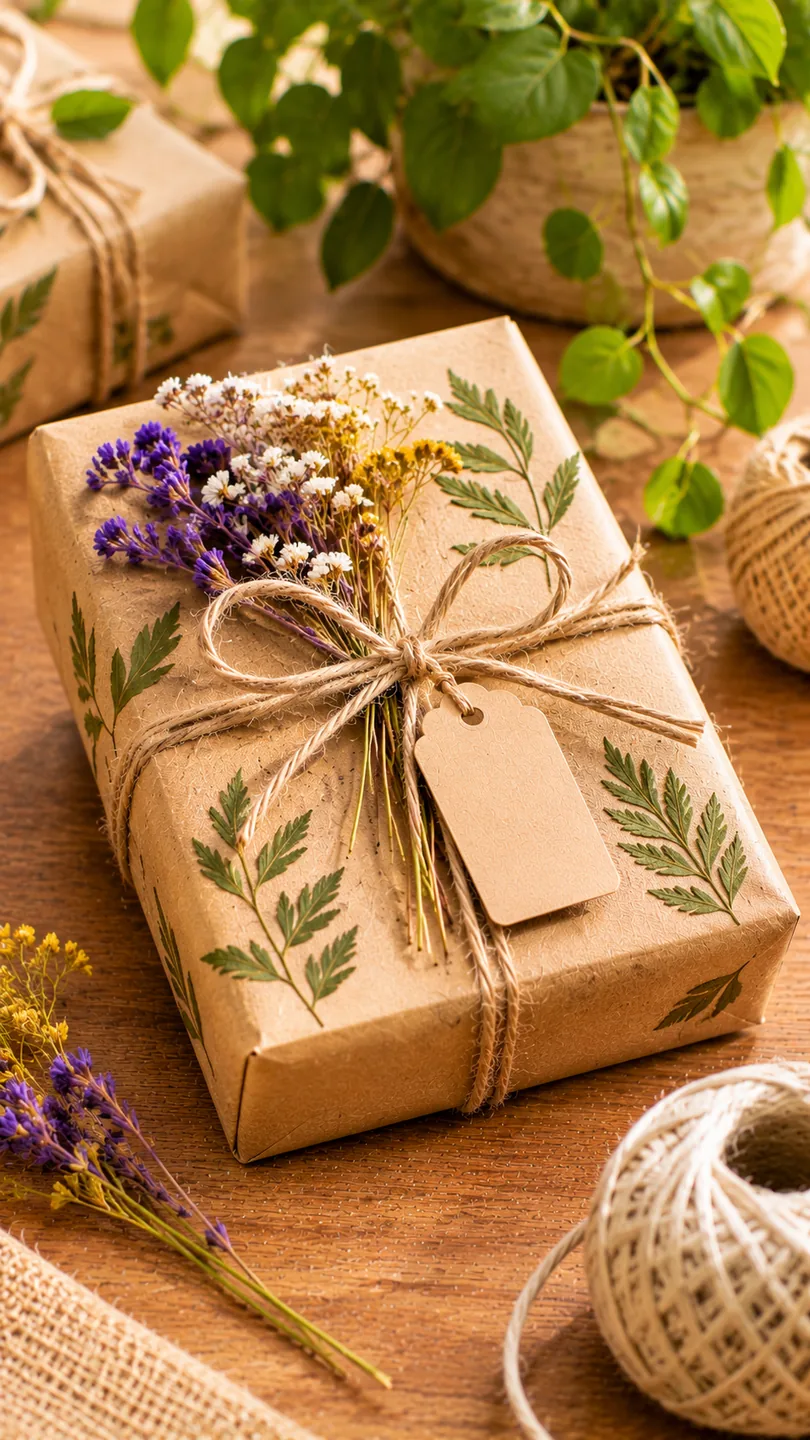
Skip adhesive bows and decorations that are difficult to remove intact. Keep the ends tidy, but do not trim a reusable ribbon shorter than necessary for the gift. Explain to the recipient that the ribbon can be used again. During cleanup, collect ribbons, cords, and bows before sorting paper; these items should not enter the paper recycling stream. This creates a small, reliable collection of decorative supplies without repeated purchases.
Create Gift Wrap From Clean Cloth Napkins and Tea Towels
A cloth napkin or tea towel makes a thoughtful wrap because it offers a useful second purpose. For a cookbook, fold the towel around the cover and secure it with a simple knot. For a jar or a small box, center the object on the cloth, bring the corners upward, and tie them in pairs. Choose a clean fabric that suits the recipient, keeping the colors coordinated without buying accessories just for the package.
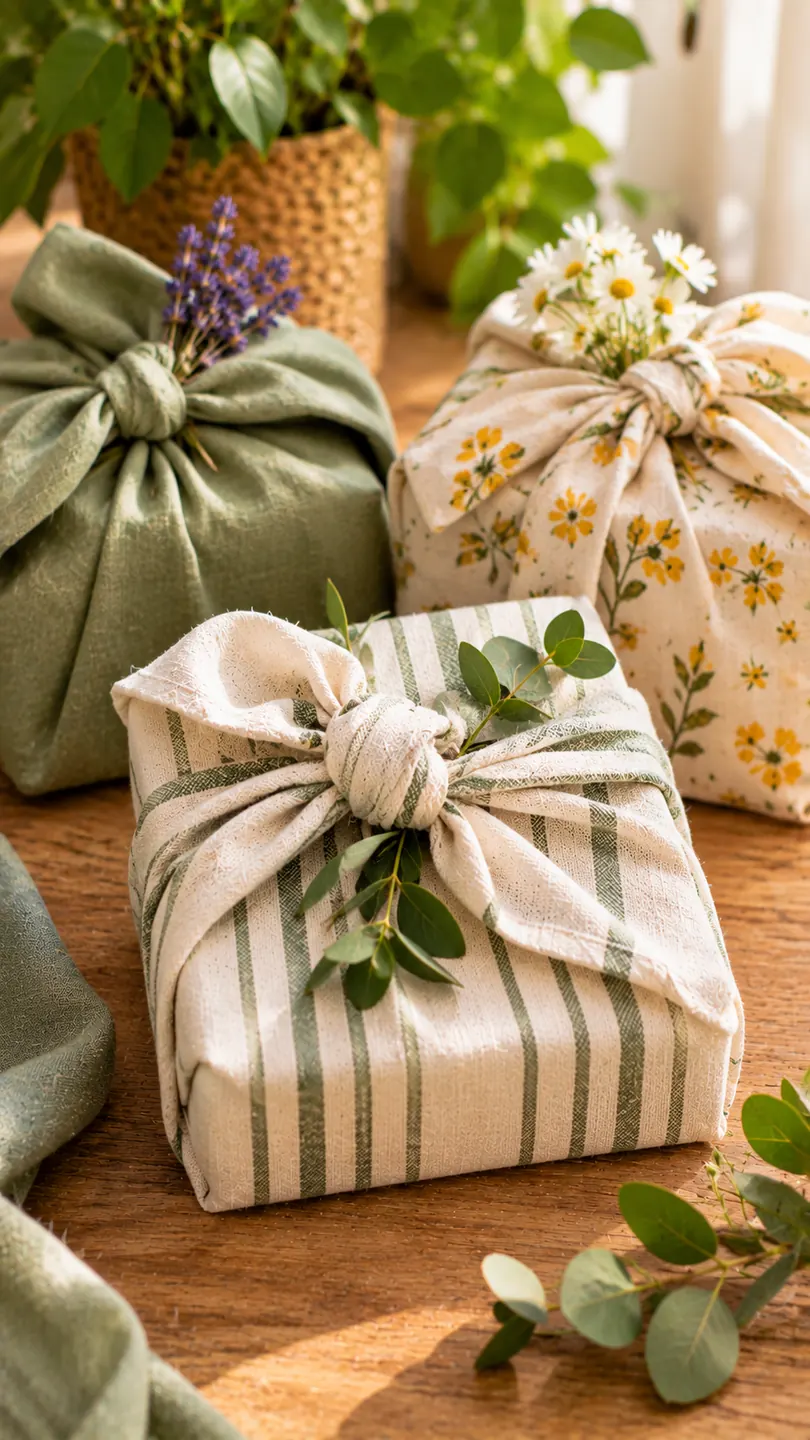
Unlike thin decorative tissue, a quality towel offers substance and often needs no additional filler. It works well for housewarming presents, baking tools, and kitchen themed gifts. Avoid placing loose fabric directly against unwrapped foods that need sanitary packaging. When wrapping a breakable object, rely on a secure protective container instead of expecting the cloth to prevent damage on its own. The recipient can put the towel into regular household use, which means the material stays useful rather than moving immediately toward disposal. That is a meaningful form of waste prevention.
Build a Simple Wrapping Station With Sorting Containers
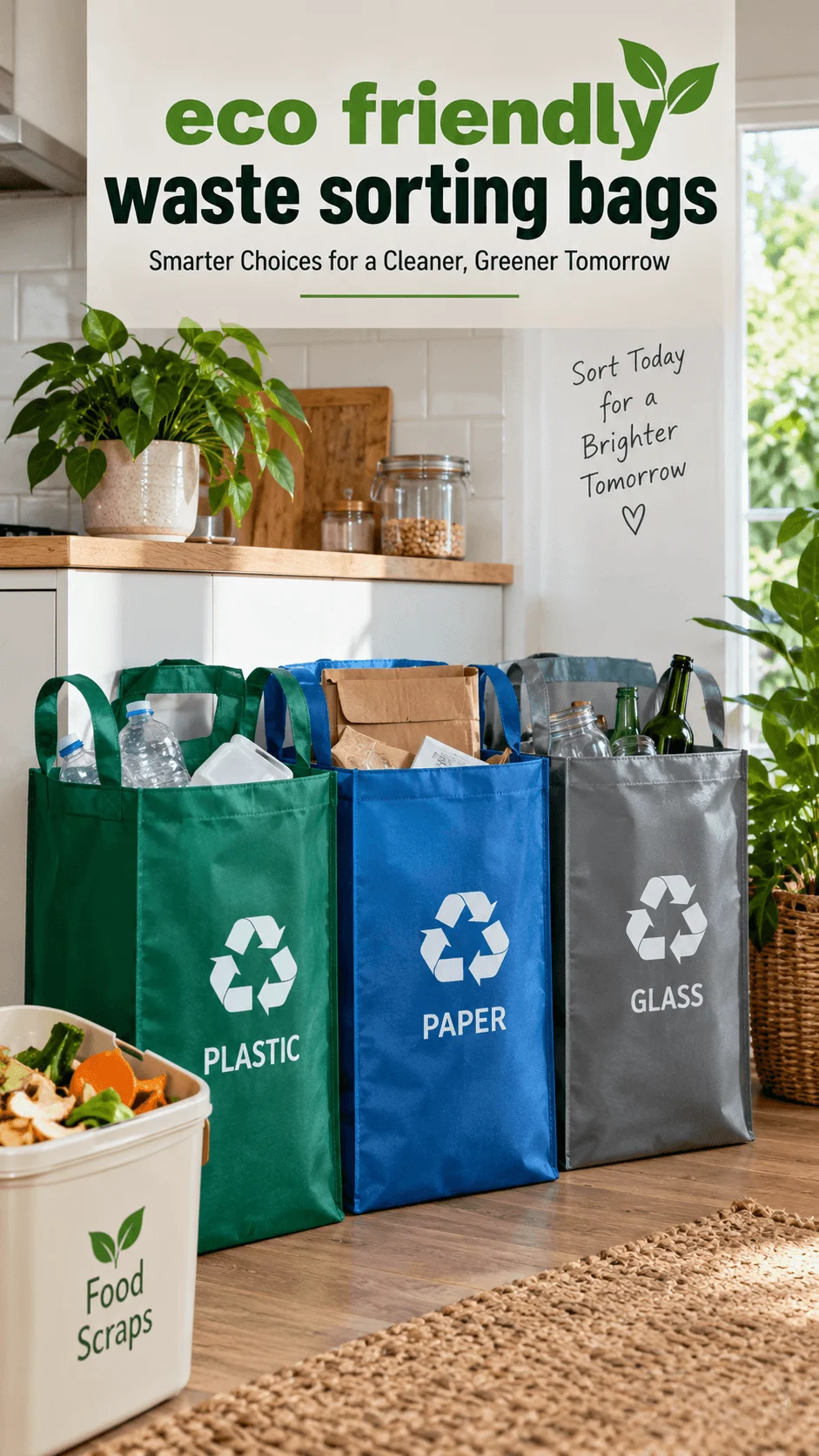
The most effective wrapping technique may begin before the first gift is covered. Keep a box for ribbons and bows, a folder for flat paper, and a basket for saved bags. Label containers clearly so family members can sort while they work, rather than facing one mixed pile after the celebration.
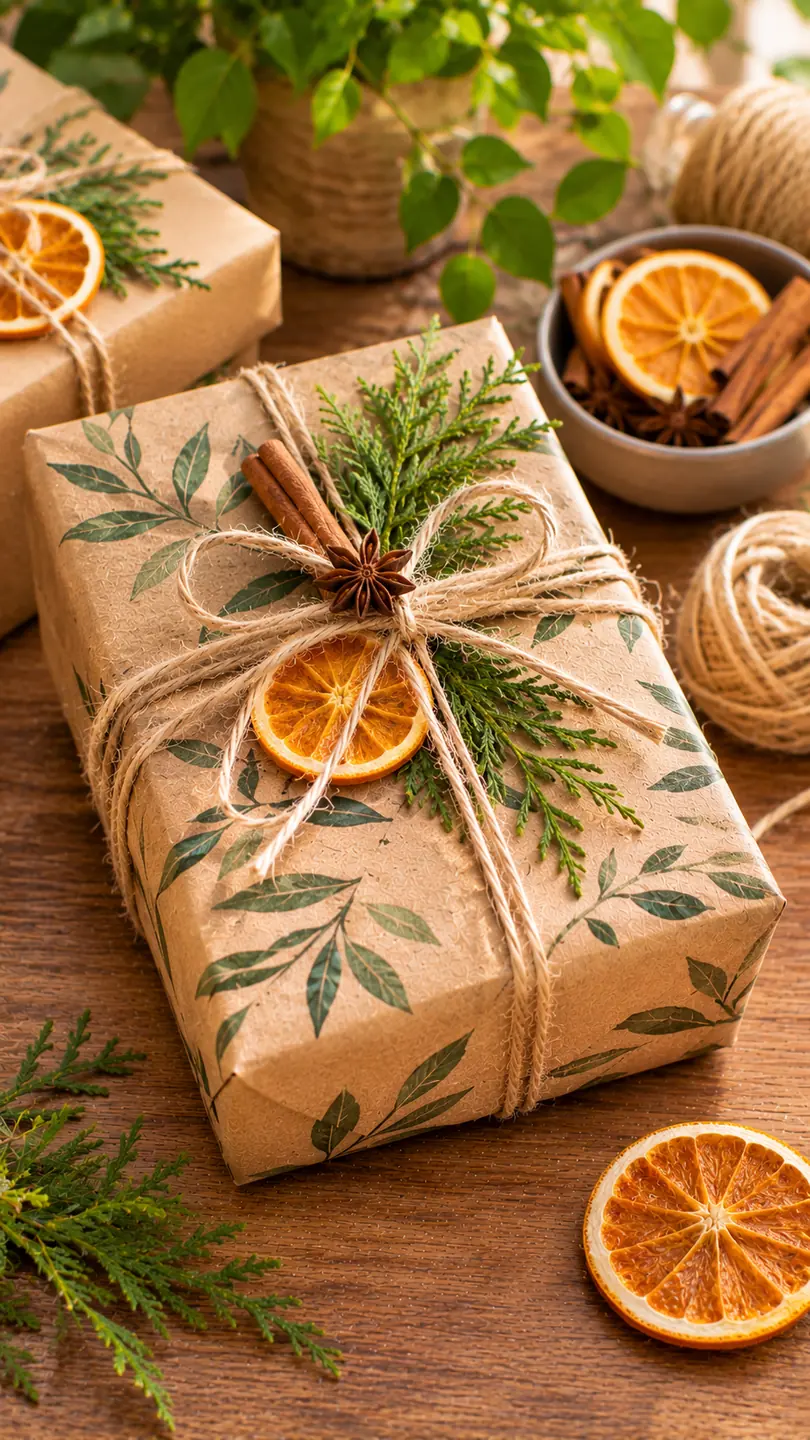
Place scissors, a pen, and paper tags nearby to reduce the temptation to use too much tape. At a party, invite guests to open gifts gently and place materials in the appropriate collection area. Check local recycling guidance before deciding what the paper container can accept; not all wrapping paper qualifies. Keep coated paper, glittered items, and removed adhesive out of the recyclable paper collection unless local rules specifically say otherwise. A practical station connects beautiful gift presentation with sensible disposal, making eco friendly waste sorting gift wrapping techniques easier to repeat at every occasion.
How to Sort Wrapping Waste After a Celebration
Once gifts have been opened, begin with reuse rather than recycling. Smooth out large clean sheets, fold them along existing creases, and save undamaged bags, boxes, ribbons, and cloth wraps. Next, collect cardboard and ordinary paper separately from mixed decorations. Remove loose tape, bows, plastic windows, and ribbons before following the collection rules that apply in your municipality.
For paper that looks glossy, glittery, foil coated, or laminated, do not guess based on appearance alone. Such materials are frequently excluded from paper recycling. The scrunch test sometimes helps identify plain paper, but it does not override a local council or recycling provider’s restrictions. Tissue paper also varies by program and is often better saved for cushioning when it remains clean. The objective is not to fill a recycling bin at any cost, but to keep unsuitable materials from contaminating the collection while extending the life of anything still usable.
How to Choose Materials Without Creating More Waste
Start by shopping the supplies you already own. A forgotten scarf, an empty parcel box, or a saved gift bag may be more useful than purchasing a specialized sustainable product. If you do need new materials, choose durable items that people will genuinely reuse, or look for simple paper made with recycled content. Minimize unnecessary layers, decorative plastic, and packaging that combines materials that are difficult to separate.
Consider the recipient as well as the appearance. A reusable cloth wrap works best when the person wants the cloth; otherwise, a clean sheet of reused paper may be the more sensible choice. Match the material to the size and weight of the gift. For fragile items, safety and secure packing matter more than minimalist decoration. These choices keep eco friendly waste sorting gift wrapping techniques practical rather than performative.
Conclusion
Beautiful gift presentation does not require a fresh roll of shiny paper for every celebration. Reused packing paper, newspaper, scarves, towels, gift bags, and simple folded packaging can all make presents feel considered and personal. Choosing materials that are easy to untie, unfold, and save gives each wrap a better chance of another life.
The final step matters just as much as the wrapping itself. Separate reusable items first, check local recycling rules, and keep mixed decorations away from clean paper collections. By pairing creative methods with an organized sorting routine, eco friendly waste sorting gift wrapping techniques can become an enjoyable habit for birthdays, holidays, and everyday moments of giving.