Eco Friendly Waste Sorting Junk Removal: 12 Smart Ideas
Clearing a crowded garage, preparing for a move, or replacing old furniture can generate more unwanted material than expected. Eco friendly waste sorting junk removal provides a practical way to decide what deserves a new home, what belongs in a specialized recycling stream, and what truly needs disposal. The best process starts before the hauling truck arrives.
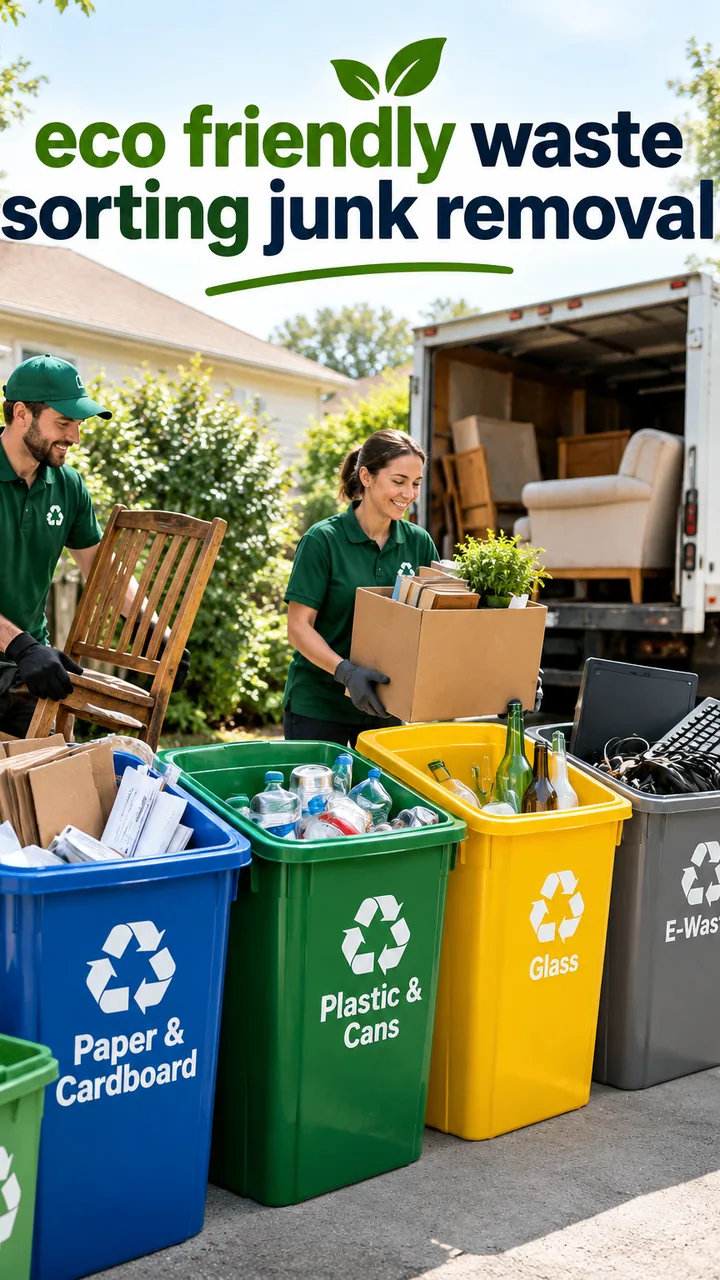
Instead of treating every unwanted object as garbage, a thoughtful cleanout separates useful belongings and recoverable materials while keeping risky items out of ordinary bins. The following 12 ideas are designed for homeowners, renters, and families in the United States, United Kingdom, and Canada. Always check local acceptance rules because recycling and collection services differ.
Start With a Reuse First Sorting Station
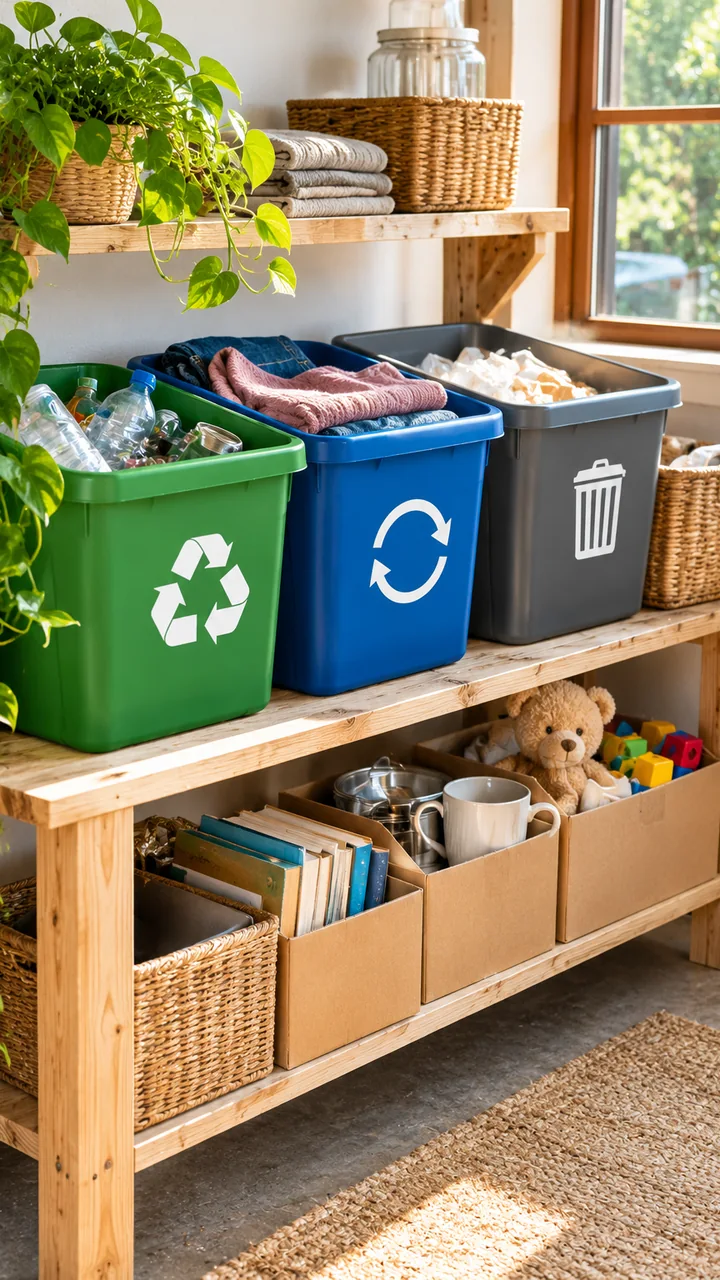
A sustainable clearout begins before anything reaches a truck. Set aside a clean indoor area for belongings that still work, materials accepted for recycling, items requiring special handling, and true residual trash. Use large washable containers or sturdy boxes with simple handwritten labels. Separate items by their next destination rather than by which room they came from. This makes eco friendly waste sorting junk removal more manageable during moving, remodeling, or a long overdue garage cleanout. Inspect each object before placing it in a category. A functioning lamp might deserve a new owner, while a broken lamp may require its electrical components to be recycled separately. Keep walkways clear and avoid stacking heavy things where they could fall. Once the area is organized, arrange collection dates so donations do not sit outside in the rain. The goal is not to create dozens of confusing piles. It is to make the next responsible decision obvious for every item.
Give Usable Furniture a Second Home
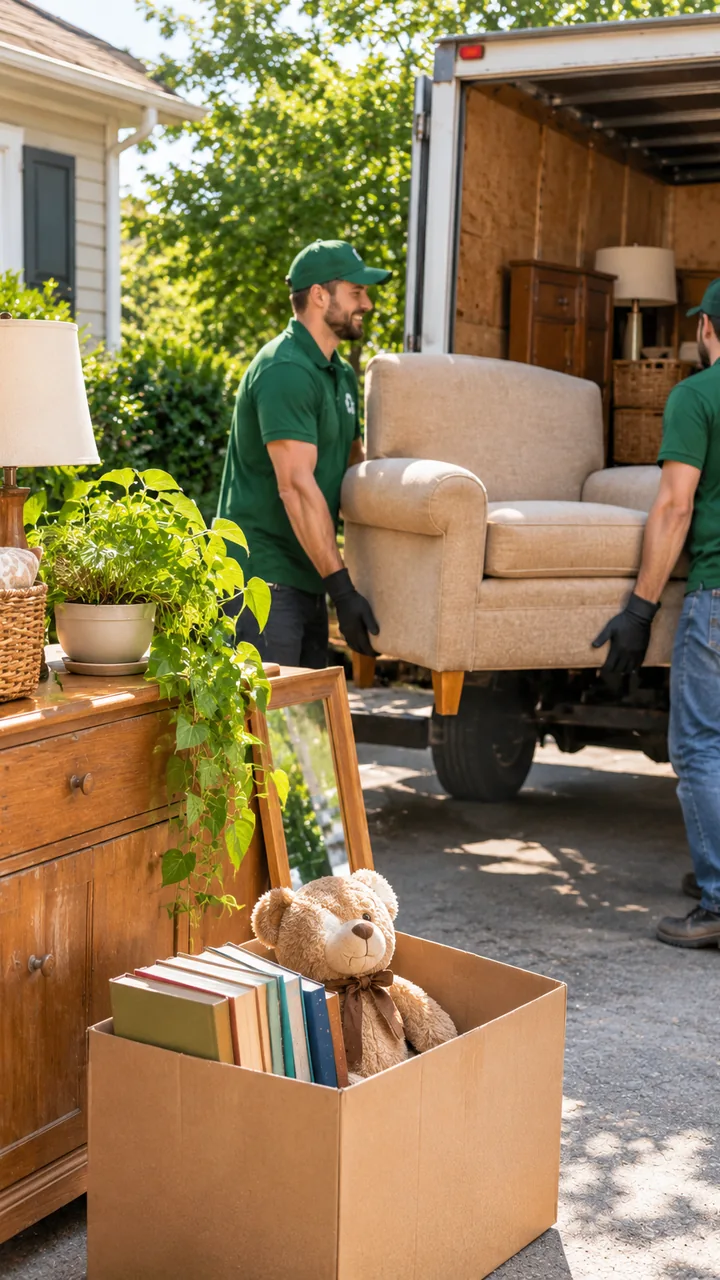
Furniture often takes up the most space during junk removal, but bulky does not automatically mean worthless. Photograph clean tables, chairs, bookshelves, and storage units in natural light and measure their dimensions. Local community groups, nonprofit furniture programs, and secondhand shops may accept pieces that are stable, clean, and usable. Ask recipients what they will take before scheduling a drop off. Mattresses and upholstered items can face special acceptance rules, and stained or damaged pieces are often unsuitable for donation. For furniture that needs minor work, consider tightening loose hardware or replacing a missing knob rather than throwing it away. If an item cannot be reused, ask the removal company whether it separates metal, clean wood, and other recoverable materials. Never assume a company can recycle a whole sofa simply because it advertises green service. Selecting the right path for each piece reduces unnecessary hauling and helps household goods remain useful longer.
Separate Paper and Cardboard Before Pickup
Moving boxes, shipping cartons, and old paperwork can quickly fill a junk removal load. Flatten clean cardboard to save space, then keep it dry so recycling crews can handle it efficiently. Remove foam inserts, plastic film, and packing straps unless your local program specifically accepts them together. Paper recycling requirements differ for shredded documents, glossy materials, and coated packaging, so consult the collection guide rather than guessing. Sensitive files deserve extra care: shred personal information through a reputable service or follow your municipality’s secure disposal recommendations. Keep usable boxes available for neighbors who are moving. This can extend their life without additional processing. Wet, greasy, or food contaminated cardboard may belong in an organics program or residual waste depending on local rules. For eco friendly waste sorting junk removal, separating packaging early is one of the easiest ways to avoid mixing recyclable paper with dirty debris. Use one clear collection point rather than several overflowing bags.
Prepare Electronics for Specialized Recycling
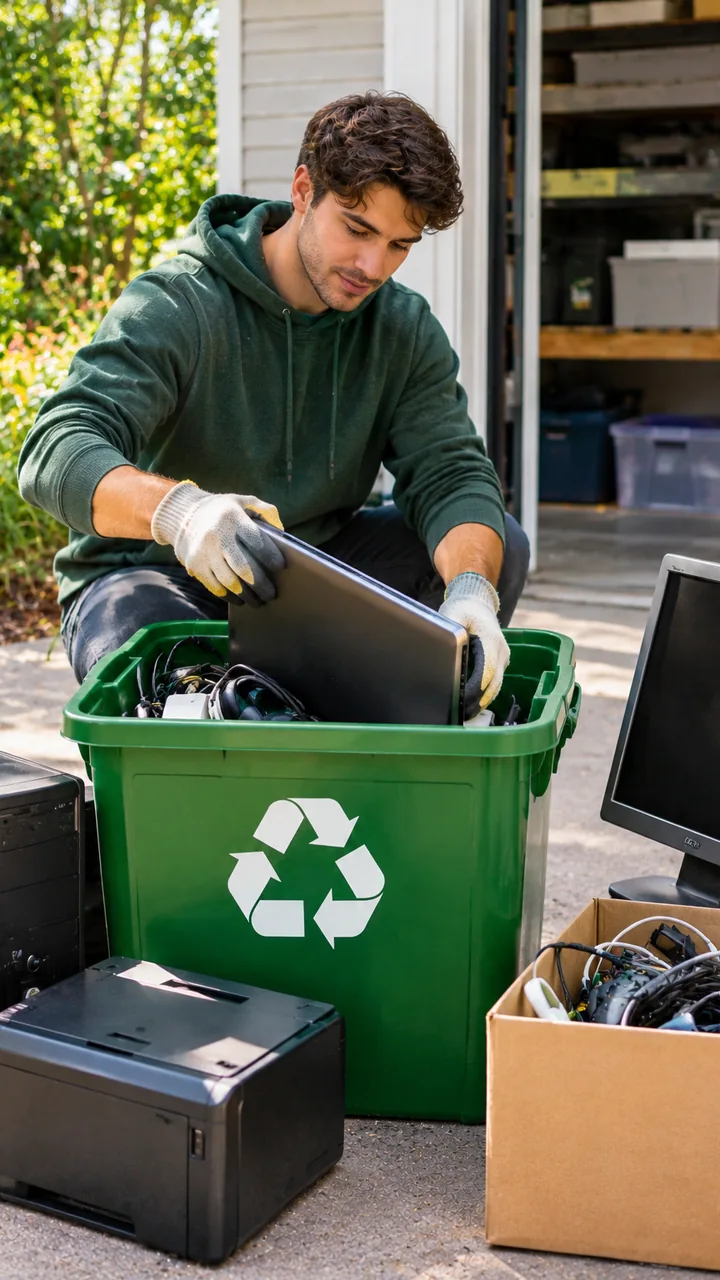
Old computers, monitors, phones, cables, and printers should not be tossed into an ordinary mixed junk pile. Electronics may contain recoverable metals along with components that need specialized processing. Look for municipal electronic waste events, approved collection points, or manufacturer return programs. Before passing on a device, back up anything important, sign out of accounts, and use its supported factory reset or secure data removal guidance. Remove personal storage media only when you know how to do so safely. Batteries may require a separate collection stream even when they came from an electronic device. Do not open, puncture, crush, or dismantle batteries yourself. Keep damaged or swollen batteries out of regular bins and ask an authorized local facility for instructions. A reputable junk removal provider should explain where electronics go rather than promising that every item will be recycled. Thoughtful handling protects personal information and helps recover materials through appropriate channels.
Create a Safe Battery and Bulb Collection Point
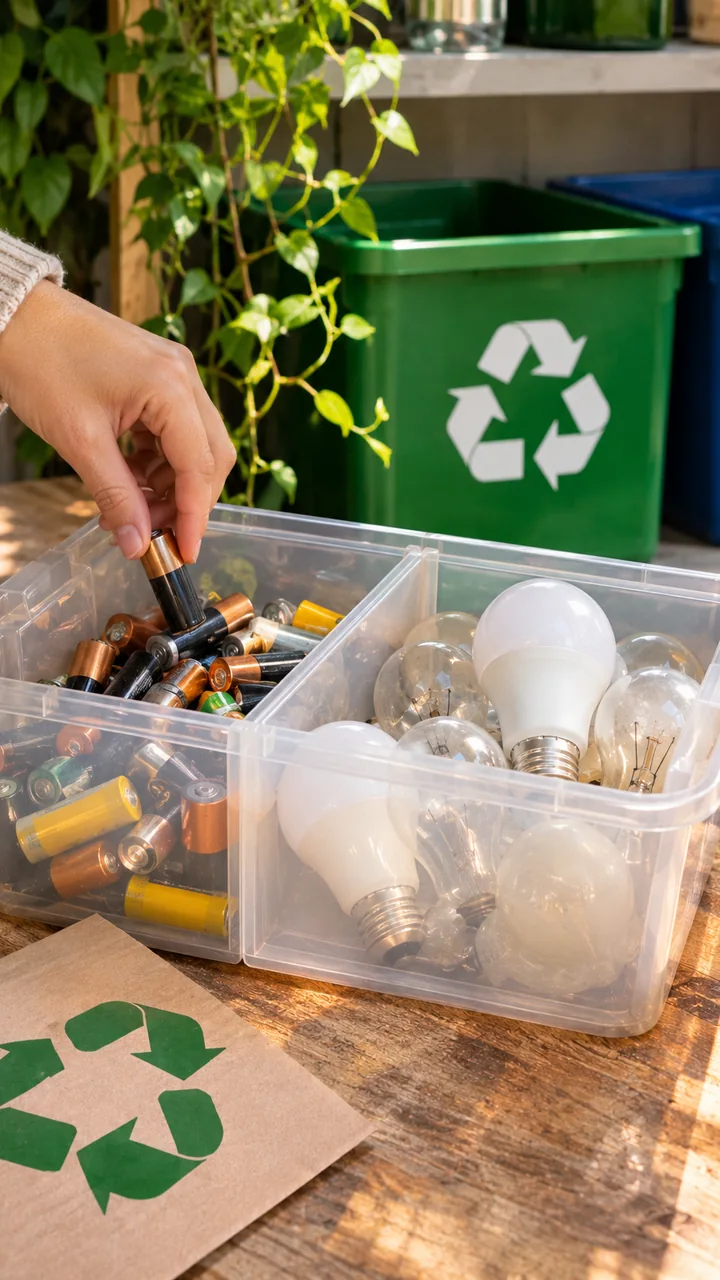
Small items are easy to overlook during a major clearout. Gather household batteries and specialty light bulbs separately from paper, plastic, and loose metal. Consult local authorities for accepted drop off sites and packaging guidance because battery chemistry and collection practices vary. Do not throw loose rechargeable batteries into a general recycling cart. Keep them away from heat and damage and follow the receiving program’s instructions for terminal protection. Some bulbs contain materials that need specialized collection, while ordinary bulb types may follow different rules. Avoid breaking lamps or bulbs to make them fit inside a container. When a glass item is already broken, follow local cleanup and disposal guidance rather than handling it casually. A designated collection spot helps ensure these items never disappear into a large bag of mixed junk. This extra step can make eco friendly waste sorting junk removal safer and prevent materials from being sent to facilities that cannot manage them.
Sort Scrap Metal From General Debris
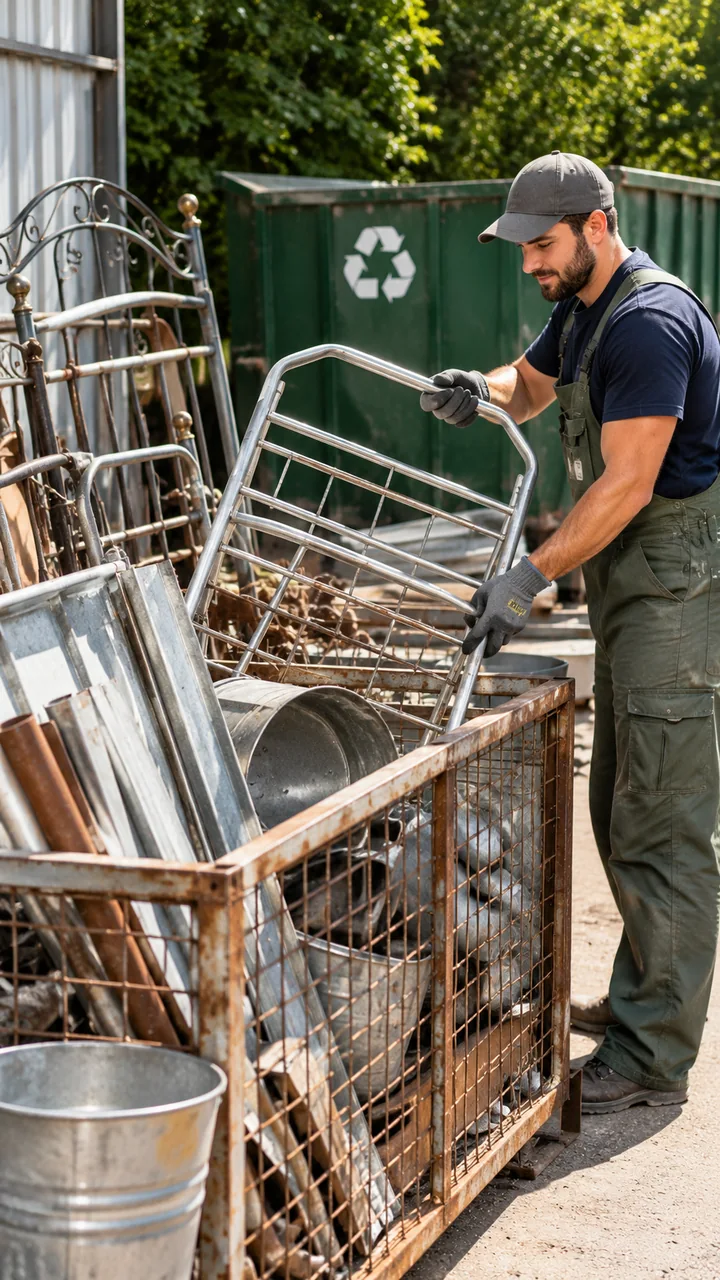
Metal bed frames, shelving, hardware, and some appliances may be valuable to local scrap recovery programs. Keep clean metal objects separate from soft furnishings and household trash so they can be evaluated properly. Check with a recycling center about accepted metals, minimum quantities, and whether items must be free of nonmetal attachments. Do not dismantle appliances containing refrigerants or other regulated components. Refrigerators, air conditioners, and certain other equipment require qualified handling. Sharp edges and heavy objects also make home sorting risky; leave awkward or hazardous lifting to trained adults or professionals with appropriate equipment. If a junk removal crew offers metal recovery, ask whether it uses a recycler and whether the scrap stays separate after pickup. Reusing a functional metal rack may be preferable to melting it down, so consider that option first. The strongest waste sorting system keeps materials in productive use whenever practical.
Handle Renovation Materials as Separate Waste Streams
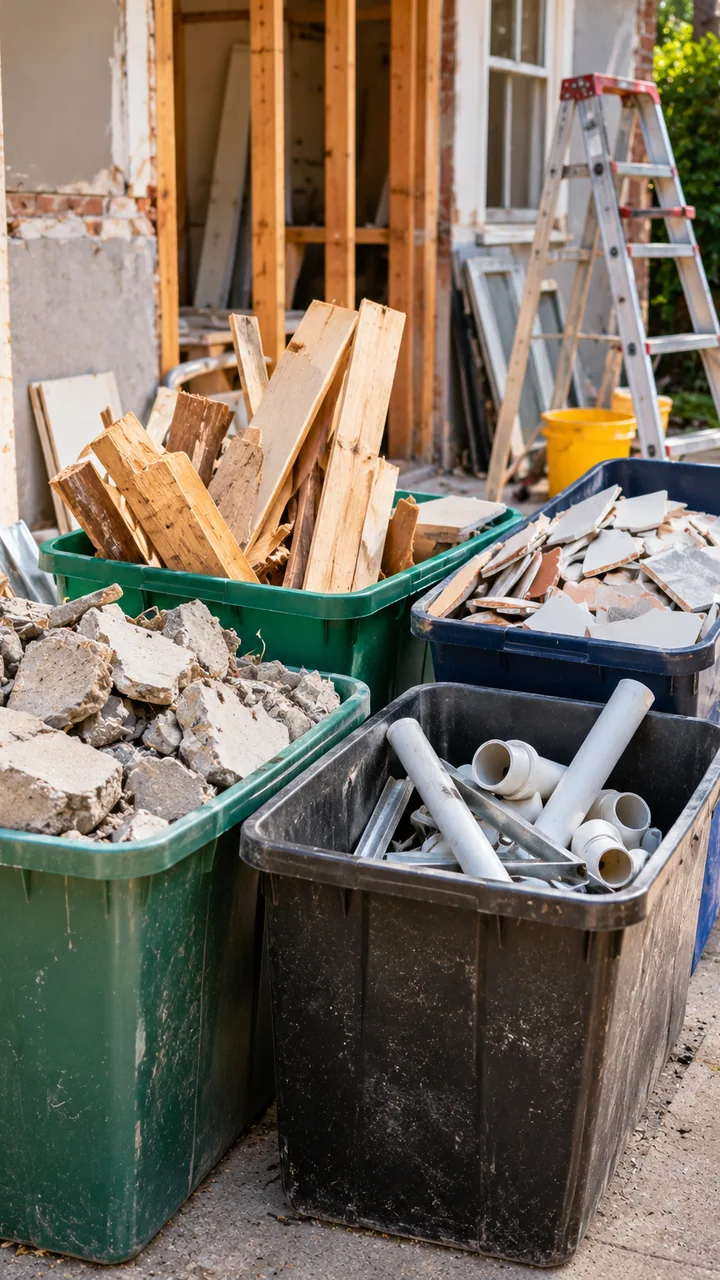
A kitchen update or small remodel can generate wood, drywall, tile, metal fixtures, and packaging in the same afternoon. Avoid combining everything in one container before asking your local facility or contractor which materials it accepts. Untreated clean wood may have different recovery options from painted, engineered, or chemically treated lumber. Reusable doors, cabinets, and fixtures can sometimes be donated to architectural salvage organizations if they remain in suitable condition. Concrete, brick, and tile may be accepted through construction material recycling programs, but availability varies. Older renovation debris may require professional assessment for harmful substances, so do not disturb suspicious insulation, coatings, or flooring. Ask contractors to identify separate destinations for recoverable materials and residual waste. A written plan for eco friendly waste sorting junk removal during renovations can reduce confusion, but it should never replace professional safety procedures. Start by preventing damage to materials that someone else could use.
Keep Yard Waste and Organic Material Distinct
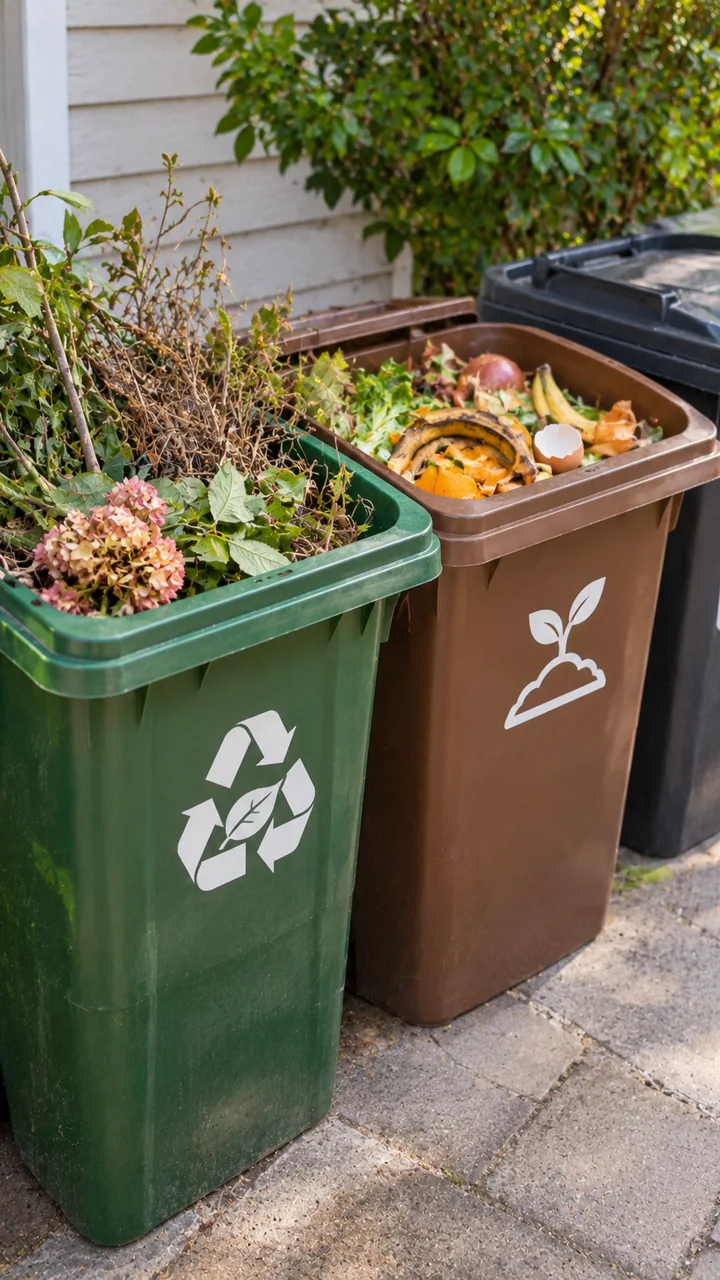
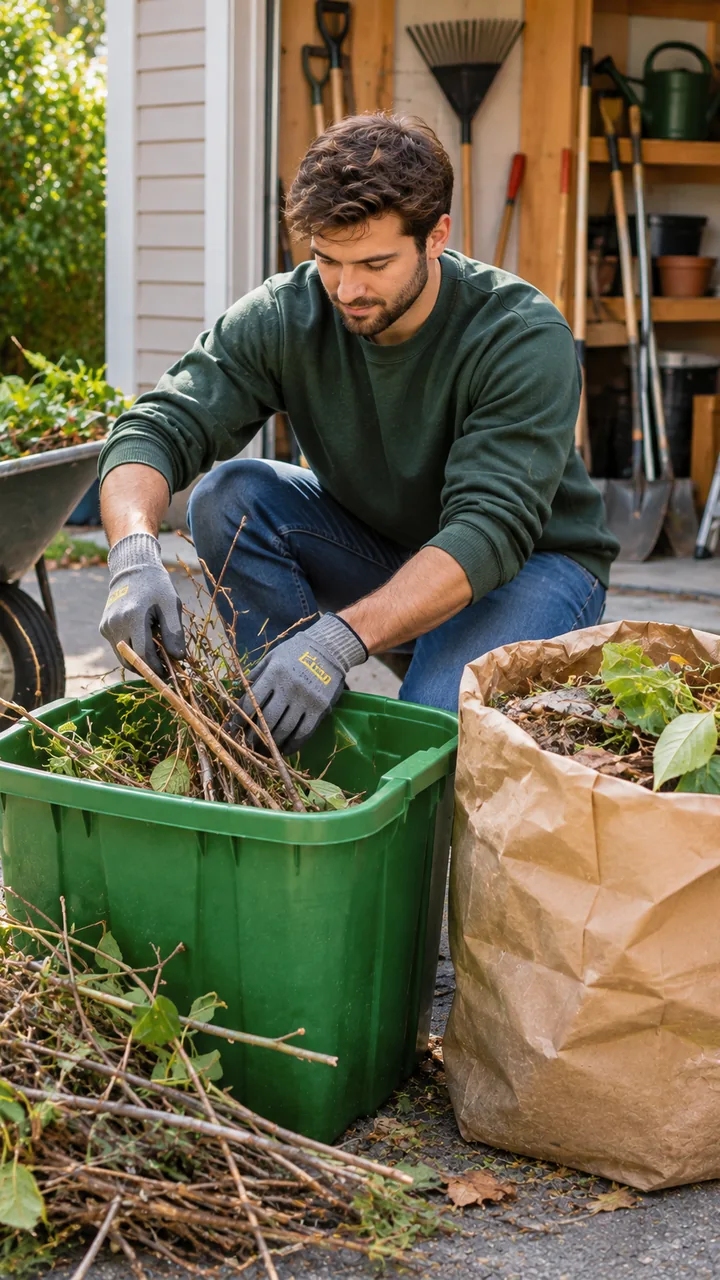
Leaves, branches, and garden trimmings usually do not need to travel with broken furniture or household rubbish. Check whether your local authority offers yard waste collection, a compost facility, or seasonal drop off days. Some places accept branches and untreated plant debris while excluding soil, invasive plants, or diseased material. A home compost system may suit appropriate garden scraps and certain food residues, provided you follow reliable local guidance. Never assume all packaging marketed as compostable is accepted by municipal organics programs. Keep plastic ties, bags, and garden equipment out of green waste unless expressly permitted. If the clearout includes lawn equipment, separate the equipment itself from plant matter and consult authorized collection facilities for anything containing fuel or batteries. Creating a dedicated organics zone helps reduce contamination and keeps loads easier to manage. The best choice depends on what local processing facilities actually accept.
Redirect Clothing and Household Textiles
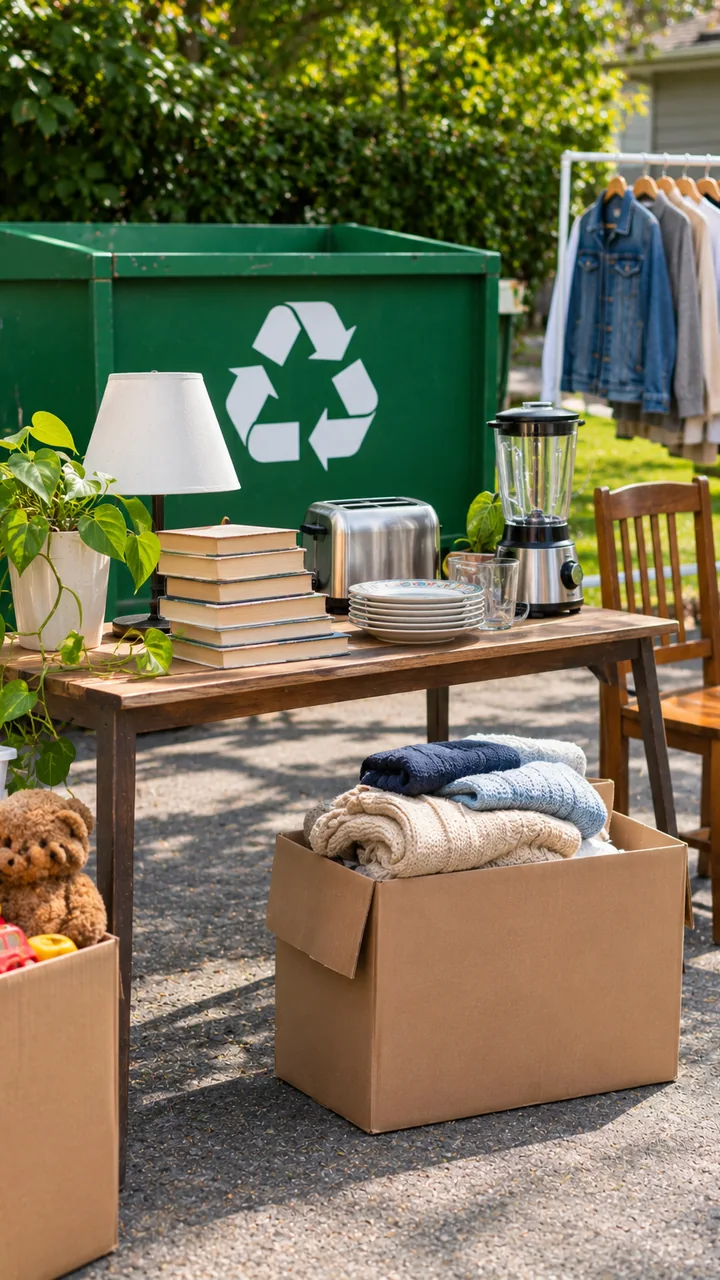
Clothing, curtains, towels, and bedding can accumulate in closets long after their owners stop using them. Sort clean, wearable pieces for resale, direct gifting, or donation to organizations with current demand. Ask charities which types and conditions they accept, rather than leaving bags outside an unattended donation site. Some communities also offer separate textile recovery services for worn fabrics, but acceptance is not universal. Dry everything thoroughly before storage to prevent mold. Consider repairing a loose seam or using an old towel as a cleaning cloth when it remains hygienic and practical. Not every fabric can be recycled into new clothing, so avoid promising a closed loop outcome. For eco friendly waste sorting junk removal, textile sorting is most effective when donation, reuse, specialized collection, and residual disposal remain distinct choices. A manageable closet refresh often starts by keeping what you genuinely use and placing the rest into clearly identified destinations.
Plan Responsible Appliance Removal
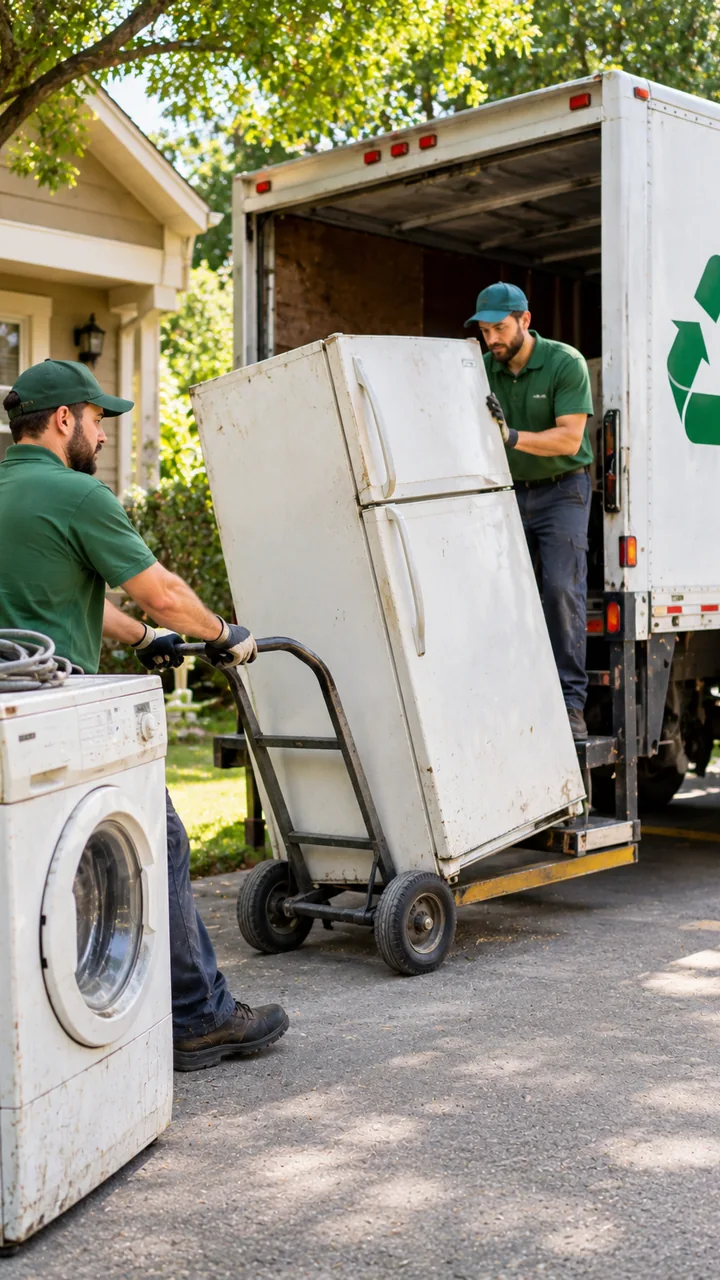
Large appliances need more preparation than a standard bag of trash. First check whether a functioning washer, dryer, stove, or refrigerator can be sold, donated, repaired, or accepted through a retailer’s take back program. Verify the buyer or recipient has an appropriate transport plan. For equipment that no longer works, contact municipal bulky waste services or a licensed recycler. Refrigerators and air conditioners require special treatment of refrigerants, and some appliances may contain other regulated components. Do not attempt to release refrigerants or take apart electrical equipment yourself. Ask a removal service whether it follows the applicable recovery requirements and uses appropriate recycling facilities. Clear a safe access route for trained movers and keep children and pets away from the lifting area. Comparing reuse with disposal options before booking a truck can make the project more efficient. An environmentally responsible appliance pickup should have a clear, verifiable destination.
Set Aside Paint and Household Chemicals for Authorized Collection
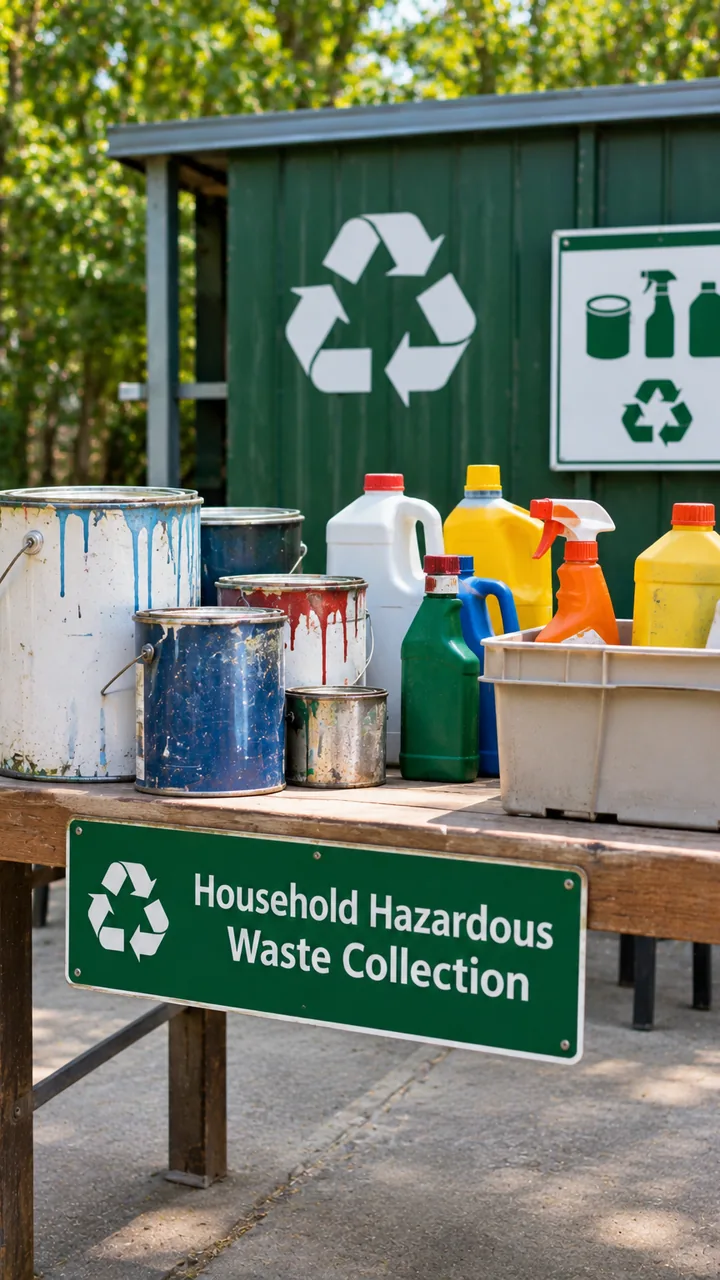
Leftover paint, cleaners, automotive products, and garden chemicals do not belong in an ordinary recycling pile. Keep containers closed and in their original labeled packaging when safe to do so, then contact your local household hazardous waste program for collection instructions. Do not mix liquids, pour them into drains, or transfer substances into food containers. Some places operate permanent collection centers, while others hold scheduled events. Certain retailers also participate in approved return programs for particular products. If a container is leaking or unidentified, keep others away and obtain instructions from qualified local authorities rather than experimenting with cleanup methods. This part of eco friendly waste sorting junk removal demands a separate plan because regular haulers may refuse hazardous waste entirely. Ask the junk removal company for an explicit list of excluded materials before pickup. Responsible disposal means using the correct specialist service, not merely choosing a company with environmentally friendly branding.
Choose a Junk Removal Company With Transparent Destinations
The final sorting decision often rests with the people who collect the load. Ask prospective haulers how they distinguish reusable goods, recyclables, regulated materials, and landfill waste. Request names or types of donation partners and recycling facilities where possible. Find out whether sorting happens on site, at a transfer station, or through a partner. Be cautious of vague claims such as everything is recycled because many mixed items are not recoverable. Confirm which materials are excluded, how pricing works, and whether bulky items need special scheduling. Some providers offer separate pickup categories or itemized receipts; those details can help you document a large cleanout. Compare service quality, lawful handling, and transparent processes rather than choosing solely on a green slogan. Eco friendly waste sorting junk removal works best when your careful preparation connects to a provider capable of following through. Ask for a realistic account of destinations rather than an unsupported diversion percentage.
How to Plan a Low Waste Junk Removal Day
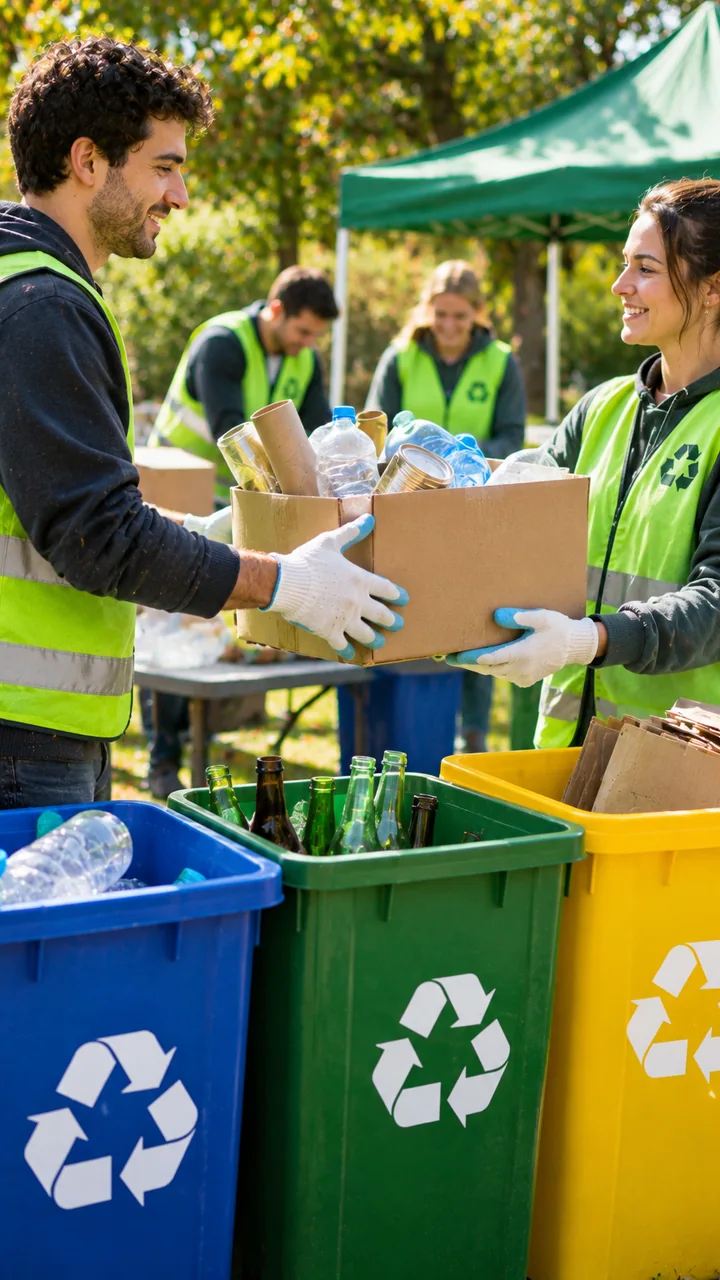
Begin with a room by room inventory and write down which bulky items need collection. Contact local donation groups, municipal recycling services, and specialty drop off locations before the scheduled pickup date. Keep a small area for items you are undecided about, but give it a deadline so the project does not stall. Prepare reusable bags or boxes for lightweight goods and make clear labels for pickup destinations. Avoid moving heavy or dangerous items without suitable help. Photograph the separated piles for your own records and communicate any special items to the hauler in advance. When possible, arrange donation pickup first and general waste pickup last. This sequence can prevent usable objects from getting buried in a mixed load. A well planned clearout does not require expensive supplies. It requires a clear route from each category to an organization or facility that actually accepts it.
Avoid Common Sorting Mistakes
One frequent mistake is assuming an item is recyclable because it carries a recycling symbol. Local services determine acceptance based on their equipment and markets, not the symbol alone. Another is placing dirty containers, plastic bags, batteries, or electronics into a cart that does not accept them. Overstuffed bags can conceal sharp or unsafe objects from collection workers. Donation mistakes are common too: broken, wet, or heavily soiled belongings may create disposal costs for charities. Finally, do not trust unsupported claims about perfect recycling rates from removal services. Check local guidance and verify major material destinations where reasonable. Rules differ across US communities, Canadian municipalities, and parts of the United Kingdom. England’s newer Simpler Recycling framework aims to make household collections more consistent, but service arrangements and unusual item acceptance still need local checking. Thoughtful sorting helps only when the receiving organization can use the material.
Conclusion
An effective clearout is not defined by how quickly everything disappears from the driveway. It is defined by how carefully useful objects, recyclable materials, special wastes, and true rubbish reach appropriate destinations. Start with reuse, keep material categories separate, and arrange specialist collection for items that standard trucks cannot safely accept. When you research local rules and choose a transparent service provider, eco friendly waste sorting junk removal becomes a practical household habit rather than an empty promise. Choose one room to begin, confirm its collection options, and build from there.