12 Eco Friendly Activities to Do at Home in 2026
Living sustainably does not always require major lifestyle changes or expensive products. There are plenty of eco friendly activities to do at home that can make everyday life more sustainable while also giving you something creative and enjoyable to do. From growing food on a windowsill to giving old belongings a new purpose, simple home activities can help reduce waste and encourage more thoughtful consumption.
The best part is that many sustainable activities can fit naturally into an ordinary household routine. You can turn kitchen scraps into a small growing experiment, repair something instead of replacing it, or spend an afternoon transforming an unused item into something useful. These activities can also help children and other family members understand sustainability through hands on experiences rather than simply reading about environmental issues.
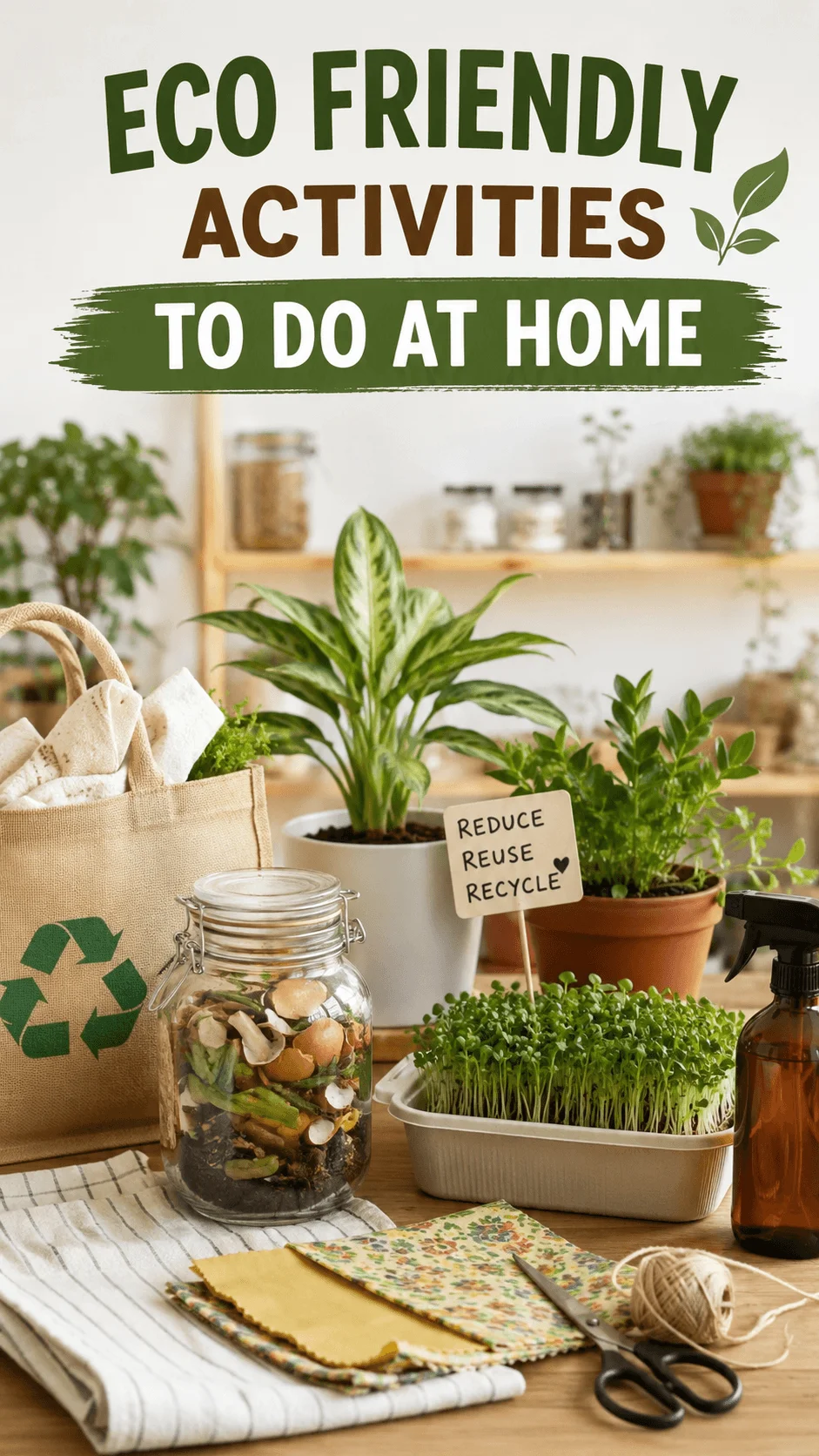
In 2026, interest in practical reuse, repair, indoor growing, thrift flipping and low waste living continues to inspire people to rethink what they already have. Instead of focusing only on what to buy, these ideas encourage you to use existing resources creatively. Here are some of the most interesting activities you can try at home.
1. Grow Microgreens as an Eco Friendly Home Activity
Growing microgreens on a windowsill is an easy way to bring a small food growing project into your home. These young plants need relatively little space, which makes them suitable for people who do not have a garden or large outdoor growing area.
You can grow microgreens in a shallow container placed near a suitable window. Depending on the variety, you can experiment with greens such as radish, broccoli, sunflower and pea shoots. Watching the seeds germinate and develop over several days also makes the activity enjoyable, especially for children who are curious about where food comes from.
One reason this activity fits sustainable living is that it gives you an opportunity to grow some food using a very small area. You do not need a traditional garden to experience the process of growing something yourself. A windowsill, small tray and suitable growing medium can become a miniature indoor garden.
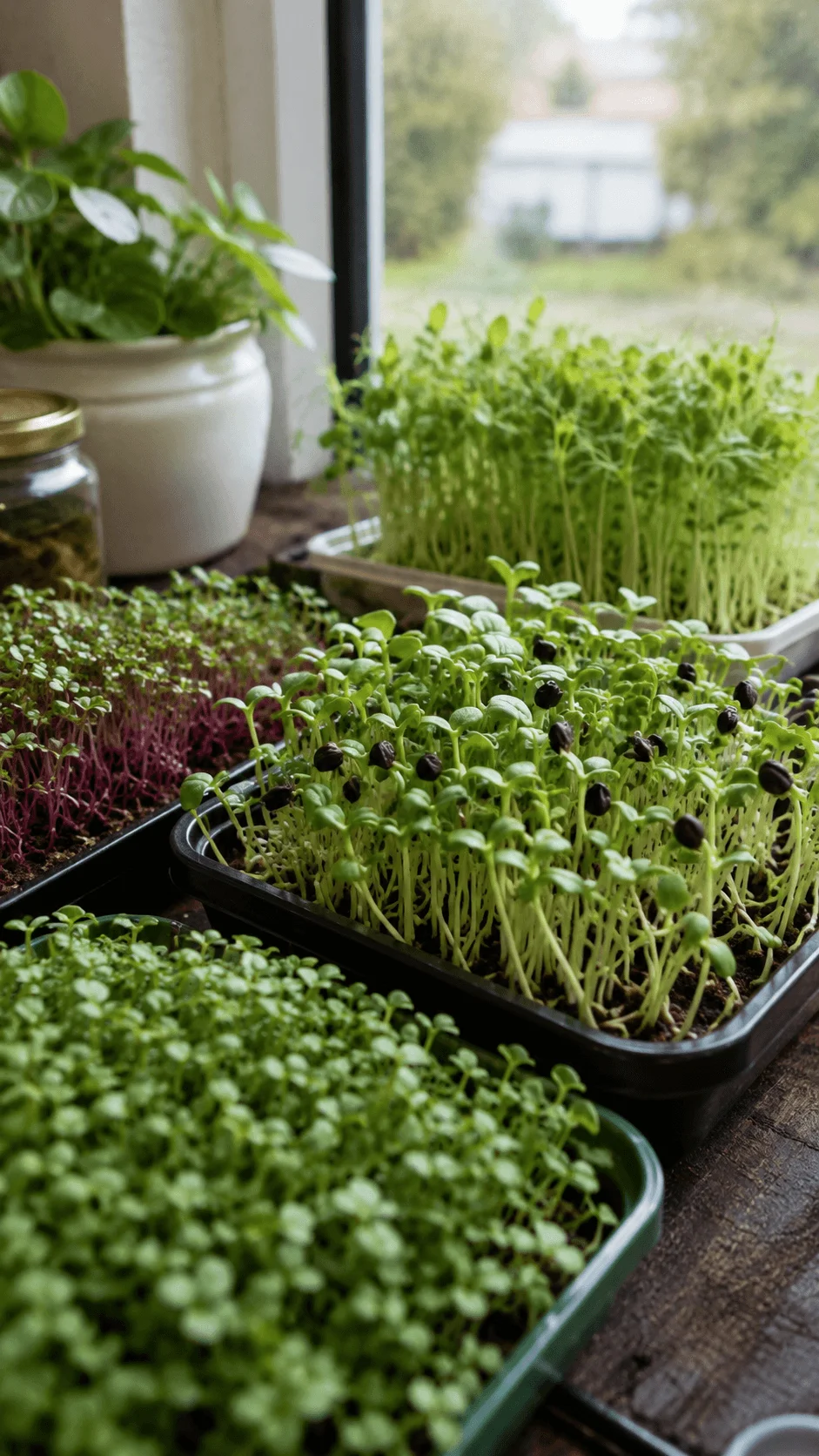
Microgreens also make a useful learning activity. You can keep a simple growth journal and record when you planted the seeds, when they germinated and how quickly they developed. Children can measure the plants and observe how light and water affect their growth.
The activity can become even more interesting when you grow several varieties at the same time. Use separate small containers and label them so you can compare their growth. This turns a simple gardening project into an ongoing experiment.
2. Try Kitchen Scrap Gardening
Before throwing vegetable scraps into the trash or compost container, look at whether some parts can produce new growth. Kitchen scrap gardening can turn food leftovers into a small indoor gardening project.
Green onions are a particularly simple option because the remaining root section can sometimes produce fresh green growth when placed in water or soil. Other vegetables can also provide interesting growing experiments, although results vary depending on the plant and the condition of the leftover piece.
The goal is not necessarily to produce an unlimited supply of vegetables from scraps. Instead, the activity helps you see food differently. Something that looks like waste may still have another useful purpose.
You can create a small kitchen scrap gardening area using containers that you already have at home. Reusing an old glass jar or suitable food container can make the project even more resource conscious.
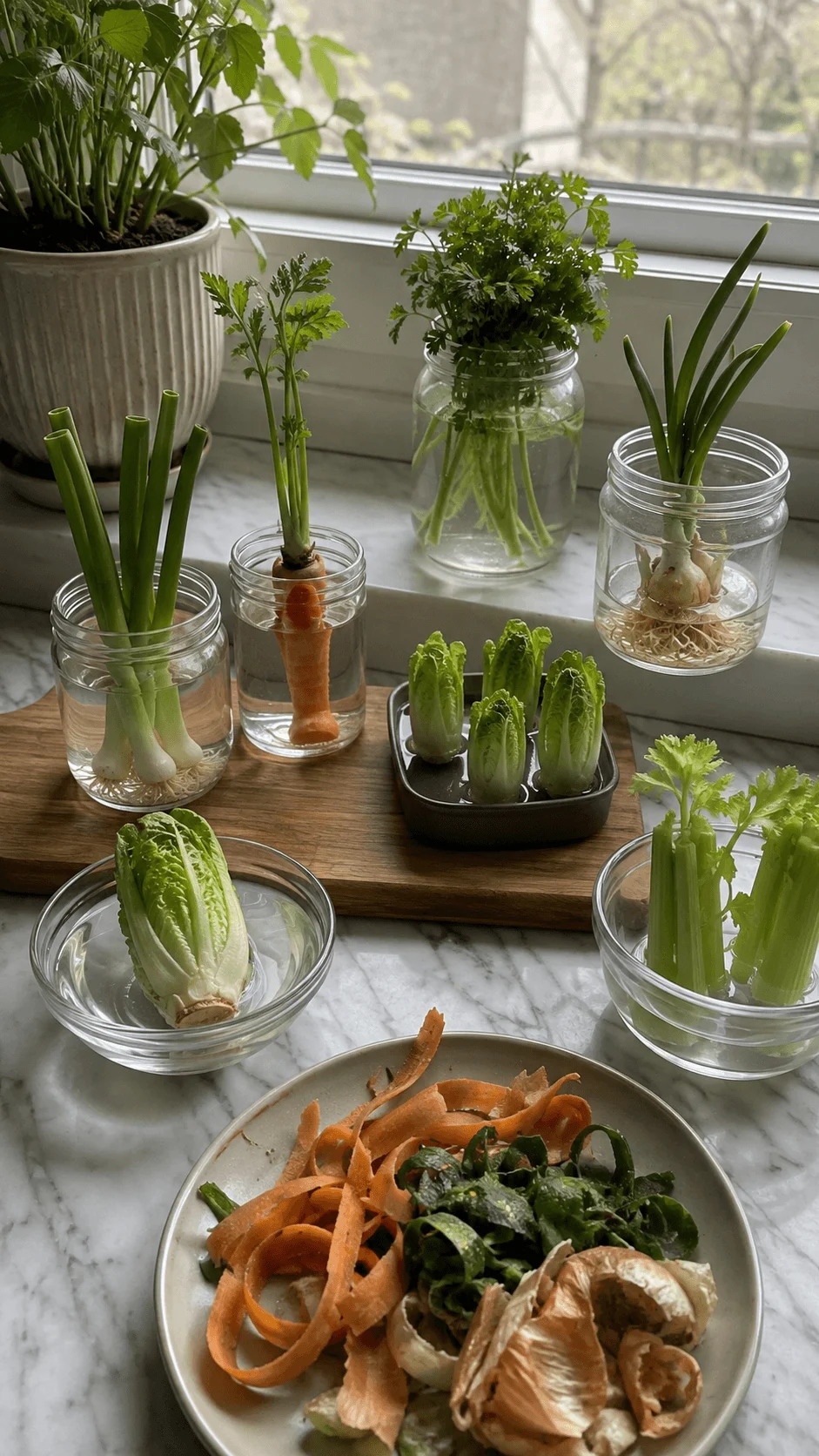
This activity can also become a great way to discuss food waste with children. Ask them which parts of vegetables normally end up in the trash and whether any of those parts might still have a use. Let them observe what happens over several days.
Keep expectations realistic because not every vegetable scrap will successfully regrow. The value comes from experimenting, learning and finding another purpose for suitable kitchen leftovers.
You can also combine this project with your microgreens garden. Having several small growing experiments around the kitchen can make indoor gardening feel like an enjoyable hobby rather than another household responsibility.
3. Start a Thrift Flip or Clothing Upcycling Project
Thrift flipping has become an increasingly popular way to approach clothing and personal style with a greater focus on reuse. Instead of treating an unwanted garment as something that has reached the end of its usefulness, you can look at it as raw material for another project.
An old shirt might become a reusable fabric bag. A worn pair of jeans might provide fabric for a small household project. A larger garment might inspire a creative sewing or decoration project.
The interesting part of thrift flipping is that you do not need to make the result perfect. The purpose is to experiment with what you already have and see whether you can give it a new function.
Before beginning, look through clothing that your household no longer uses. Separate items that still have potential from pieces that are too damaged for your chosen project. You can then decide what each suitable item could become.
If you are new to sewing, start with a simple project. You can learn basic techniques gradually instead of attempting a complicated transformation immediately. Someone in the family who already knows basic sewing can also help with the project.
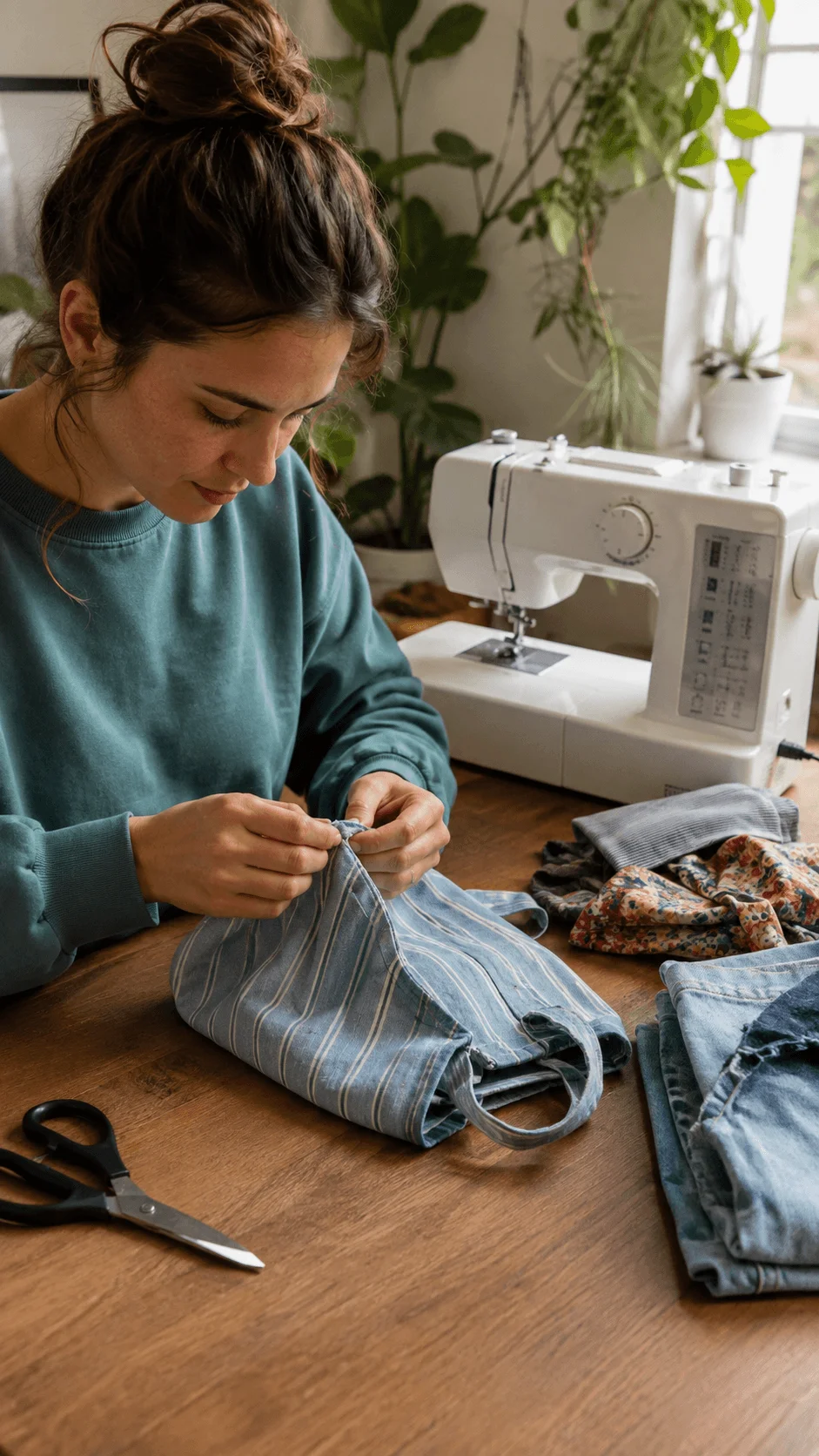
This is one of the more creative eco friendly activities to do at home because it combines sustainability with personal creativity. You are making something rather than simply throwing an old item away.
It can also change the way you shop. Once you become comfortable transforming existing items, you may start seeing second hand clothing and unused household fabrics as opportunities instead of disposable objects.
4. Have a Family Repair Afternoon
Set aside an afternoon to look around your home for things that need simple repairs. The goal is to identify items that might continue serving a useful purpose with a little attention.
You might find clothing with a loose button, a toy that needs a minor fix, a household item with a small problem or furniture that needs basic maintenance.
Repairing something can extend its useful life and delay the need to replace it. That makes repair an important part of a more sustainable approach to consumption.
The activity can also help develop practical skills. Rather than immediately treating a damaged item as useless, you can investigate what went wrong and consider whether the problem has a straightforward solution.
Keep safety in mind and only attempt repairs that are appropriate for your skills and the item involved. For electrical appliances, structural problems or anything that requires specialized knowledge, ask a qualified adult or professional for help.
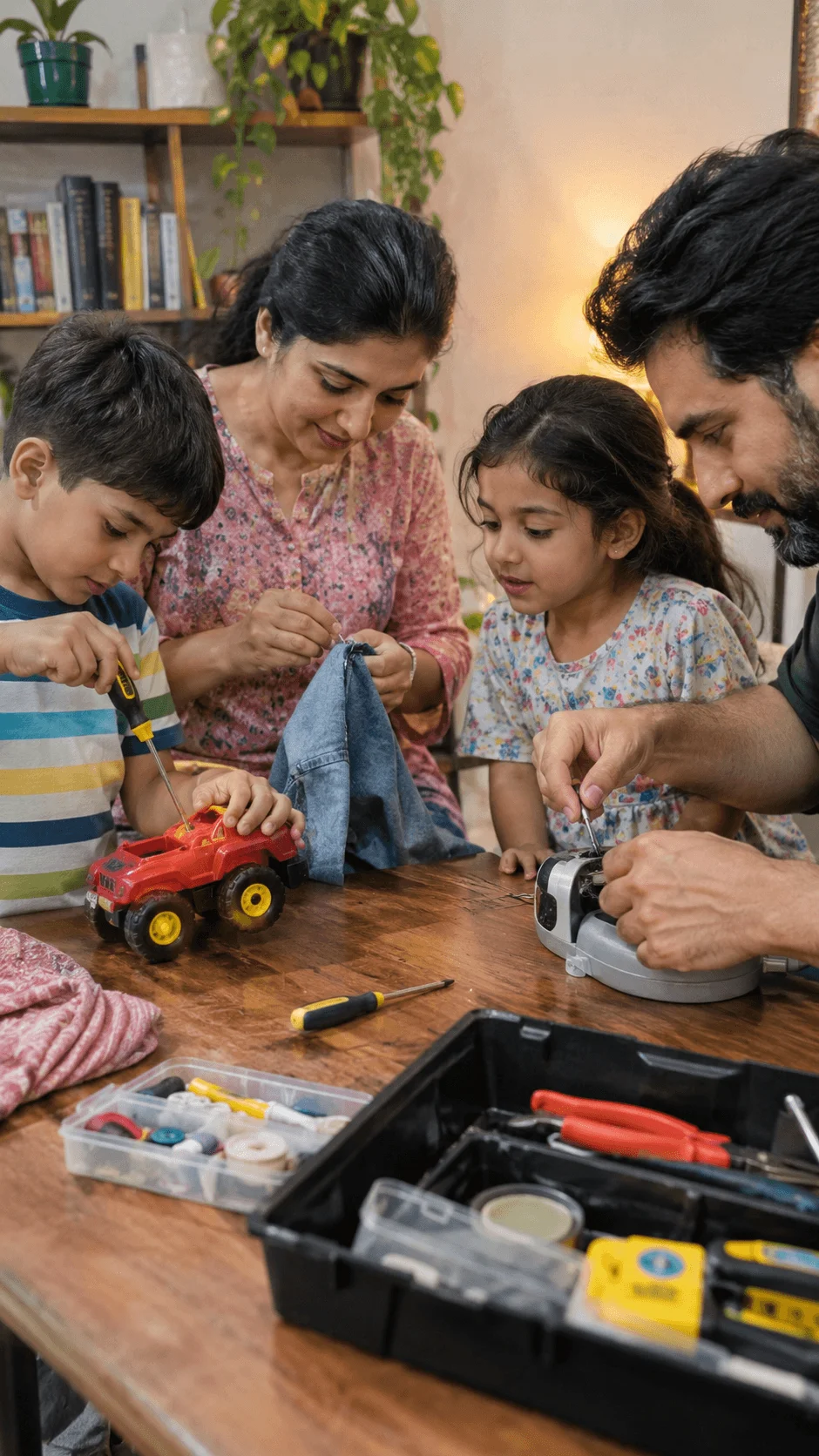
For simple projects, however, a repair afternoon can become a valuable household tradition. You could create a small box for basic repair supplies and keep it organized so that minor problems do not immediately lead to replacement.
This activity is especially useful because it changes the question from “What should we buy?” to “Can we make what we already have useful again?”
5. Make Reusable Food Wraps for the Kitchen
Another creative project is making reusable food wraps that can replace some forms of disposable food covering. Traditional wax based wraps use fabric coated with a suitable wax mixture, while some people also explore plant based alternatives.
The activity begins with choosing suitable fabric and preparing it for the wrapping project. The material can then receive its coating according to the specific method you choose.
Once prepared correctly, reusable wraps can become useful for covering suitable foods or containers. They can also encourage you to think about how many disposable products you use during an ordinary week.
The sustainability benefit comes from reuse. Instead of reaching for a new disposable covering each time, you have an item that you can clean and use again when appropriate.
This can also become a creative activity because you can choose different fabric patterns. Older cotton fabric that you already have may provide material for the project, provided it is suitable and clean.
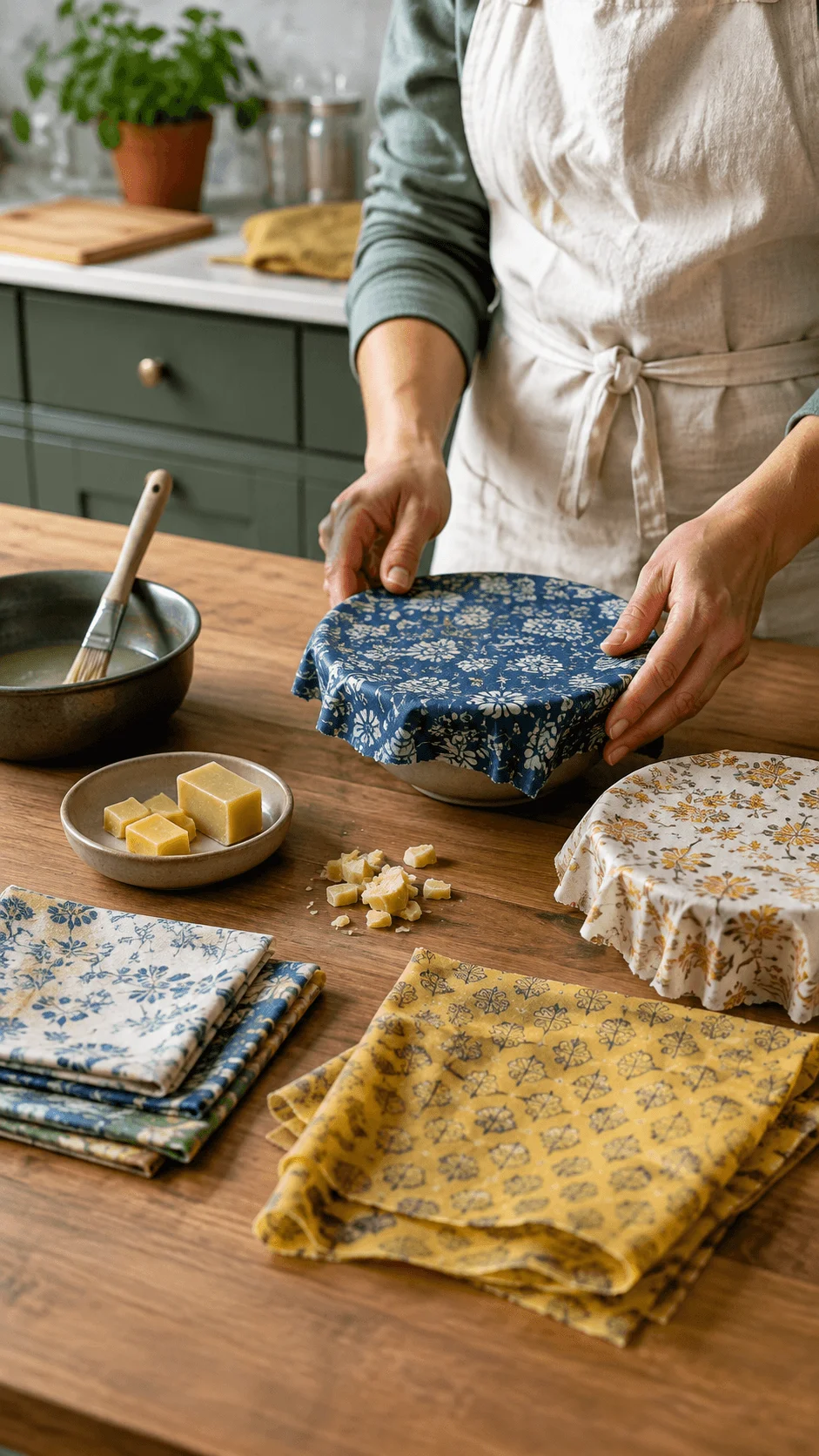
If you involve younger family members, let adults handle any part of the process that involves heat or equipment. Children can help select patterns, measure fabric with supervision and learn why reusable products can reduce reliance on disposable alternatives.
The project also works well alongside other kitchen focused sustainable activities. Once you begin looking for reusable solutions, you may discover other areas where your household can replace unnecessary single use products.
6. Create a Home Herb Drying Station
If you grow herbs at home or have fresh herbs that you will not use quickly enough, drying them can be an interesting preservation activity.
Herb drying gives you a way to extend the usefulness of suitable herbs rather than allowing them to go unused. Depending on the herb and method, you can dry and store herbs for later cooking.
Start by researching the appropriate drying method for the particular herb you have. Different herbs contain different amounts of moisture, so drying conditions can vary.
You can create a simple dedicated area where suitable herbs can dry safely. Once the herbs have dried properly, store them in clean, suitable containers and label them with the herb name and date.
This activity can make your kitchen feel more connected to the food you use. Instead of thinking of herbs as something that must be purchased whenever you need them, you begin thinking about preservation and storage.
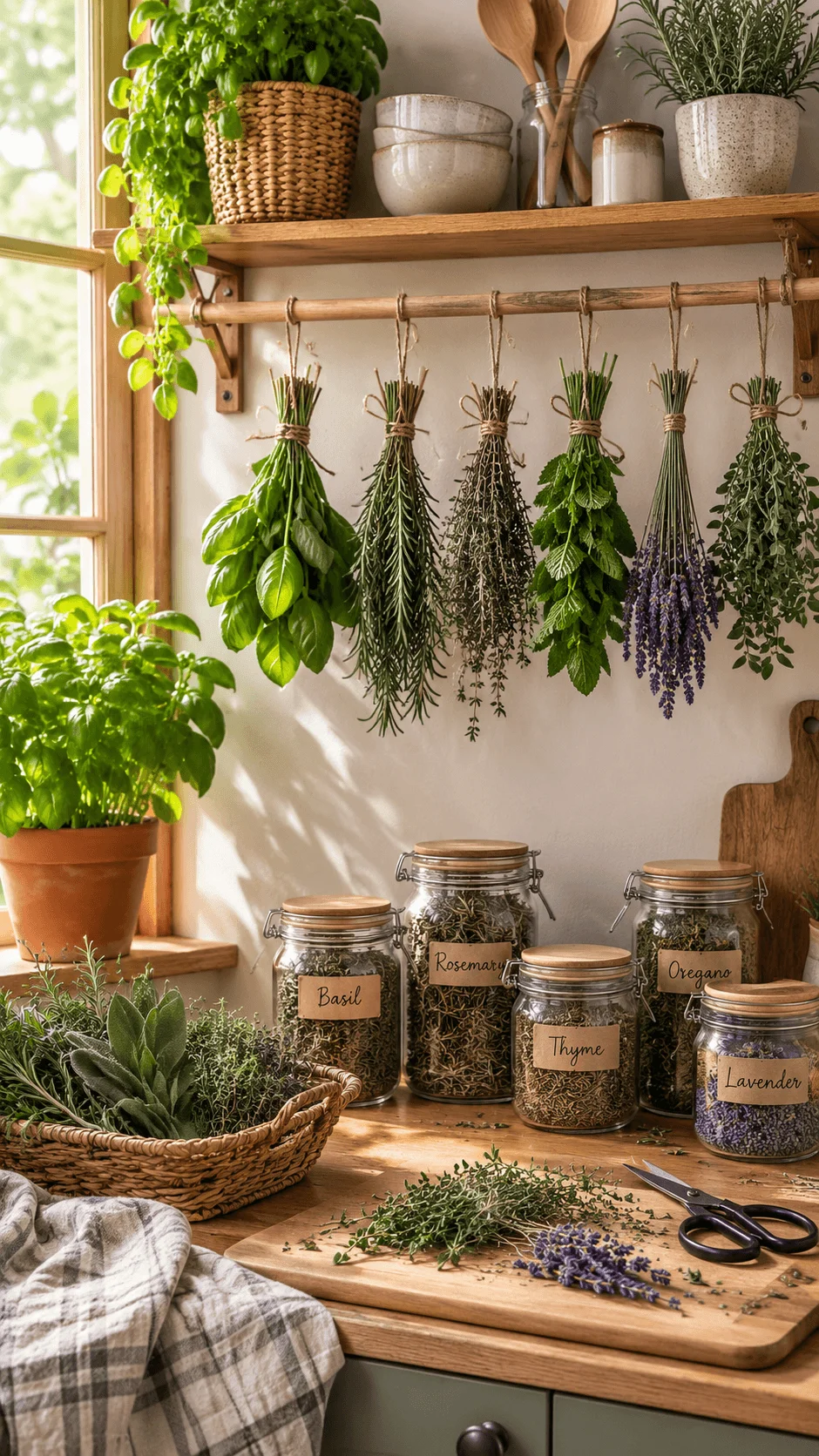
It can also become a seasonal activity. If you grow herbs during a particular season, you can preserve suitable excess herbs and use them later.
Another interesting aspect is the sensory experience. Different herbs have distinctive scents, textures and flavors. Children can observe these changes while learning how food preservation works.
7. Start Saving Seeds From Suitable Plants
Seed saving is another hands on activity that can make home gardening more sustainable. Instead of treating every growing season as a completely new beginning, you can learn how suitable plants produce seeds and how gardeners collect and store them.
Not every plant produces seeds that are useful for saving, and some modern plant varieties may not produce offspring with the same characteristics as the original plant. For that reason, beginners should start by learning about suitable plants and basic seed saving practices.
You can keep a small collection of properly identified seeds from suitable plants and store them under appropriate conditions. Labeling is important because it is easy to forget which plant produced a particular seed.
Seed saving can become a long term gardening project. You might begin with one or two plants and gradually learn more about how different varieties produce and store seeds.
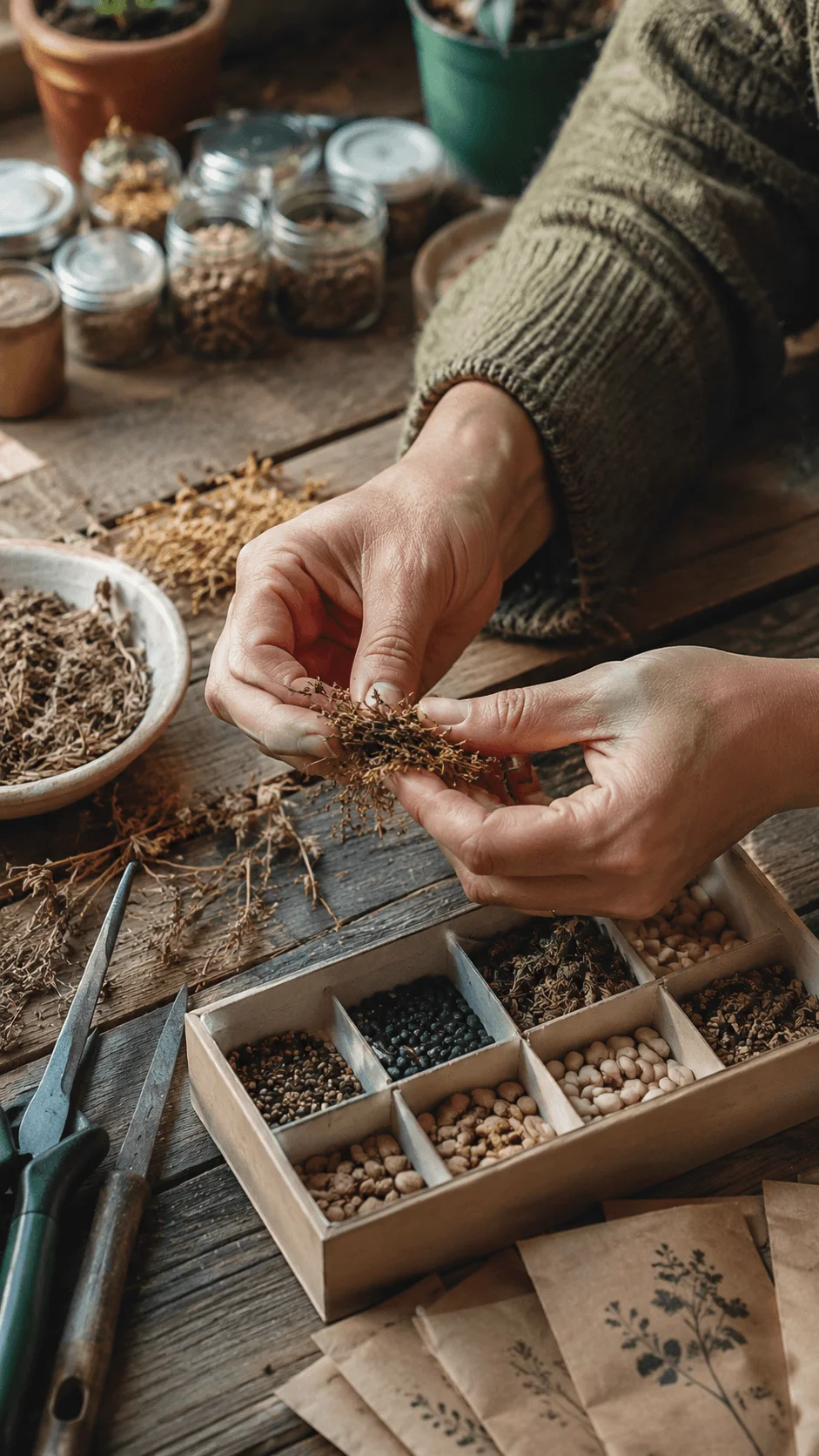
The activity also encourages patience. You have to allow plants to complete their growth cycle rather than thinking only about immediate harvest.
For children, this can be a fascinating way to understand the complete life cycle of a plant. They can see that the seed they plant is part of a much larger natural process.
Most importantly, seed saving encourages people to pay attention to the plants they grow and the resources they already have. It turns gardening into an ongoing cycle rather than a series of isolated purchases.
8. Try a Use What You Have Challenge
A simple way to make your home more sustainable is to spend a week using what you already own before buying something new. This activity turns everyday consumption into a small household challenge and encourages you to look at unused items differently.
Start by choosing one area of your home, such as the kitchen, wardrobe, bathroom or storage room. Look for items that you already have but rarely use. You might discover ingredients at the back of a cupboard, fabric that could become part of a craft project or containers that could serve another purpose.
The idea is not to avoid every purchase. Instead, give yourself a chance to use existing resources before automatically buying replacements or new products.
In the kitchen, for example, you can plan a meal around ingredients that need to be used soon. In the wardrobe, you can create new combinations from clothes you already own. Around the house, you can look for containers, jars and boxes that could organize something instead of purchasing new storage products.
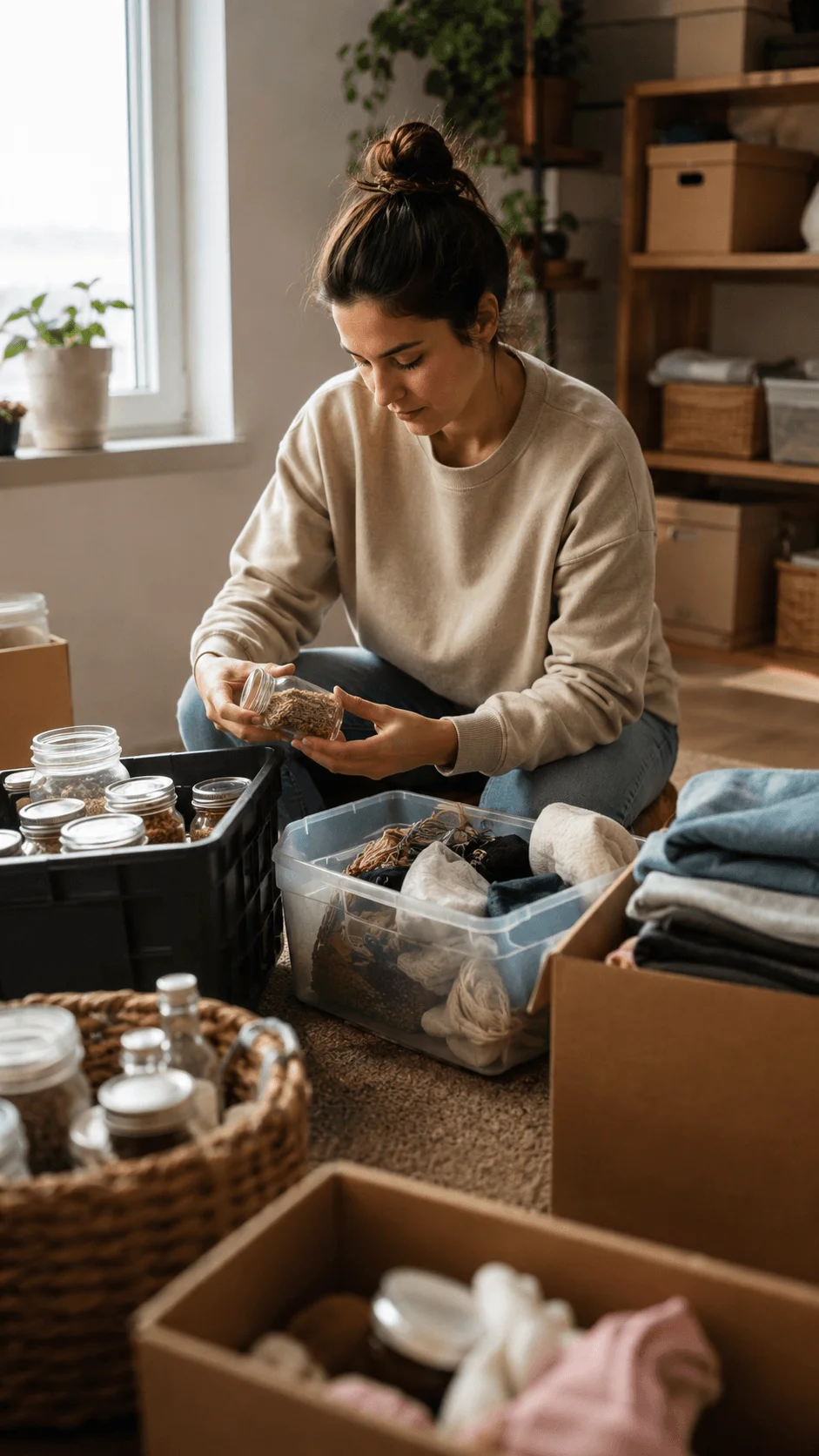
This challenge can also reveal how much your household already has. Sometimes sustainability starts with simply becoming more aware of what is sitting unused in cupboards and drawers.
You can make the activity more enjoyable by involving the whole family. Give everyone a small area to explore and ask them to find creative ways to use existing items. At the end of the week, talk about what you discovered.
The real benefit comes from developing a habit of pausing before purchasing. Instead of immediately asking what you should buy, you begin asking whether something you already own can solve the problem.
9. Try Small Space Composting at Home
Composting is a familiar sustainability practice, but you do not need a large garden to explore it. Small space composting can work as a home activity when you choose a method that suits your living situation and follow the appropriate care requirements.
Food scraps such as suitable vegetable and fruit leftovers can become part of a composting system instead of automatically going into the general waste stream. However, the exact materials you can add depend on the composting method you choose.
For beginners, the most important part is learning what belongs in your particular composting system. Composting works best when you maintain an appropriate balance of materials and avoid adding items that can create problems.
You can turn the process into an educational activity by keeping track of what your household throws away. During the first few days, notice how many suitable food scraps appear in your kitchen.
This can make food waste more visible. A handful of scraps might not seem significant, but seeing them accumulate over a week can encourage you to think more carefully about food purchasing, storage and meal planning.
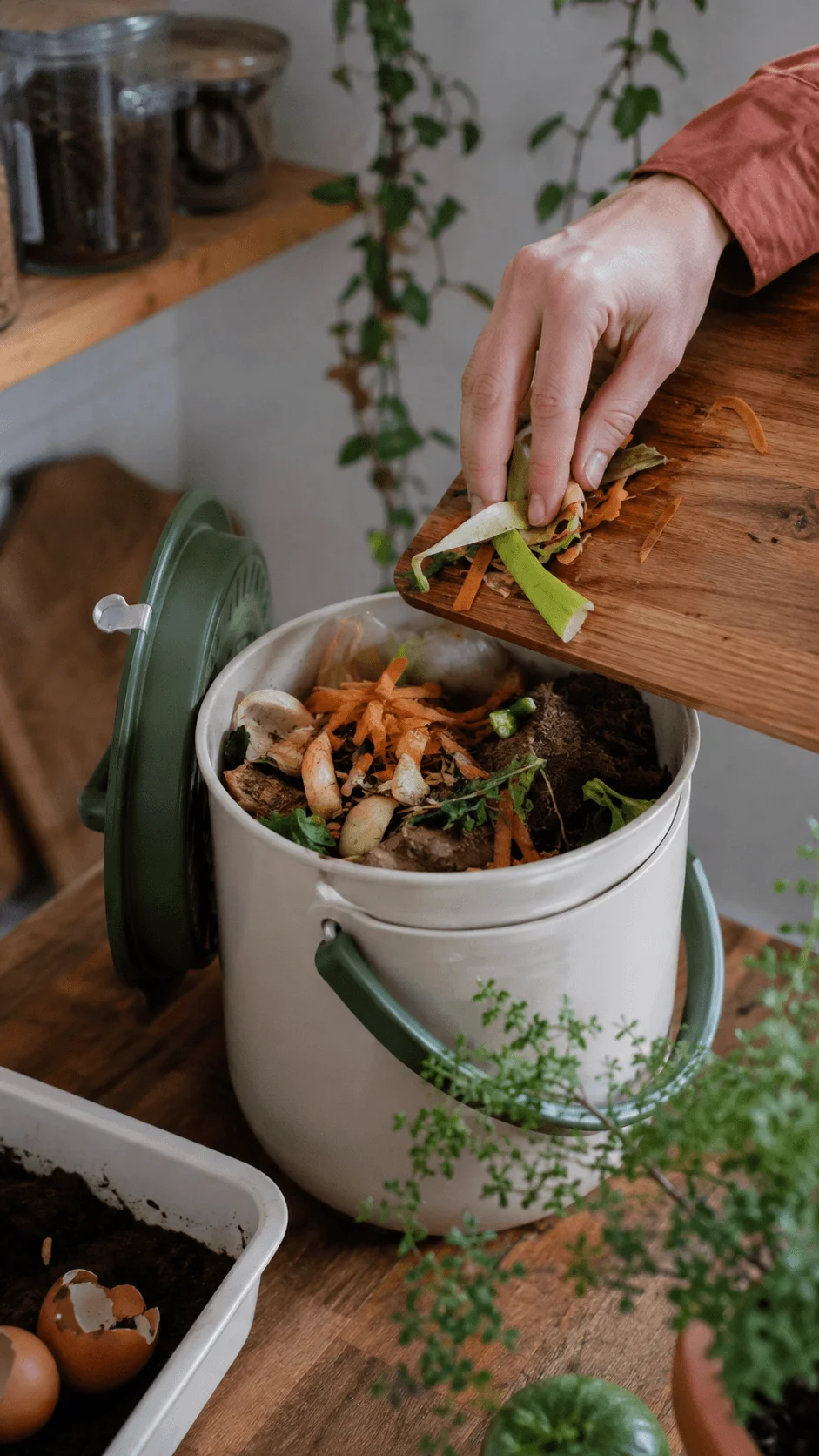
Composting also gives you an opportunity to learn about decomposition. Organic materials gradually break down through the activity of microorganisms and other natural processes.
If you have children at home, they can help observe the changes over time without directly handling unsuitable materials. You can explain how organic matter eventually returns nutrients to the soil.
The most important thing is to choose a composting approach that fits your home. A small apartment, suburban house and home with a large garden may require different solutions.
10. Have a No Waste Kitchen Night
A no waste kitchen night can turn food waste reduction into a fun challenge rather than another household rule.
Choose one evening when you prepare dinner mainly from food you already have. Before deciding what to cook, look through the refrigerator, freezer and pantry. Pay particular attention to ingredients that need to be used soon.
You might discover vegetables that can become part of a soup, leftover cooked food that can become part of another meal or ingredients that can work together in a simple dish.
The goal is not to create an elaborate meal. The goal is to become more creative with what is already available.
This activity can also teach useful meal planning skills. When you regularly check what needs to be used, you may become better at purchasing quantities that your household can realistically consume.
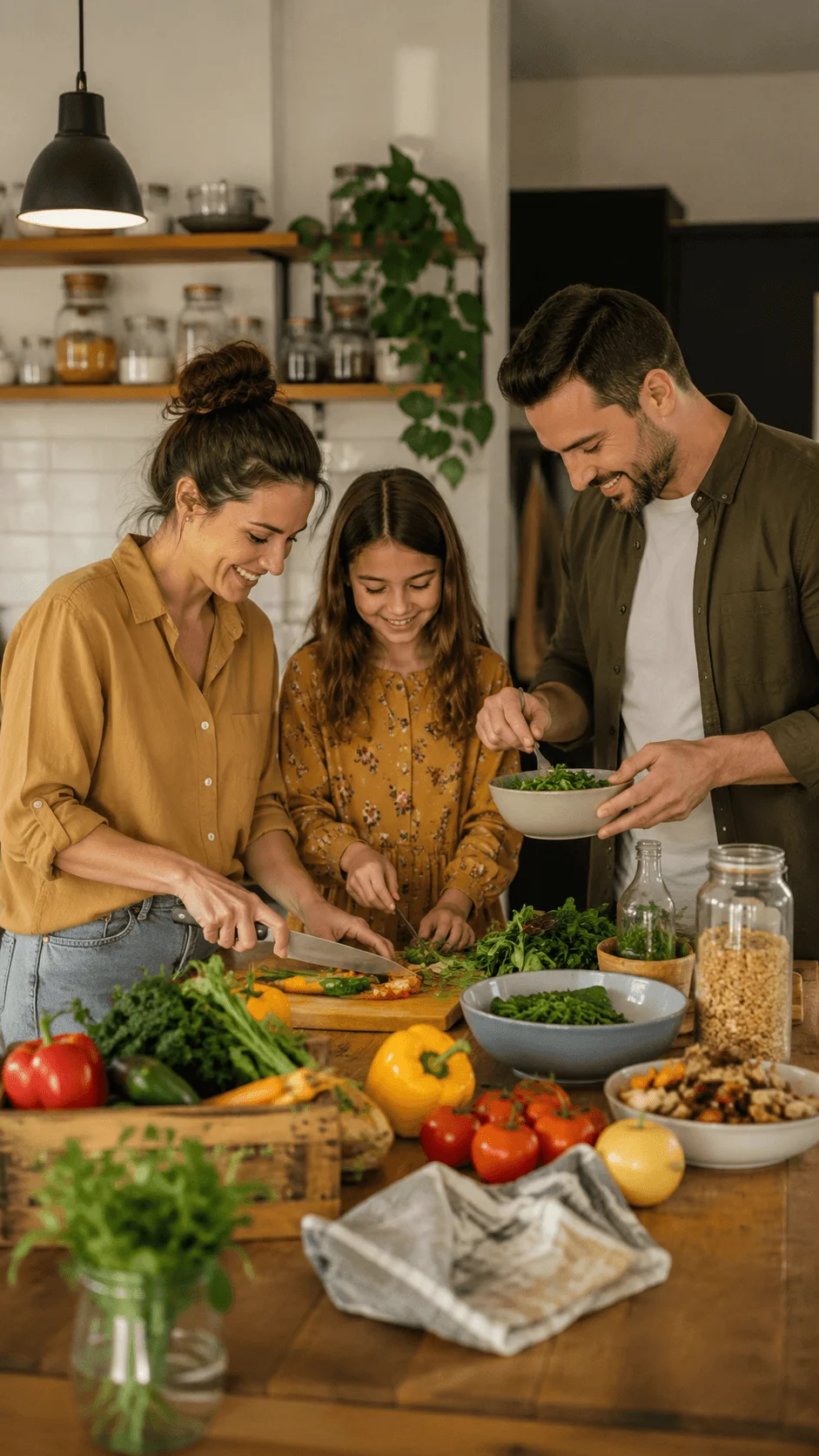
You can make the evening more engaging by giving everyone a role. One person can check the refrigerator, another can look through the pantry and another can suggest meal ideas.
Keep food safety as the priority. Only use food that remains safe to eat and follow appropriate storage guidance. Sustainability should never mean eating food that may have spoiled.
You can also turn the activity into a recurring tradition. Perhaps your household chooses one evening every week or every two weeks to create a meal around ingredients already available.
Over time, this simple activity can encourage a more thoughtful approach to food purchasing and storage.
11. Create Upcycled Home Decor
Upcycling is one of the most creative eco friendly activities to do at home because it allows you to transform objects that you might otherwise overlook.
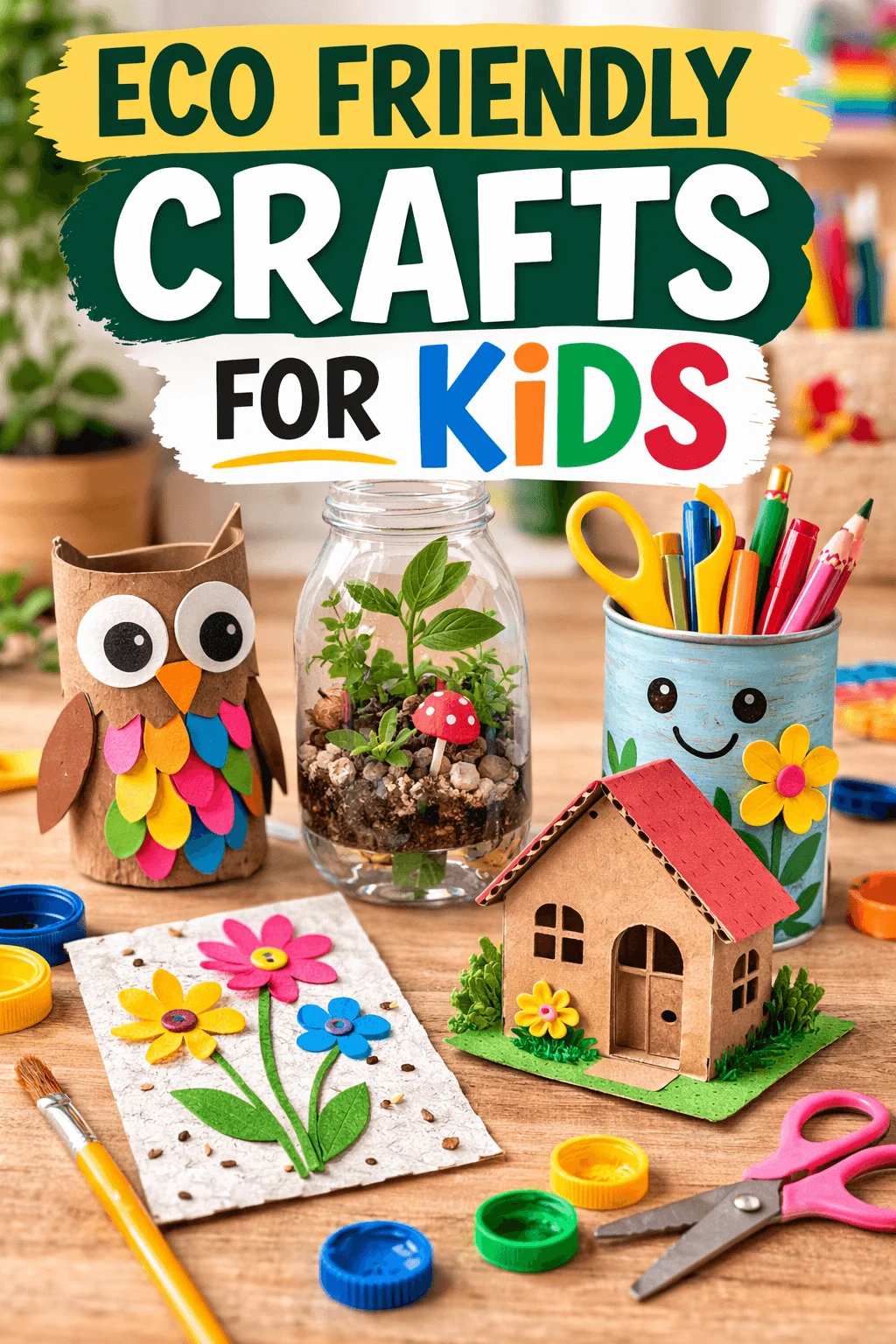
Look around your home for suitable items that no longer serve their original purpose. An old glass jar might become a storage container. A forgotten frame might become part of a decorative display. A sturdy box could become an organizer.
The most important part of upcycling is to start with what you already have rather than purchasing a collection of new materials specifically for the project.
Before beginning, think about the function you want the finished item to have. A decorative project becomes more useful when it also solves a practical problem.
For example, an unused container could become a place to store craft supplies. A piece of leftover fabric could become a decorative accent. An old frame could display artwork or photographs instead of remaining unused in storage.
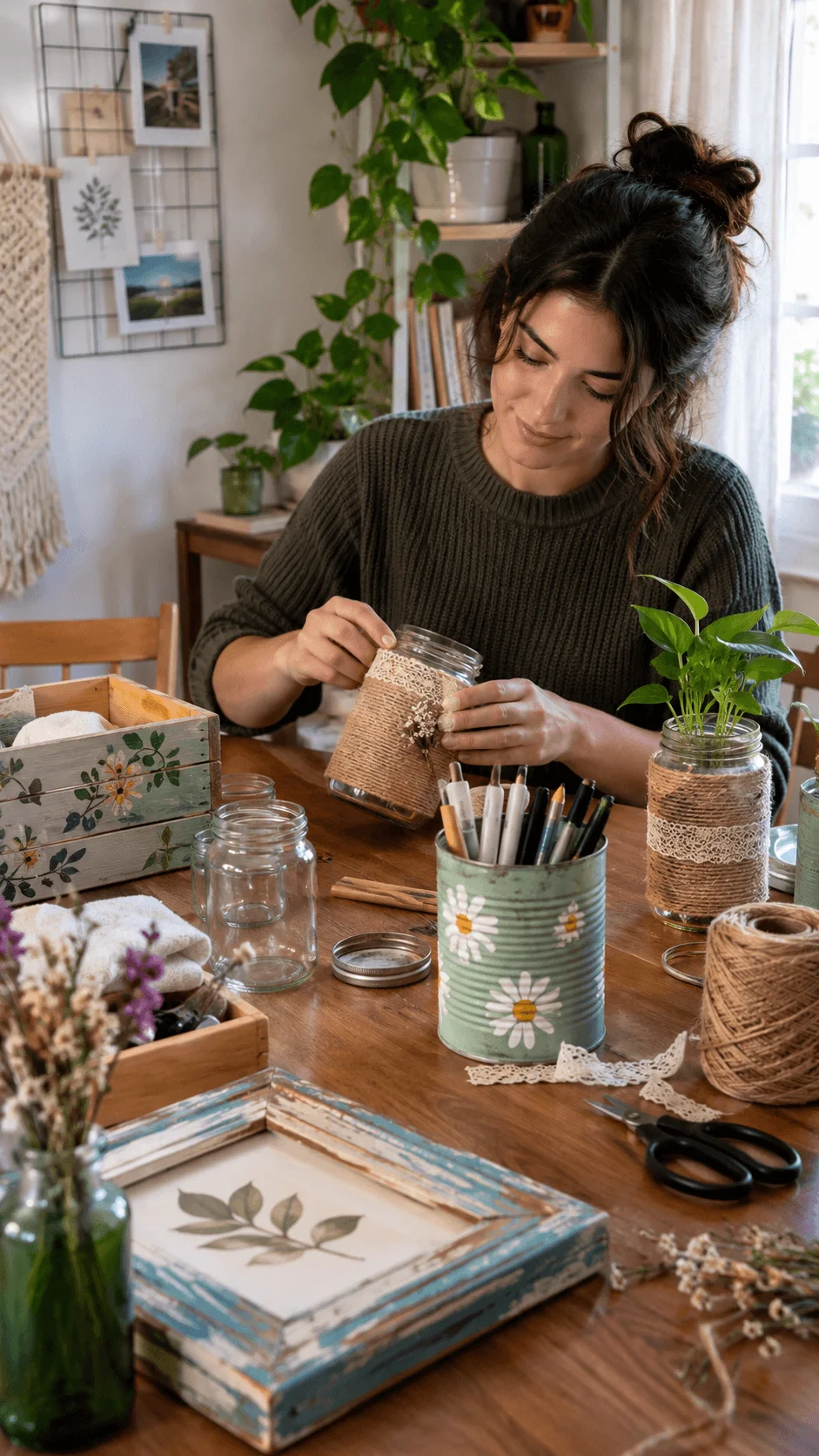
You can also experiment with different styles. Upcycled decor does not have to look perfectly polished. Visible signs of the original object can actually make a finished piece feel more personal.
This activity can be especially enjoyable for families because everyone can contribute ideas. One person might see an old jar while another sees a potential planter or organizer.
Upcycling also encourages creative thinking. Once you start viewing unwanted objects as materials, you may notice possibilities that were not obvious before.
Rather than asking whether an item is beautiful enough to keep, you begin asking whether it can become useful again.
12. Turn Household Waste Sorting Into a Fun Challenge
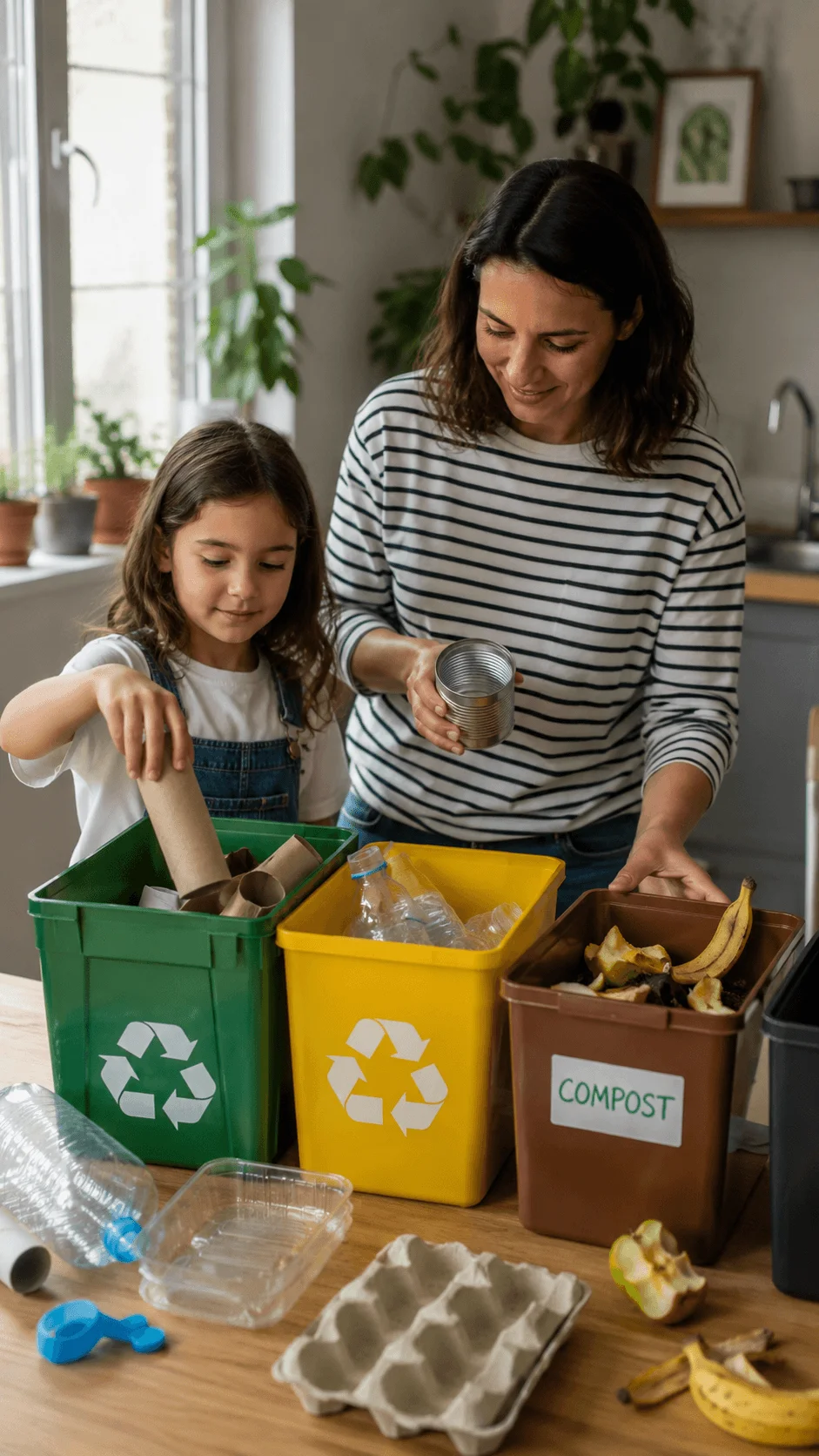
Waste sorting can feel like a routine household chore, but you can turn it into one of the more educational sustainable activities at home.
Start by learning about the waste and recycling rules that apply in your local area. Different communities accept different materials, so never assume that every item with a recycling symbol belongs in your recycling collection.
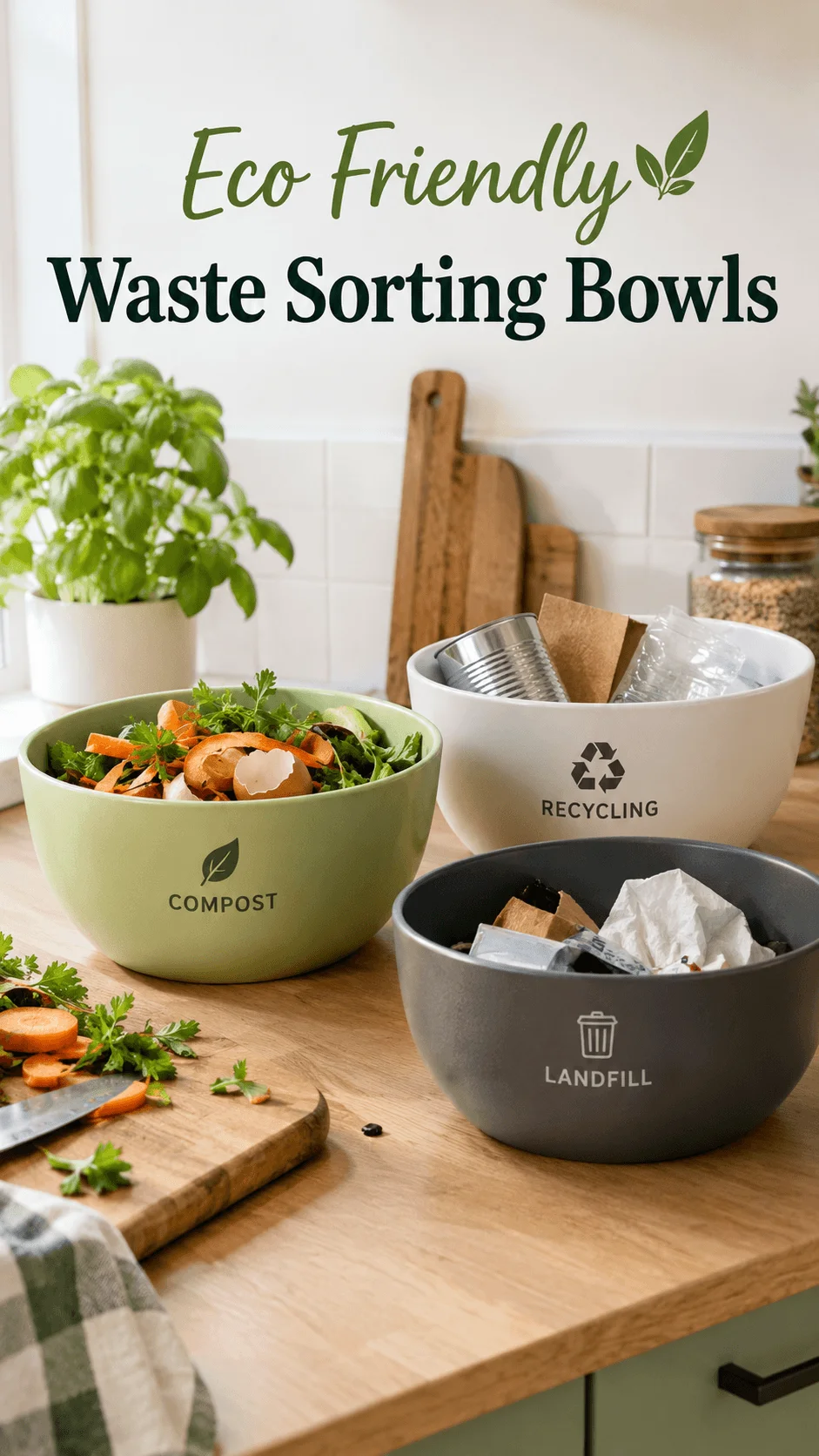
Once you understand the local rules, create a simple sorting activity for the household. When suitable household waste appears, discuss which category it belongs to and why.
For children, this can become a learning game. Give them examples of ordinary household items and ask them to think about whether the item should be reused, recycled, composted or placed in general waste according to local guidance.
The activity can also encourage people to think about waste before they create it. Recycling is useful, but preventing unnecessary waste in the first place can be an even more valuable habit.
For example, before buying a product, you can consider how long you expect to use it, whether the packaging is excessive and whether something you already own could perform the same function.
You can make the challenge more interesting by tracking the changes your household notices during the week. Perhaps you discover that many items can be reused or that certain purchases create a surprising amount of packaging.
The purpose is not to create a competition where someone feels guilty about producing waste. Instead, use the activity to build awareness and encourage better decisions.
Making These Sustainable Activities Part of Everyday Life
Trying twelve different projects at once may sound exciting, but sustainable living usually becomes easier when you choose activities that fit naturally into your routine.
For example, someone who enjoys cooking might begin with a no waste kitchen night, herb drying and kitchen scrap gardening. Someone interested in fashion might prefer thrift flipping and clothing upcycling. A family with children might enjoy microgreens, seed saving and waste sorting challenges.
There is no single correct way to become more environmentally conscious at home. The most useful activity is often the one you can continue doing without turning it into a source of stress.
You can also combine several activities. Kitchen scrap gardening can connect with composting because unsuitable scraps can go into the appropriate composting system. Growing herbs can connect with herb drying when you have more fresh herbs than you can use. Thrift flipping can connect with a use what you have challenge.
These connections make sustainability feel less like a collection of isolated tasks and more like a complete household approach.
Another useful strategy is to start small. Choose one activity and practice it for a few weeks. Once it becomes familiar, introduce another. This gives you time to learn what works for your home.
The goal is not perfection. A household does not need to eliminate every form of waste or completely change its lifestyle overnight. Small improvements can still teach useful habits and encourage more thoughtful consumption.
Why Eco Friendly Activities at Home Matter in 2026
The growing interest in practical sustainability reflects a broader shift in how people think about consumption. Instead of constantly buying new products, many people are exploring ways to repair, reuse, grow, preserve and transform what they already have.
That makes home based activities particularly valuable. Your home is where many everyday decisions happen. What you purchase, what you throw away, what you repair and how you use food can all influence your household’s resource consumption.
Activities such as thrift flipping and upcycling make reuse creative. Microgreens and kitchen scrap gardening make food production more accessible. Seed saving encourages people to understand plant life cycles. Repair projects challenge the idea that damaged objects automatically need replacing.
The educational value matters too. When sustainability becomes something you actively practice, environmental concepts become easier to understand.
A child who watches a seed grow, helps sort household materials or sees an old item transformed into something useful may develop a much stronger connection with the idea of reducing waste.
Adults can benefit in the same way. These activities encourage you to slow down and consider the resources behind ordinary objects and food.
That awareness can eventually influence other household decisions without requiring a complicated sustainability plan.
Conclusion
The best eco friendly activities to do at home are not necessarily the most complicated ones. Often, the simplest projects can make sustainability feel practical, creative and achievable.
Growing microgreens, regrowing suitable kitchen scraps, saving seeds and drying herbs can help you explore ways to use food and plants more thoughtfully. Thrift flipping, repairing belongings and creating upcycled decor can encourage you to extend the useful life of things you already own. Food waste challenges, composting and household waste sorting can help you become more aware of what your home consumes and discards.
What makes these activities valuable is that they turn sustainable living into something you can experience rather than simply read about. You can learn new skills, involve your family and discover creative uses for resources that might otherwise be overlooked.
You do not have to try all twelve ideas immediately. Choose one that fits your interests and home, give it a try and build from there. Over time, small sustainable activities can become ordinary parts of your household routine.
The most important step is simply to begin. A windowsill garden, a repaired item, a saved seed or an upcycled container may seem small on its own, but each activity can encourage a more thoughtful approach to the things you use every day.