DIY Eco Friendly Christmas Decorations for Home
DIY Eco Friendly Christmas Decorations for Home can make holiday decorating feel personal, beautiful, and refreshingly simple. Instead of filling a shopping cart with new ornaments, look at what you already have: forgotten ribbon, clean jars, cardboard boxes, spare fabric, and natural materials gathered responsibly. With a little creativity, those ordinary supplies can become decorations worth keeping.

Each project includes practical ways to make it, style it, and use it again when possible. Whether you prefer rustic greenery, classic red accents, or quiet neutral colors, you can create a home that feels festive without relying on disposable decor.
Dried Orange and Cinnamon Window Garlands
A window garland made from dried citrus brings color to the room without glitter or disposable plastic. Save orange slices from fruit that is still suitable for drying, or use an orange that needs eating soon. Slice it evenly, then dry the pieces thoroughly in a food dehydrator or in an oven on a low setting with adult supervision. Let every slice cool before threading it.

Make a small hole near the rind with a blunt craft tool and pass cotton string through each slice. Alternate orange rounds with cinnamon sticks, wooden beads you already own, or fabric knots. Leave a little space between pieces so the garland hangs naturally. Tie it across a kitchen window, above a bookshelf, or along a mantel.
The key is complete drying. Fruit that remains damp can develop mold during storage. Keep the finished garland away from open flames, heaters, and moisture. At the end of the season, remove any string or noncompostable additions before dealing with the fruit according to local compost rules.
Pinecone Christmas Tree Ornaments
Pinecones already have a beautiful sculptural shape, so they need very little decoration. Collect fallen pinecones where gathering is permitted, or use a bag saved from a previous craft. Brush off loose dirt, check for insects, and allow the pinecones to dry completely. The natural brown color pairs especially well with green branches and warm white lights.

Loop a piece of reused ribbon or cotton twine around the upper scales and tie a secure hanging knot. For a snowy appearance, lightly dab the tips with leftover white water based craft paint rather than coating the whole cone. Another option is to attach a small fabric bow cut from an old gift ribbon.
Hang larger cones toward the lower branches where their weight is easier to support. Use smaller ones on tabletop trees or decorative branches. Store dry ornaments in a reused cardboard box with paper between layers. They can last through several Christmas seasons when protected from crushing and dampness.
Recycled Paper Stars for Walls and Windows
Old maps, magazine pages, paper bags, and unwanted gift wrap can become striking paper stars. Choose paper that folds cleanly and has enough strength to hold a crease. Cut several identical squares, fold each into a simple fan, and join the folded sections at their ends to form a starburst. Experiment with different sizes rather than making every star identical.

A cluster of three large stars can decorate a blank living room wall, while smaller stars look charming in a window. Use removable hanging methods suited to the surface, and keep paper away from hot bulbs or heat sources. For a more understated look, turn printed pages inward so the blank side faces the room.
This project works particularly well when your household already has surplus paper. Avoid buying a new paper pad solely to call the decorations recycled. At the end of Christmas, flatten the stars carefully and keep them between sheets of cardboard for next year.
Old Fabric Scrap Christmas Bunting
A worn cotton shirt, outgrown pajamas, or leftover sewing material can become festive bunting. Sort pieces by color and texture, then cut simple triangles or narrow rectangles using a cardboard template. A mix of cream, deep green, muted red, and patterned cloth creates a relaxed holiday look without requiring perfectly matching fabric.

Fold the top edge of each piece over a length of sturdy string and sew it in place with a few hand stitches. This avoids the need for a large amount of glue and makes the decoration easier to repair. Leave enough string at each end for tying the bunting to hooks that are already installed.
Fabric bunting looks especially inviting above a doorway, along a staircase wall, or over a dining room shelf. Keep it clear of cooking areas, heaters, and any place it could become a trip or snag hazard. After the holiday, fold it loosely, wash only if needed, and reuse it for future celebrations.
Cardboard Gingerbread House Village
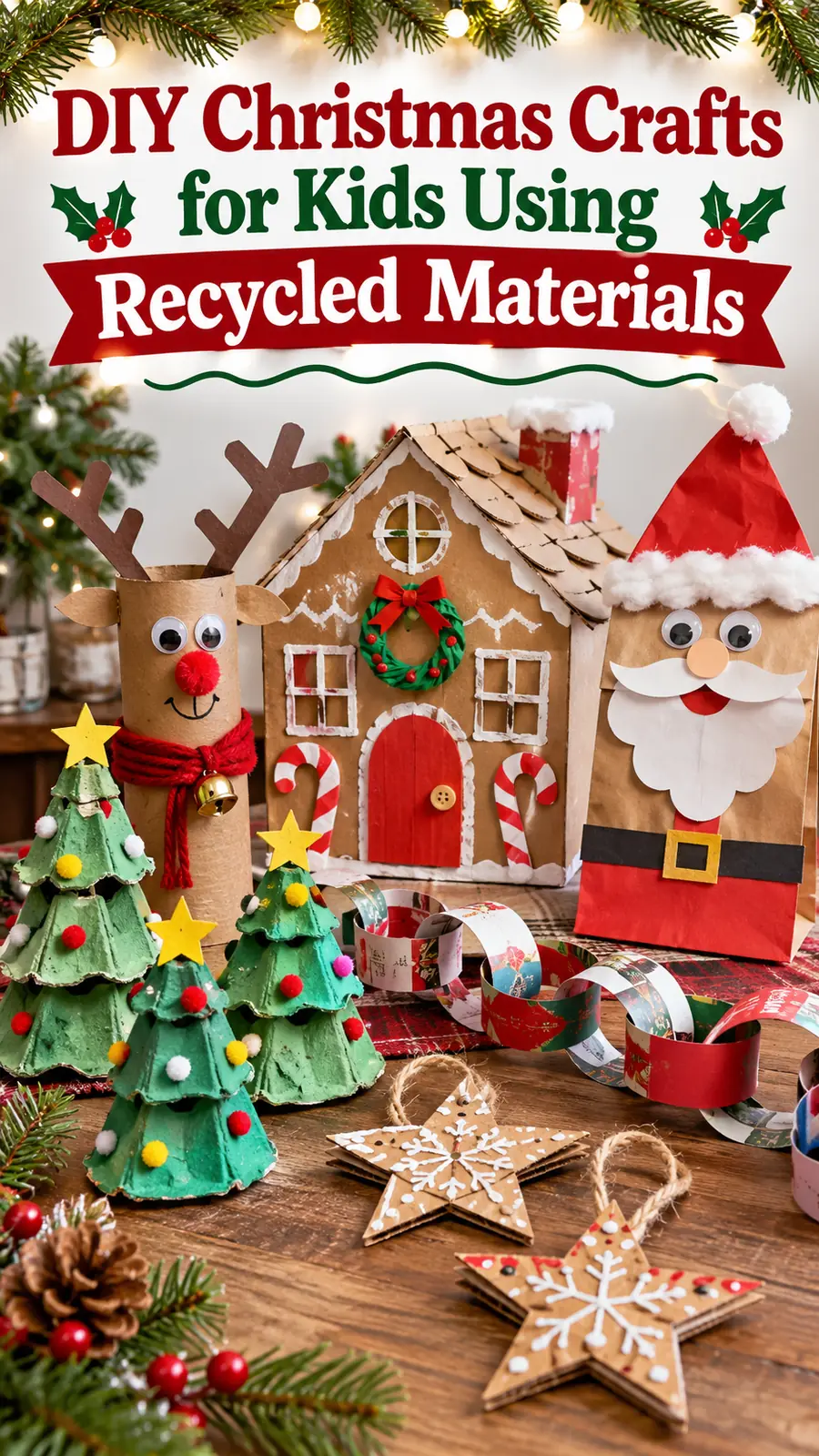
A miniature village can make an impressive centerpiece without buying disposable ceramic lookalikes. Save clean cereal boxes, delivery cartons, or other thin cardboard. Sketch different house shapes, then cut the walls and roofs from the flat panels. Build a few simple silhouettes first so you can test the size against your shelf or table.

Join the pieces with paper tape or an appropriate household craft adhesive. Draw doors, roof tiles, and little windows with pencils or leftover markers. For an elegant neutral village, leave the cardboard brown and add white paper details from offcuts. For extra interest, give every house a different roof shape and arrange them at varying depths.
Place your completed village on a reused tray with small pinecones as trees. Battery powered LED lights designed for indoor decor can provide a gentle glow nearby, but keep electrical components separate from cardboard and follow the product instructions. Store the houses in a dry container after Christmas, or flatten designs made to fold.
Reusable Mason Jar Winter Displays
Glass jars from pantry foods make versatile Christmas decorations once cleaned and dried. Instead of filling them with plastic snow or single use glitter, create a miniature winter display with a few pinecones, stones, scrap ribbon, or a tiny handmade paper tree. Arrange the objects inside before deciding whether the jar needs anything attached to its outside.
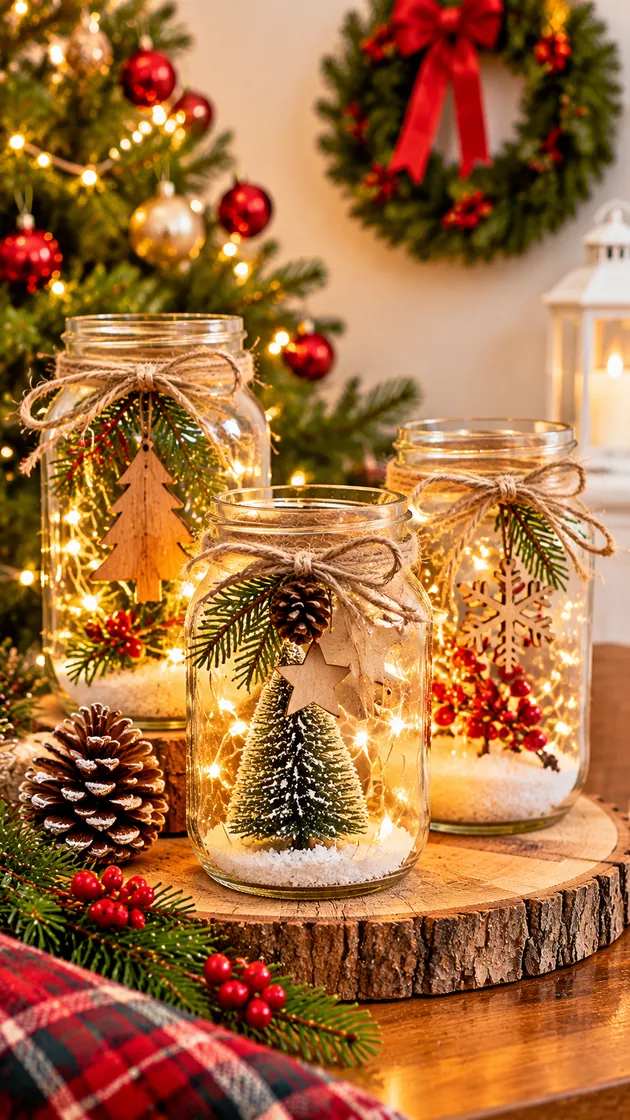
For a mantel, group three jars of different heights rather than scattering many small pieces across the room. Tie a simple fabric strip around each neck, or leave the glass uncovered for a cleaner style. You could also use one wide jar as a vase for trimmed evergreen branches placed in water, replacing the greenery as needed.
Choose jars without chips or sharp edges. Keep delicate glass on stable shelves away from active play areas. If you want a glow, use only a suitable LED light product according to its safety directions, never an unattended flame. When Christmas ends, remove the accessories and return the jars to everyday storage or food use if appropriate.
Natural Greenery Wreath From Garden Trimmings
A wreath can feel luxurious even when its greenery comes from seasonal pruning rather than a new store purchase. Start with a sturdy reusable ring saved from another wreath, or create a circular base from flexible garden twigs. Gather healthy branches and leaves from your own garden or from a source that permits cutting. Choose a modest amount so the project does not damage living plants.

Build the arrangement in small bundles, layering the stems in one direction around the circle. Secure each bundle with reusable ties or cotton string. Add a few dried orange rounds, pinecones, or a fabric ribbon already in your craft drawer. Keep the decoration simple enough that you can remove its components when they become dry.
Hang the wreath on a sheltered indoor wall or door where it cannot obstruct movement. Some greenery can irritate skin or be unsuitable around pets, so check the plant before bringing it inside. Inspect the wreath periodically for shedding and replace natural pieces when they deteriorate. Save the base and ribbon for another year.
Upcycled Sweater Mini Stockings
An old knitted sweater can have a second life as a row of little decorative Christmas stockings. This works especially well with a sweater that has a hole or stain but still has several sound sections. Draw a stocking shape on scrap cardboard and use it to cut matching front and back panels from the usable fabric.

Stitch around the sides and toe, leaving the top open. Turn the stocking right side out and add a hanging loop made from leftover yarn or ribbon. You can stitch on a small fabric initial, but avoid tiny detachable embellishments if the stockings will hang within reach of young children. A group of mini stockings makes a cheerful display across a bookshelf.
Use them as reusable holders for handwritten holiday wishes rather than filling each one with throwaway trinkets. Thick sweater fabric generally keeps its shape better if lightly stuffed with clean leftover cloth while displayed. Once the season ends, remove the stuffing, fold the stockings, and store them away from moisture.
Wine Free Bottle and Reused Vase Evergreen Centerpieces
An empty glass bottle or existing narrow vase can anchor a Christmas centerpiece. Wash the container thoroughly and check that its base is stable. Add a small amount of water if using fresh cut greenery, then arrange a few evergreen stems, winter berries from a verified safe ornamental source, or branches from garden trimming.
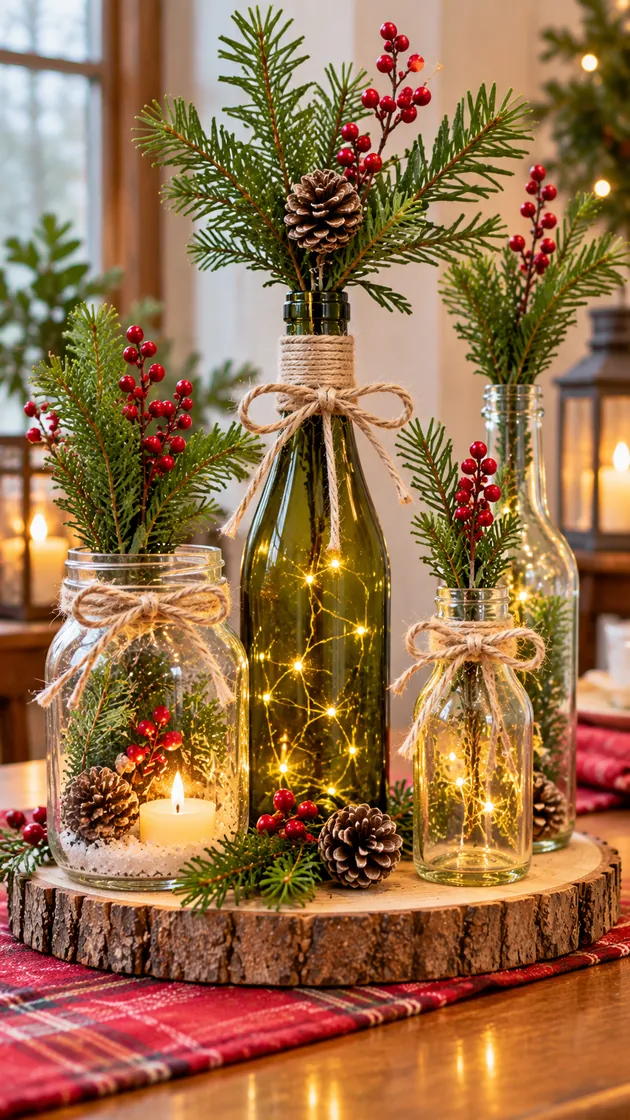
For a fuller composition, place two or three different sized containers together on a tray you already own. Wrap a leftover ribbon around one vessel and let the others remain plain. The contrast of clear glass, deep green foliage, and natural wood is enough to suggest Christmas without extra plastic ornaments.
Keep fresh greenery away from food preparation surfaces and replace the water as needed. Be cautious with plants and berries around pets and young children; many decorative varieties should not be eaten. Avoid candles near the arrangement. Afterward, compost eligible plant material locally and return the vessels to their normal use.
Reusable Cloth Napkin Christmas Table Accents
A festive dining table does not need disposable place settings. Fold cloth napkins already in your linen cupboard into simple rectangles or loose trees, then tie each one with a length of reusable ribbon. Tuck a small rosemary sprig or a handwritten name card made from scrap paper under the ribbon for a personal touch.

Build the rest of the table around everyday dishes, serving bowls, and a neutral tablecloth. A narrow row of pinecones or small jars in the center gives the table a seasonal feel without crowding plates. Keep fragile decorations far enough away that guests can comfortably pass food and move their chairs.
Choose washable fabrics that will survive repeated family dinners, not delicate materials that require special cleaning after one meal. If you need more napkins, consider borrowing a matching set rather than buying something that will sit in a drawer for the rest of the year.
Recycled Christmas Card Mantel Display
Old greeting cards often have lovely illustrations that deserve more than one December. Select cards from previous years, keeping sentimental messages intact on the reverse if you want to preserve them. Fold a small paper stand from leftover cardstock for each card, or clip the cards to a reusable cord stretched across the mantel.
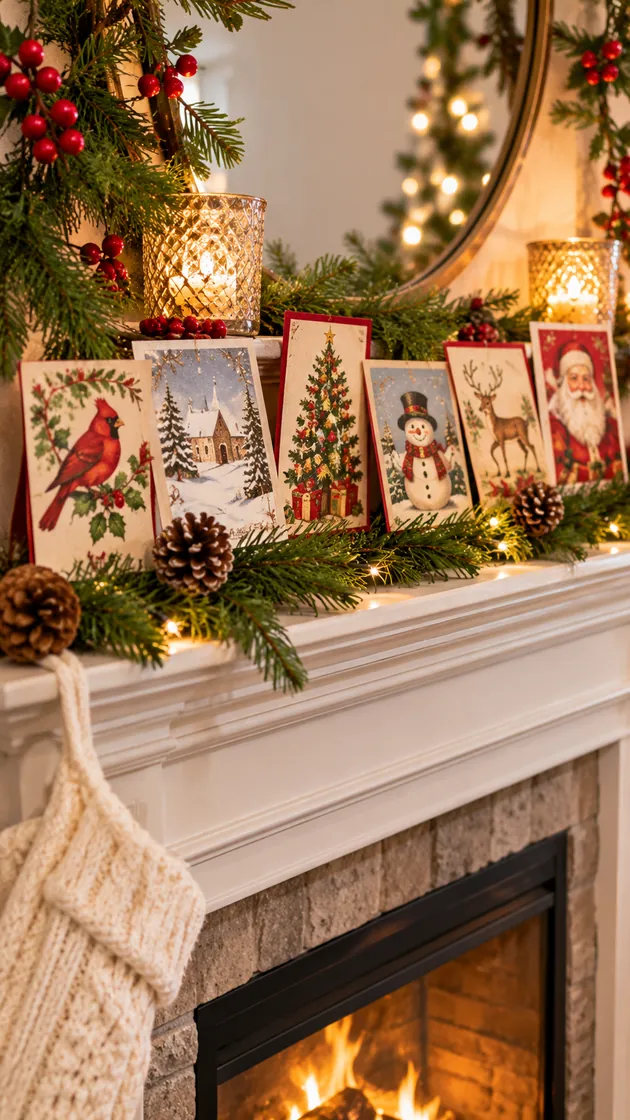
Arrange the cards by color, theme, or height, mixing old family favorites with newer notes. For a more creative display, cut only damaged or unwanted cards into simple decorative shapes and mount them on reused cardboard. Avoid trimming cards that contain meaningful writing or photographs unless everyone concerned is comfortable with it.
This display adds warmth without requiring new purchases, and it can become a tradition as the collection grows. Keep paper clear of fireplaces, heaters, and any open flame. At the end of the season, bundle cards together in an envelope or box, making the following year’s decorating even easier.
Simple Branch Christmas Tree for Small Spaces
A branch tree offers an alternative for a desk, entryway, or apartment corner where a full size tree will not fit. Choose a fallen branch that is dry, clean, and structurally sound. Place it in a sturdy heavy vase or another stable container, and test that it cannot tip easily before adding decorations.
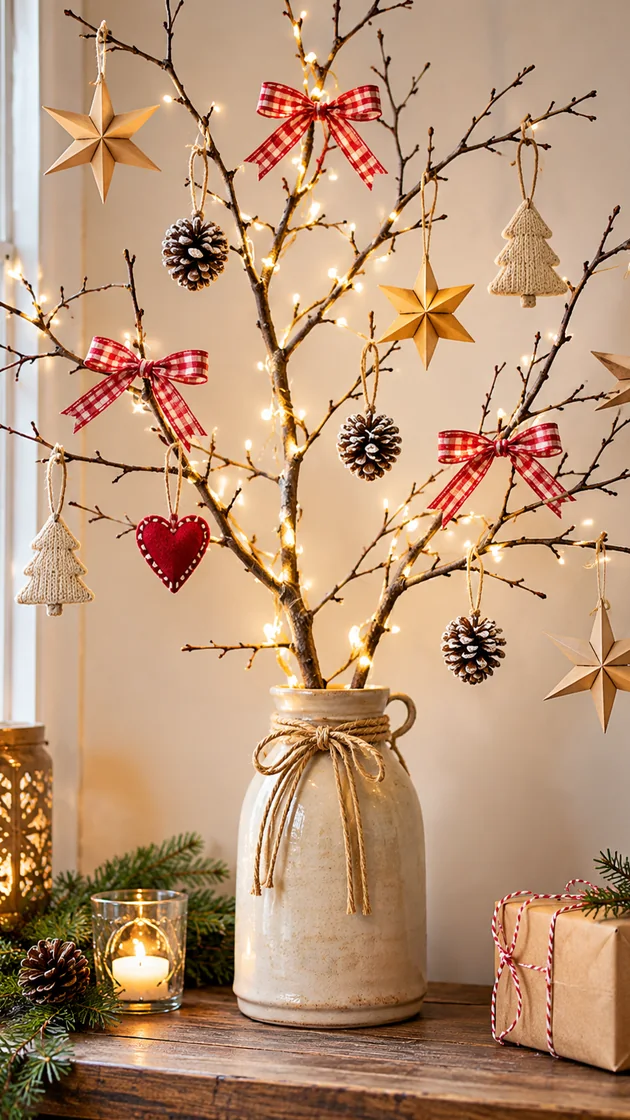
Hang lightweight paper stars, tiny pinecones, or fabric bows from the smaller twigs. Leave plenty of open space between ornaments so the natural shape remains visible. Set the arrangement on a low shelf or table that can safely support its weight, away from the edge and out of reach of curious pets.
This is especially useful when you want a festive focal point without storing another artificial tree. Once the season ends, keep the reusable ornaments and container. The branch can return to an appropriate yard waste stream if local rules allow, or you can save it if it remains clean and intact.
How to Choose Materials That Actually Reduce Waste
The best starting point is a quick inventory rather than a trip to the craft store. Look through your existing holiday decorations, gift bags, spare fabric, cardboard packaging, jars, and ribbons. Select projects that make use of these supplies. A newly purchased item is not automatically the greener choice simply because its label says natural or recyclable.
Plan a Cohesive Christmas Look on a Budget
Choose two or three colors already present in your home and repeat them in different rooms. Greenery and warm brown cardboard can anchor the palette, while saved red fabric or dried citrus adds a festive accent. Plan a few focal points, such as the front door, a mantel, and the dining table, instead of trying to fill every surface.
Make one sample decoration before preparing a whole collection. This helps you test whether a paper star holds its shape, a garland hangs evenly, or a jar arrangement looks balanced. Reuse existing hooks and containers where possible, and keep walkways, stairs, and doors clear. Thoughtful placement usually makes a stronger impression than a large number of ornaments.
Store and Care for Handmade Decorations
A little care in January determines whether December’s work remains useful next year. Remove fresh or damp plant pieces before storage, and ensure paper, pinecones, and fabric are completely dry. Separate fragile glass from cardboard and fabric, then label a reused box with the contents and the room where you normally display them.
Check any electrical holiday lights for damage before reuse, follow manufacturer instructions, and switch them off when unattended. Keep paper and fabric decorations away from heat and flames. If an ornament breaks, repair it when practical rather than replacing an entire set. These small habits help handmade Christmas decor become a long lasting family collection.
Conclusion
DIY Eco Friendly Christmas Decorations for Home work best when they begin with care for the materials already around you. A few dried orange garlands, reusable fabric pieces, and simple cardboard designs can make a room feel warm and thoughtful without creating a cupboard full of new purchases. Start with one project that fits your space, enjoy the process, and keep the finished pieces for future celebrations. A beautiful Christmas home does not have to depend on buying more each year.