Low Maintenance Eco Friendly Landscaping Ideas
Eco friendly landscaping in 2026 is shaped by climate awareness, water conservation, biodiversity restoration, and smarter use of materials. Homeowners are no longer designing gardens purely for appearance. They are building outdoor spaces that manage stormwater, reduce heat, support pollinators, and lower long term maintenance costs.
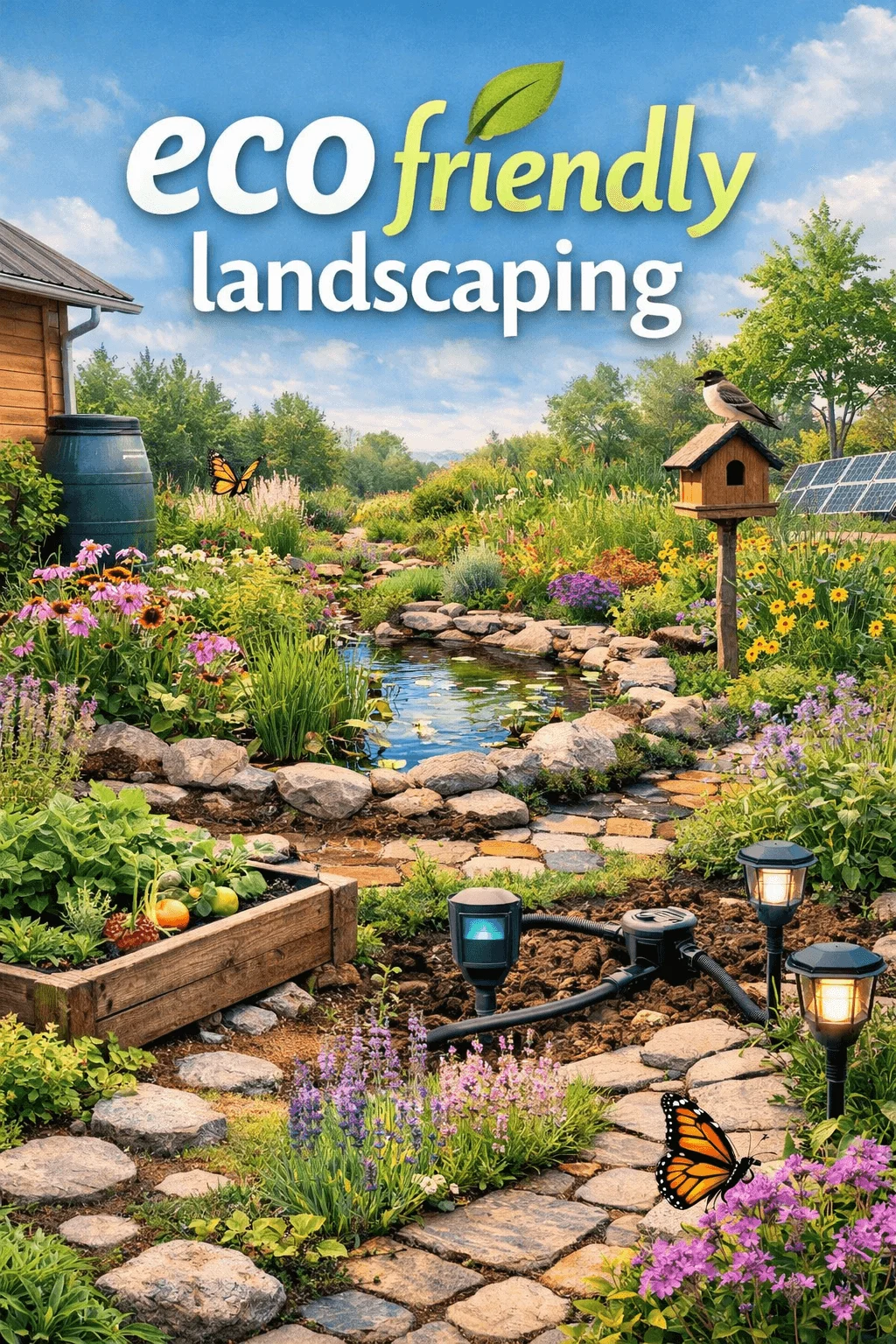
The most important shift this year is intentional ecological design. Instead of lawns that require constant mowing and watering, landscapes are being designed as living systems. These systems combine native plants, water efficient layouts, and sustainable materials to create yards that are both beautiful and responsible. Below are twenty detailed and practical eco friendly landscaping ideas that are defining 2026.
Rain Gardens for Stormwater Control
Rain gardens are shallow planted depressions designed to collect runoff from roofs, driveways, and paved surfaces. Rather than allowing rainwater to flow into storm drains, a rain garden slows it down and allows it to soak into the soil. This helps prevent flooding, reduces erosion, and filters pollutants before they enter waterways.
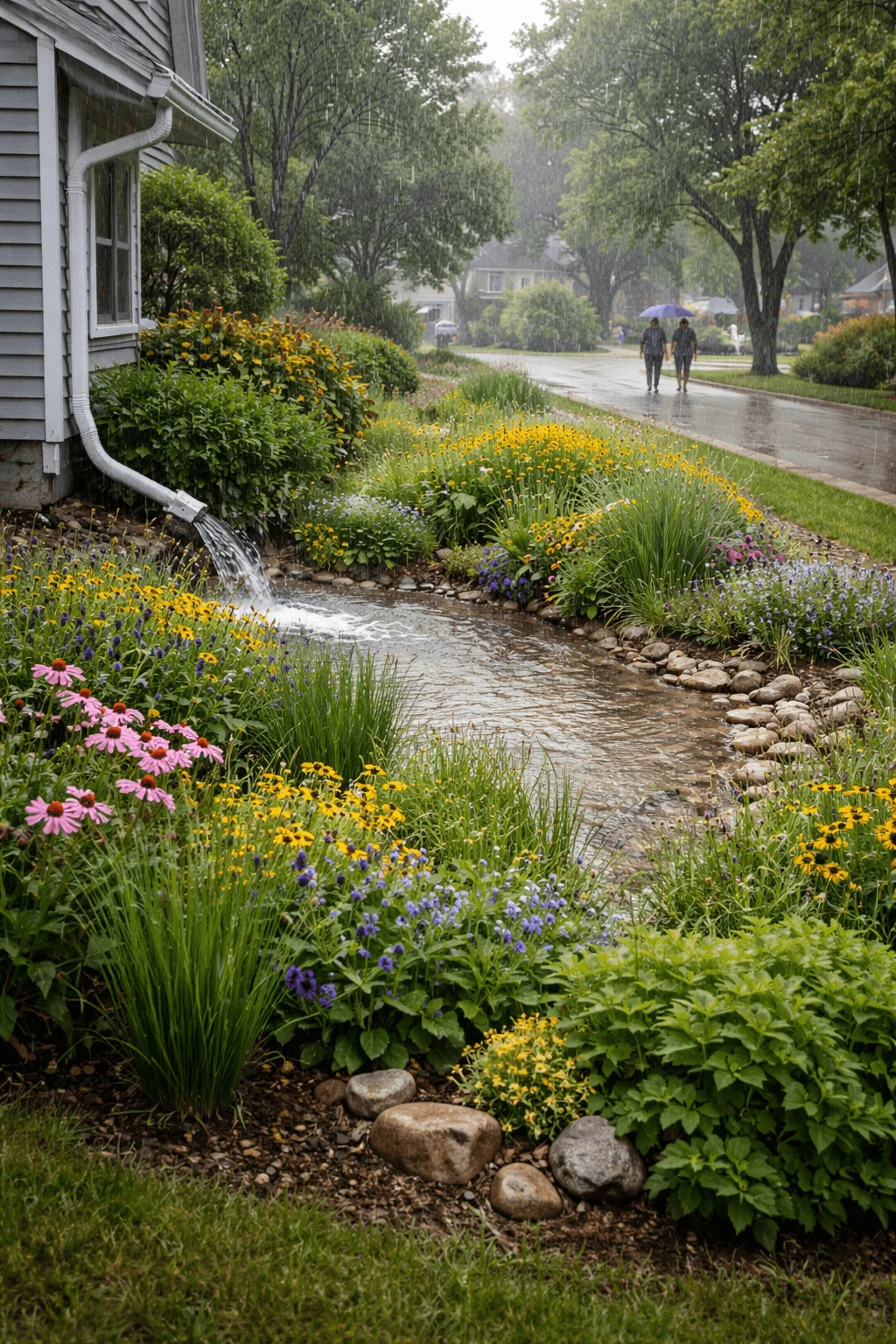
In 2026 rain gardens are trending because extreme rainfall events are becoming more common. A well designed rain garden includes deep rooted native plants that tolerate both wet and dry periods. Over time, the soil becomes more absorbent, turning the garden into a natural water management system.
Xeriscaping for Drought Resilience
Xeriscaping focuses on reducing irrigation needs through plant selection and soil improvement. Modern xeriscape designs combine ornamental grasses, flowering perennials, and shrubs in layered arrangements that provide texture and color without heavy watering demands.
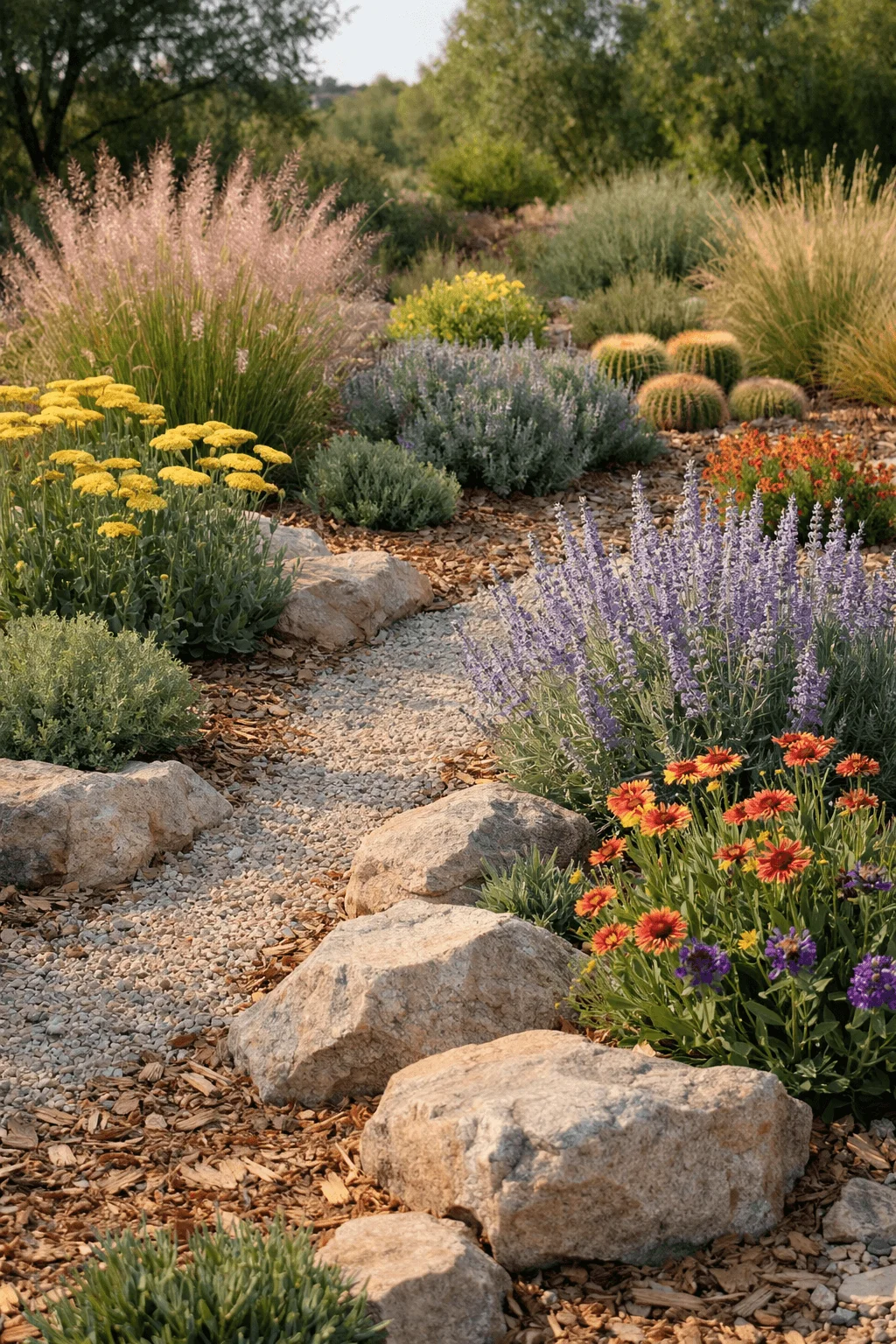
This approach is gaining attention as water restrictions increase in many regions. By improving soil with compost and applying organic mulch, moisture retention improves significantly. Xeriscaping proves that water efficient landscapes can still feel vibrant and lush.
Smart Irrigation and Soil Moisture Sensors
Smart irrigation systems adjust watering schedules based on weather patterns and soil conditions. Instead of watering on a fixed schedule, these systems respond to actual plant needs.
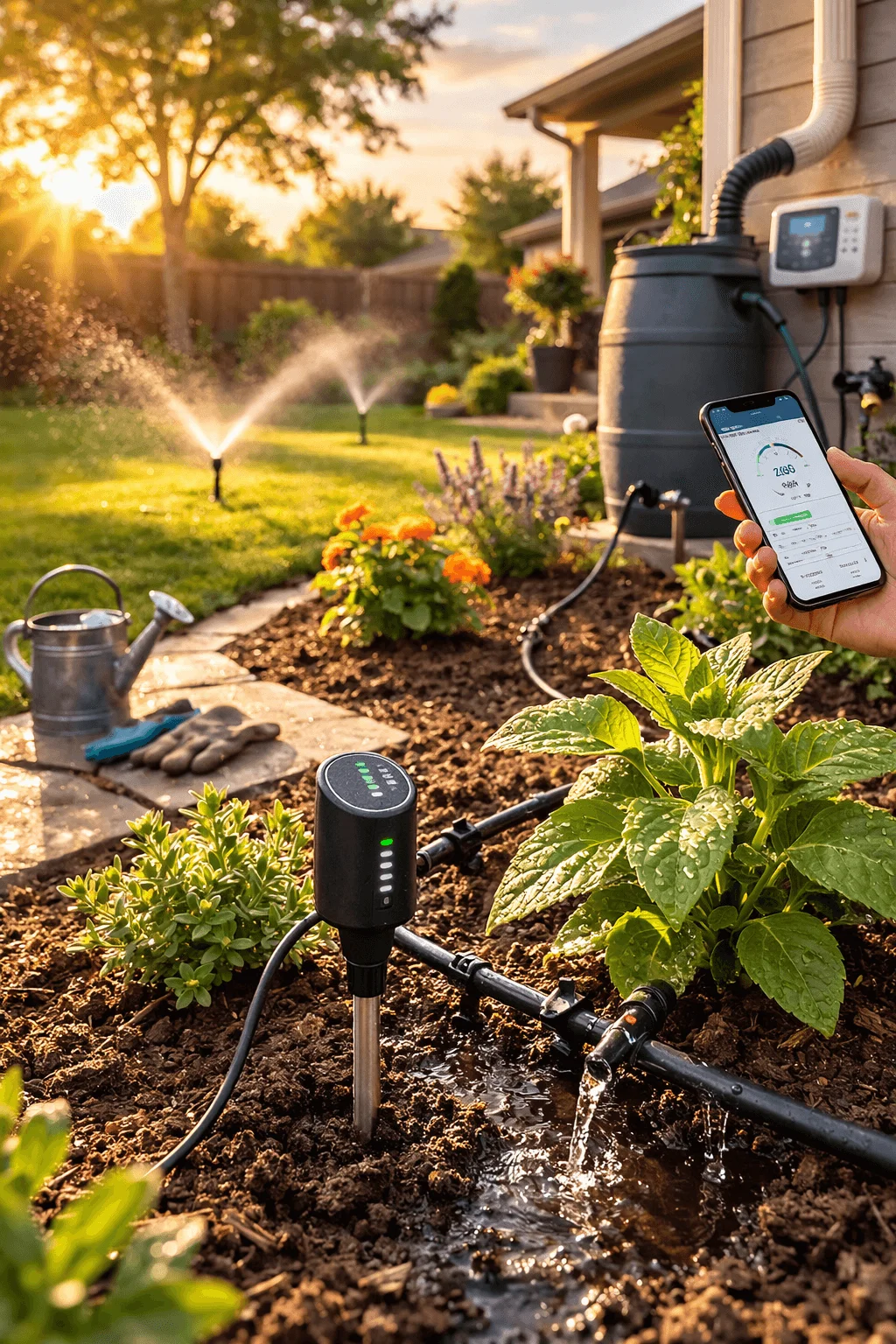
In 2026 more homeowners are installing soil moisture sensors that prevent overwatering. Combined with drip irrigation, water is delivered directly to plant roots, reducing evaporation and disease risk. This technology lowers water bills and protects plant health.
Rainwater Harvesting Systems
Rainwater harvesting involves collecting roof runoff in barrels or underground tanks. The stored water can be used for garden irrigation and outdoor cleaning.
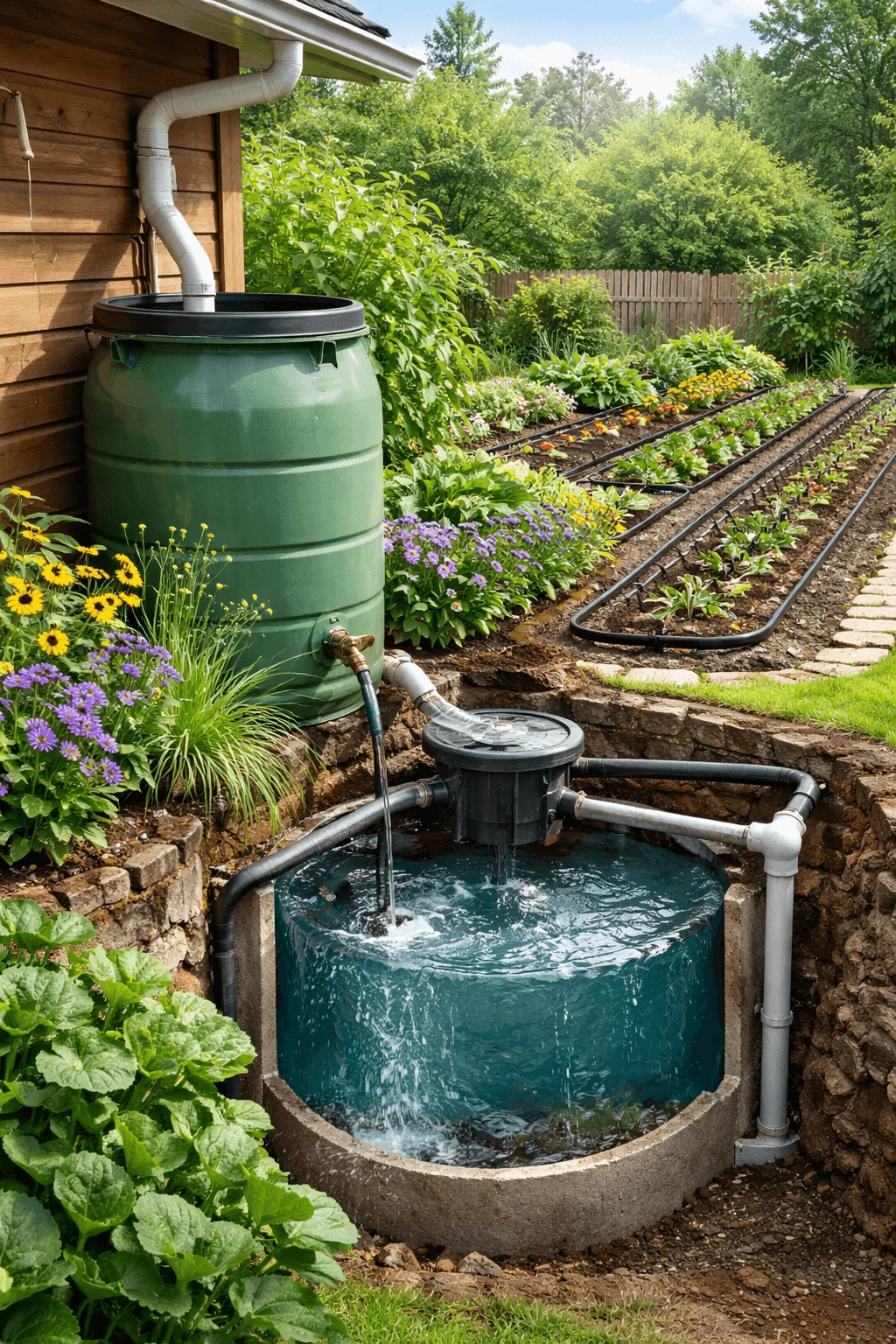
This practice is increasingly popular because it reduces dependence on municipal water supplies. Modern rain barrels are compact and can blend into landscape design. Some homeowners integrate gravity fed systems that distribute collected water efficiently throughout planting beds.
Hydro Zoning for Efficient Water Use
Hydro zoning groups plants with similar water requirements together. Instead of mixing drought tolerant plants with moisture loving species, landscapes are divided into irrigation zones.
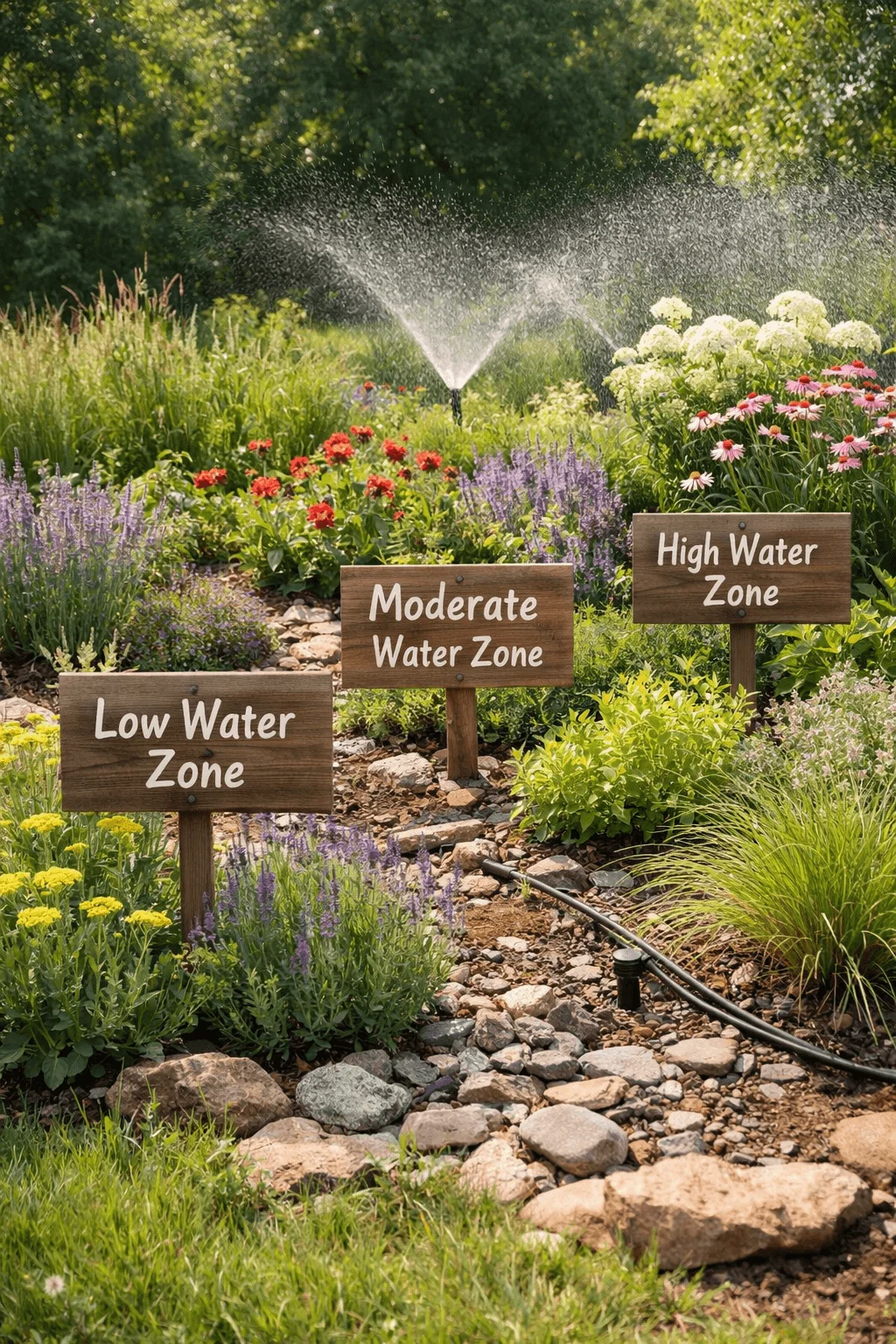
This method improves plant health and reduces water waste. It also simplifies irrigation planning since each zone receives only the amount of water it truly needs. Hydro zoning reflects a more ecological approach to planting design.
Native and Pollinator Friendly Planting
Native plants are adapted to local soil and climate conditions. They require less fertilizer, less water, and fewer chemical treatments. Most importantly, they support local wildlife.
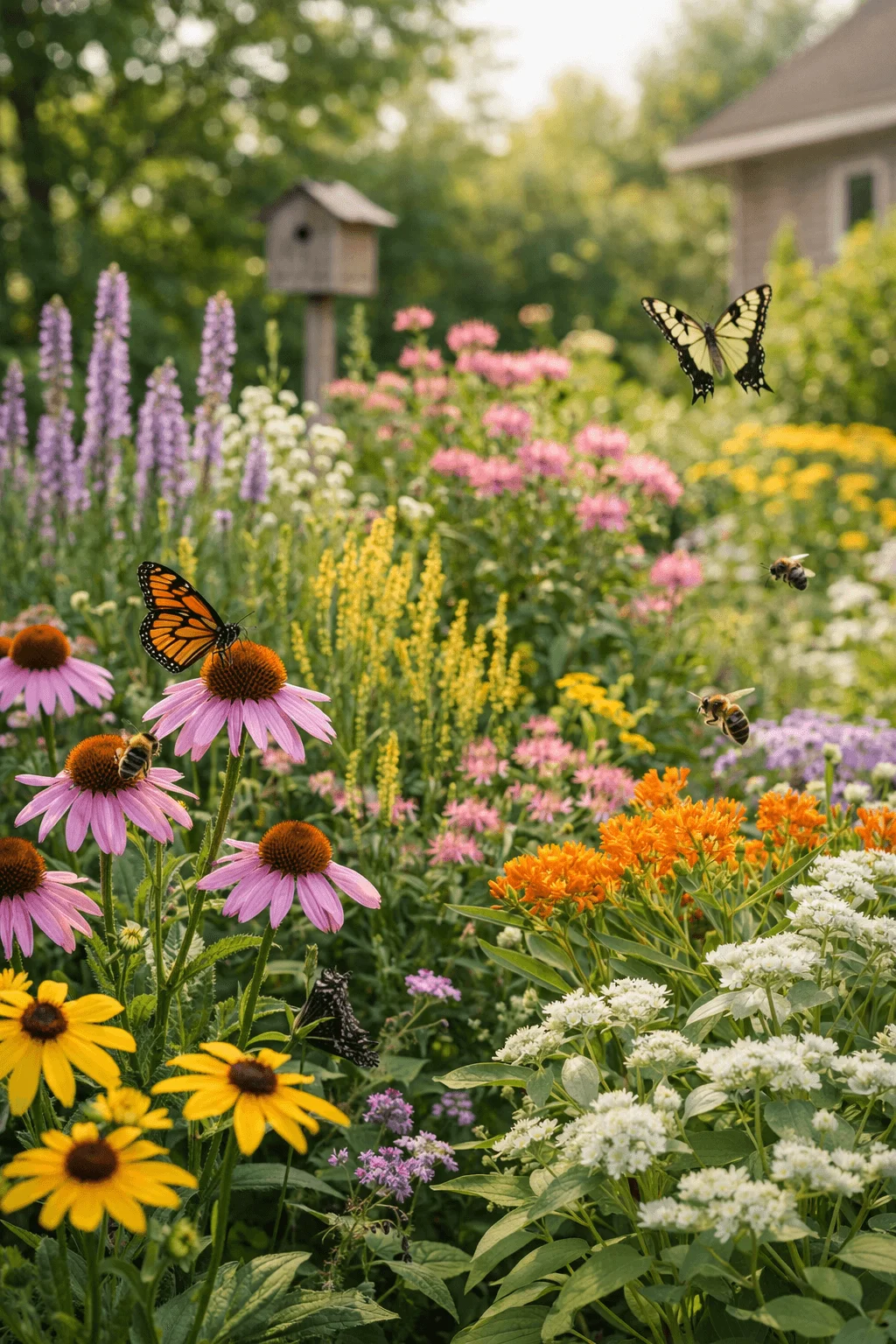
Pollinator focused gardens are a major trend in 2026. By planting species that bloom from early spring through late autumn, homeowners provide continuous nectar sources for bees and butterflies. This strengthens local ecosystems and increases biodiversity in residential areas.
Mosaic Planting and Designed Meadows
Mosaic planting is a curated approach to meadow design. Instead of scattering seeds randomly, plants are arranged in repeating patterns that mimic natural landscapes.
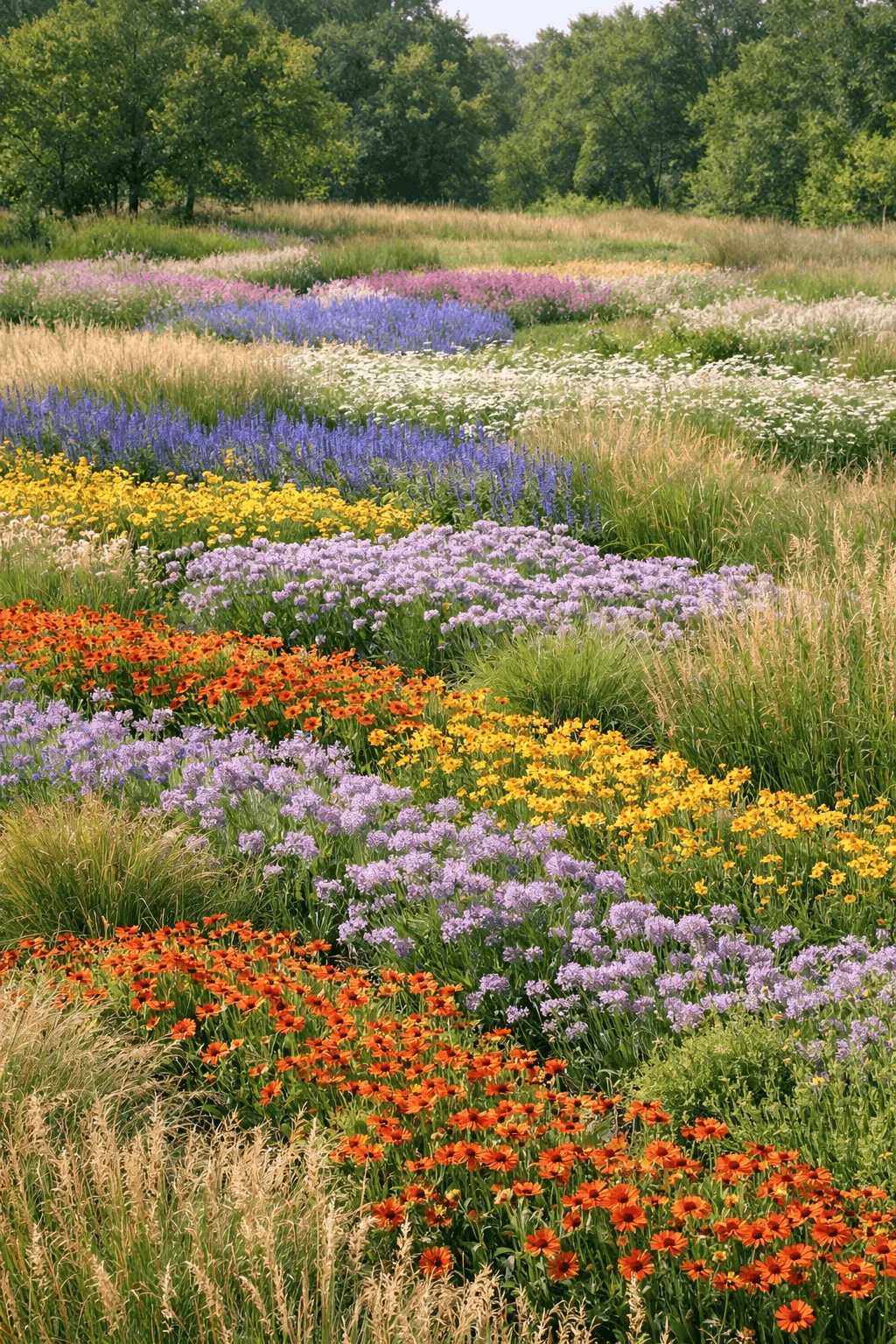
This trend combines ecological benefits with aesthetic control. Designed meadows reduce maintenance once established and provide habitat for insects and birds. The layered structure of grasses and flowering plants creates movement and visual depth throughout the year.
Pocket Forests and Dense Native Groves
Pocket forests are compact areas planted densely with native trees, shrubs, and groundcovers. Inspired by ecological restoration methods, they recreate forest structure in small residential spaces.
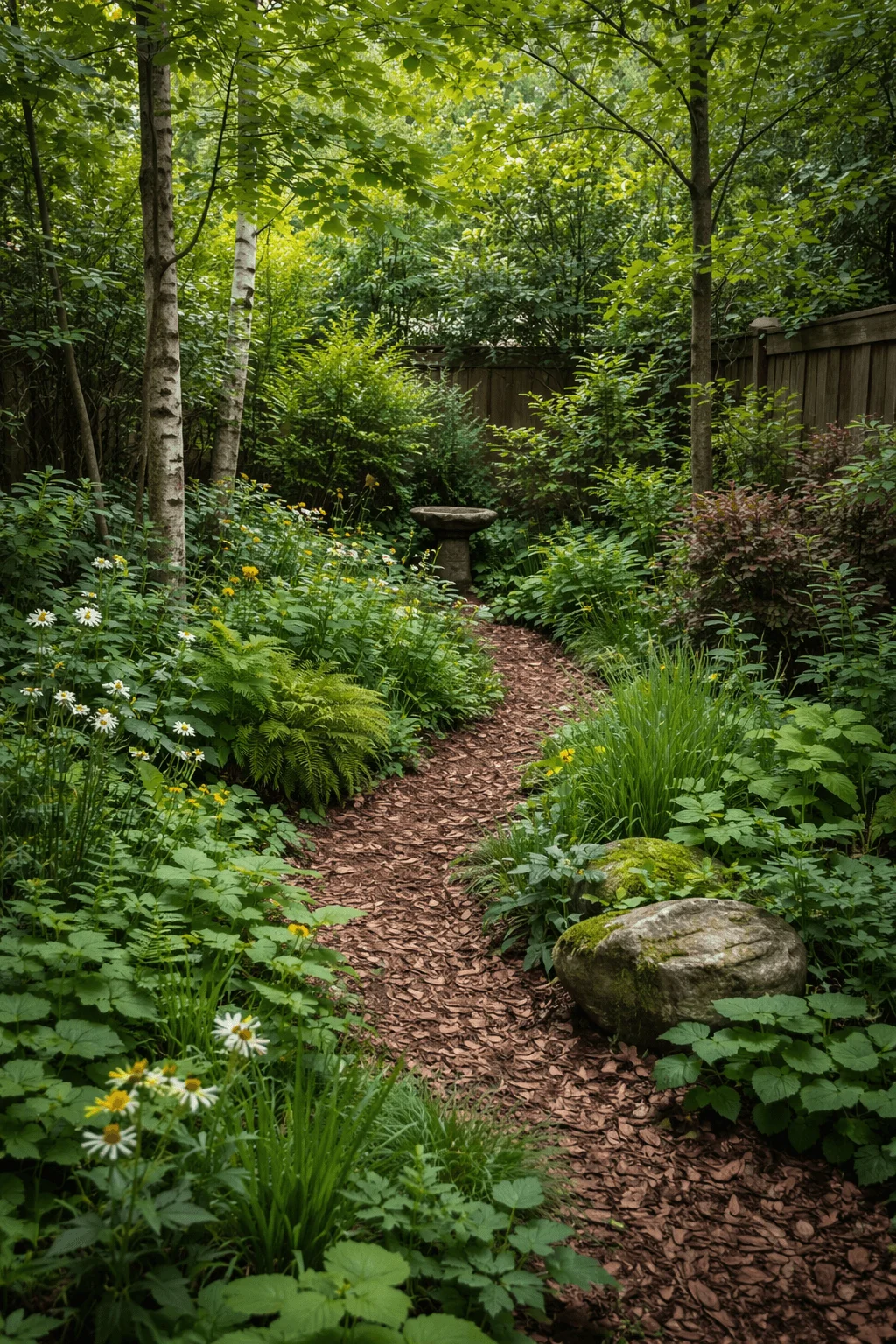
These mini forests improve air quality, create shade, and cool surrounding areas. They also restore soil health and provide shelter for birds and insects. Even small yards can support a layered woodland ecosystem.
Wildlife Features and Habitat Enhancements
Wildlife friendly landscaping includes installing bird boxes, bat houses, insect shelters, and shallow water sources. These features provide nesting and feeding opportunities for beneficial species.
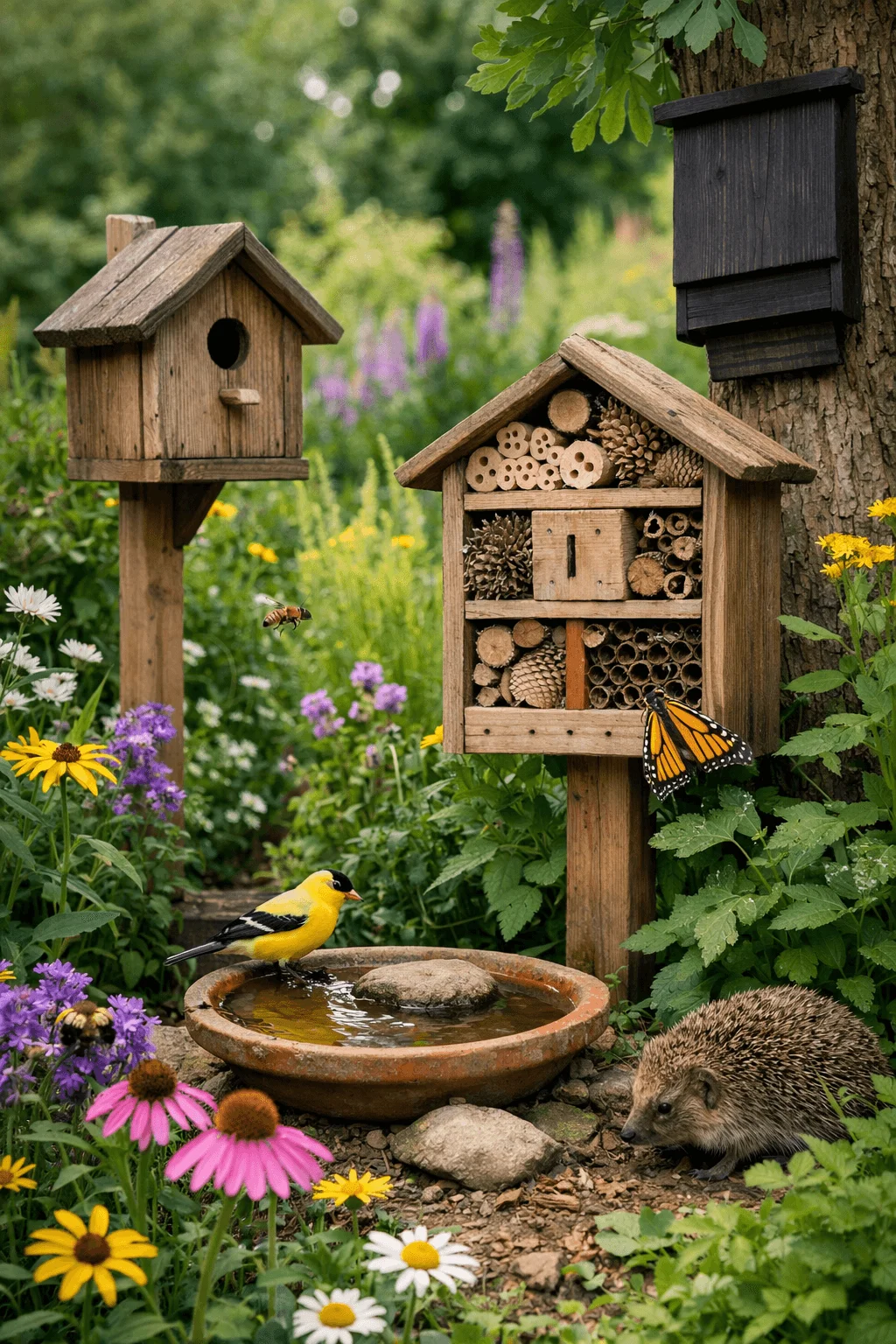
In 2026 more homeowners are recognizing that gardens can actively support wildlife. When combined with native planting, these features create balanced ecosystems where natural pest control and pollination occur without chemical intervention.
Lawn Alternatives and Groundcover Solutions
Traditional turf lawns require significant water, fertilizer, and mowing. Replacing portions of lawn with clover, creeping thyme, or native groundcovers reduces maintenance and resource consumption.
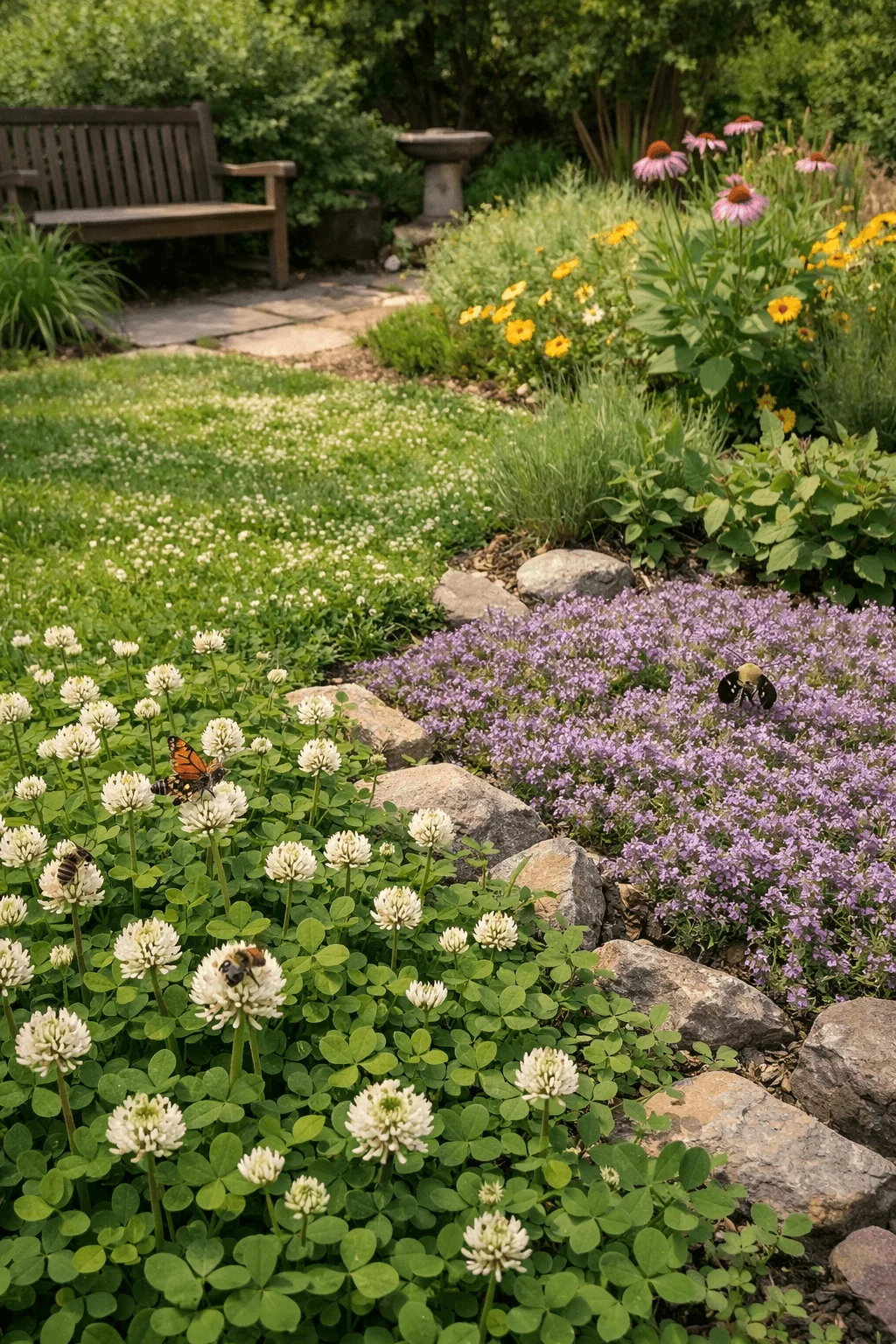
These alternatives stay green with less irrigation and provide habitat for pollinators. The shift away from large monoculture lawns reflects a growing interest in sustainable and low maintenance design.
Permeable Paving for Runoff Reduction
Permeable paving allows water to seep through joints between stones or pavers instead of running off hard surfaces. This reduces flooding and helps recharge groundwater.
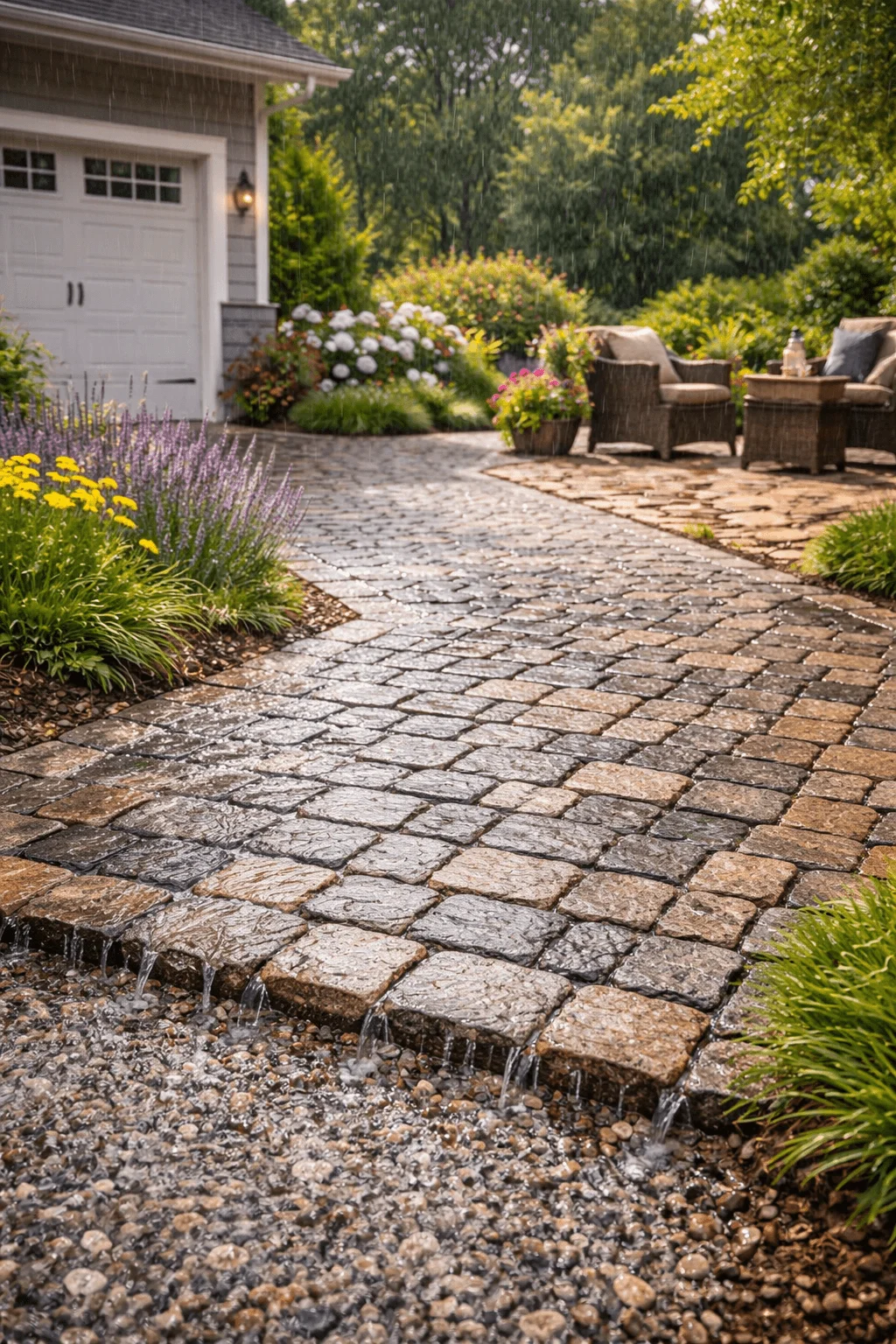
In 2026 permeable driveways and patios are being adopted as responsible design solutions. They also reduce surface heat buildup, improving outdoor comfort during hot seasons.
Reclaimed and Recycled Hardscape Materials
Using reclaimed wood, brick, or stone reduces environmental impact by limiting the need for new resource extraction. Salvaged materials often bring character and authenticity to landscape projects.
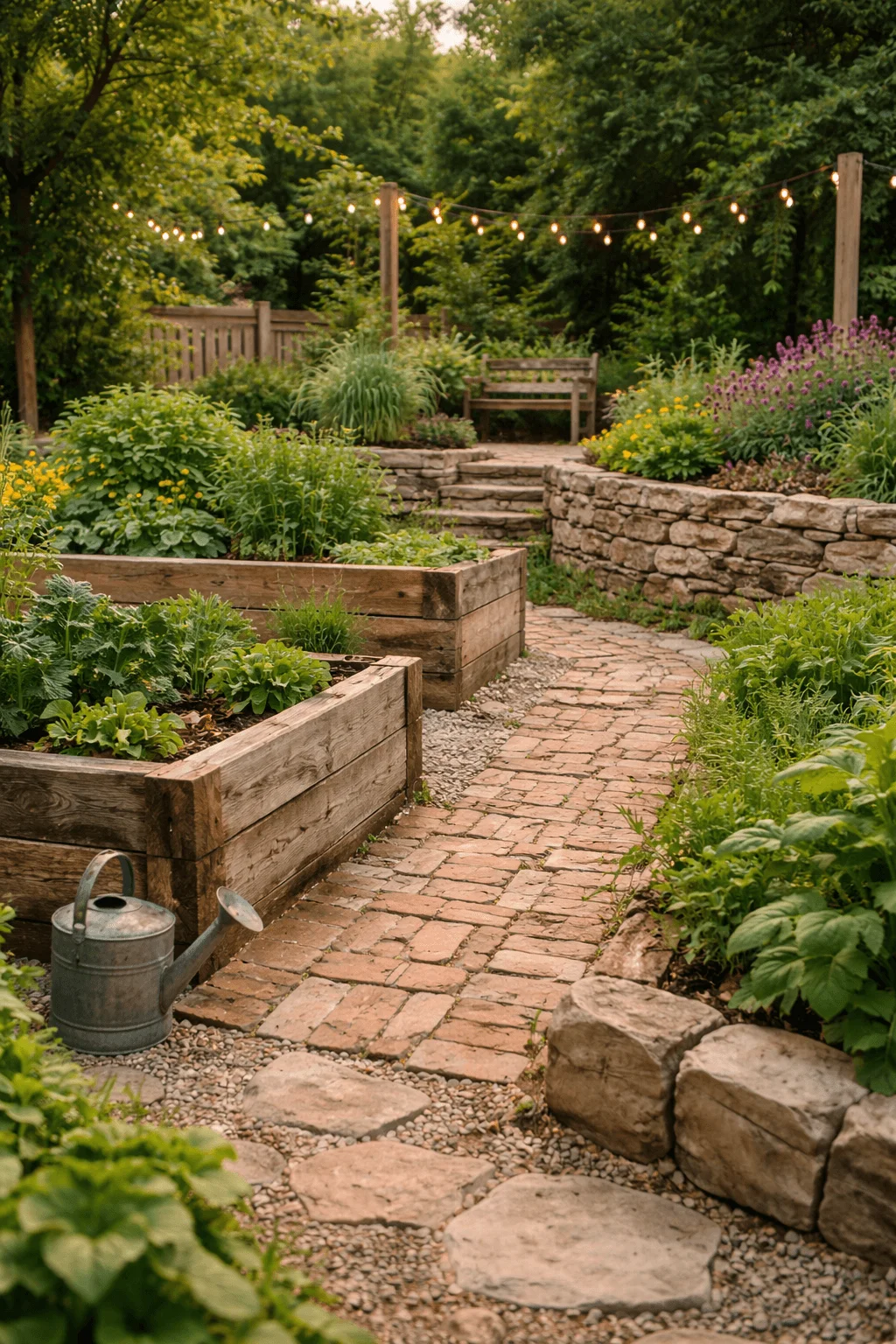
Raised beds, pathways, and retaining walls built from reclaimed materials support sustainability while adding visual interest. This practice aligns with the broader movement toward circular resource use.
Living Walls and Vertical Gardens
Living walls transform vertical surfaces into planted areas. They are especially useful in urban environments where horizontal space is limited.
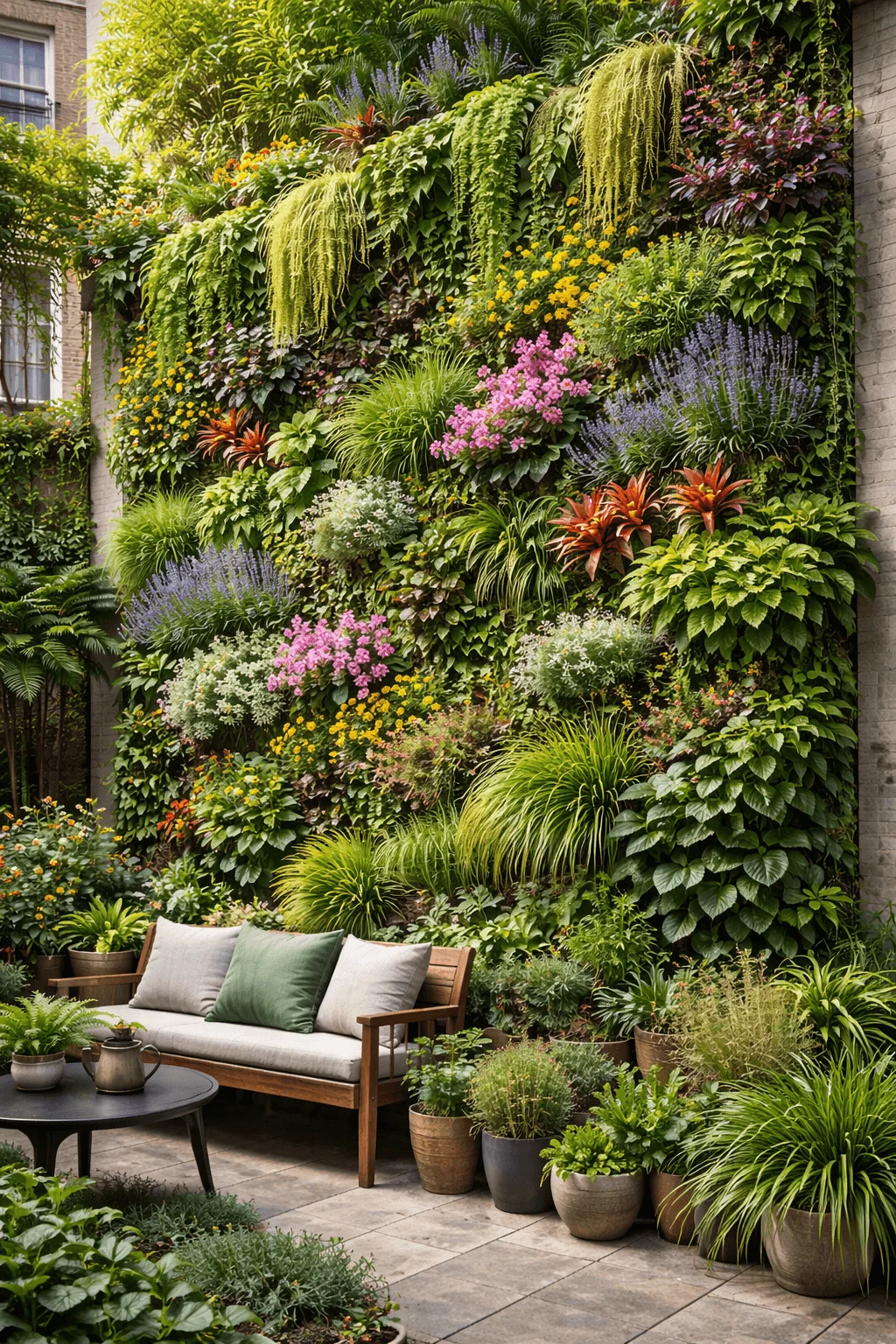
These systems can grow ornamental plants, herbs, or vegetables. Besides enhancing aesthetics, living walls improve insulation and contribute to urban cooling. Proper irrigation design ensures long term plant health.
Edible Landscaping and Food Integration
Edible landscaping blends fruit trees, vegetables, and herbs with ornamental plants. Instead of separating food production from decorative gardening, both functions coexist.
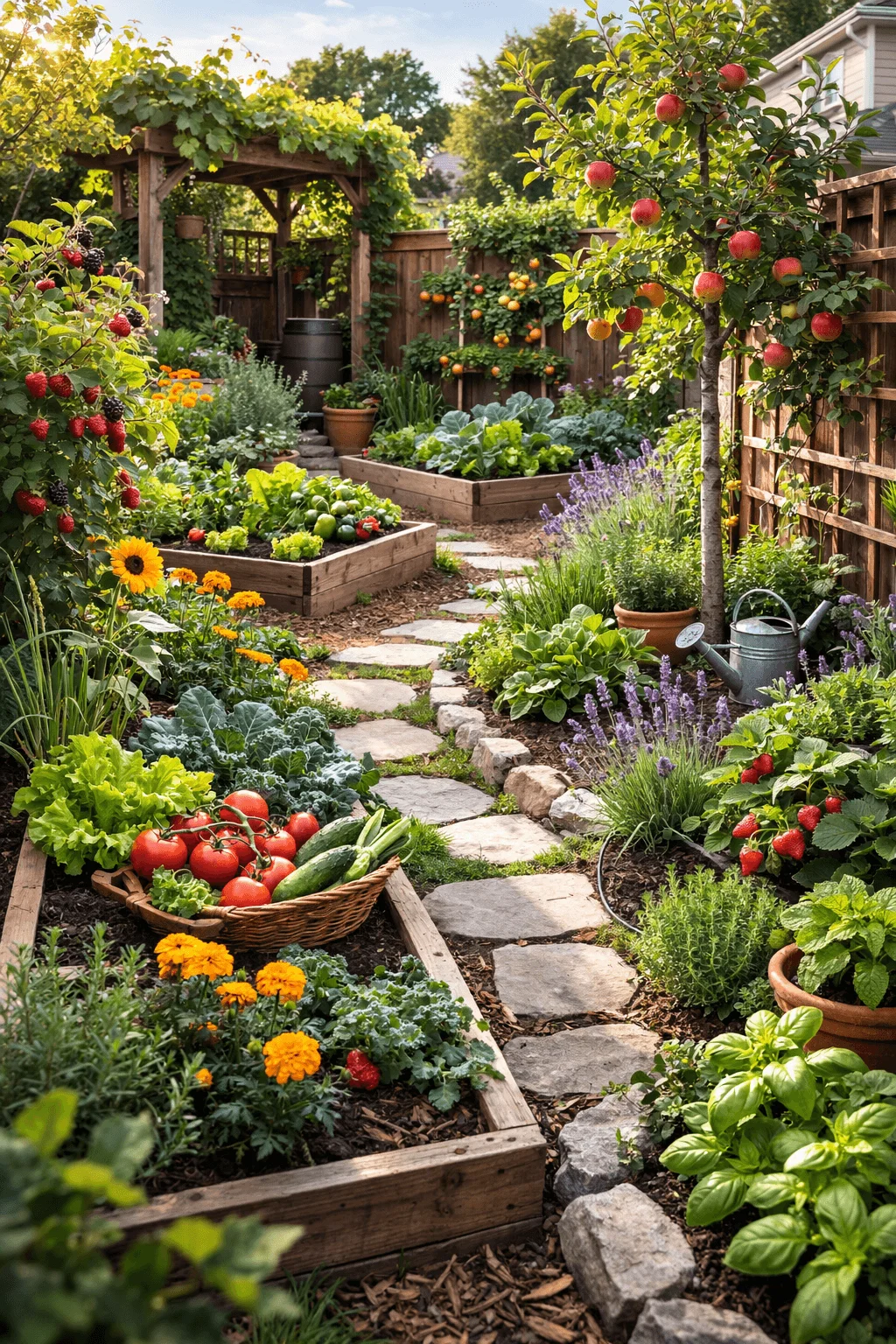
This approach increases household food resilience and reduces transportation emissions associated with store bought produce. Berry shrubs, espaliered fruit trees, and herb borders offer both beauty and productivity.
Balcony and Container Gardening
For urban residents, container gardening offers an accessible way to participate in eco friendly landscaping. Vegetables, herbs, and flowering plants can thrive in pots with quality soil and compost.
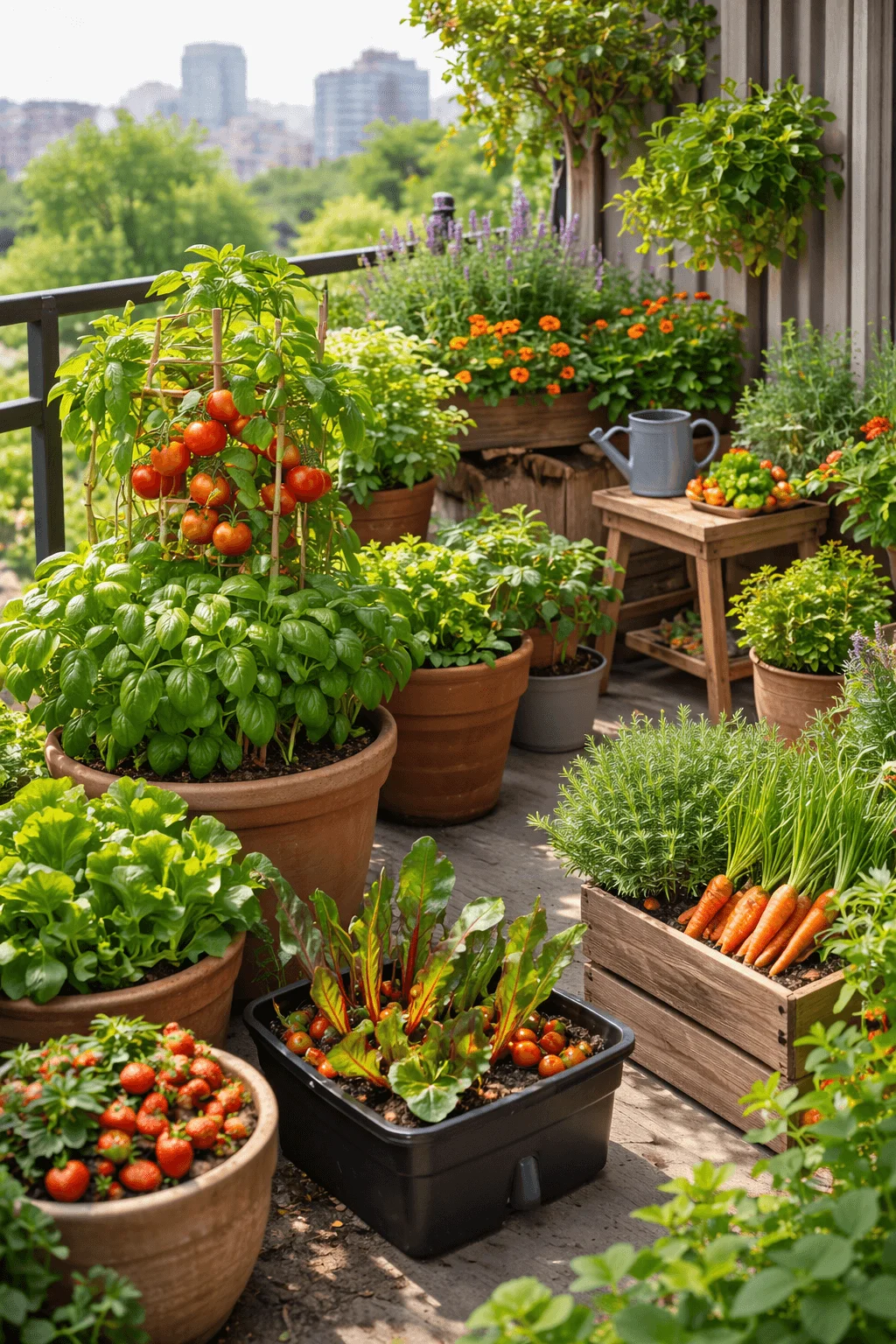
Self watering containers and careful plant selection allow even small balconies to become productive green spaces. This demonstrates that sustainability is possible at any scale.
Electric Landscaping Equipment
Battery powered mowers and trimmers are replacing gas powered tools. They produce fewer emissions and significantly reduce noise pollution.
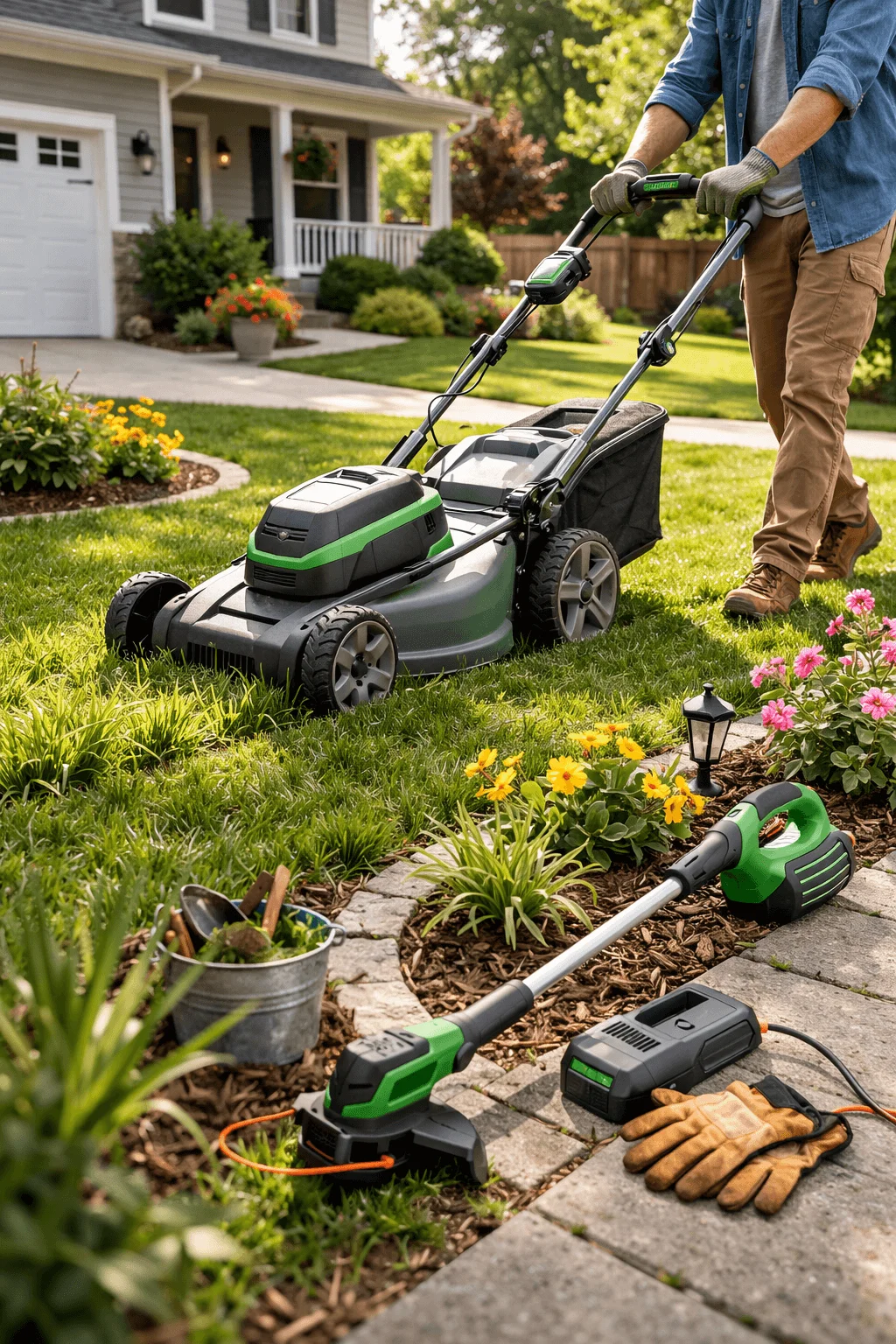
In 2026 electric equipment is increasingly affordable and efficient. This shift contributes to cleaner air and quieter neighborhoods while maintaining high performance.
Fire Wise Landscaping Practices
In fire prone regions, landscaping can play a role in home protection. Fire wise design includes selecting less flammable plants and maintaining clear space around structures.
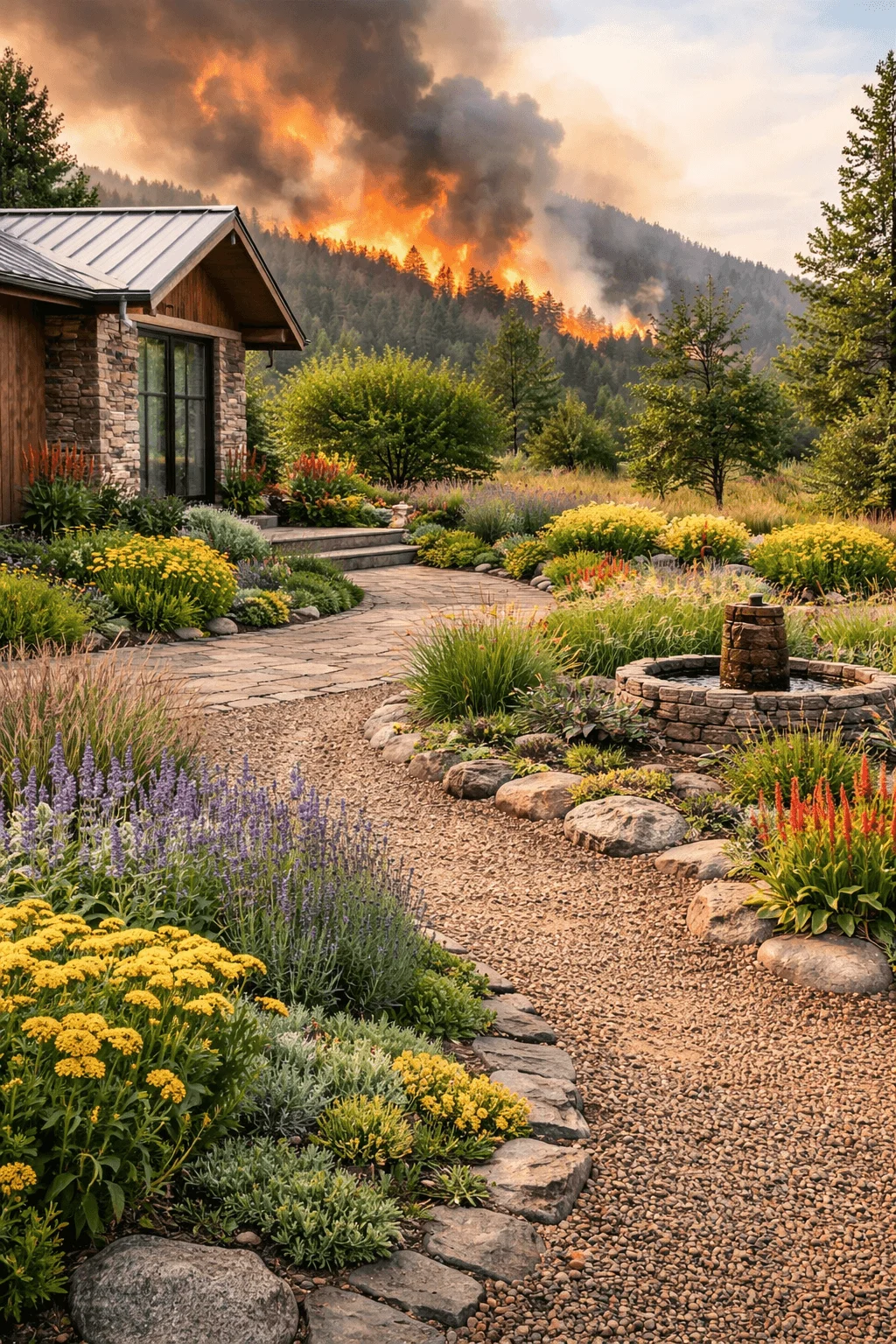
This strategy is becoming more relevant as wildfire risks increase. Combining ecological planting with safety planning ensures landscapes remain both beautiful and protective.
Naturalistic Garden Design Philosophy
Naturalistic design embraces organic forms and seasonal change rather than rigid symmetry. Plants are allowed to grow in layered communities that resemble natural ecosystems.
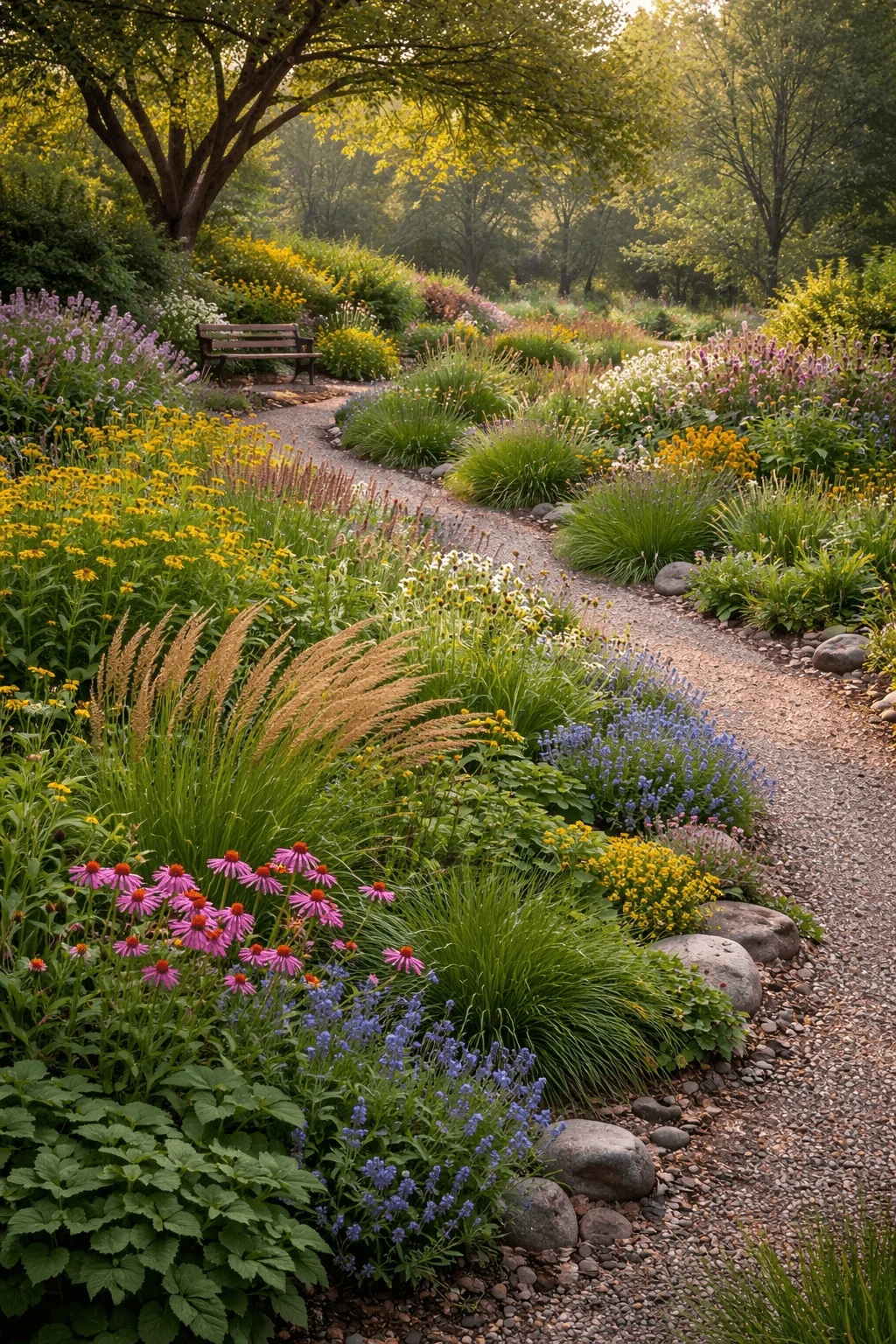
This style reduces maintenance intensity and supports biodiversity. Gardens feel relaxed and dynamic, reflecting the rhythms of nature.
Seasonal Succession Planting
Succession planting ensures that something is always blooming or providing structure throughout the year. By carefully selecting plants with staggered flowering times, gardens remain visually interesting and ecologically supportive.
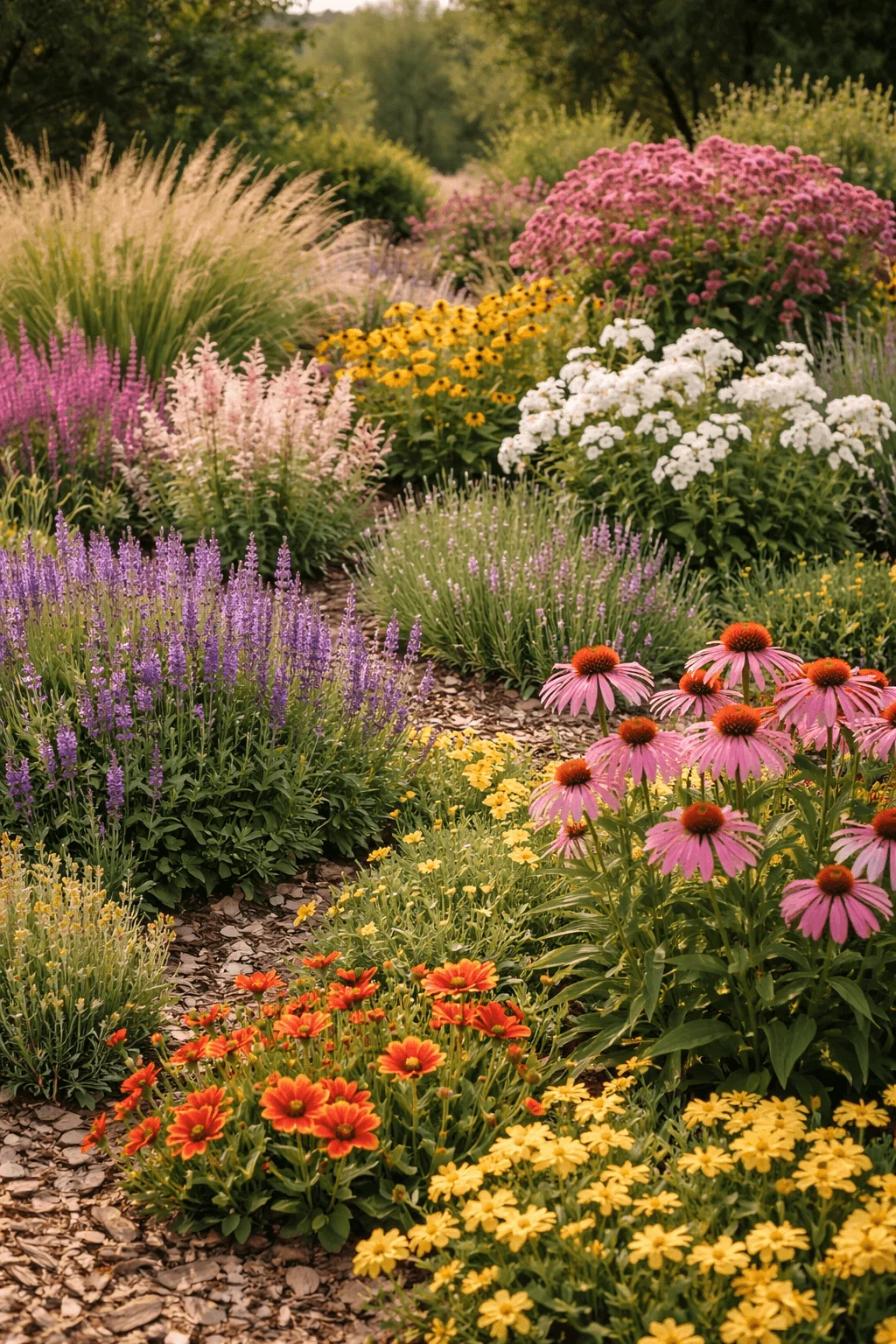
This strategy benefits pollinators and enhances landscape resilience by maintaining continuous plant cover.
Pollinator Corridors and Connected Green Spaces
Pollinator corridors link individual gardens into broader habitat networks. By planting native species along boundaries and pathways, homeowners create safe routes for bees and butterflies.
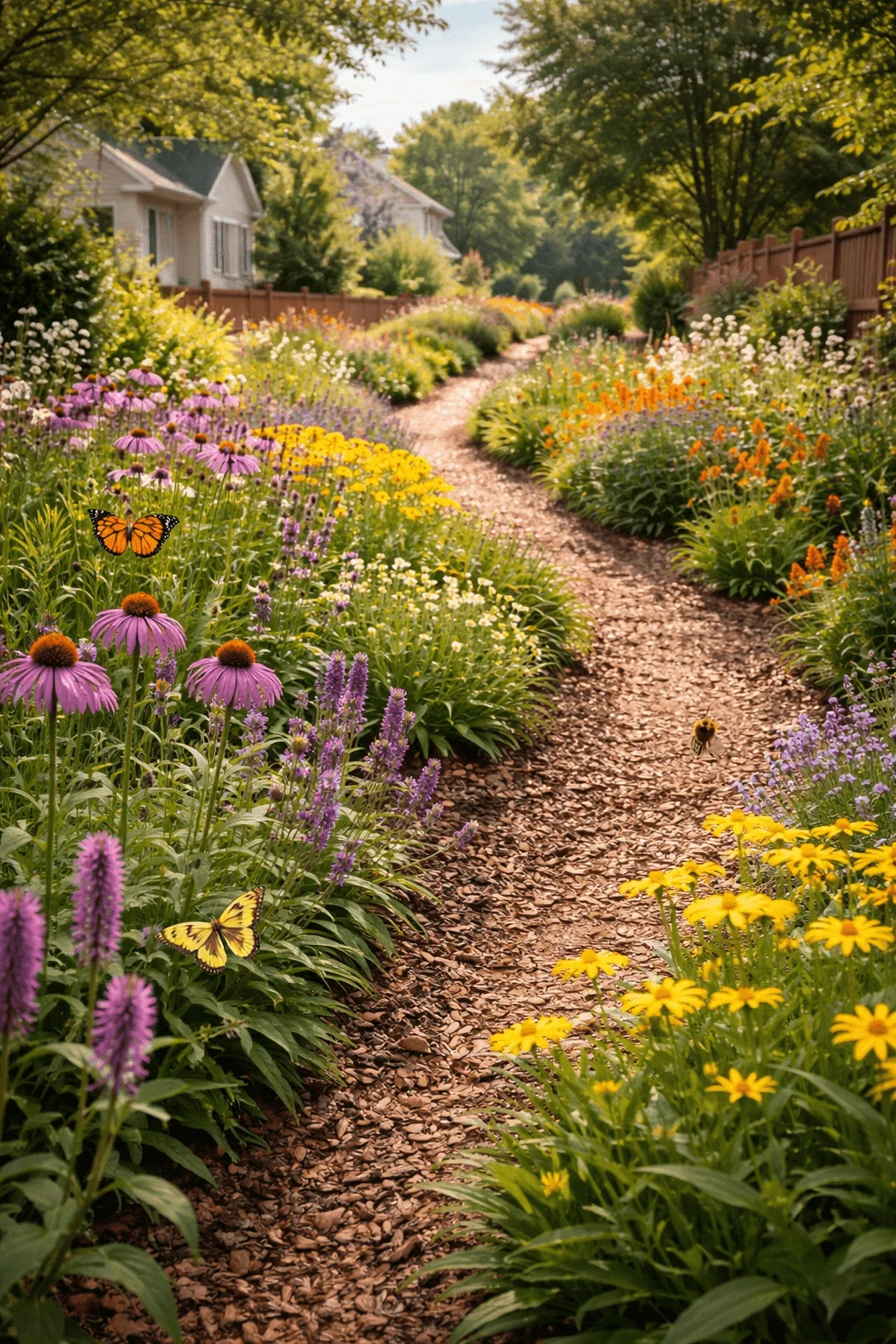
This collective approach strengthens biodiversity at the community level and turns private landscapes into contributors to regional ecological health.
Conclusion
Eco friendly landscaping in 2026 represents a shift from decorative gardening to ecological design. The emphasis is on water conservation, biodiversity, sustainable materials, and climate resilience. Each idea outlined above contributes to a landscape that works with nature rather than against it.
Whether you begin with a small rain garden, replace part of your lawn with native groundcovers, or integrate edible plants into ornamental beds, every change matters. Sustainable landscaping is not about achieving perfection. It is about making thoughtful choices that create healthier outdoor spaces for people, wildlife, and the environment.