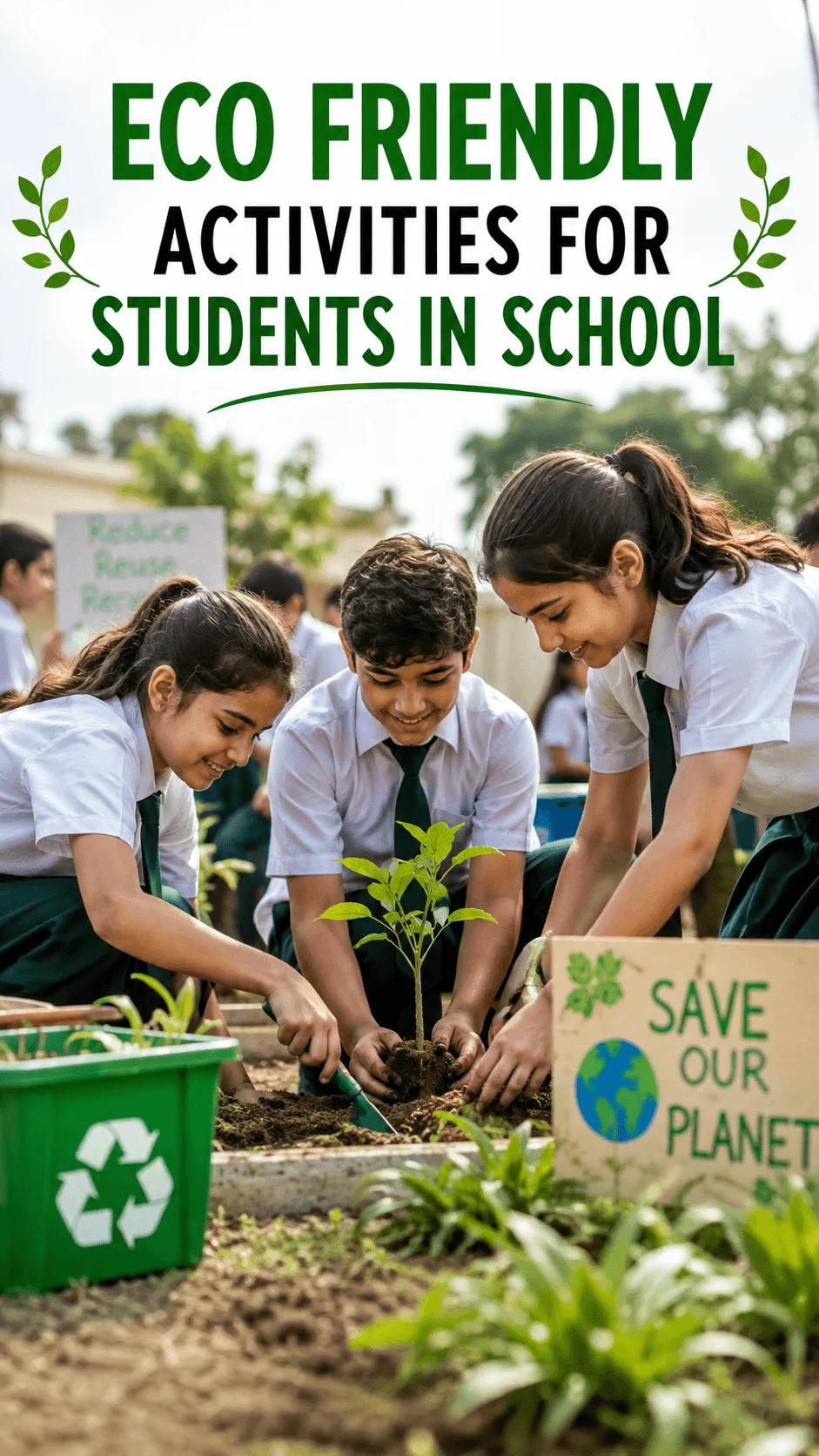
Ways to Live More Sustainably as a Student
Sustainability has become one of the most important global priorities in recent years. Environmental challenges such as climate change, resource depletion, pollution, and rising waste levels have created an urgent need for individuals to rethink how they live and consume resources. Students play an important role in this shift because the habits formed during education years often shape lifestyle choices for decades. Learning to live sustainably as a student is not only beneficial for the environment but also helps build responsible decision making and awareness that can influence future careers and communities.
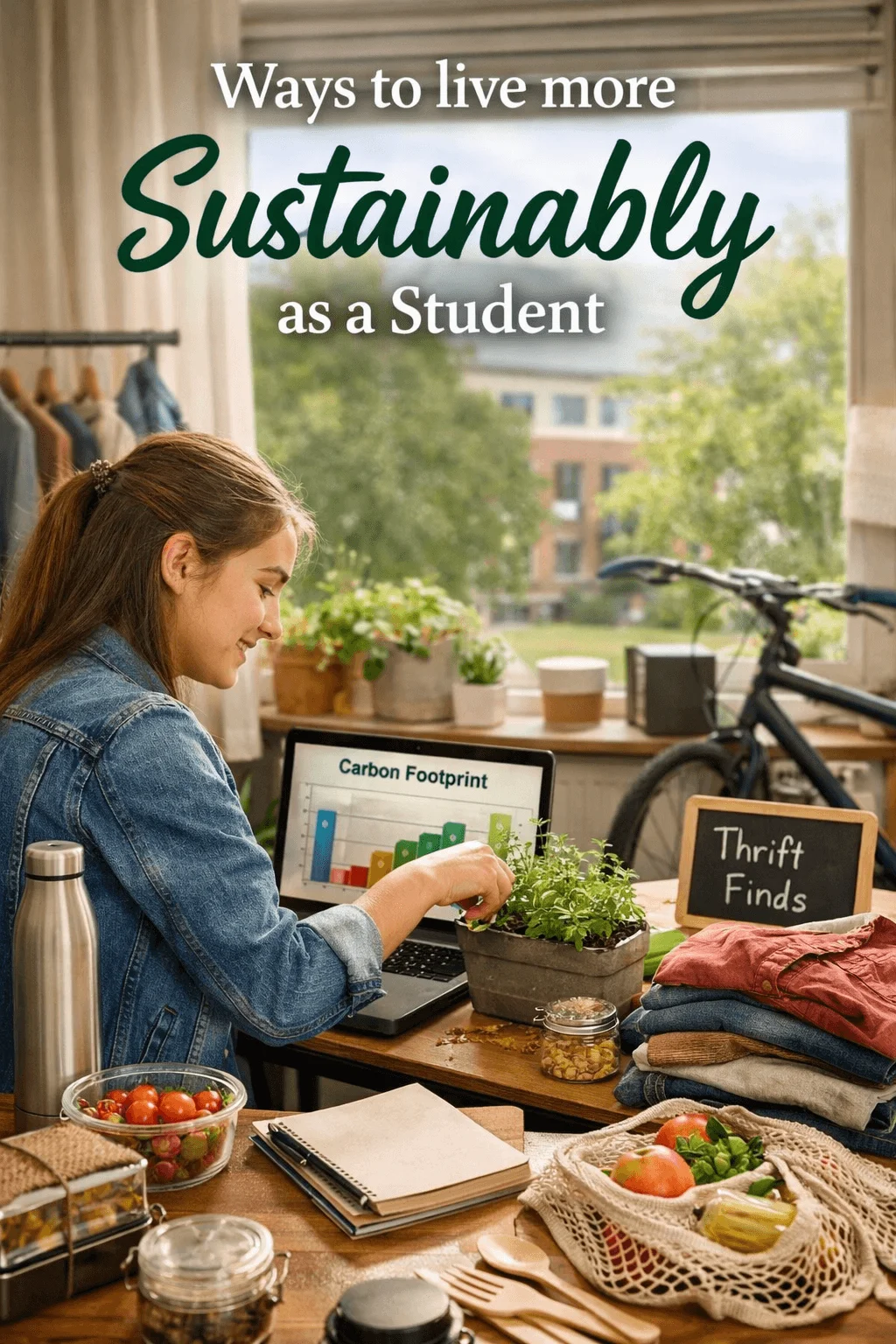
Living sustainably does not mean living an uncomfortable or restrictive life. For students, sustainability often means making smarter choices about food, transportation, purchases, energy use, and digital habits. Many sustainable practices also help students save money, reduce stress, and become more mindful about the resources they use every day. Small lifestyle changes can collectively create a meaningful positive impact.
Modern sustainability conversations have also expanded beyond traditional ideas like recycling. Today students are exploring ideas such as circular consumption, plant centered diets, minimalism, digital carbon awareness, and community collaboration. These trends make sustainability more practical and accessible for people who are balancing studies, budgets, and busy schedules.
Tracking Personal Carbon Footprints
Understanding personal environmental impact is a powerful step toward sustainable living. Many students are now using carbon footprint tracking tools that calculate how daily activities contribute to greenhouse gas emissions. These tools analyze habits such as transportation choices, energy consumption, food preferences, and purchasing patterns.

When students see how their lifestyle affects the environment, they often become more motivated to make thoughtful decisions. For example, a student might realize that frequent car rides create a higher environmental impact compared to walking or public transportation. Another student may discover that certain food choices produce significantly higher emissions.
Tracking carbon footprints transforms sustainability from an abstract concept into something measurable and personal. This awareness encourages students to gradually adjust their habits and explore alternatives that reduce environmental impact.
Practicing Digital Minimalism
Technology has become an essential part of student life. Online lectures, cloud storage, streaming platforms, and digital communication tools are used every day. However, digital activities also consume energy because the servers that store and process data require electricity to operate.

Digital minimalism encourages students to be mindful of how they use digital resources. Regularly organizing files, deleting unused documents, and reducing unnecessary data storage can help lower energy demand from data centers. Although each action may seem small, the collective impact of millions of people practicing digital efficiency can reduce global energy consumption.
Students who adopt digital minimalism also benefit from improved productivity. Organized digital spaces reduce distractions and make it easier to locate important academic materials.
Sustainable Meal Planning
Food waste is a major global issue that affects both the environment and economic resources. Students often face challenges with food management because of busy schedules and limited cooking experience. As a result, groceries may spoil before being used or leftover food may be discarded.

Sustainable meal planning helps address this problem by encouraging students to plan meals in advance and purchase only the ingredients they need. Preparing meals ahead of time also reduces reliance on packaged takeout meals, which often generate plastic waste.
Students who learn to plan meals carefully often discover additional benefits such as saving money and maintaining healthier diets. Cooking at home allows greater control over ingredients while minimizing unnecessary waste.
Choosing More Plant Based Foods
Food production has a significant environmental impact. The production of meat and dairy products generally requires more land, water, and energy compared to plant based foods. Because of this, many students are exploring diets that include more plant centered meals.

Adopting a plant focused diet does not necessarily require eliminating animal products completely. Many students begin by introducing more vegetables, grains, legumes, and fruits into their weekly meals while gradually reducing meat consumption.
Plant based meals are often affordable, nutritious, and environmentally friendly. Over time these dietary adjustments can significantly reduce an individual’s carbon footprint.
Exploring Second Hand and Circular Fashion
The fashion industry is one of the largest contributors to waste and pollution worldwide. Fast fashion encourages people to purchase inexpensive clothing frequently and discard items after short periods of use. This cycle creates enormous amounts of textile waste.

Students are increasingly turning toward second hand shopping and clothing exchanges as alternatives to fast fashion. Thrift stores, online resale platforms, and clothing swap events allow students to find unique styles while reducing demand for new manufacturing.
Circular fashion focuses on extending the life of clothing through reuse, repair, and resale. When students adopt these habits they help reduce waste while also developing more thoughtful consumption patterns.
Repairing Items Instead of Replacing Them
Repair culture is gaining popularity as more people recognize the environmental cost of constantly replacing products. Many everyday items such as backpacks, electronics, and clothing can be repaired with basic tools or professional services.

Students who learn simple repair techniques can extend the lifespan of their belongings and reduce unnecessary waste. Repairing items also encourages creativity and problem solving. Instead of discarding something immediately, students learn to evaluate whether it can be restored.
This mindset helps shift consumer culture away from disposable products and toward longer lasting solutions.
Using Campus Sharing Programs
Sharing resources is an effective way to reduce consumption while meeting everyday needs. Many universities have started implementing sharing programs where students can borrow items such as bicycles, tools, laboratory equipment, or textbooks.
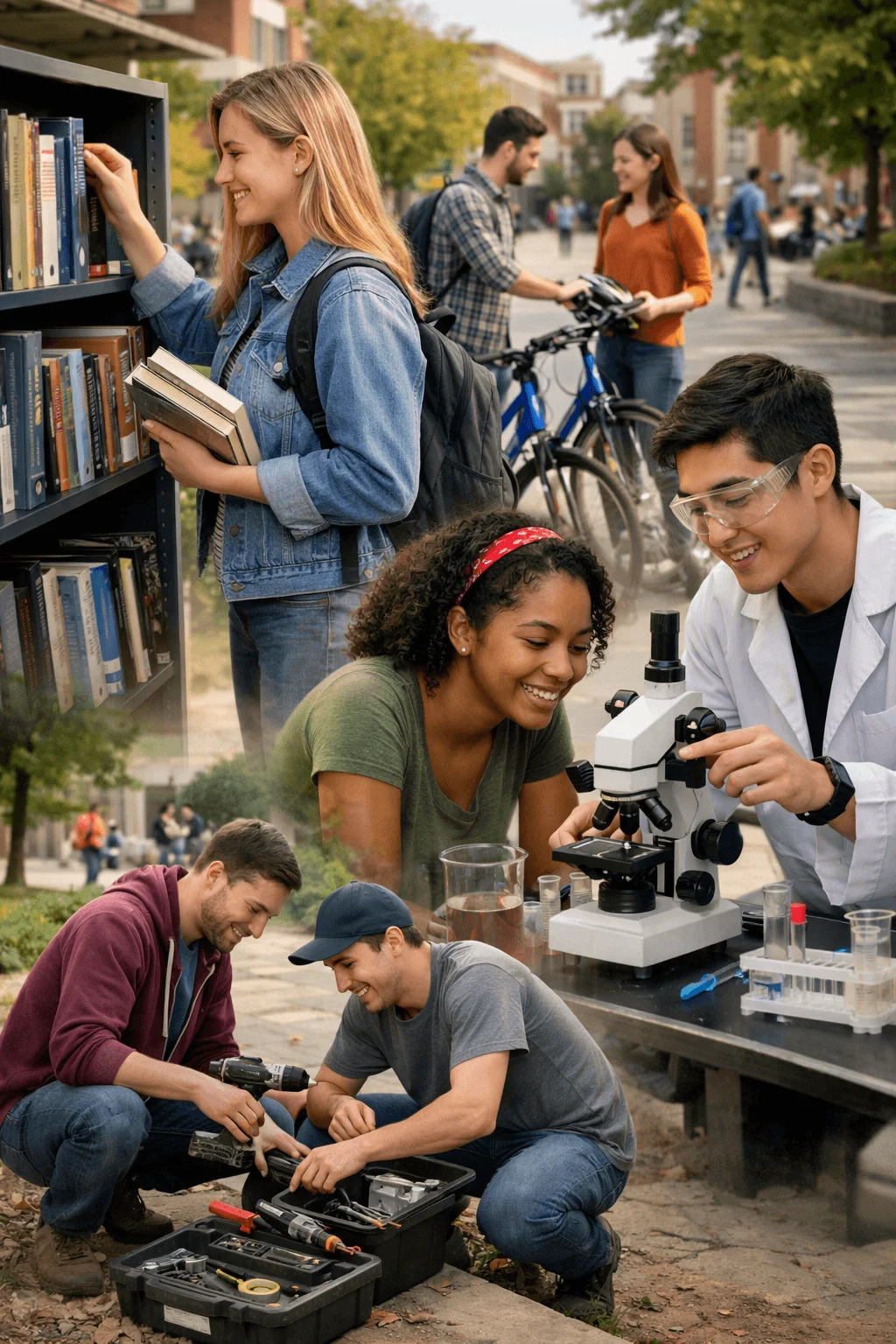
These programs reduce the need for individuals to purchase items that may only be used occasionally. Shared resources also strengthen community connections as students collaborate and support one another.
By participating in sharing systems, students contribute to a circular approach where resources are used more efficiently and waste is minimized.
Choosing Sustainable Study Supplies
Traditional school supplies often include disposable materials that generate waste over time. Items such as single use pens, plastic folders, and low quality notebooks accumulate throughout a semester.
Students can choose sustainable alternatives that last longer and reduce environmental impact. Refillable pens, recycled paper notebooks, and digital note taking platforms provide practical solutions that align with sustainable living.

Selecting durable study materials also reduces the need for frequent replacements, which saves both money and resources.
Sustainable Transportation Choices
Transportation is one of the largest contributors to global carbon emissions. Students who rely heavily on private vehicles may unknowingly increase their environmental impact.
Choosing alternatives such as walking, cycling, or public transportation can significantly reduce emissions. Many campuses also provide bike sharing systems that make cycling convenient and affordable.
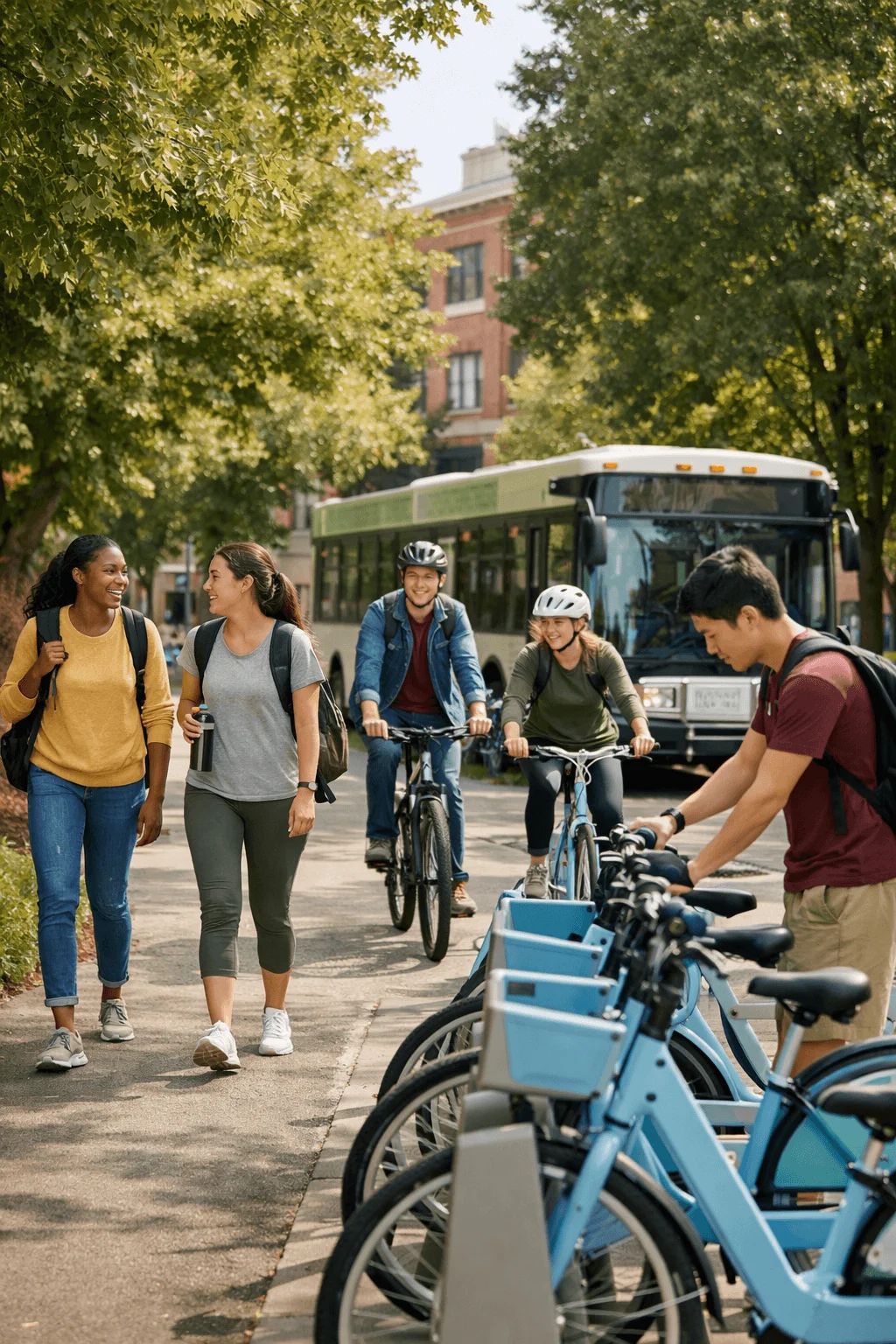
Active transportation methods like walking and cycling also promote physical health while reducing pollution.
Growing Food in Small Spaces
Urban gardening has become increasingly popular among students who want to reconnect with food production. Even small living spaces such as dorm rooms or apartment balconies can support herbs, vegetables, or small plants.
Growing food encourages appreciation for natural systems and helps students understand the effort required to produce fresh ingredients. It can also reduce dependence on packaged food products that travel long distances before reaching consumers.
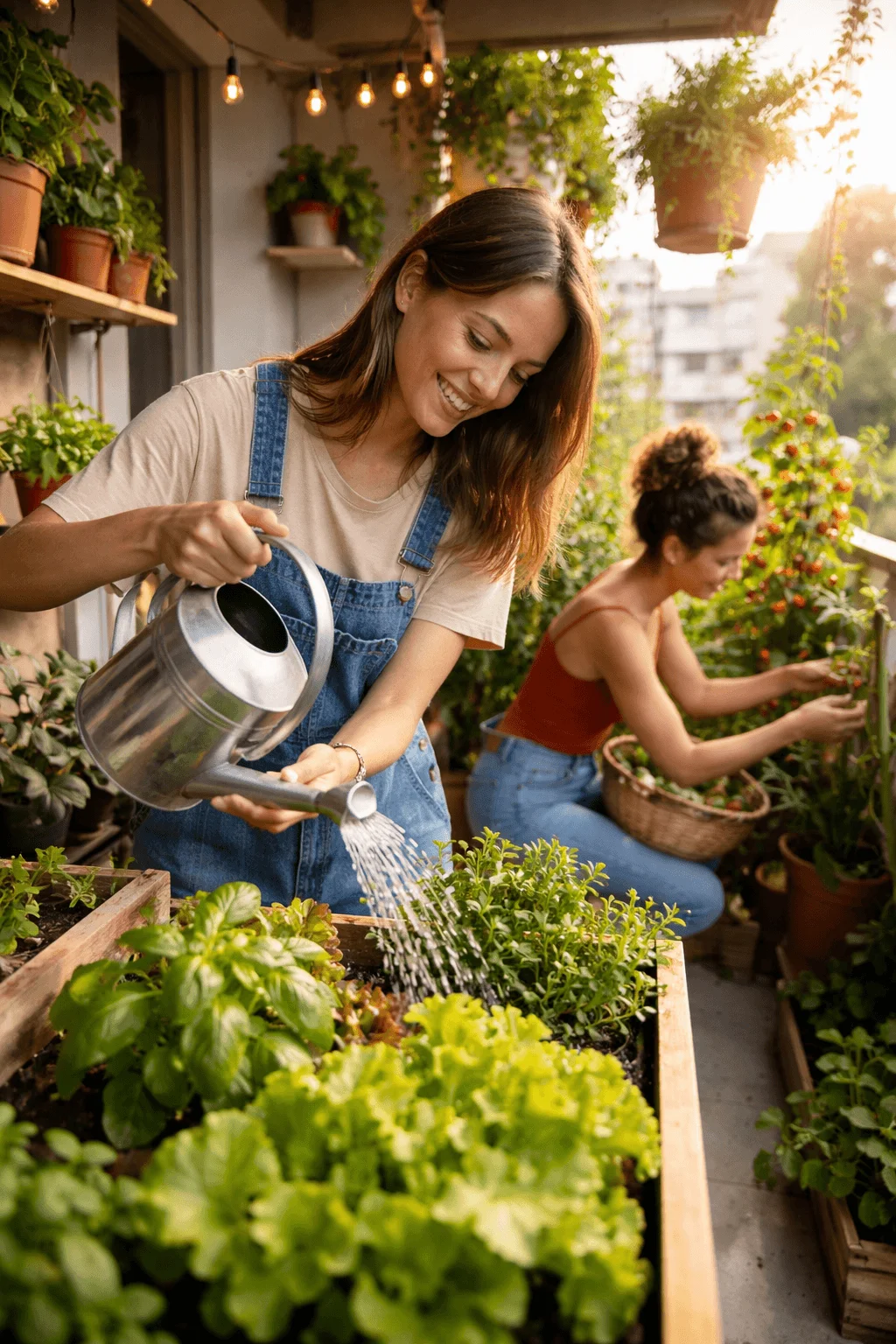
Community gardens on campuses provide additional opportunities for students to collaborate and share knowledge about sustainable agriculture.
Supporting Local and Seasonal Food
Food that travels long distances often requires transportation and refrigeration that increase environmental impact. Choosing locally produced and seasonal foods reduces these emissions while supporting regional farmers.
Students who explore local markets often discover fresher ingredients and unique food options that reflect regional culture. This practice strengthens connections between consumers and local food systems.
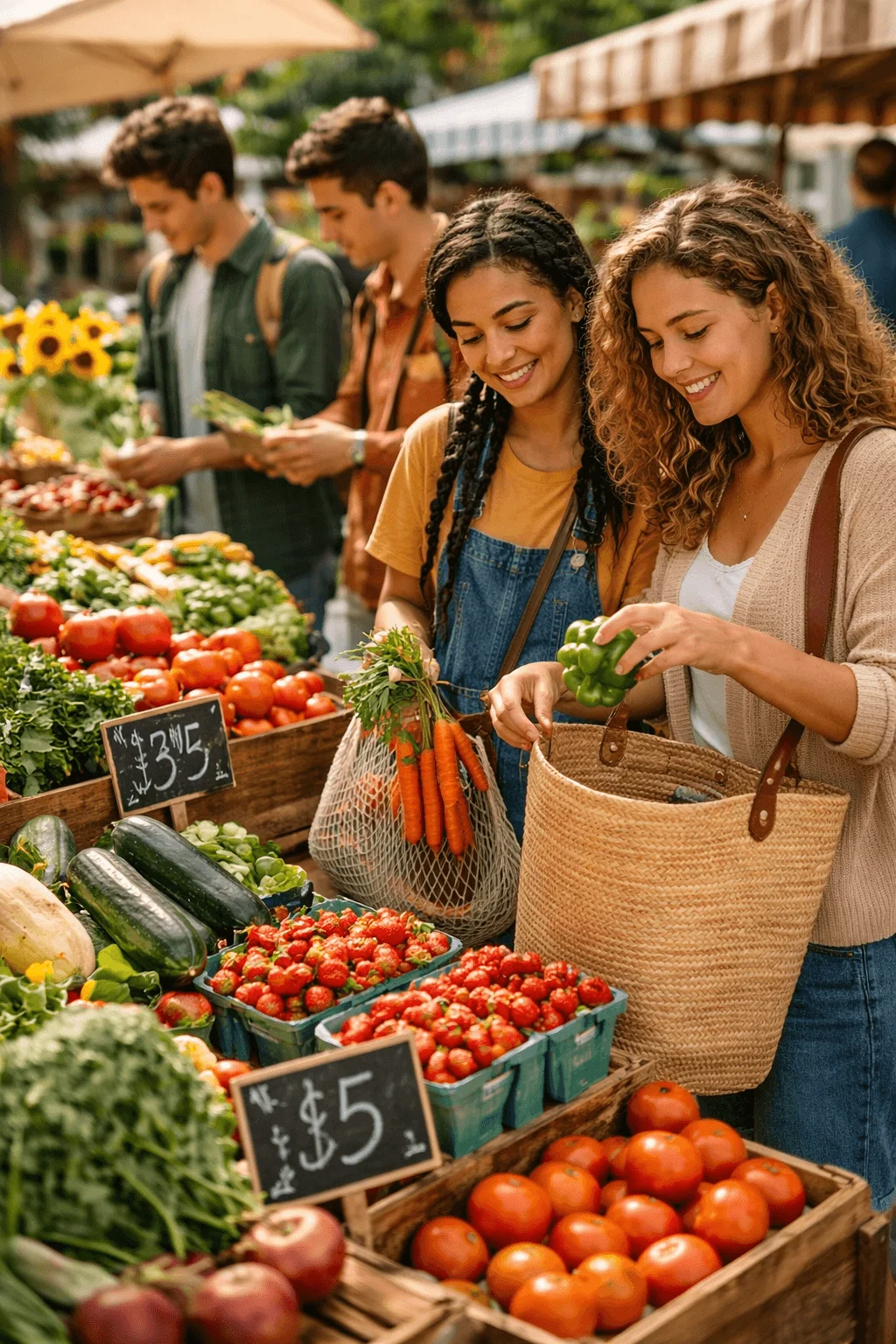
Eating seasonal foods also encourages variety in meals as different produce becomes available throughout the year.
Participating in Sustainability Challenges
Many educational institutions organize sustainability initiatives that encourage students to adopt environmentally responsible habits. These programs may include challenges focused on reducing energy use, minimizing waste, or promoting sustainable transportation.
Participating in such challenges makes sustainability engaging and collaborative. Students motivate each other while learning new habits that can continue long after the challenge ends.
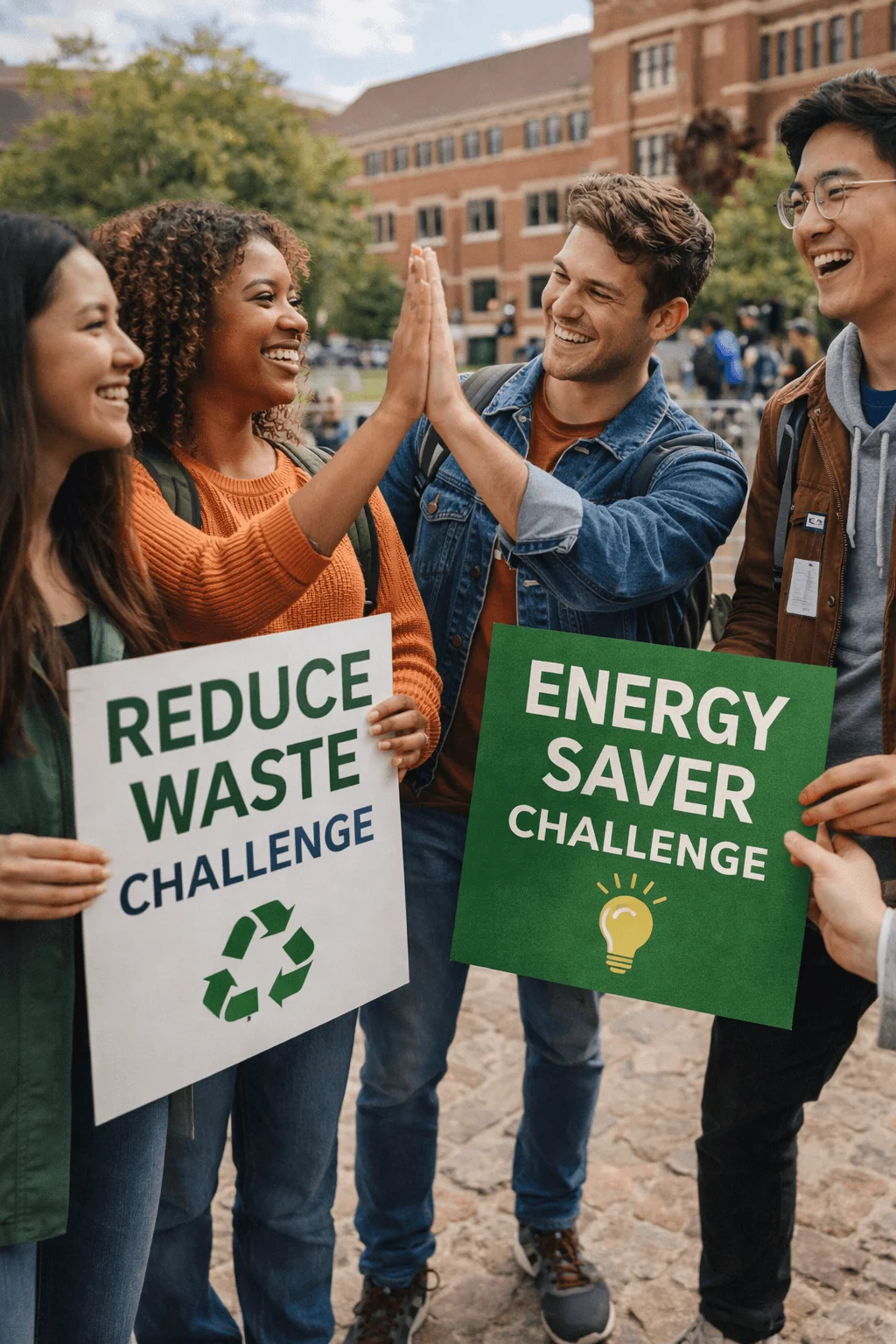
These activities also build awareness across campuses and encourage collective action.
Reducing Fast Fashion Consumption
Fast fashion encourages rapid production and consumption of clothing. While inexpensive garments may seem convenient for students, they often wear out quickly and contribute to landfill waste.
Choosing fewer but higher quality clothing items can reduce environmental impact significantly. Durable garments last longer and require fewer replacements.

Students who prioritize quality over quantity often develop a more thoughtful relationship with their wardrobe.
Practicing Minimalist Living
Minimalism focuses on owning fewer possessions and prioritizing items that provide genuine value. Many students discover that reducing clutter helps create a more organized and peaceful living environment.
Minimalist living encourages thoughtful purchasing decisions. Instead of accumulating unnecessary items, students focus on essential belongings that serve clear purposes.

This approach reduces consumption while promoting a more intentional lifestyle.
Reducing Energy Use in Student Housing
Energy conservation is one of the simplest ways students can live more sustainably. Turning off lights when leaving rooms, unplugging unused electronics, and using energy efficient appliances can significantly reduce electricity consumption.
Dormitories and shared apartments often consume large amounts of energy because of multiple residents using devices simultaneously. When students become mindful of energy use, the combined savings across a campus can be substantial.

These habits also help reduce electricity costs in shared living arrangements.
Participating in Environmental Advocacy
Many students choose to become involved in environmental advocacy groups that raise awareness about sustainability issues. These organizations often organize educational events, campaigns, and community projects.
Advocacy provides opportunities for students to influence policies and inspire others to adopt sustainable habits. It also builds leadership skills and strengthens community engagement.
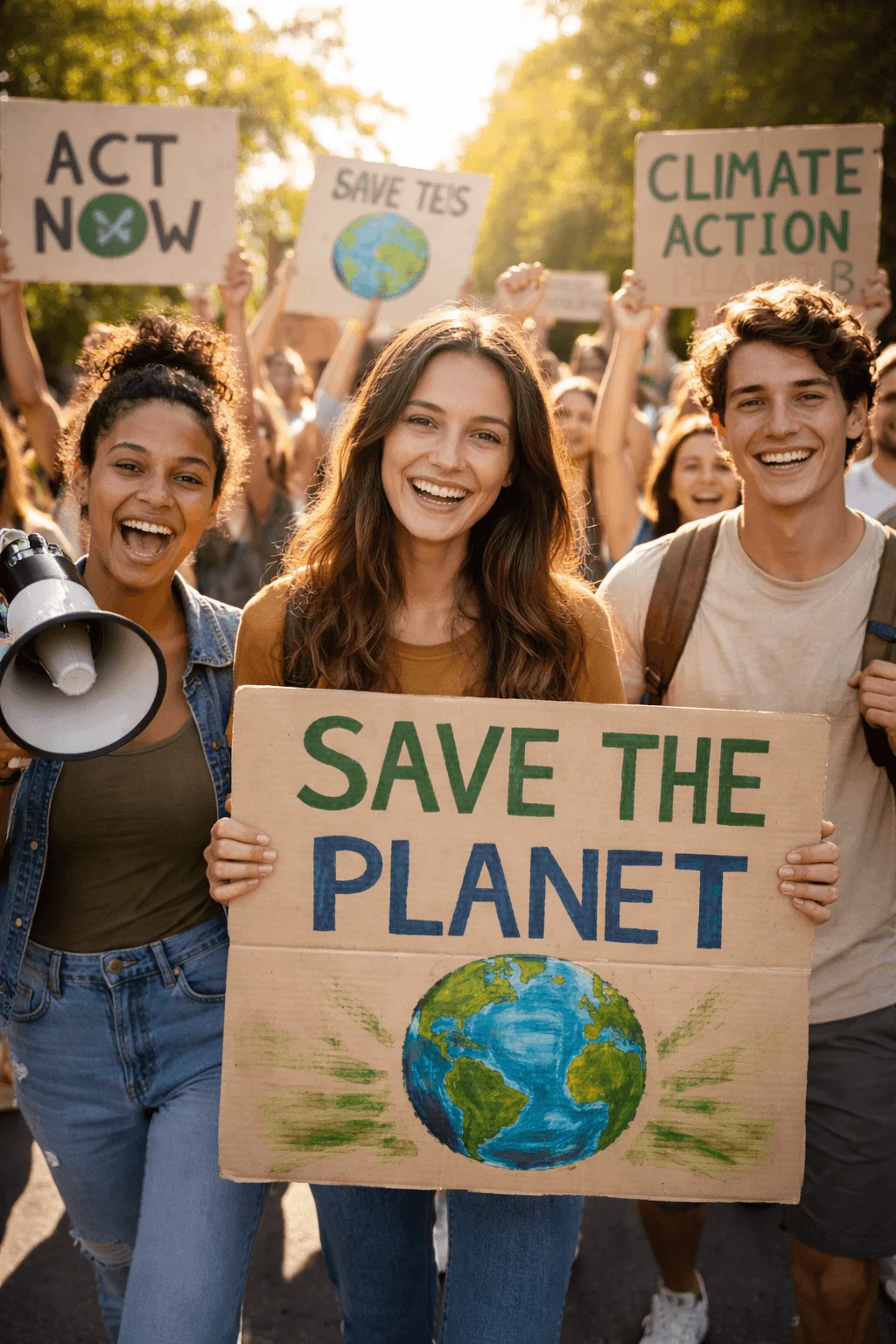
Through activism students can contribute to meaningful change beyond their personal lifestyle choices.
Using Technology to Support Sustainable Habits
Technology can also be used as a tool for sustainability. Various applications now help individuals track carbon emissions, monitor waste reduction efforts, and discover environmentally friendly products.
Students who use these tools can better understand their habits and identify areas for improvement. Technology makes sustainability more interactive and measurable.

Digital platforms also allow students to connect with communities that share similar environmental goals.
Sharing or Borrowing Textbooks
Textbooks are often expensive and resource intensive to produce. Purchasing new books each semester contributes to paper consumption and manufacturing impacts.
Students can reduce this demand by sharing textbooks with classmates or purchasing second hand copies. Libraries and digital textbooks also provide alternatives that reduce the need for printed materials.

These practices make education more affordable while conserving natural resources.
Reducing Plastic Waste
Single use plastics are a major contributor to environmental pollution. Disposable water bottles, food containers, and utensils are commonly used by students who have busy schedules.
Carrying reusable alternatives such as water bottles, lunch containers, and reusable cutlery can dramatically reduce plastic waste. These small adjustments gradually eliminate the need for disposable products in everyday life.
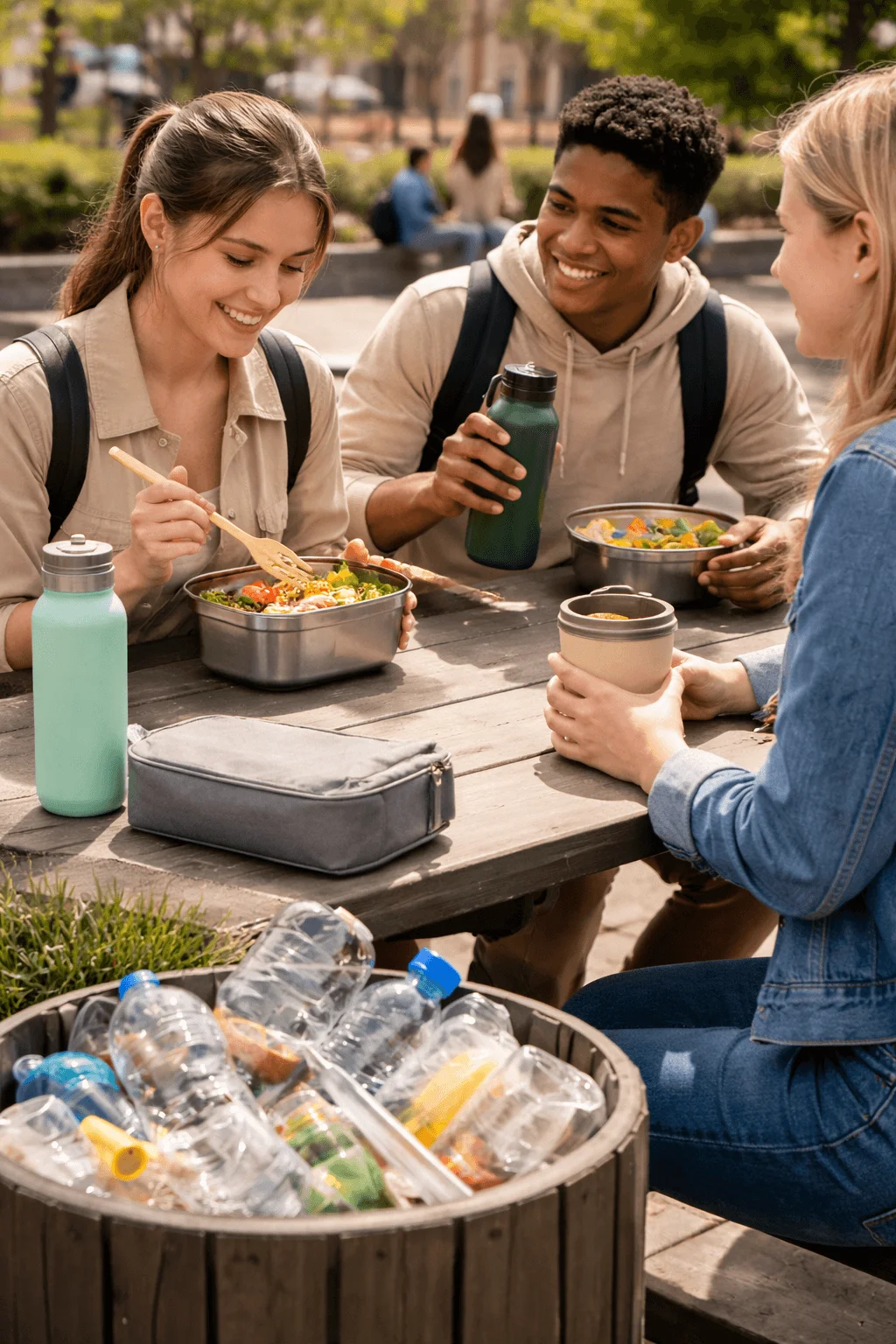
As more students adopt reusable items, campuses become cleaner and less dependent on single use plastics.
Choosing Sustainability Focused Career Paths
Many students today are interested in careers that contribute to environmental solutions. Fields such as renewable energy, environmental science, sustainable design, and green technology are expanding rapidly.

By aligning academic interests with sustainability goals, students can help develop innovative solutions that address environmental challenges. This career focus allows individuals to transform their passion for sustainability into meaningful professional impact.
Conclusion
Living sustainably as a student involves making thoughtful decisions about daily habits, consumption patterns, and community involvement. Small changes such as choosing plant based meals, reducing plastic use, conserving energy, and supporting circular fashion can collectively create a meaningful environmental impact.
Students who adopt sustainable lifestyles not only help protect the planet but also develop skills that promote responsibility, creativity, and resourcefulness. These habits often lead to financial savings, healthier lifestyles, and stronger community connections.
The journey toward sustainability does not require perfection. It begins with awareness and gradually evolves through consistent actions. When students embrace sustainable living, they contribute to a future where environmental responsibility becomes a natural part of everyday life.