20 Eco Friendly Grass Alternatives for 2026
Across the world homeowners are rethinking the traditional turf grass lawn. Rising water costs climate change pressures and growing awareness about pollinator decline have shifted landscaping priorities. Instead of maintaining a uniform grass surface that requires frequent mowing fertilizing and irrigation many people now prefer landscapes that are resilient low maintenance and environmentally supportive.
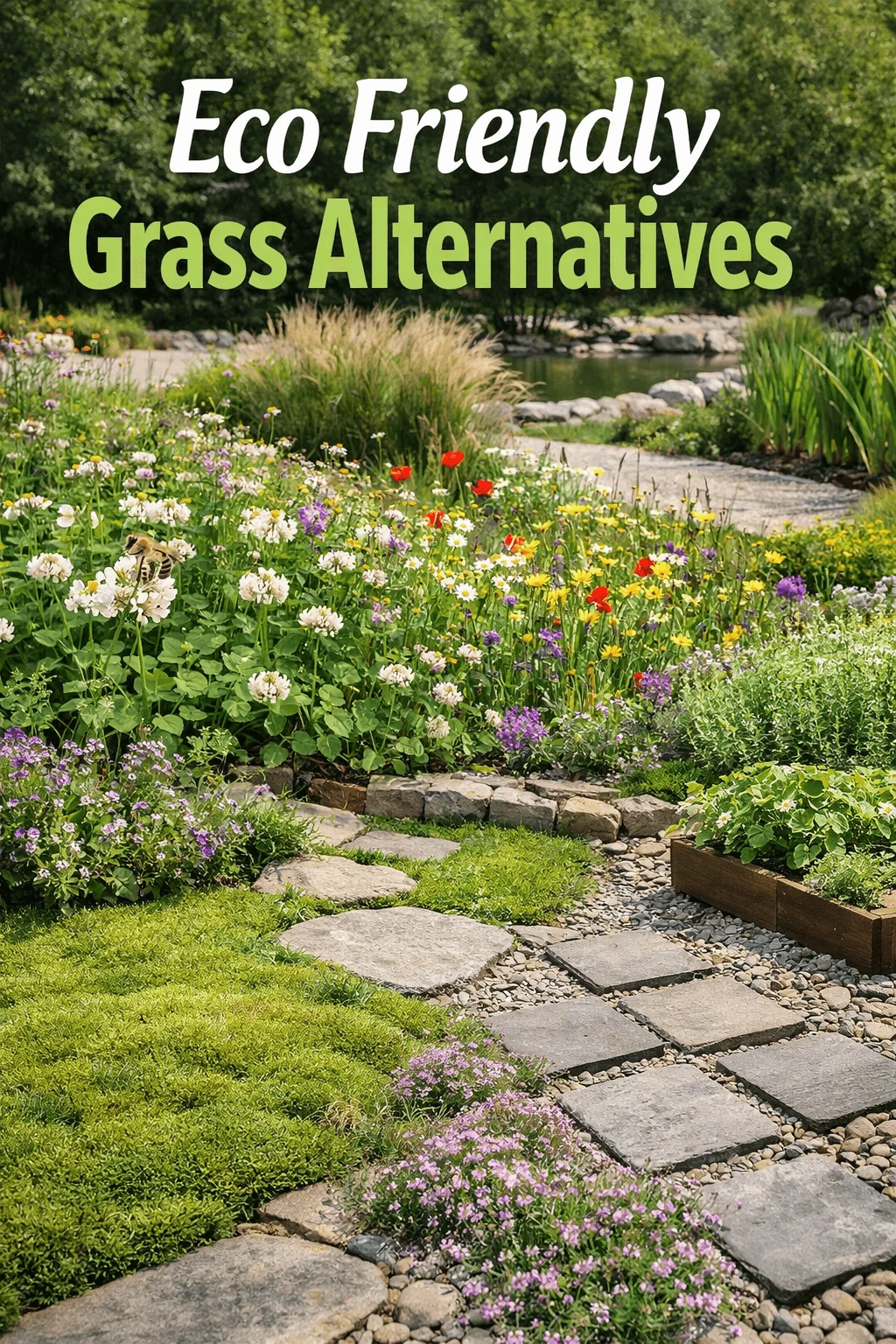
Eco friendly grass alternatives offer long term savings improved biodiversity and creative design possibilities. Some provide a similar lawn like appearance while others completely transform a yard into a dynamic ecosystem. Below you will find twenty detailed alternatives that are trending in 2026 along with guidance on where they perform best and how to approach planting them successfully.
Microclover Lawn
Microclover has quickly become one of the most popular lawn replacements. It forms a dense green surface with small leaves that blend well with traditional grass or can grow independently. Because clover naturally fixes nitrogen it reduces the need for synthetic fertilizers. This makes it both cost effective and environmentally beneficial.
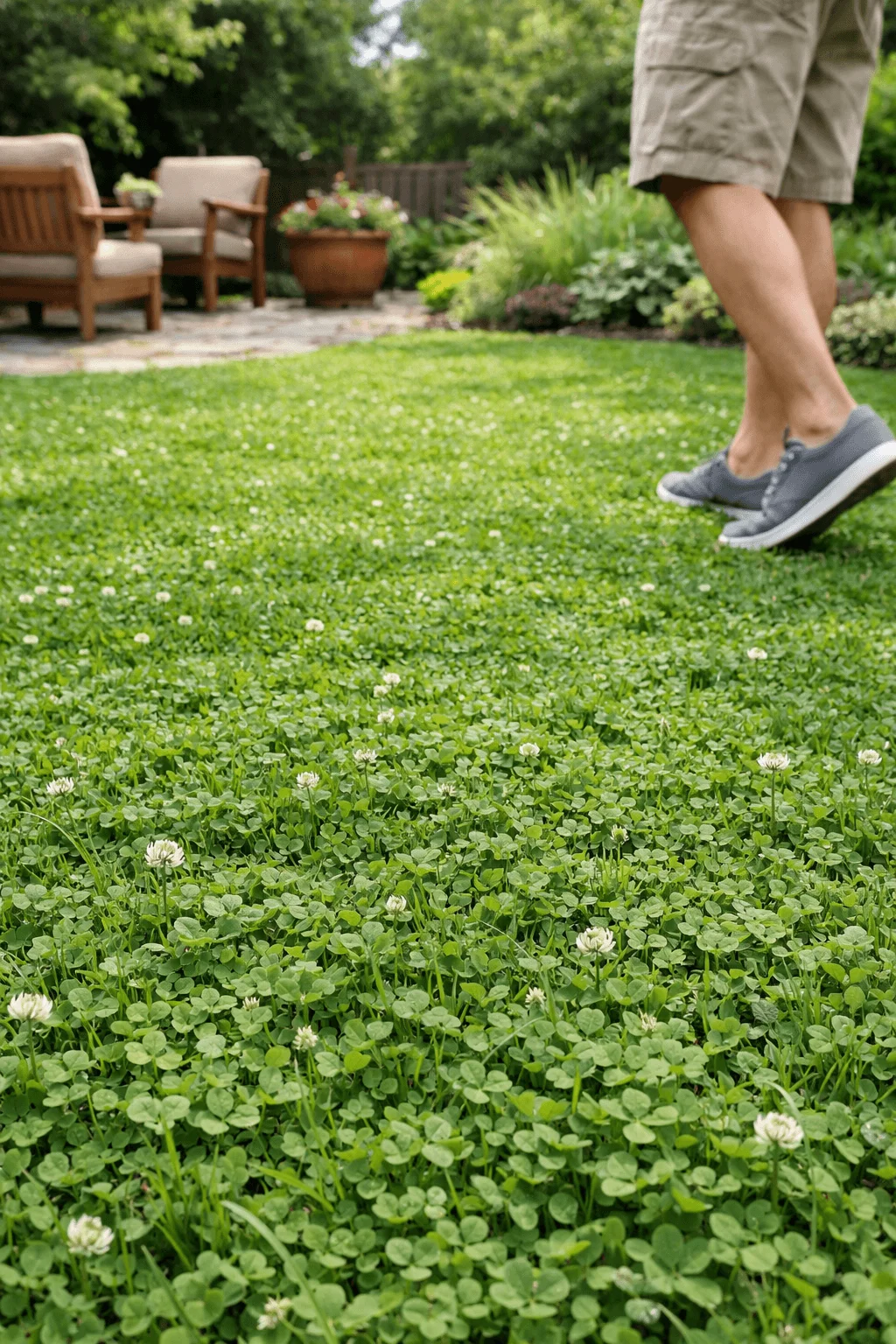
Microclover works well in sunny to partially shaded areas and tolerates light to moderate foot traffic. Homeowners appreciate that it stays green longer during dry periods compared to many turf varieties. It can be introduced by overseeding existing lawns or planted as part of a seed mix for new installations.
Bee Lawn Mixes
Bee lawns combine fine fescue grasses with microclover and small flowering plants that provide nectar. These lawns maintain a tidy appearance while supporting pollinators such as bees and butterflies.
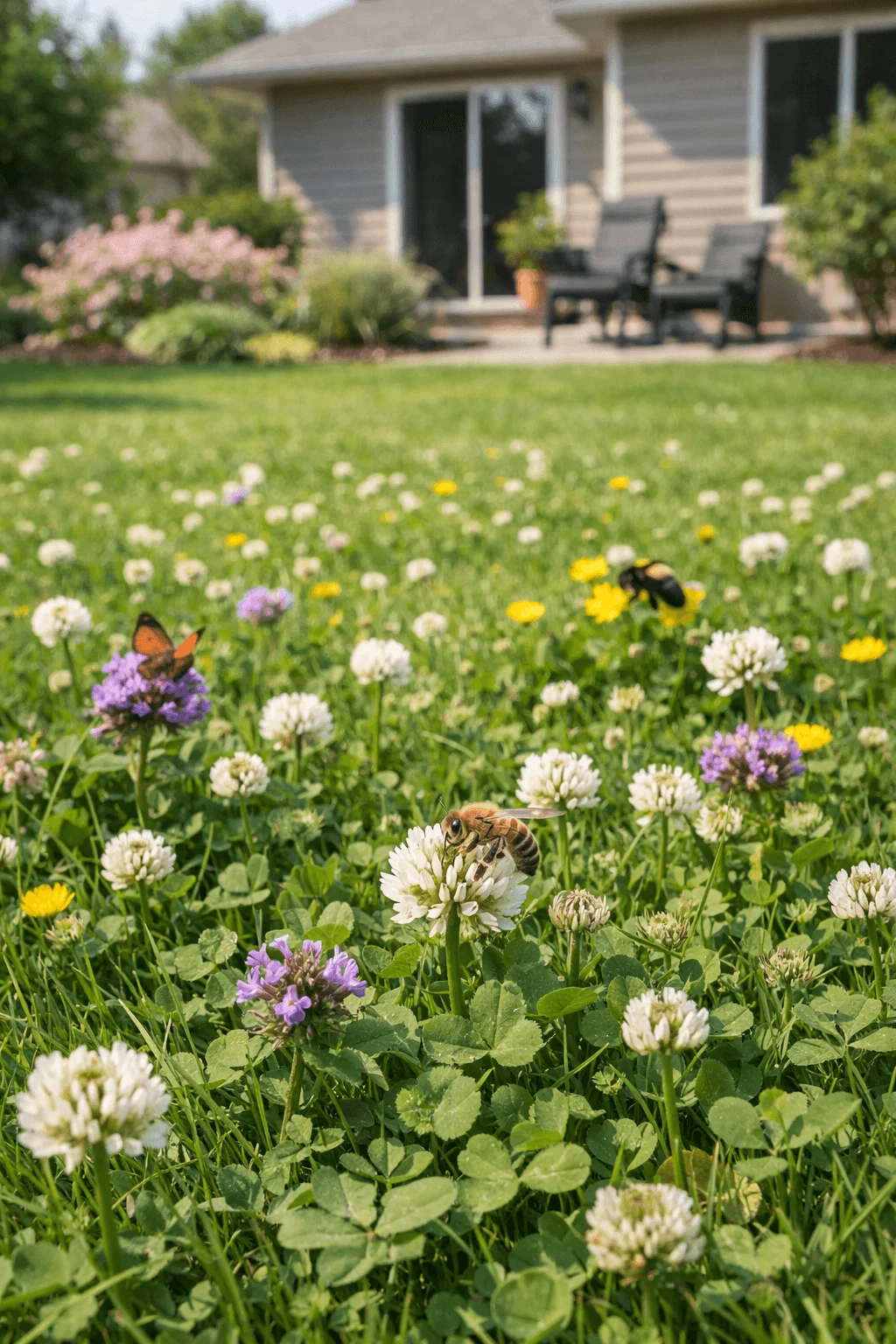
They are particularly attractive in suburban areas where homeowners want ecological benefits without abandoning the lawn aesthetic. Bee lawns require occasional mowing but far less fertilization than conventional turf. Over time they become more resilient and visually diverse.
Chamomile Lawn
Roman chamomile creates a fragrant low growing carpet that releases scent when stepped on. It produces delicate white flowers and offers a soft texture underfoot.
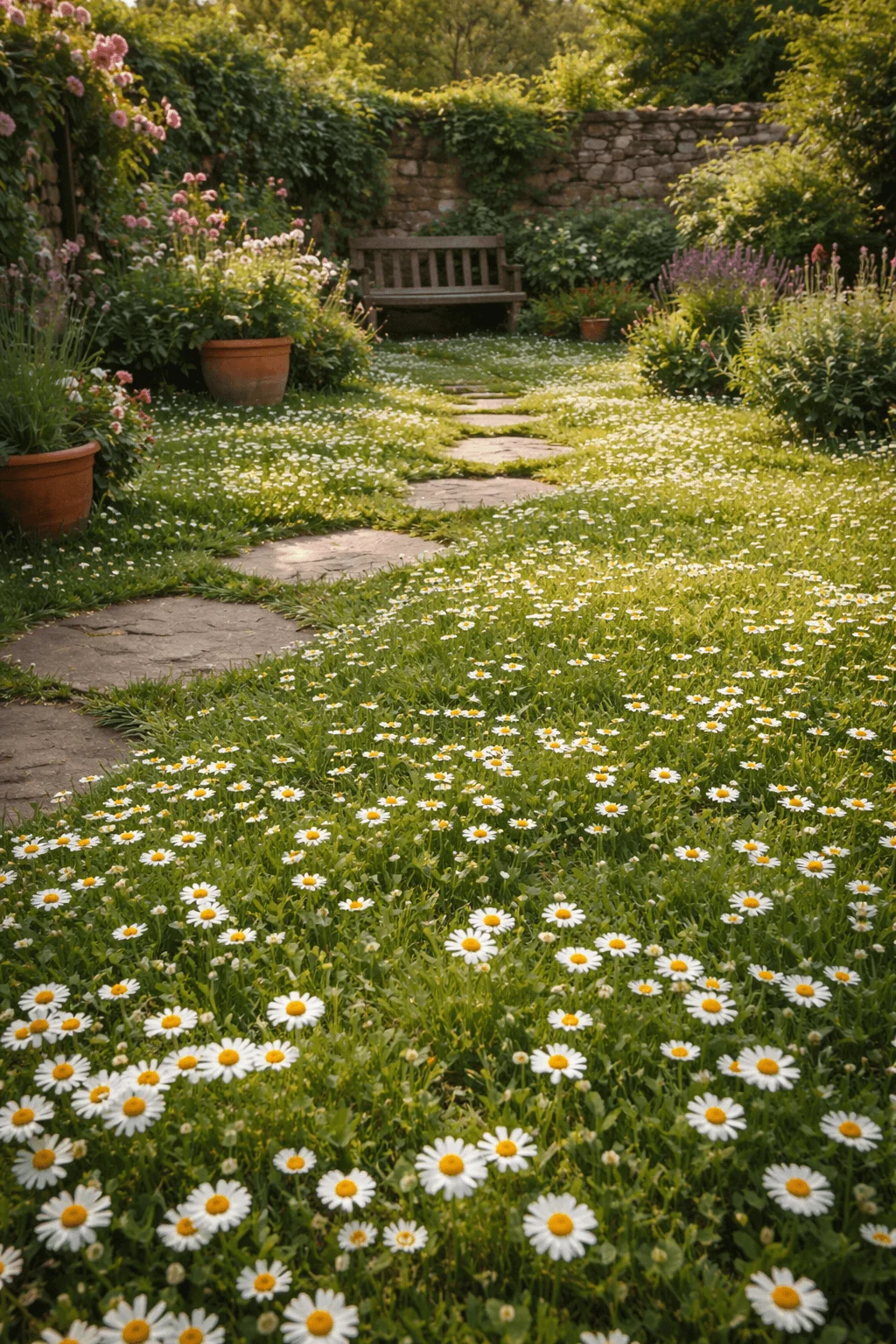
Chamomile thrives in full sun and well drained soil. While it does not tolerate heavy traffic it works beautifully in small ornamental spaces courtyards and cottage style gardens. It provides a distinctive look and sensory experience that traditional lawns cannot match.
Moss Lawn
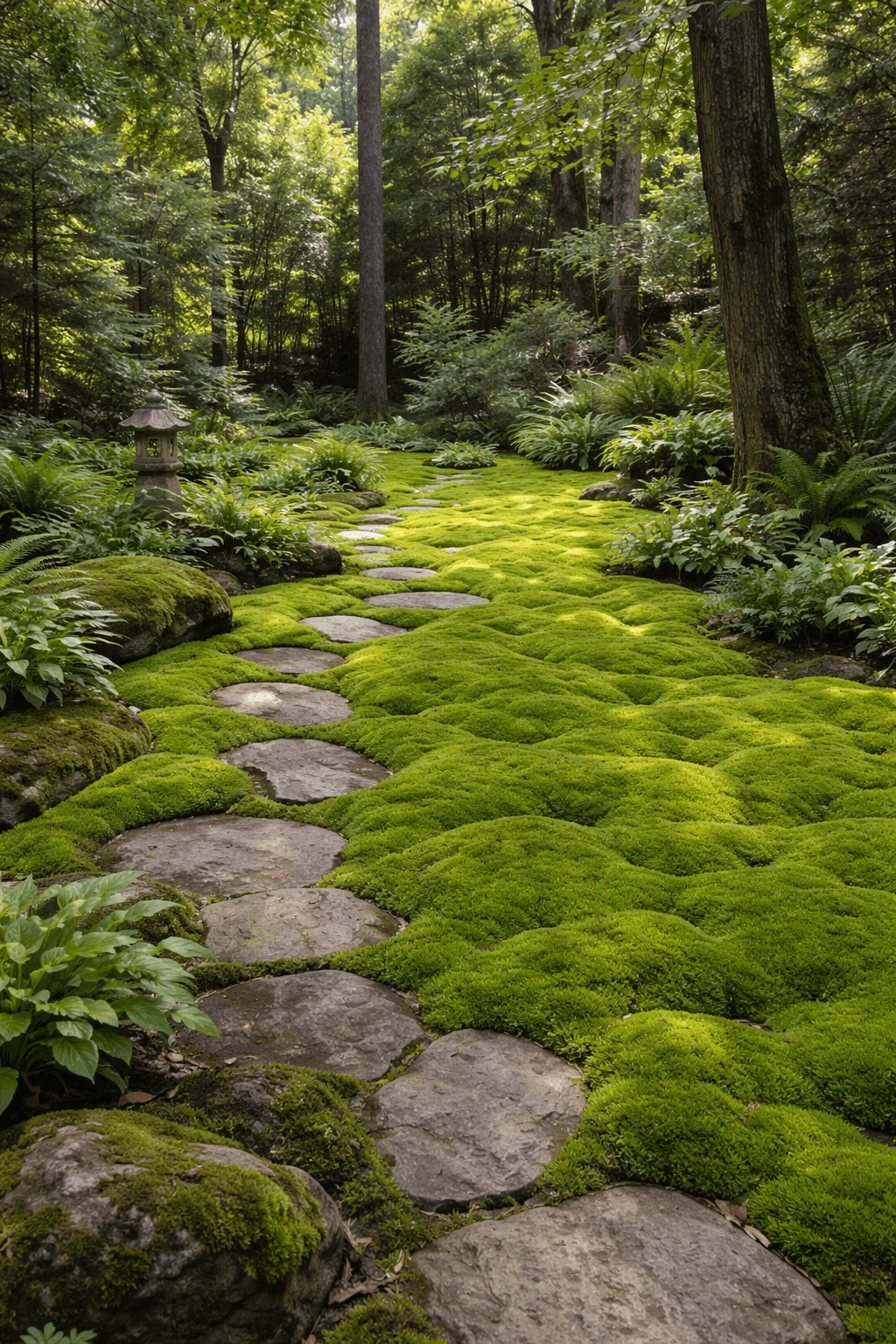
Moss lawns are ideal for shaded damp areas where grass struggles to survive. Moss forms a velvety green layer that requires no mowing and minimal intervention once established.
It performs best in acidic soil with consistent moisture. Moss lawns create a serene woodland aesthetic and are extremely low maintenance in suitable environments. They are not designed for heavy foot traffic but excel in decorative and contemplative spaces.
Sedge Lawn
Sedges particularly native Carex species resemble grass but offer better adaptability to shade and varying moisture levels. They grow in fine textured clumps that gradually knit together.
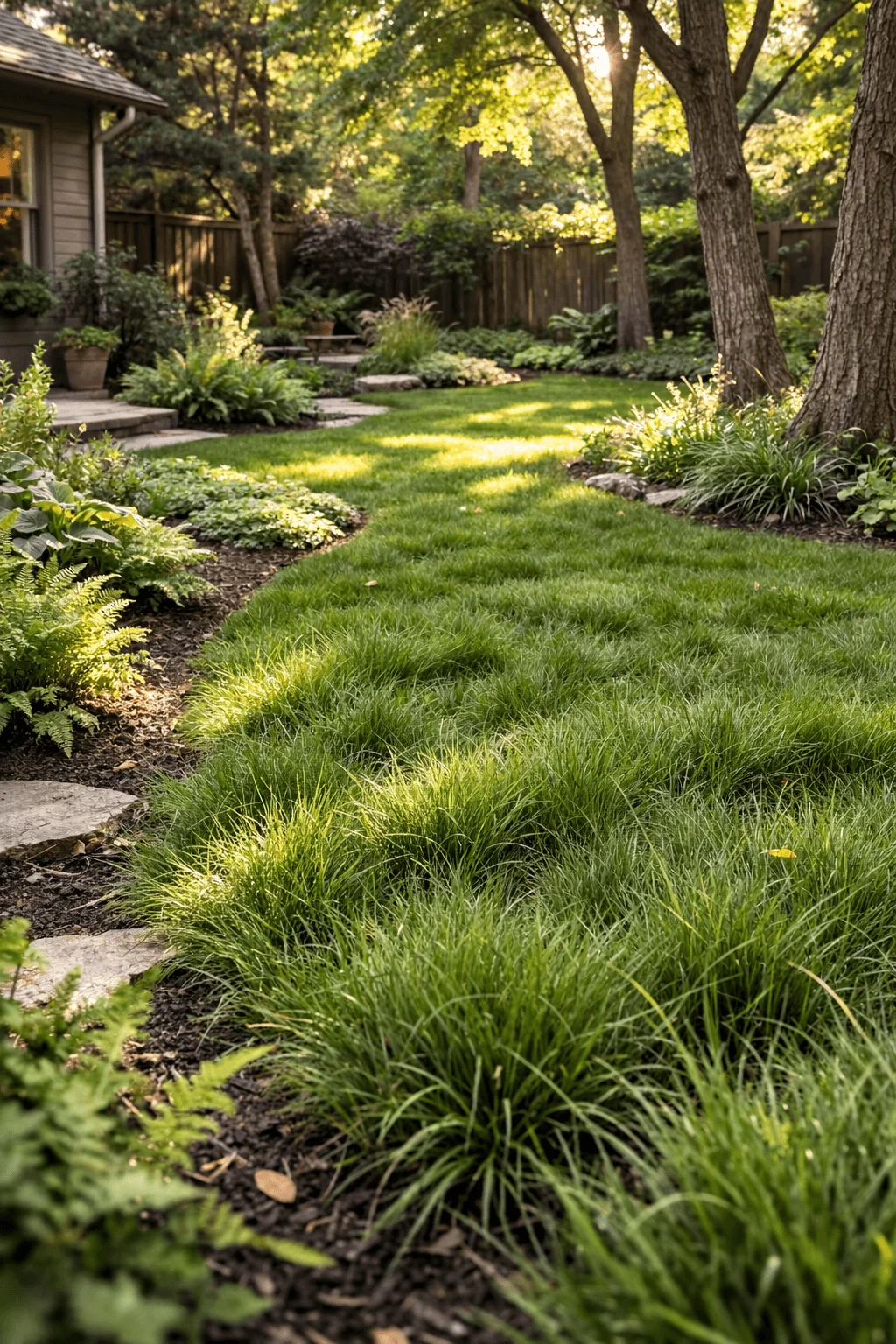
Sedge lawns require less mowing than turf and often tolerate dry shade conditions. They provide habitat value and work well in transitional spaces between garden beds and open yard areas.
Creeping Thyme
Creeping thyme forms dense mats of aromatic foliage and blooms with colorful flowers during the growing season. It is highly drought tolerant and thrives in sunny well drained areas.
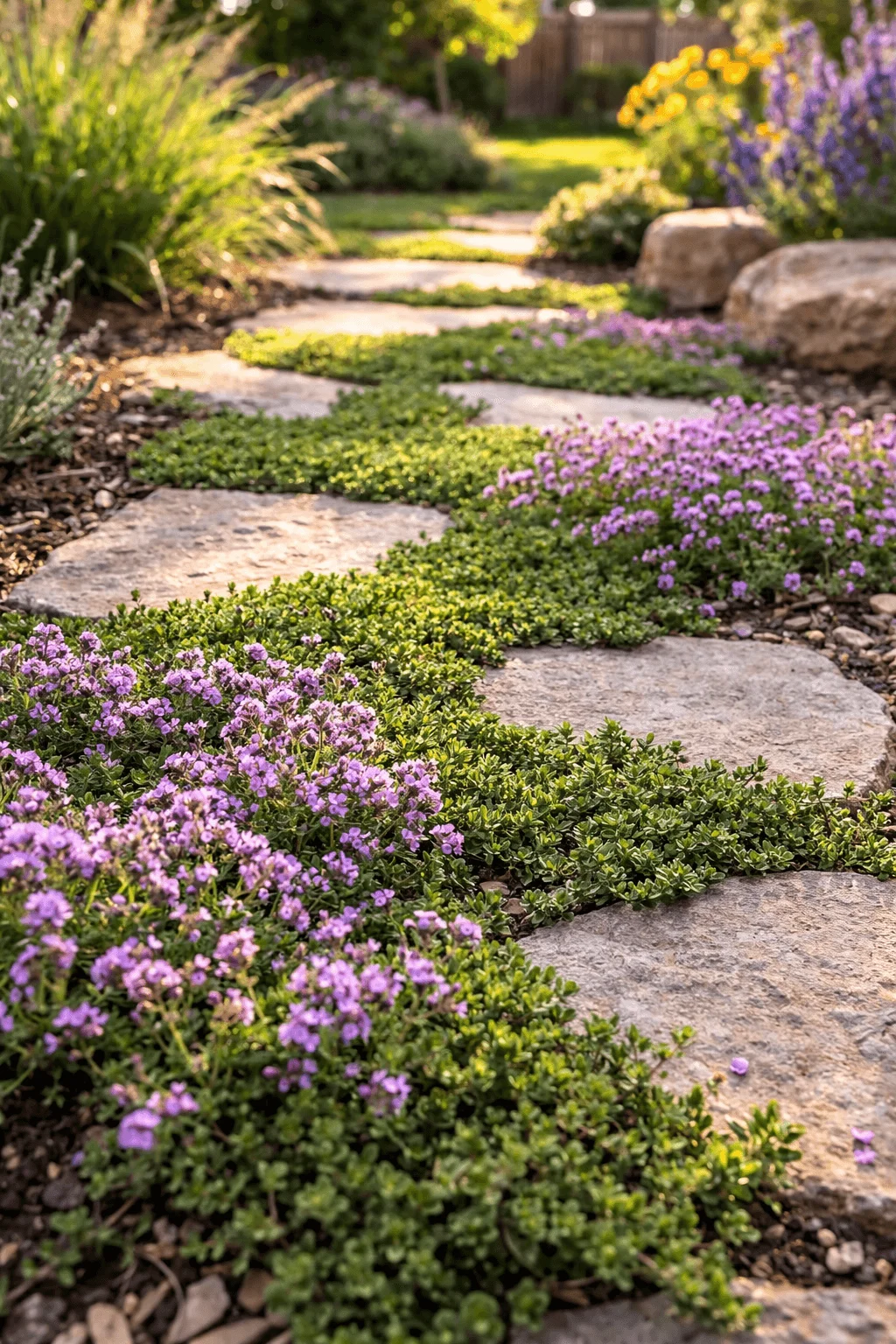
This groundcover is ideal for pathways stepping stones and small open areas with light traffic. It adds fragrance color and pollinator support to the landscape while requiring minimal irrigation once established.
Fine Fescue Low Maintenance Lawn
Fine fescue blends are designed for slower growth and reduced mowing frequency. They maintain a traditional grass appearance while using less water and fertilizer than many turf species.
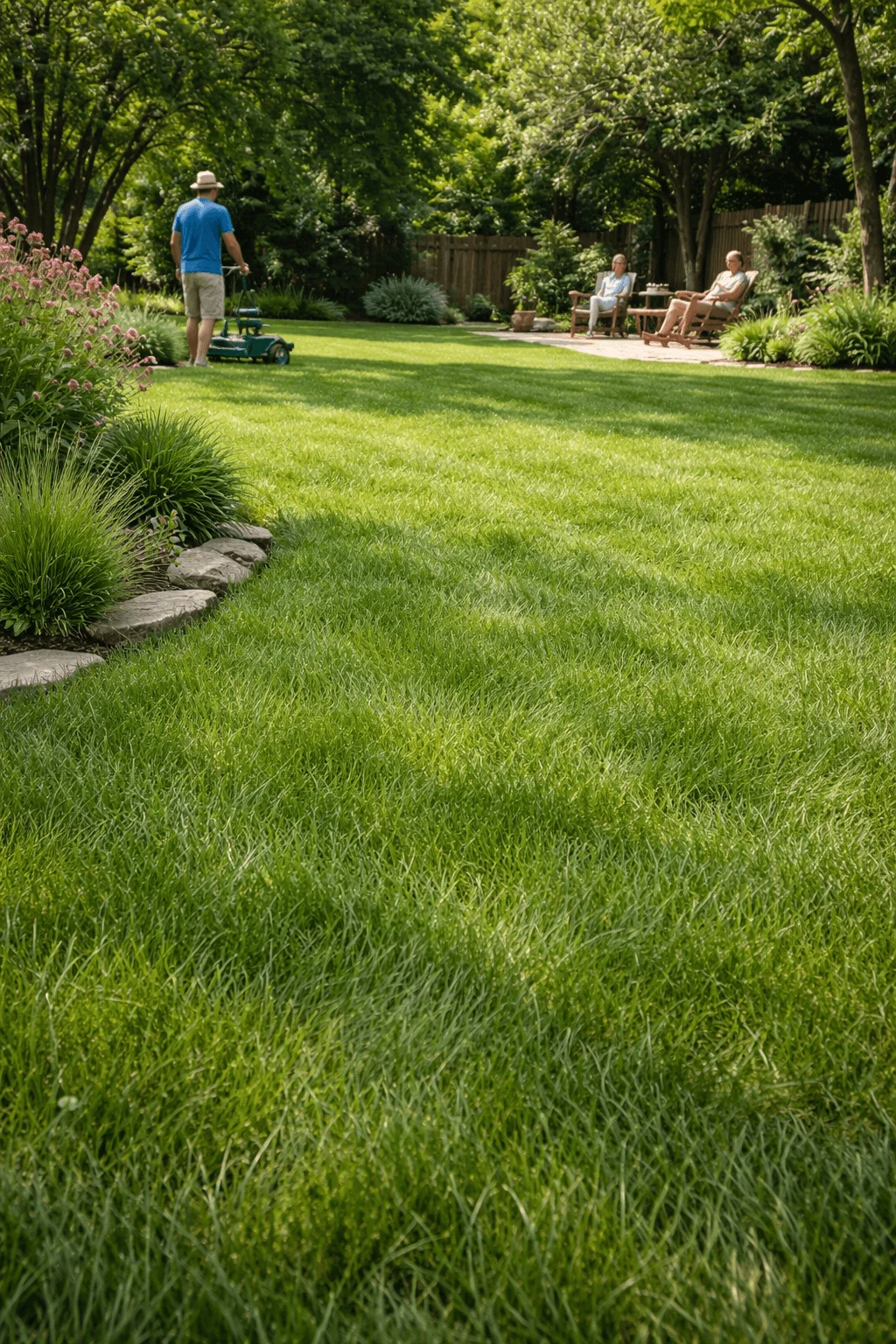
This option appeals to homeowners who want a familiar look but with fewer maintenance demands. It handles moderate foot traffic and can be left slightly taller to improve drought tolerance.
Wildflower Meadow
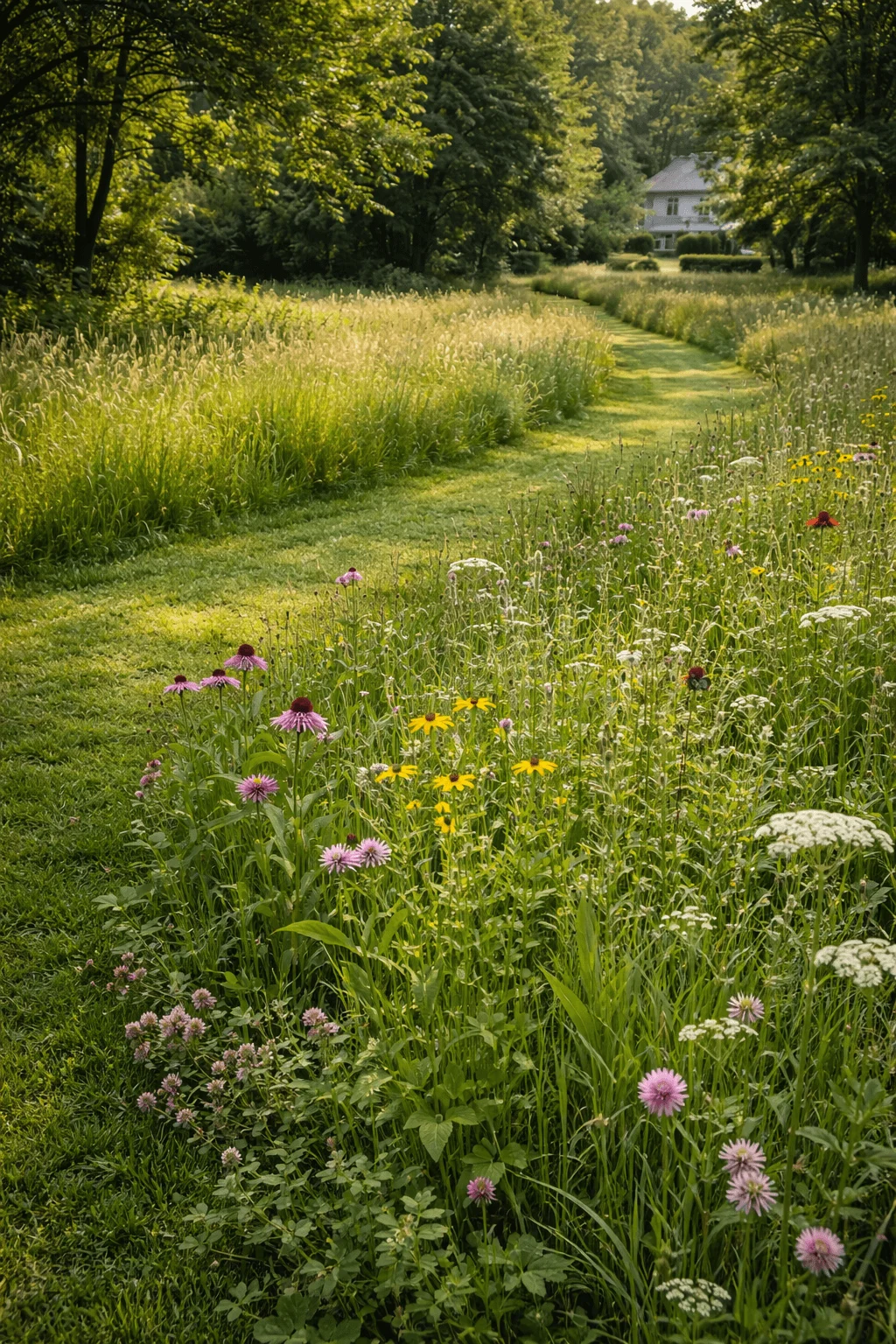
Wildflower meadows transform lawns into vibrant habitats filled with native grasses and seasonal blooms. Instead of weekly mowing these areas are typically cut once or twice annually.
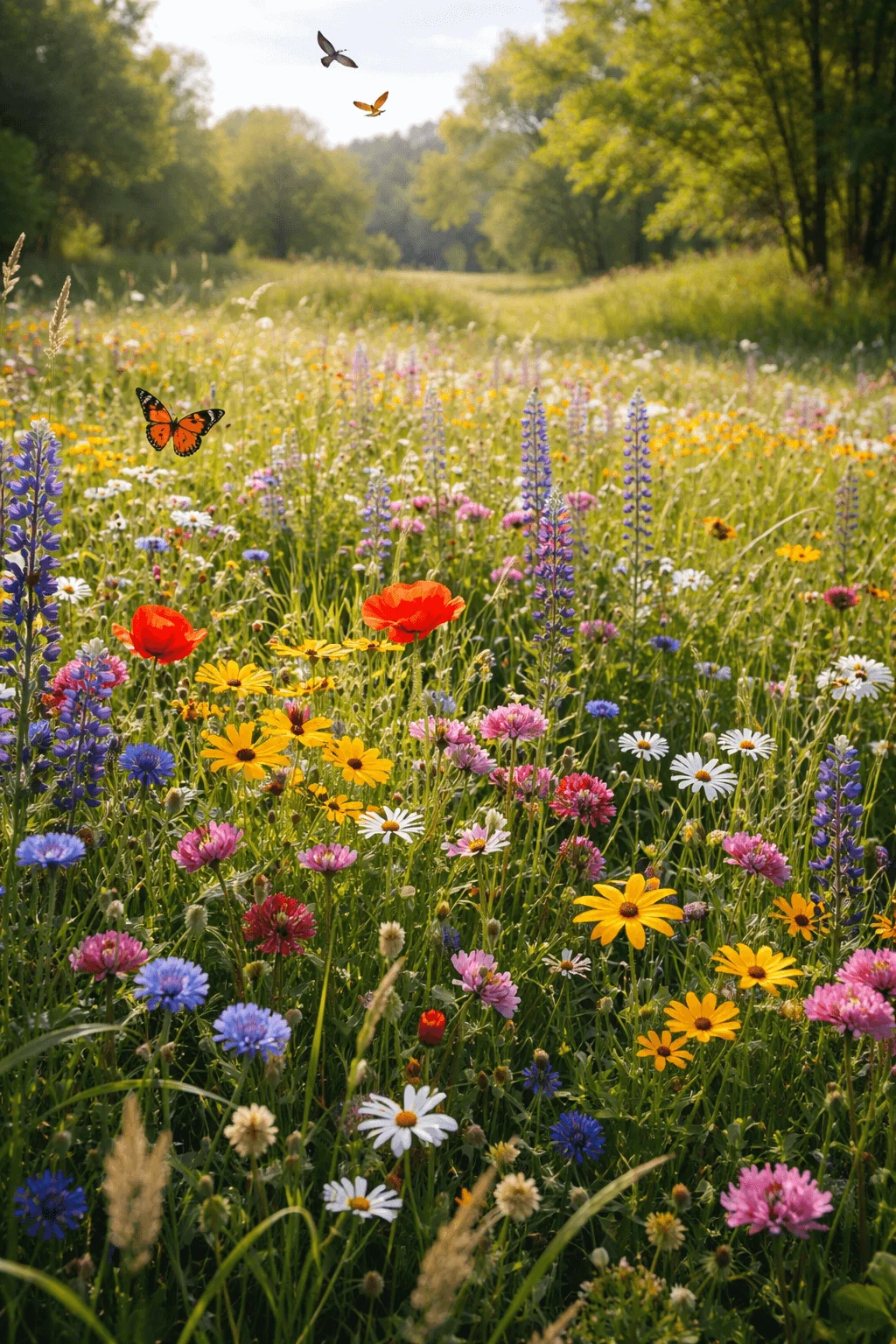
Meadows support bees butterflies and birds while reducing irrigation needs significantly. Although establishment requires patience and careful preparation the long term ecological and visual rewards are substantial.
Sedum Groundcover
Sedum varieties create thick succulent mats that thrive in dry sunny environments. They are frequently used in rock gardens slopes and rooftop systems.
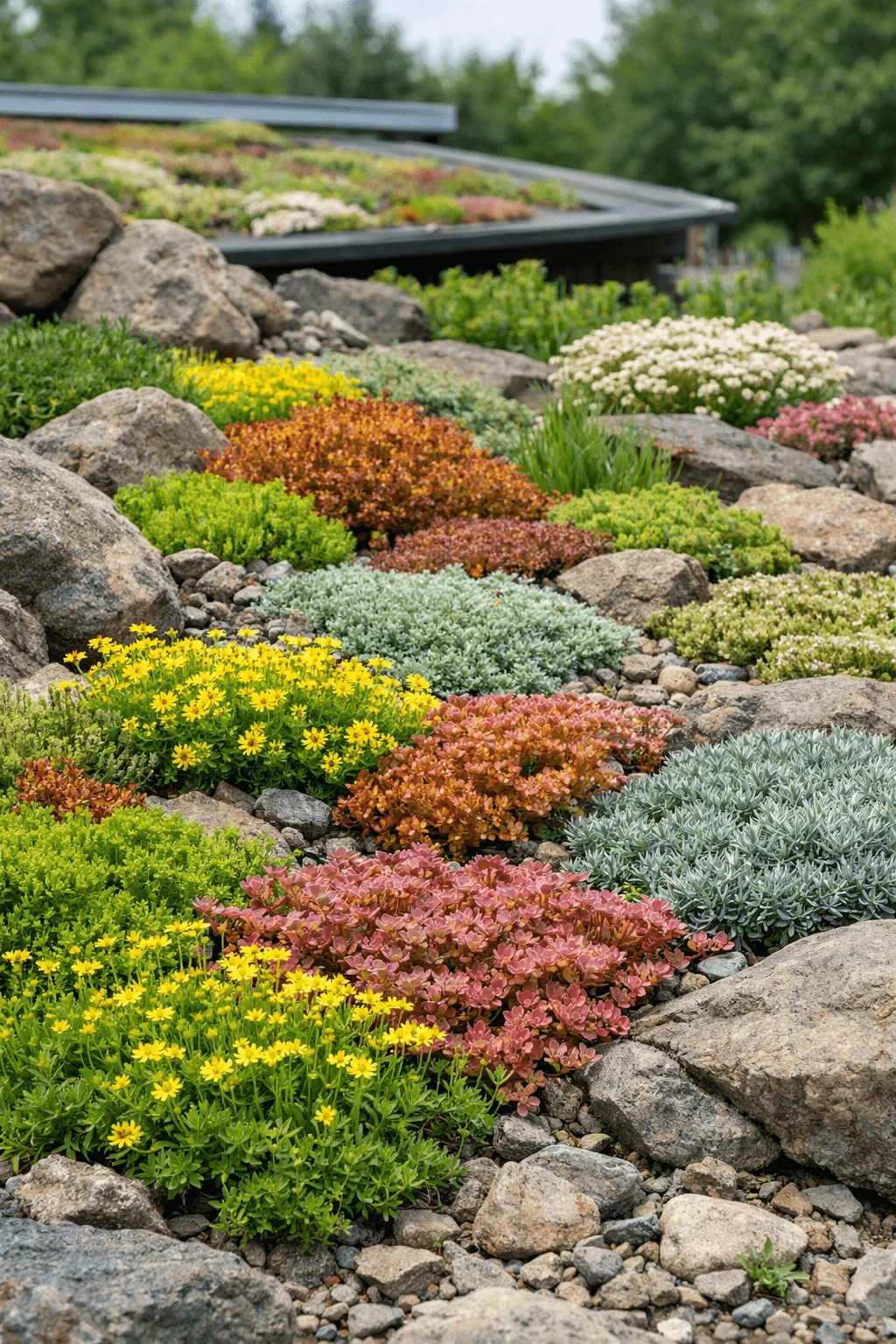
Sedum requires very little water once established and provides year round texture. It is best suited to areas with minimal foot traffic and excellent drainage.
Mondo Grass and Lilyturf
Mondo grass and lilyturf are evergreen groundcovers often used in modern landscape designs. They create neat defined plantings that replace narrow strips of lawn.
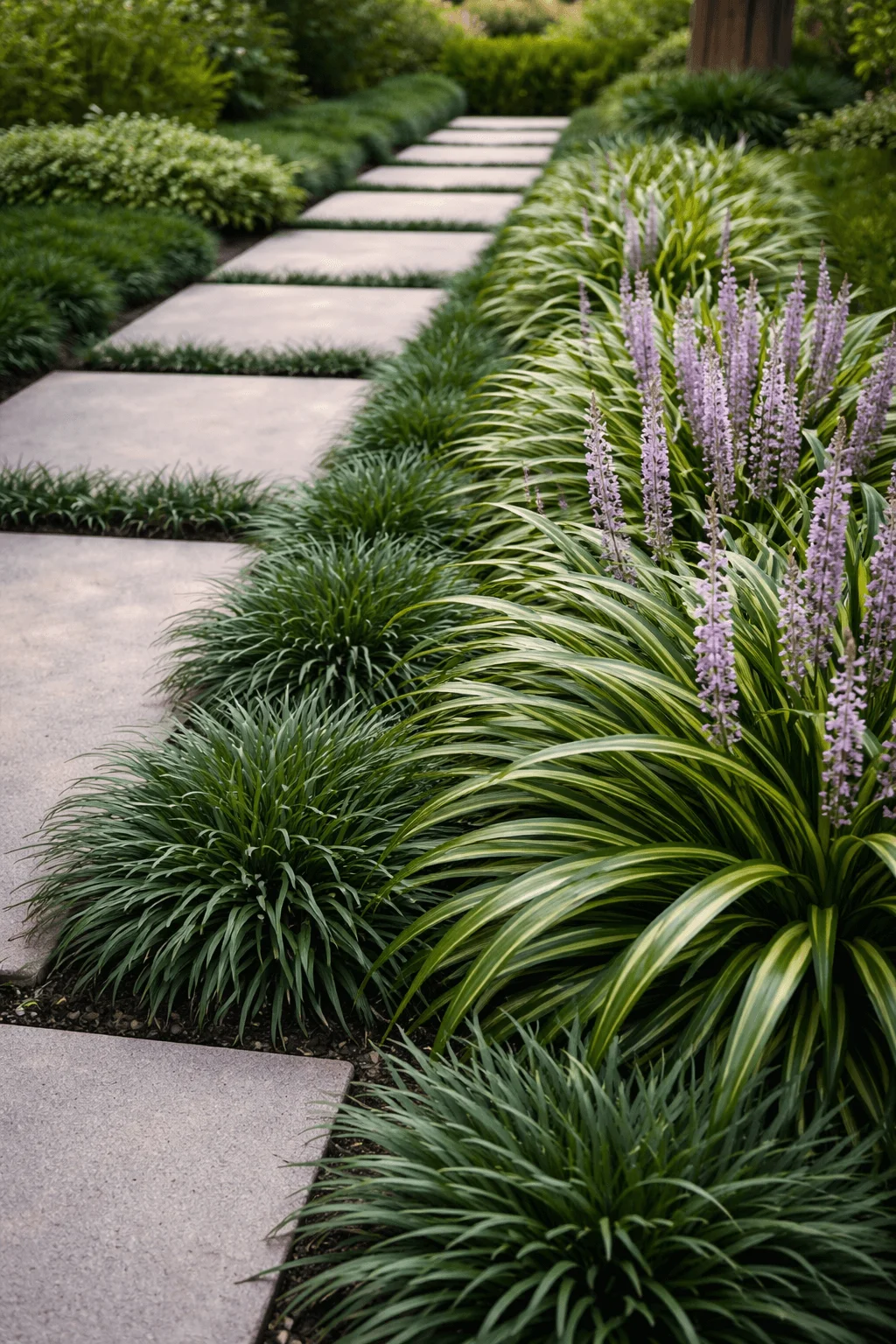
These plants tolerate partial shade and moderate drought. They are particularly effective along pathways borders and between stepping stones.
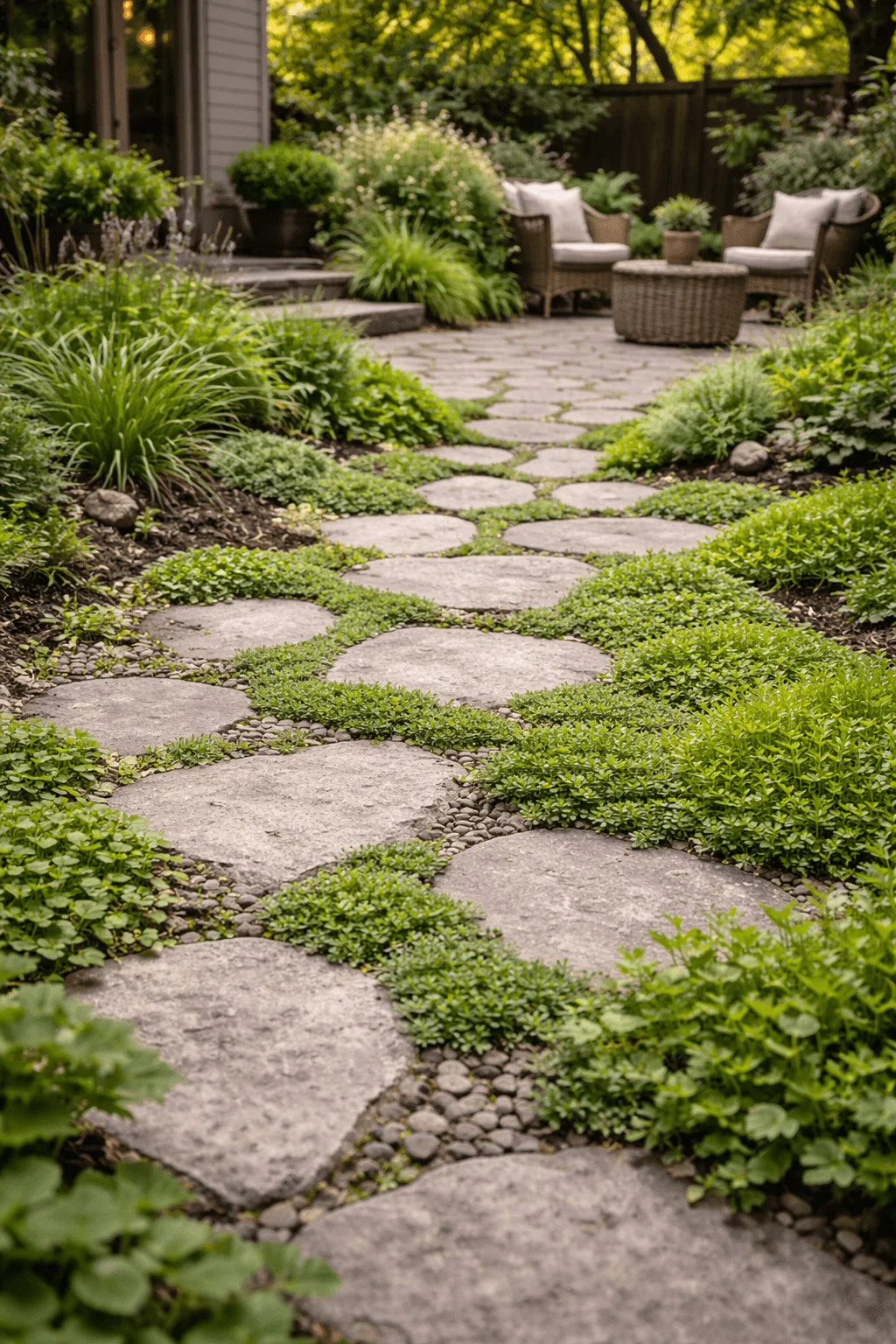
Permeable Pavers With Living Groundcover
Combining permeable pavers with low growing plants allows homeowners to reduce lawn area while managing stormwater effectively. The plants soften hard surfaces and maintain greenery.
This design approach works well for patios driveways and walkways. It merges practicality with ecological awareness.
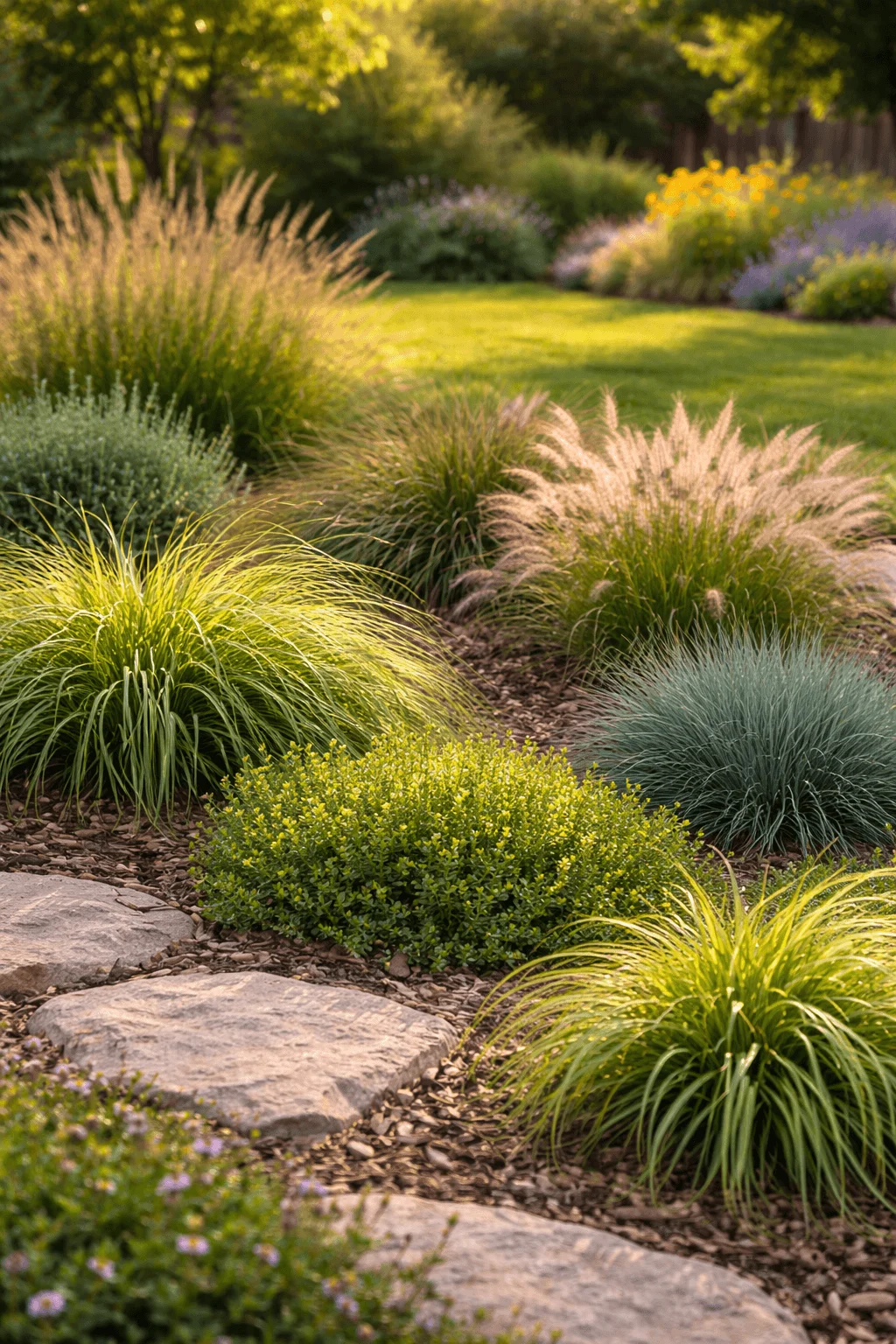
Ornamental Grasses
Low growing ornamental grasses provide texture movement and seasonal interest. Instead of uniform turf these grasses create dynamic visual layers.
They require minimal mowing and offer habitat for beneficial insects. Ornamental grasses suit contemporary prairie inspired and naturalistic designs.
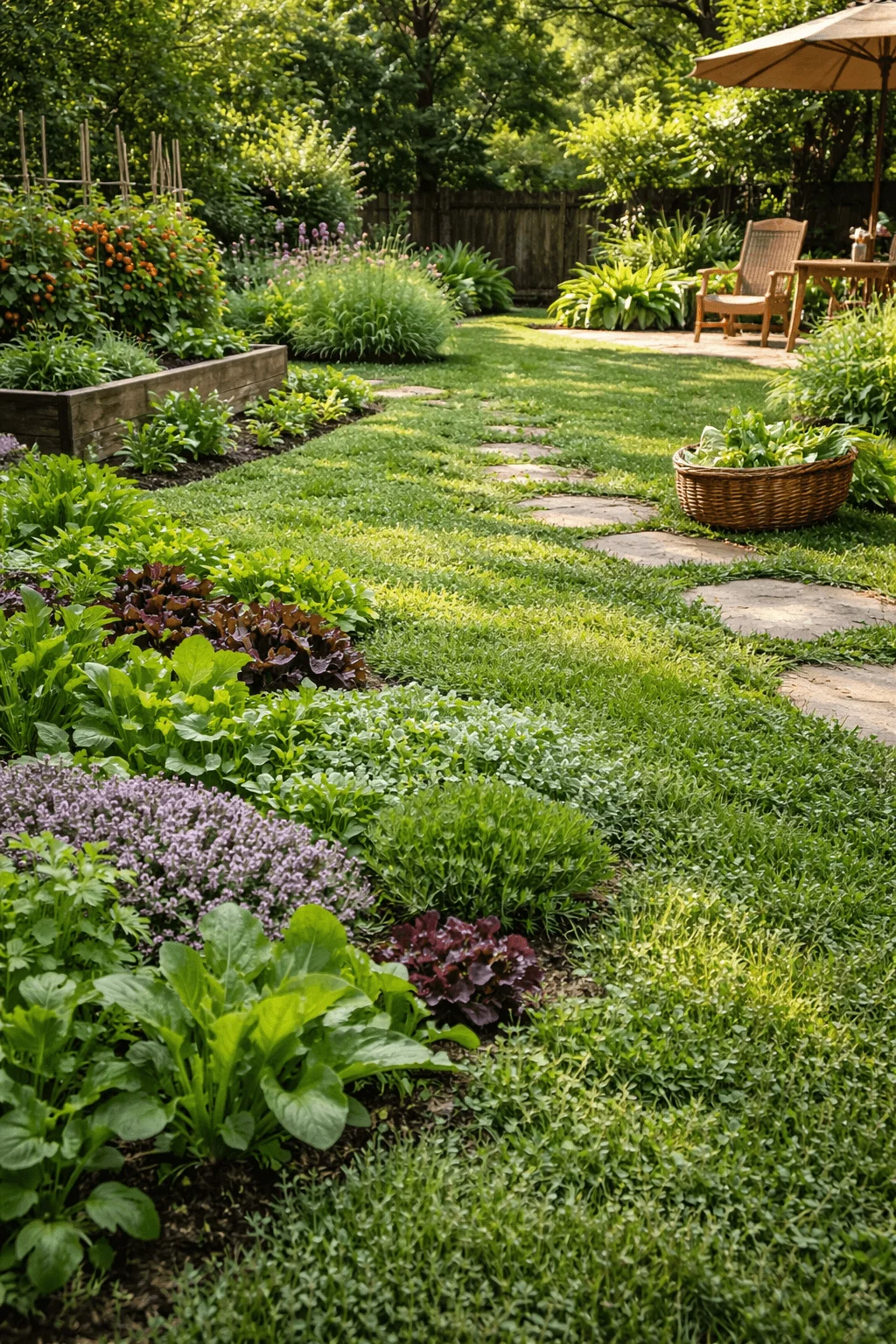
Edible Lawn Concepts
Edible lawns incorporate low growing herbs and greens in place of turf. While they require more care than some alternatives they encourage home food production and creative landscaping.
These living surfaces are best suited to low traffic areas and can be harvested throughout the growing season.
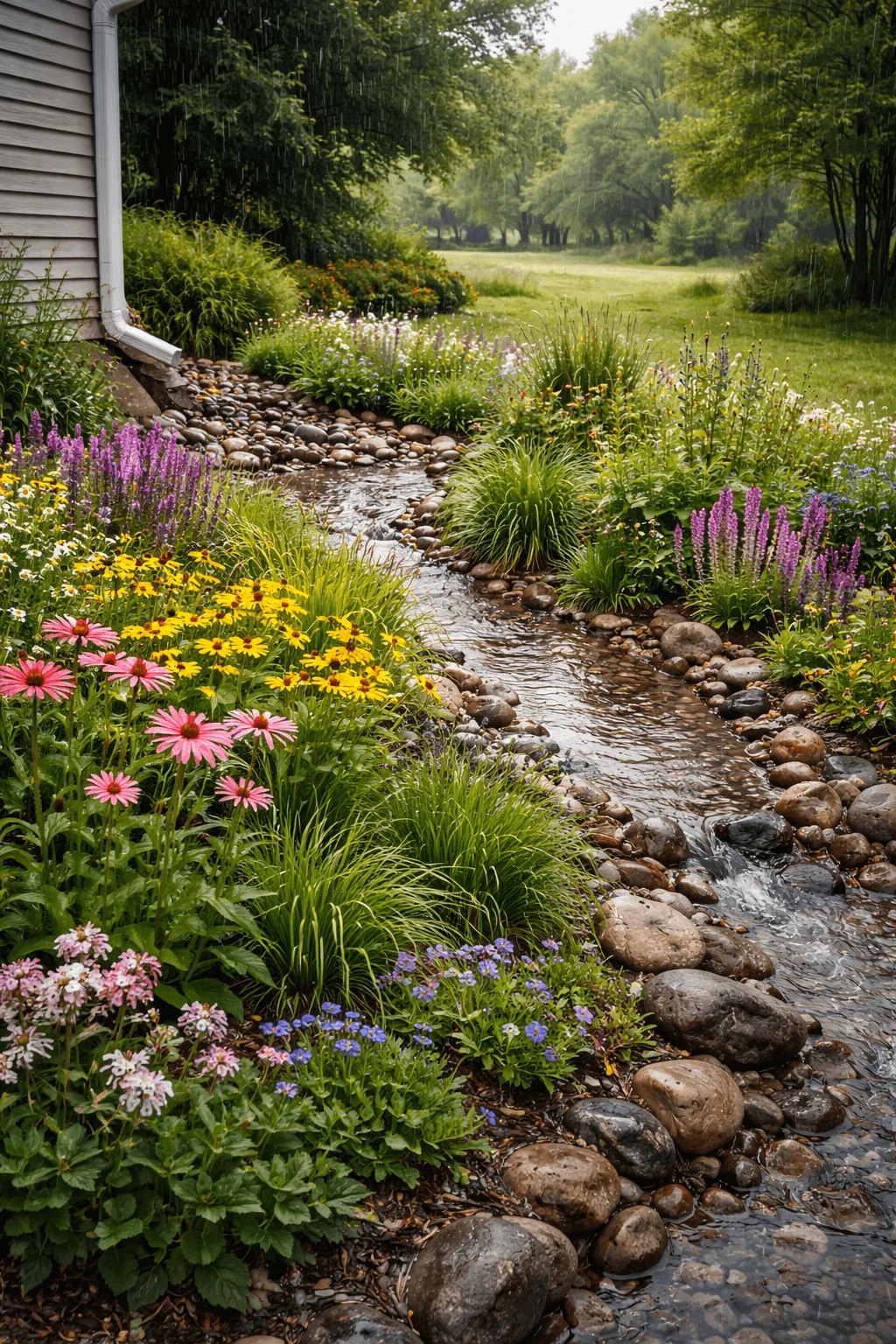
Rain Gardens
Rain gardens replace sections of lawn with native plants designed to absorb runoff. They reduce flooding improve soil filtration and enhance biodiversity.
Positioned near downspouts or natural drainage areas rain gardens combine function and beauty. Once established they require only seasonal maintenance.
Pocket Prairie Installations
Pocket prairies use native grasses and wildflowers in smaller urban plots. They provide corridors for pollinators and increase ecological diversity.
This approach works well in suburban front yards and along property edges. After establishment maintenance is limited to annual trimming and selective weed control.
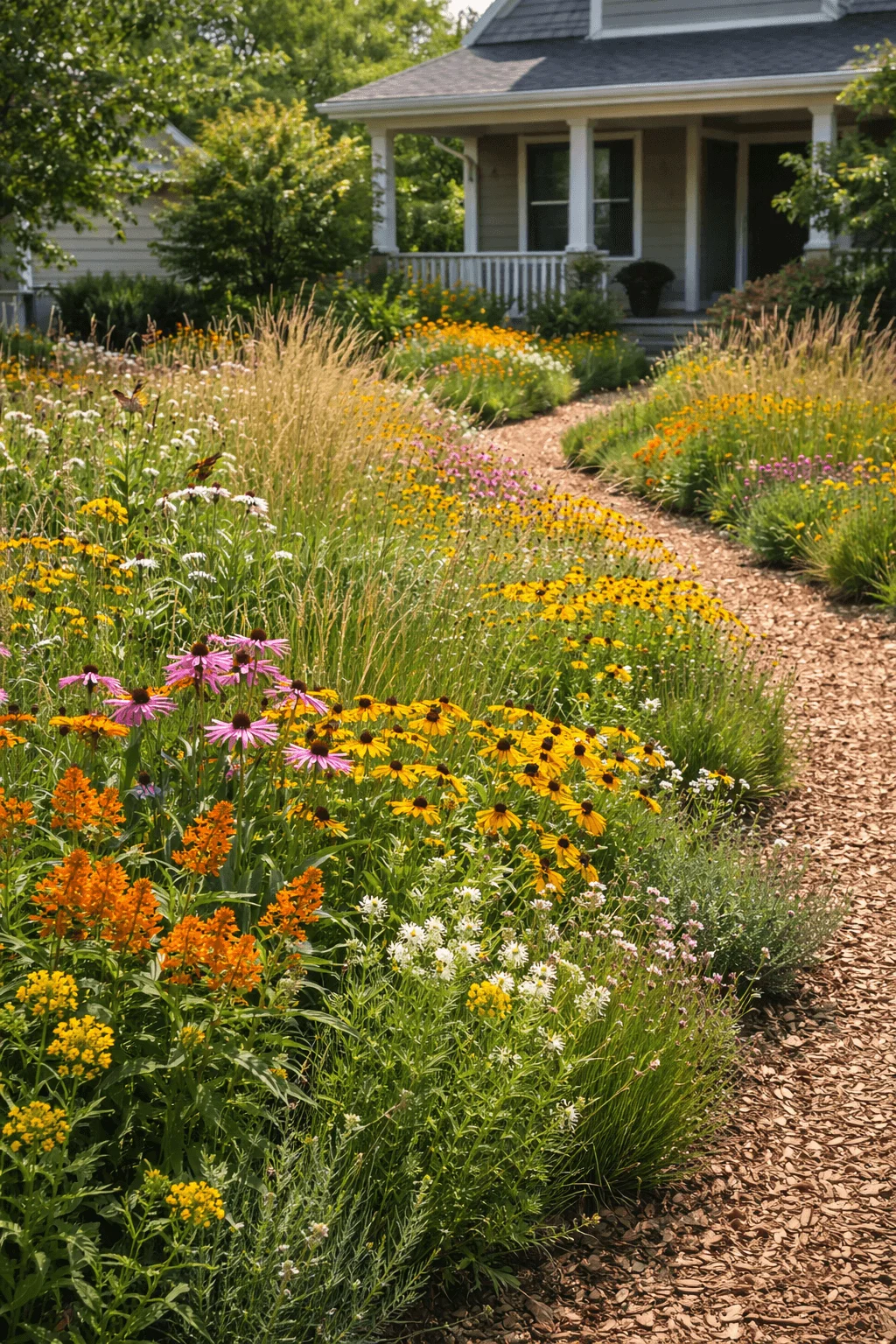
Hybrid Turf and Planting Designs
Some homeowners integrate artificial turf in high use areas while surrounding it with natural planting beds. This hybrid model balances durability with environmental considerations.
When installed with proper drainage and thoughtful plant selection it can reduce water use while preserving habitat value around the perimeter.
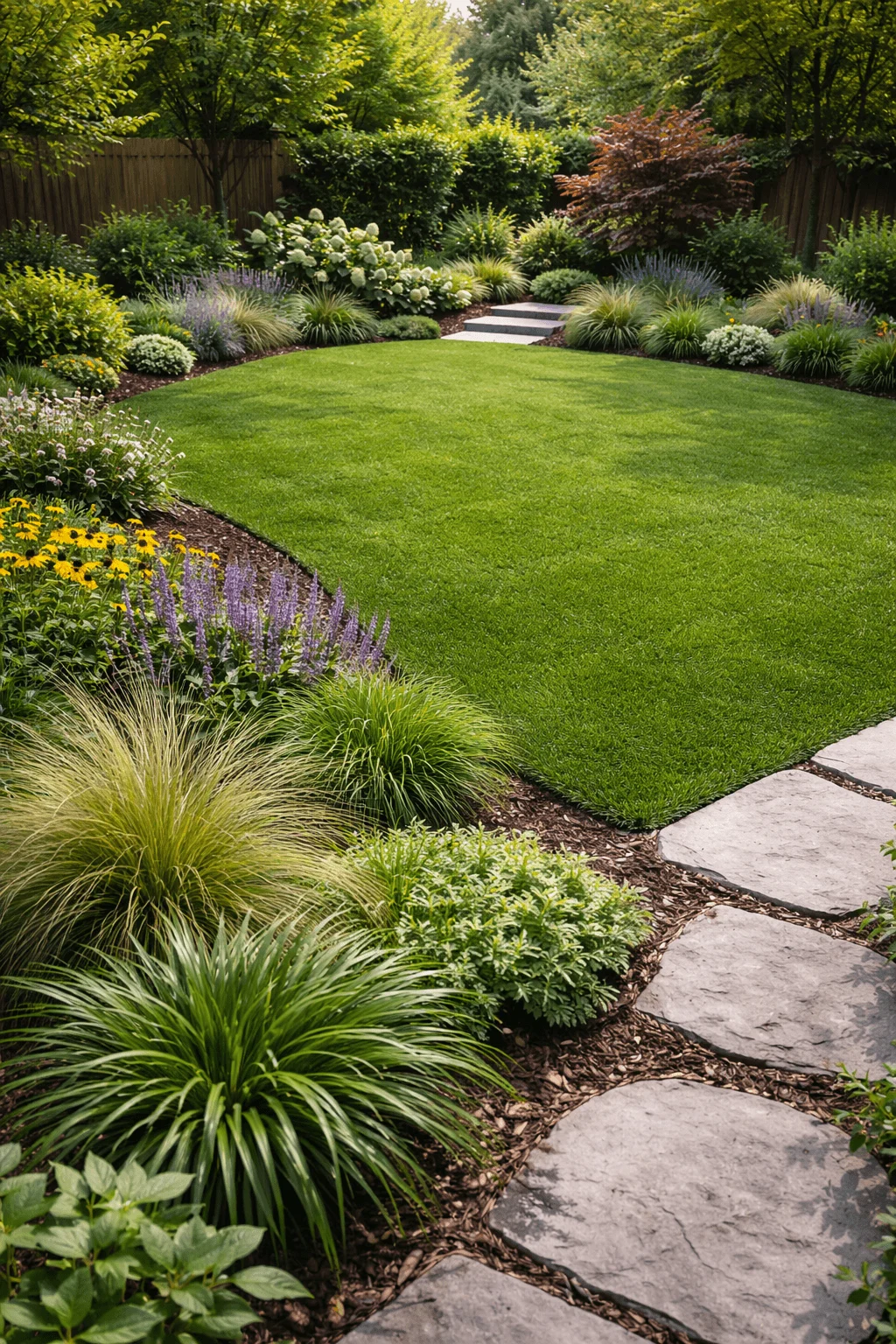
Gravel and Xeriscape Gardens
Gravel based landscapes with drought tolerant plants are especially popular in arid regions. They drastically reduce irrigation needs and create a structured modern look.
Careful plant selection and soil preparation are essential for long term success. Drip irrigation may assist during early establishment.
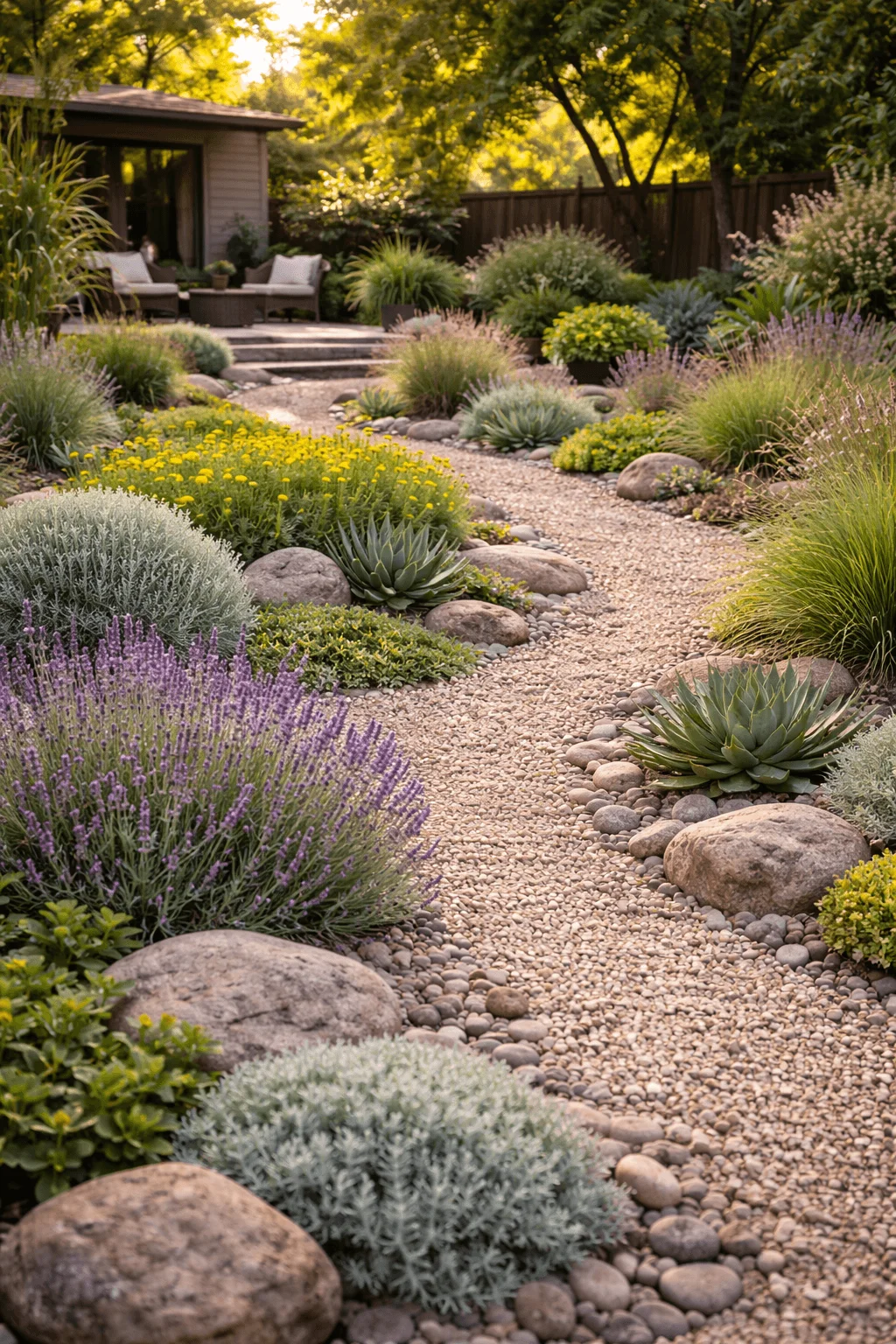
Green Roof Systems
Green roof systems feature low growing plants installed on rooftops. They improve insulation reduce heat buildup and add biodiversity in urban settings.
Although they do not replace ground level lawns they represent an innovative alternative where yard space is limited.
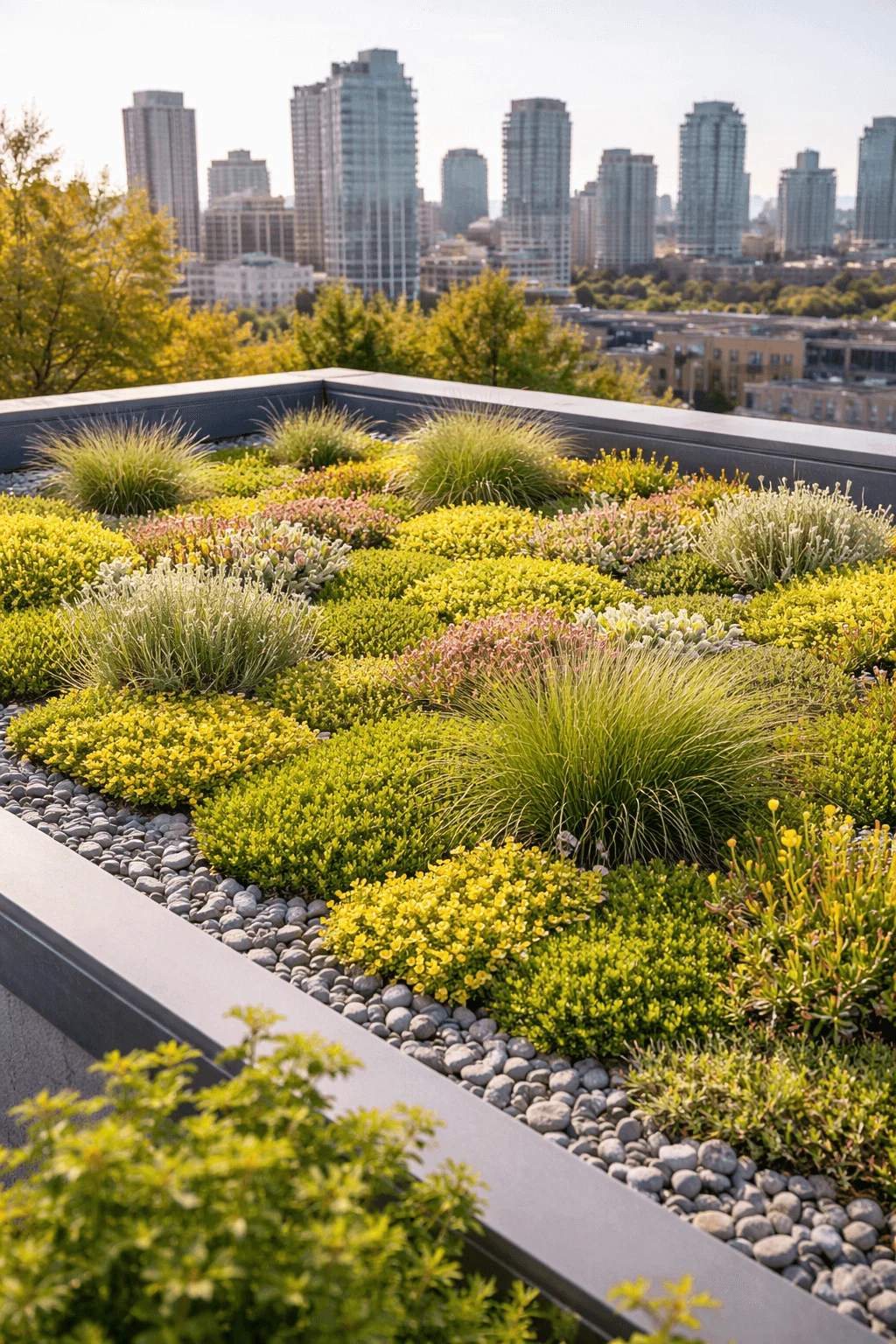
Mown Meadow Strategy
Allowing grass to grow taller and mowing less frequently creates habitat while maintaining a managed appearance. This transitional approach is ideal for larger properties.
It reduces fuel use and maintenance effort while encouraging beneficial insects and wildlife.
Native Perennial Groundcover Mixes
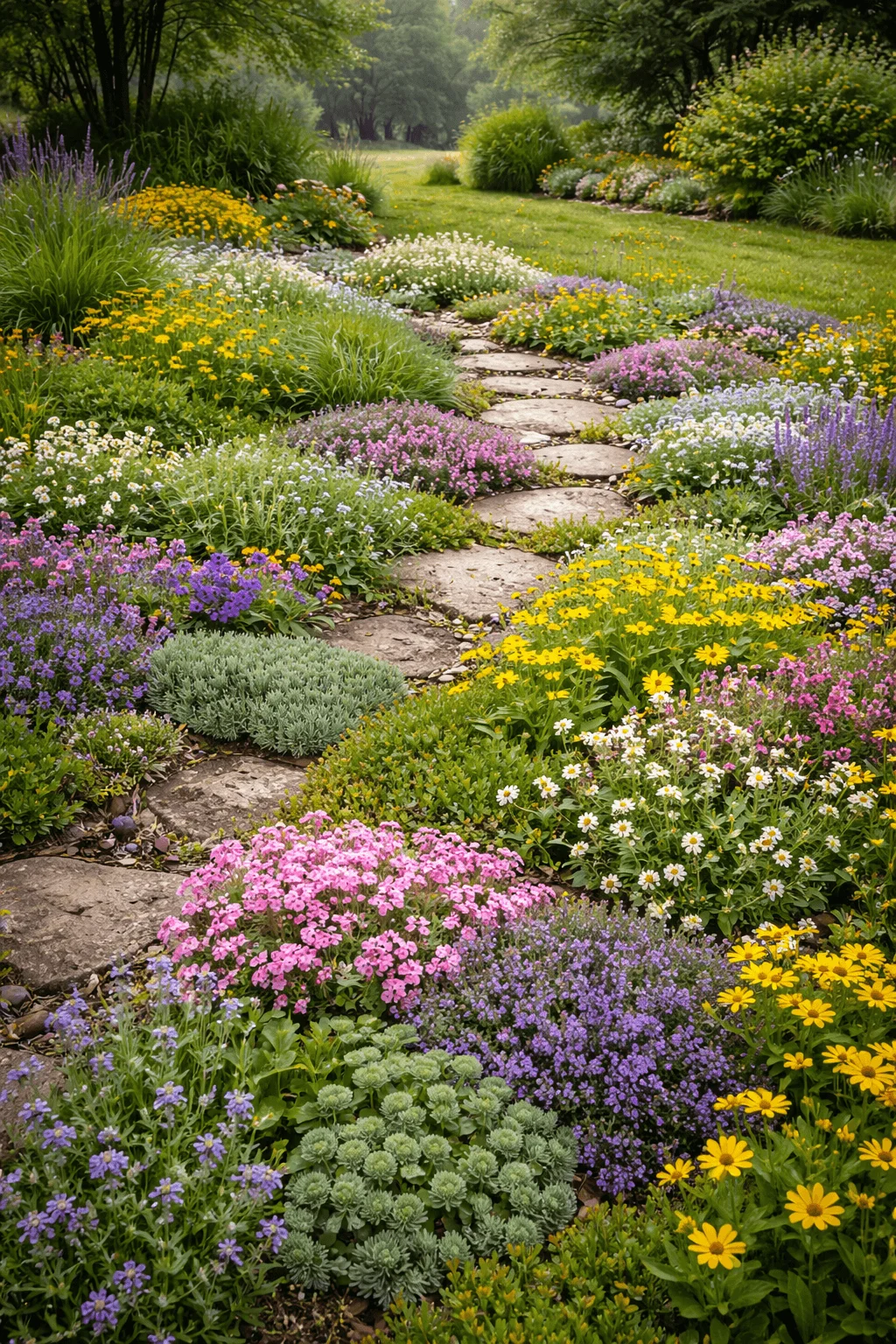
Custom mixes of low native perennials can form a dense living carpet that replaces turf entirely. These blends are tailored to regional climates and provide seasonal blooms.
They require thoughtful planning during establishment but offer resilience and ecological value once mature.
Conclusion
Eco friendly grass alternatives reflect a broader shift toward sustainable living. Instead of prioritizing uniformity homeowners are embracing landscapes that conserve water reduce chemical use and support biodiversity. Whether you prefer the tidy appearance of microclover the softness of moss or the vibrant diversity of a wildflower meadow each option provides meaningful environmental benefits. By understanding your yard conditions and maintenance goals you can create a landscape that is beautiful resilient and aligned with the future of sustainable gardening.