Easy Eco Friendly Crafts for Kids
Eco friendly crafts for kids are becoming increasingly popular as families and schools focus more on sustainability and environmental awareness. Craft activities already play a major role in helping children develop creativity and imagination, but eco friendly crafts go one step further by teaching kids the value of recycling and responsible living. Instead of throwing away everyday household items, children learn how those materials can be transformed into creative projects.
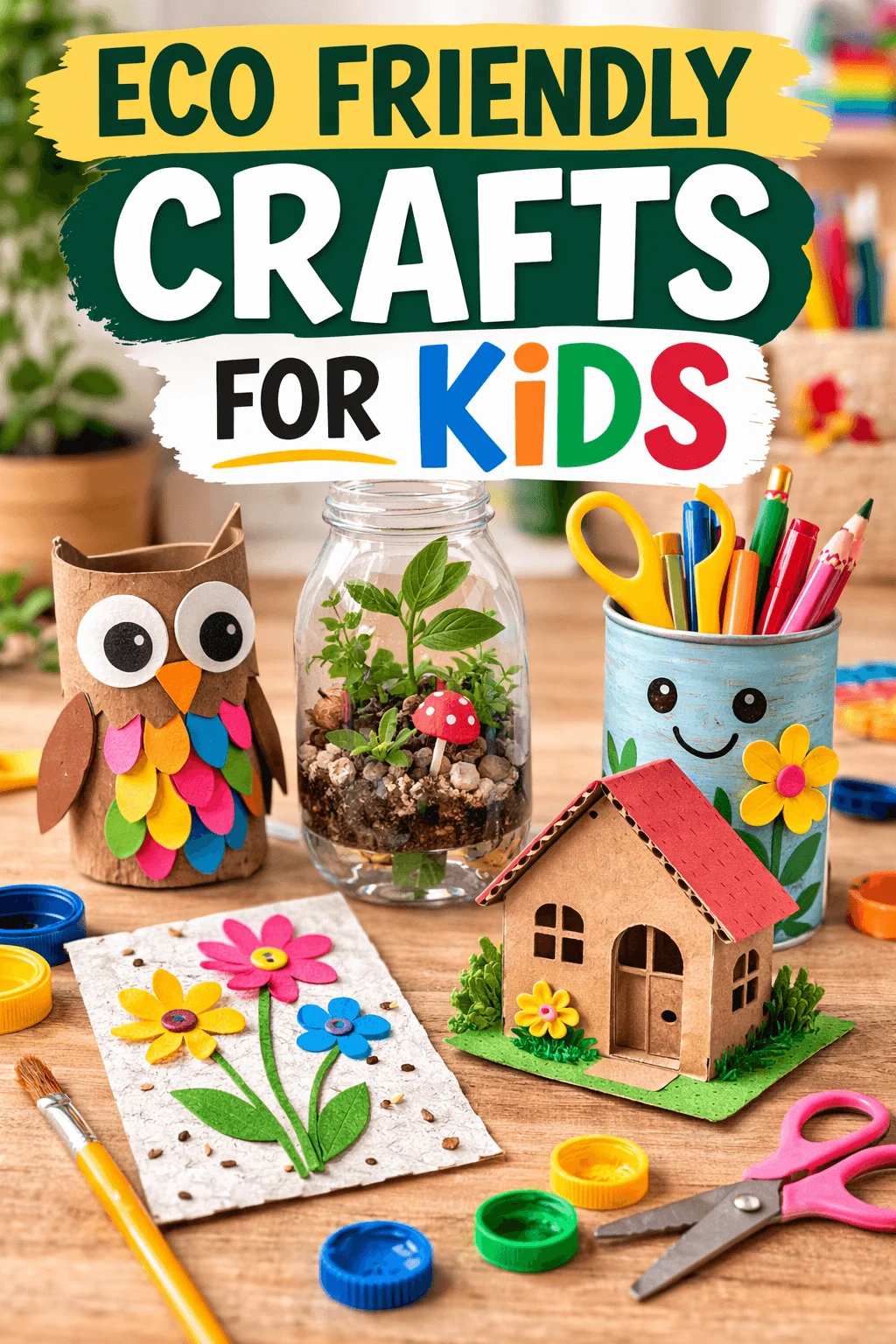
When kids participate in eco friendly crafts they begin to understand how small actions can help protect the planet. Turning recycled materials into toys, decorations, or art projects helps children see waste in a different way. Items that once seemed useless can become part of something beautiful and meaningful. These activities encourage curiosity and teach children that caring for the environment can also be fun.
Eco friendly crafts also give parents and teachers a wonderful opportunity to combine creativity with environmental education. Through simple activities children can explore recycling, nature, and sustainability in a way that feels playful and engaging.
Seed Paper Greeting Cards
Seed paper greeting cards are one of the most meaningful eco friendly crafts that children can create. This craft combines recycling with nature in a way that allows the finished project to continue growing even after it is used.
To make seed paper children begin by tearing old paper into small pieces and soaking it in water. After the paper softens it is blended into a pulp mixture. Small flower seeds are then added to the mixture before it is spread into thin sheets and left to dry.
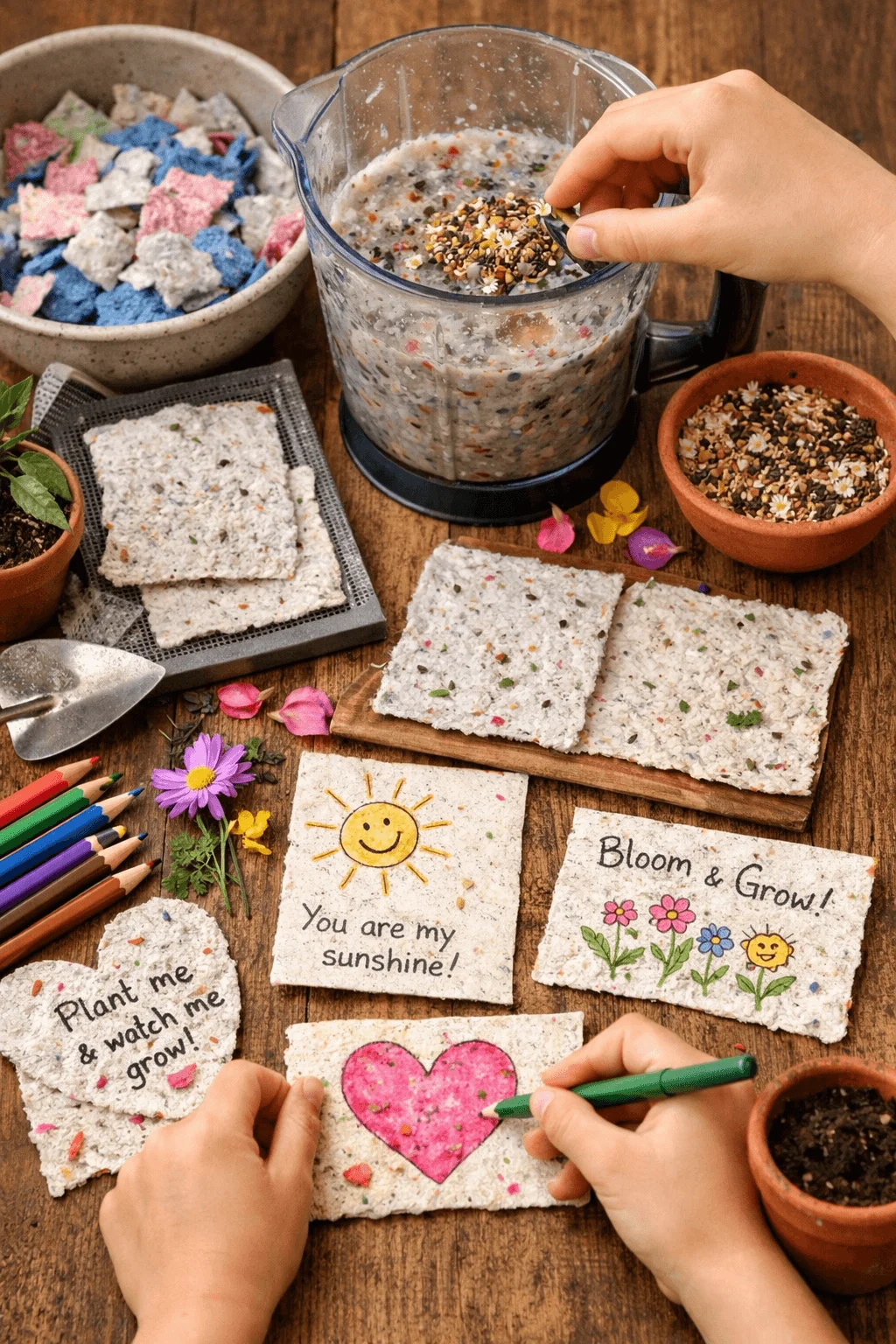
Once the paper dries children can decorate it with drawings, colorful designs, or heartfelt messages. The finished product becomes a unique greeting card that can later be planted in soil. Over time the seeds inside the paper grow into flowers, turning a simple craft into a living reminder of creativity and sustainability.
This activity teaches children about recycling while also introducing them to the idea of planting and caring for nature.
Miniature Recycled Cardboard Houses
Building miniature cardboard houses is a craft project that encourages imagination and storytelling. Children can use recycled cardboard boxes to design tiny houses that reflect their own creative ideas.
They begin by cutting cardboard pieces to form the walls and roof of the house. Windows and doors can be drawn or cut out, allowing children to add details that make the house feel realistic. The houses can be painted or decorated using colored paper, fabric scraps, and other recycled materials.
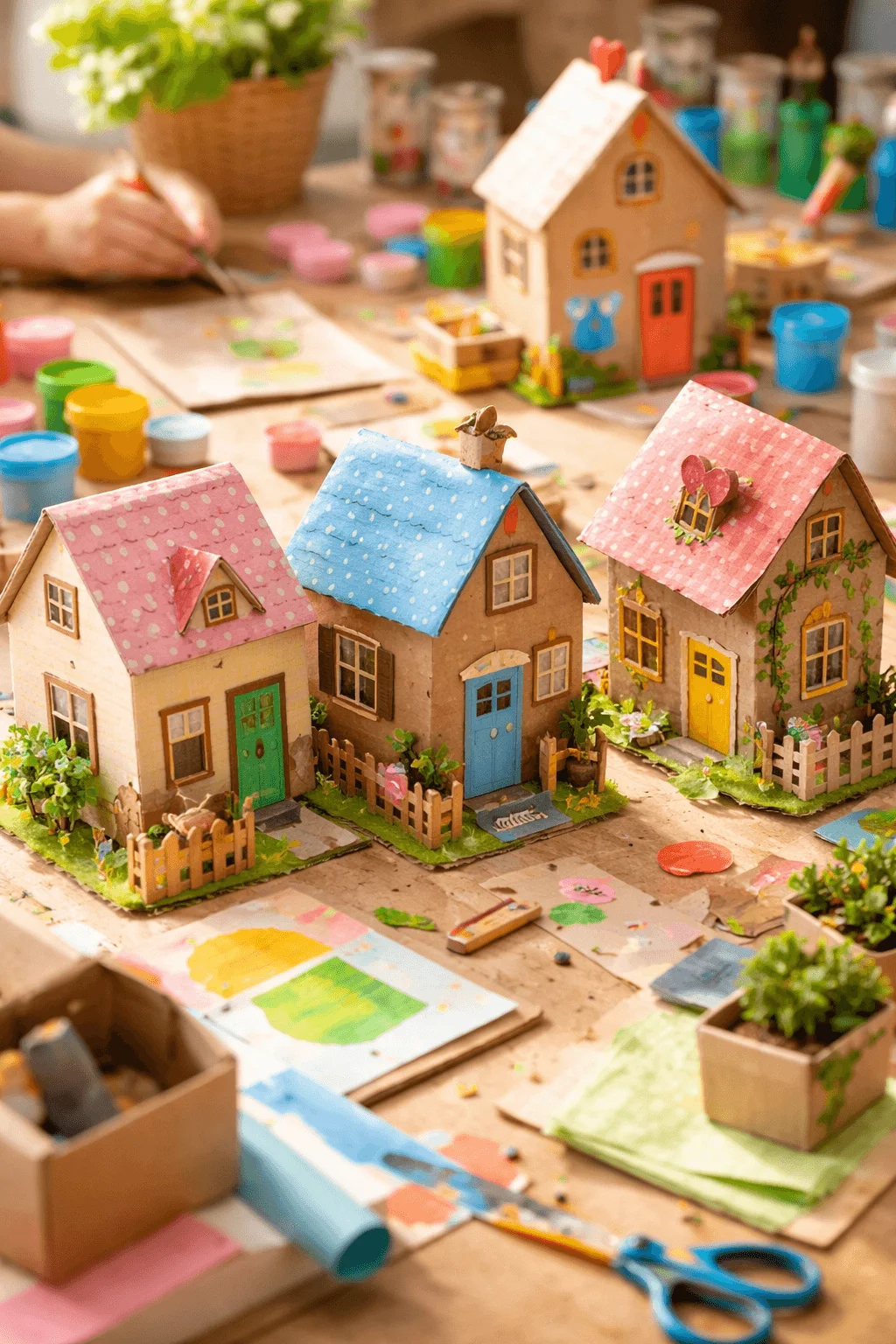
Children often enjoy creating entire neighborhoods of small houses, each with its own design and personality. Some houses may become shops while others may become homes for toy figures.
This craft allows children to practice creative thinking while learning that packaging materials can be transformed into imaginative play environments.
Bottle Cap Mosaic Art
Bottle cap mosaic art is a colorful craft that turns small plastic caps into beautiful pictures. Instead of throwing bottle caps away children can collect them over time and use them to create artwork.
The caps are arranged on a piece of cardboard to form patterns, shapes, or images. Children may choose to create flowers, animals, or abstract designs using the different colors of the caps.
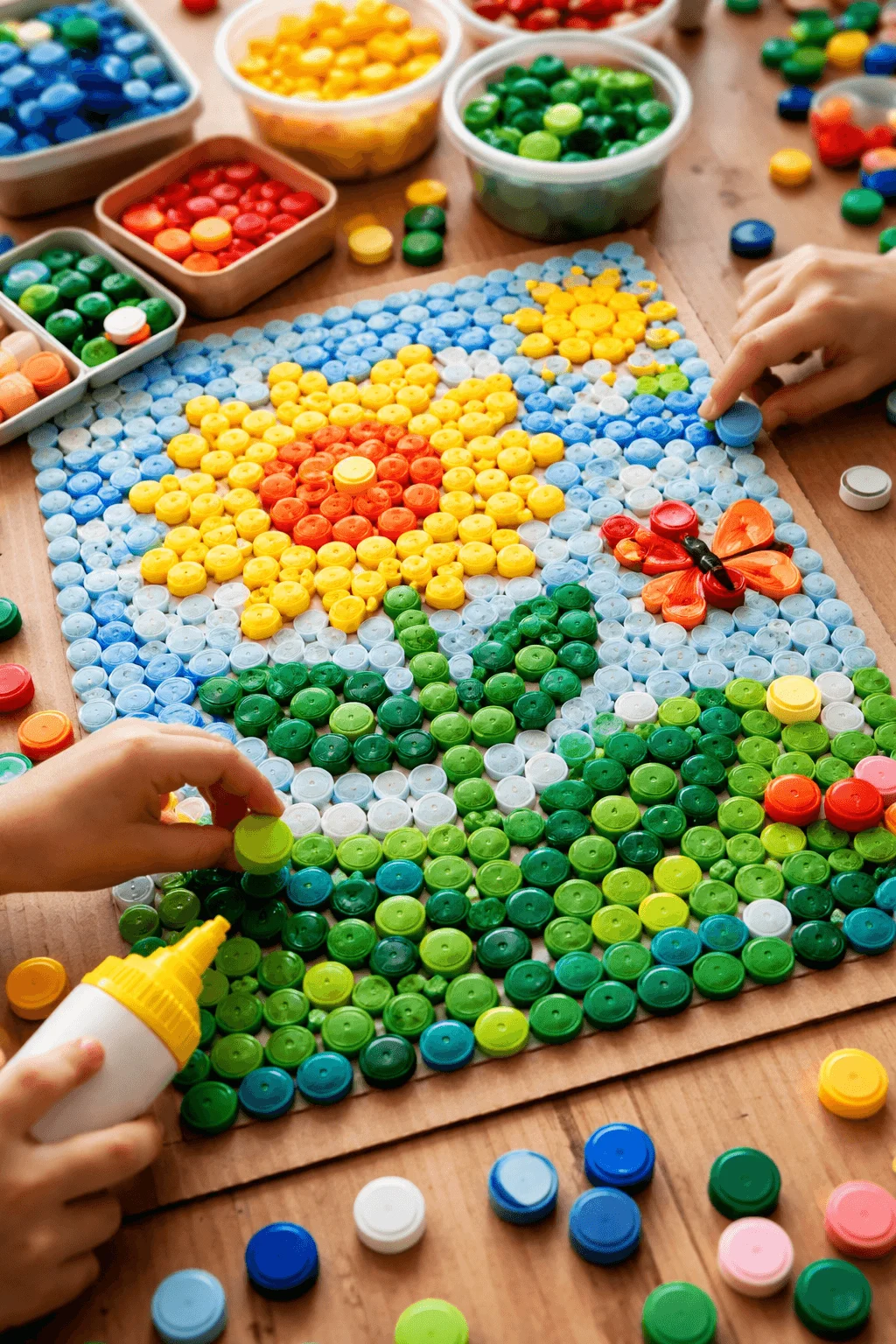
As the caps are glued into place the design gradually comes together like a puzzle. This process helps children develop patience and attention to detail while exploring artistic expression.
This craft also highlights the importance of reducing plastic waste. Children see how even small items that might normally be discarded can become part of a creative project.
Egg Carton Insect Garden
Egg cartons provide a perfect starting point for creating insect themed crafts. Each section of the carton can become the body of a different insect.
Children can paint the carton sections with bright colors and add details such as wings, legs, and antennae using paper or pipe cleaners. With a little imagination these pieces can become bees, butterflies, ladybugs, or caterpillars.
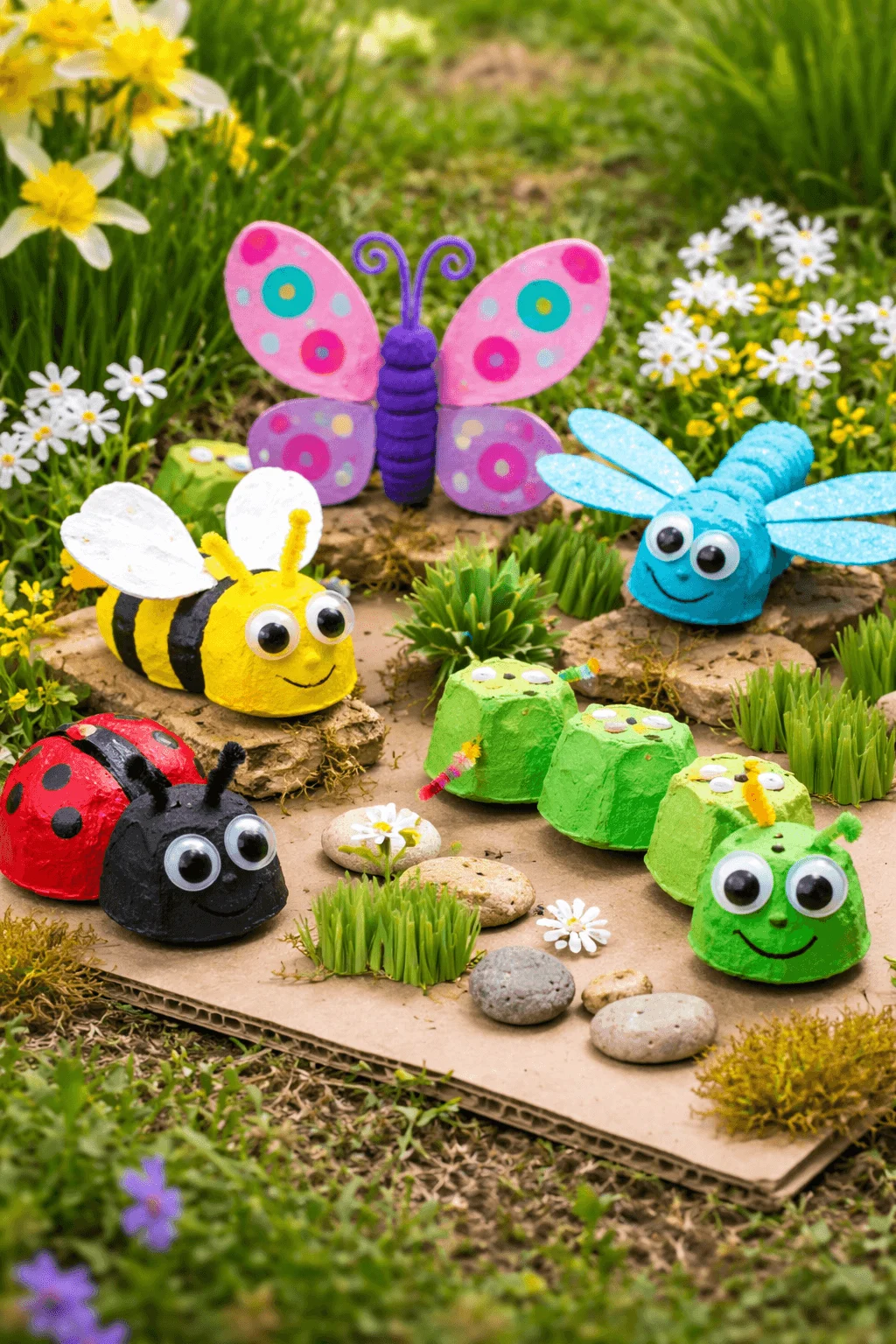
After several insects are created they can be displayed together as an insect garden. Children can place them on cardboard or in a small outdoor space to create a colorful scene inspired by nature.
This craft introduces children to different insects while encouraging creativity and recycling.
Nature Collage Frames
Nature collage frames combine outdoor exploration with creative crafting. Children start by taking a walk outside to collect natural materials such as leaves, flowers, twigs, and seeds.
A cardboard frame is then used as the base for the craft. The collected materials are carefully arranged and glued onto the frame to create a natural design.
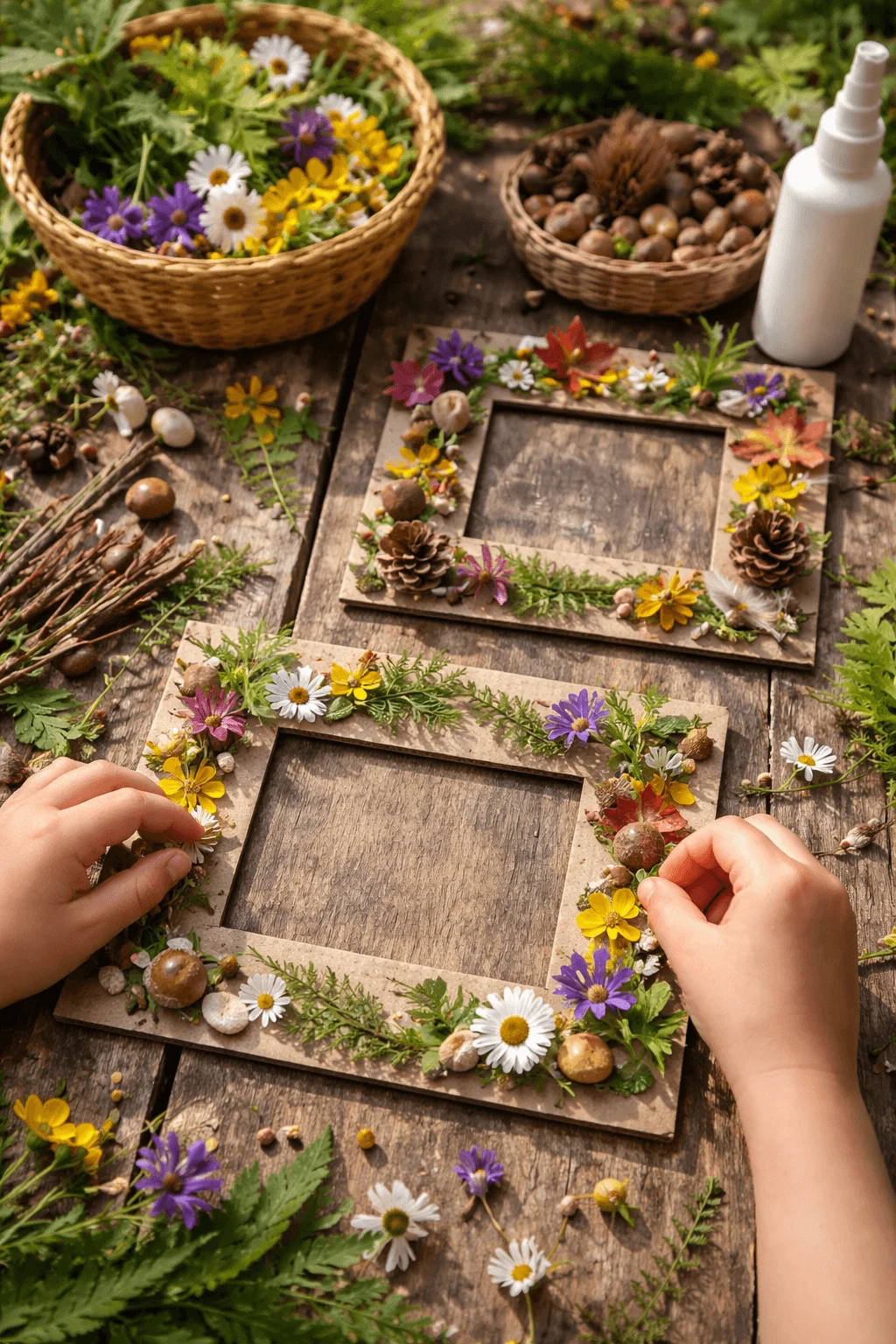
Each frame becomes a unique piece of art because no two collections of natural materials are the same. Children learn to appreciate the beauty of nature while also expressing their creativity.
This craft encourages mindfulness and curiosity about the environment while using materials that are completely natural.
Recycled Tin Can Lanterns
Tin cans can easily be transformed into decorative lanterns that add a warm glow to outdoor spaces. After cleaning the cans children can paint them with bright colors or artistic patterns.
Small decorative holes can be carefully added to the sides of the can to create patterns that allow light to shine through. When a light is placed inside the lantern the holes create beautiful glowing designs.
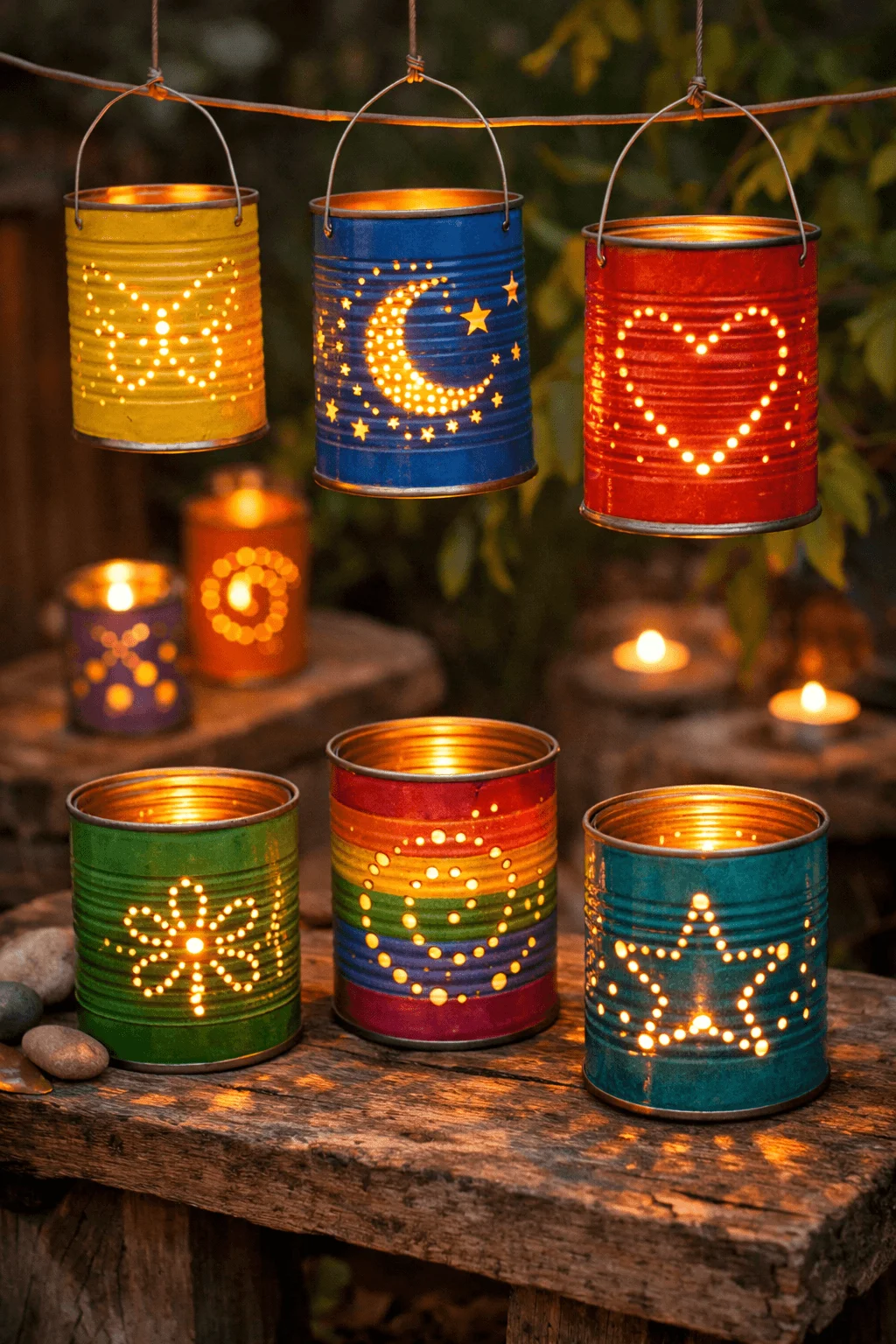
Children enjoy seeing how an ordinary kitchen item can become a decorative object. This craft also encourages them to think about how metal containers can be reused rather than thrown away.
Toilet Roll Animal Kingdom
Toilet paper rolls are one of the most versatile materials used in eco friendly crafts. Children can turn these simple cardboard tubes into a wide variety of animals.
By painting the rolls and adding paper shapes for ears, wings, or tails children can create owls, lions, rabbits, or even imaginary creatures. Faces can be drawn with markers to give each animal its own personality.
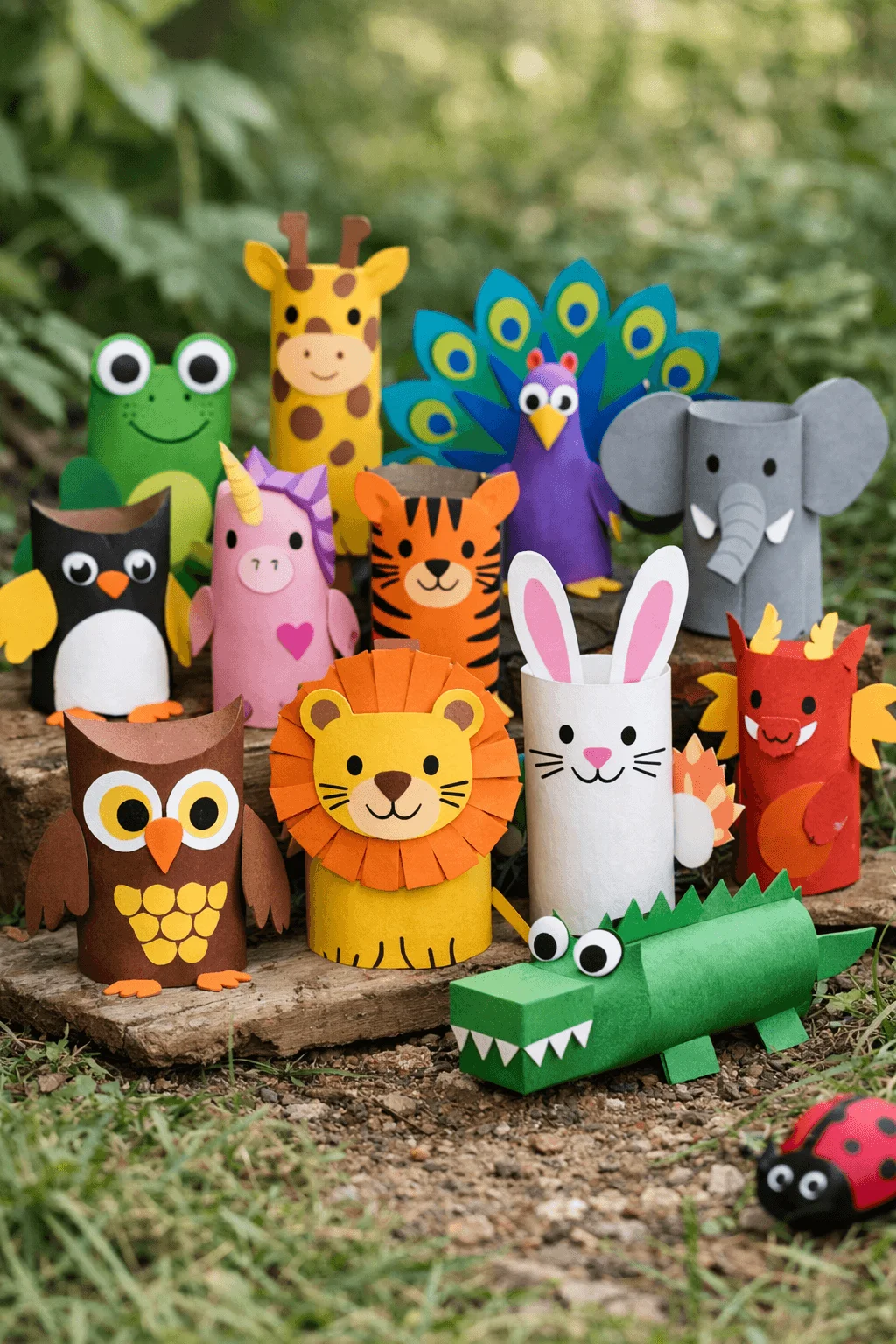
When several animals are created children can arrange them together to form their own animal kingdom. This encourages storytelling and imaginative play while also demonstrating how everyday materials can be reused creatively.
Cardboard Marble Run
A cardboard marble run is a craft project that becomes an interactive toy once it is finished. Children use cardboard tubes, paper rolls, and small boxes to design a pathway for marbles to roll through.
The tubes can be arranged at different angles to create twists, turns, and drops. Children experiment with different designs to see how the marble travels along the track.
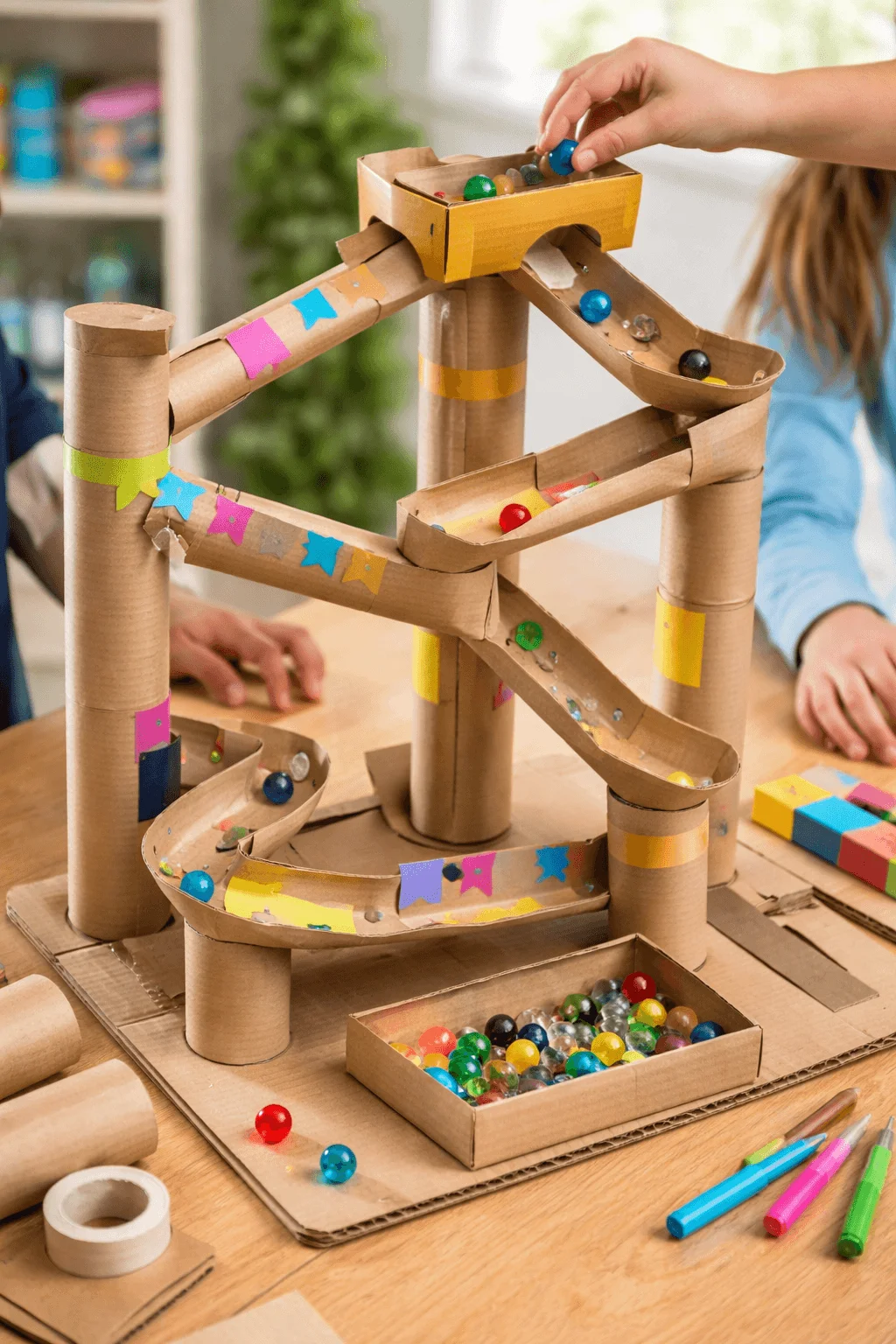
This activity introduces simple ideas about movement and design while encouraging experimentation. It also shows children how leftover packaging materials can be used to build exciting toys.
Plastic Bottle Terrariums
Plastic bottle terrariums allow children to create miniature gardens inside recycled containers. A plastic bottle is carefully cut and filled with soil and small plants.
The bottle acts as a small greenhouse that helps maintain moisture for the plants. Children can decorate the outside of the bottle to give their terrarium a personal touch.
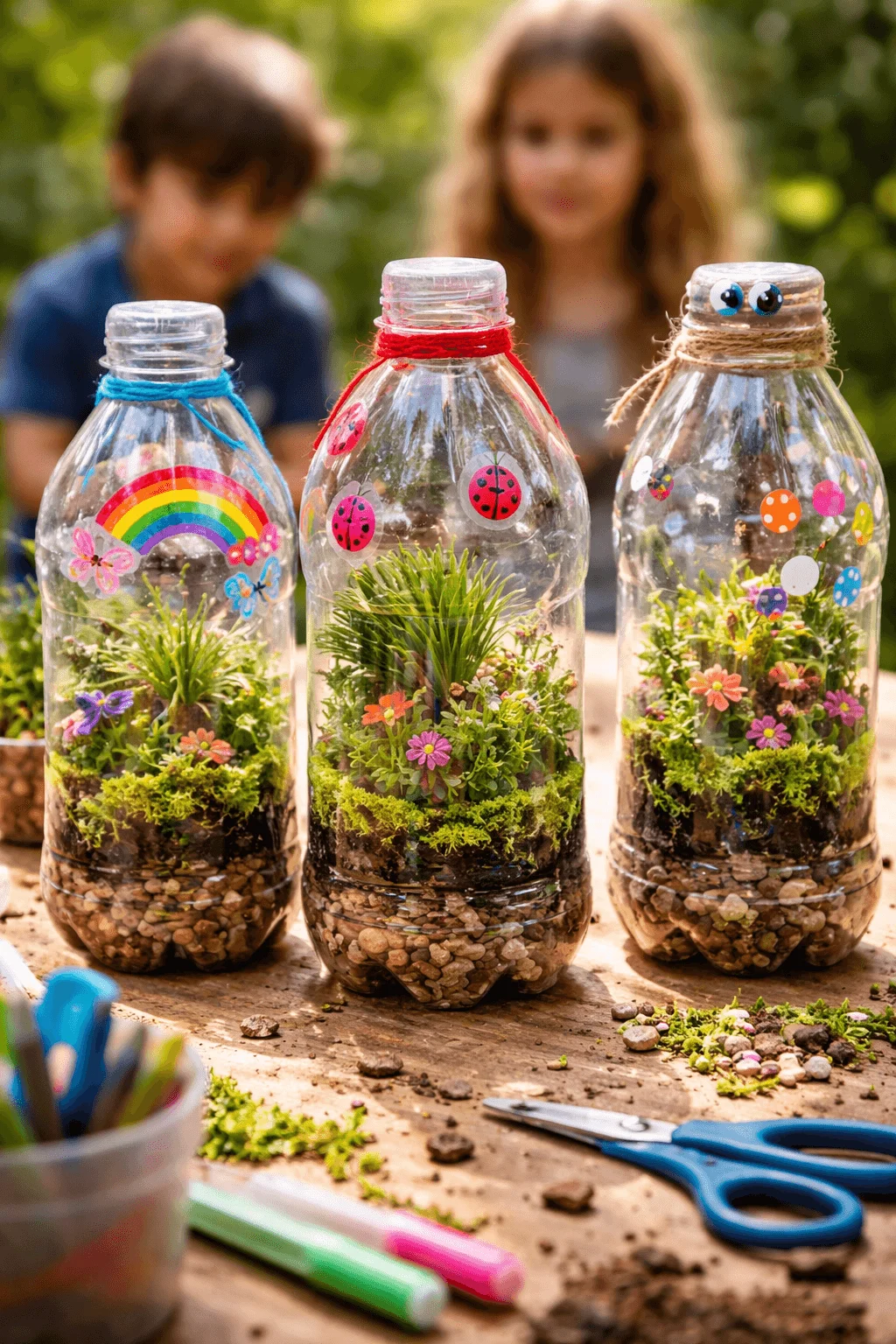
This craft introduces children to the basics of plant care and environmental awareness. Watching plants grow inside the terrarium helps them understand how living things depend on healthy ecosystems.
DIY Fabric Scrap Puppets
Fabric scrap puppets are a creative way to reuse old clothing and leftover fabric pieces. Children can combine different fabrics to create characters for storytelling.
Buttons can be used as eyes while yarn can be added for hair. Each puppet can represent a unique personality or character from a story.
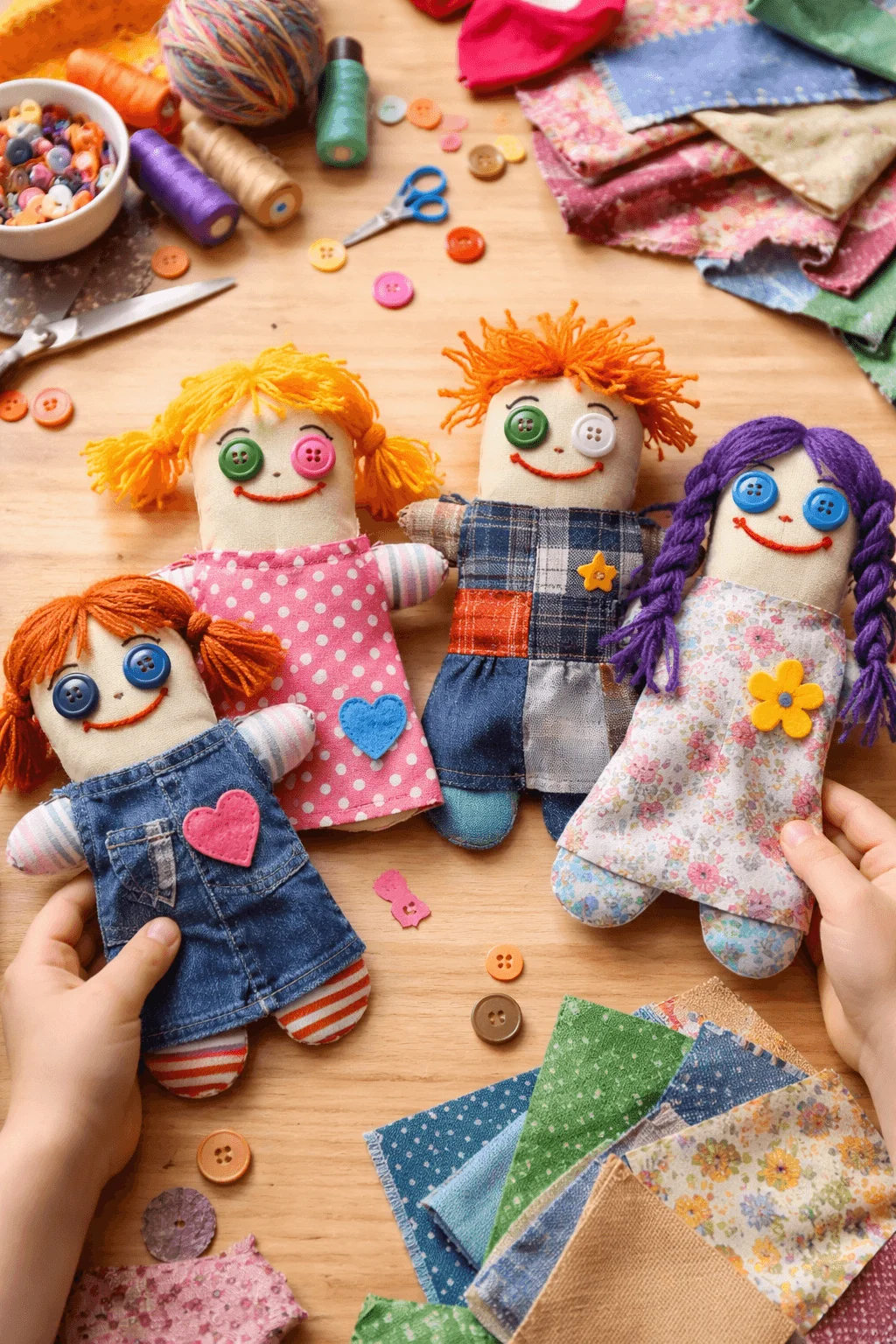
Once the puppets are finished children can use them in imaginative performances. This encourages creativity and communication while showing that fabric waste can be turned into something fun and meaningful.
Pinecone Bird Feeders
Pinecone bird feeders connect crafting with caring for wildlife. Children begin by collecting pinecones during outdoor walks.
The pinecones are covered with a sticky mixture and rolled in birdseed so that seeds attach to the surface. Once hung from a tree branch the pinecone becomes a food source for birds.
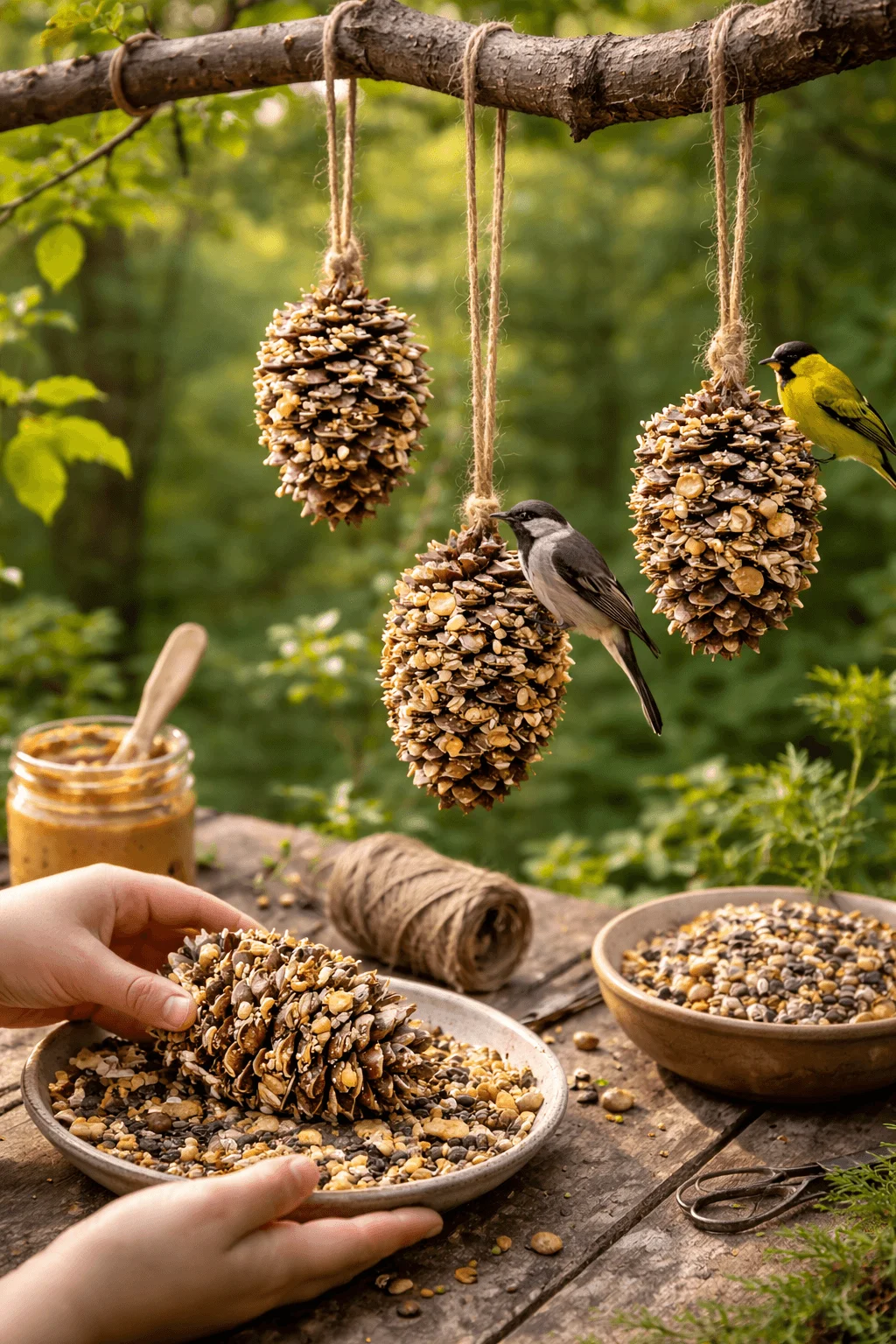
Children enjoy observing birds visiting the feeder and learn about the importance of supporting local wildlife.
Recycled Paper Beads Jewelry
Recycled paper beads jewelry turns old magazines and paper scraps into colorful accessories. Children cut paper into long triangular shapes and roll them tightly to create bead shapes.
After the beads are sealed with glue they can be strung together to form bracelets or necklaces. The colorful patterns from magazine pages make each bead unique.
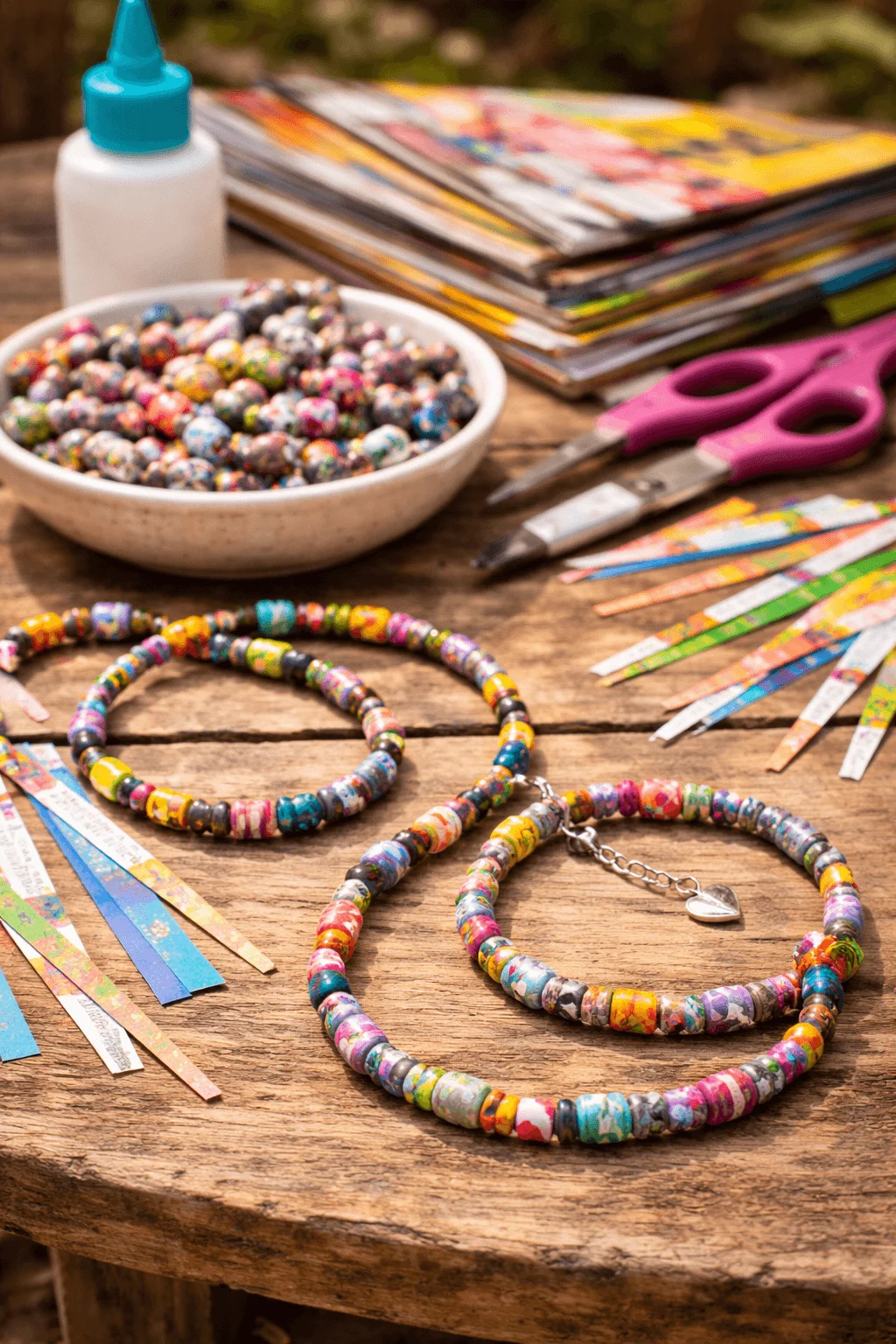
This craft teaches children how paper waste can be transformed into decorative items.
Ocean Art From Plastic Waste
Ocean themed art projects can be created using small pieces of plastic that might otherwise be discarded. Children arrange the plastic pieces on cardboard to form underwater scenes.
Fish, coral, and ocean waves can be created using colorful materials. While creating the artwork children can also learn about the challenges of plastic pollution in oceans.
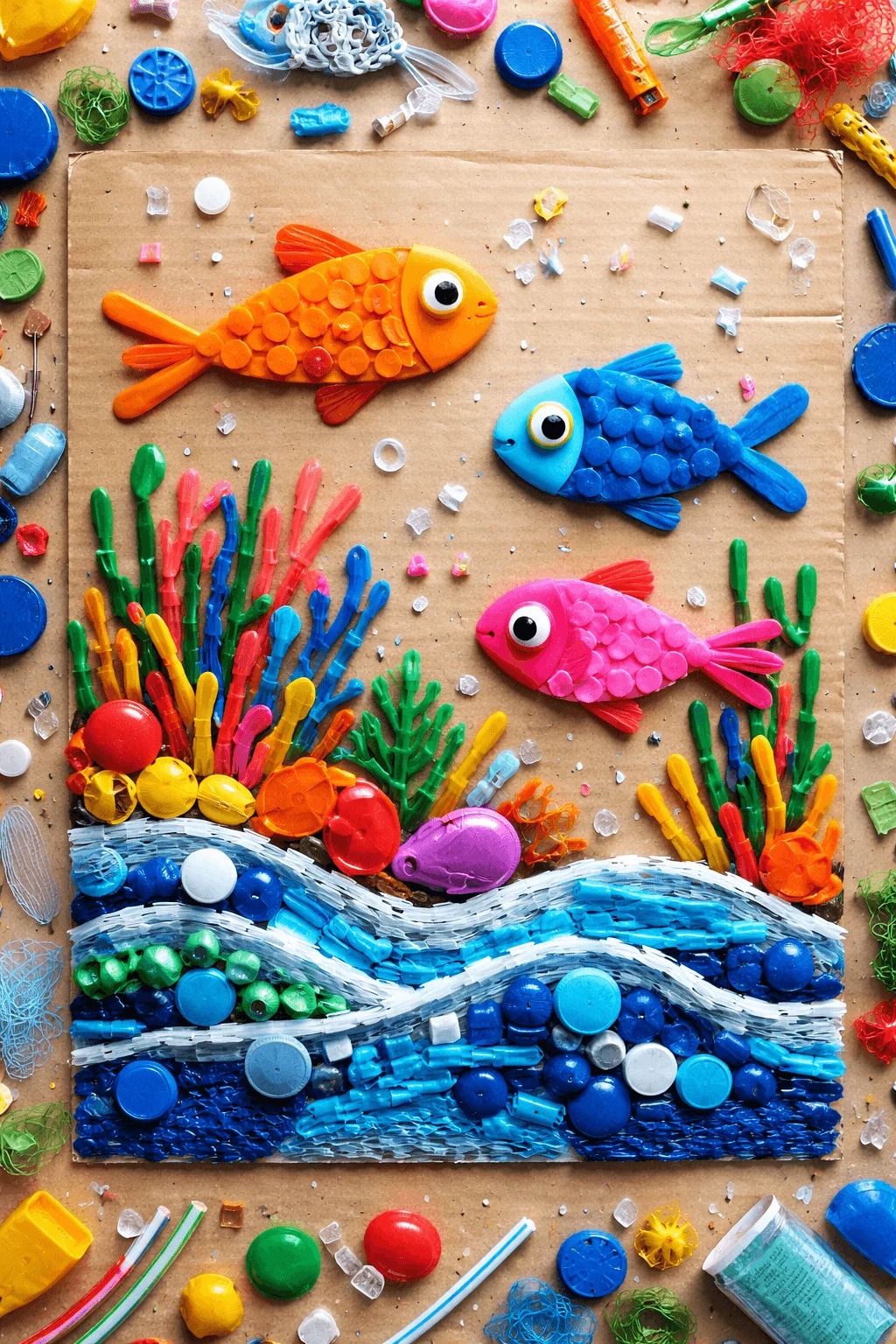
This craft encourages environmental awareness while allowing children to express creativity.
DIY Eco Wind Chimes
Wind chimes made from recycled materials are both artistic and relaxing. Children can tie together bottle caps, small metal pieces, shells, and sticks using string.
When the wind moves the pieces they create gentle sounds. Children enjoy experimenting with different materials to hear how the sounds change.
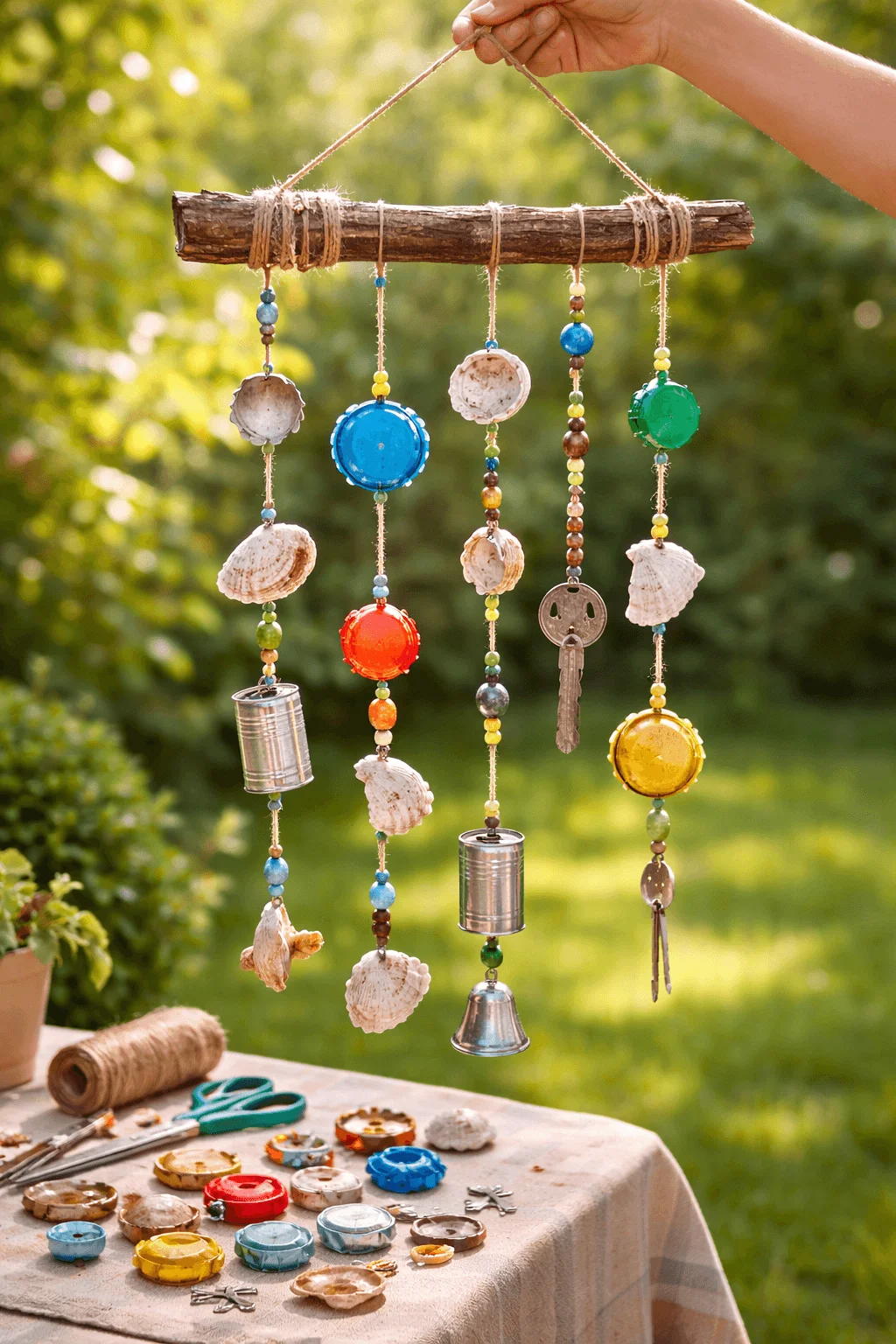
This craft combines creativity with a simple understanding of sound and movement.
Cardboard City Playset
A cardboard city playset allows children to design an entire miniature city using recycled boxes and packaging materials. Buildings, roads, and parks can all be constructed from cardboard pieces.
Children decorate the buildings with windows, signs, and colors. Once the city is complete it becomes a creative play environment where children can invent stories and adventures.
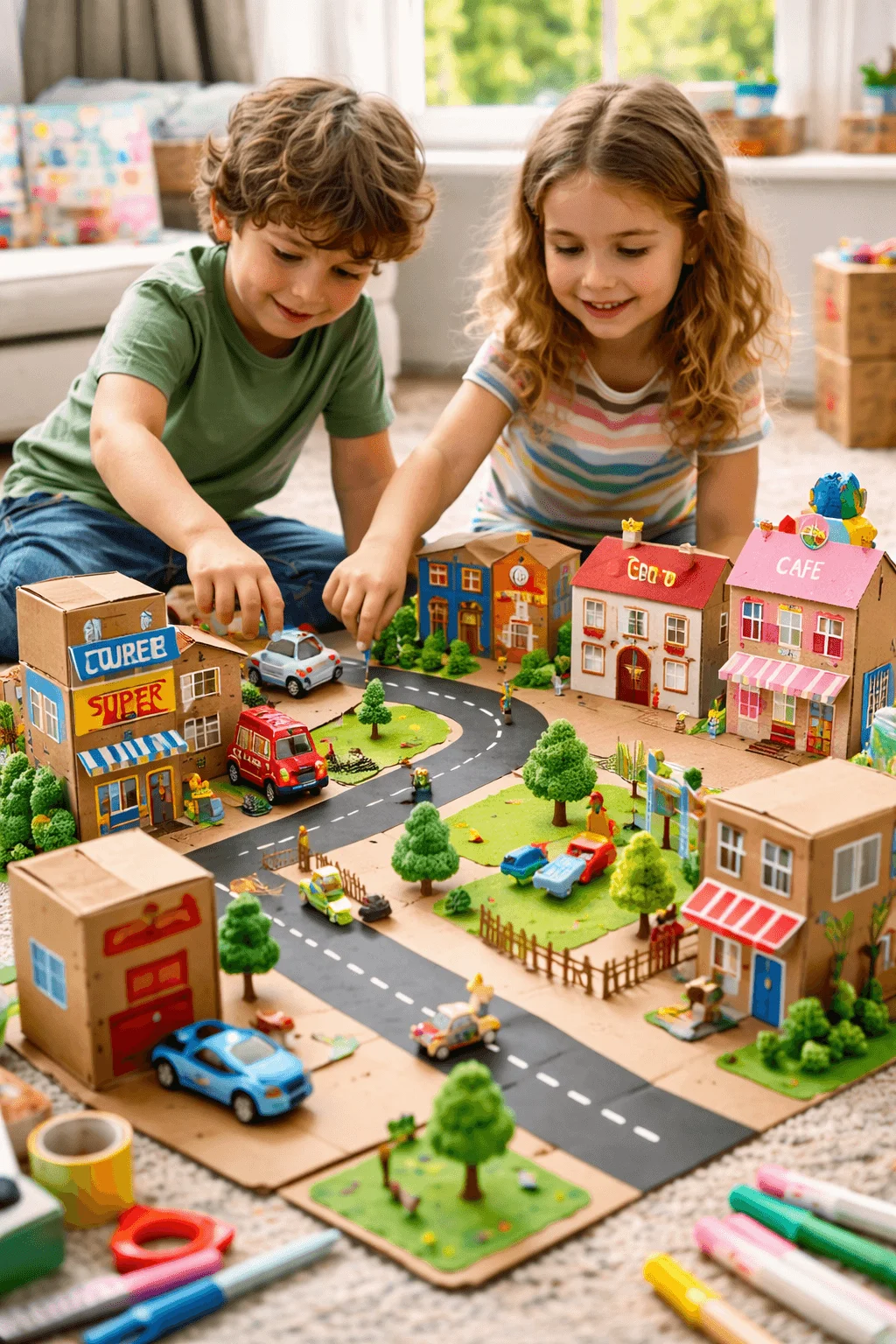
Because the city can always be expanded children can continue adding new buildings and ideas over time.
Conclusion
Eco friendly crafts for kids offer a powerful way to combine creativity with environmental responsibility. By turning everyday materials into imaginative projects children learn that recycling can be both fun and meaningful.
These craft activities encourage creativity, problem solving, and curiosity while teaching children the importance of protecting the environment. Whether creating seed paper cards, cardboard houses, nature frames, or wind chimes, each project helps children understand that small actions can make a positive difference.
Parents and teachers can use eco friendly crafts as a simple but effective way to introduce sustainability to children. With a little creativity and a few recycled materials, kids can explore art while learning to care for the world around them.