Creative Eco Friendly Packaging Ideas for Bags
Eco friendly packaging ideas for bags are becoming an important topic for businesses, especially for brands that sell handbags, tote bags, backpacks, and other fashion accessories. As environmental awareness grows around the world, consumers are paying closer attention to the materials used in packaging. Traditional plastic packaging creates long term waste and contributes heavily to pollution, which has encouraged many businesses to search for sustainable alternatives.
Packaging plays a major role in how customers experience a product. When someone purchases a bag online or from a retail store, the packaging is often the first thing they see. Sustainable packaging creates a positive first impression and communicates that the brand cares about environmental responsibility. Customers today appreciate companies that take steps to reduce waste and support eco friendly practices.
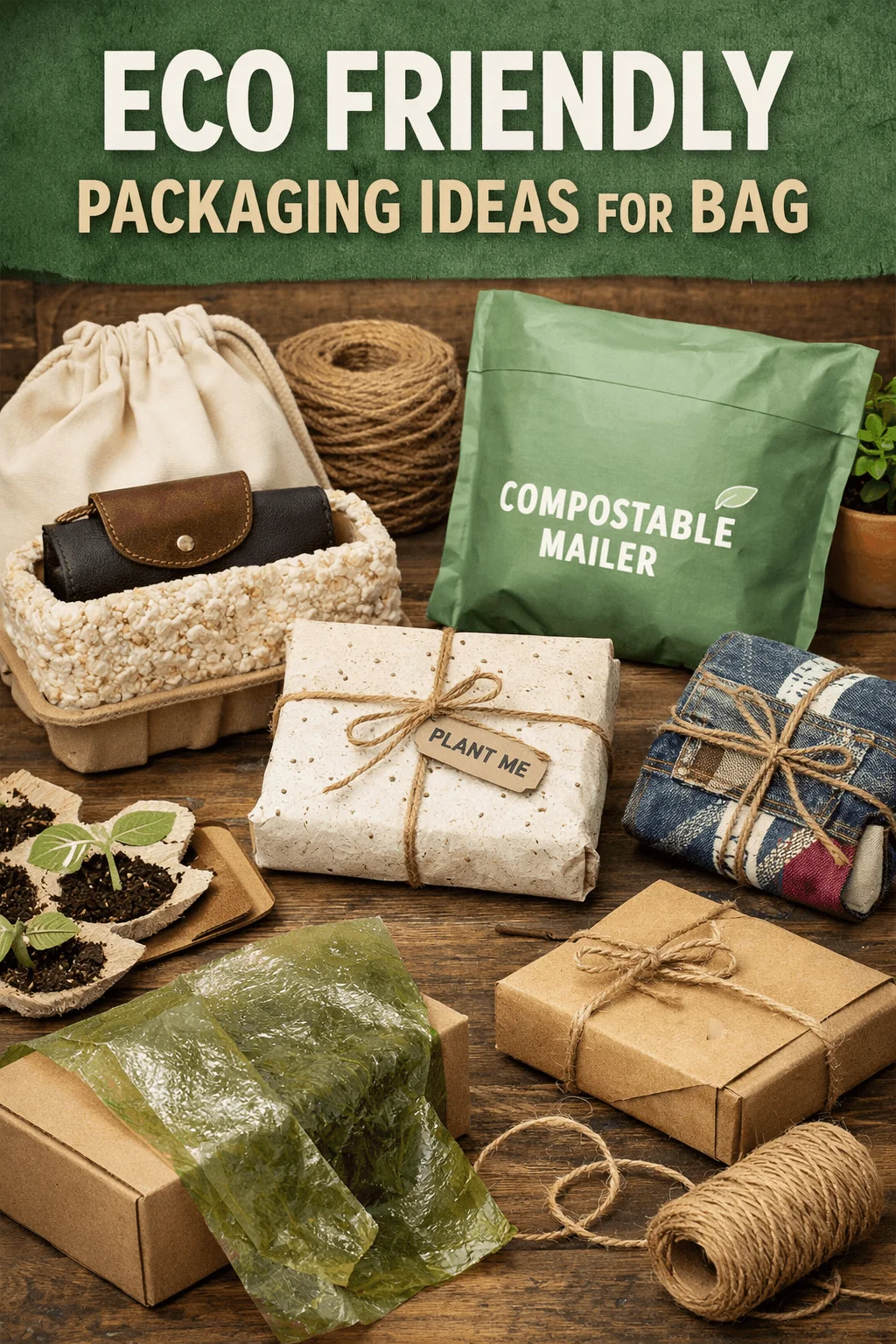
Another reason sustainable packaging is gaining attention is the growth of ecommerce businesses. Shipping products requires protective packaging, and this can create large amounts of waste if not managed responsibly. By using eco friendly packaging solutions, brands can protect their products while also reducing their environmental impact.
Eco friendly packaging for bags is not limited to one material or design. It includes many creative approaches such as recyclable paper packaging, reusable fabric wraps, biodegradable materials, and innovative plant based packaging technologies. The following ideas highlight some of the most effective and trending eco friendly packaging concepts that brands can adopt today.
Recycled Kraft Paper Packaging for Bags
Recycled kraft paper packaging is one of the most practical and widely used eco friendly solutions for bag packaging. Kraft paper is made from recycled paper fibers and can be easily recycled again after use. This circular use of materials helps reduce waste and conserves natural resources.
Kraft paper has a natural appearance that many sustainable brands appreciate. The earthy texture and neutral color create a minimalist and environmentally conscious look. This aesthetic works particularly well for handmade bags, eco fashion brands, and artisan products.
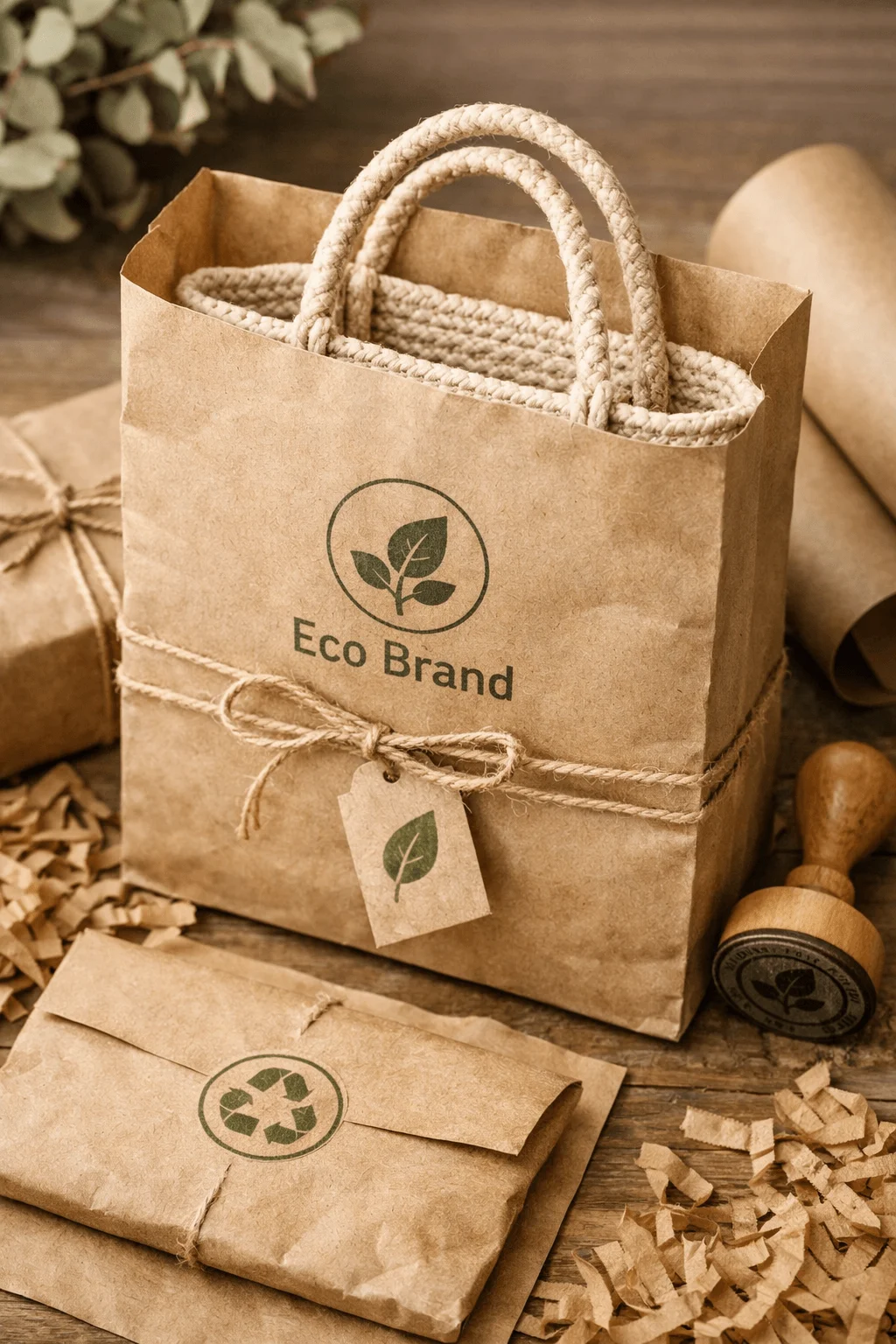
In addition to its visual appeal, kraft paper is strong and durable. It can protect bags during shipping while remaining lightweight. Many companies use kraft paper envelopes, wrapping sheets, or custom printed kraft packaging for their bag products.
Brands can also enhance kraft paper packaging with simple design elements such as eco friendly ink printing or stamped logos. This keeps the packaging attractive without adding unnecessary materials.
Compostable Mailer Bags
Compostable mailer bags have become extremely popular for ecommerce packaging. These bags are made from plant based materials such as corn starch and biodegradable polymers. Unlike conventional plastic mailers, compostable bags break down naturally when placed in composting conditions.
For businesses that ship bags to customers, compostable mailers offer an excellent combination of durability and sustainability. They provide the same protective function as plastic packaging while eliminating the long term environmental impact.
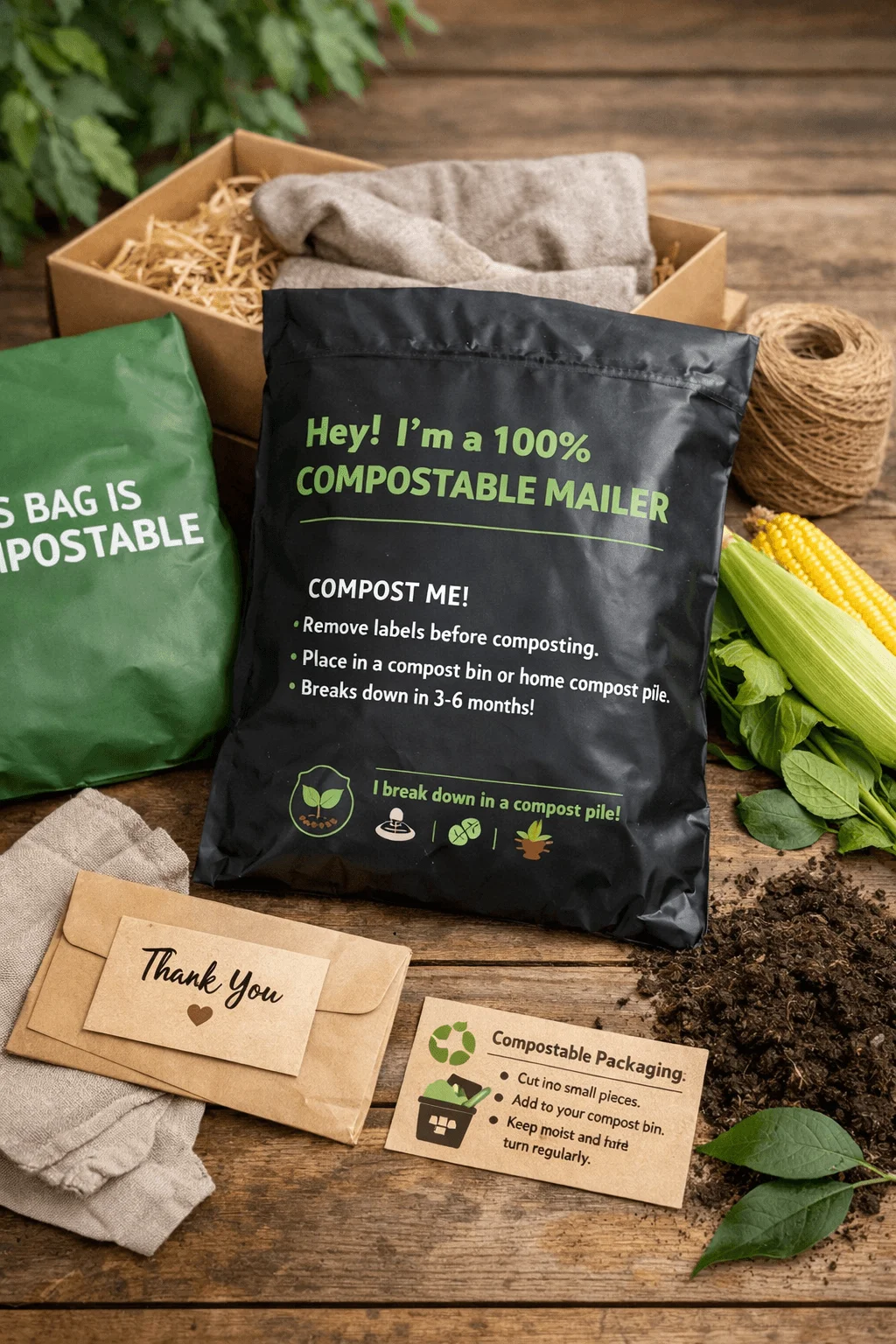
Many compostable mailers also feature clear instructions for customers explaining how to compost the packaging. This educational element encourages responsible disposal and strengthens the brand’s commitment to sustainability.
Another advantage of compostable mailers is their lightweight design. Shipping lighter packaging materials helps reduce transportation emissions, which further improves the environmental benefits.
Seed Paper Packaging
Seed paper packaging is one of the most creative eco friendly packaging ideas available today. Seed paper is produced using recycled paper fibers mixed with small plant seeds. After the packaging is used, customers can plant the paper in soil and grow flowers, herbs, or plants.
This idea transforms packaging into an interactive and meaningful experience. Instead of throwing the packaging away, customers participate in a small act of environmental restoration by planting it.
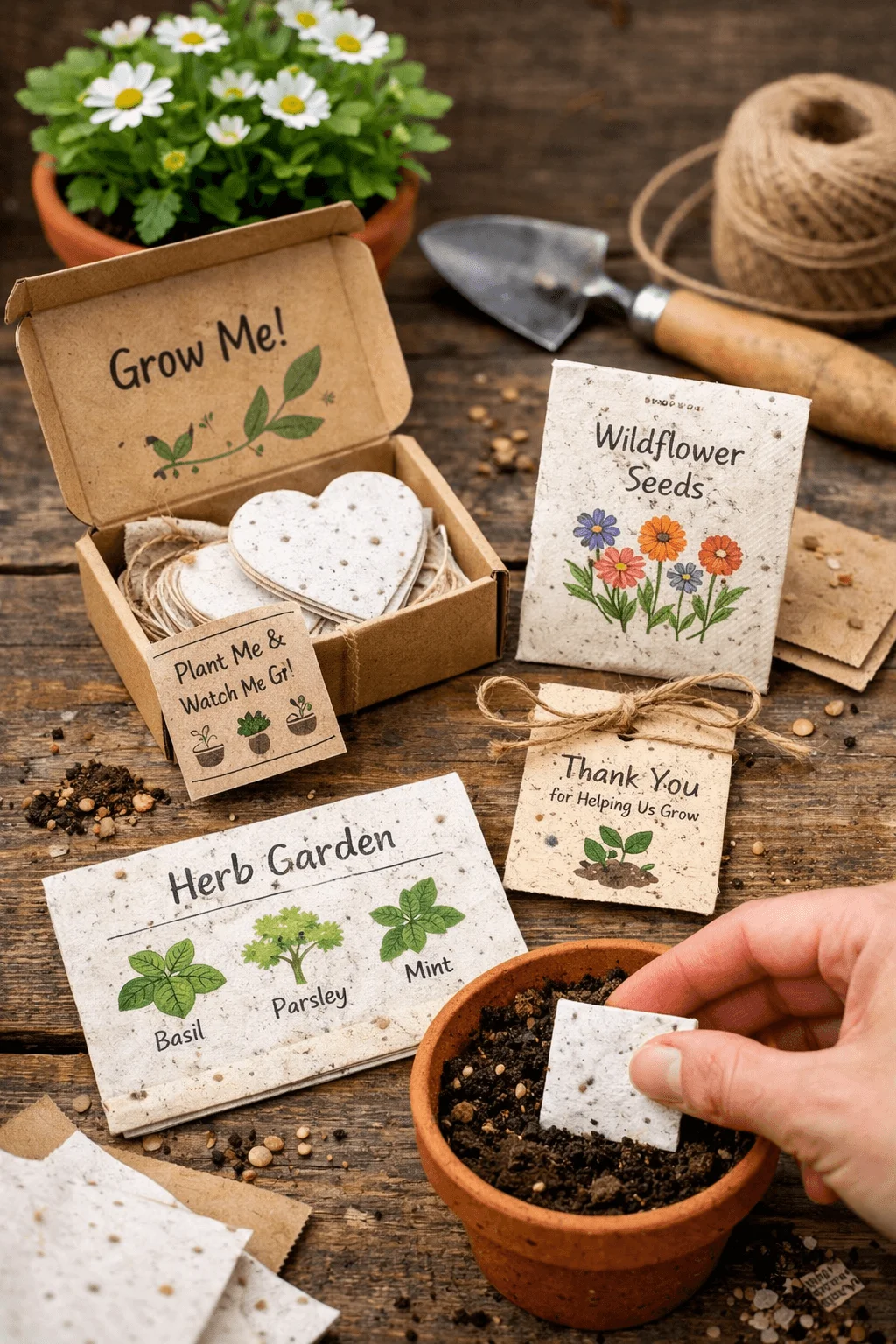
Seed paper packaging is especially appealing for brands that focus on sustainability or nature inspired products. It communicates a powerful message about regeneration and environmental responsibility.
In addition to its environmental value, seed paper packaging creates a memorable unboxing experience. Customers often share this unique packaging concept on social media, which can increase brand visibility and engagement.
Mushroom Based Protective Packaging
Mushroom packaging represents one of the most innovative developments in sustainable materials. This packaging is made using mycelium, which is the root structure of mushrooms. Mycelium grows naturally around agricultural waste materials and forms a strong biodegradable structure.
Once the packaging shape is created, the growth process is stopped and the material becomes a durable protective insert. The final product is lightweight, compostable, and completely natural.
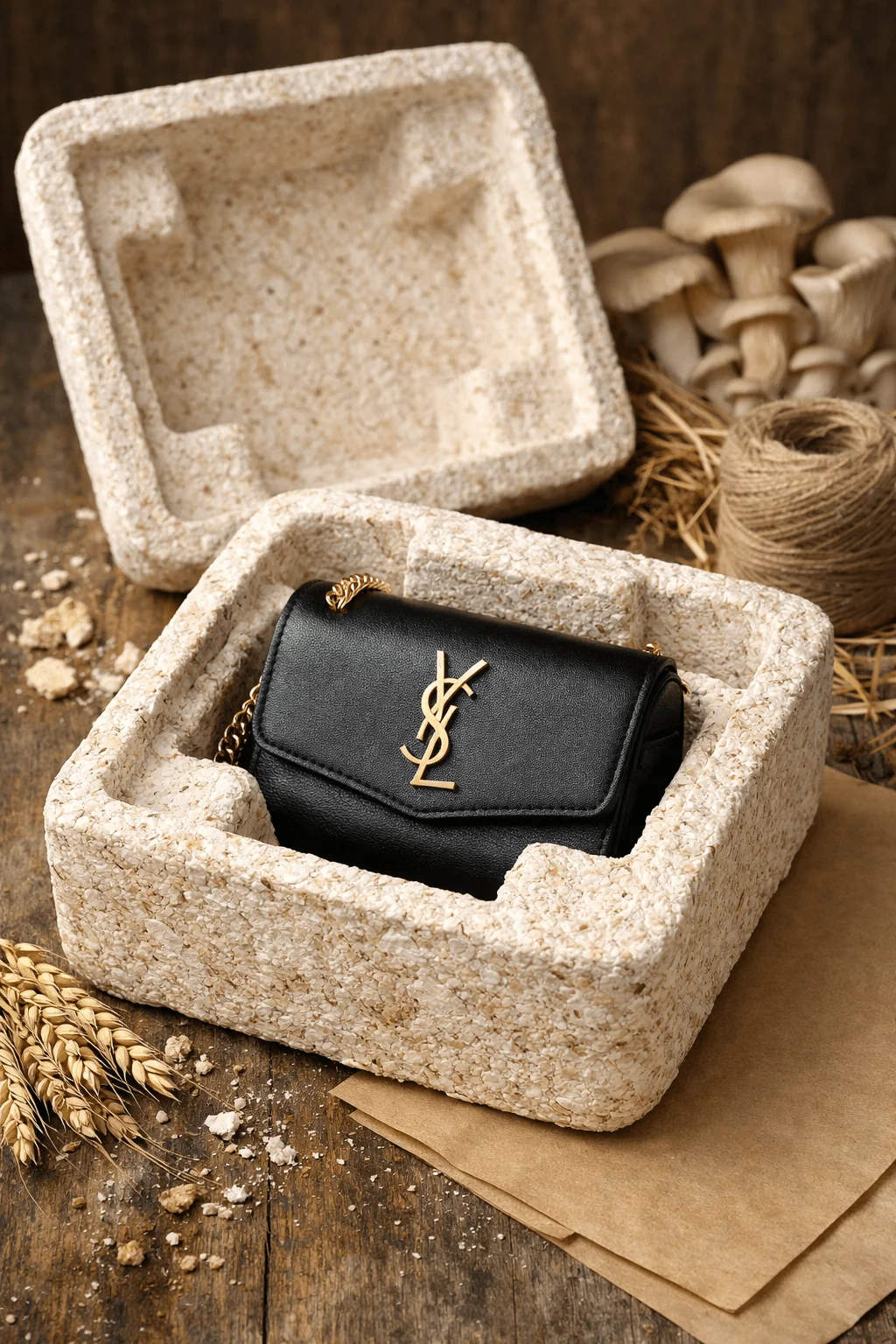
For bag brands that need protective cushioning during shipping, mushroom packaging provides an environmentally friendly alternative to foam or plastic inserts. It protects delicate items while remaining fully biodegradable.
Another advantage of mushroom packaging is its extremely low environmental footprint. The material is grown rather than manufactured through heavy industrial processes.
Seaweed Based Packaging Materials
Seaweed based packaging is gaining attention as a promising alternative to plastic. Seaweed is a renewable resource that grows quickly in marine environments without requiring fertilizers or freshwater.
When processed into packaging materials, seaweed can create thin flexible films that resemble plastic. However, unlike plastic, seaweed packaging decomposes naturally and does not produce harmful microplastics.
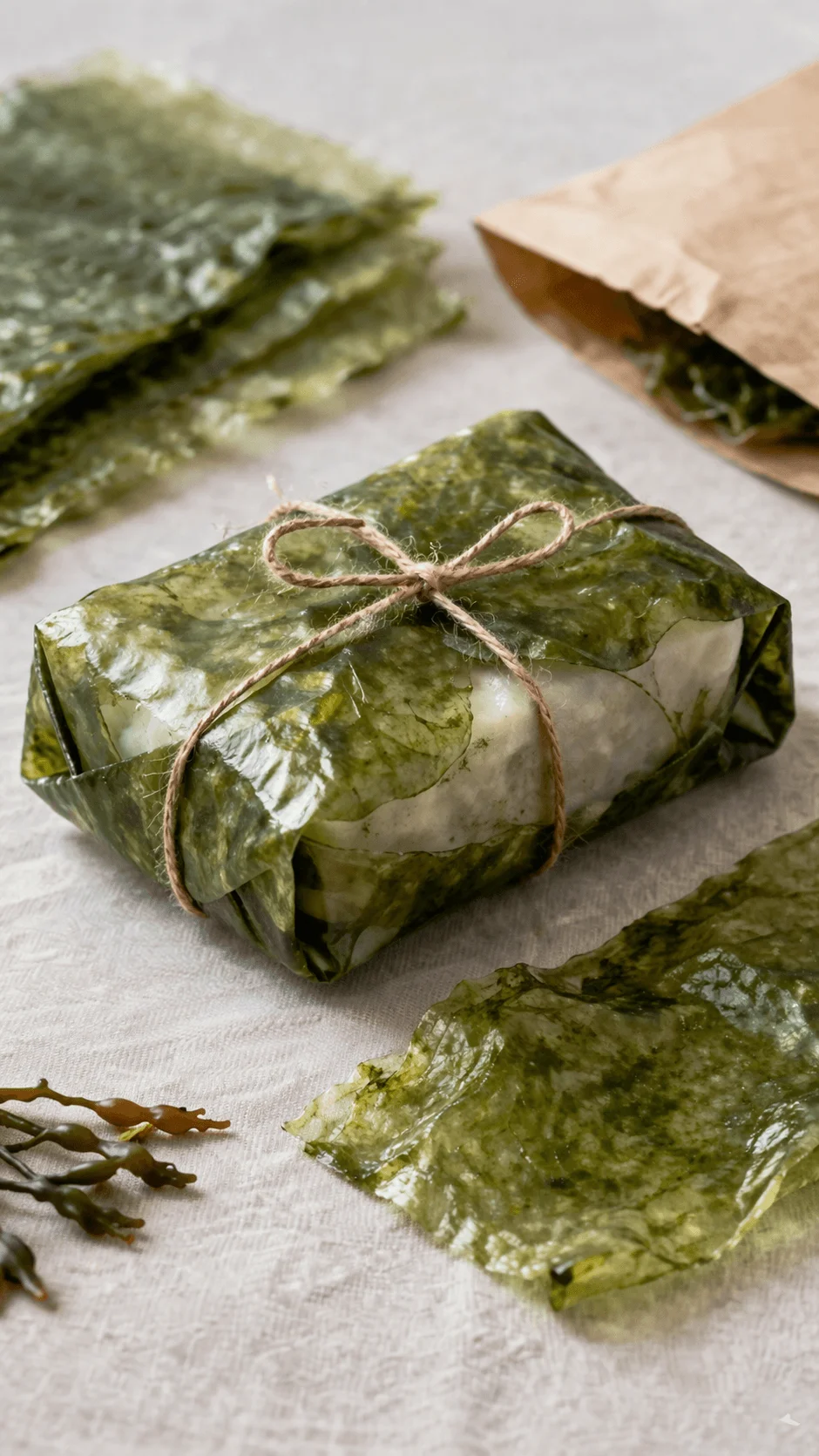
Seaweed packaging can be used as protective wrapping or inner packaging layers for bags. It offers a unique combination of flexibility, biodegradability, and sustainability.
As research and technology improve, seaweed packaging may become a major part of the future sustainable packaging industry.
Reusable Cloth Packaging Bags
Reusable cloth packaging is a practical and highly sustainable packaging solution for bag brands. Instead of disposable packaging, the product is packaged in a cloth pouch or cotton bag that customers can continue using.
This approach effectively turns packaging into an additional product. Customers can reuse the cloth bag for storage, travel organization, or everyday use.
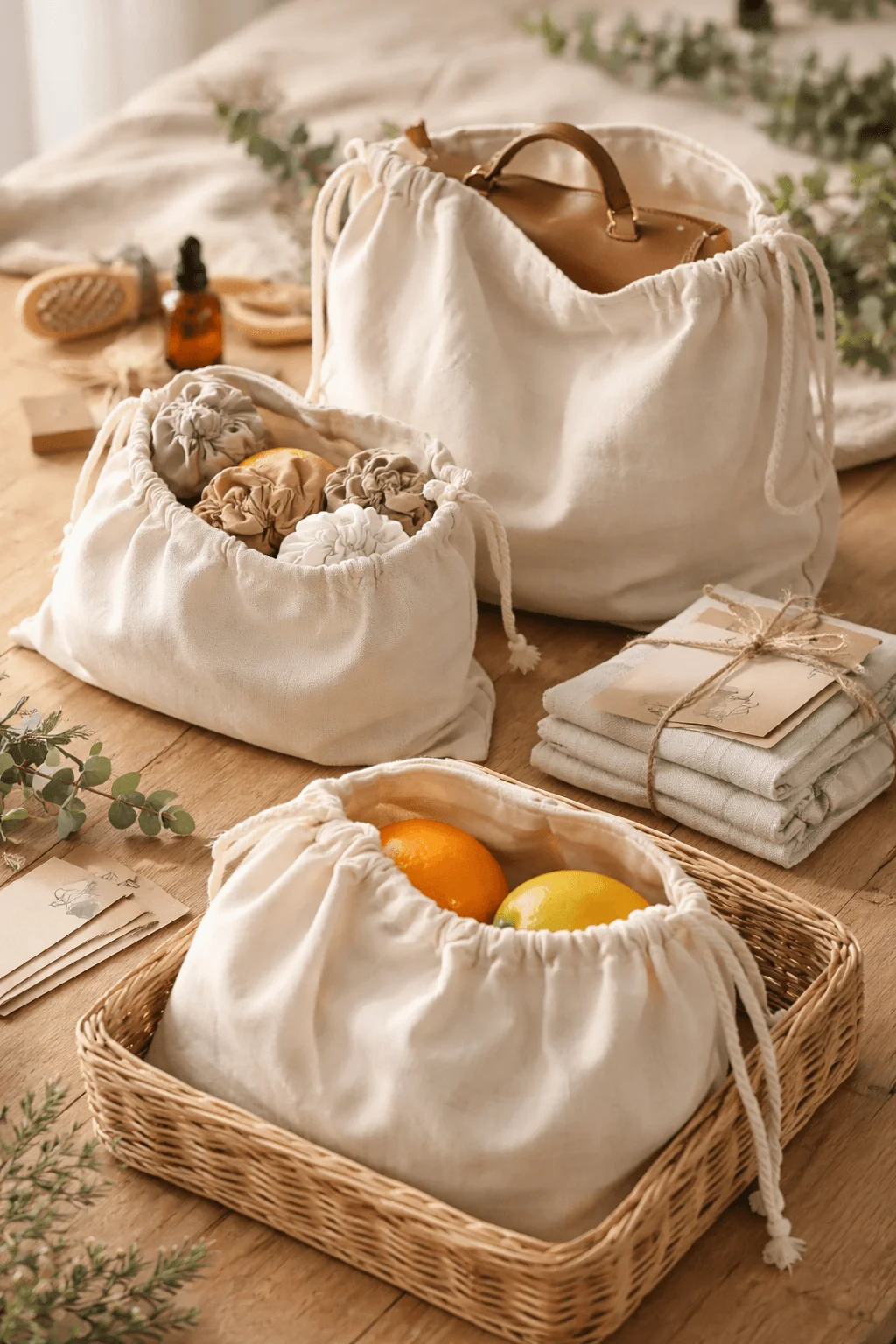
Reusable packaging significantly reduces waste because it extends the life cycle of the packaging material. Instead of being discarded immediately, the packaging continues to serve a useful purpose.
Many premium bag brands already use cloth dust bags to protect their products. Expanding this concept into the main packaging strategy can further strengthen the brand’s sustainability efforts.
Minimalist Packaging Design
Minimalist packaging focuses on reducing unnecessary materials and simplifying the packaging structure. The goal is to use only the essential components required to protect the product.
For example, instead of using multiple layers of plastic wrapping, foam inserts, and decorative packaging, a brand may use a single recycled paper wrap and a recyclable shipping box.

This approach reduces waste and lowers packaging costs while still maintaining an attractive presentation. Minimalist packaging also aligns with modern design trends that emphasize simplicity and sustainability.
Many eco conscious brands adopt minimalist packaging because it communicates transparency and environmental responsibility.
Upcycled Fabric Packaging
Upcycled fabric packaging involves using leftover textile materials to create packaging pouches or wraps. Textile factories often produce fabric scraps that cannot be used for clothing production. Instead of discarding these materials, they can be repurposed for packaging.
Upcycled packaging supports the circular economy by giving new life to existing materials. It reduces textile waste while creating unique packaging designs.
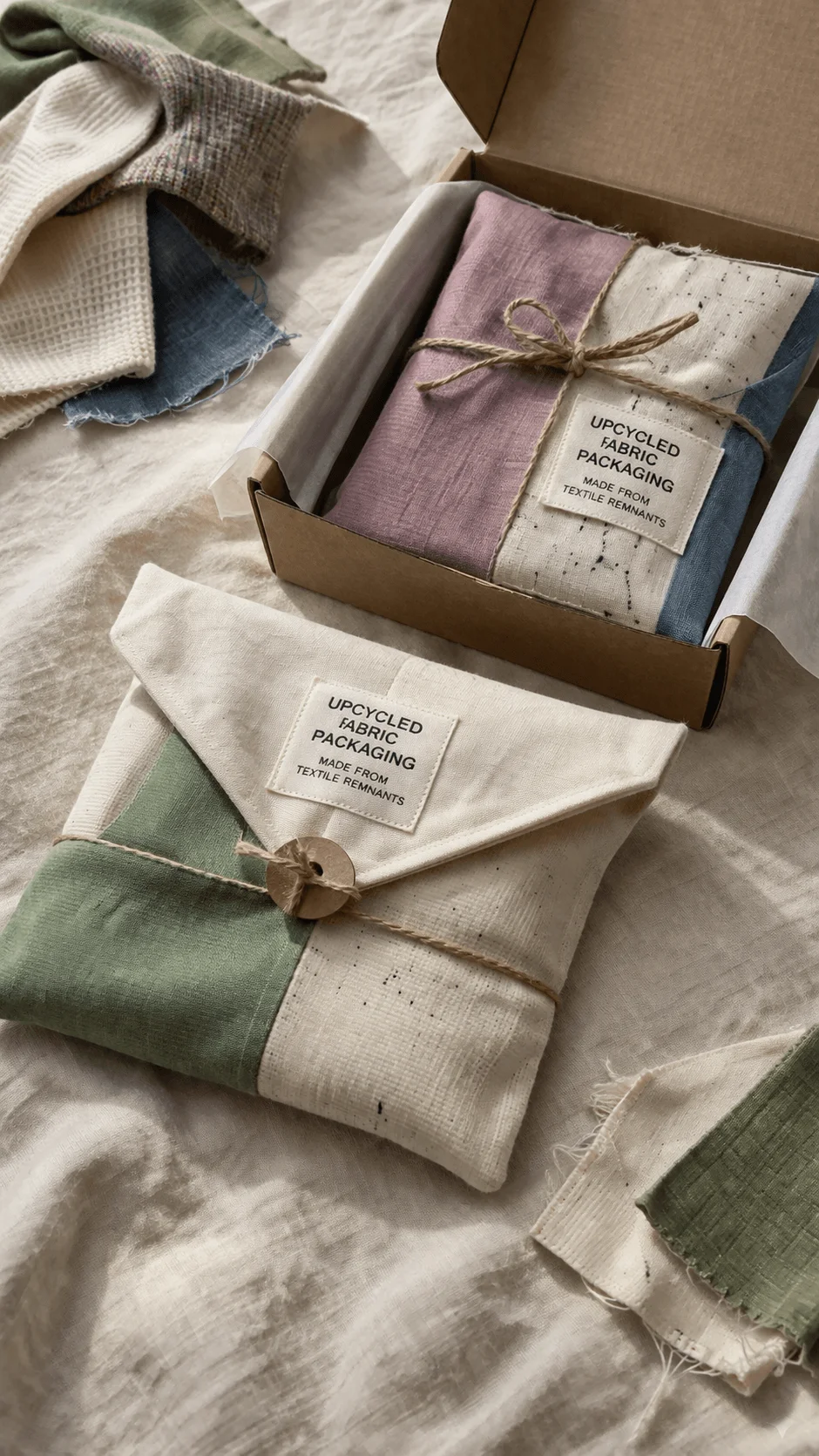
Because each piece of fabric may be slightly different, upcycled packaging often has a handcrafted appearance that appeals to customers who appreciate sustainable craftsmanship.
For bag brands, this packaging idea also reinforces the connection between fashion products and responsible material use.
Plant Based Bioplastic Packaging
Plant based bioplastics are materials made from renewable plant sources such as sugarcane or corn. These materials can mimic the flexibility and strength of traditional plastics while reducing dependence on fossil fuels.
Bioplastic packaging can be used for protective sleeves, transparent packaging windows, or shipping bags. Some types of bioplastics are biodegradable, while others are designed to be recyclable.
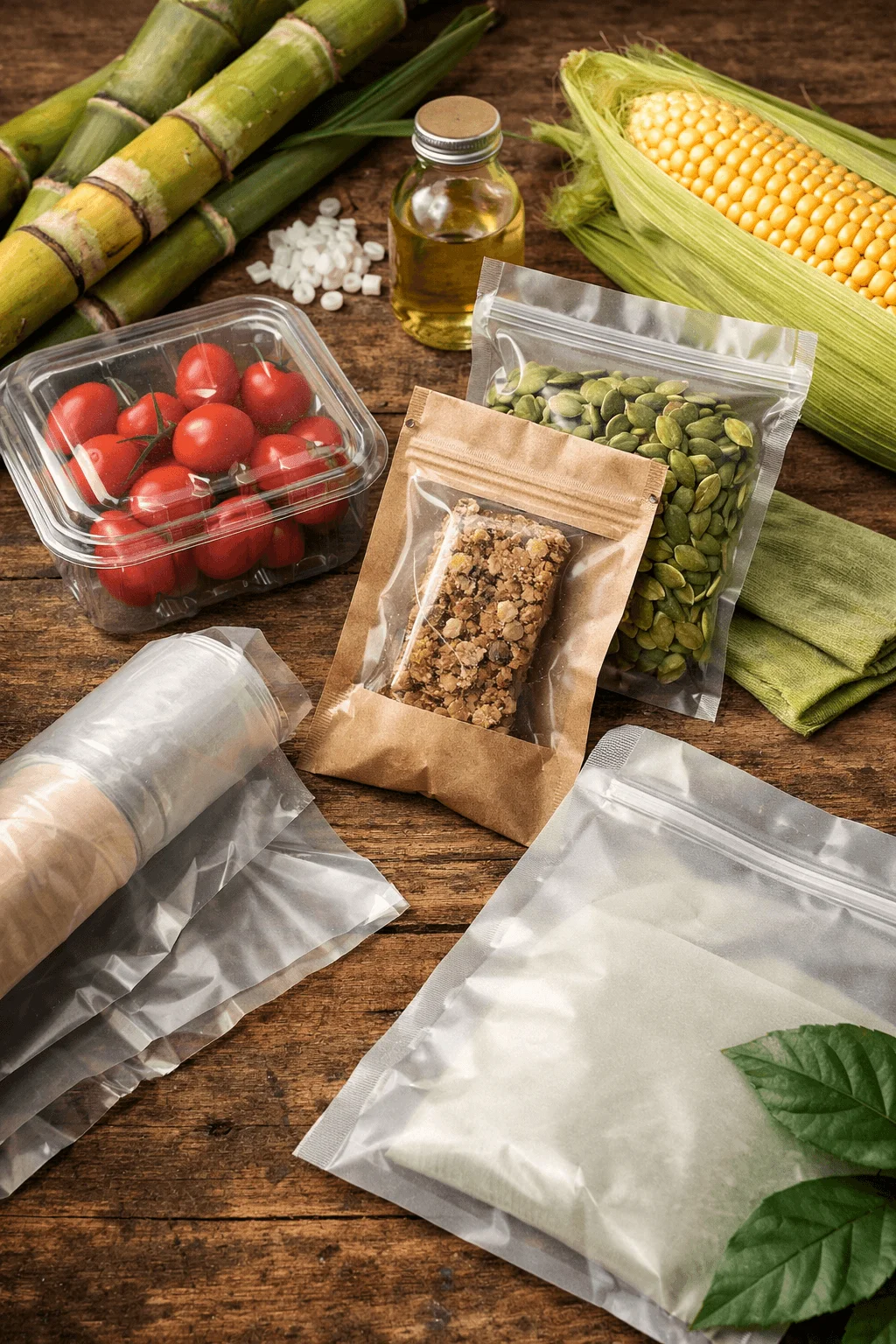
Although bioplastics are not a perfect solution, they represent an important step toward reducing plastic pollution and developing more sustainable packaging systems.
Molded Pulp Packaging
Molded pulp packaging is made from recycled paper fibers that are shaped into protective structures. This material is widely used as an alternative to foam packaging.
For bag products that require structural protection during shipping, molded pulp inserts can hold the bag securely inside the packaging box.
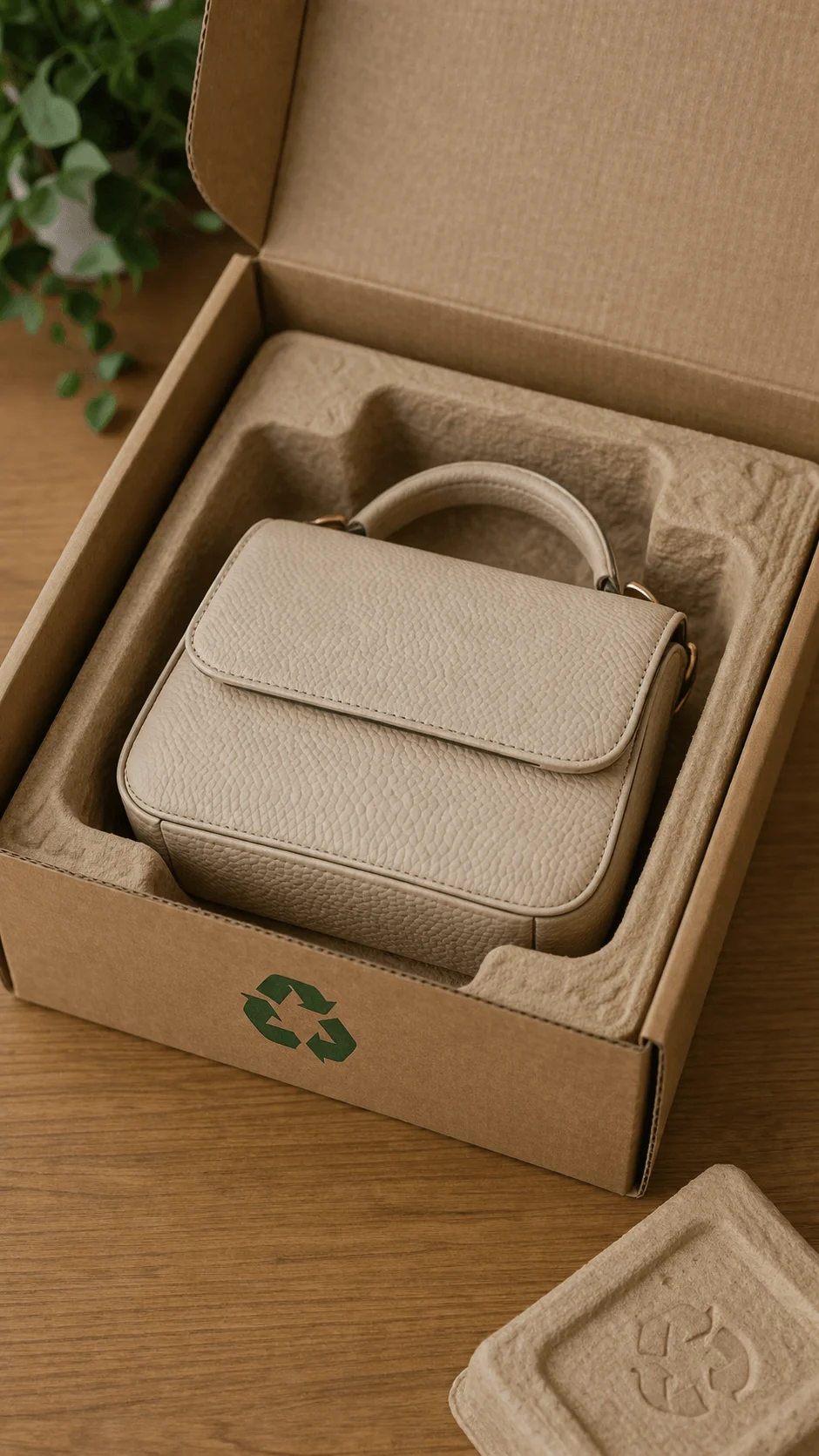
The material is biodegradable, recyclable, and produced from recycled resources, making it an environmentally responsible option for protective packaging.
Reusable Returnable Packaging Systems
Reusable returnable packaging systems represent a circular approach to packaging. Instead of disposing of packaging after delivery, customers return the packaging so it can be reused for future shipments.
This system requires coordination between the business and the customer, but it can dramatically reduce packaging waste over time.
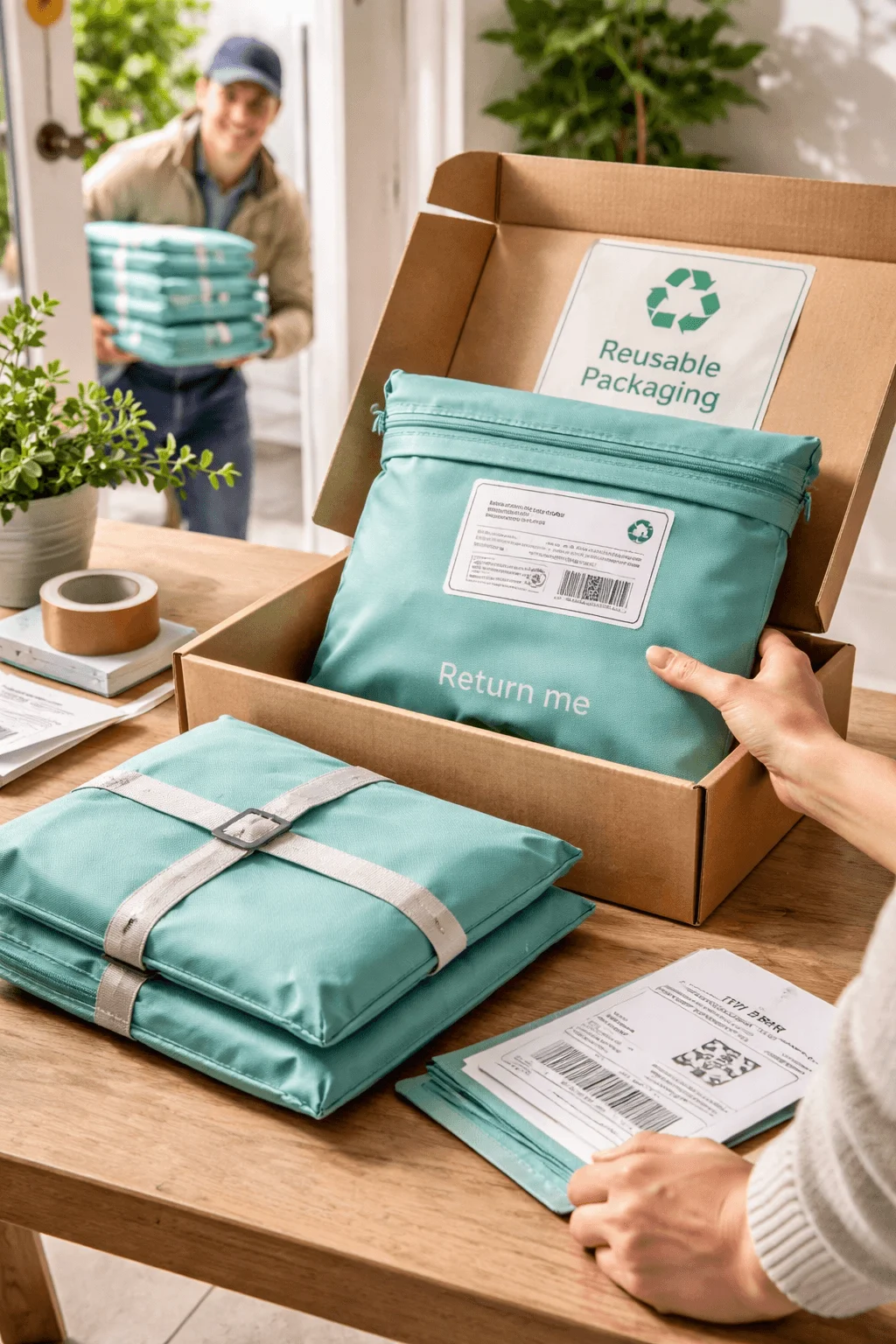
Some companies use durable reusable mailers that can be folded and returned through the mail. Once returned, the packaging is cleaned and prepared for reuse.
Fabric Wrap Packaging Inspired by Traditional Techniques
Fabric wrapping techniques have been used in many cultures for centuries. One well known method involves wrapping products in decorative fabric cloths that can be reused many times.
This concept can be adapted for modern bag packaging. The bag is wrapped in a reusable cloth that protects the product while creating a beautiful presentation.
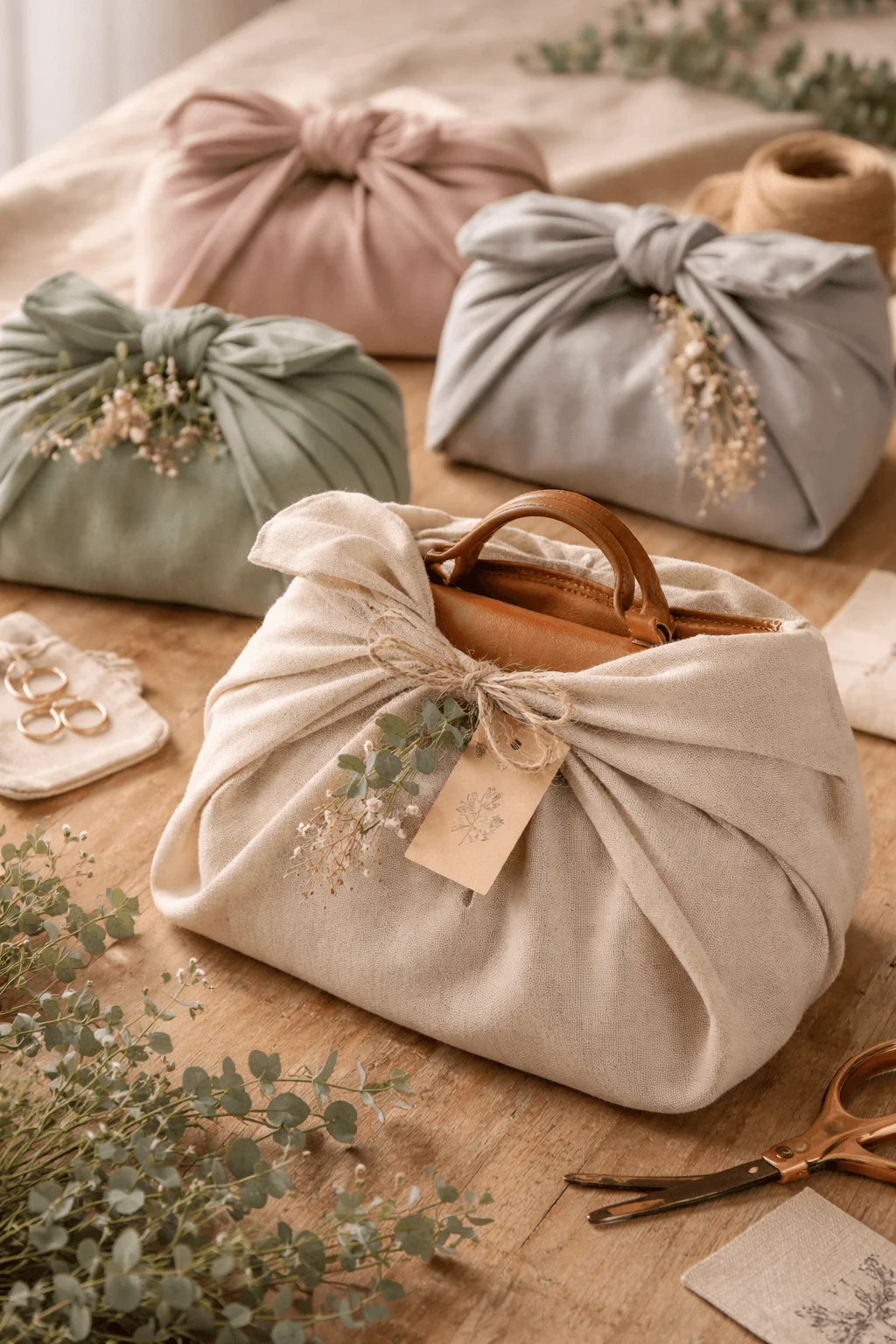
Customers can reuse the fabric for gift wrapping, storage, or decoration, which extends the usefulness of the packaging.
Mono Material Recyclable Packaging
Mono material packaging uses only one type of material instead of combining multiple materials that are difficult to separate during recycling.
For example, packaging made entirely from recycled paper or a single recyclable material can be easily processed in recycling facilities.
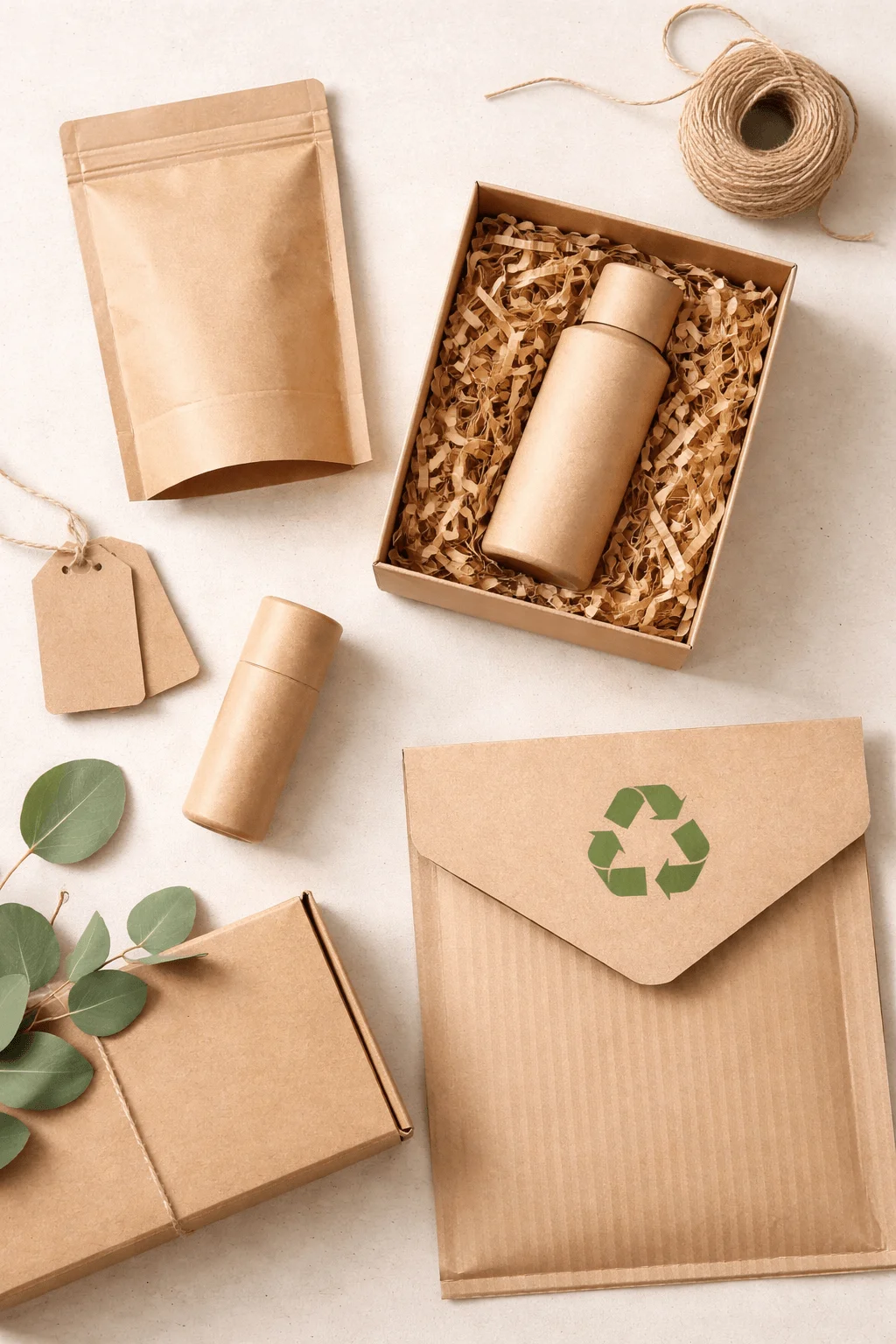
Using mono material packaging improves recycling efficiency and reduces contamination in recycling streams.
Smart Sustainable Packaging
Smart sustainable packaging combines eco friendly materials with digital communication. Packaging may include QR codes that customers can scan to learn about recycling instructions or the sustainability story behind the product.
This approach helps educate customers about responsible disposal and increases transparency about the brand’s environmental practices.

Smart packaging also creates an interactive experience that connects the customer more deeply with the brand.
Best Sustainable Materials for Bag Packaging
Several materials are particularly effective for eco friendly bag packaging. Recycled paper remains one of the most accessible and widely used options. It is biodegradable, recyclable, and easy to print for branding purposes.
Organic cotton and natural fabrics are excellent choices for reusable packaging bags. These materials are durable and can be reused many times.
Jute is another sustainable fiber that is strong and biodegradable. It is often used for eco friendly packaging because it grows quickly and requires minimal chemical processing.
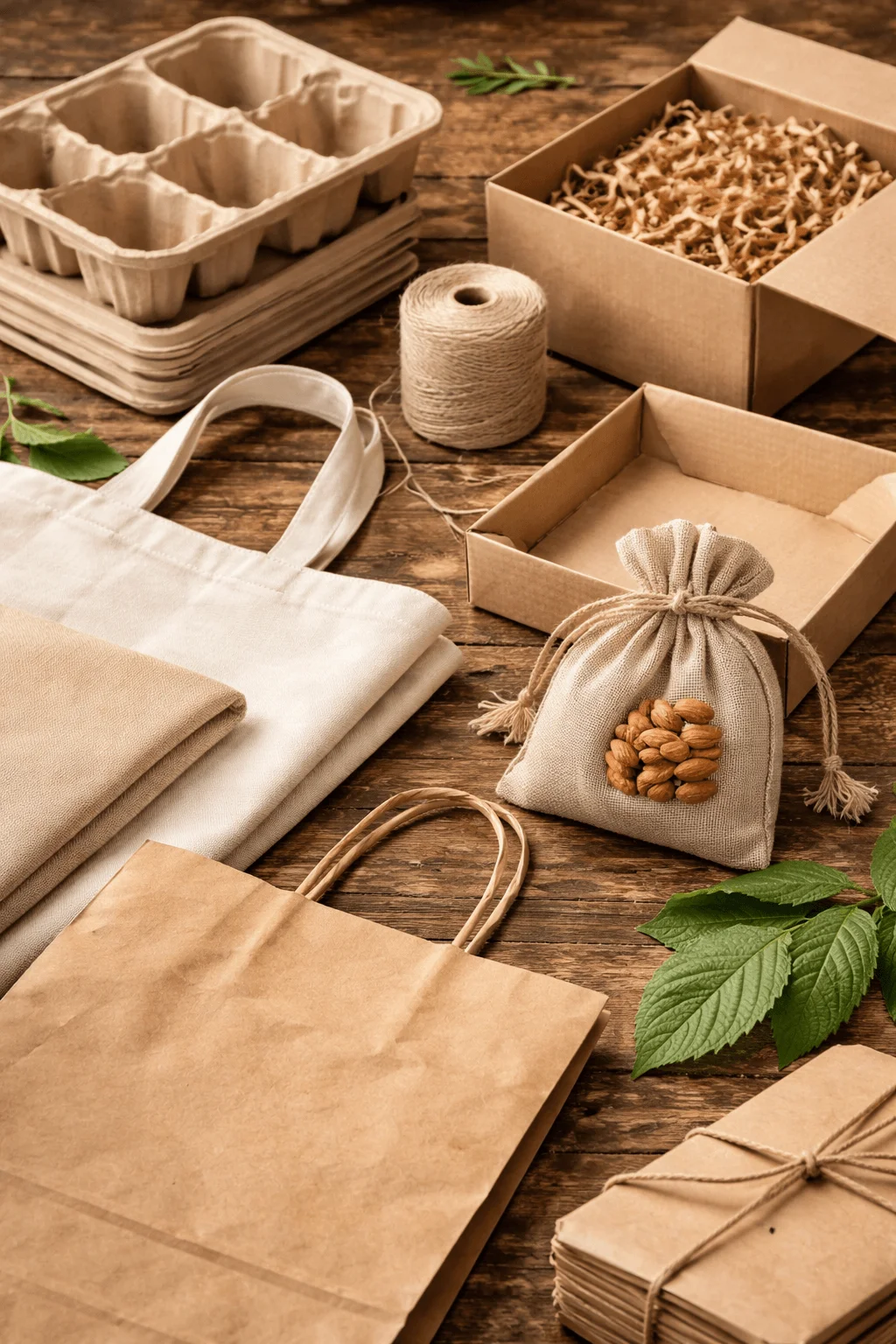
Molded pulp and recycled cardboard are also commonly used materials for protective packaging and shipping boxes.
Choosing the right combination of materials allows businesses to balance sustainability, durability, and cost effectiveness.
Conclusion
Eco friendly packaging ideas for bags are becoming a central part of modern sustainable business practices. As consumers become more environmentally conscious, brands are expected to adopt responsible packaging solutions that minimize waste and reduce environmental impact.
From recycled kraft paper packaging and compostable mailers to innovative materials such as mushroom packaging and seaweed based films, there are many creative ways to package bags sustainably. These solutions not only protect the environment but also enhance brand identity and customer experience.
Businesses that invest in sustainable packaging today position themselves as forward thinking and responsible brands. By choosing eco friendly packaging materials and designs, bag brands can contribute to a healthier planet while building stronger relationships with environmentally conscious customers.