Sustainable Fashion Show Ideas 2026 That Will Inspire You
Sustainable fashion shows are rapidly transforming from simple awareness events into powerful creative platforms that reflect the future of fashion. In 2026, these shows are not only about presenting eco friendly clothing but also about expressing ideas, telling stories, and reshaping how people think about consumption and design. Designers, students, and brands are now using fashion shows to challenge traditional norms and introduce new ways of creating and experiencing fashion.
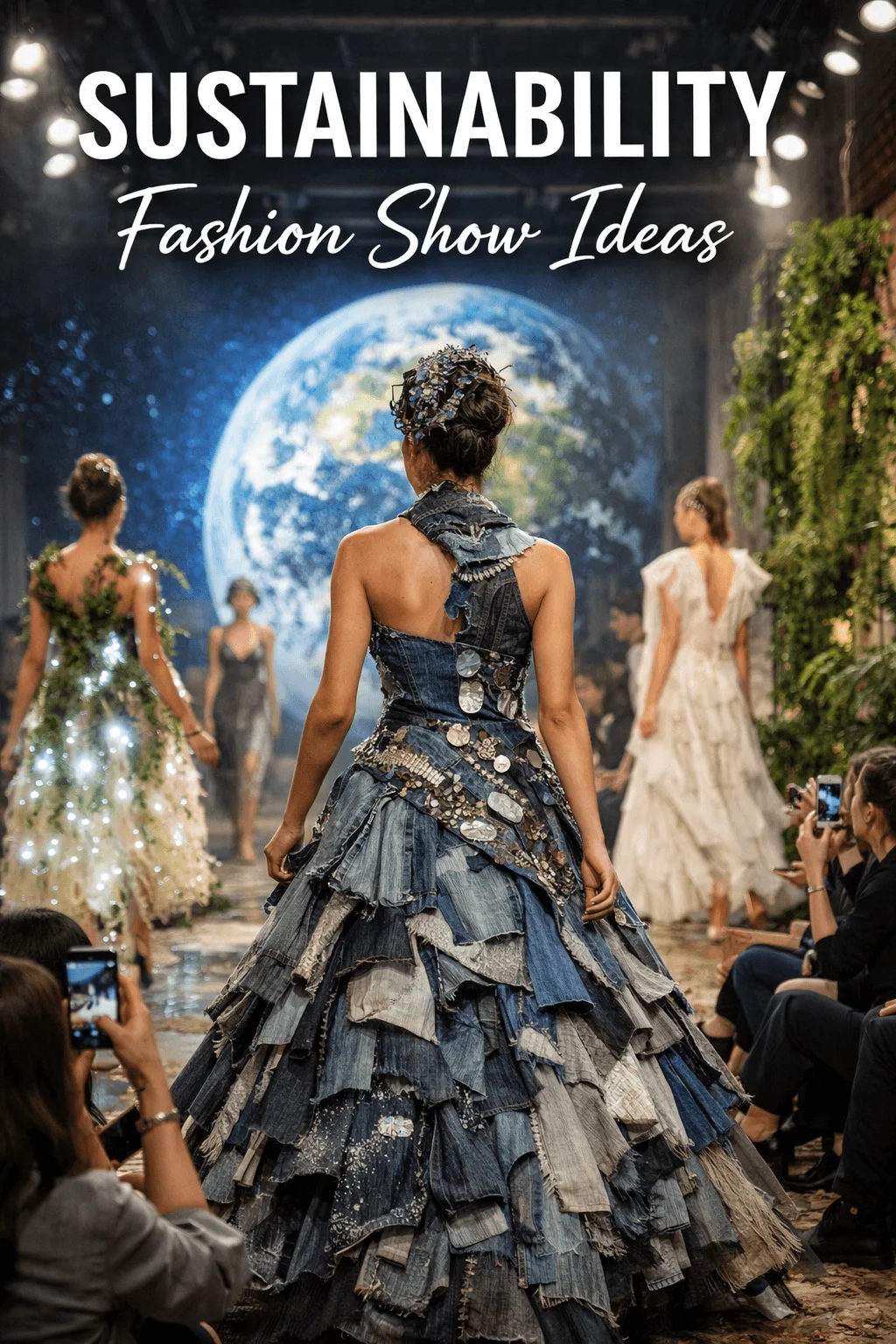
The growing environmental crisis has pushed the fashion industry to rethink its practices. As a result, sustainable fashion shows have become a meaningful way to highlight solutions while engaging audiences emotionally and visually. These shows are no longer limited to recycled outfits but now include innovation, technology, and immersive storytelling that leaves a lasting impact.
Upcycled Couture Runway
The upcycled couture runway transforms discarded materials into high fashion pieces that feel luxurious and artistic. This idea goes beyond basic recycling by focusing on craftsmanship and design excellence. Designers carefully select textile waste, old garments, and leftover fabrics, then reimagine them into completely new creations.
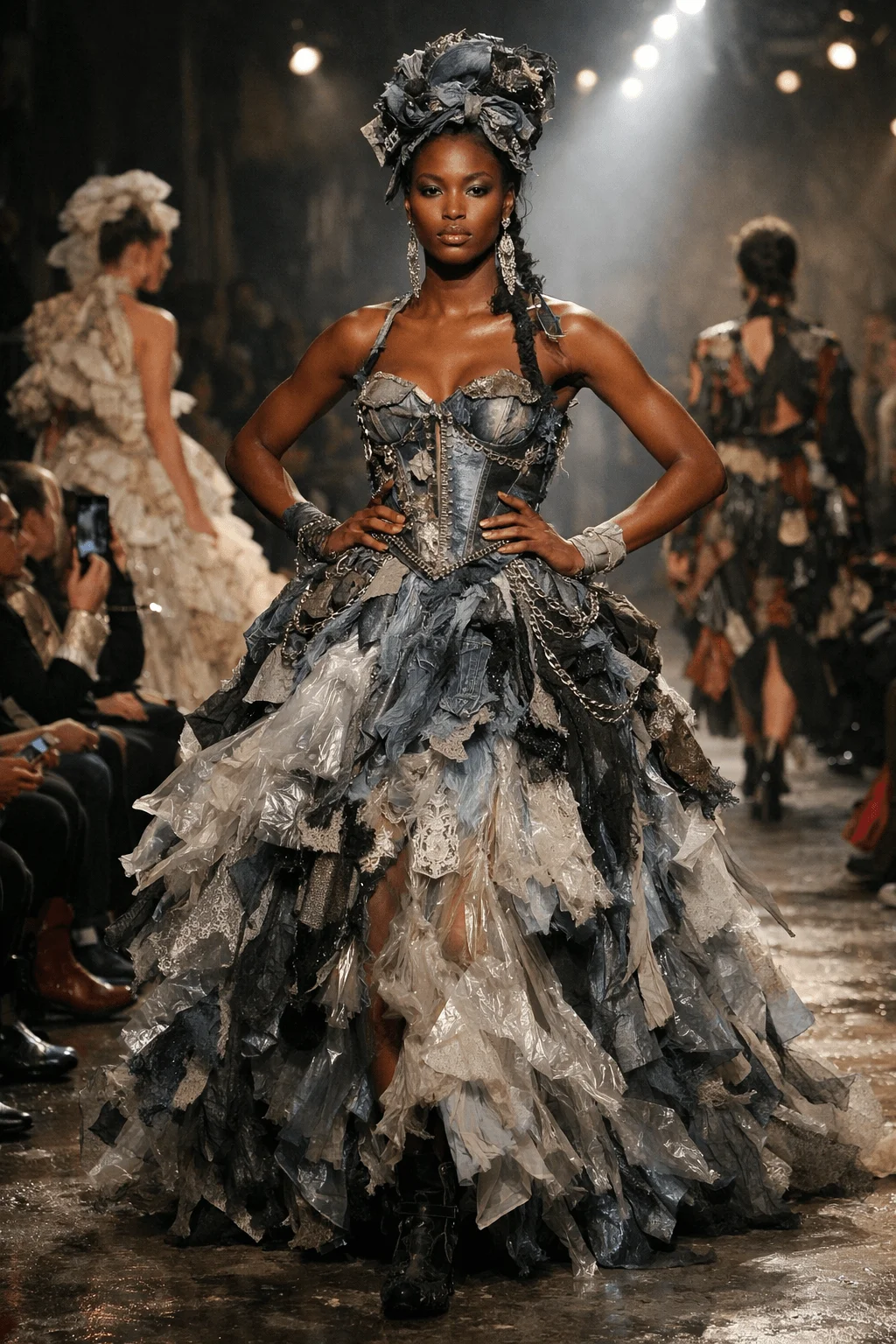
What makes this concept powerful is the contrast it creates. Materials that were once considered useless are elevated into statement pieces that capture attention on the runway. This challenges the perception of waste and encourages audiences to see value in what they usually ignore. The storytelling behind each outfit becomes just as important as the design itself, making the runway both visually stunning and emotionally meaningful.
Circular Fashion Show Concept
A circular fashion show demonstrates how clothing can remain relevant and functional over time. Instead of presenting entirely new outfits for each look, the same garments are styled in multiple ways throughout the show. This highlights versatility and encourages a shift away from fast fashion habits.
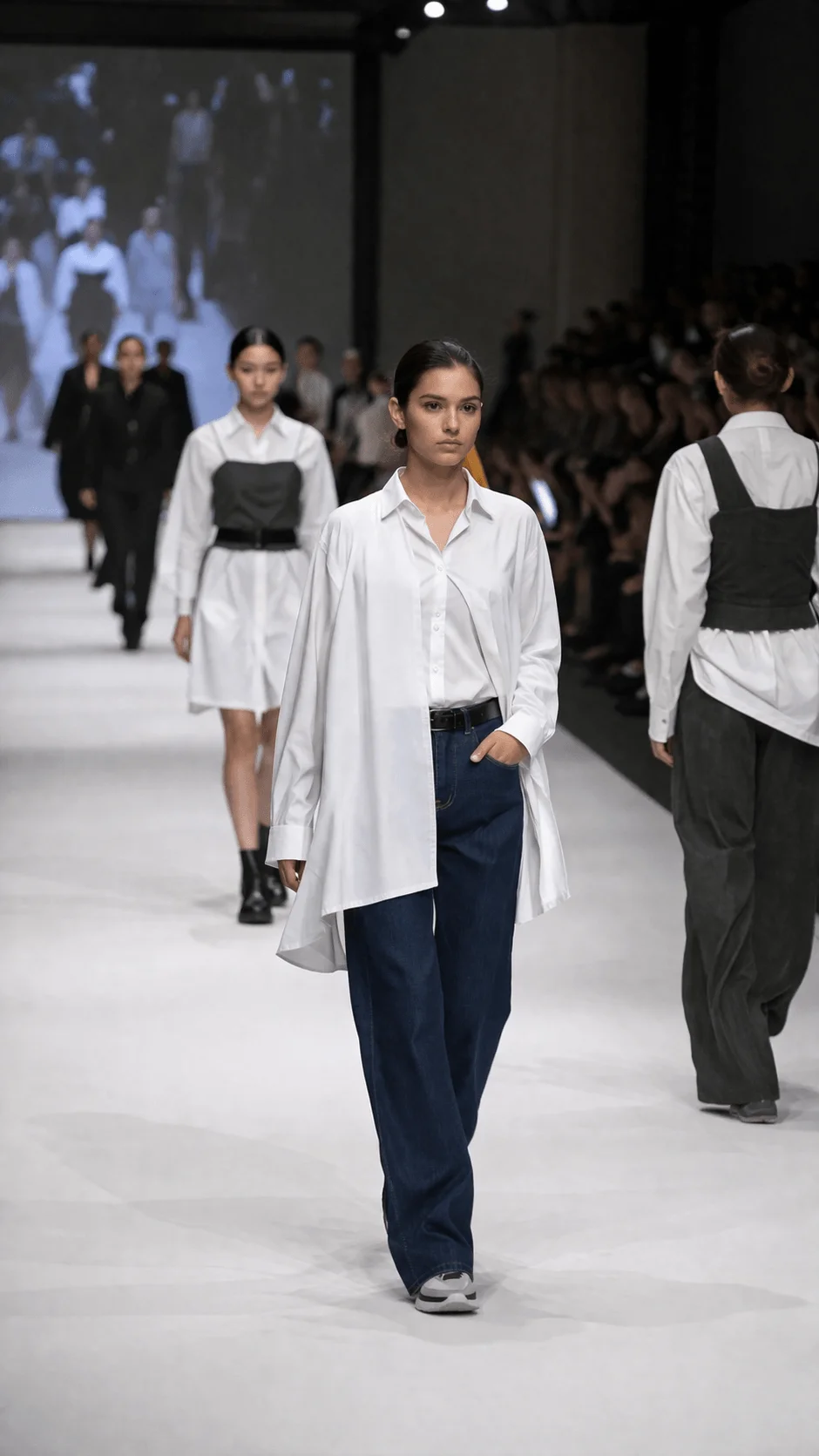
This concept also allows designers to showcase creativity in styling rather than production. By showing how a single piece can evolve through layering, accessorizing, and reconfiguration, the runway becomes a lesson in mindful consumption. It helps the audience understand that sustainability is not about limitation but about maximizing potential.
Zero Waste Pattern Fashion Show
The zero waste pattern fashion show focuses on precision and intentional design. Every piece of fabric is used thoughtfully, leaving no scraps behind. This approach requires careful planning and innovation, as designers must rethink traditional cutting methods.
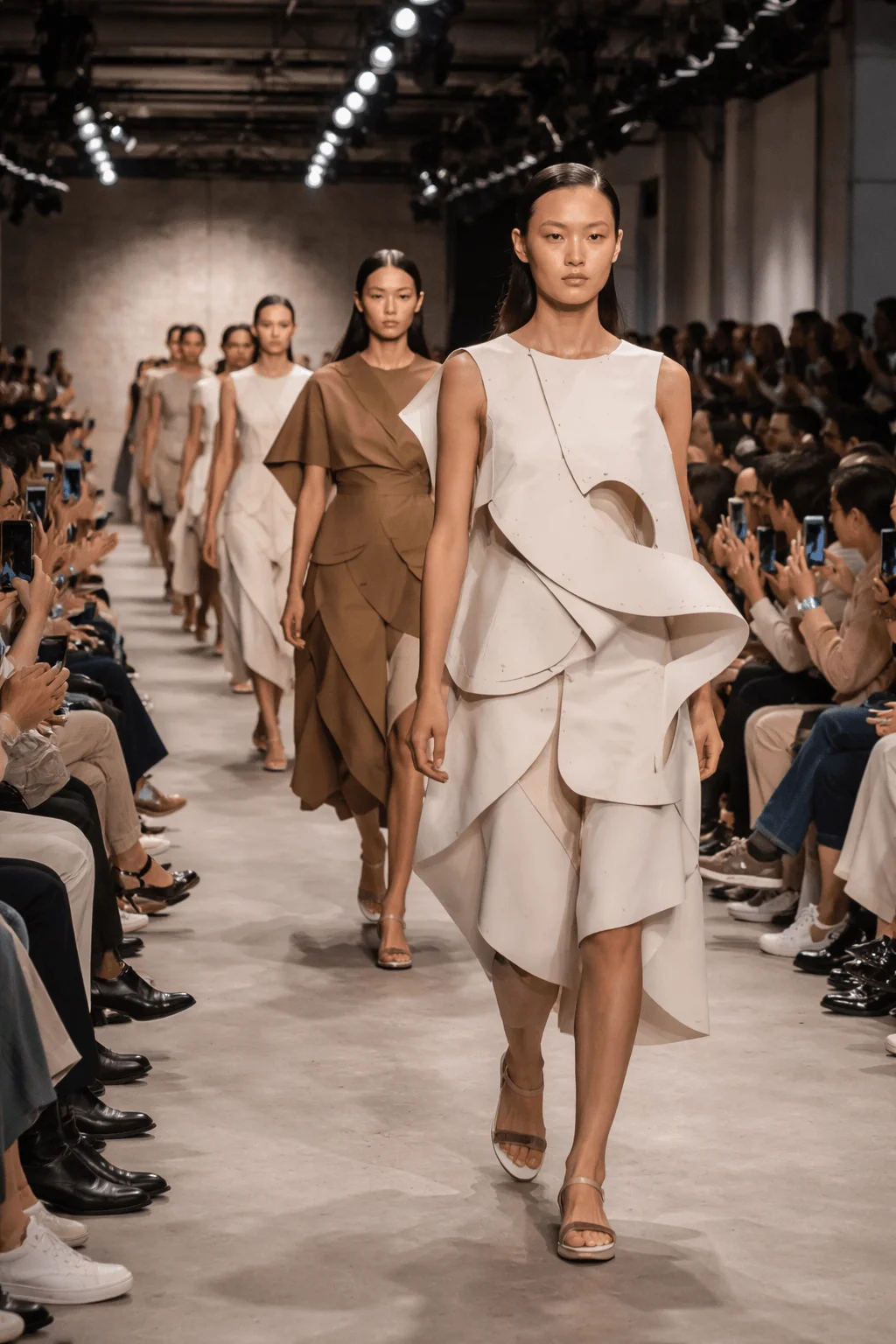
On the runway, these garments often have unique shapes and structures that reflect the design process. The audience gets to witness how creativity emerges from constraints. This idea communicates that sustainability is not only about materials but also about how those materials are used.
Bio Material Fashion Show
A bio material fashion show introduces audiences to the future of fabrics. Garments made from plant based and organic materials offer a glimpse into how fashion can exist in harmony with nature. These designs often have distinctive textures and appearances that set them apart from conventional clothing.
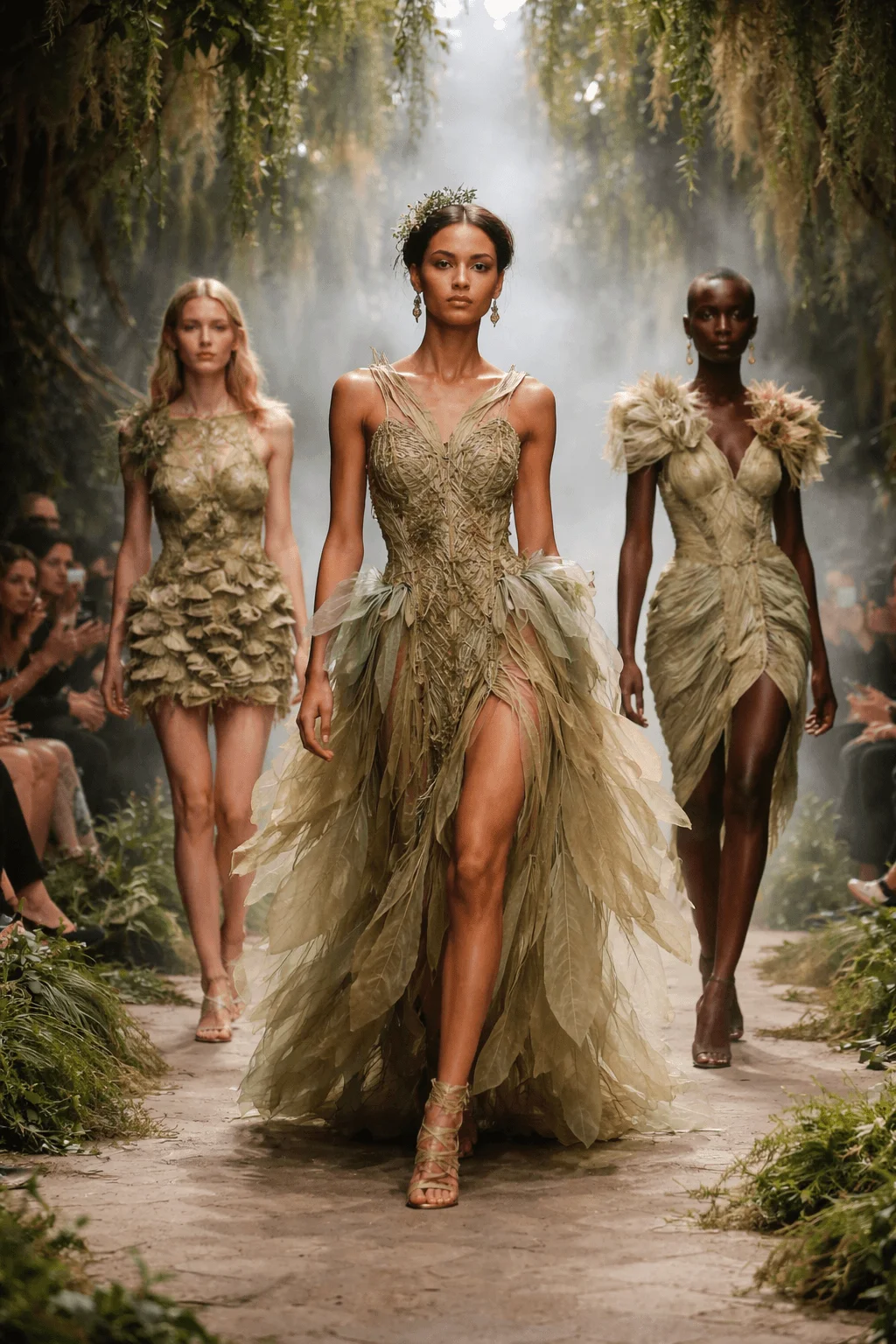
The concept also opens conversations about innovation and science. By presenting these materials in a fashion show setting, designers make complex ideas more accessible and engaging. The runway becomes a bridge between technology, nature, and creativity.
Digital and Physical Hybrid Runway
The hybrid runway combines real world garments with digital enhancements to create an immersive experience. Models walk the stage wearing physical outfits while digital projections or screens add layers of visual storytelling.
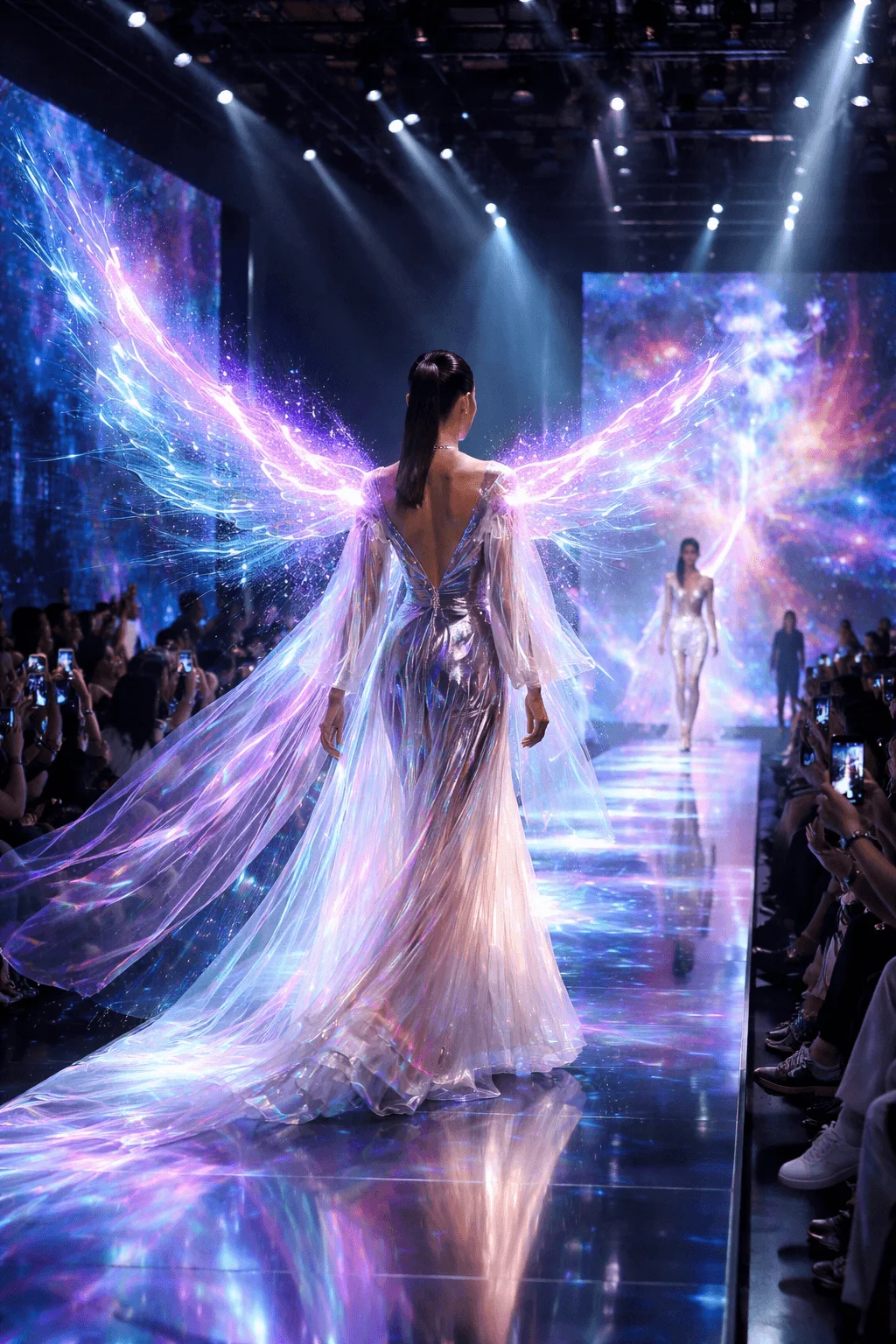
This idea reduces the need for producing multiple physical garments while expanding creative possibilities. Designers can experiment with colors, shapes, and effects that would be difficult to achieve in reality. The result is a modern and forward thinking fashion show that reflects the growing influence of technology in the industry.
Regenerative Fashion Story Runway
The regenerative fashion story runway focuses on the journey of clothing from its origin to its final form. Each outfit represents a stage in this journey, creating a narrative that unfolds throughout the show.
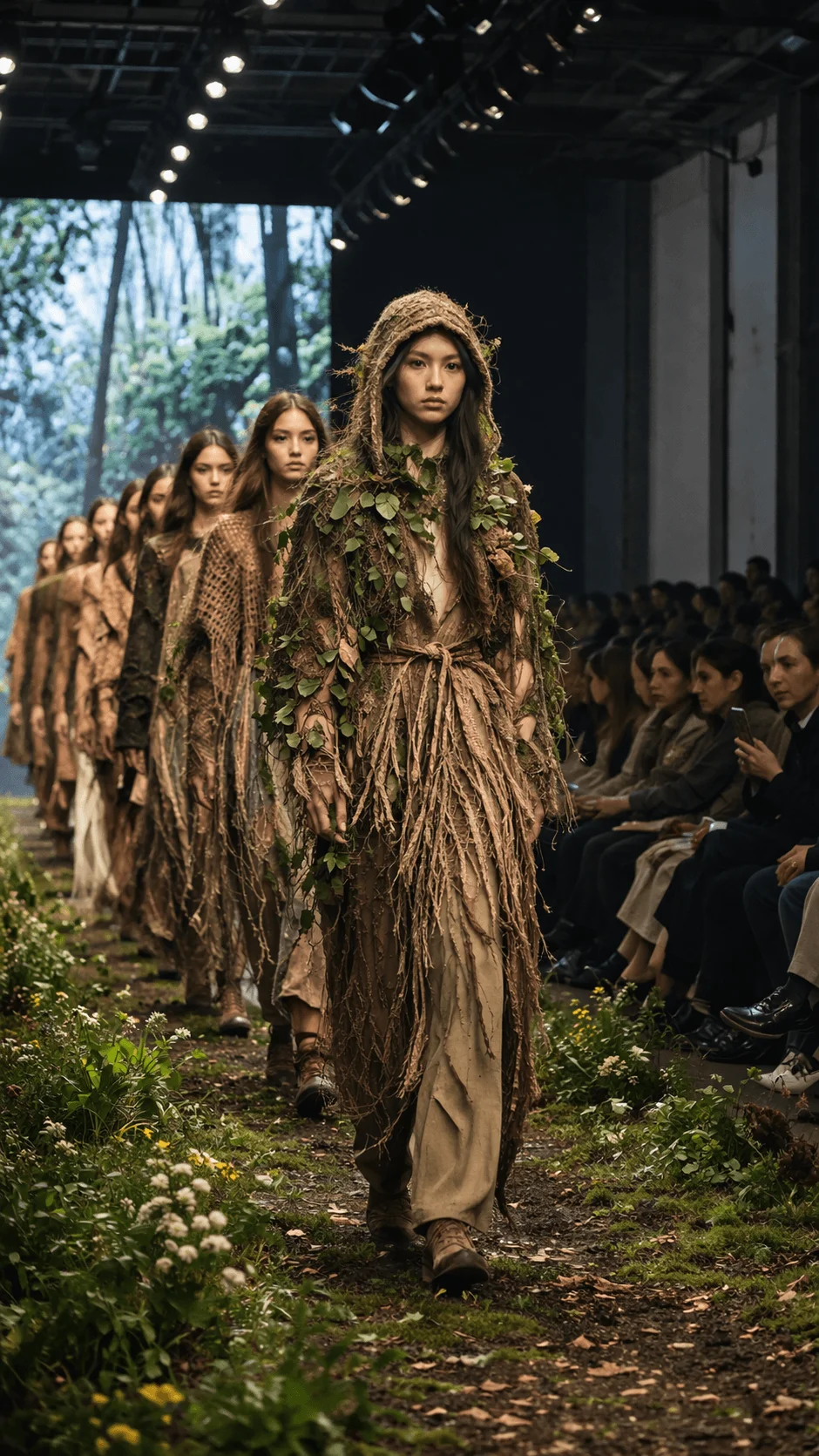
This concept connects the audience to the source of materials and the impact of production. It emphasizes the importance of giving back to nature and creating systems that restore rather than deplete. The storytelling element makes the show more engaging and meaningful, turning it into an educational experience.
Thrift Transformation Fashion Show
The thrift transformation fashion show highlights the creative potential of second hand clothing. Designers take existing garments and redesign them into fresh and modern pieces. The runway can showcase the transformation process, allowing the audience to see how each piece evolves.
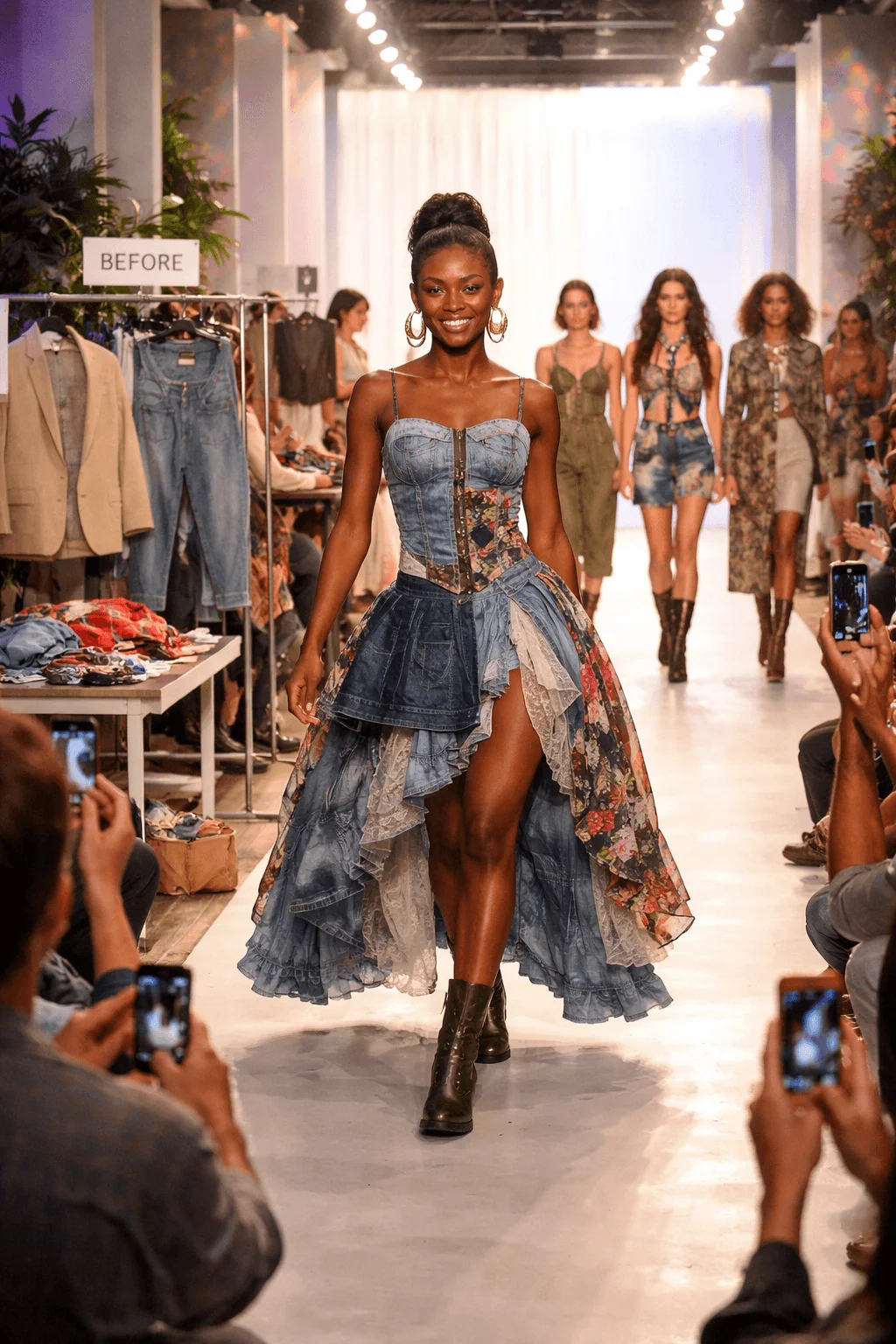
This idea promotes the value of reuse and encourages people to rethink their relationship with clothing. It shows that fashion does not always require new materials and that creativity can breathe new life into old items.
Living Fashion Show Concept
A living fashion show incorporates natural elements into garments, creating designs that feel alive and connected to the environment. These outfits may include plants, organic textures, or elements that change over time.
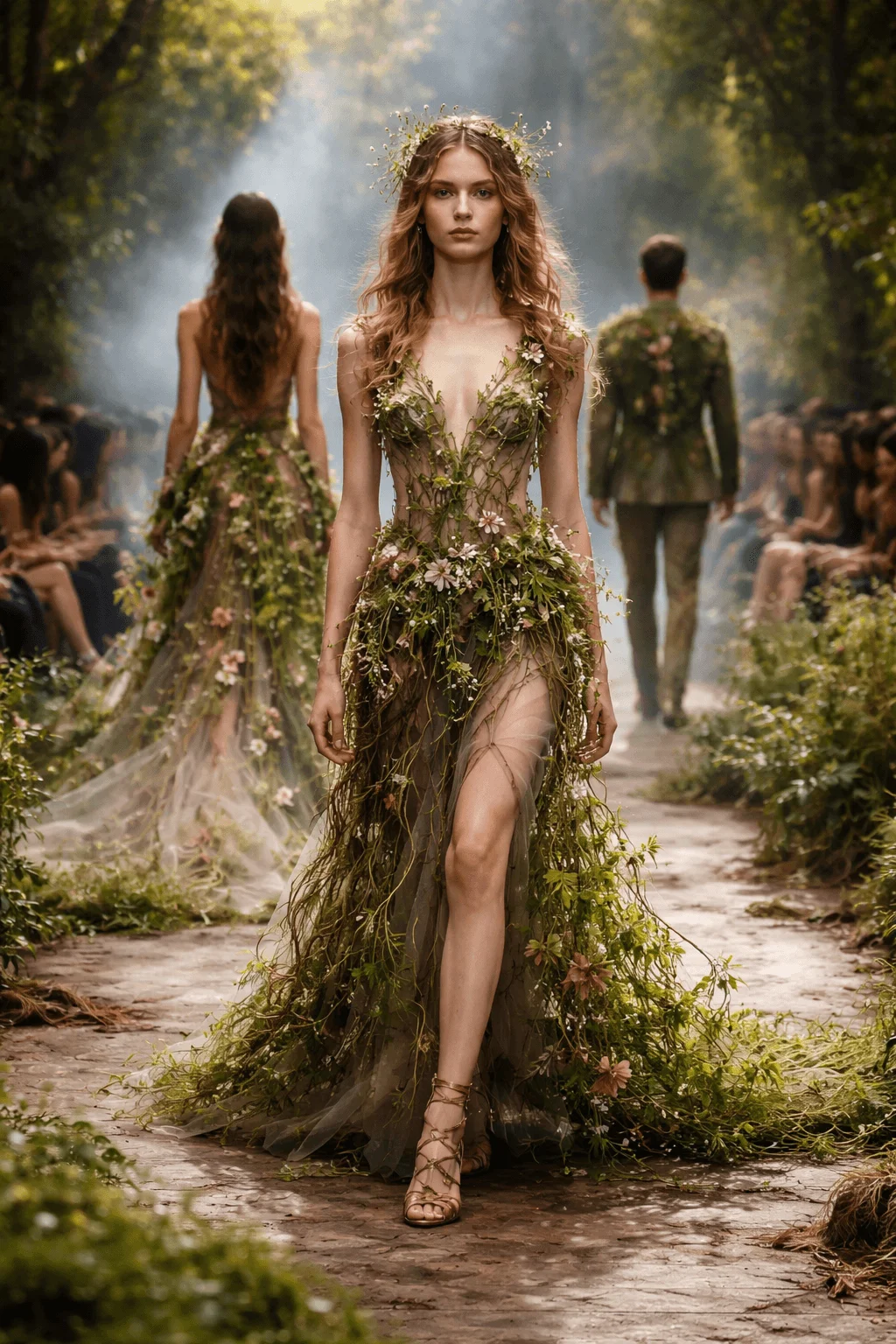
This concept creates a unique visual experience that stands out from traditional fashion shows. It also reinforces the idea that fashion and nature can coexist. The evolving nature of the garments adds depth and symbolism to the runway.
Technology Integrated Sustainable Wear
Technology integrated clothing brings innovation into sustainable fashion shows. Garments may include features that respond to environmental conditions or provide functional benefits.
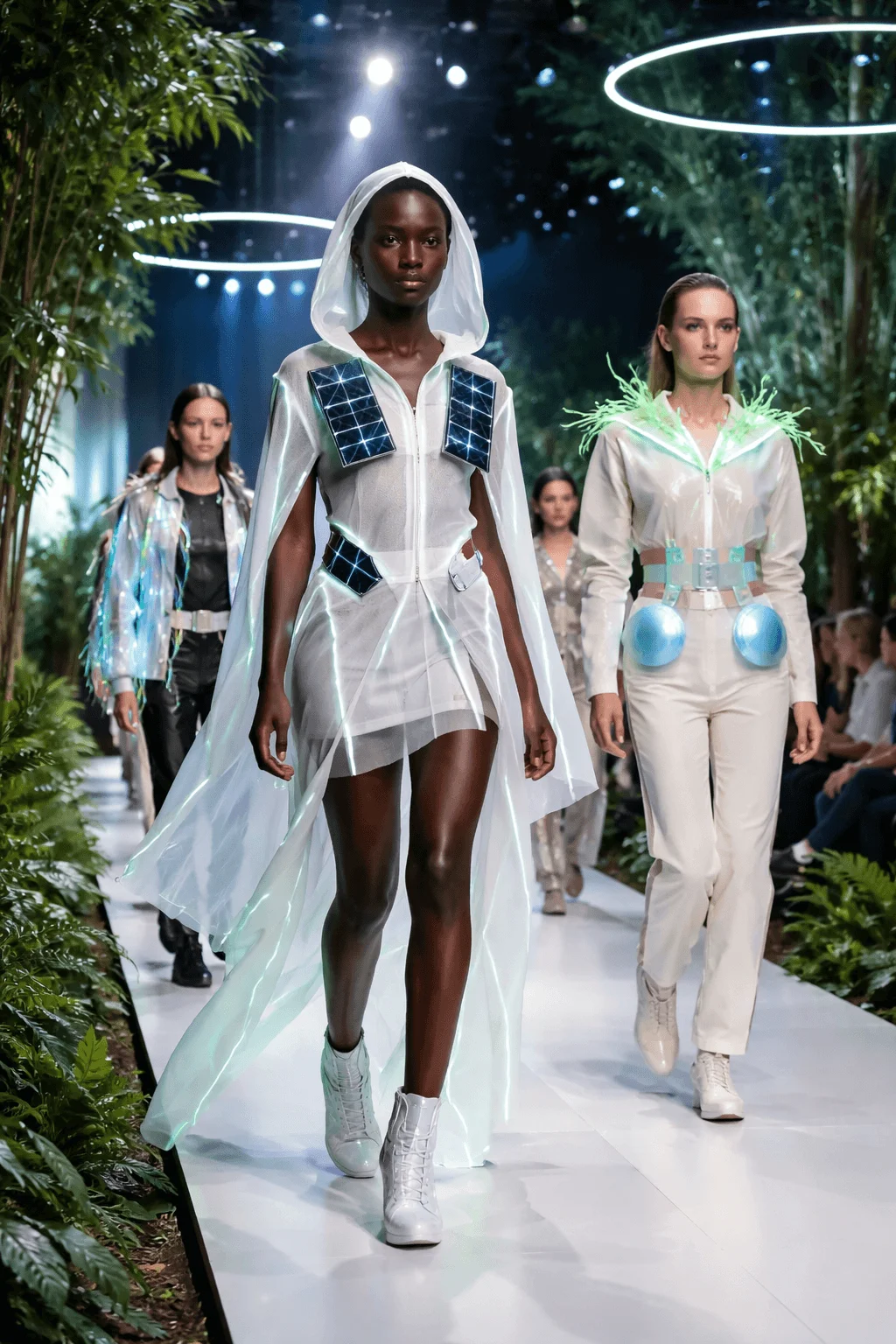
This idea demonstrates how sustainability and technology can work together. It shows that eco friendly fashion can also be advanced and futuristic. The runway becomes a space where practicality meets creativity.
Minimalist Capsule Wardrobe Runway
The minimalist capsule wardrobe runway focuses on simplicity and versatility. A limited number of garments are styled in multiple ways to create a wide range of looks.
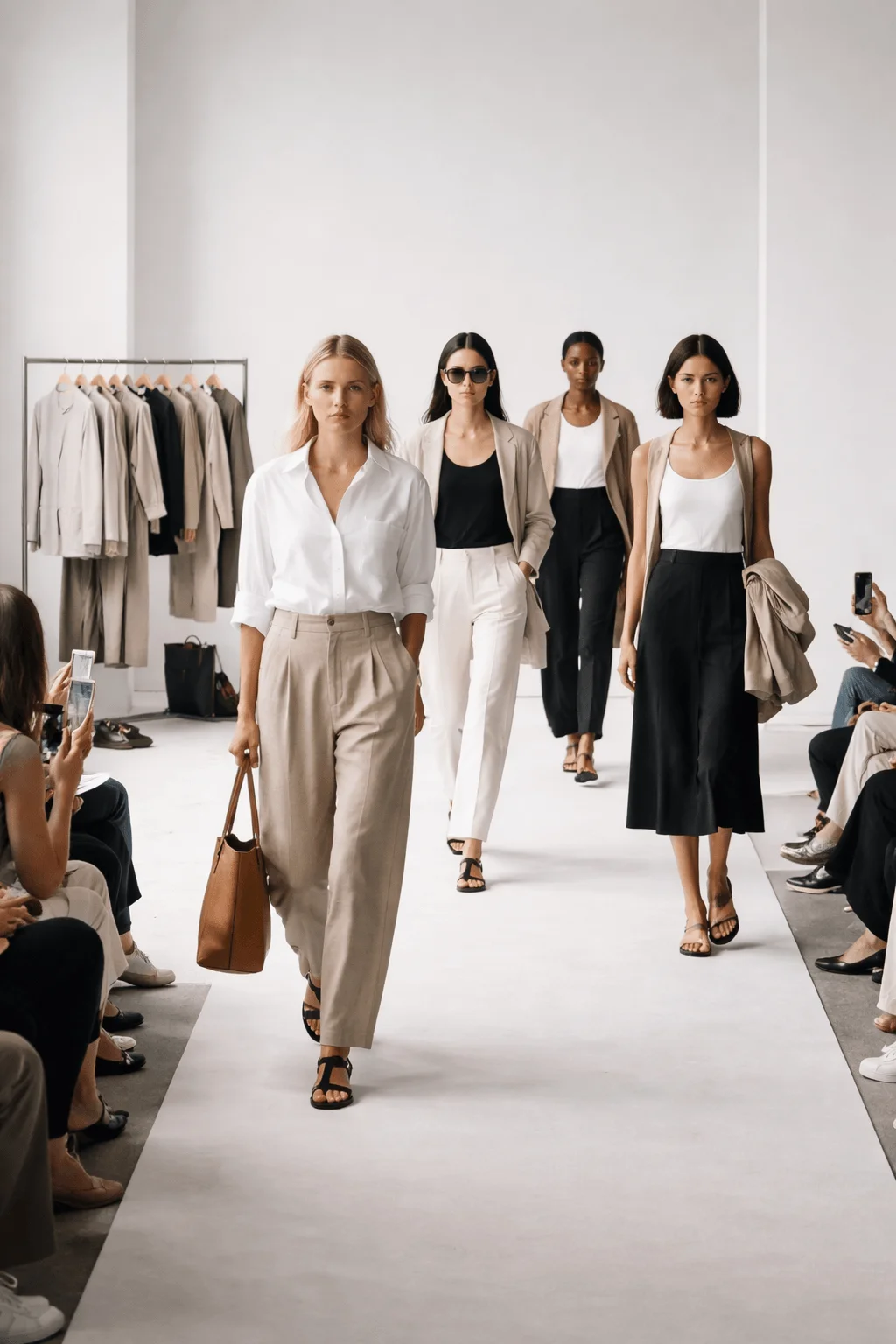
This concept encourages audiences to value quality over quantity. It shows that a smaller wardrobe can still offer variety and creativity. The runway becomes a demonstration of mindful consumption and intentional living.
Waste to Luxury Fashion Show
The waste to luxury fashion show transforms everyday waste into elegant and sophisticated designs. Materials such as plastic, paper, and industrial leftovers are reimagined into high end fashion pieces.
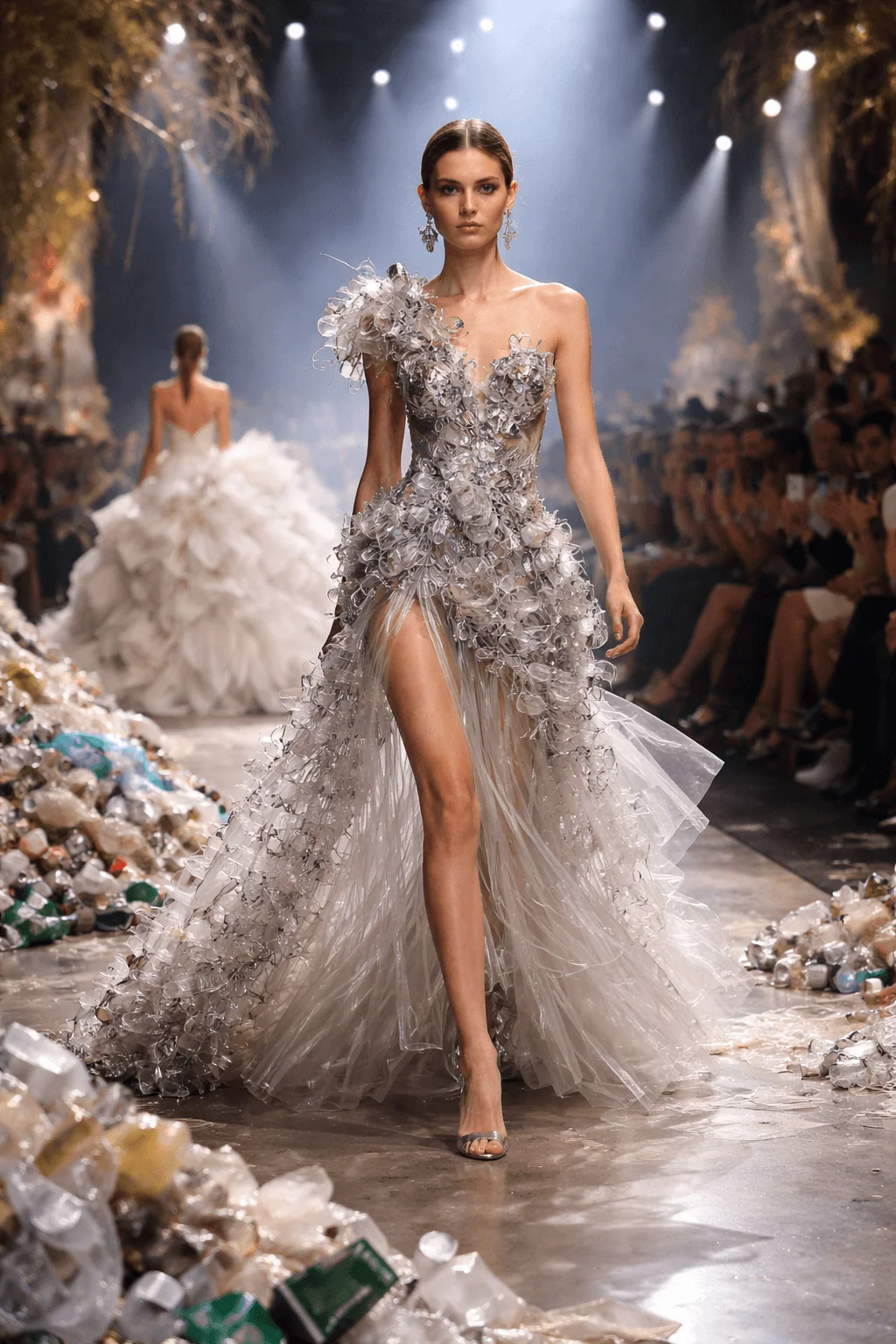
This idea creates a strong visual contrast that captures attention. It challenges the audience to reconsider what they define as valuable. The transformation process becomes a central part of the story, making the show both creative and thought provoking.
Cultural Sustainable Fashion Showcase
This concept celebrates traditional craftsmanship and local materials. Designers work with artisans to create garments that reflect cultural heritage while maintaining sustainable practices.
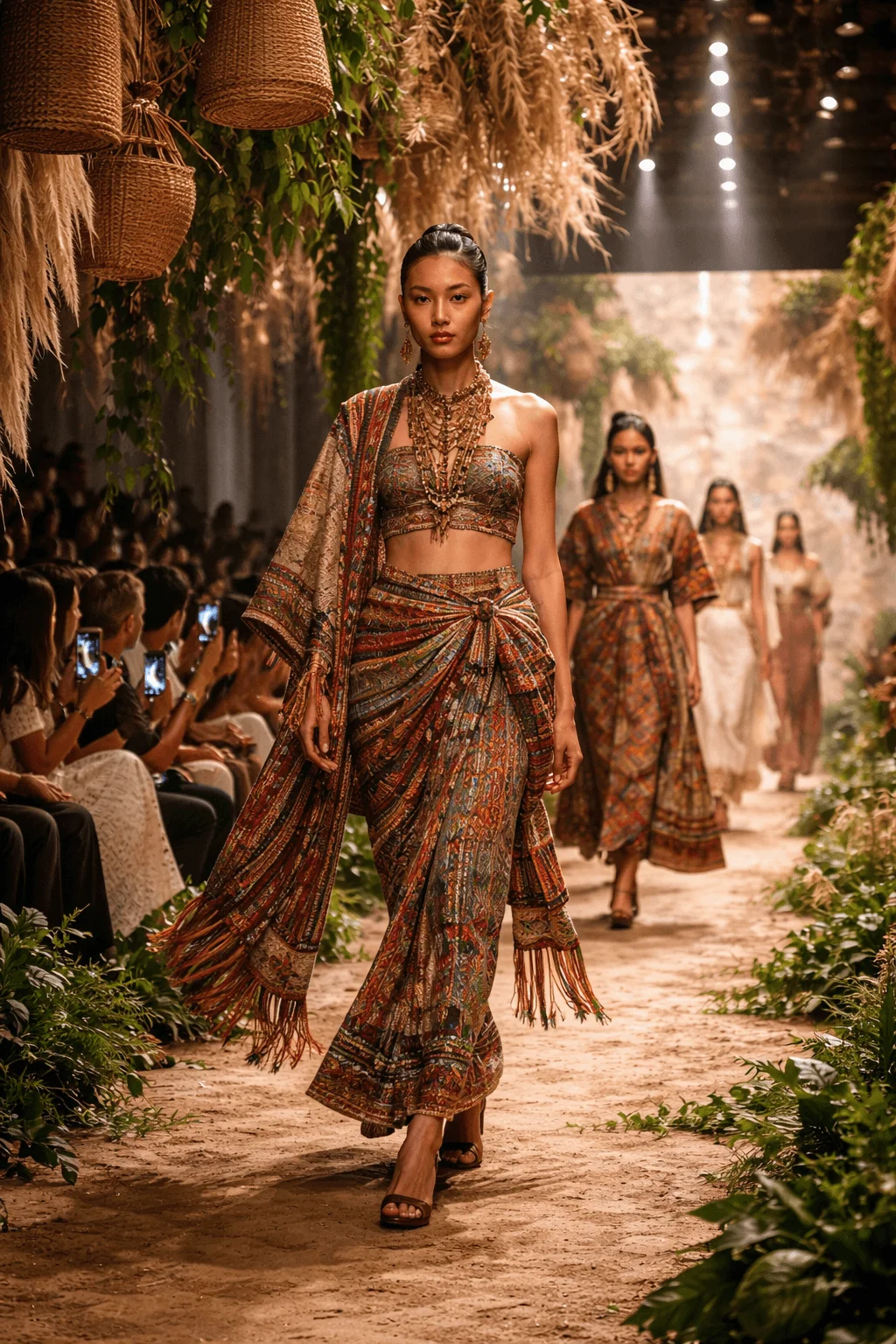
The runway becomes a platform for storytelling and cultural appreciation. It highlights the importance of preserving traditions while adapting them to modern sustainability goals. This idea also supports local communities and promotes ethical production.
Interactive Audience Fashion Show
An interactive fashion show invites the audience to become part of the experience. They may influence styling decisions or participate in certain aspects of the show.
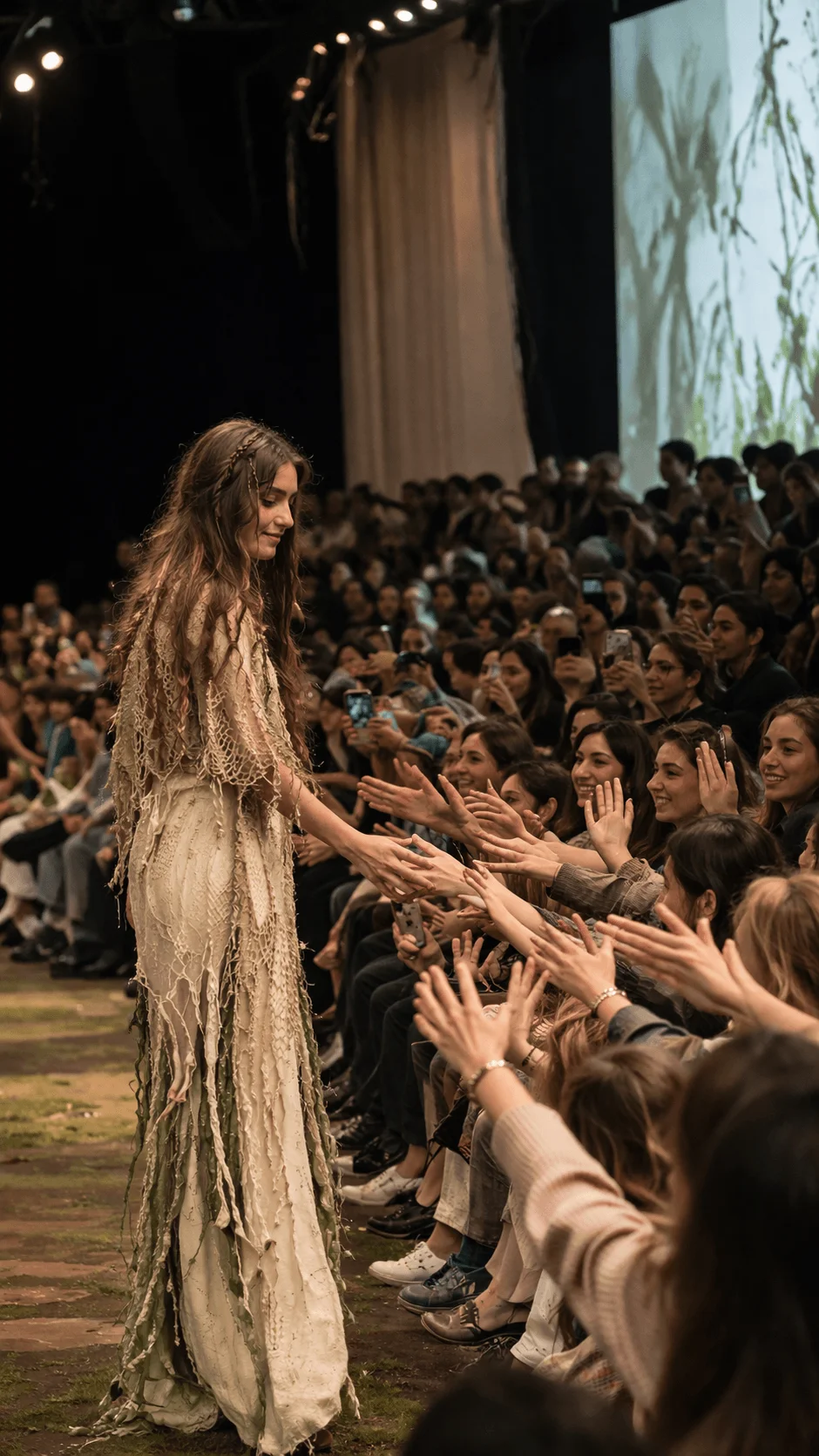
This approach creates a deeper connection between the audience and the concept of sustainability. It turns the runway into a shared experience rather than a one sided presentation. Engagement becomes a key element of the show’s success.
Climate Change Awareness Runway
The climate change awareness runway uses fashion to tell a powerful story about environmental challenges. Each outfit represents a stage of impact, from damage to recovery.
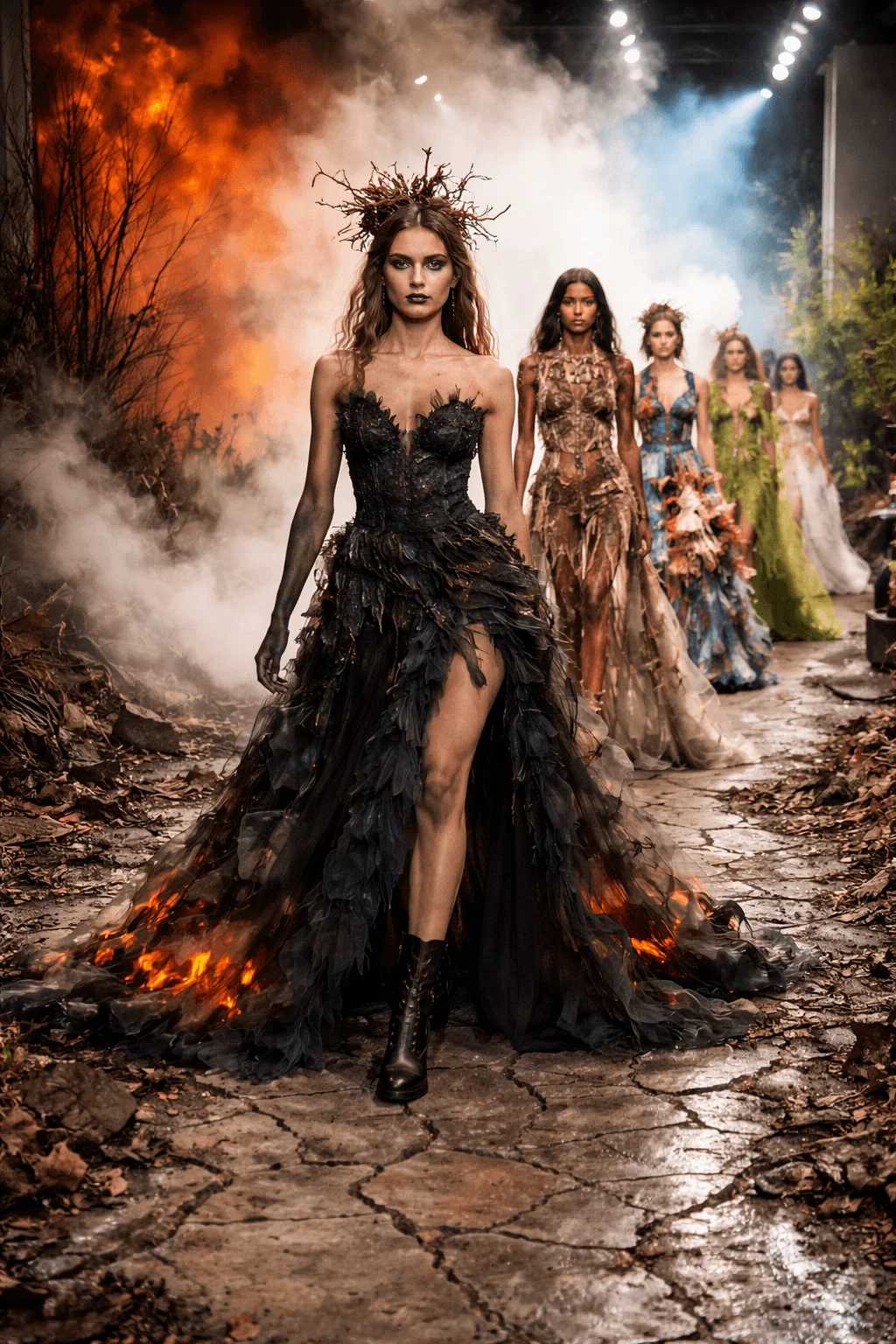
This concept uses visual storytelling to create emotional impact. It helps the audience understand complex issues in a simple and relatable way. The runway becomes a medium for awareness and inspiration.
Rental and Shared Fashion Show
The rental and shared fashion show focuses on access rather than ownership. Garments presented on the runway are part of a system where they are shared or rented.
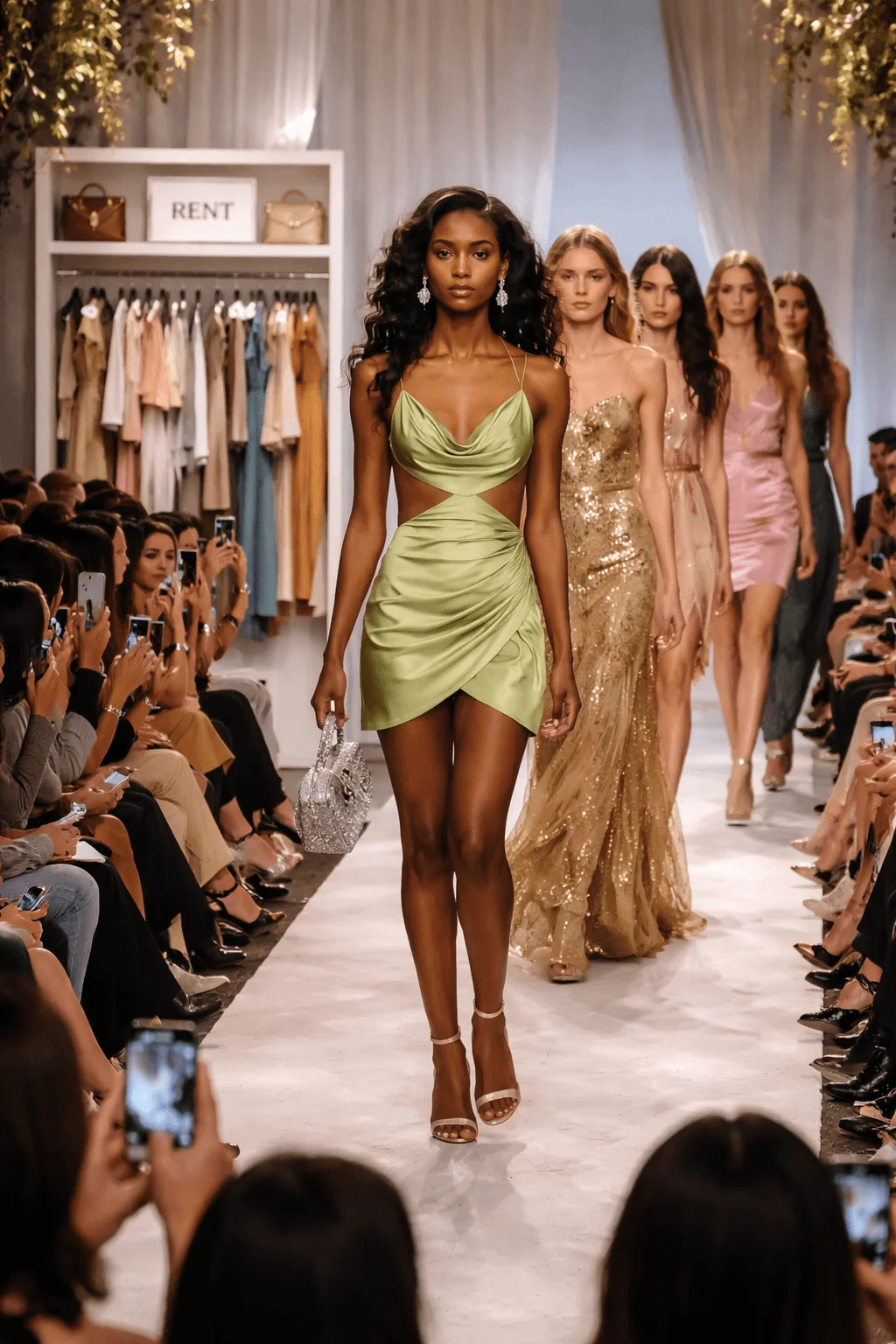
This idea reflects changing consumer behavior and promotes a more sustainable approach to fashion. It shows that style does not require constant ownership and that sharing can reduce waste.
Conclusion
Sustainable fashion shows in 2026 represent a new era of creativity and responsibility. They go beyond showcasing clothing and become powerful tools for storytelling, innovation, and awareness. By exploring ideas such as upcycling, circular fashion, and interactive experiences, these shows redefine what fashion can achieve.
As the industry continues to evolve, sustainable fashion shows will remain at the forefront of change. They inspire designers to think differently, encourage audiences to adopt mindful habits, and demonstrate that fashion can be both beautiful and responsible at the same time.