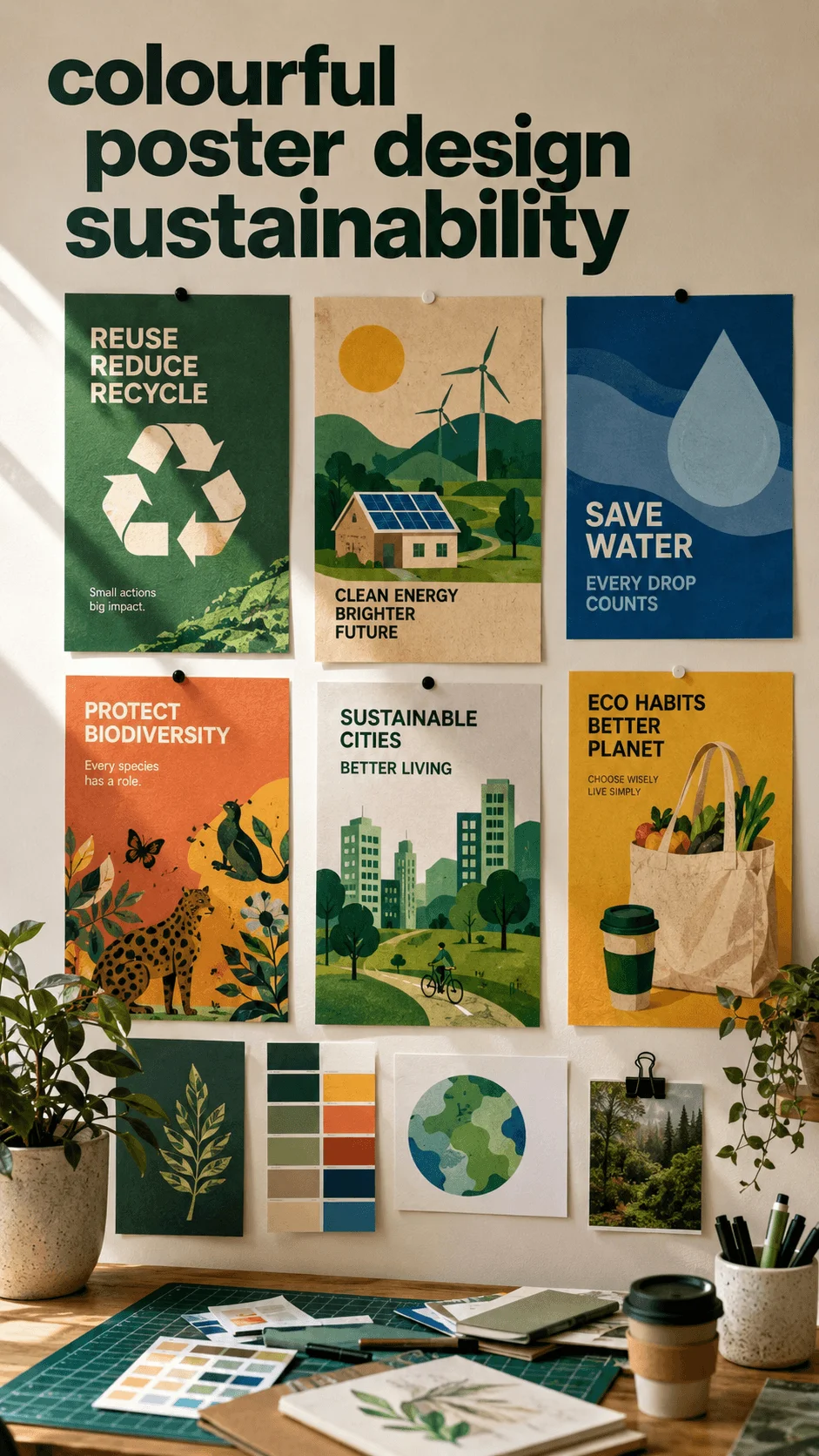
Sustainability Graphic Design Illustrations
Sustainability has evolved from a supporting concept into a central philosophy that shapes modern visual communication. In 2026, graphic design illustrations are not only used to decorate or attract attention, but to influence how people think about the environment, consumption, and responsibility. The role of illustration has expanded beyond aesthetics into a medium of persuasion and education.
Illustrations have the ability to simplify complex environmental challenges and turn them into visual narratives that feel human and relatable. Instead of presenting cold facts, they create emotional connections that encourage reflection and change. This is why sustainability illustration trends in 2026 are deeply rooted in meaning, storytelling, and intentional design decisions.
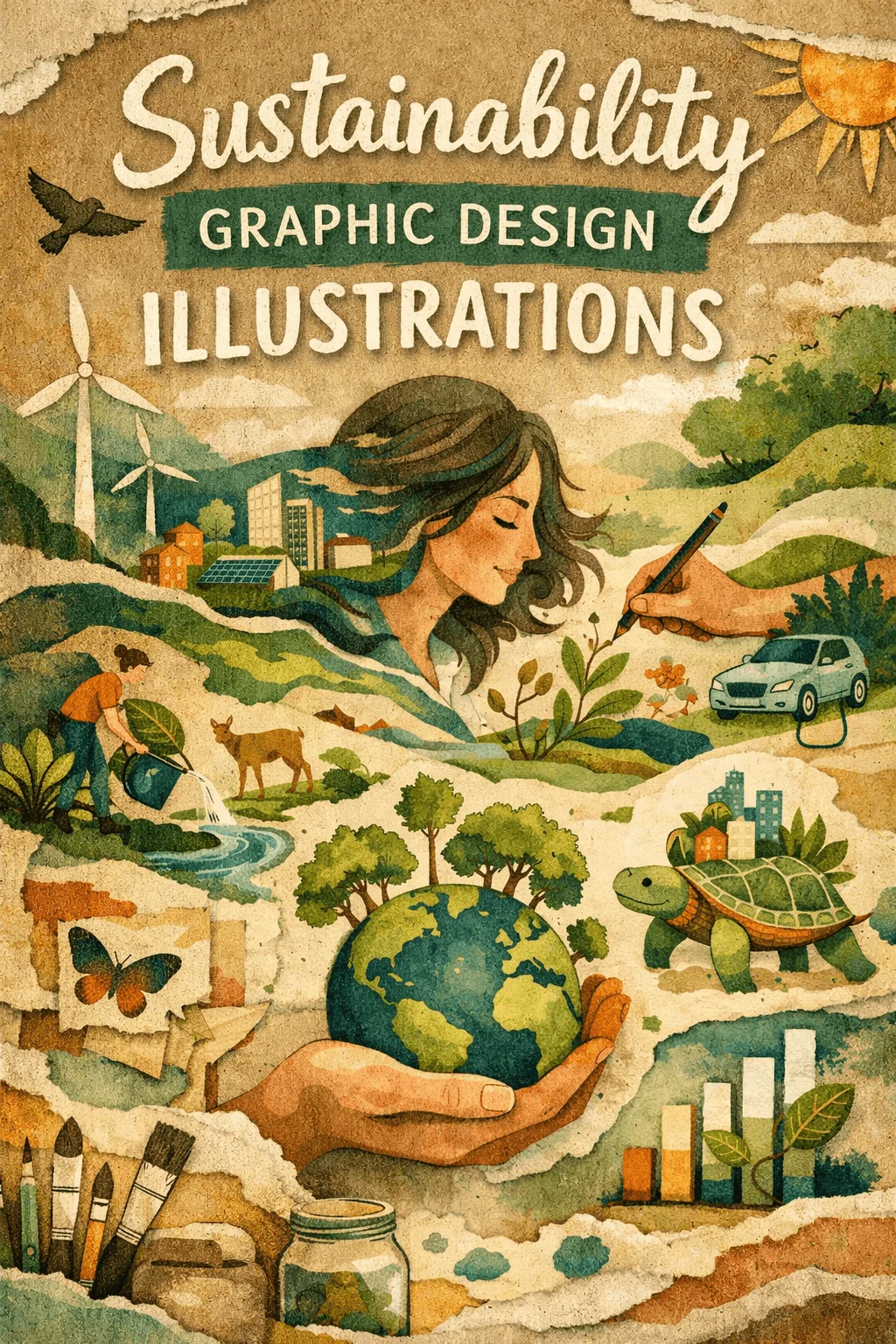
Designers today are not just asking how to create something visually appealing. They are asking what message it sends, how it affects the viewer, and whether it contributes positively to the world.
Humanized Imperfection in Illustration
One of the most noticeable shifts in 2026 is the move toward imperfection in illustration. Designers are intentionally moving away from overly polished visuals and embracing irregular lines, rough textures, and hand drawn elements. This approach reflects a deeper cultural shift where audiences are seeking authenticity in a world saturated with artificial perfection.
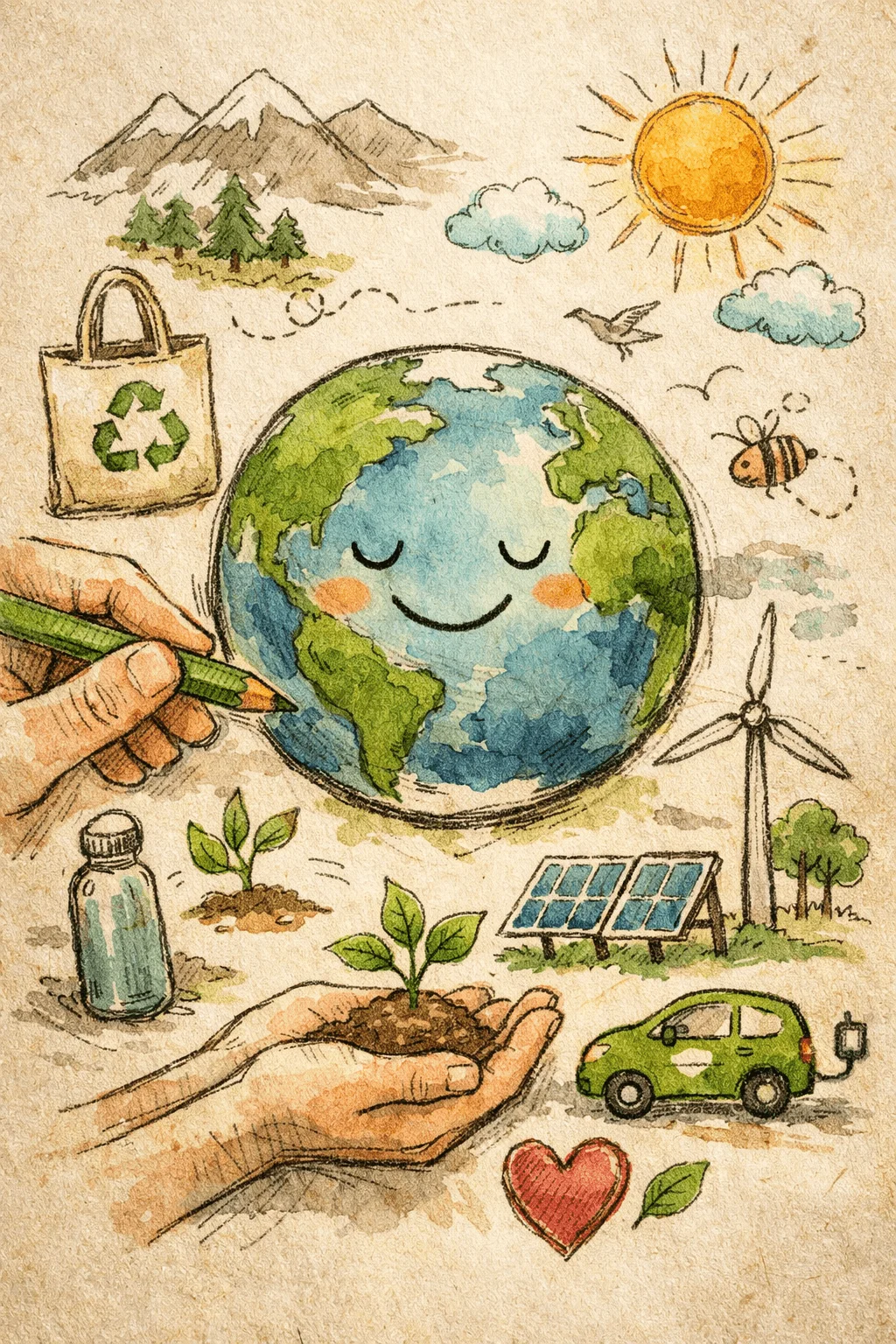
The idea goes beyond aesthetics. Imperfect illustrations communicate honesty and transparency. They suggest that the design has a human behind it, someone who made conscious choices rather than relying entirely on automated processes. This aligns strongly with sustainability because it values effort, individuality, and mindful creation.
In branding and campaigns, this style can create a sense of trust and warmth. It invites the viewer to connect with the message on a personal level. The slight irregularities in the design make it feel alive and relatable, which is essential when communicating environmental responsibility.
Nature Integrated Visual Storytelling
Another powerful trend is the integration of nature directly into visual narratives. Instead of treating nature as a background element, designers are making it a central character within the illustration. Humans, animals, and ecosystems are depicted as interconnected parts of the same system.
This approach reflects a growing awareness that sustainability is not about protecting something separate from us, but about understanding our place within a larger ecological network. Illustrations might show cities transforming into forests or people merging with natural elements, creating a seamless visual story.
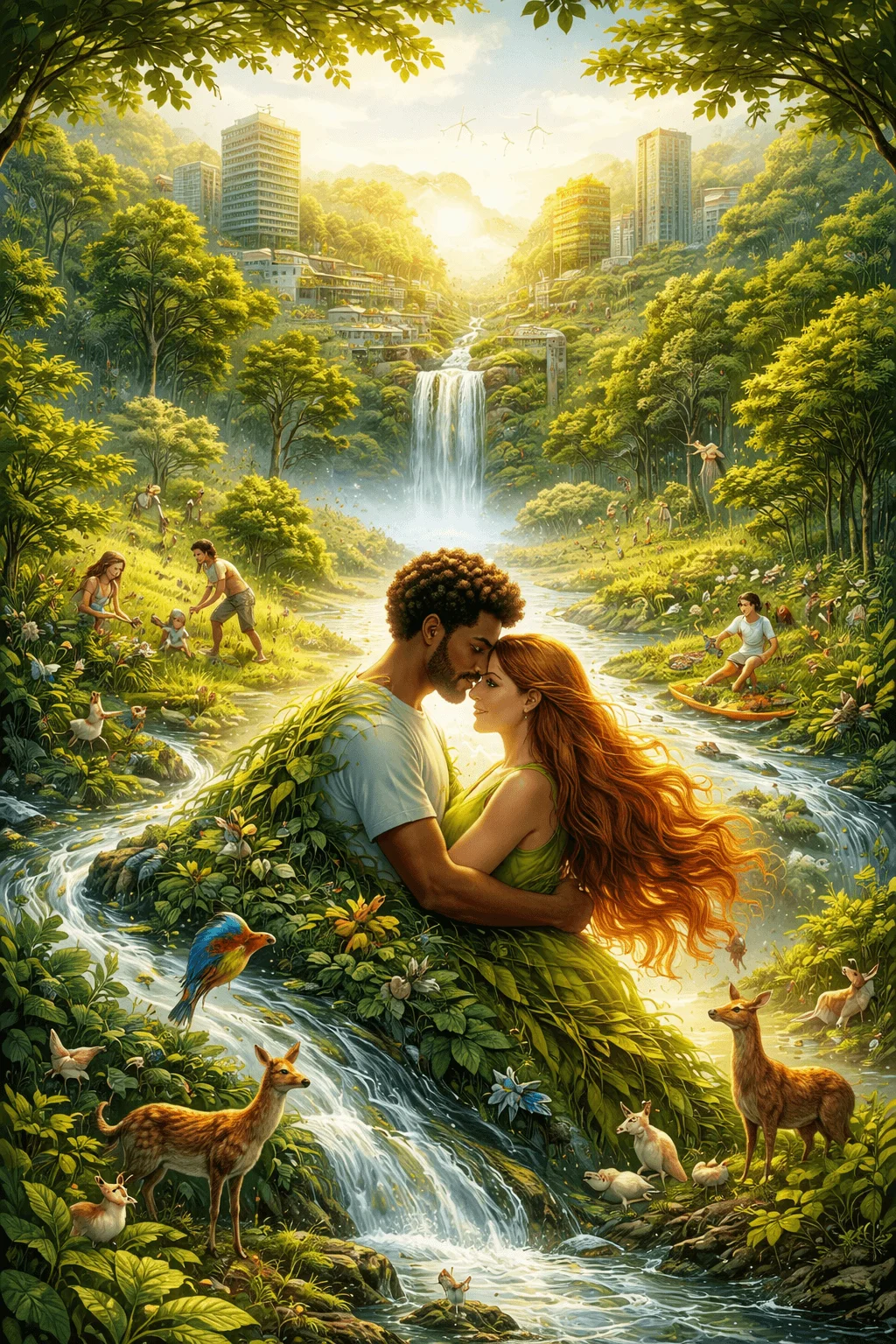
This type of storytelling is particularly effective in sustainability campaigns because it shifts the viewer’s perspective. It encourages them to see themselves as part of the environment rather than separate from it. The emotional impact is powerful because it creates a sense of belonging and responsibility at the same time.
Earth Tone and Atmospheric Color Narratives
Color choices in 2026 are becoming more intentional and emotionally driven. Designers are moving toward earthy tones combined with soft gradients that create depth and atmosphere. These colors are inspired by natural elements such as soil, plants, and sky, which immediately evoke a sense of calm and stability.

The use of these palettes is not just about visual appeal. It reflects a conscious effort to move away from aggressive and attention seeking colors that dominate commercial design. Instead, the focus is on creating a visual environment that feels balanced and grounded.
In illustration, this approach helps communicate sustainability in a subtle yet effective way. The viewer may not consciously analyze the colors, but they feel the difference. The result is a sense of trust and harmony that supports the overall message.
Textured Organic Illustration Surfaces
Texture has become a key element in creating meaningful illustrations. Designers are incorporating surfaces that resemble paper, fabric, or natural materials to add depth and realism. These textures create a tactile quality that makes digital illustrations feel more physical and grounded.
This trend connects to sustainability by emphasizing material awareness. Even though the illustration exists in a digital space, it references real world materials and their characteristics. This creates a bridge between the digital and physical worlds.
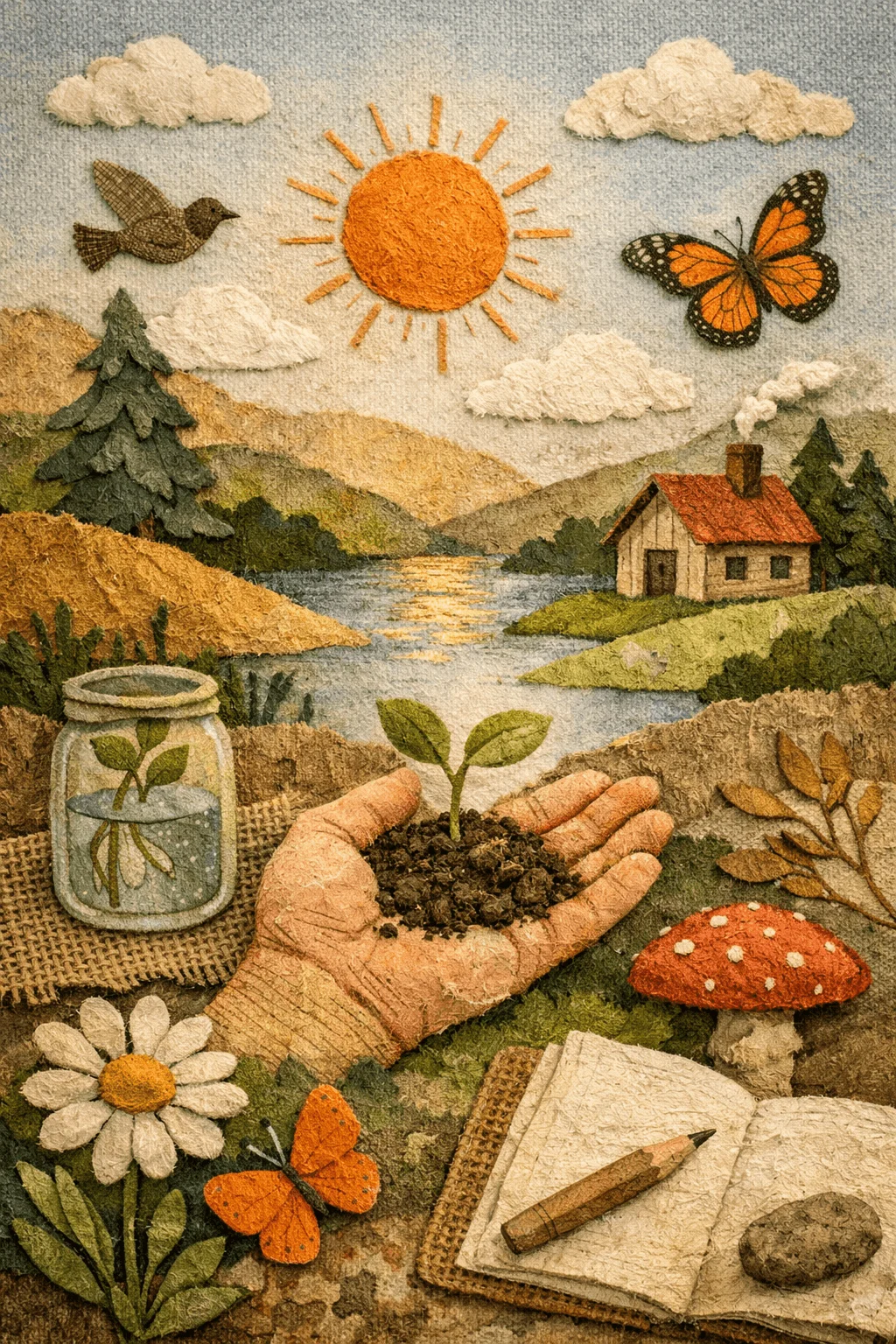
From a storytelling perspective, texture adds another layer of emotion. It makes the illustration feel richer and more immersive. The viewer is not just looking at an image but experiencing it in a more sensory way.
Anti Digital Craft Aesthetic
There is a growing desire to move away from purely digital aesthetics and reconnect with traditional artistic techniques. This has led to the rise of illustrations that mimic painting, sketching, and printmaking.
This trend reflects a broader cultural movement that values craftsmanship and intentional creation. In the context of sustainability, it highlights the importance of slowing down and focusing on quality rather than quantity.
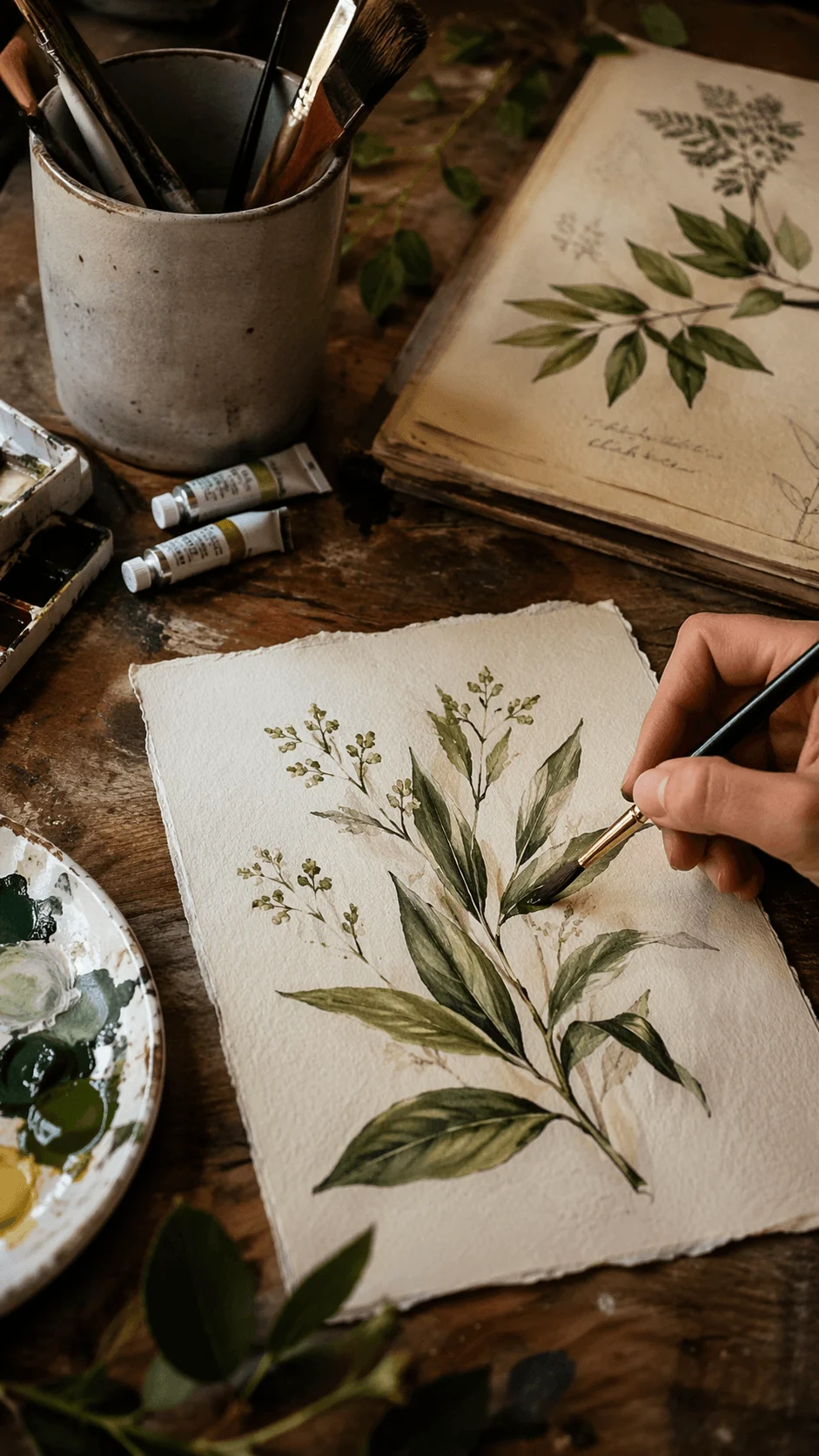
Designers who adopt this approach are able to create work that feels unique and timeless. It stands out in a digital landscape that often feels repetitive and automated. The emotional impact is a sense of warmth and authenticity that resonates deeply with audiences.
Biophilic Illustration Design
Biophilic design is based on the idea that humans have an inherent connection to nature. In illustration, this translates into the use of organic shapes, natural patterns, and flowing compositions that mimic ecosystems.
This approach goes beyond simply adding plants or trees to a design. It involves understanding how natural systems function and translating that into visual form. The result is an illustration that feels alive and interconnected.
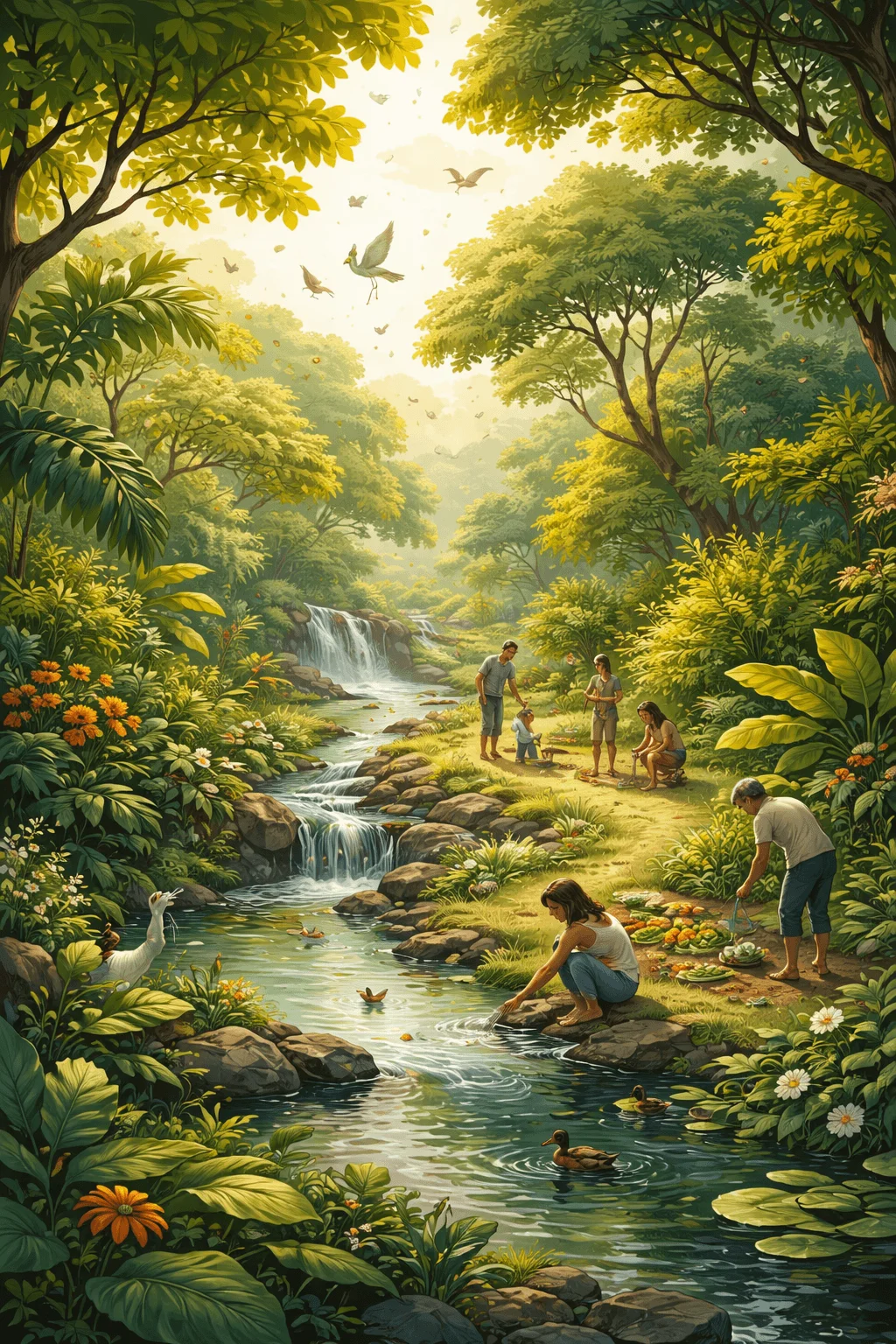
The psychological effect of biophilic design is well documented. It reduces stress and creates a sense of well being. When applied to sustainability illustrations, it reinforces the idea that living in harmony with nature is both desirable and necessary.
Minimal Color Sustainable Illustration
Minimalism in illustration is taking on a new meaning in 2026. It is no longer just about clean design but about intentional reduction. Designers are using fewer colors and simpler compositions to communicate ideas more efficiently.
This approach aligns with sustainable thinking because it reflects the principle of using less to achieve more. By removing unnecessary elements, the message becomes clearer and more impactful.
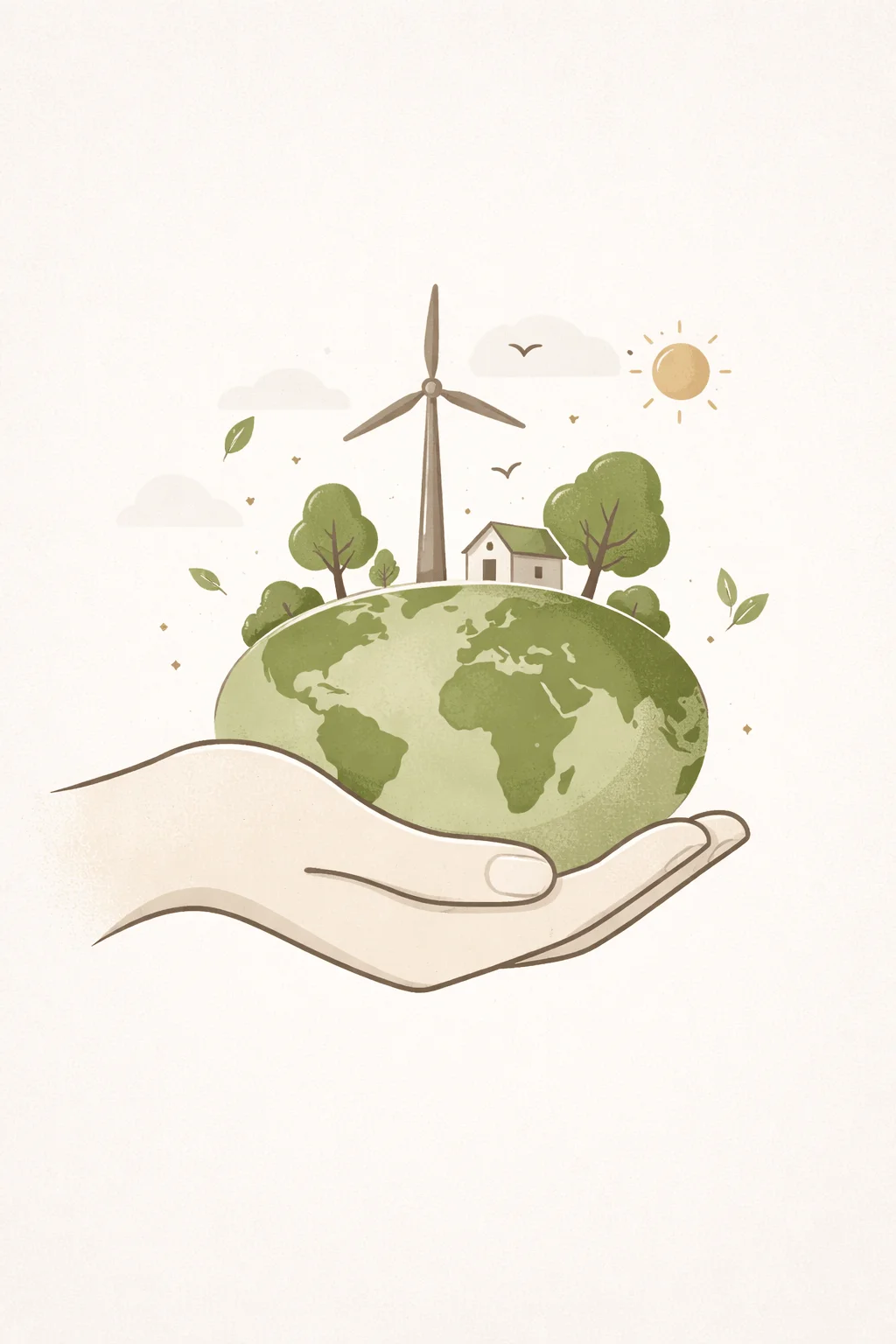
The simplicity also makes the illustration more accessible. It allows the viewer to focus on the core idea without distraction. This is especially important in sustainability communication where clarity is essential.
Eco Futuristic Illustration Concepts
Illustrations are increasingly being used to imagine sustainable futures. Designers are creating visuals that depict cities powered by renewable energy, communities living in balance with nature, and technologies that support environmental well being.
These illustrations serve as both inspiration and vision. They show what is possible rather than just highlighting current problems. This shift toward positive storytelling is important because it motivates action.
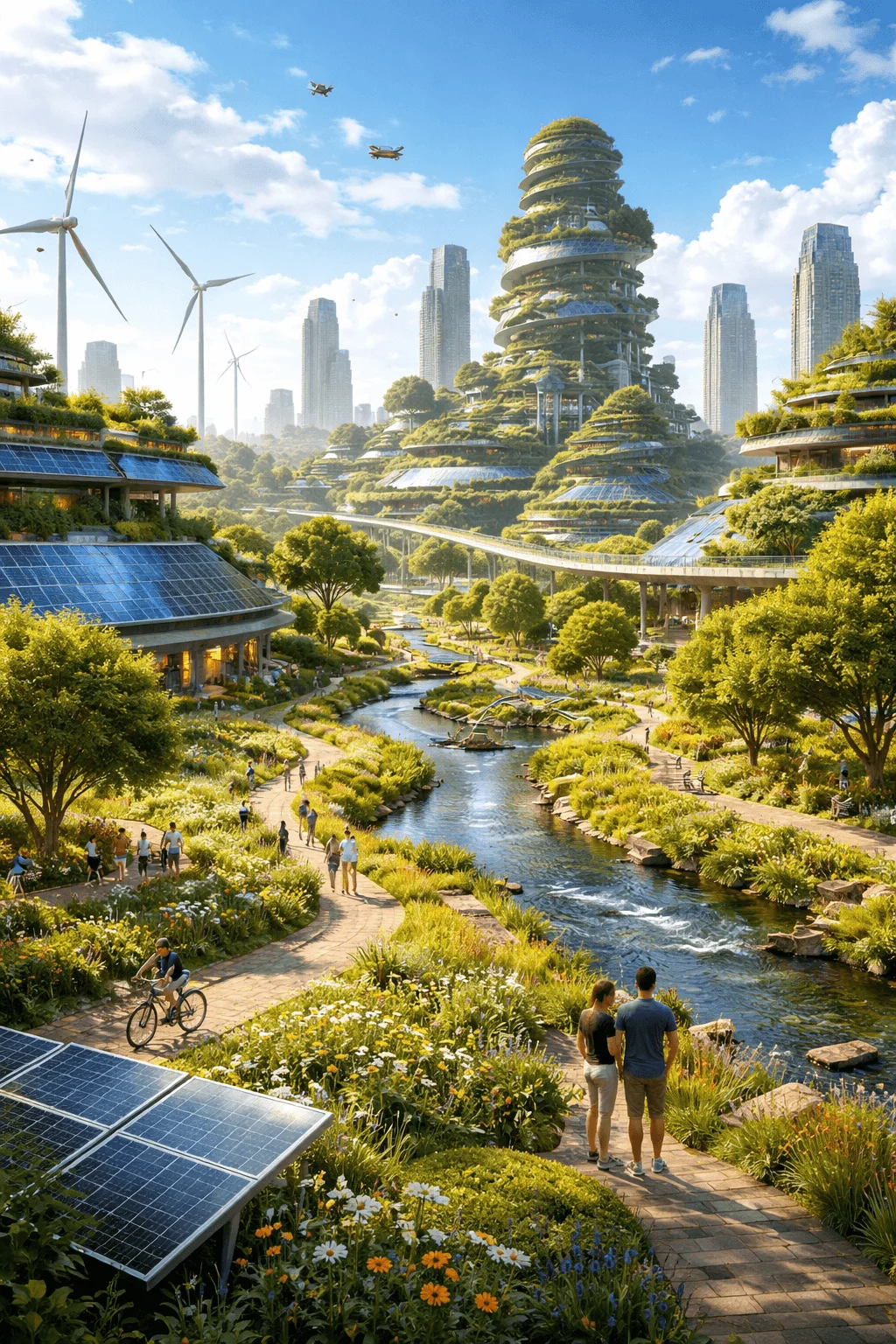
The emotional impact of these visuals is hope. They encourage viewers to believe that change is achievable and worth pursuing.
Surreal Environmental Narratives
Surrealism allows designers to explore environmental themes in a more expressive and imaginative way. By breaking the rules of reality, they can create visuals that capture attention and provoke thought.
These illustrations often combine unexpected elements to highlight environmental issues. For example, a melting city might represent climate change or a floating forest might symbolize fragility.
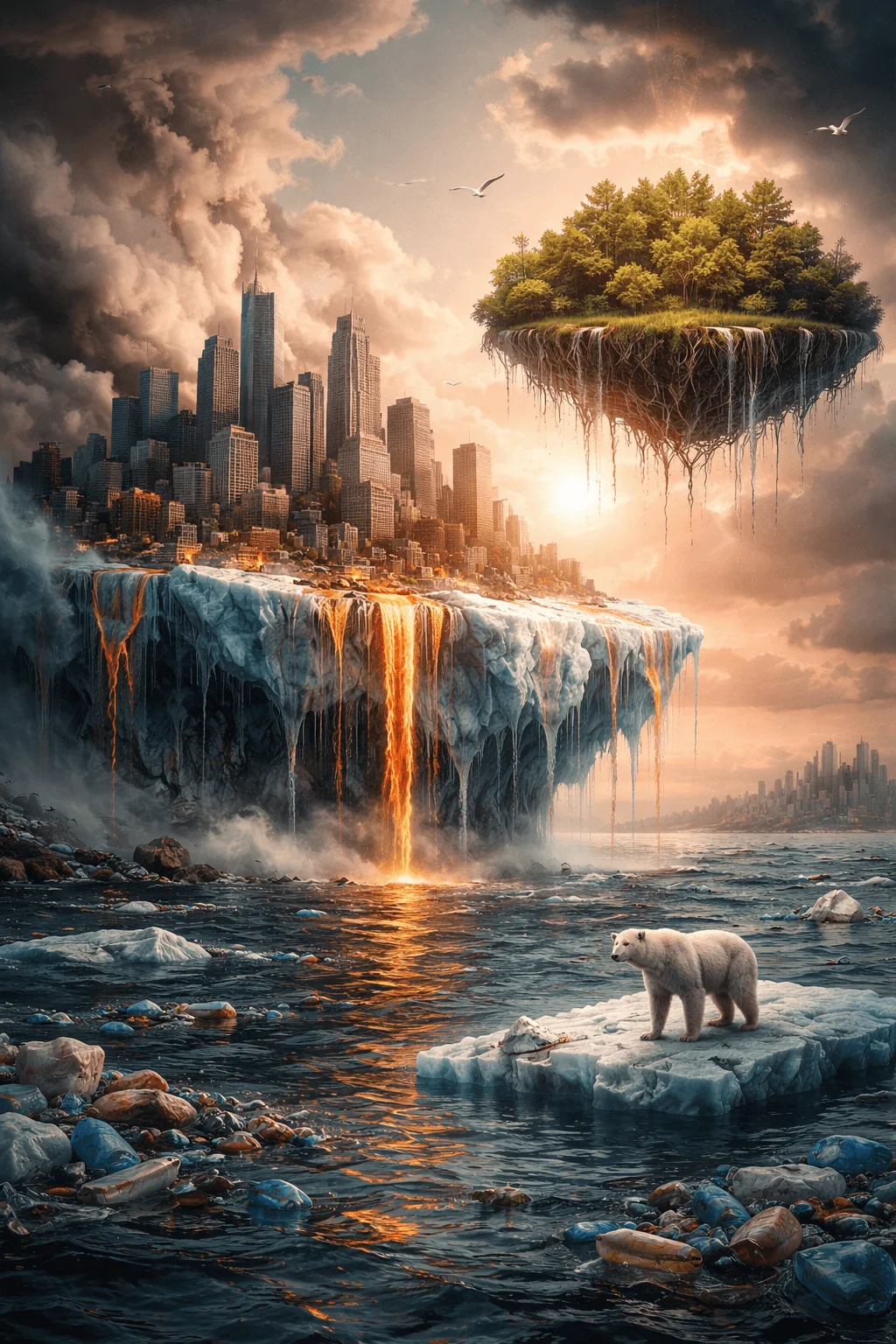
The strength of this approach lies in its ability to create lasting impressions. Surreal visuals are memorable and encourage deeper reflection, making them effective tools for awareness.
Recycled Collage Inspired Illustration
Collage techniques are being reimagined in digital illustration to represent the concept of reuse and transformation. By combining different visual elements into a single composition, designers create a sense of layering and reconstruction.
This approach directly reflects the idea of recycling. It shows how existing materials can be reassembled into something new and meaningful. The visual complexity adds interest while reinforcing the message.
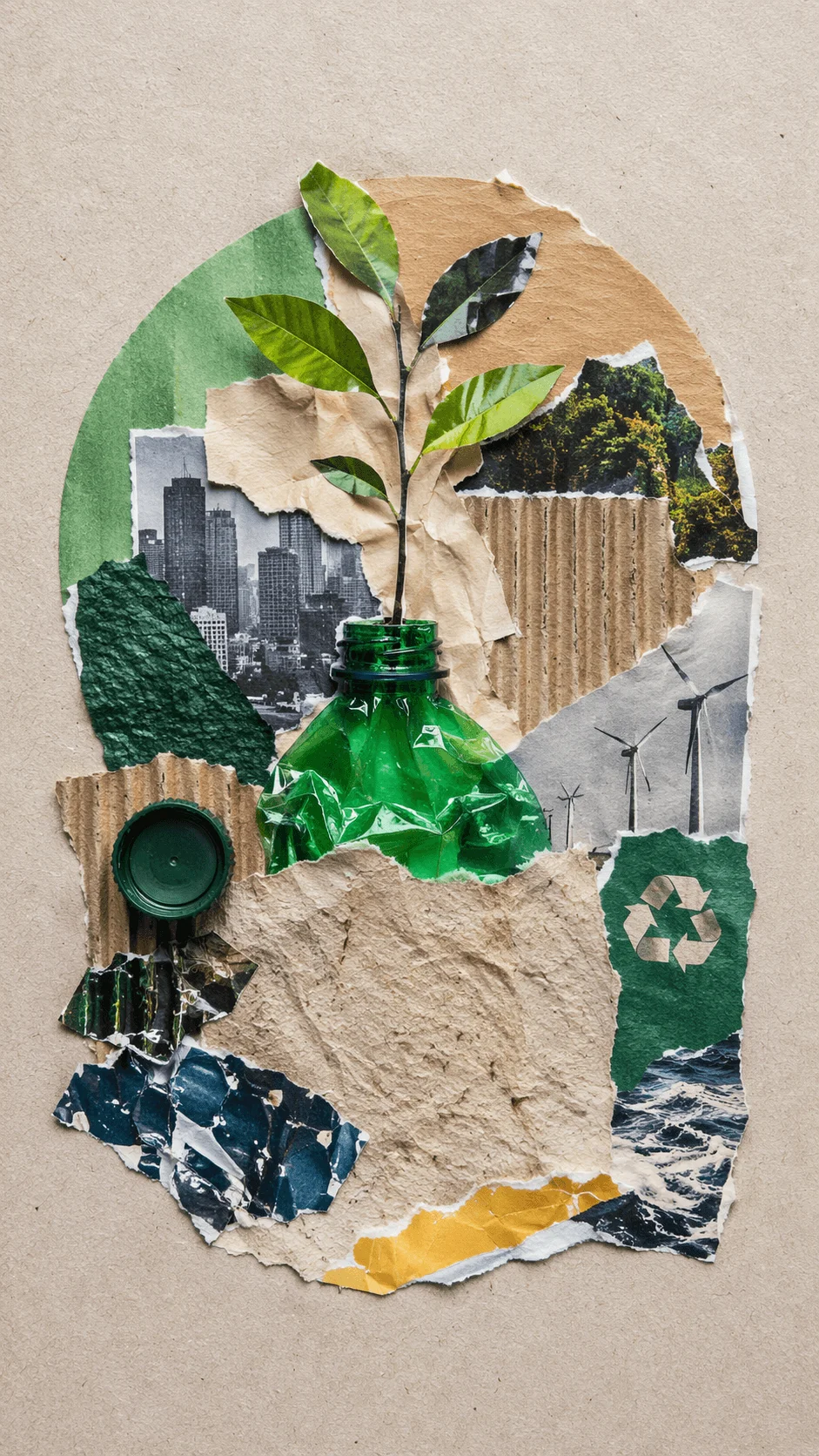
In campaigns, this style can effectively communicate ideas related to circular economy and resource management.
Data Driven Environmental Storytelling
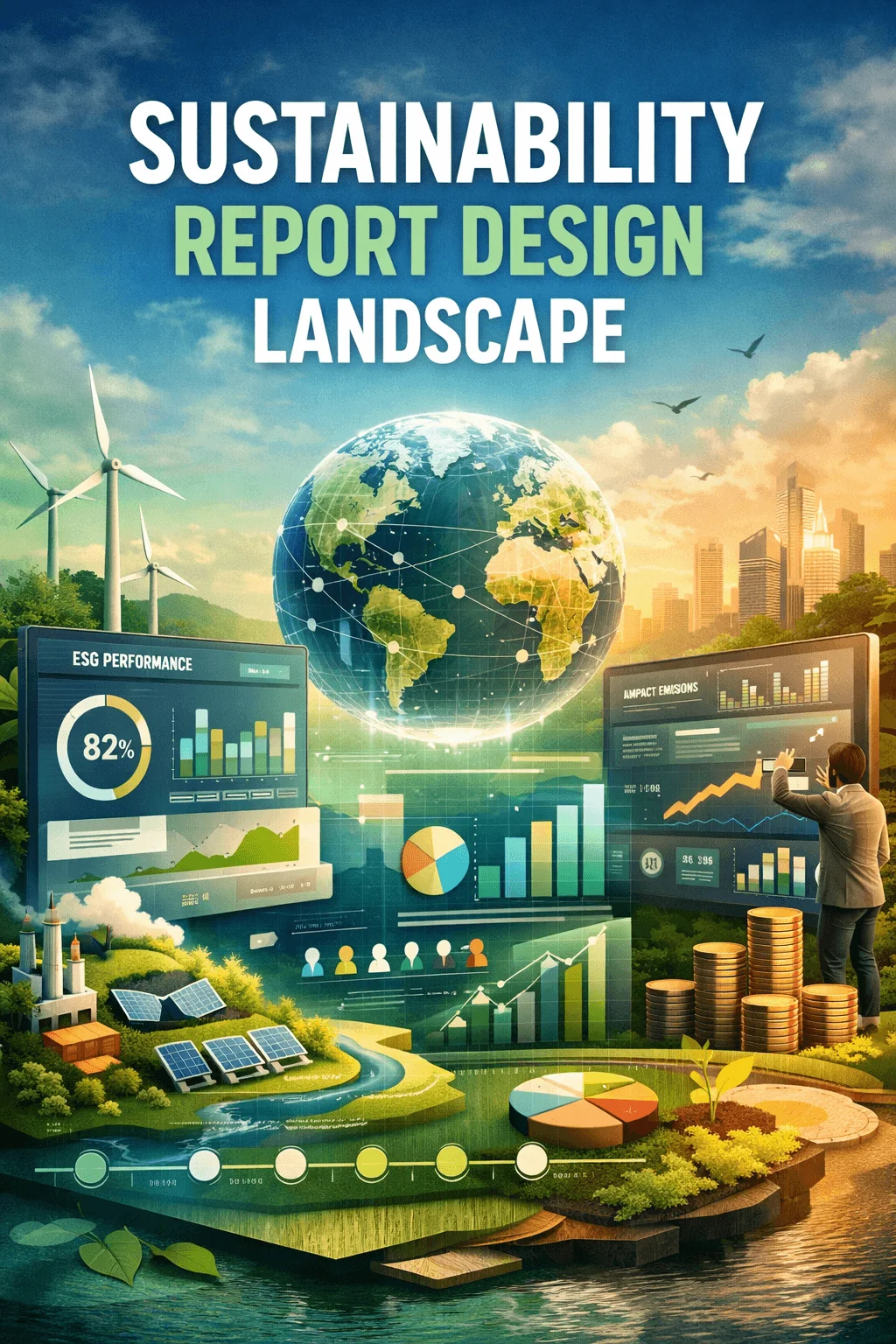
Data is an important part of sustainability communication, but it can often feel overwhelming. Designers are addressing this by integrating data into illustrations in a way that feels engaging and accessible.
Instead of presenting charts alone, they are creating visual narratives where data becomes part of the story. This makes information easier to understand and more emotionally engaging.
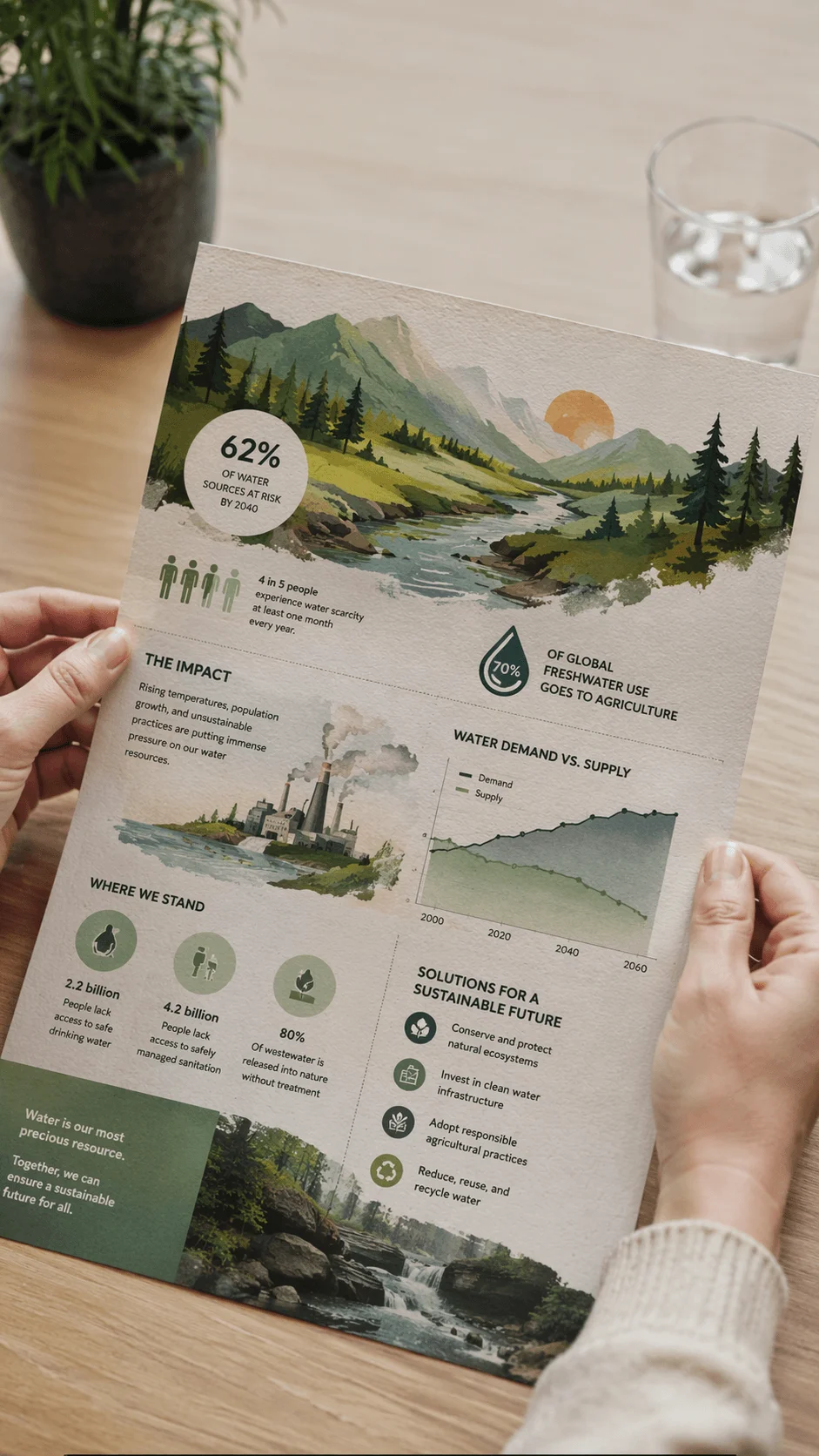
This approach is particularly valuable for educational content and reports. It transforms information into something that people can connect with and remember.
Motion Based Illustration Experiences
Movement adds a new dimension to illustration. In 2026, designers are using animation to bring sustainability stories to life. Processes such as recycling, energy flow, and environmental change can be shown in a dynamic way.
This makes complex concepts easier to understand. It also increases engagement because movement naturally attracts attention.
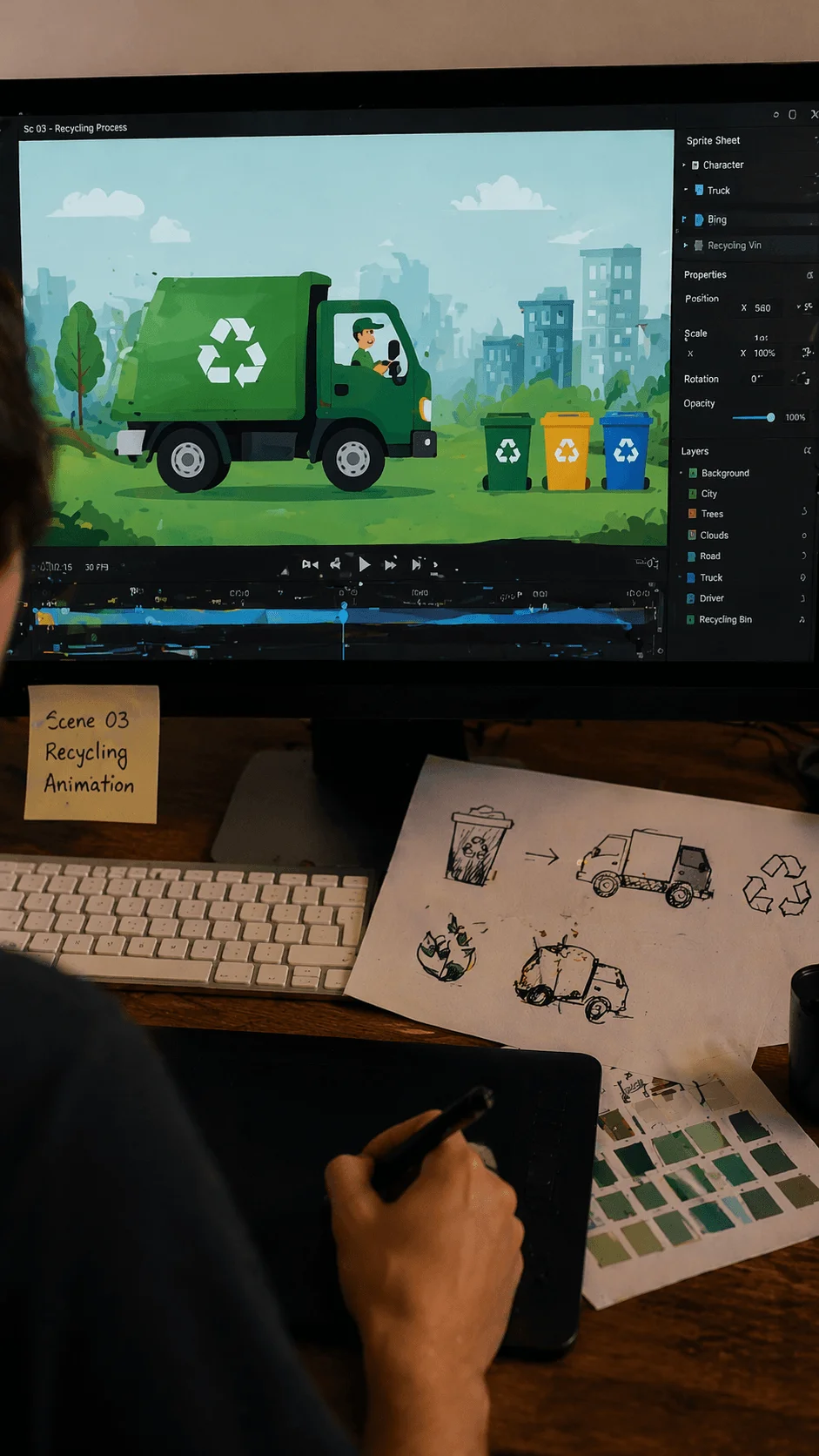
For digital platforms, motion based illustrations create a more interactive experience that keeps users interested and involved.
Cultural and Local Sustainability Narratives
Sustainability is not a universal concept that looks the same everywhere. Designers are increasingly drawing inspiration from local cultures and environments to create more relevant illustrations.
This approach adds authenticity and depth. It shows that sustainability can be interpreted in different ways depending on context. It also helps connect with specific audiences on a more personal level.
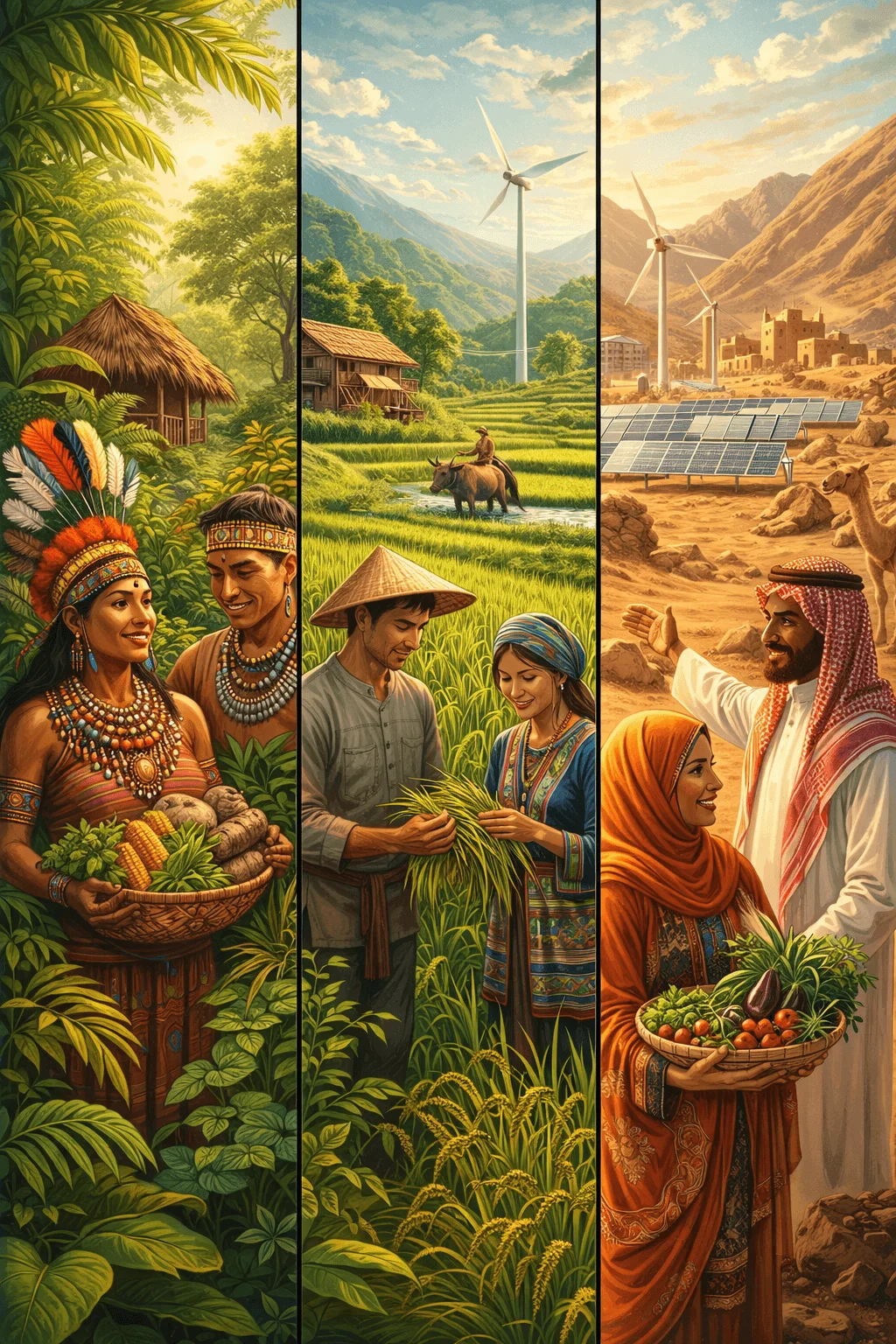
By incorporating cultural elements, designers create visuals that feel meaningful rather than generic.
Mascot Driven Eco Communication
Characters and mascots are becoming effective tools for communicating sustainability. They make complex topics more approachable and engaging, especially for younger audiences.
These characters can represent values such as care, responsibility, and awareness. They act as guides that help the viewer understand and connect with the message.
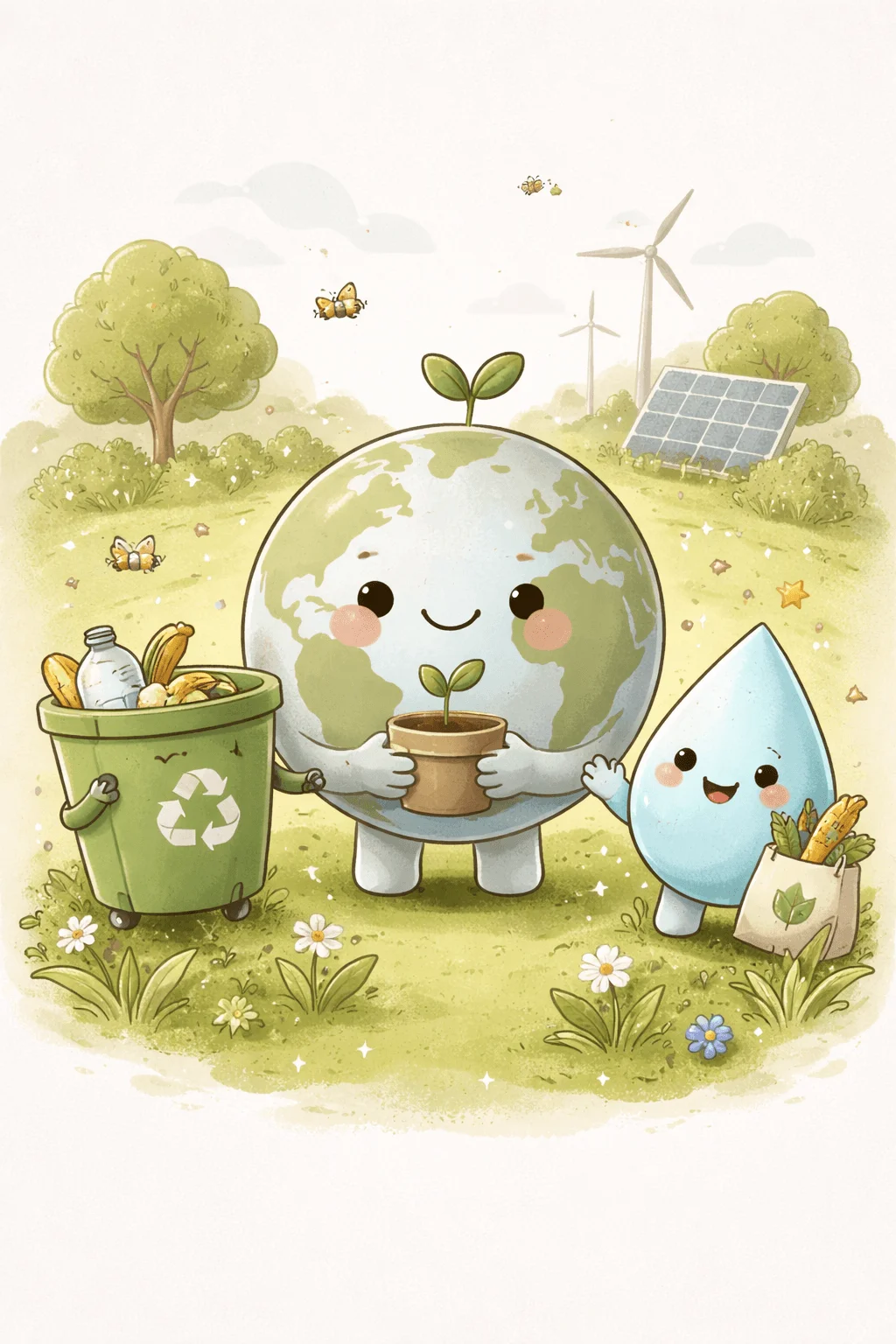
The emotional impact is strong because people naturally respond to characters. This makes the message more memorable and relatable.
Low Carbon Digital Illustration Practices
Sustainability in illustration is not only about how things look but also about how they are created and delivered. Designers are becoming more aware of the environmental impact of digital content.
This has led to practices focused on reducing file sizes, optimizing performance, and minimizing energy consumption. Every design decision is considered in terms of efficiency.
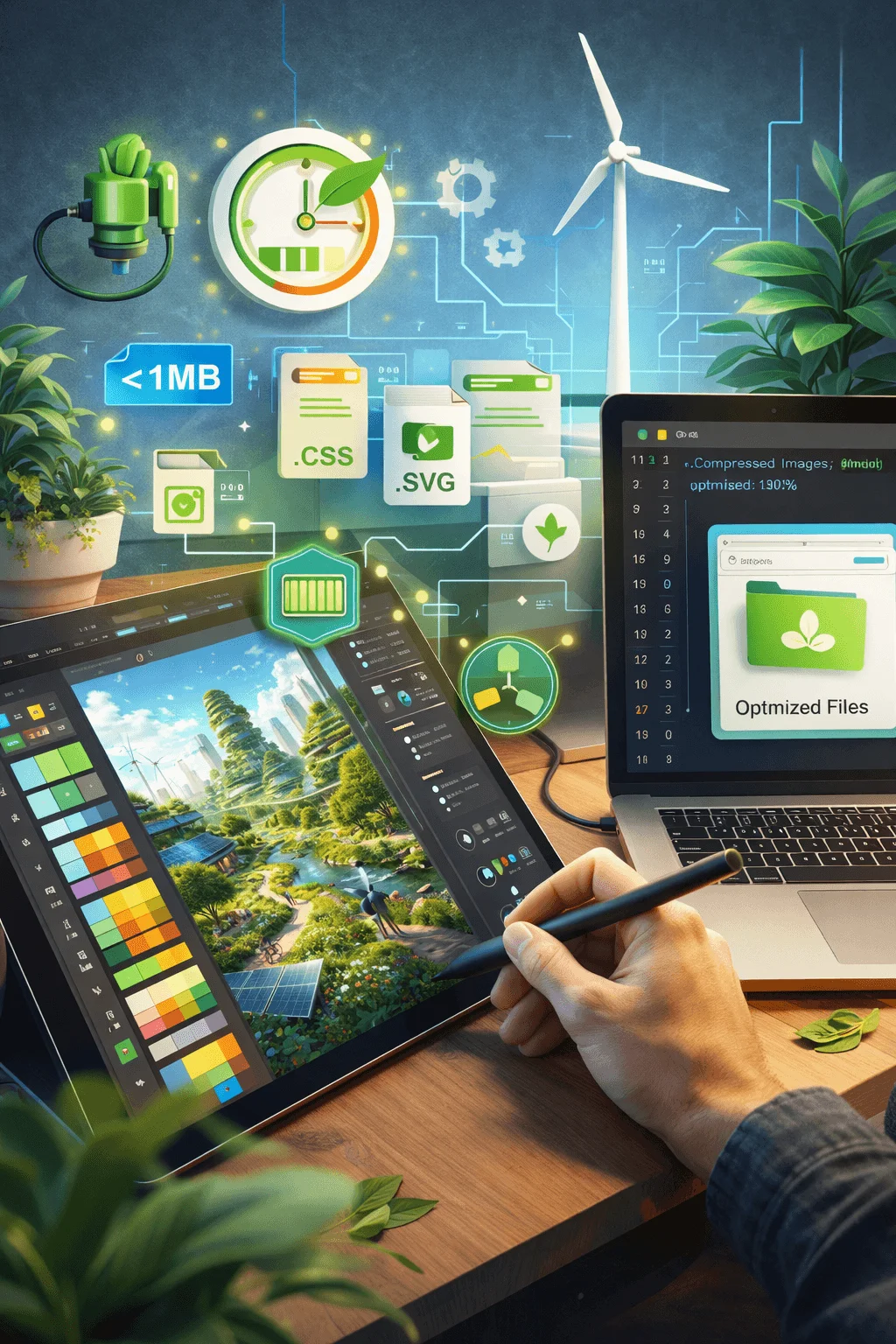
This approach reflects a deeper understanding of sustainability. It goes beyond visual representation and addresses the entire lifecycle of the design.
Conclusion
Sustainability graphic design illustrations in 2026 represent a meaningful shift in how visual communication is approached. These trends are not just about style but about purpose, responsibility, and connection.
Each approach reflects a deeper understanding of the role design plays in shaping the world. From humanized imperfection to low carbon practices, every decision contributes to a larger narrative of sustainability.
As the demand for conscious design continues to grow, illustrations will remain a powerful tool for storytelling and change. Designers who embrace these ideas are not only improving their work but also helping to create a more thoughtful and sustainable future.