Best Sustainability Science Project Ideas
Sustainability science project ideas help students explore real environmental problems through experiments, observation, data collection, and creative problem solving. These projects teach students how daily choices affect climate change, waste, water, energy, biodiversity, and natural resources. Instead of only reading about environmental issues, students can test ideas, measure results, and create practical solutions that connect science with real life.
Today, students need more than basic recycling activities. They need projects that explain how technology, biology, chemistry, physics, and data can support a cleaner future. A good sustainability project allows students to ask a clear question, collect evidence, compare results, and explain what their findings mean. This makes the learning experience more useful for school assignments, science fairs, and environmental awareness programs.
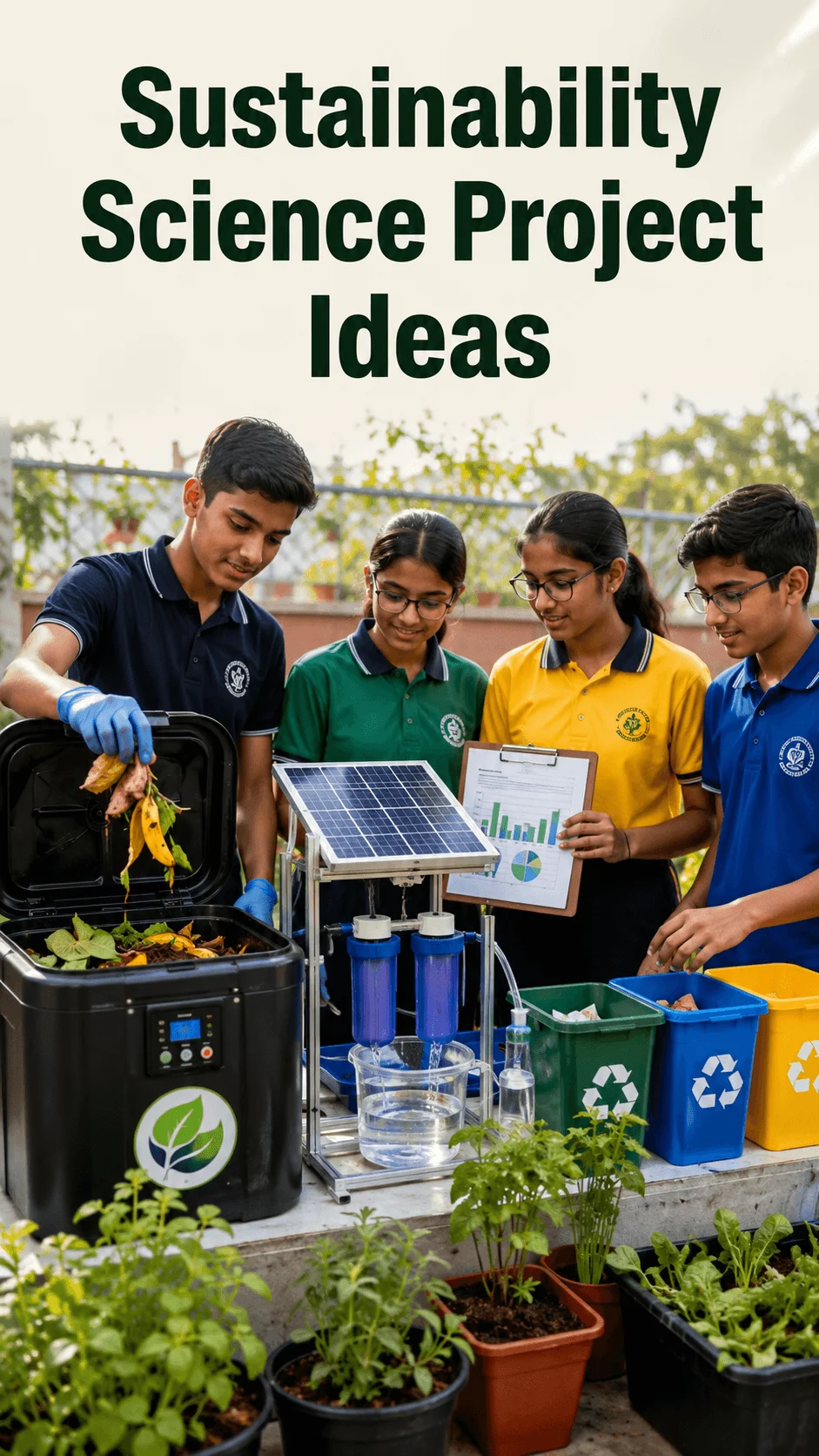
The best sustainability science project ideas also help students understand that environmental protection is not only about saving trees or reducing plastic. It also involves smart energy use, food waste management, clean water, responsible consumption, climate data, digital tools, and community action. When students work on these projects, they develop scientific thinking and learn how small innovations can solve large problems.
Why Sustainability Projects for Students Matter Today
Sustainability projects for students matter because environmental challenges now affect homes, schools, cities, farms, and oceans. Students see plastic waste in streets, rising temperatures in summer, water shortages in many areas, and increasing concern about pollution. Science projects give them a way to understand these problems with facts instead of fear. They learn that every environmental issue has causes, effects, and possible solutions.
These projects also build practical skills. Students learn how to observe carefully, record measurements, create charts, test materials, compare results, and present conclusions. A simple project about school energy use can teach math, physics, climate science, and responsible behavior at the same time. A project about composting can teach biology, food systems, soil health, and waste reduction.
Modern sustainability projects also prepare students for future careers. Many new jobs now focus on renewable energy, environmental engineering, climate science, sustainable agriculture, green building, recycling technology, and data analysis. When students explore sustainability science project ideas early, they start to see science as a tool for solving real problems instead of only a subject in textbooks.
Another reason these projects matter is that they encourage responsible habits. A student who measures food waste in a cafeteria may begin to waste less food at home. A student who studies urban heat may understand why trees and shade matter. A student who tests water quality may begin to value clean rivers and safe drinking water. This personal connection makes science more powerful.
Best Modern Sustainability Science Project Ideas
The following modern sustainability science project ideas go beyond ordinary activities. They combine creativity, scientific testing, environmental awareness, and practical problem solving. Each idea can work for school, home, or science fair use, and students can adjust the difficulty according to their age and available materials.
AI Waste Sorting Science Project
An AI waste sorting science project allows students to explore how technology can improve recycling. Many recycling systems fail because people put the wrong items in the wrong bins. Food covered paper, plastic wrappers, and mixed materials can contaminate recyclable waste. Students can study this problem by creating a simple image based waste sorting model or by comparing human sorting accuracy with digital sorting support.
In a simple version, students can collect clean sample items such as paper, plastic bottles, cans, fruit peels, and food packaging. They can create categories such as recyclable, organic, and landfill waste. Students can first ask classmates to sort the items and record how many mistakes they make. Then they can use a basic image recognition tool or prepared digital labels to show how artificial intelligence might support better sorting.
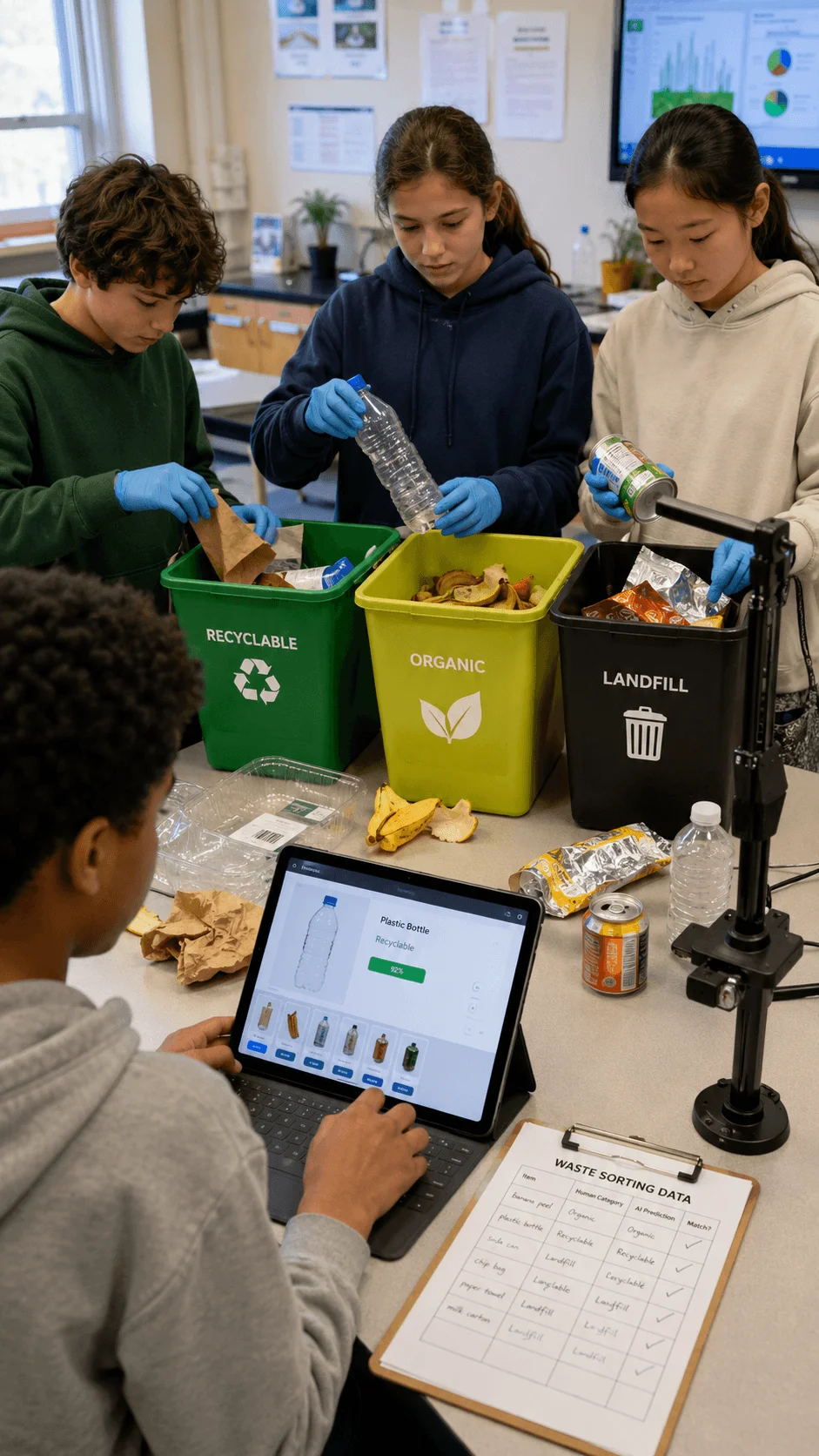
The science behind this project connects to computer science, environmental science, and data analysis. Students can measure sorting accuracy, common mistakes, and improvement after training. Younger students can make a poster based sorting game, while older students can build a simple model using image examples. This project shows how modern sustainability science project ideas can combine technology with waste reduction.
Smart Compost Bin Environmental Science Project
A smart compost bin project takes the traditional compost idea and turns it into a real science investigation. Composting helps turn food scraps into nutrient rich material for soil, but the process depends on conditions such as moisture, air, temperature, and the type of organic waste. Students can study which conditions help compost break down faster.
Students can use two or three small compost containers and place similar amounts of fruit peels, vegetable scraps, dry leaves, and soil in each one. They can change one condition in each container, such as moisture level or the amount of dry material. If sensors are available, students can track temperature and moisture. If not, they can use simple observation charts to record smell, texture, color, and breakdown speed.
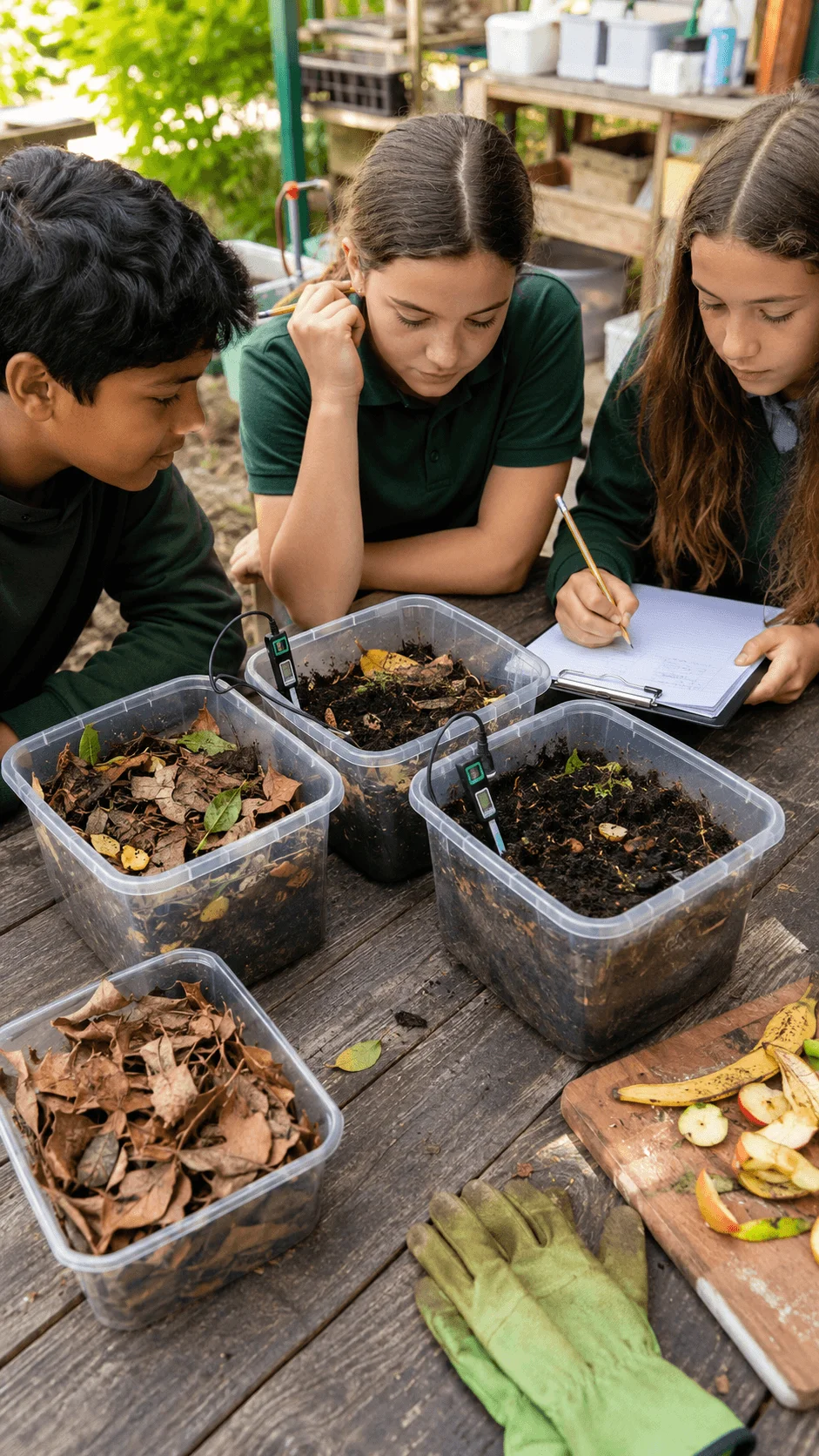
This project teaches biology because compost depends on microorganisms. It also teaches chemistry because organic material changes as it decomposes. Students can measure temperature changes, weight changes, and time needed for visible breakdown. Younger students can compare wet and dry compost, while older students can create graphs and explain the best balance for healthy compost. This project connects food waste with soil health and circular resource use.
School Carbon Footprint Calculator Project
A school carbon footprint calculator project helps students understand how daily school activities contribute to greenhouse gas emissions. Students can study electricity use, paper use, transportation habits, food waste, and classroom resources. This project works well because it turns climate change into something students can measure in their own environment.
Students can collect data by checking how many lights, fans, computers, or air conditioners run during the school day. They can survey how students travel to school, such as by car, bus, walking, or bicycle. They can also estimate how much paper the class uses in one week. After collecting data, students can calculate which activity creates the largest environmental impact.
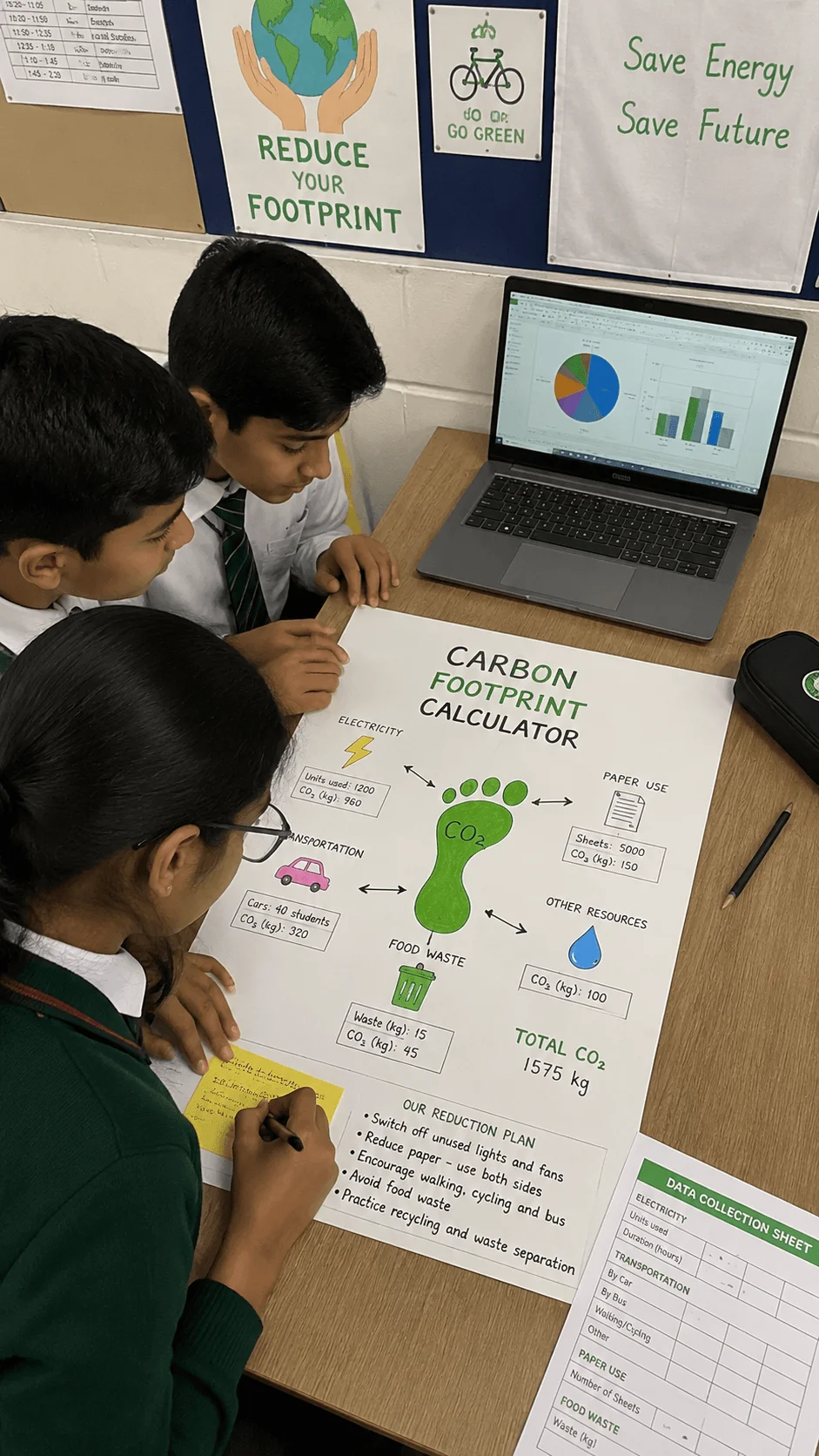
The most important part of this project is not only the calculation. Students should also create a reduction plan. They can suggest switching off unused lights, reducing paper, encouraging shared transport, or improving waste separation. Younger students can make a simple classroom footprint chart, while older students can use spreadsheets and emission factors. This is one of the most practical sustainability science fair project ideas because it connects data with action.
QR Code Biodiversity Trail Project
A QR code biodiversity trail project helps students explore plants, trees, insects, and birds around their school or neighborhood. Students can identify different species, research their environmental value, and create digital information pages. Then they can place QR codes near trees, garden areas, or plant beds so visitors can scan and learn.
This project matters because biodiversity often exists close to students, but many people ignore it. A school tree may provide shade, store carbon, support birds, improve air quality, and reduce heat. Students can study each plant or habitat and explain its role in the local ecosystem. They can also compare areas with many plant species to areas with fewer species.
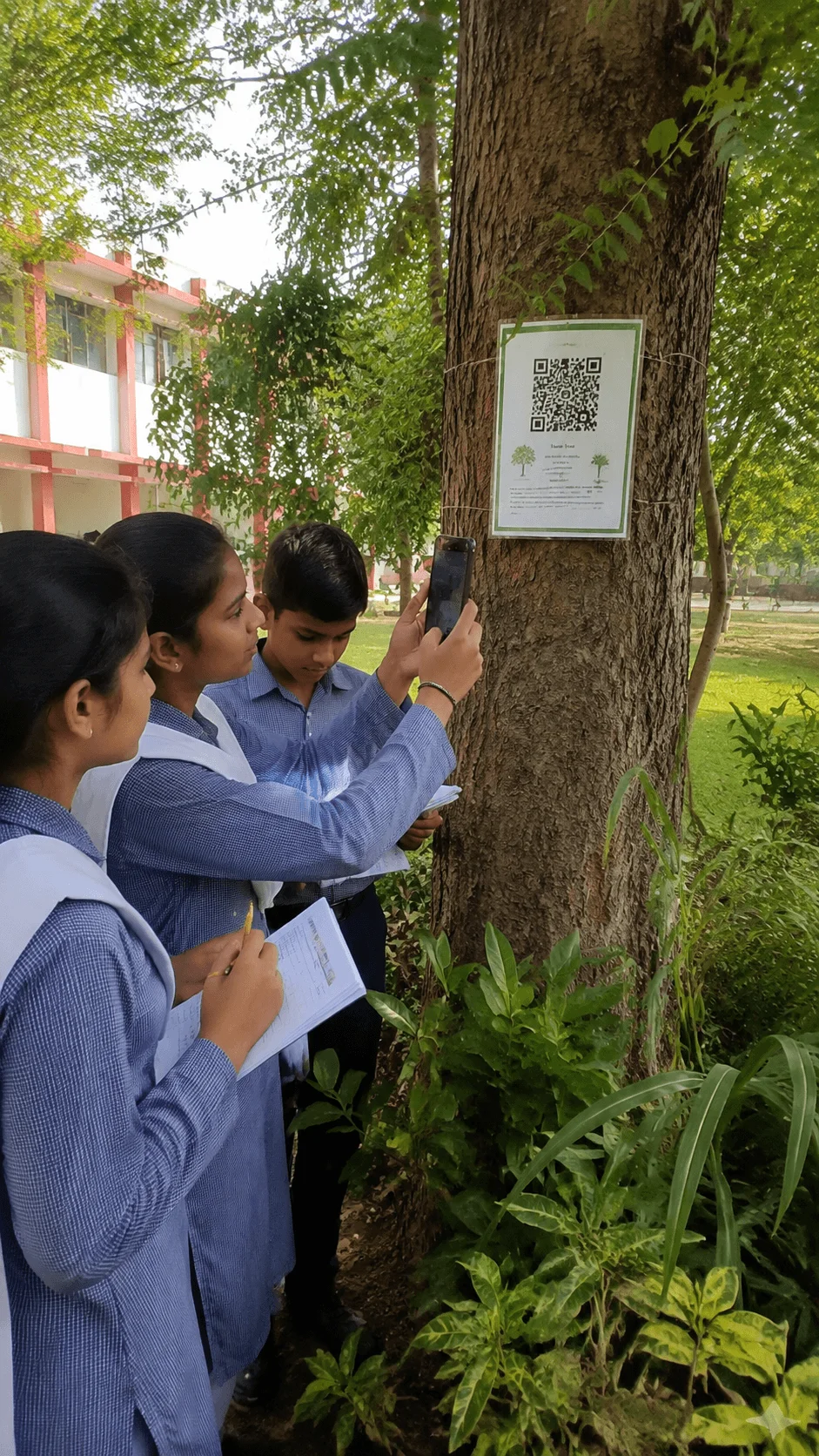
The science behind this project includes ecology, classification, habitat study, and environmental communication. Students can collect data on plant height, leaf shape, insect visits, shade level, and soil condition. Younger students can create simple digital fact pages, while older students can map biodiversity using online tools. This project makes sustainability learning interactive and modern.
Solar Water Purification Science Project
A solar water purification science project allows students to study how sunlight can help clean water through evaporation and condensation. This idea connects renewable energy with the need for safe water. Students can build a simple solar still using a bowl, clear cover, small collection cup, and sunlight.
The project works because sunlight heats dirty or salty water, causing water vapor to rise. When the vapor touches a cooler surface, it condenses into cleaner water. Students can compare how much water forms under different conditions, such as direct sunlight, shade, cloudy weather, or different container colors. They can also compare salty water, muddy water, and colored water.
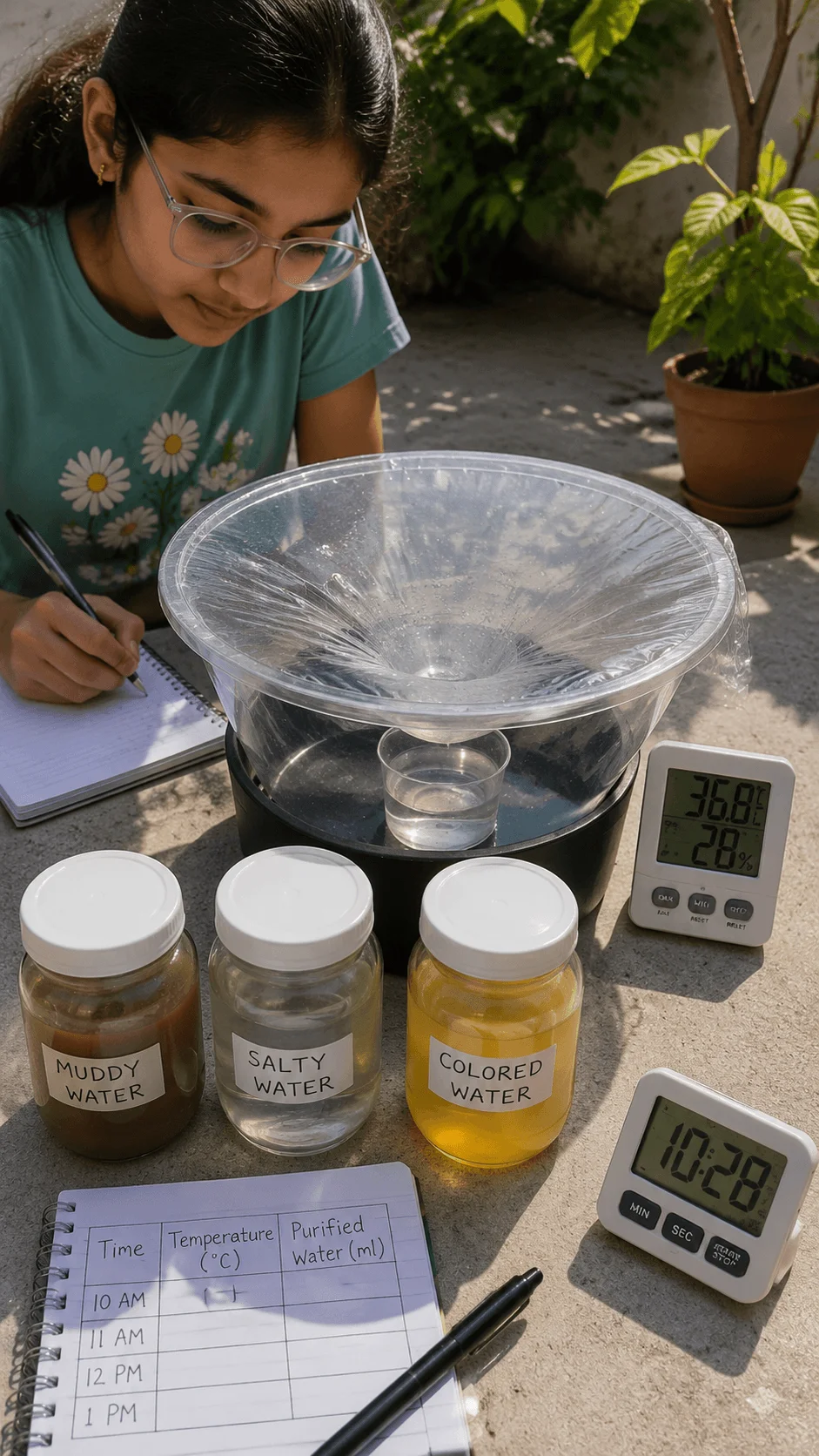
This project teaches evaporation, condensation, heat transfer, and water conservation. Students can measure the amount of purified water collected each hour and record temperature changes. Younger students can focus on observing the water cycle, while older students can test design improvements. This project helps students understand the connection between clean water access and renewable energy.
Plastic Alternative Material Experiment
A plastic alternative material experiment asks students to test natural materials that may replace single use plastic in some situations. Students can create simple biodegradable samples using ingredients such as starch, gelatin, vinegar, fruit peel fiber, or paper pulp. They can then test strength, flexibility, water resistance, and decomposition.
This project matters because plastic pollution remains one of the biggest environmental problems. Many plastic items stay in the environment for a very long time and harm wildlife, waterways, and soil. Students can explore whether plant based or biodegradable materials offer better options for packaging, crafts, or temporary use.
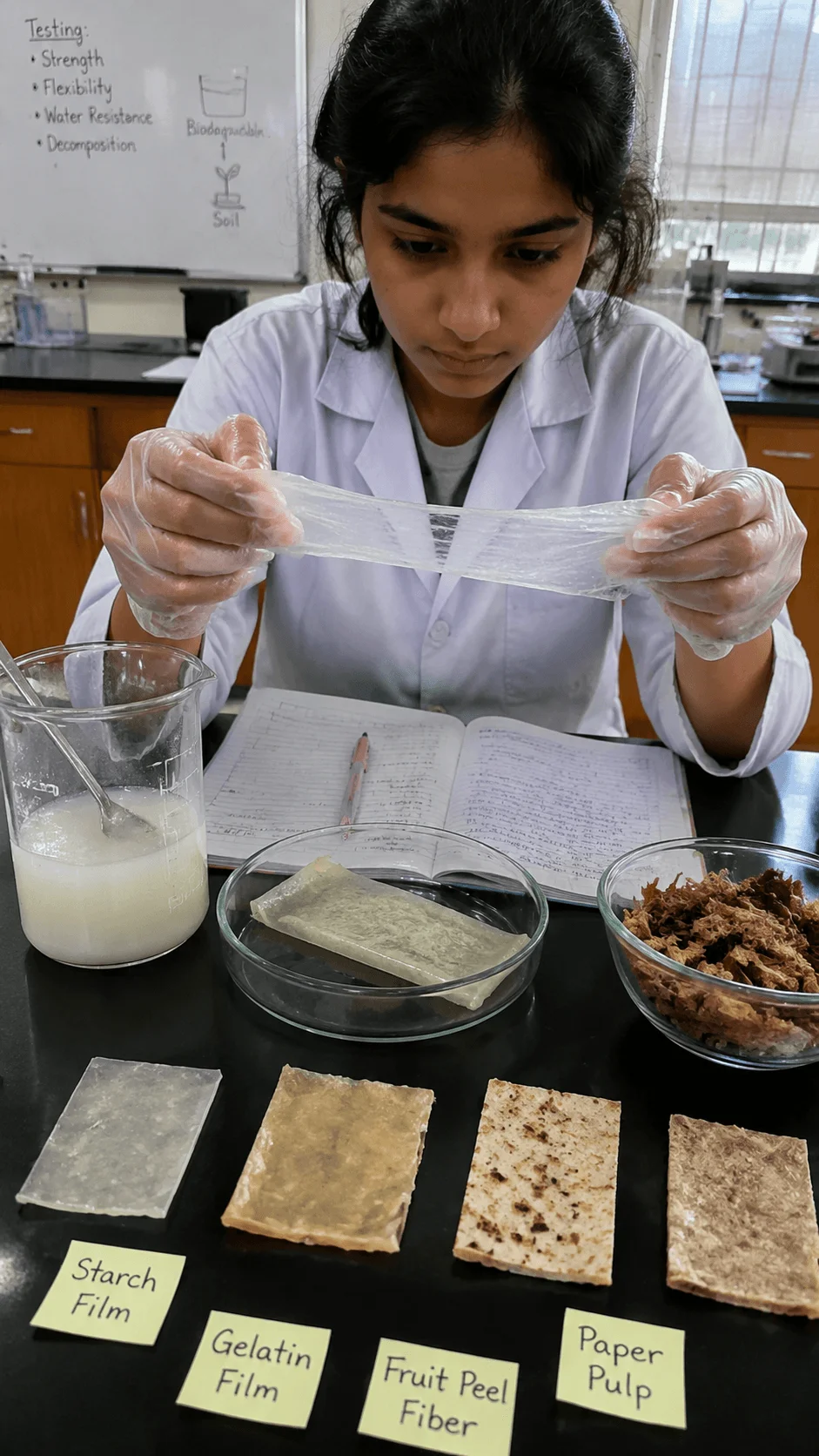
The science includes material properties, chemistry, decomposition, and environmental impact. Students can create several samples with different ingredient amounts and compare results. They can measure how far each material stretches, how much weight it holds, how it reacts to water, and how quickly it changes in soil. Younger students can compare simple starch films, while older students can design stronger formulas. This project encourages innovation and critical thinking.
Food Waste to Biogas Demonstration
A food waste to biogas demonstration helps students understand how organic waste can produce gas during decomposition. This project should stay small, safe, and educational. Students do not need to create a working energy system. Instead, they can observe how different organic materials release gas when microorganisms break them down in sealed demonstration containers with proper adult supervision.
Students can compare fruit scraps, vegetable scraps, and cooked food waste. They can observe changes over several days and measure balloon inflation on a small bottle setup if their teacher approves the method. They should never heat, pressurize, or store gas dangerously. The goal is to understand the basic idea behind biogas, not to produce fuel at home.
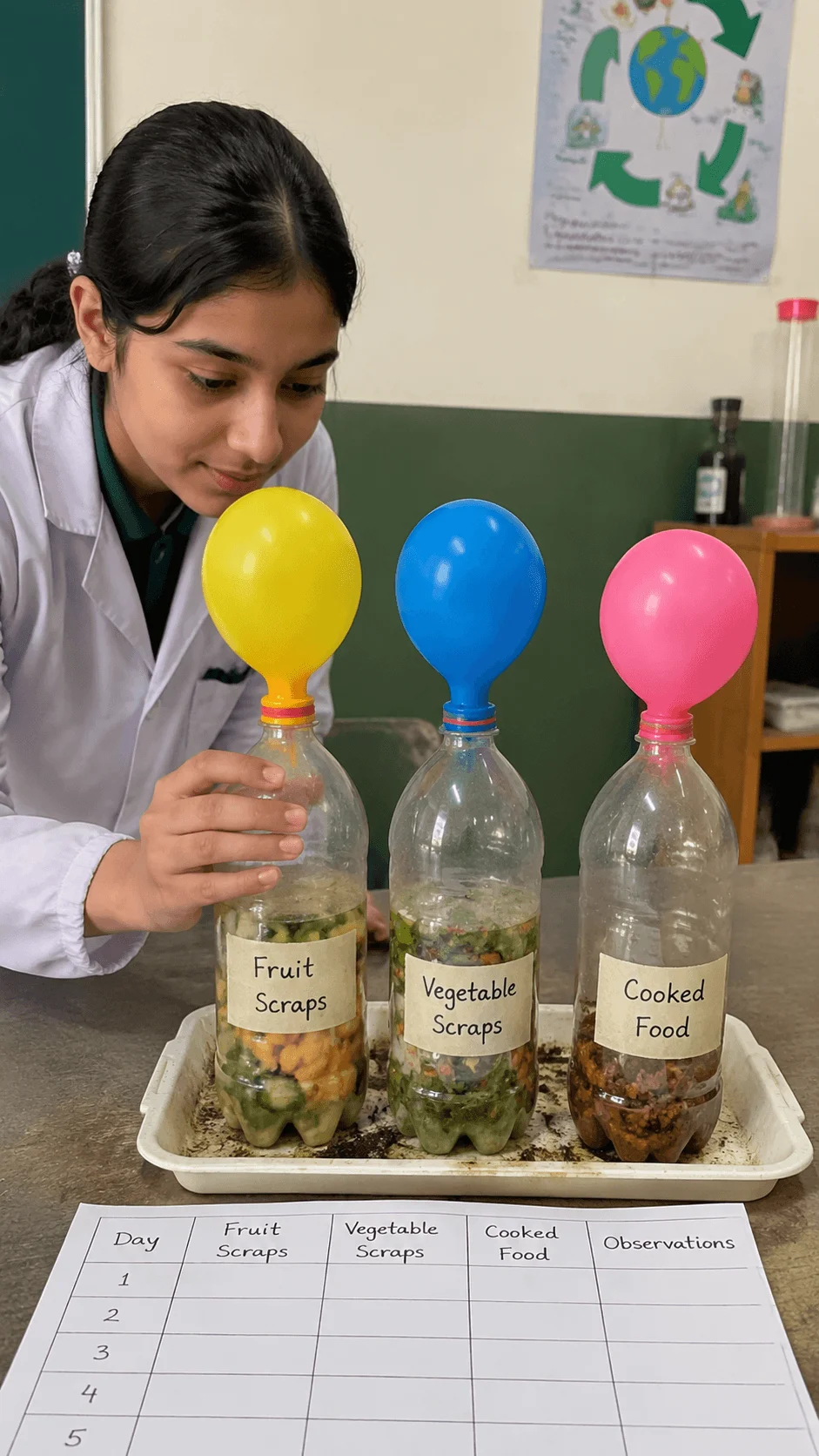
This project connects biology, waste management, renewable energy, and circular economy thinking. Students learn that food waste does not simply disappear when people throw it away. It changes, releases gases, and affects the environment. Younger students can focus on observation, while older students can compare waste types and explain why organic waste management matters.
Urban Heat Island Mapping Project
An urban heat island mapping project helps students study why some places feel hotter than others. Concrete, roads, walls, and parking areas often absorb heat, while trees, grass, and shaded areas stay cooler. Students can measure temperatures in different parts of their school or neighborhood and create a heat map.
Students can use a thermometer to measure temperature in sunny concrete areas, grassy areas, shaded walkways, gardens, and near buildings. They should take readings at the same time of day to make the comparison fair. They can also record surface type, shade level, wind, and nearby plants.
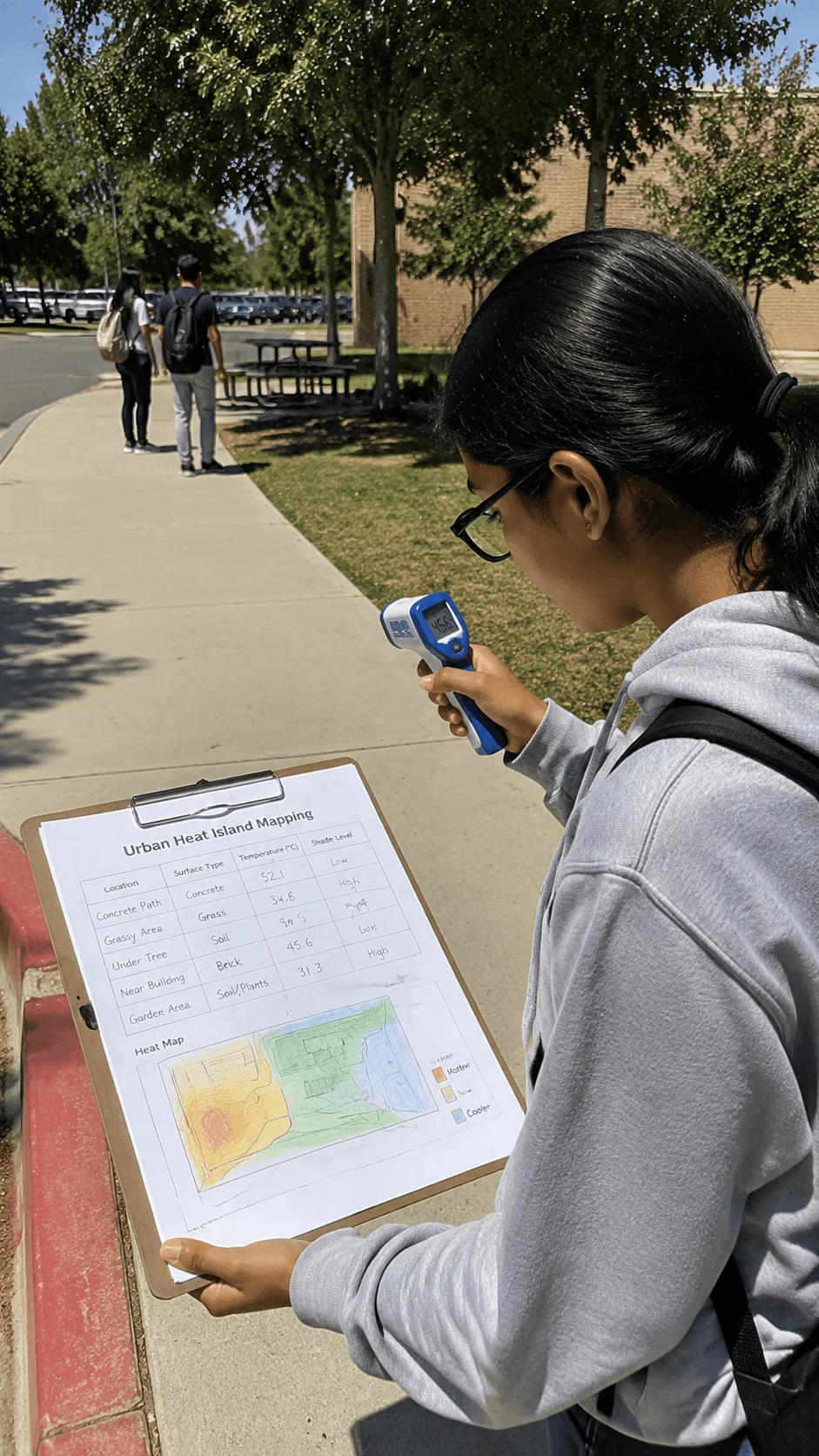
This project connects climate change with local experience. Students can see how design choices affect comfort, energy use, and health. Younger students can make a simple map with warm and cool spots, while older students can analyze patterns and suggest solutions such as tree planting, shade structures, reflective surfaces, or garden spaces. This project gives strong real world value because heat affects everyone.
Smart School Garden With Soil Moisture Sensors
A smart school garden project helps students study how technology can improve plant care and save water. Instead of watering plants randomly, students can measure soil moisture and decide when plants actually need water. This project works well for schools that already have a garden or small plant pots.
Students can grow the same type of plant in different pots and compare normal watering with moisture based watering. They can use simple soil moisture sensors if available, or they can create a manual scale by checking soil texture and plant condition. They can measure plant height, leaf number, soil moisture, and water used each week.
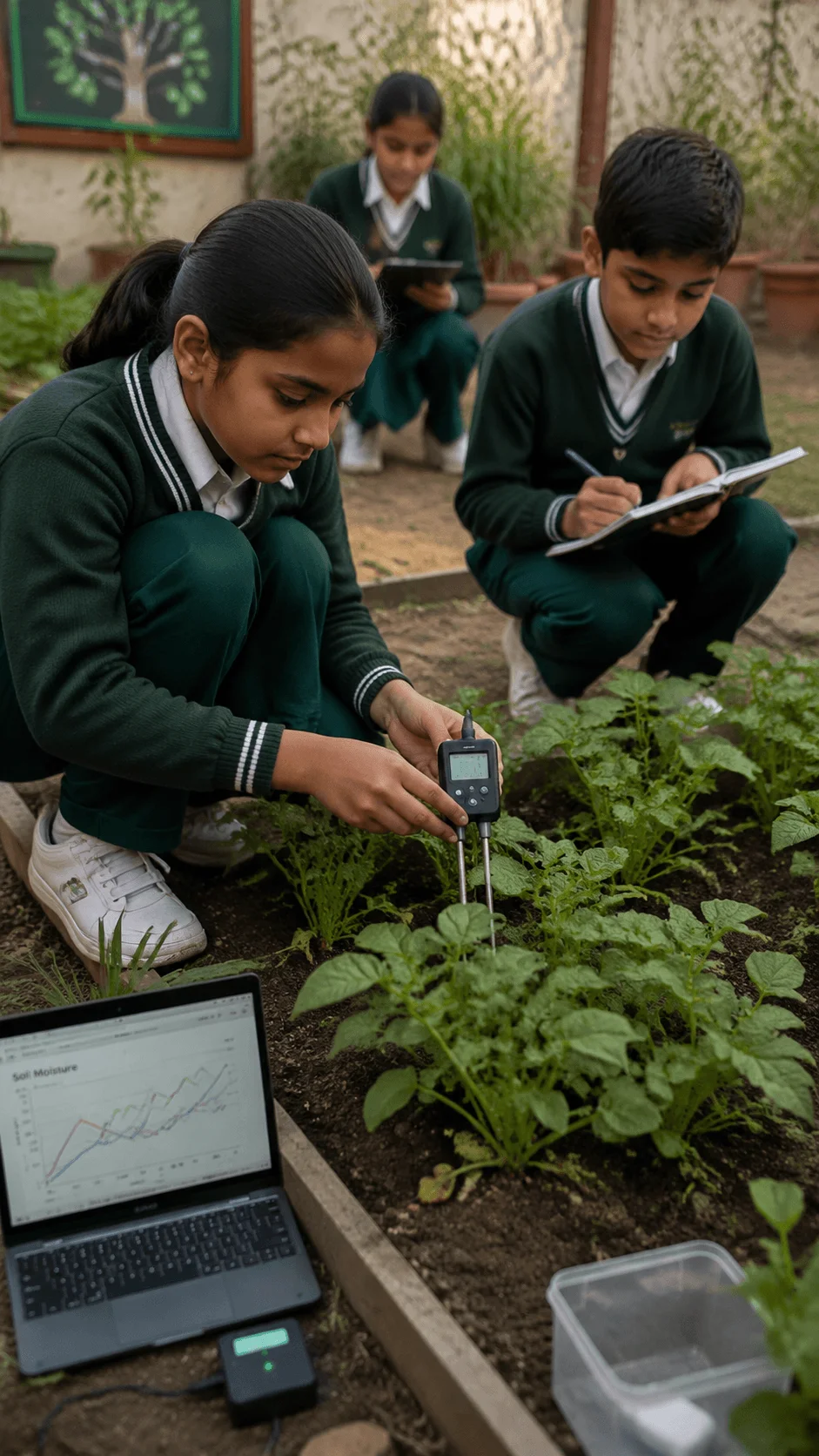
This project teaches plant biology, water conservation, data collection, and sustainable agriculture. Younger students can observe plant growth and watering habits, while older students can use sensors and charts. The project shows that smart decisions can reduce waste while supporting healthy growth. It also helps students understand how farms and gardens can use technology to protect resources.
Microplastic Pollution Detection Project
A microplastic pollution detection project introduces students to one of the most serious modern pollution problems. Microplastics are tiny plastic pieces that can appear in water, soil, sand, and even household dust. Students can collect samples from safe locations and use simple filtration and magnification to look for visible plastic particles.
Students can compare tap water, rainwater, pond water, roadside soil, or sand samples. They can filter water through coffee filters and observe trapped particles with a magnifying glass or microscope. They should avoid unsafe water sources and wear gloves when handling outdoor samples. The goal is to compare samples and understand where plastic pollution may appear.
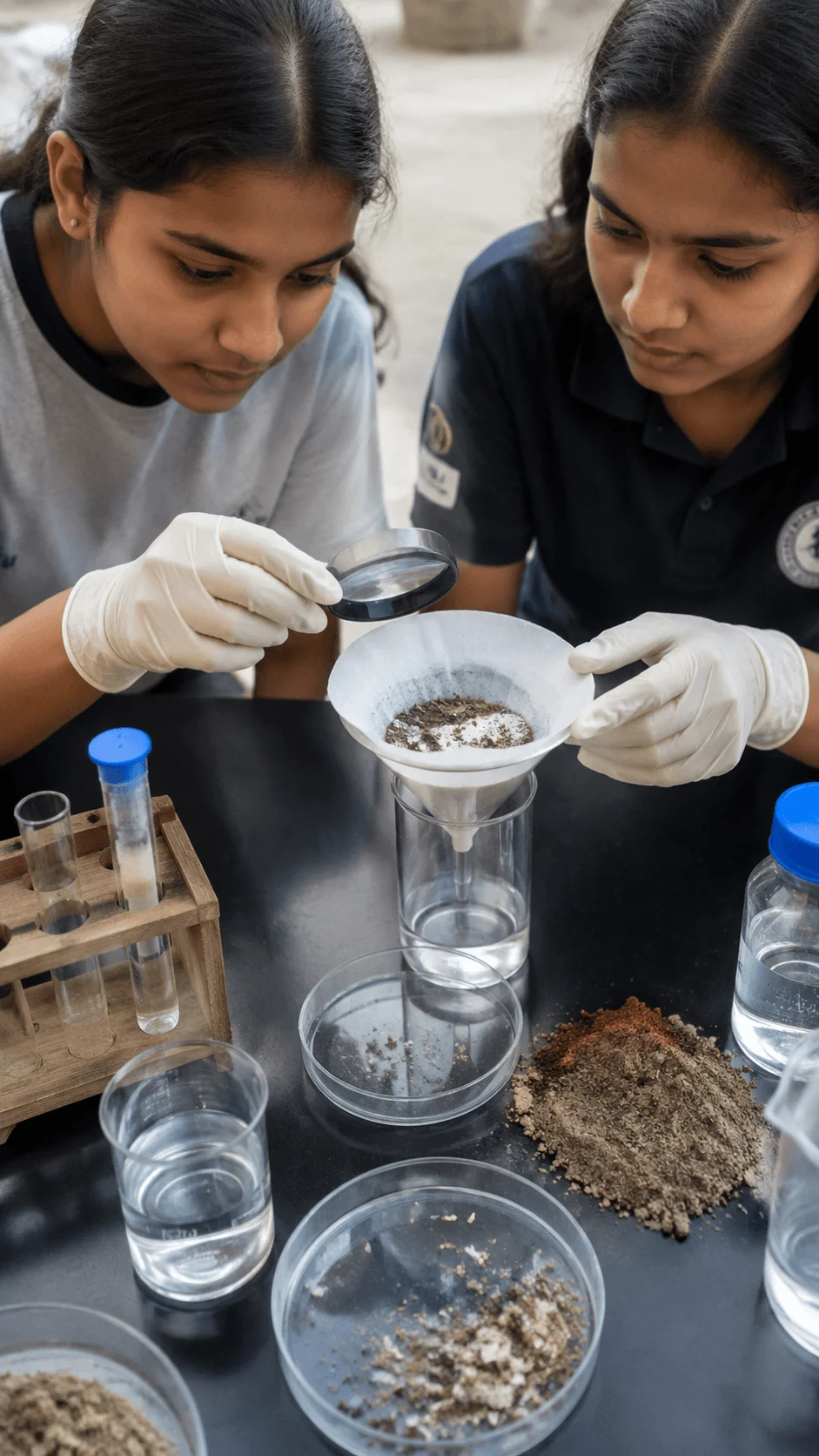
This project connects chemistry, environmental science, ocean pollution, and waste behavior. Students can count visible particles, compare sample locations, and discuss possible sources. Younger students can focus on visible litter and filtered samples, while older students can design a more controlled investigation. This topic feels current and important because plastic pollution affects food chains and ecosystems.
E Waste Reuse Science Project
An E Waste reuse science project helps students understand the environmental cost of old electronics. Phones, chargers, batteries, wires, keyboards, and broken devices contain materials that require mining, energy, and manufacturing. When people throw them away carelessly, they can create pollution and waste valuable resources.
Students can study common types of E Waste at home or school and classify them by material, use, and disposal method. They can create an awareness display that explains which parts can be recycled and why safe disposal matters. Older students can safely reuse simple parts such as wires, switches, or small motors under teacher supervision to build a basic demonstration circuit.
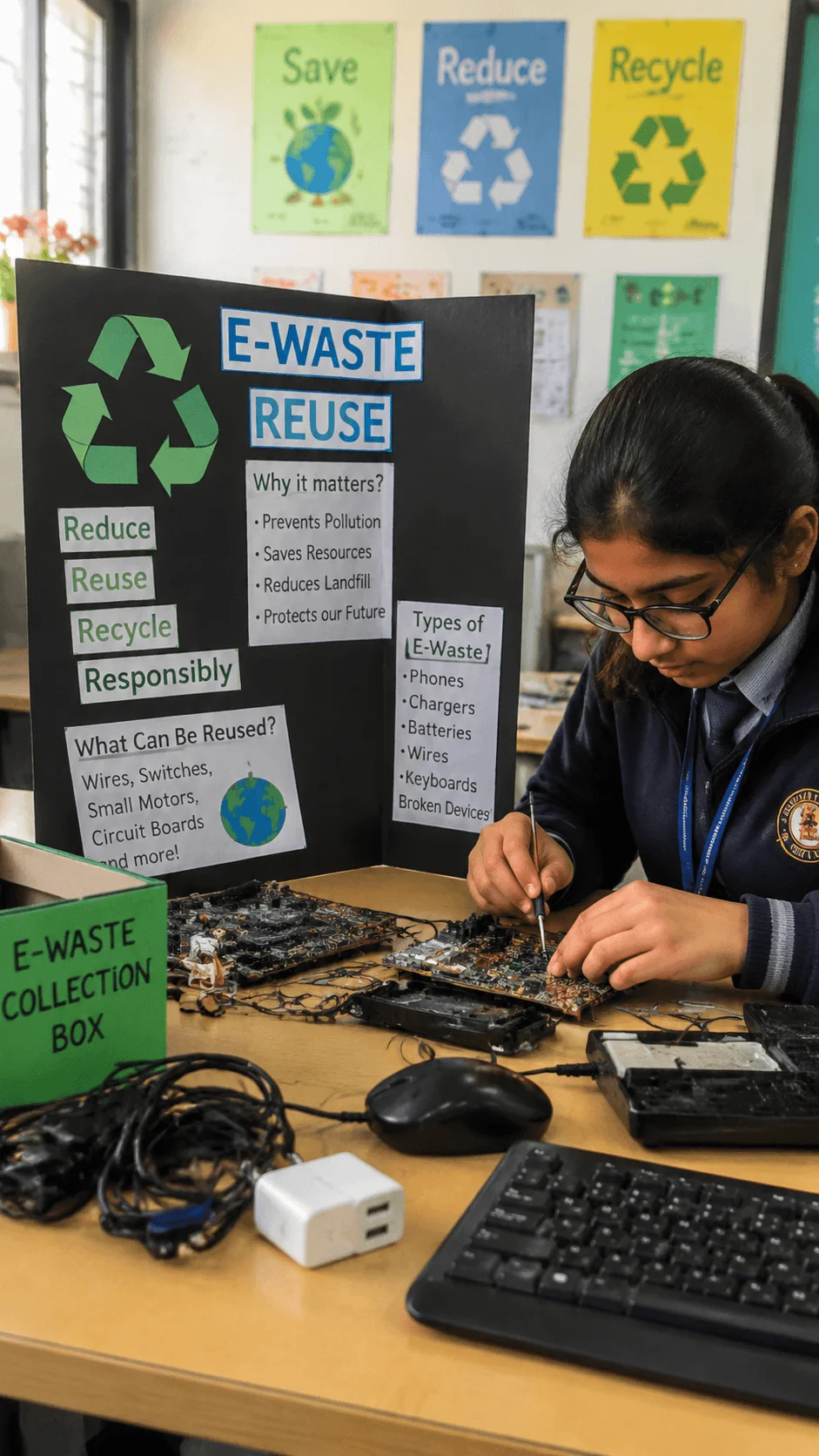
This project teaches resource conservation, electronics, material science, and responsible consumption. Younger students can focus on sorting and awareness, while older students can study product life cycles and repair culture. The project encourages students to think before replacing devices and helps them understand why recycling electronics needs special care.
Climate Data Storytelling Project
A climate data storytelling project helps students turn numbers into meaningful environmental messages. Students can collect or use local data about temperature, rainfall, electricity use, water use, or waste production. Then they can create charts, posters, presentations, or digital stories that explain what the data shows.
This project matters because climate change can feel too large or abstract. Data helps students see patterns. For example, they can compare monthly temperatures, count very hot days, record rainfall changes, or track classroom electricity use. They can then explain how these patterns connect to climate awareness and responsible action.
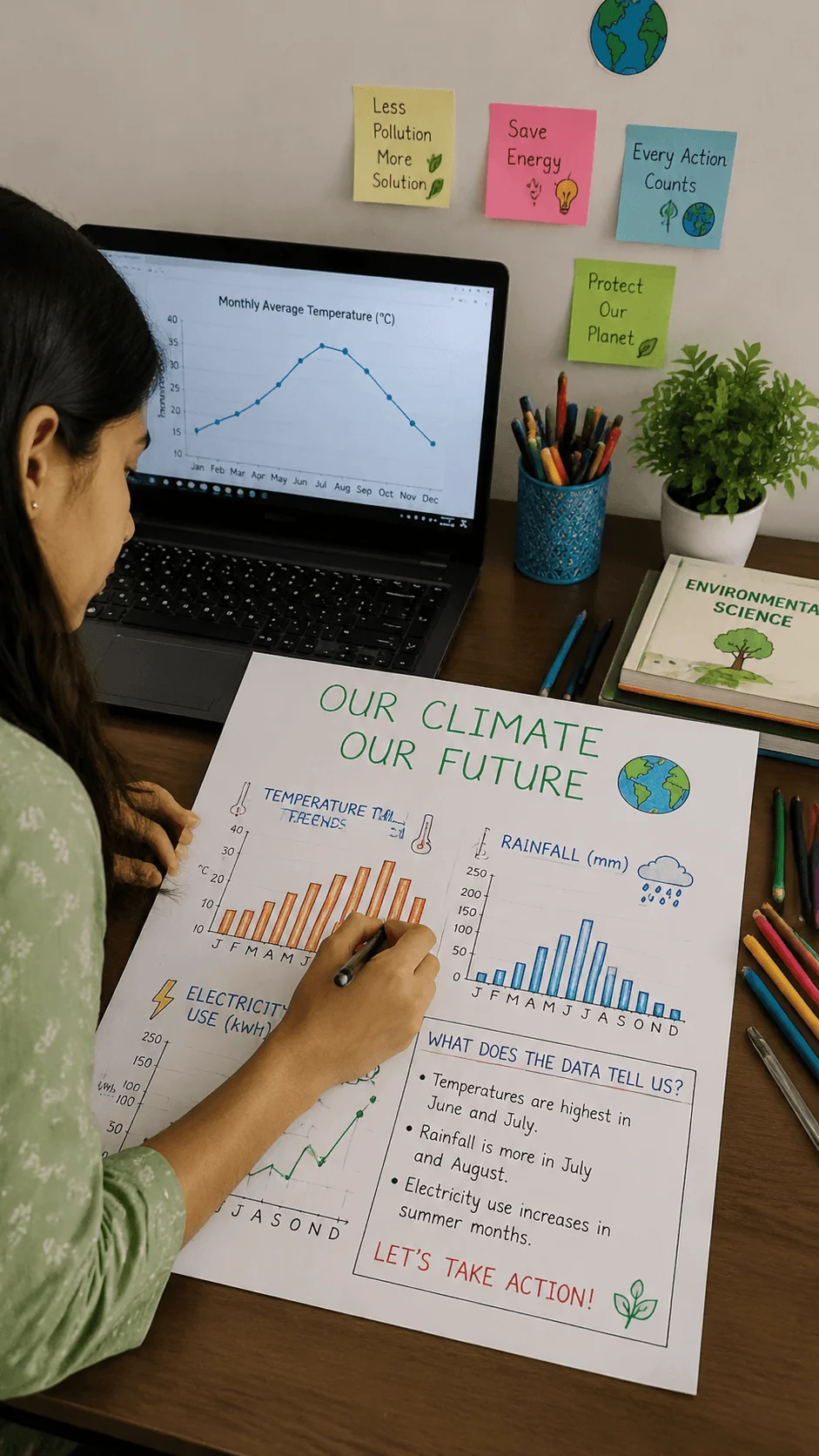
The science includes data literacy, climate science, statistics, and communication. Younger students can create simple picture charts, while older students can use spreadsheets and graphs. This is one of the most flexible sustainability science project ideas because students can apply it to many topics. It also teaches them how to explain evidence clearly, which matters in science and public awareness.
How to Choose the Best Sustainability Science Fair Project Ideas
Choosing the best sustainability science fair project ideas depends on age, time, materials, safety, and the type of data students can collect. A strong project should answer a clear question. For example, students can ask which compost condition breaks down food fastest, which school area has the highest temperature, or which material works best as a plastic alternative. A clear question makes the project easier to test and explain.
Students should also choose a project they can measure. Good science needs evidence. A project becomes stronger when students can record temperature, weight, time, height, water amount, particle count, energy use, or survey results. Measurements help students compare outcomes instead of only describing an idea.
Safety also matters. Students should avoid harmful chemicals, unsafe water, sharp electronic parts, or pressure based experiments without adult guidance. A simple and safe project can still show deep thinking if the student asks a strong question and collects useful data.
The best sustainability science project ideas also connect with real environmental problems. A project about a school garden connects with food, water, and soil. A project about E Waste connects with mining, manufacturing, and pollution. A project about carbon footprints connects with climate change and daily behavior. When students explain this connection, their project becomes more meaningful.
Students should also think about presentation. A good display can include photos, charts, observation tables, sample materials, and a clear conclusion. The conclusion should explain what the student discovered, why it matters, and how people can use the result in real life. This turns a school project into a practical environmental lesson.
Conclusion
Sustainability science project ideas give students a powerful way to understand environmental problems and design practical solutions. These projects help students move beyond simple awareness and enter real investigation. They learn how to ask questions, test ideas, measure results, and explain conclusions with evidence.
Modern projects such as AI waste sorting, smart compost bins, carbon footprint calculators, QR code biodiversity trails, solar water purification, plastic alternative materials, biogas demonstrations, heat island mapping, smart gardens, microplastic detection, E Waste reuse, and climate data storytelling make sustainability more exciting and useful. They show that science can protect water, reduce waste, save energy, support biodiversity, and guide better choices.
The strongest sustainability projects for students do not only look impressive. They teach students how the world works and how people can improve it. When students collect data from their own school, home, or community, they begin to see themselves as problem solvers. That is the real value of sustainability science project ideas. They inspire young learners to use science with purpose and help build a cleaner, smarter, and more responsible future.