Sustainability Activities for Adults in 2026
Sustainability activities for adults can turn environmental awareness into practical action at home, at work, and in the community. Adults make daily decisions about food, transport, electricity, water, technology, clothing, shopping, and waste, so their choices can influence both household habits and wider community systems. The most useful activities do more than repeat basic advice. They help people measure waste, repair useful objects, share resources, protect biodiversity, reduce unnecessary consumption, and build habits that can continue throughout the year.
Sustainable living does not require perfection. People have different incomes, homes, schedules, climates, abilities, and access to local services. A person living in an apartment may choose different environmental activities than someone with a large garden. A busy office worker may focus on energy use and digital habits, while a community group may organise repair events or tool sharing systems. The goal is to choose realistic actions that create visible improvements without making sustainability feel expensive or overwhelming.
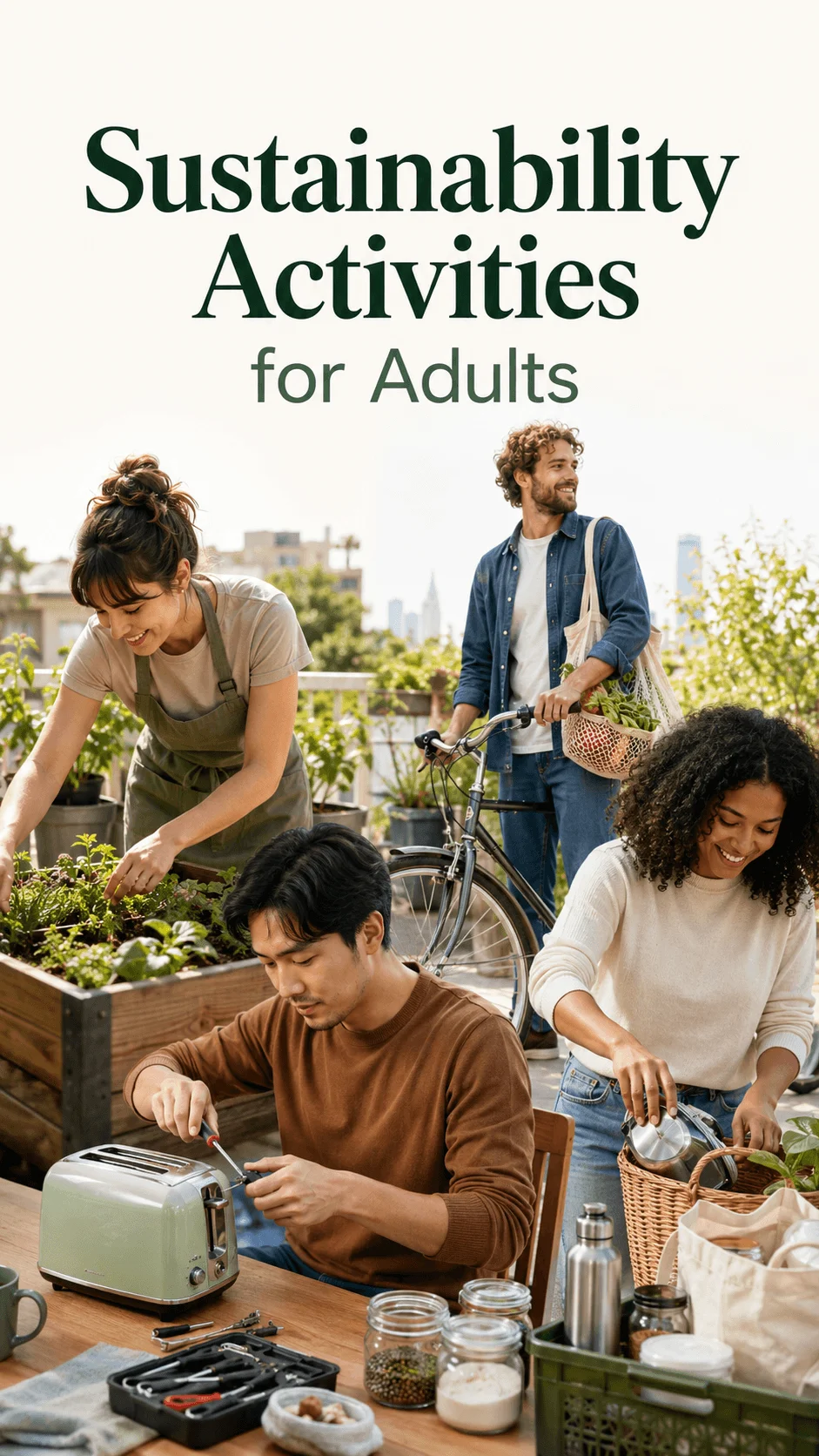
The following sustainability activities for adults reflect current interest in repair culture, citizen science, digital responsibility, regenerative gardening, food waste reduction, sharing systems, and local biodiversity. Each idea can be adapted to suit individual lifestyles, workplaces, families, or community groups.
Why Sustainability Activities Matter for Adults
Environmental education often focuses on children and students, but adults control many of the systems that shape daily consumption. They decide what households buy, how often people travel, how food is stored, when appliances are replaced, how gardens are managed, and whether damaged items receive repairs or enter the waste stream.
Practical eco friendly activities for adults can reveal environmental problems that people may not notice during ordinary routines. A household may waste electricity through standby devices. A workplace may cool empty rooms. A family may buy duplicate pantry items because no one checks existing supplies. A neighbourhood may contain several ladders, drills, and cleaning machines that people use only once or twice each year.
Hands on sustainability activities also help people connect environmental goals with measurable behaviour. Reading about food waste can raise awareness, but reviewing a pantry, labelling leftovers, and tracking discarded food creates a clearer understanding. Learning about biodiversity matters, but recording local birds and insects can make habitat protection feel more immediate.
Adults should choose activities that match their circumstances. Small and consistent improvements often create more lasting results than ambitious plans that people abandon after a few days. The best sustainability activities for adults build awareness, encourage cooperation, and help people use resources more carefully.
Personal Carbon Audits as Sustainable Living Activities
A personal household carbon audit helps adults examine how everyday routines use energy and resources. The activity does not need to produce a perfect scientific calculation. Its main purpose is to identify the areas where one household can make practical improvements.
Adults can begin by reviewing electricity bills, gas use, transport habits, food purchases, water consumption, online deliveries, and household waste. They can record information in a notebook or spreadsheet for one or two weeks. A simple record may include the number of car journeys, hours of cooling or heating, food thrown away, packages received, and appliances left running.
The activity becomes more useful when participants compare categories instead of focusing on a single action. Someone may spend time deleting emails while ignoring frequent car trips or excessive cooling. Another person may avoid plastic bags but waste large amounts of food. A broad review helps adults identify which habits deserve the most attention.

After collecting information, participants can choose one or two manageable goals. They may combine errands into fewer journeys, plan meals before shopping, adjust room temperatures, switch off unused devices, or avoid repeated small deliveries. Families and roommates can complete the audit together, but they should avoid blaming one another. The purpose is to improve systems, not create guilt.
Online carbon calculators can offer estimates, but results vary according to location, household size, energy sources, income, and transport access. Adults should treat the figures as guidance rather than exact measurements. Reviewing progress after one month can show whether the chosen changes remain realistic.
Community Repair Cafes as Hands On Sustainability Activities
Repair cafes bring people together to fix damaged items instead of replacing them. Participants may bring clothing, lamps, bicycles, small furniture, toys, household tools, or simple appliances. Skilled volunteers then help diagnose the problem and guide the owner through a safe repair.
A community centre, library, workplace, school hall, or apartment common area can provide a suitable location. Organisers can create separate areas for sewing, bicycle maintenance, furniture repair, and basic electronics. A simple intake process can record the item, the problem, and any safety concerns.
A repair cafe works best when it teaches skills rather than operating only as a free service. Volunteers can explain why a zipper failed, how a loose connection affects a lamp, or how regular cleaning extends the life of a bicycle. The owner can participate when the task remains safe and appropriate.
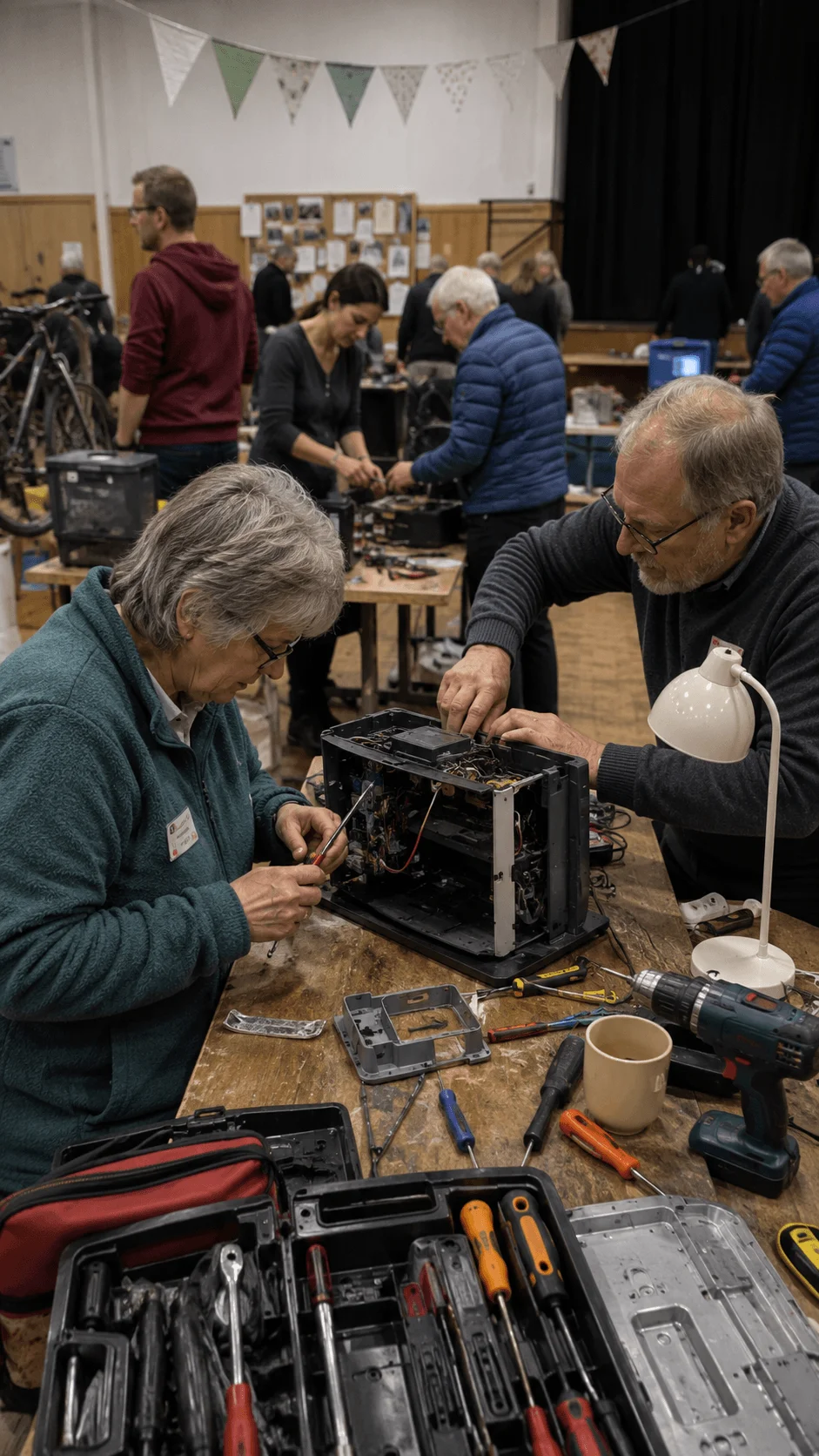
Safety needs careful attention. Qualified professionals should handle high voltage equipment, damaged batteries, gas appliances, and dangerous machinery. Organisers should refuse repairs that create an unacceptable risk. When an item cannot receive a safe repair, volunteers can explain responsible recycling, safe disposal, or parts recovery.
These community sustainability activities reduce waste while preserving practical knowledge. They also give adults confidence to maintain the products they already own. Over time, repair culture can weaken the habit of replacing useful items after minor damage.
Digital Sustainability Activities for Everyday Technology
Digital activity may feel invisible, but devices, cloud storage, streaming services, data centres, and electronic production all require energy and materials. A digital cleanup can help adults improve organisation, security, and awareness of unnecessary technology use.
Adults can review duplicate photographs, old downloads, inactive accounts, unused applications, unnecessary cloud backups, and files that no longer serve a purpose. They should protect important documents before deleting anything. Essential records, family photographs, legal files, and work documents need secure backups.
Deleting a small number of emails will not solve climate change, so adults should avoid exaggerated claims. The greater value comes from changing long term habits. People can reduce automatic downloads, turn off autoplay, manage cloud storage, and avoid streaming video at unnecessarily high quality on small screens.

Extending the life of devices often creates more value than performing frequent digital cleanups. Adults can use protective cases, install updates, manage storage, repair damaged screens, replace batteries where practical, and resell or donate working devices. They should use recognised recycling services for electronics that no longer function.
Digital sustainability activities for adults should also include thoughtful purchasing. A slightly older phone or computer may still meet everyday needs. Replacing devices only when necessary reduces demand for new materials and manufacturing.
Regenerative Gardening as an Eco Friendly Activity for Adults
Regenerative gardening focuses on improving soil health, biodiversity, water retention, and natural relationships between plants and wildlife. It differs from a decorative garden that relies heavily on chemical treatments, frequent soil disturbance, and large amounts of water.
Adults can begin by observing the space. Sunlight, shade, drainage, wind, soil condition, and existing plants all influence what will grow successfully. This first stage prevents unnecessary purchases and helps gardeners choose species suited to local conditions.
Compost and mulch can improve soil structure and reduce moisture loss. Fallen leaves, suitable plant waste, and finished compost add organic matter over time. Gardeners can also reduce unnecessary digging because repeated disturbance may damage soil structure and beneficial organisms.
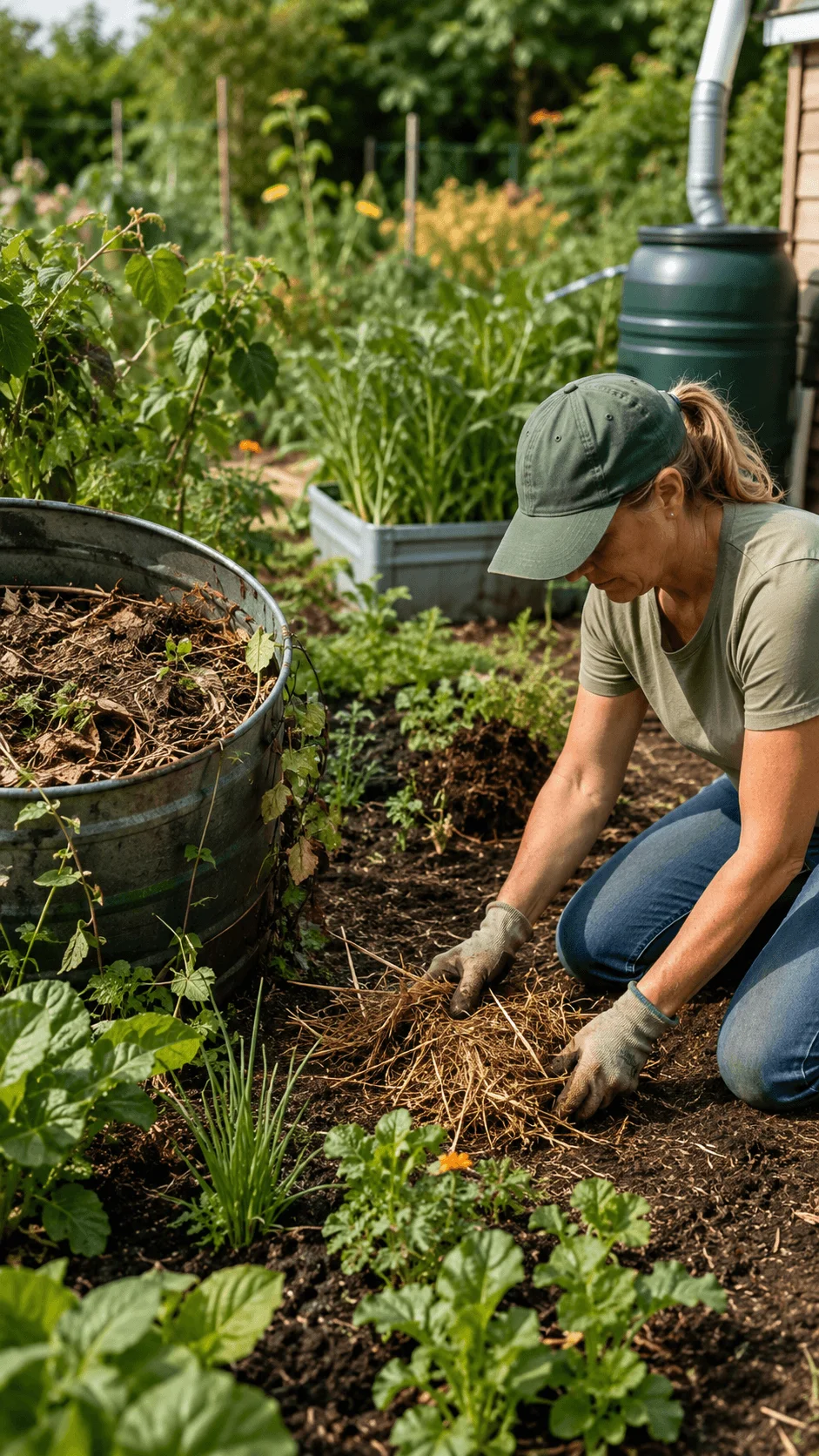
Native and locally suitable plants often support insects, birds, and other wildlife more effectively than purely decorative species. Adults should still research every plant before adding it. A species that grows well in one country may become invasive in another.
People without a garden can use balcony containers, window boxes, shared courtyards, vertical planters, or community growing spaces. Herbs, small vegetables, flowers, and pollinator friendly plants can grow in limited areas when they receive suitable light and care.
Water use also matters. Gardeners can check soil moisture before watering, add mulch, group plants with similar needs, and water near the roots. These regenerative gardening activities can become rewarding sustainability activities for adults because participants can observe changes across different seasons.
Zero Waste Activities Through a Pantry Review
A pantry transformation can reduce food waste, packaging waste, and unnecessary spending. The activity should begin with careful review rather than the purchase of matching jars and decorative containers.
Adults can check expiry dates, damaged packaging, duplicate products, forgotten ingredients, and foods that nobody regularly eats. They can place older items near the front and newer purchases behind them. A small section for food that needs quick use can prevent ingredients from disappearing at the back of a shelf.
Meal planning works best when it begins with food already available. Adults can build meals around rice, beans, pasta, vegetables, sauces, or frozen ingredients that they already own. This approach reduces duplicate shopping and helps families use food before it spoils.
Reusable containers can improve storage, but adults should not throw away safe containers only to create a more attractive pantry. Using existing products for as long as possible often supports sustainability better than replacing them immediately.

Labels can show purchase dates, opening dates, or freezer contents. Clear storage also helps adults notice what they need before visiting a shop. Larger package sizes may reduce packaging in some households, but they only help when the food will actually be used.
Not every community has refill stores or bulk shopping options. People can still reduce waste through careful storage, practical package choices, local markets, and realistic meal planning. Zero waste activities for adults should reduce stress and waste rather than become expensive lifestyle projects.
Citizen Science and Local Biodiversity Mapping
Citizen science allows members of the public to record plants, birds, insects, fungi, and other species. These observations can support research while helping adults understand the ecosystems around their homes and neighbourhoods.
Participants can choose a garden, walking route, park, wetland edge, community garden, or street. They can use a suitable application, notebook, camera, or printed map to record what they see. Useful details may include the date, weather, habitat, location, and behaviour of the species.
Accurate identification matters. Adults should avoid guessing when they feel uncertain. Clear photographs can help other users or experts confirm an observation. Learning to notice leaf shape, flower structure, bird calls, insect markings, and habitat type can improve accuracy over time.
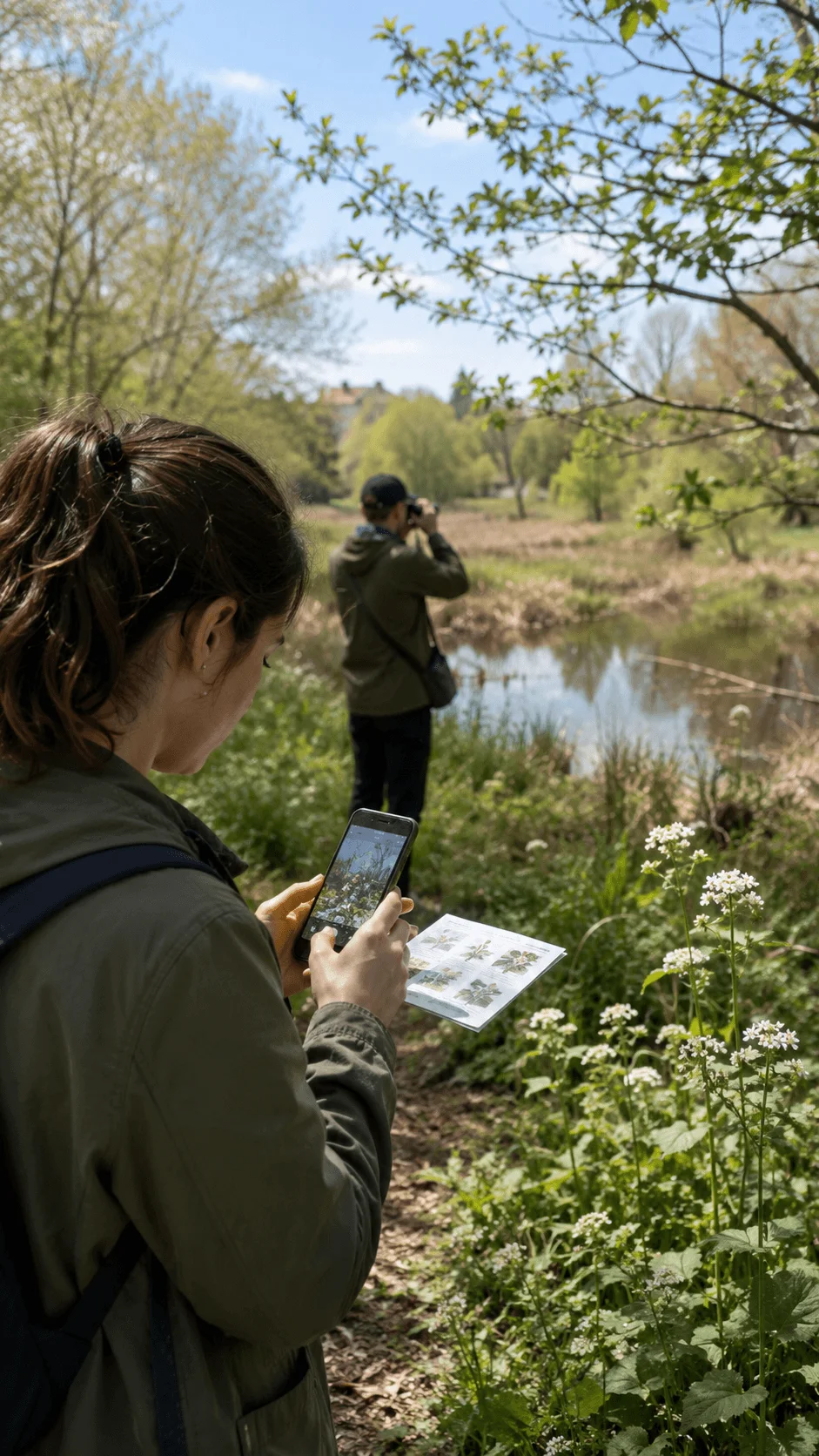
Ethical observation is essential. Participants should not disturb nests, move animals, remove rare plants, damage fungi, or enter restricted land. They should also avoid publishing the exact location of sensitive species.
Seasonal comparison can make the activity more interesting. A park may contain different insects in spring, different flowers in summer, and different birds during migration periods. Returning to the same area can reveal changes that one visit would miss.
These environmental activities for adults combine outdoor learning, technology, and local habitat awareness. They also encourage people to value ordinary urban spaces as living ecosystems.
Clothing Swaps and Visible Mending Workshops
Clothing swaps give unused garments a new owner and reduce demand for constant replacement. Friends, coworkers, neighbours, or community groups can organise an exchange in a shared space.
Organisers should ask participants to bring clean, wearable clothing in reasonable condition. Clear categories for size, type, and season can make the event easier to use. Rules should also explain how many items each person may bring and what will happen to unclaimed clothing.
Visible mending adds a creative repair element. Adults can use decorative stitching, patches, fabric reinforcement, spare buttons, and simple embroidery to repair damage. A patch does not need to hide completely. It can become part of the design.

Beginners can start with loose buttons, small holes, torn pockets, and simple seams. Complicated tailoring may require professional help. Needles, scissors, irons, and sewing machines require proper handling, especially in group settings.
The activity can lead to broader discussions about fast fashion, textile waste, labour, water use, and the short life of many garments. It also helps people appreciate the time and materials involved in clothing production.
Clothing based sustainability activities for adults work best when they focus on use, care, and repair rather than judging personal style. The aim is to help useful garments remain in circulation for longer.
Sustainable Cooking Activities Using Food Scraps
Food scrap cooking challenges adults to use safe, edible ingredients that often enter the bin. Suitable options may include broccoli stalks, herb stems, stale bread, soft fruit, overripe bananas, vegetable pieces, leftover rice, and small portions of cooked food.
Not every scrap is edible. Spoiled, mouldy, contaminated, or unsafe food should not enter a recipe. Adults must consider allergies, storage time, washing, refrigeration, and reheating temperatures before using leftovers.
A good challenge begins with one commonly wasted ingredient. Stale bread may become breadcrumbs or a baked dish. Soft fruit may work in a smoothie or sauce. Vegetable pieces may support a soup, stock, or stir fry.

Meal planning can prevent waste before it occurs. Realistic portions, clear labels, freezer use, and one weekly meal based on ingredients that need quick use can reduce discarded food. Composting can manage unavoidable plant waste after edible uses have been considered.
Families or friends can turn the activity into a shared cooking session. Each person may prepare a meal from selected ingredients and explain how they avoided waste. The goal is not to force people to eat unwanted food. It is to improve storage, planning, and respect for ingredients.
These sustainable living activities connect environmental action with household budgets, cooking skills, and everyday routines.
Workplace Sustainability Activities That Reduce Energy Waste
A workplace energy detective challenge helps employees identify wasted electricity in offices, shops, studios, schools, and community buildings. Common problems include unused lights, active computers in empty rooms, chargers left connected, unnecessary printing, excessive cooling, and old equipment.
Participants can observe energy use during a normal workday and record improvement opportunities. They should focus on systems instead of blaming coworkers. Poor routines often develop because responsibilities remain unclear.
Simple changes may include setting devices to sleep, switching off unused areas, creating a closing checklist, using natural light, maintaining ventilation, and reviewing temperature settings. Employees should not change electrical systems or major controls without permission.

Managers or building staff can review suggestions and approve safe improvements. Teams can compare bills or energy readings over several weeks, although weather, occupancy, and working hours may affect the results.
This activity also works as a sustainability team building exercise because it encourages observation, cooperation, and shared responsibility. Employees can see how small operational changes influence the wider workplace.
Workplace sustainability activities for adults become more effective when organisations support them with clear policies. Individual effort alone cannot solve inefficient building systems or outdated equipment.
Water Conservation and Rainwater Monitoring Projects
A water monitoring project begins with observation. Adults can review utility bills, inspect taps, check toilets, study garden watering, and notice how often washing machines or dishwashers run.
Hidden leaks can waste water over long periods. A constantly refilling toilet, dripping tap, or unexplained meter movement may indicate a problem. Adults should contact a qualified person when repairs exceed their skills.
Rainwater collection can support suitable outdoor uses where local rules and property conditions allow it. Garden watering and some cleaning tasks may use collected water, but untreated rainwater should not automatically serve as drinking, cooking, or personal washing water.
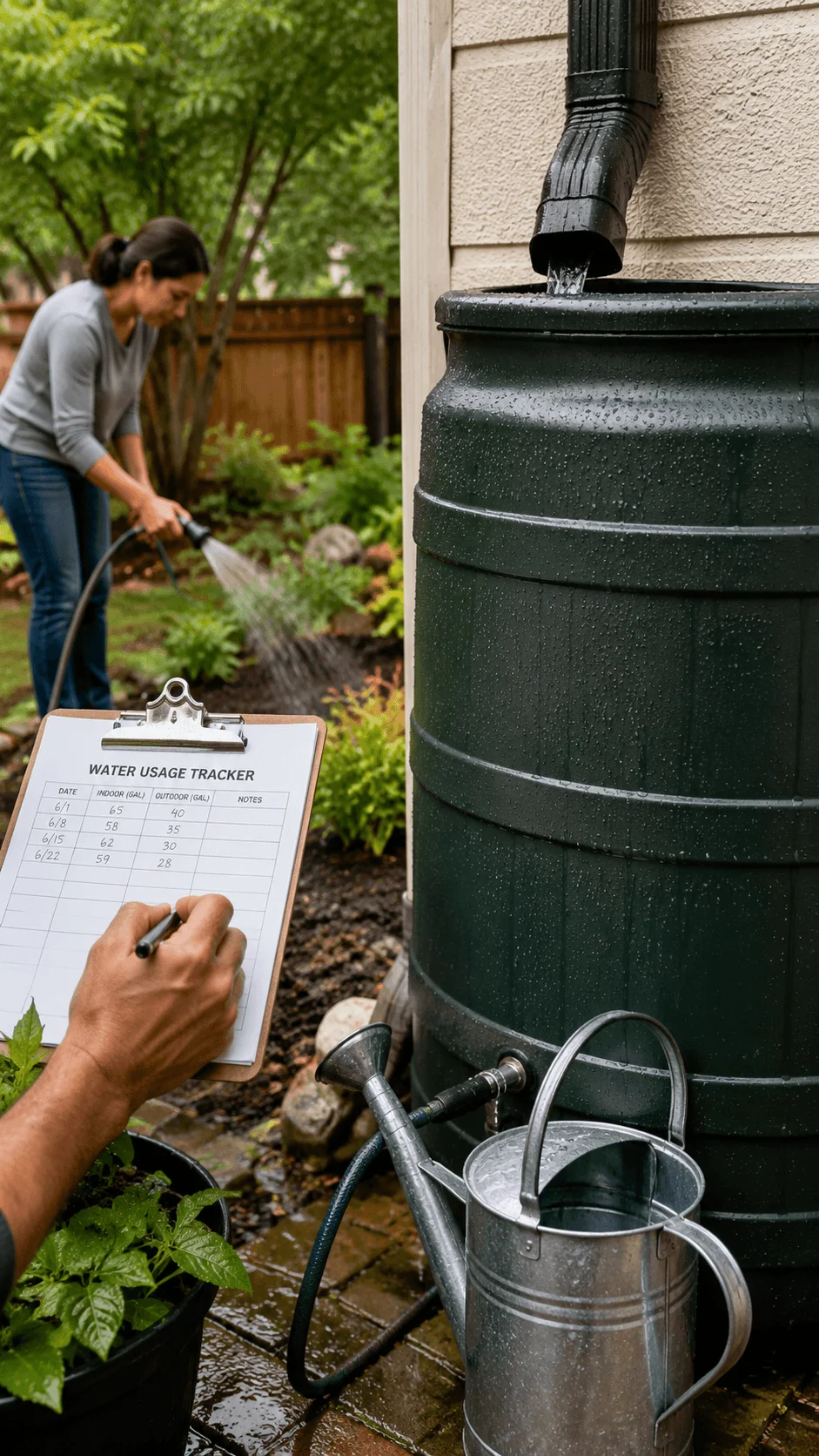
Containers need secure lids, stable placement, mosquito prevention, overflow control, and regular cleaning. Households with children or pets should take extra care. Adults should also prevent stagnant water and check local regulations.
Garden water use can fall when people add mulch, water near plant roots, choose suitable species, and check soil moisture before watering. Indoor improvements may include shorter showers, full laundry loads, and prompt leak repair.
Water based sustainability activities for adults become more meaningful when people compare use before and after making changes. Measured progress can reveal which habits actually work.
Community Sustainability Activities Through Tool Sharing
Many households own tools that remain unused for most of the year. A community tool library allows neighbours to borrow drills, ladders, gardening equipment, carpet cleaners, camping supplies, moving equipment, and repair kits.
A small group can begin by creating an inventory of items that members are willing to share. The record should include ownership, condition, borrowing dates, return dates, and maintenance history.
A notebook, spreadsheet, messaging group, or booking calendar may support the system. Clear rules should explain cleaning, damage, deposits, late returns, consumable parts, and replacement costs.
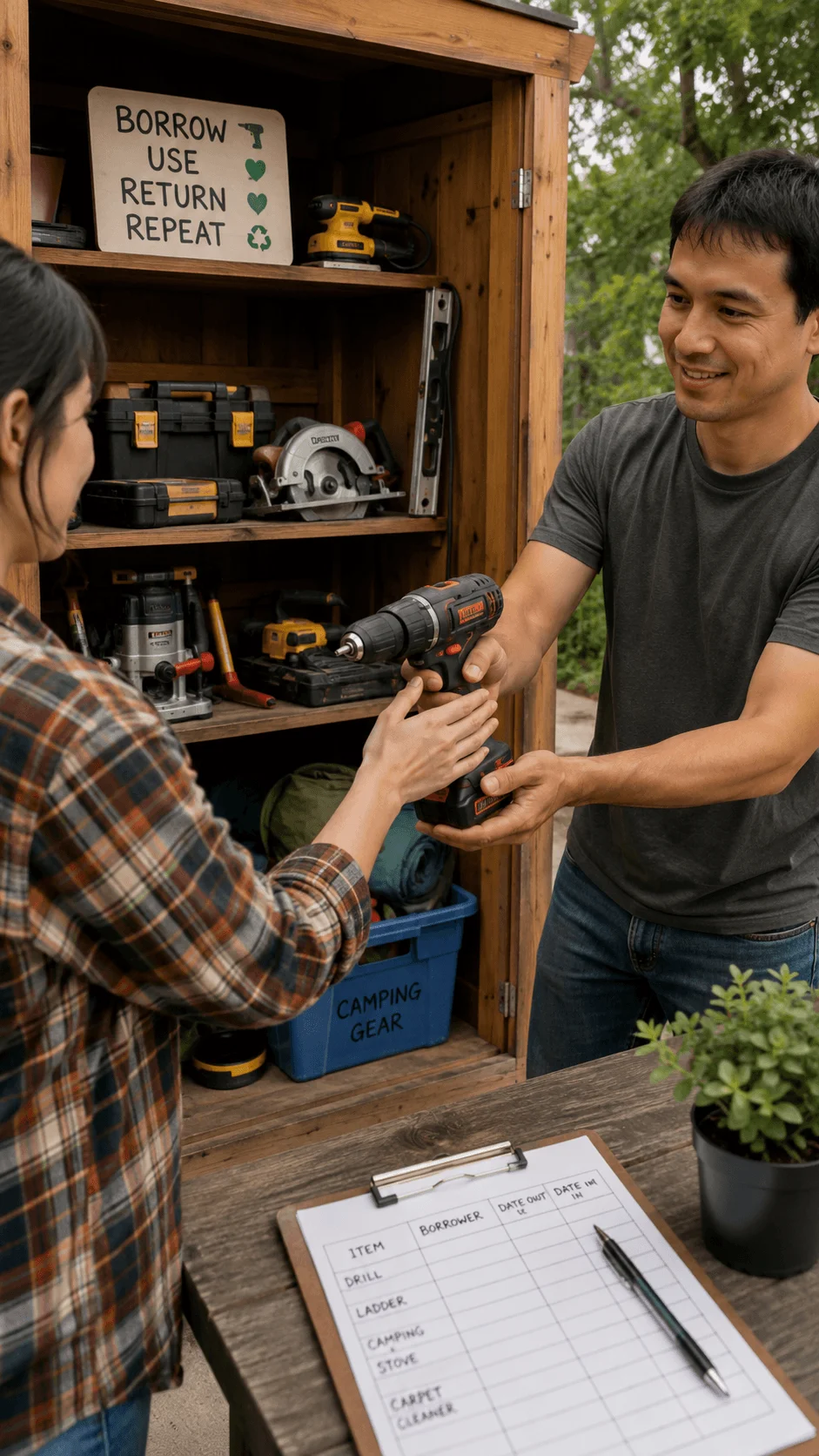
Safety remains important. People should only borrow equipment they understand how to use. Dangerous tools may require training, protective equipment, inspection, and age restrictions. Manufacturer instructions should remain available.
Tool sharing can lower household costs, reduce storage pressure, and strengthen relationships between neighbours. It may also reduce demand for duplicate products that people use only occasionally.
These community sustainability activities work best when members communicate clearly and return items on time. Trust grows through reliable systems, not vague expectations.
Environmental Activities for Adults That Support Pollinators
Pollinator habitat creation helps local bees, butterflies, beetles, moths, birds, and other beneficial species. Adults can support them through thoughtful planting and safe shelter.
Native or locally suitable plants can provide nectar, pollen, seeds, and nesting material. A mixture of plants that flower at different times can offer food across more than one season. Different flower shapes and heights may attract different species.
A shallow water source can help insects when it includes stones or rough landing surfaces. Bare soil, hollow stems, leaf litter, shrubs, logs, and quiet corners may also provide shelter. Gardeners should avoid excessive tidiness because some wildlife depends on natural material.
Pesticide reduction matters. Adults can begin with observation, physical barriers, healthy soil, and suitable planting before using treatments. They should research any product carefully because even some natural products can harm beneficial insects.
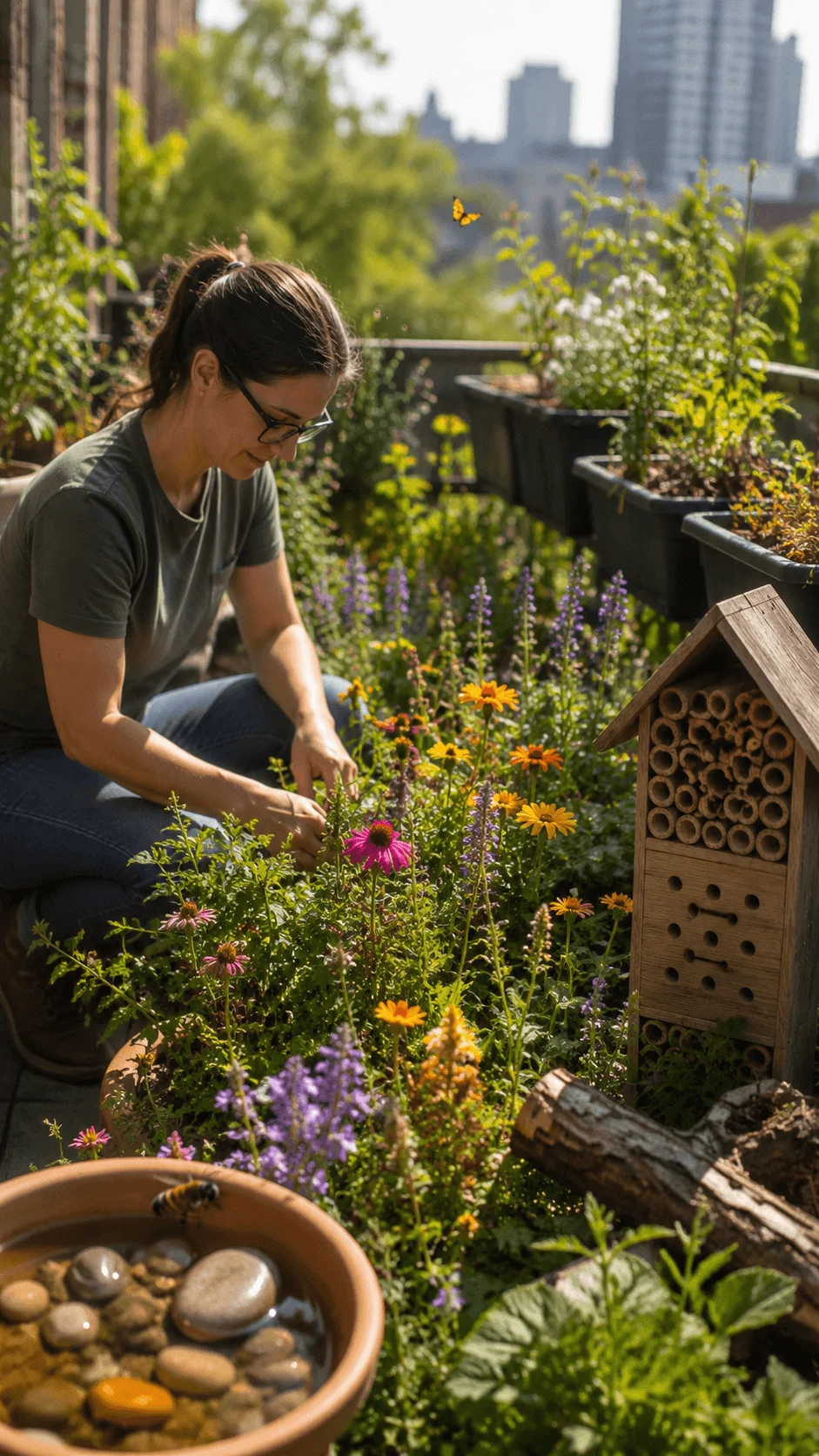
Decorative insect hotels require maintenance and appropriate design. Poor ventilation, moisture, overcrowding, and disease can create problems. Natural habitat features may sometimes provide a safer alternative.
People without gardens can use balcony containers, window boxes, shared courtyards, or community planting spaces. They should consider allergies, stings, pets, toxic plants, invasive species, and local rules.
These sustainability activities for adults support biodiversity while giving participants a chance to observe seasonal changes close to home.
Conclusion
Sustainability activities for adults can make environmental responsibility more practical, social, and measurable. Repair cafes extend the life of products. Tool libraries reduce duplicate ownership. Food waste challenges improve planning. Digital cleanups encourage responsible technology use. Regenerative gardens and pollinator habitats support local ecosystems.
Adults do not need to complete every project at once. One person may begin with a pantry review, while another may organise a clothing swap or record local wildlife. The most suitable activity depends on time, budget, available space, physical ability, and community access.
Lasting progress often begins with observation. Adults can measure energy, notice waste, inspect storage, record water use, and identify products that need repair. These actions make environmental problems easier to understand and improve.
Meaningful sustainability activities for adults should build confidence rather than guilt. People can start with one realistic idea, track the results, and gradually add new habits. Repairing one item, sharing one tool, protecting one habitat, or preventing one source of waste can become the beginning of a more thoughtful and sustainable routine.