10 Unbelievably Easy Ways to Make Your Home Sustainable
Making your home greener does not have to mean installing solar panels tomorrow, gutting your kitchen, or spending thousands on fancy eco gadgets. In fact, some of the best changes are the smallest ones: the habits you repeat every day without much effort. If you have been looking for easy ways to make your home more sustainable, the good news is that you can start right where you are, with what you already own. A more sustainable home is simply one that uses less, wastes less, and helps you live a little more thoughtfully.
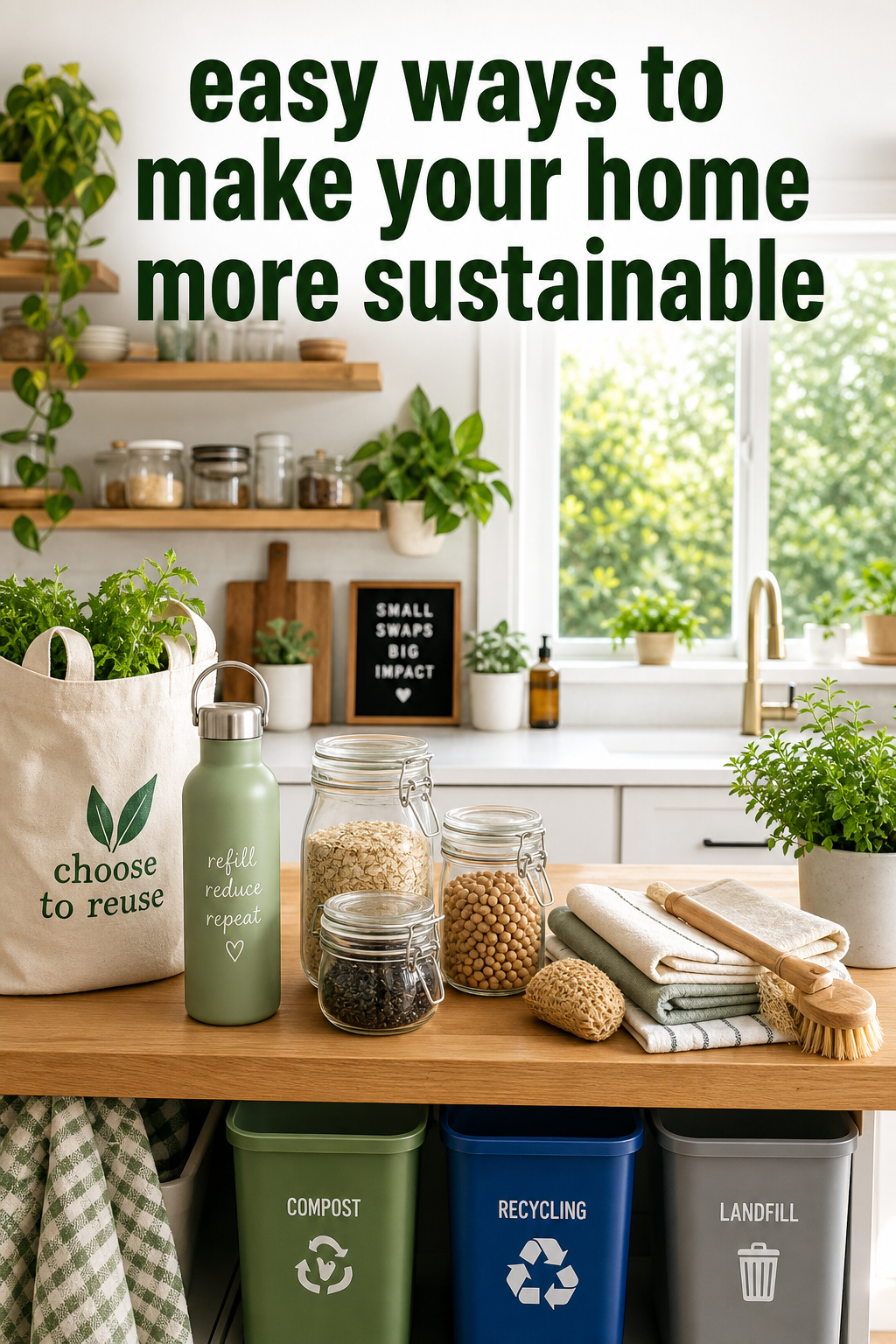
If you enjoy practical green living ideas, you can also explore more tips in our Sustainability section. Below, we will walk through 10 simple, realistic changes that can make a big difference over time.
1. Start by reducing single-use items
One of the easiest ways to make your home more sustainable is to notice how many things you use once and toss away. Paper towels, plastic sandwich bags, disposable water bottles, plastic cutlery, coffee pods, and cling wrap can pile up fast. Replacing just a few of these with reusable options can cut household trash immediately.
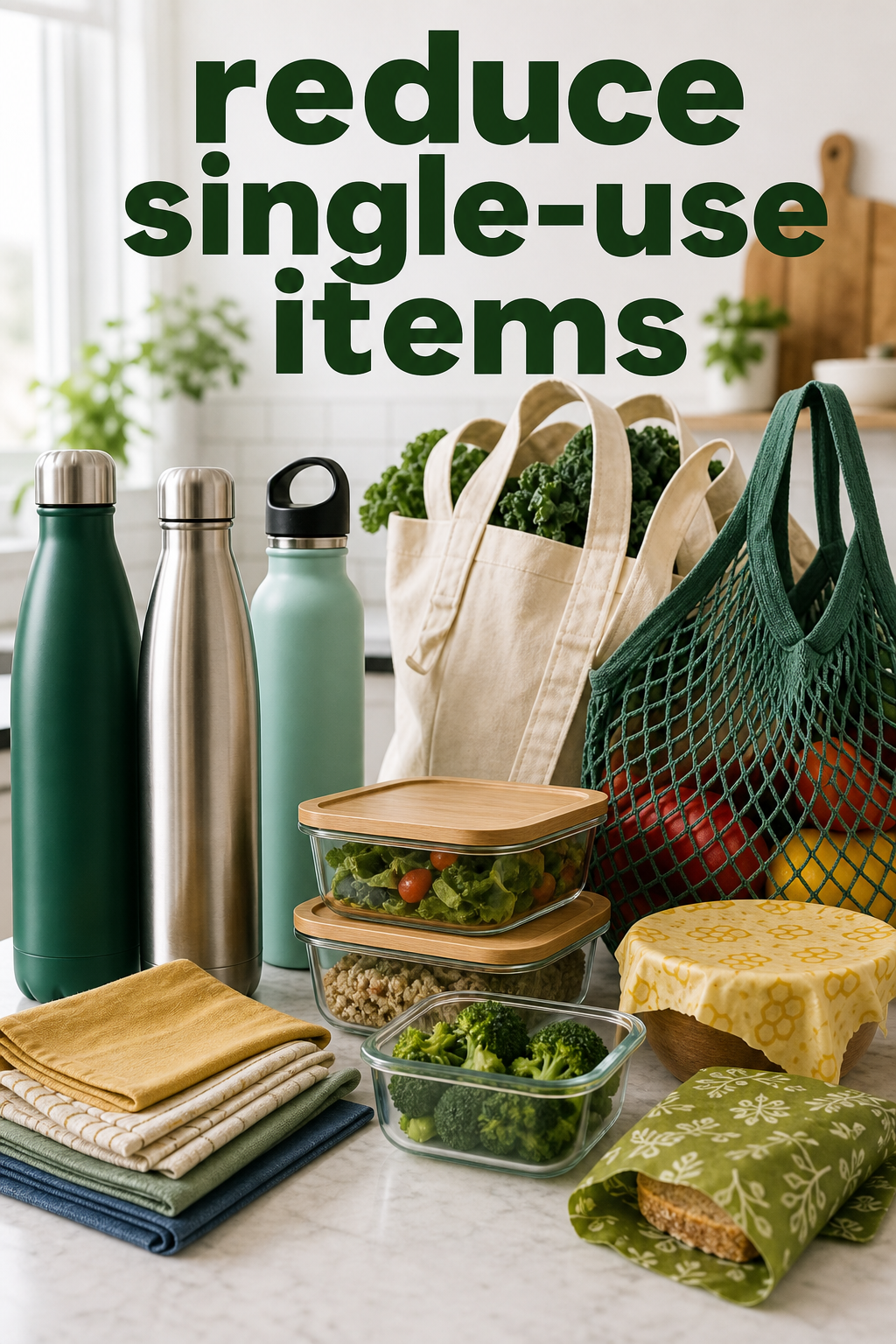
You do not need to replace everything in one shopping trip. Start with the items you use most. Maybe that means switching to reusable water bottles, cloth napkins, food storage containers, beeswax wraps, or washable cleaning cloths. If paper towels are your big one, keep a basket of old cut-up T-shirts or rags in the kitchen and use them for everyday spills.
This one change works because it saves money over time and reduces the amount of trash leaving your house each week. It also makes you more aware of what you buy, use, and throw away. That awareness tends to spark more good habits naturally.
2. Build a simple recycling routine that actually works
Lots of households want to recycle more, but recycling gets messy when there is no system. Items end up in the wrong bin, clean recyclables get contaminated with food, and people give up because it feels confusing. The easy fix is creating a simple routine that everyone in the house can follow.
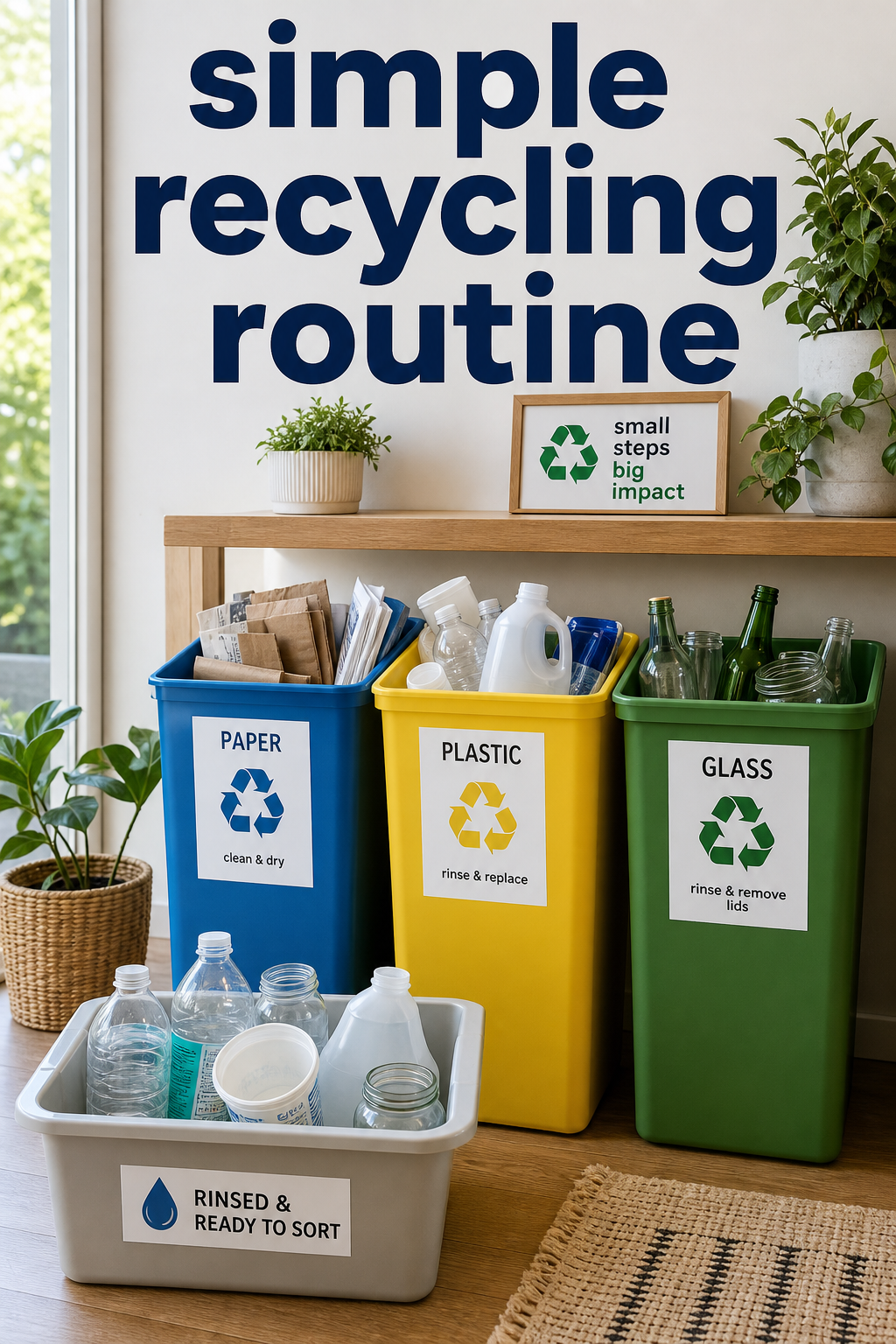
Put a clearly labeled recycling bin next to your regular trash so sorting feels automatic. Rinse containers quickly before tossing them in. Learn your local recycling rules, because what is accepted varies from place to place. If your city has special pickup days, knowing your schedule matters too.
A great bonus tip is to keep a small box or bag for items that cannot go in curbside recycling but may be accepted elsewhere, such as batteries, light bulbs, or electronics. Sustainable living is often more about organization than perfection.
If your family needs fun ways to learn greener habits together, posts like sustainability projects for kids can help turn everyday lessons into action.
3. Use less energy without changing your whole lifestyle
Energy savings sound complicated, but many of the easiest sustainability wins happen with simple daily choices. Turning off lights in empty rooms, unplugging chargers, washing laundry in cold water, and running full loads in the dishwasher all reduce energy use without making life harder.
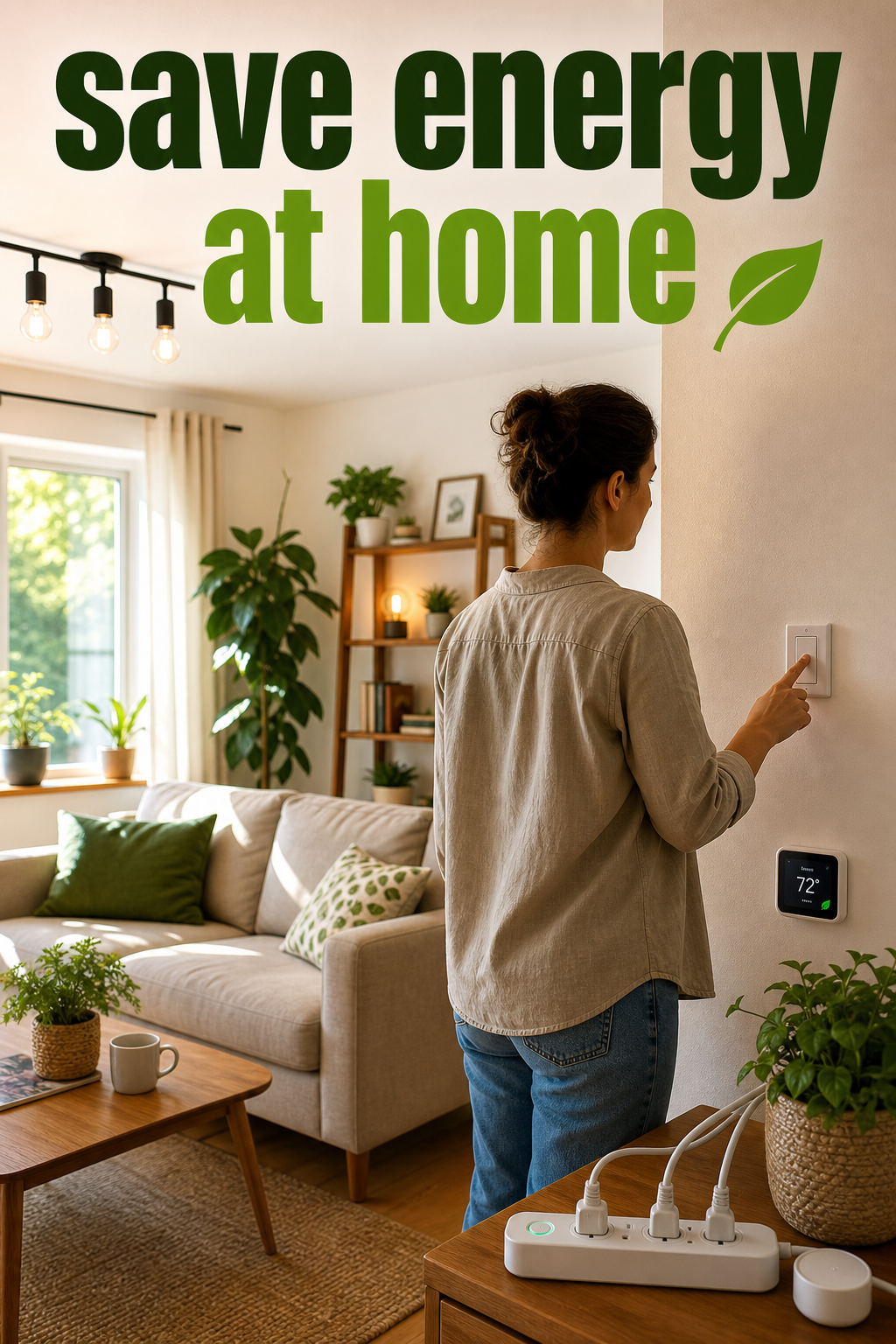
Swap old incandescent bulbs for LEDs if you have not already. They use less electricity and last much longer. Open curtains during the day for natural light, and use ceiling fans when possible so you rely less on heating and cooling systems. Even adjusting your thermostat by a degree or two can help over time.
If you are ready for one easy upgrade, install a smart power strip in an area with lots of electronics, like a living room or home office. It helps reduce the sneaky energy drain from devices that still pull power even when they are turned off.
For bigger-picture inspiration on eco-conscious living spaces, take a look at sustainable house plan design ideas. Even if you are not building a new house, the principles can inspire smarter choices in your current one.
4. Waste less food by planning just a little better
Food waste is one of the most overlooked parts of home sustainability. It is easy to buy produce with good intentions, forget it in the fridge, and end up throwing it away days later. The most sustainable food is the food you actually eat.
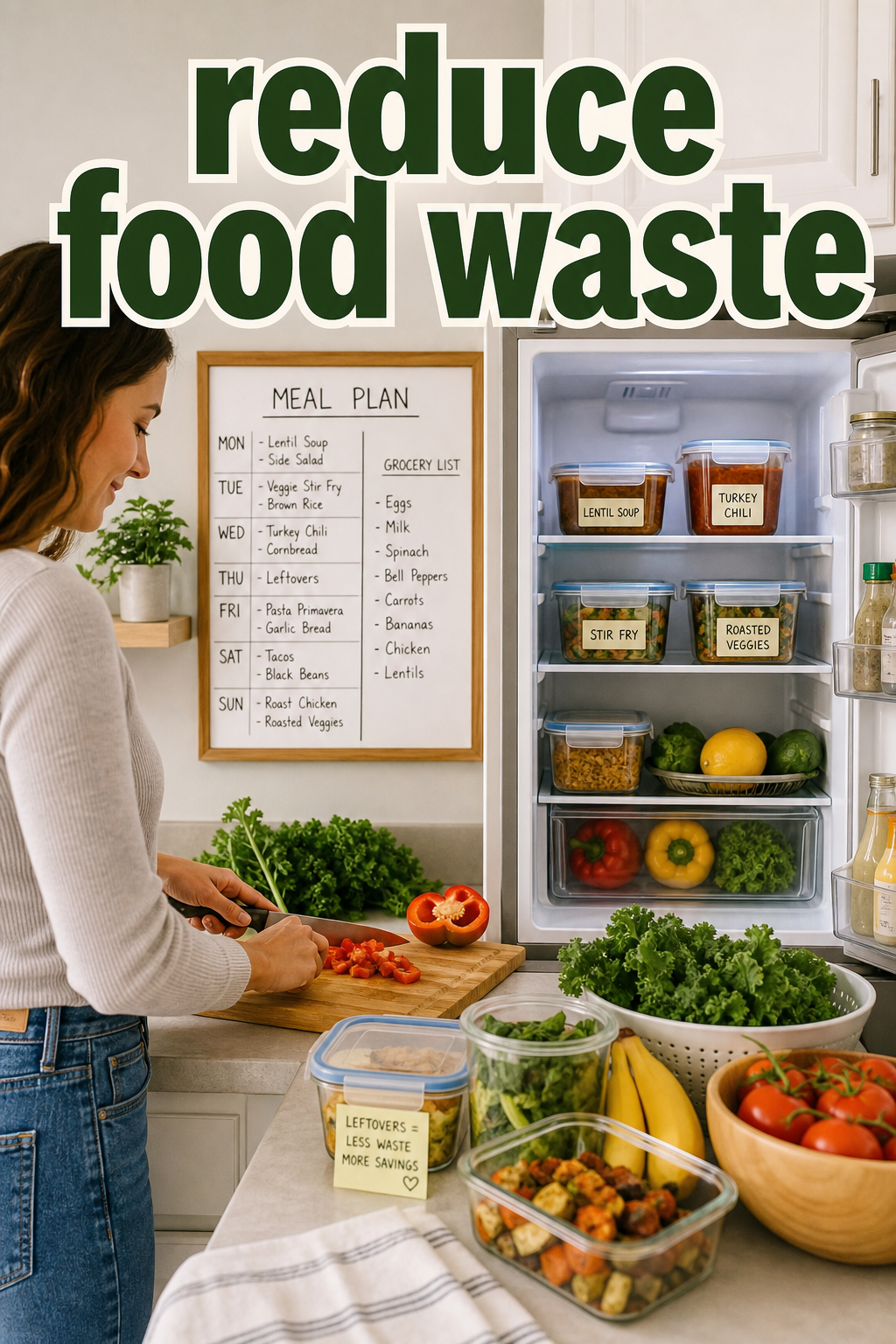
You do not need a strict meal-prep routine to improve this. Start by checking your fridge before grocery shopping. Plan meals around what you already have. Keep older items toward the front so they get used first. Freeze leftovers before they go bad. Store herbs, greens, and berries properly so they last longer.
A “use-it-up” dinner once a week is one of the easiest habits to adopt. It is exactly what it sounds like: a meal made from ingredients that need to be eaten soon. Soups, stir-fries, omelets, tacos, grain bowls, and pasta dishes are perfect for this.
Cutting food waste helps the planet, lowers your grocery bill, and reduces the amount of heavy, messy trash in your kitchen bin. That is a win all around.
5. Choose better cleaning habits and products
Many household cleaning products come in single-use plastic bottles and contain harsh chemicals you may not really need for everyday messes. A more sustainable cleaning routine can be surprisingly simple, affordable, and effective.
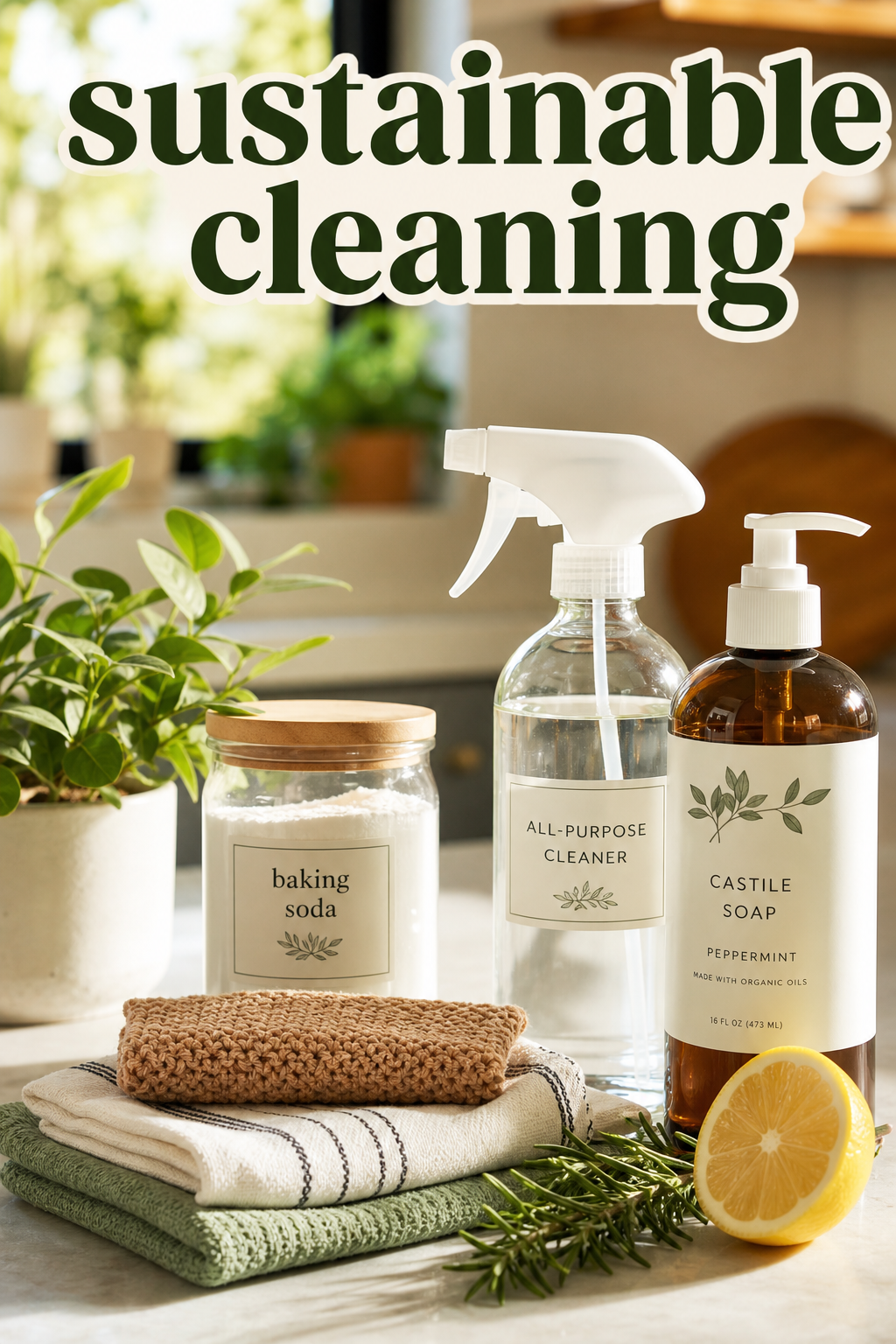
Start by using reusable cloths instead of disposable wipes. Then simplify your products. For many jobs, a few basics go a long way: castile soap, baking soda, white vinegar for appropriate surfaces, and a good dish soap. Buying concentrated refills or larger containers can also reduce packaging waste.
Another smart move is to stop overusing product. Most people use more detergent, more spray, and more cleaner than necessary. Following label directions more closely saves money and reduces waste immediately.
If you like eco-friendly ideas that blend style and function, you may enjoy reading about sustainable packaging ideas, because the same principle applies at home: less waste, smarter materials, better results.
6. Make water-saving habits part of your day
Saving water does not have to feel restrictive. In most homes, the easiest improvements come from small habit shifts and a few inexpensive fixes. If you can use a little less water each day, that adds up faster than you might think.
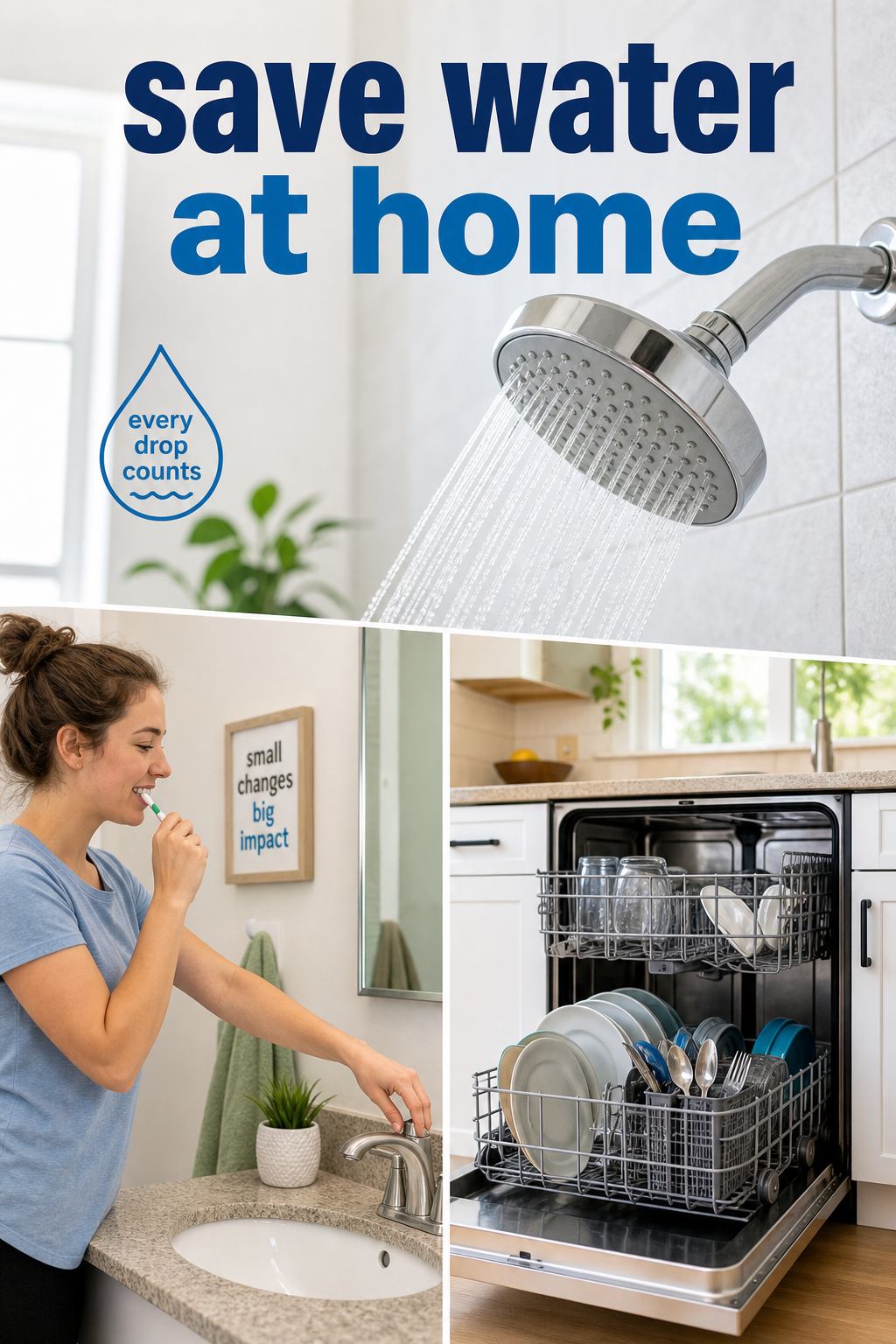
Take shorter showers, turn off the tap while brushing your teeth, and only run the dishwasher or washing machine when full. Check for leaks under sinks and around toilets, because a slow drip can waste a surprising amount of water over time. If your showerhead is old, a low-flow version can reduce water use without making showers miserable.
In the kitchen, keep a pitcher of cold water in the fridge so you do not run the tap waiting for it to chill. If you rinse produce, consider using a bowl and then pouring that water onto outdoor plants.
These changes are easy because they fit into routines you already have. You are not reinventing your life. You are just trimming waste from it.
7. Buy less, and buy better when you do
One of the most powerful sustainability habits has nothing to do with recycling bins or energy bills. It is simply buying fewer things you do not need. Every product takes materials, packaging, transportation, and energy to reach your home. Being more intentional with purchases makes your home more sustainable from the start.
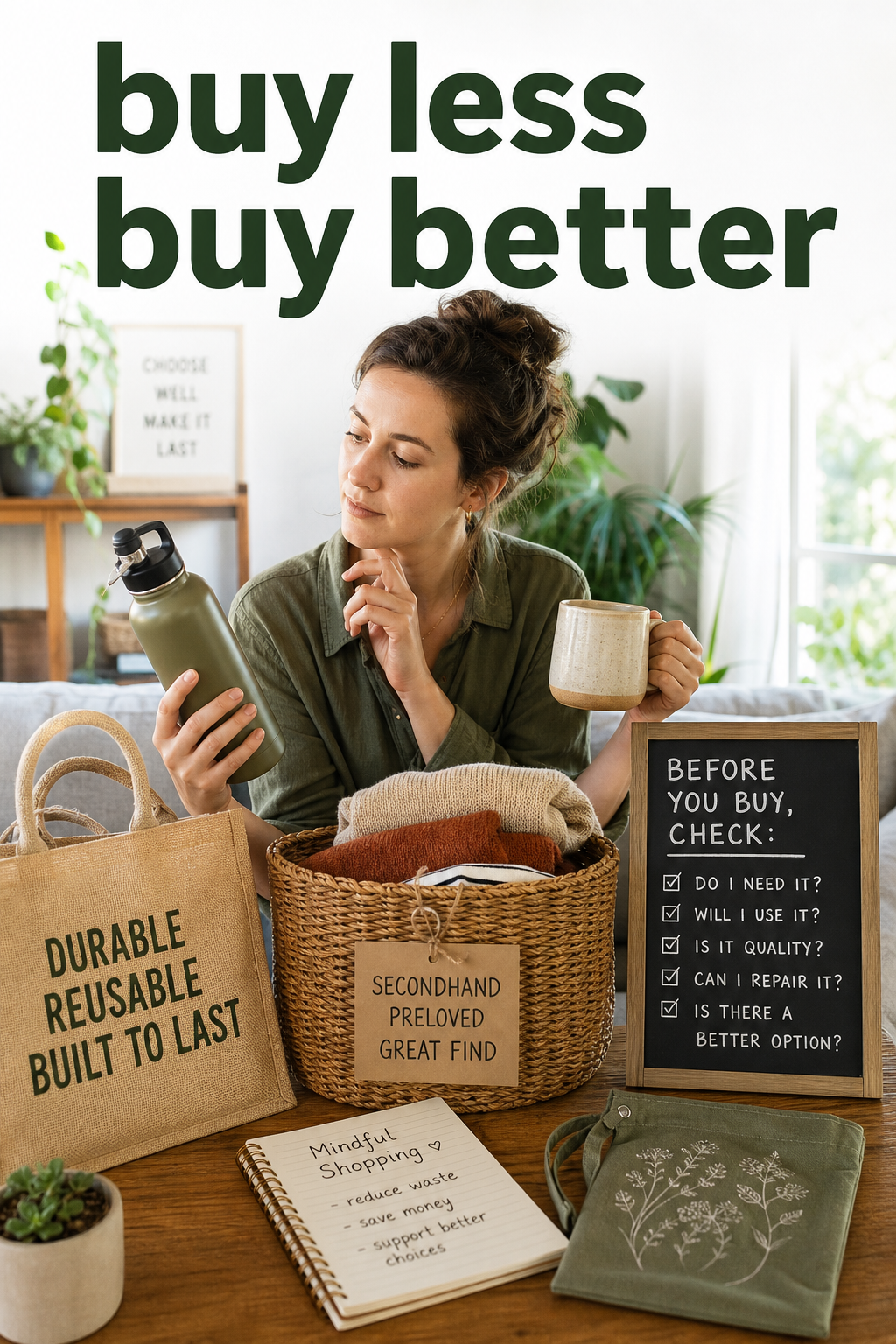
Before buying something new, ask a few quick questions. Do I already own something that does the same job? Can I borrow it? Can I buy it secondhand? Will this last? Will I still want it in six months? Those simple pauses prevent a lot of clutter and waste.
When you do buy, choose durable items over disposable or trendy ones whenever possible. Think refillable pens, quality storage containers, sturdy kitchen tools, timeless decor, and repairable appliances. Sustainable living is often less about buying “green” products and more about buying less often.
For home and design inspiration, ideas from sustainable office interior design can also apply to your house, especially when it comes to choosing durable furniture and materials that last.
8. Reuse, repair, and upcycle what you already own
Before something becomes trash, ask whether it can have a second life. Reusing and repairing items is one of the most practical ways to reduce waste at home. It keeps useful stuff out of landfills and helps you save money at the same time.
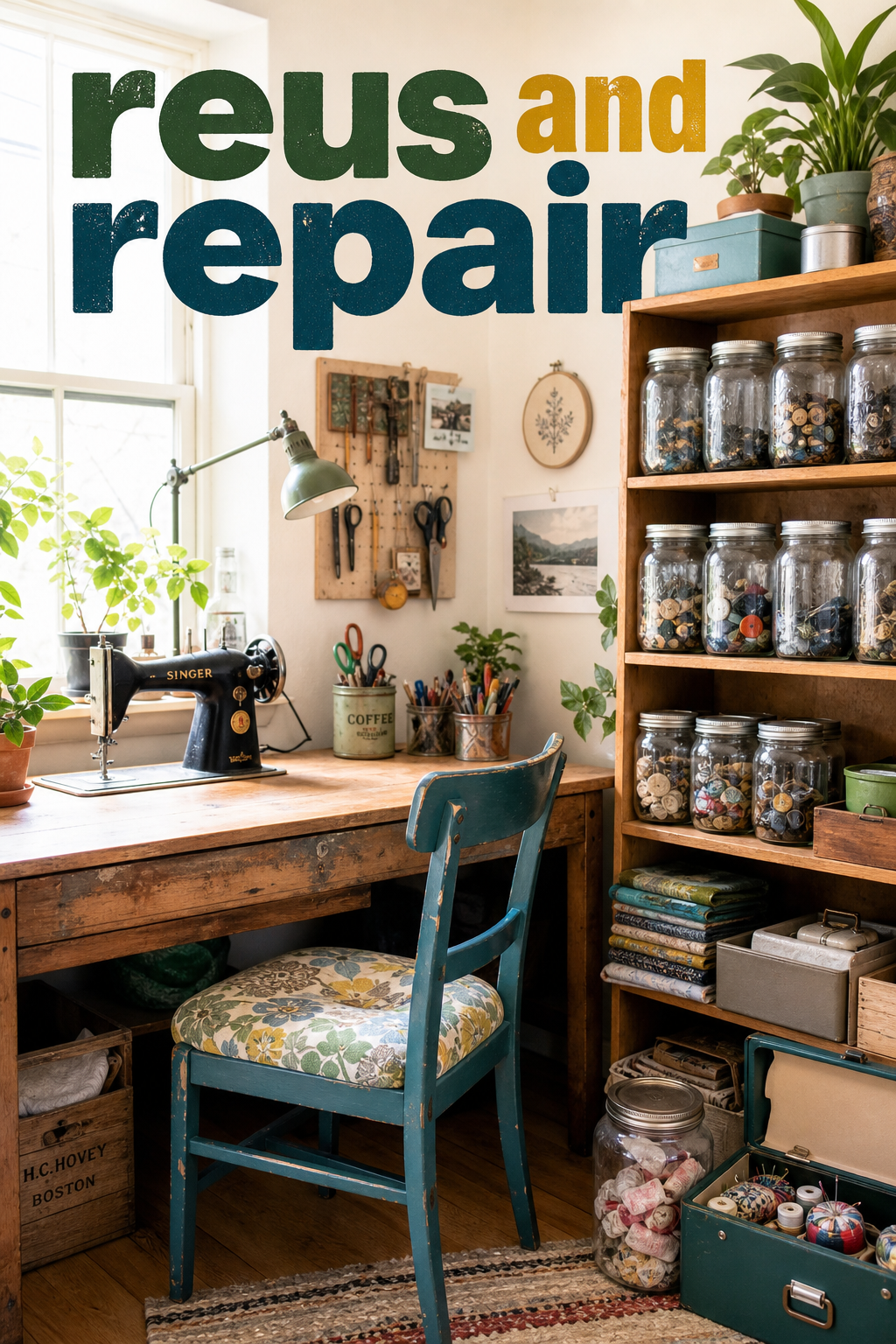
A chipped mug can hold pens. Glass jars can store pantry staples, screws, cotton balls, or leftovers. Old towels can become cleaning rags. Worn furniture can often be repainted or refinished instead of replaced. Loose buttons, small tears, and broken seams are usually quick fixes if you keep a basic sewing kit around.
Upcycling also makes sustainability feel creative instead of restrictive. If you have kids, this can be a fun family habit to build together. Crafts made from cardboard, jars, fabric scraps, and packaging can teach the value of reuse in a memorable way. For ideas, check out sustainability crafts for kids.
The more often you repair or repurpose something, the more you train yourself to see potential instead of waste.
9. Compost if you can, even on a small scale
Composting sounds intimidating to a lot of people, but it can be much easier than expected. If you cook at home, a good chunk of your kitchen waste may be compostable, including fruit and vegetable scraps, coffee grounds, eggshells, and certain yard waste.
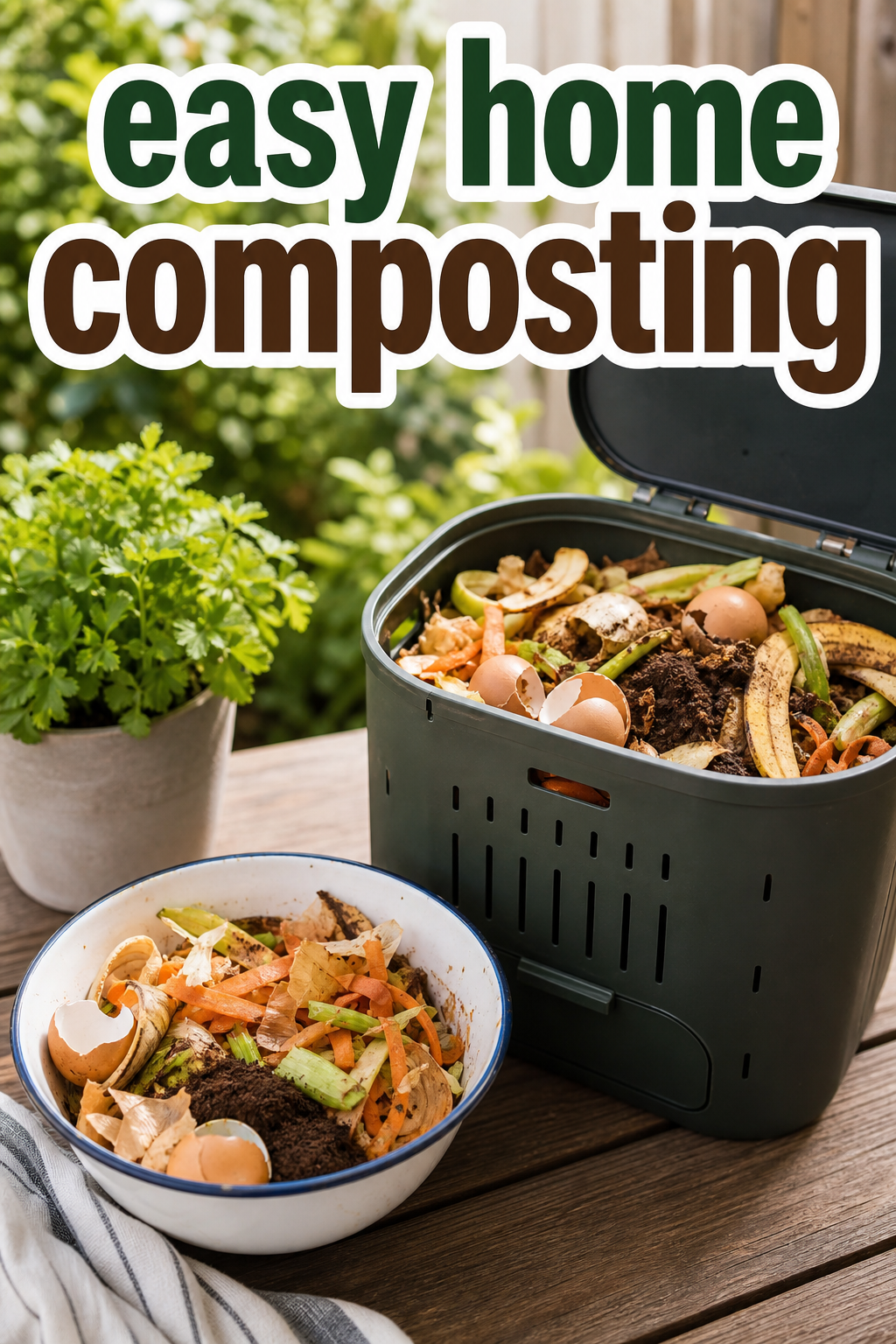
If you have outdoor space, a basic compost bin or pile can turn scraps into nutrient-rich material for your garden. If you live in an apartment, you can look into countertop compost collectors, municipal compost pickup, or community drop-off options. Even keeping food scraps out of the regular trash a few times a week can make a difference.
Composting reduces the amount of organic waste sent to landfills, where it can produce methane as it breaks down. It also makes your trash can smell better, which is a very practical benefit most people appreciate immediately.
Start small. You do not have to compost everything on day one. Begin with coffee grounds and produce scraps and build from there.
10. Create sustainable habits you can actually stick with
The biggest secret to a more sustainable home is consistency. Tiny actions done daily beat big dramatic plans that never happen. The goal is not to become a perfectly zero-waste household overnight. The goal is to make better choices more often, in ways that fit your real life.
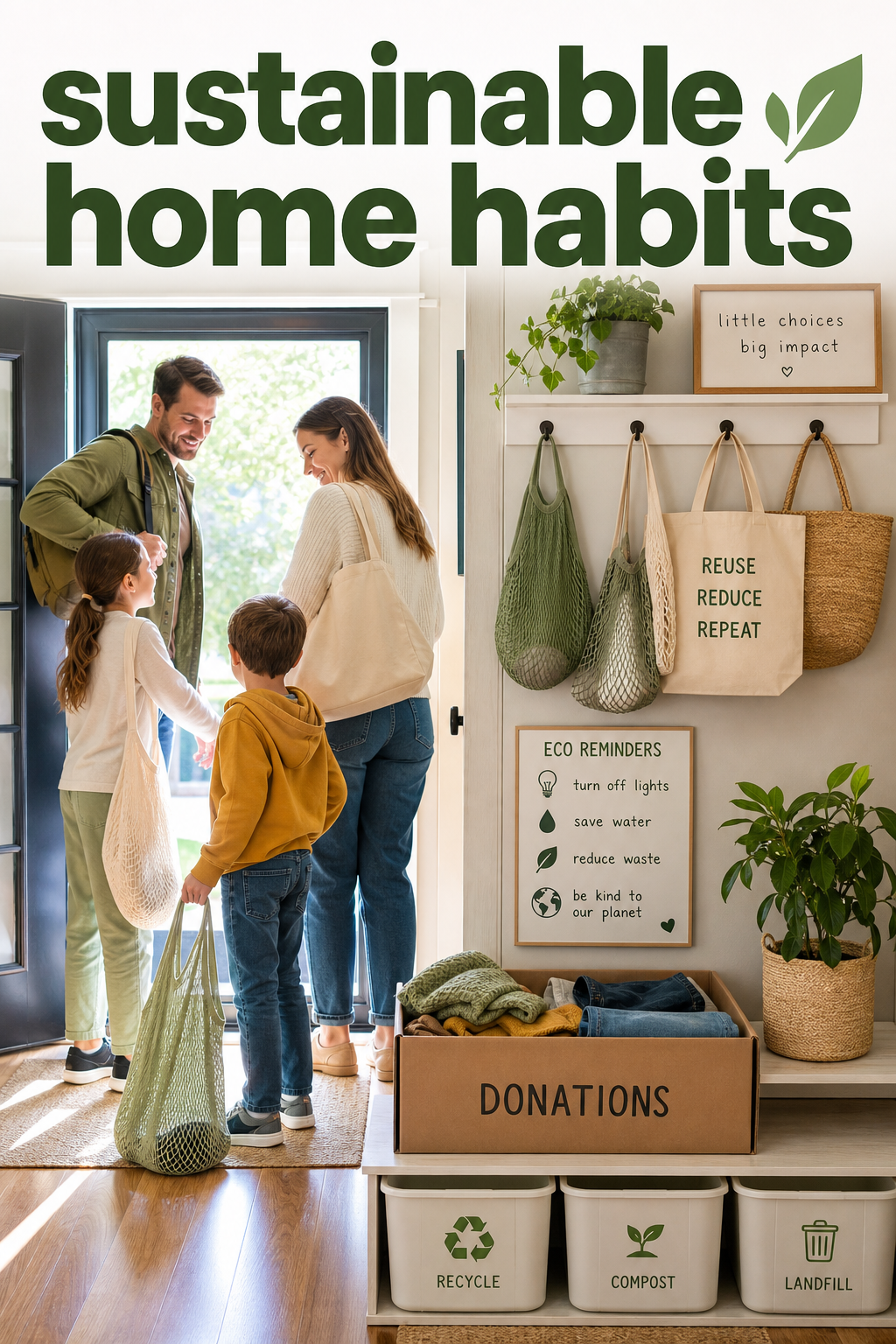
Choose two or three habits from this list and focus on those first. Maybe that is carrying reusable water bottles, cutting food waste, and washing clothes in cold water. Once those feel normal, add another. Keep a donation box in a closet. Put reminders near light switches. Store reusable bags in your car. Design your environment so the sustainable choice becomes the easy choice.
It can also help to talk about these habits as a household. When everyone understands the goal, routines become easier to maintain. Sustainability at home works best when it feels simple, visible, and shared.
If you enjoy visual inspiration, creative resources like easy sustainability drawing ideas can even help kids and adults think about green living in fresh, motivating ways.
Why these small changes matter more than you think
It is easy to underestimate small actions because they feel, well, small. But sustainable living is built from repeated everyday decisions. One reusable bottle is small. Using it hundreds of times is not. Turning off lights once is small. Doing it every day for years is not. Wasting one less bag of salad each week may not sound impressive, but over a year, it absolutely is.
And there is something else that matters too: momentum. Once you begin making small sustainable changes at home, you start noticing other areas where waste can be reduced. You become more mindful of packaging, energy use, water use, and shopping habits. The shift often grows naturally.
That is why the best sustainable home is not the most expensive or the most trendy. It is the one where practical, repeatable habits are part of everyday life.
Conclusion
If you have been wondering how to live greener without making life harder, these easy ways to make your home more sustainable are a great place to begin. Start with one change that feels manageable. Then add another. Bring in reusable items, waste less food, recycle correctly, save water, and get more use from the things you already own. You do not need perfection to make a difference. You just need a few better habits, repeated often.
A more sustainable home is not built in a day. It is shaped one simple choice at a time, and every one of those choices counts.