Sustainability Creative Post Design Ideas 2026
Sustainability has moved far beyond being a simple design trend. In 2026 it has become a defining force in how visual content is created and consumed. Audiences are more informed, more selective, and more emotionally driven when it comes to the content they engage with. This shift has pushed designers and brands to rethink not just what they create, but why they create it.
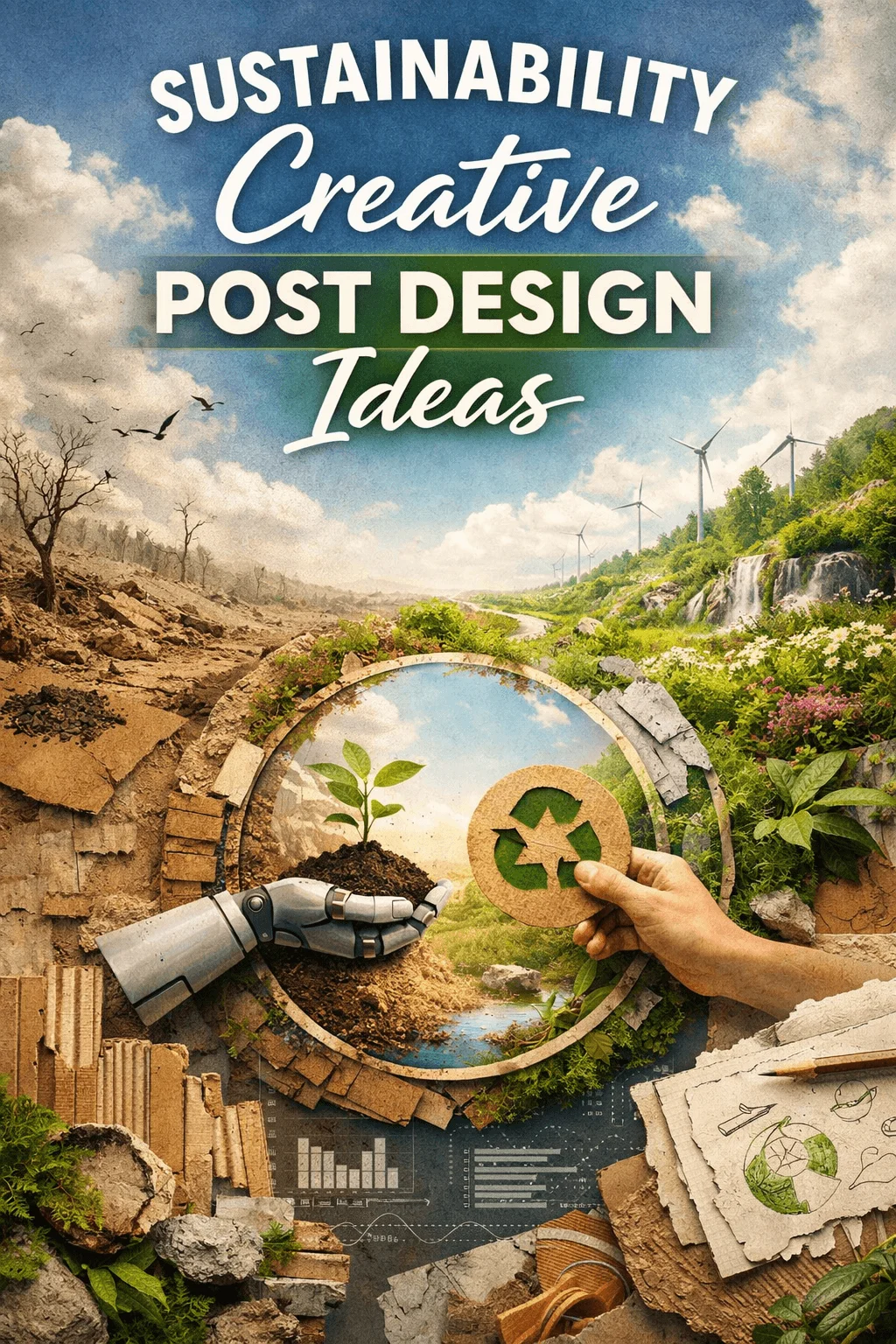
Sustainability creative post design ideas are now deeply connected with storytelling, authenticity, and long term impact. Social media platforms like Instagram and Pinterest are filled with content, but only designs that feel meaningful and intentional manage to stand out. This is where eco friendly social media post design plays a powerful role. It connects aesthetics with purpose and transforms simple visuals into messages that resonate.
Regenerative Storytelling Through Visual Design
Regenerative storytelling is one of the most meaningful directions in sustainability creative post design ideas. Instead of focusing only on reducing harm, it highlights how design can communicate restoration and positive impact. These visuals often show transformation, growth, and renewal.
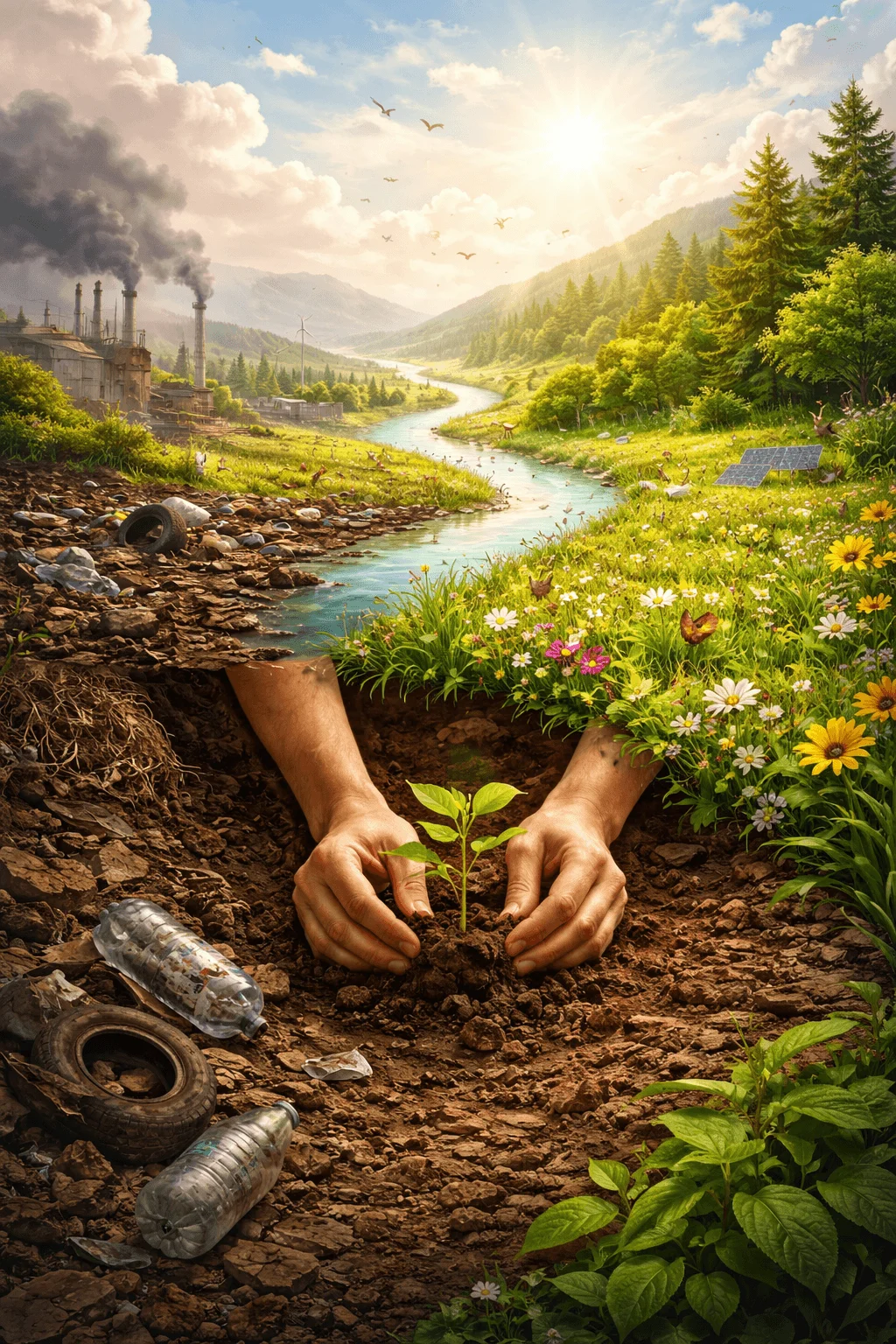
The strength of this idea lies in its optimism. Rather than making the audience feel guilty, it makes them feel hopeful. Designers can explore this concept by creating visual journeys where damaged environments gradually return to life. This approach can also be used to show the impact of small actions over time, turning everyday choices into powerful narratives.
Circular Design Thinking in Visual Content
Circular design visuals represent continuity and reuse. In 2026 this concept has become more refined and visually expressive. Designers are using loops, repeating patterns, and interconnected elements to communicate the idea of sustainability.
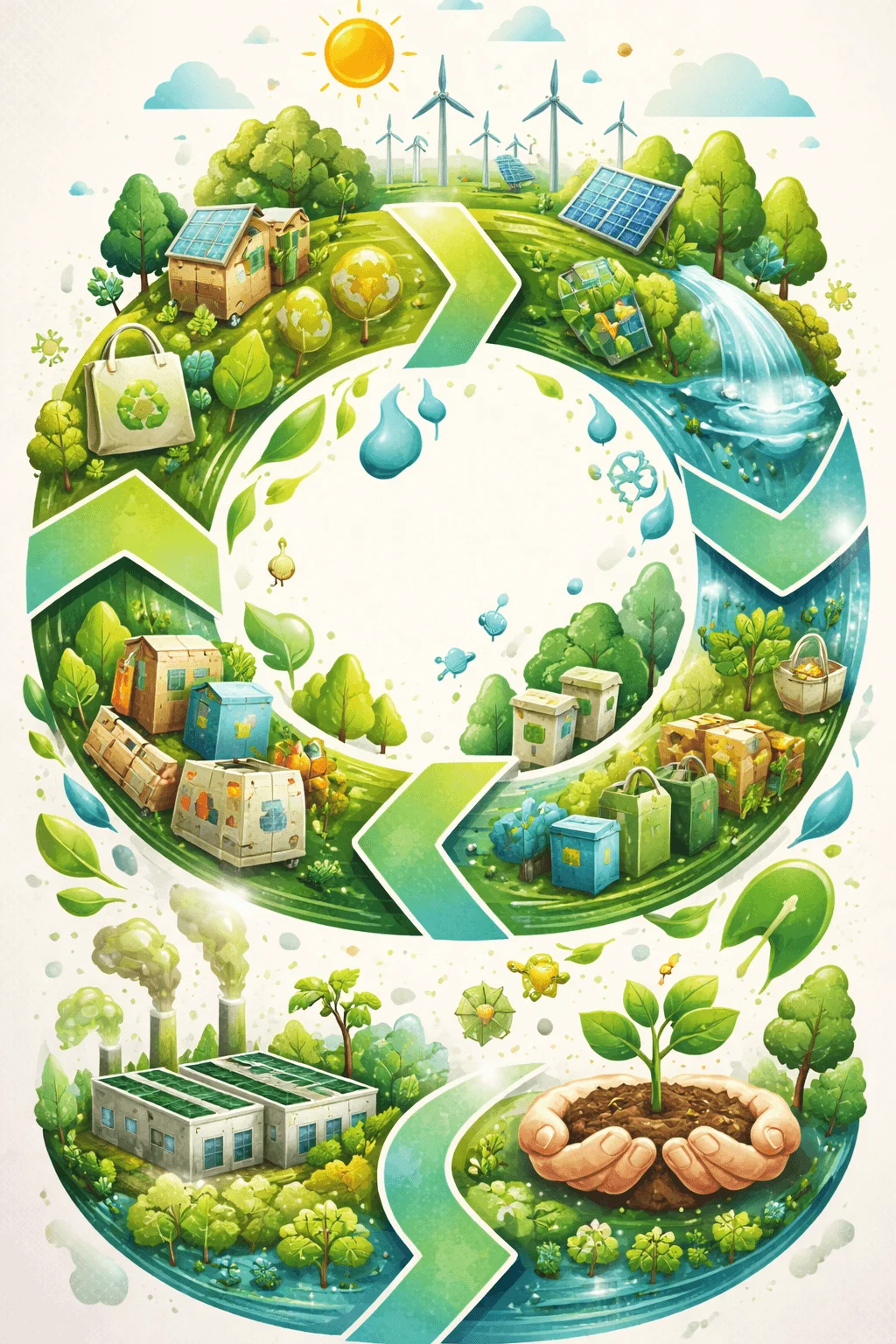
What makes this approach effective is its clarity. It turns an abstract concept into something instantly understandable. Viewers can see the flow of materials, energy, or actions within a closed system. Designers can expand on this idea by creating compositions where every element feels connected, reinforcing the message that nothing is wasted.
Eco Brutalism and the Power of Raw Aesthetics
Eco brutalism challenges traditional ideas of beauty in design. It embraces rough textures, bold typography, and minimal decoration. This style reflects honesty and rejects unnecessary polish.
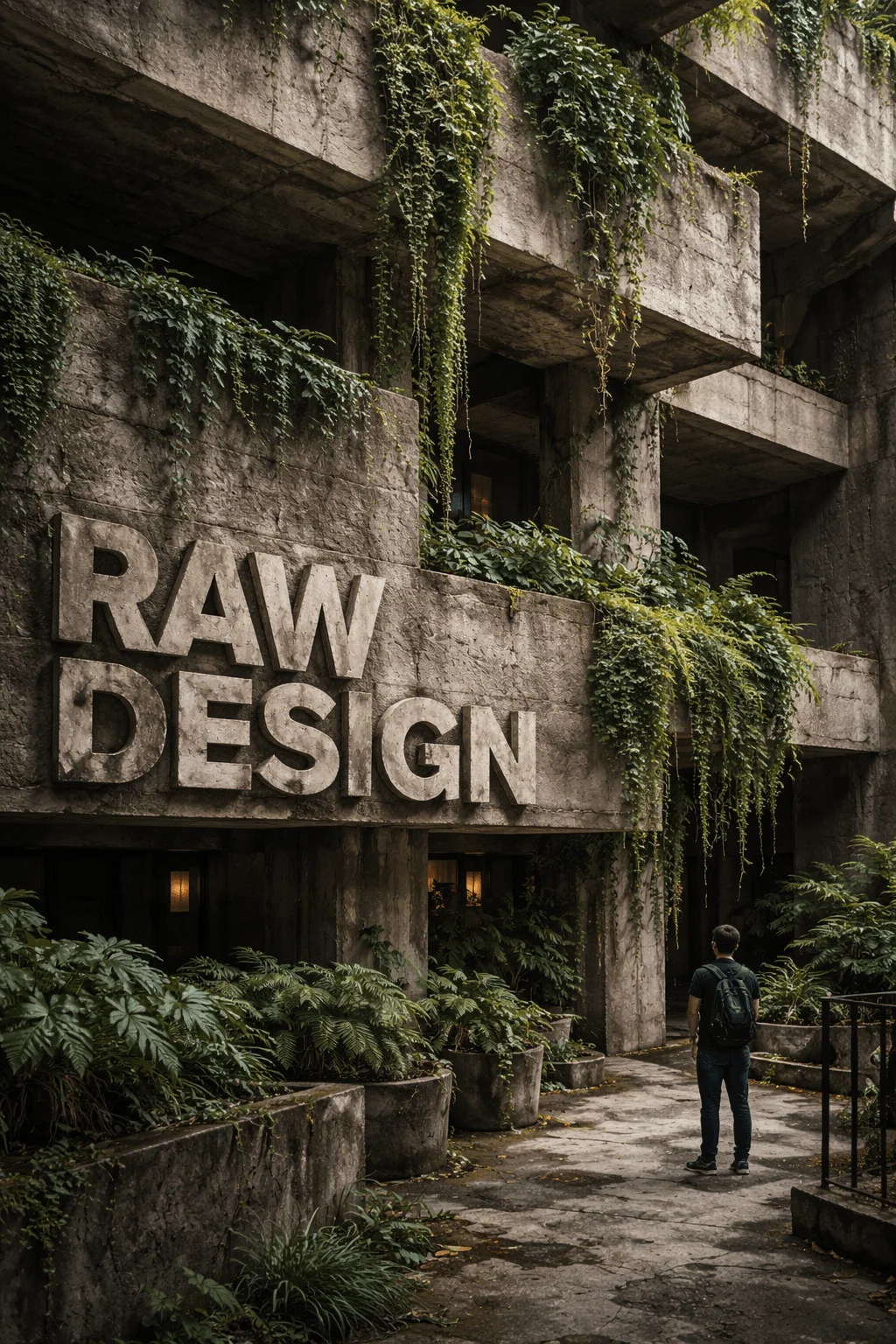
This approach resonates because it feels real. In a world where digital content is often overly refined, raw visuals stand out. They communicate transparency and authenticity. Designers can deepen this concept by focusing on strong messages, simple compositions, and textures that feel grounded and tangible.
Nature Immersive Visual Environments
Nature inspired design has evolved into something much more immersive. Instead of using small decorative elements, designers are creating entire visual environments filled with organic forms and natural textures.
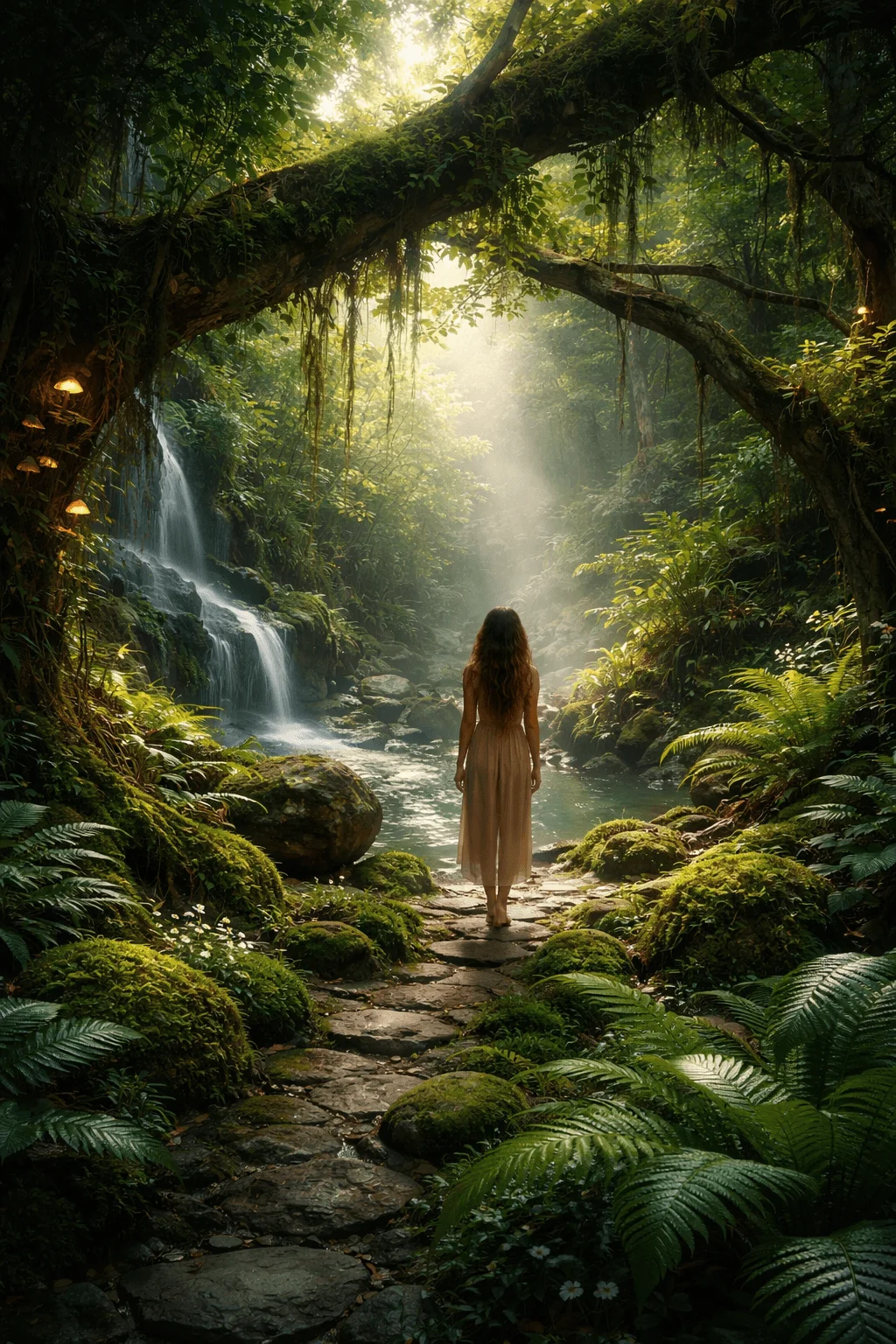
This idea works because it creates a sense of presence. The viewer feels surrounded by nature rather than just observing it. Designers can build this experience by layering elements, using depth, and creating compositions that flow naturally. This approach not only looks appealing but also reinforces the importance of reconnecting with the environment.
AI and Sustainability Visual Fusion
The combination of artificial intelligence and sustainability is shaping a new visual language. Designers are blending AI generated imagery with real world elements to create unique compositions that feel both futuristic and grounded.
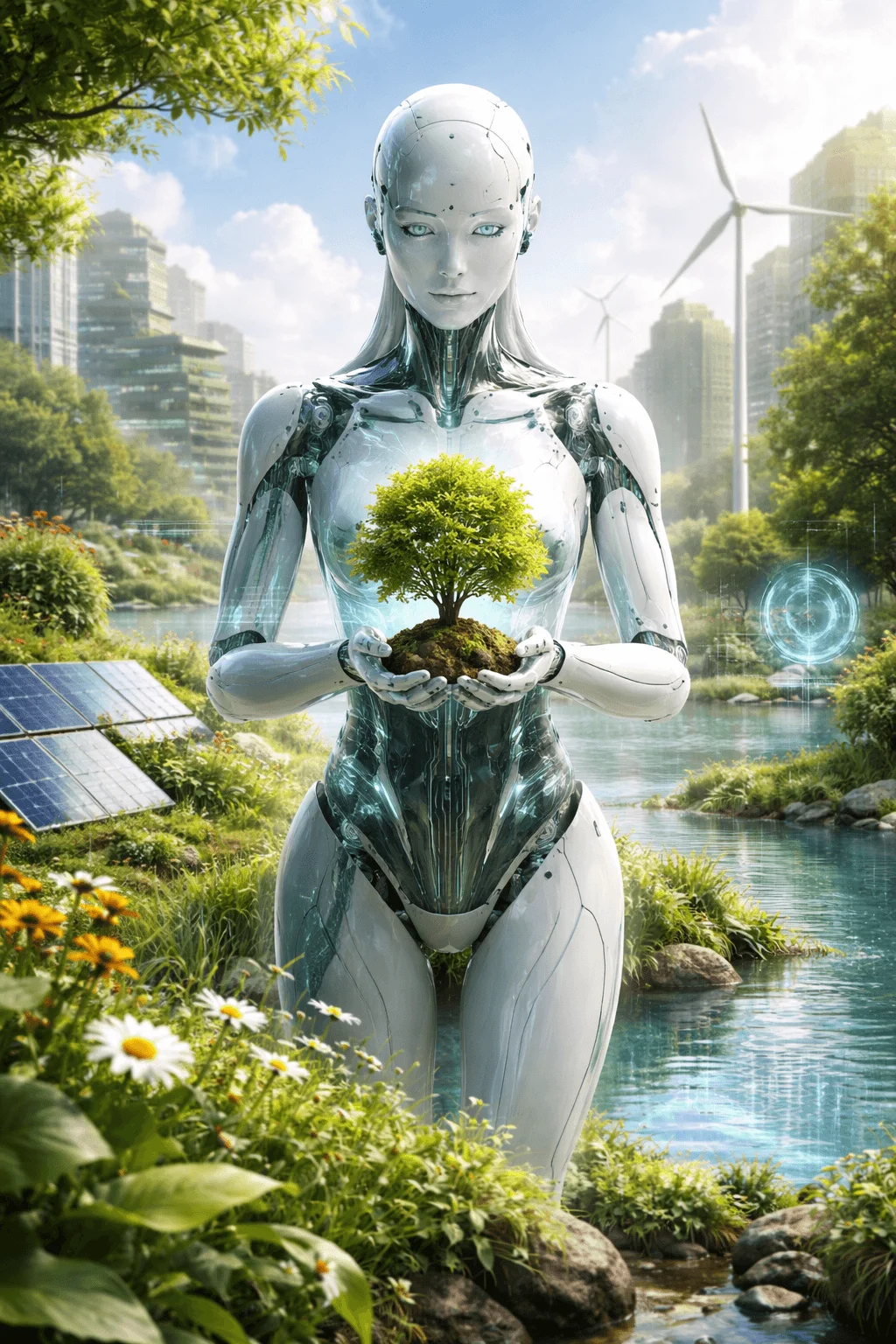
This trend is powerful because it represents possibility. It shows how technology can support sustainability rather than oppose it. Designers can explore this by creating hybrid visuals where digital precision meets organic imperfection. This balance creates a compelling narrative about the future.
Data Driven Climate Communication
Data driven visuals are becoming essential in sustainable social media graphics inspiration. Instead of presenting complex information in overwhelming ways, designers are simplifying it into clear and engaging formats.
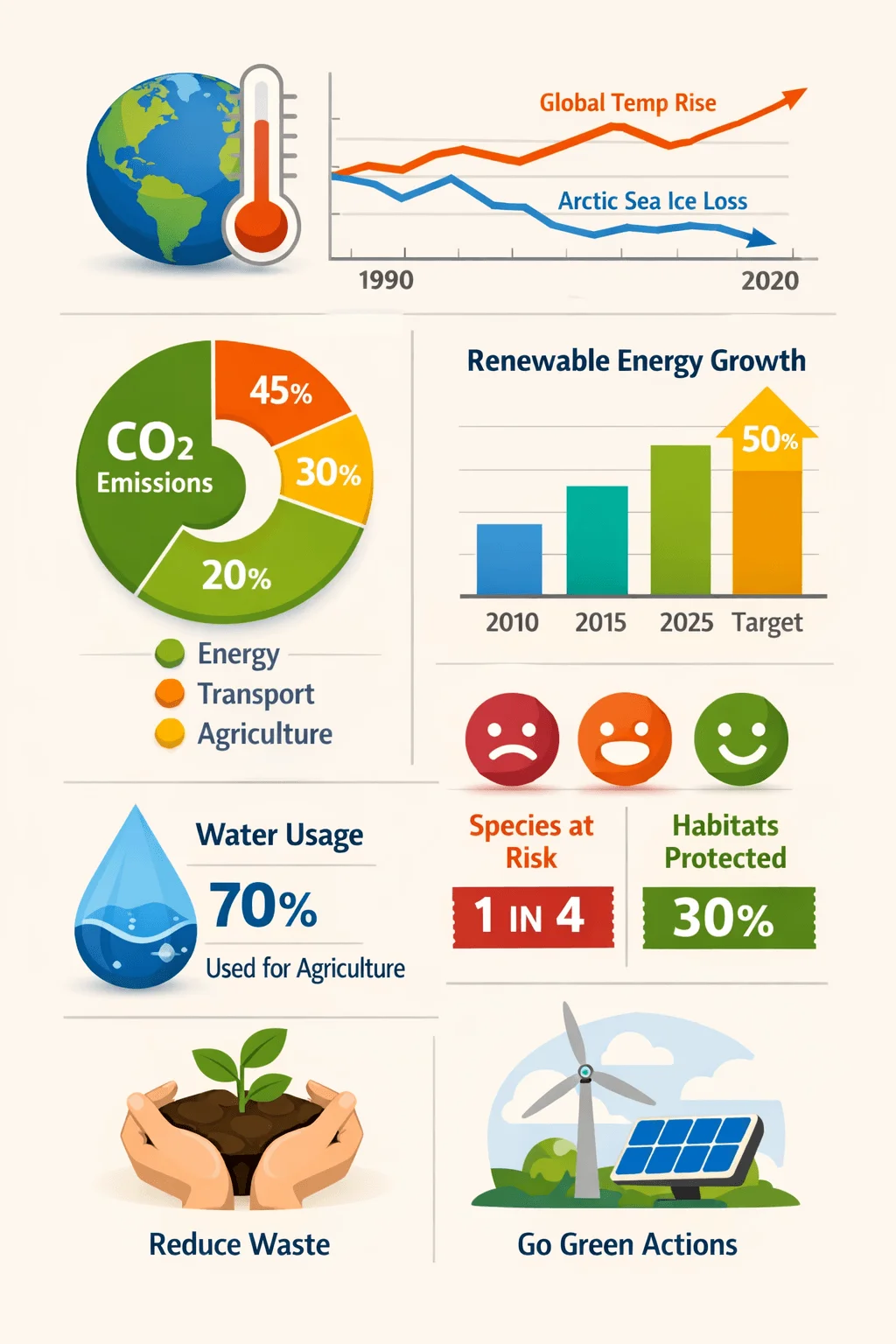
The effectiveness of this approach comes from its clarity. When information is easy to understand, it becomes more impactful. Designers can enhance this idea by focusing on hierarchy, spacing, and typography. The goal is to make the message instantly accessible while still maintaining visual appeal.
Upcycled Texture and Material Inspired Design
Textures inspired by reused materials are adding depth and authenticity to digital content. These visuals often mimic paper, fabric, or other tactile surfaces, creating a sense of realism.
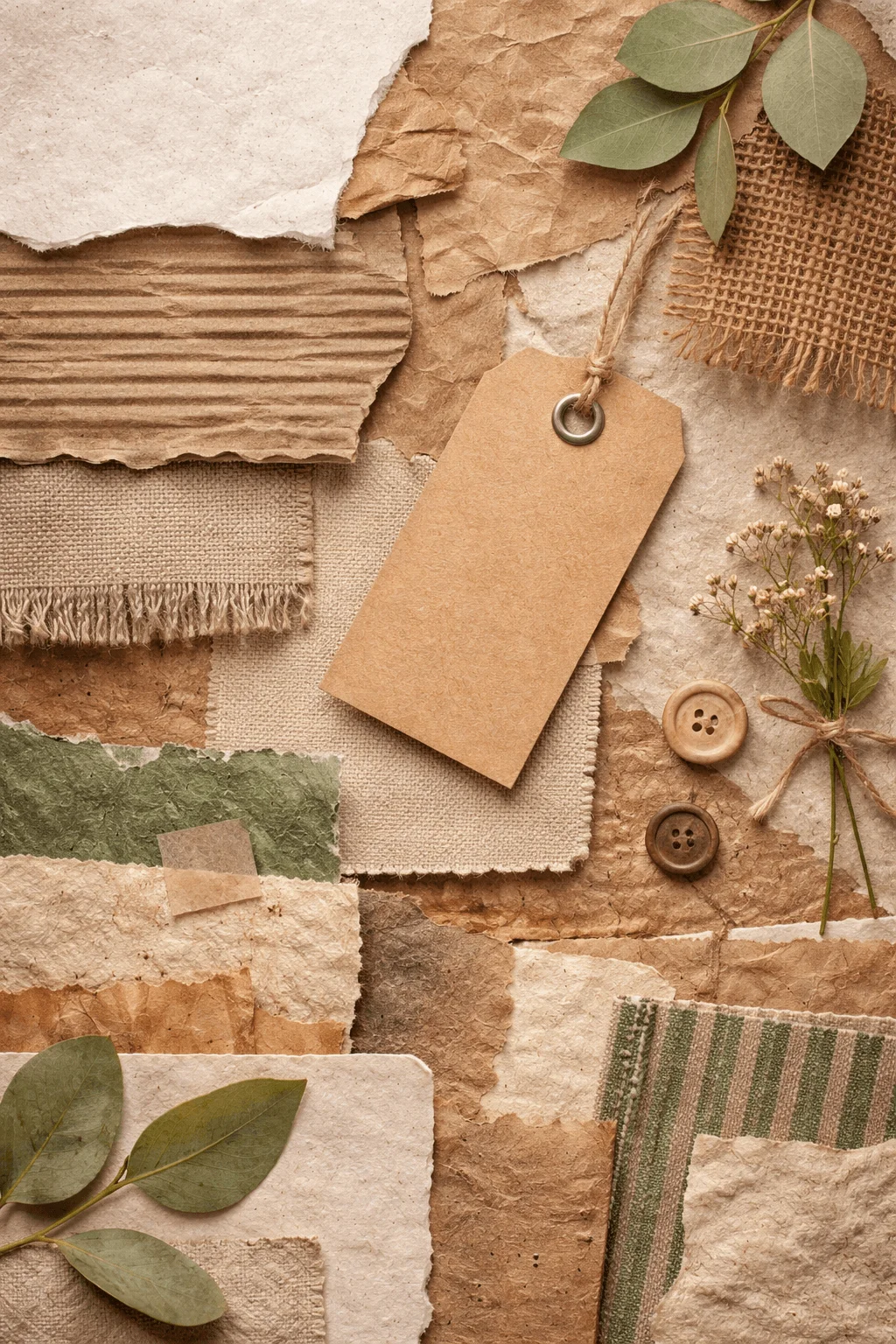
This idea works because it connects digital design with physical experience. It reminds viewers of the materials that sustainability aims to protect. Designers can expand on this by experimenting with layered textures, subtle imperfections, and natural color variations.
Everyday Sustainability Storytelling
Content that reflects everyday sustainable actions is becoming increasingly popular. These designs focus on real life moments and simple habits that contribute to a better future.

This approach is effective because it feels achievable. It removes the idea that sustainability is complicated and replaces it with relatable experiences. Designers can build narratives that follow daily routines, showing how small changes can lead to meaningful impact.
Low Carbon Visual Design Approach
Low carbon design focuses on efficiency and simplicity. It reduces unnecessary elements and prioritizes clarity. This approach is not only visually appealing but also aligned with sustainable principles.
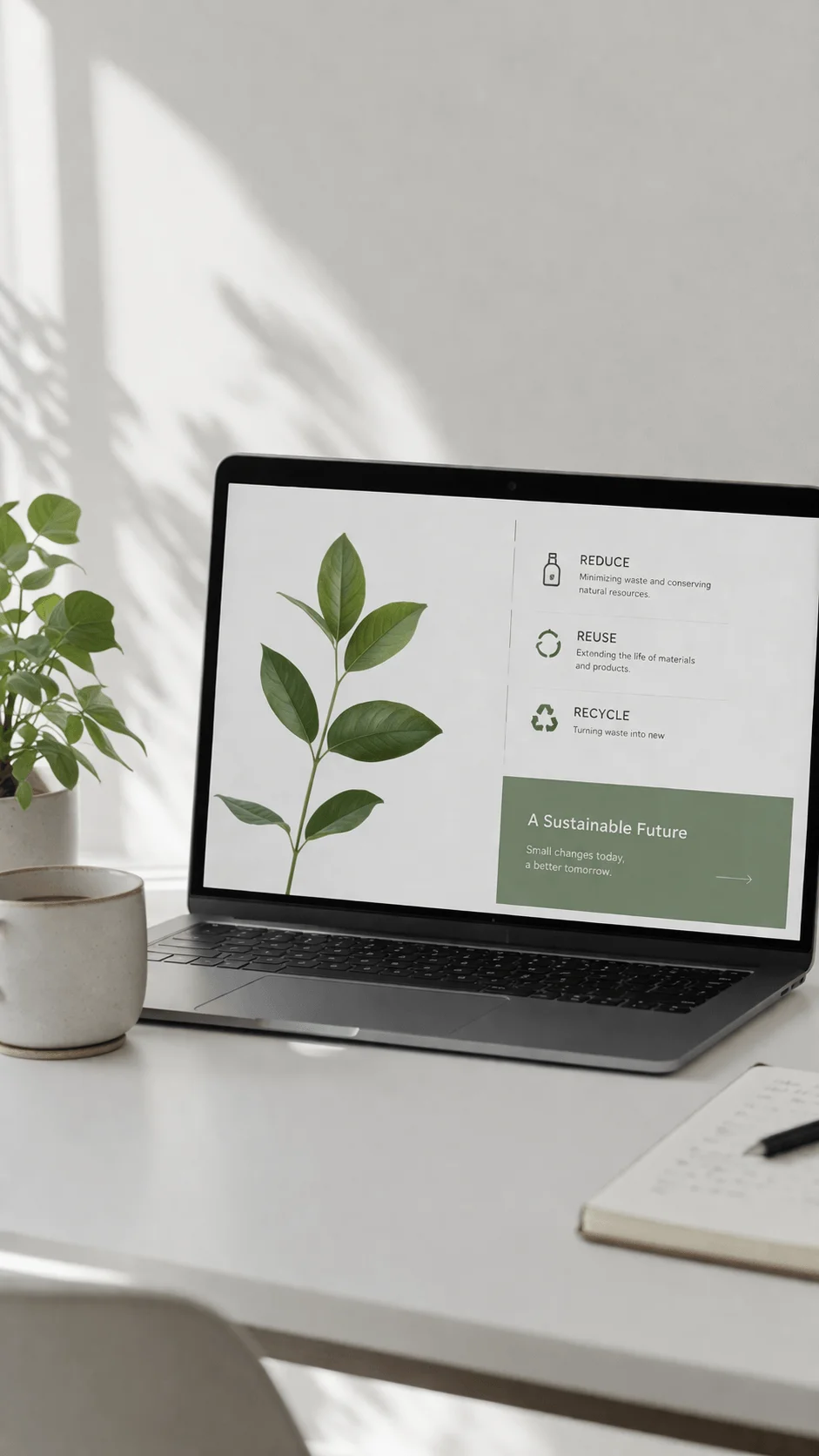
The strength of this idea lies in its intention. Every element serves a purpose. Designers can explore this by creating clean layouts, limiting color usage, and focusing on essential content. This results in designs that are both elegant and responsible.
Human Touch Through Imperfection
Imperfect design elements are gaining popularity because they feel human. Hand drawn typography, irregular shapes, and organic layouts create a sense of authenticity.
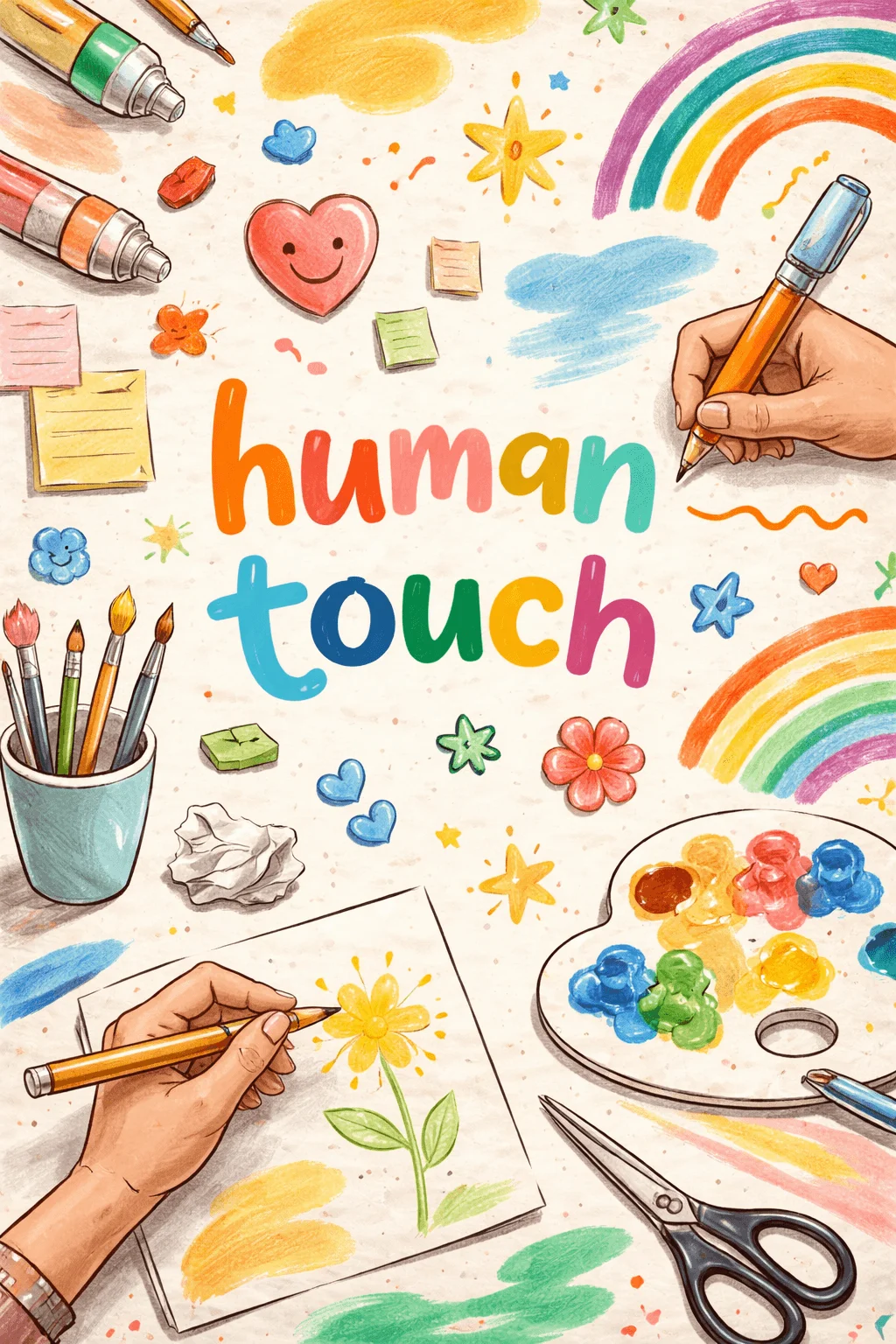
This works because it contrasts with the precision of digital tools. It reminds viewers that there is a person behind the design. Designers can use this approach to create warmth and connection, making their content more relatable.
Visual Contrast for Awareness
Contrast based designs are powerful tools for storytelling. By showing two opposing realities, designers can highlight the impact of choices and actions.
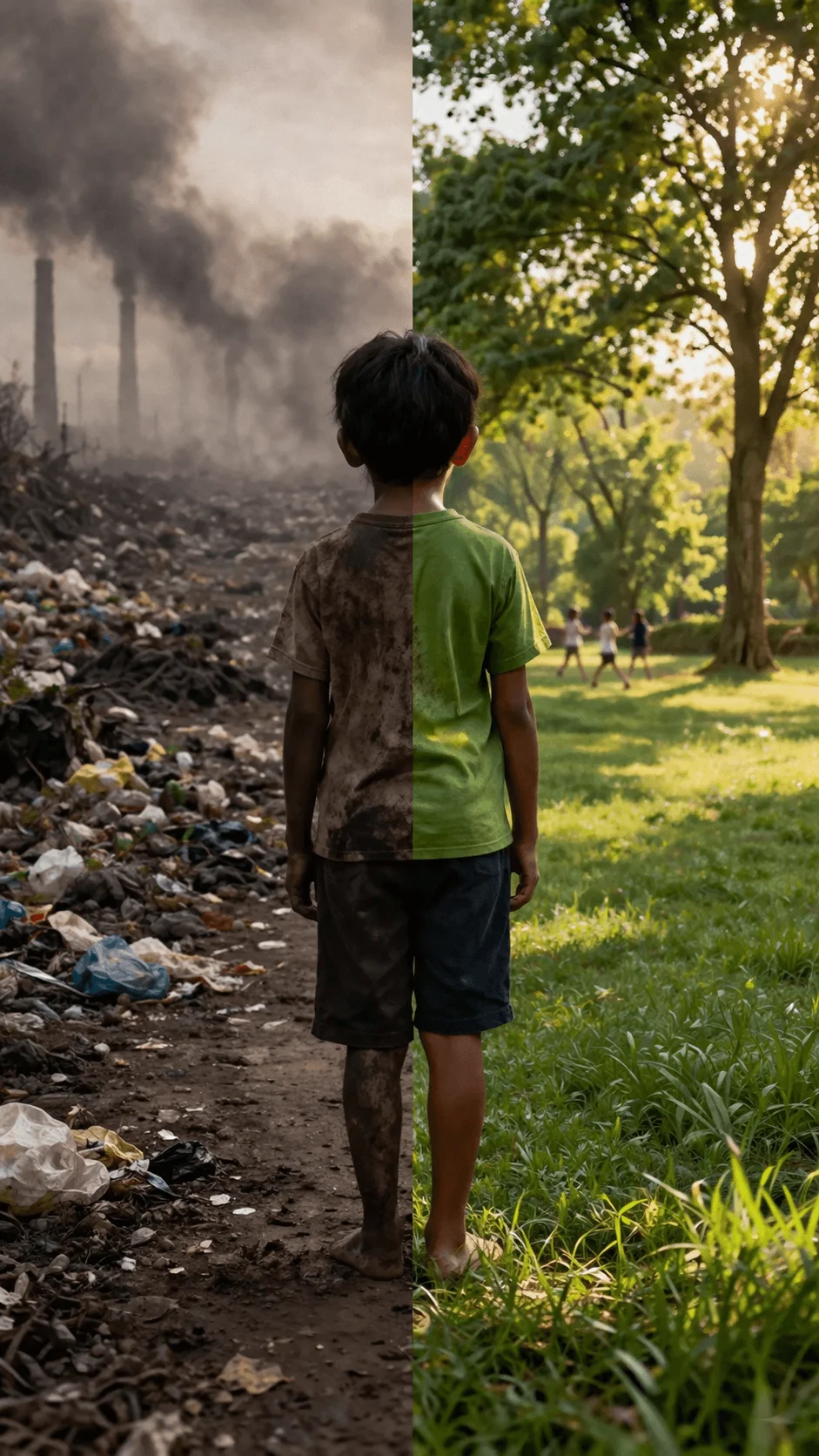
This idea works because it creates immediate emotional response. It makes the viewer pause and reflect. Designers can develop this concept by carefully balancing visuals, colors, and composition to emphasize the difference between outcomes.
Eco Futurism and Visionary Design
Eco futurism explores what the future could look like if sustainability becomes a priority. These designs often feature advanced technology integrated with natural elements.
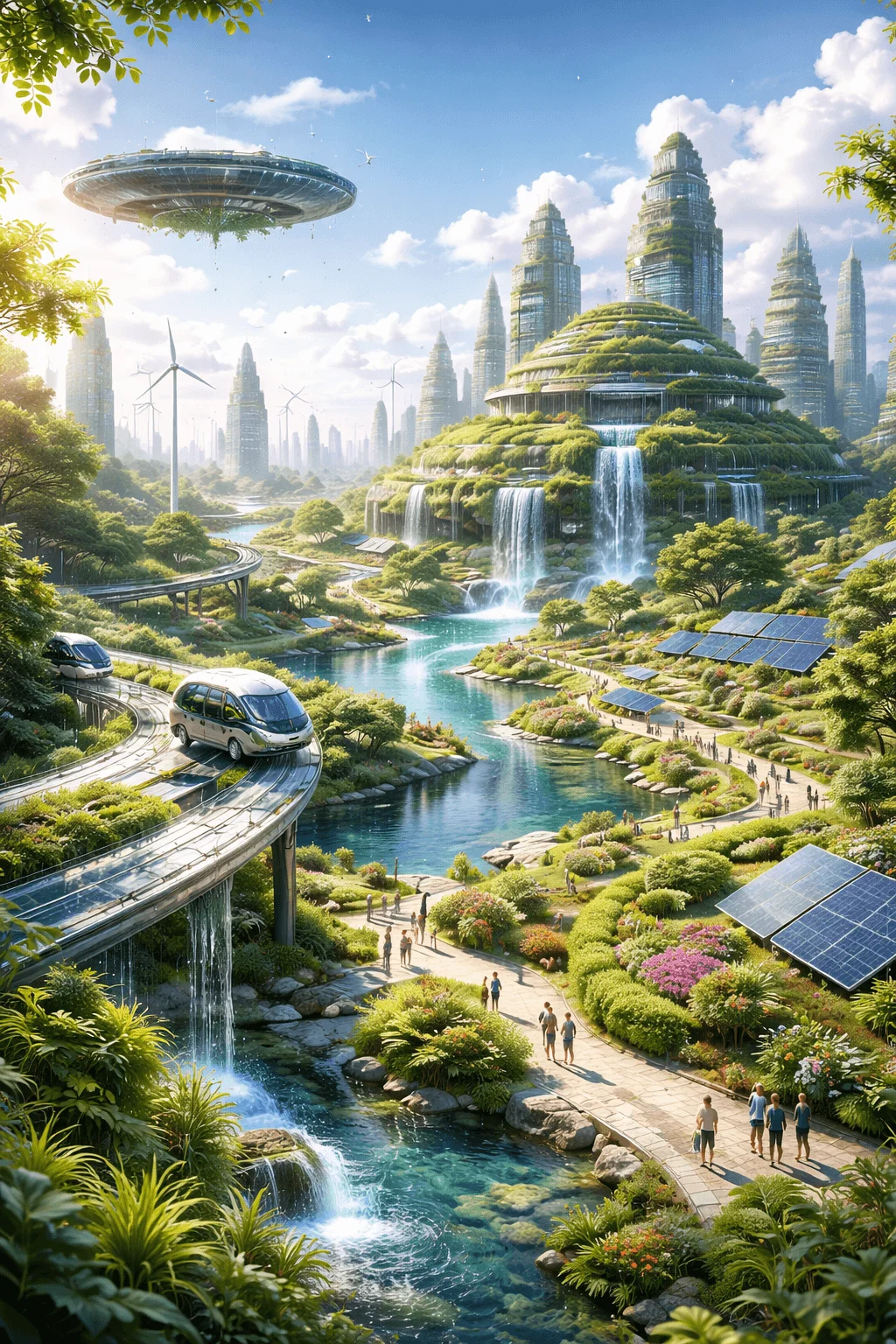
This approach inspires imagination. It encourages viewers to think beyond the present and consider new possibilities. Designers can create detailed and imaginative scenes that blend realism with creativity, offering a glimpse into a sustainable future.
Awareness Driven Educational Design
Educational content that addresses sustainability challenges is becoming more important. These designs focus on informing the audience while maintaining visual engagement.
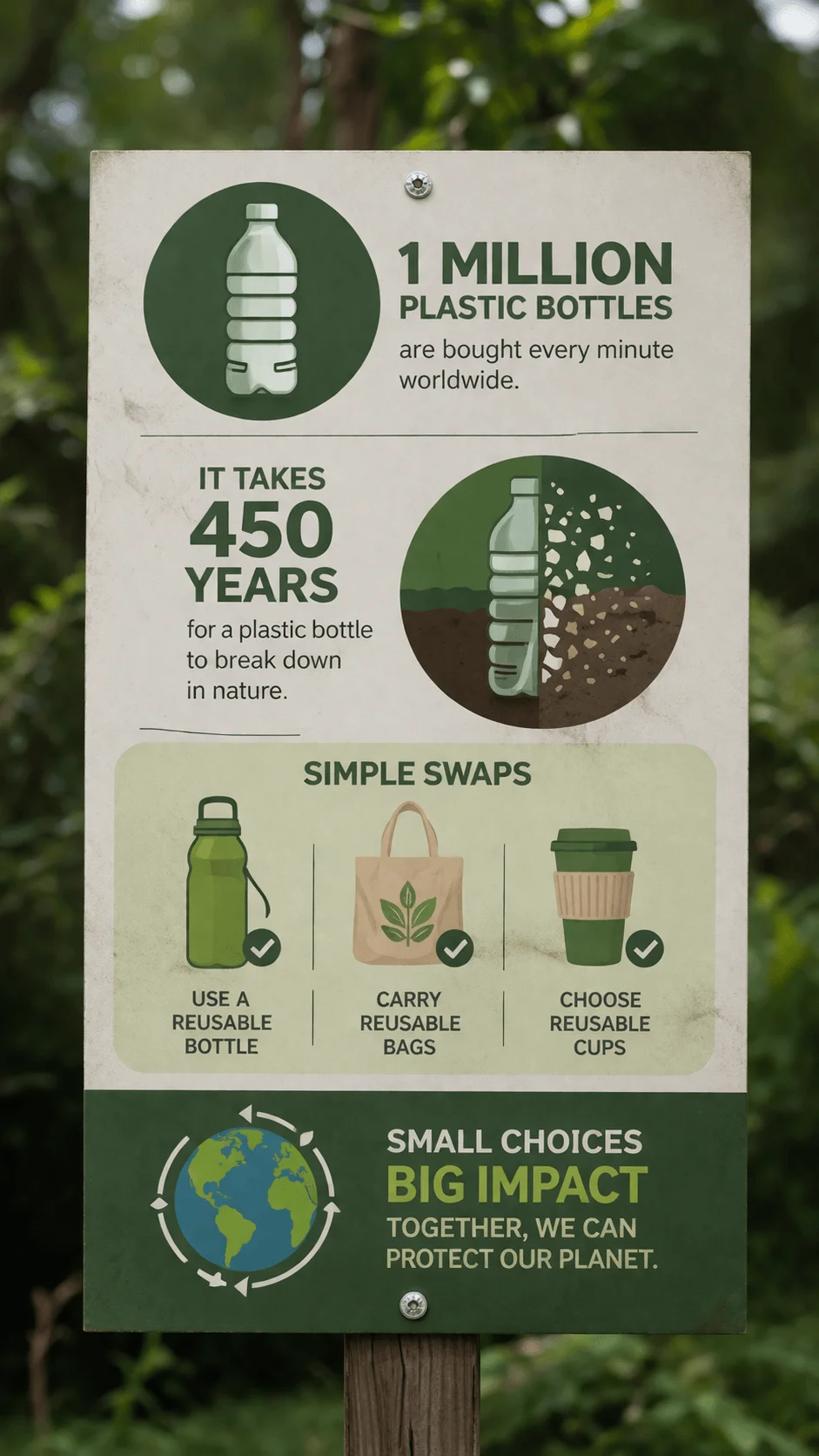
This idea works because it builds trust. It positions the creator as a source of knowledge and credibility. Designers can enhance this by presenting information in a clear and visually appealing way, making learning both accessible and engaging.
Interactive Visual Experiences
Interactive design is transforming how audiences engage with content. Even in static formats, designers are creating visuals that encourage participation and exploration.
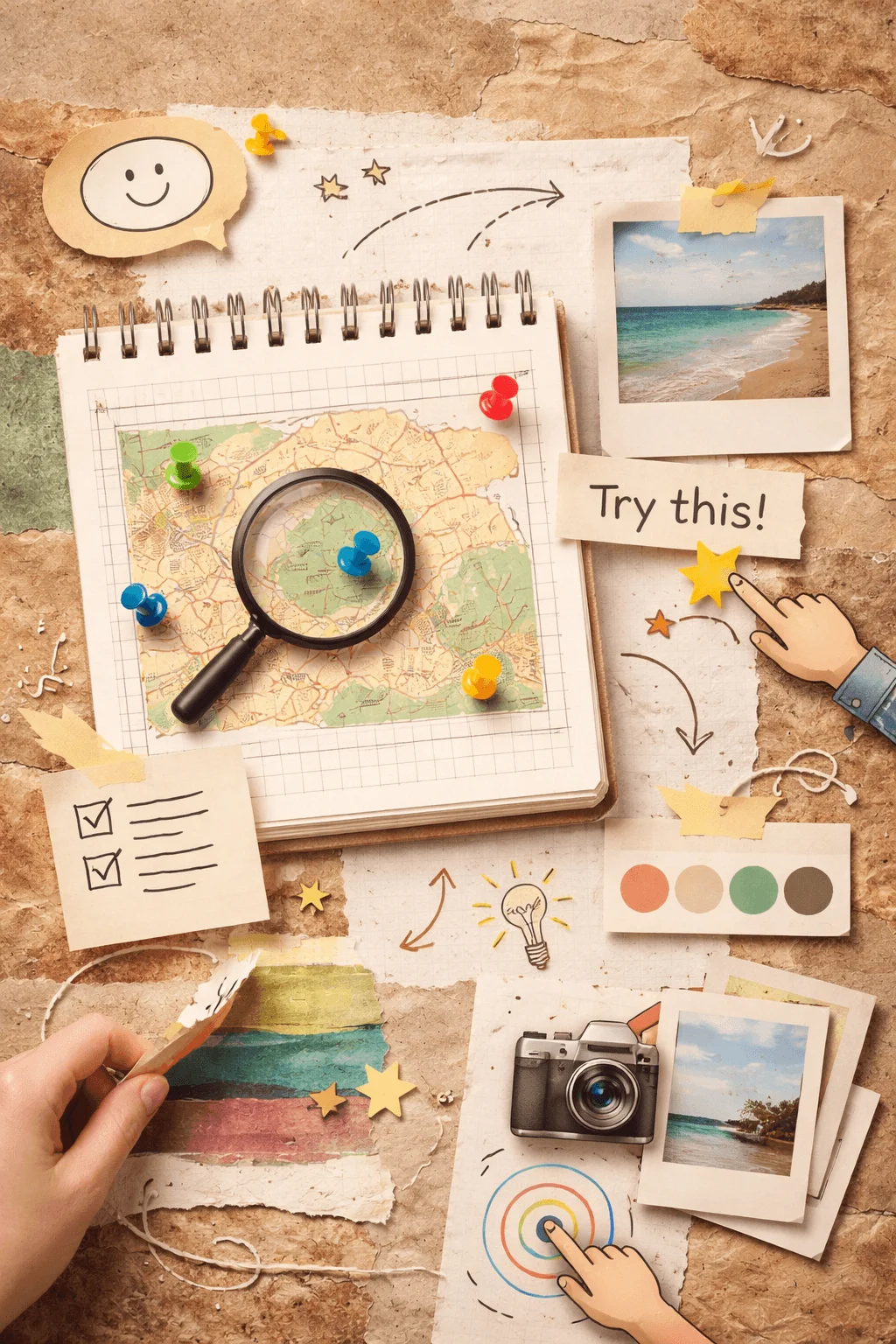
This approach works because it involves the viewer. It turns passive observation into active engagement. Designers can guide the viewer through the content using visual cues, creating a sense of interaction without requiring actual functionality.
Minimal Nature Focused Aesthetic
Minimalism combined with natural elements creates a balanced and calming visual style. These designs focus on simplicity while still maintaining a connection to nature.
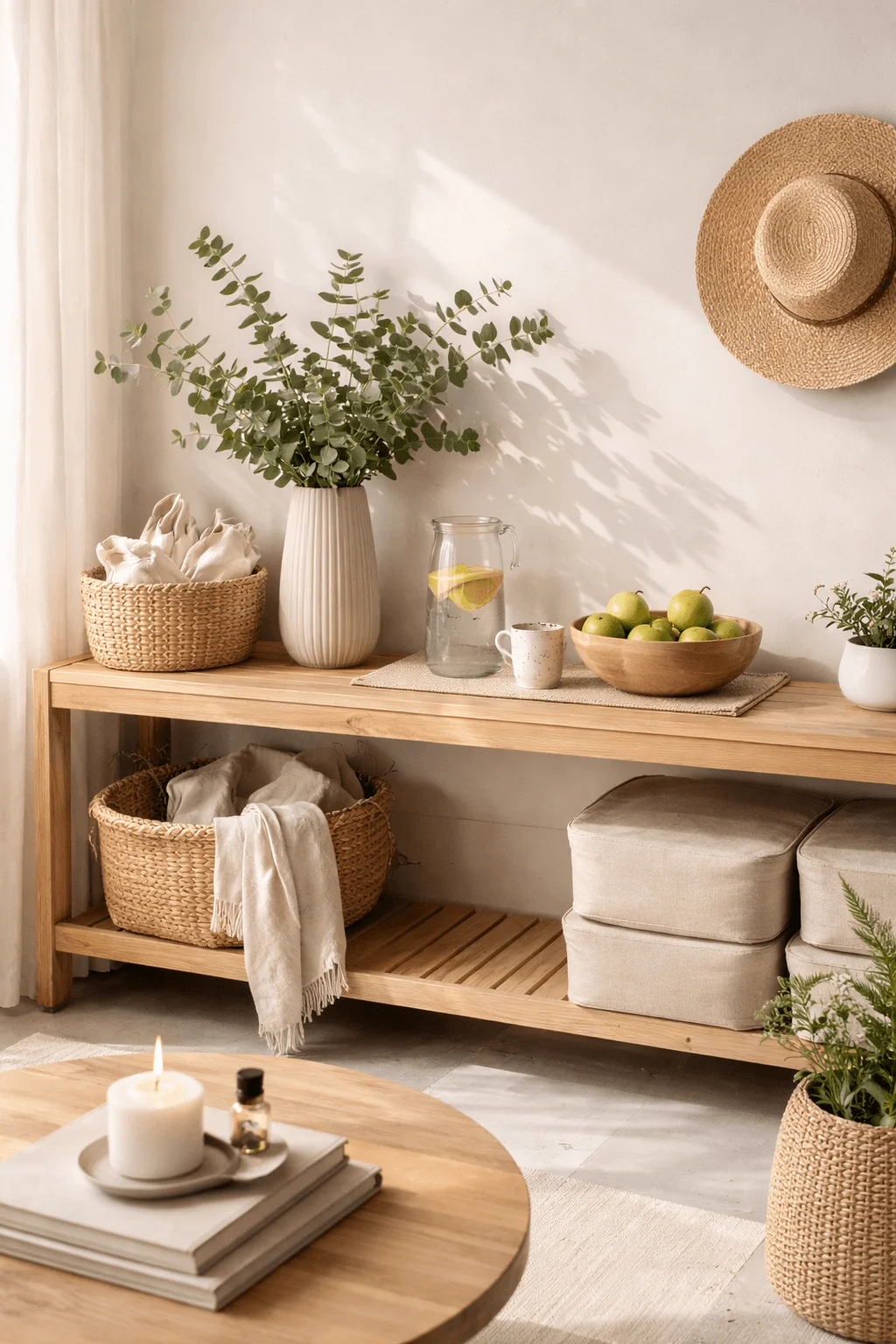
This idea works because it reduces noise and highlights the message. Designers can achieve this by using clean layouts, subtle textures, and carefully chosen colors. The result is a design that feels both modern and meaningful.
How to Apply These Ideas in Social Media Design
To successfully use these sustainability creative post design ideas, designers must focus on intention and consistency. Every design decision should support the message and reflect the values being communicated.
Understanding the audience is essential. Designers should consider what resonates with their viewers and adapt their approach accordingly. This ensures that the content is not only visually appealing but also emotionally engaging.
Experimentation is also important. Trying different styles, layouts, and storytelling methods can lead to new insights and creative breakthroughs. Staying informed about emerging trends allows designers to remain relevant and innovative.
Conclusion
Sustainability creative post design ideas are redefining the future of visual content in 2026. They represent a shift from purely aesthetic design to purposeful communication. Each idea explored in this article reflects a deeper understanding of how design can influence perception, behavior, and awareness.
As sustainability continues to shape consumer expectations, designers have an opportunity to create content that not only captures attention but also inspires change. By embracing these ideas and pushing them further, brands and creators can build meaningful connections with their audience while contributing to a more responsible and thoughtful digital landscape.